Physical Components and Fabrication
To make the project more fabrication-friendly and reduce reliance on 3D printing, the design focuses on custom-designing only the inlet and outlet. The filter itself can be any container of preferred size. This approach ensures easy maintenance, such as replacing charcoal, pebbles, or other filter media
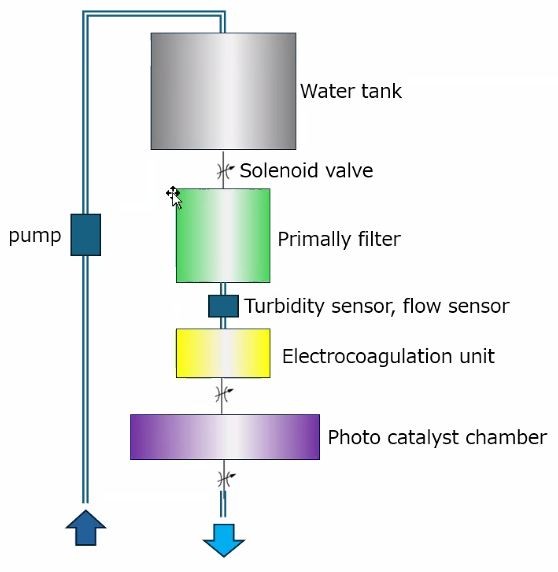
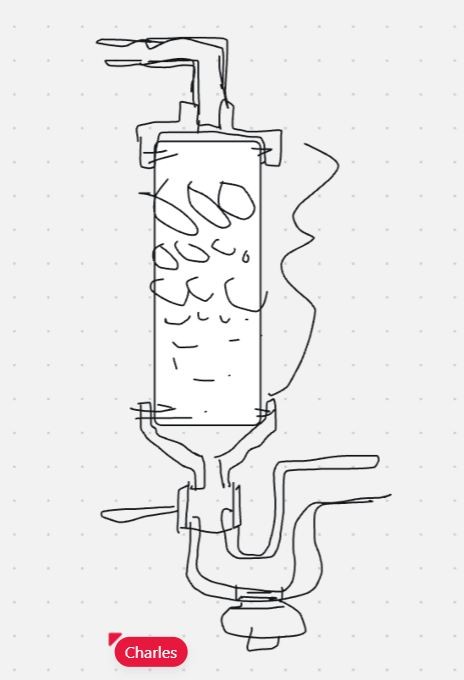 To ensure continuous water availability during system maintenance, a water storage unit should be incorporated. The disinfection chamber must be able to supply water to users even while maintenance is ongoing.
For easier maintenance of the electrochemical (EC) chamber, it is recommended to place it after the filtration unit and turbidity sensor. Additionally, a storage unit on top of the EC chamber is suggested to facilitate operation and maintenance.
Sediment Holder Design and Fabrication
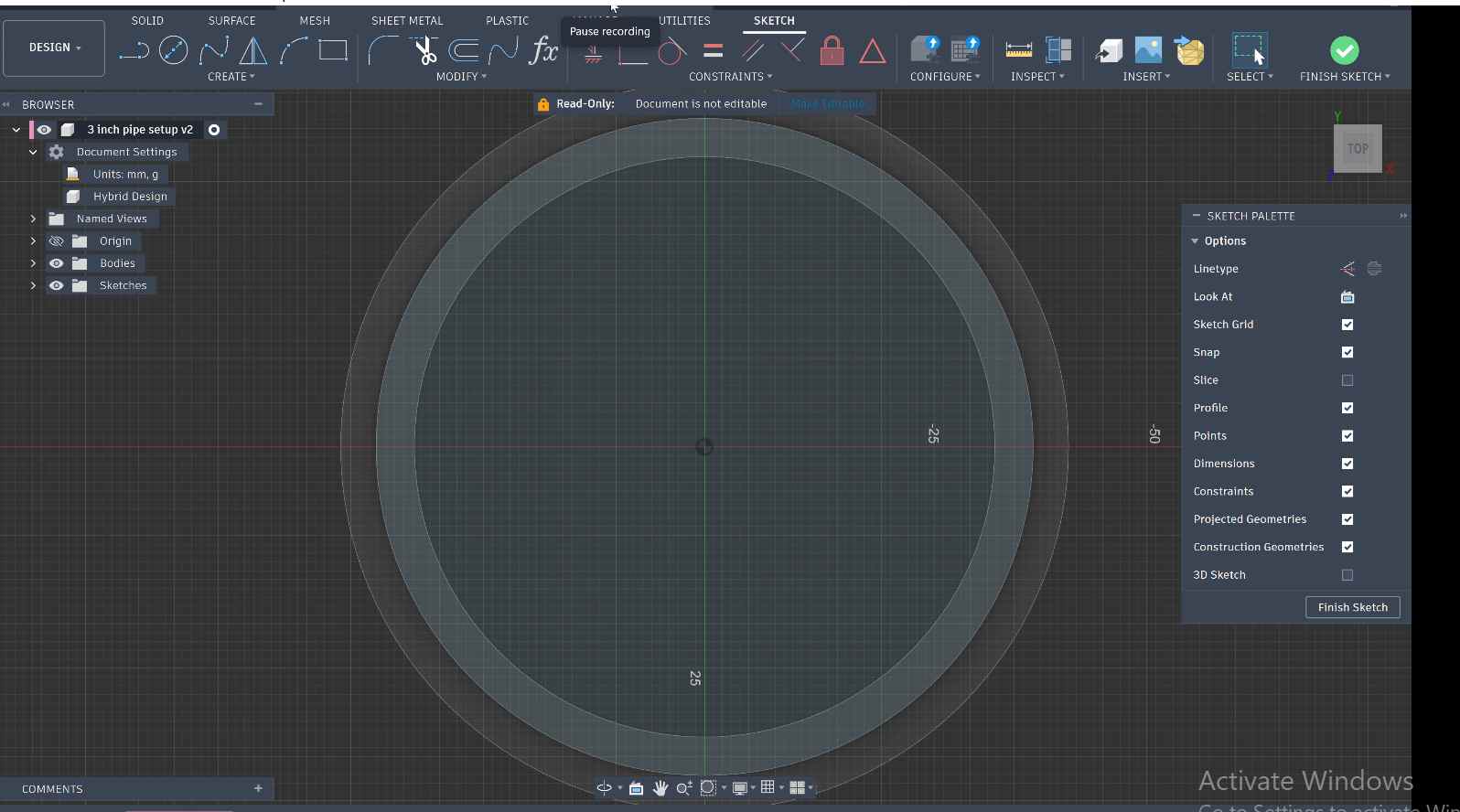
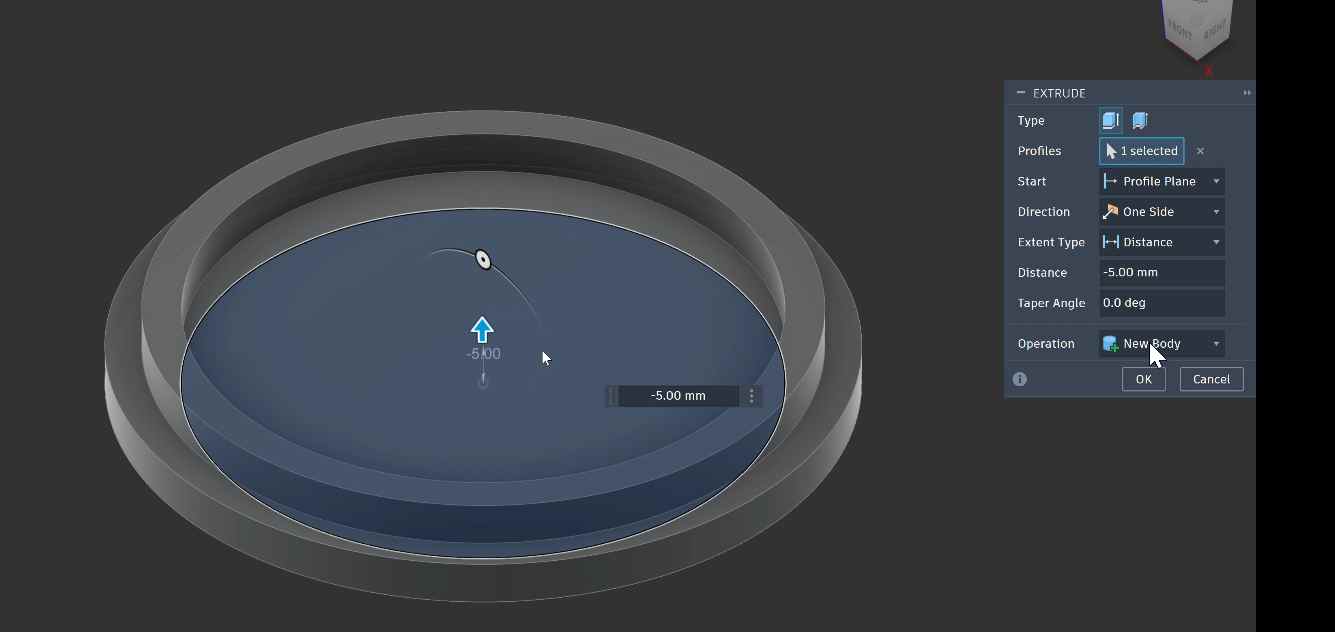
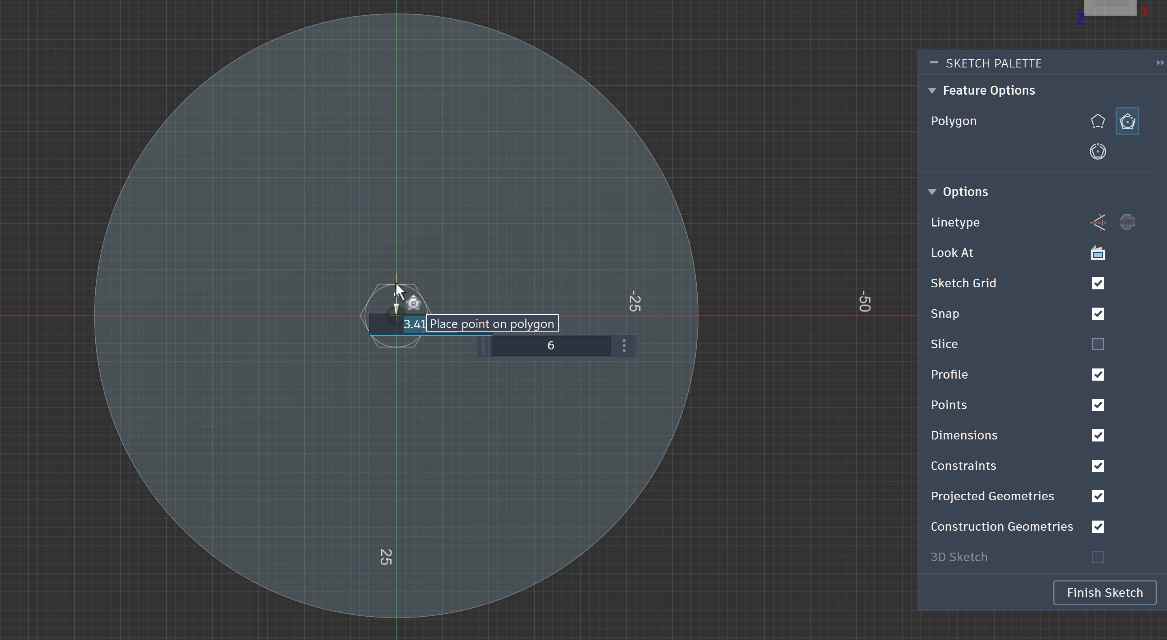
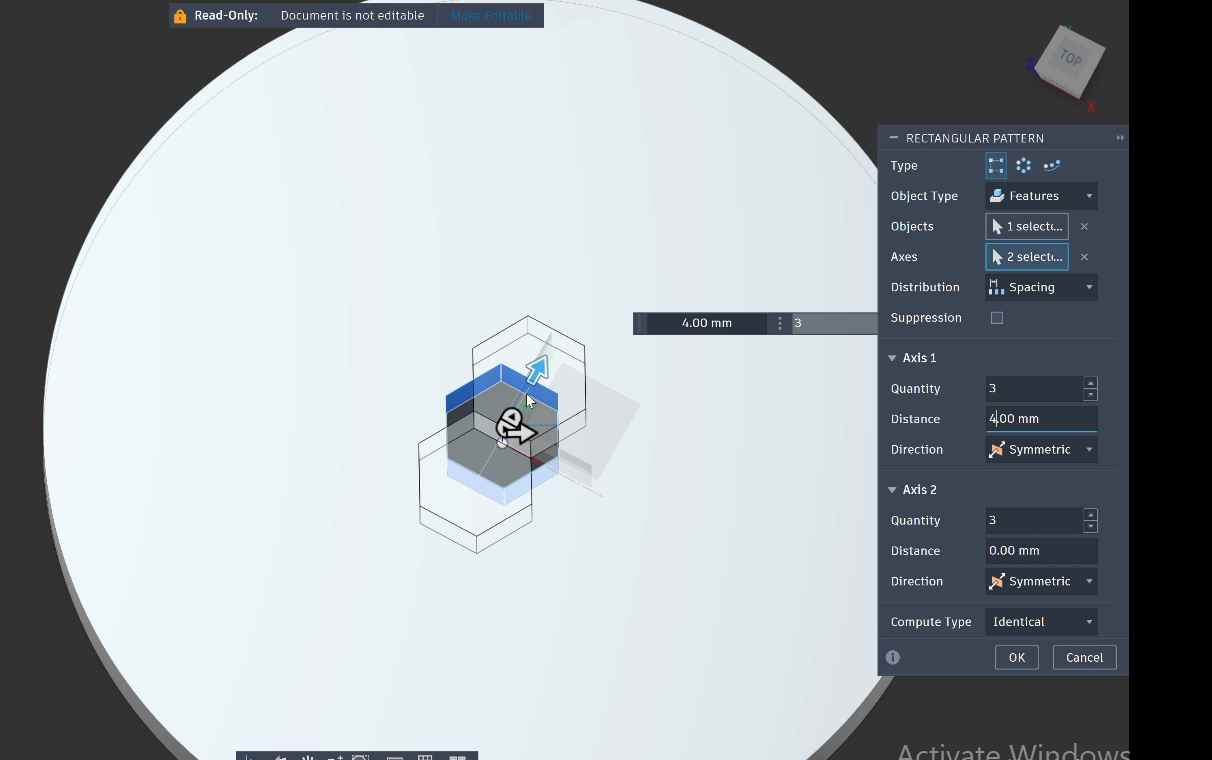
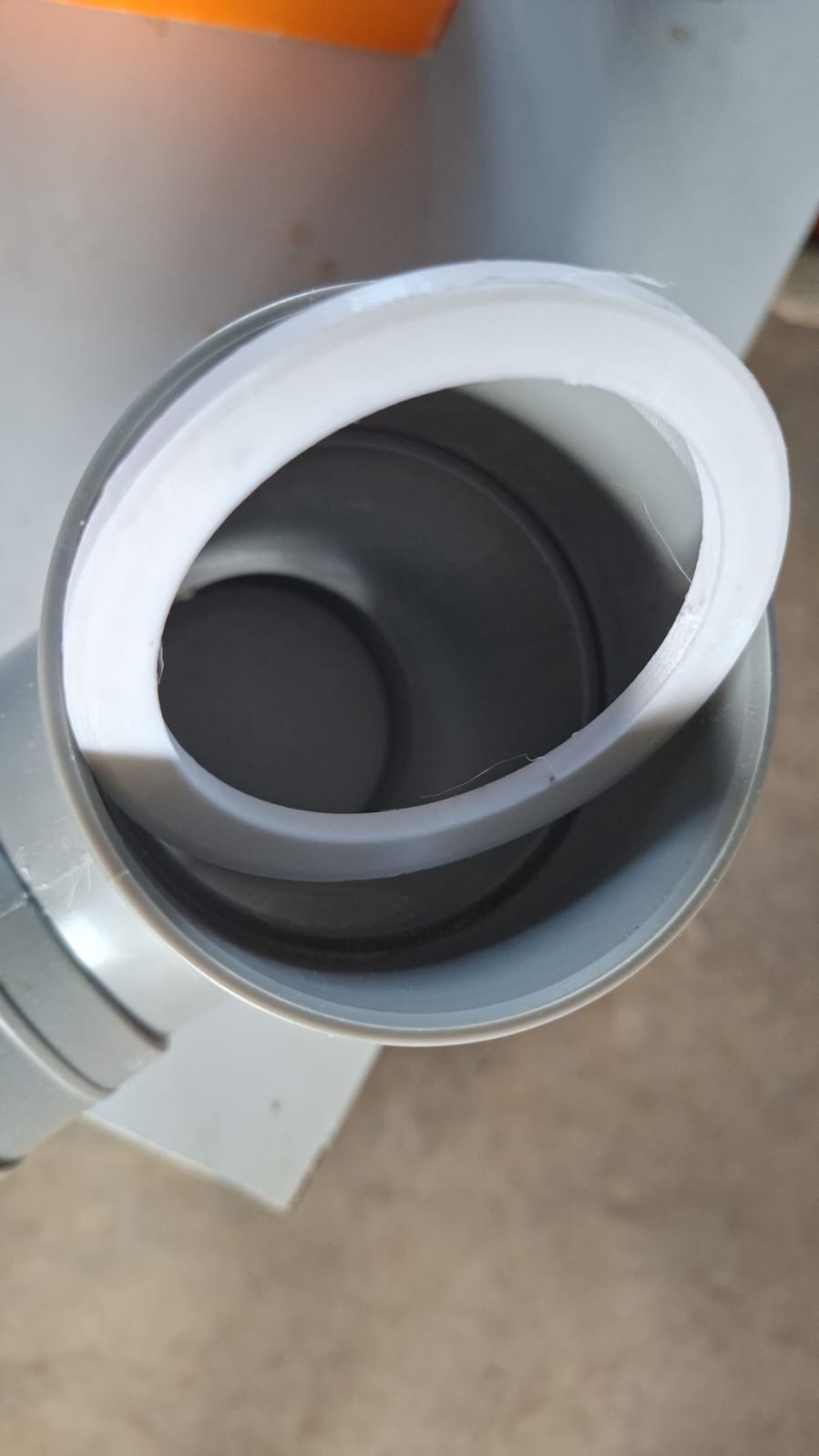
tested the 3” waste pipe to check if the diameter fits with
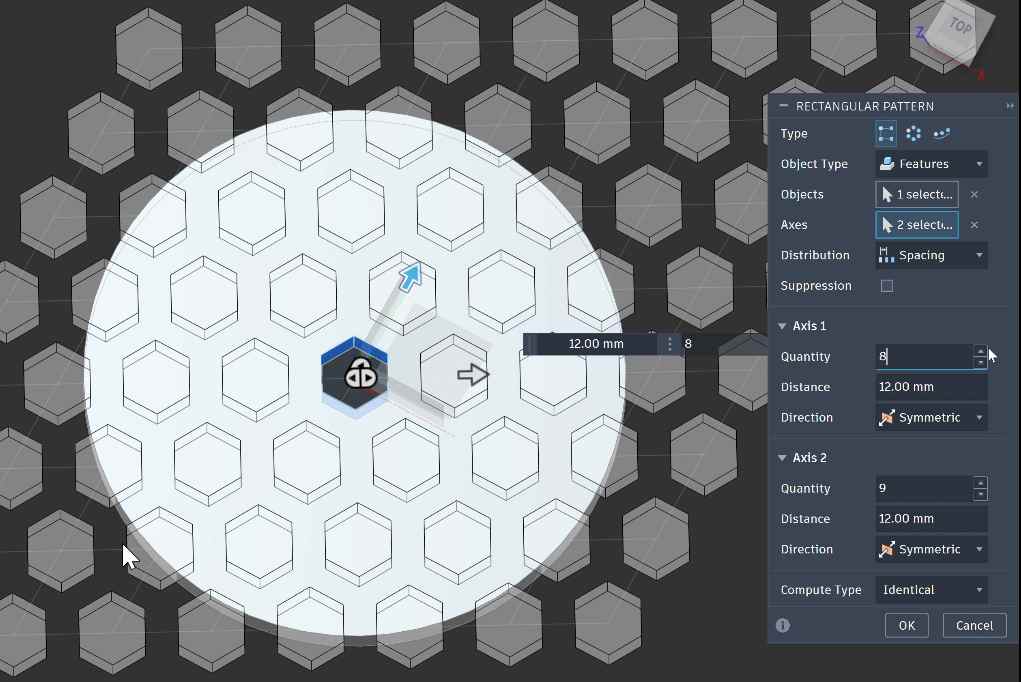
Later introduced the polygons shapes to have the sieve shapes
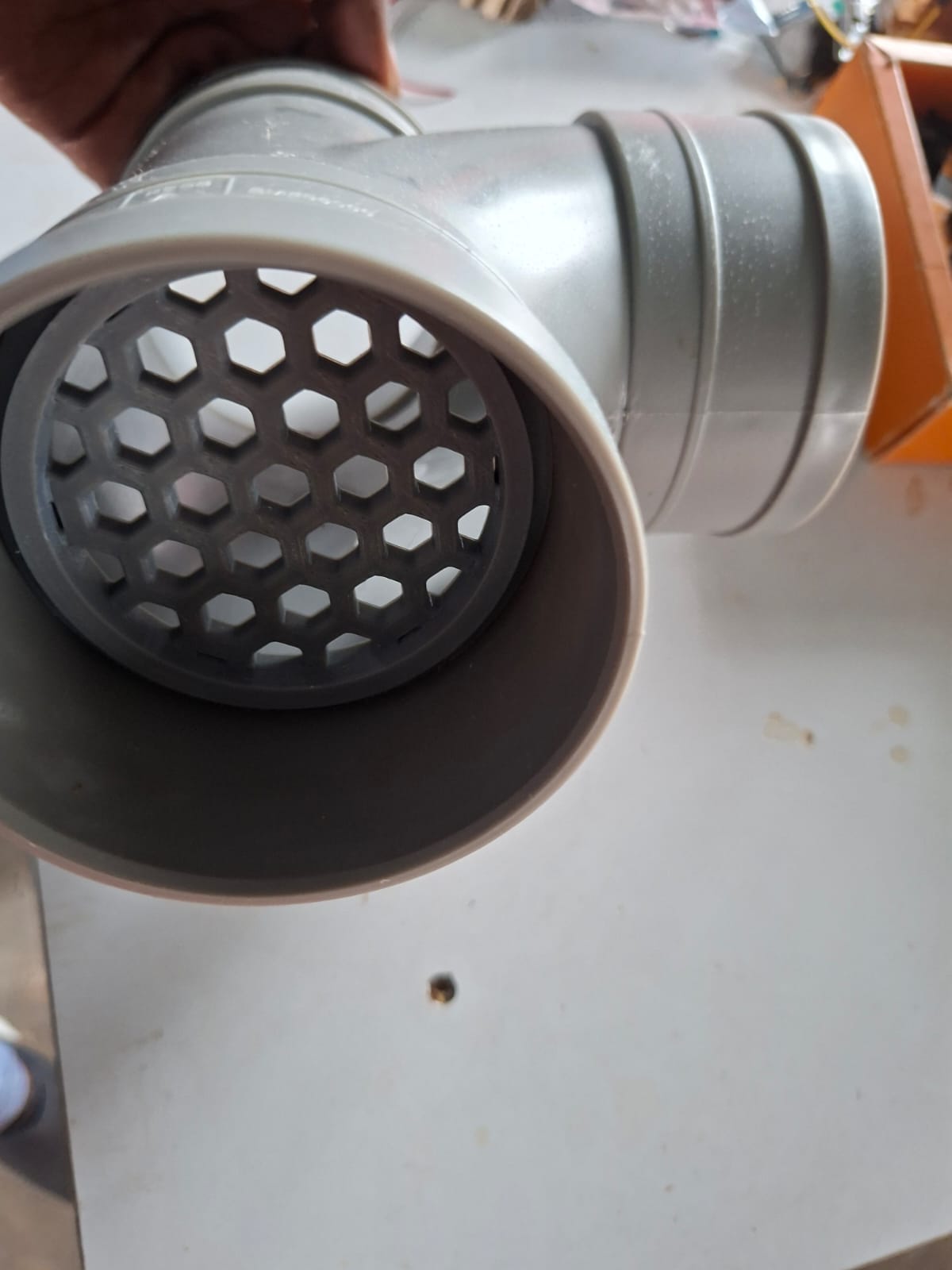
Sediment holder..
Filtration Module
My filtration module uses 1/2 inch inlets and oultets pvc pipes and PVC pipe 3” as the main catriege
V = π r² h
r = d / 2 = 0.04445 m
h = 400 mm = 0.4 m
V ≈ 0.00248 m³
Litres
V = 0.00248 × 1000
V ≈ 2.48 Liters
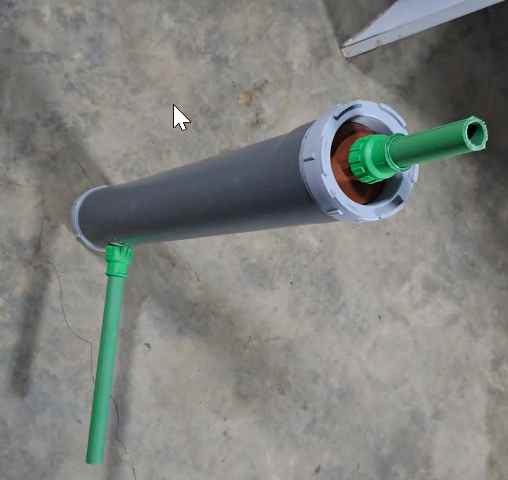 To ensure proper fitting and sealing of the components, heat shrink tubing was used to secure and slightly reduce the diameter of the 3-inch plugs, allowing them to fit correctly into the designated connectors. This method also improves grip and provides a tighter, more reliable seal
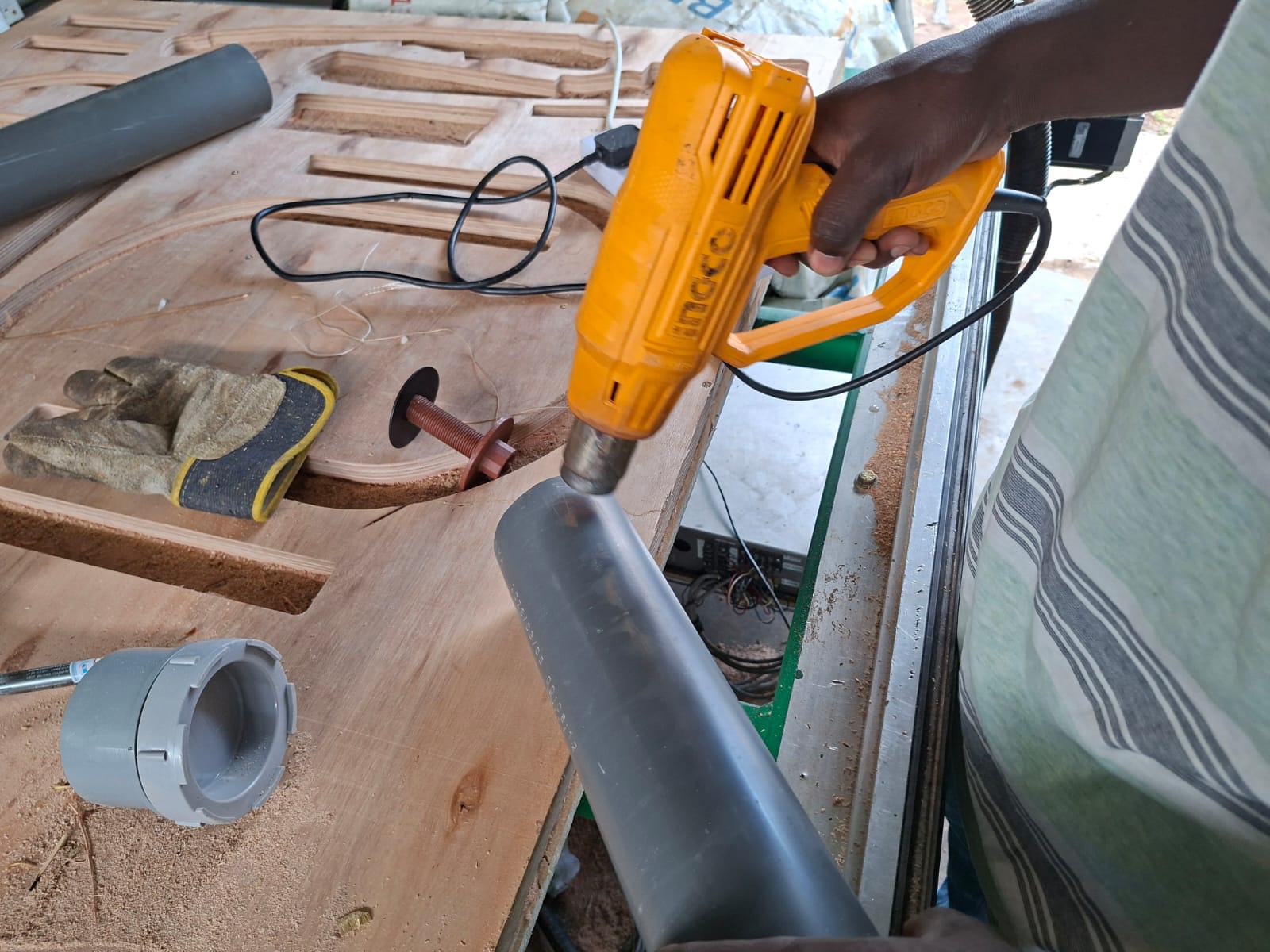
To achieve a proper fit within the system, the longer leg of the connector was cut using a hacksaw. This modification was necessary to reduce the length of the connector so that it could fit inside the designated pipe and align correctly with the rest of the assembly. By shortening the connector, it ensured a better fit, improved alignment, and allowed for a more compact and efficient installation within the system.
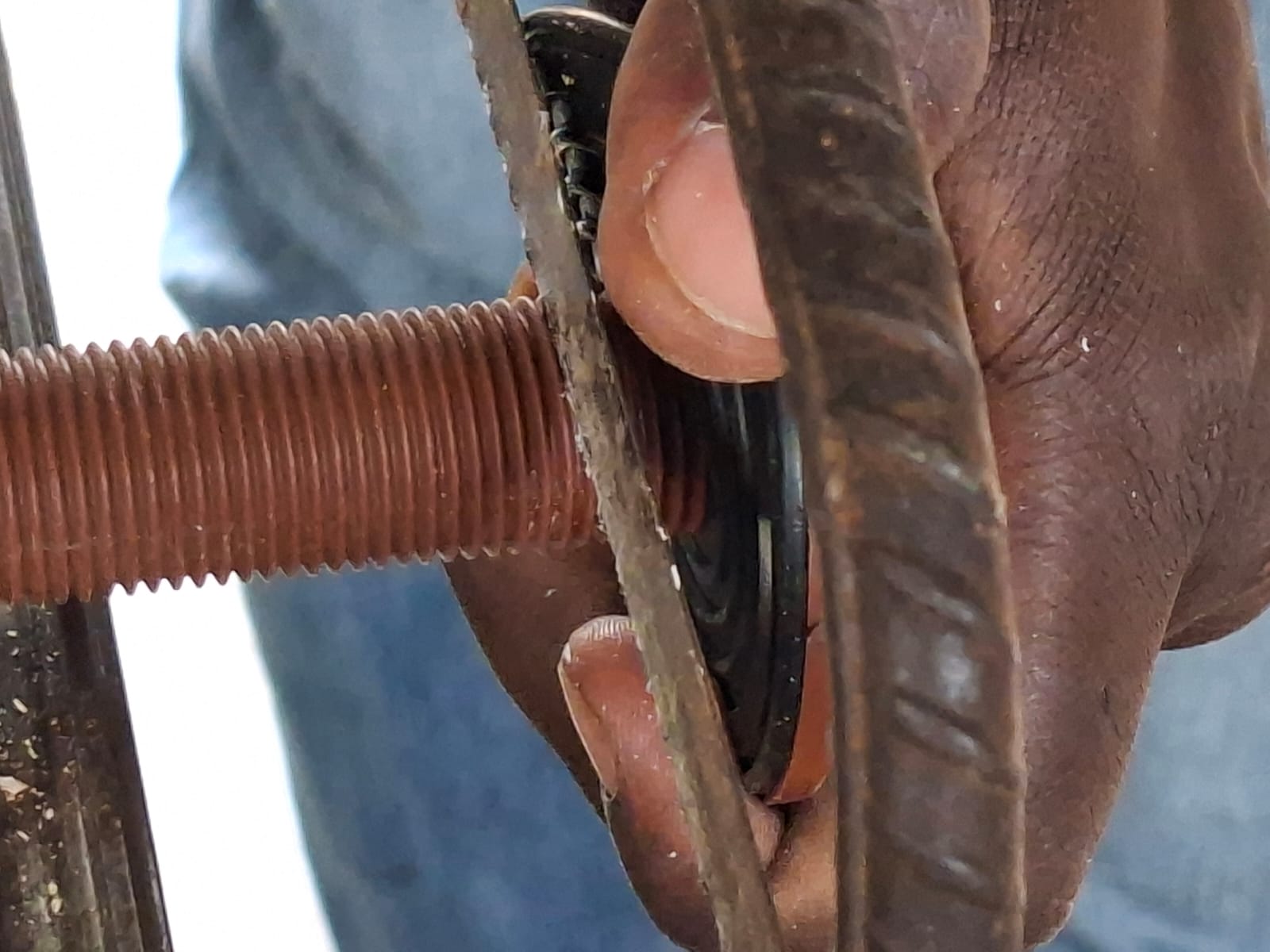
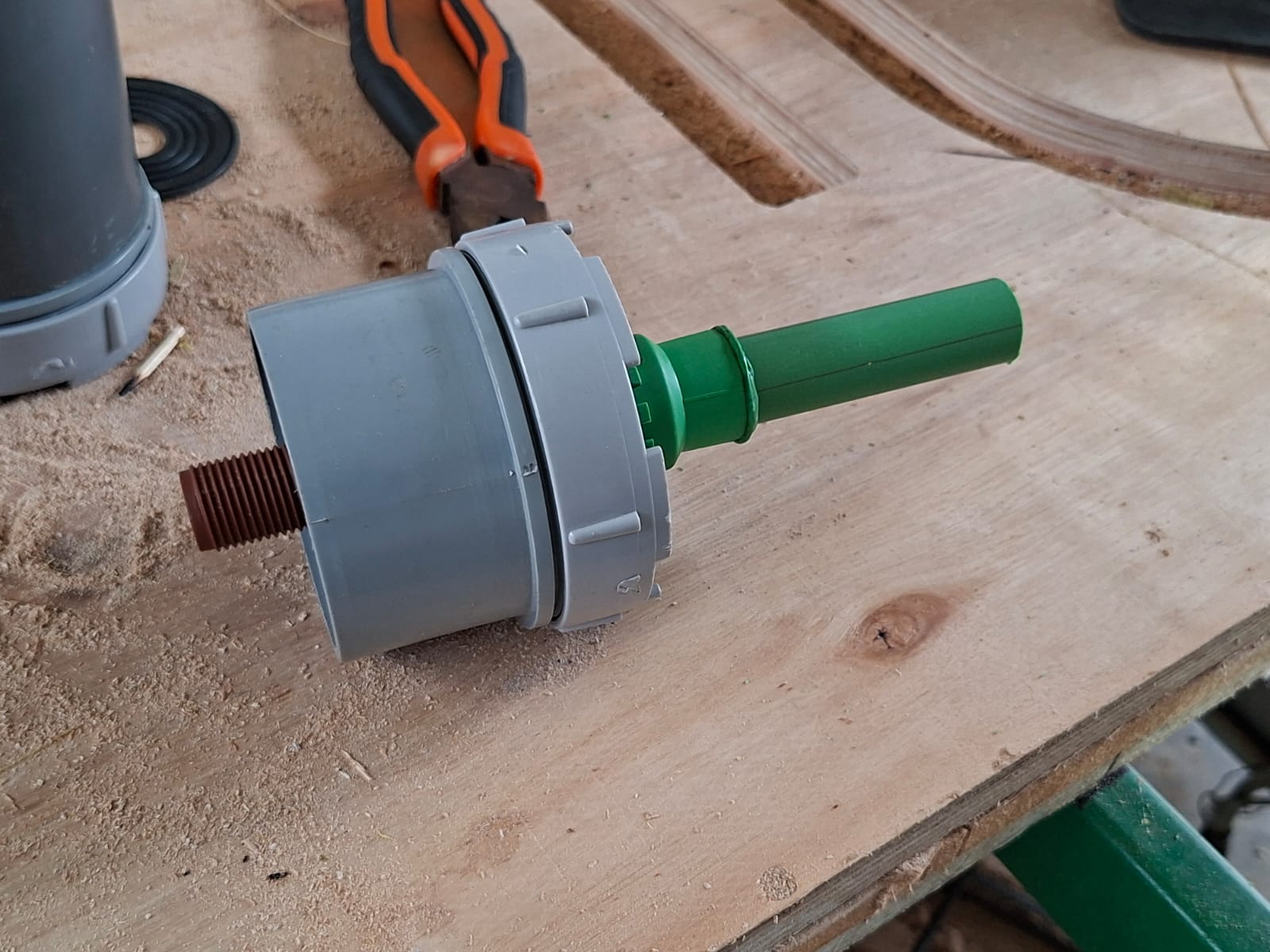
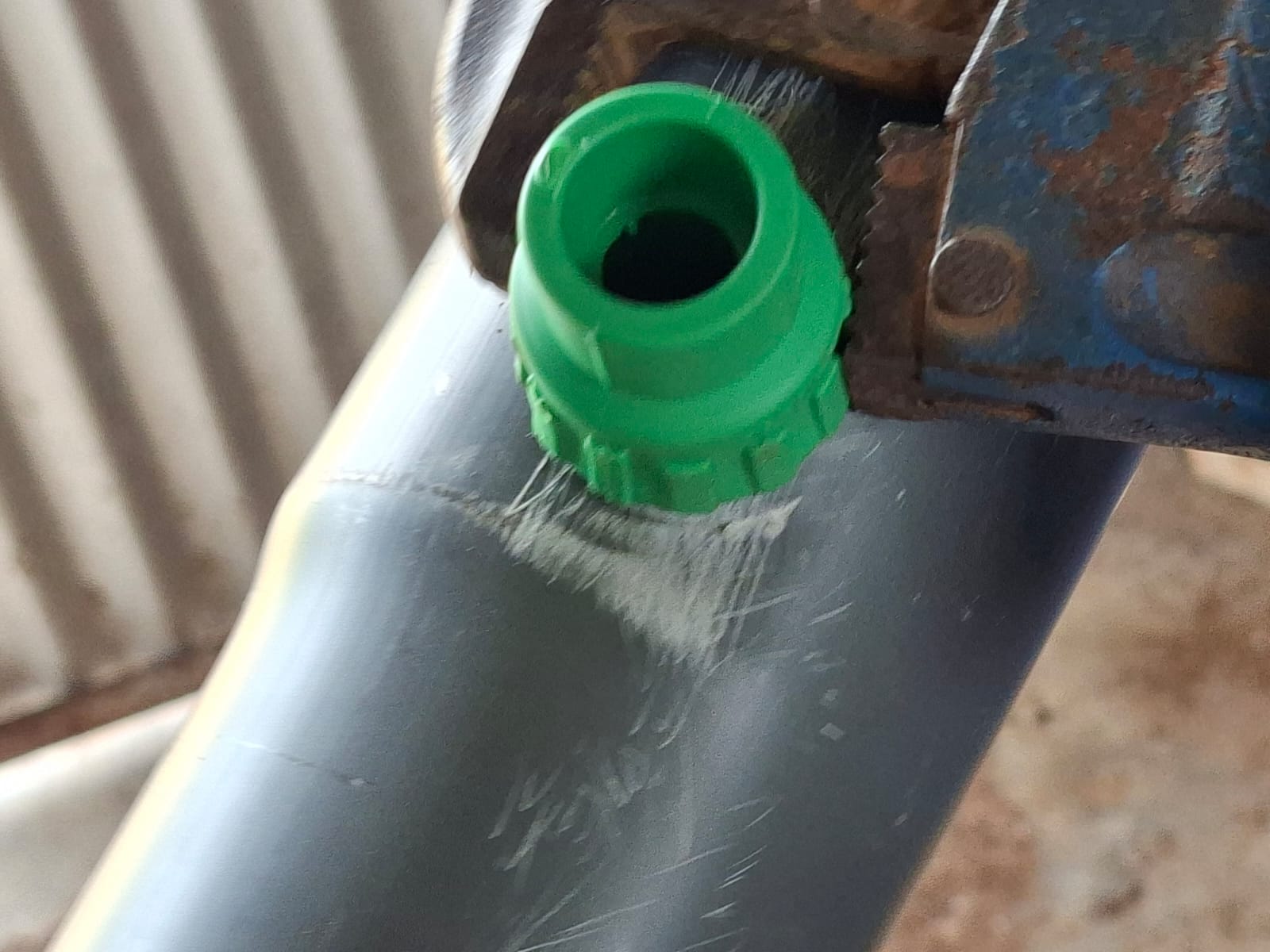
After assembling and modifying the connector, a clamp was used to hold the joint firmly in place while it hardened. This ensured that the connection remained tightly secured and properly aligned during the curing process. The use of the clamp improved the strength of the joint, reduced the risk of leaks, and resulted in a more stable and durable connection within the system.
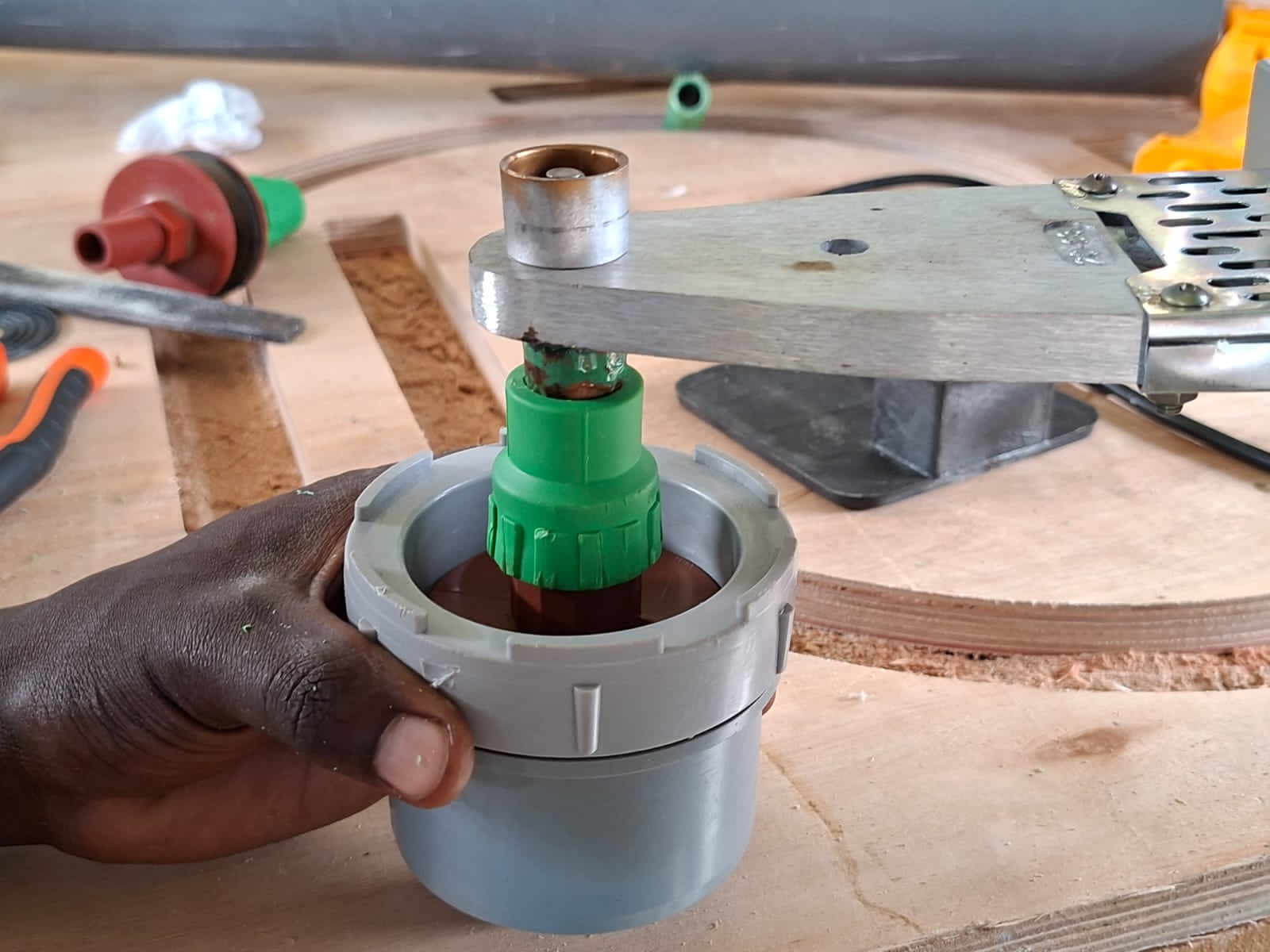
The pipe connections were then assembled using a PPR (Polypropylene Random) welding machine, which was used to heat and fuse the connectors to the male adapters. This process ensures a strong, leak-proof joint that can withstand pressure within the system.
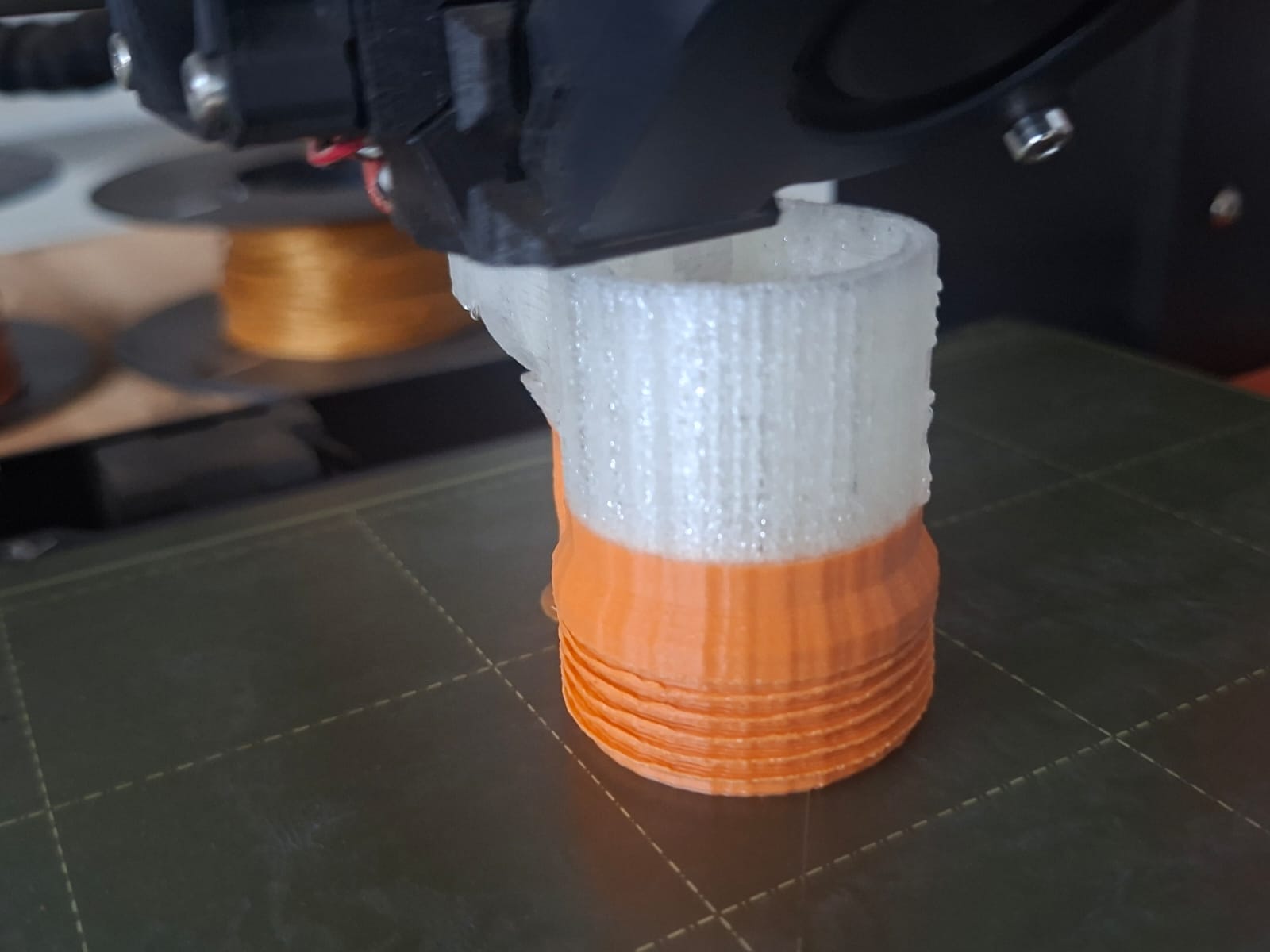
turbidity sensor casing
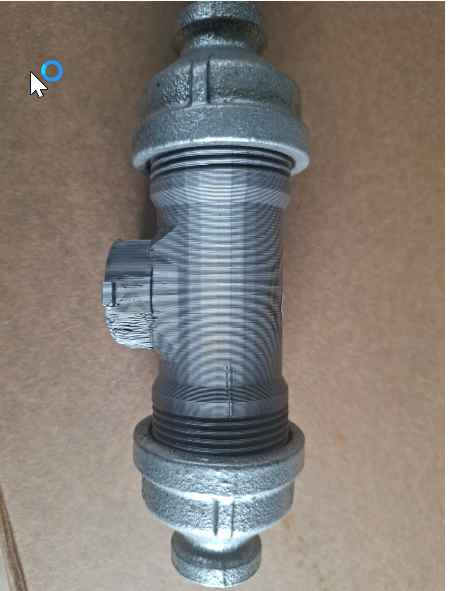
Electronic Box
Pump
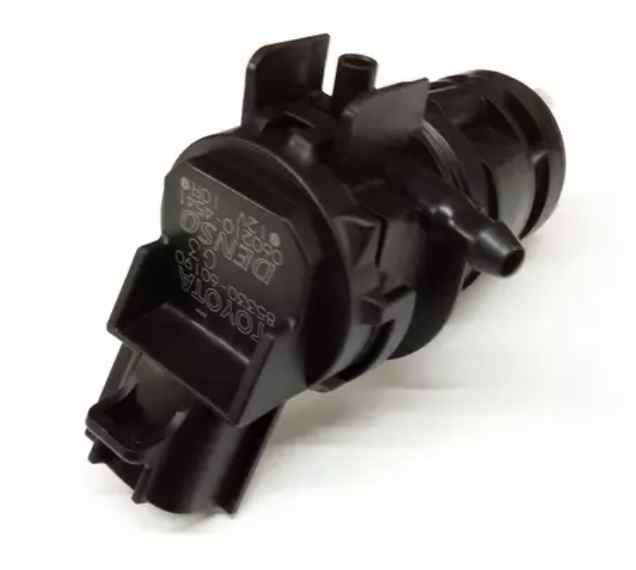
I bought a second hand toyota Windshield Washer Pump, it is 12V DC,
NC Solenoid valve
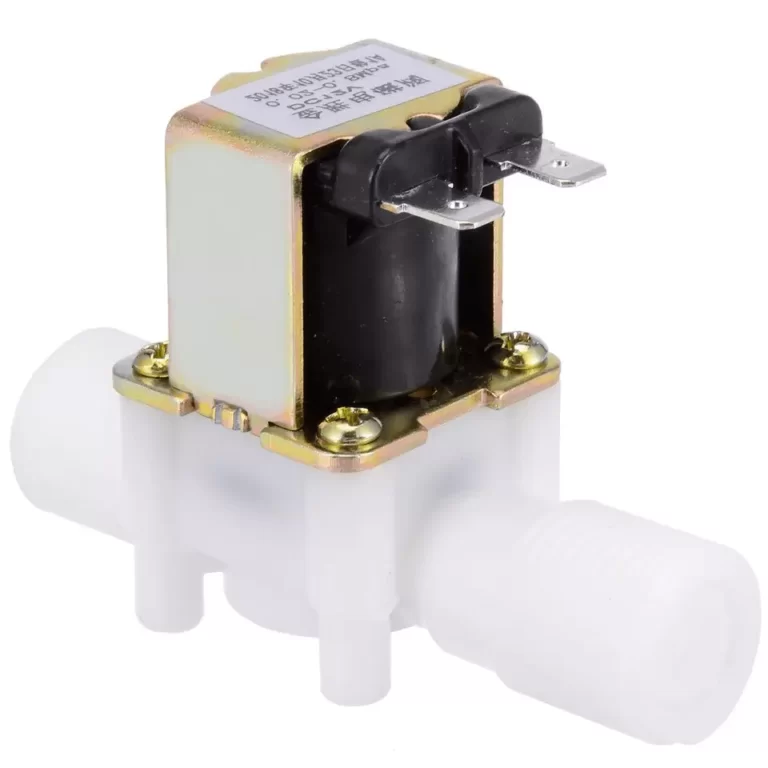
The project uses a 24 V DC solenoid valve with 1/2 inch ports that remains normally closed and only opens when 24 V is applied. It is chosen to match the 1/2 inch piping system, ensuring smooth integration without flow restriction, and it operates effectively with the pump’s 50–60 PSI pressure to allow controlled water movement through the system. The valve is controlled based on sensor inputs such as turbidity and flow rate from the YF-S201 sensor (1–30 L/min), allowing it to open or close depending on water quality or abnormal conditions, and it provides a safe fail-state by automatically closing and stopping water flow in case of power loss or system failure.