13. Molding and Casting
group assignment:
  • review the safety data sheets for each of your molding and casting materials,
     then make and compare test casts with each of them
  • compare mold making processes
individual assignment:
  • design a mold around the process you'll be using,
     produce it with a smooth surface finish that
     does not show the production process toolpath,
     and use it to cast parts
  • extra credit: use more then two mold parts
  • extra credit: make your own materials
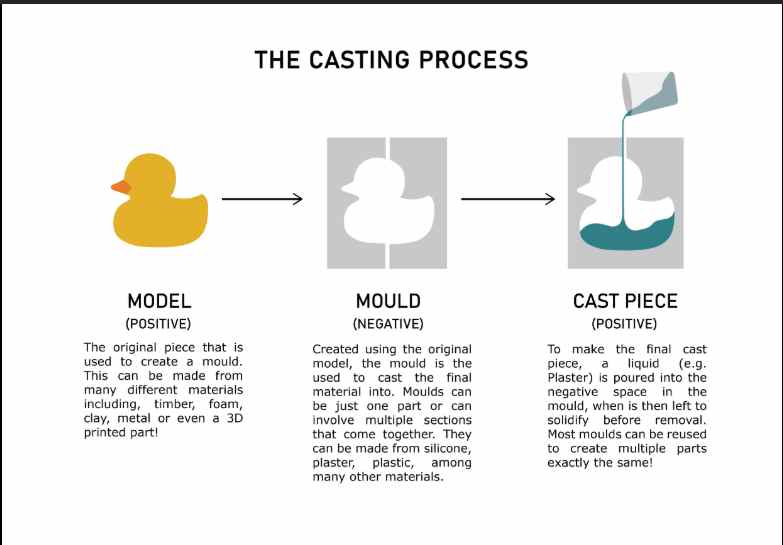
Image source: Molding, Casting
Molding and Casting
Molding and casting are formative manufacturing processes that shape materials within a cavity to create parts.
In simple terms:
- Molding creates the negative cavity or tool.
- Casting is the act of filling that cavity with a liquid or pliable material that solidifies into the final part.
- The mold holds a negative impression.
- The cast is the positive part that comes out of it.
Why It Matters
Each process has different strengths for materials, volumes, tolerances, and costs.
Foundries often report casting rejection rates around 5 to 7 percent due to defects like gas bubbles and inclusions, which underscores the importance of process selection and quality control.
What Is Molding?
Molding is the process of forming a part by shaping a material inside a prepared mold cavity.
In industry, molding commonly refers to plastic forming processes, where a molten or softened polymer is injected or pressed into a mold, then cooled or cured to a solid shape.
Conceptually, the mold is the tool. The molded part is the output.
Common Molding Processes
Injection Molding
Molten thermoplastic or thermoset is injected into a steel or aluminum mold under pressure, then cooled or cured. Ideal for high-volume, tight-tolerance plastic parts.
Compression Molding
Pre-measured charges of thermoset or composite material are placed in a heated cavity, then pressed to shape. Good for structural parts and fiber-reinforced components.
Blow Molding
Plastic is extruded or injection molded as a parison, then inflated against a mold to form hollow parts like bottles and tanks.
Thermoforming
Heated plastic sheet is drawn over a mold by vacuum or pressure. Suited to packaging and large enclosures with moderate detail.
Rotational Molding
Powdered plastic rotates in a heated mold to form large hollow parts with uniform walls.
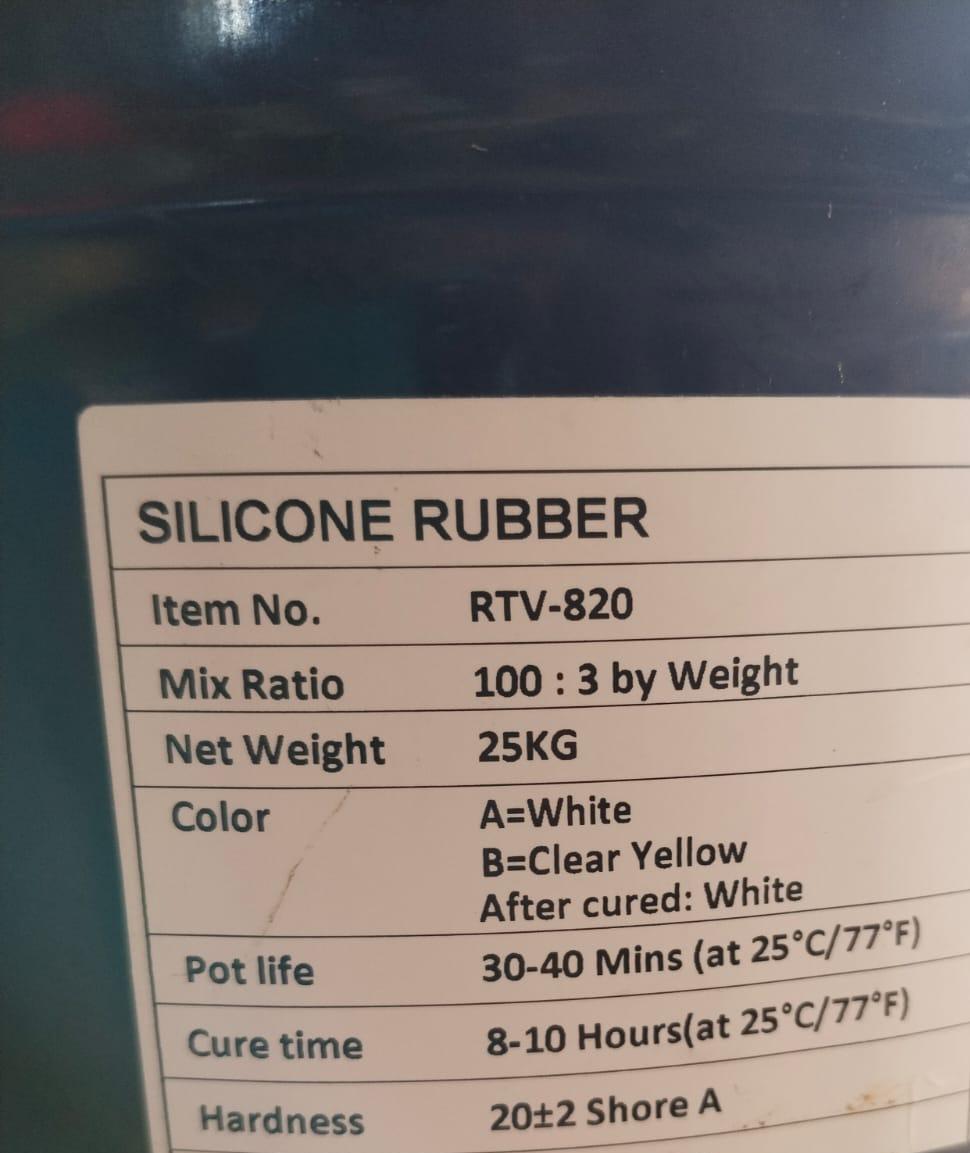
Silicone Rubber Molding
RTV silicone molds capture fine details for prototyping and short-run replicas.
This is the one I will be using.
Molding Materials and Properties
| Material | Properties |
|---|---|
| Thermoplastics | ABS, PC, PP, PE, Nylon. They soften with heat and can be remelted. Good for fast cycles and recyclability. |
| Thermosets | Epoxy, phenolics, melamine. They crosslink during cure and do not remelt. Good for heat resistance and dimensional stability. |
| Elastomers | Silicone, TPU, TPE. Flexible, impact resistant, and suitable for seals and soft-touch components. |
Key property considerations include viscosity and flow length, shrinkage control, fiber orientation in filled plastics, heat deflection temperature, and chemical resistance.
Design choices like wall thickness, ribs, and gate location strongly influence warpage, sink marks, and weld lines.
Tooling and Equipment for Molding
High-Precision Molds
Typically steel or aluminum with cooling channels, runners, gates, ejectors, and surface finishes matched to part aesthetics.
Injection Machines
Clamp tonnage, shot size, and screw design must match the part and material.
Auxiliary Systems
Hot runners, mold temperature control, dryers, and automation for repeatability.
Tooling investment is meaningful for injection molding. The upside is low cost per part at volume and excellent repeatability.
Typical Applications and Volumes for Molding
- Consumer goods housings, clips, and fasteners
- Medical disposables and device enclosures
- Automotive interior and under-the-hood plastic components
- Electronics enclosures and connectors
Injection molding shines at medium to very high volumes, often from tens of thousands to millions of parts, due to fast cycle times and multi-cavity tooling.
What Is Casting?
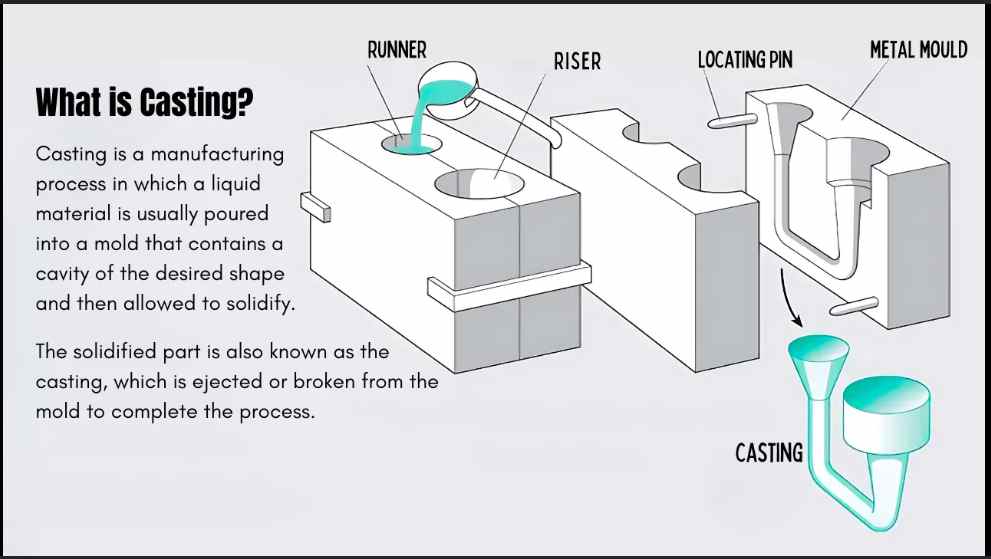
Image source: Image source
Casting is the process of producing a part by pouring or injecting a liquid material into a mold and allowing it to solidify.
In metalworking, casting is essential for creating complex geometries in aluminum, zinc, magnesium, and steel alternatives.
In polymers and resins, urethane and epoxy casting can produce short-run parts with excellent surface finish.
Conceptually, the mold is still the negative cavity. The cast is the final solid part.
As Eko Industries and Smooth-On both note, the distinction often confuses newcomers because the terms are sometimes used interchangeably, but casting is the act of producing the part from the mold.
Common Casting Processes
Sand Casting
Flexible, economical patterns form sand molds that are destroyed after each pour. Excellent for large parts and low to medium volumes. Finish is rougher and tolerances are broader.
Die Casting
Molten metal is injected into a metal die at high pressure. Suited to aluminum, zinc, and magnesium for high-volume, near-net-shape parts with fine details.
Investment Casting
Also called lost-wax. Wax patterns are coated to form a ceramic shell, then metal is poured to capture intricate geometry and fine surface finish. Ideal for complex metal parts with tight dimensional needs.
Permanent Mold Casting
Reusable metal molds provide better finishes than sand casting and more consistency, at moderate tooling cost.
Centrifugal Casting
Metal is spun in a rotating mold to form cylindrical components like bushings and tubes with good material density.
Urethane and Vacuum Casting
Used for prototype and bridge production of plastic-like parts using silicone molds under vacuum to reduce bubbles.
Casting Materials and Properties
Metals
Aluminum, zinc, and magnesium are common in die casting.
Iron and steel alternatives often use sand and investment casting.
Alloy choice drives strength, corrosion resistance, and temperature performance.
Non-metals
Urethanes, epoxies, concrete, and plaster are cast for prototyping, architecture, and art.
Core metallurgy topics include solidification sequence, grain structure, porosity, shrinkage, and heat treatment.
Feed paths, risers, and cooling control microstructure and reduce defects.
Tooling and Equipment for Casting
Patterns and Cores
Create cavities and internal passages. Cores form internal voids in sand and investment casting.
Gating and Riser Systems
Manage metal flow and feeding to prevent cold shuts and shrinkage cavities.
Furnaces and Handling
Crucibles, ladles, and temperature control for melt quality.
Die casting uses hot-chamber or cold-chamber machines selected by alloy and melting point.
Tooling cost ranges widely. Sand patterns are relatively low cost. Permanent molds and die casting tools represent higher investments but offer long tool life and fast cycles.
Typical Applications and Volumes for Casting
- Automotive engine blocks and housings, transmission cases, brackets, and heat sinks
- Industrial pump bodies, valve components, and structural fittings
- Aerospace and medical components that combine complex geometry with metal performance
- Short-run urethane parts for pre-production testing
Molding vs Casting: Core Differences at a Glance
While both use a mold cavity, molding often refers to pressure-based forming of plastics with rapid cycles, and casting often refers to pouring or injecting metals or resins that solidify by cooling or curing.
Molding excels at high-volume plastic production with tight repeatability.
Casting excels at metal parts, complex shapes, and a wide range of sizes and volumes.
Comparison Table: Molding vs Casting
| Comparison Area | Molding | Casting |
|---|---|---|
| Process mechanics | Injection or pressing of softened material into a closed mold under pressure | Pouring or injecting liquid material into a mold followed by solidification |
| Typical materials | Thermoplastics, thermosets, elastomers | Metals like aluminum, zinc, magnesium, steel alternatives, plus urethanes and epoxies |
| Tooling cost and lead time | Higher for injection molds, detailed machining and cooling required | Low to high depending on method, from sand patterns to hardened dies |
| Volume sweet spot | Medium to very high volumes with low cost per part | Low to high volumes, flexible with process choice |
| Tolerances and finish | Tight repeatability and smooth surfaces with proper tool design | Broad to tight depending on process, investment and die casting deliver finer detail |
| Design complexity | Thin walls achievable, but flow and knit lines must be managed | Excellent for complex internal geometries using cores and investment shells |
| Typical defects | Warpage, sink, short shots, flash, weld lines | Porosity, gas bubbles, sand inclusions, cold shuts, shrinkage cavities |
| Part size range | Small to medium parts, large parts possible with processes like rotational molding | Very small precision parts to very large industrial castings |
| Cycle time | Seconds to minutes per shot | Tens of seconds to hours, depending on melt, mold, and section thickness |
| Secondary operations | Minimal, often limited to trimming and basic finishing | Often includes trimming, machining, heat treating, and surface finishing |
Technical Deep Dive: Subtypes, Mechanisms, and Suitability
Choosing between molding and casting hinges on the mechanics of each subtype, material behavior during flow or solidification, and your requirements for geometry, tolerances, finish, and cost.
My Molding Project
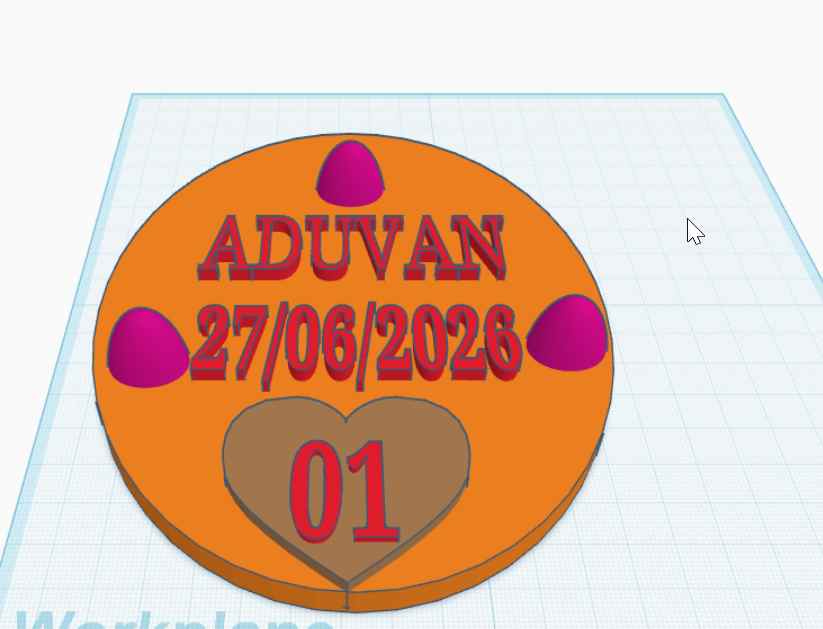
Want to make mold something for my daugheters birthday who is turning 1 year old in June
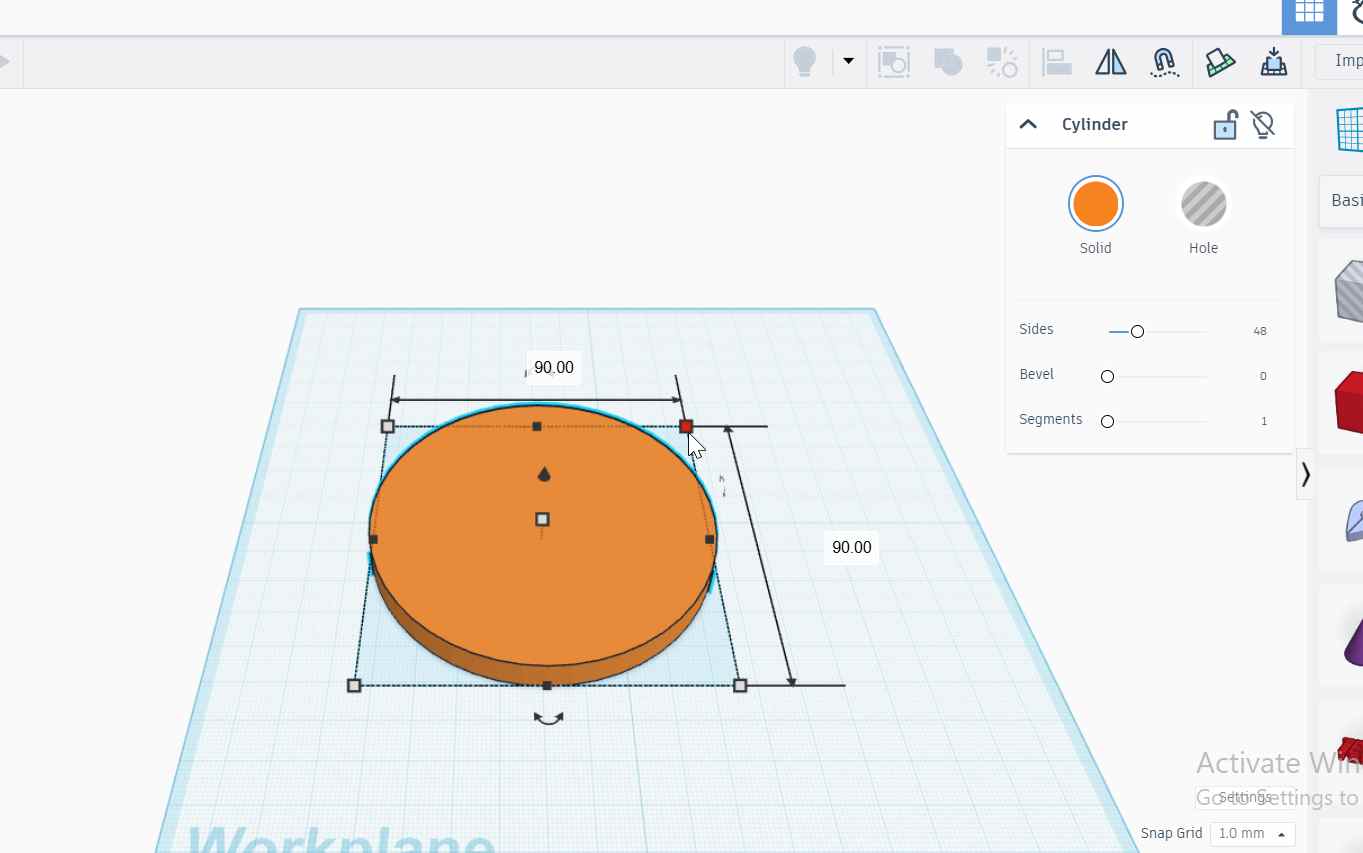
TinkerCad
I used cylinder and sphere and text to make the design.
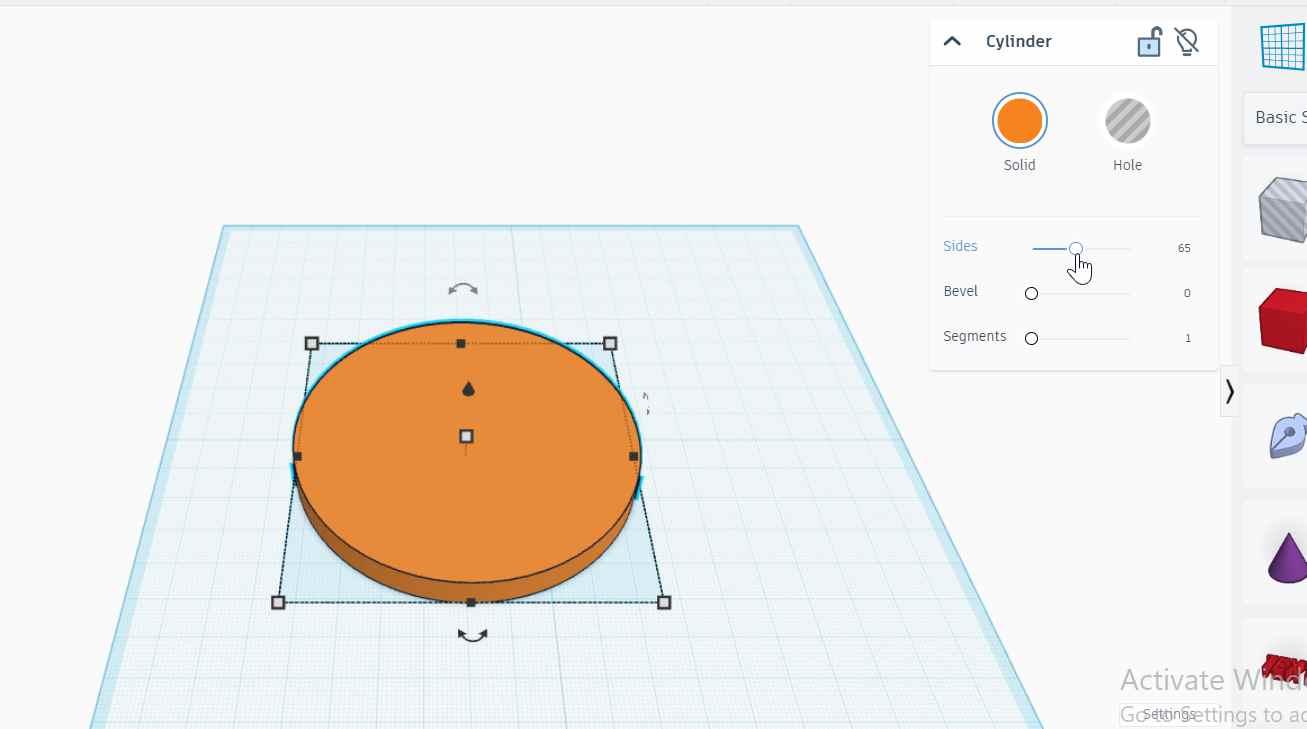
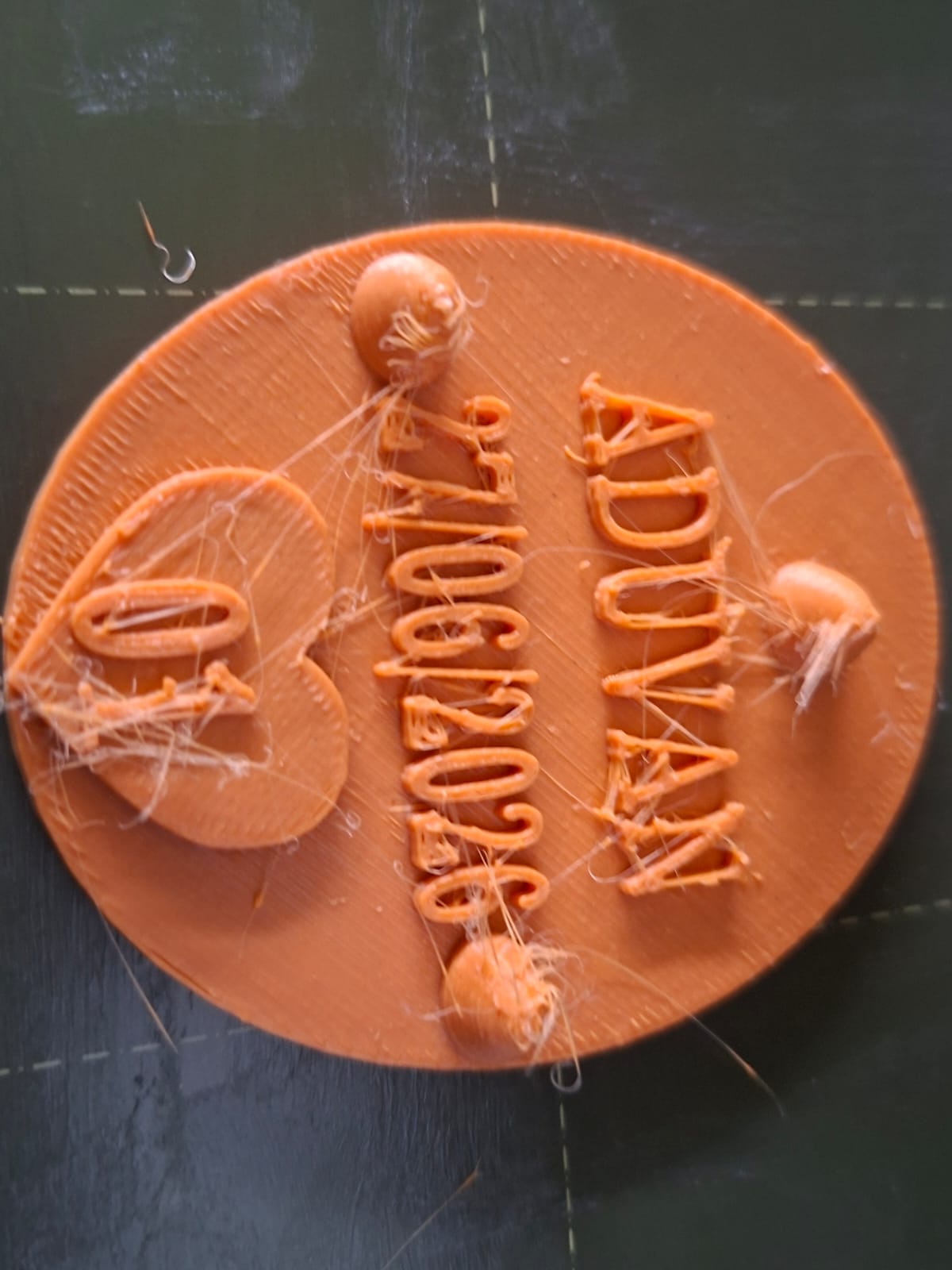
3D Printed Mold
Steps
The following images show the steps I followed during the molding process.
| Step | Process |
|---|---|
| Step 1 |  |
| Step 2 | 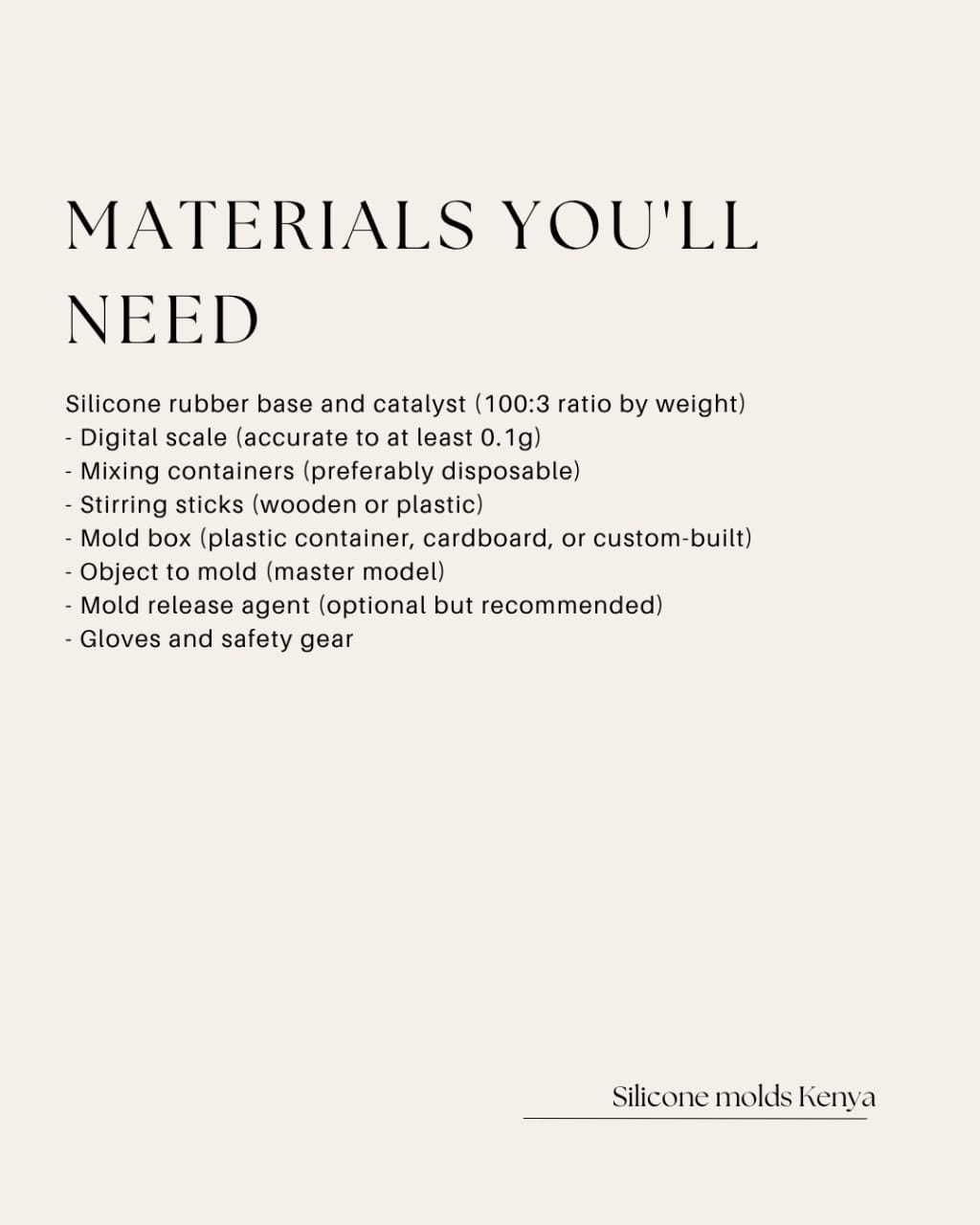 |
| Step 3 |  |
| Step 4 | 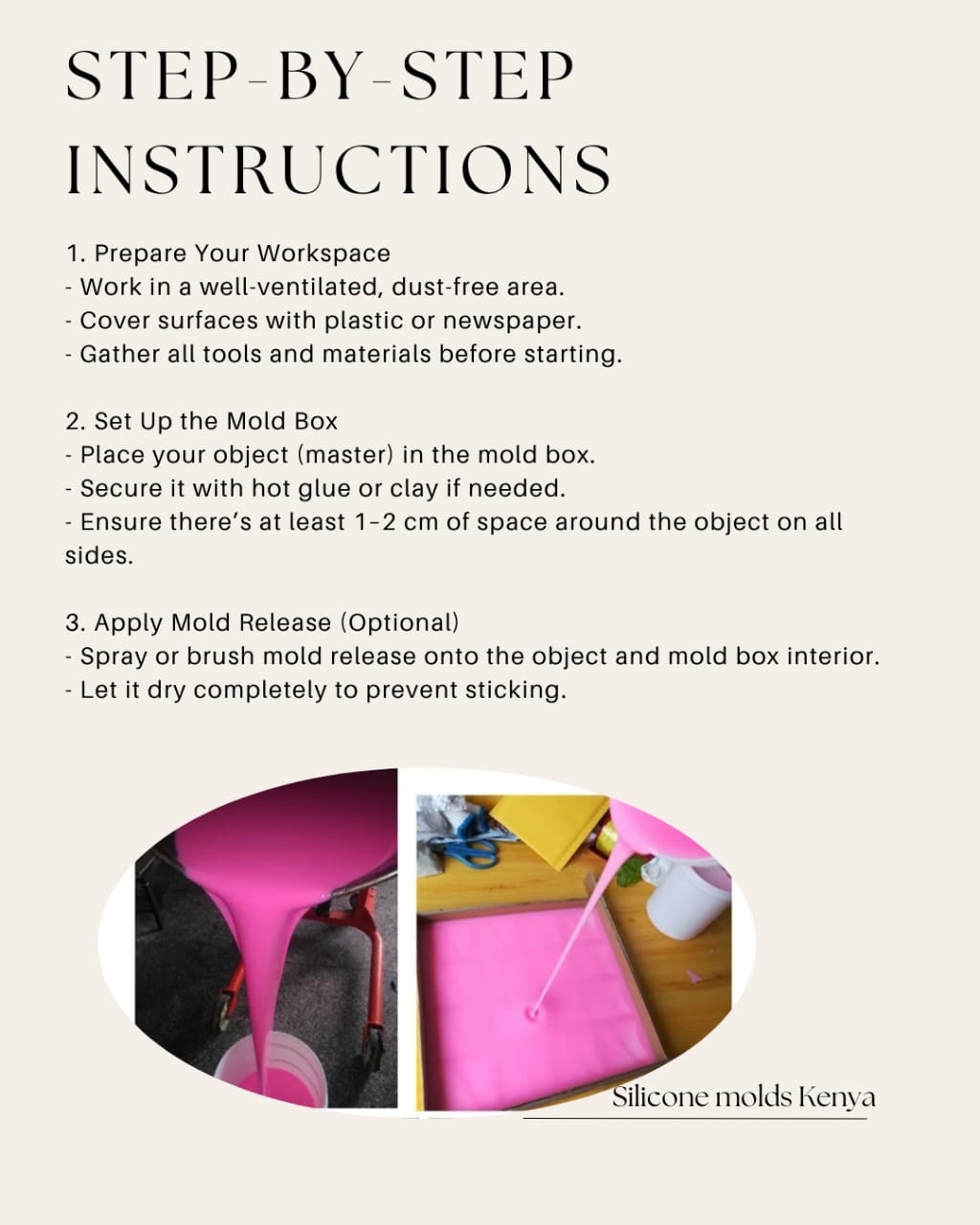 |
| Step 5 | 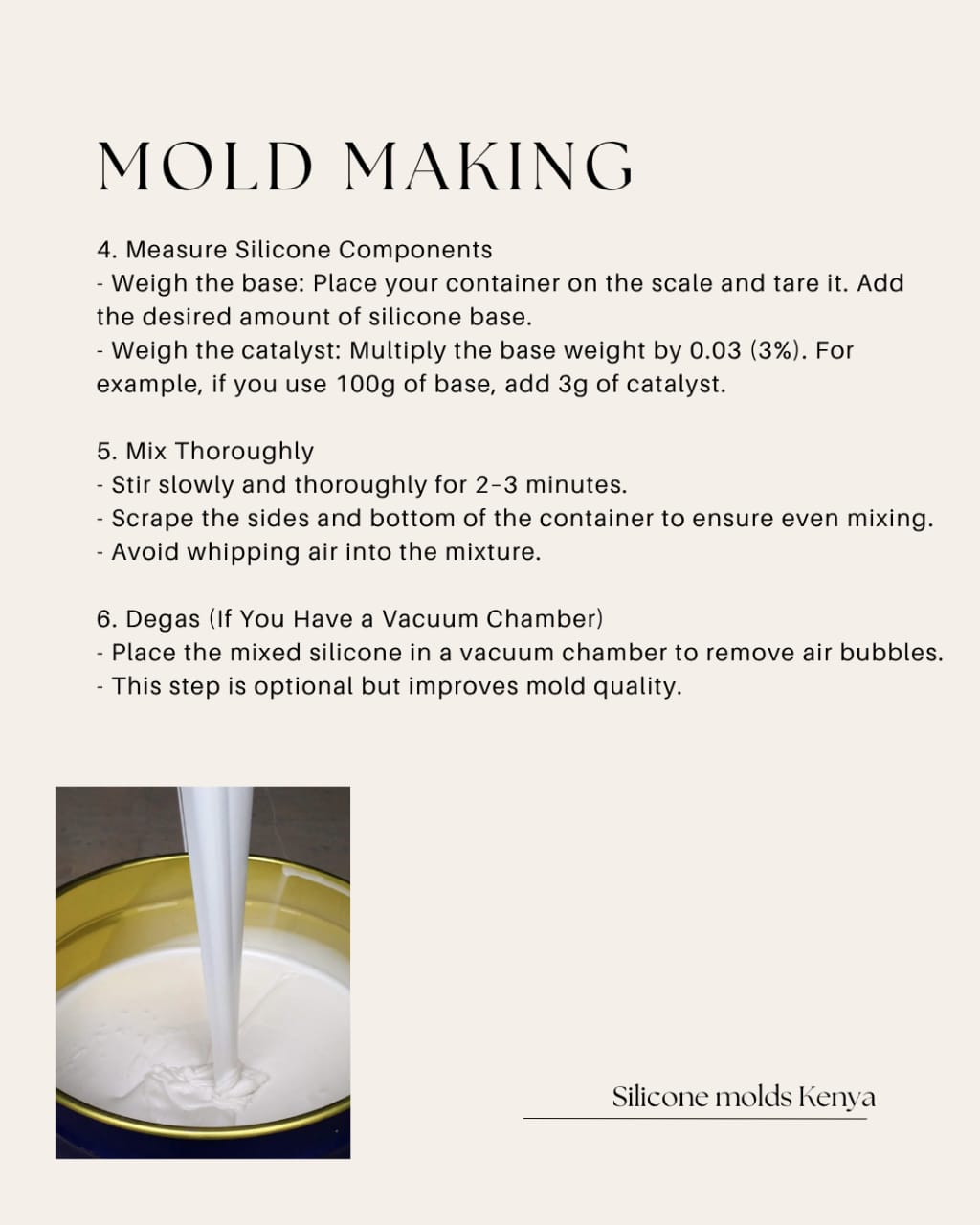 |
| Step 6 | 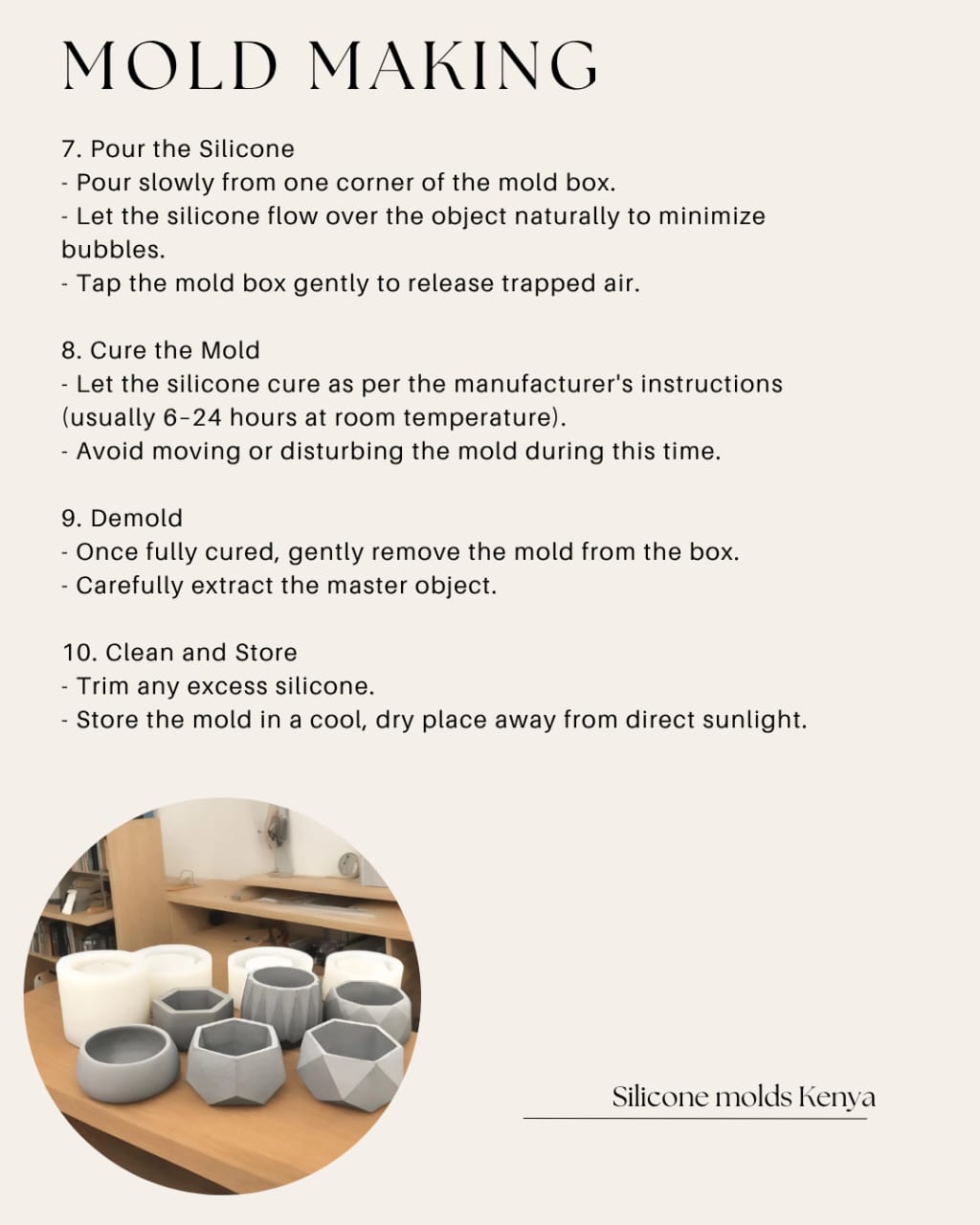 |
Mixing
Safety Measures
Working with chemicals you must be protected.
I used:
- Face mask
- Gloves
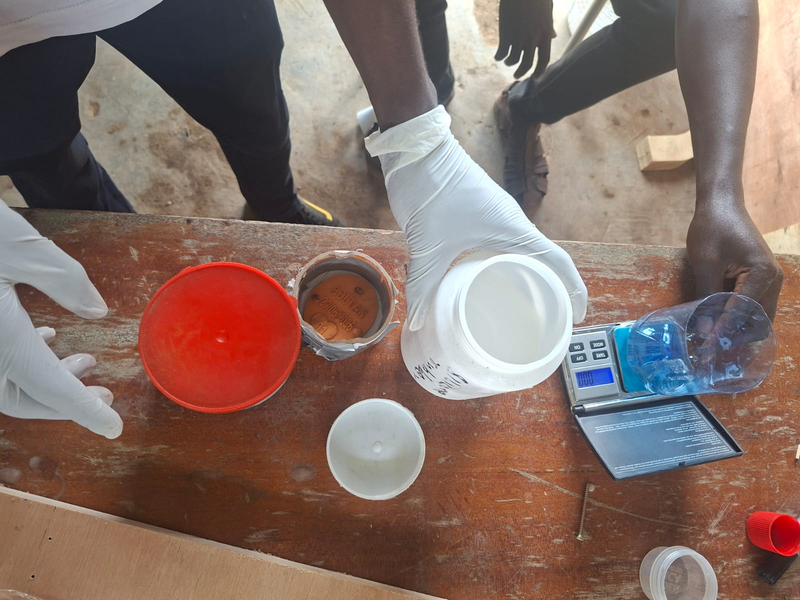
To mix with the silicon, I prepared a container.
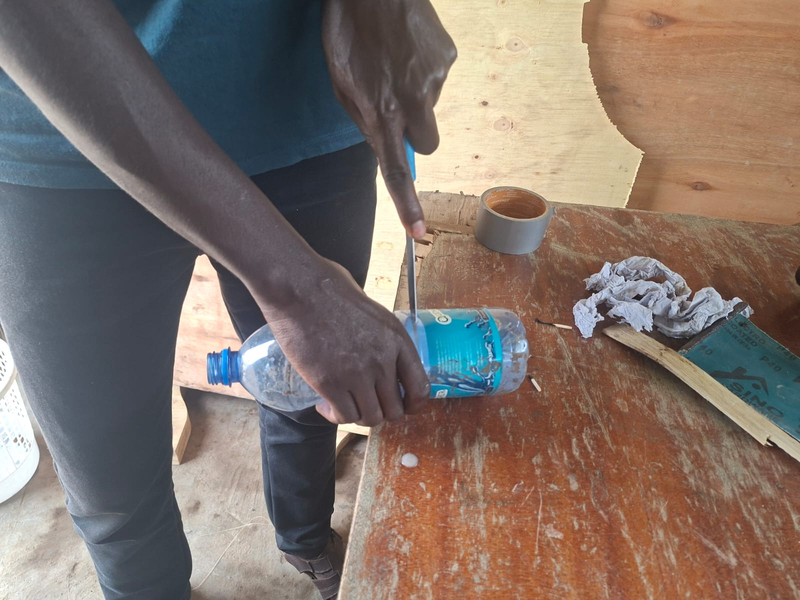
Weighing the Base Silicon
Before I measure the base silicon I ensured, the container is tared while empty (zerod).
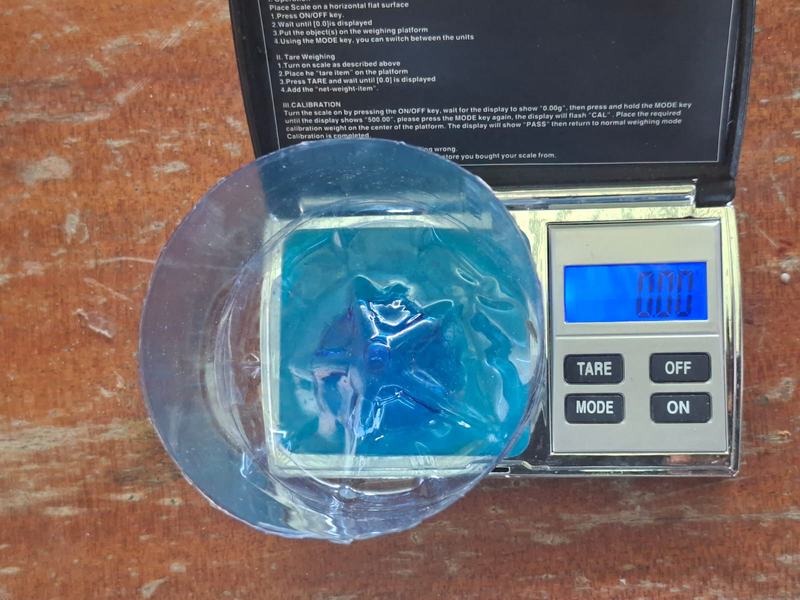
Measured small amount that can fit my 3D printed mold.
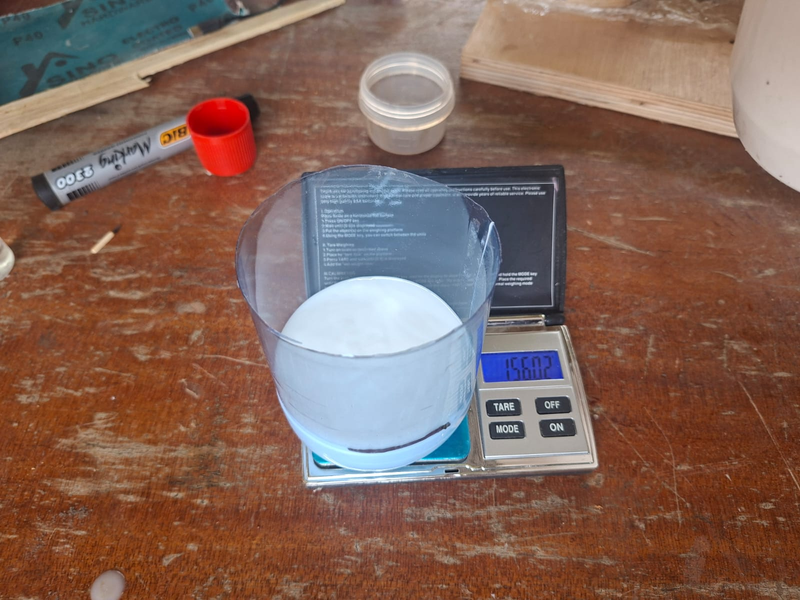
Weighing the Hardener
I weigh the base silicon, and calculated its 3 % to be used for the hardener.
I measured 3% of 156.02 (base silicon) and that is what I used for hardener to mixx.
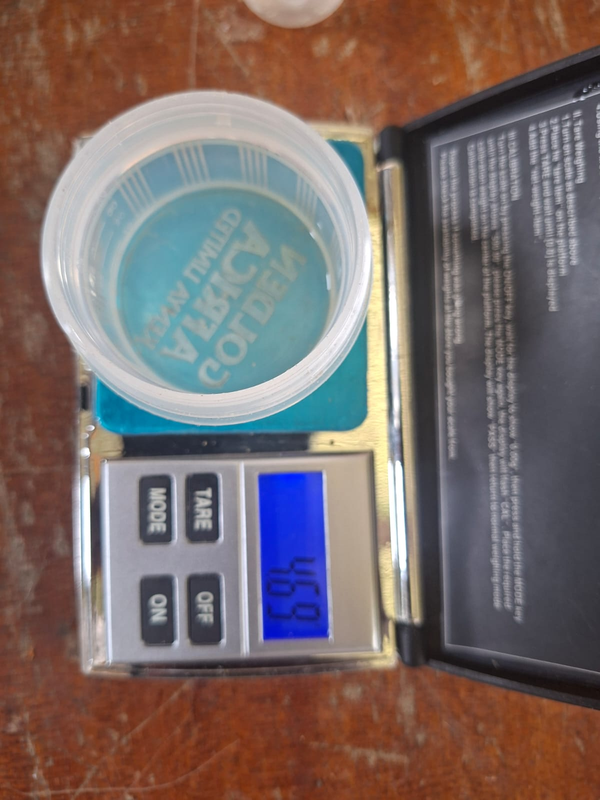
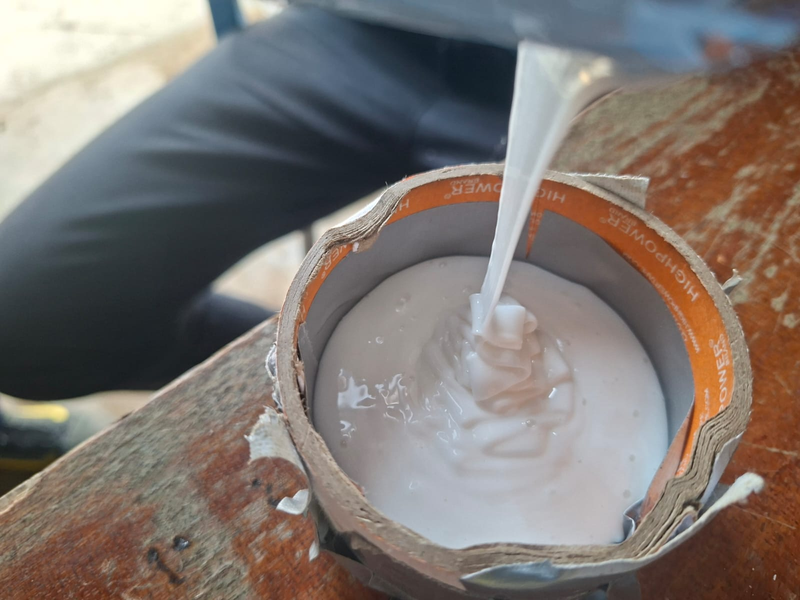
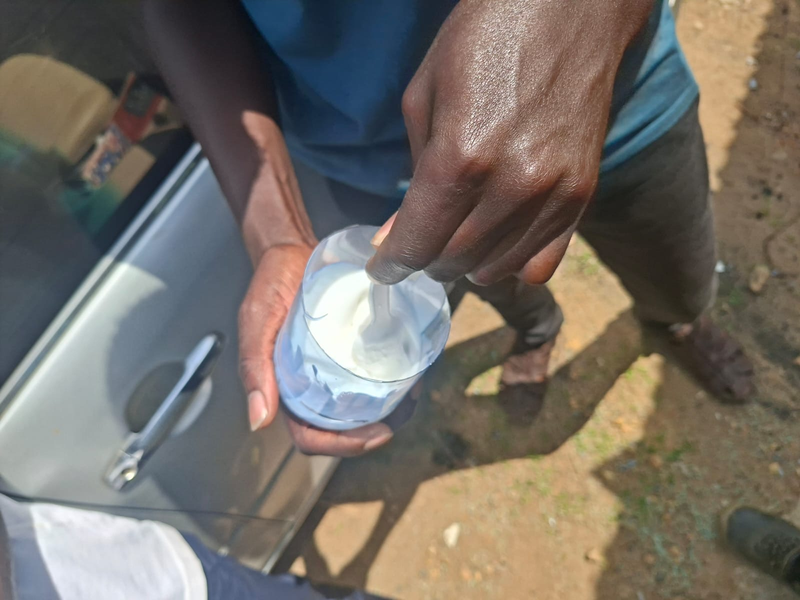
Removing Air Gaps
- Sucking the air gaps using vacuum cleaner until I see bubbles coming out.
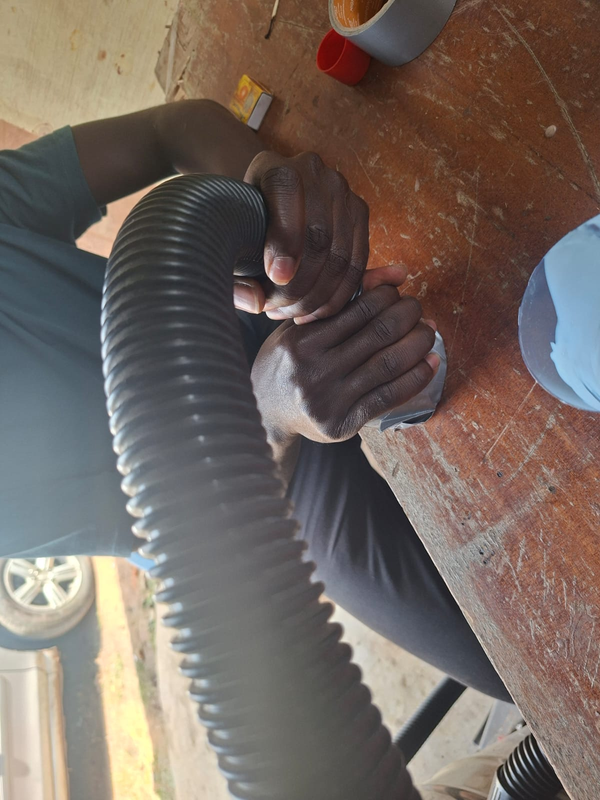
After string I left it in the sun for 2 hours and got the result.
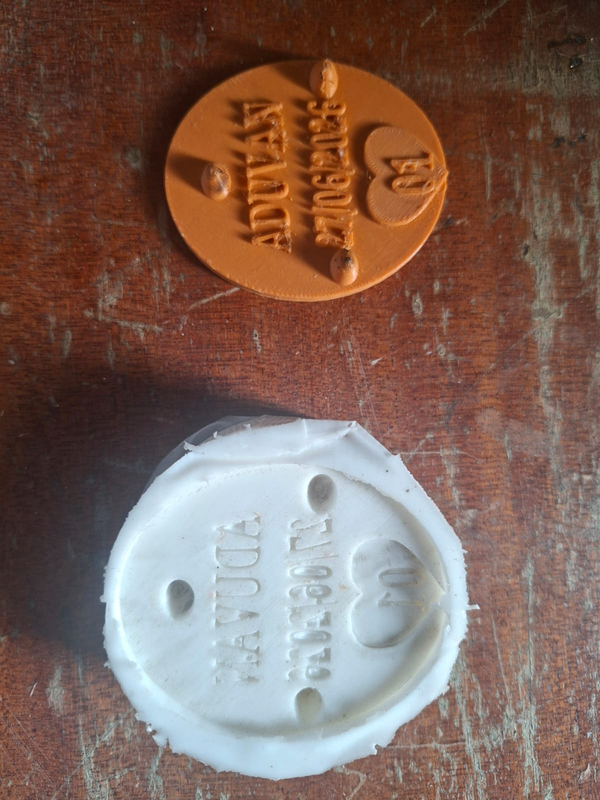
Change of the Model
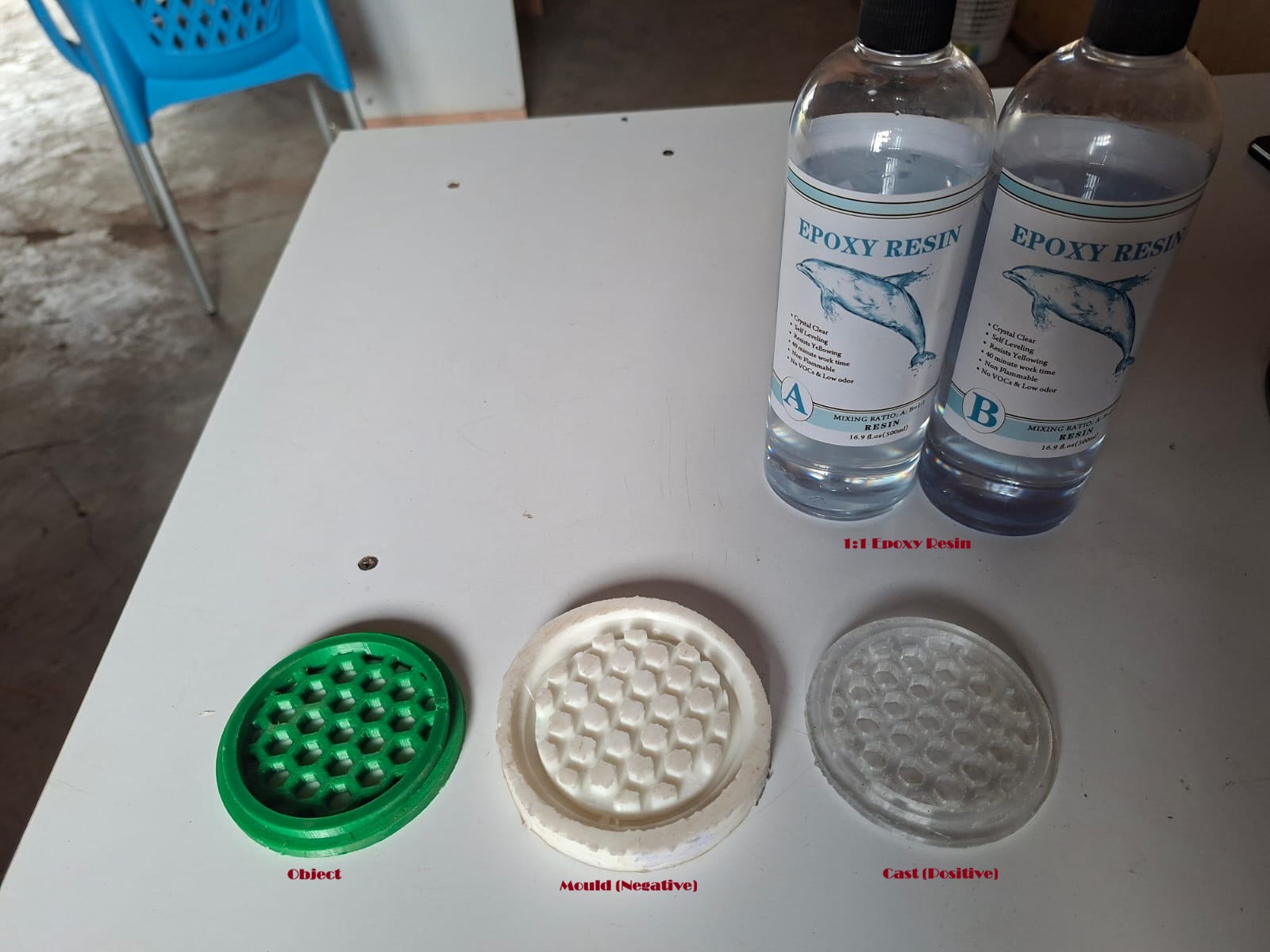
After completing the birthday project, I moved on to fabricating the sediment holder for my main project. Since the sediment holder had already been designed, I proceeded with casting it using a two-part epoxy resin. I chose casting because, once fully cured, the epoxy provides a durable part suitable for water-contact applications. It also provides a practical method for future production, since the same mold can be reused to produce multiple sediment holders without having to 3D-print each unit individually.
Preparing the Silicone Mold
I prepared a circular container that would be used to hold the silicone while making the mold. I used paper to create the sides and glued the bottom edges firmly to the working surface. This helped prevent the silicone from leaking underneath the container and ensured that the bottom of the mold maintained the desired shape.
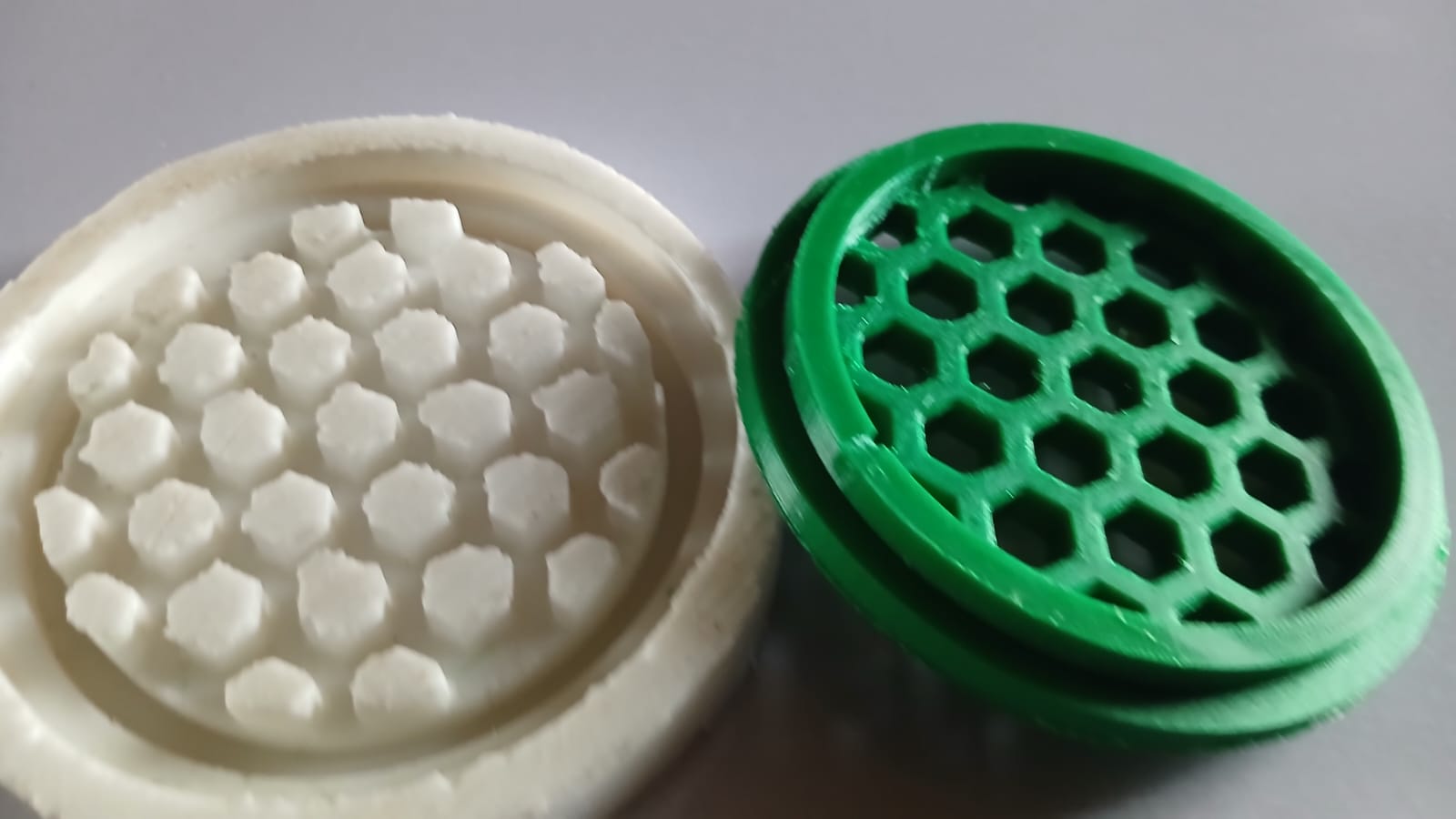
When pouring the silicone, I poured it slowly at a single point and allowed it to gradually flow and spread around the model. I continued pouring from the same point rather than moving the pouring position around the mold. This helped the silicone flow naturally around the object and reduced the possibility of trapping air bubbles. After completing the pour, I left the silicone overnight to cure and harden.
Epoxy Mixing
I used a 1:1 two-part epoxy resin for casting the sediment holder. I first measured equal amounts of the two epoxy components in separate containers. Each component was stirred individually for approximately three minutes to ensure proper mixing.
Mixing Instruction
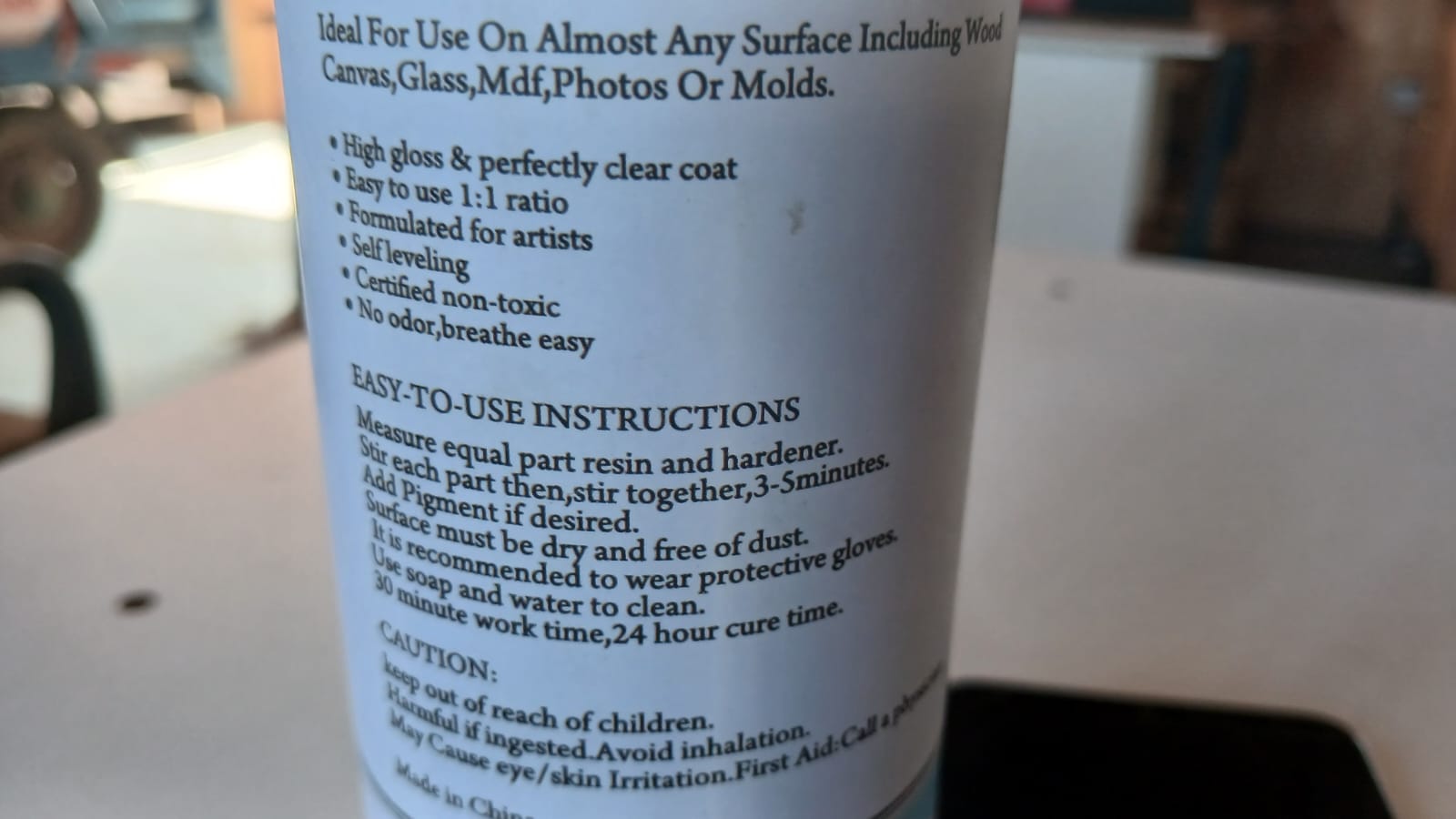
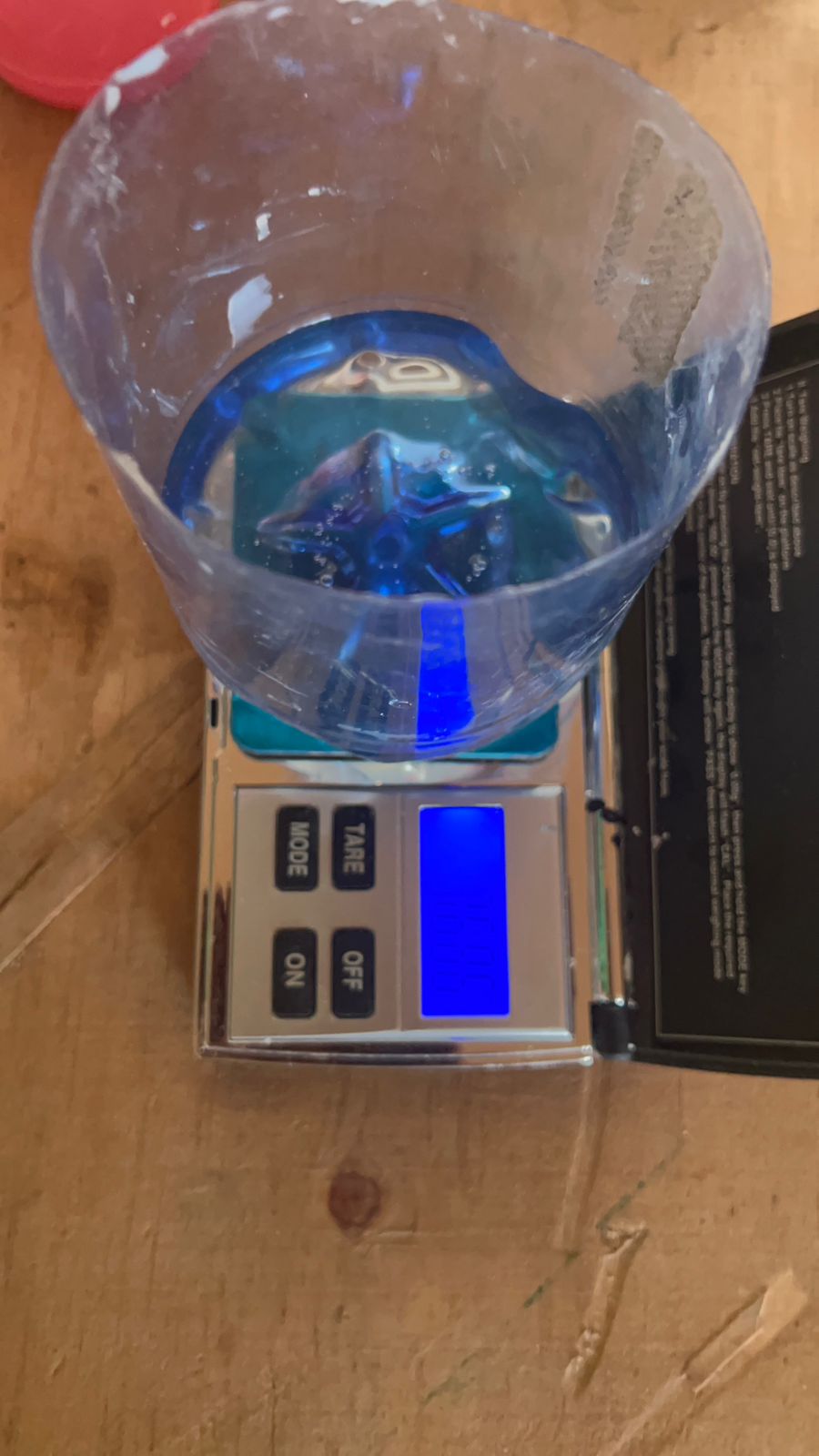
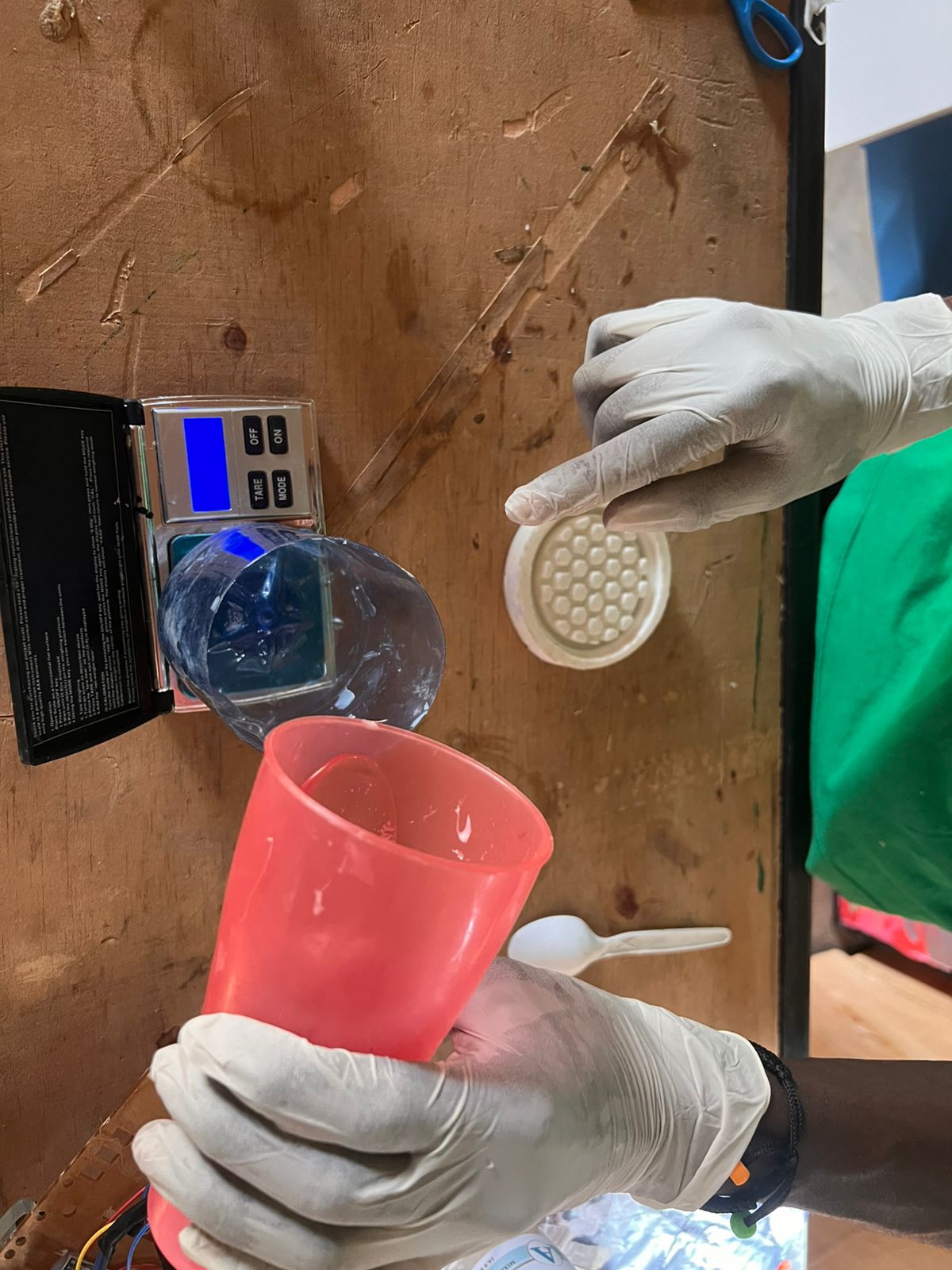
After mixing the two components separately, I combined them and stirred the mixture continuously for approximately five minutes. I then slowly poured the mixed epoxy into the cured silicone rubber mold, taking care to pour gently to minimize the formation of air bubbles.
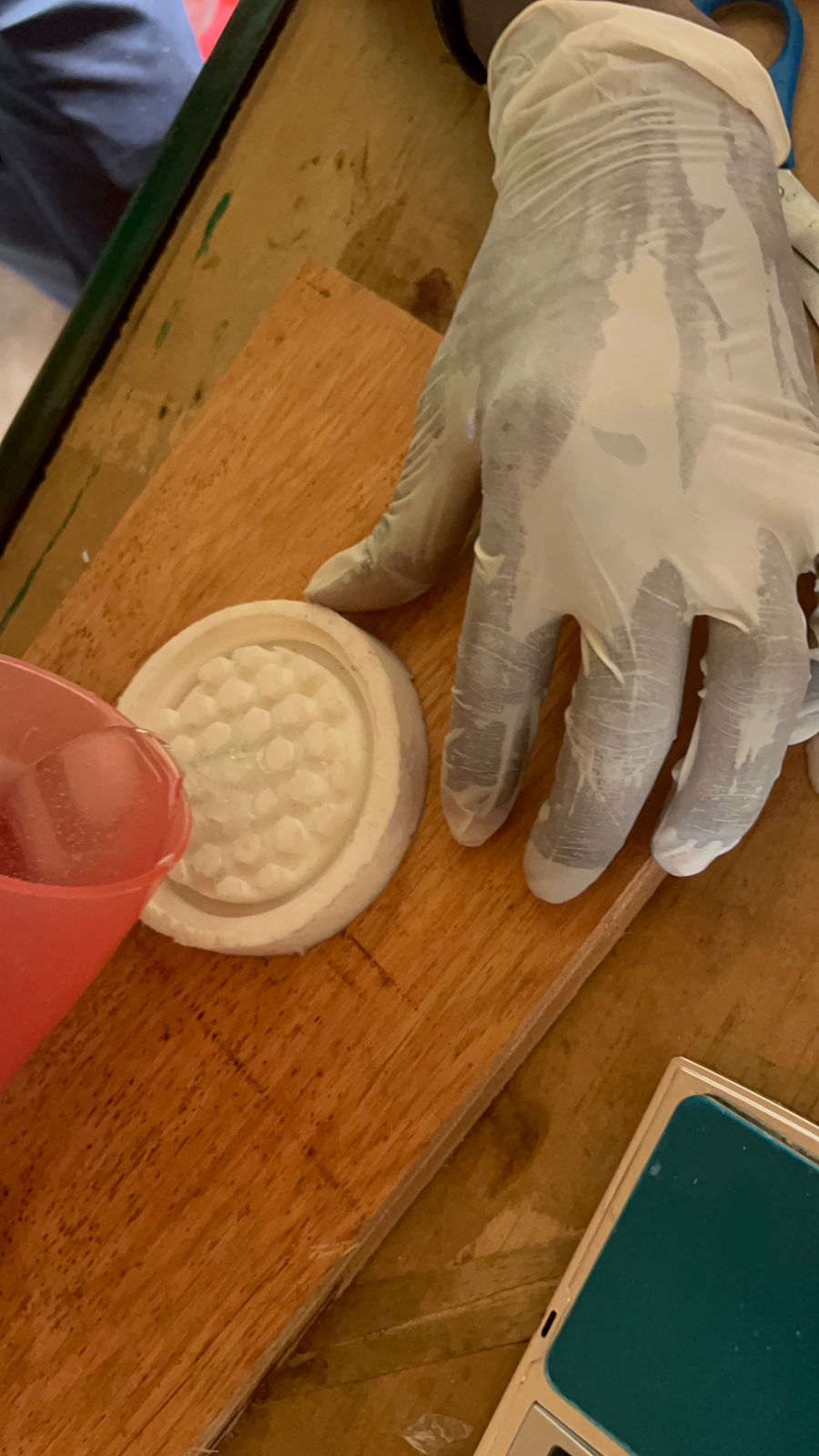
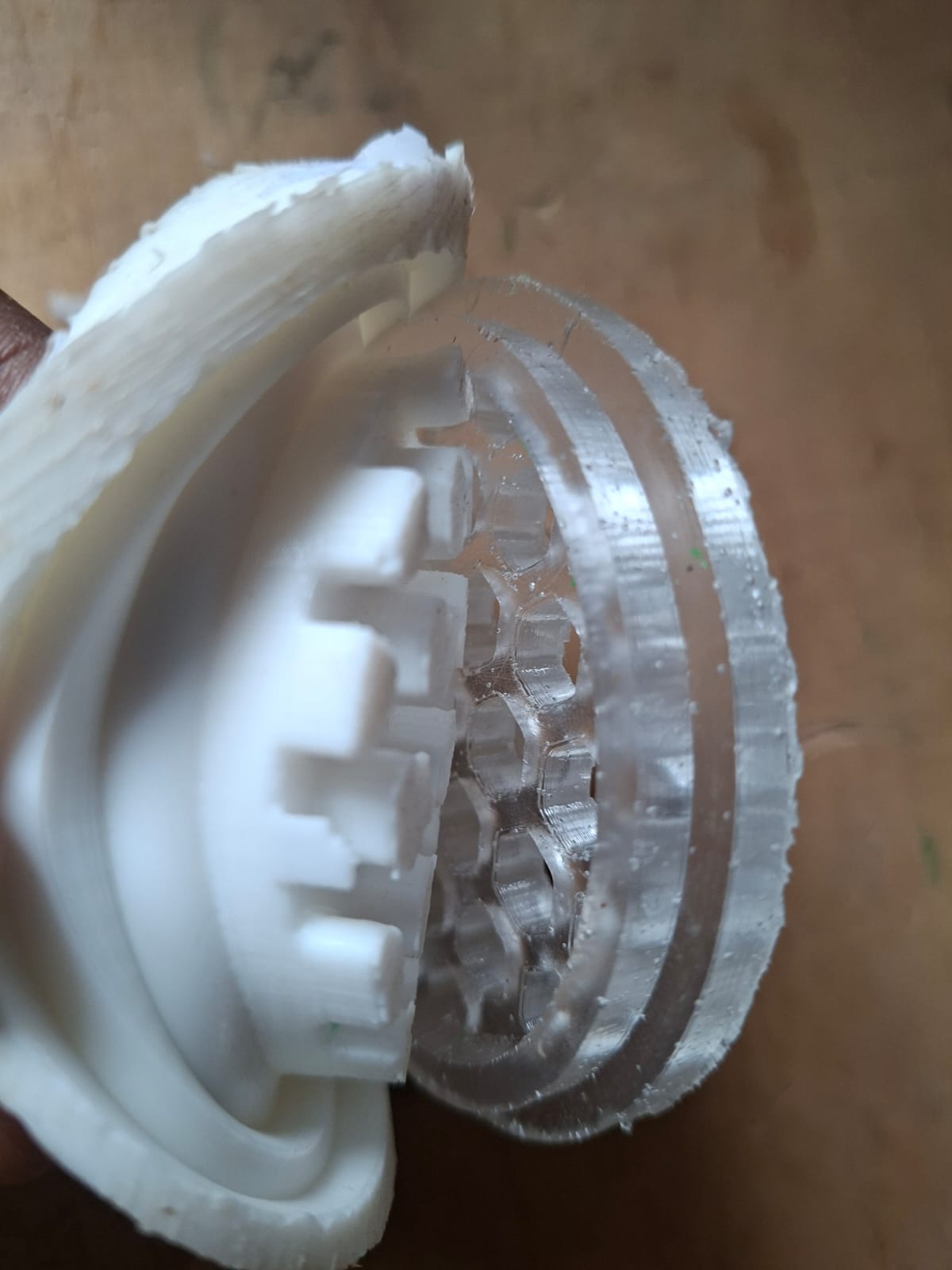
I then left the epoxy in the silicone mold to cure. After curing, I removed the cast part from the mold to obtain the finished sediment holder.
Files
Refferences
[Final silicone result] (https://alignmfg.co/whats-the-difference-between-molding-and-casting/)
Doll Mold
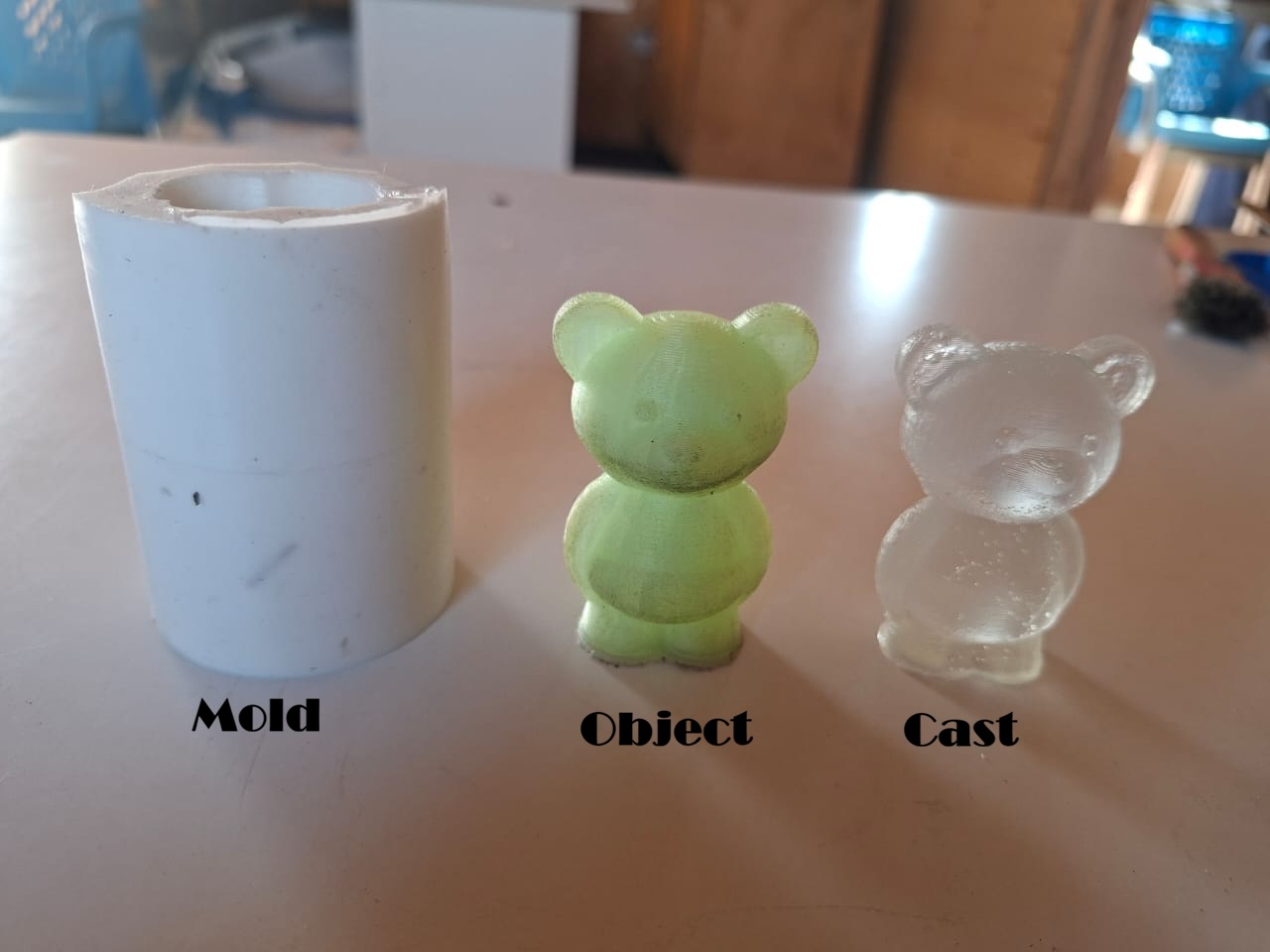
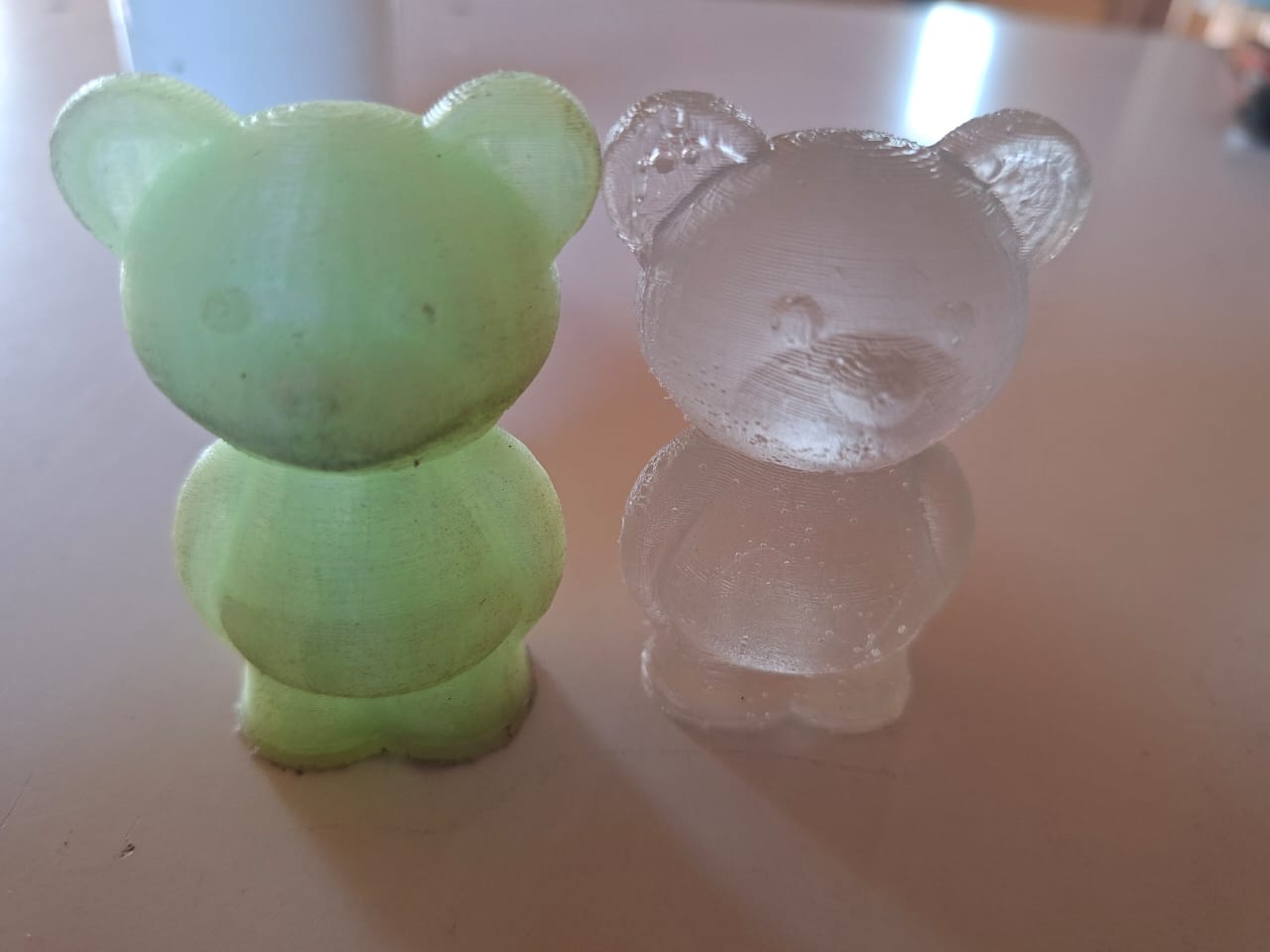
Since my initial design did not fully meet the assignment requirements, I decided to explore an alternative design that would demonstrate three-dimensional geometry and smooth surfaces. I chose a doll-like figure with curved surfaces and more complex shapes to better understand the process of mold making and casting.
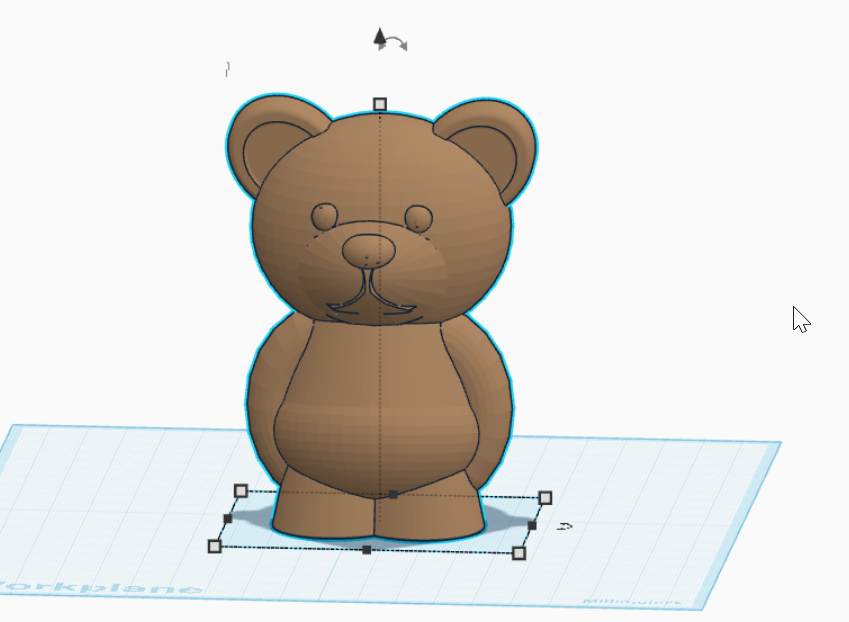
Designing the Model
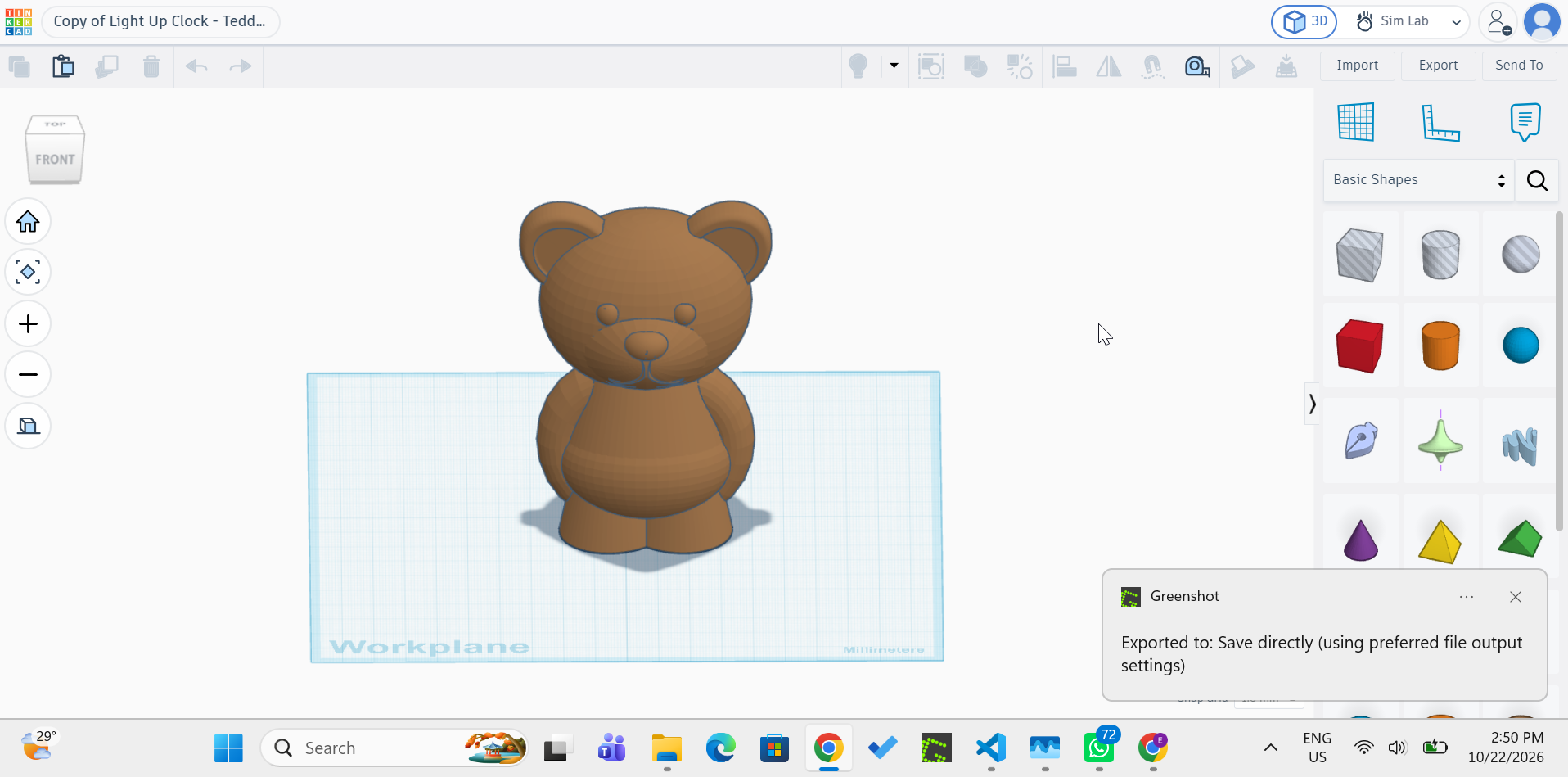
I used Tinkercad to develop the model before preparing it for 3D printing. The design allowed me to explore how a three-dimensional object with curved surfaces could be used as a positive model for creating a silicone mold.
3D Printing and Sanding
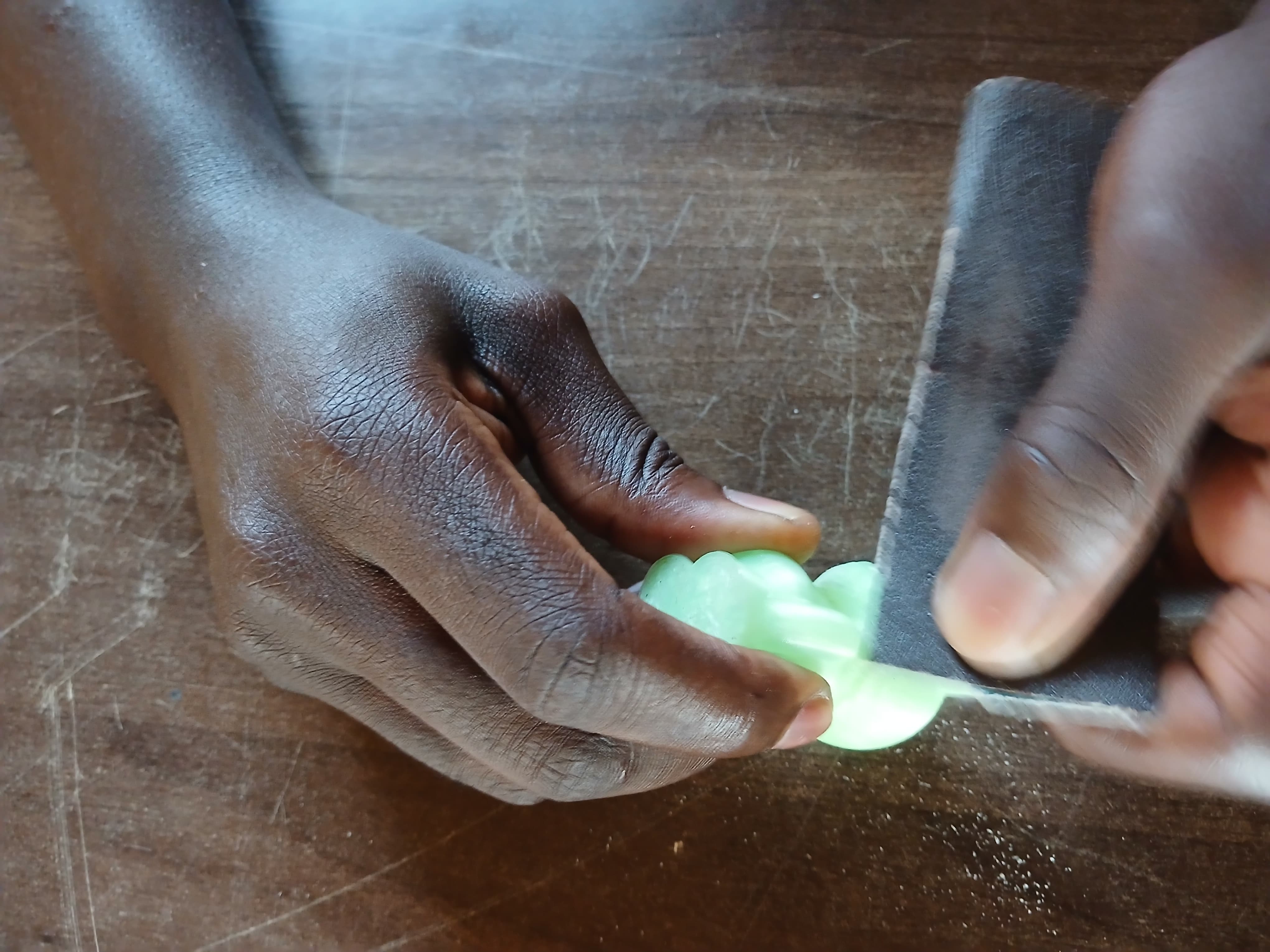
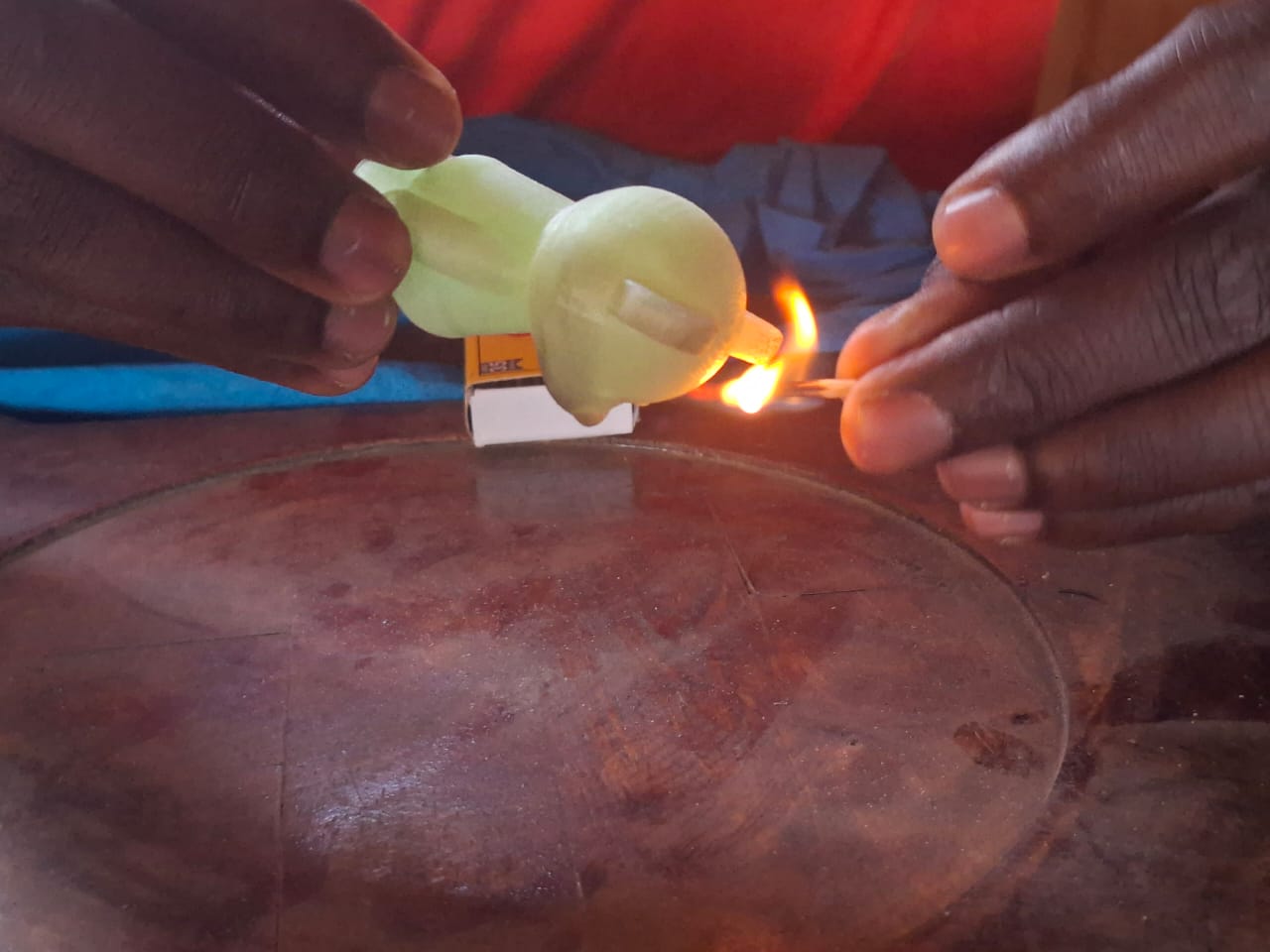
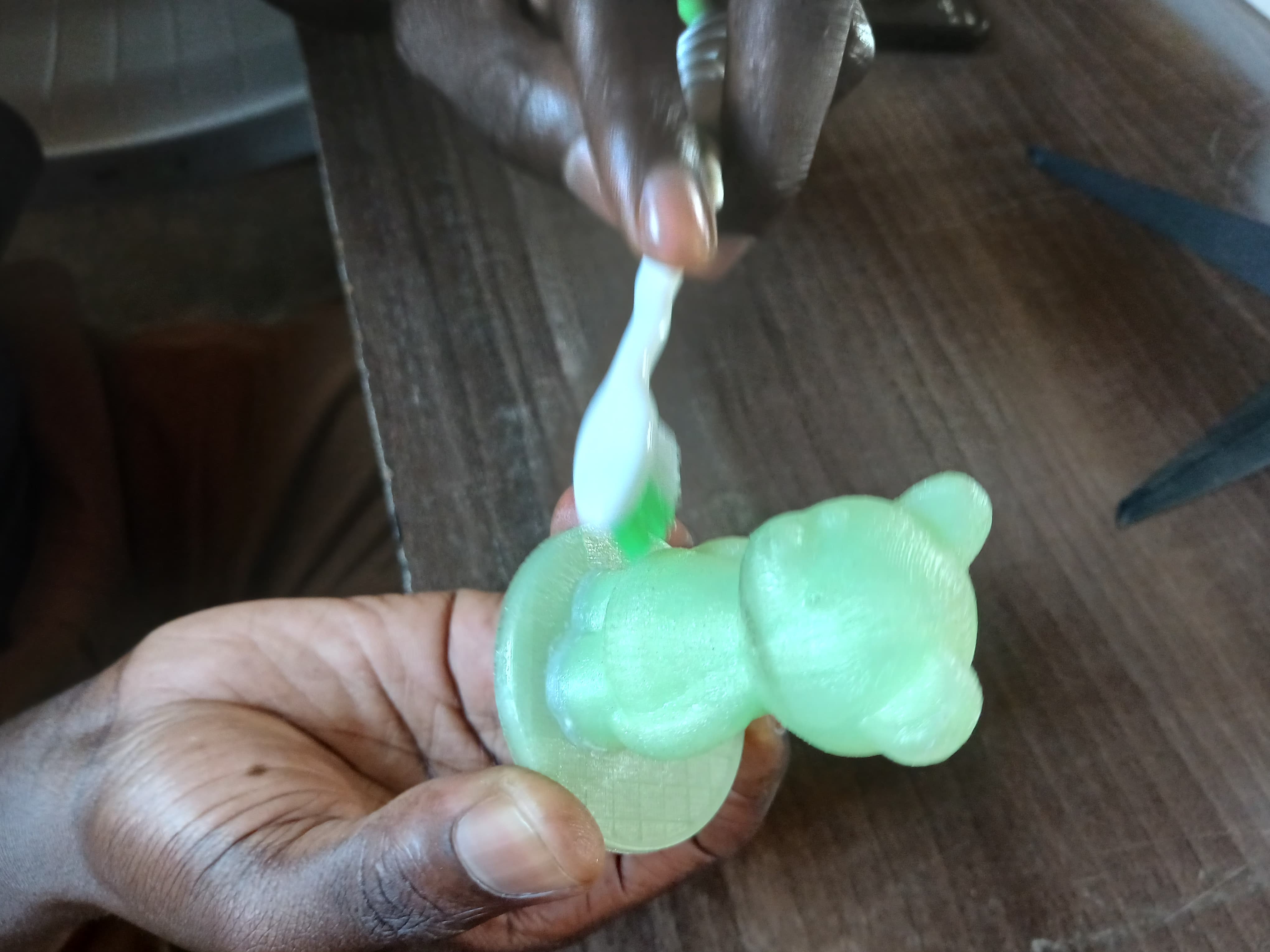
After completing the design, I 3D-printed the model. I then sanded the printed surface to reduce visible layer lines and make the surface smoother. This step was important because imperfections on the printed model could be transferred to the silicone mold and eventually appear on the final cast.
I used match stick too to make it smoother
Applying Mold Release
Safety

Before mixing the materials, I put on the appropriate personal protective equipment (PPE), including safety glasses, a mask, and gloves. This helped protect my eyes, reduce exposure to dust and airborne particles, and prevent direct contact with the materials during the moulding and casting process.
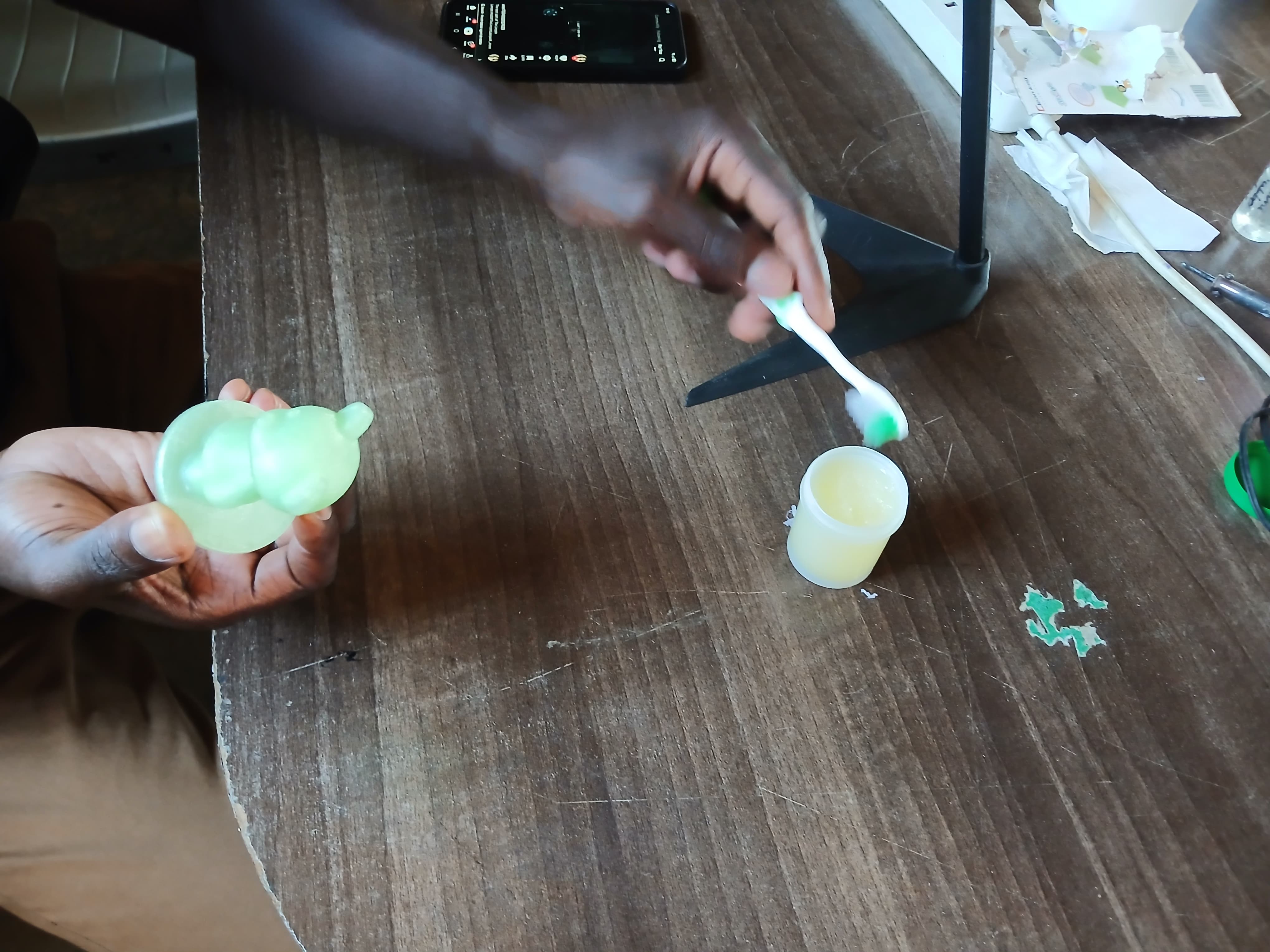
Before pouring the silicone, I applied a mold-release agent to help separate the printed model from the cured silicone. I also used Arimis as part of my release preparation.
The purpose of this step was to reduce adhesion between the model and the silicone, making demolding easier and reducing the risk of damaging the mold.
Pouring the Silicone
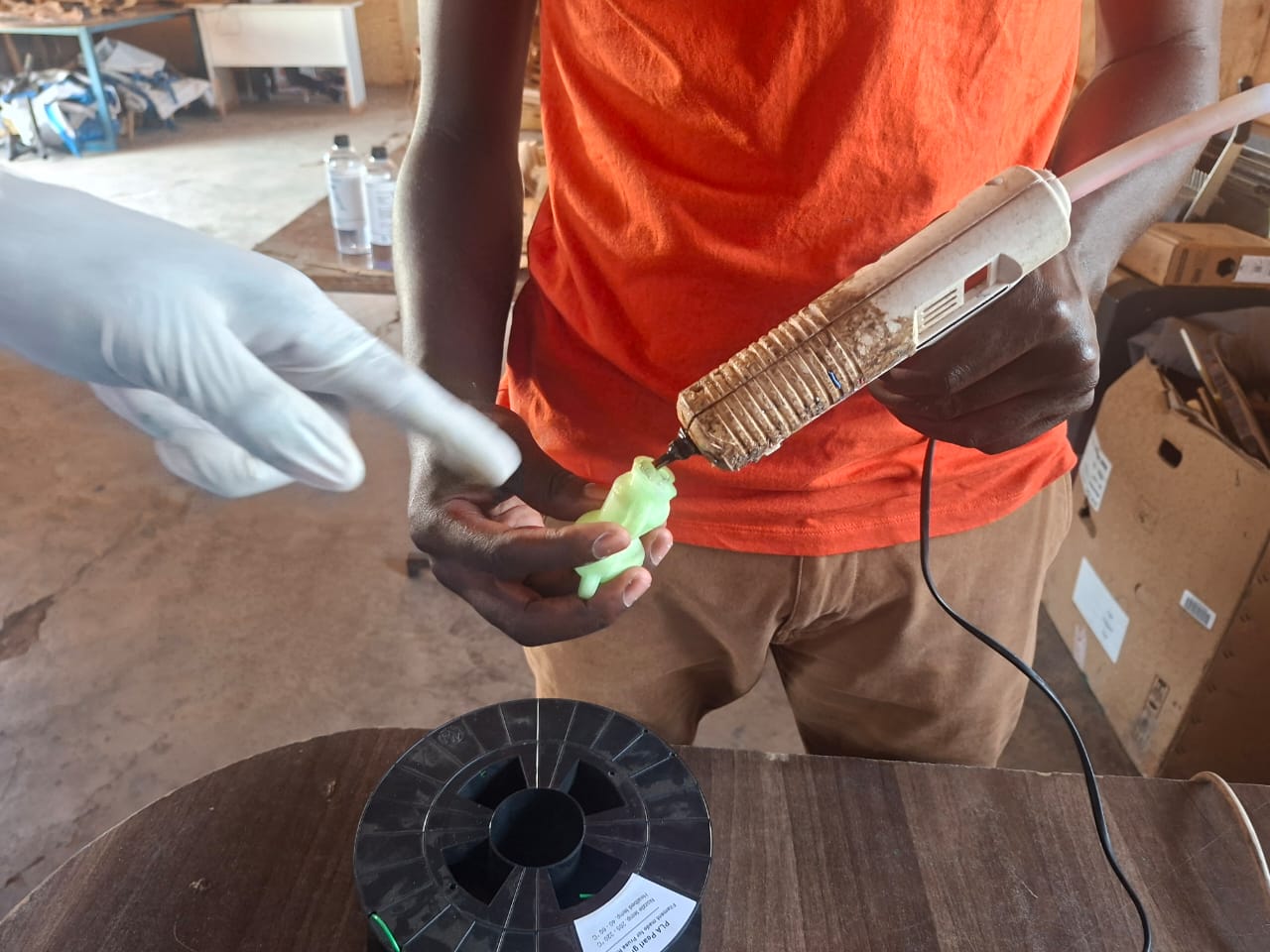
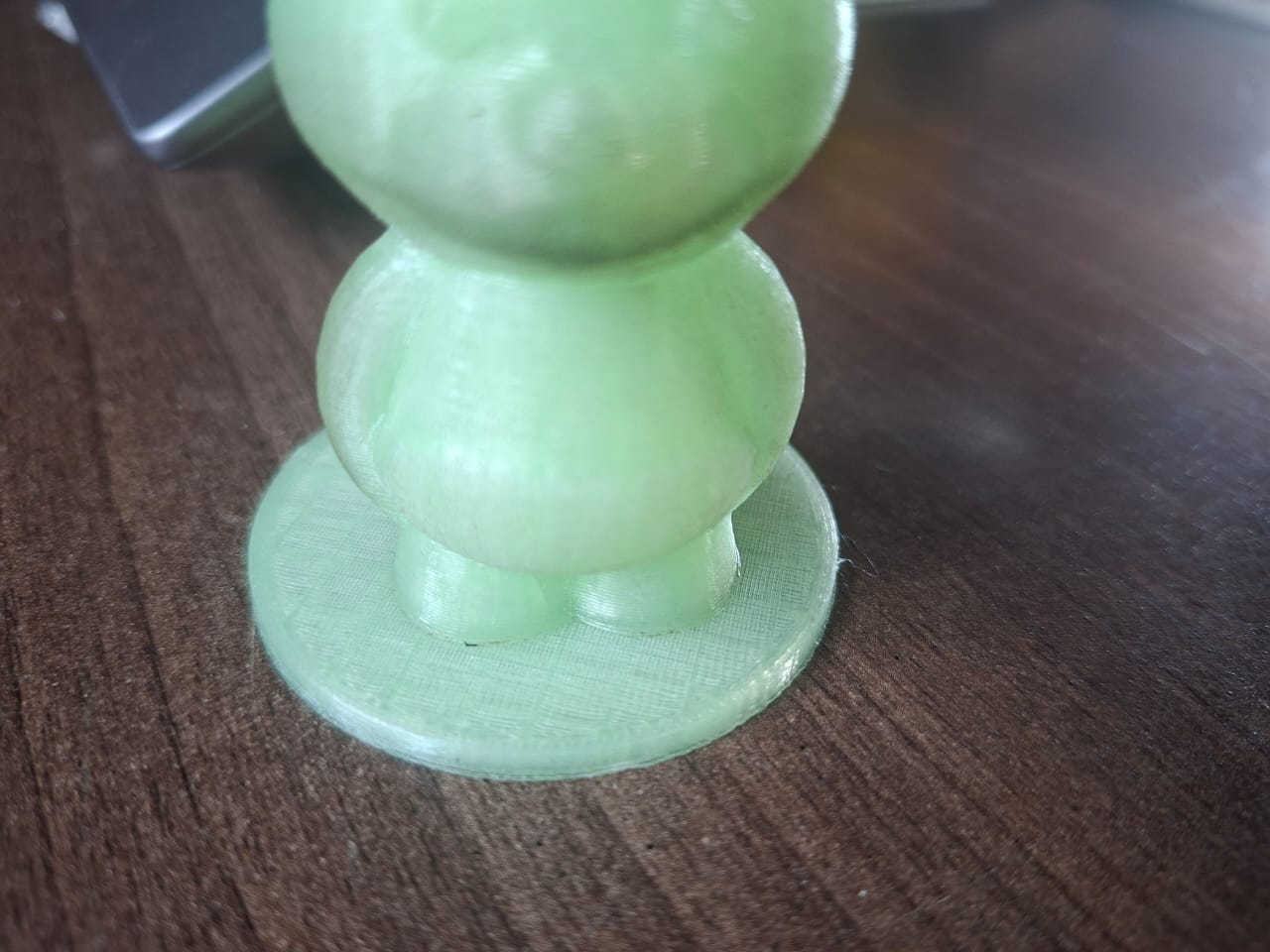
I prepared a bottom base for the model and used a hot glue gun to seal the edges and reduce the possibility of silicone leakage. I positioned the model upright and poured the silicone from the head, allowing it to flow around the figure and cover its surfaces.
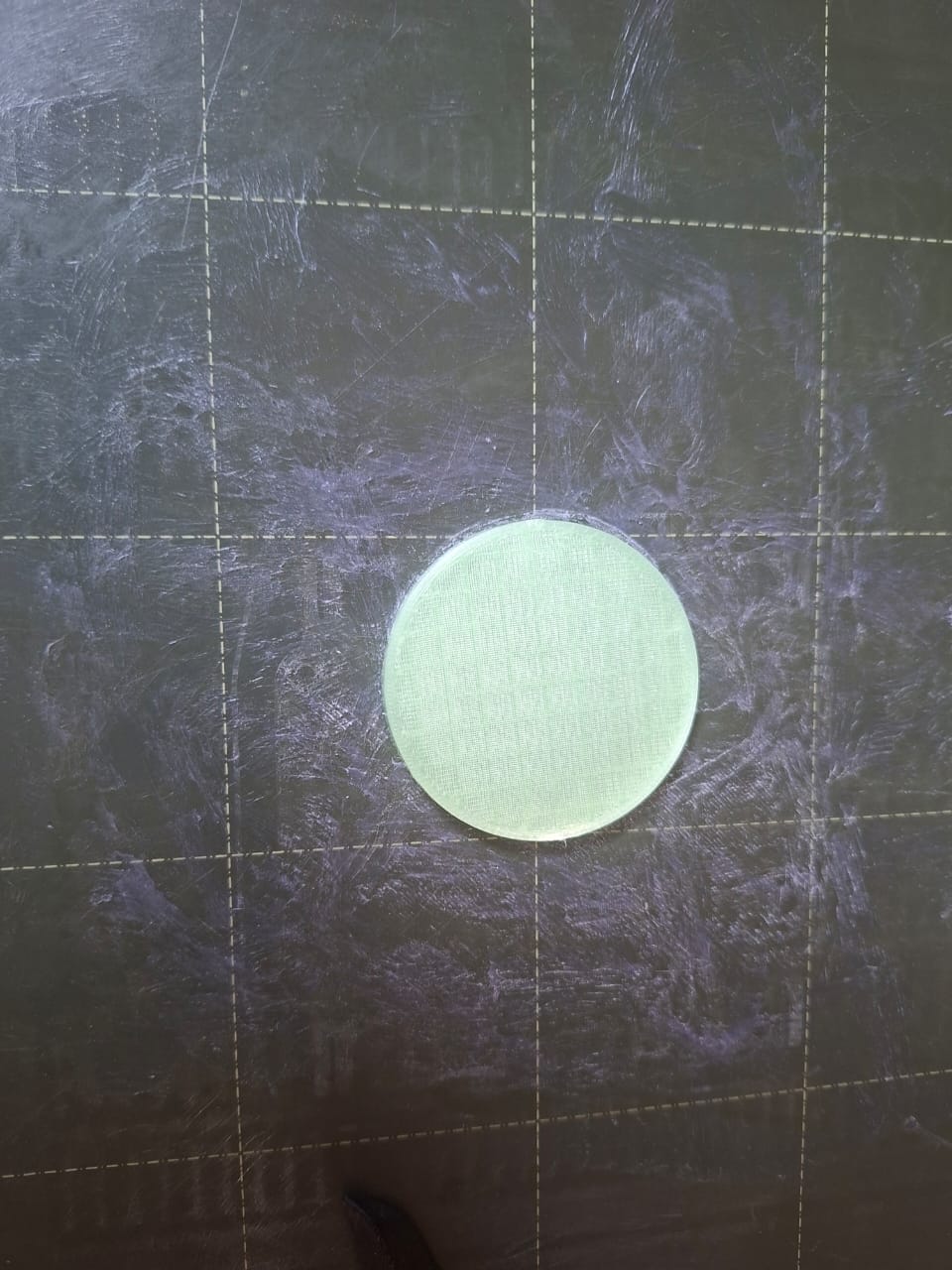
I printed the base for the model then one to attach to the bottom where i will stick the bottom part
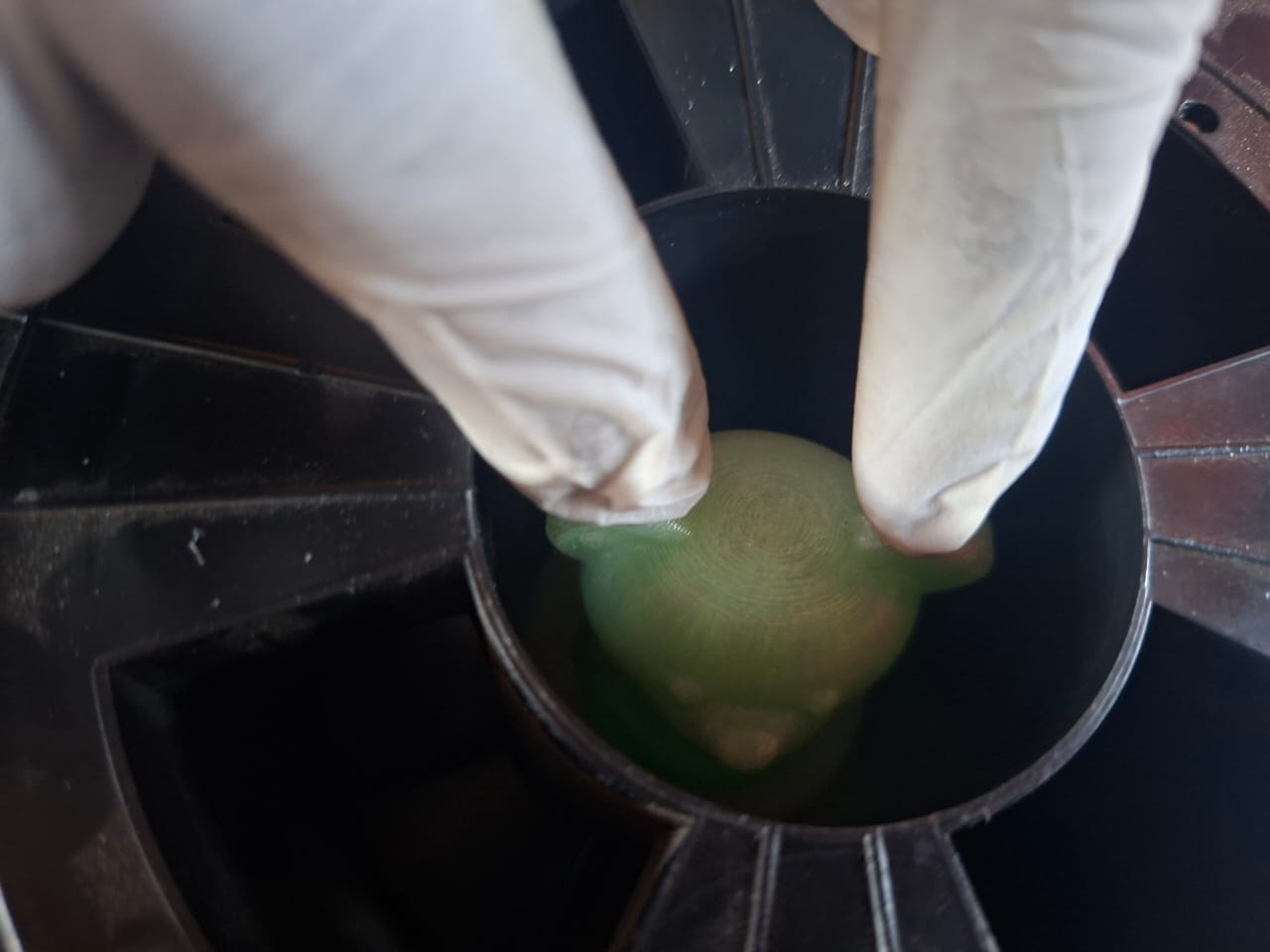
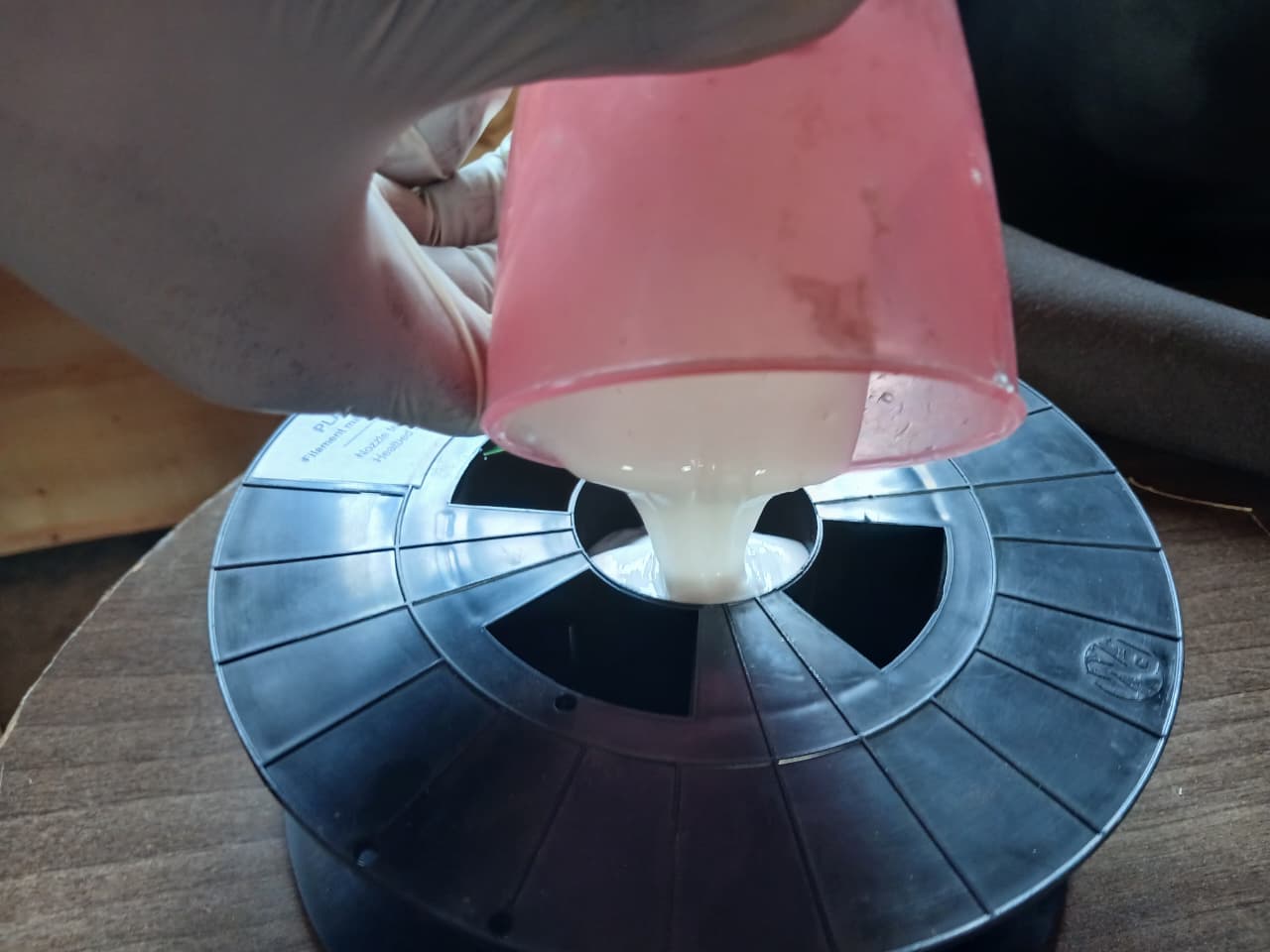
After the silicone cured, I removed the original model to obtain the mold that would be used for epoxy casting.
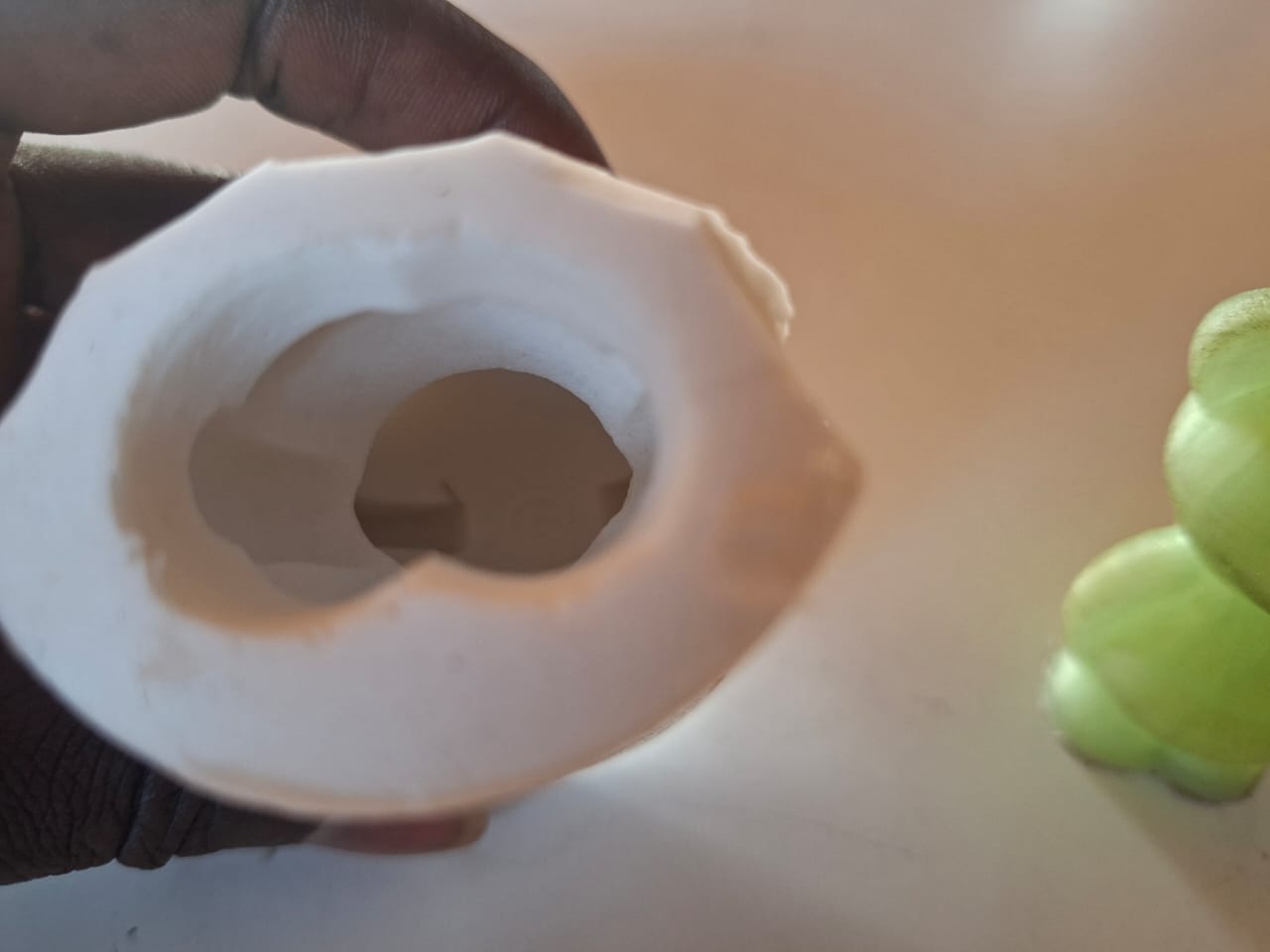
Epoxy Casting
Once the silicone mold was ready, I prepared the epoxy for casting. I positioned the mold upside down and poured the epoxy from the foot end, allowing the material to flow towards the rest of the figure. I used masking tape to hold the mold together and help prevent the two sides from separating during pouring.
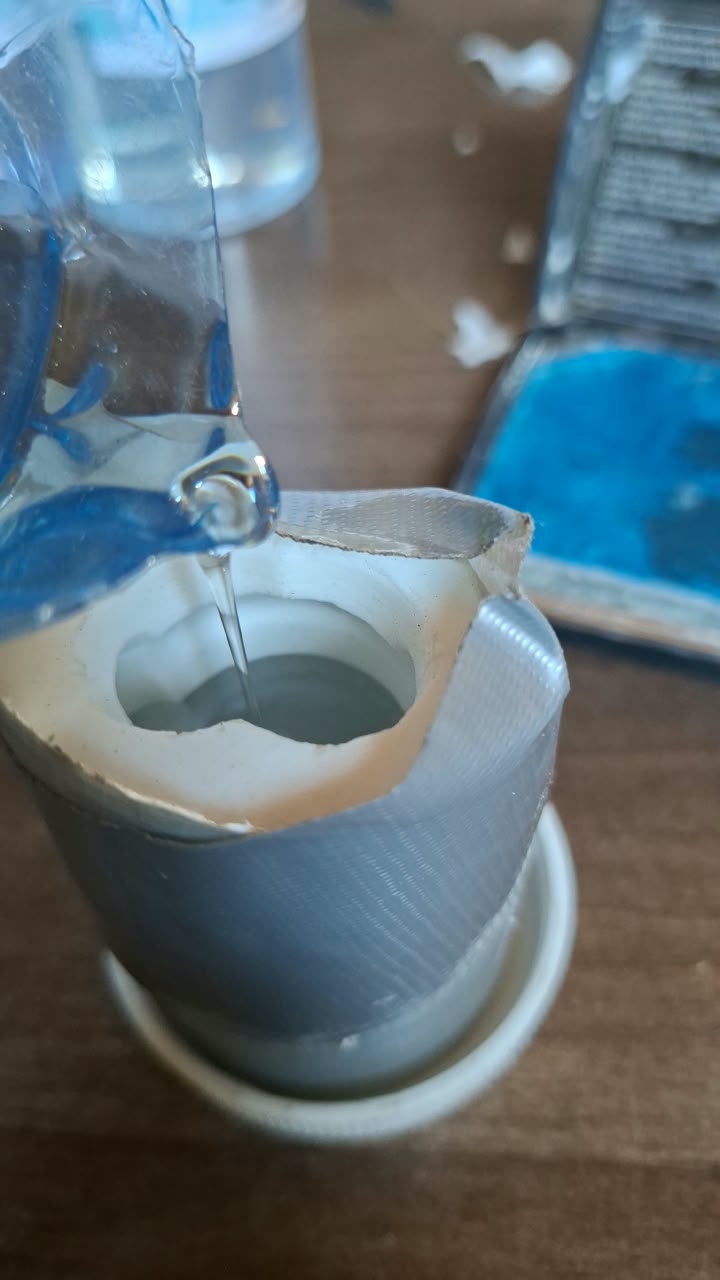
Challenges and Lessons Learned
One of the main challenges was that the silicone mold was thicker than I had intended. This made it difficult to remove the cast from the mold. To address the problem, I carefully cut the mold partway down to create an opening that would make demolding easier.
I then used masking tape to hold the cut sections together during casting. Although the mold could still stay together after cutting, the process showed me the importance of planning the mold’s thickness and parting line before pouring the silicone.
This exercise helped me understand how the quality of the original 3D-printed model, surface preparation, mold-release application, silicone pouring, and mold design can affect the final casting process. It also showed me why mold thickness and ease of demolding should be considered during the design stage rather than after the mold has cured.