Water for Aduvan
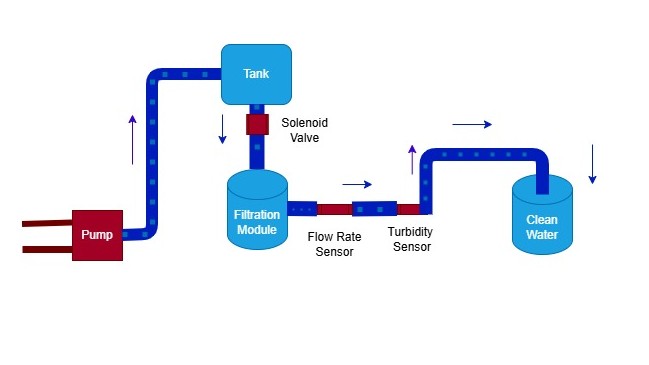
A community-owned, fablab-built water purification system for Kisumu, Kenya.
Project at a Glance
- Location: Kisumu, Kenya — Fab Lab Winam
- Origin: Started as a Fab Academy project, Working in collaboration with Yasushi Donoue of Japan
- Pilot phase: 100 households, launching Spring 2027
- Scale target: 1,000 households
- Key technology partners: Toyota, Bio Club Tokyo, Poly-Glu Social Business Bangladesh
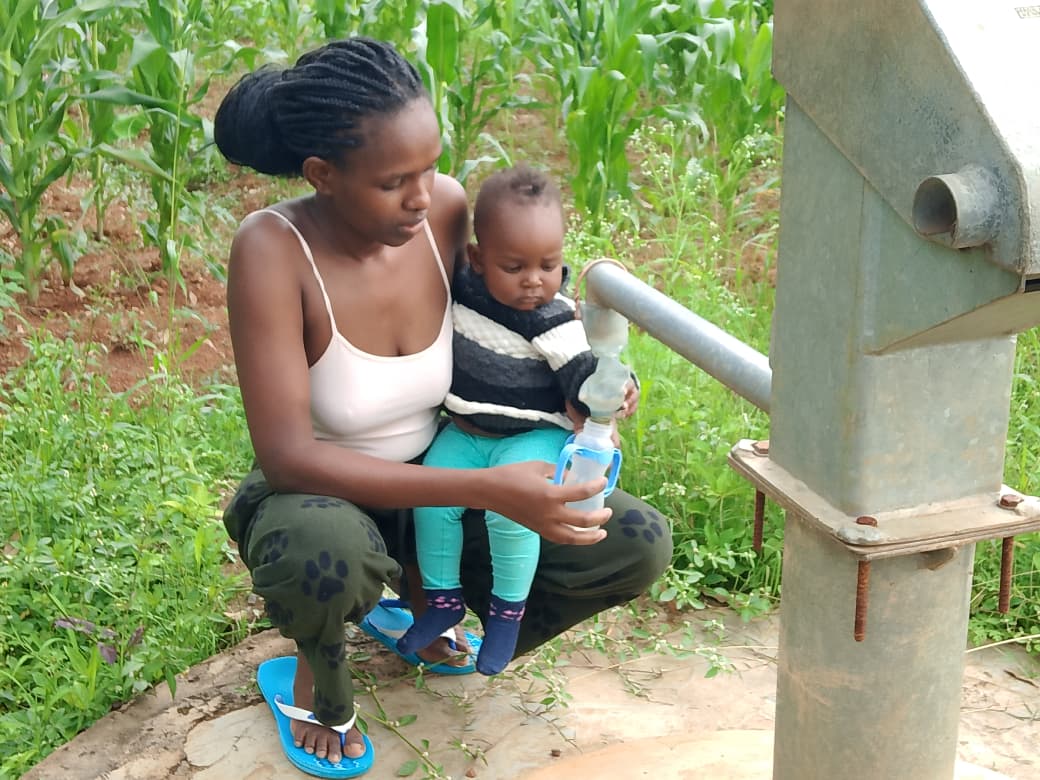
Water for Aduvan is a project to address poor drinking water availability in Kisumu, Kenya. What began as a Fab Academy project has grown into an effort to create a water purification system that delivers clear, toxin-free, virus- and bacteria-free drinking water for members of the Kisumu community.
Working in collaboration with Yasushi Donoue of Japan, we are building a technology-enhanced water system that is modular, affordable, and fablab-able — designed so it can be scaled to benefit many households in a sustainable, locally owned manner.
This project explores how digital fabrication, electronics, and locally available materials can be combined into an affordable water purification system that communities can build, maintain, and improve themselves.

The Technology
Modular Treatment System
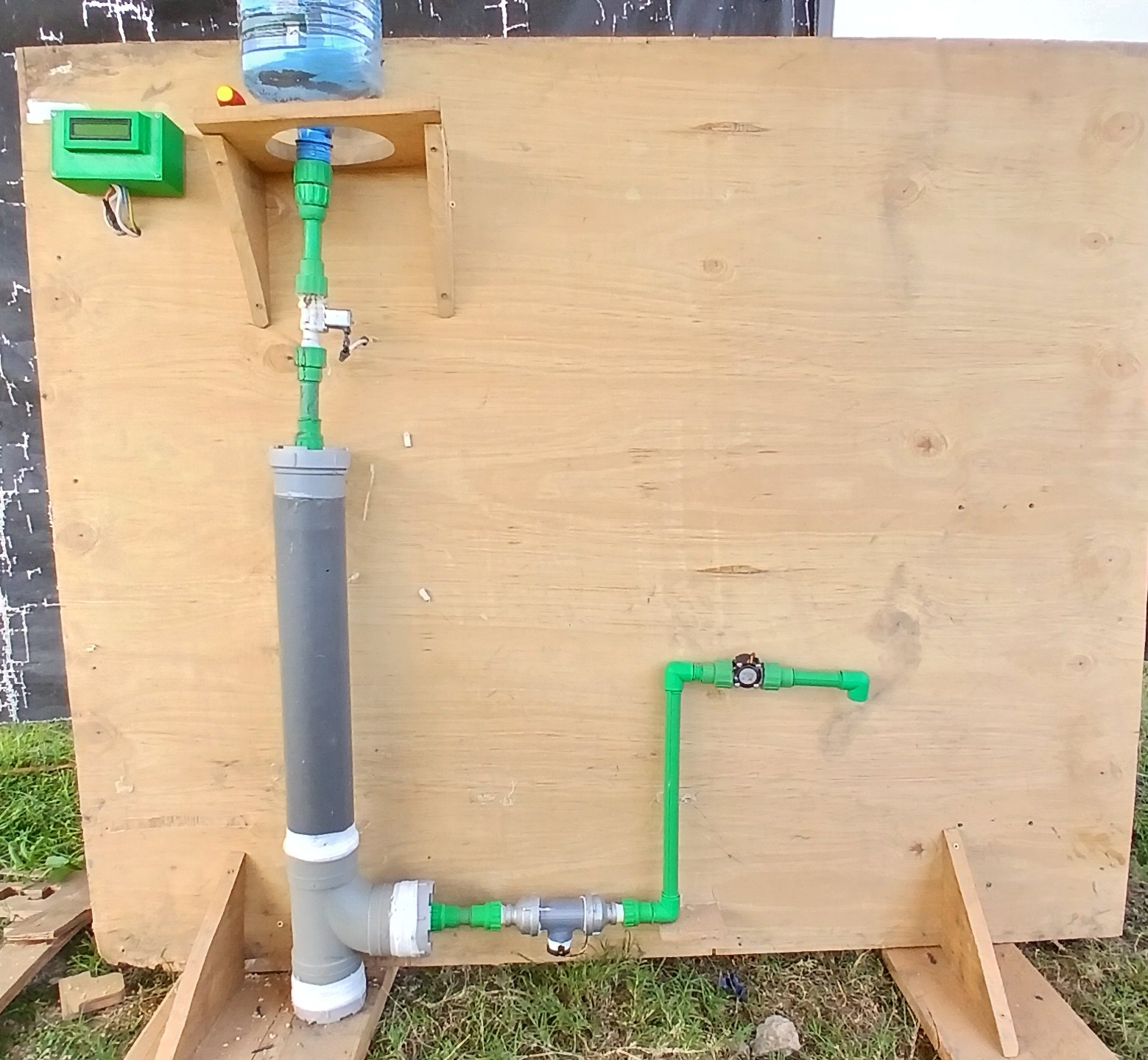
Water passes through a series of independent treatment modules, each addressing a different stage of purification.
**Module 1 — Poly-Glu
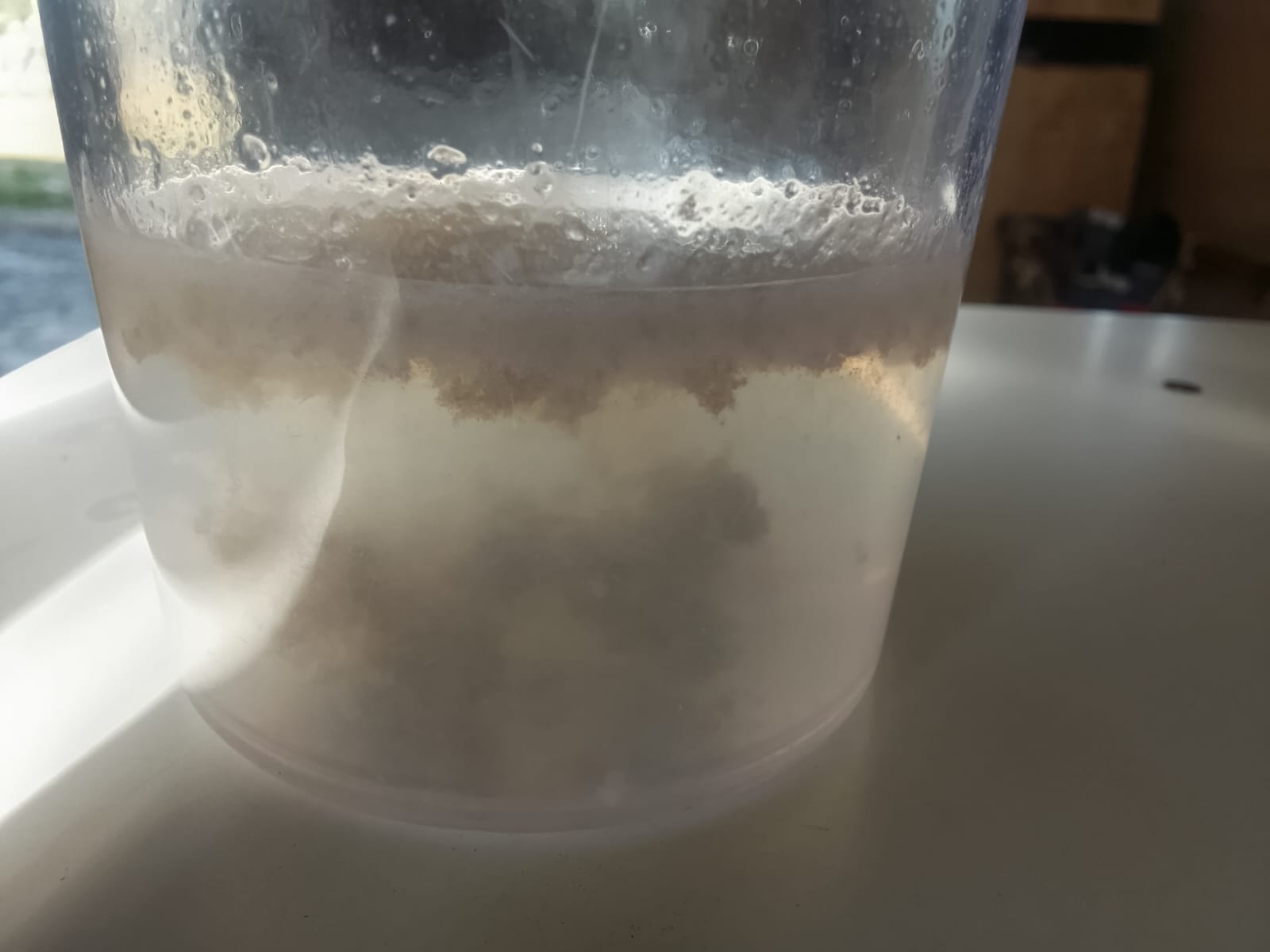
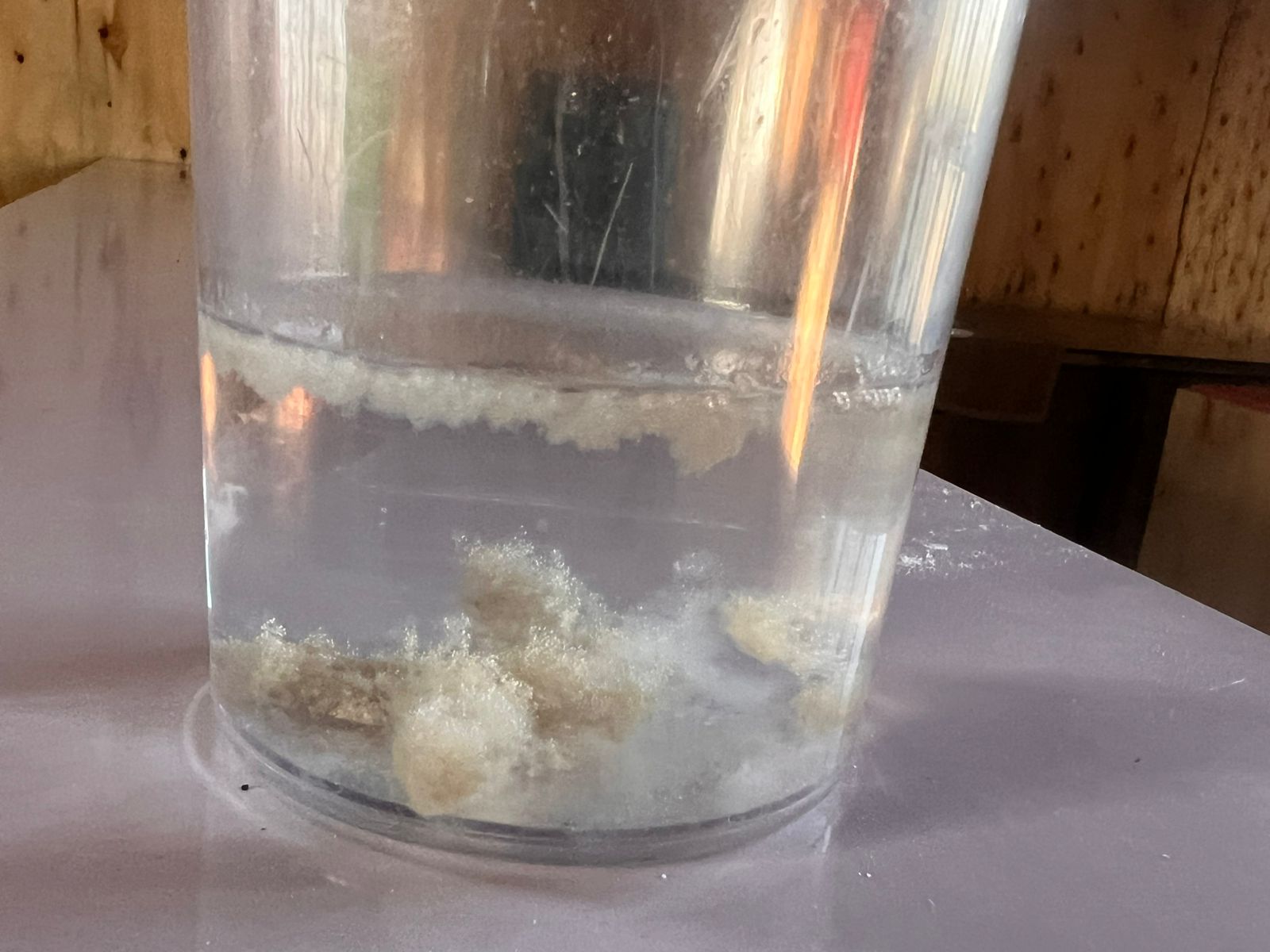
Poly-Glu purifies contaminated water by using a soy-based powder (PGα21Ca) that instantly neutralizes the negative electrical charges of floating dirt, heavy metals, and bacteria. The sticky polyglutamic acid in the powder then acts like a microscopic net, binding these neutralized particles into heavy clumps that rapidly sink to the bottom . Within minutes, this process separates muddy, polluted water into a concentrated layer of sludge at the bottom and a clear, odorless layer of water on top that is ready for filtration.
Poly-Glu Social Business Official Page
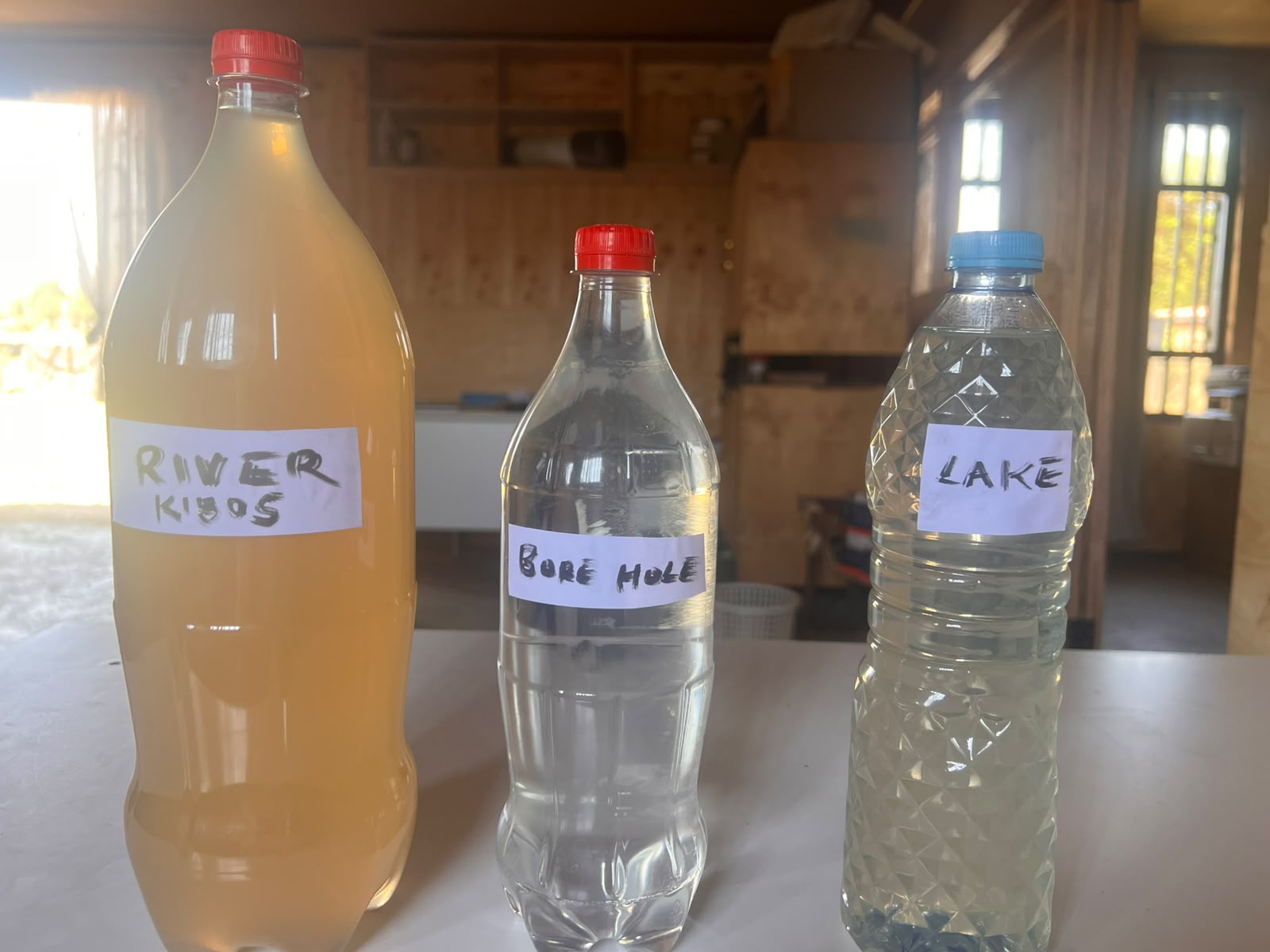
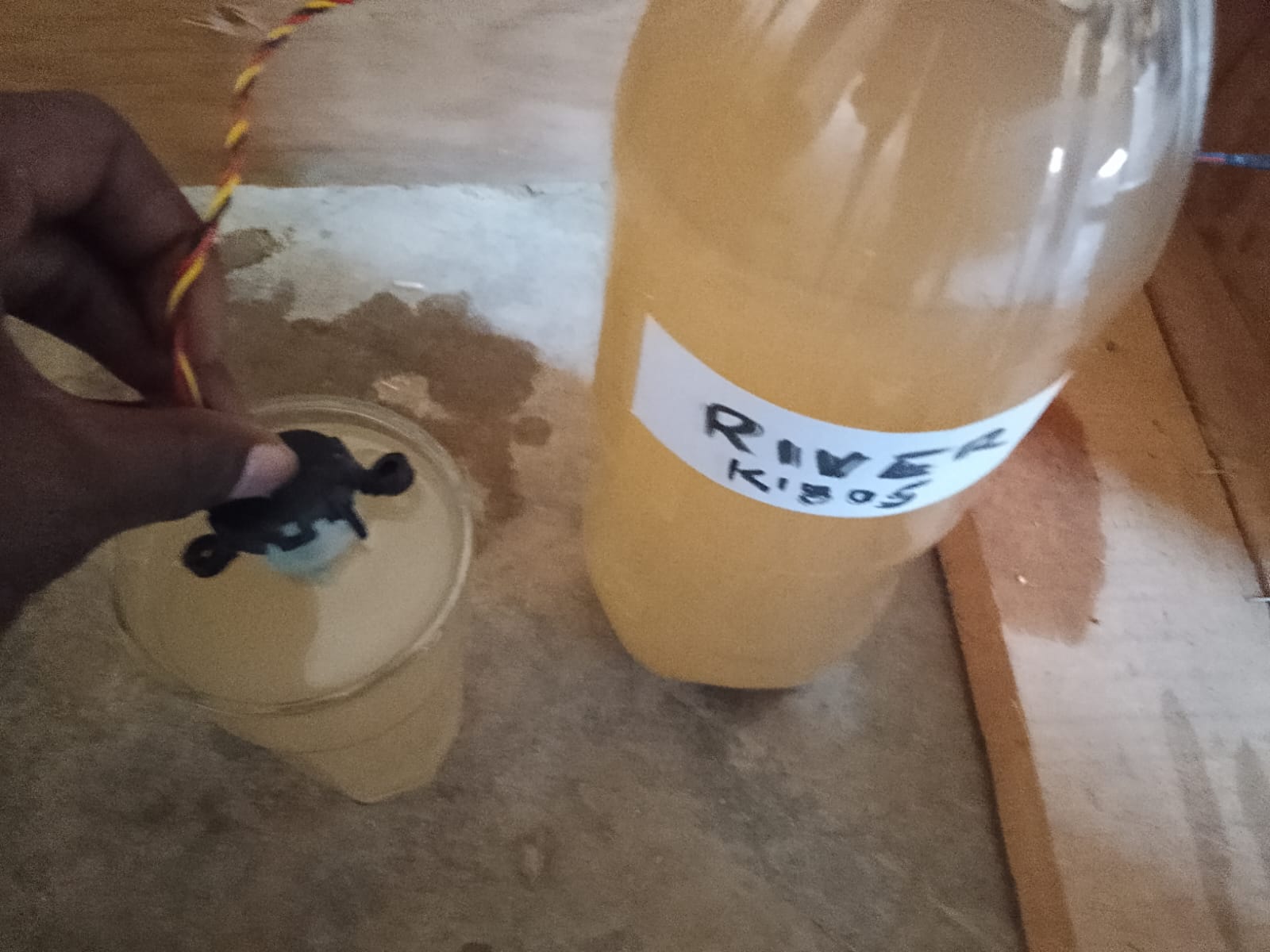
Tests polyglu and turbidity of different water sources
Module 2 — Sediment Filtration
Removes visible particles, dirt, and suspended solids to:
- Improve water clarity
- Reduce load on downstream modules
Module 3 — Monitoring and Control
Uses sensors and a microcontroller for:
- Turbidity monitoring
- Flow measurement
- Water quality tracking
- System status monitoring
Module 4 — Photocatalyst Chamber
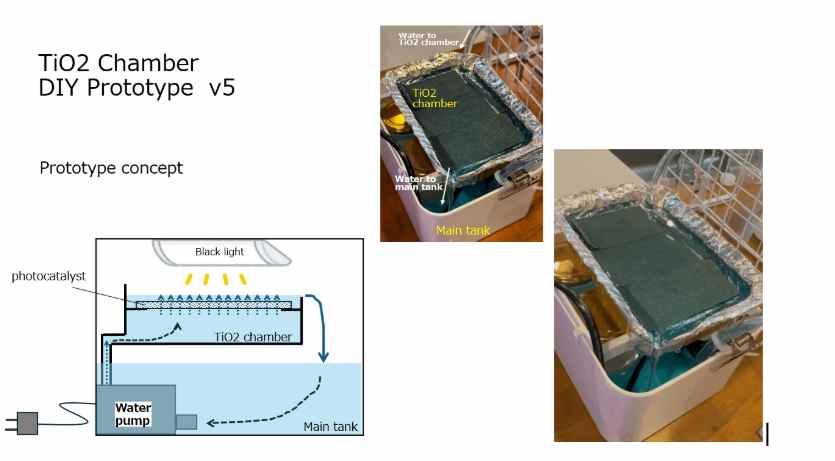
At Fab Lab Winam, we are collaborating with Toyota and Bio Club Tokyo in Japan to explore photocatalyst technology as part of our community-owned water purification system. After filtration and treatment, water flows through a TiO₂ photocatalyst chamber designed to help reduce harmful microorganisms and improve water safety.
The photocatalyst stage is intended to help inactivate or reduce pathogens such as E. coli, cholera-causing bacteria (Vibrio cholerae), Salmonella, Shigella, algae, biofilm-forming microorganisms, and other biological contaminants — combining local fabrication and community knowledge in Kenya with technical expertise and testing support from partners in Japan.
Progress & Roadmap
| Phase | Target | Timeline |
|---|---|---|
| Phase 1 — Pilot | 100 households | Spring 2027 |
| Phase 2 — Scale-up | 1,000 households | Following pilot review |
The first phase of the project, rolling out in Spring 2027, will test the system’s efficacy in real-world conditions. From the trial run, we intend to make improvements and adjustments to the system before scaling up production and distribution.
Business Model & Sustainability
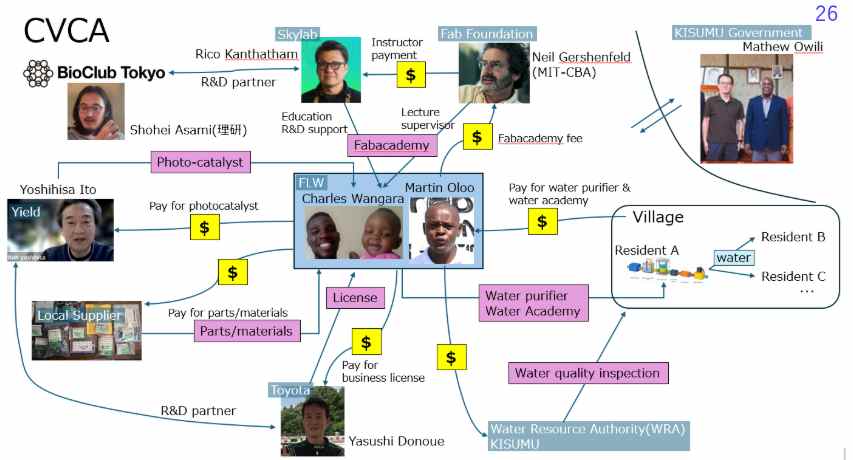
A business model is being developed to ensure the production viability of the device as well as its ongoing sustainability. Several models are under consideration, each tailored to the Kenyan context.
DROP Academy
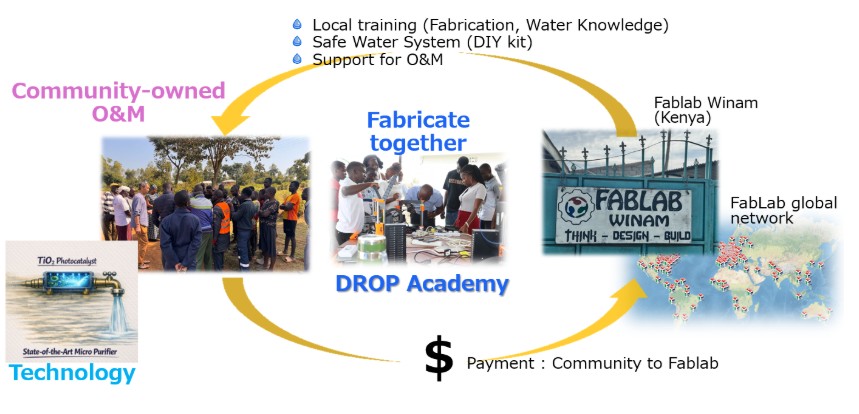
As part of the project, Fab Lab Winam will establish the DROP Academy, a community training and support program focused on safe water technologies. The academy will train community members in the design, fabrication, assembly, operation, and maintenance of the water purification system.
Through a DIY Safe Water Kit, communities will be able to build, repair, and upgrade their own systems using locally available materials and digital fabrication tools. The academy will also provide ongoing operation and maintenance (O&M) support, helping ensure long-term sustainability, local ownership, and wider adoption of safe water solutions.