Appearance
WEEK 17 – Wildcard Week
Individual Assignment
- Design and produce something with a digital process (incorporating computer-aided design and manufacturing) not covered in another assignment, documenting the requirements that your assignment meets, and including everything necessary to reproduce it.
- Possibilities include (but are not limited to): machines / welding / folding / robotics /electronics / embedded programming / food / materials / biotechnology / textiles / composites
Individual Work
Introduction
For this Wildcard week, I decided to focus on testing and experimenting "Materials" (other than PLA) and "Folding" using 3D Printing technology. Applied to my final project, the aim is to explore various structural possibilities in designing and producing a collapsable container made entirely by 3D printing. This differs significantly from my "Week 5" work about 3D Printing by the overall challenge set (functionality, size of components...), and more importantly, incorporating in one design two materials with opposite mechanical properties – SOFT (Flexible) and HARD (Engineering) Materials. Here below are the 3 main sections of my work this week:
1. Test-Print a 2-Dimensional Part made of Flexible + Engineering Materials
2. Design & Print a 3-Dimensional Container made of Flexible + Engineering Materials
3. Design & Print a 3-Dimensional Container made of Flexible Material only
1. Test-Print a 2-Dimensional Part made of Flexible + Engineering Materials
Selected Materials and Descriptions
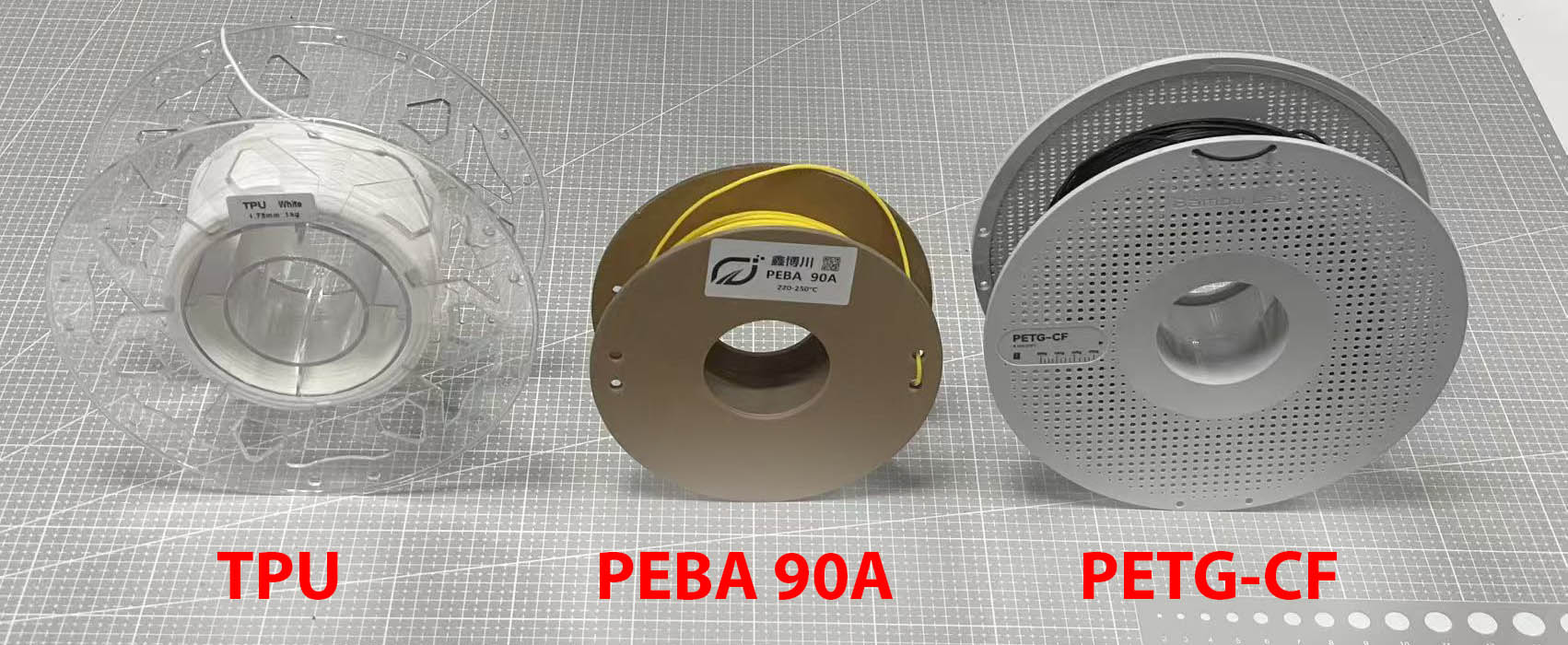
Flexible Materials: For this experimentation, I decided to use 2 different flexible materials available at UNNC Fab Lab... TPU and BEPA 90A. Both TPU and PEBA 90A are high-performance flexible polymers commonly used for 3D printing, footwear, and sports gear. While TPU offers easy printing and better heat tolerance, PEBA 90A is lighter, bouncier, retains its shape better under pressure, and performs significantly better in freezing temperatures.
Engineering Materials: Two choices are available at my Lab, PLA-CF and PETG-CF ("CF" stands for Carbon Fiber). PLA-CF and PETG-CF are both great for reducing warping and achieving a matte finish, but they serve different needs. PLA-CF is incredibly rigid, lightweight, and easy to print. PETG-CF is softer and more flexible, making it ideal for parts that require high impact resistance and moderate temperature tolerance. Therefore, I decided to select PETG-CF only for my experimentation.
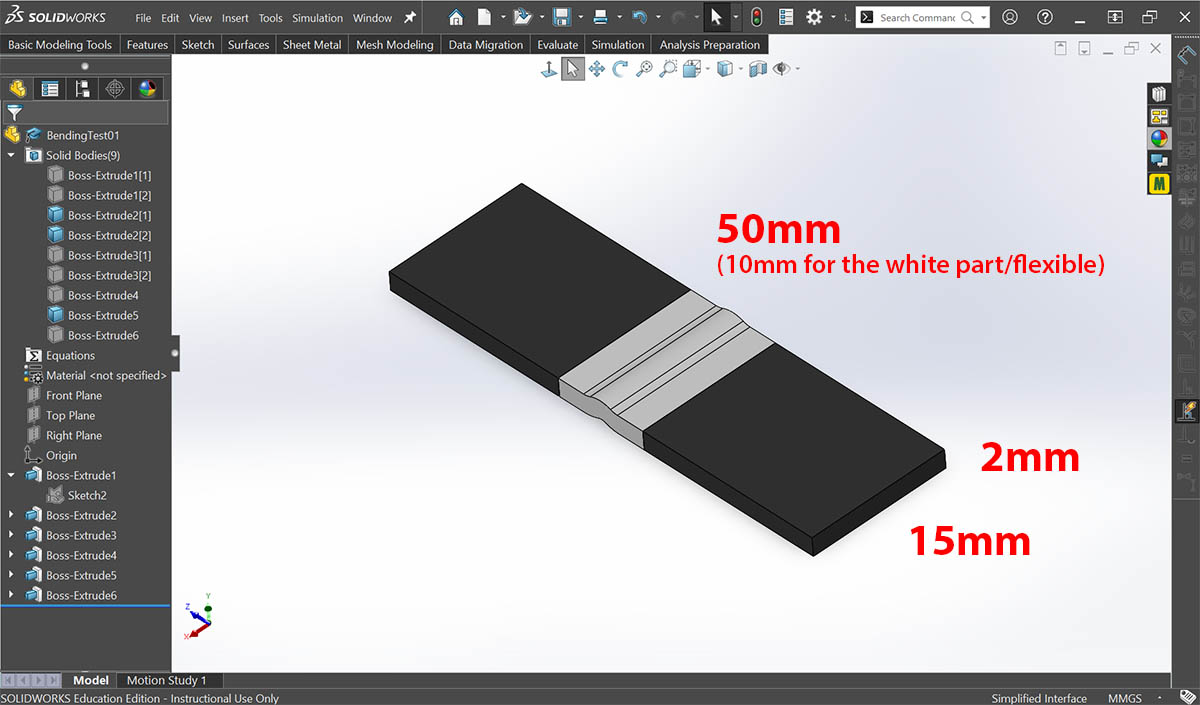
Design of the test part using SolidWorks
3D Print the Test-Part
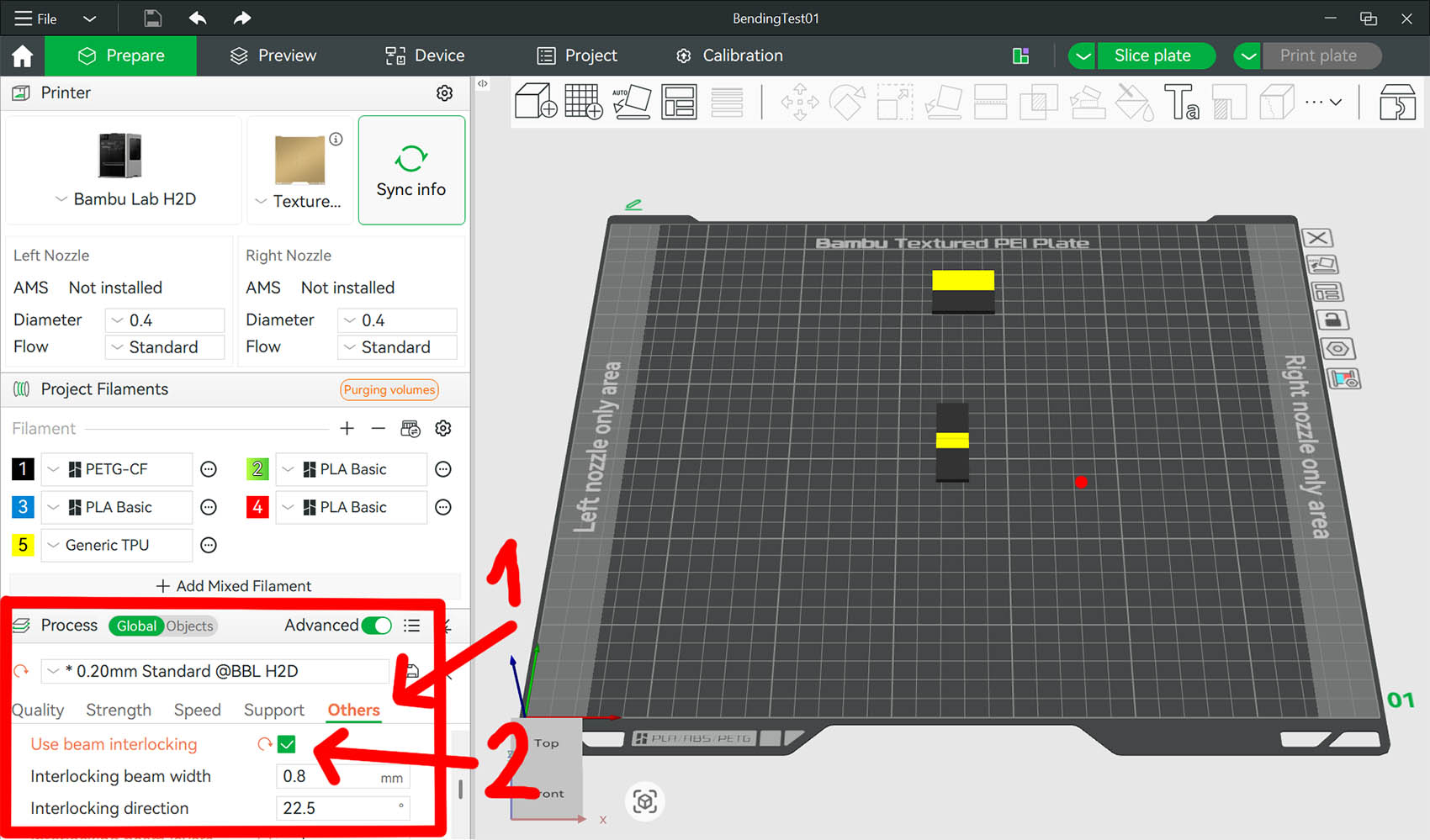
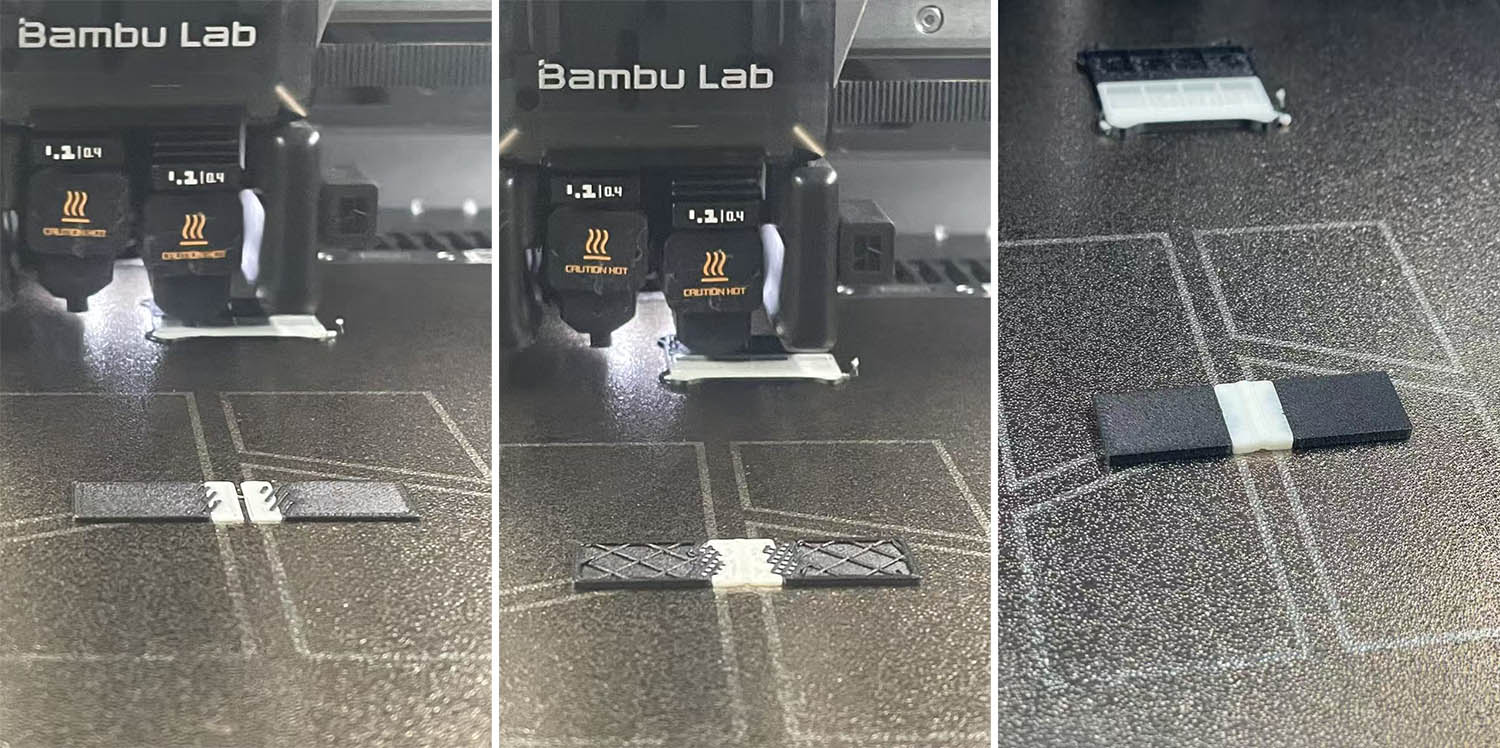
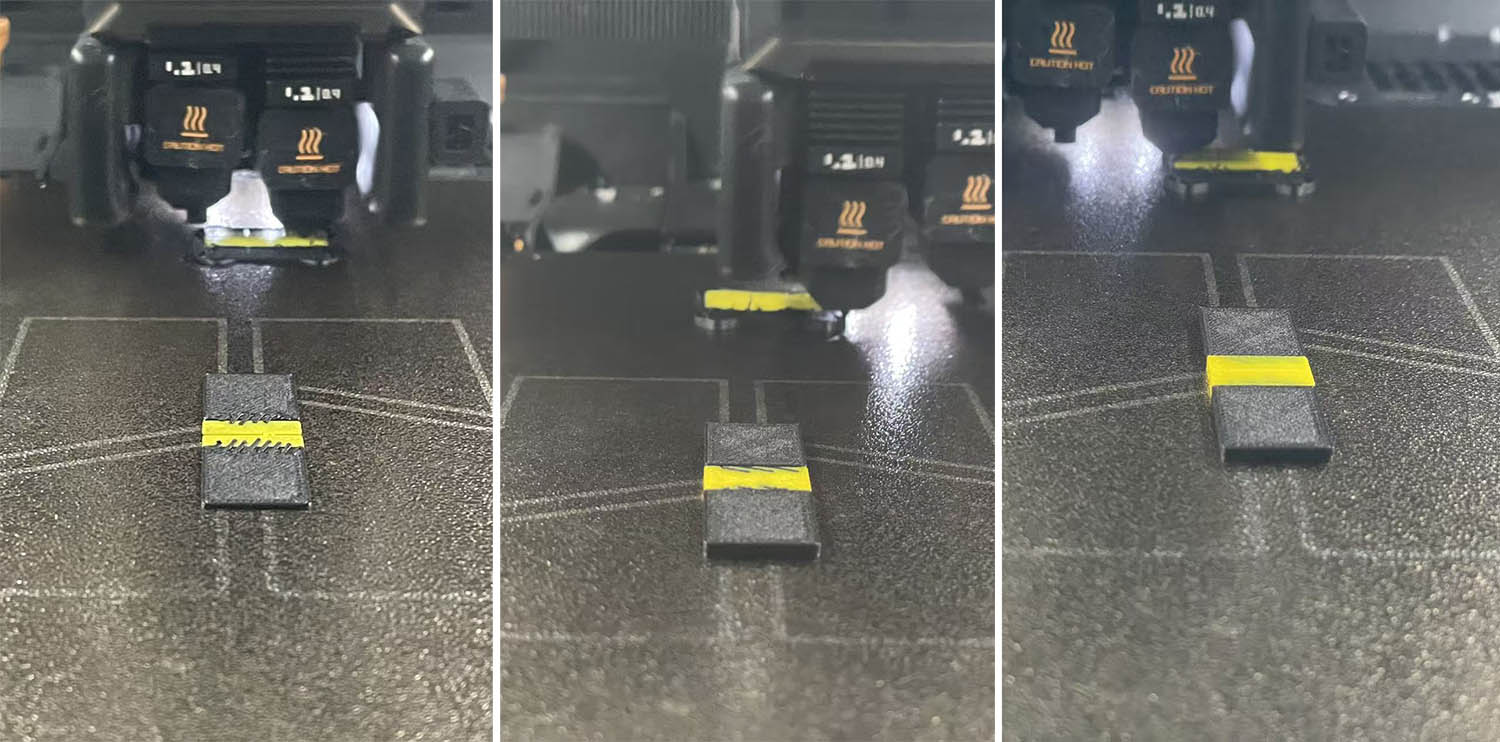
- ** Important Setting: "Use beam interlocking"**
I did set the project (dual material print) with the option "Use beam interlocking" activated.
Indeed, to mechanically link or bind two different materials together seamlessly in Bambu Studio, you need to use the Beam Interlocking feature. Because different materials (like PLA and TPU, or two different brands of plastic) do not naturally fuse well when melted together, this setting forces the slicer to weave physical "locking bars" or teeth inside the model where the two materials meet. Bambu Lab
- TPU + PETG-CF
- BEPA 90A + PETG-CF
Final Results
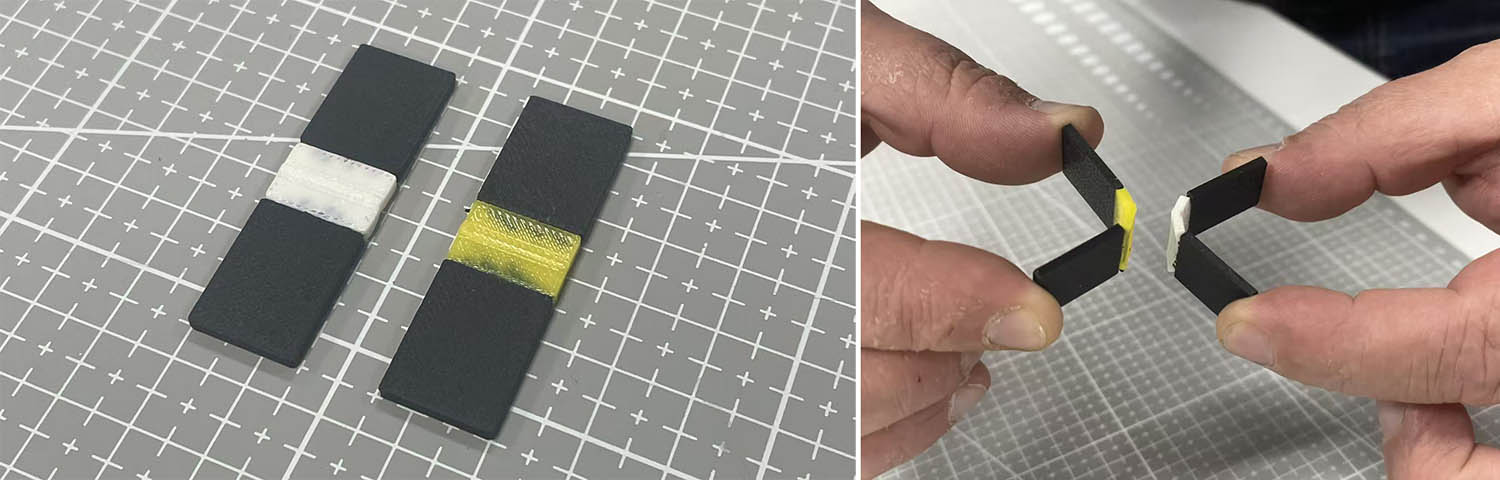
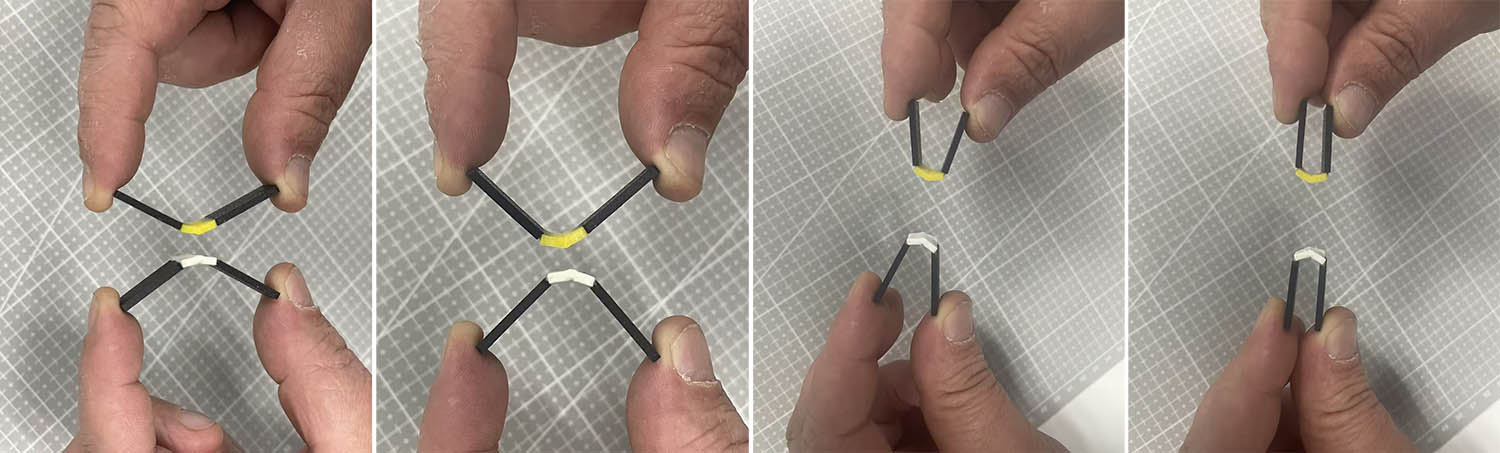
The final result pictures display an interesting possibility to create hinges and folding parts using flexible materials such as TPU and BEPA 90A mixed with harder materials. Nevertheless, the behaviour (response) difference between the two flexible materials under stress is not visually obvious here, but I did feel BEPA 90A being slightly bouncier than TPU.
2. Design & Print a 3-Dimensional Container made of Flexible + Engineering Materials
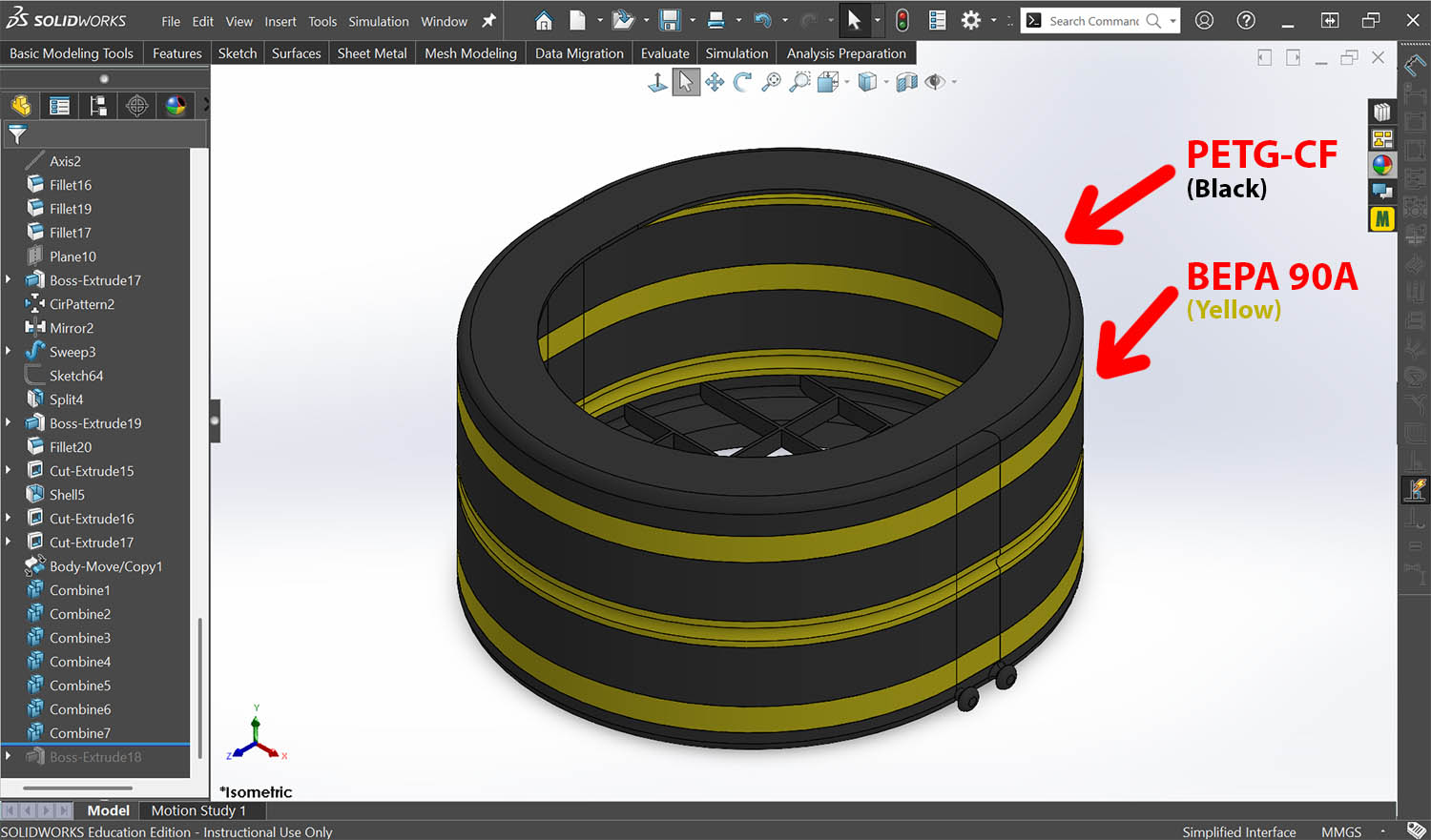
Design of the Container in SolidWorks
3D Printing of the Container
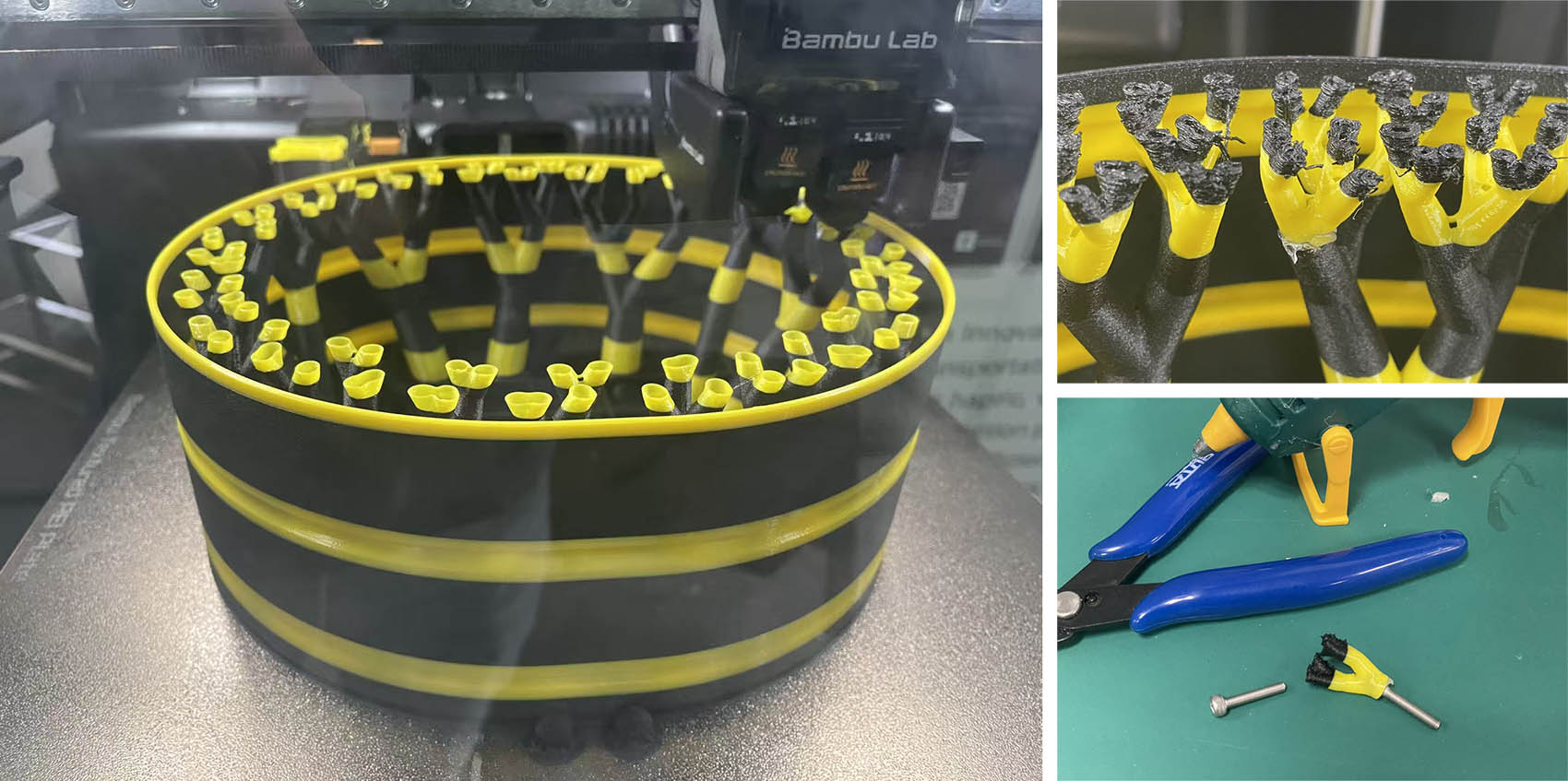
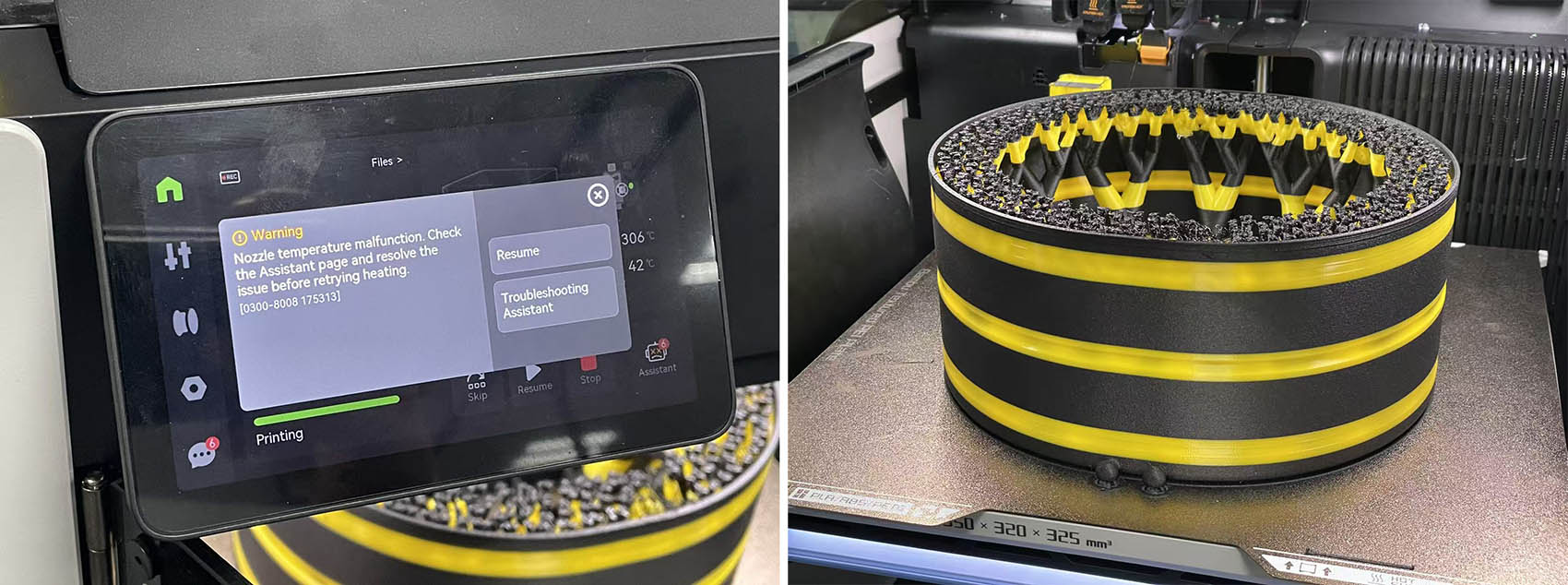
During printing, I did fix two tree supports which broke with a screw insert and hot glue... It did work well! But finally, I had to stop the printing job before completion because I encoutered temperature issue with the nozzle (see the message on the screen). I guess this was a good thing to happen to save material as I could feel the mechanism I had in mind would not work.
Final Result
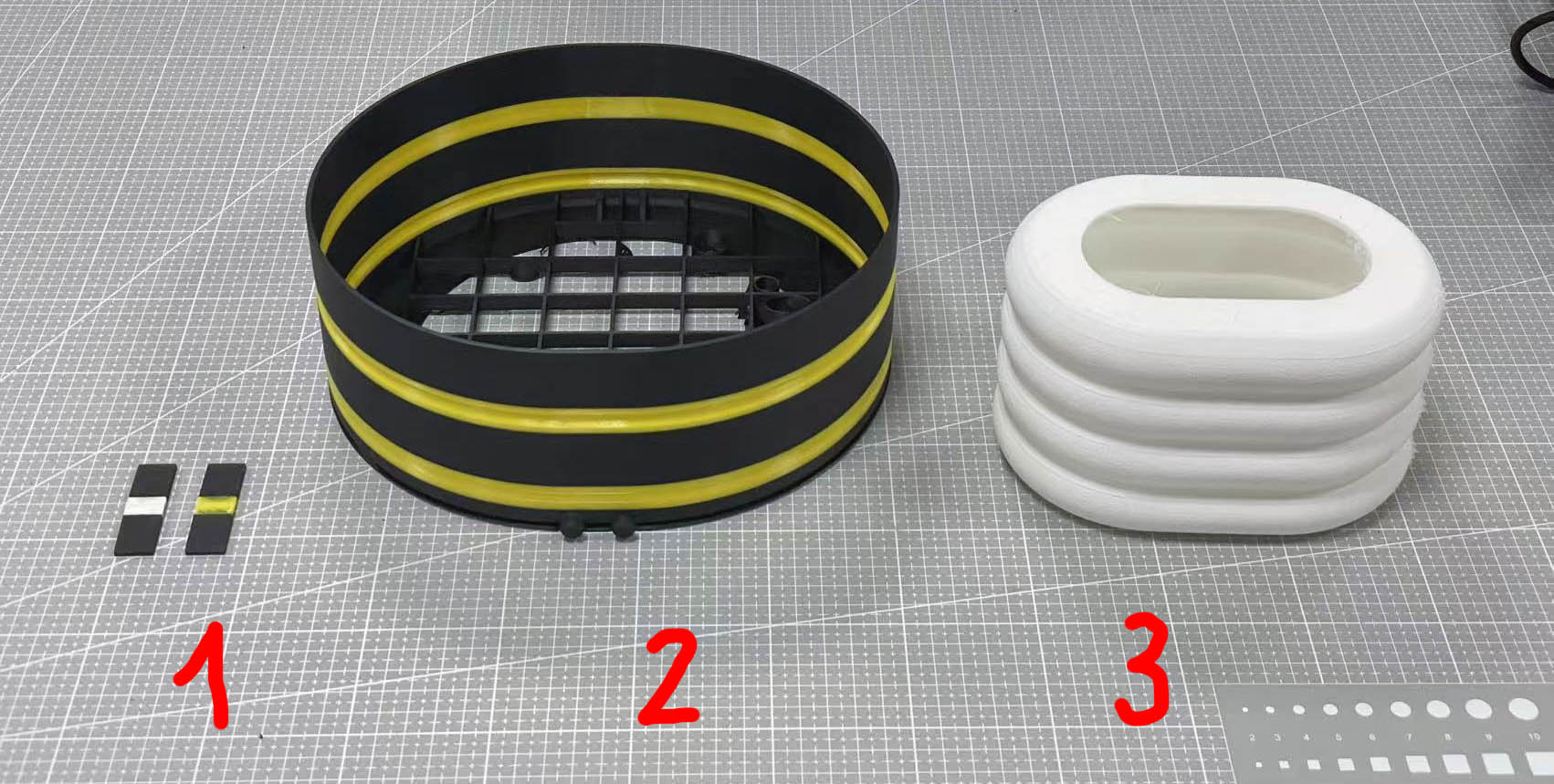
As expected... The collapsable/folding function doesn't work 😦 😦 😦
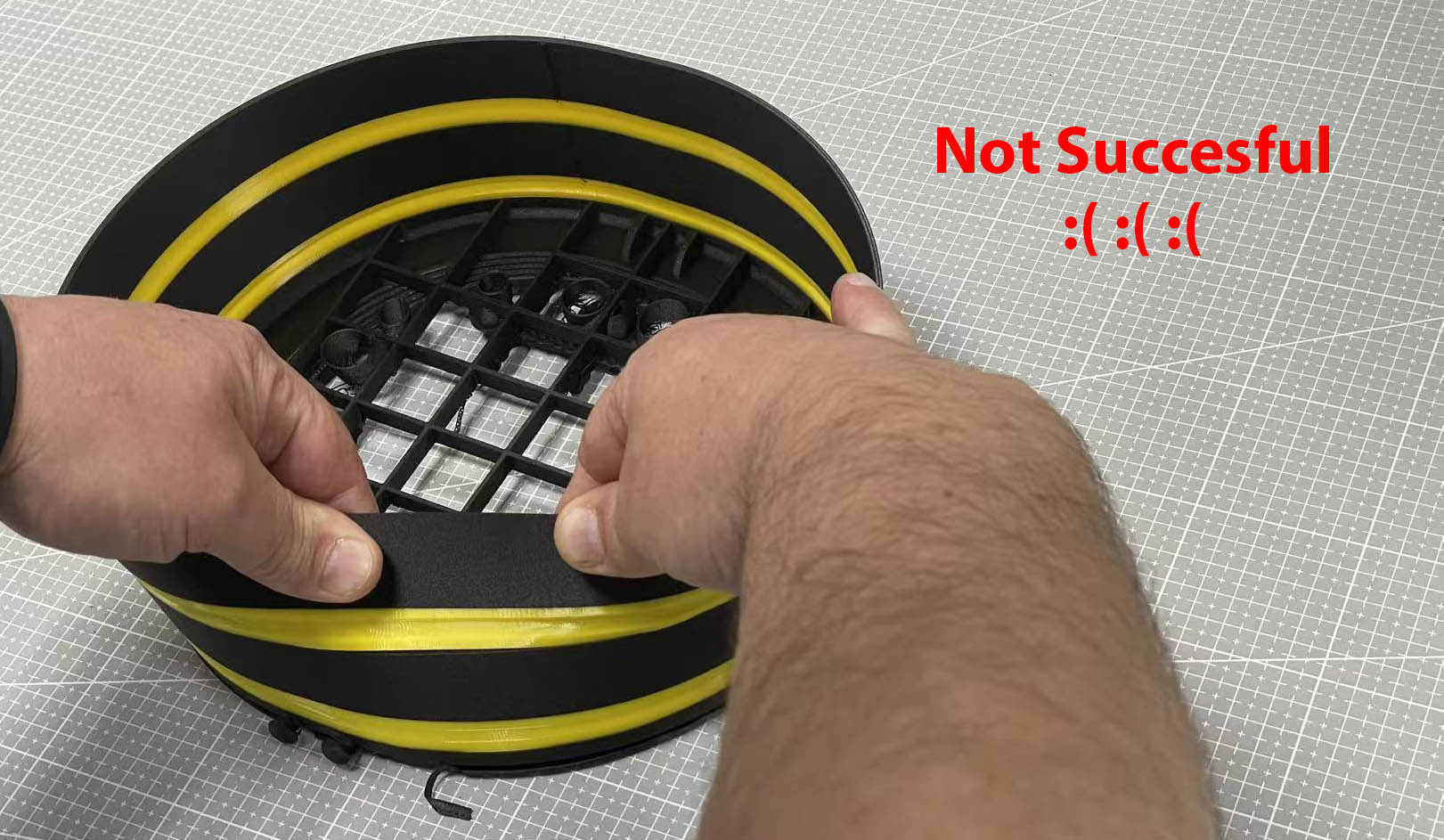
IMPORTANT TO NOTE: While 3D Printing the part, I realised the beam interlocking pattern was not created... because the wall thickness does not meet the slicer's geometric requirements. I should have reduced the Interlocking Beam Width in the "Others" tab, or alternatively, I should have increased the overall thickness of the wall design in my CAD sofatware.
3. Design & Print a 3-Dimensional Container made of Flexible Material only
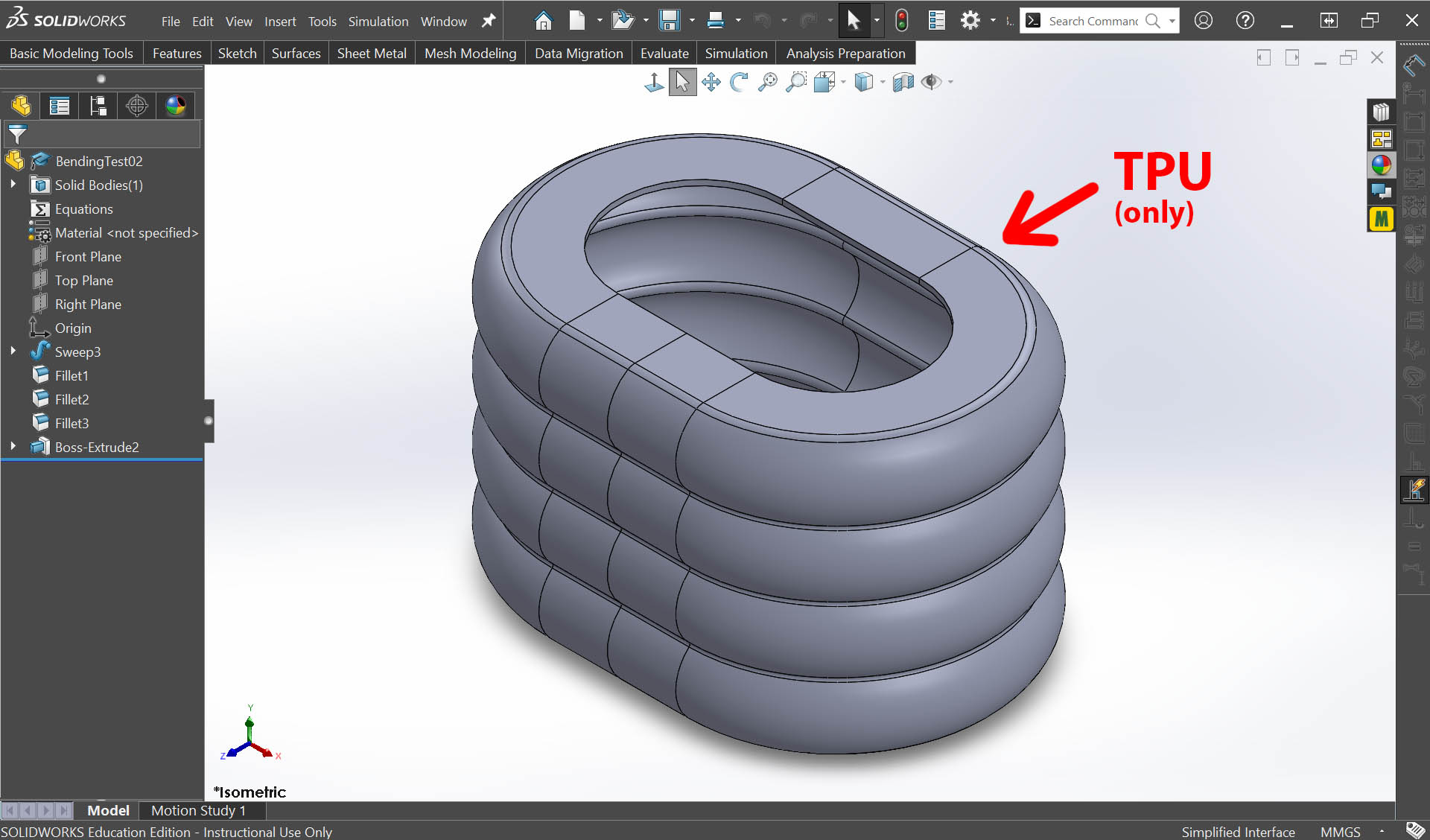
Design of the Container in SolidWorks
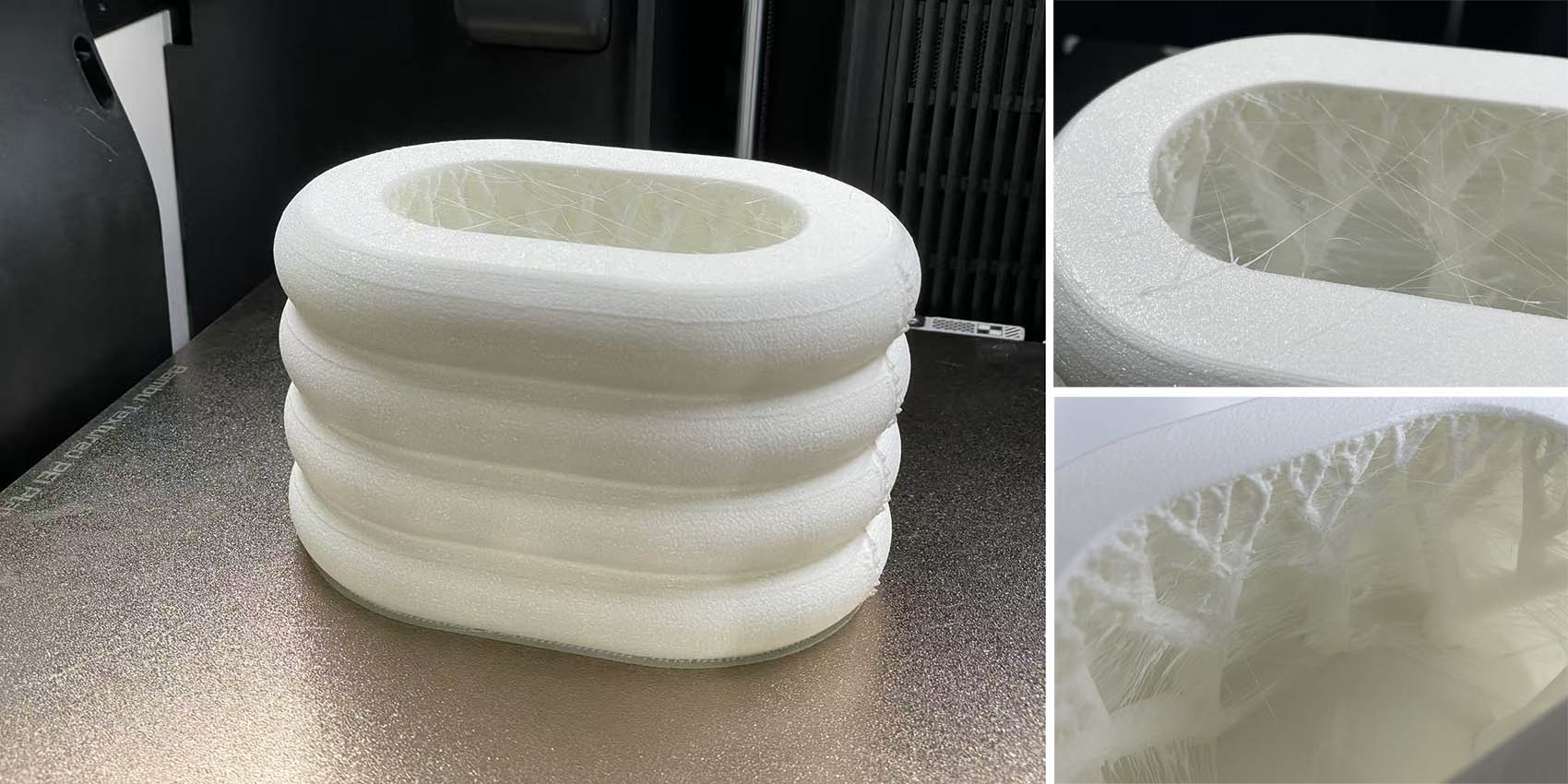
3D Printing of the Container
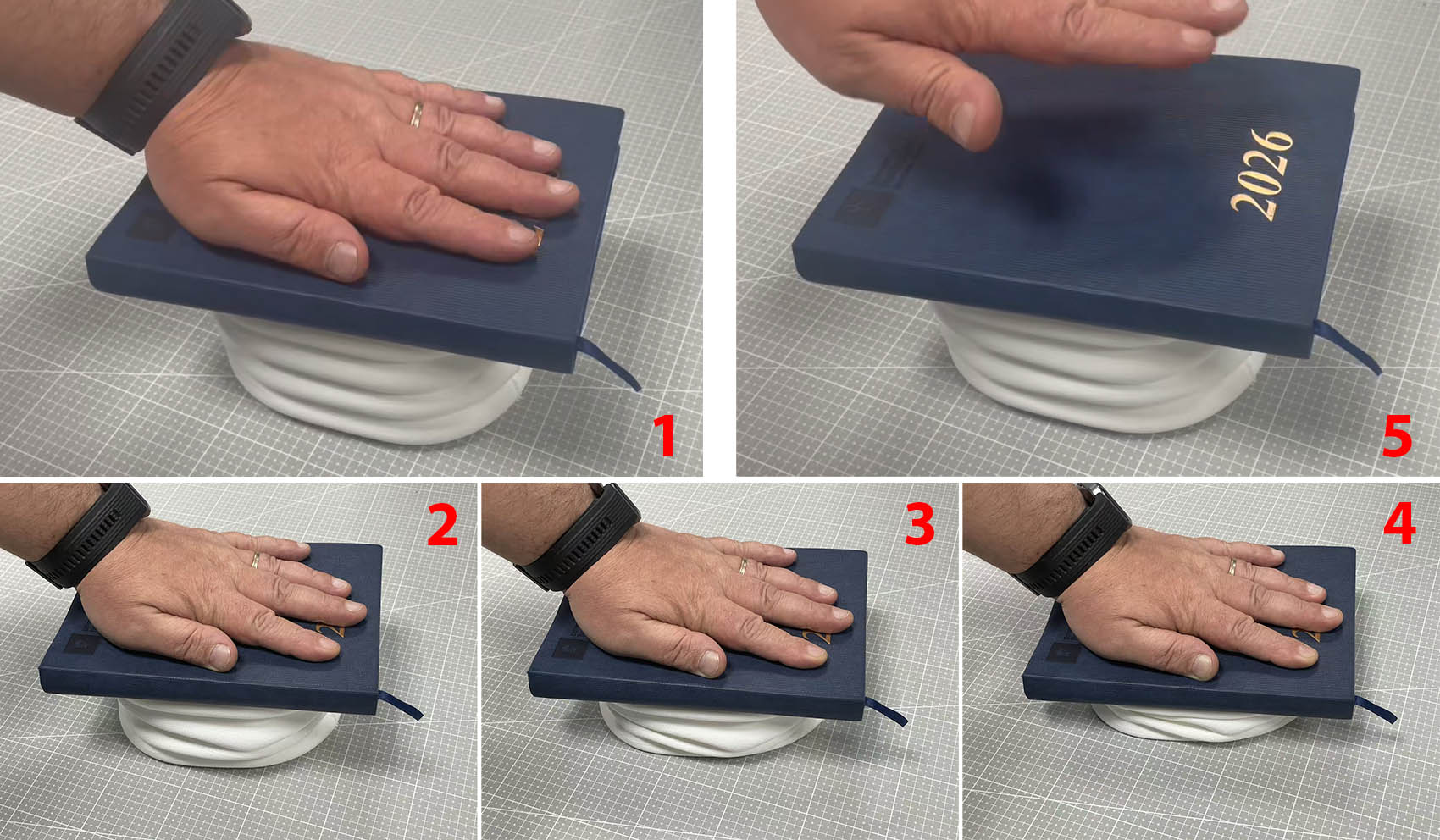
Final Result
This concept works in terms of a collapsable container... but it doesn't work in terms of containing liquid as it leaks!!! 😦 😦 😦

Conclusion
This Wildcard week's experimentation gave me a lot of new experience and knowledge in using different types of materials (with different mechanical properties) in 3D Printing. I have learnt how to combine them properly using, as an example, the "beam interlocking" function in Bambu Studio.
A very fruitful Wildcard week... which definitely helped me a lot to take important decisions for my final project.