18. Applications and implications
What will it do?
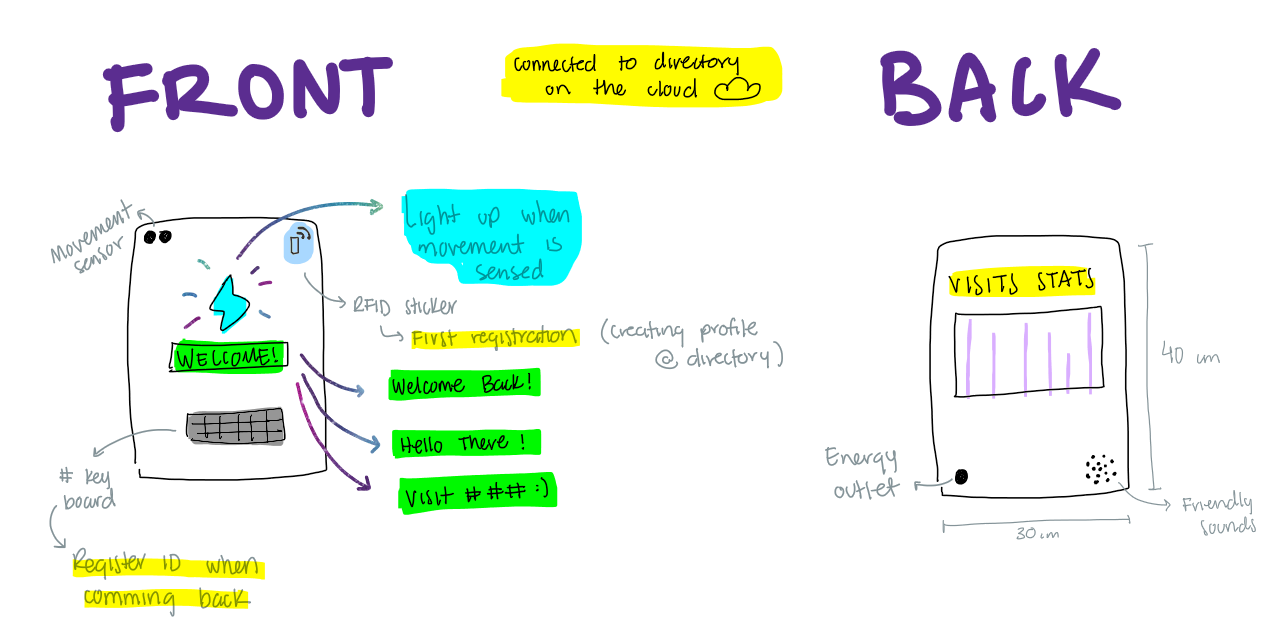
This project is an interactive registration capsule designed for entrepreneurship spaces. It will detect the presence of visitors, attract attention through visual and sound feedback, display welcome messages, and guide users through a registration process. The system aims to create a more engaging and friendly experience while also collecting information that can later be used for space analytics and community insights.
Who's done what beforehand?
Interactive kiosks, smart registration systems, and visitor engagement devices already exist in public spaces, events, museums, and coworking environments. Similar FabAcademy projects have also explored user interaction and data collection systems. Particularly relevant references include a visitor interaction and registration concept developed in FabAcademy 2016 and another project documentation focused on system requirements and interaction flow from FabAcademy 2026. These projects provide references for interaction logic, hardware integration, and user experience design, although my project adapts these ideas into a friendlier and more personalized experience for entrepreneurship spaces.
What sources will you use?
Sources will include FabAcademy documentation, ESP32 documentation, Arduino references, component datasheets, maker community projects, open-source tutorials, and previous FabAcademy projects. I will also use references from entrepreneurship spaces and visitor experiences to guide interaction design decisions.
What will you design?
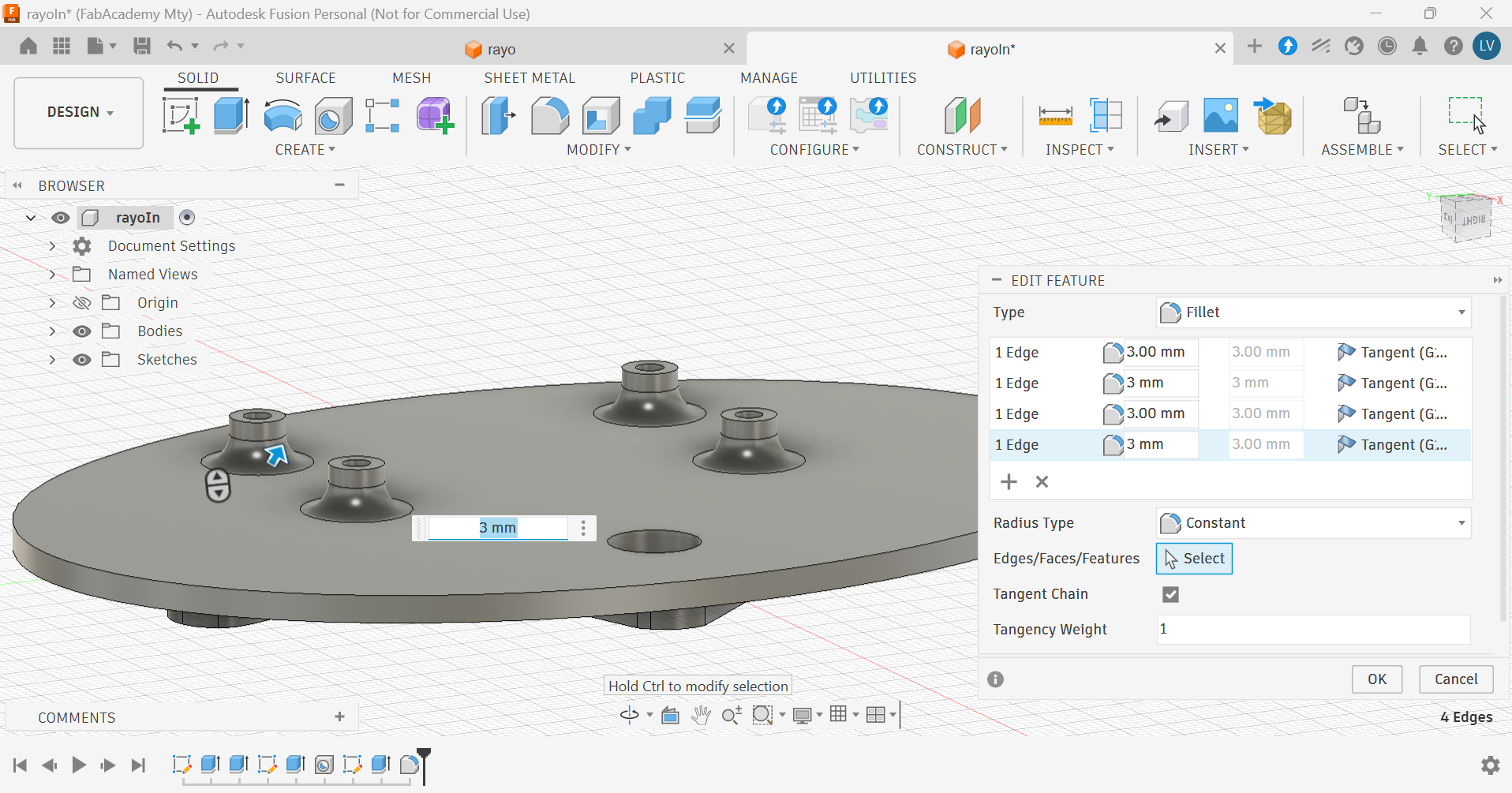
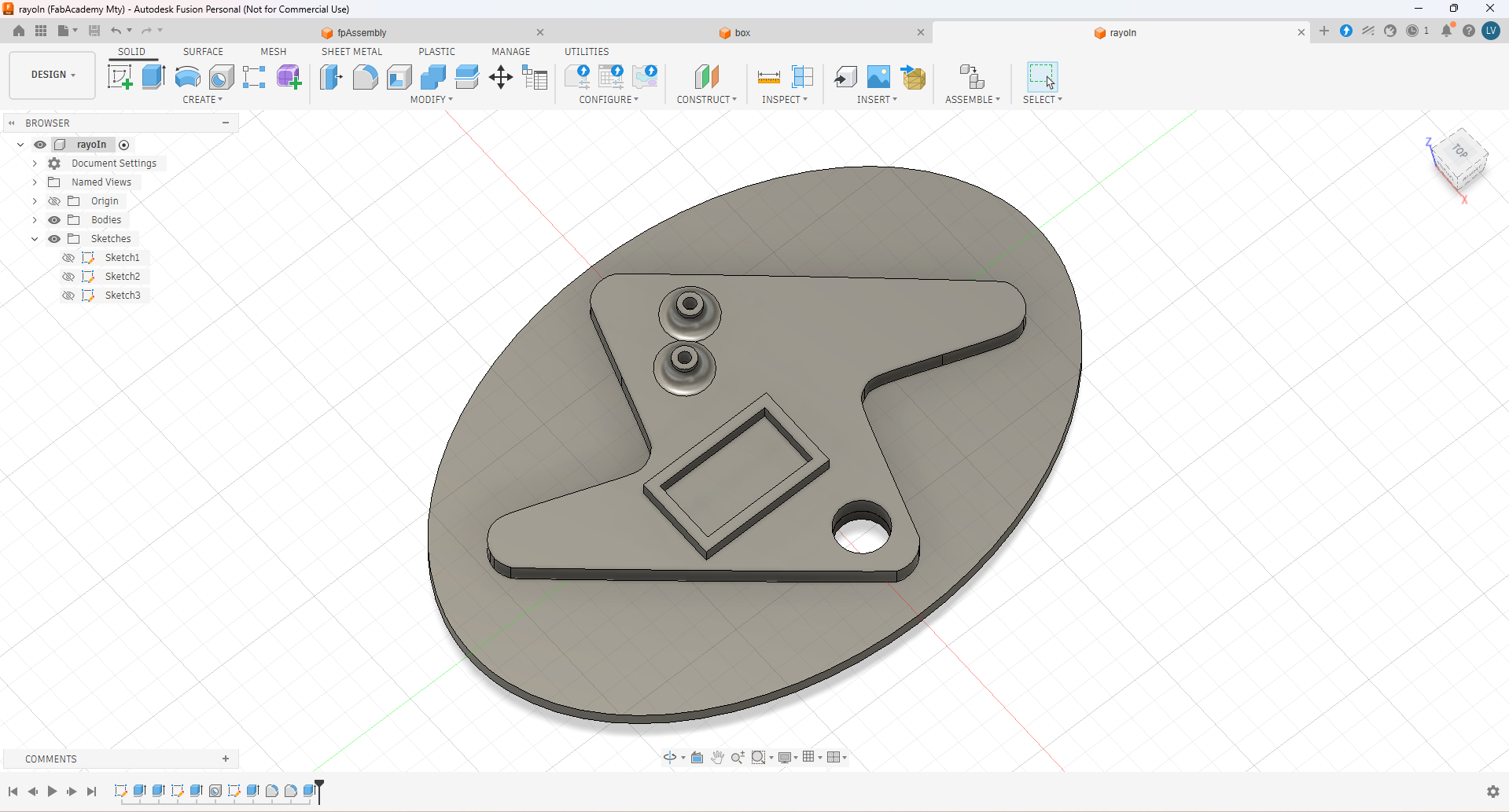
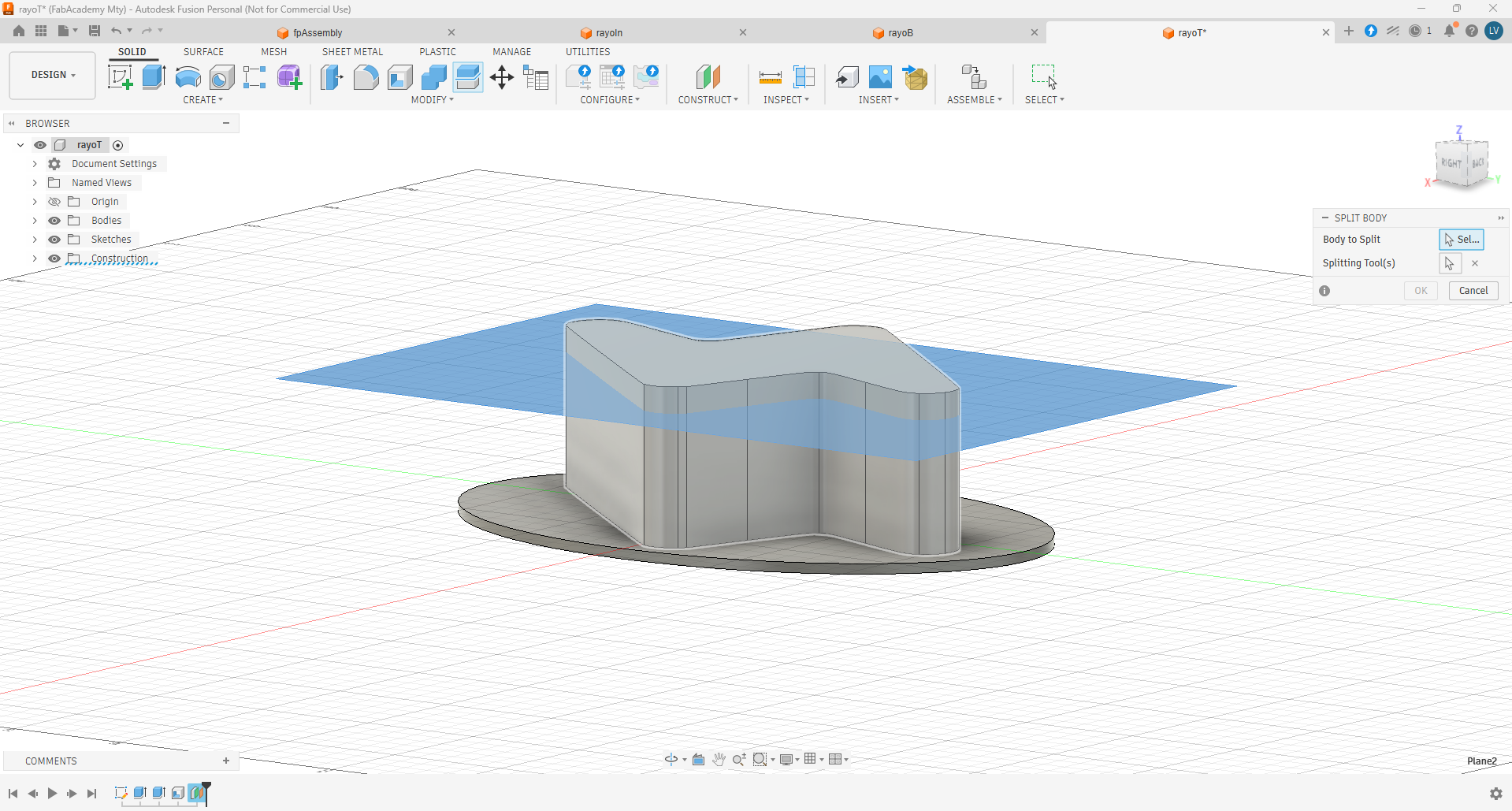
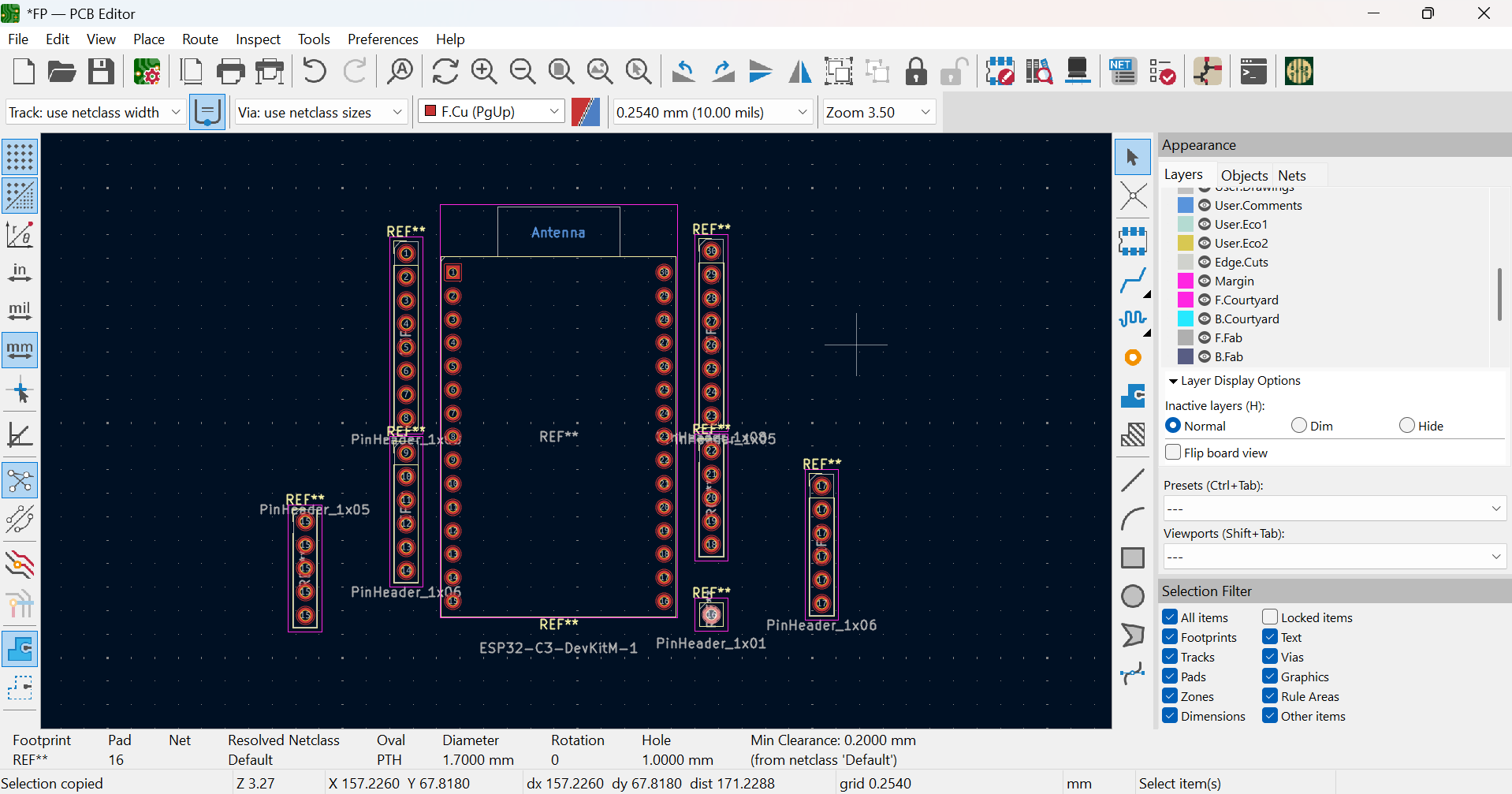
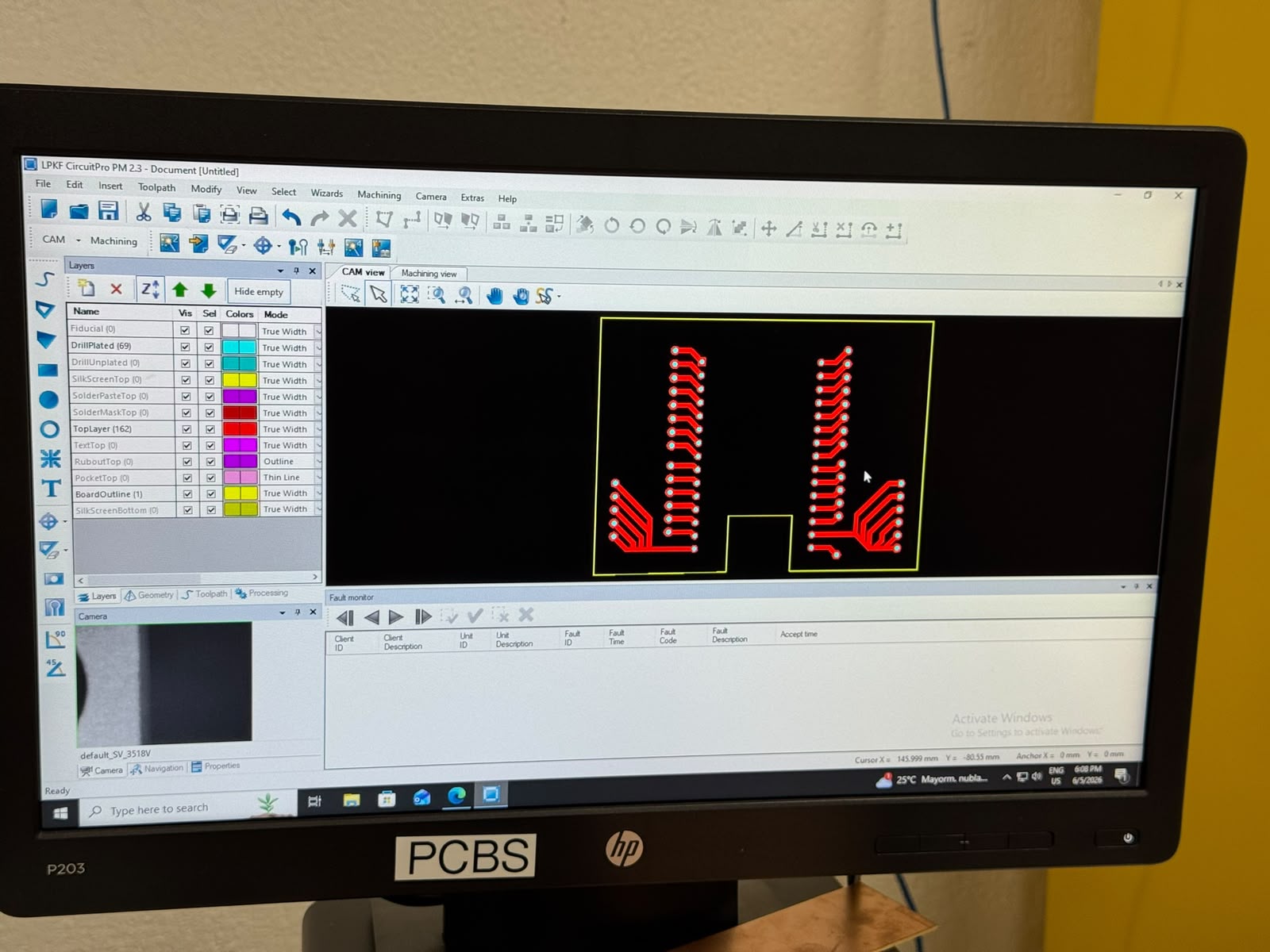
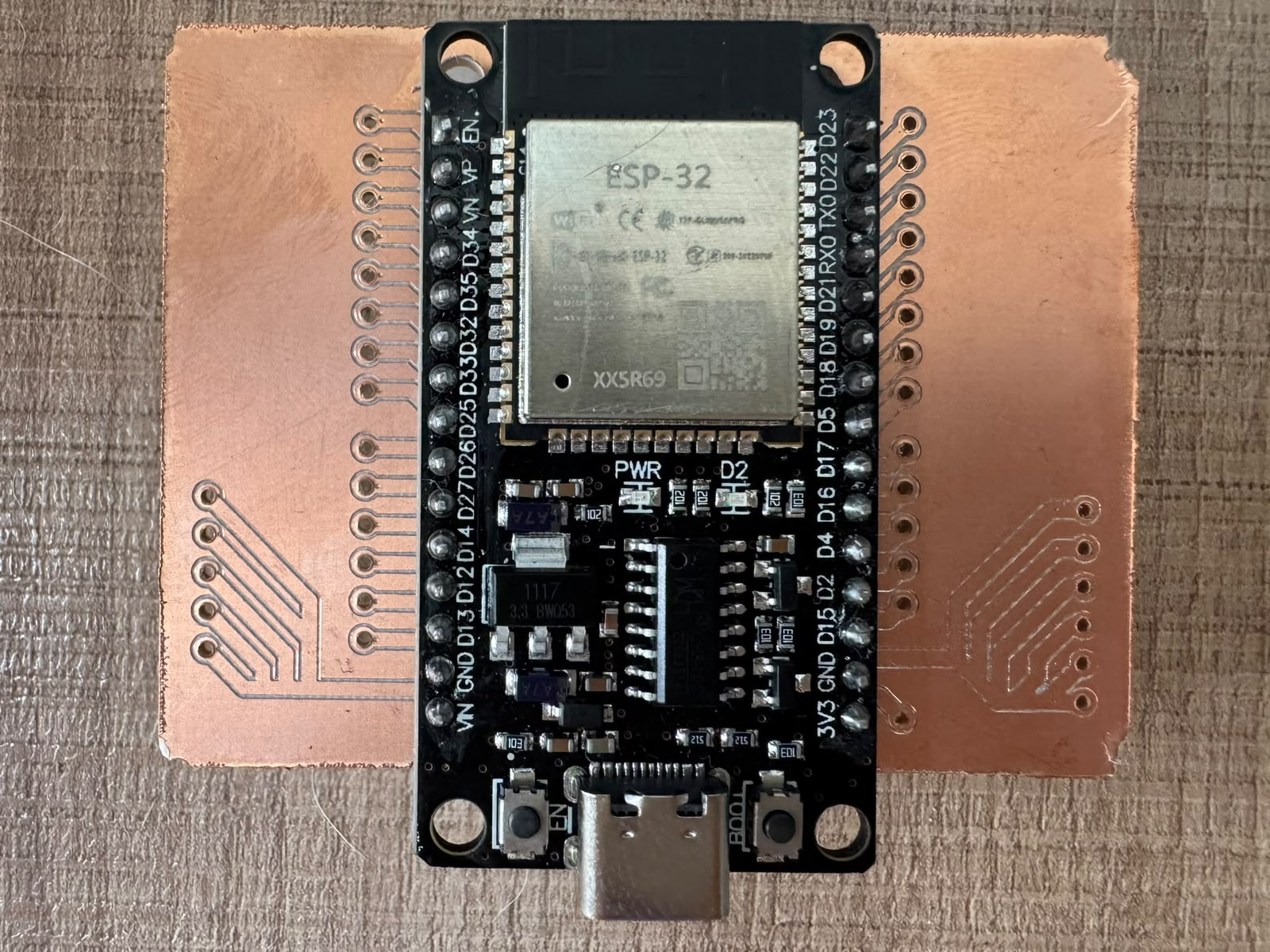
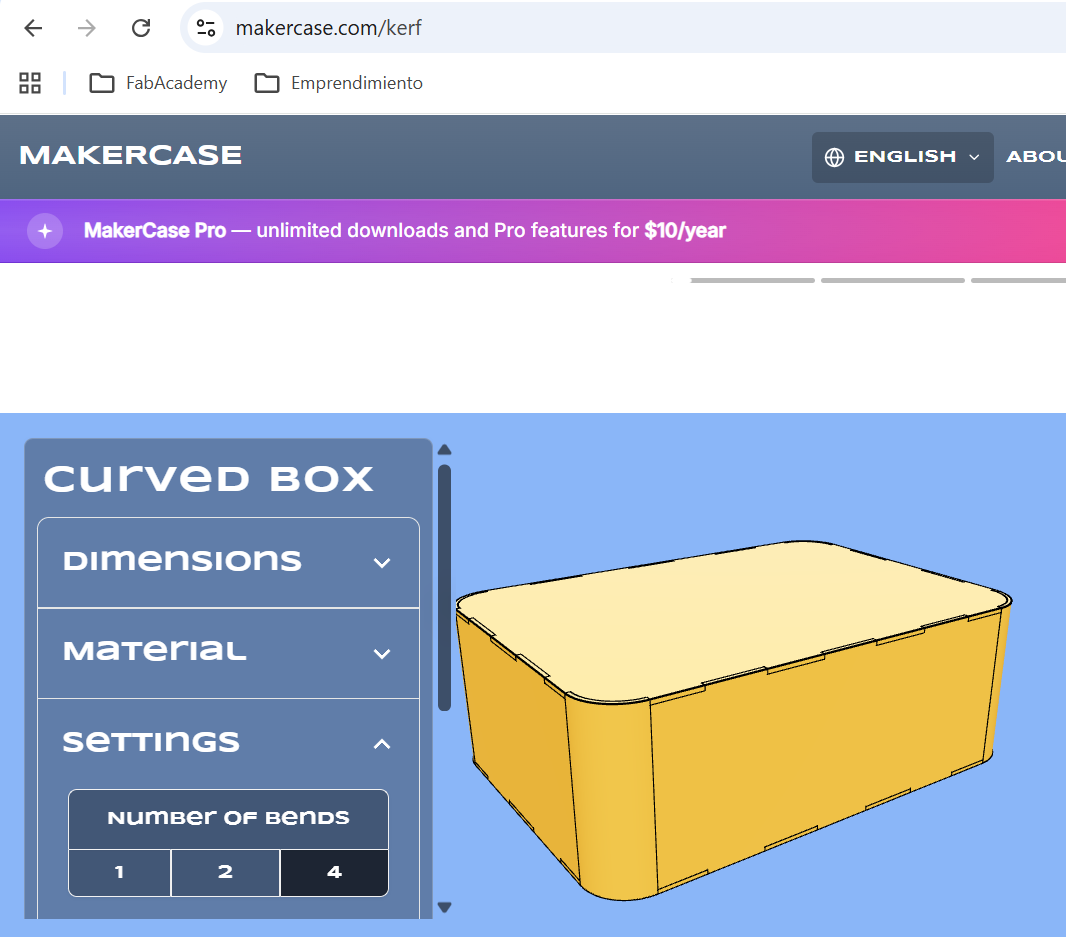
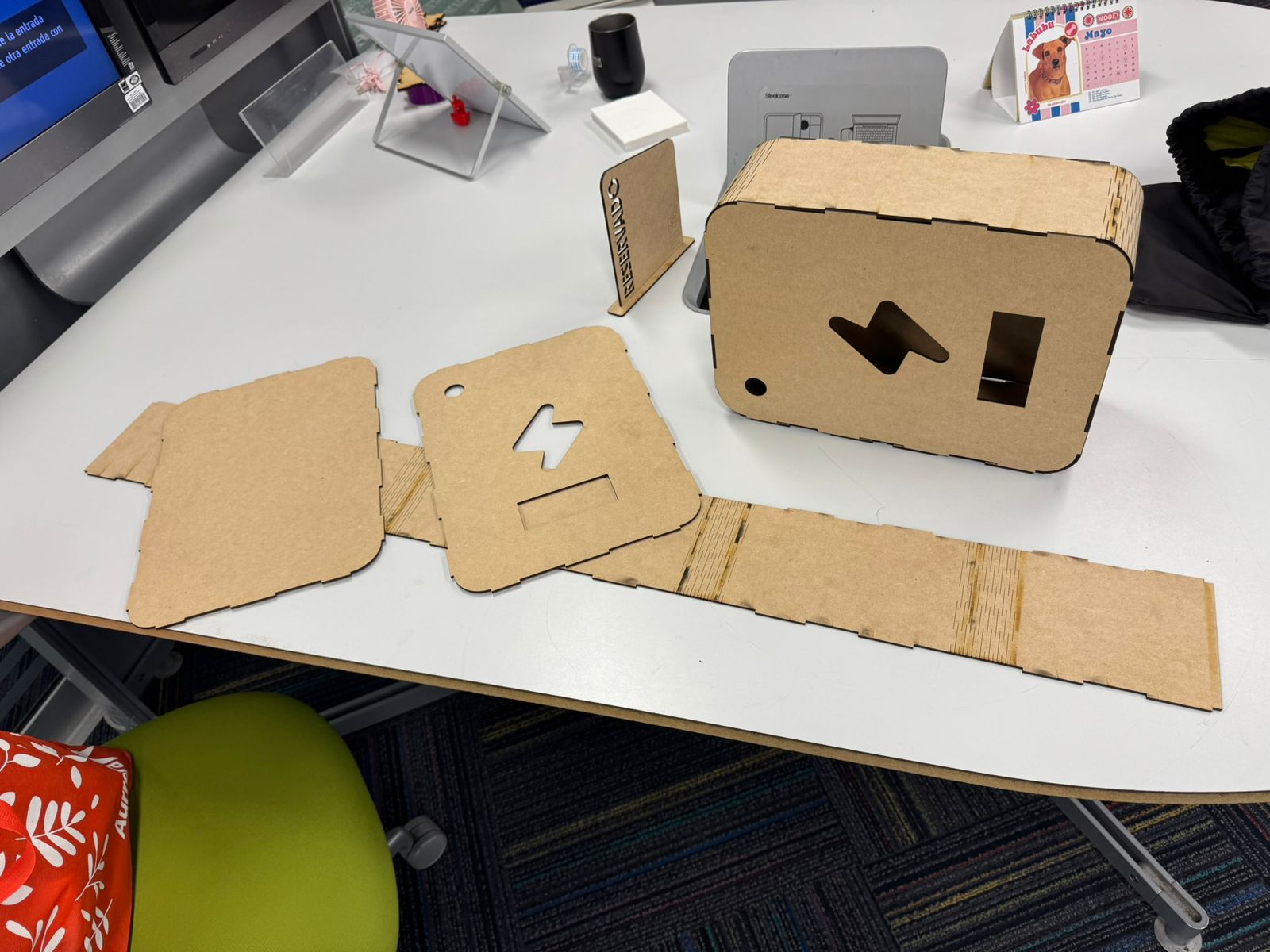
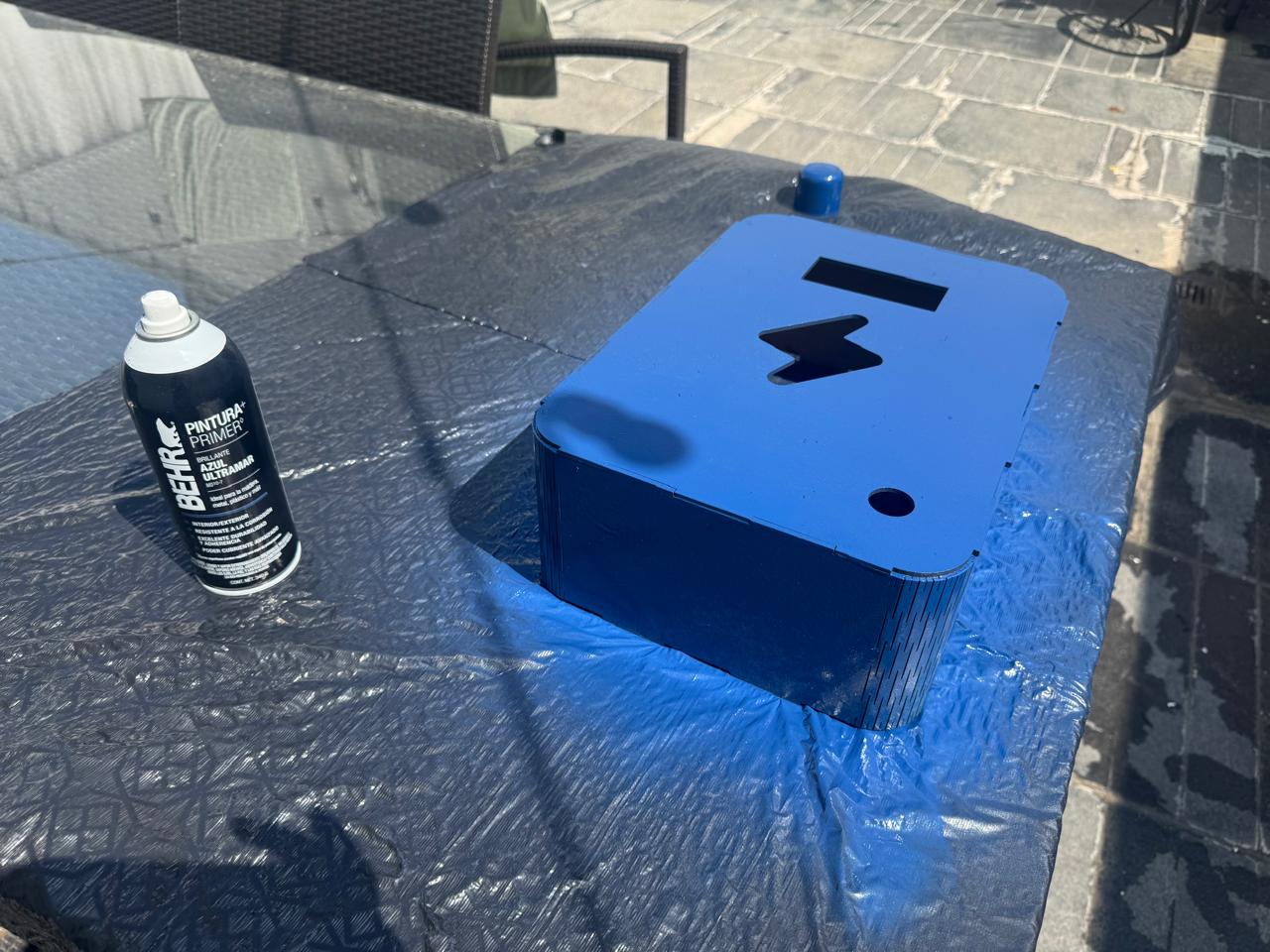
I will design the electronics board, PCB layout, enclosure, interaction flow, visual feedback system, and embedded programming logic. I will also design the external casing to create an object with personality while maintaining a simple and clean appearance. Additionally, I still need to define the design of the user interface and data visualization. Potential elements include total visits, user profiles, frequent visitors, and filtering options by week, month, or year.
What materials and components will be used?
The project will use an ESP32 microcontroller, RGB LEDs, LCD display, buzzer, buttons, NFC tags, resistors, connectors, wires, PCB materials, acrylic sheets, 3D printed parts, and power components. Additional components may be added depending on final interaction decisions.
*The complete Bill of Materials is included in the Final Project site.
Where will come from?
All materials and electronic components were purchased from local suppliers. Fabrication and processing will take place at the prototyping spaces and fabrication facilities of Tecnológico de Monterrey Campus Monterrey, where I currently work.
How much will they cost?
The estimated prototype cost is approximately $90 USD depending on the final display selection, enclosure materials, and fabrication iterations. Since most components are low-cost and already accessible locally, additional expenses are expected to remain limited.
What parts and systems will be made?
Custom-made parts include the PCB, enclosure, interface, embedded programming, and system integration. The project combines input systems (PIR sensor), output systems (display, LEDs, motor, and buzzer), and communication systems for handling and visualizing registration data.
What processes will be used?
The project will involve 2D design, laser cutting, 3D design, 3D printing, electronic design, embedded programming, soldering, assembly, testing, and iterative prototyping. Laser cutting is used to fabricate the main enclosure structure, while 3D printing is used for decorative elements and component supports. PCB fabrication is still under evaluation and may be developed either using adhesive copper and a cutting plotter workflow or by using a CNC router.
What questions need to be answered?
Several questions still need to be explored. Should the registration process rely only on NFC interaction or include a keypad for ID input? Which interface elements provide the most meaningful information? What is the most intuitive interaction flow? How should data be stored and visualized? What enclosure design creates the best balance between usability and visual personality?
How will it be evaluated?
The project will be evaluated based on functionality, reliability, user interaction quality, system integration, and overall user experience. Success will be measured by whether users can understand and complete the interaction without guidance, whether all electronic systems work correctly together, and whether the prototype creates an engaging and intuitive experience.