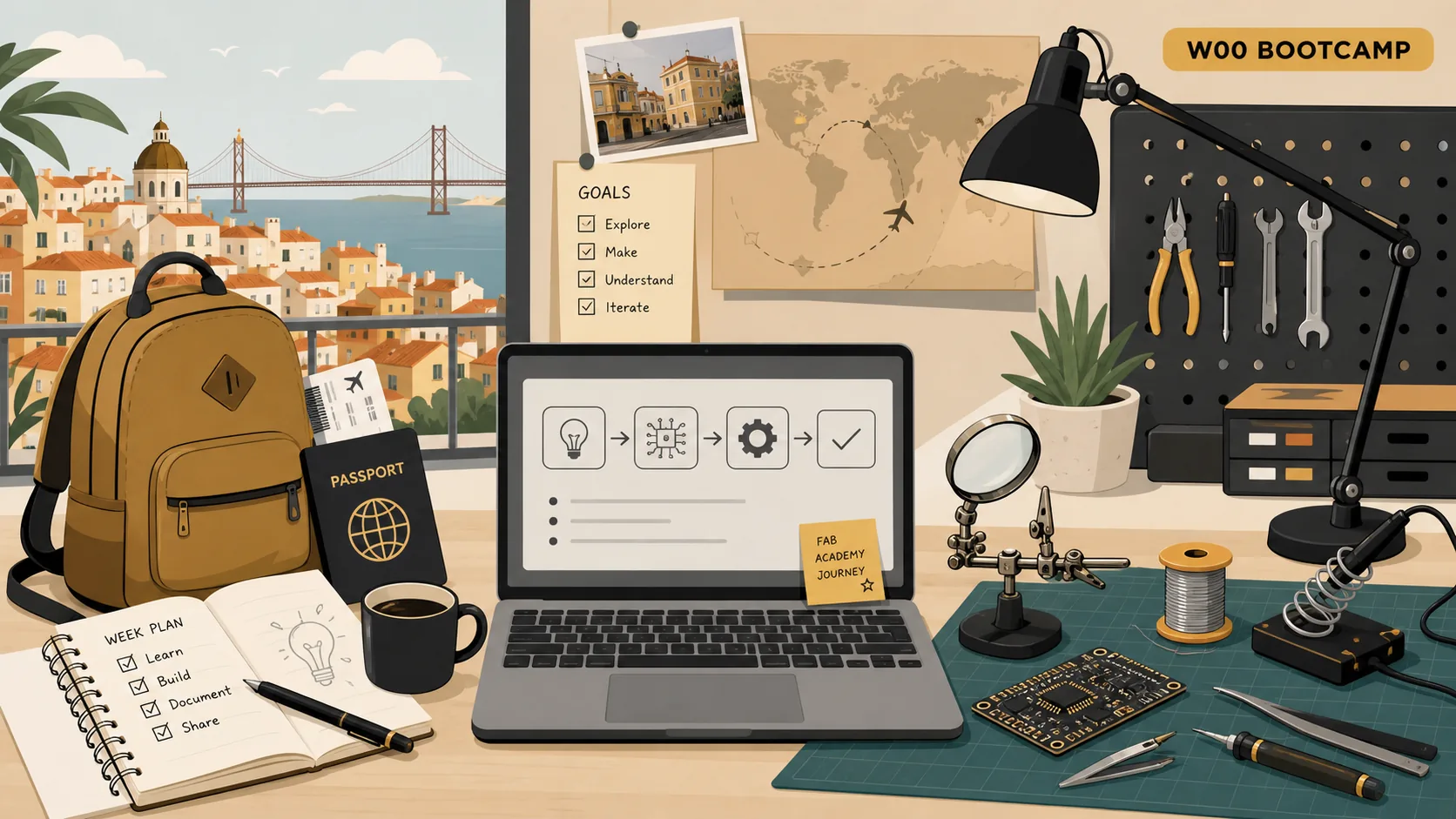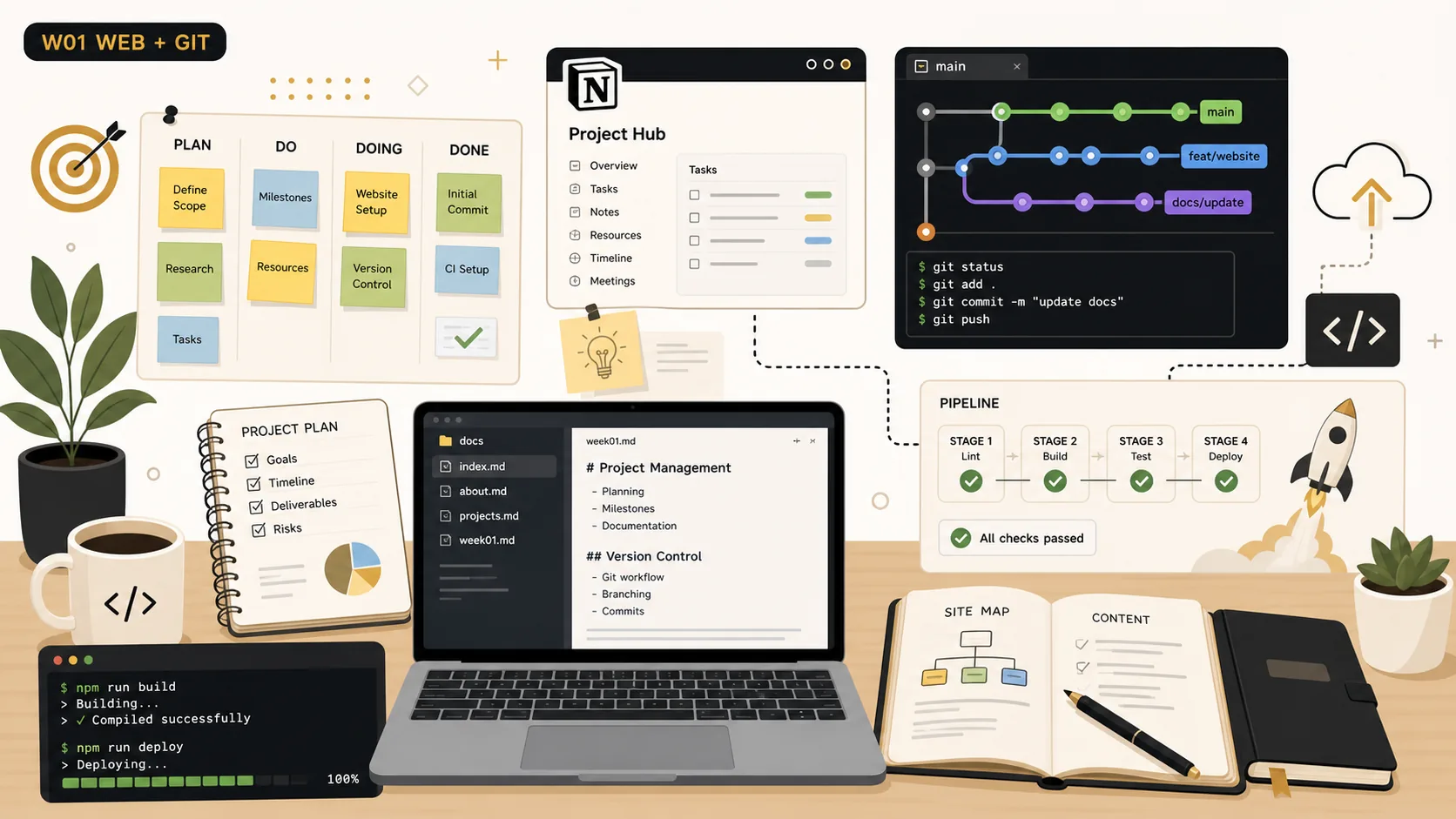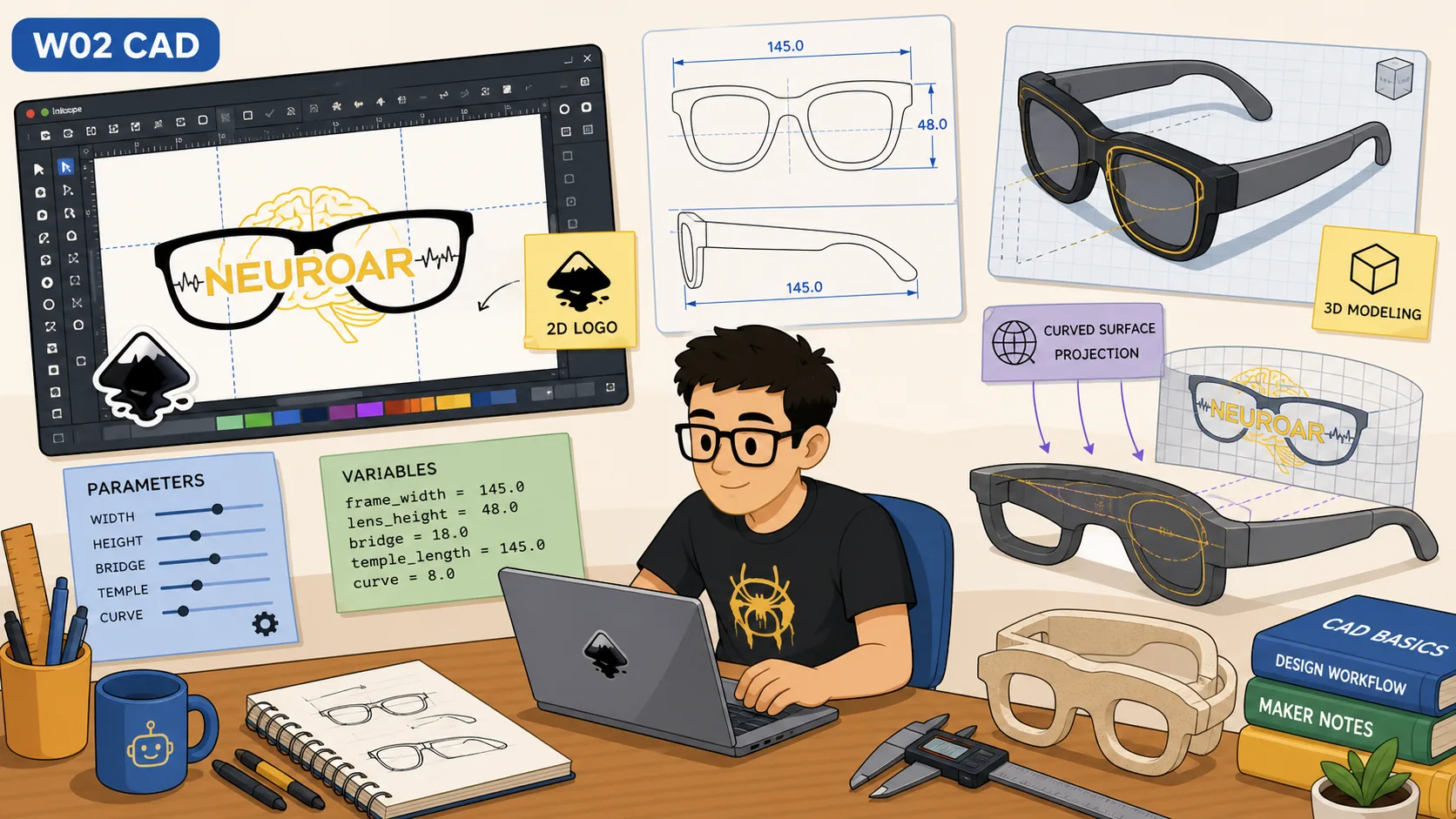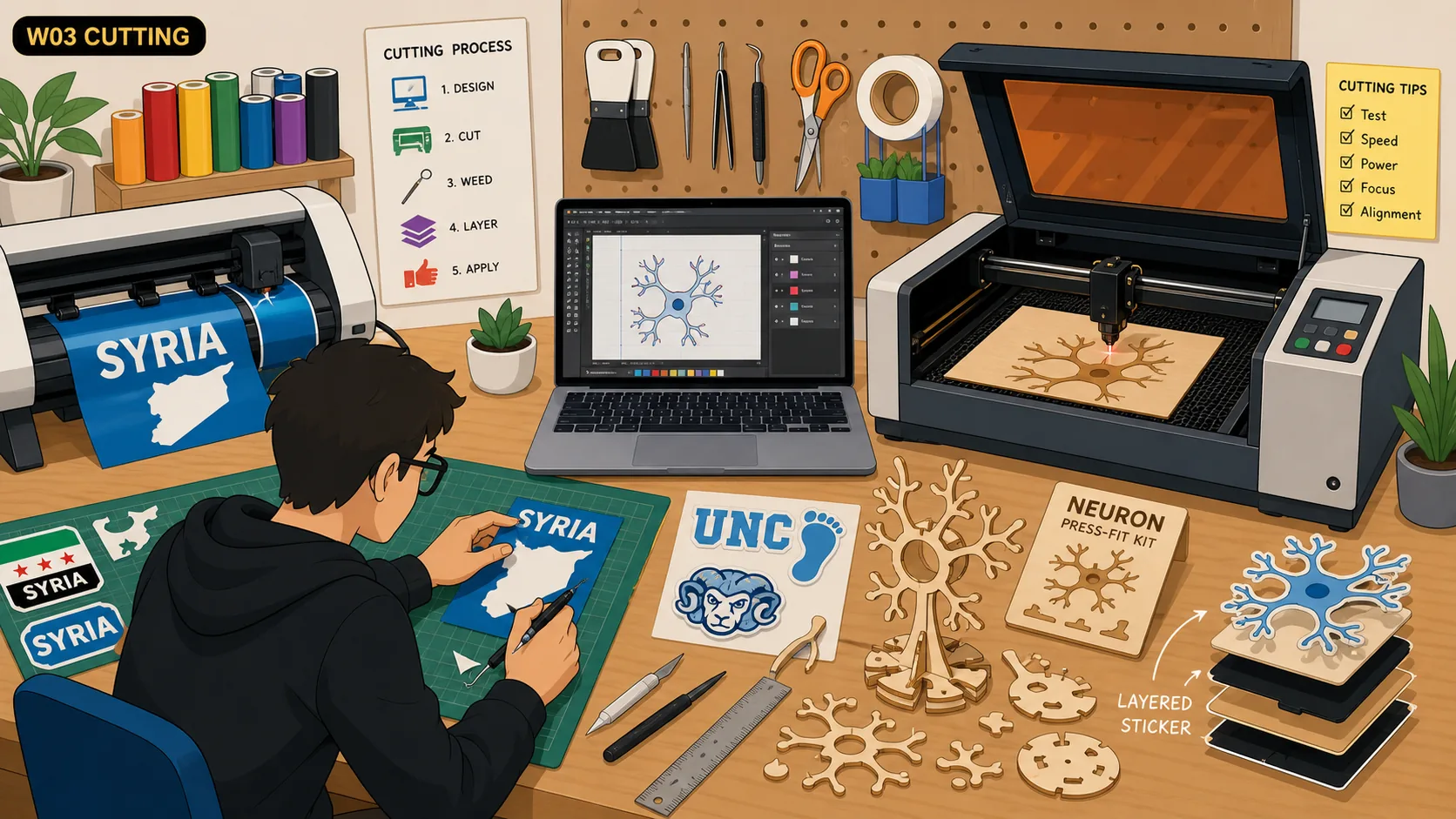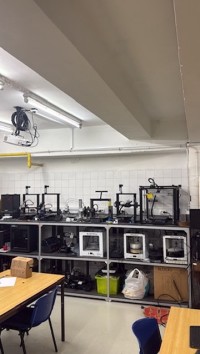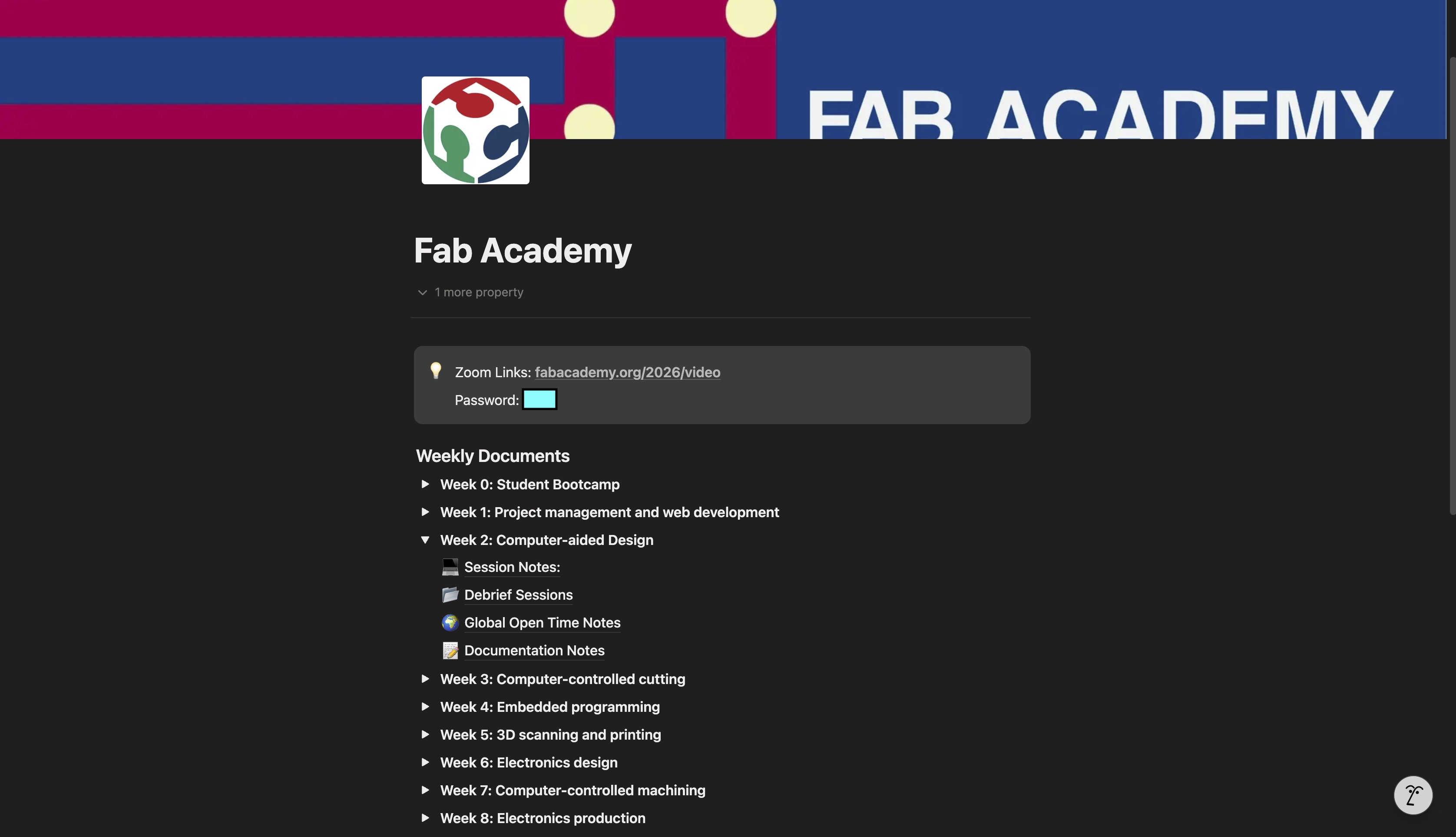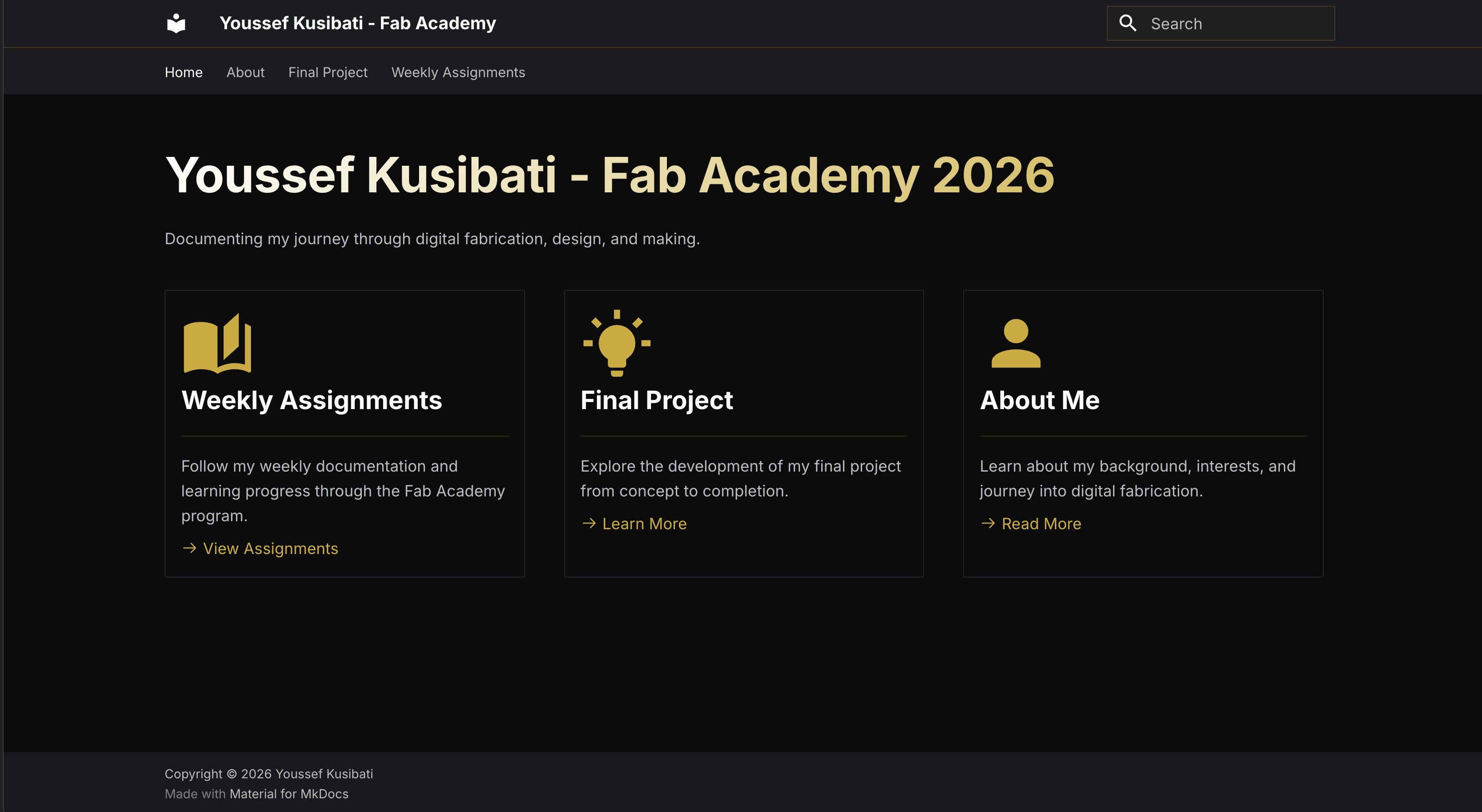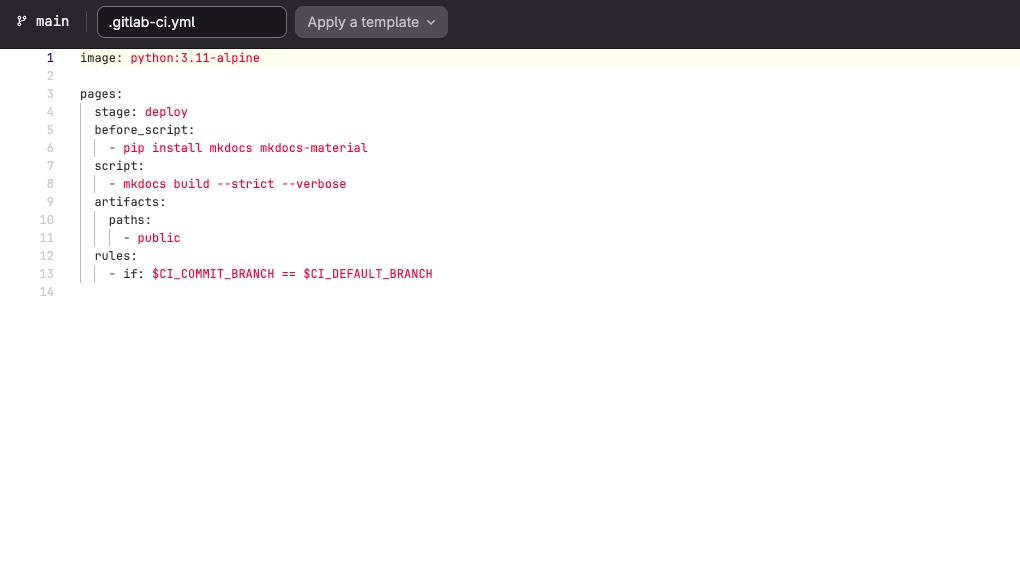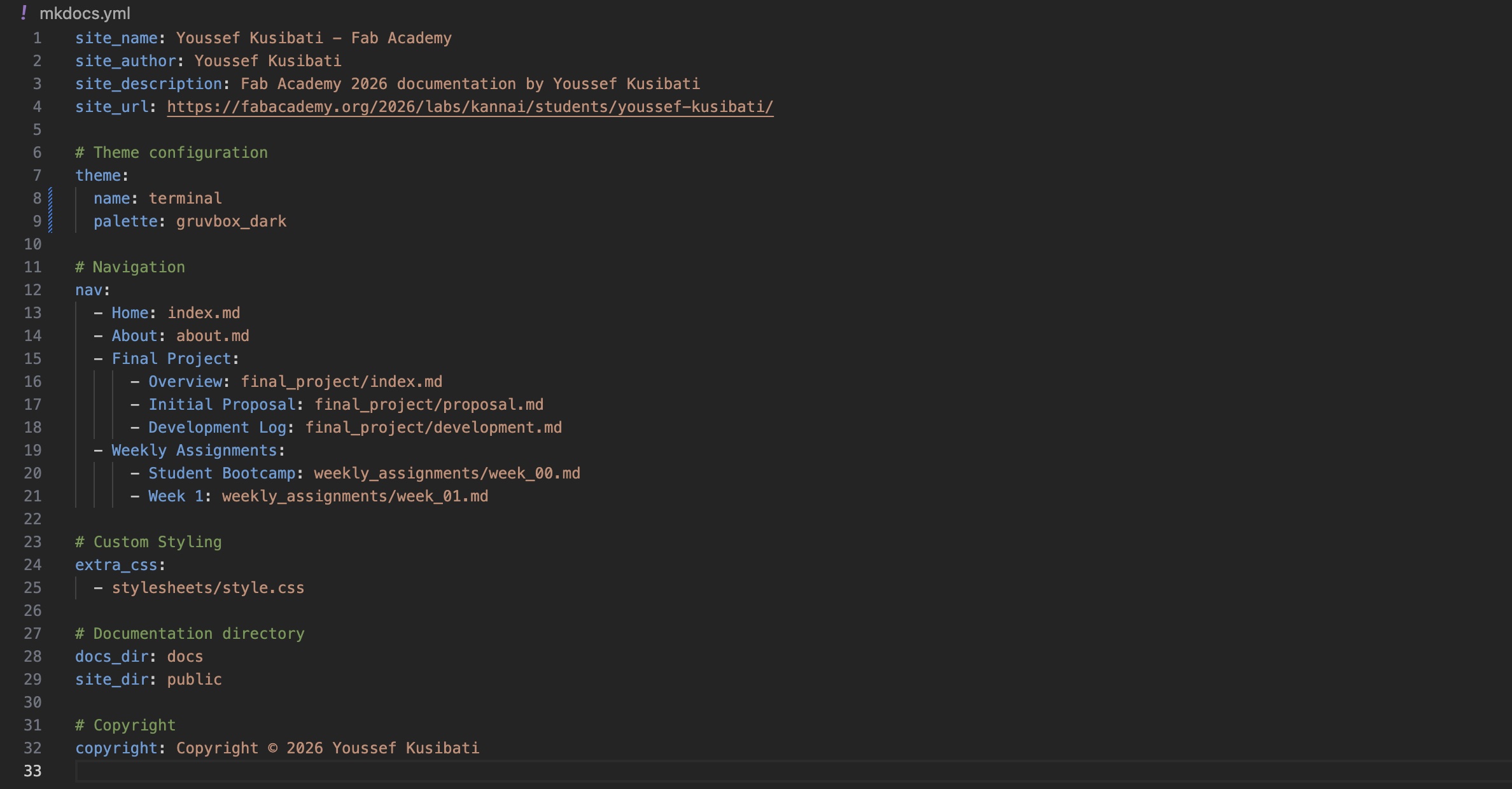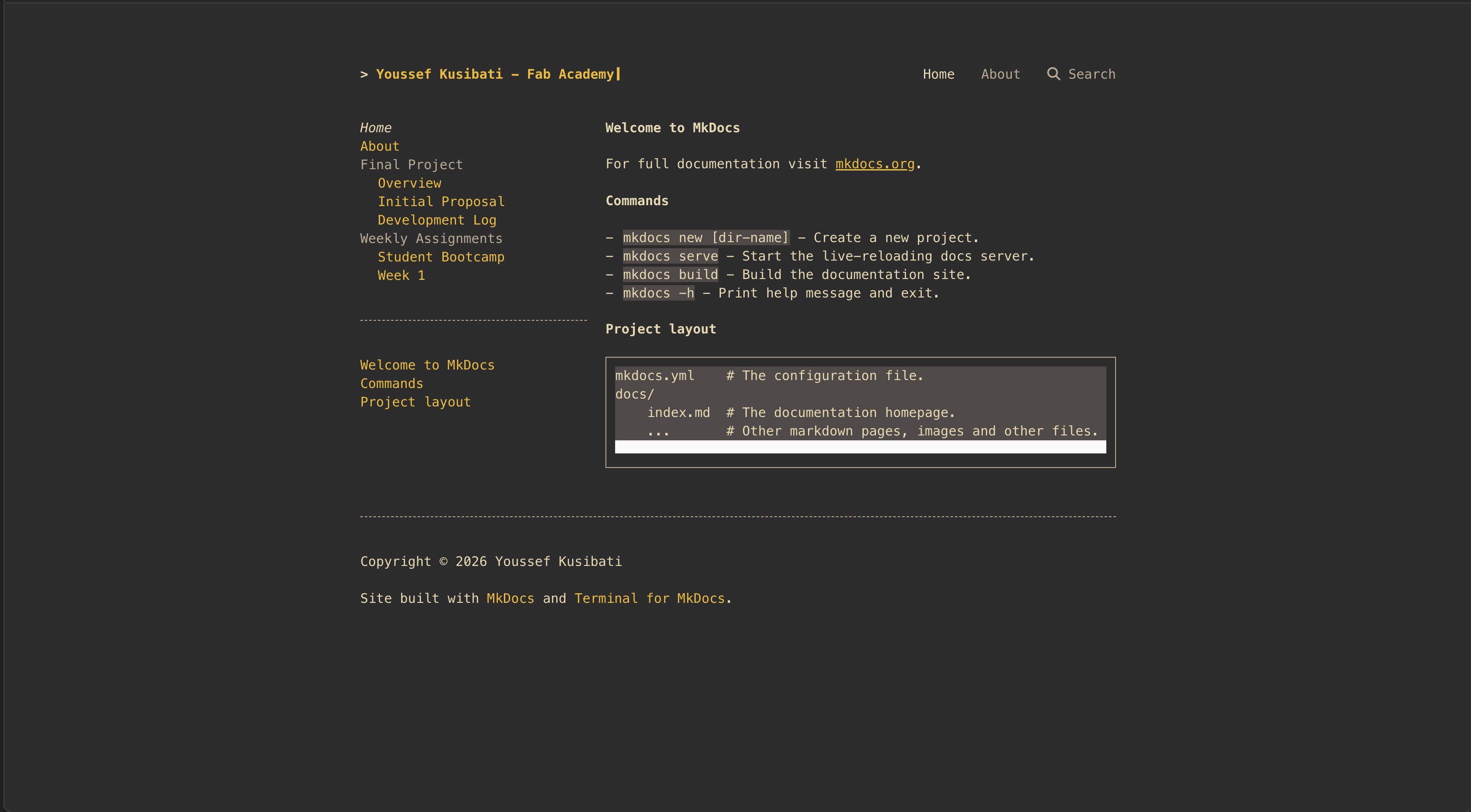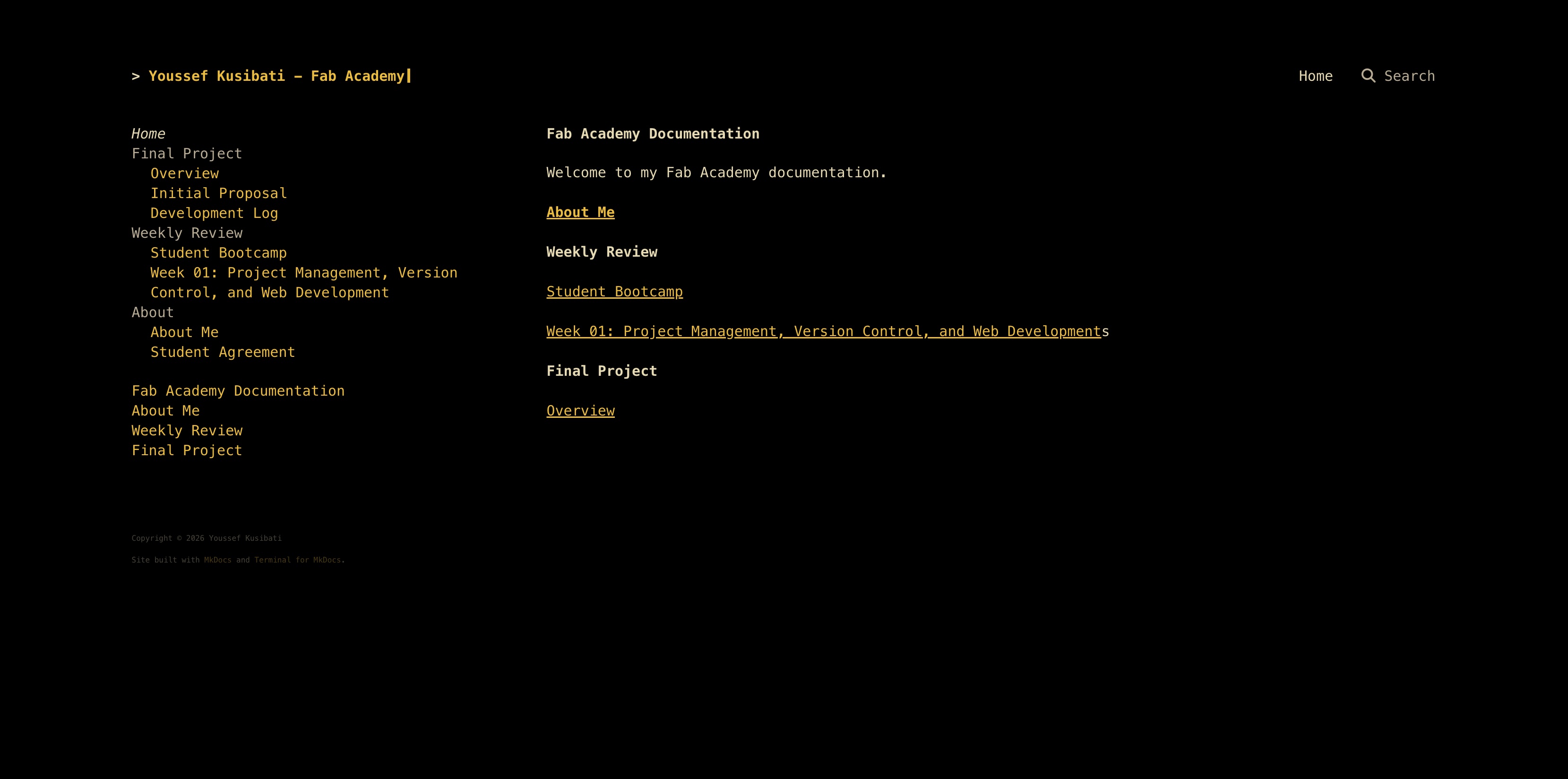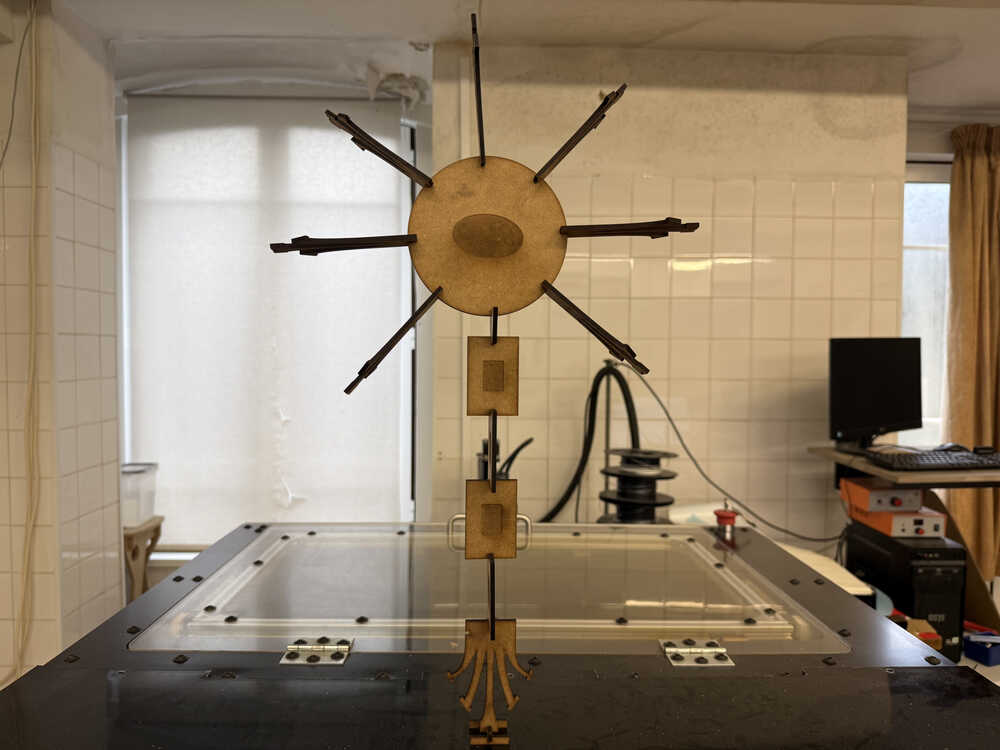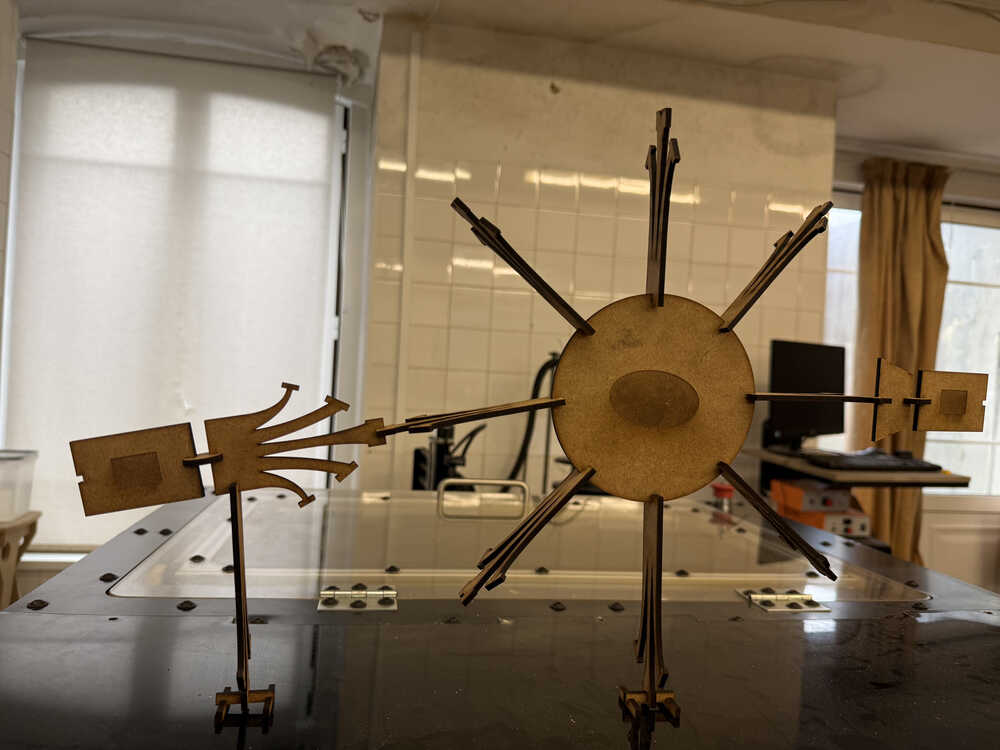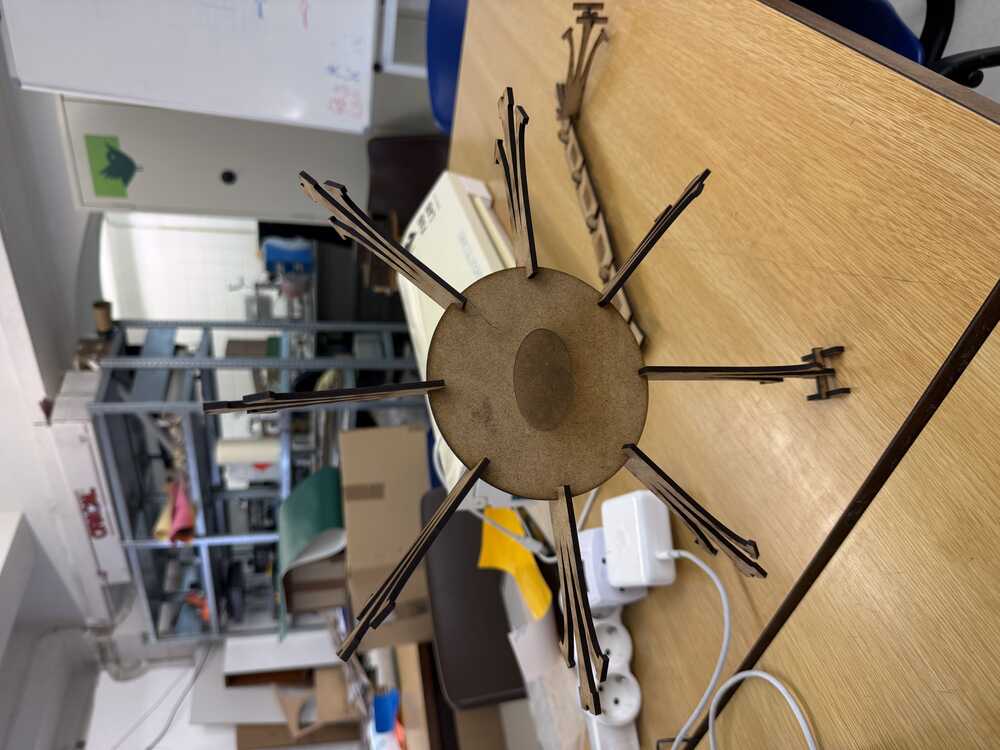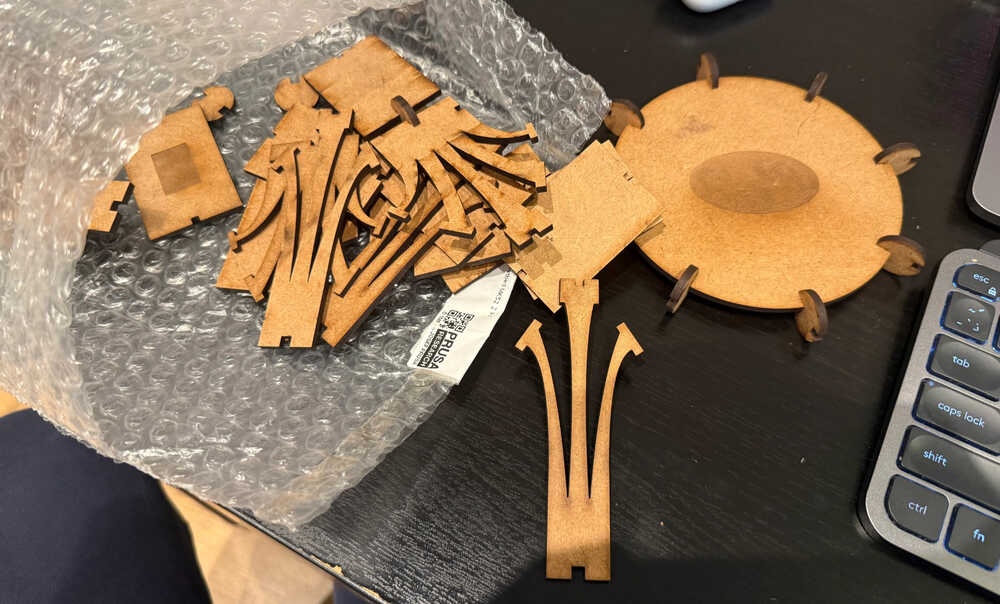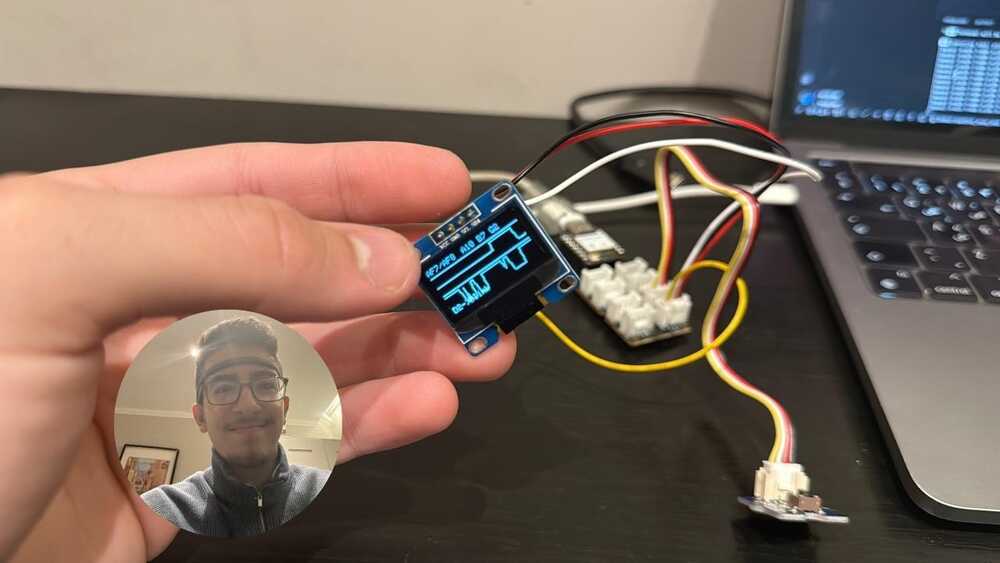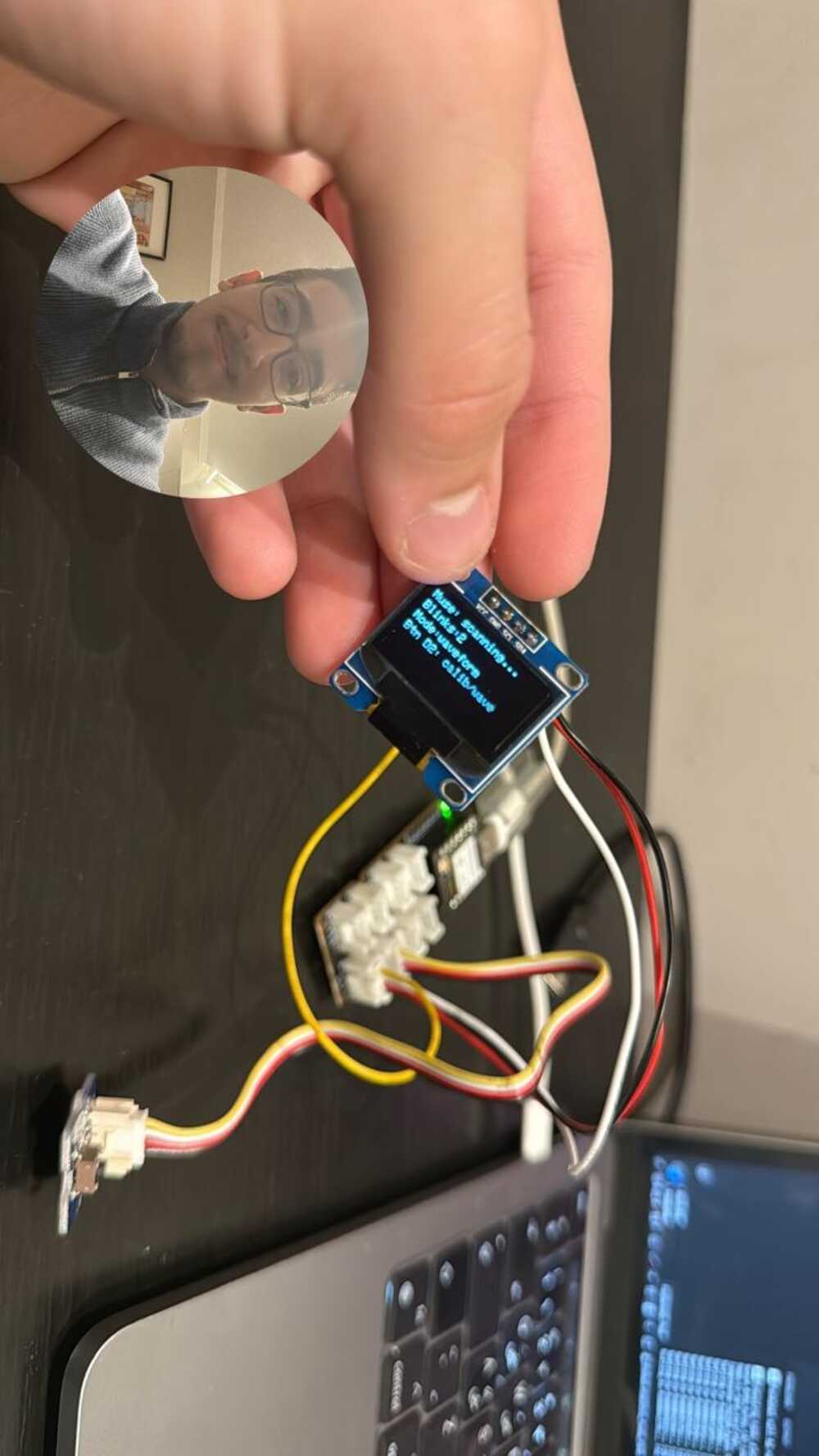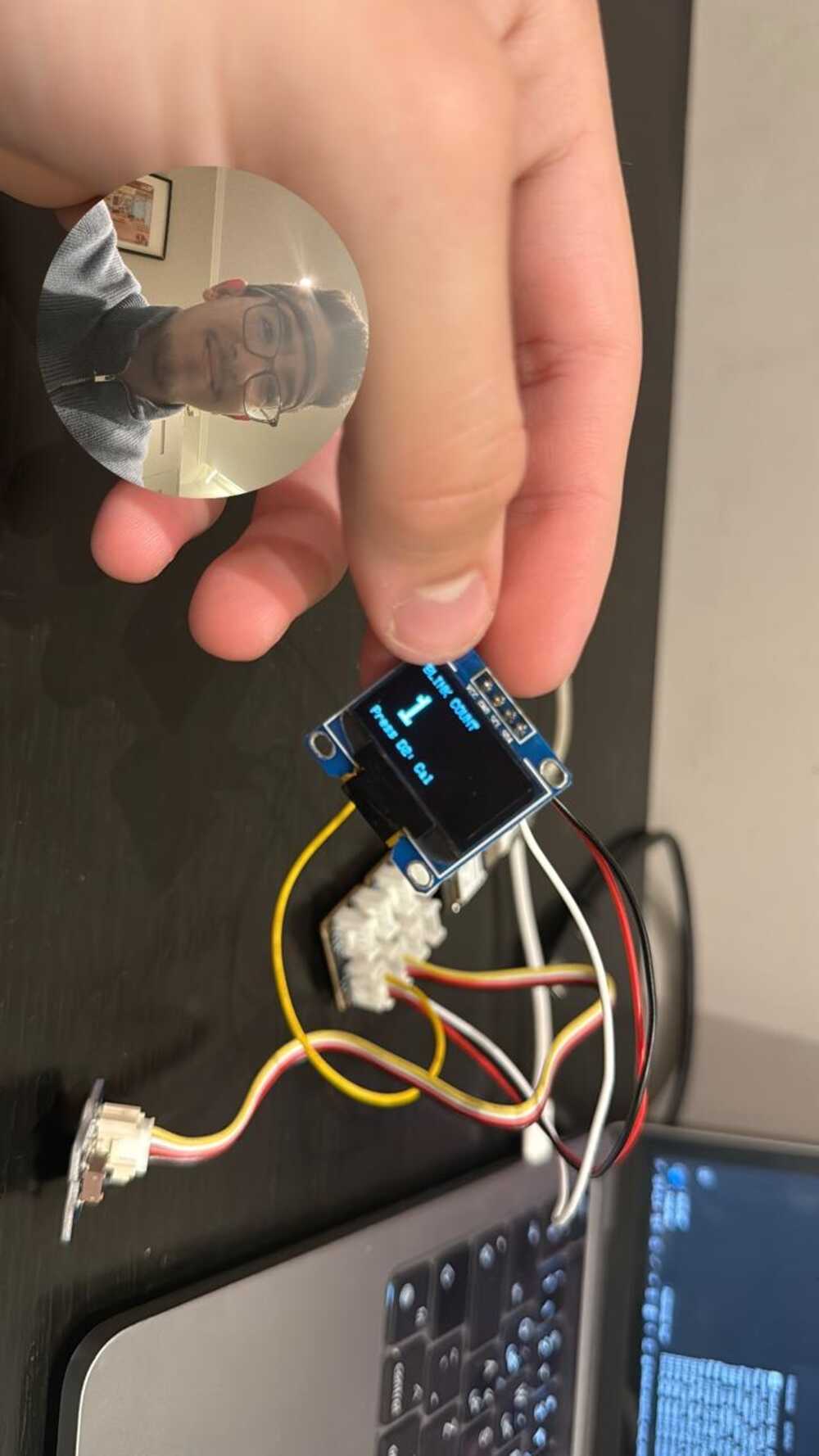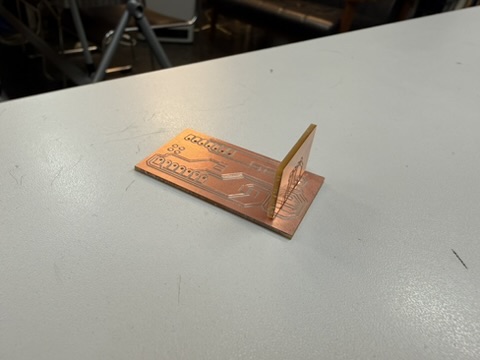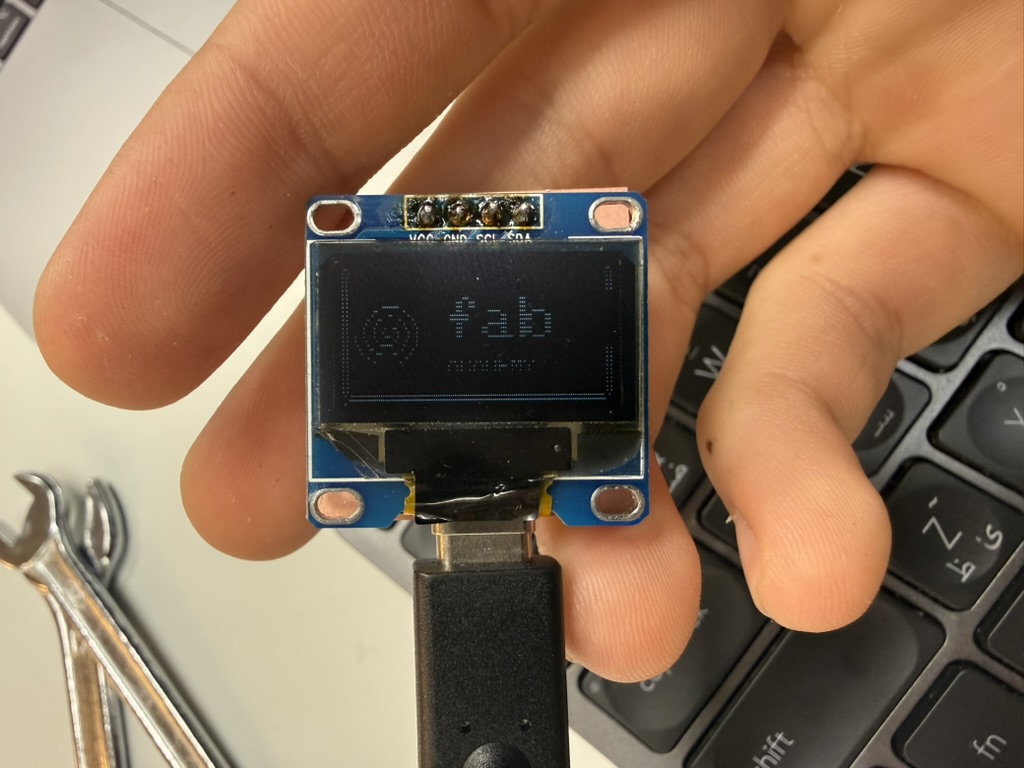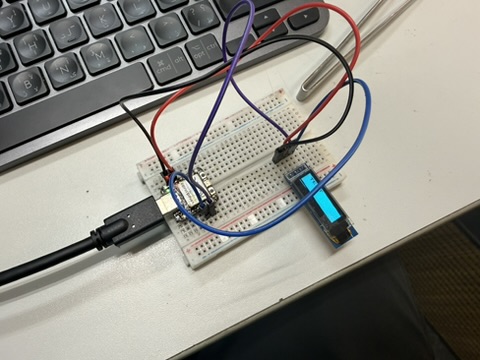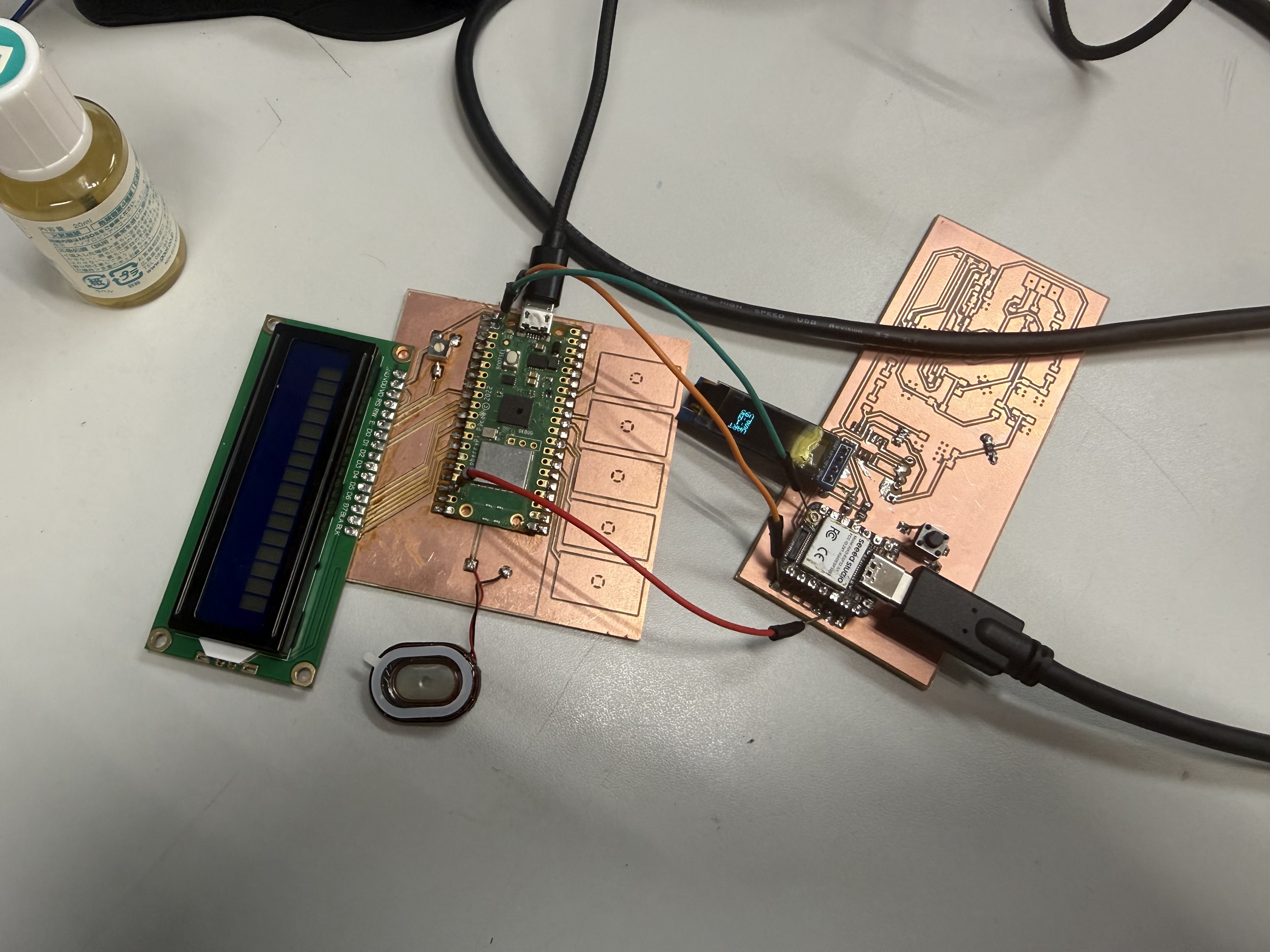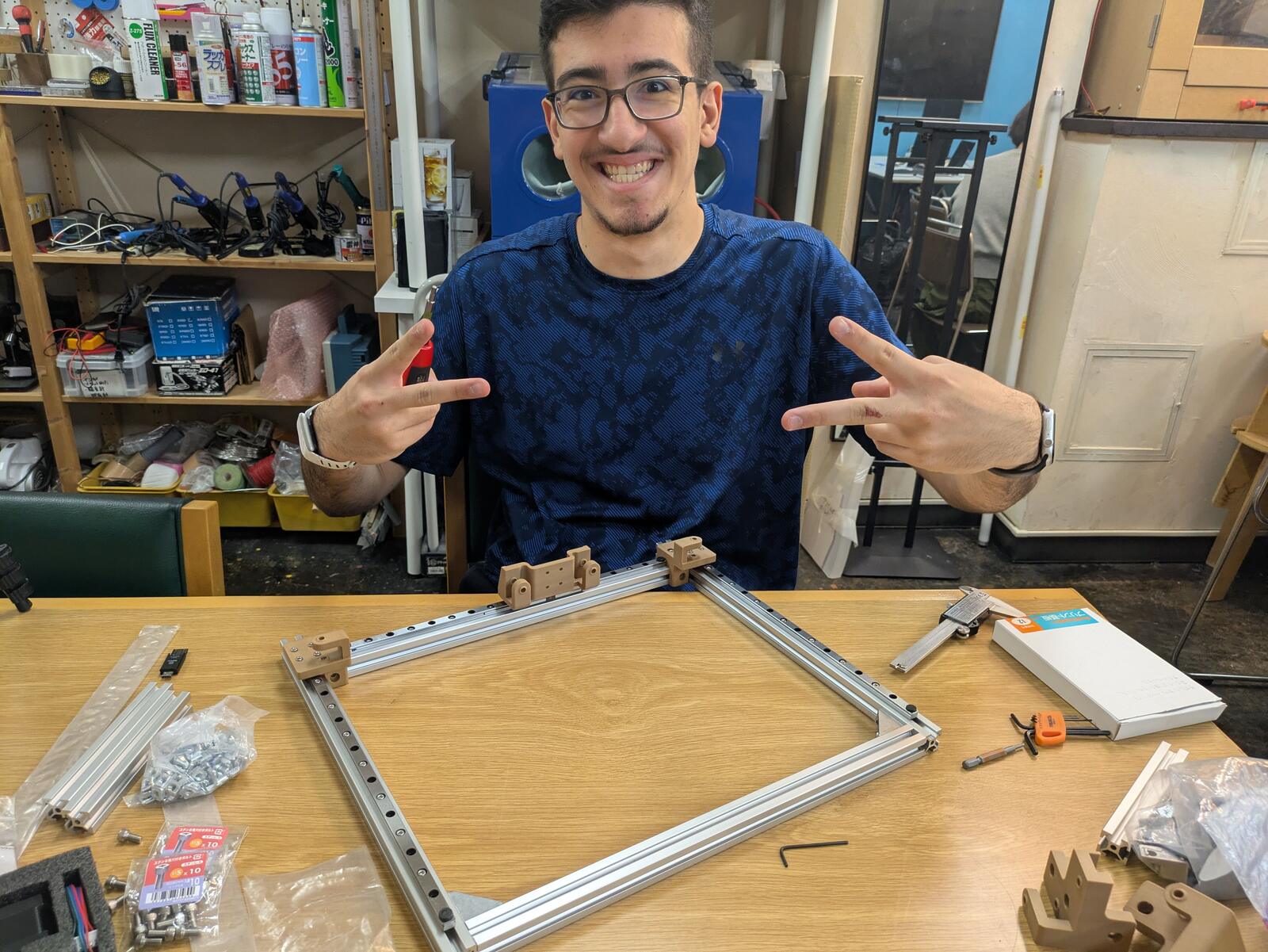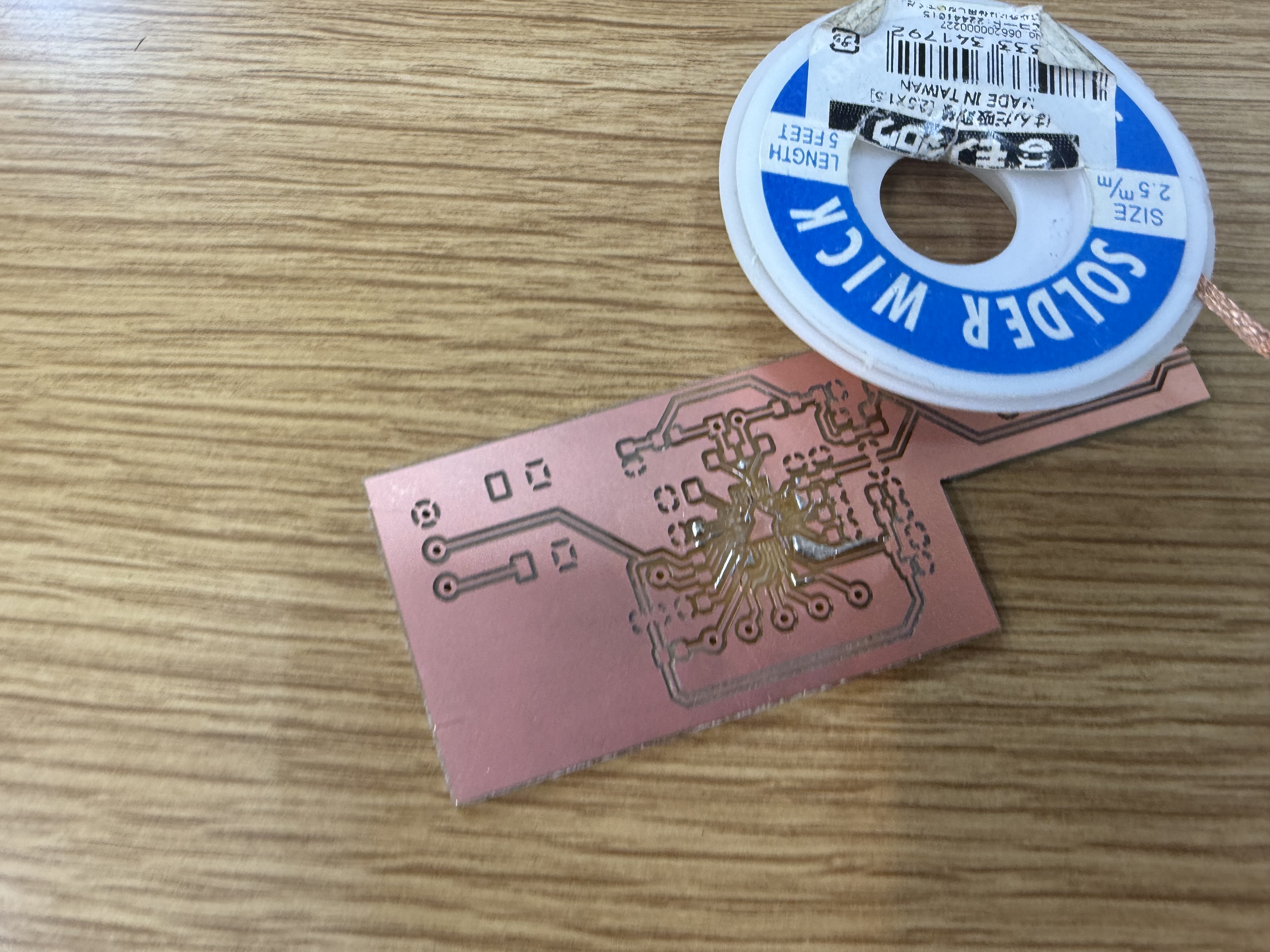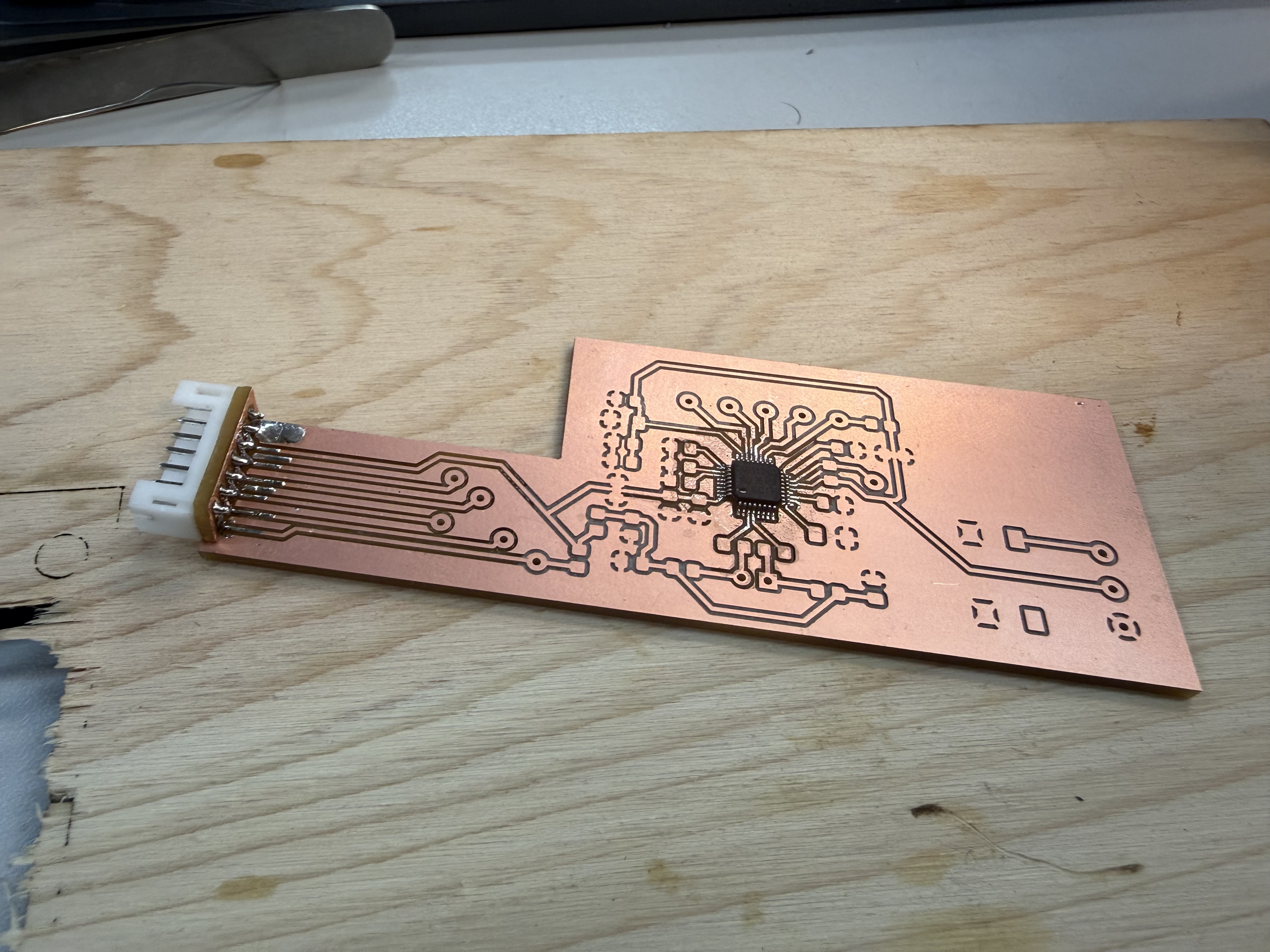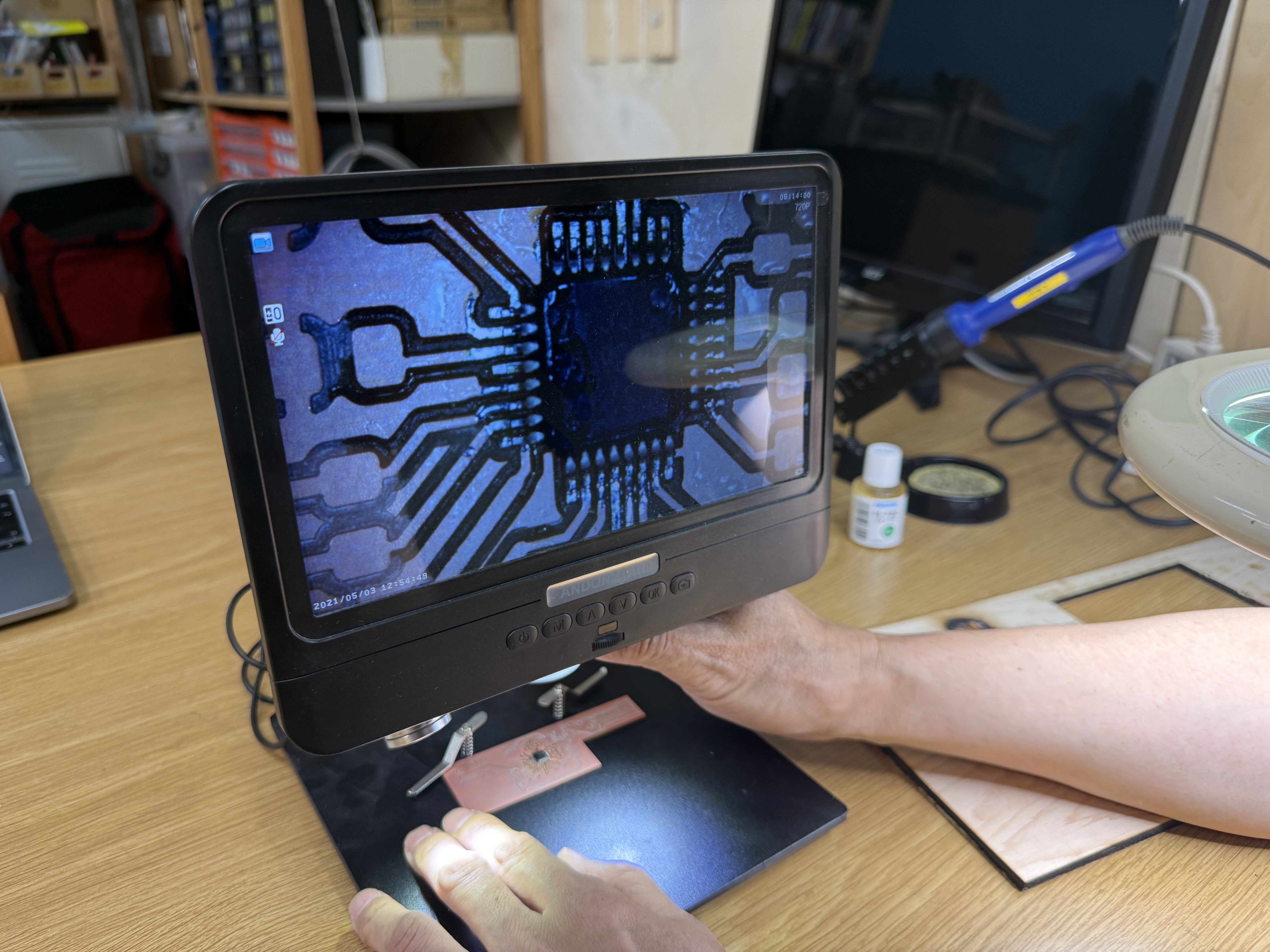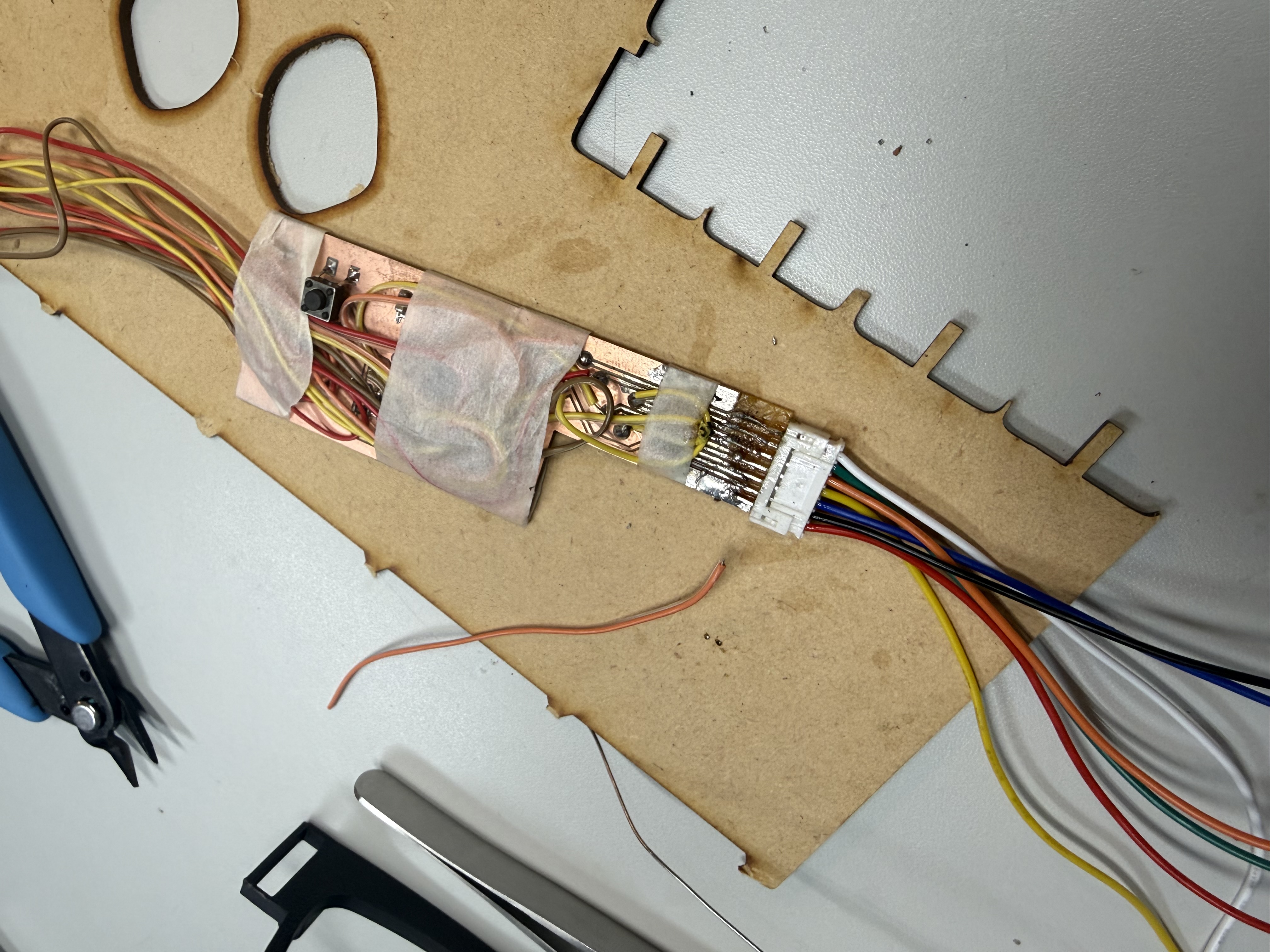
Here, I will be documenting my journey at Fab Academy as I pursue the program across FabLab Benfica in Portugal and FabLab Kannai in Japan. My goal is to acquire skills across the diffirent domains of digital fabrication and...
Site index
A single place to find the readable documentation pages and the downloadable project files.
Readable pages32 pages
This is the full bill of materials for NeuroAR. Most of the materials were already available at the lab, and the costs exclude shipping and fees. I ordered more components than this for different experiments (a higher quality...
Throughout this page, I document the progress of the NeuroAR throughout the weeks of Fab Academy. This page will have some information pulled directly from my weekly documentation alongside additional information on aspects of...
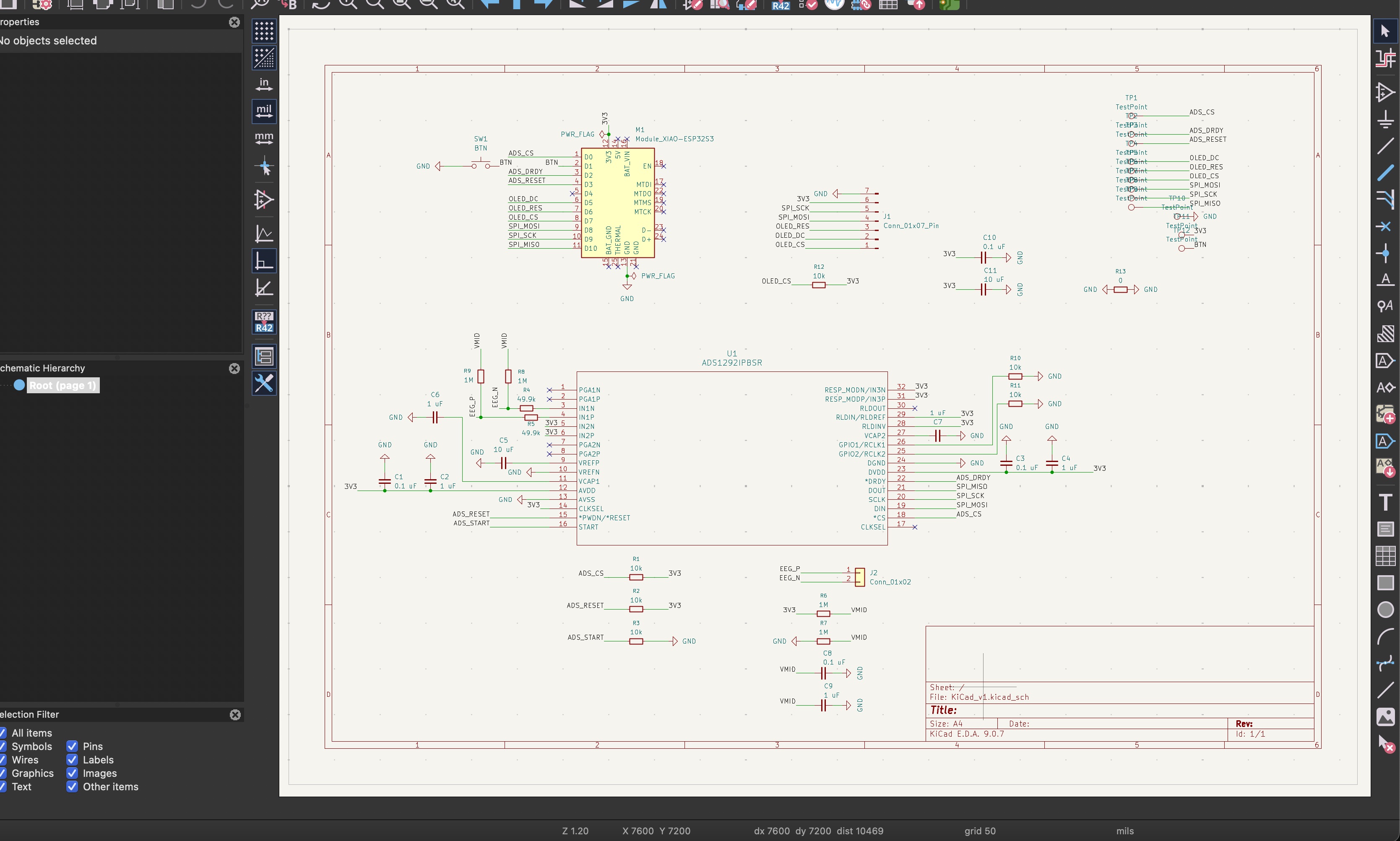
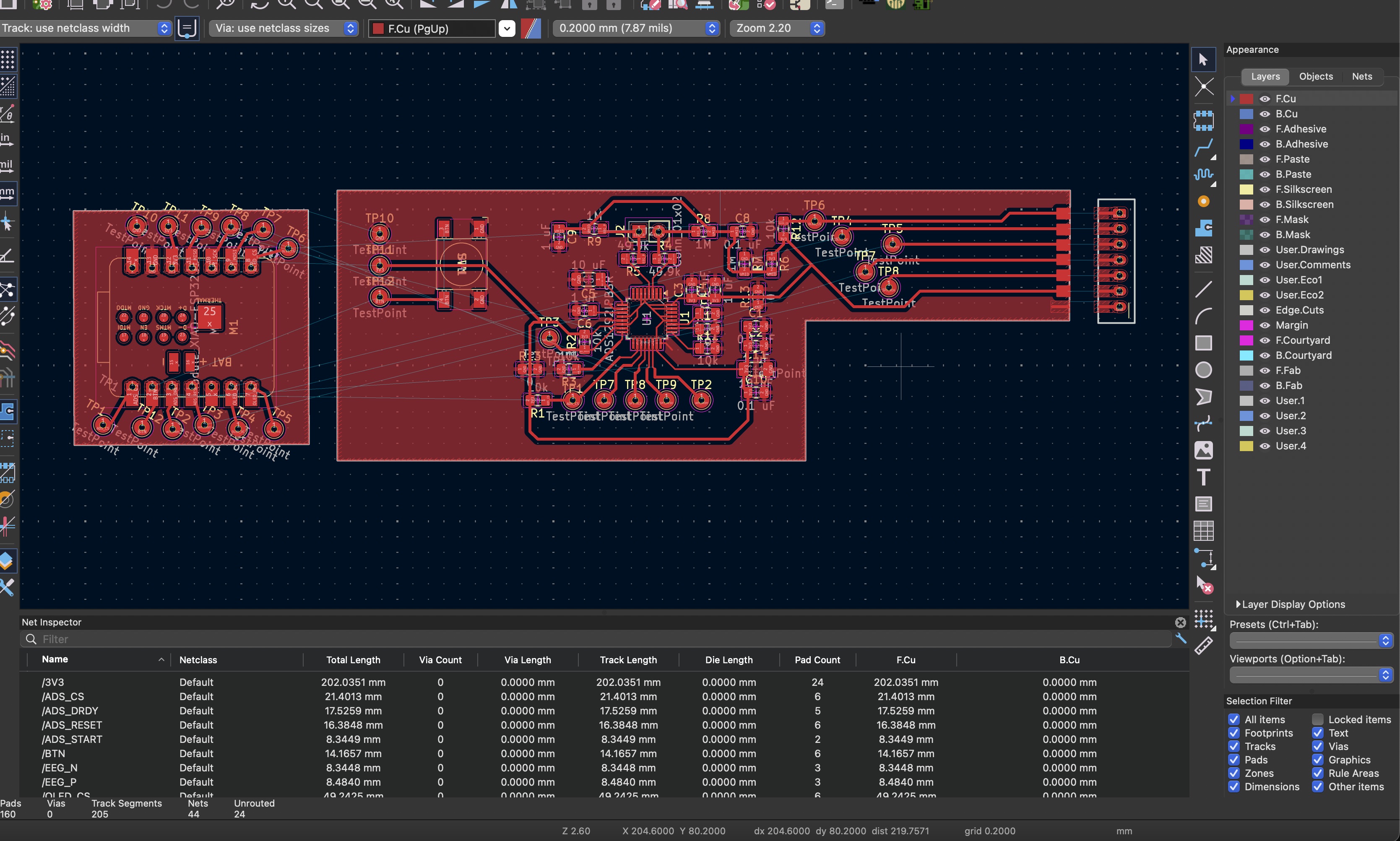
Everything you need to rebuild NeuroAR lives on this page: the CAD, the boards, the firmware, the software, and the decals, all cleaned up and ready to download. If you just want everything at once, this is the
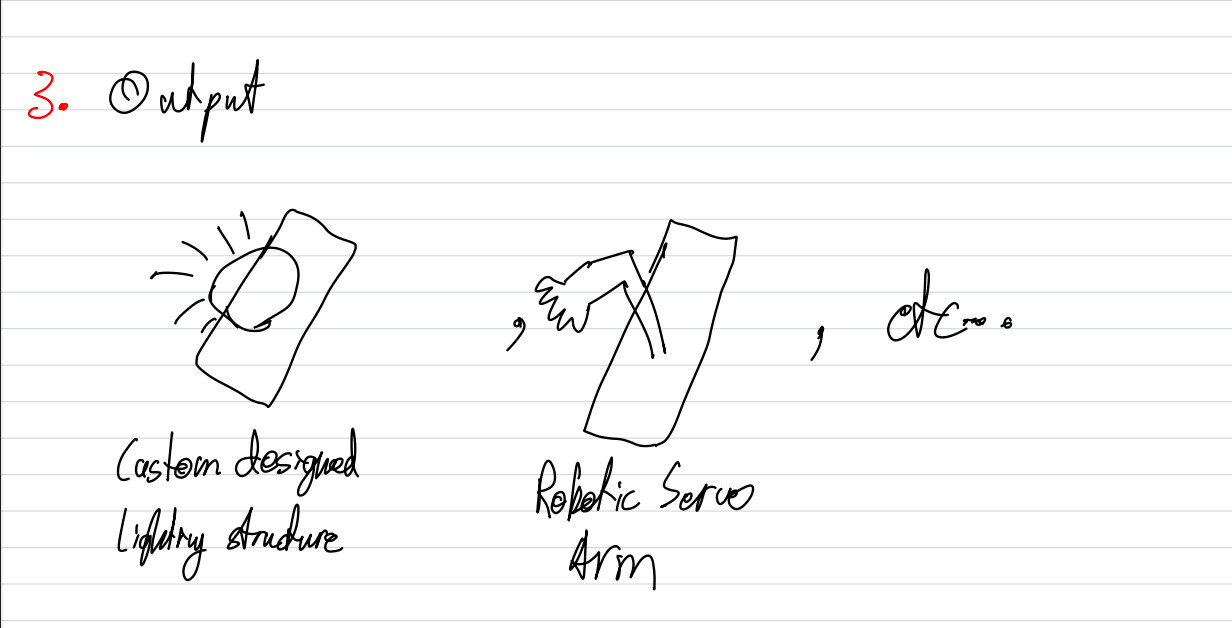
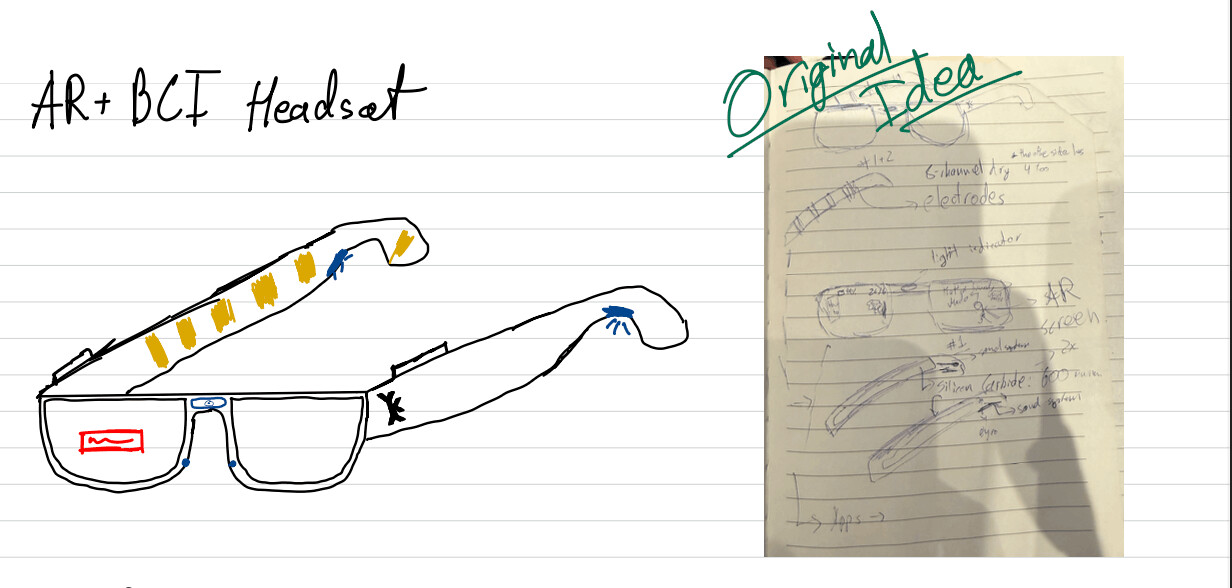
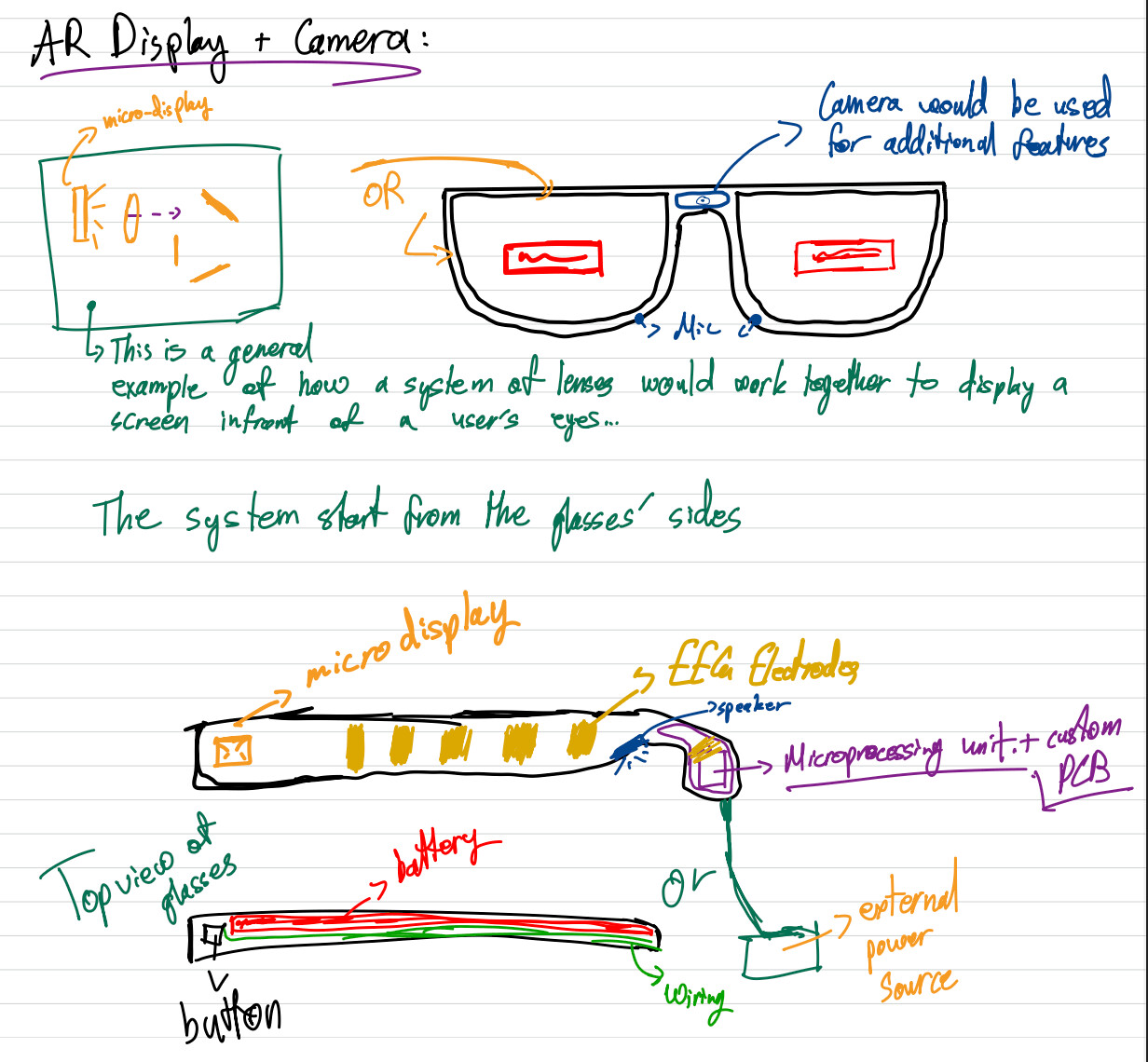
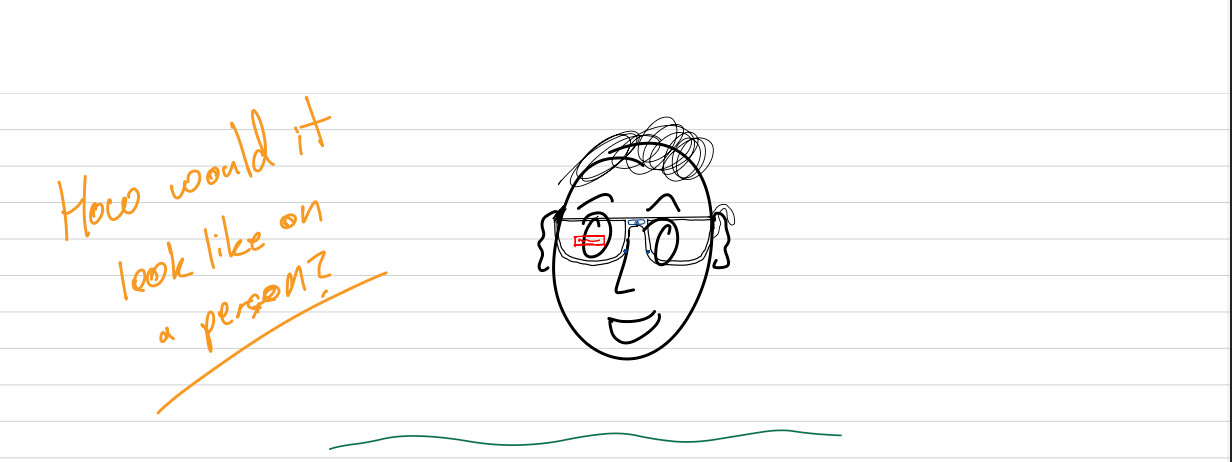
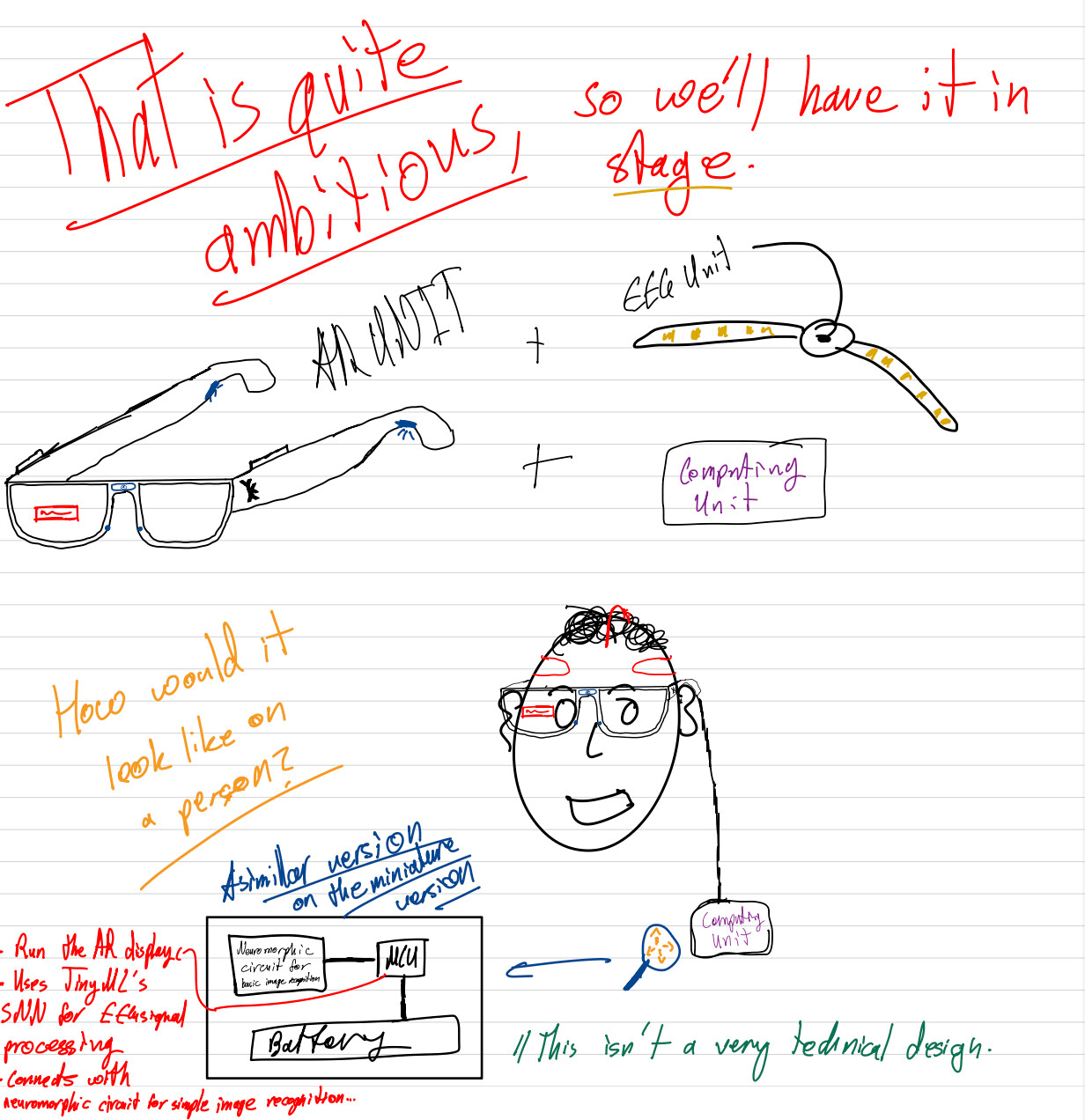
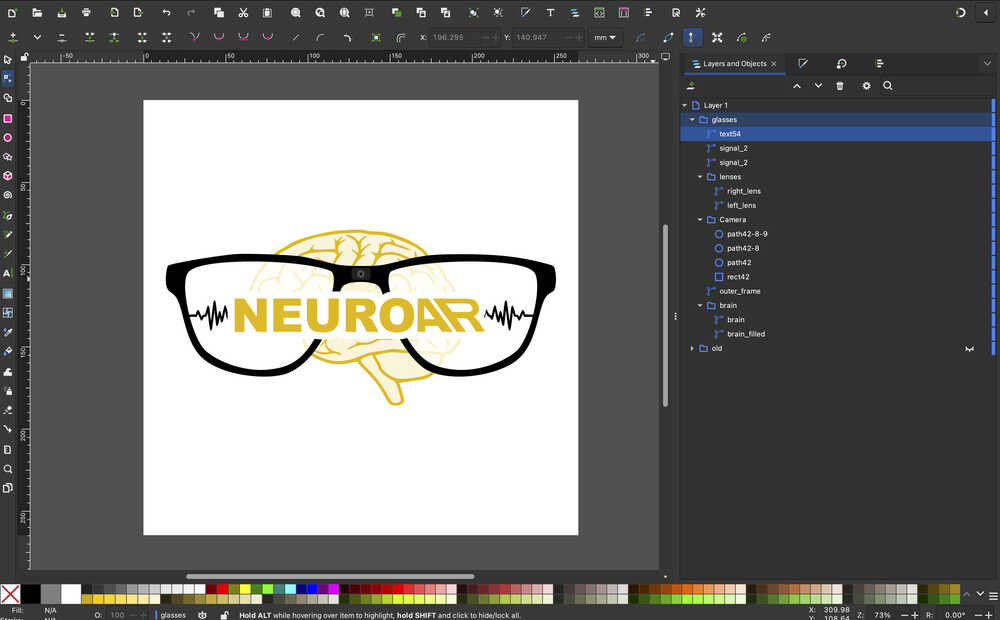
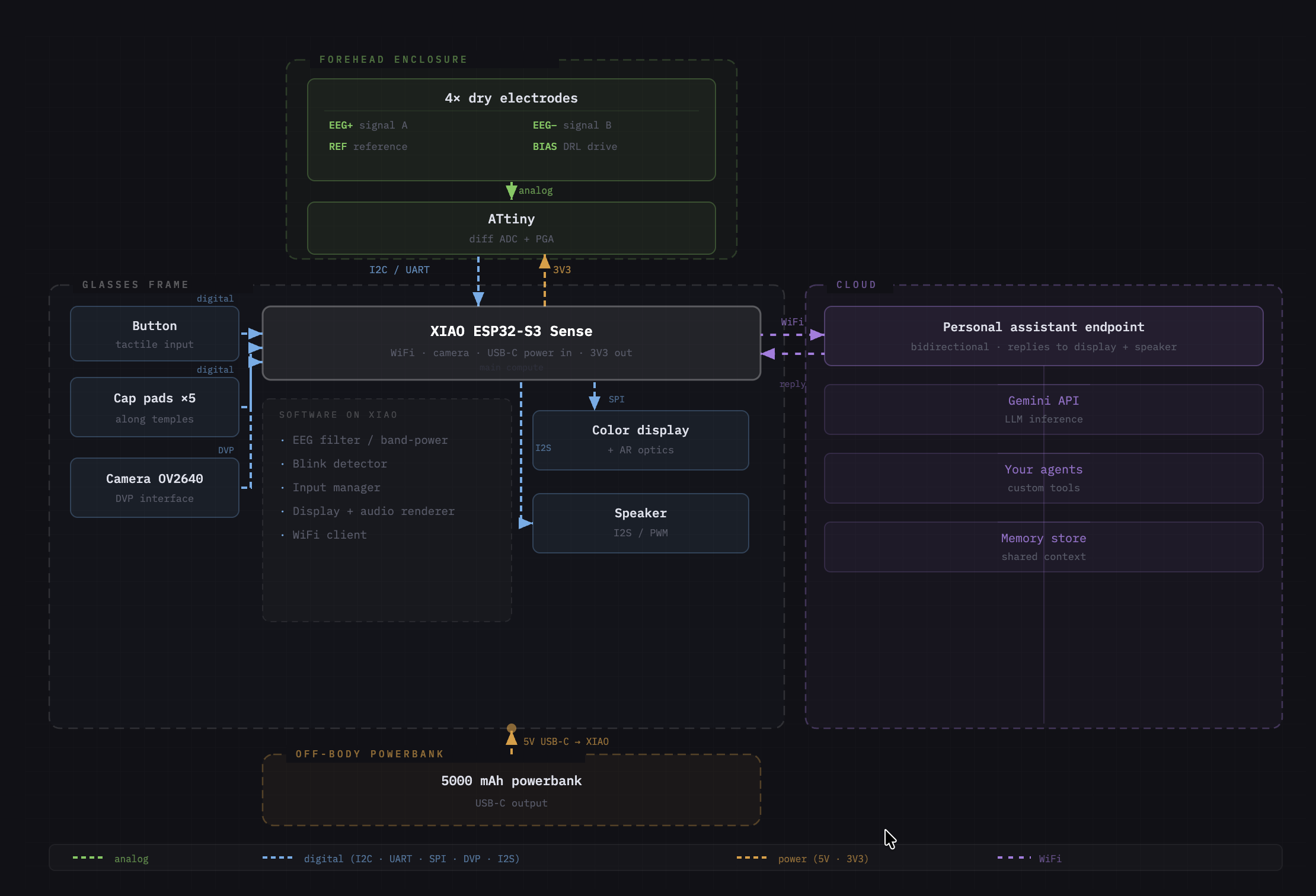
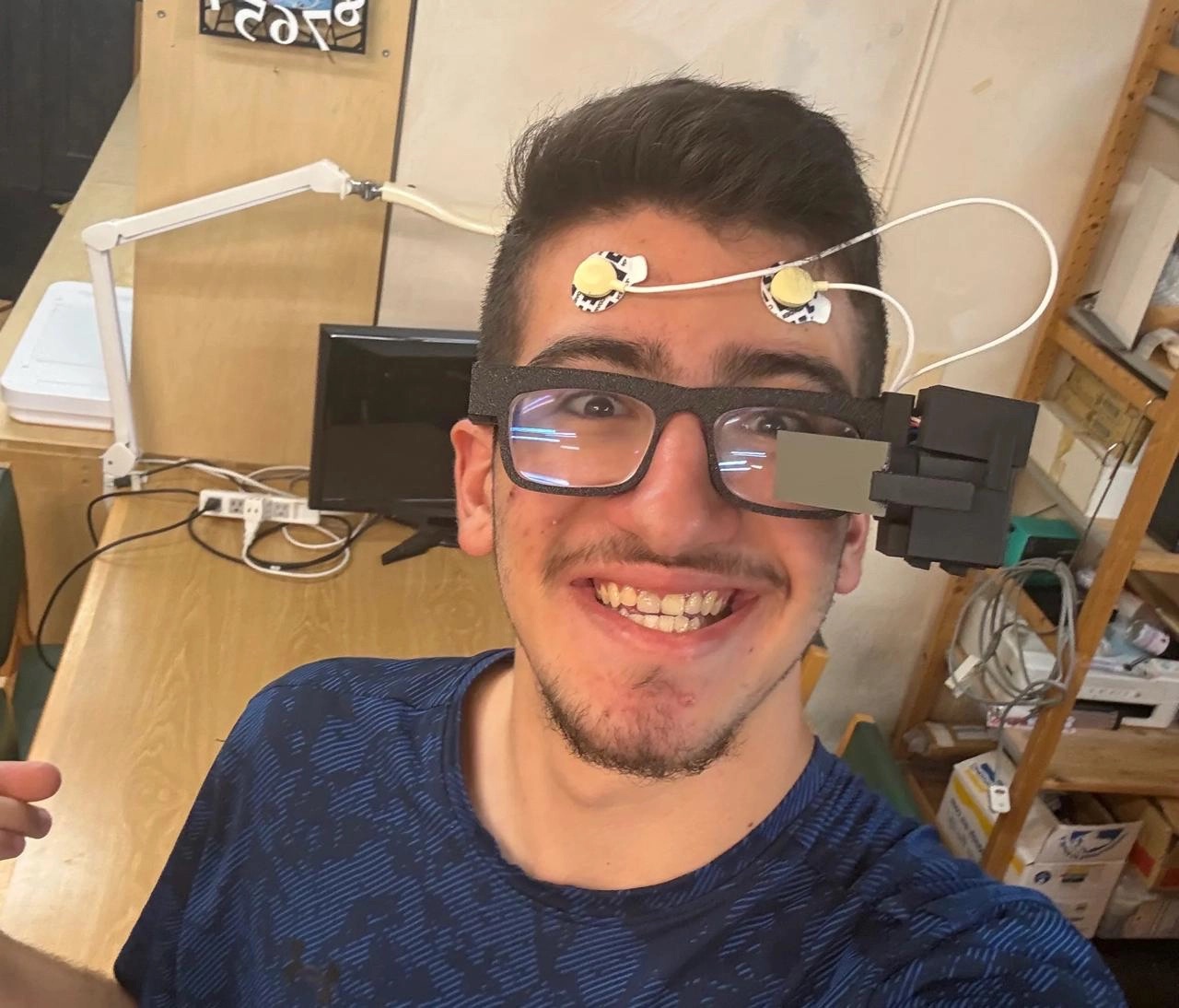
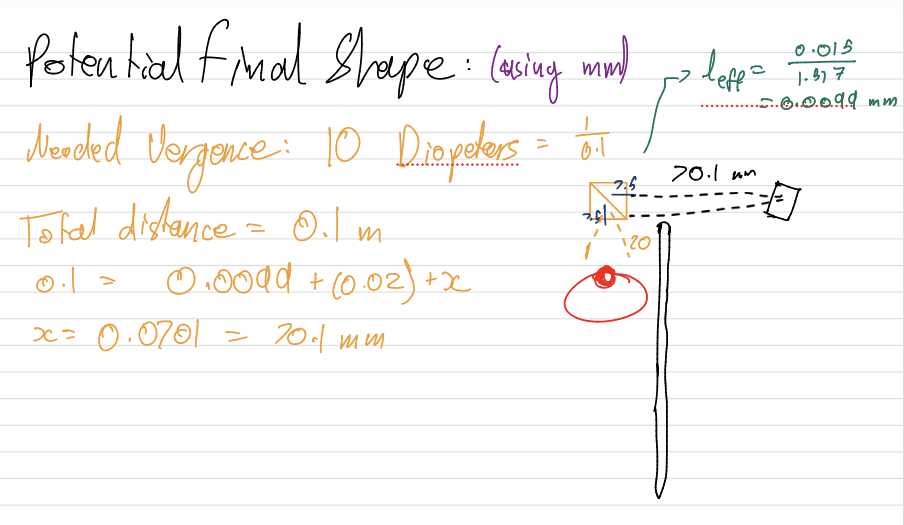
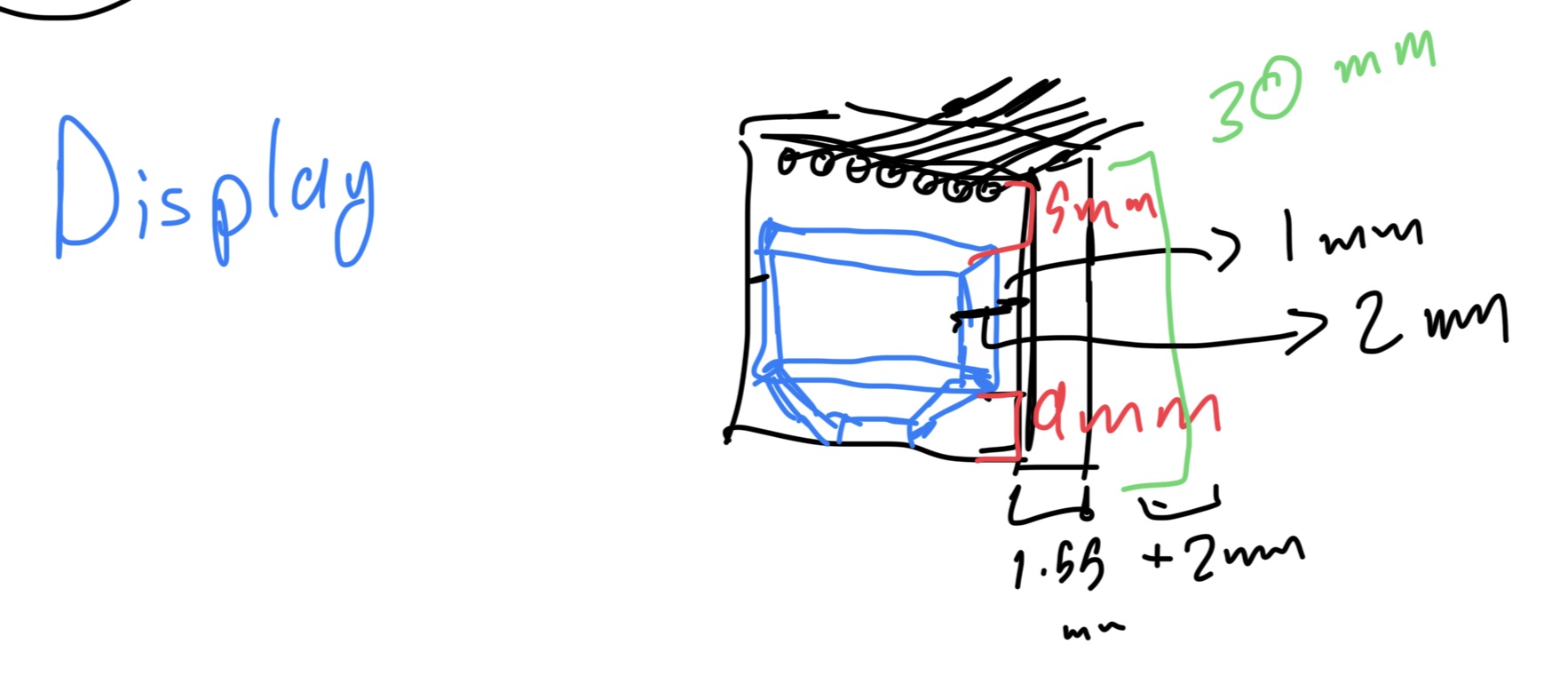
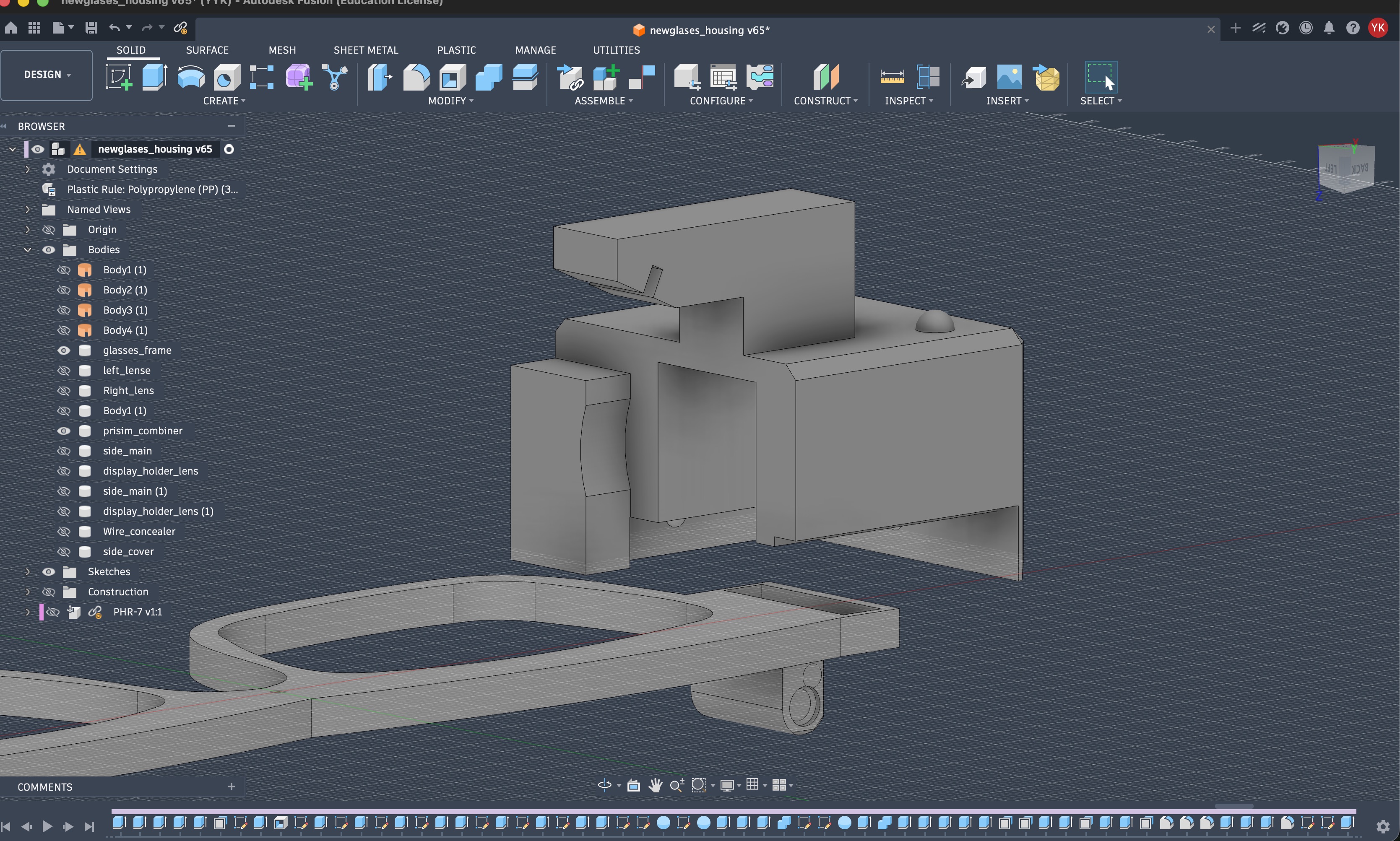
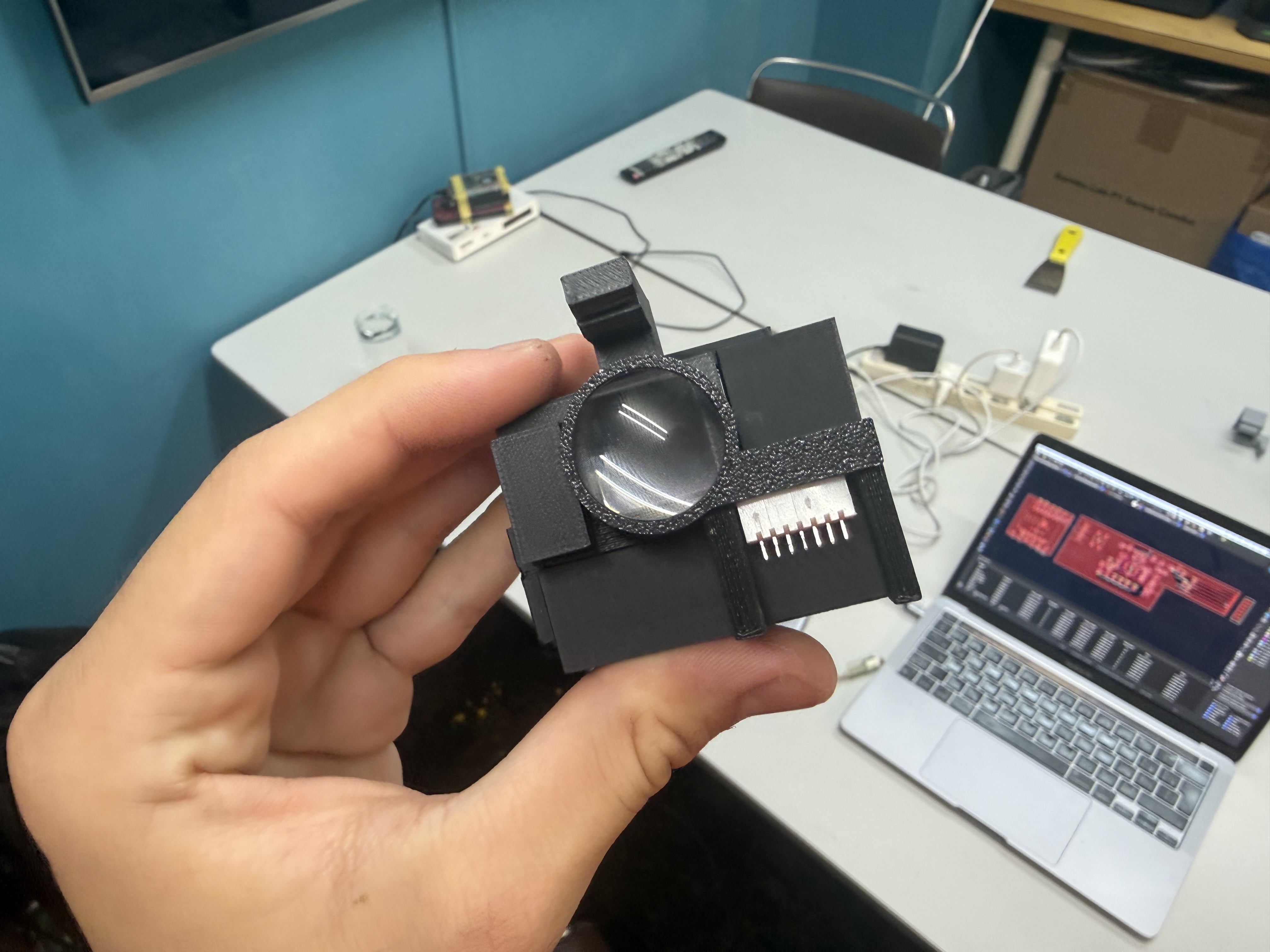
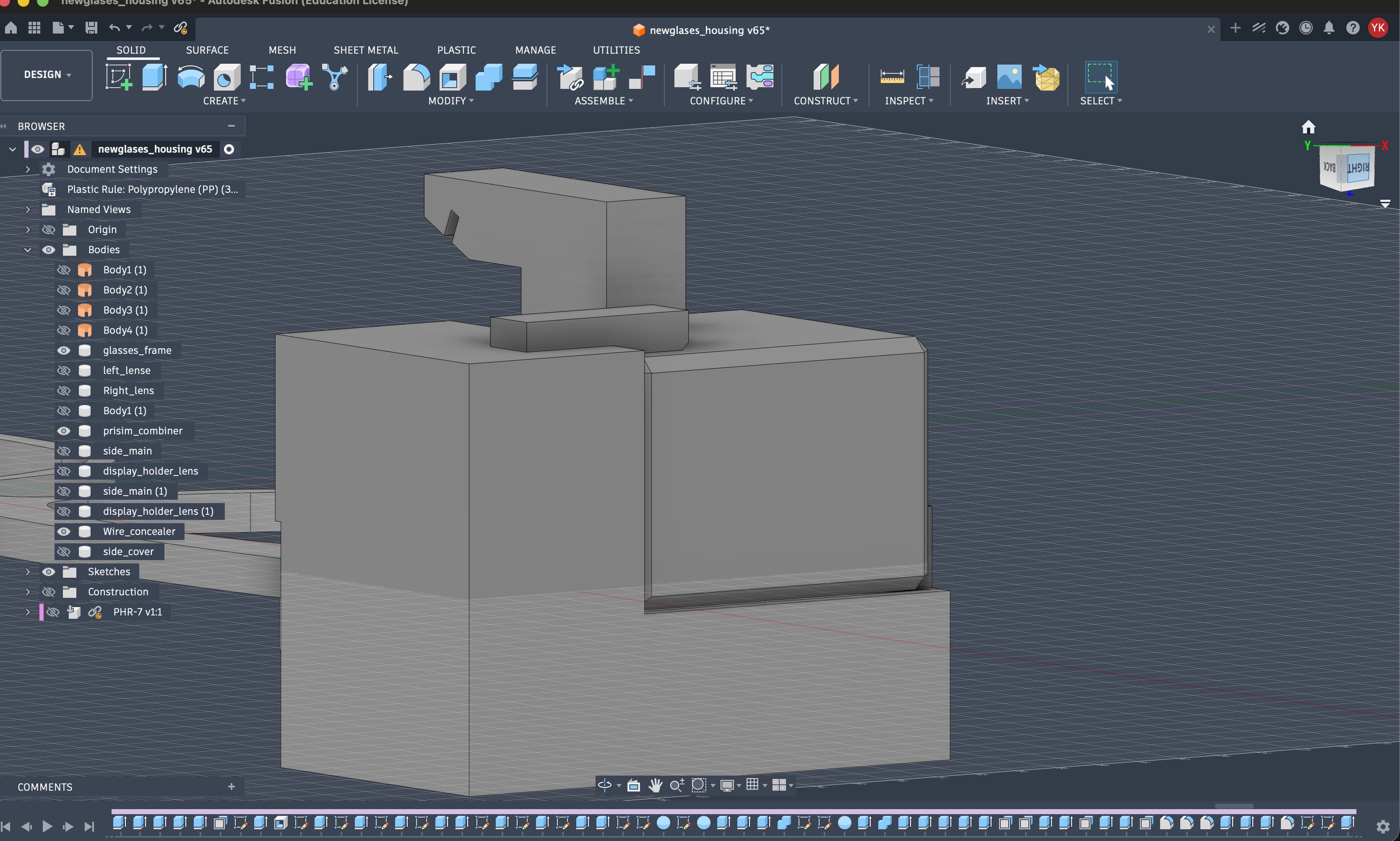
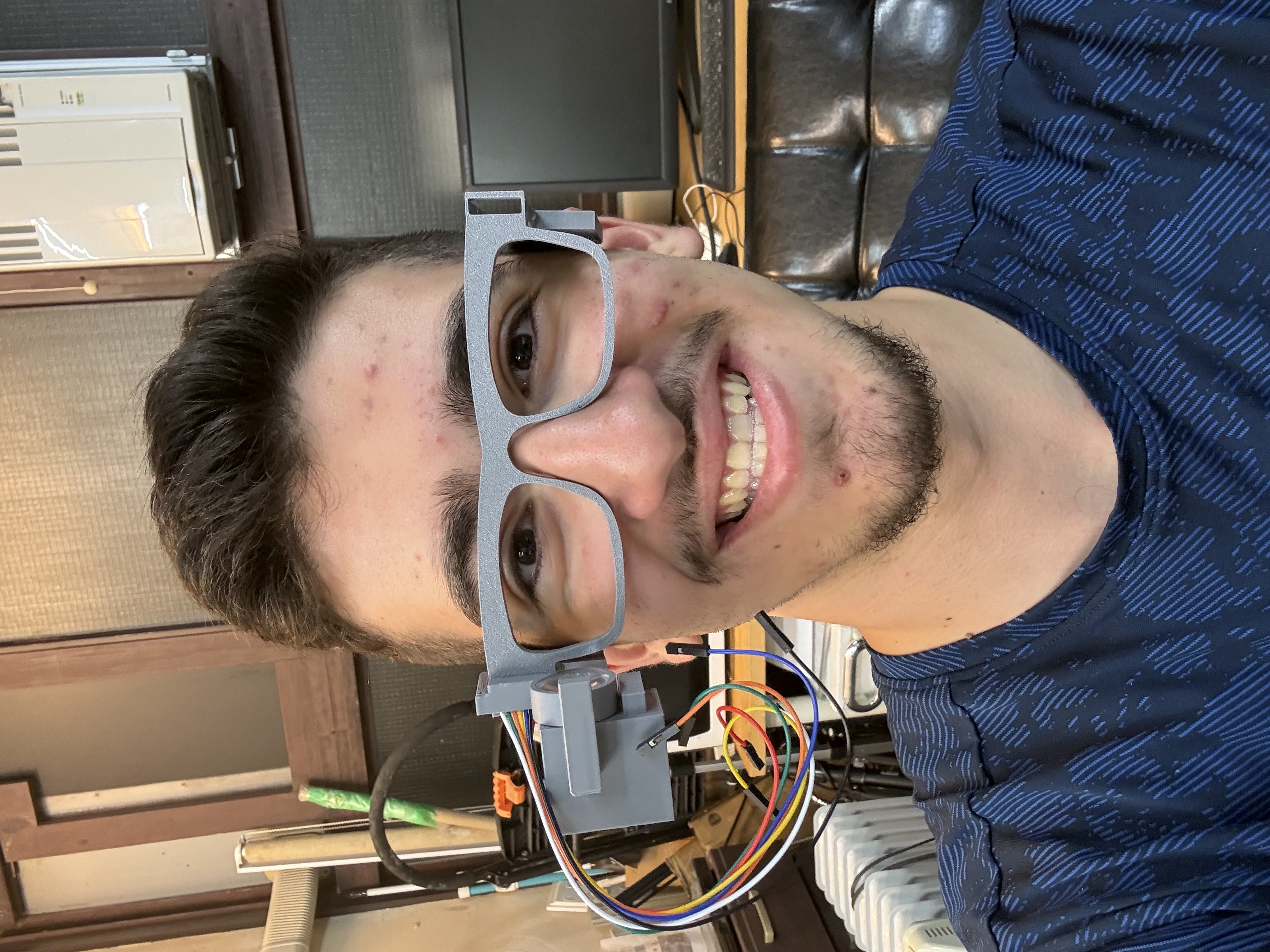
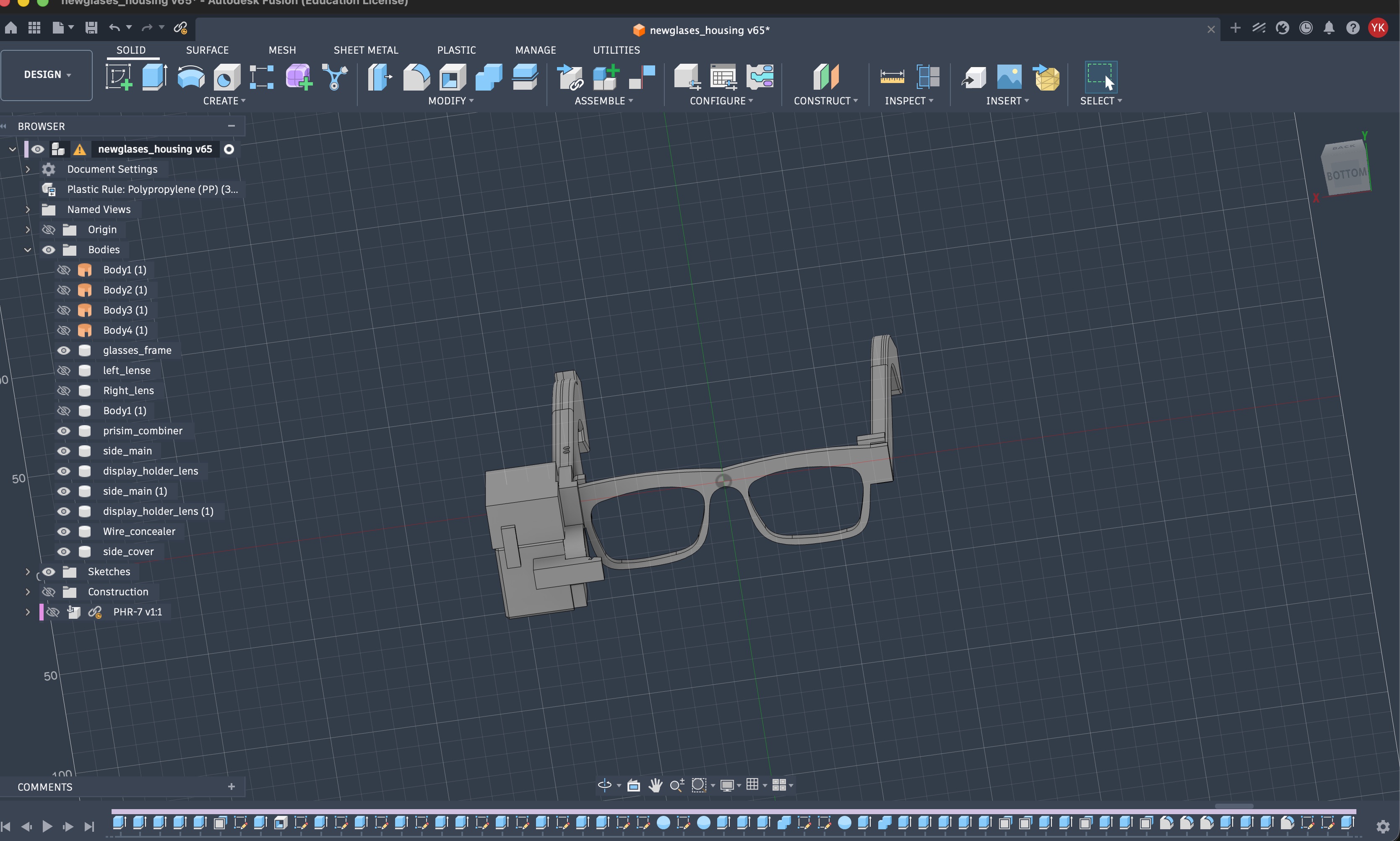
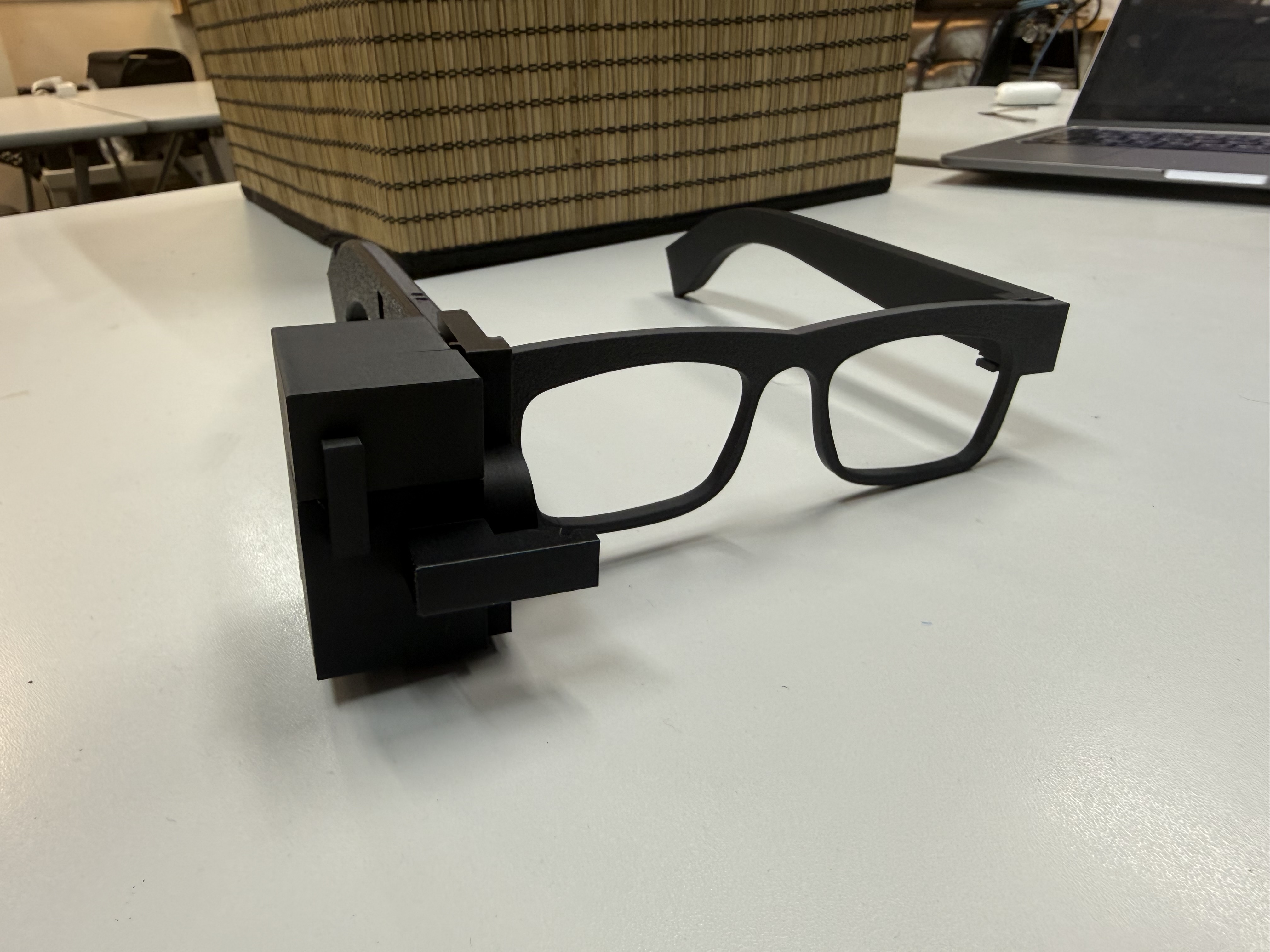
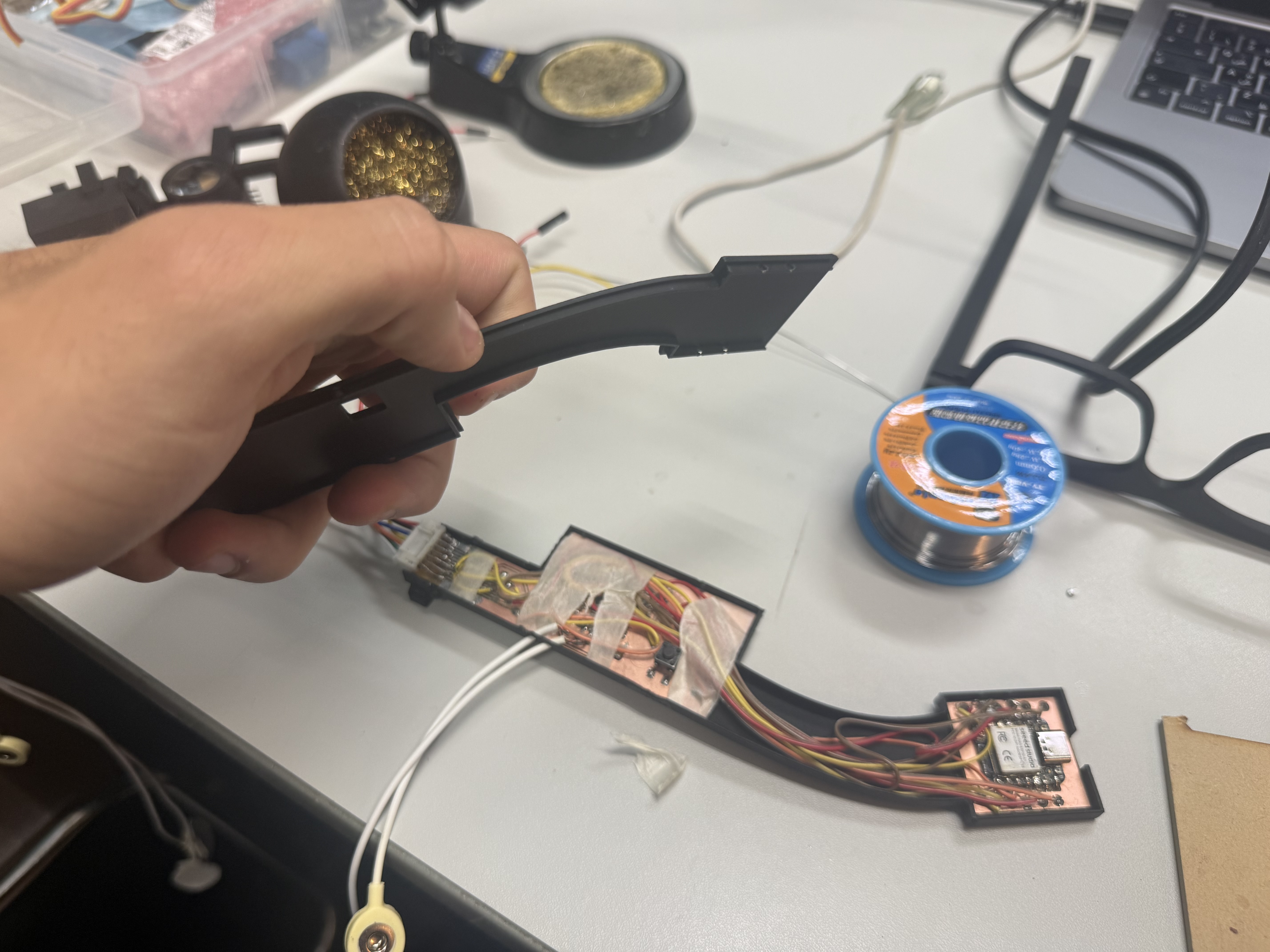
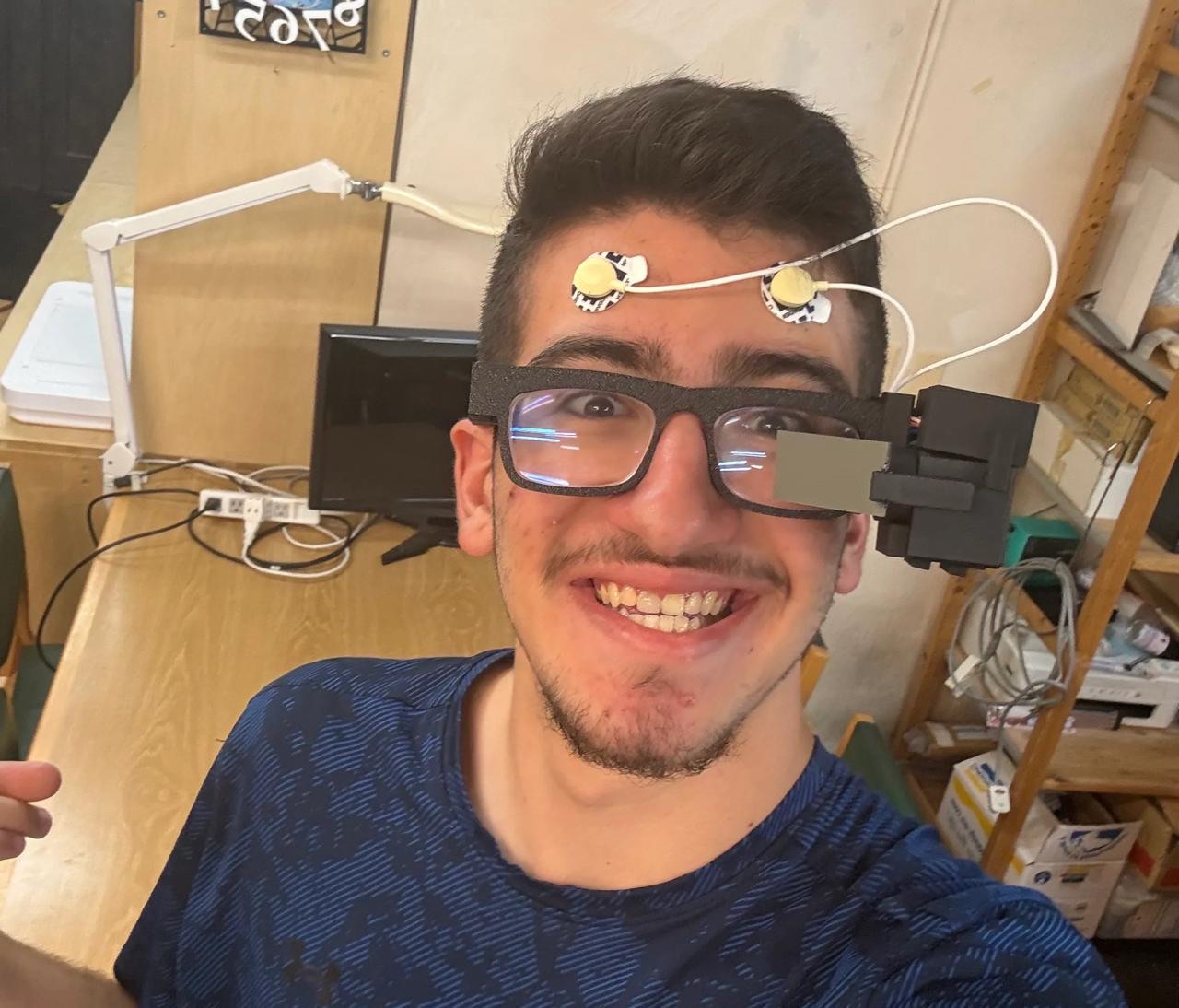
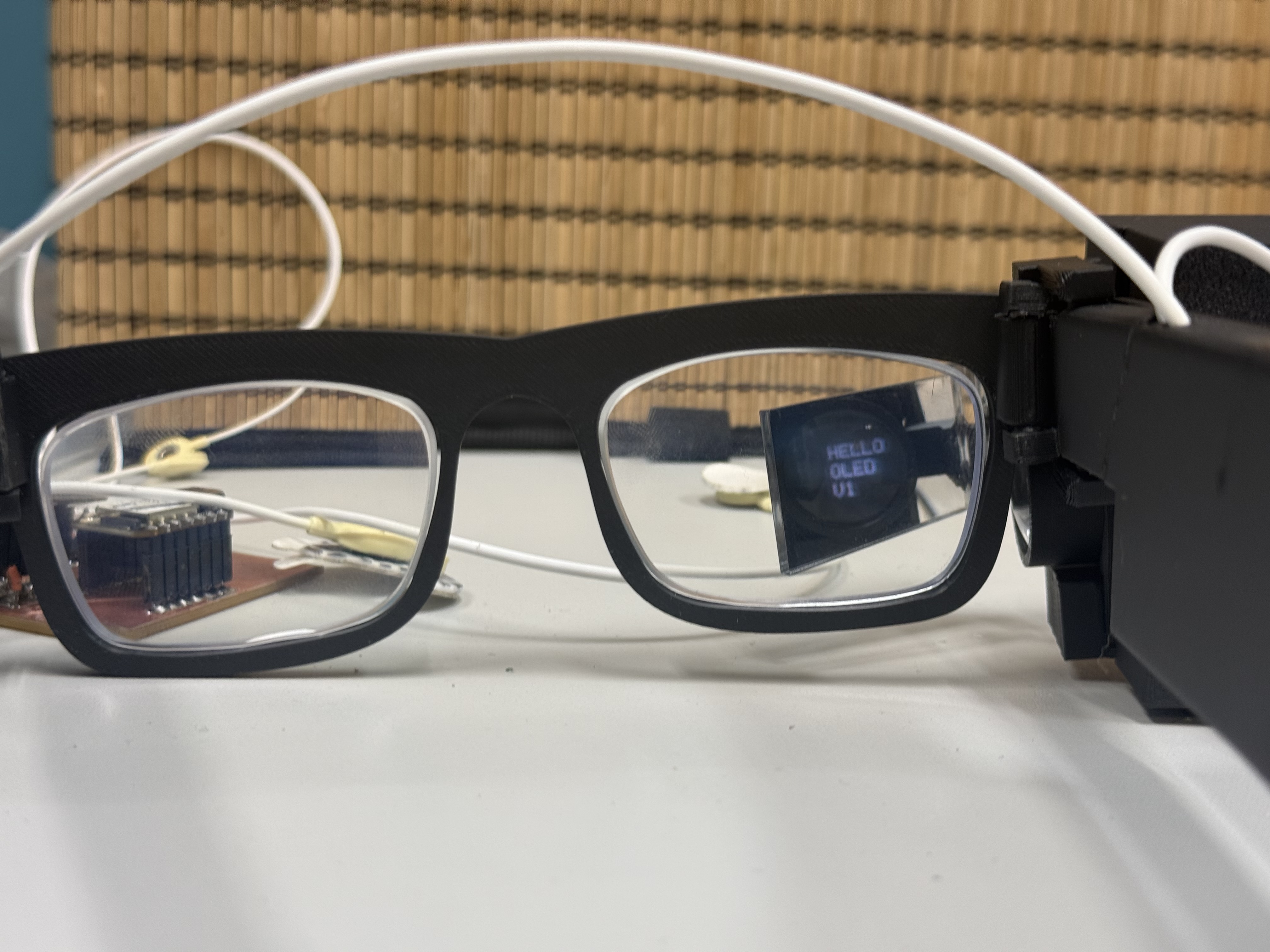
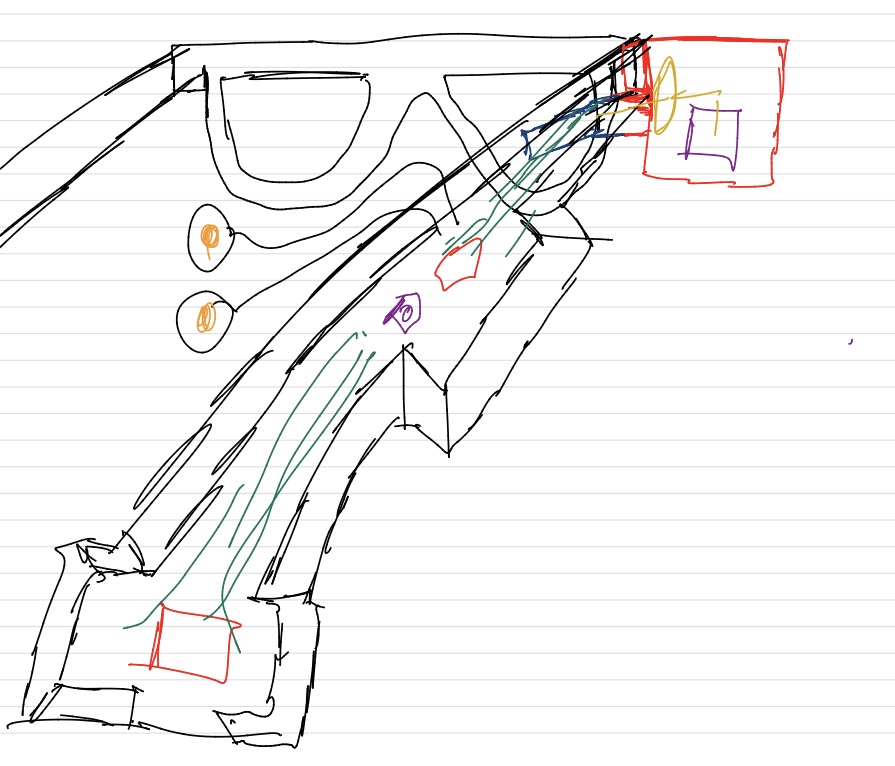
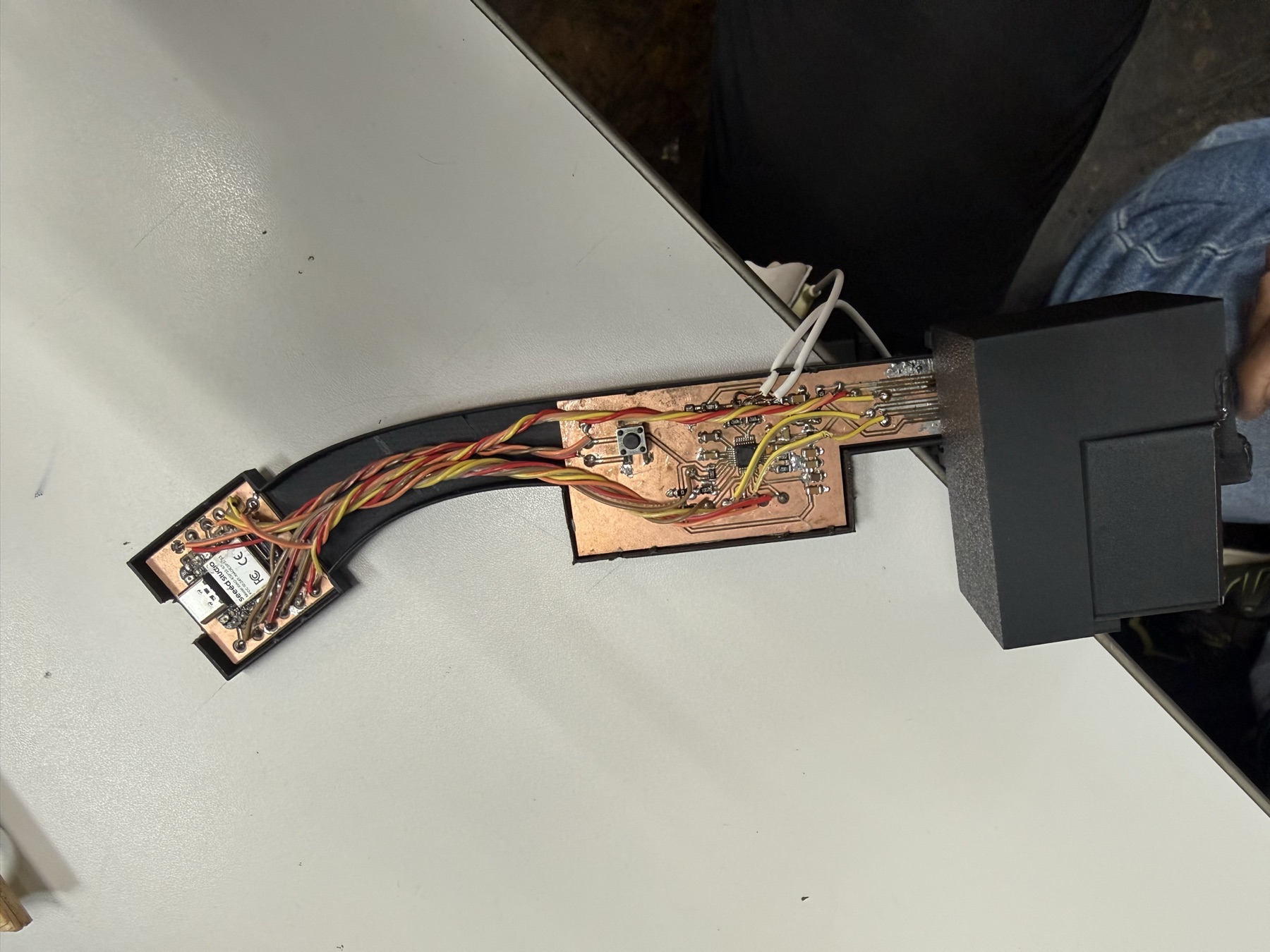
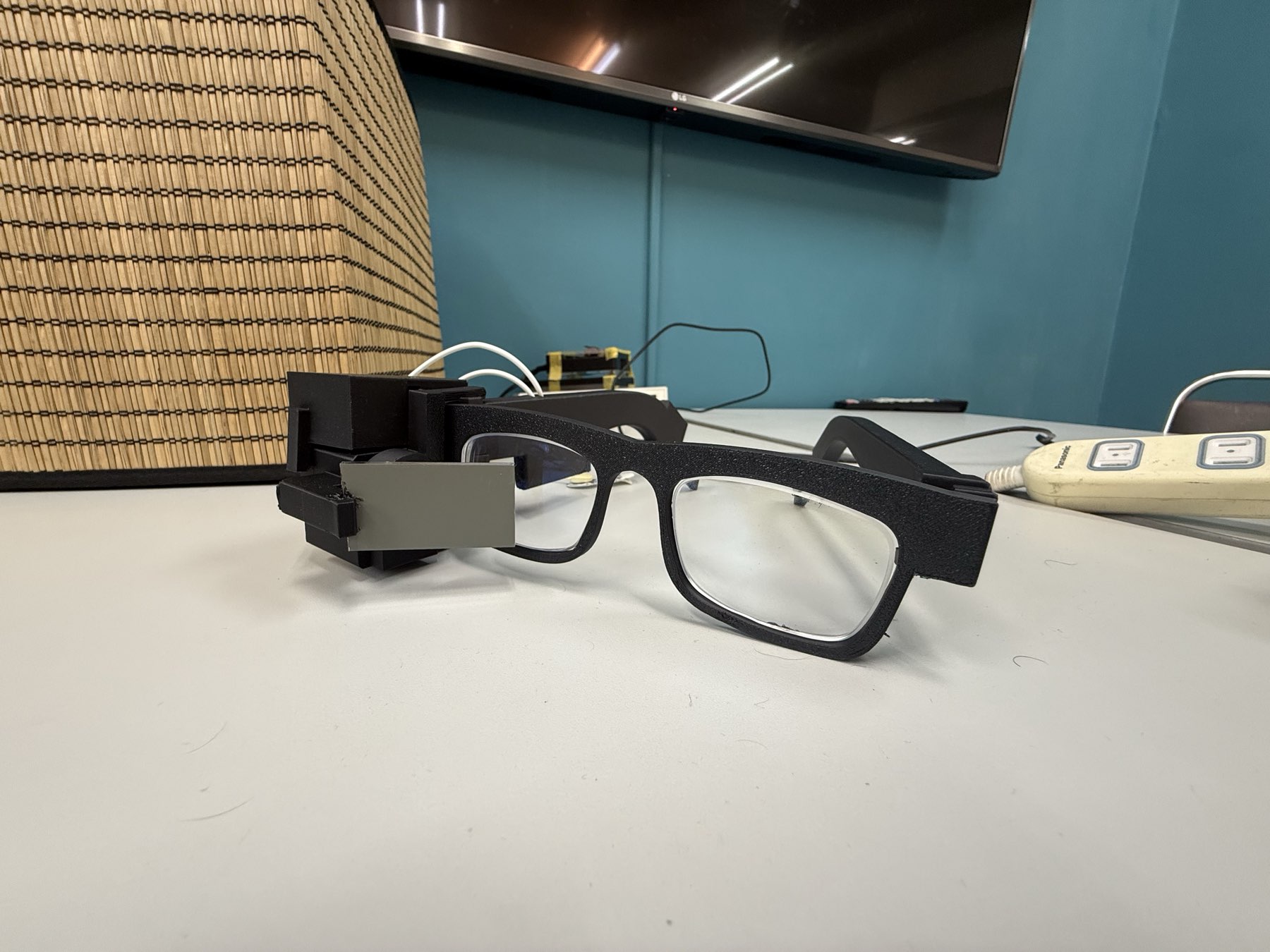
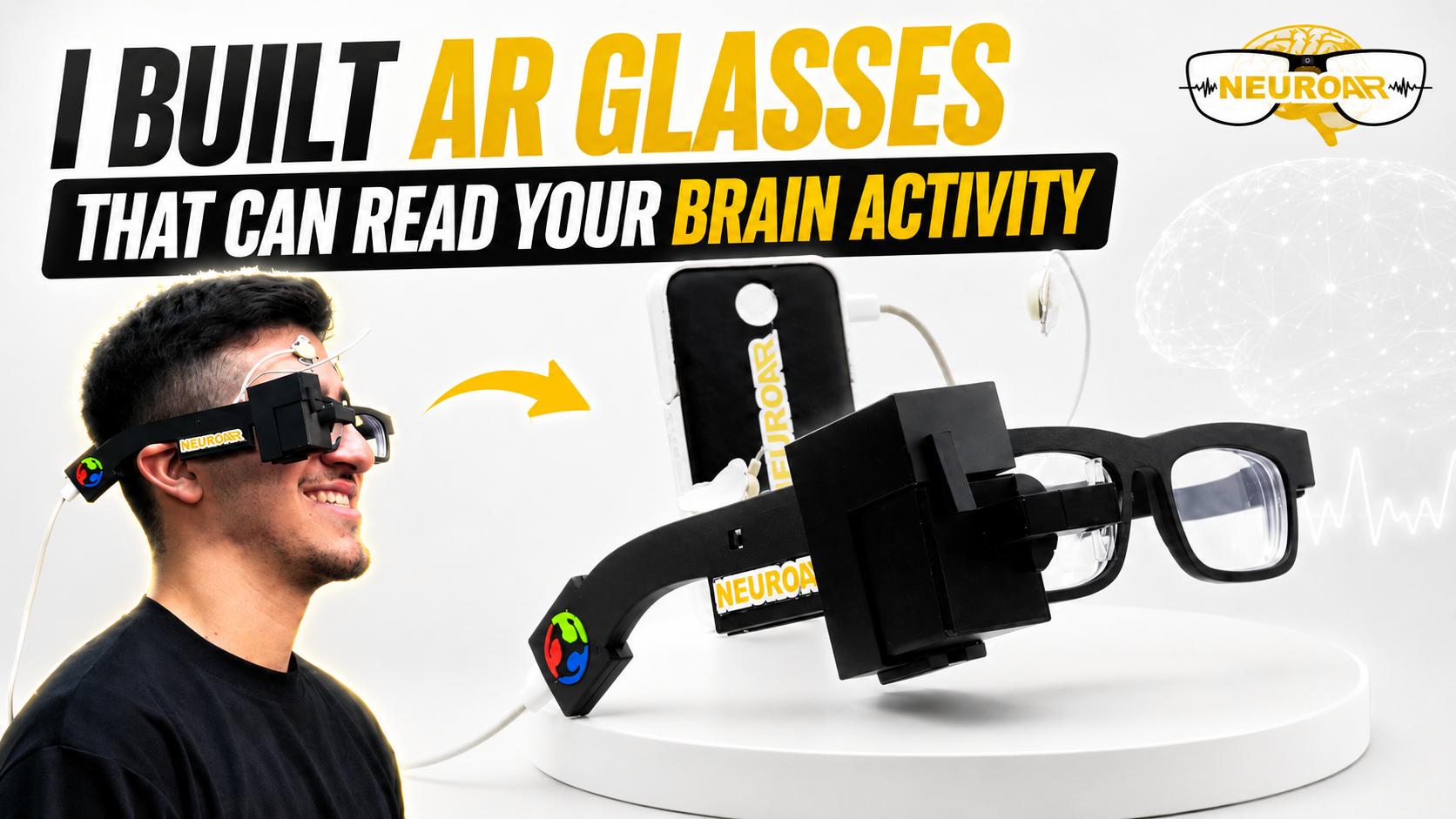
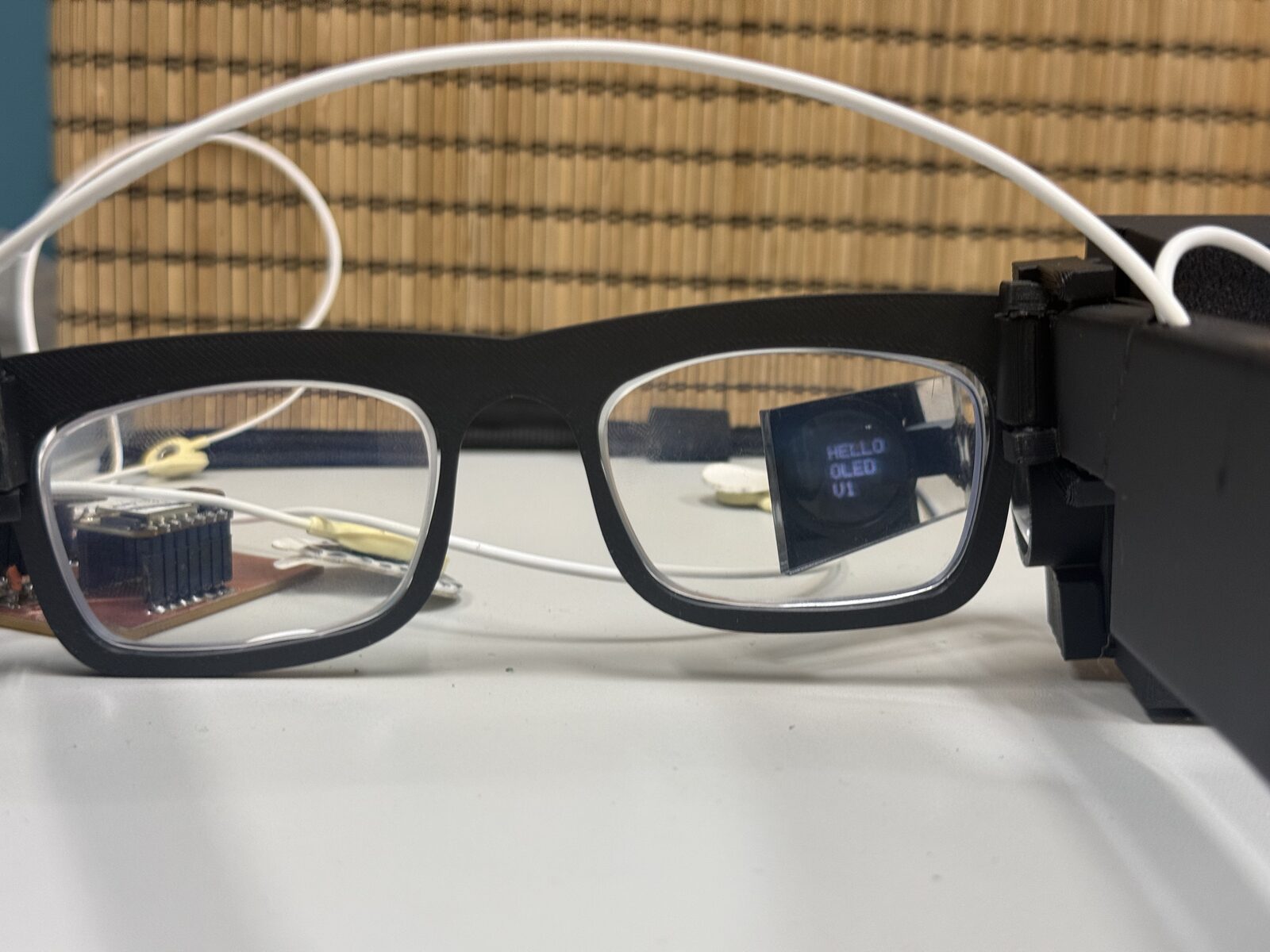
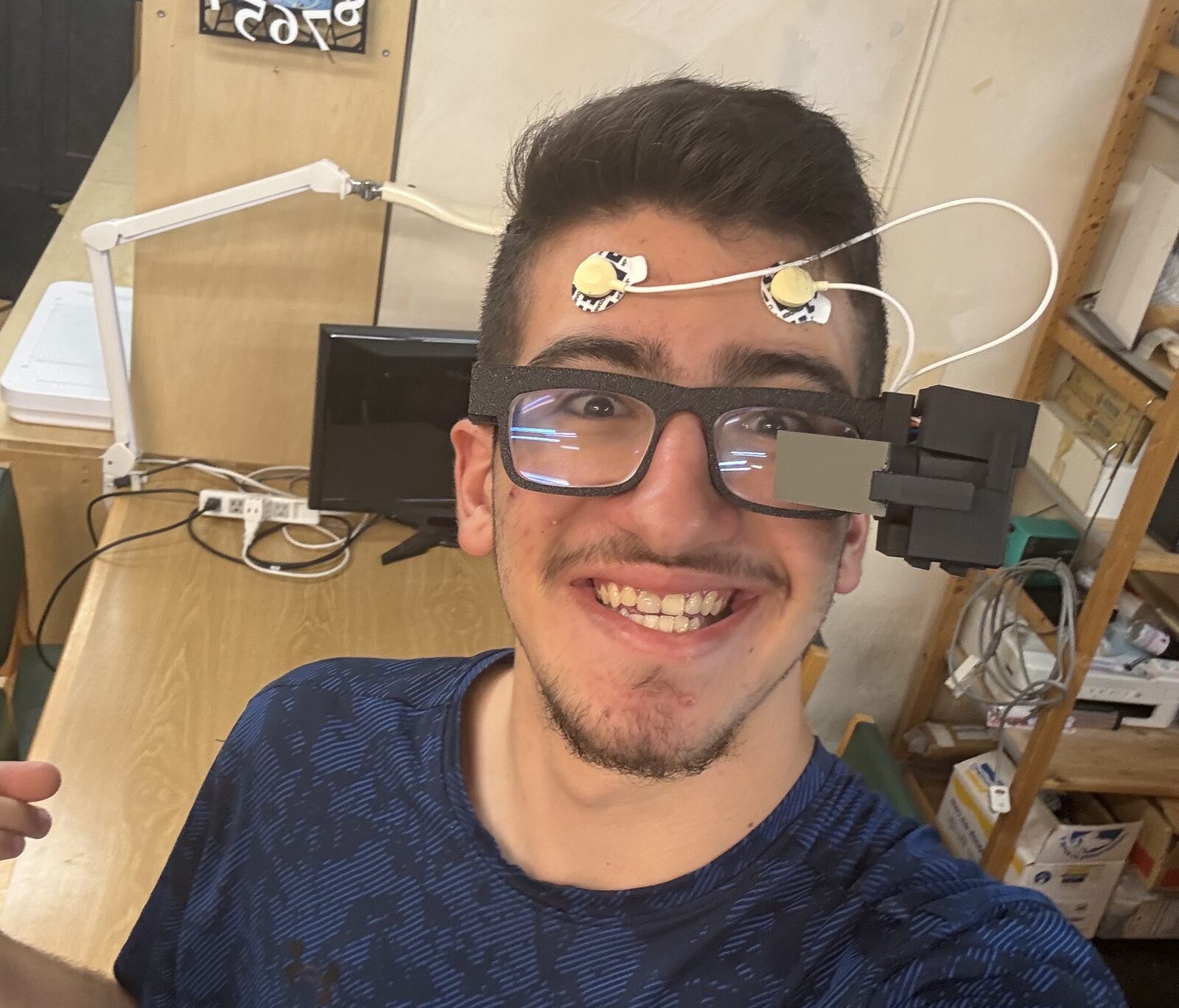
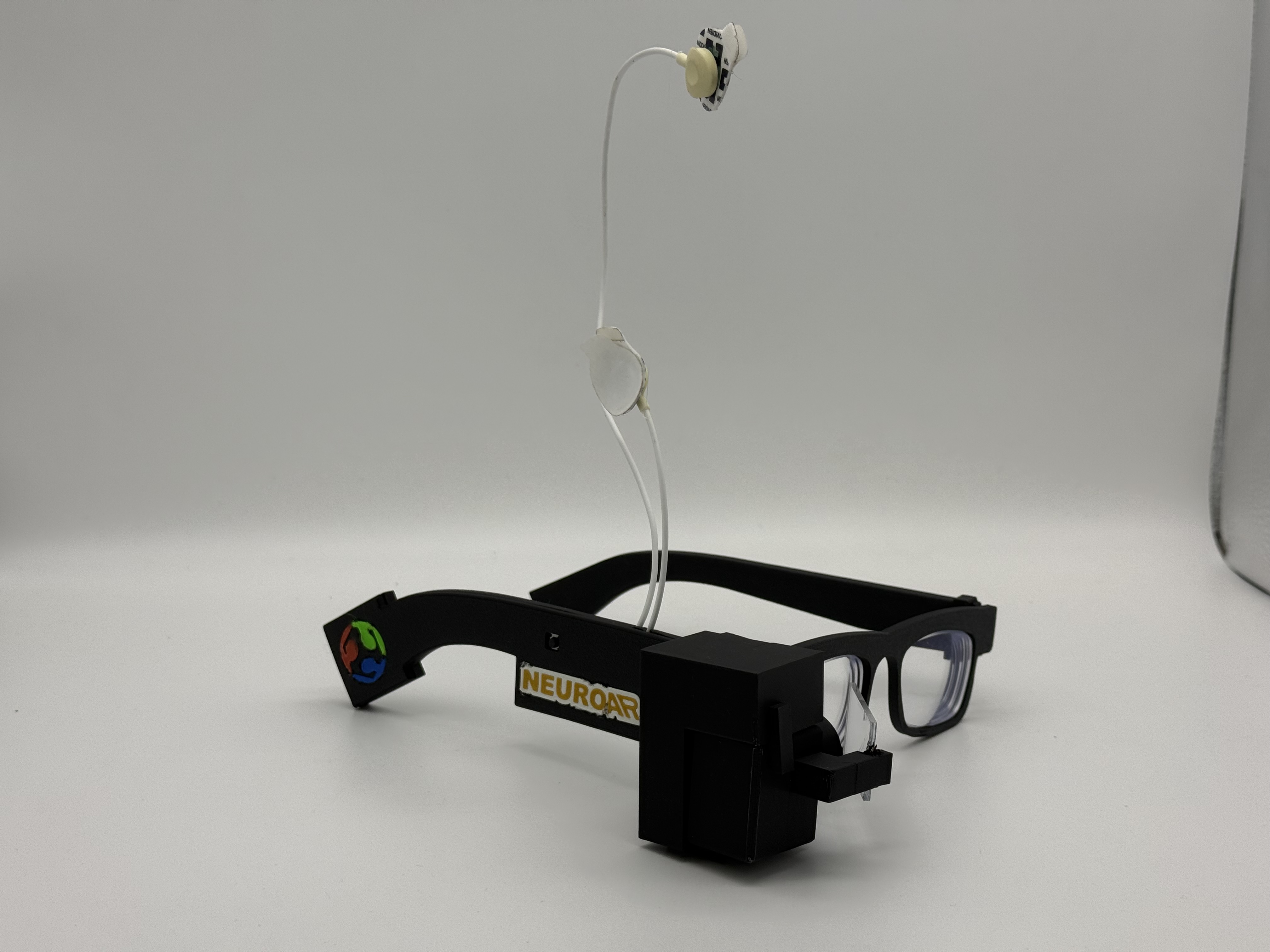
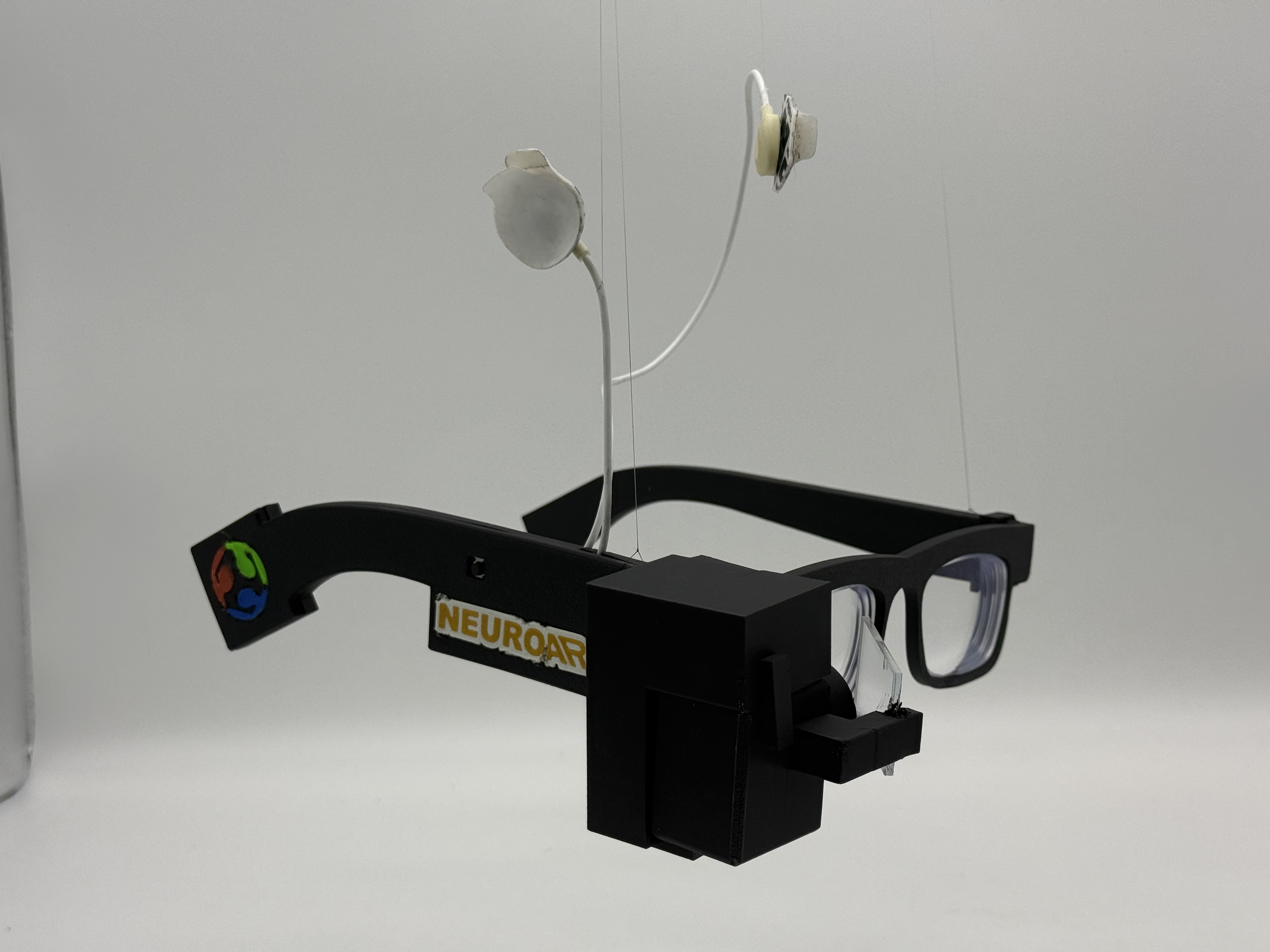
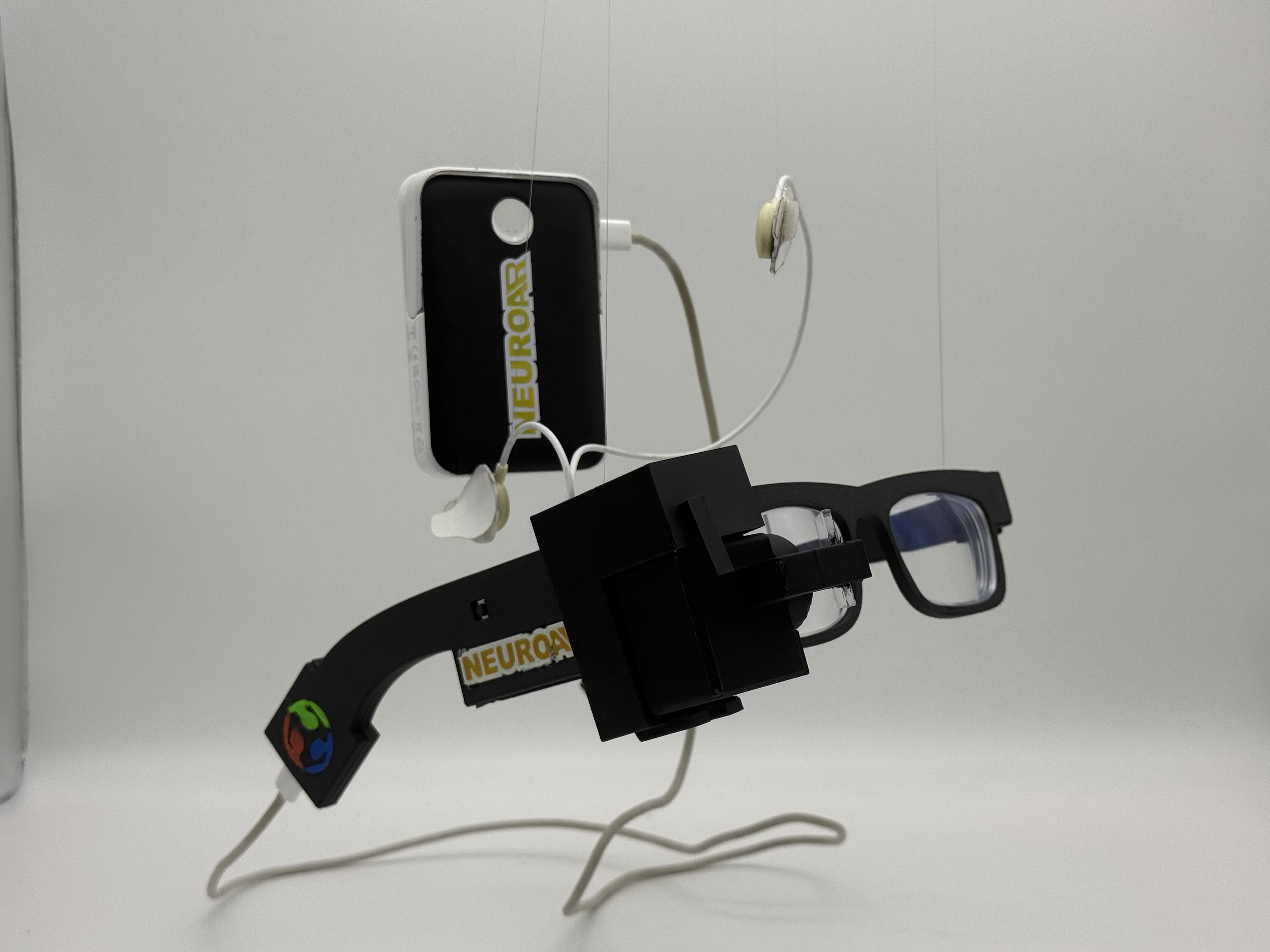
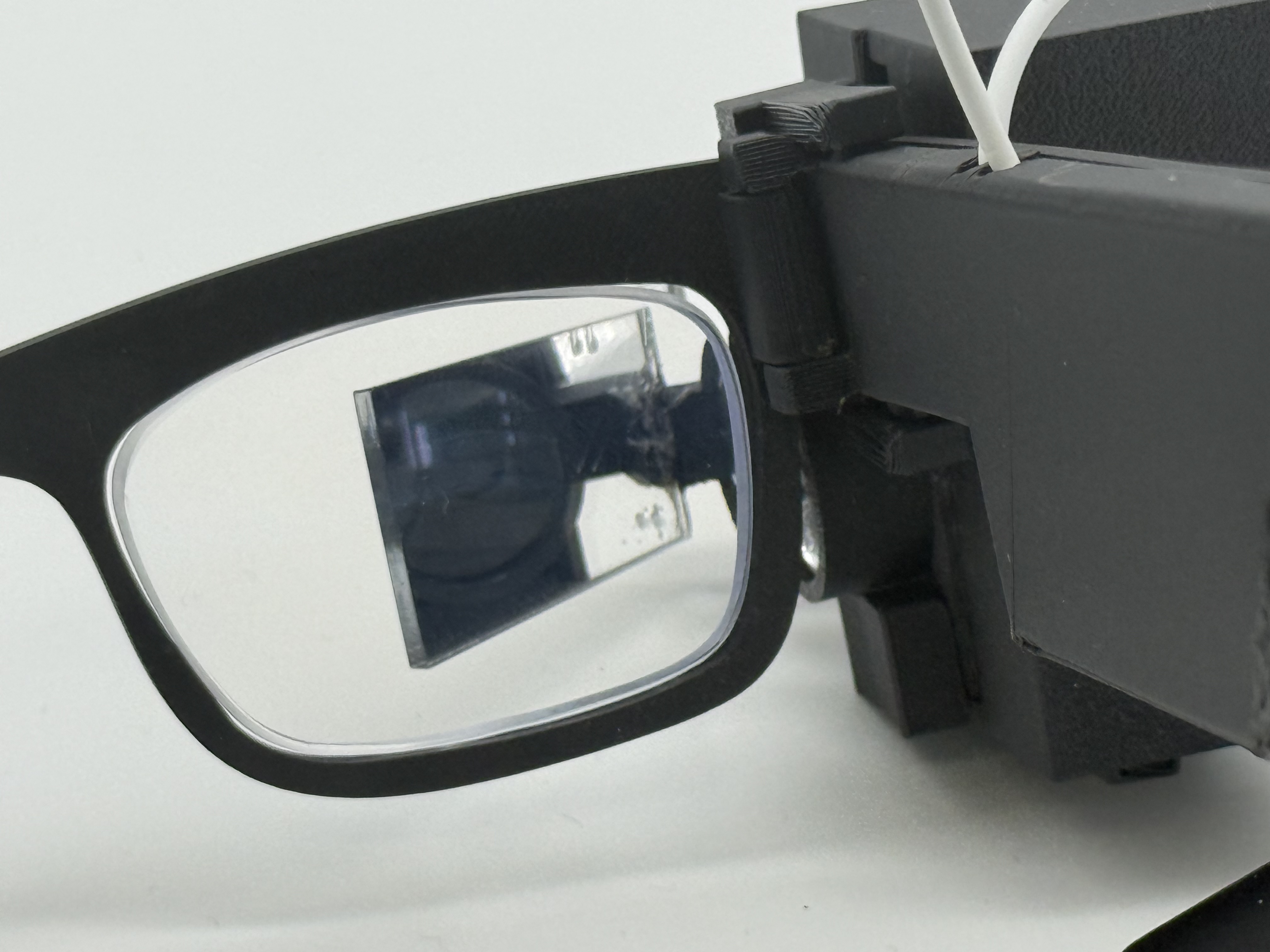
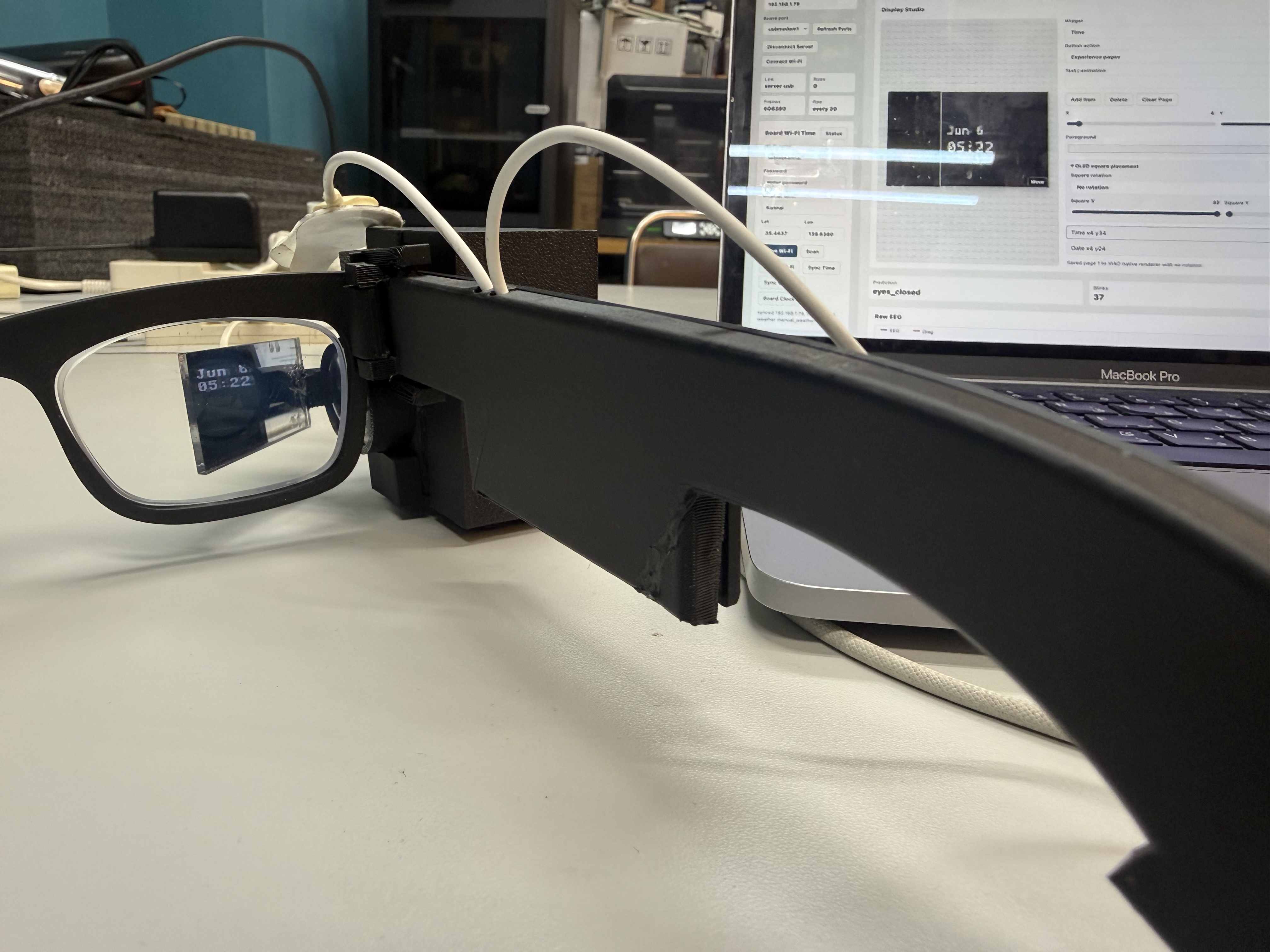
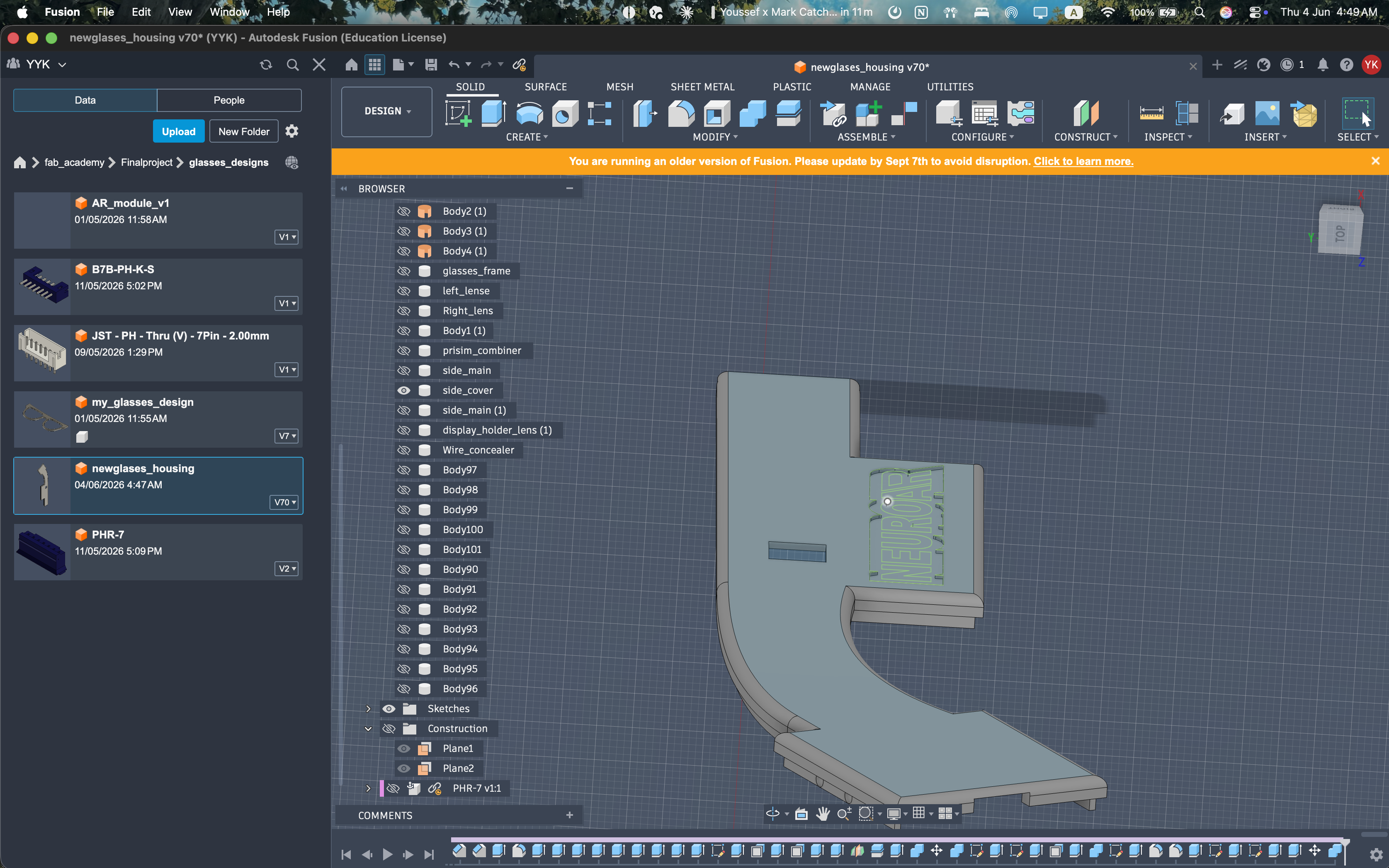
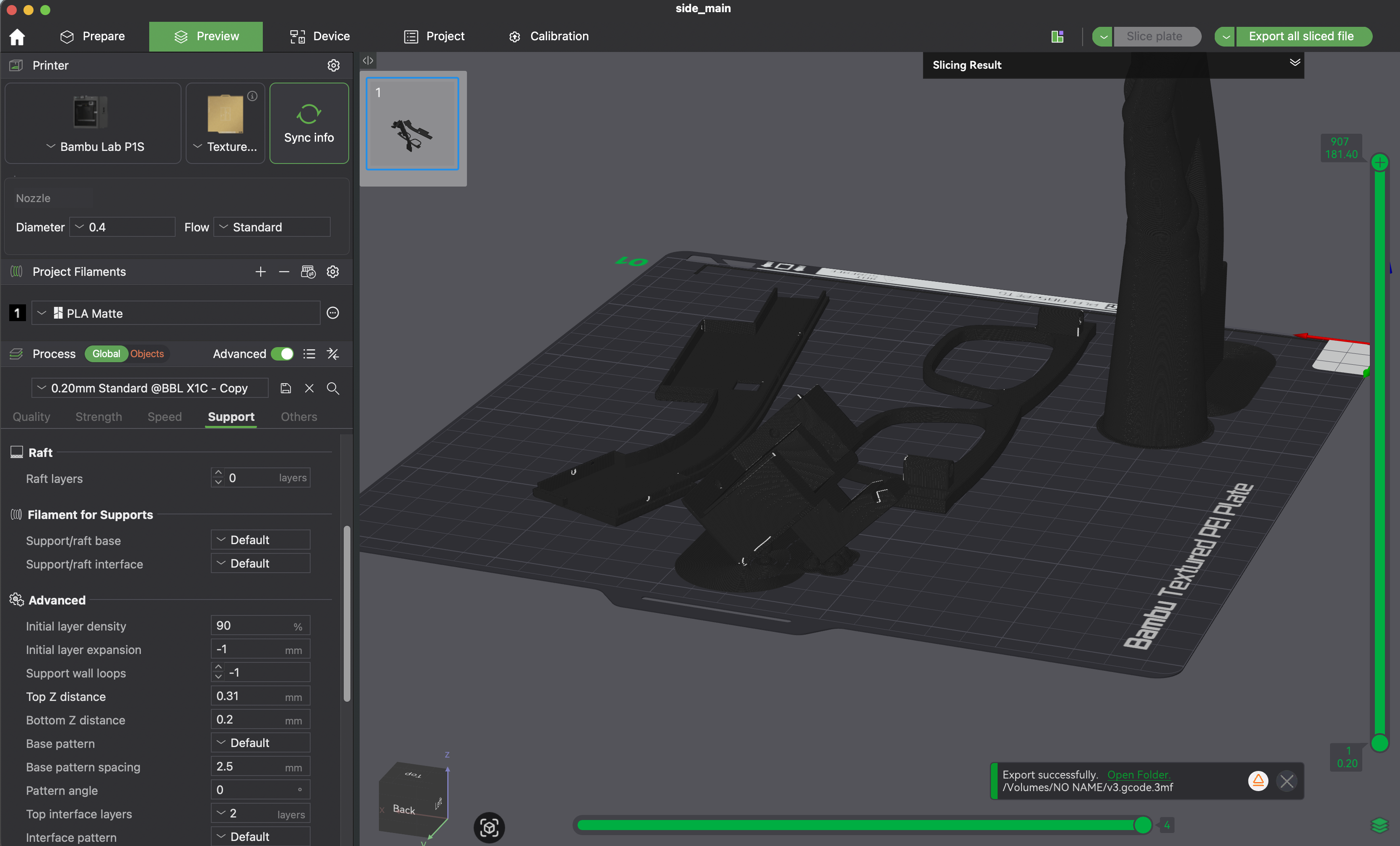
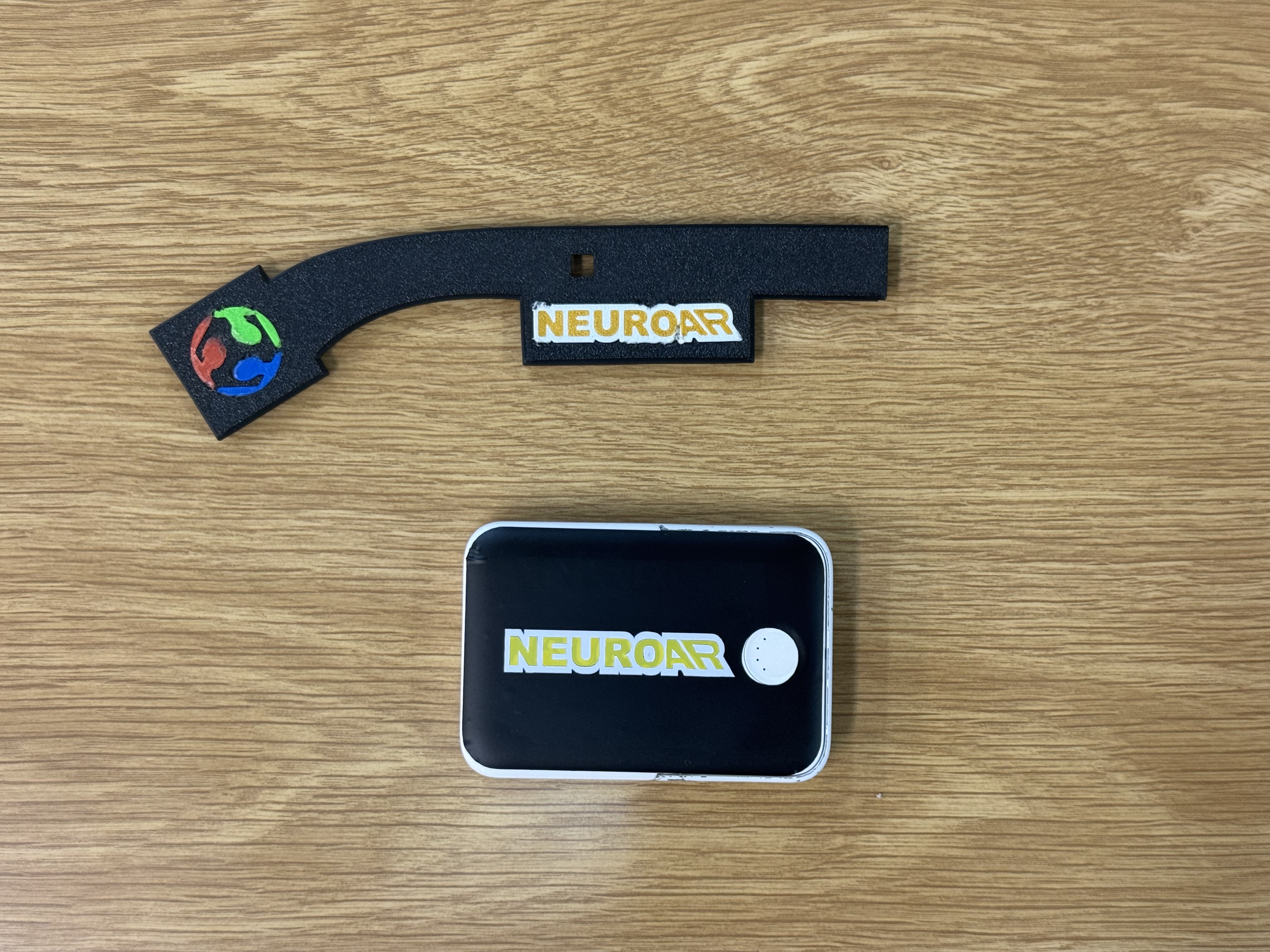
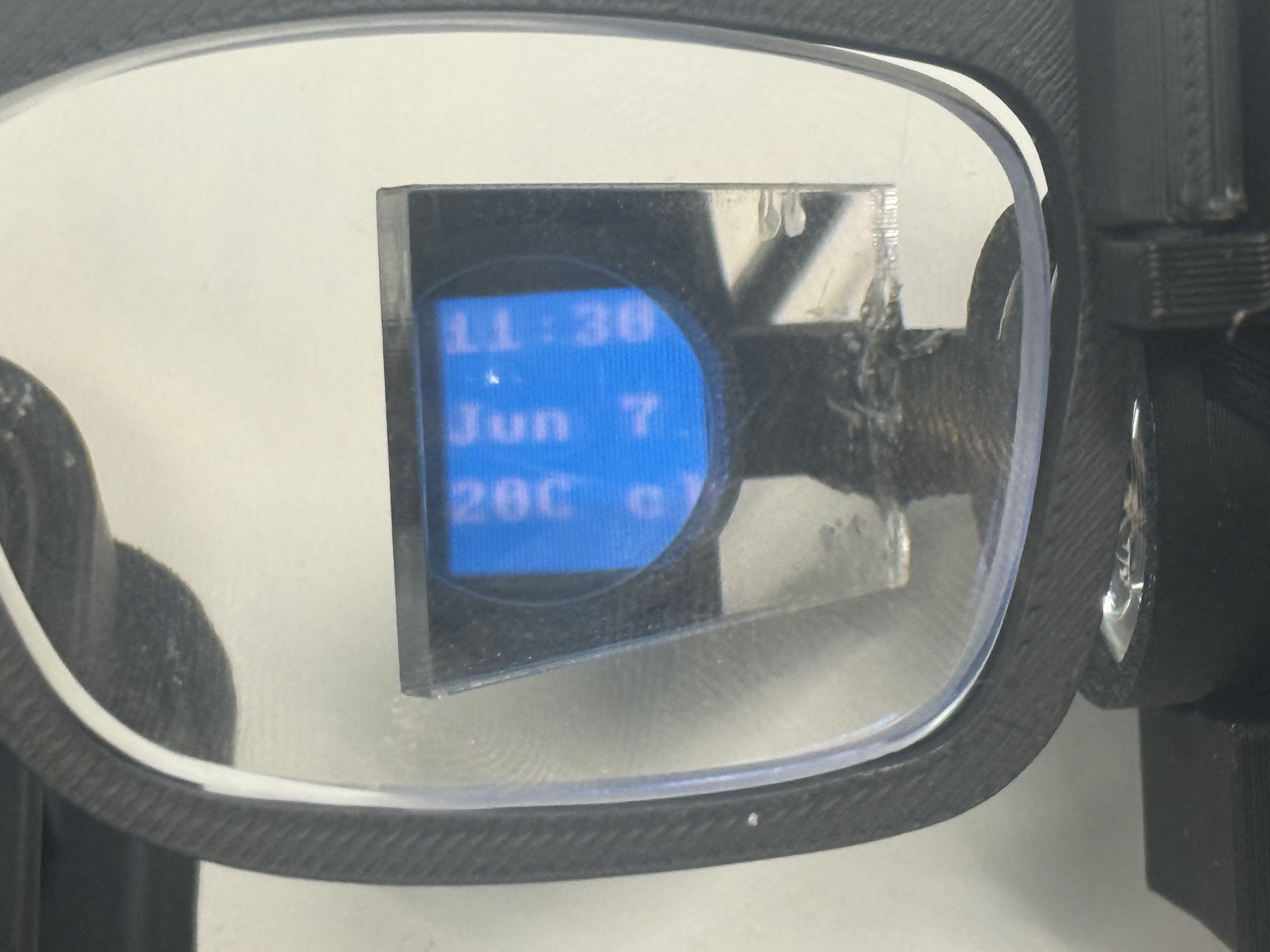
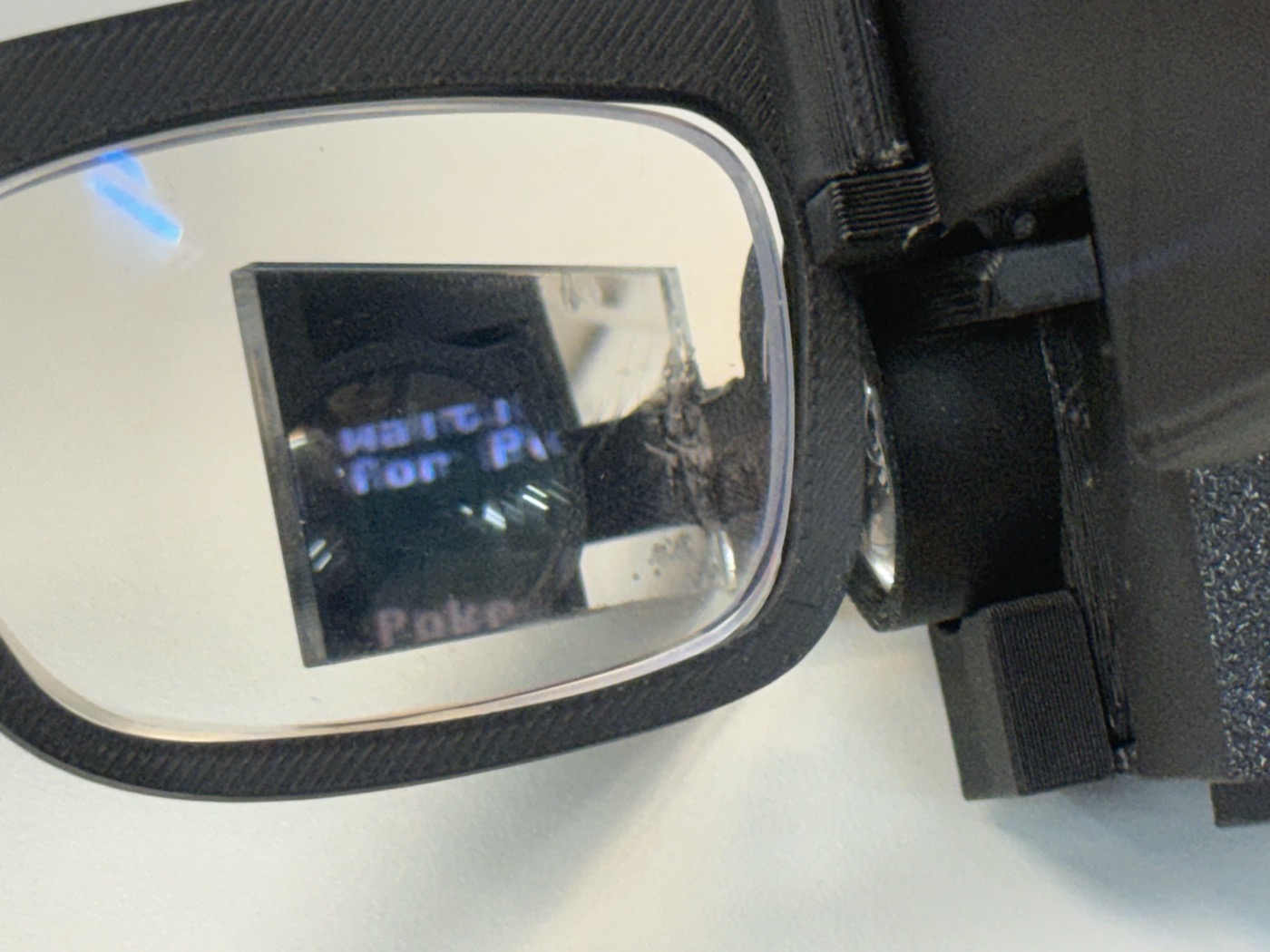
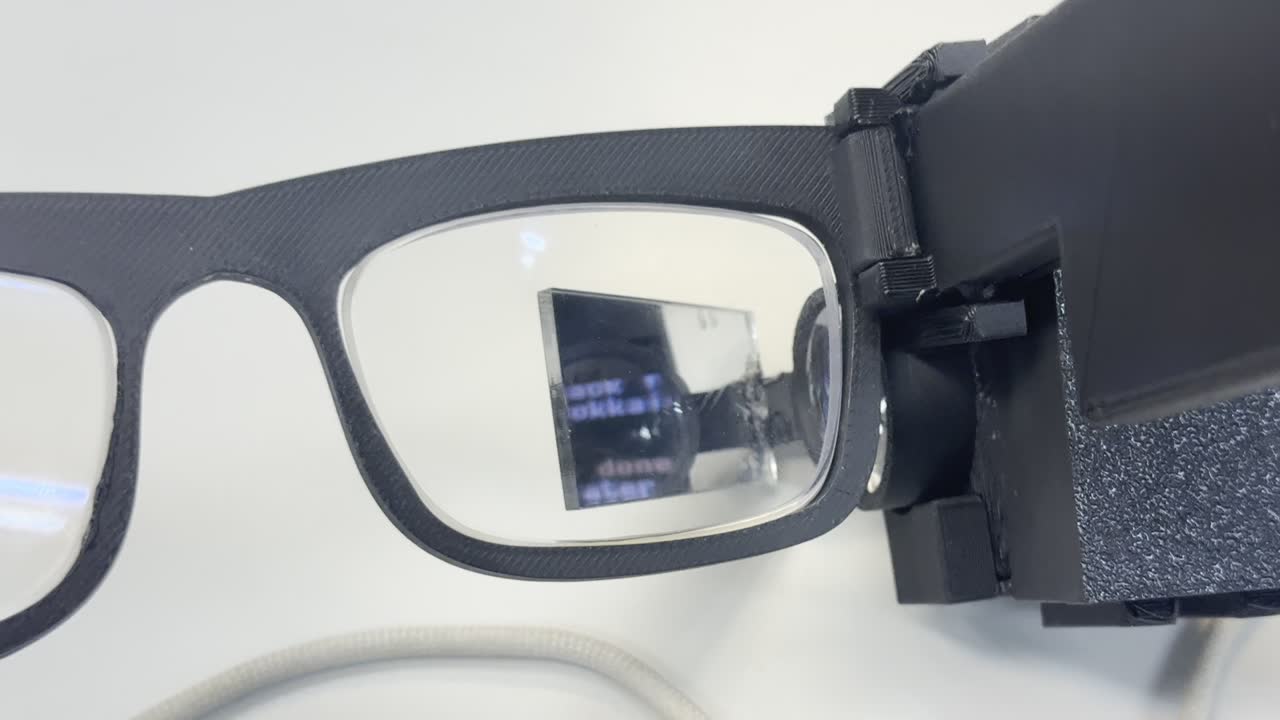
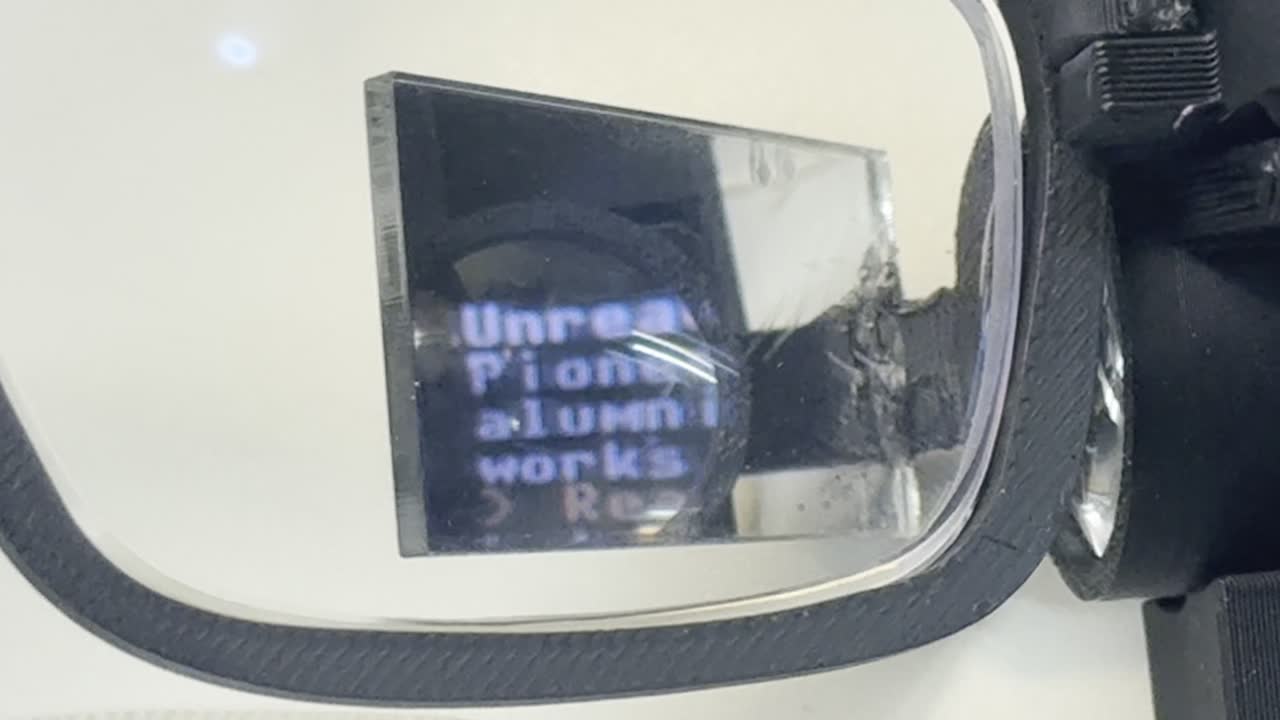
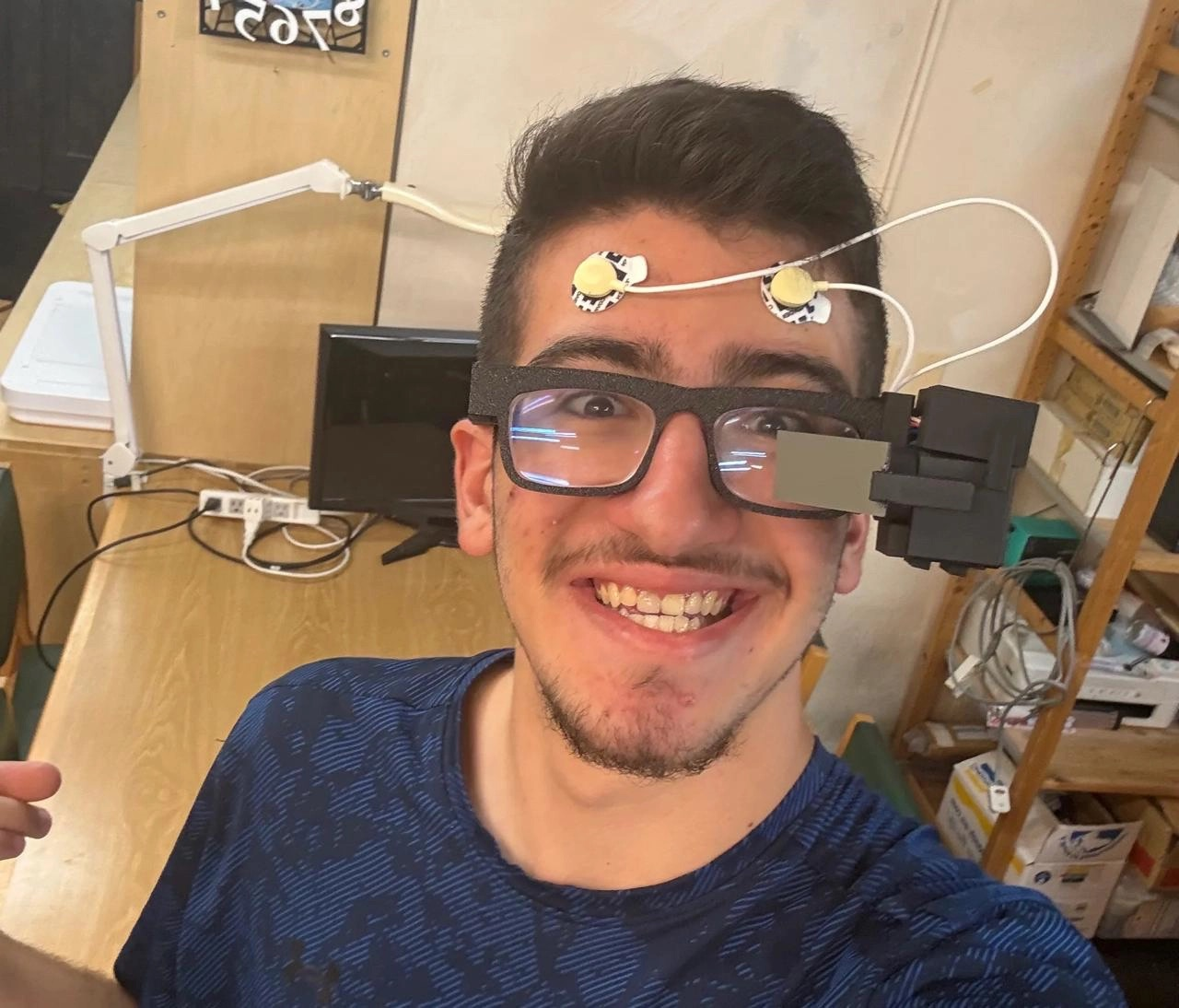
NeuroAR are augmented reality glasses that read your brain activity. The project intends to explore whether we can use EEG to sense brain activity to explore a new interaction loop between the brain, wearable computing, and...
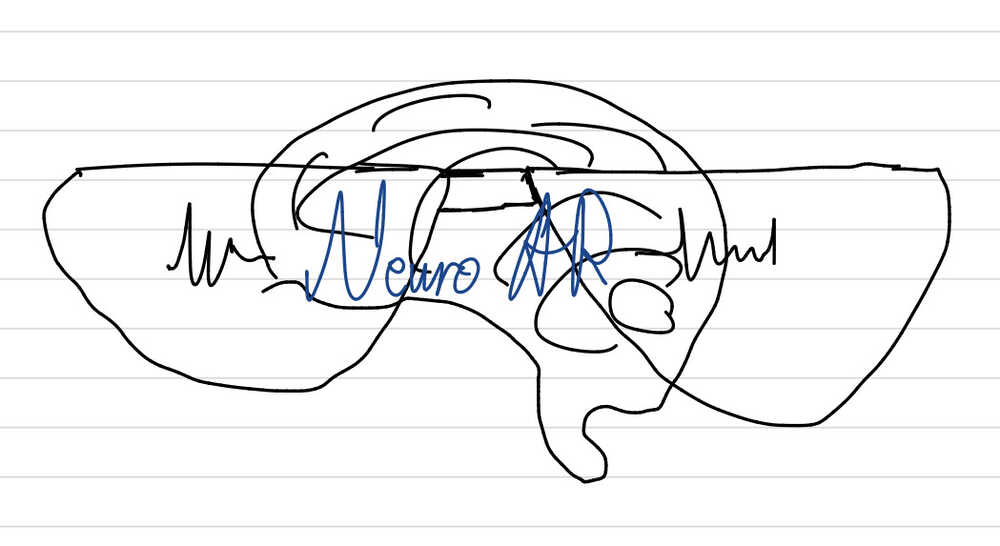
During the first week of Fab Academy, we need to come up with and sketch a potential idea for our final project. I had in mind two potential directions for the project that I am choosing from. Here you can find my thinking and...
All my weekly documentation from Fab Academy 2026, between FabLab Benfica in Portugal and FabLab Kannai in Japan. The work specific to my final project is collected in the NeuroAR development
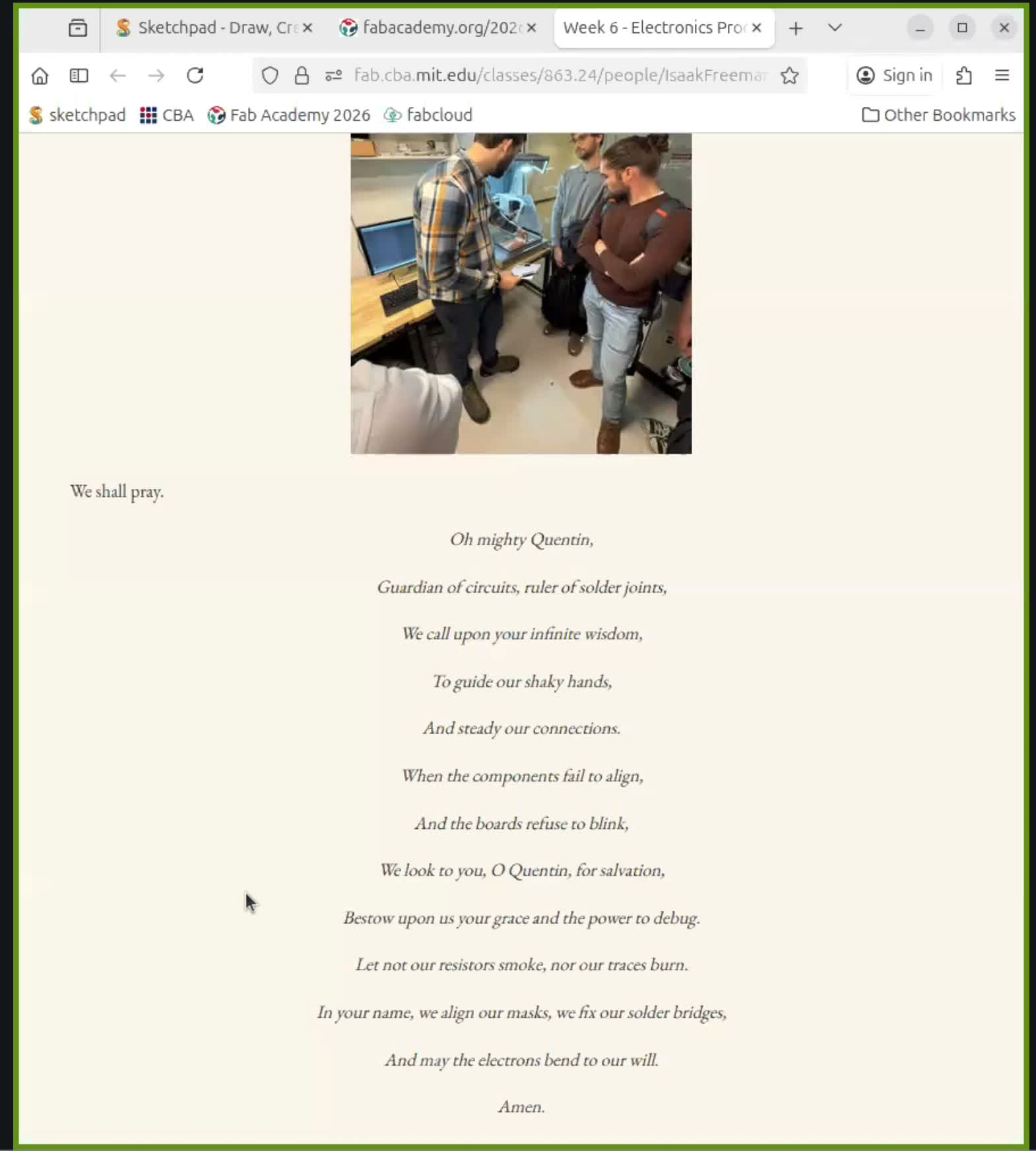
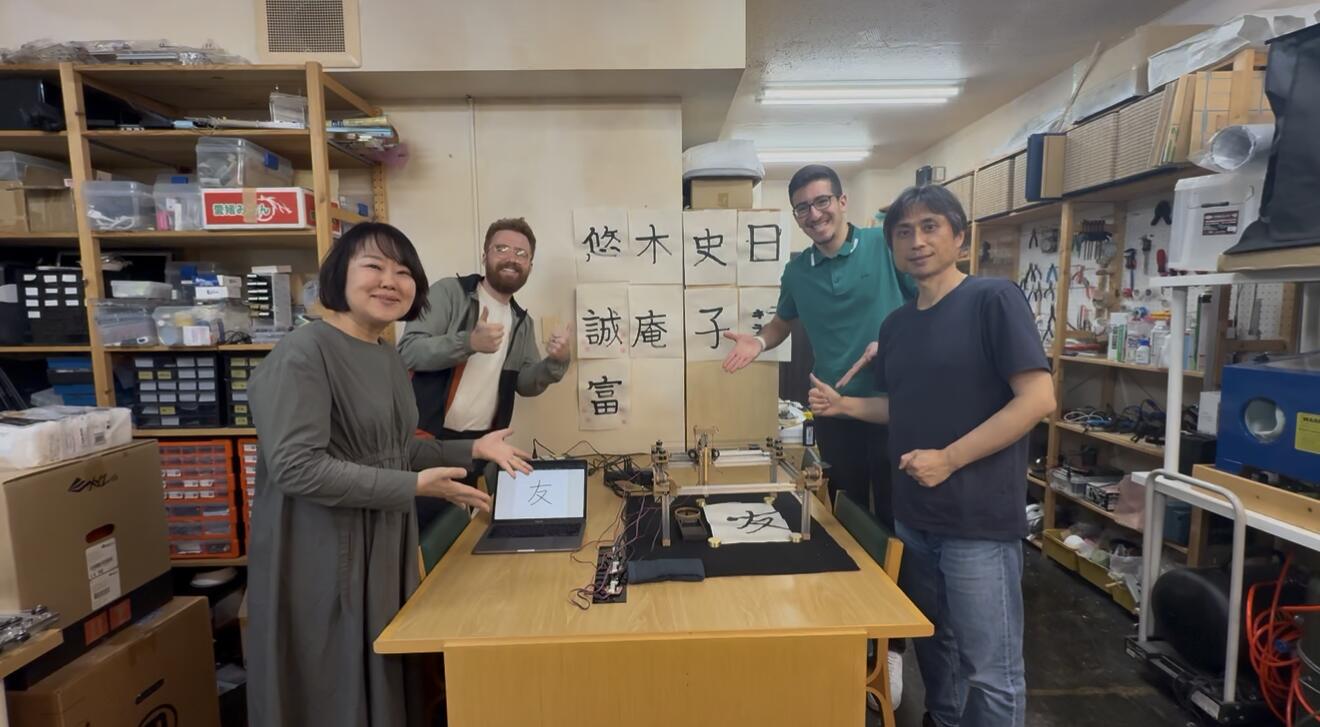
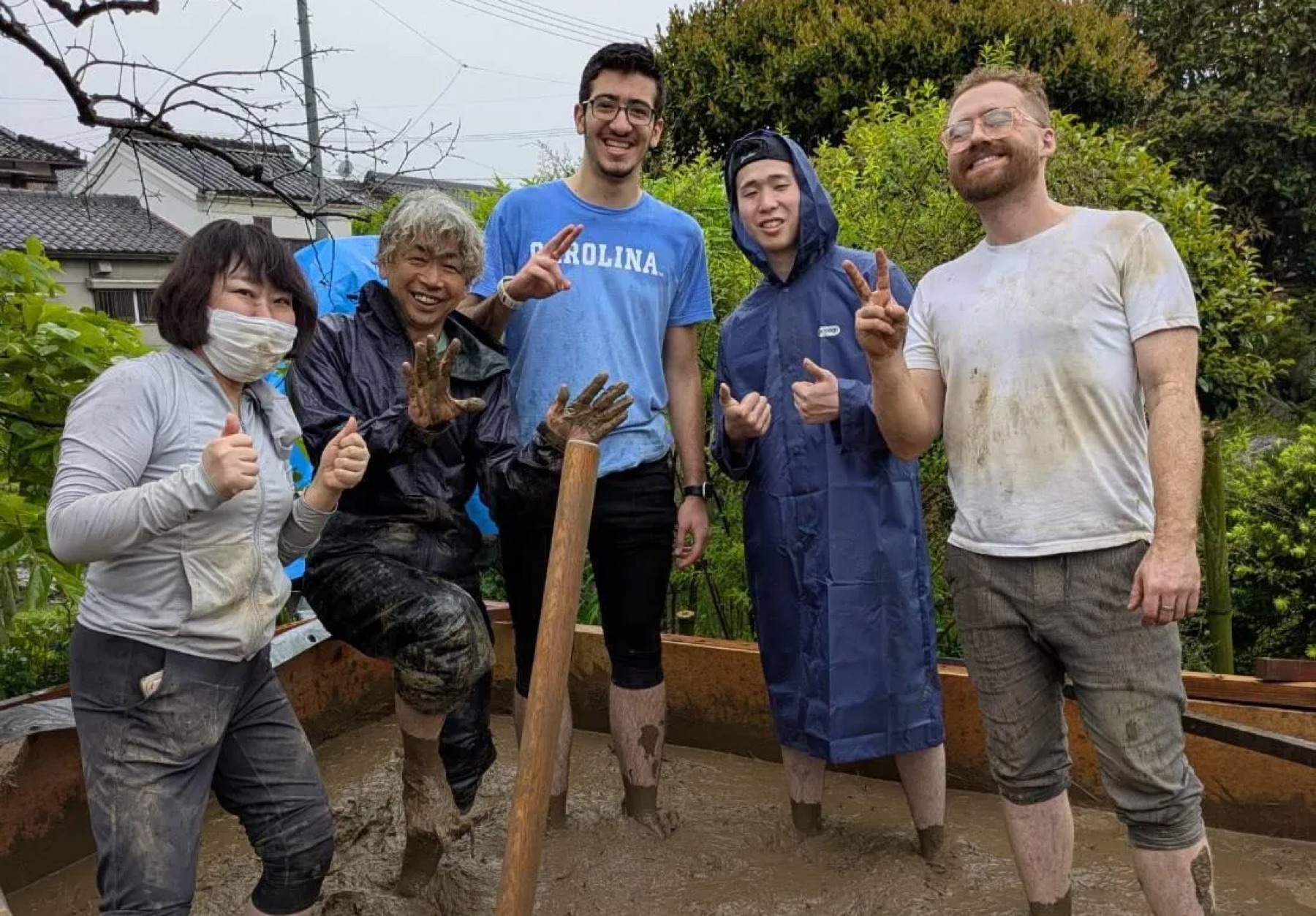
I started Fab Academy by meeting the Kannai/Japan crew, going through the two-day bootcamp, and getting oriented to the program while settling into the Japan/Portugal rhythm.
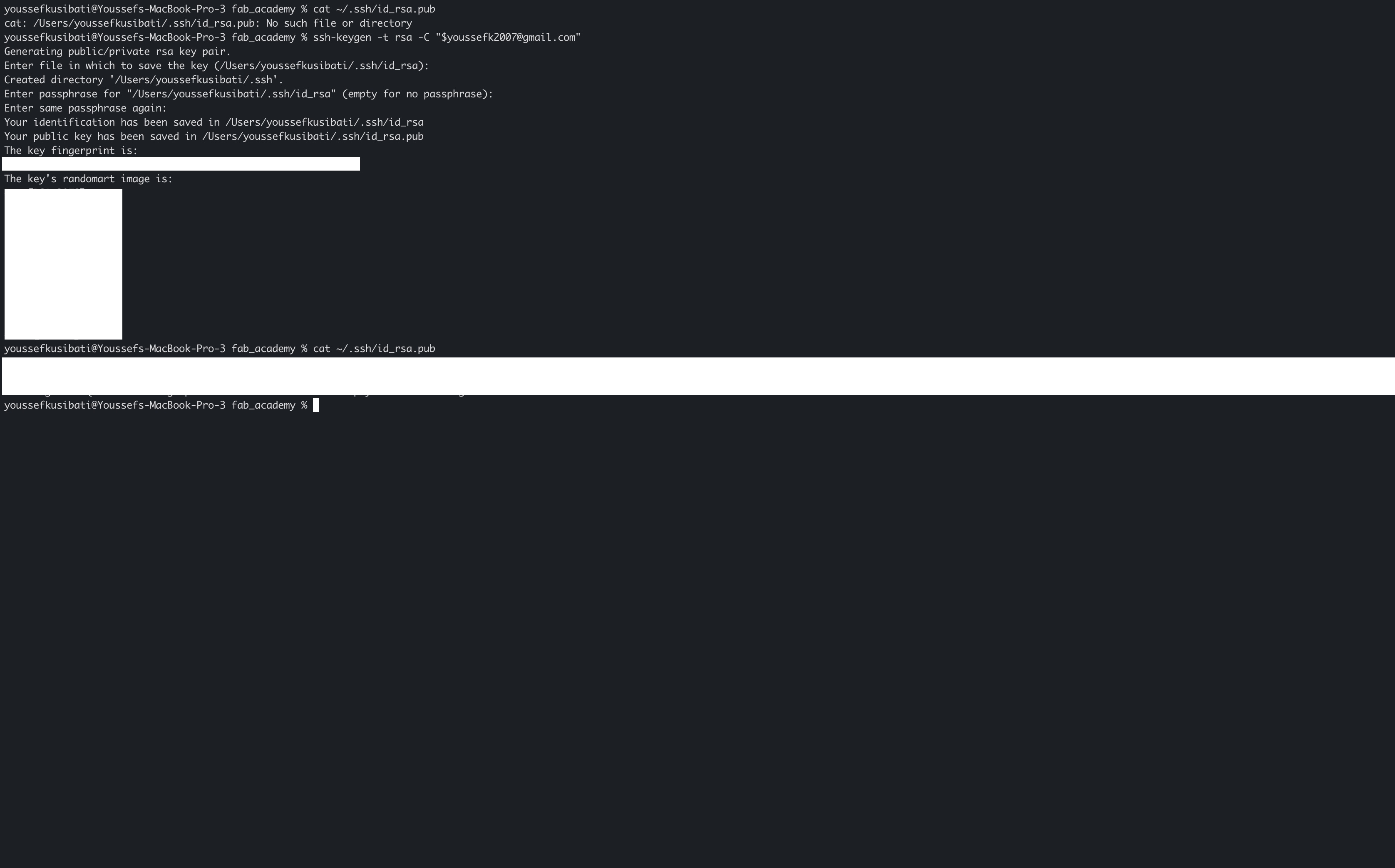
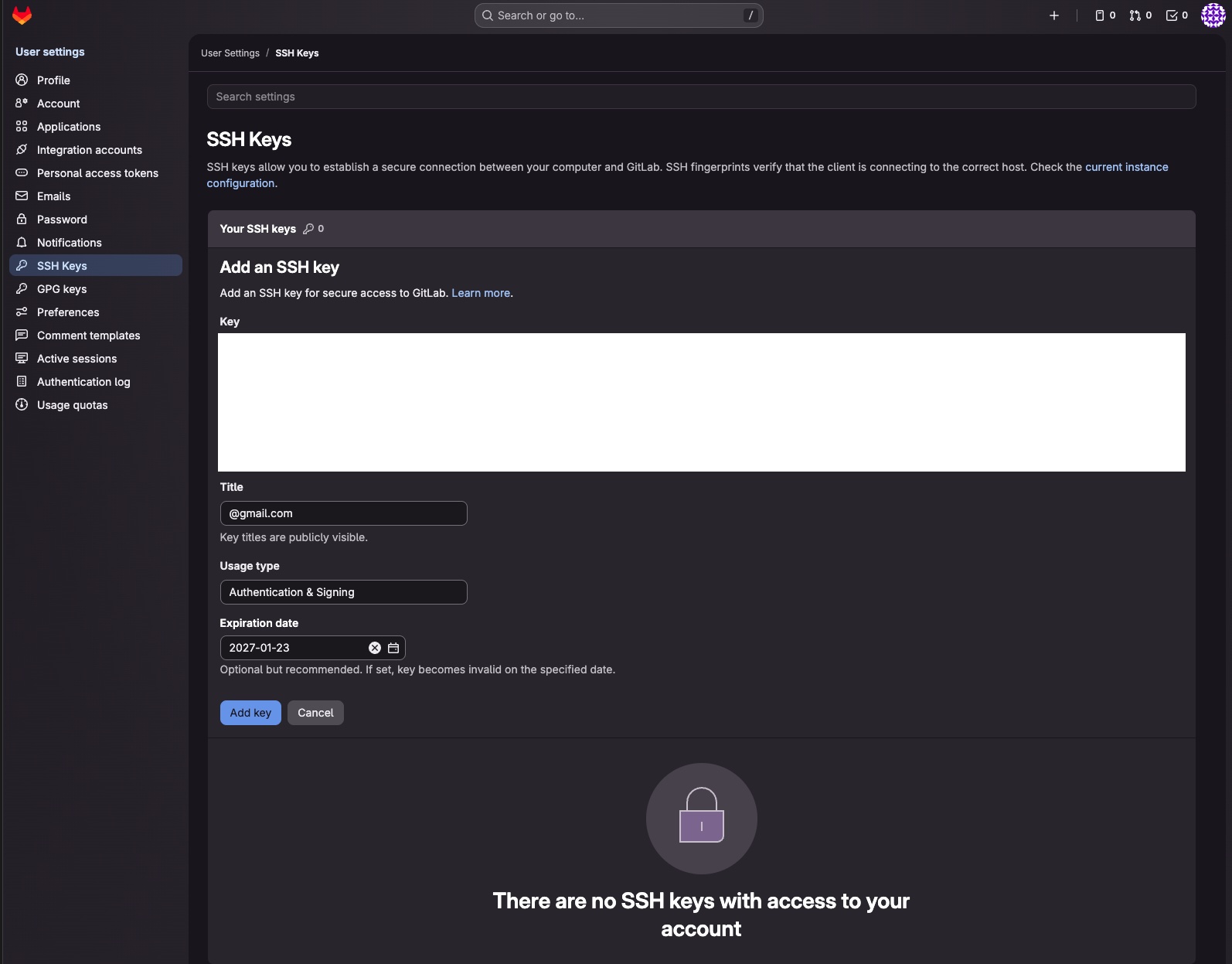
I set up my working environment, learned the Git/GitLab workflow, rebuilt the first version of my personal site, and opened the first notes for the final project.
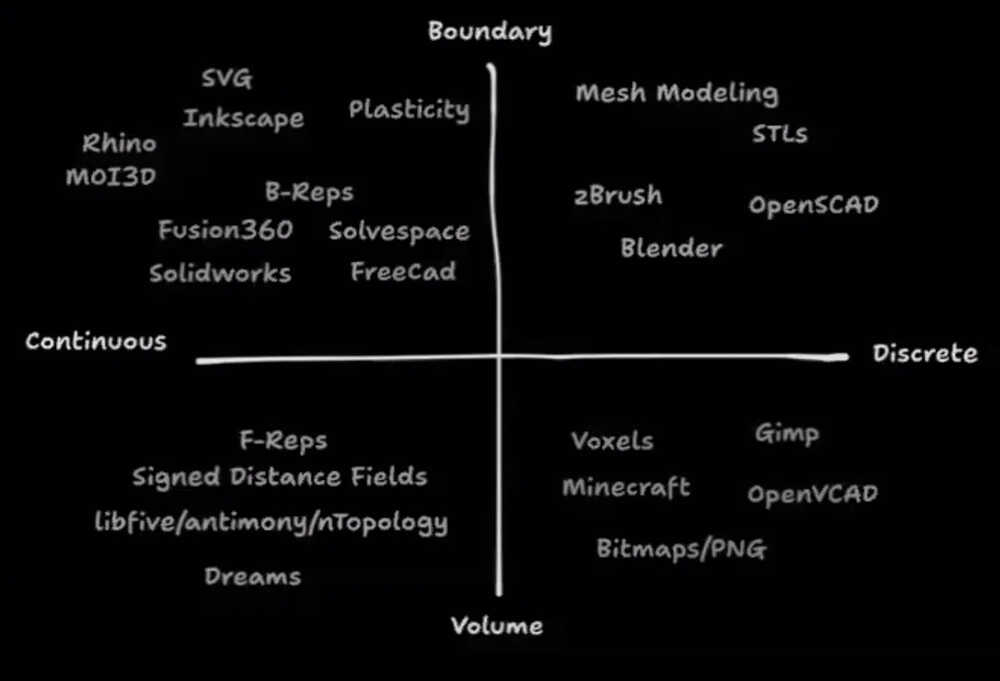
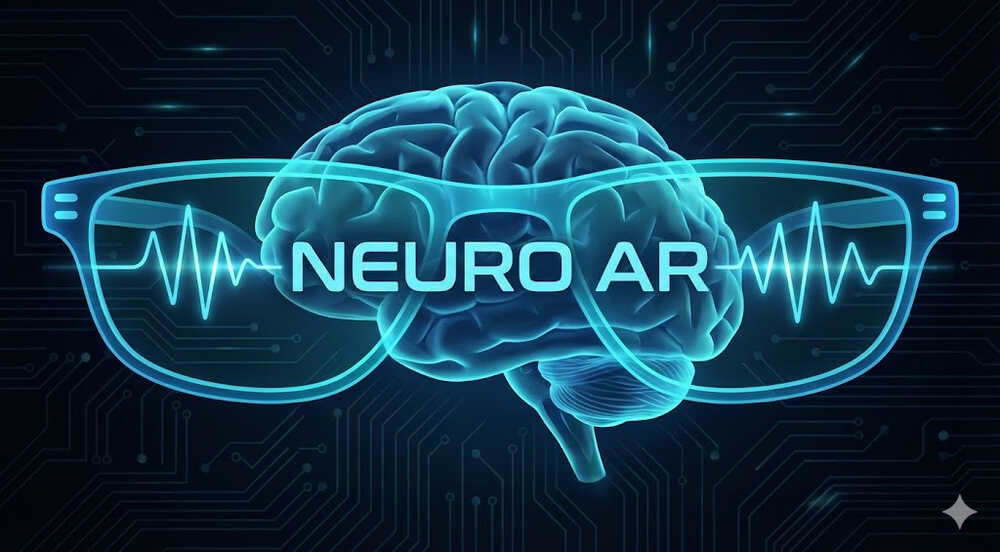
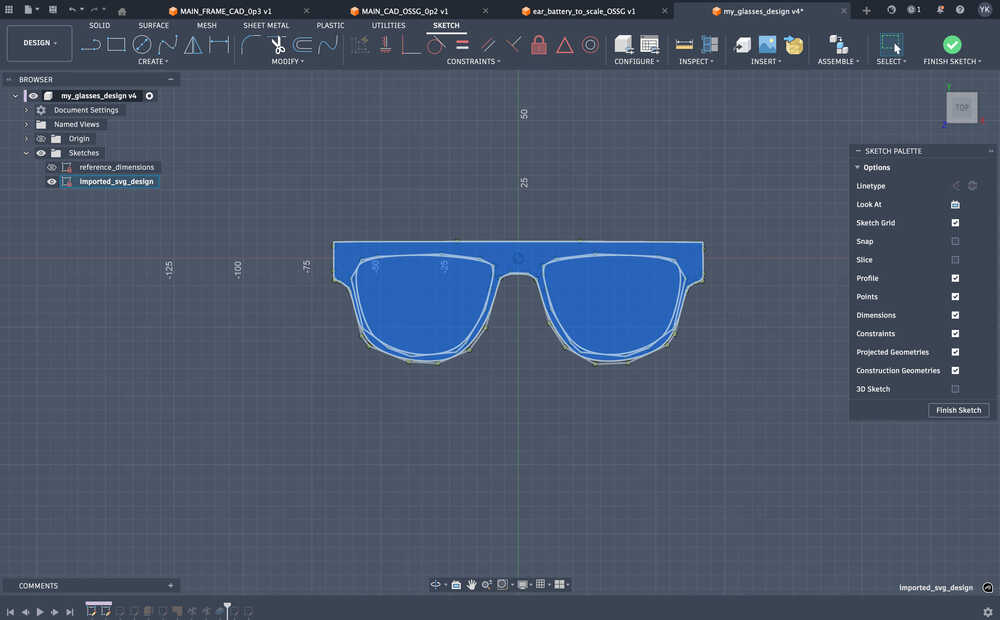
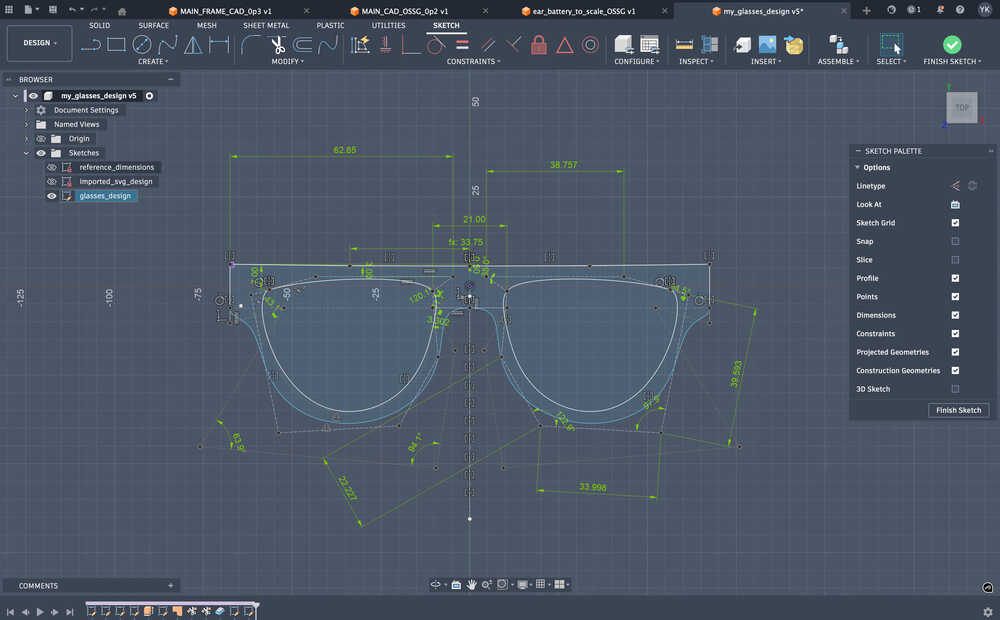
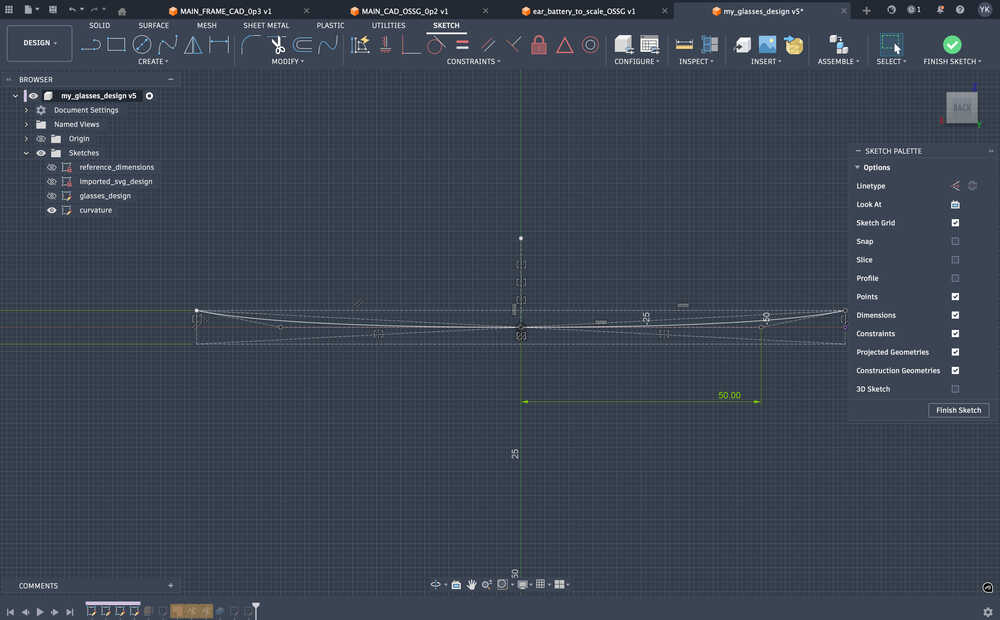
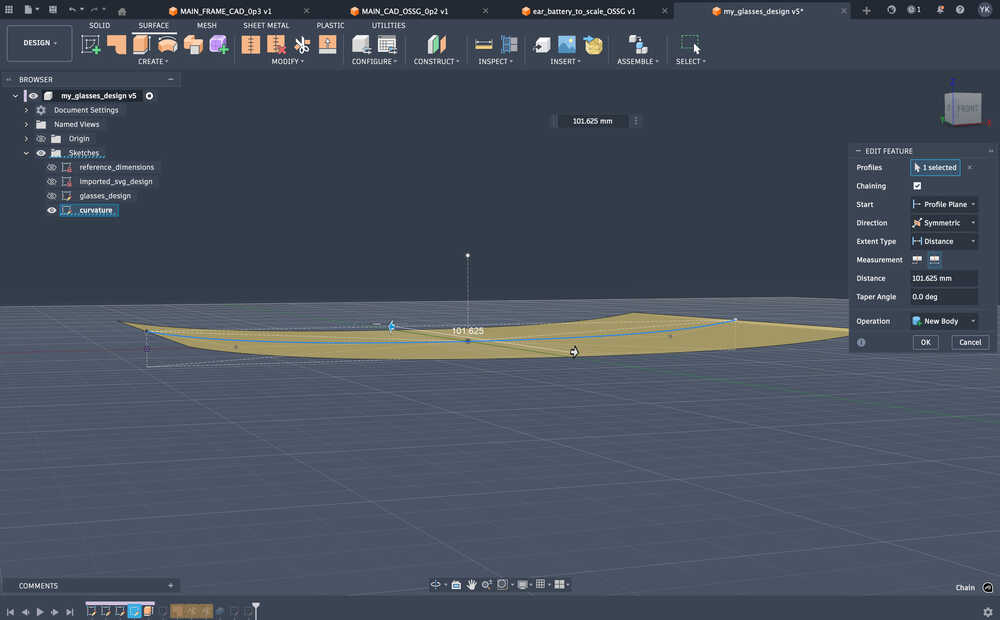
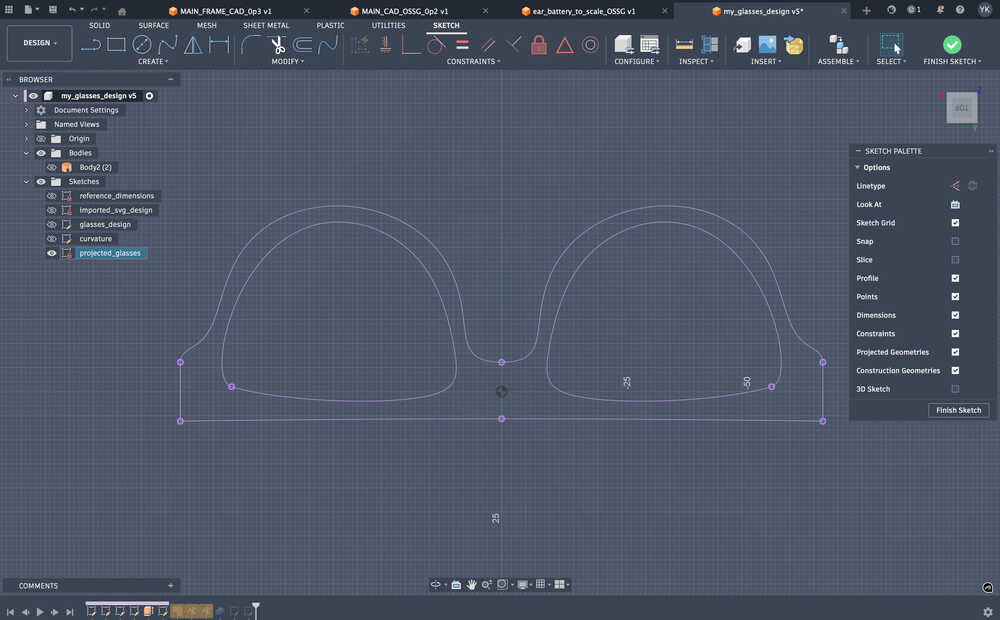
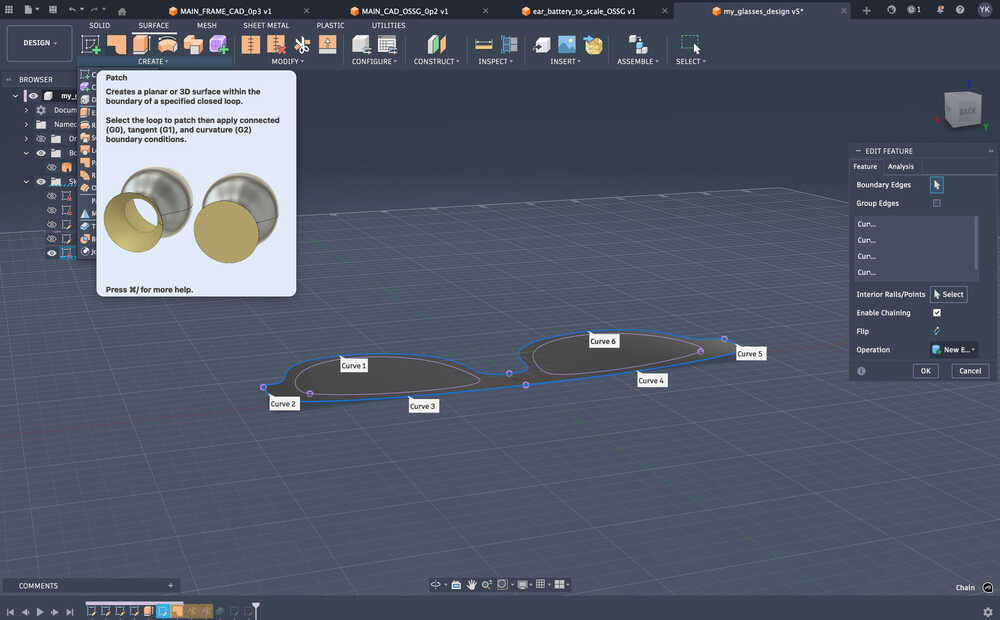
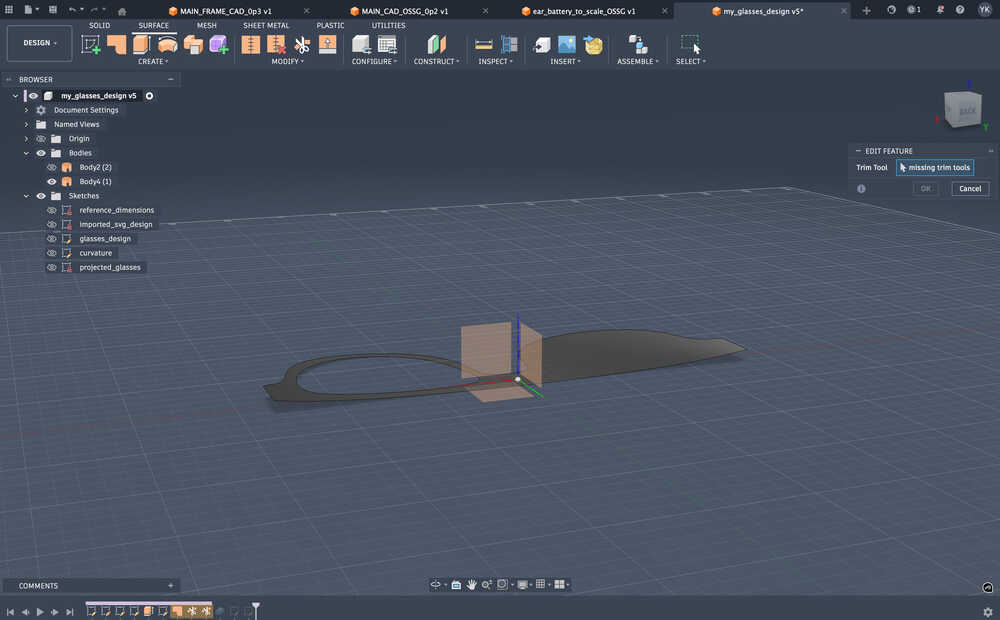
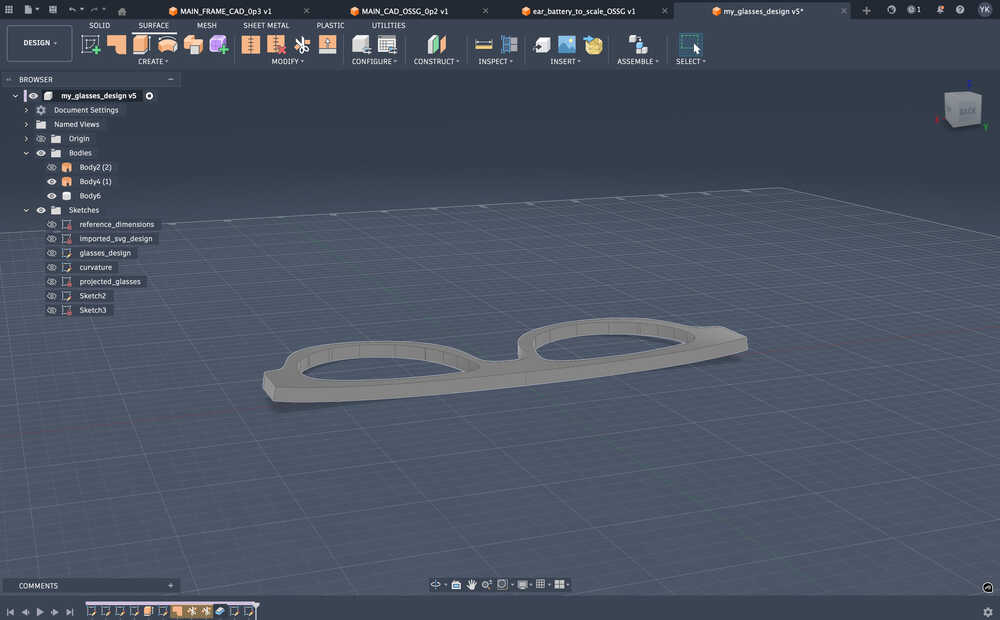
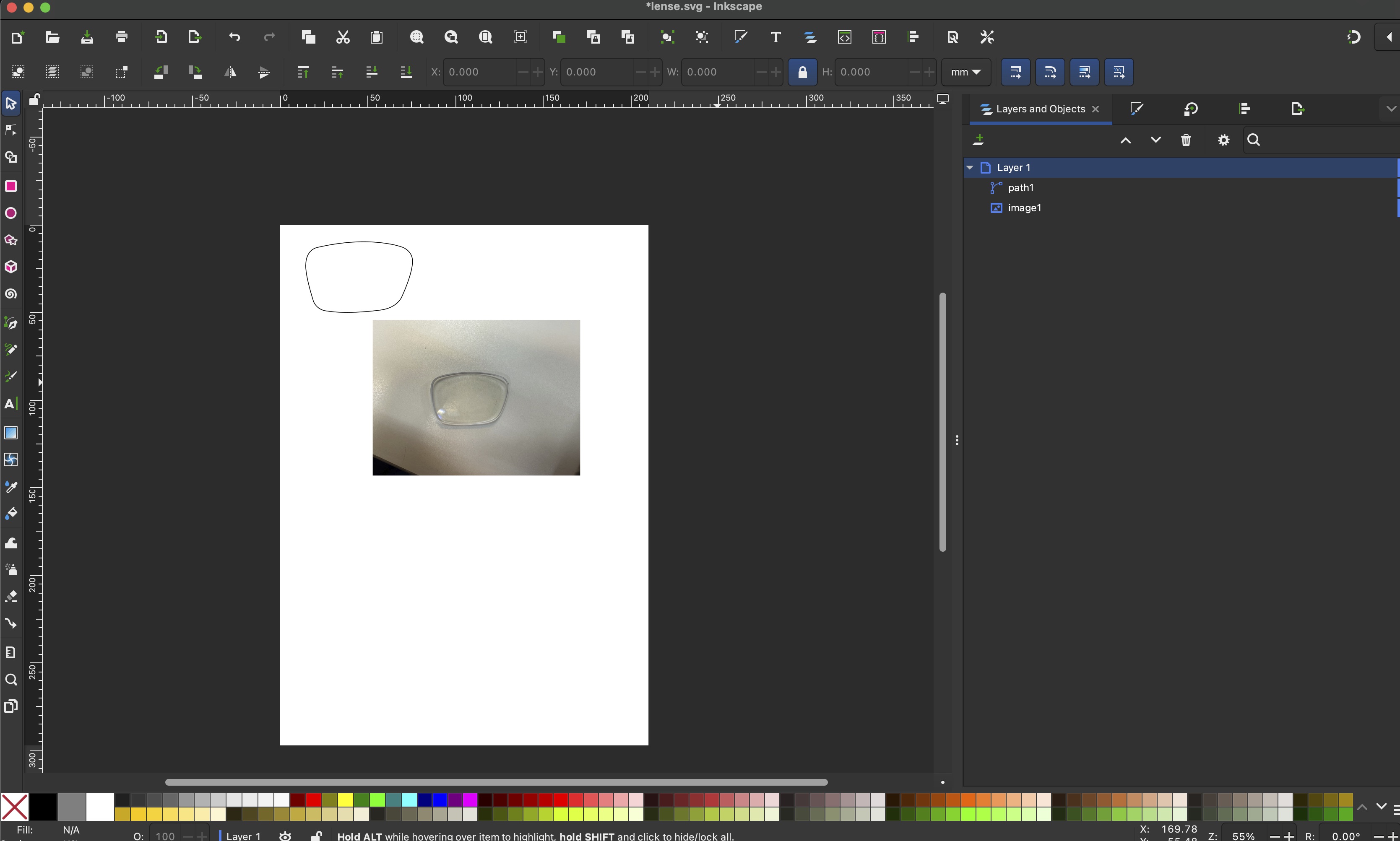
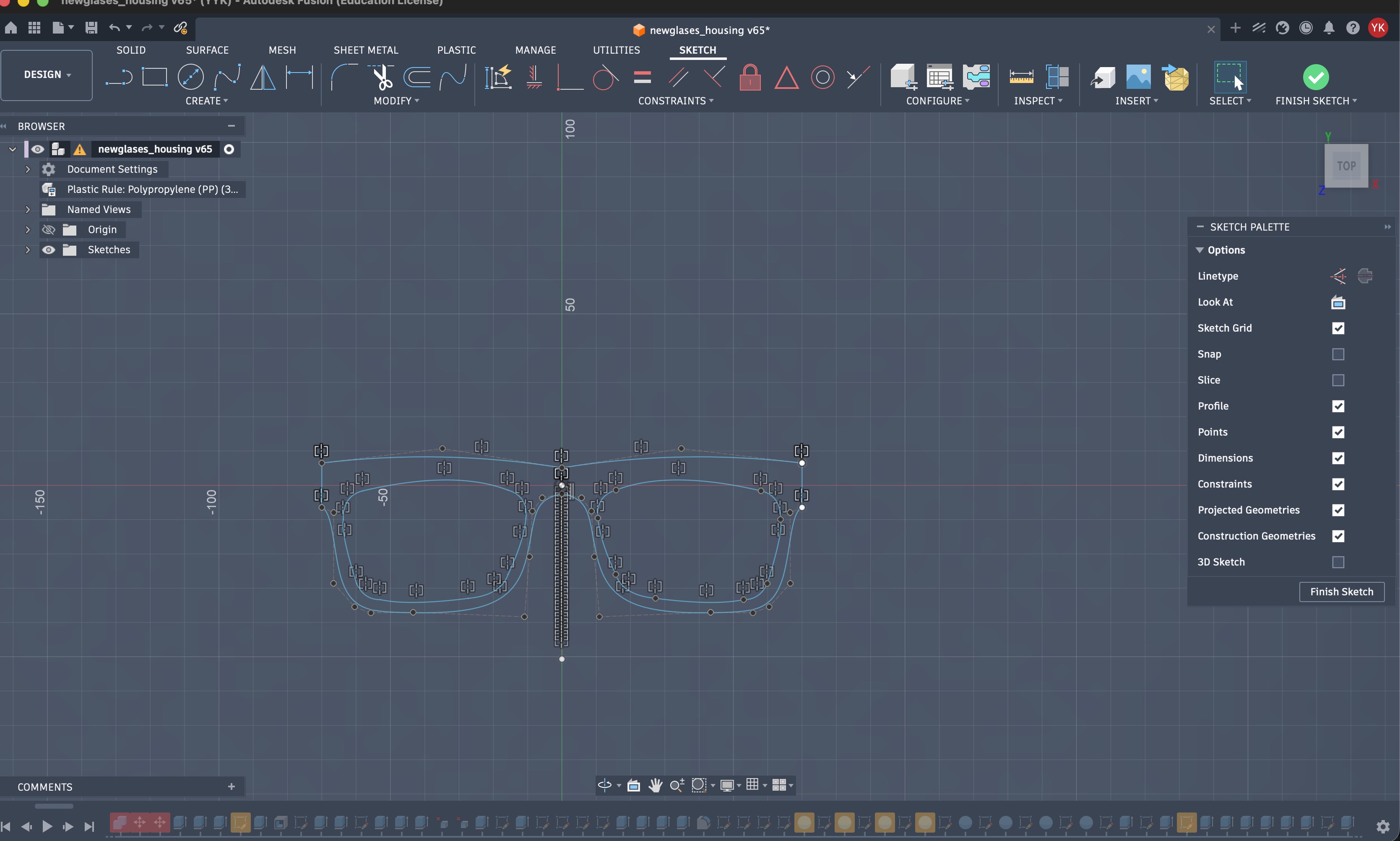
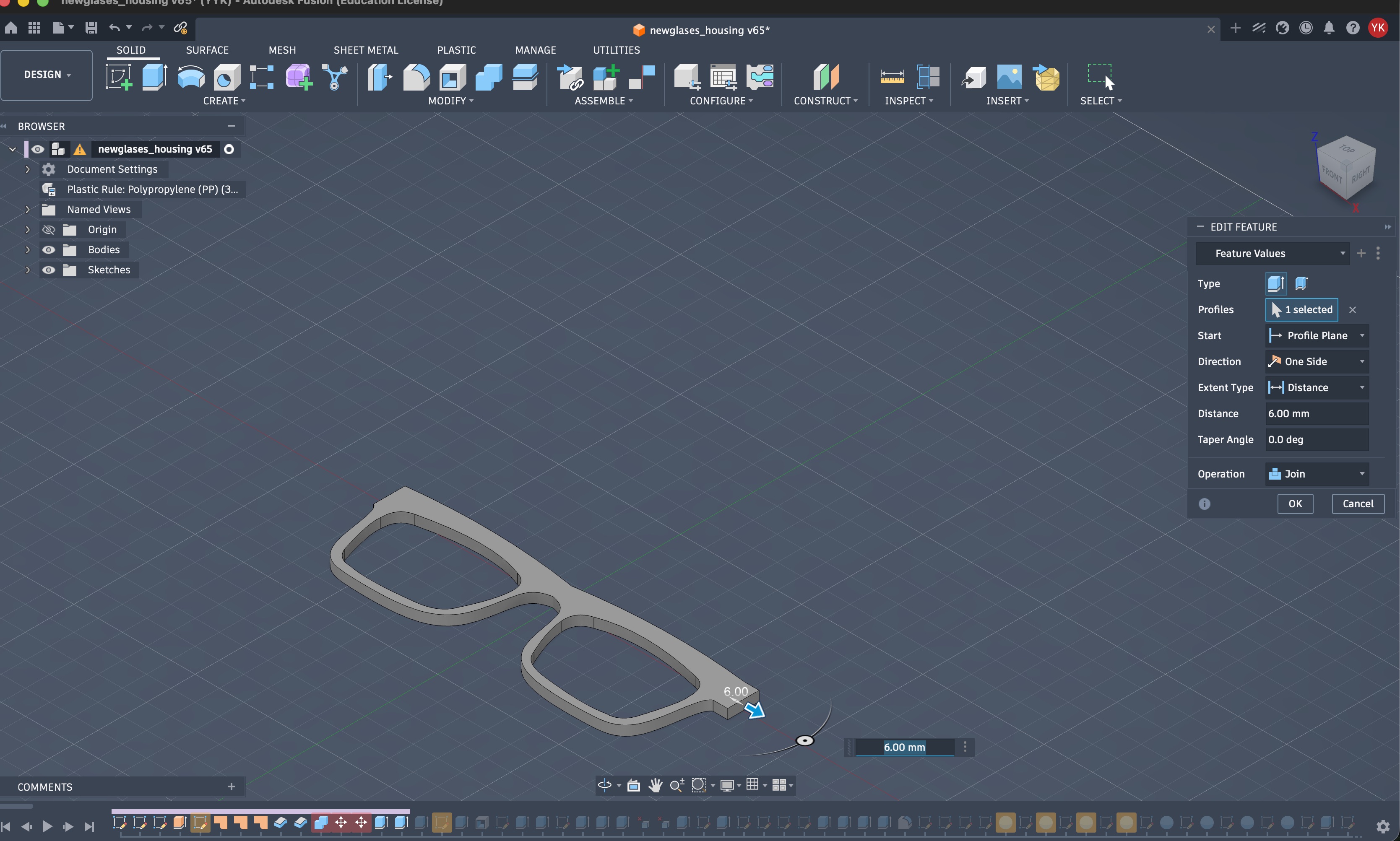
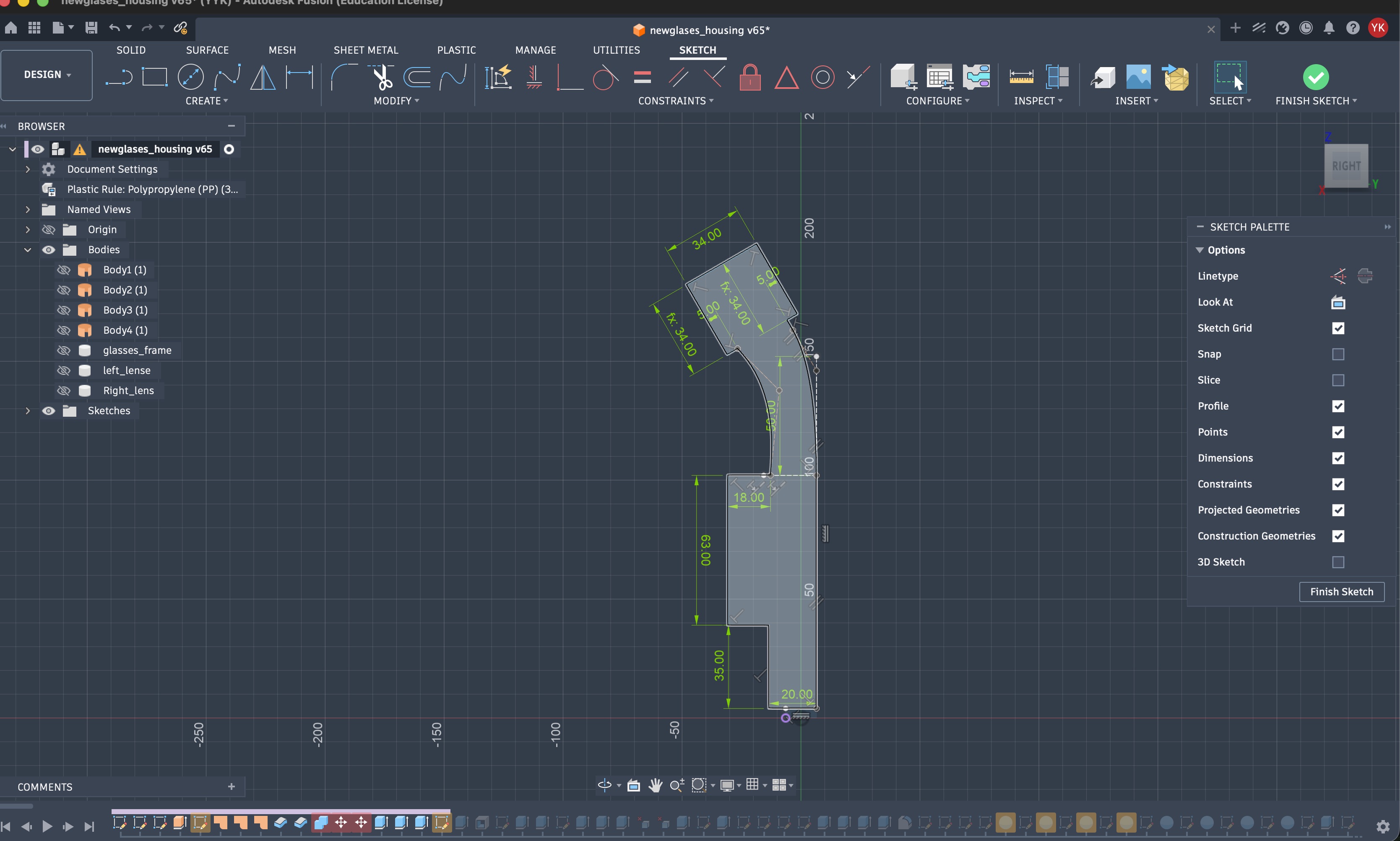
I used CAD week to design the first visual identity and glasses concepts for my final project, moving between vector work, 3D modeling, and file compression.
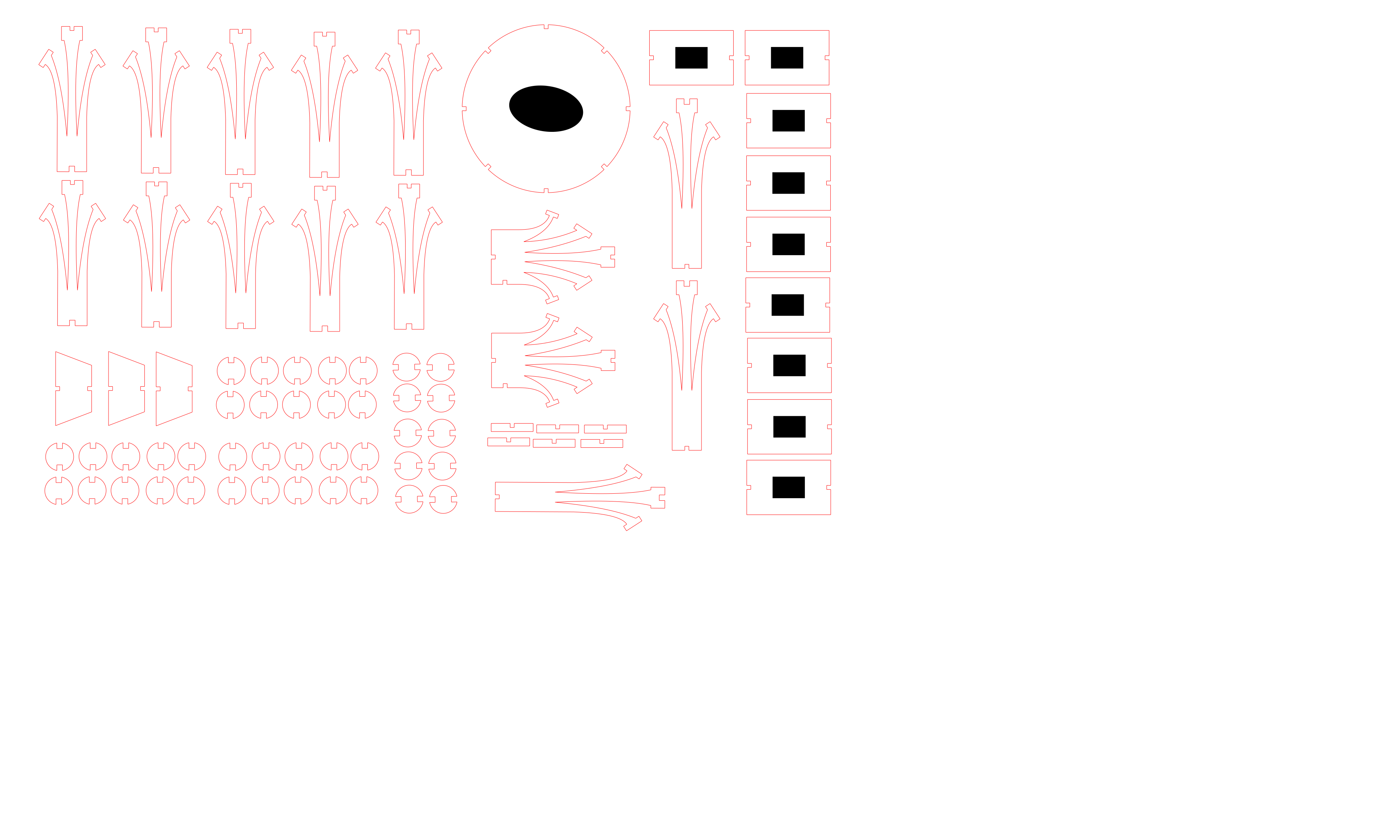
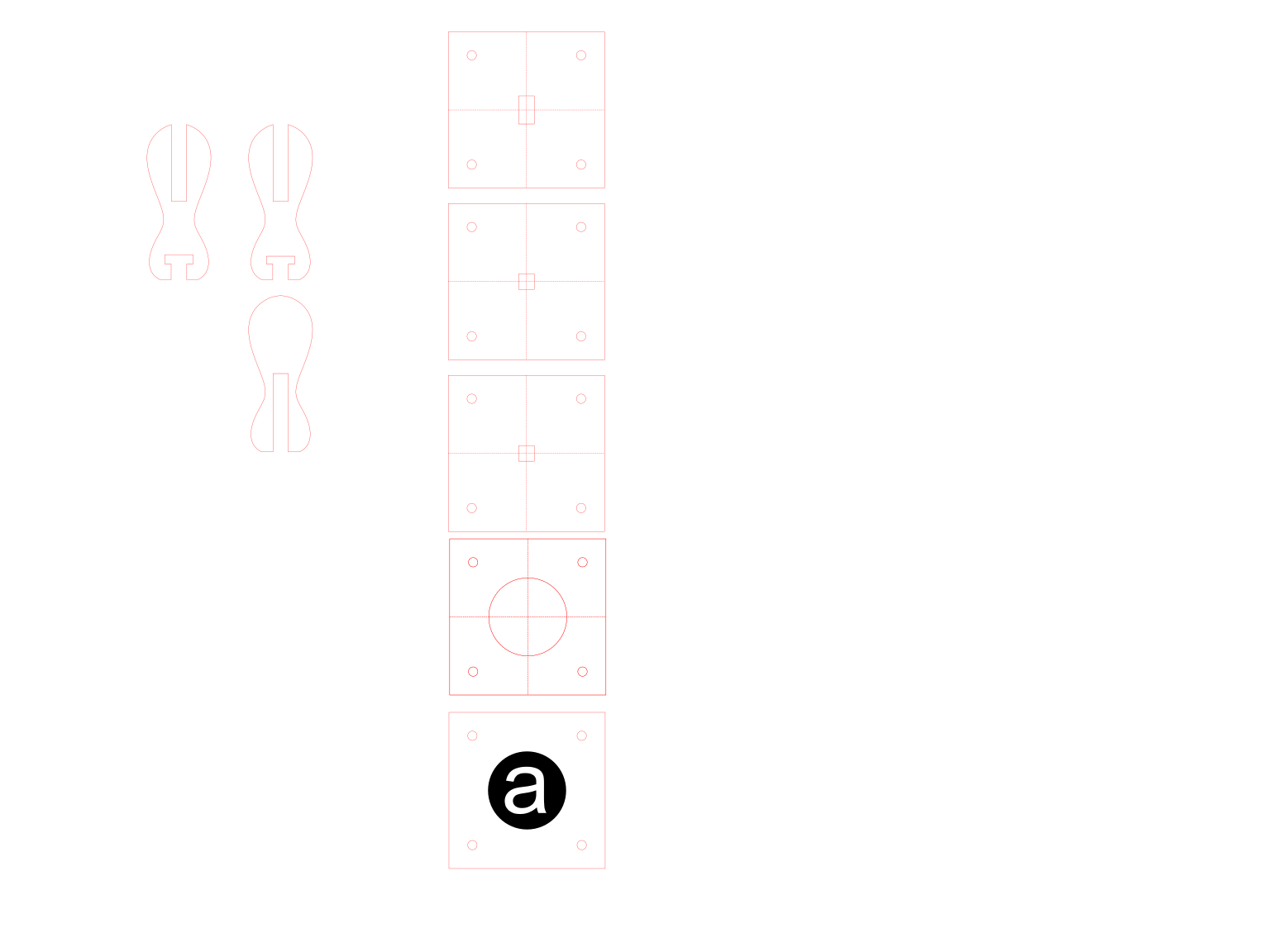
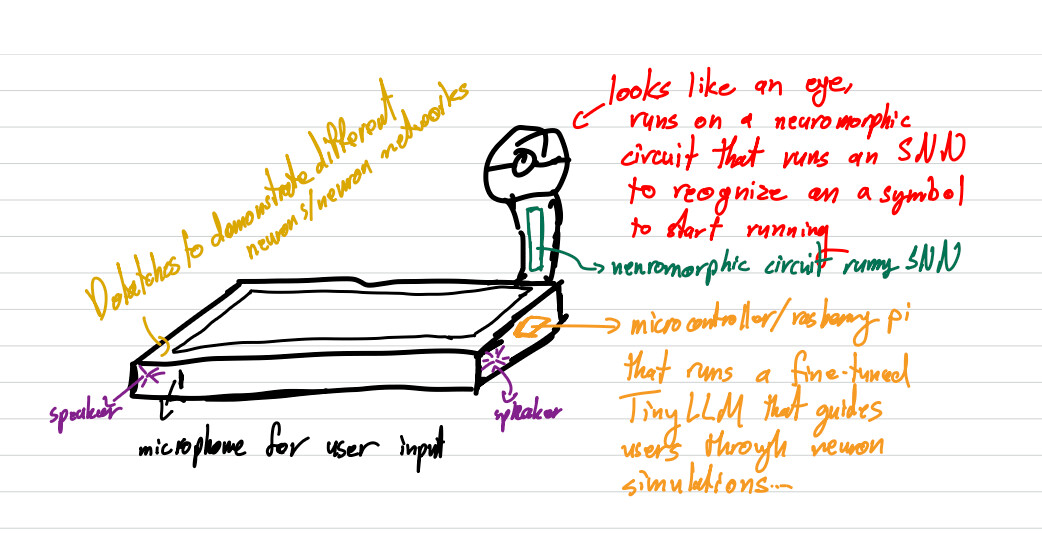
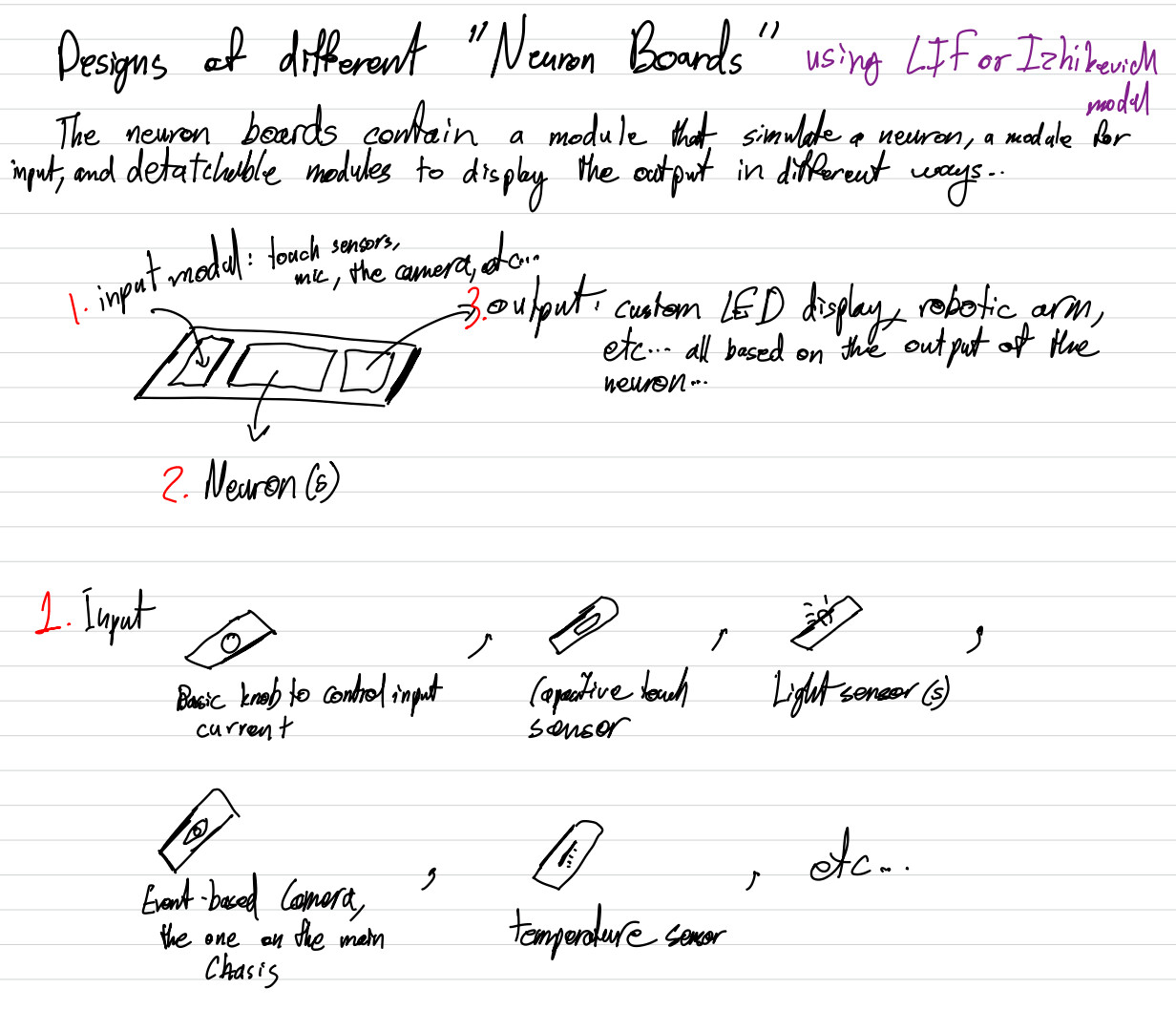
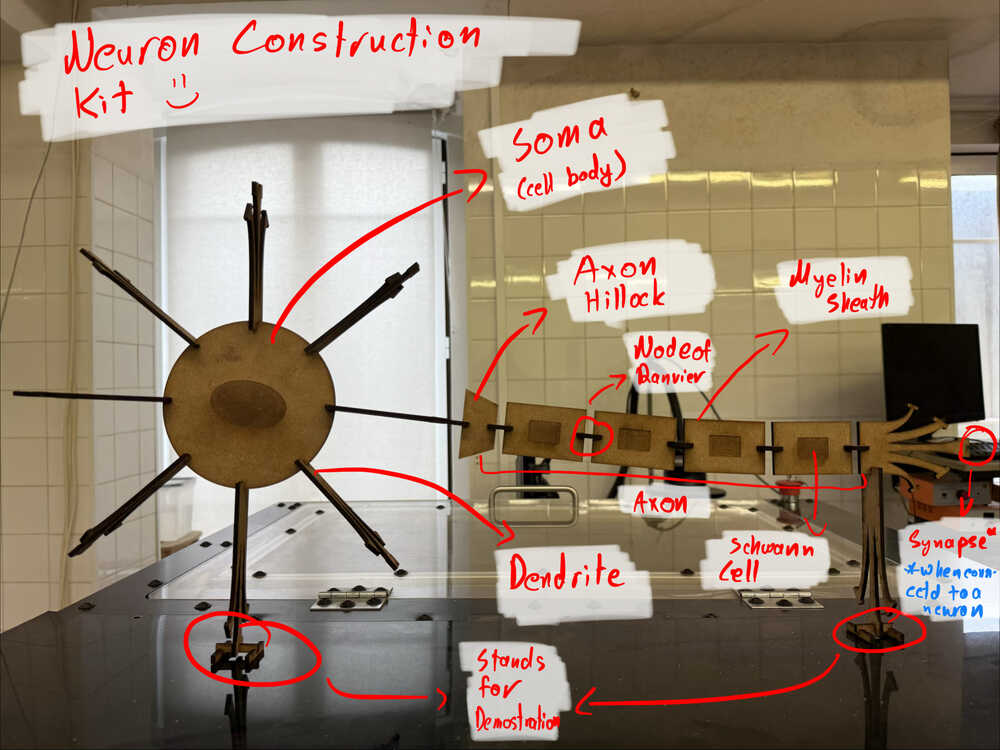
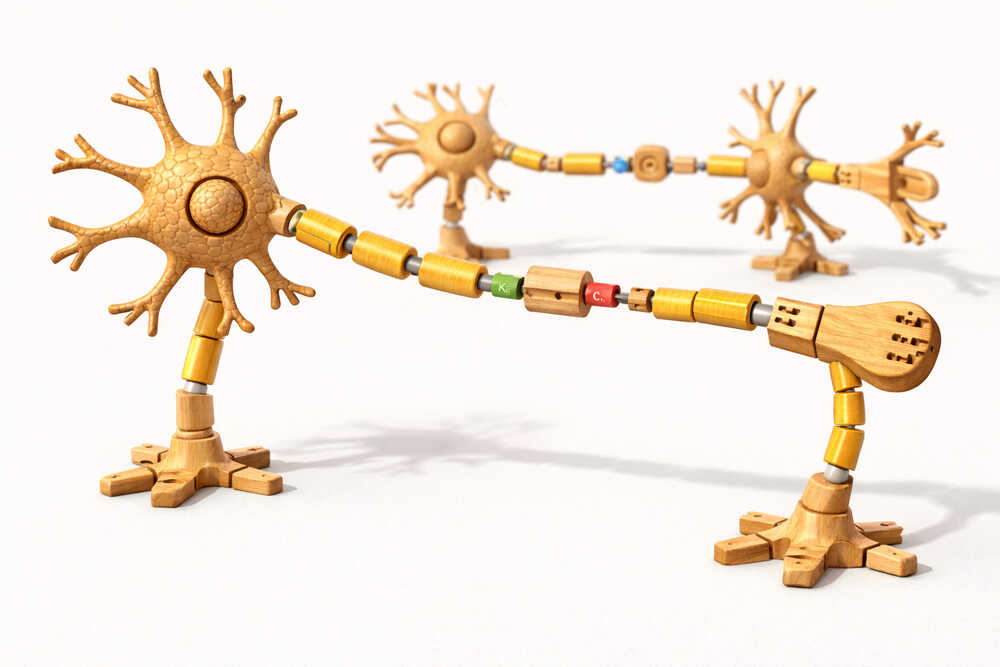
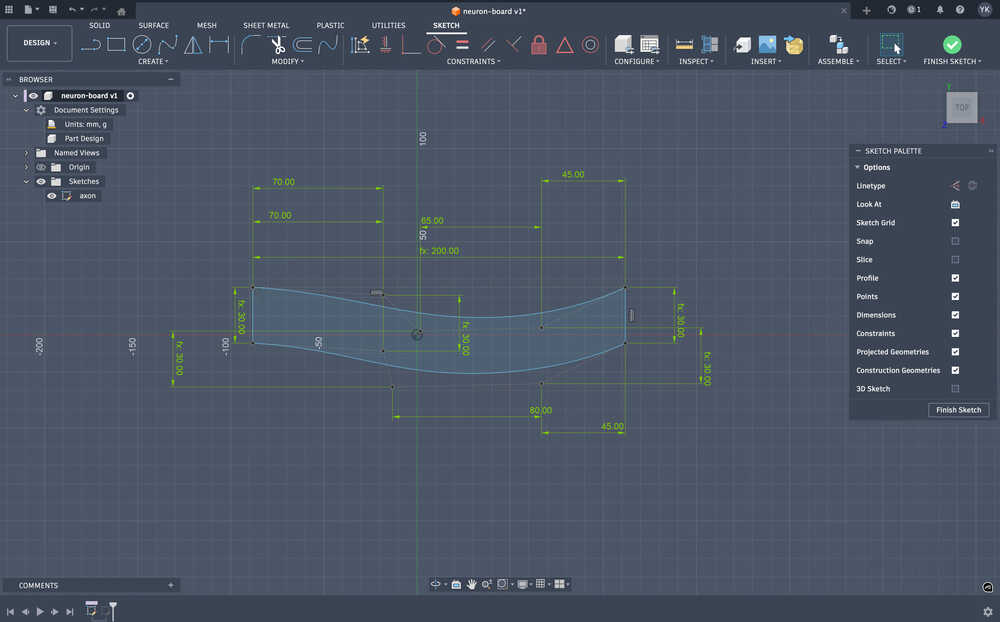
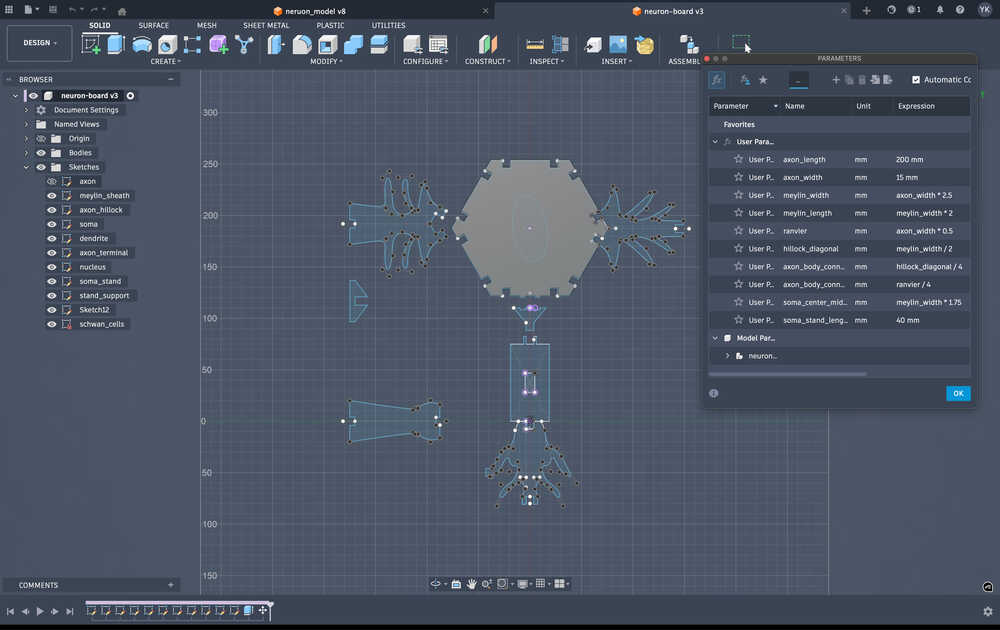
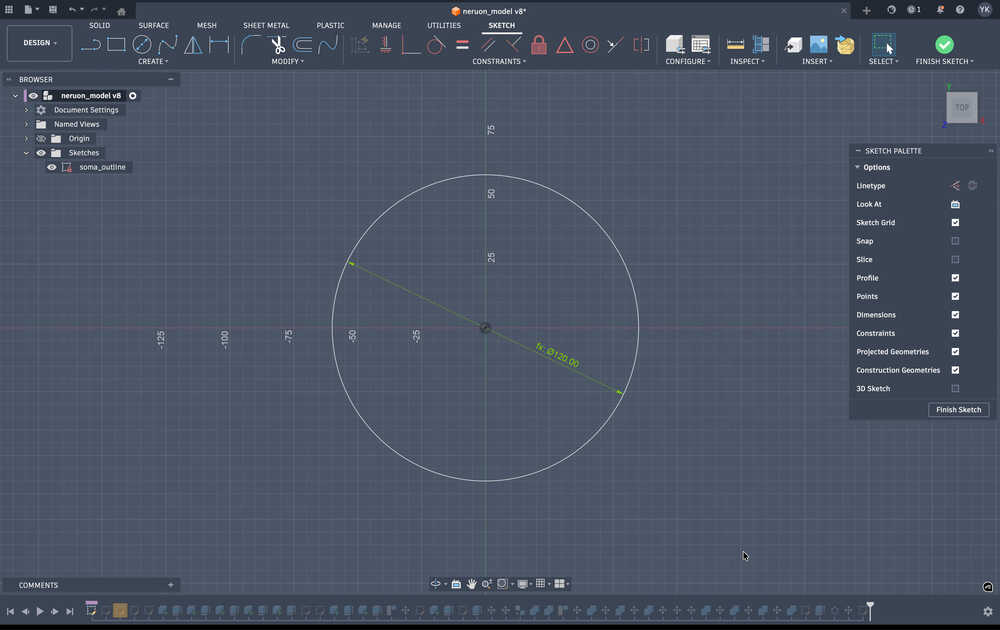
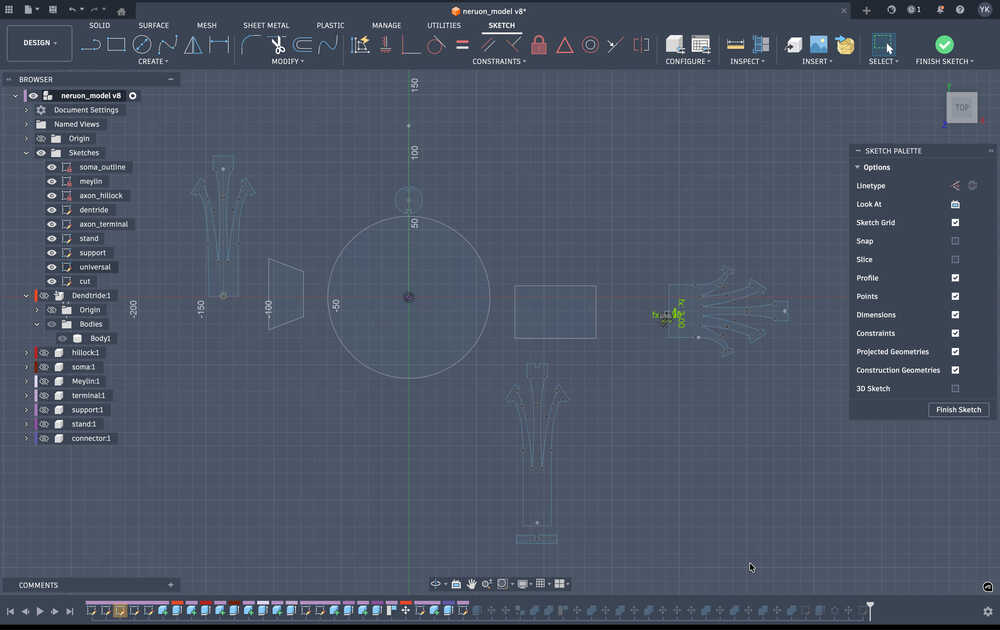
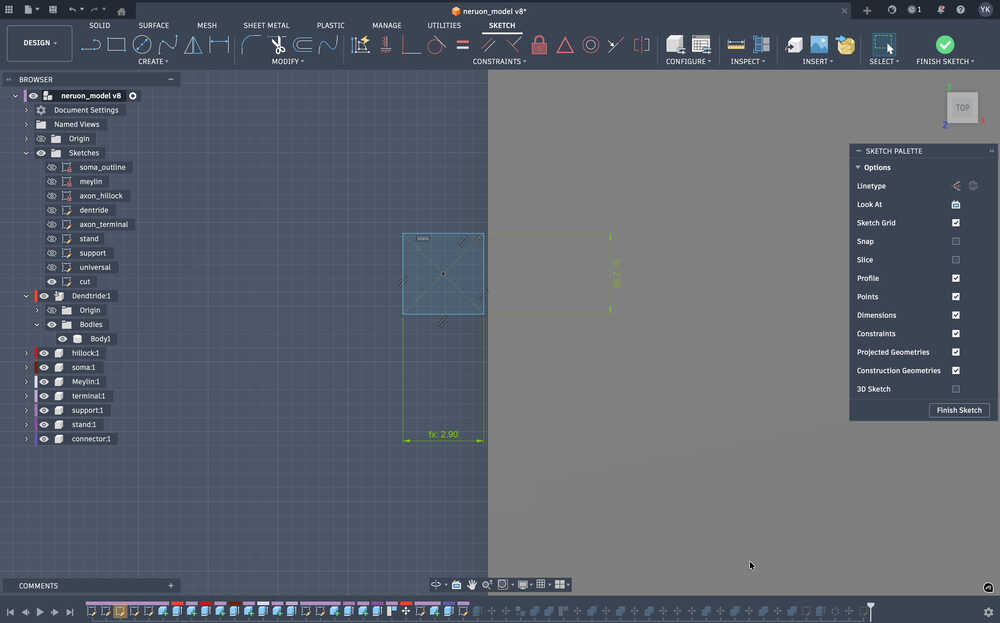
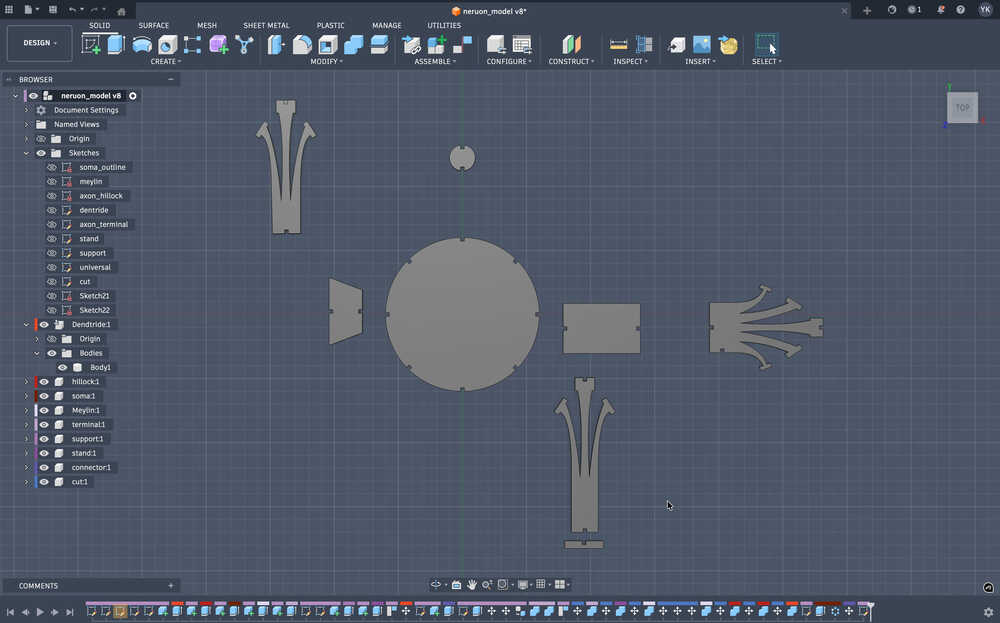
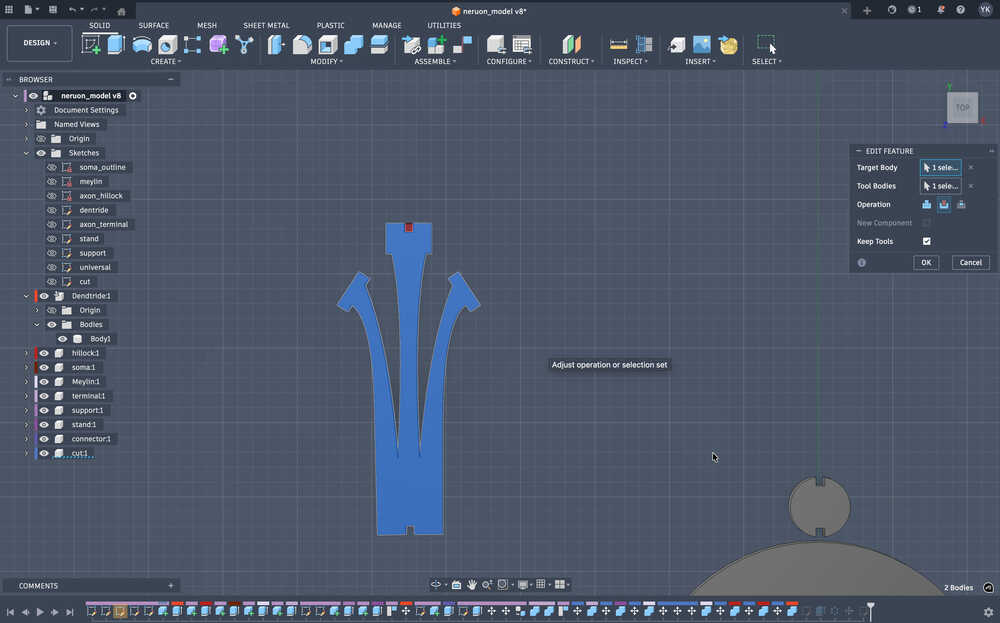
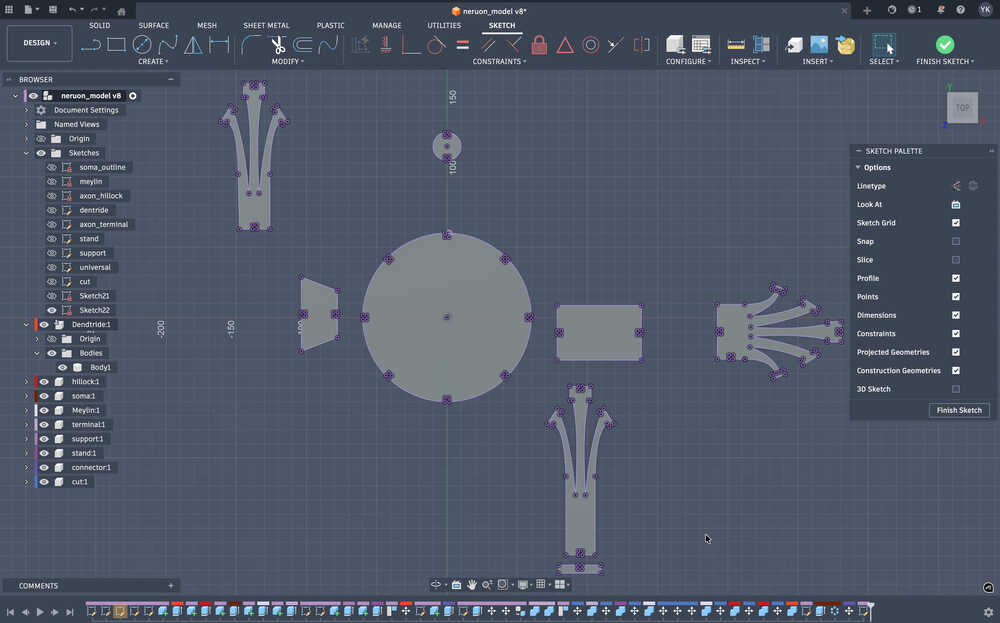
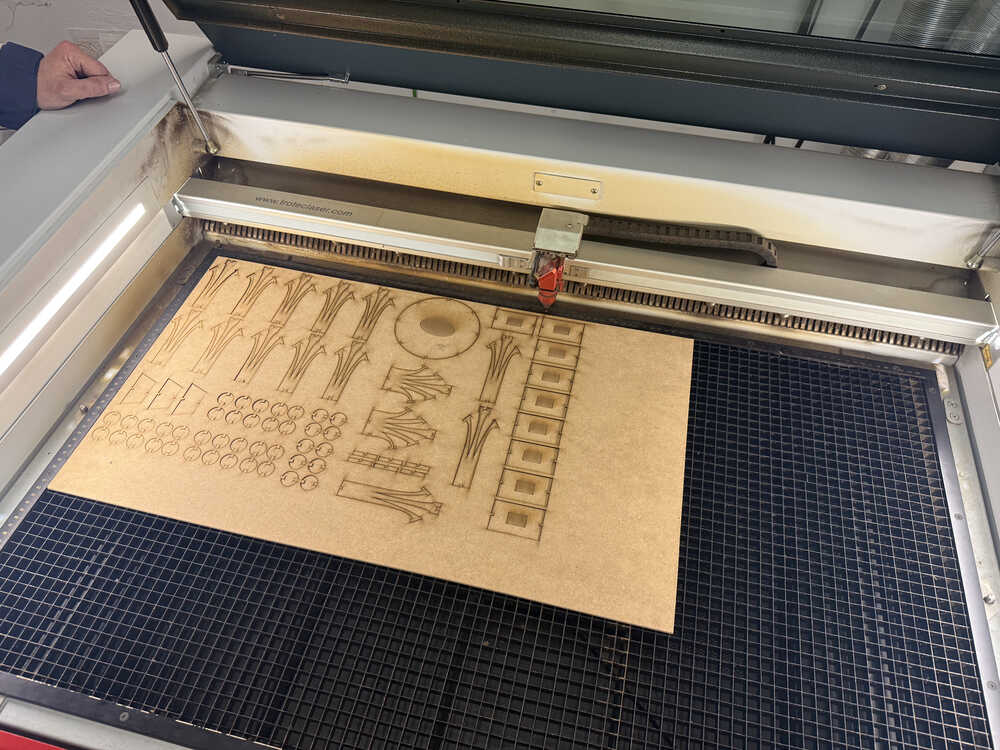
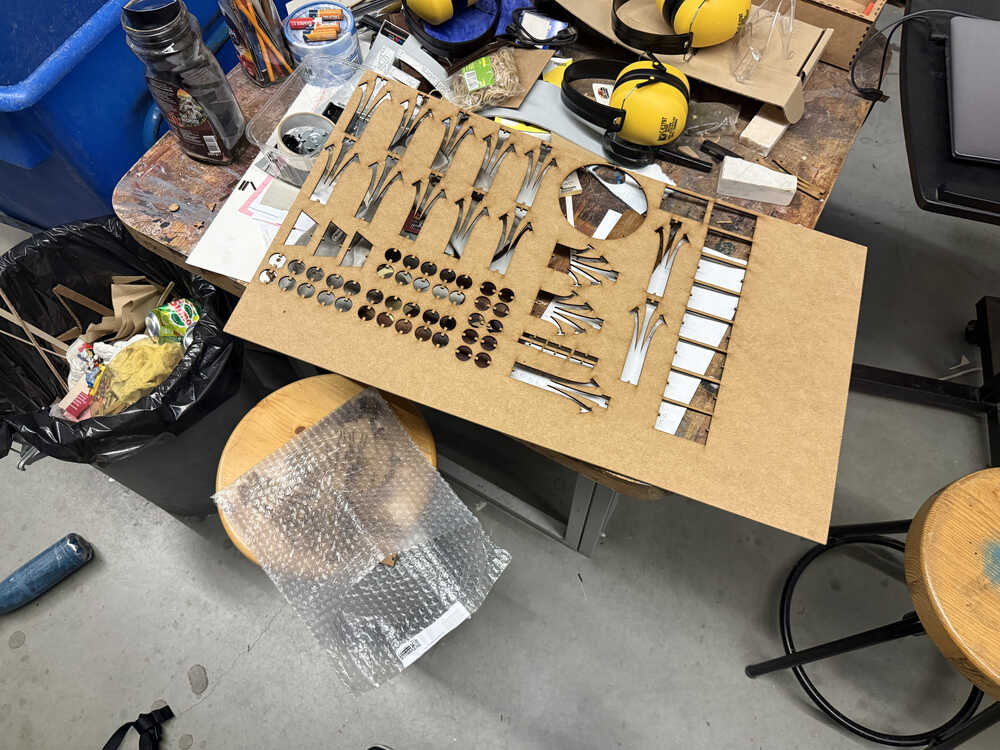
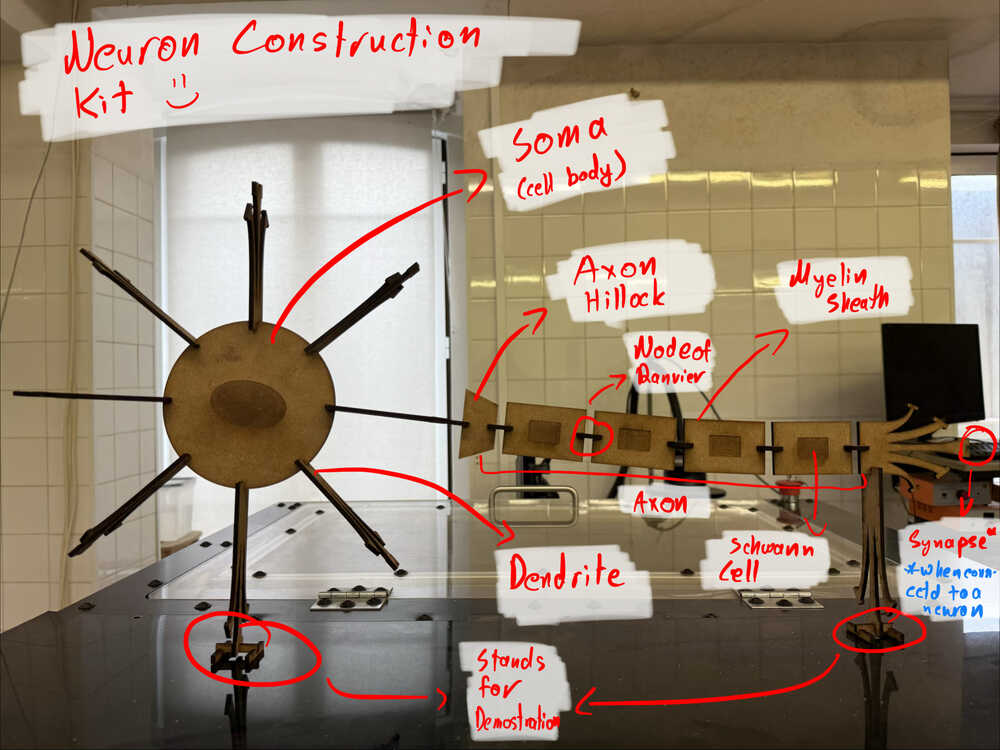
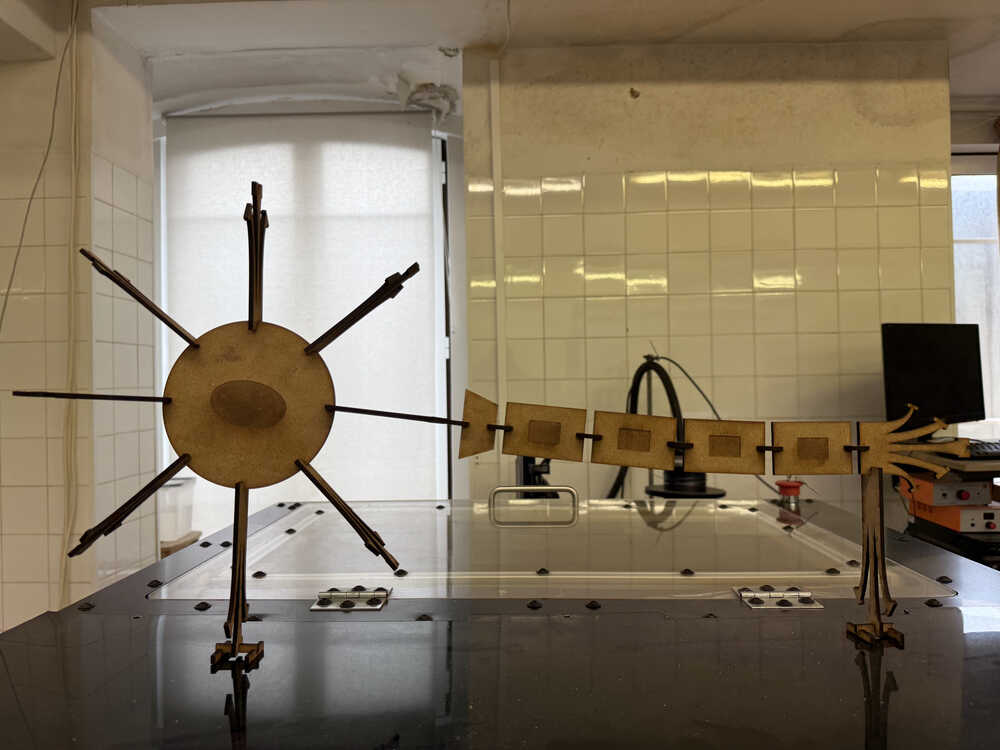
I made vinyl stickers, cut laser parts, and turned the neuron-model idea into a press-fit kit while learning the cutting settings that actually matter.
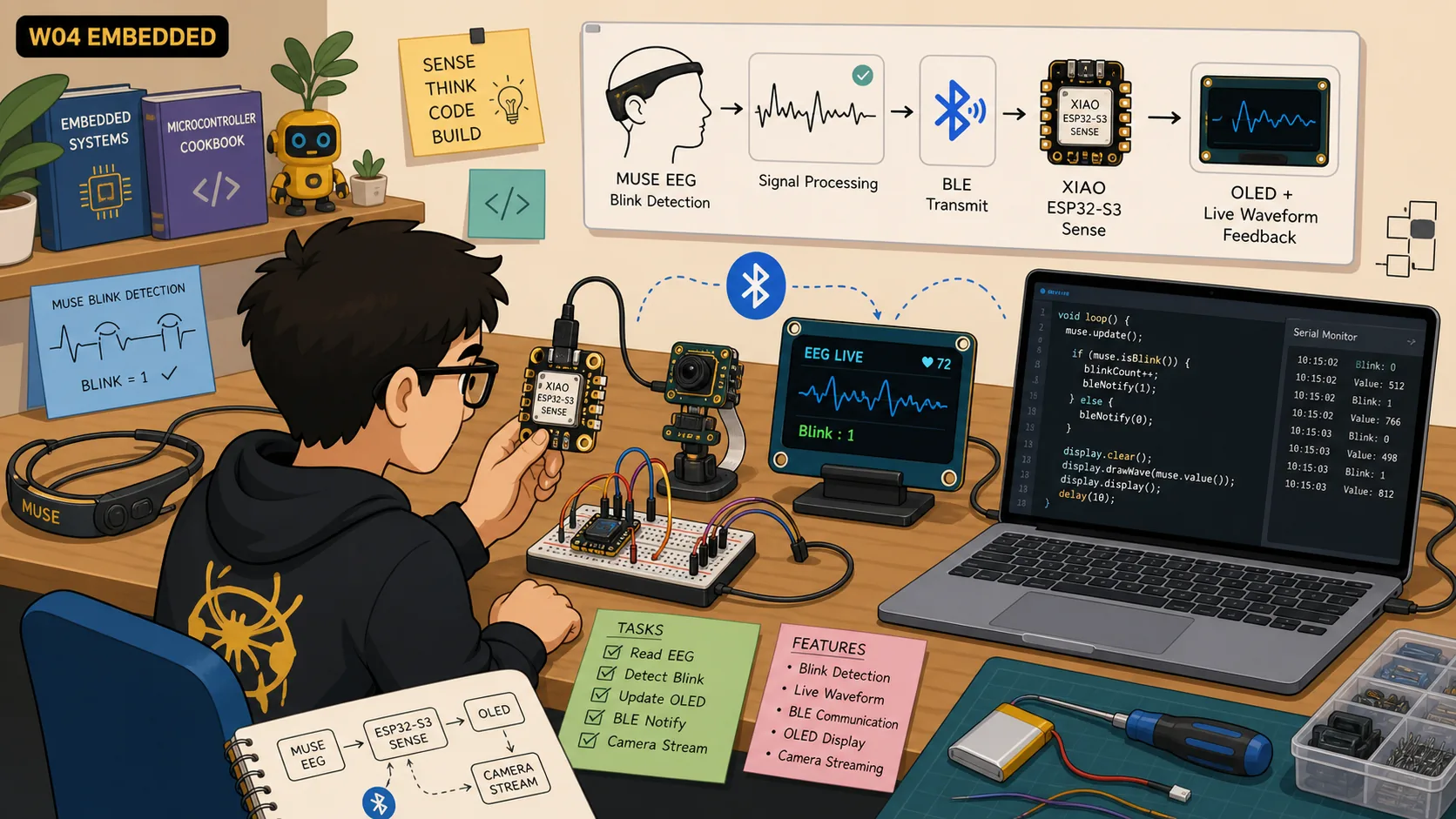
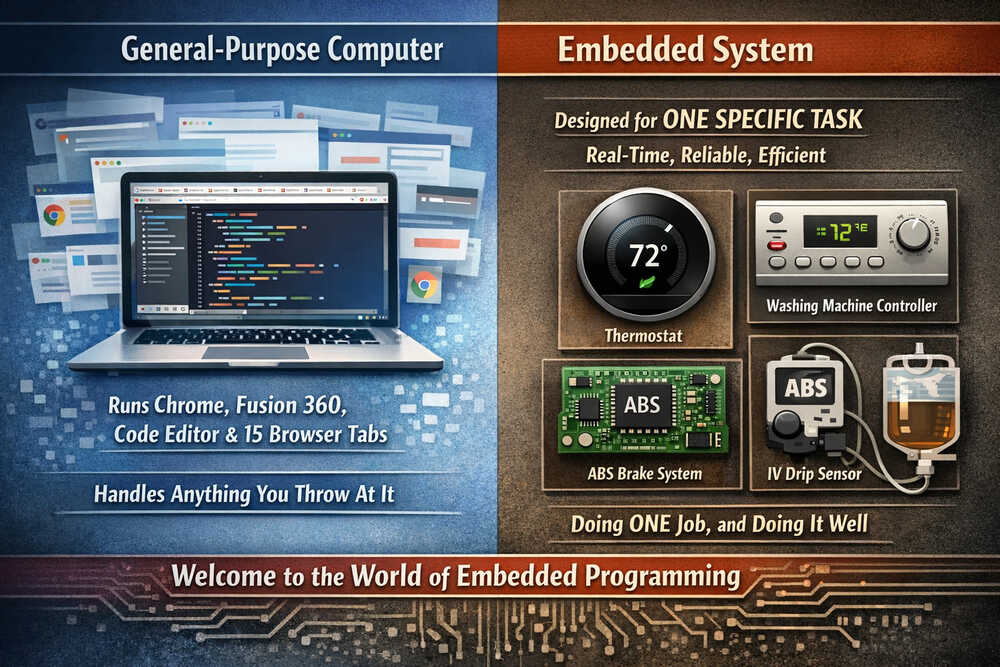
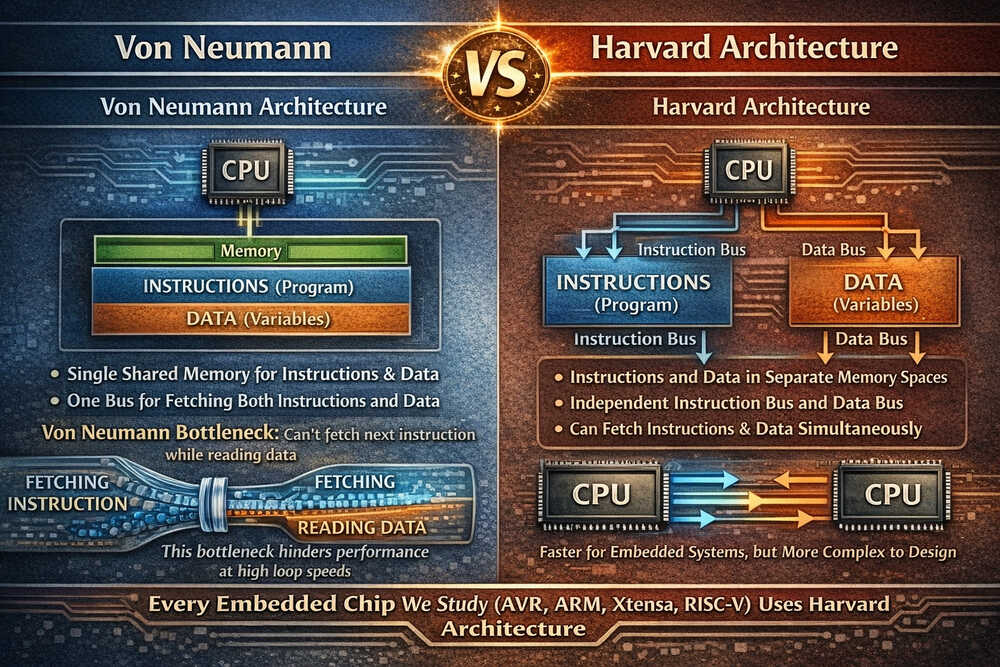
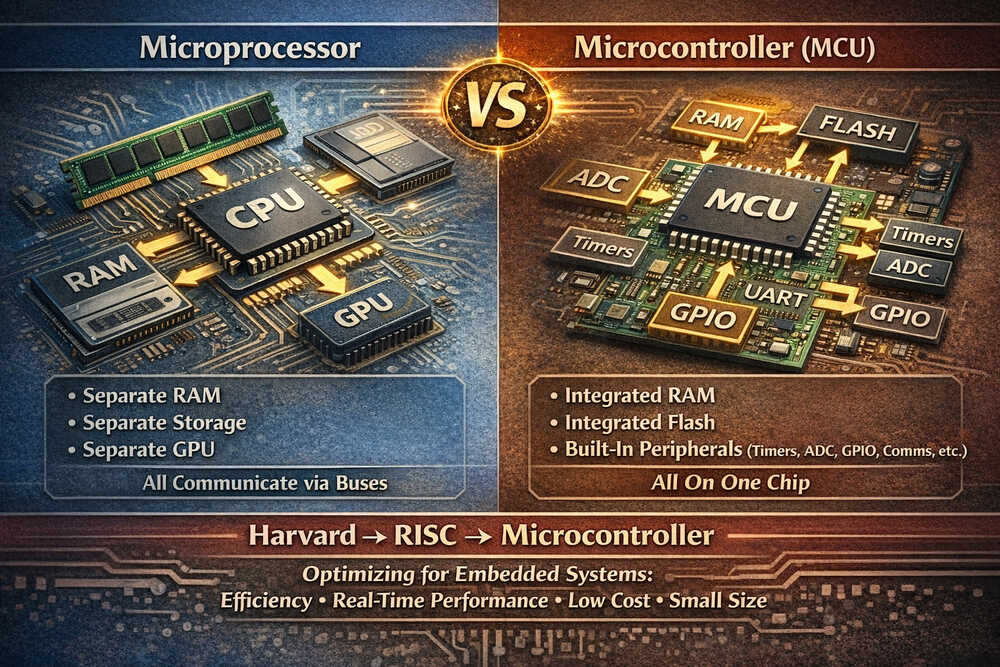
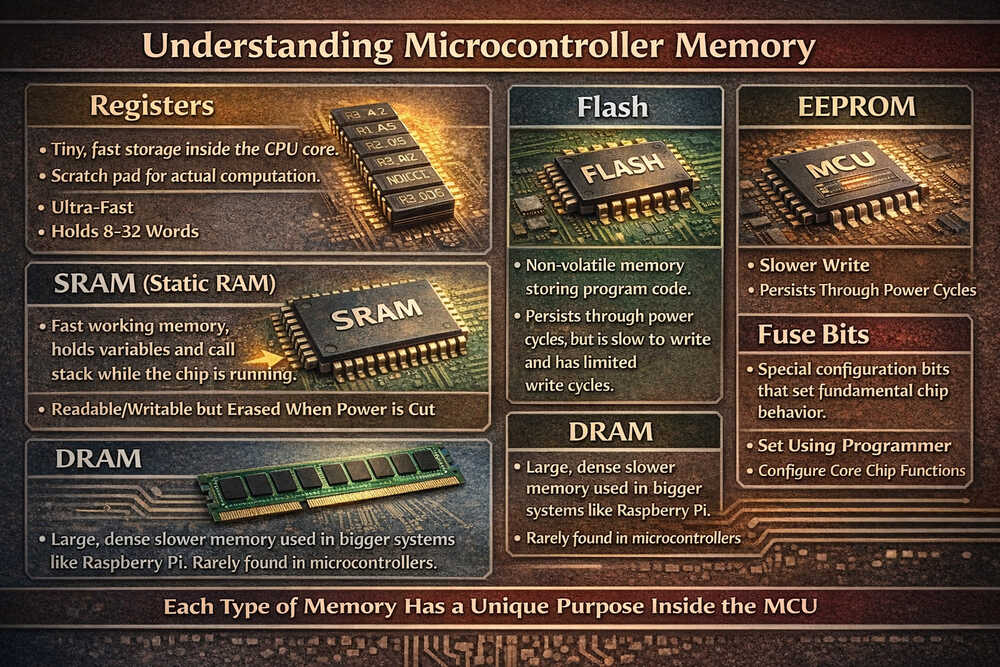
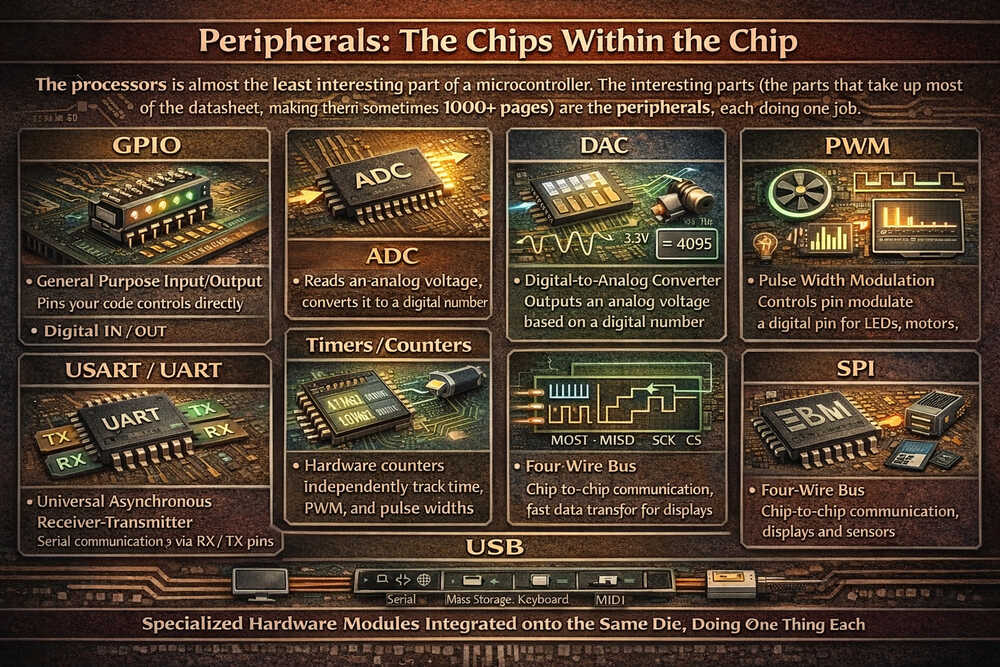
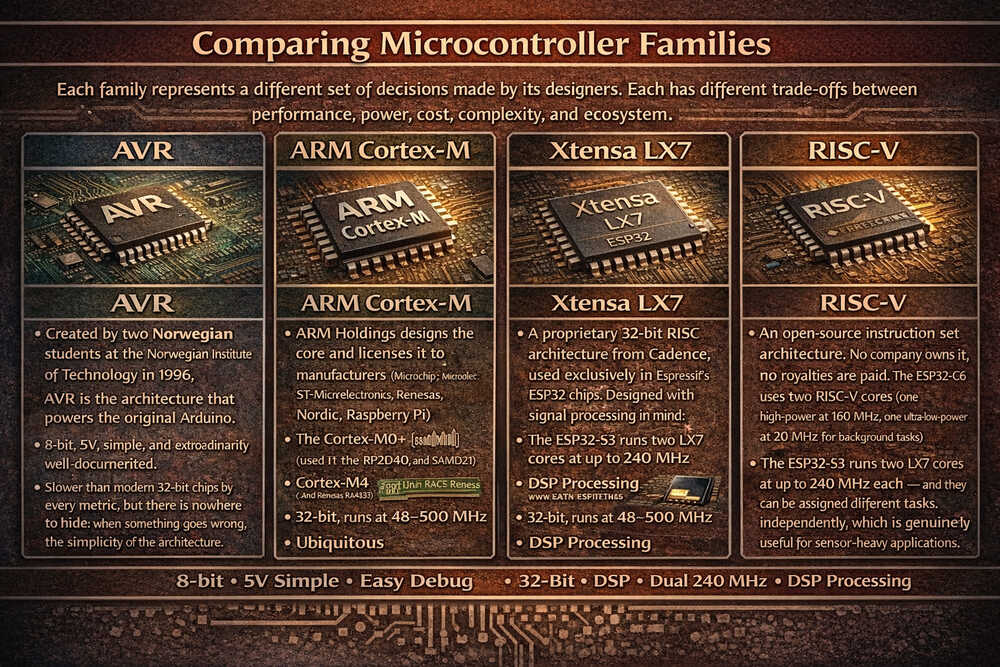
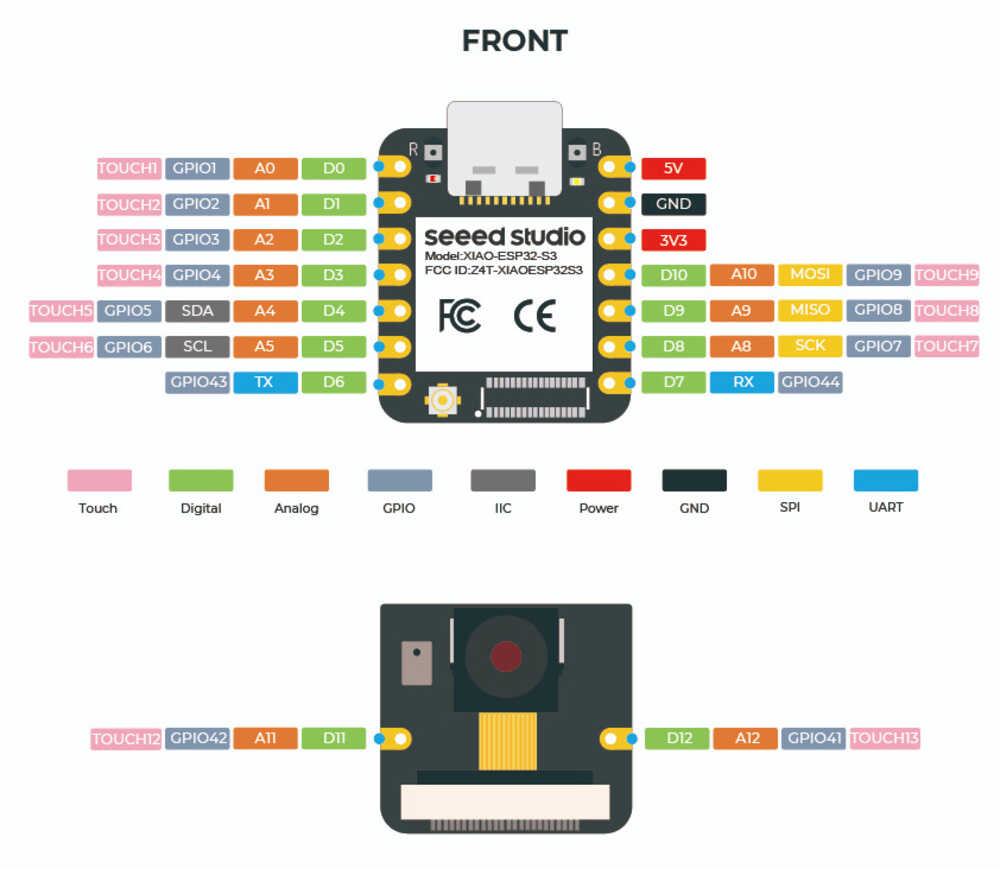
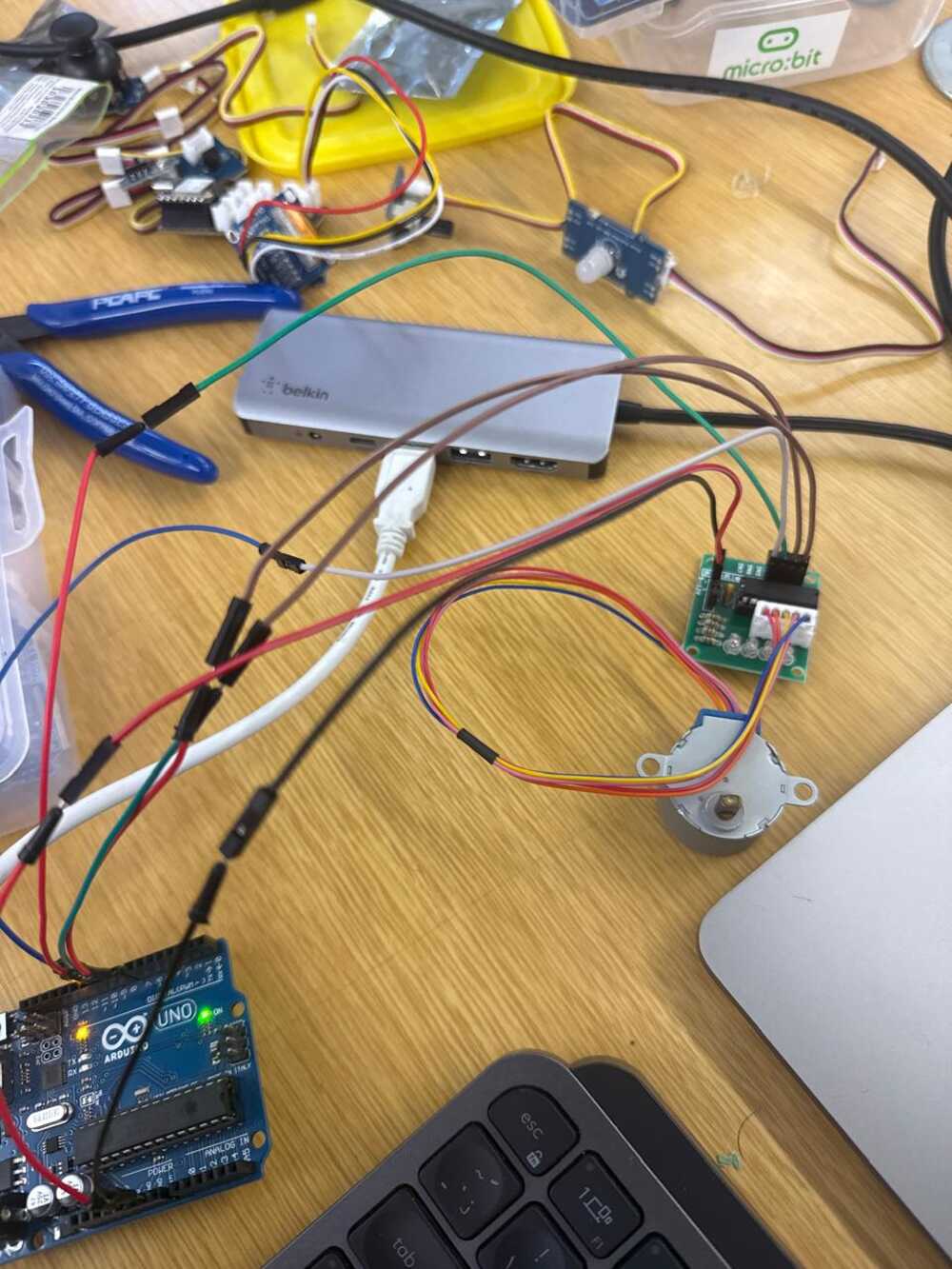
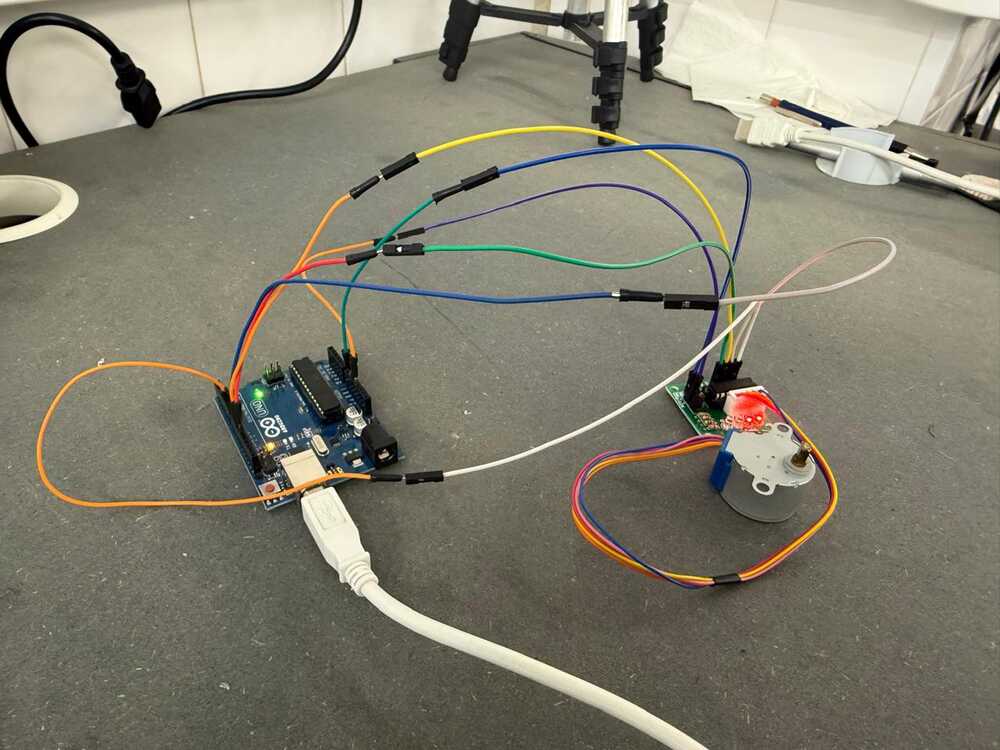
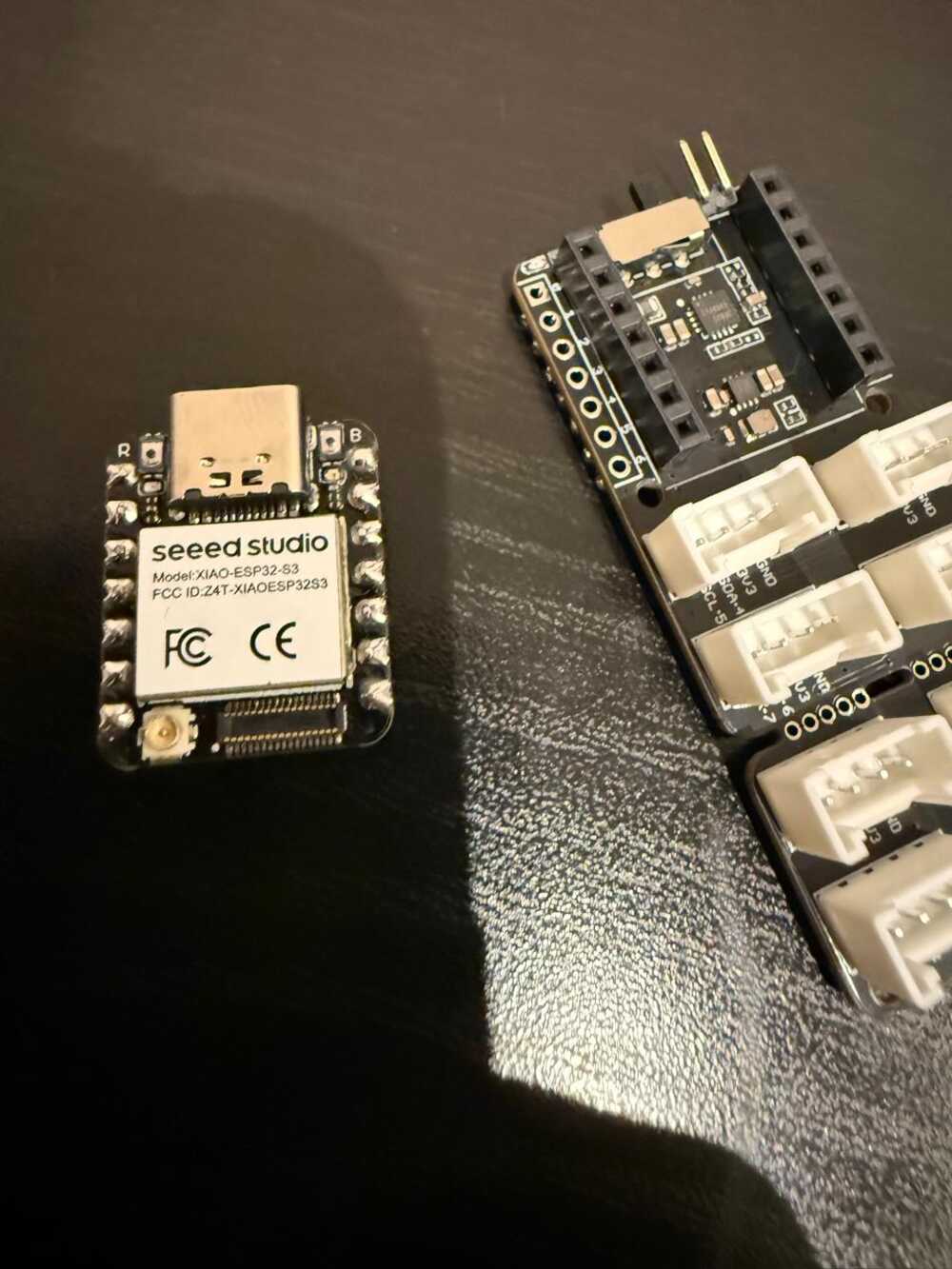
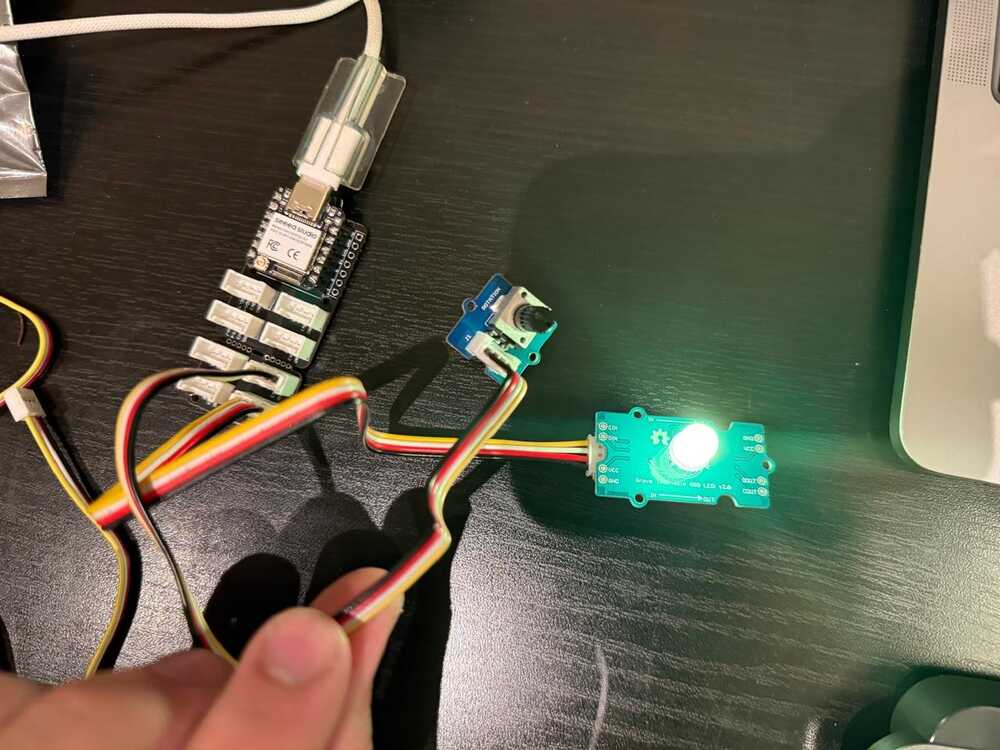
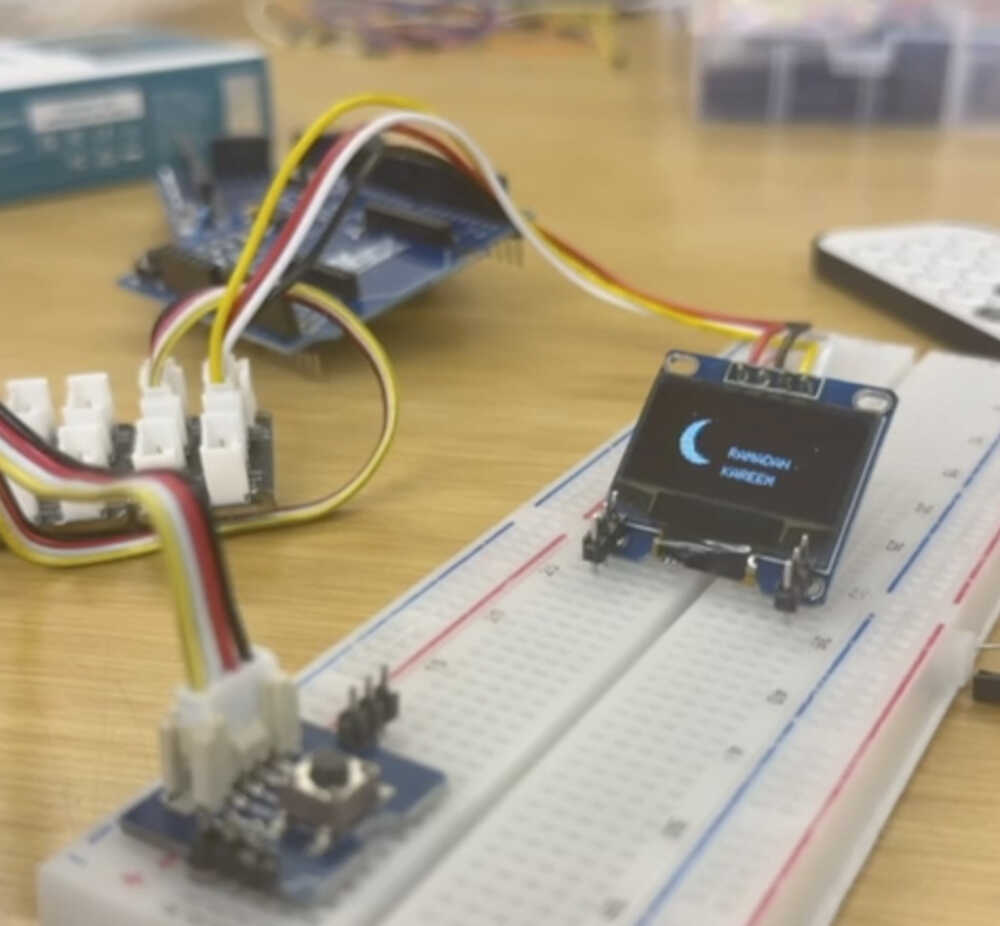
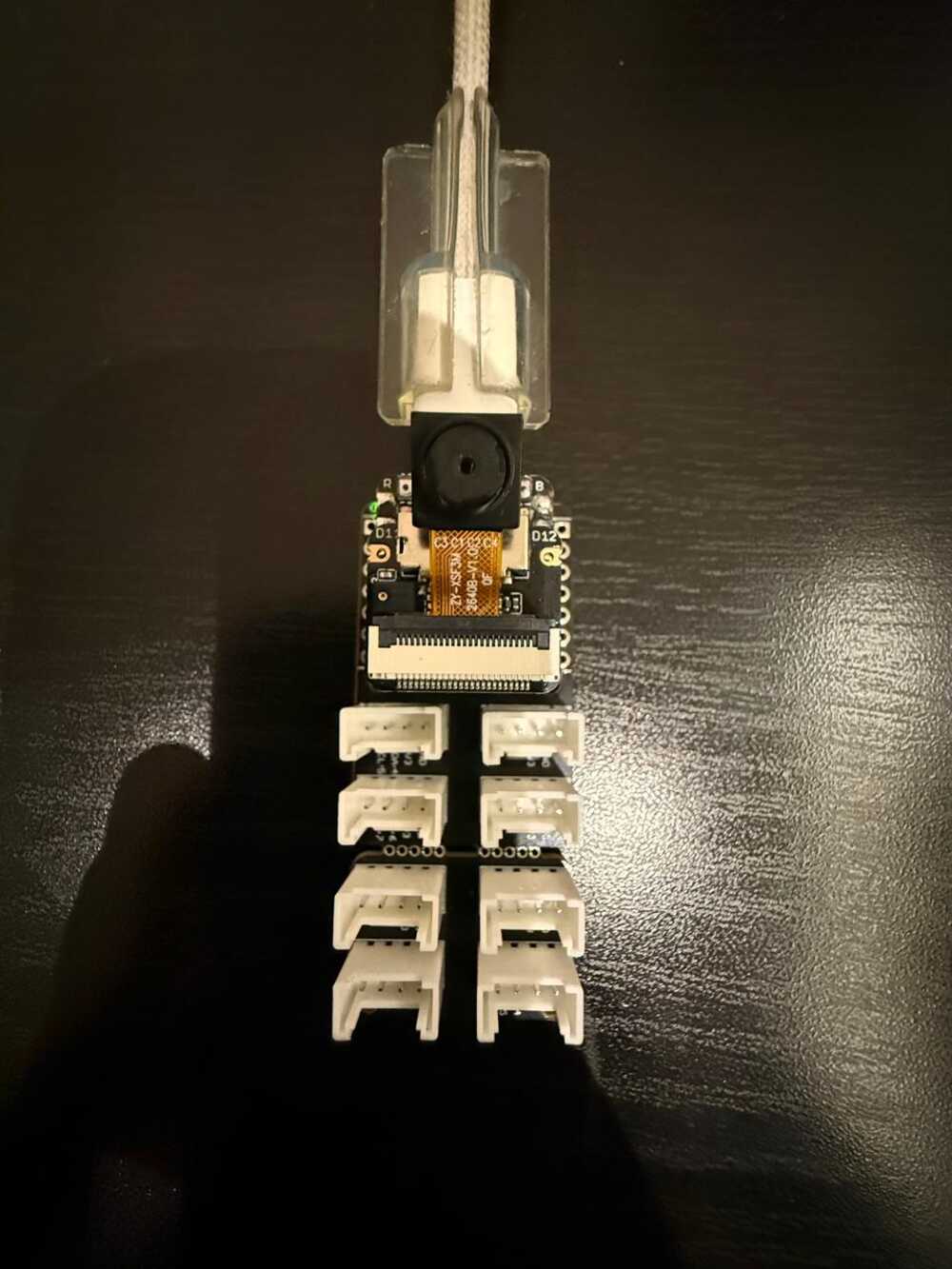
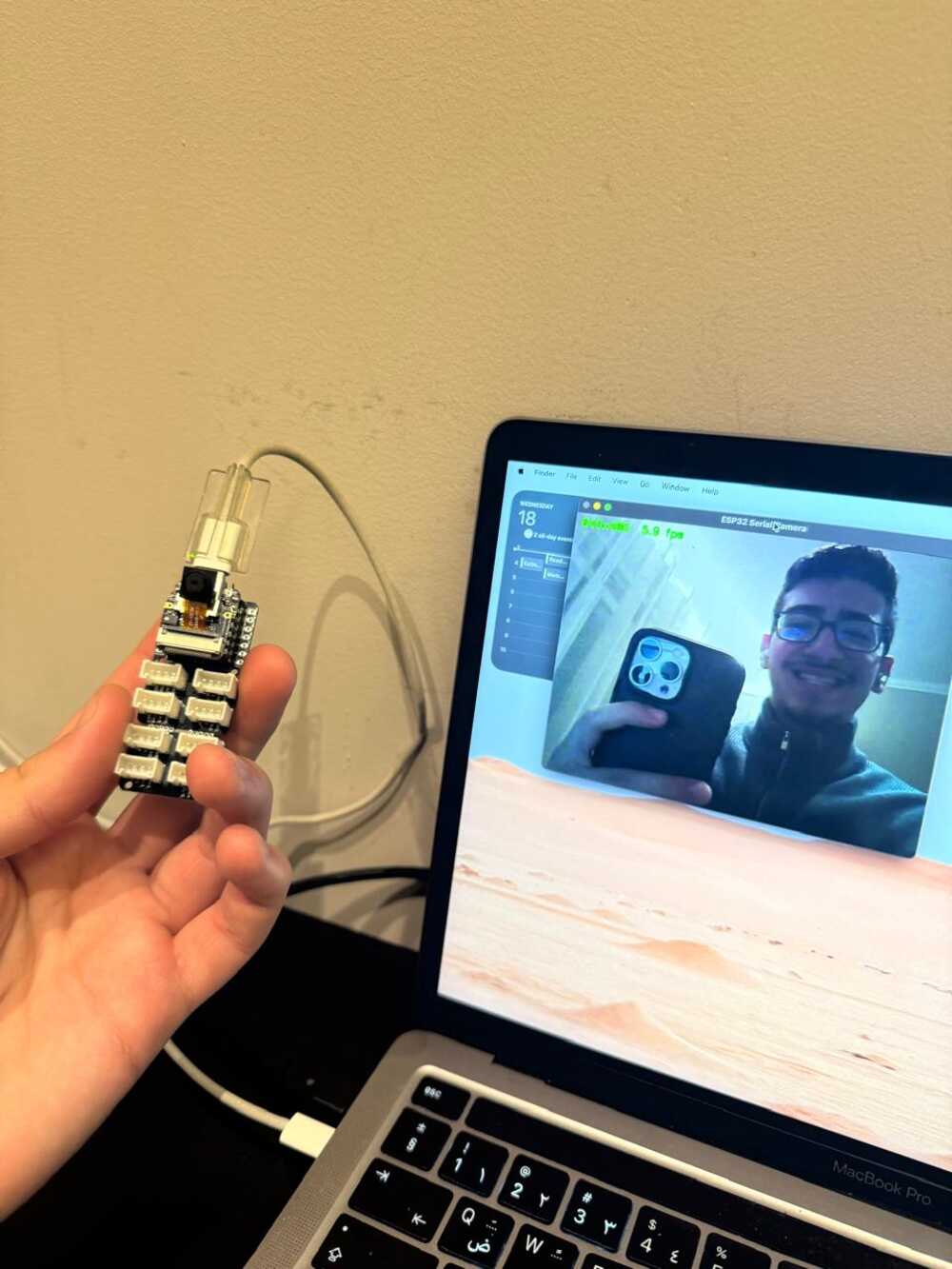
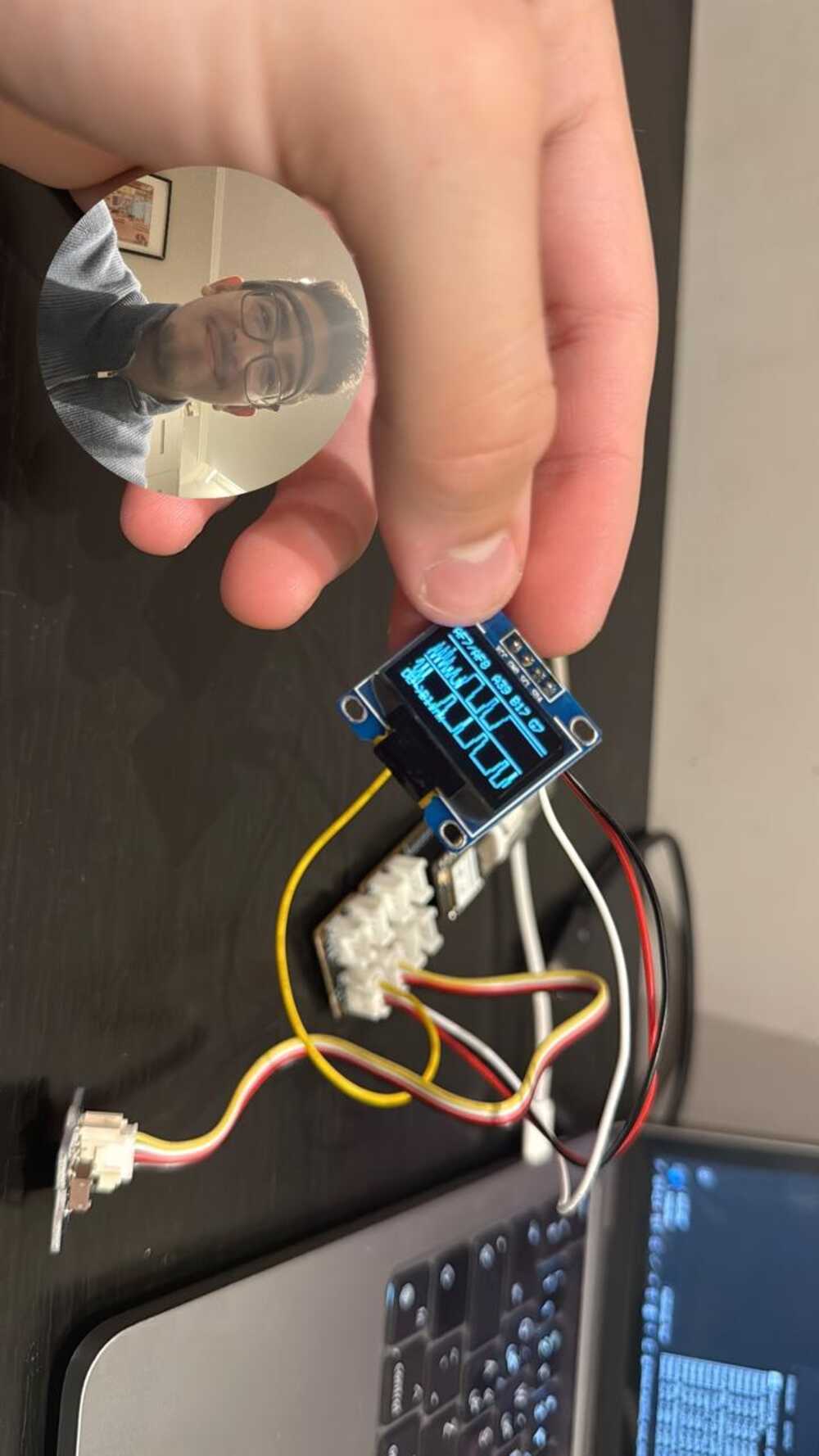
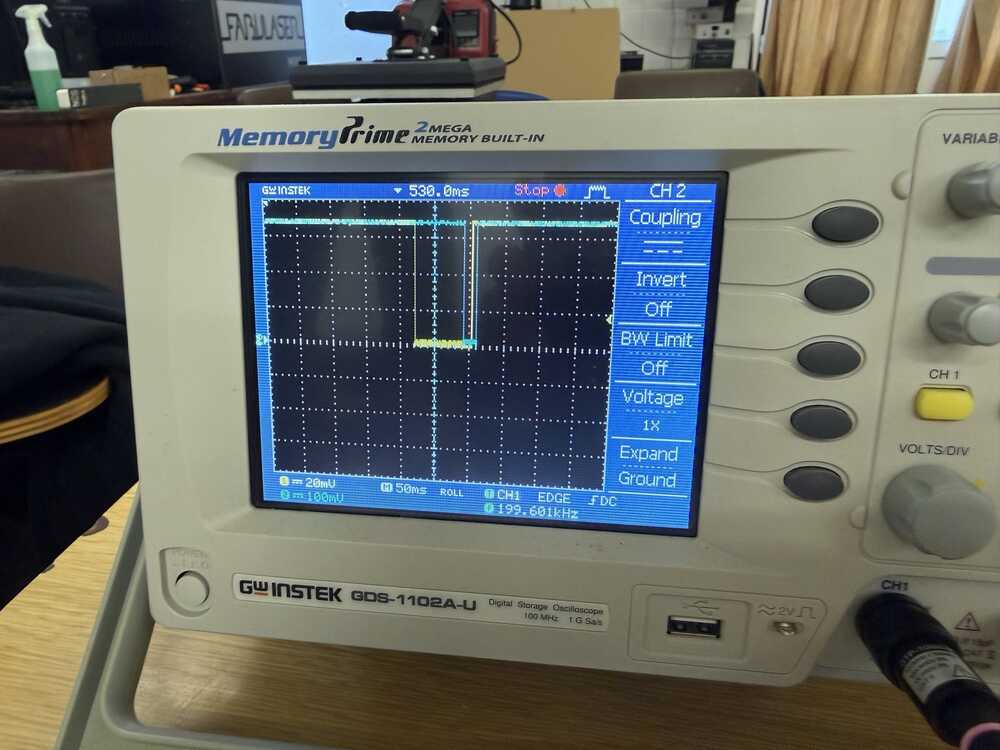
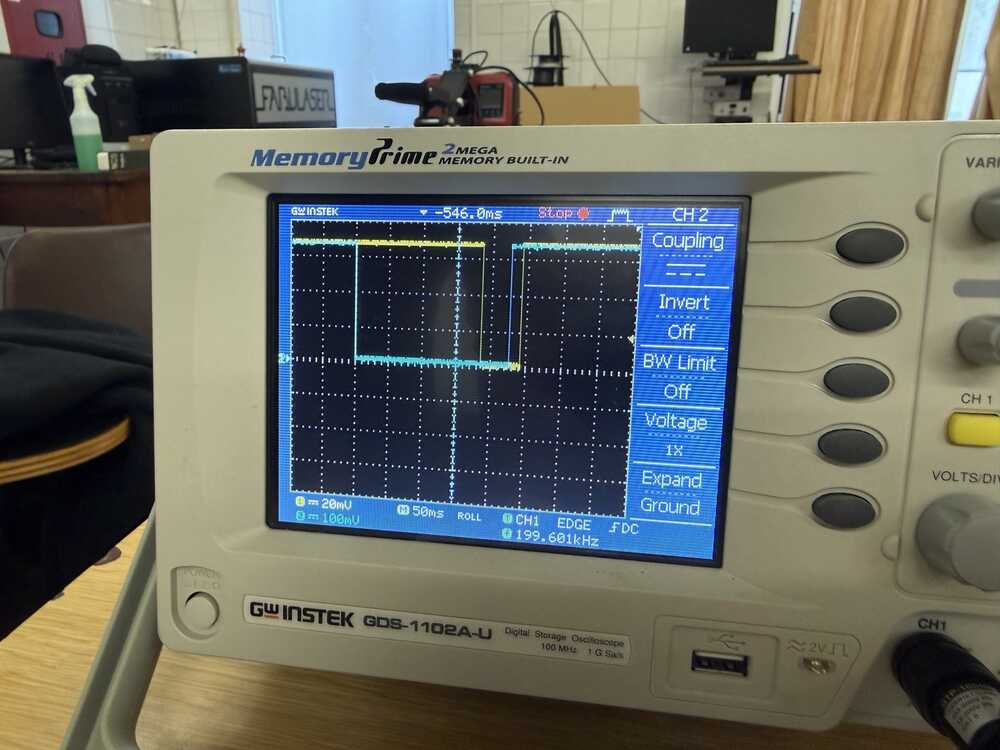
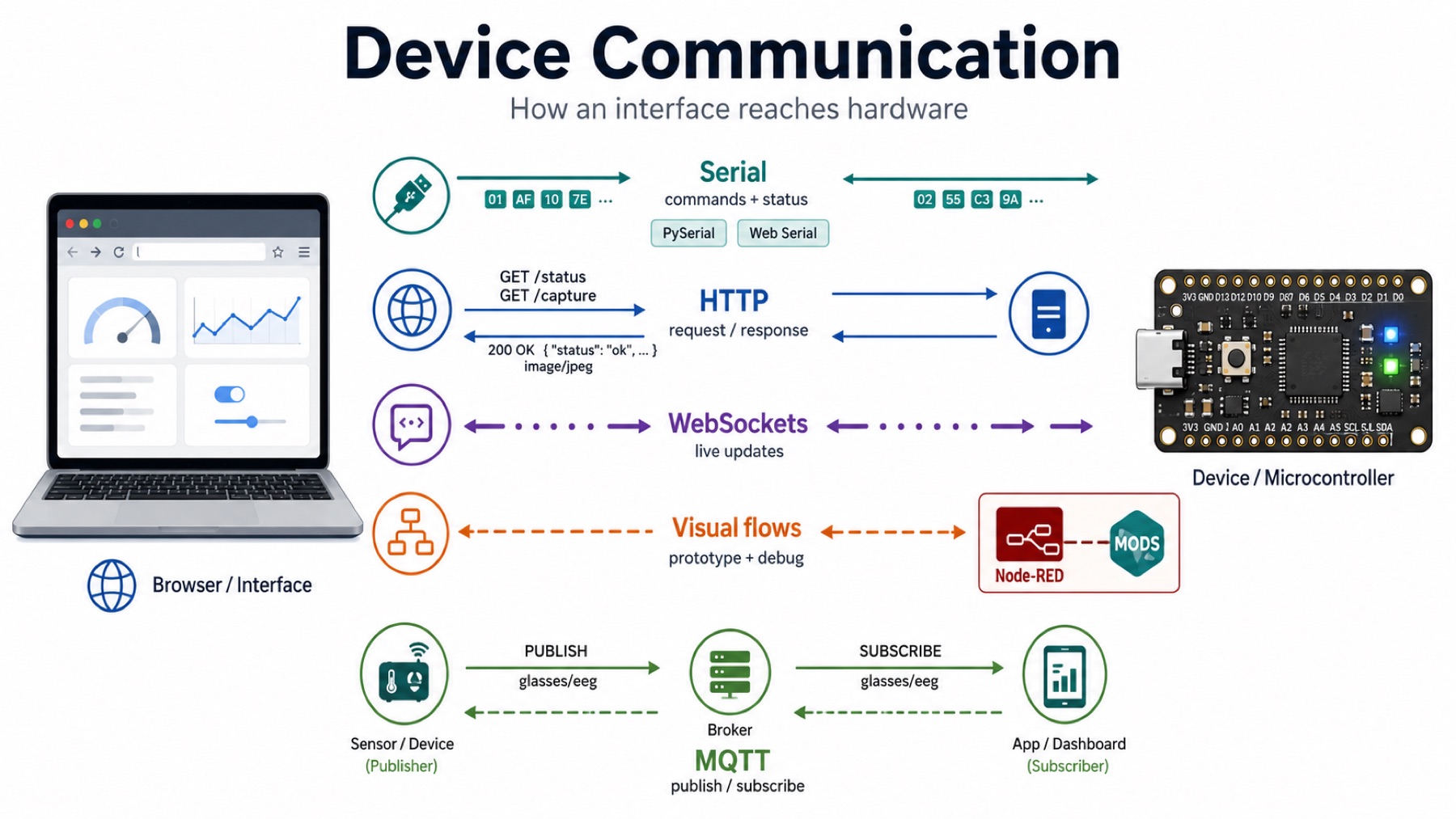
I explored embedded programming through XIAO ESP32-S3 tests: stepper and blink experiments, Grove Shield soldering, sensor input, OLED animation, camera streaming, and Muse EEG experiments.
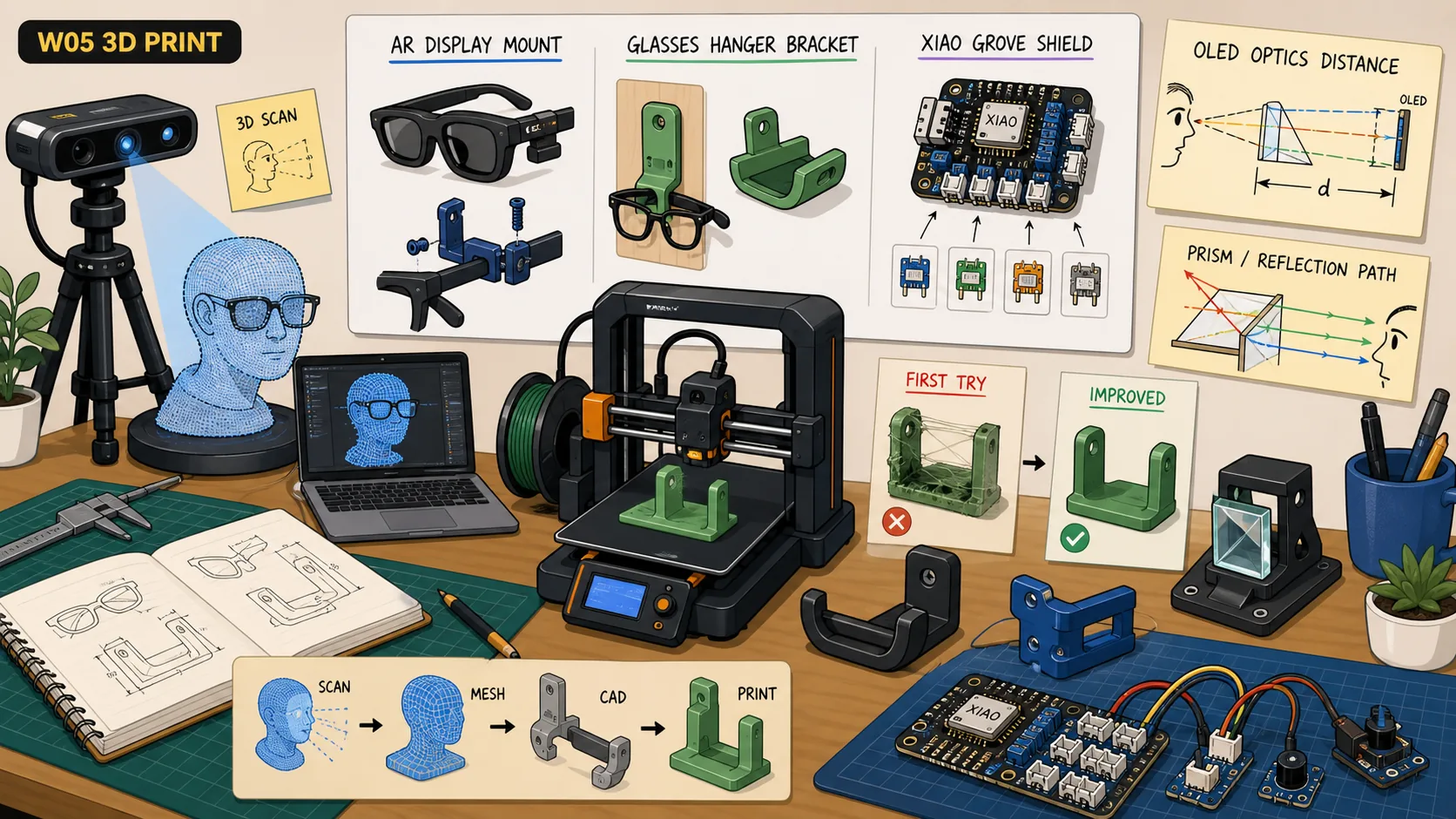
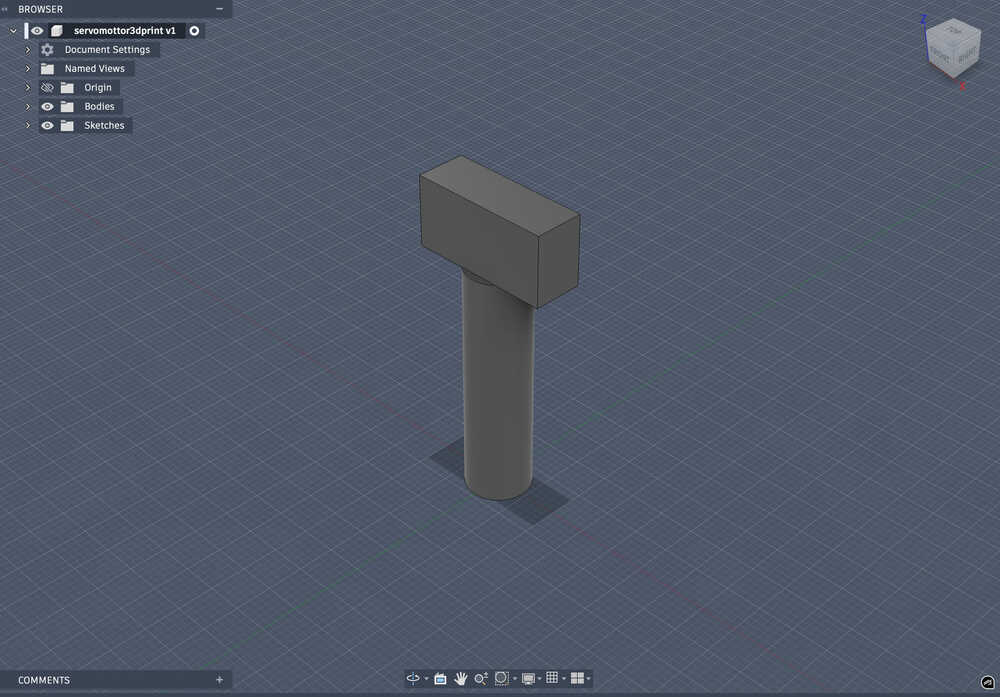
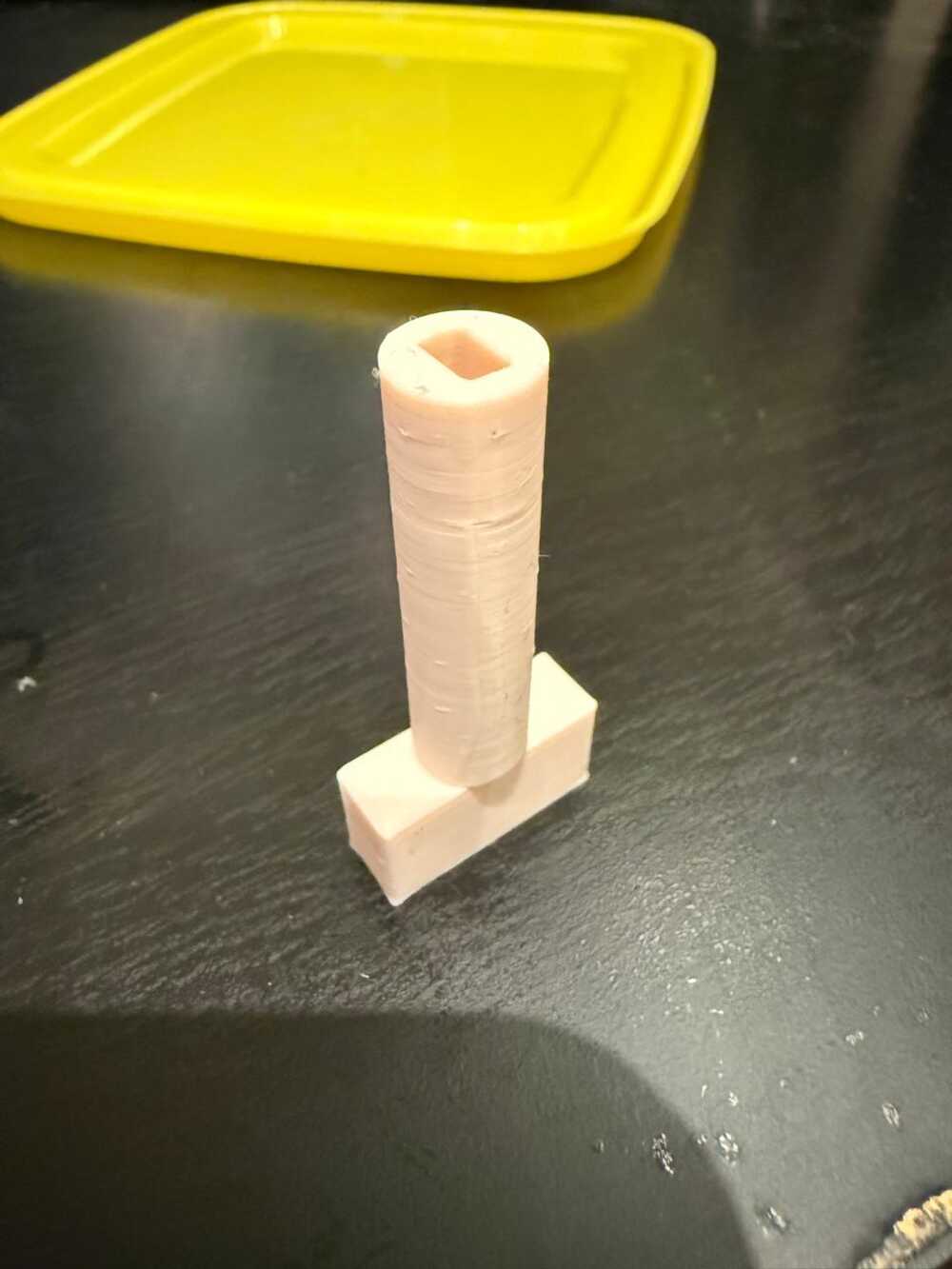
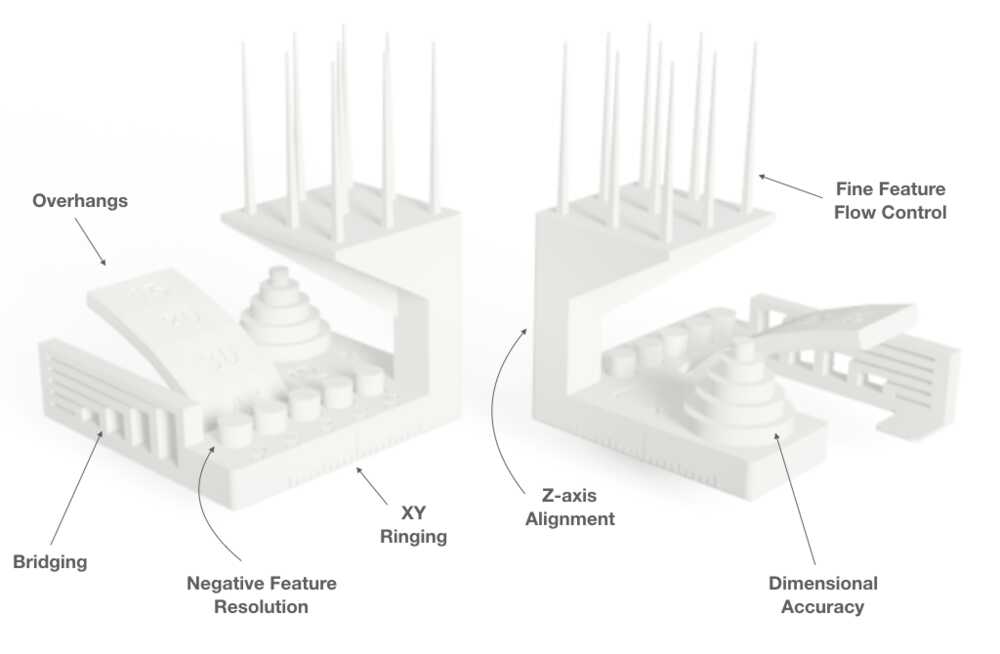
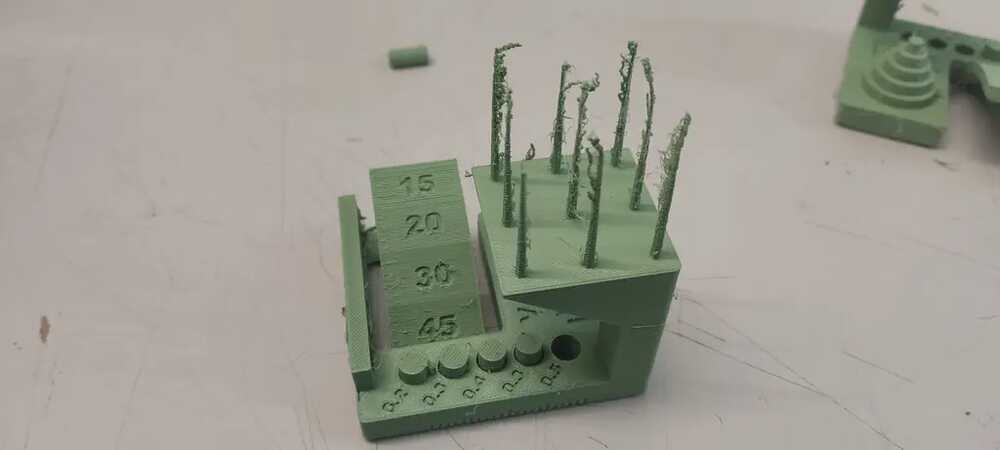
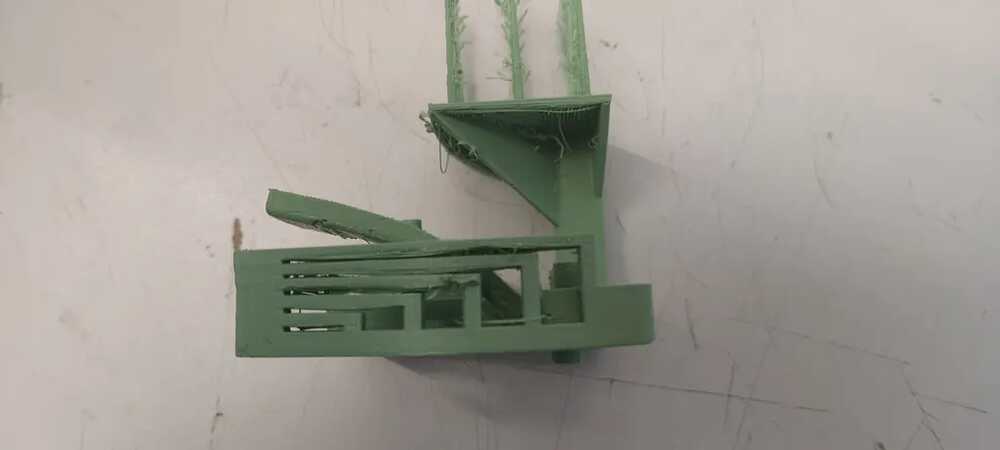
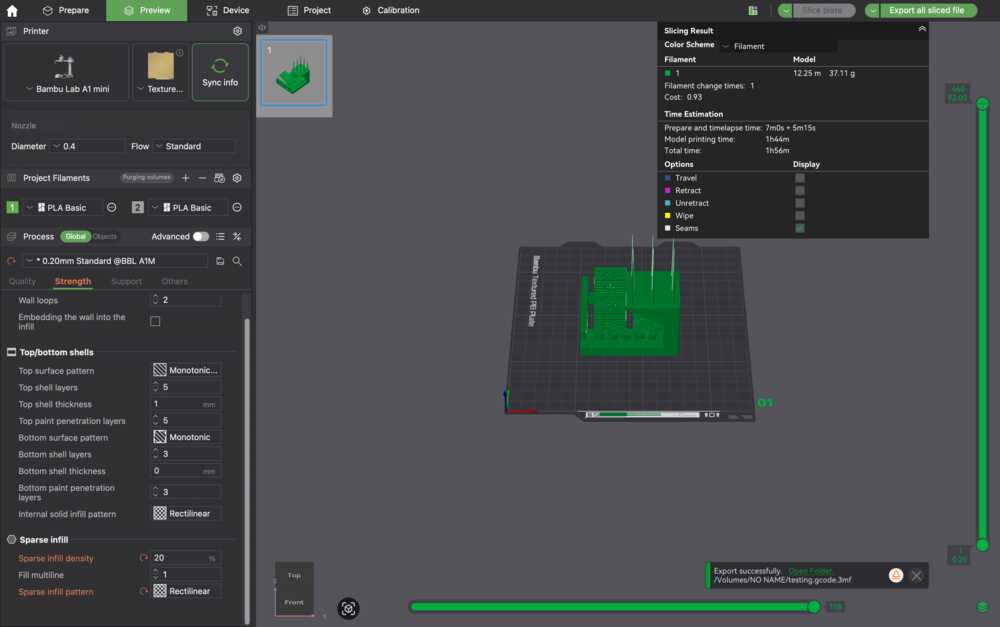
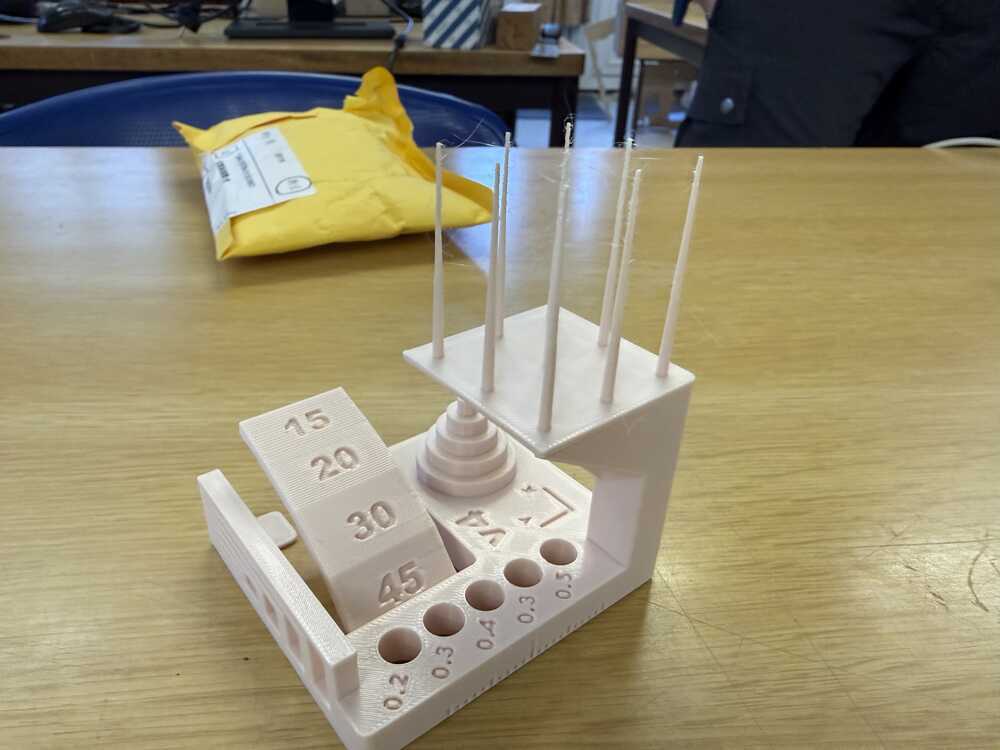
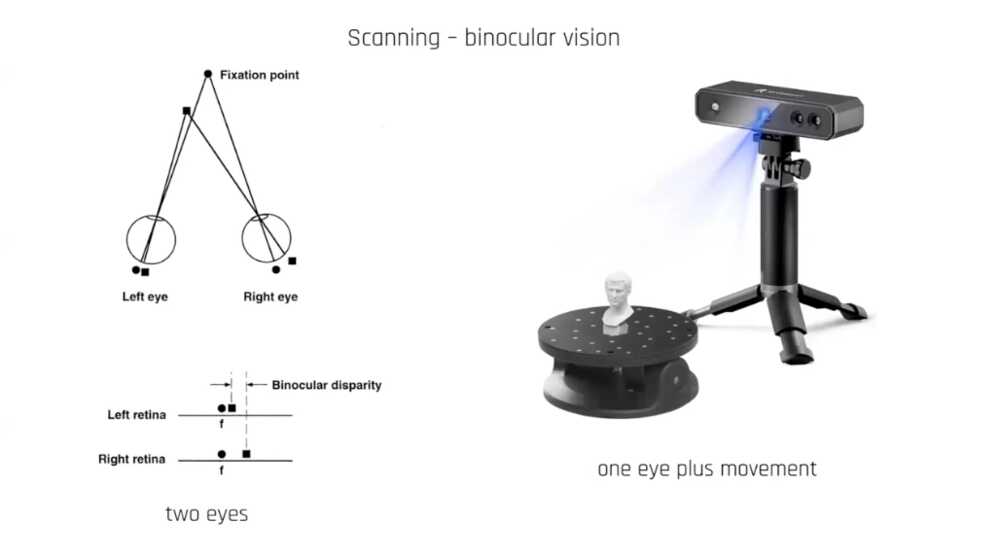
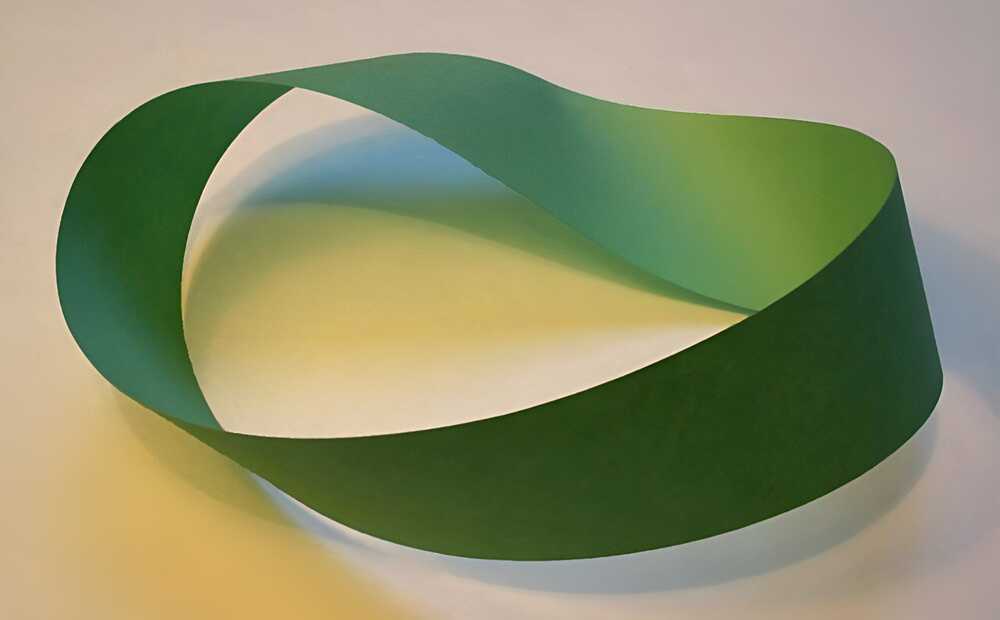
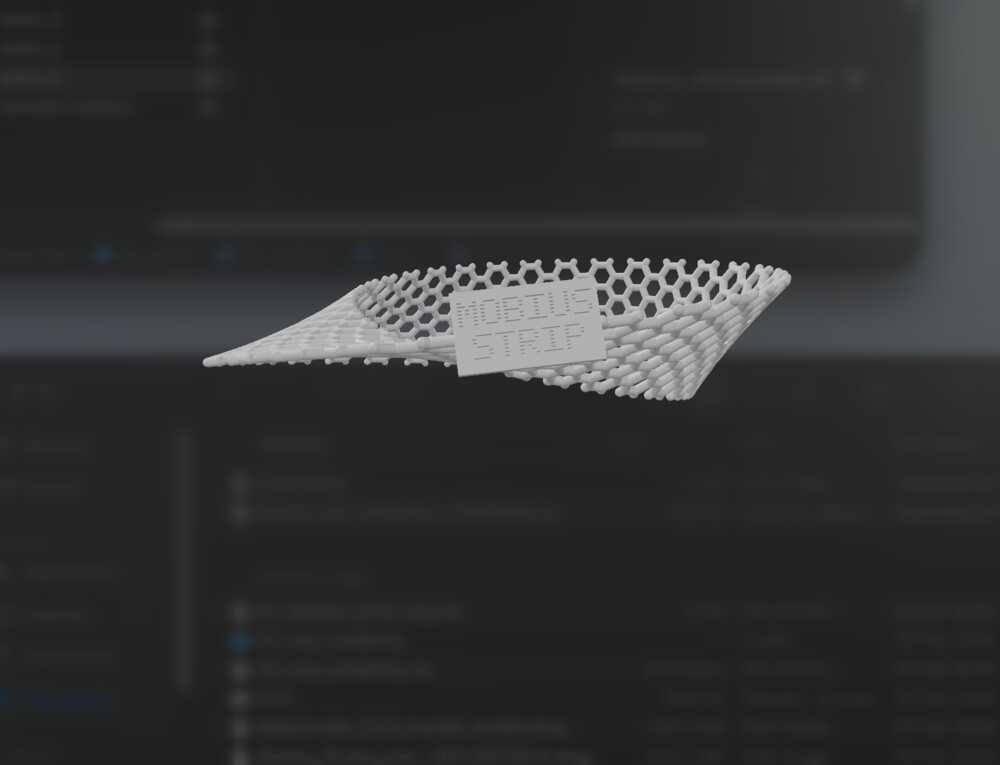
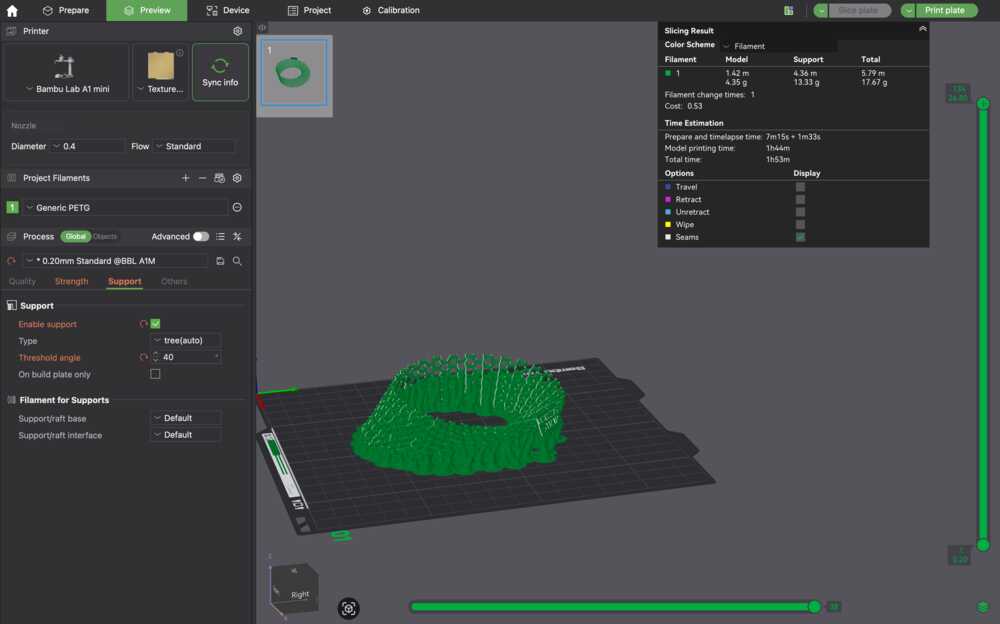
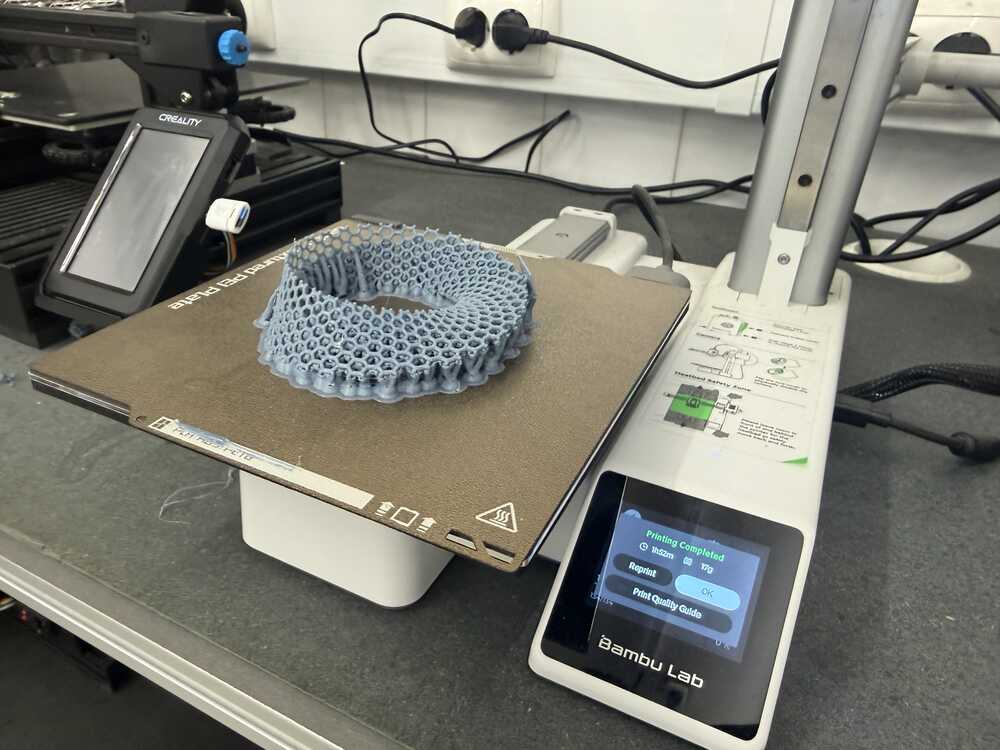
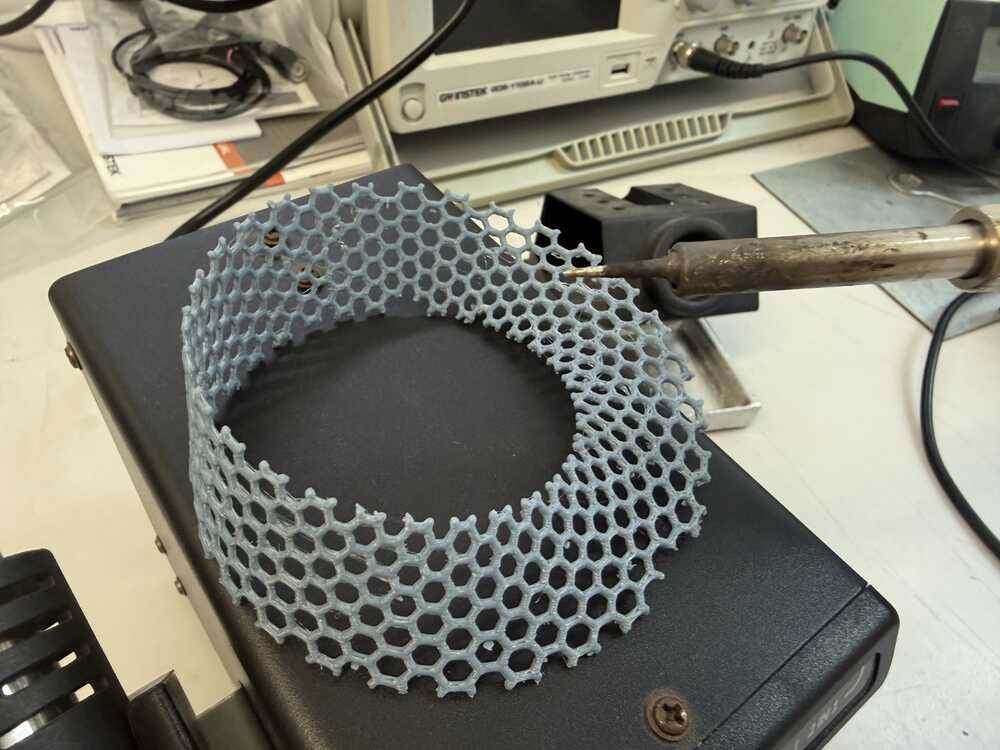
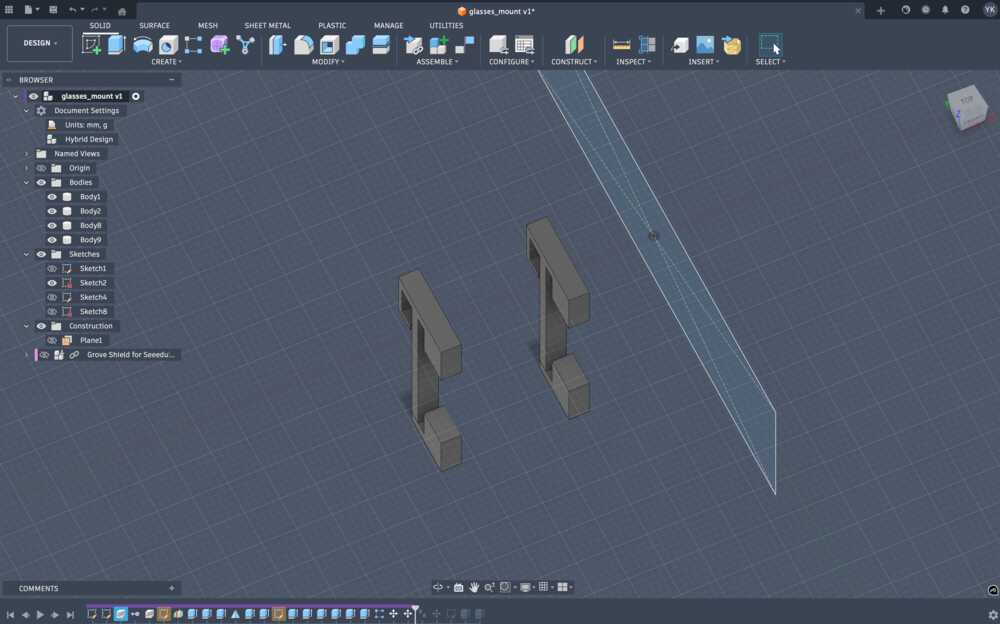
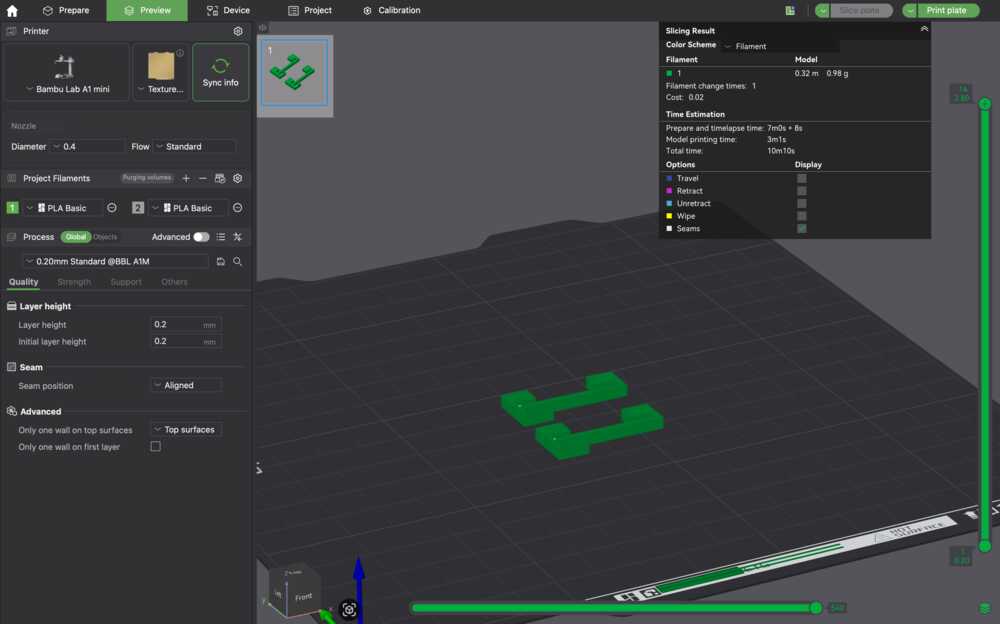
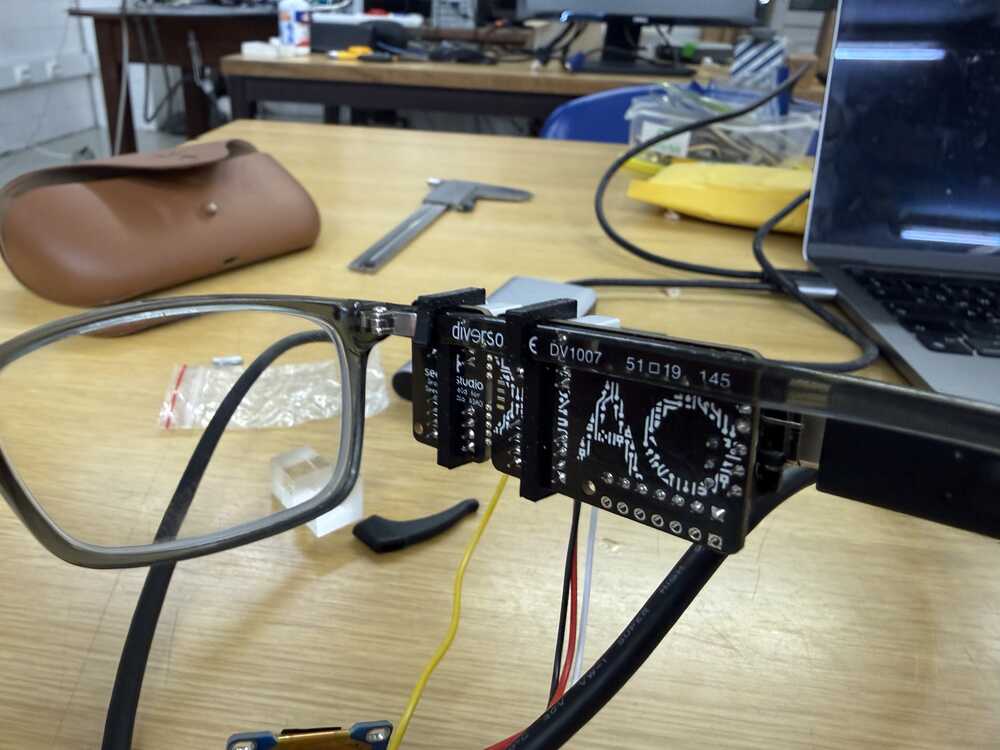
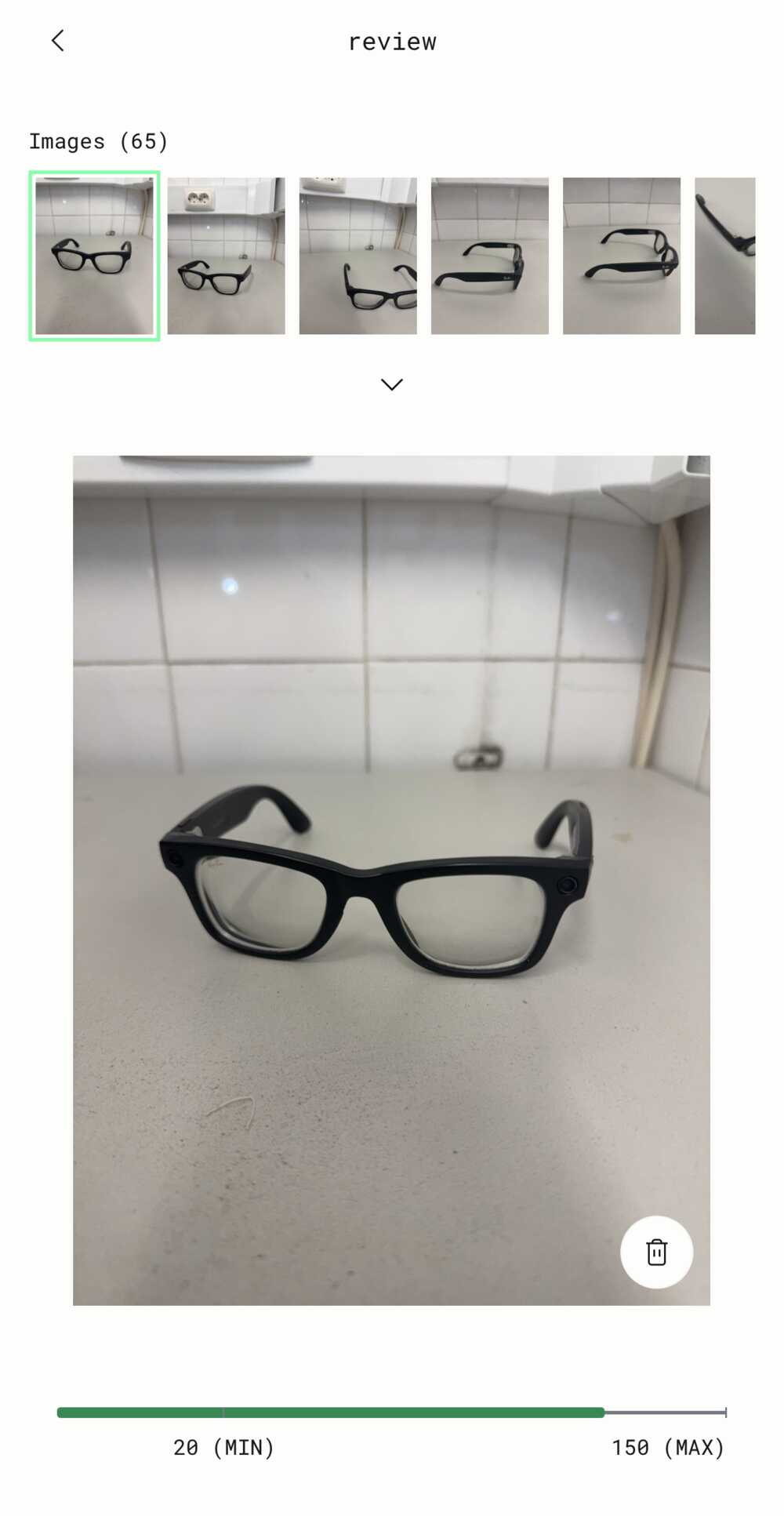
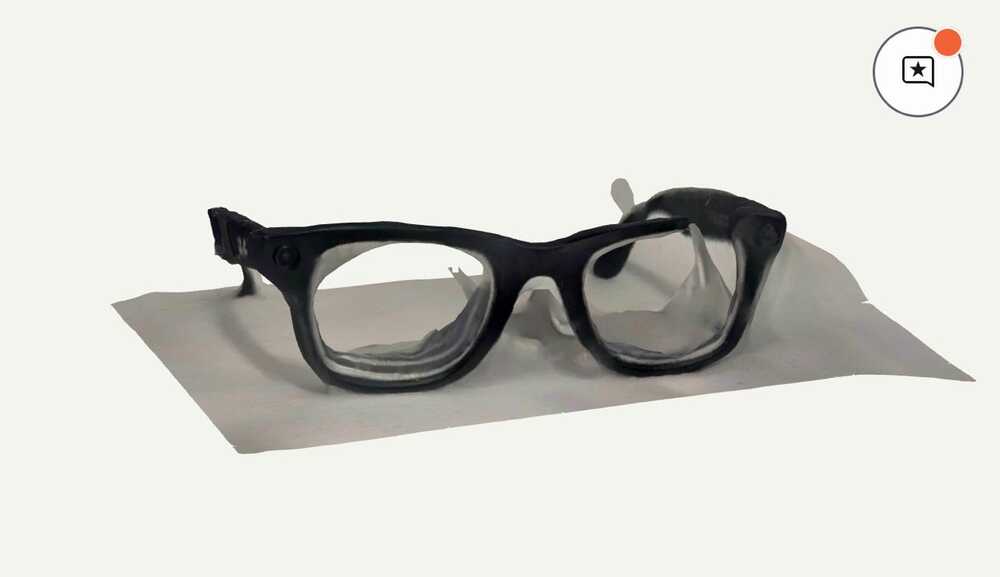
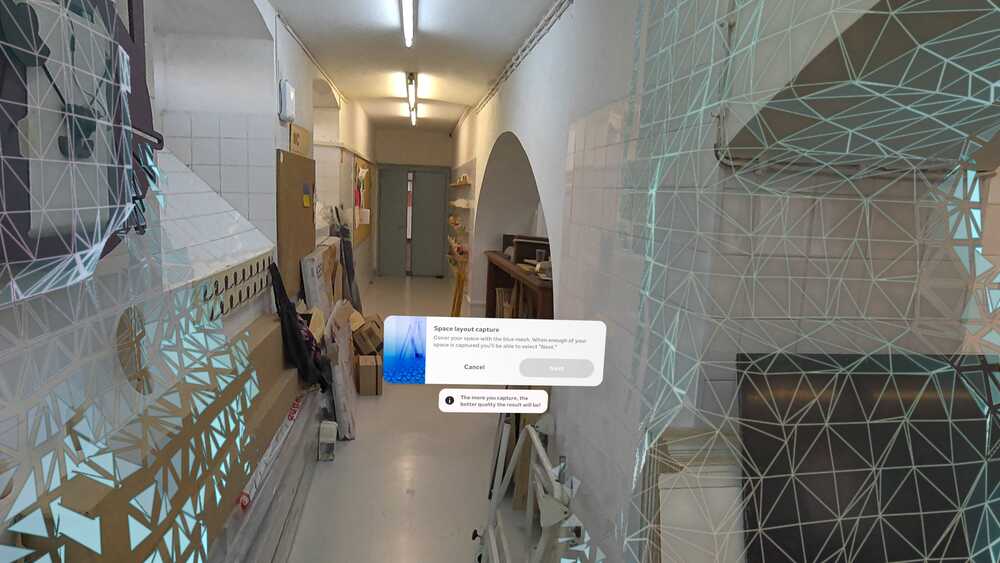
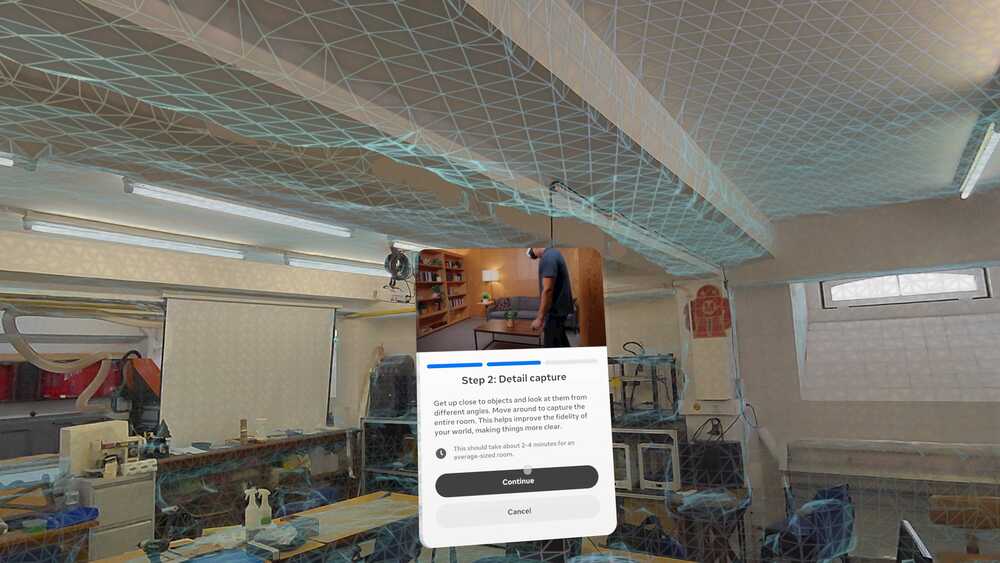
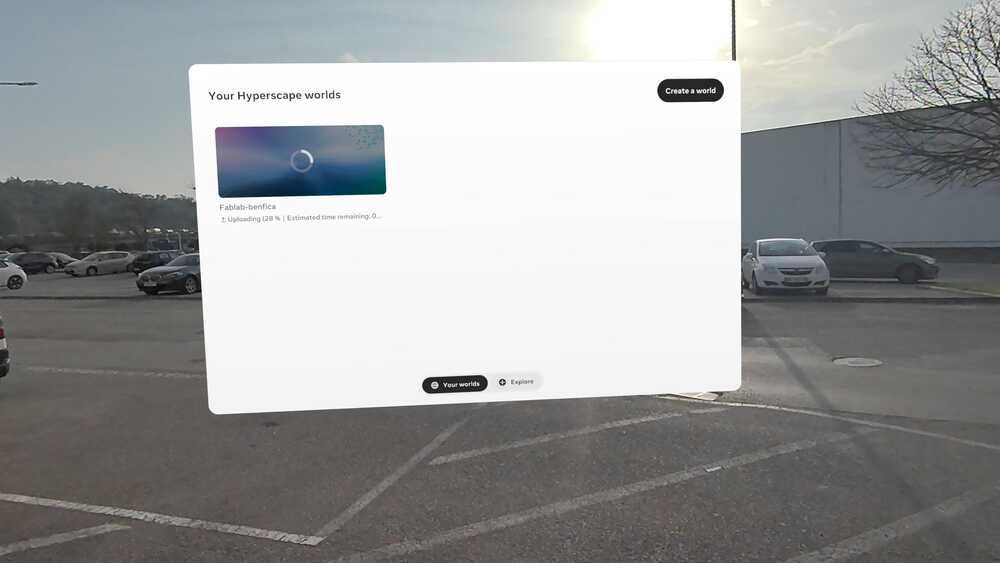
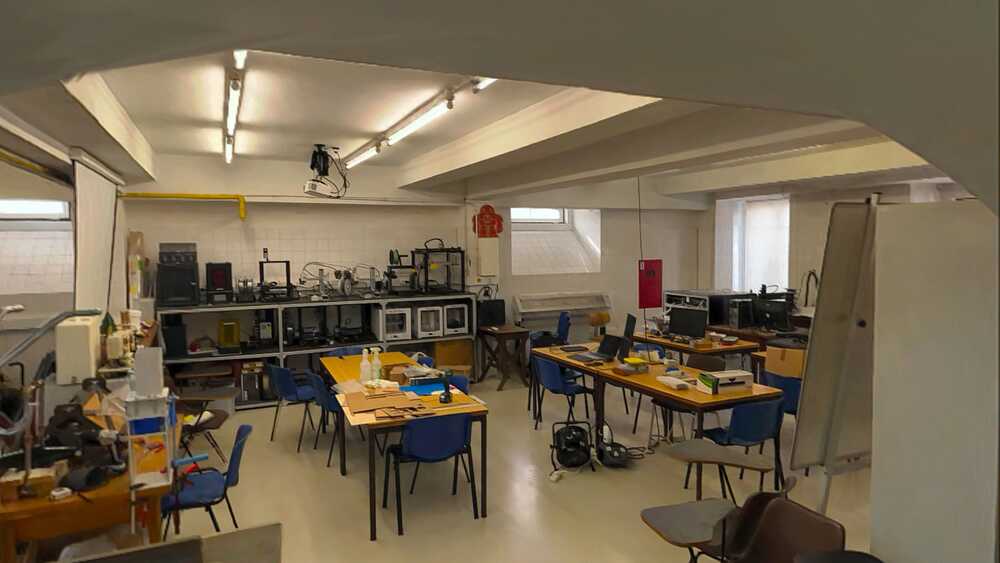
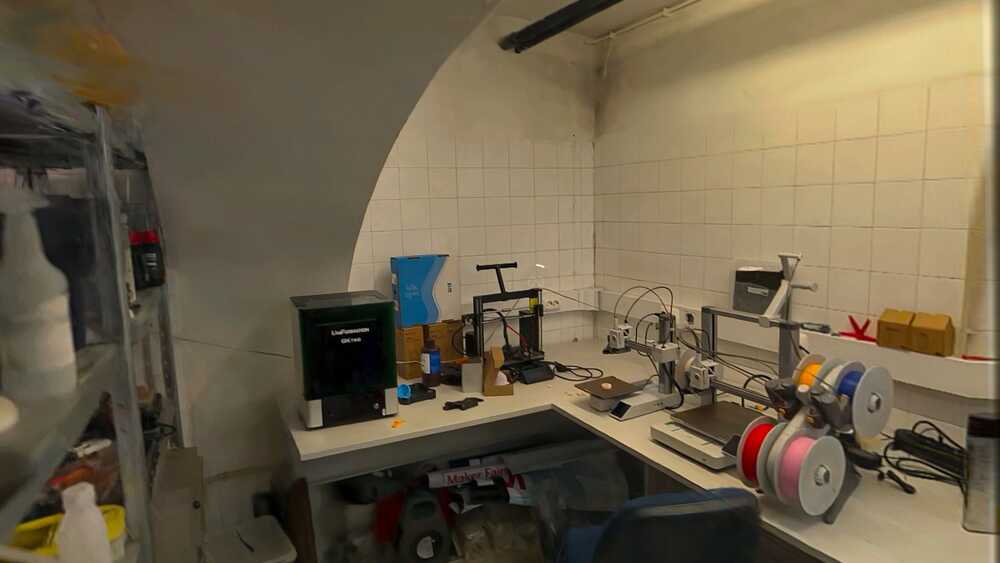
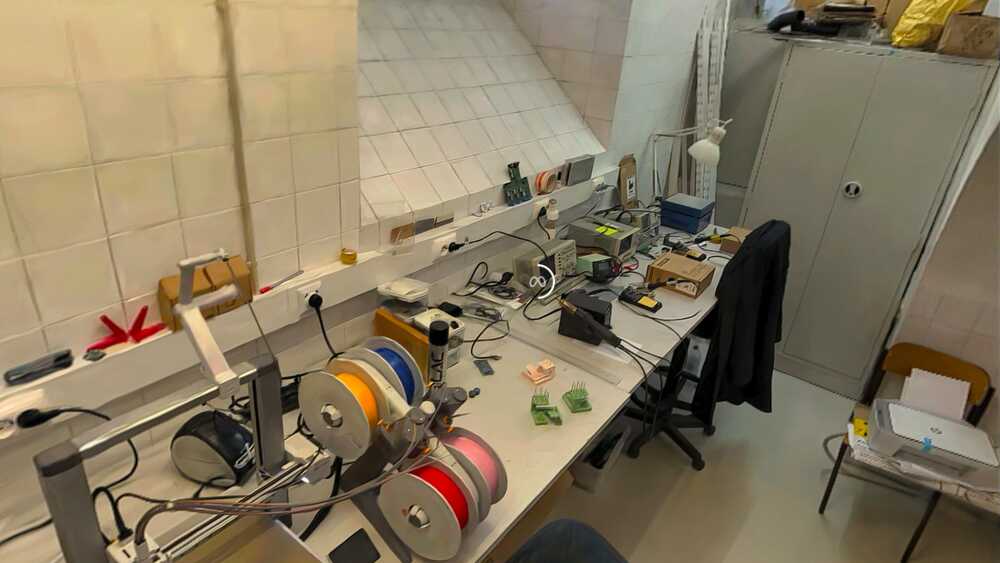
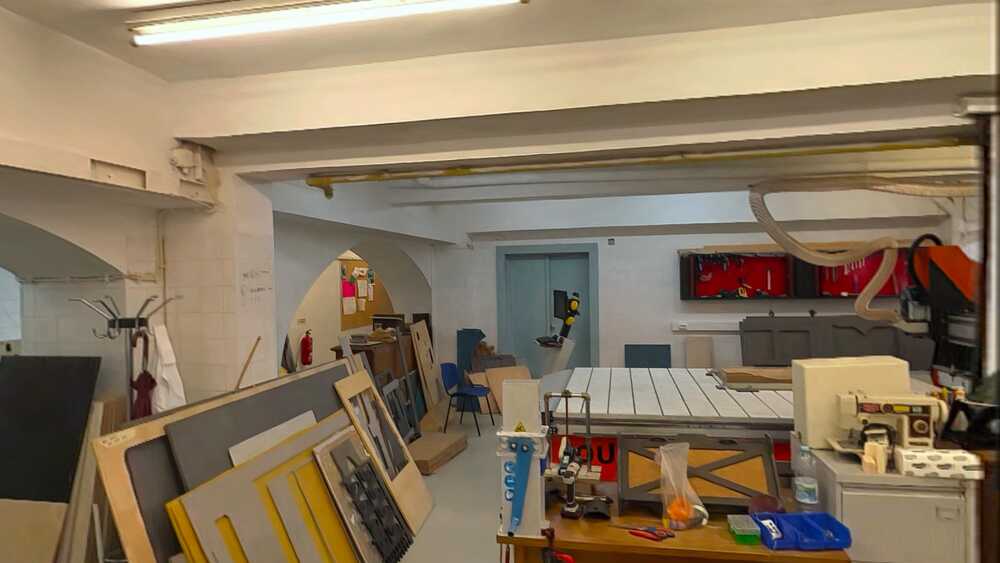
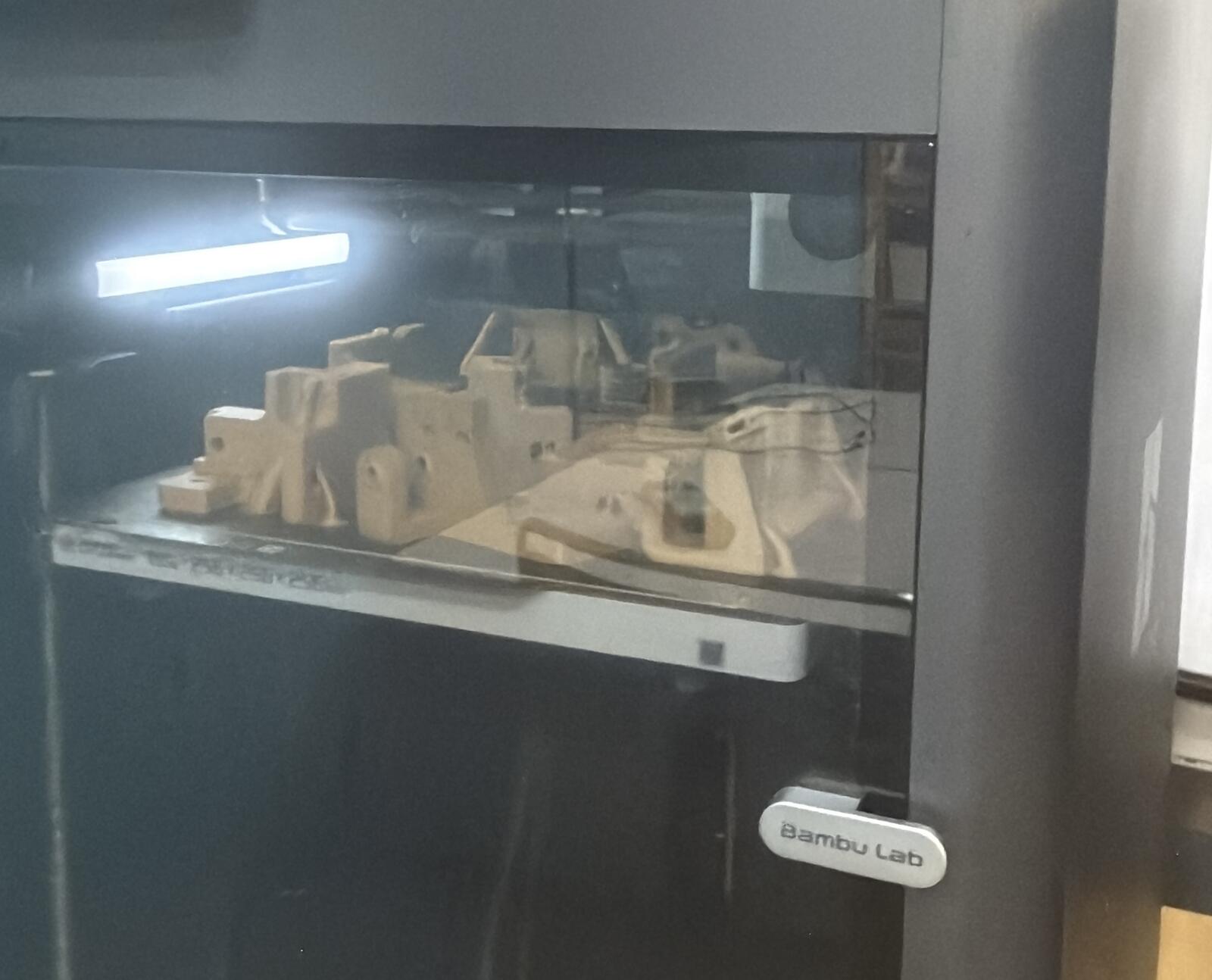
I printed and scanned objects while pushing toward the final project: a Mobius lattice test, glasses hangers for the XIAO Grove Shield, and a Hyperscape scan of the lab.
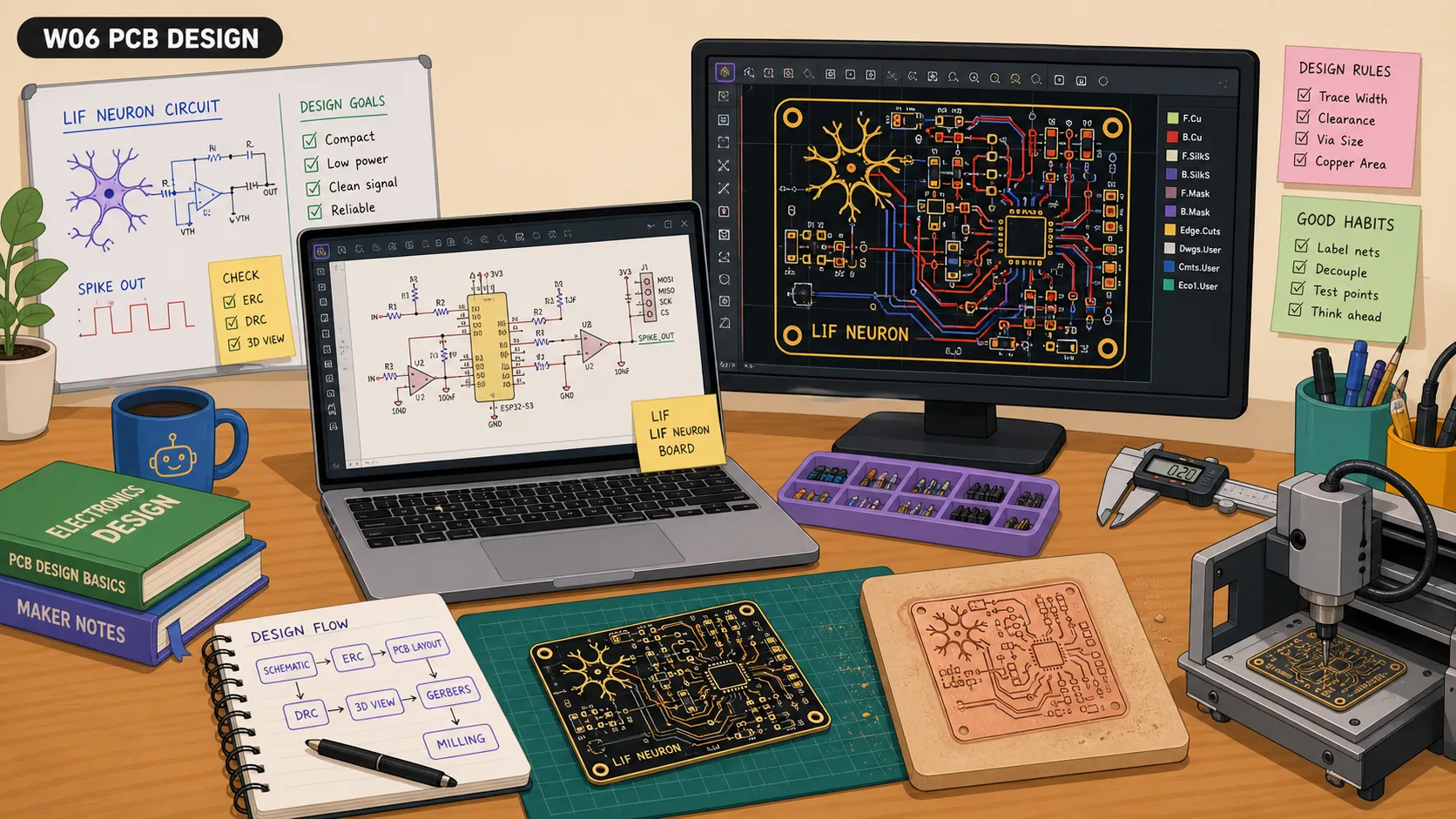
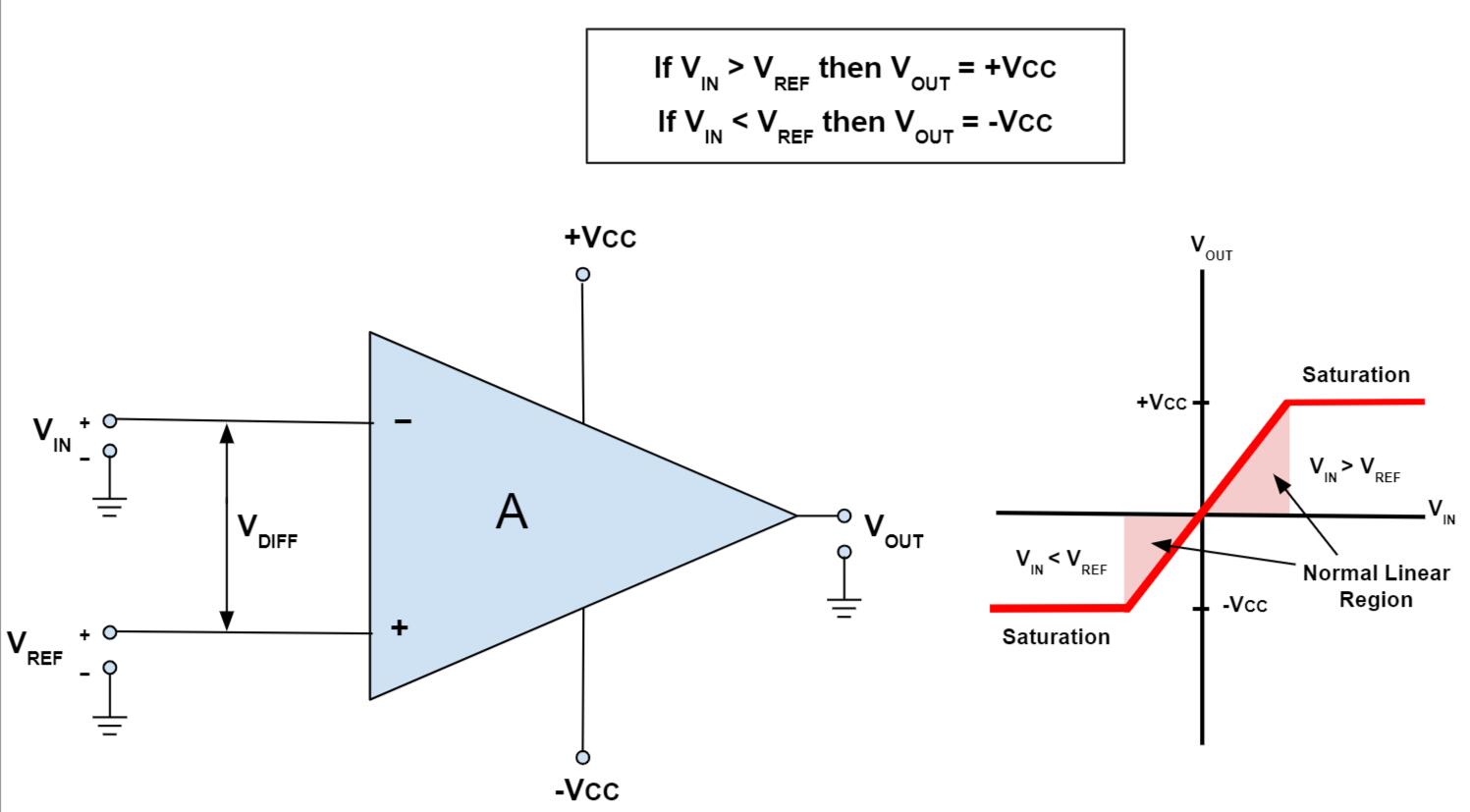
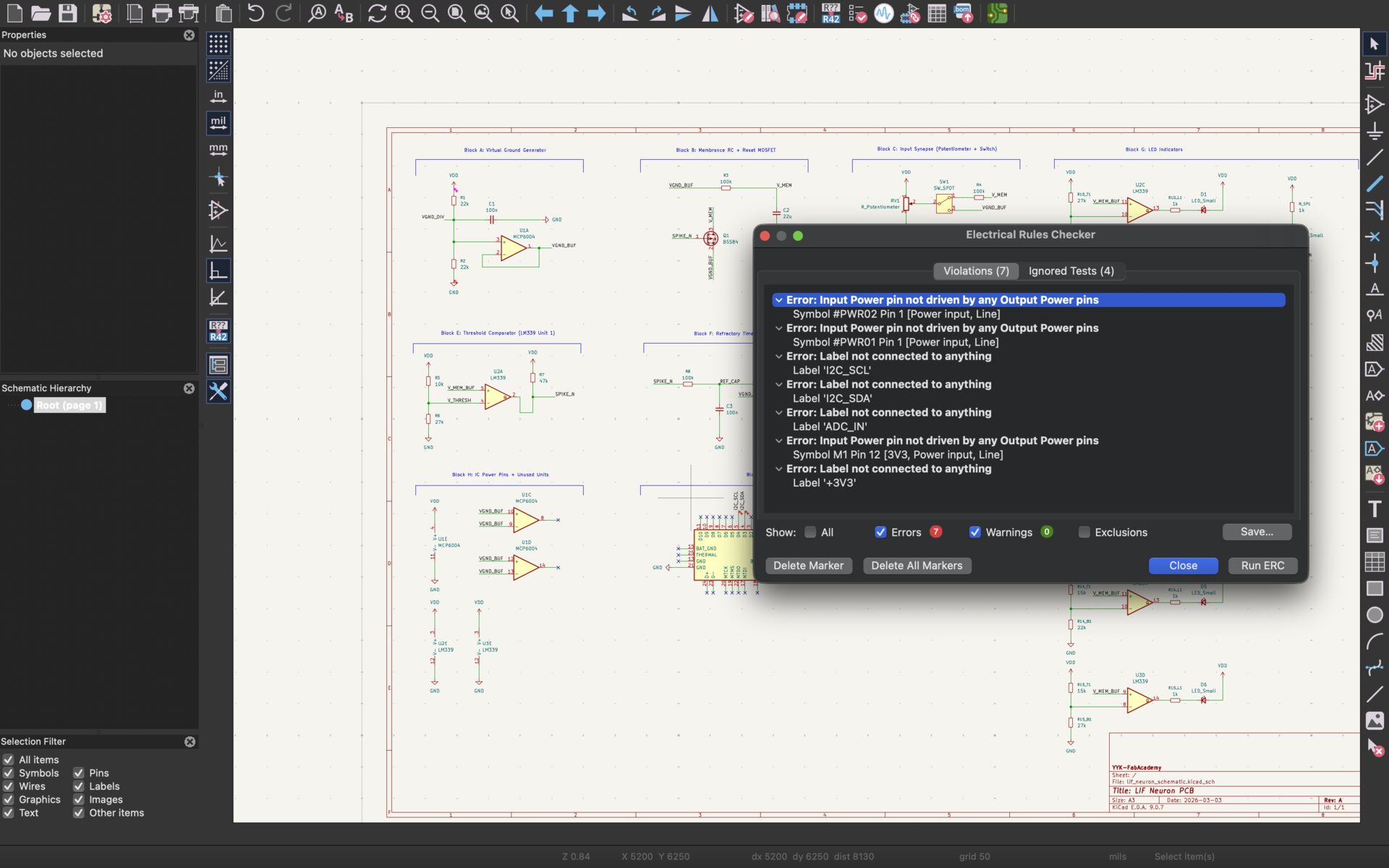
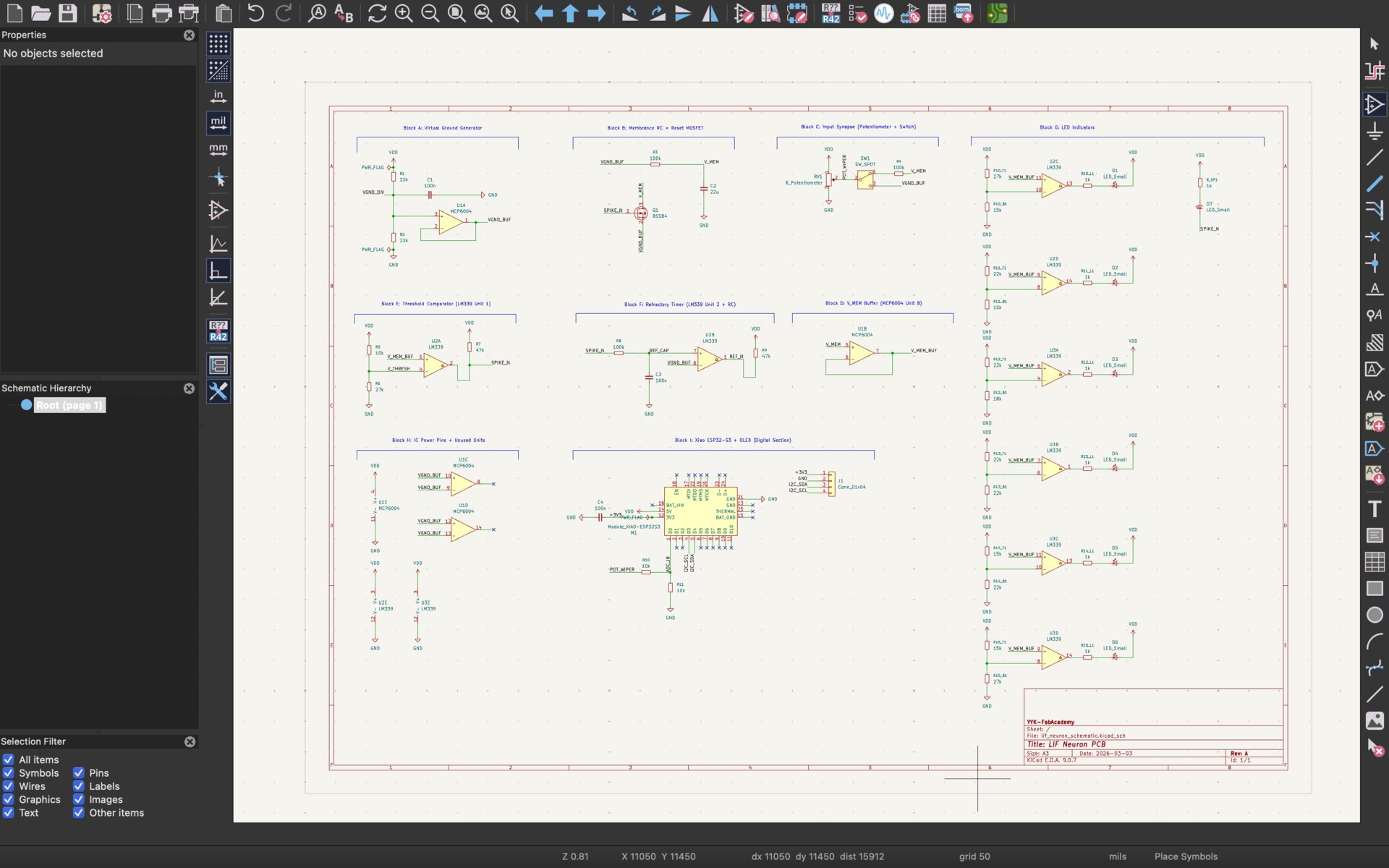
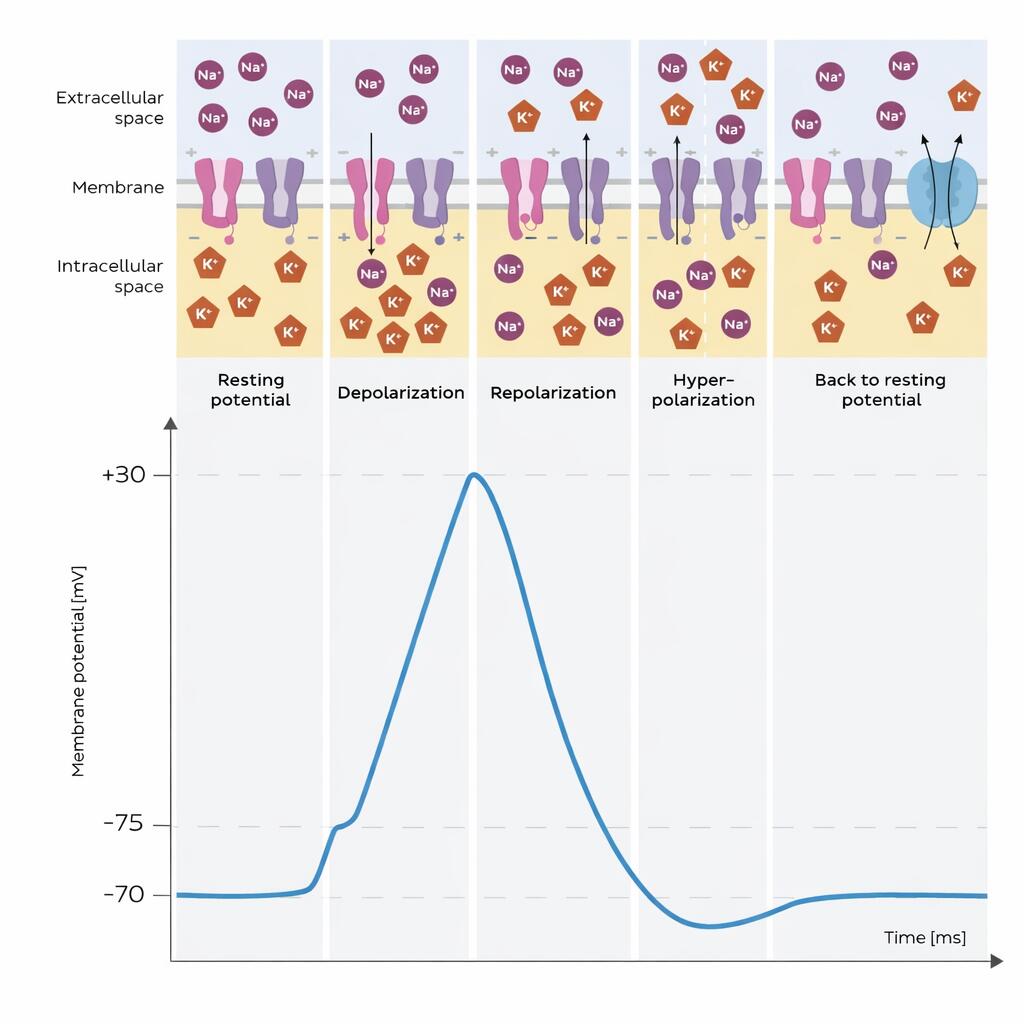
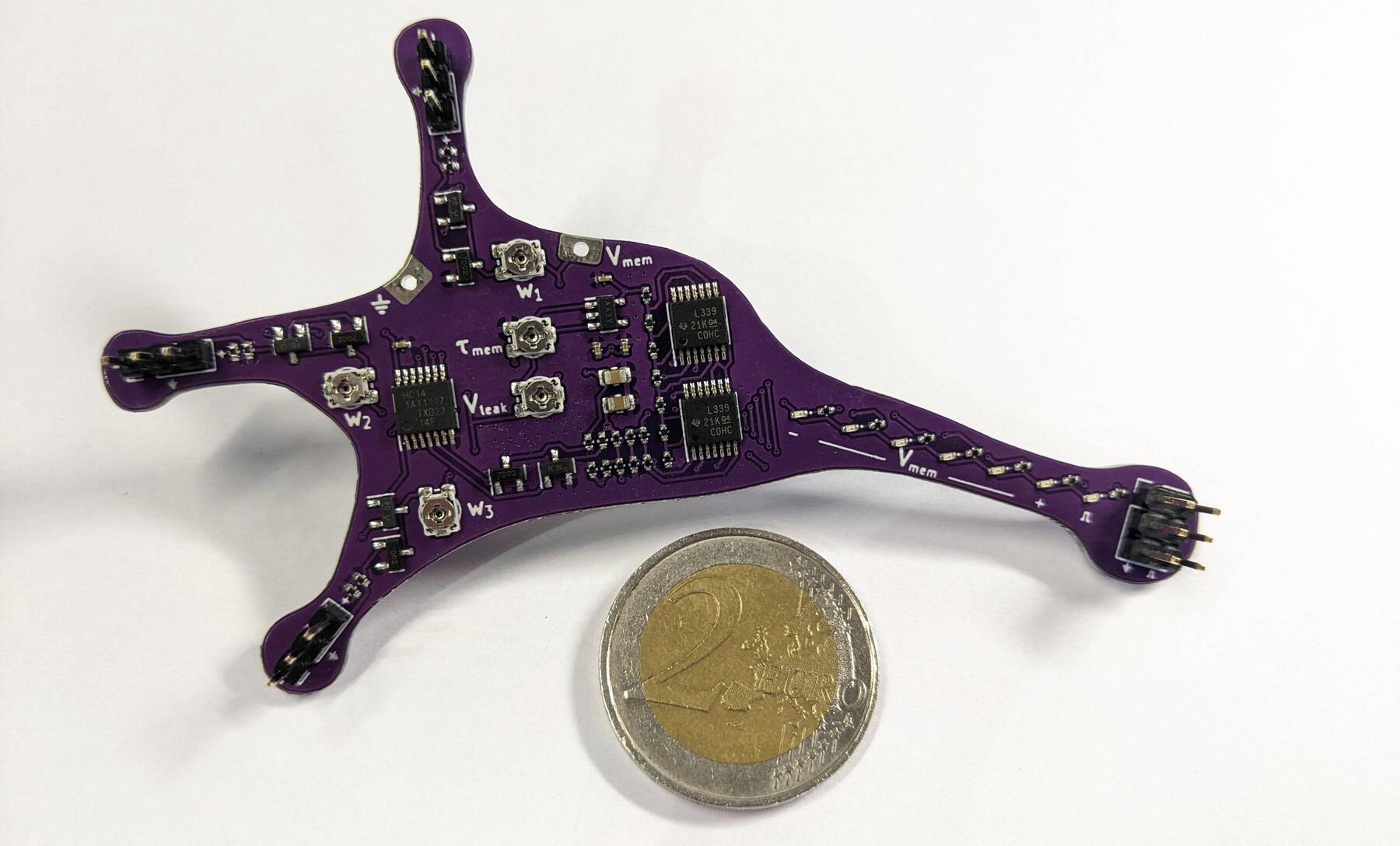
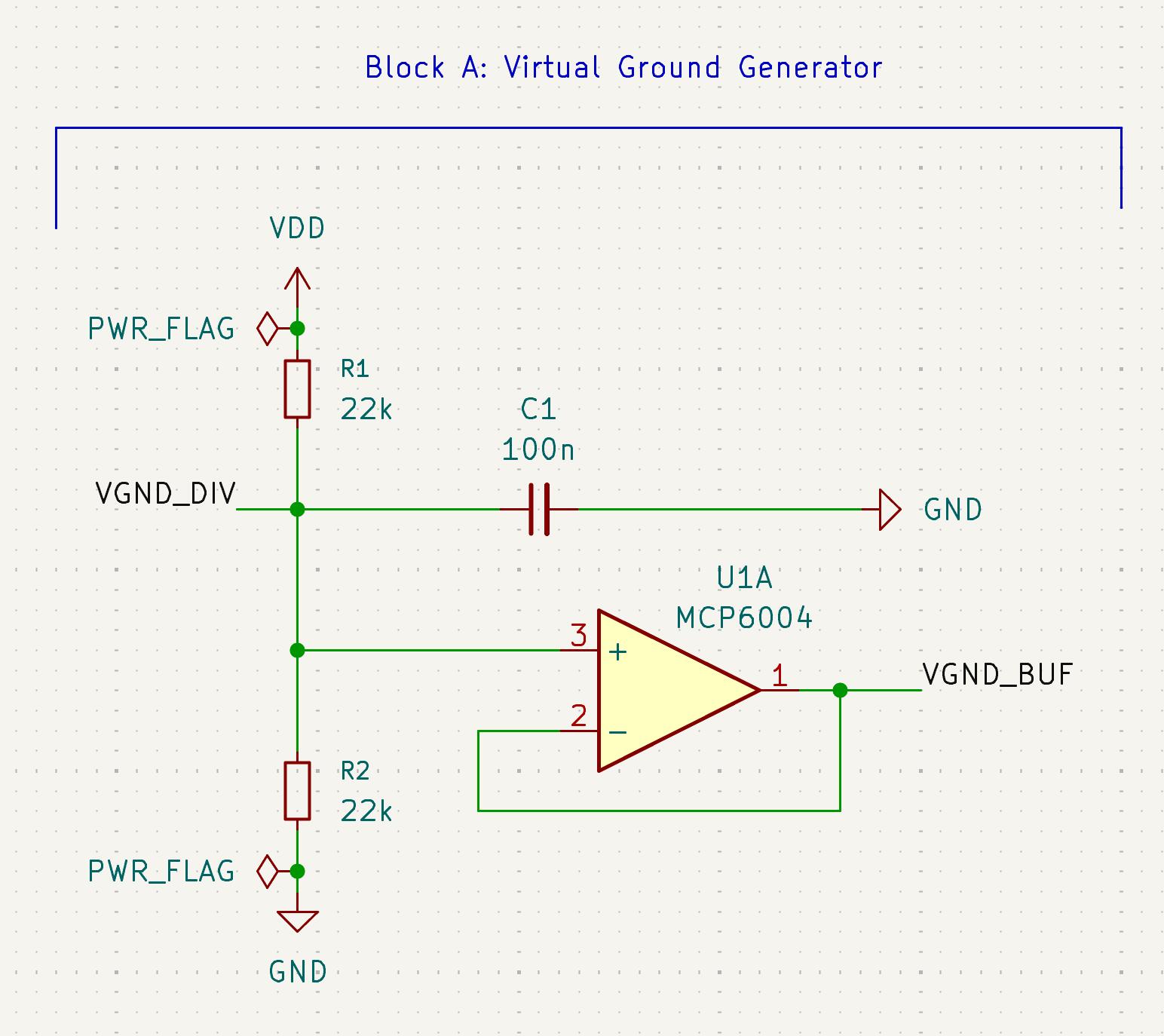
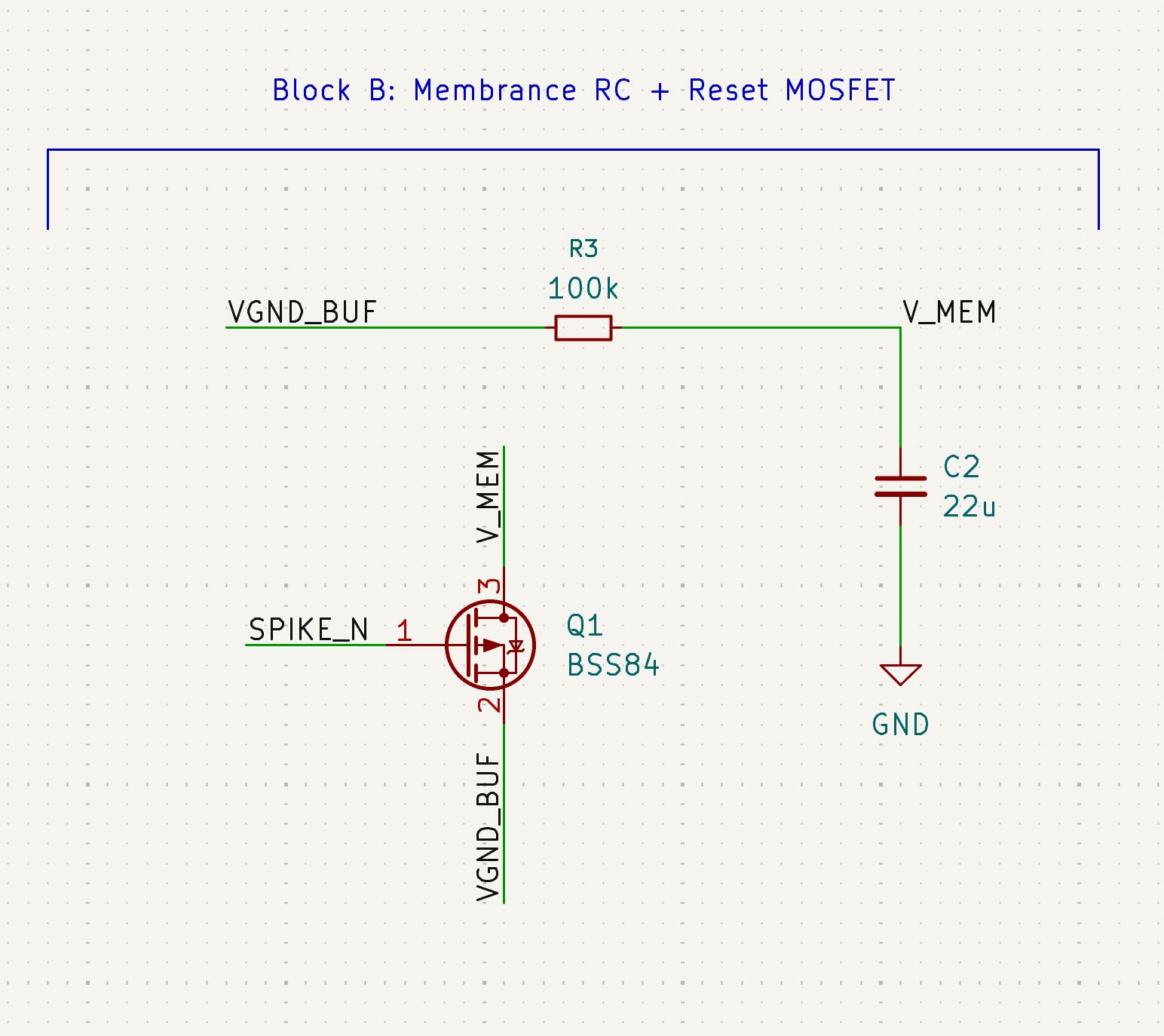
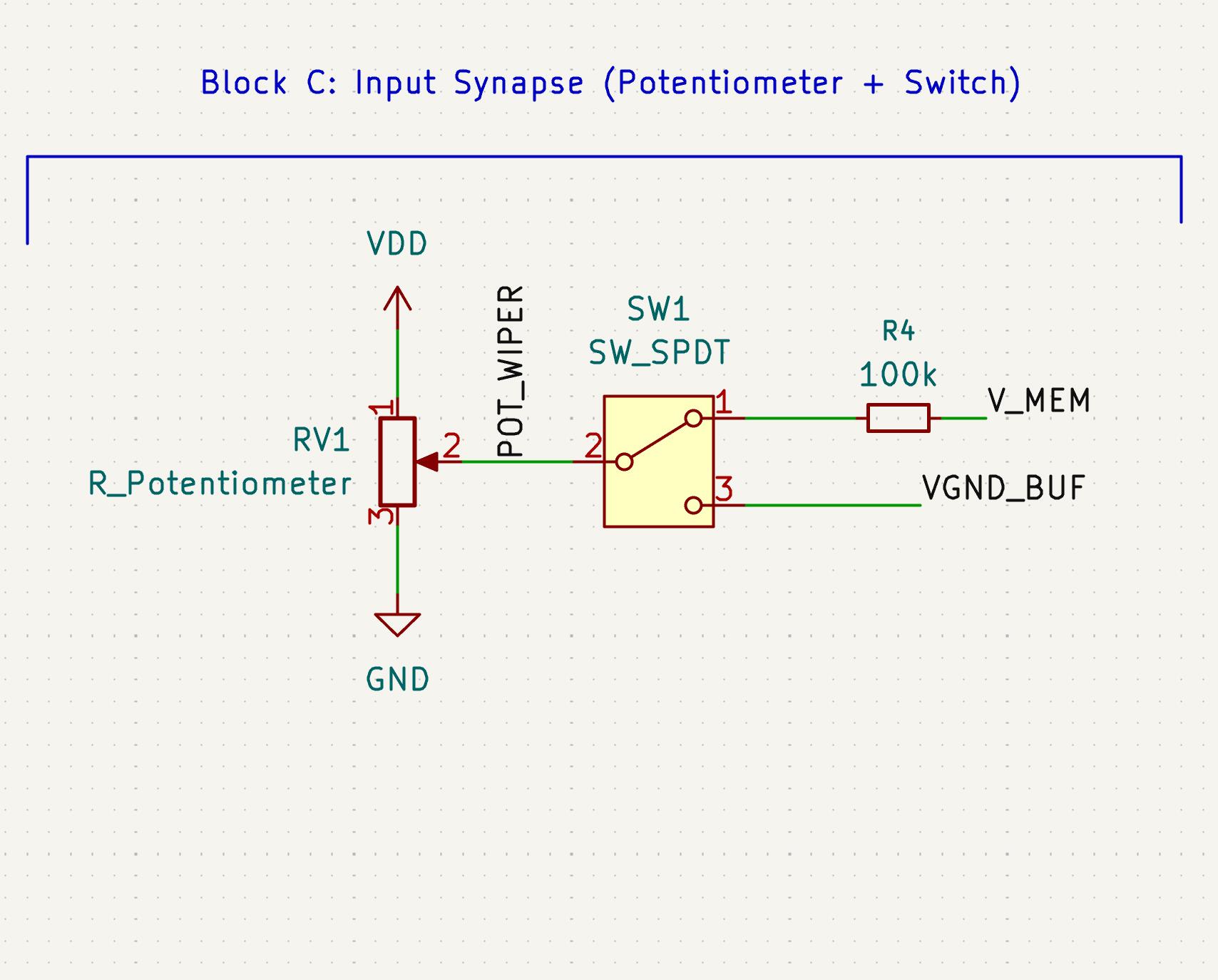
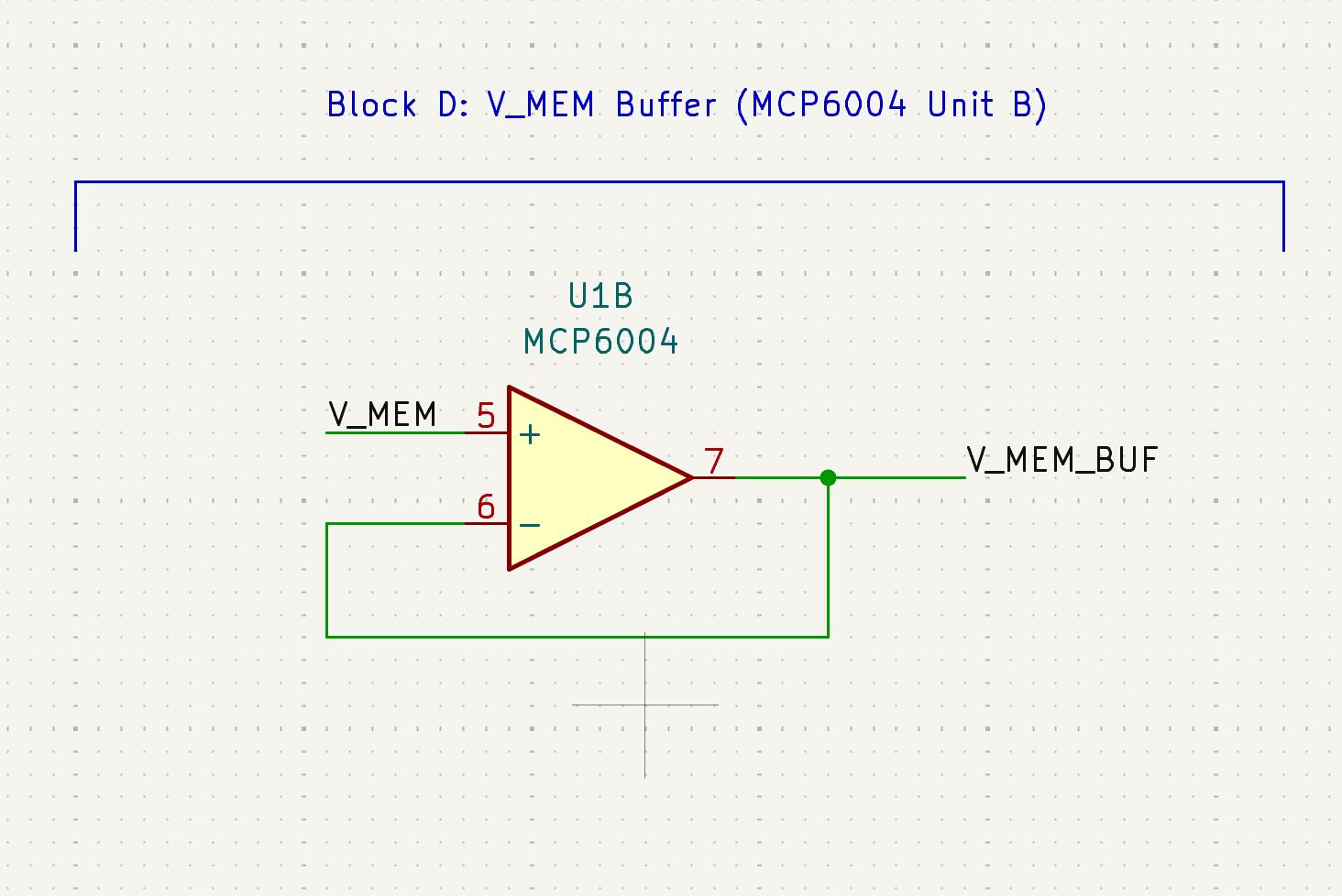
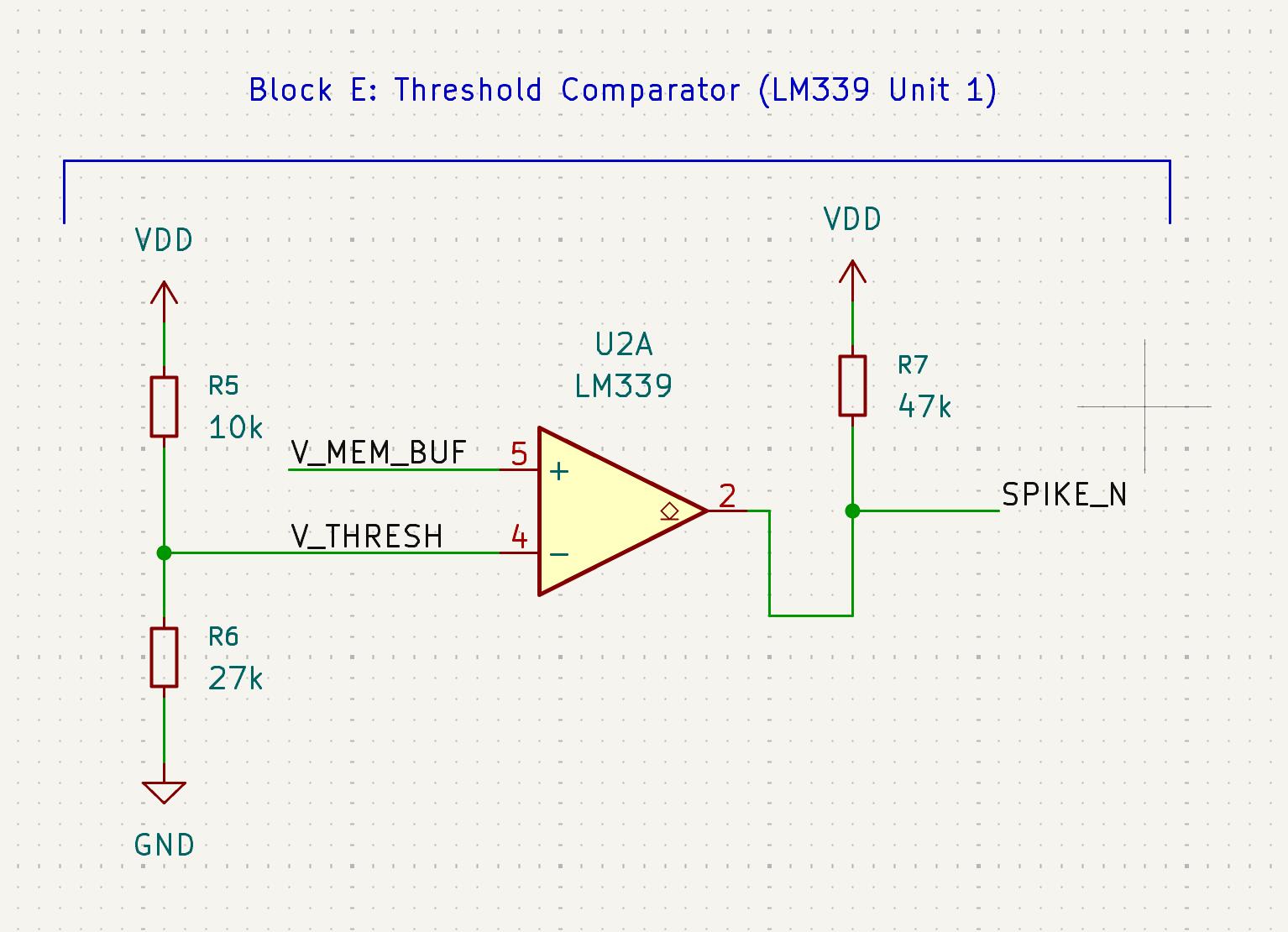
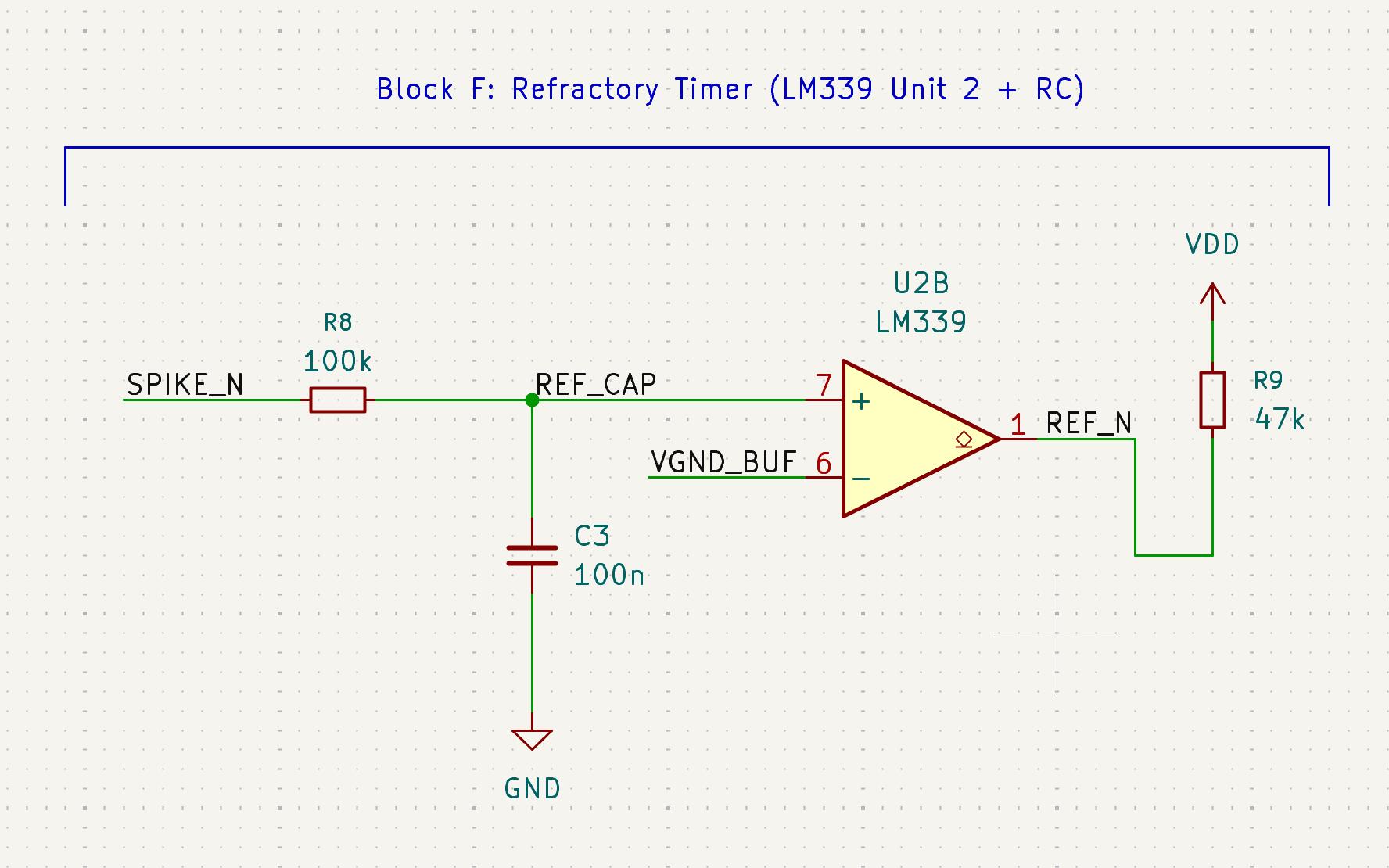
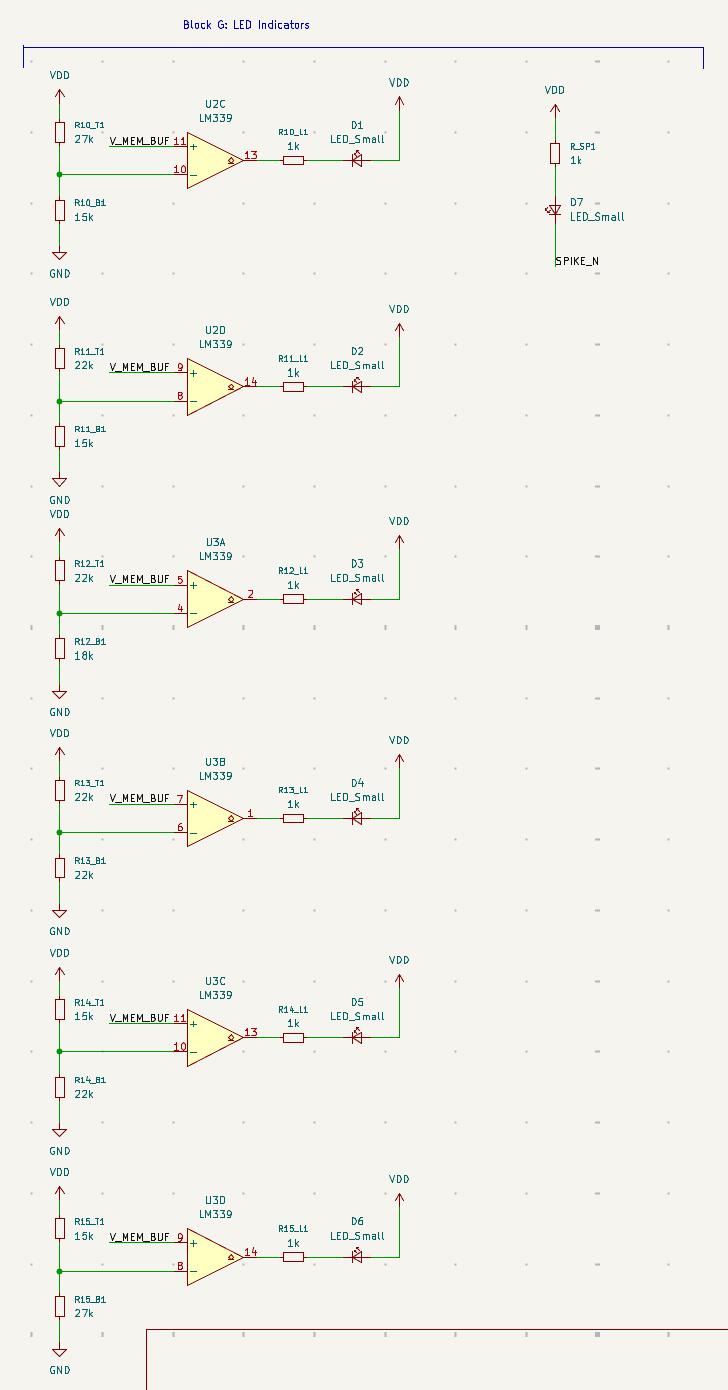
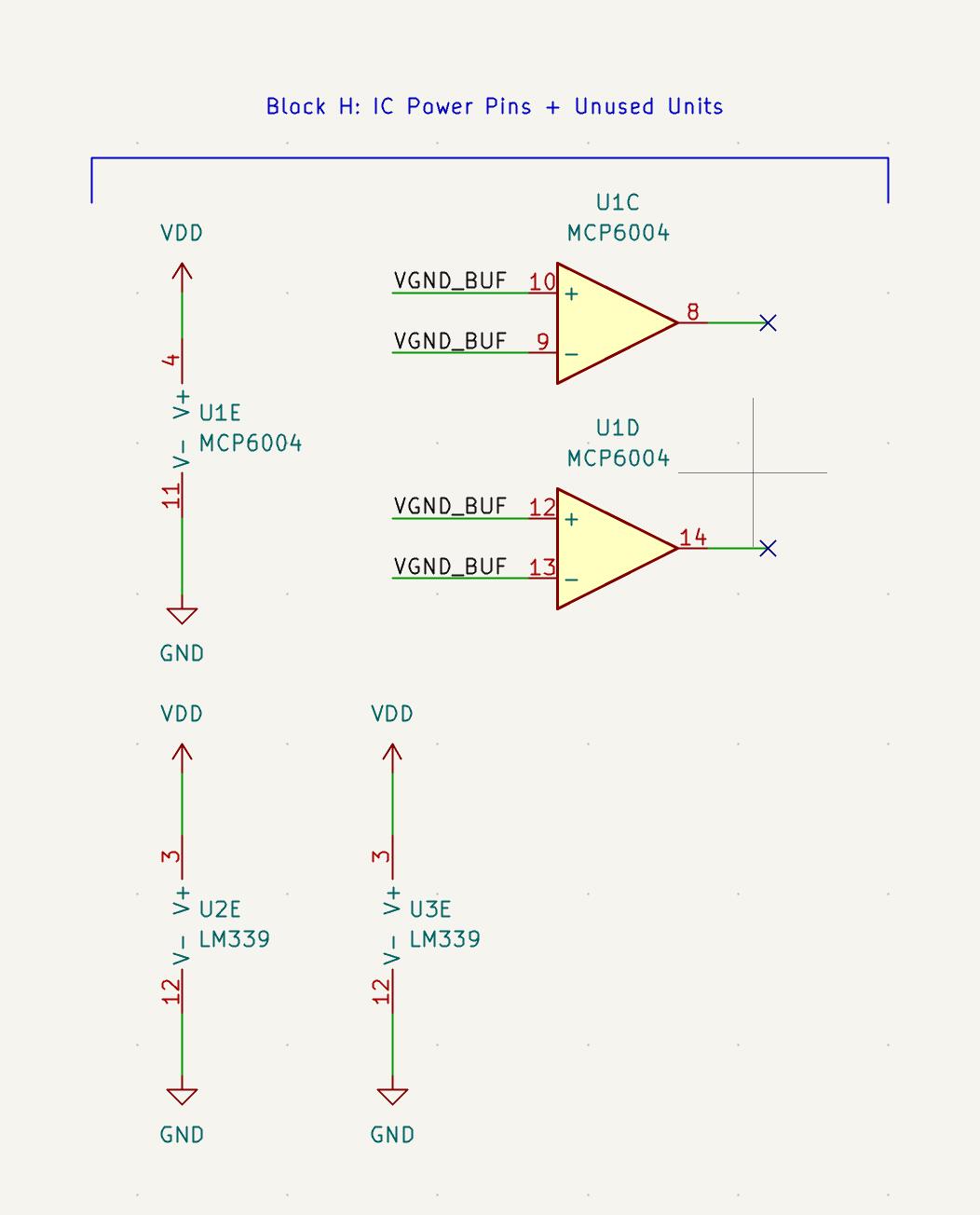
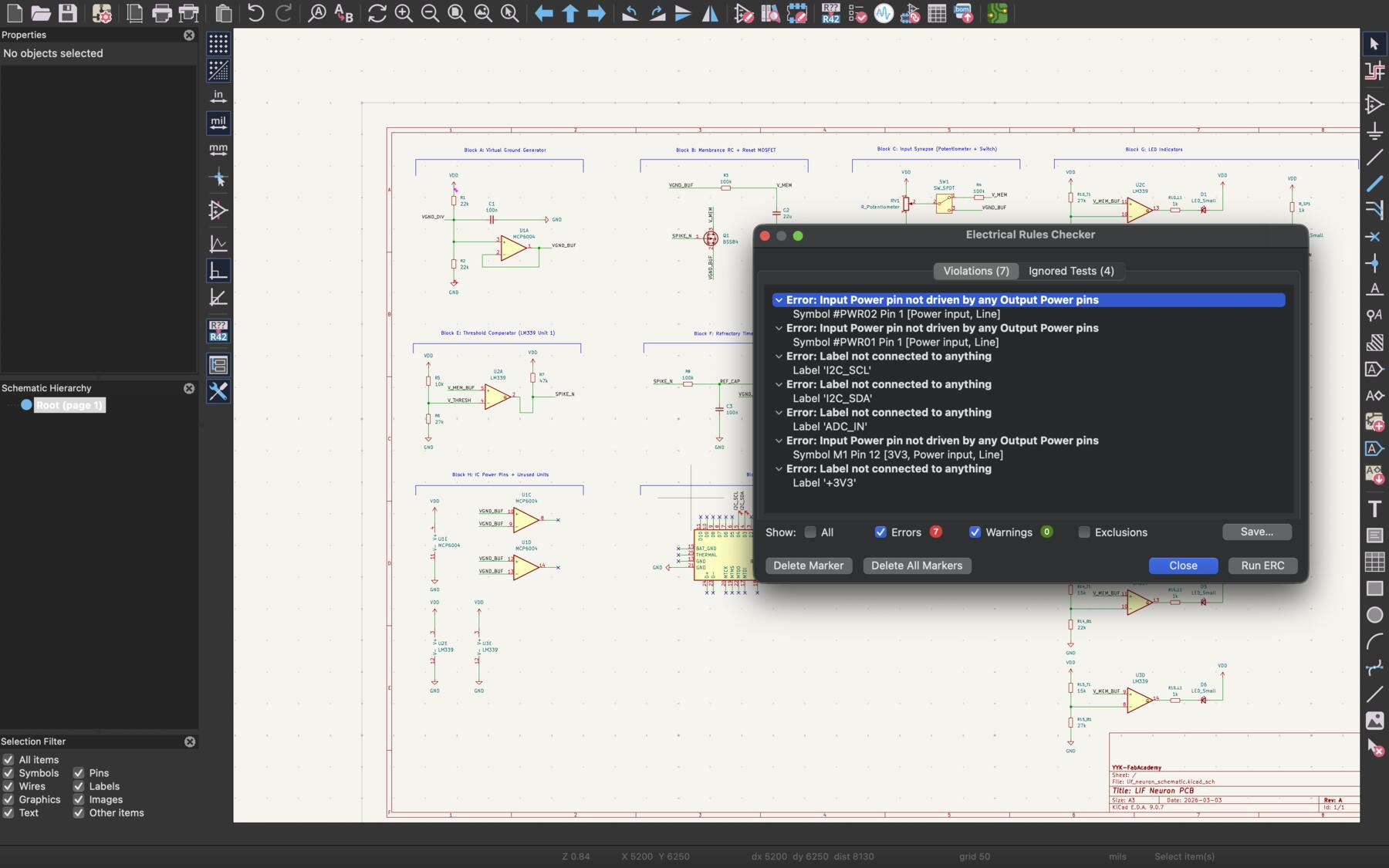
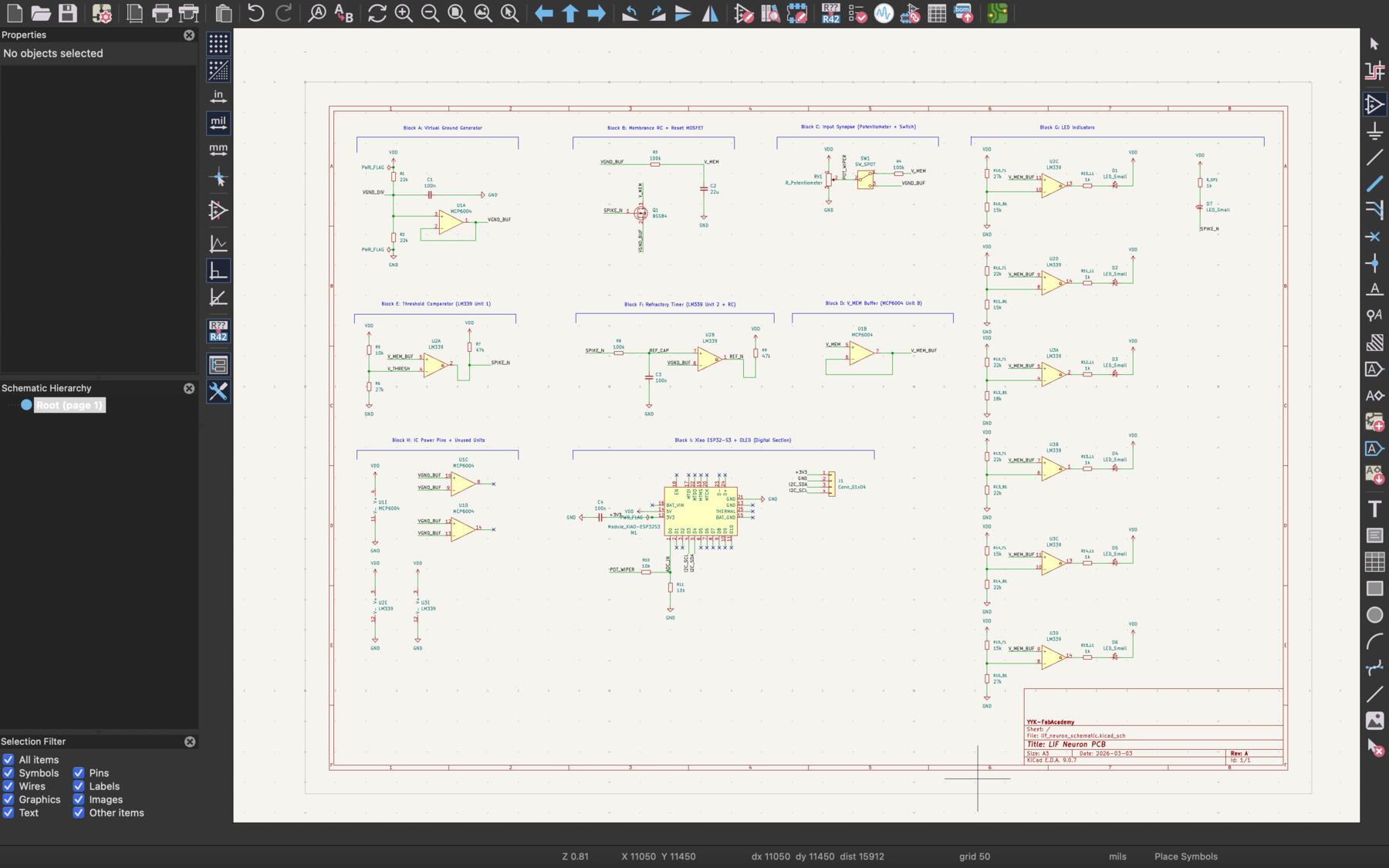
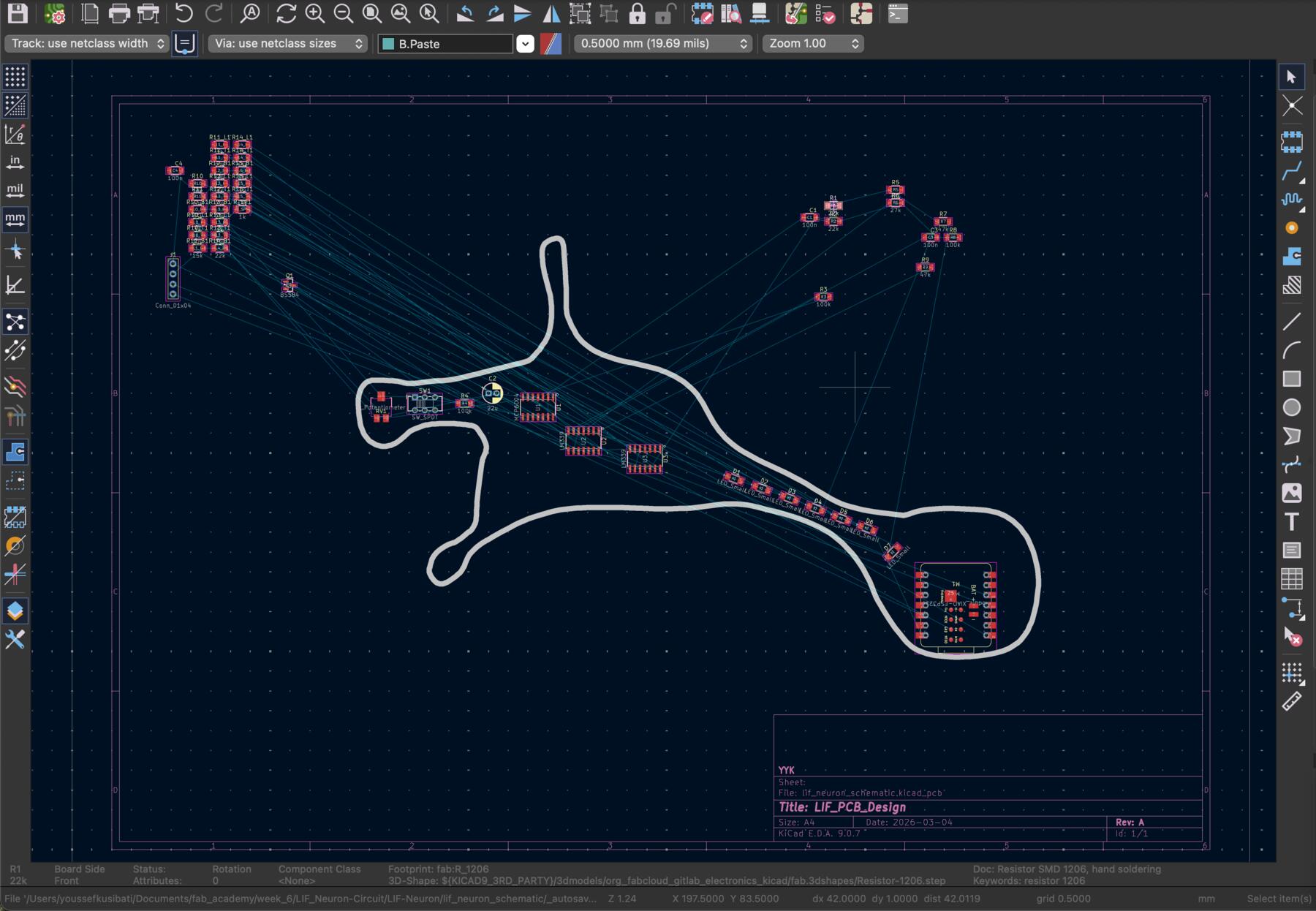
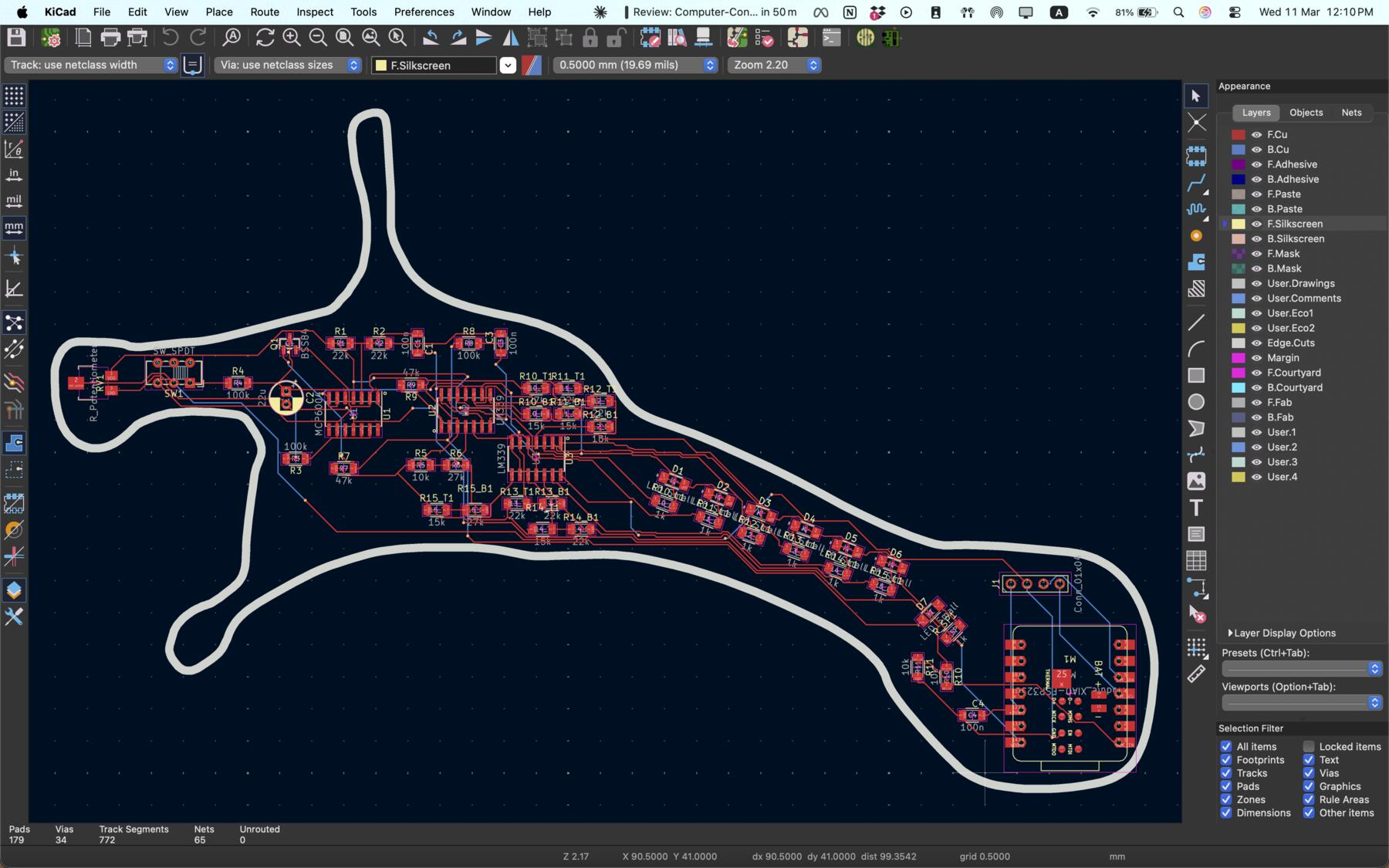
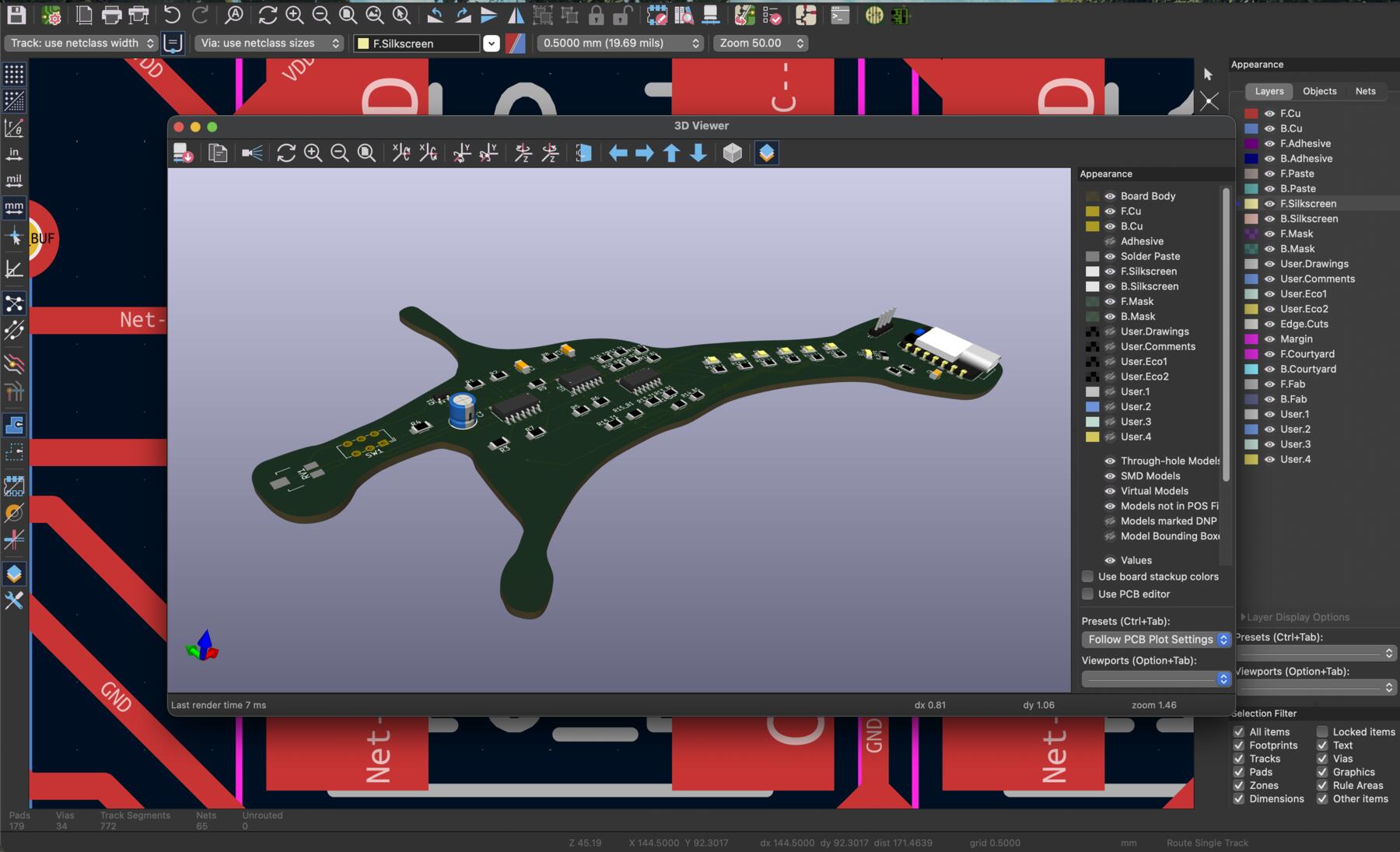
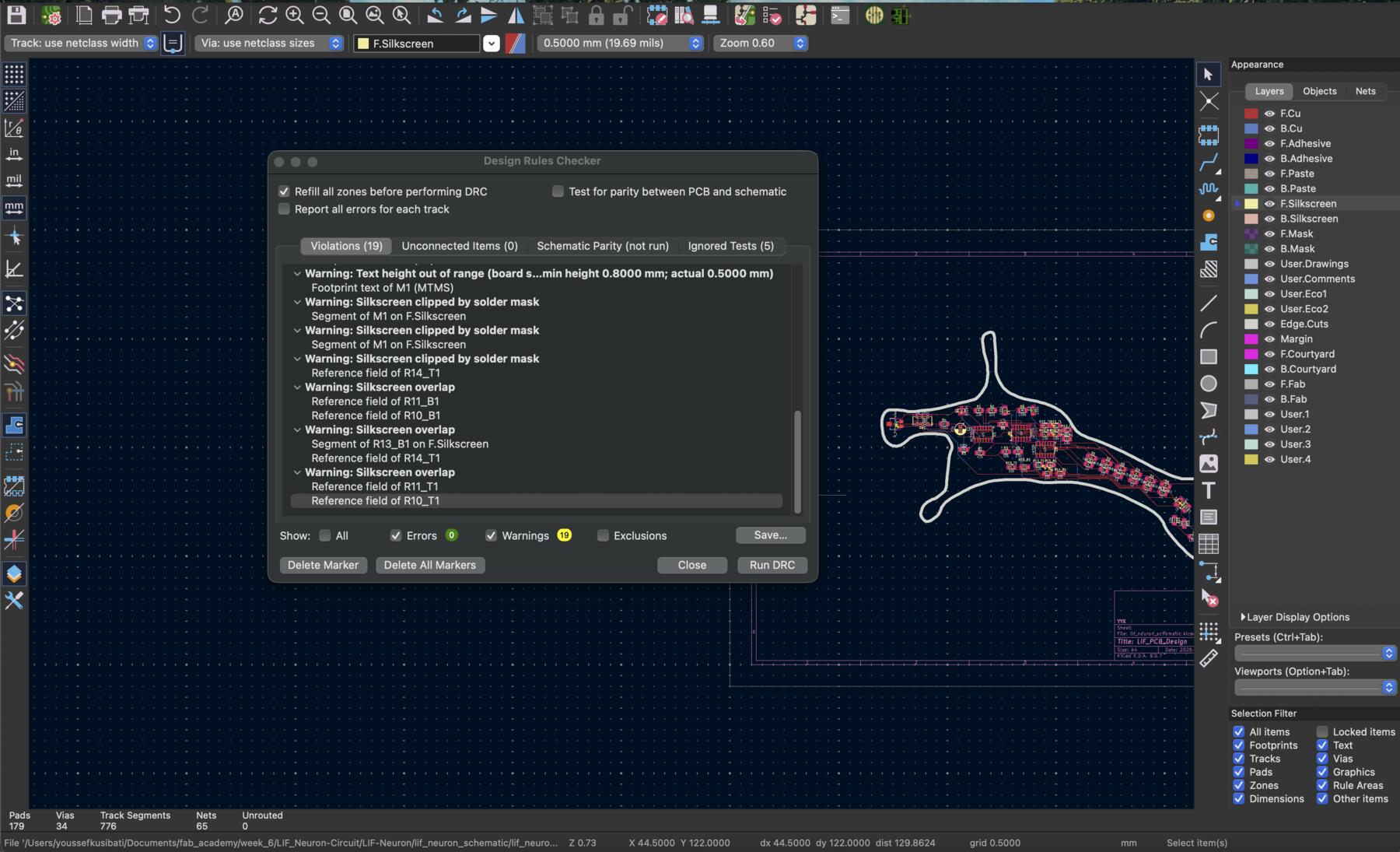
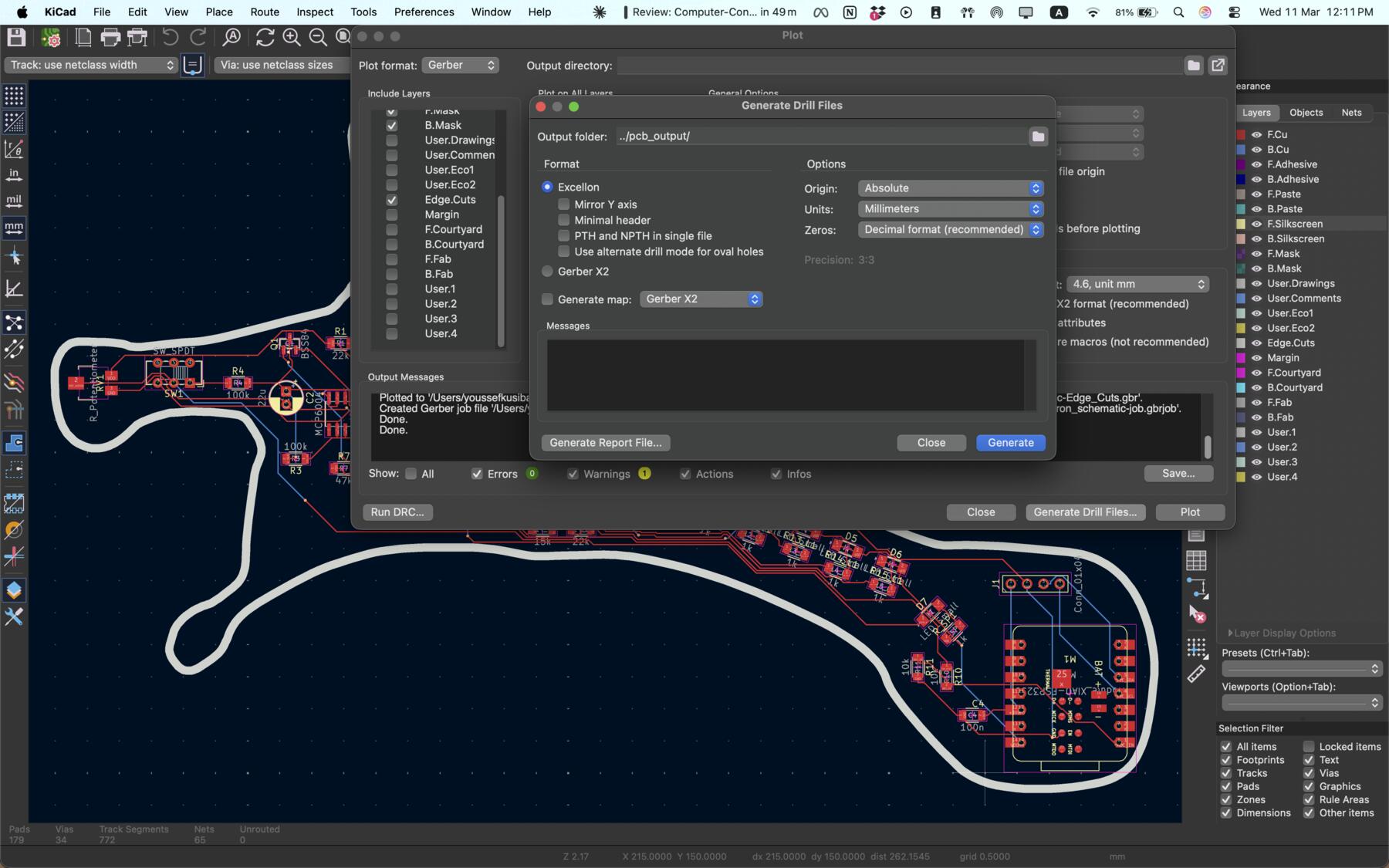
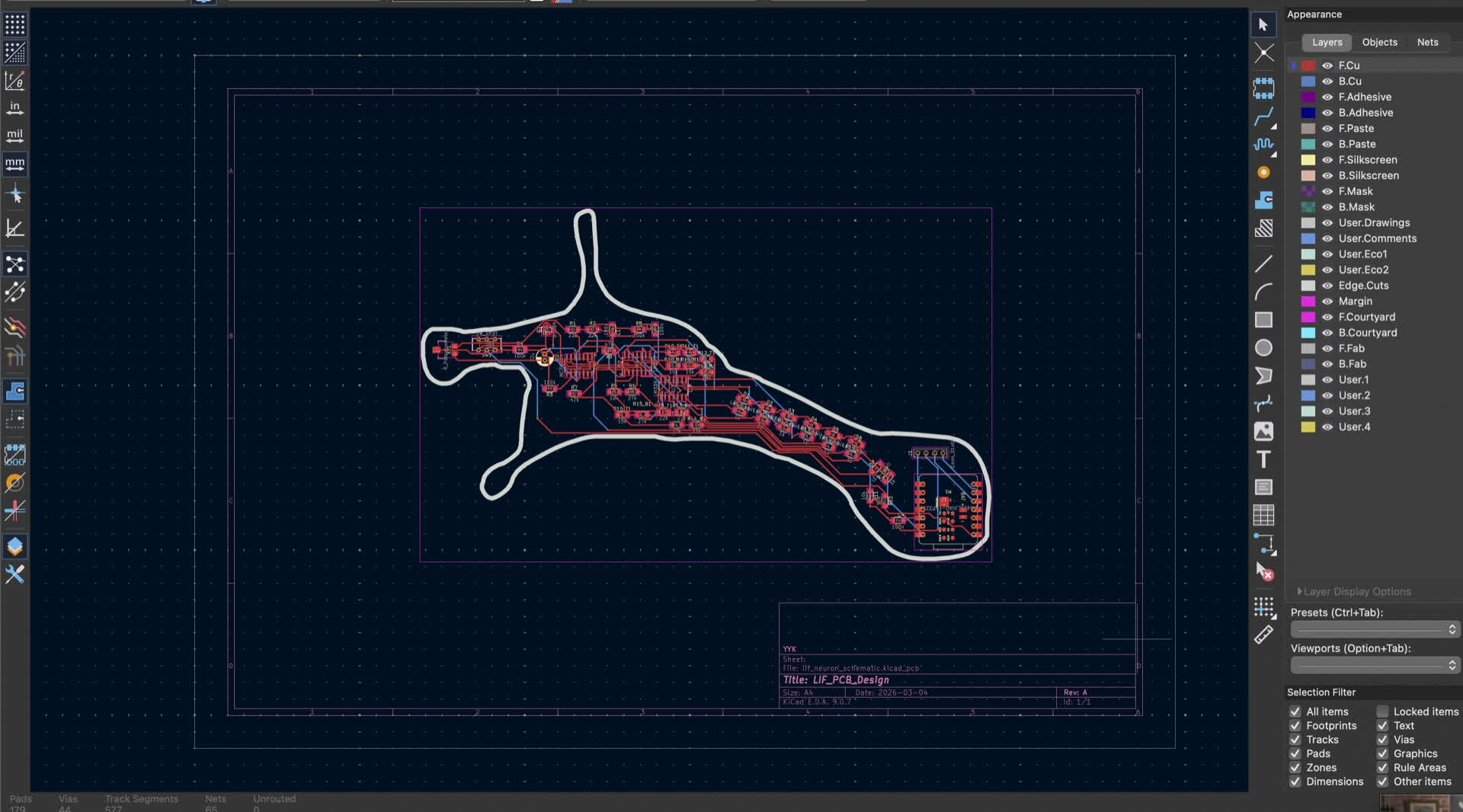
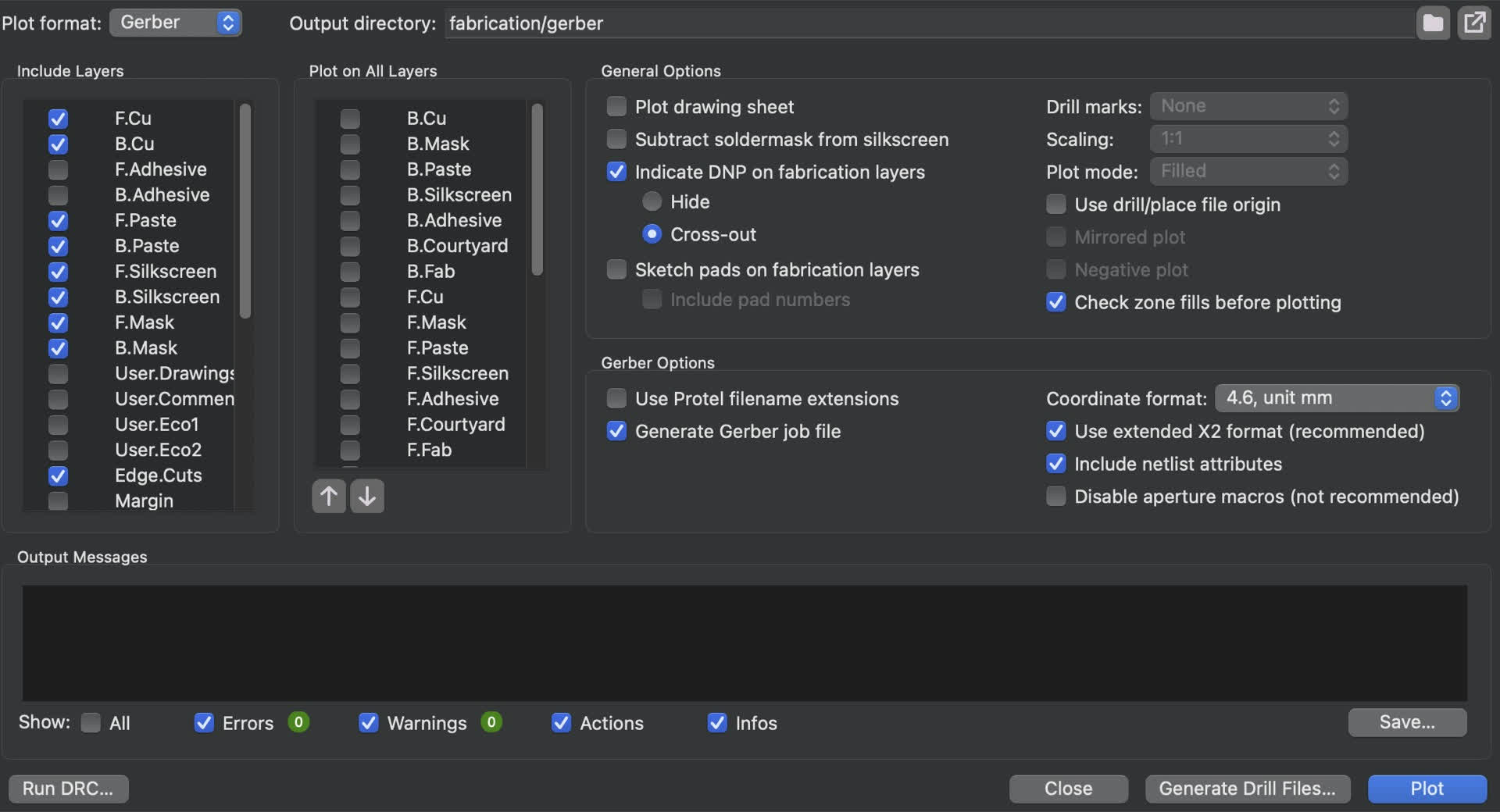
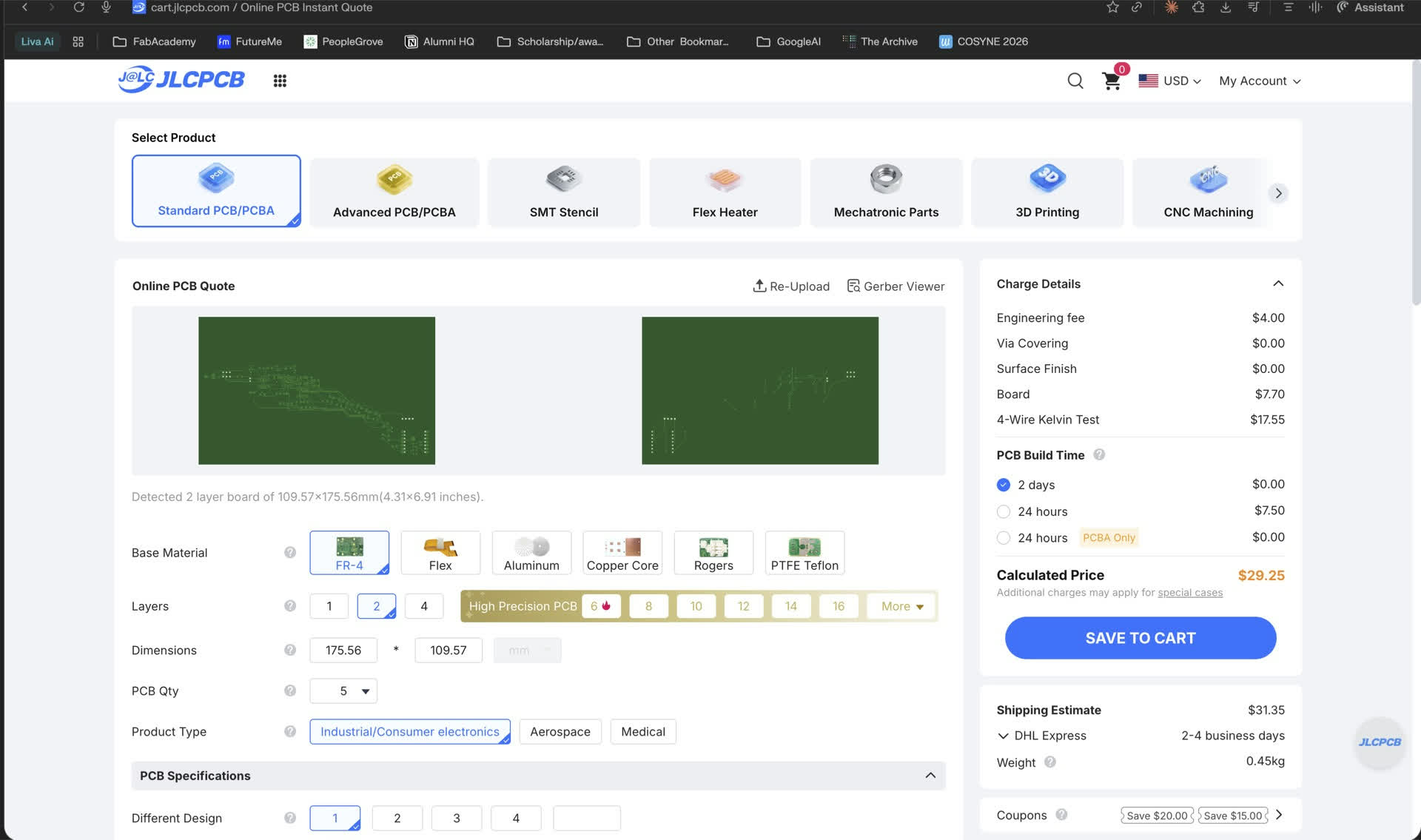
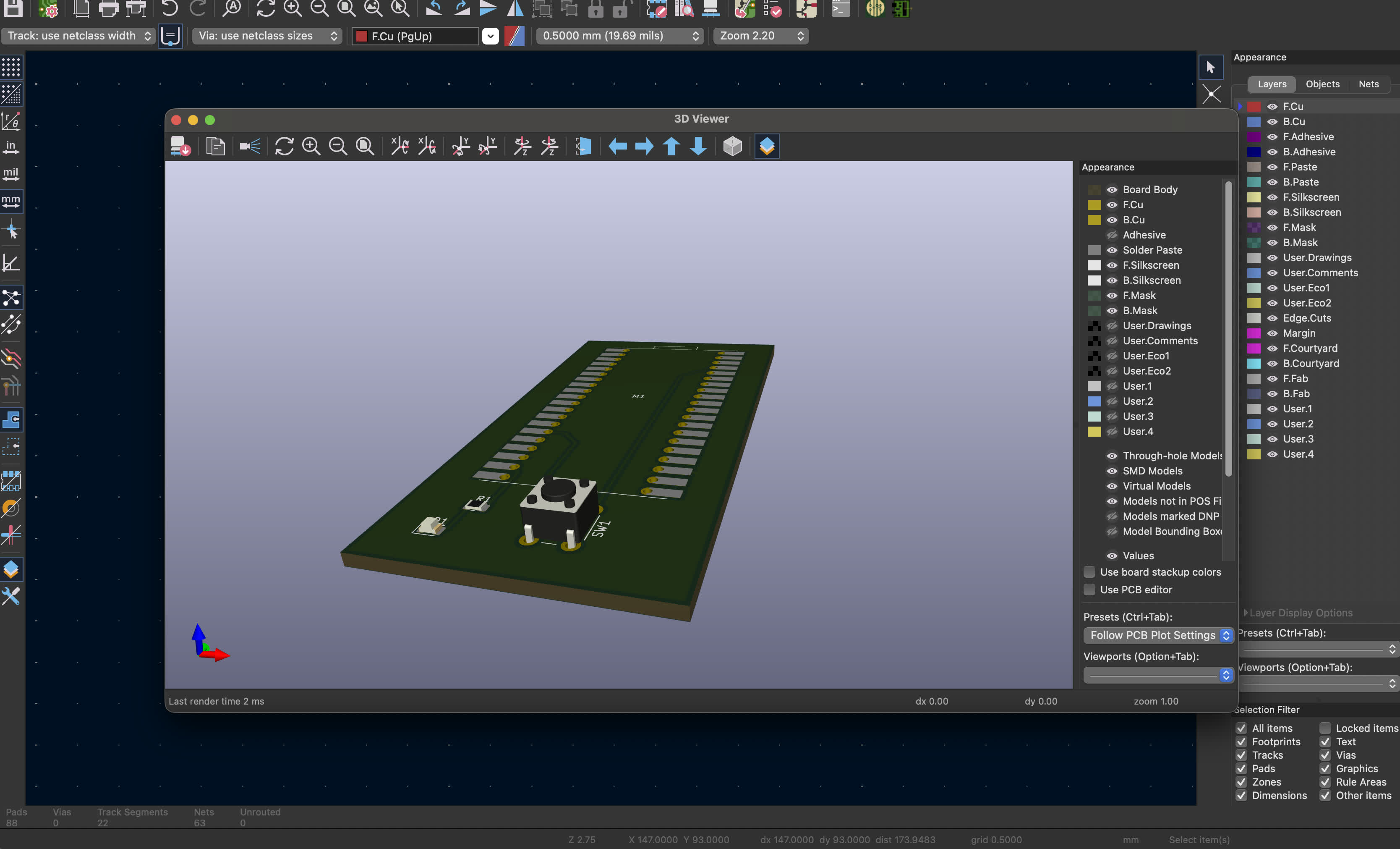
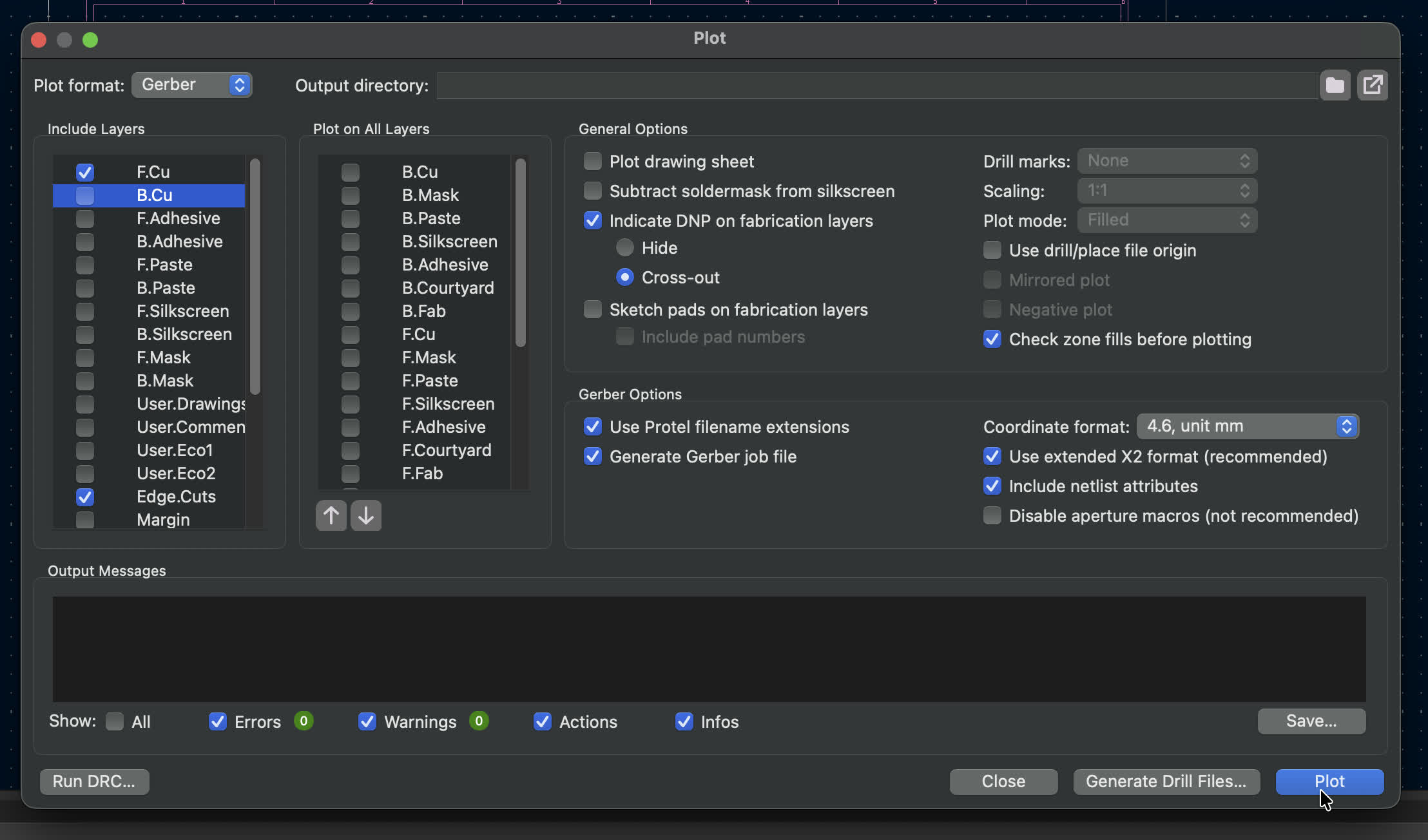
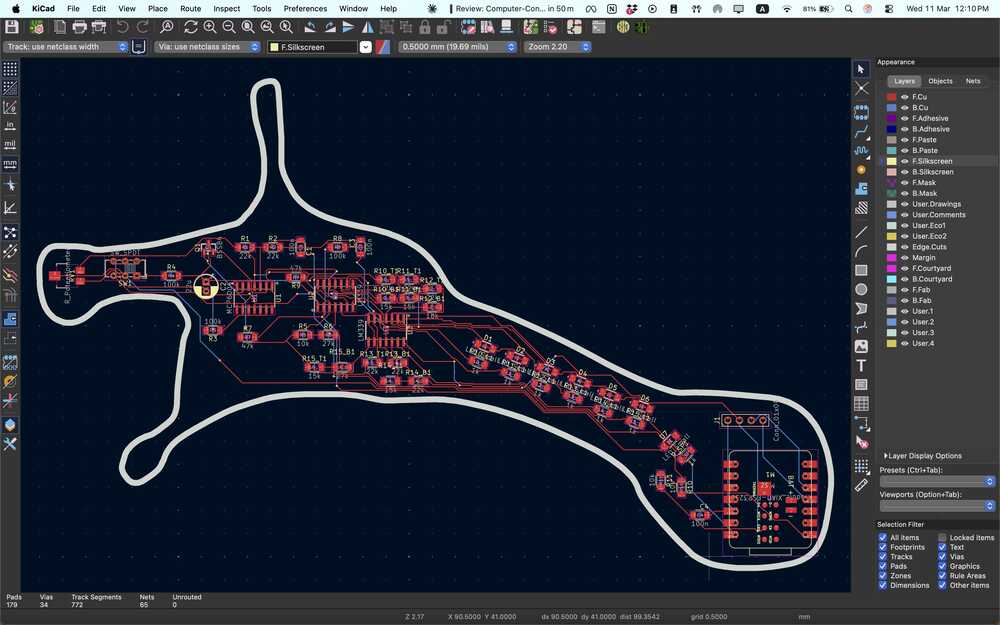
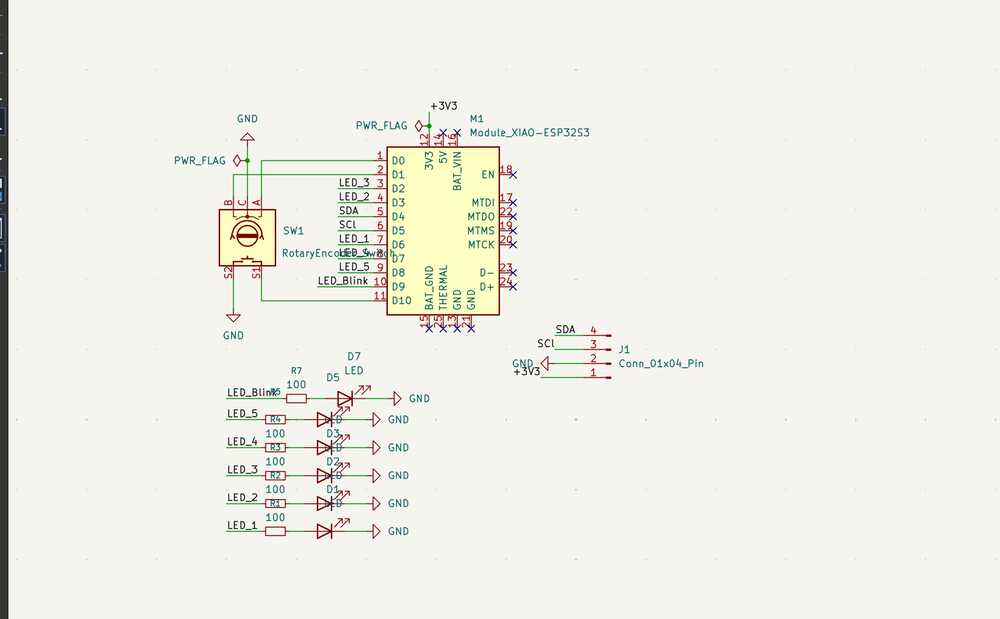
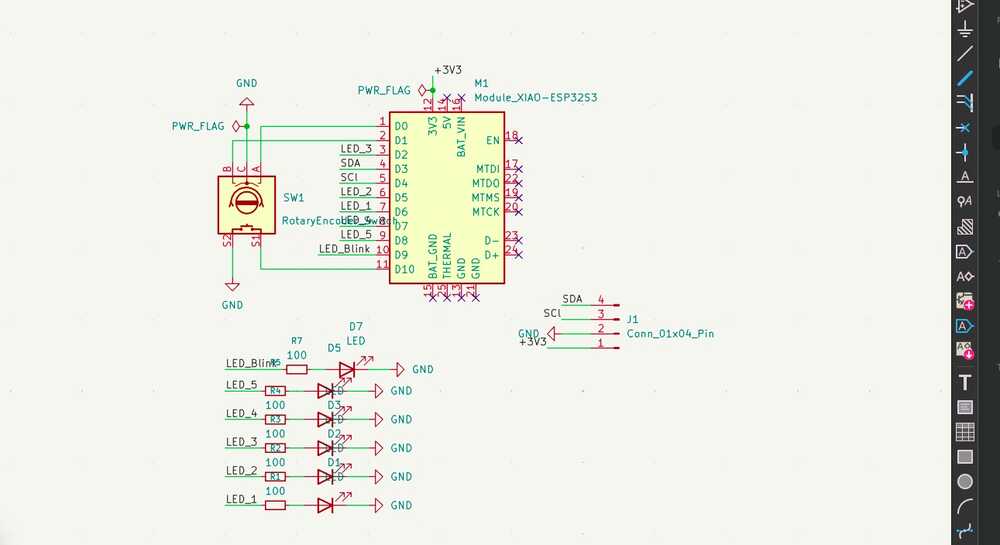
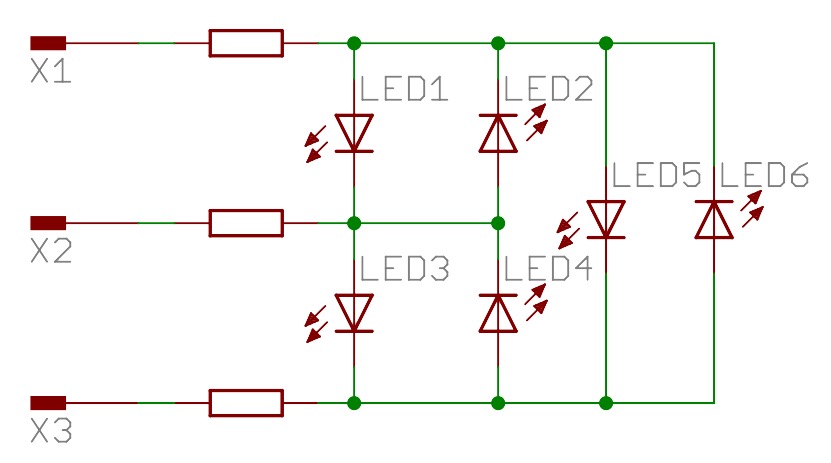
I designed my first PCB around a hardware LIF neuron idea, moving from circuit explanation to KiCad schematic, board layout, and manufacturing checks.
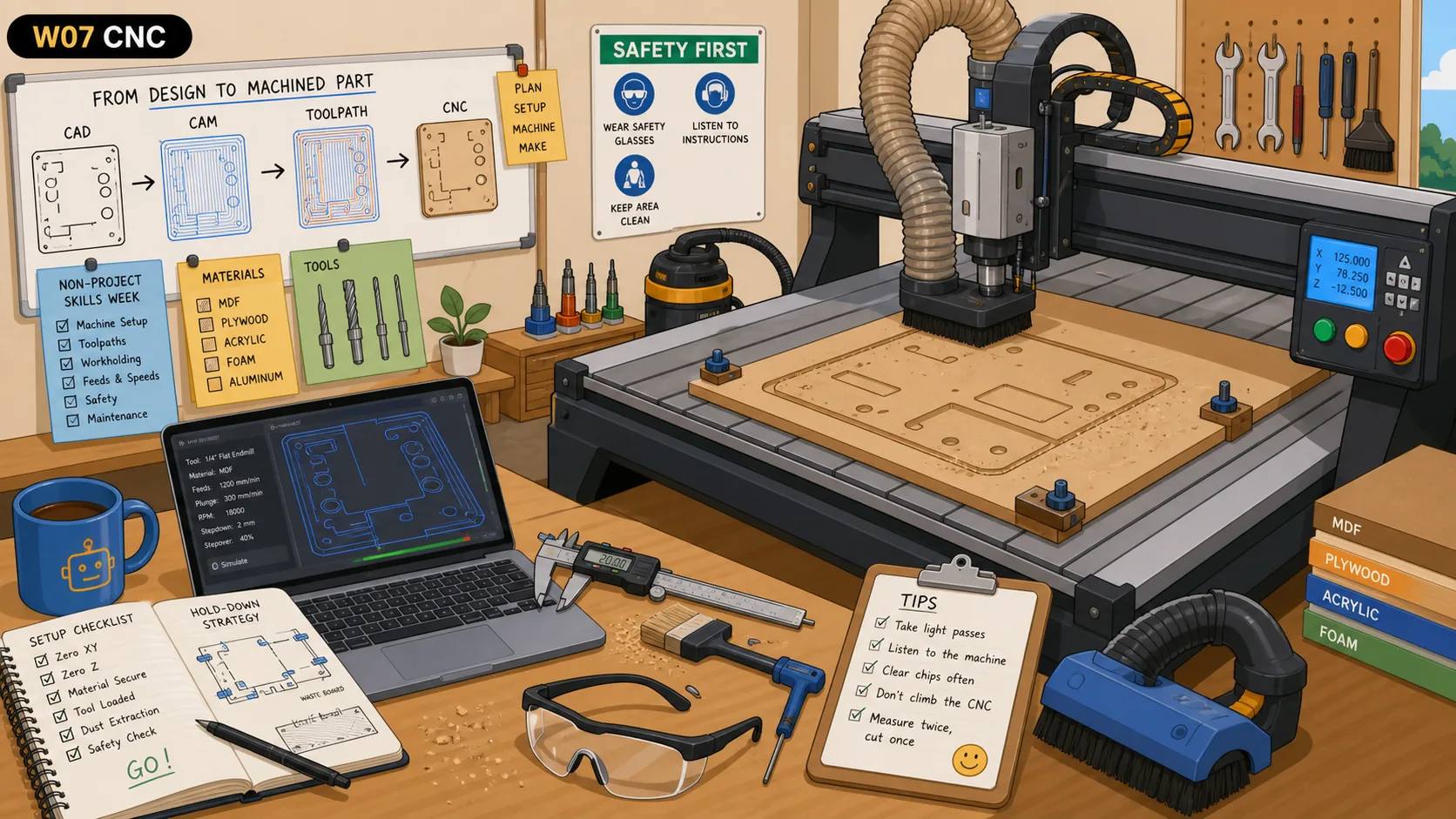
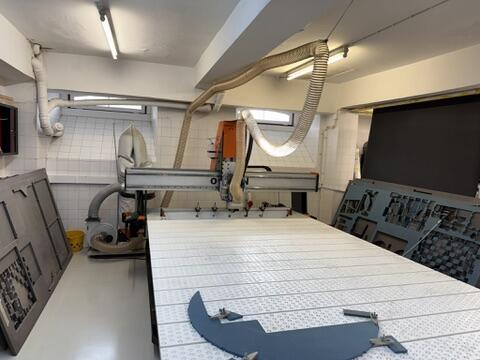
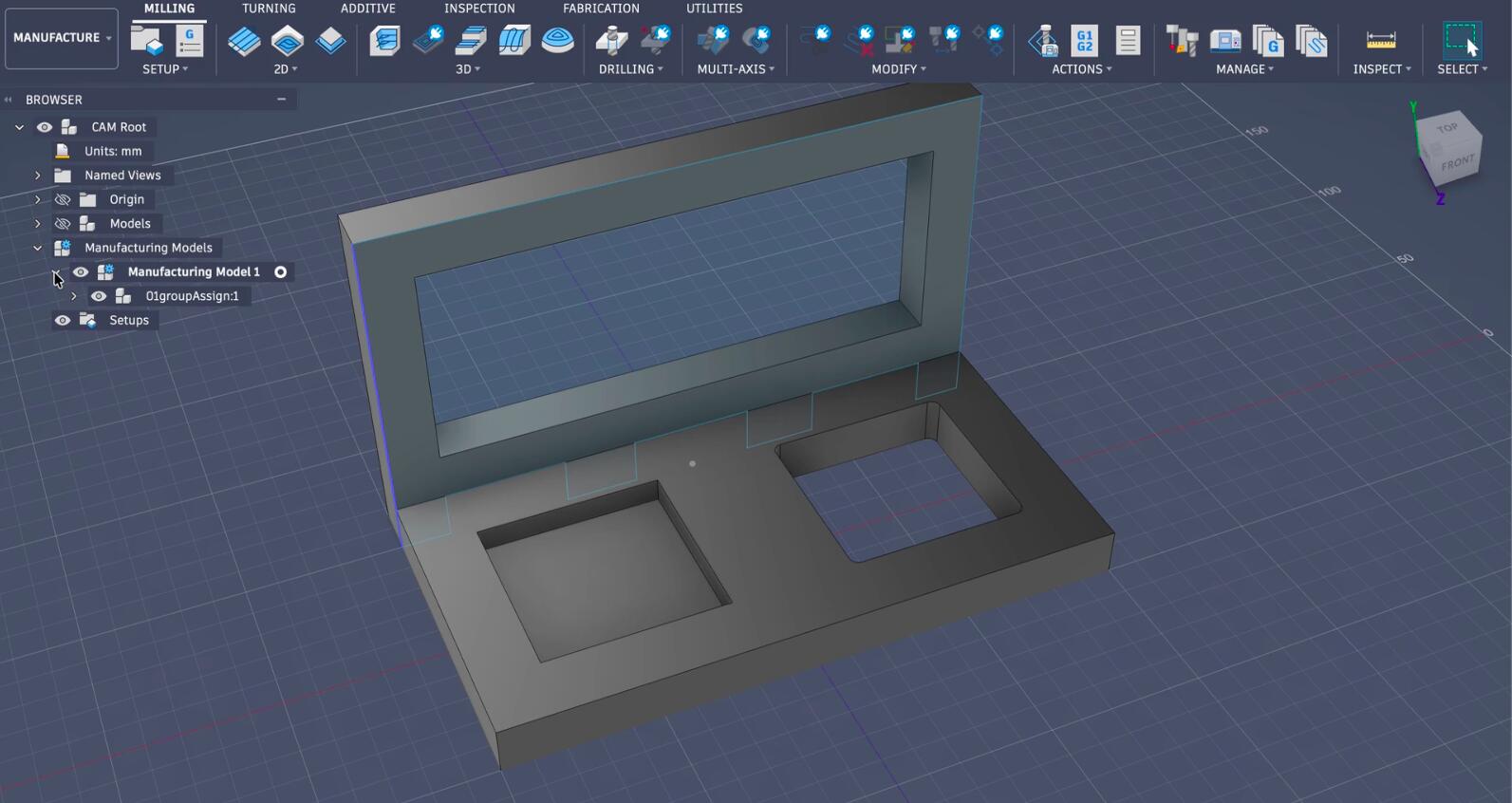
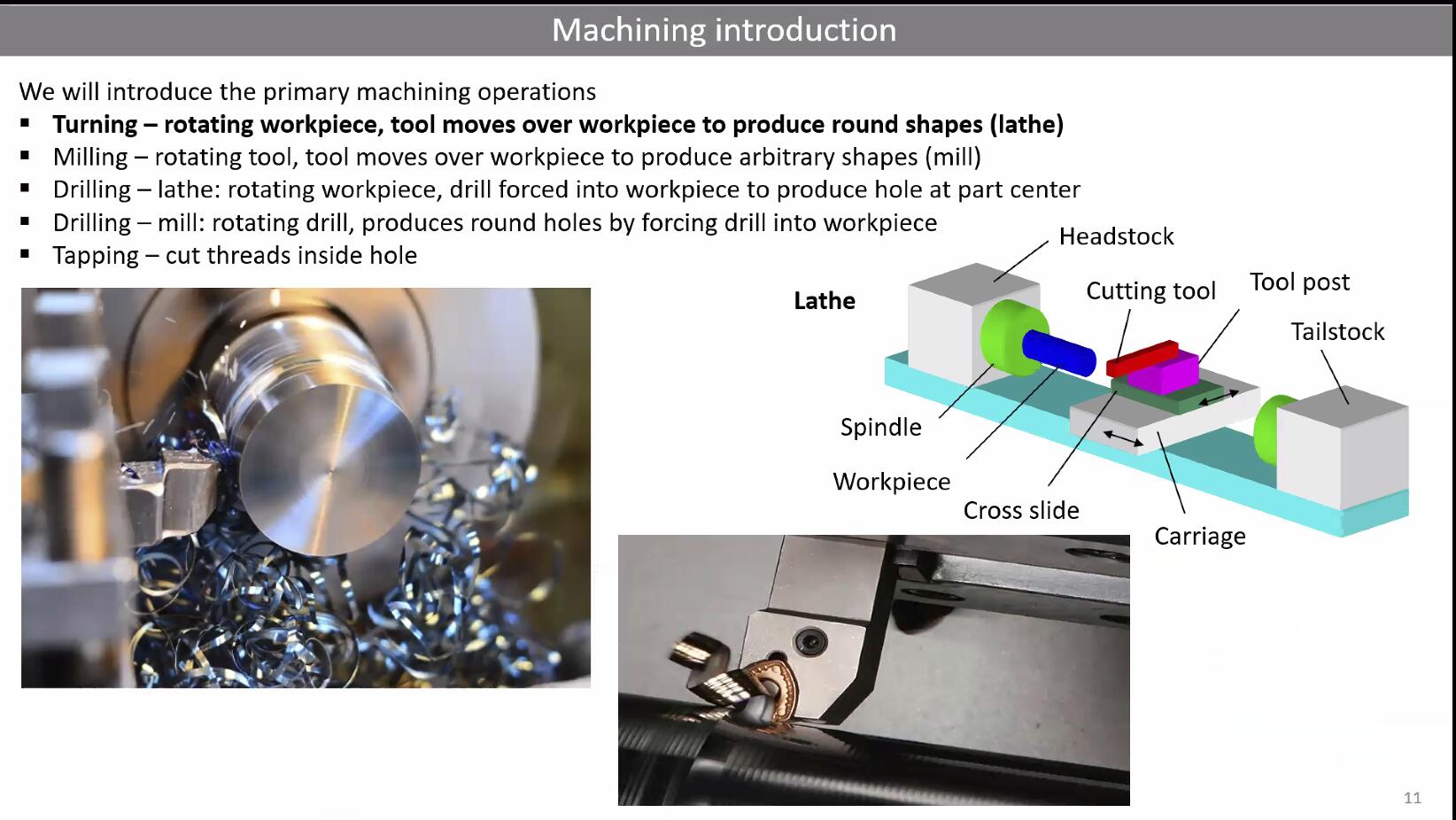
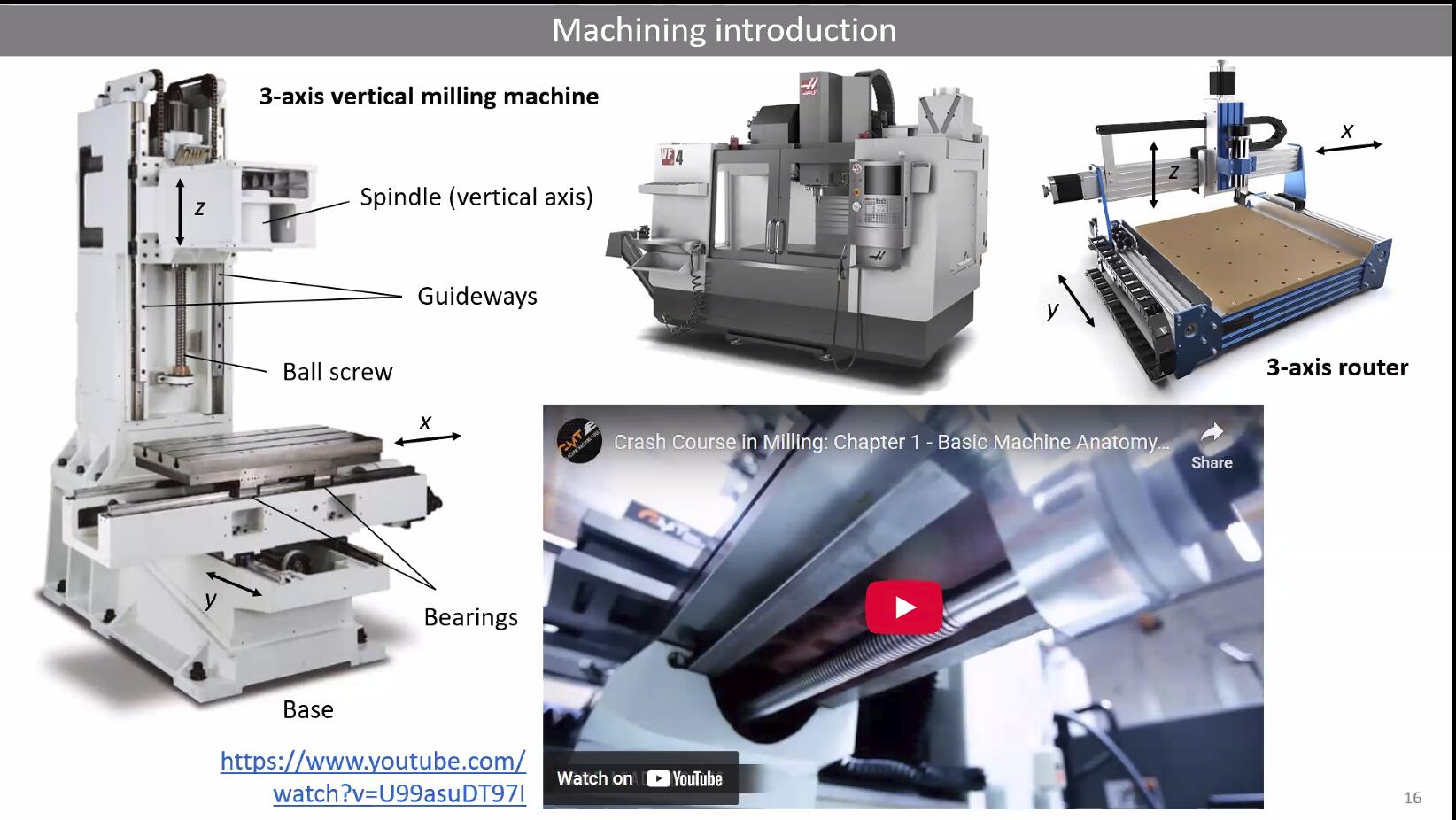
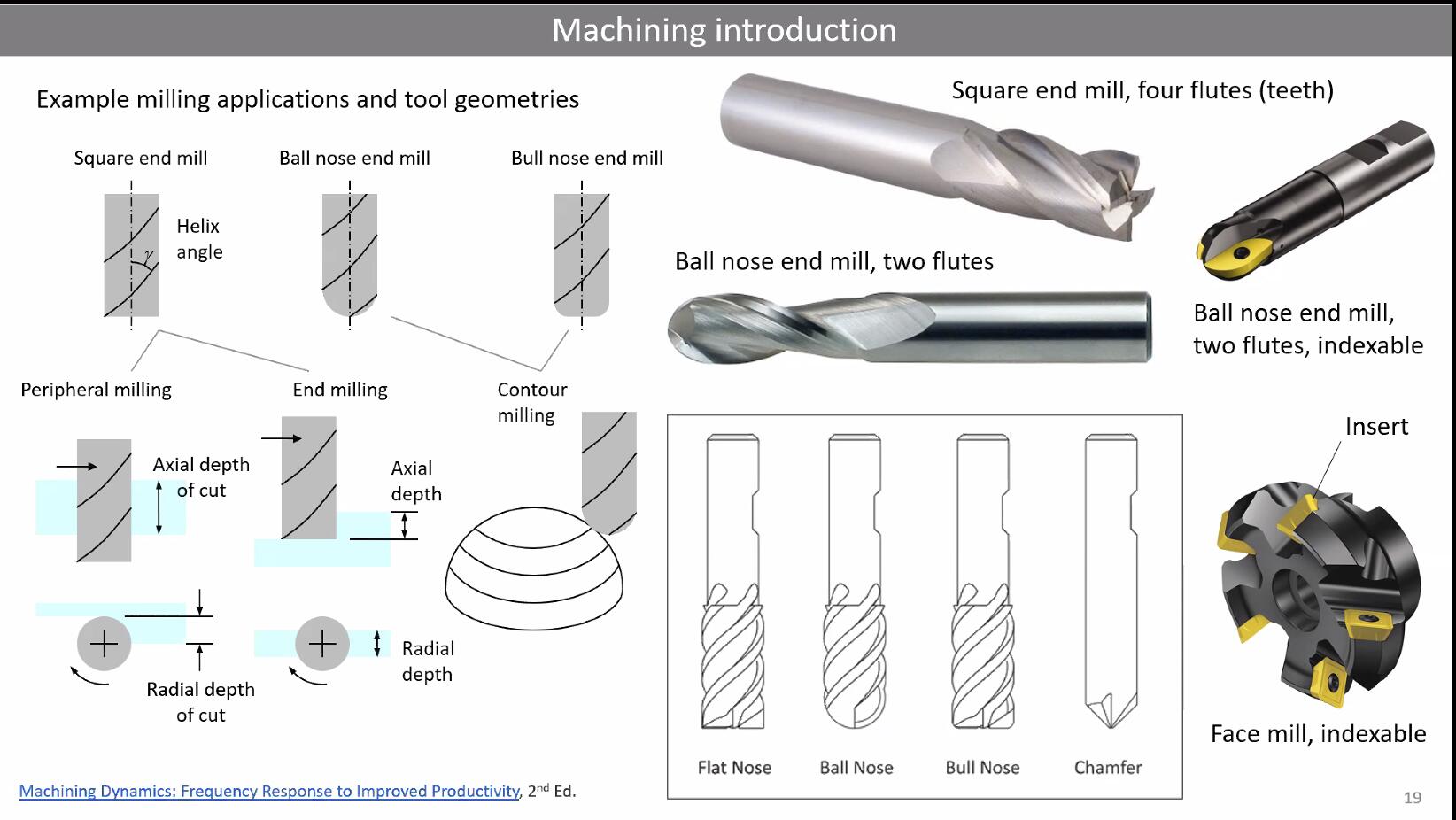
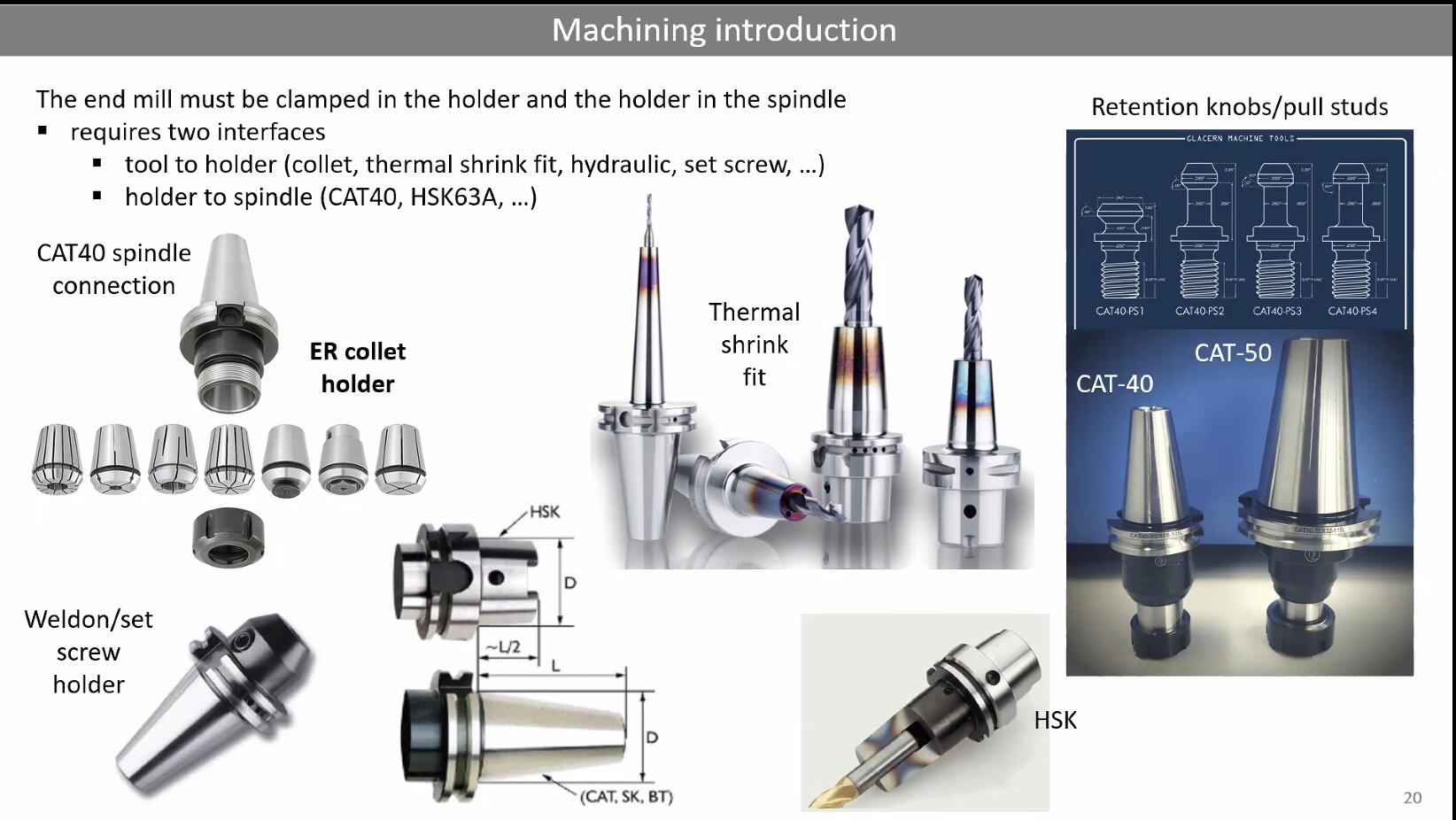
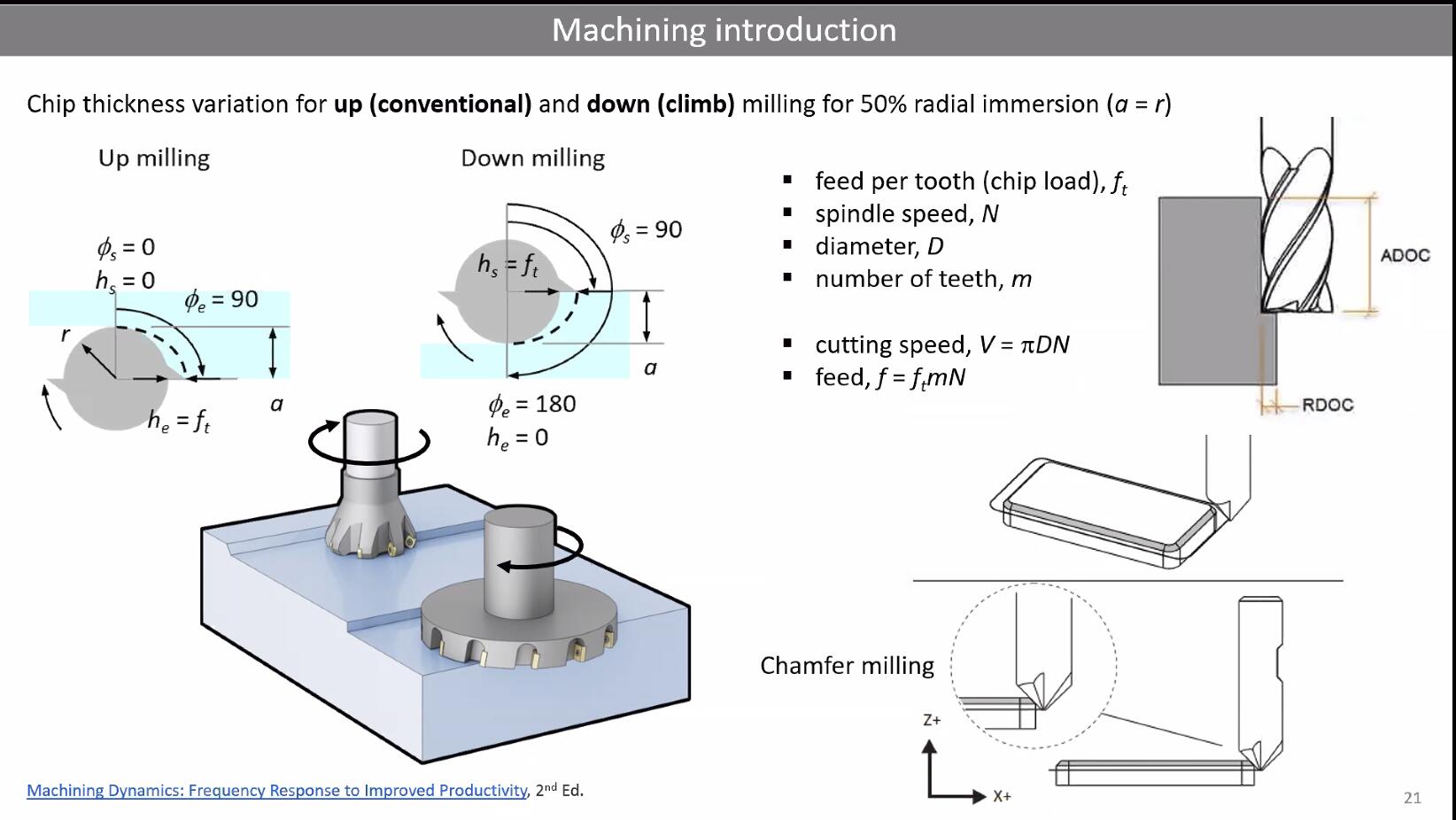
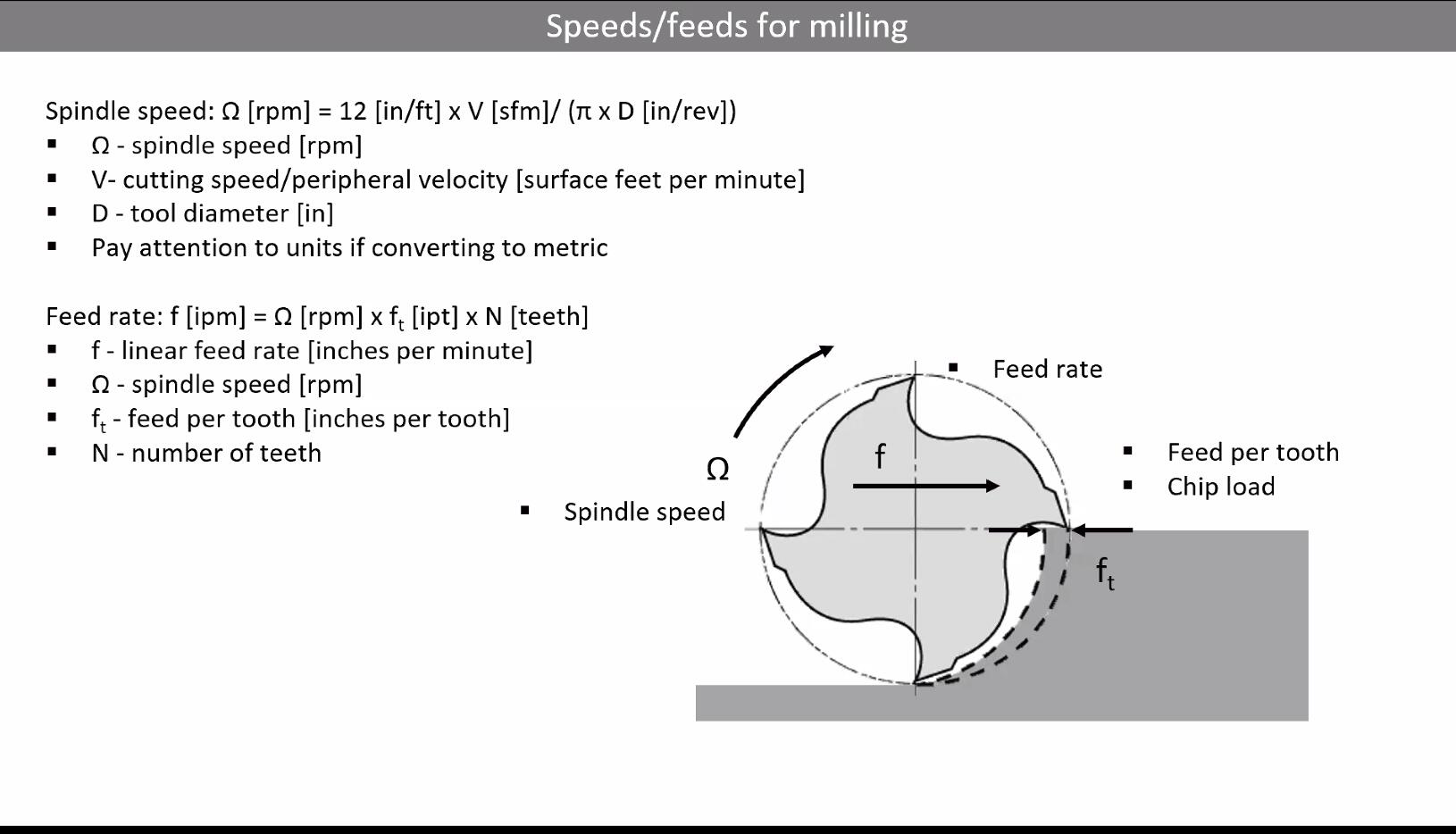
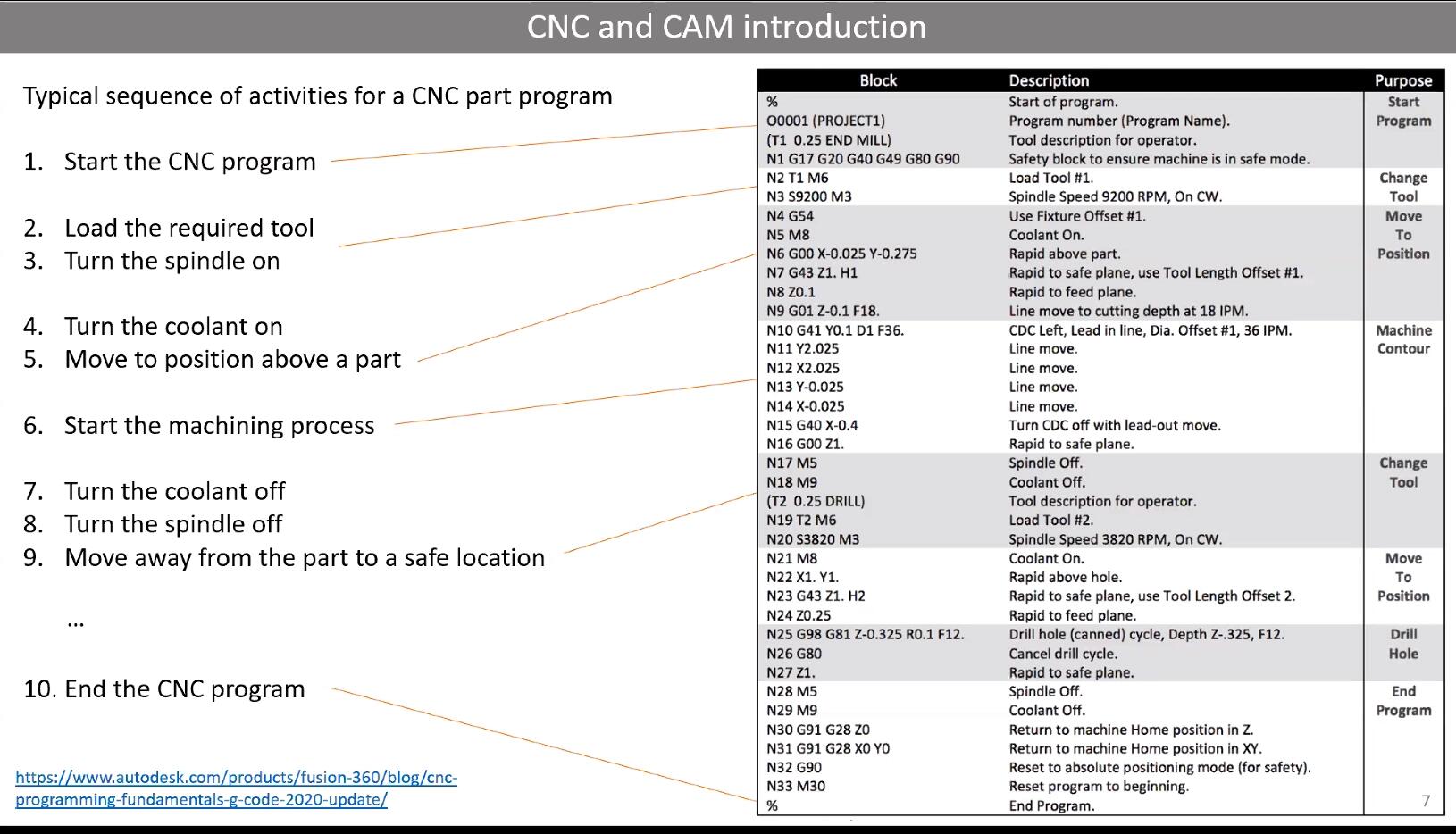
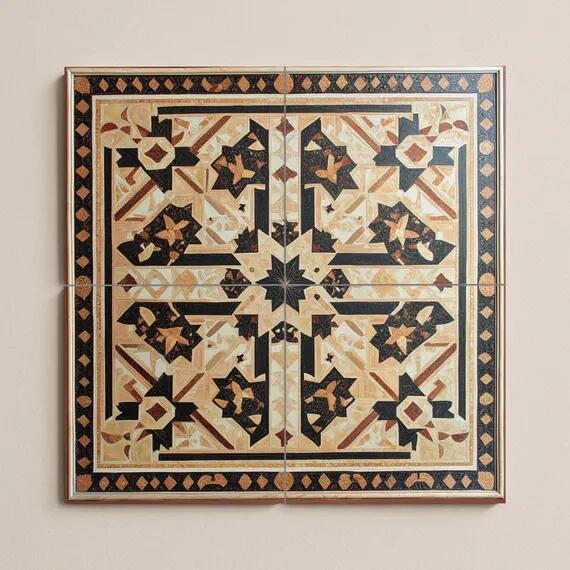
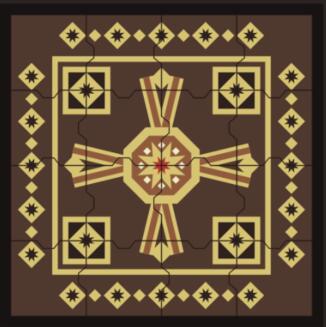
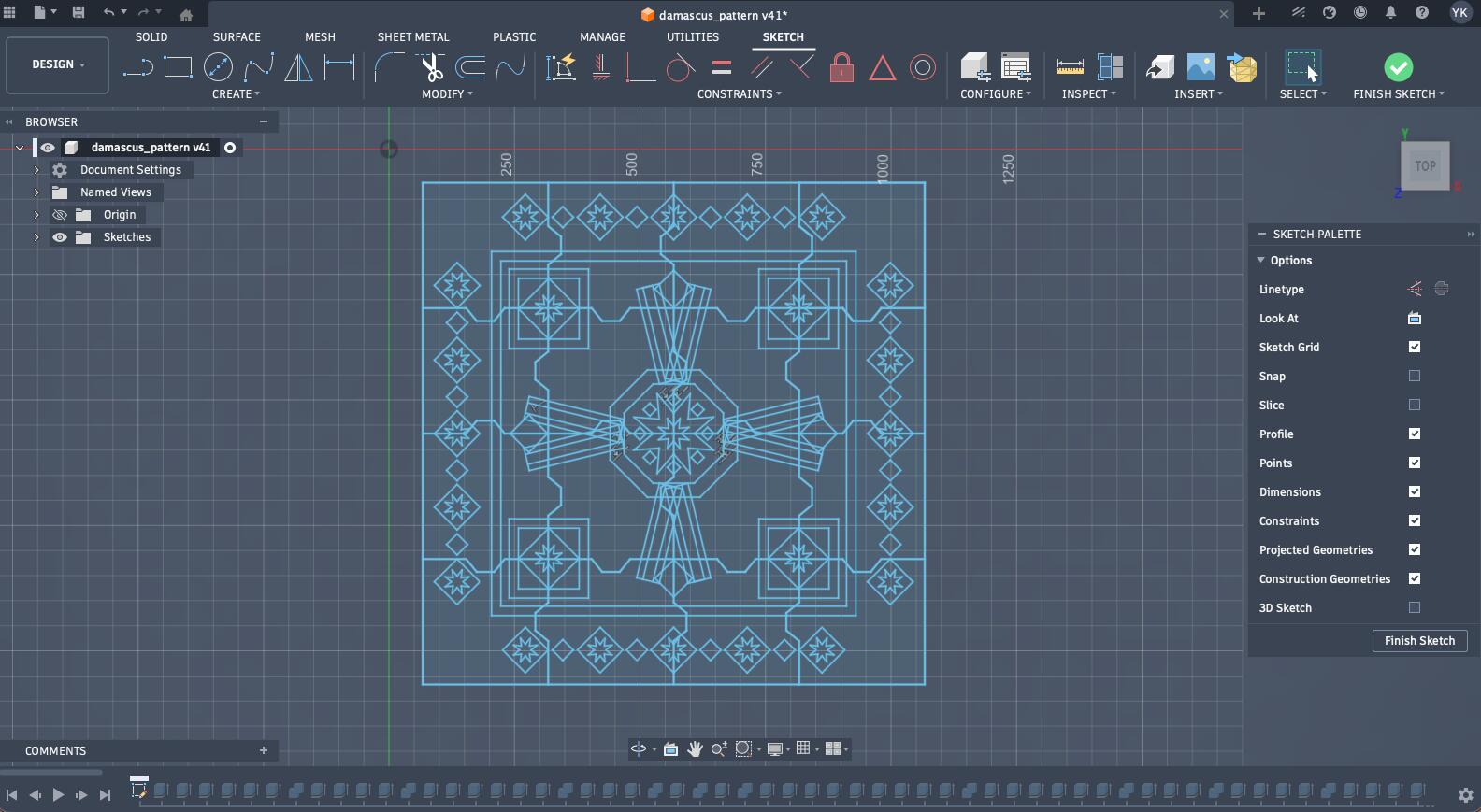
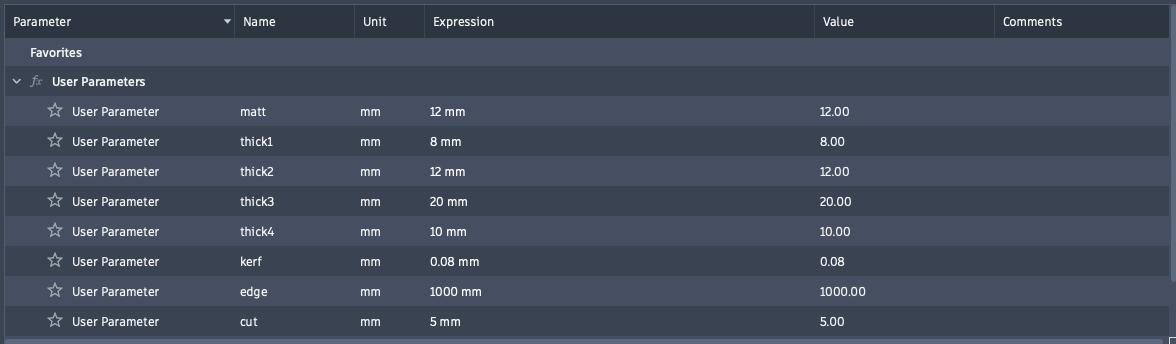
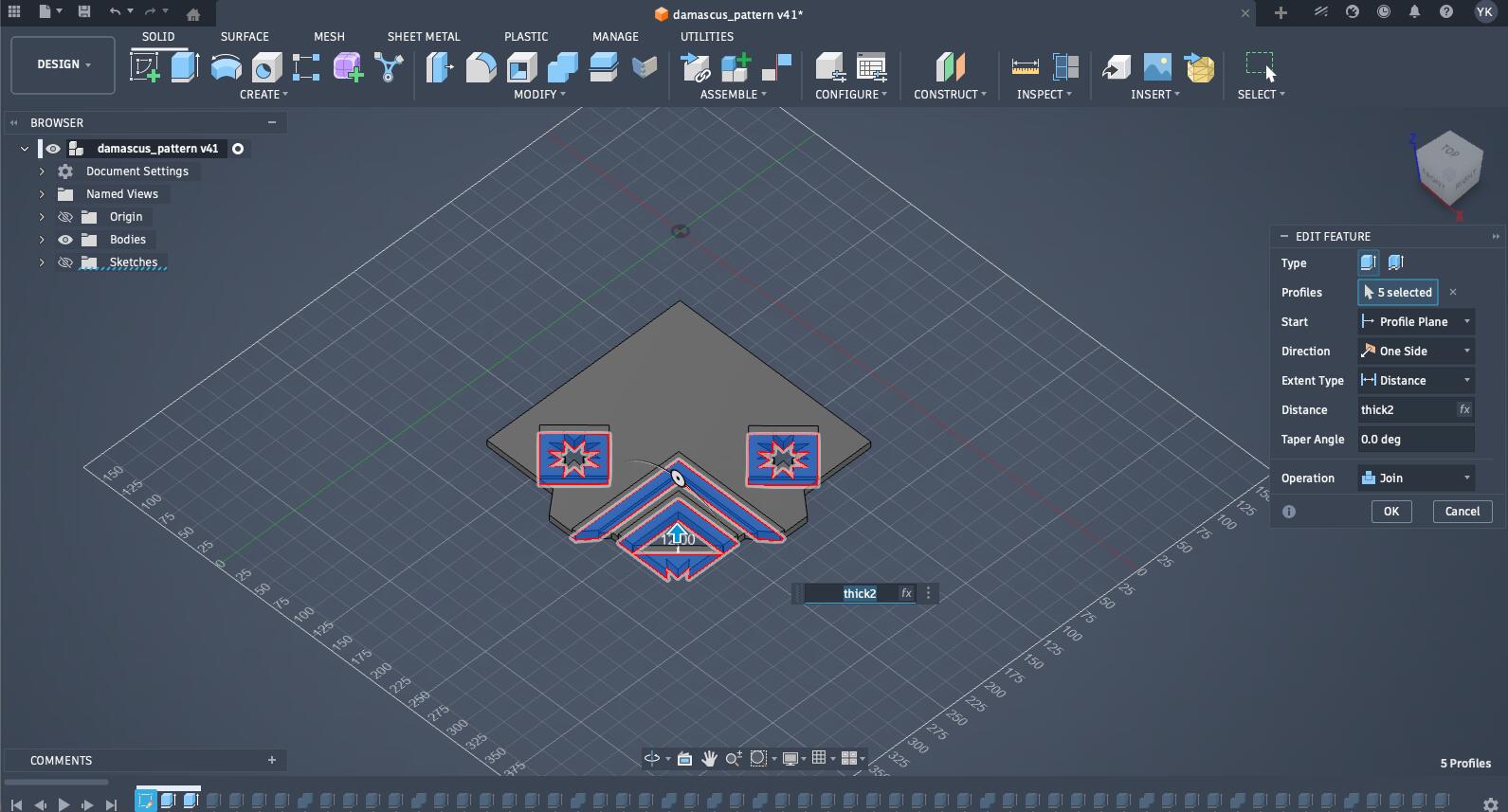
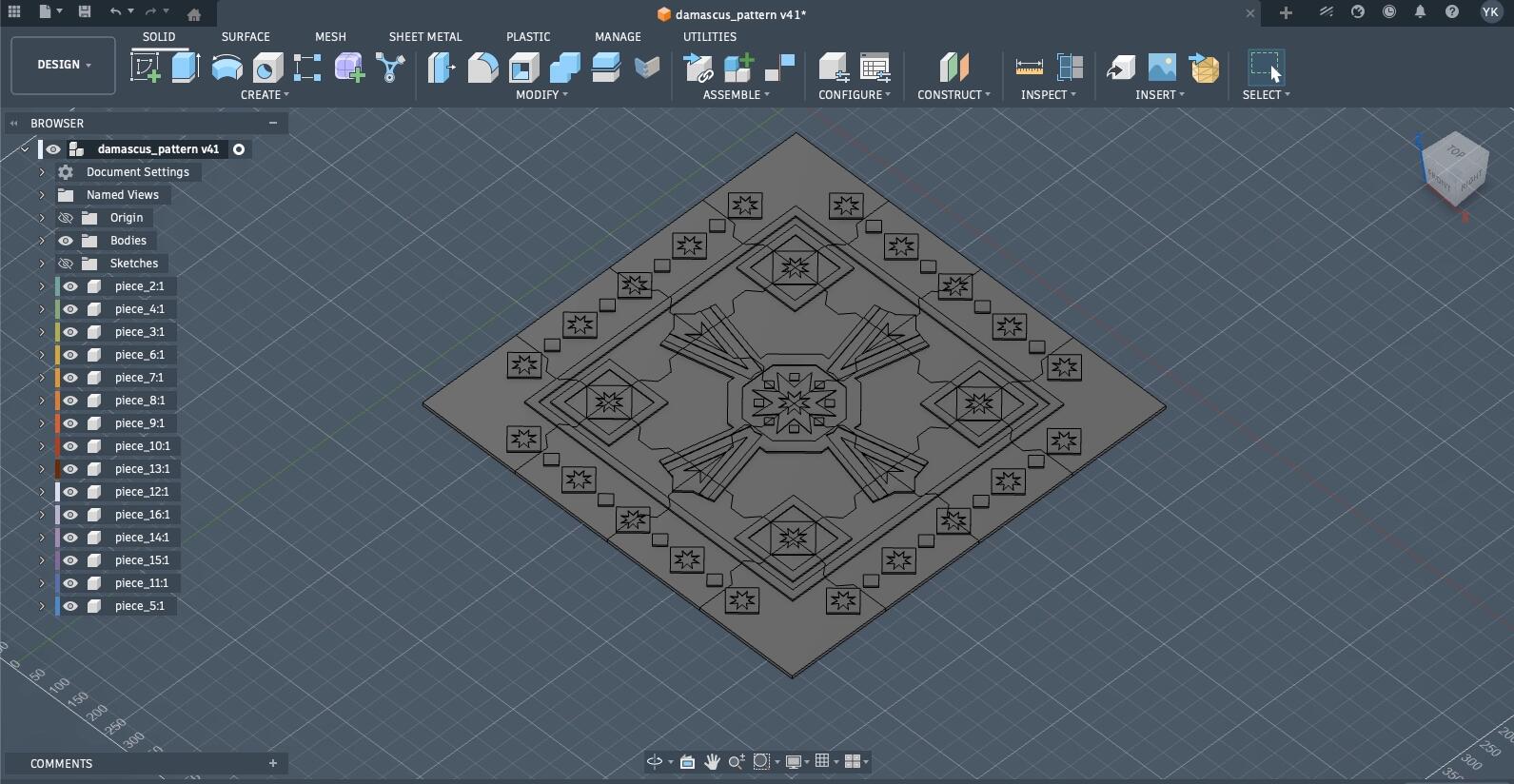
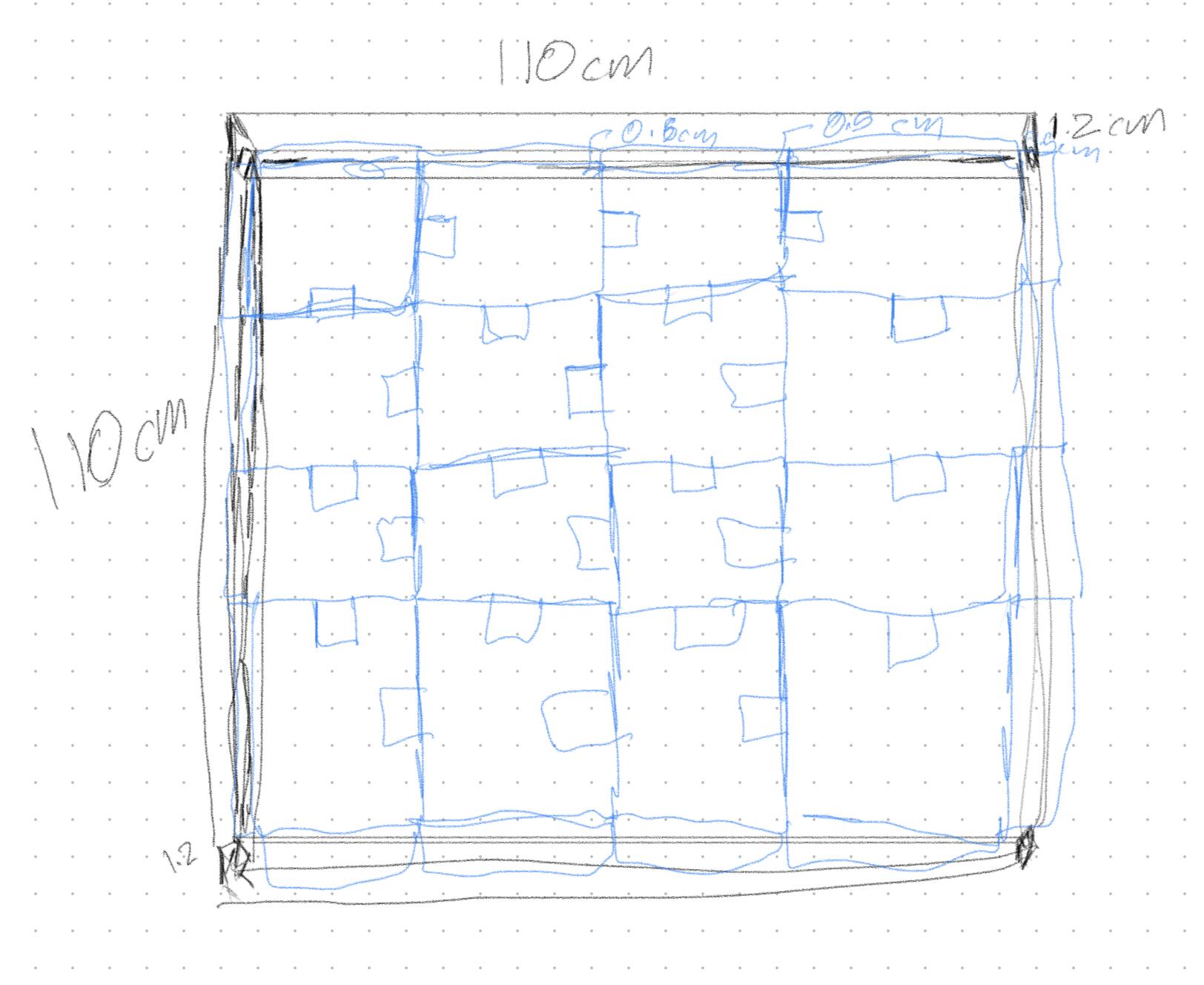
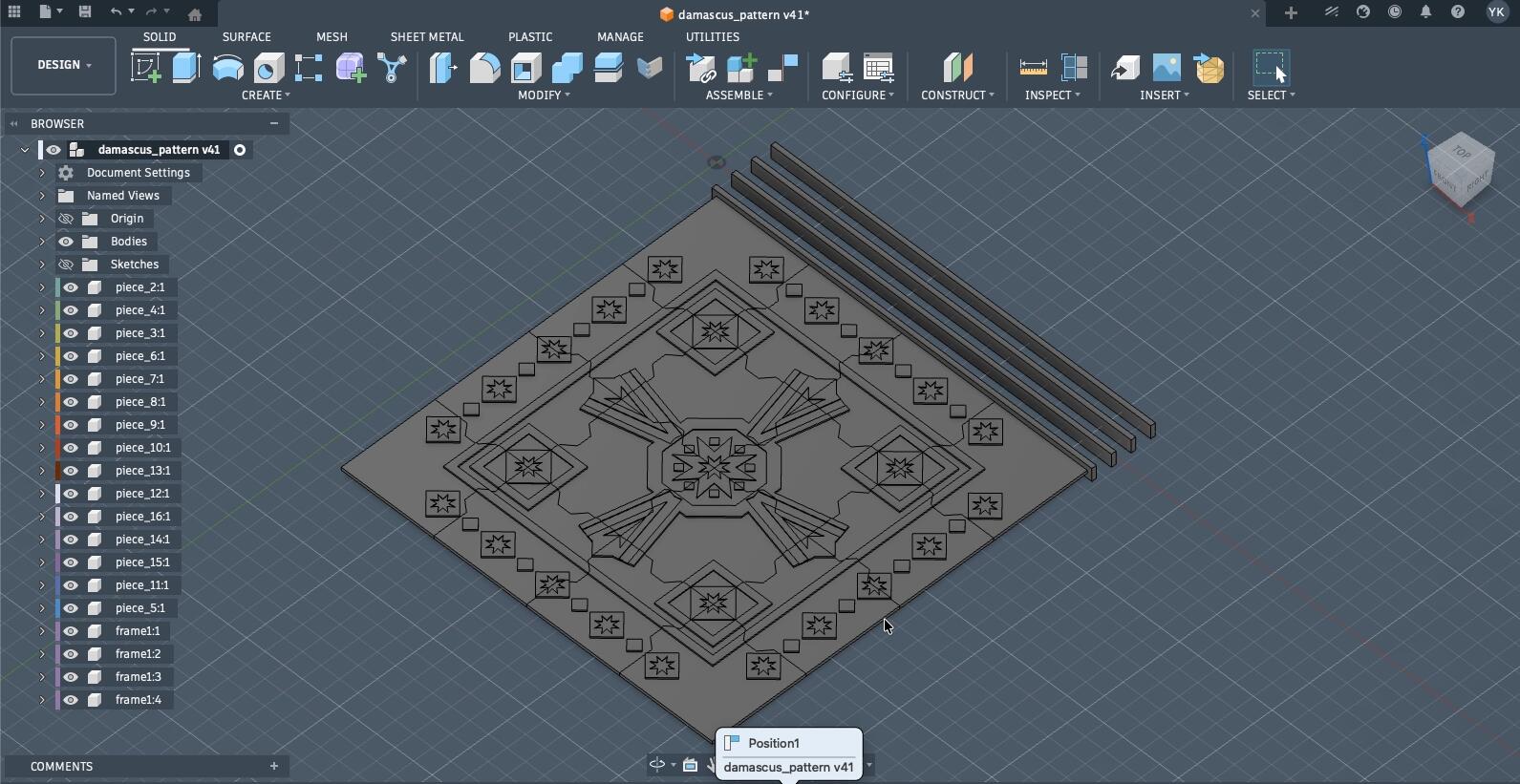
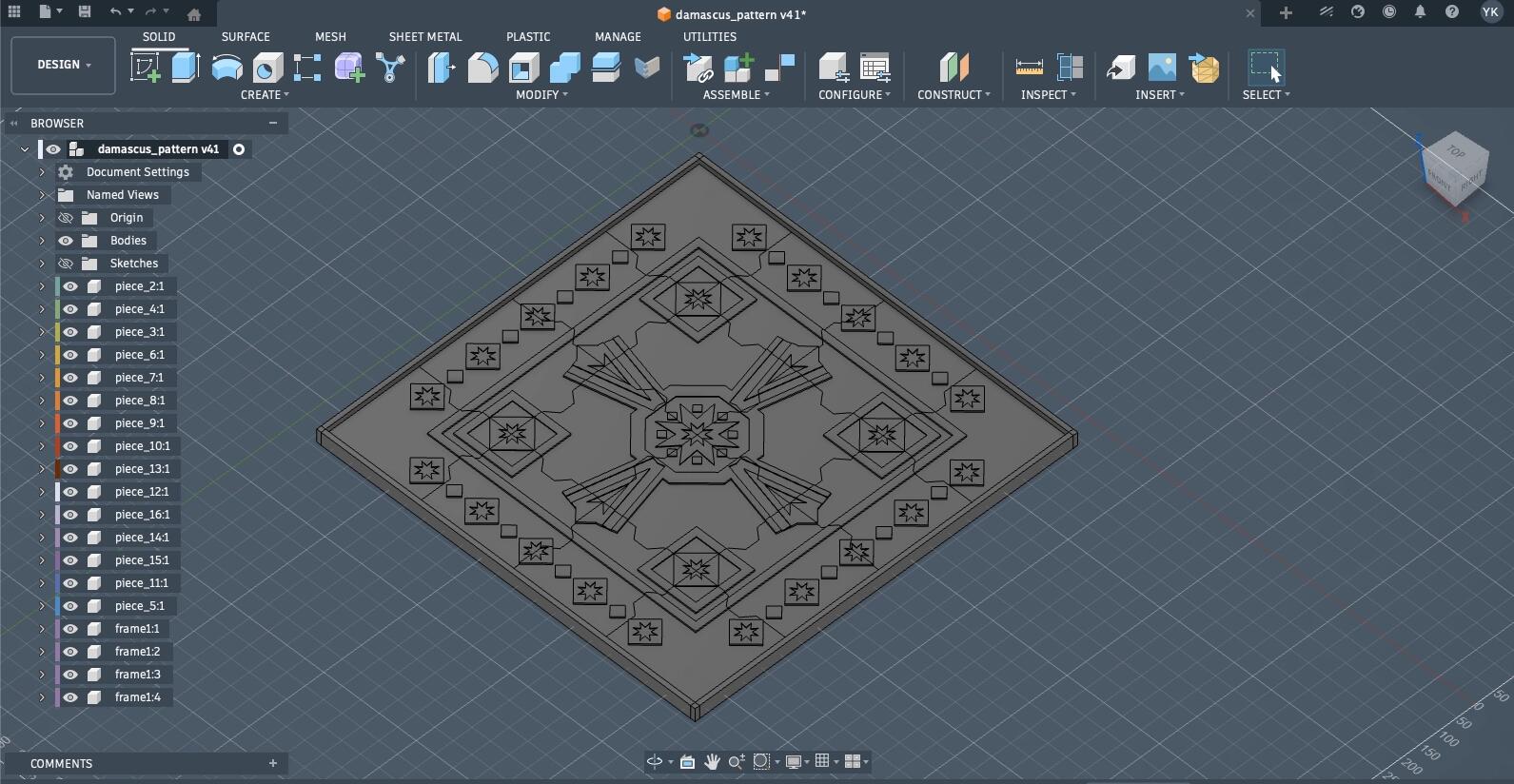
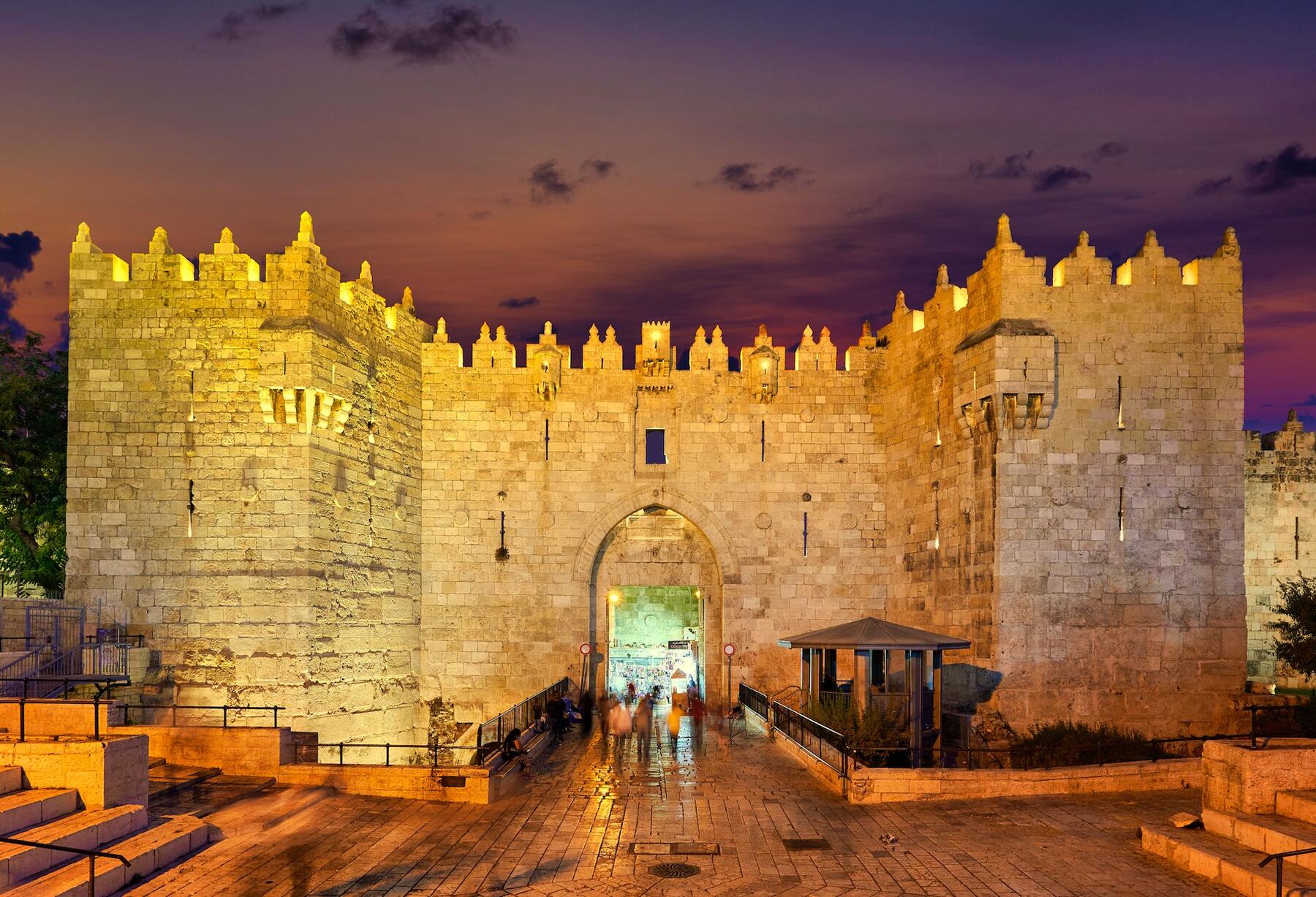
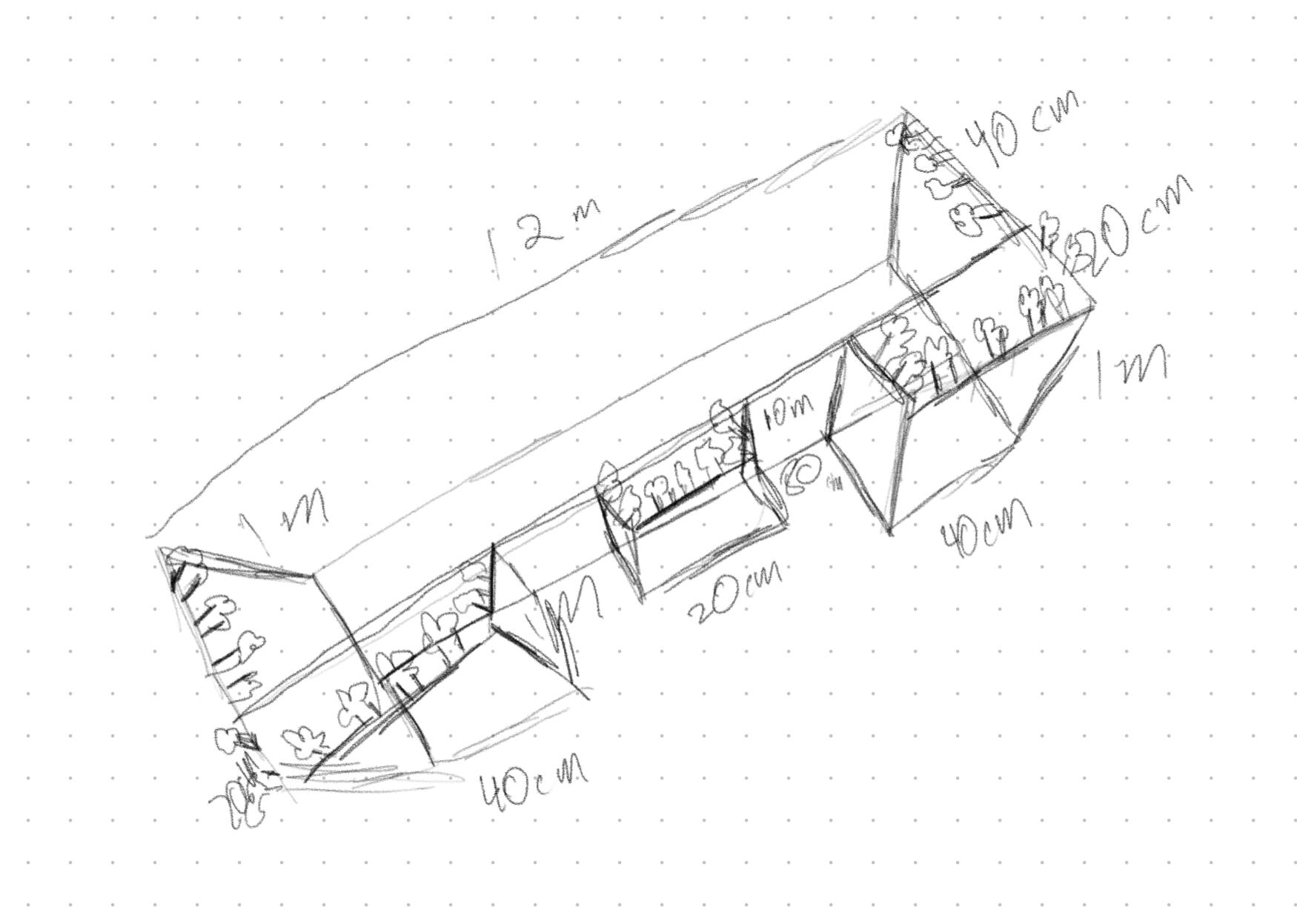
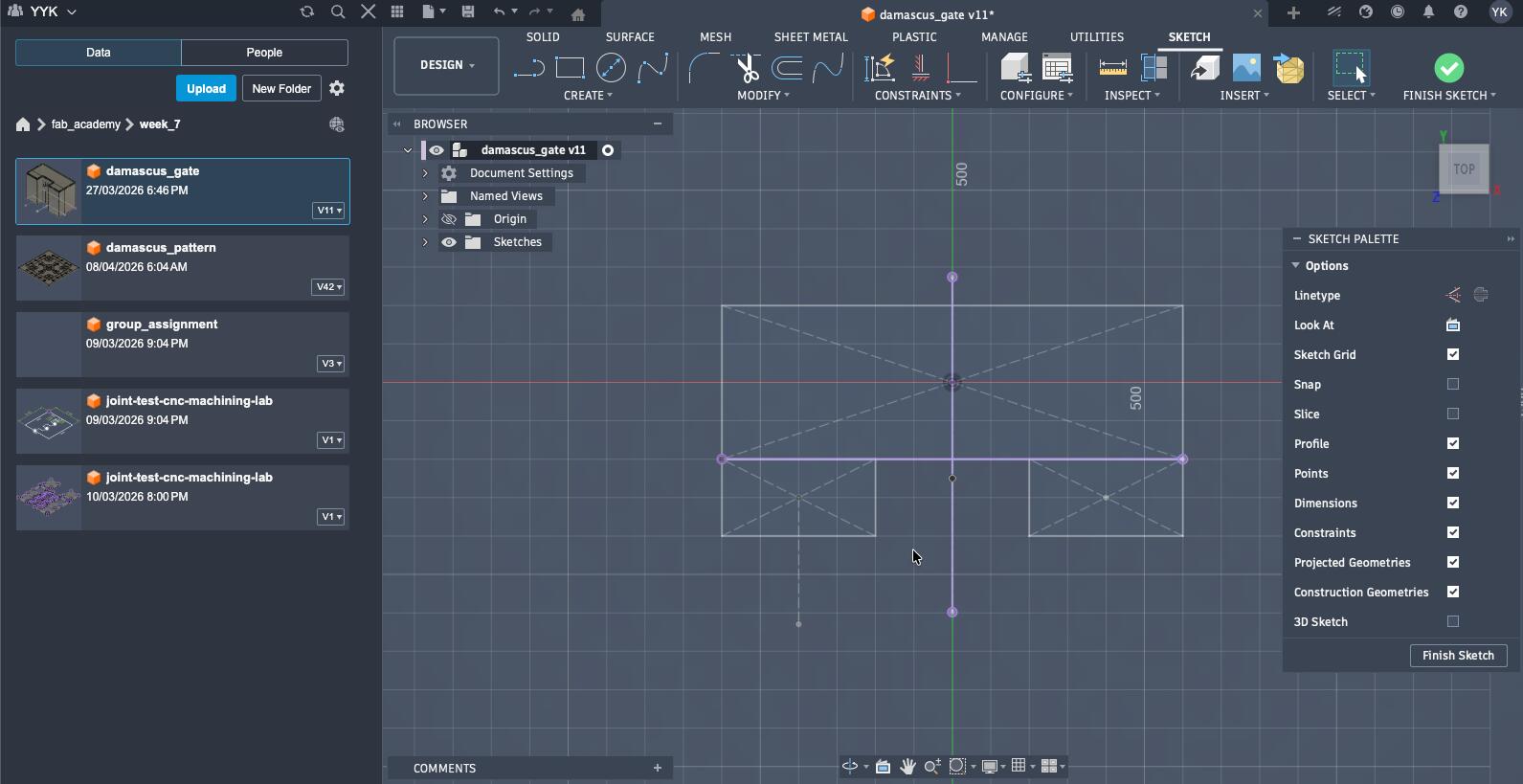
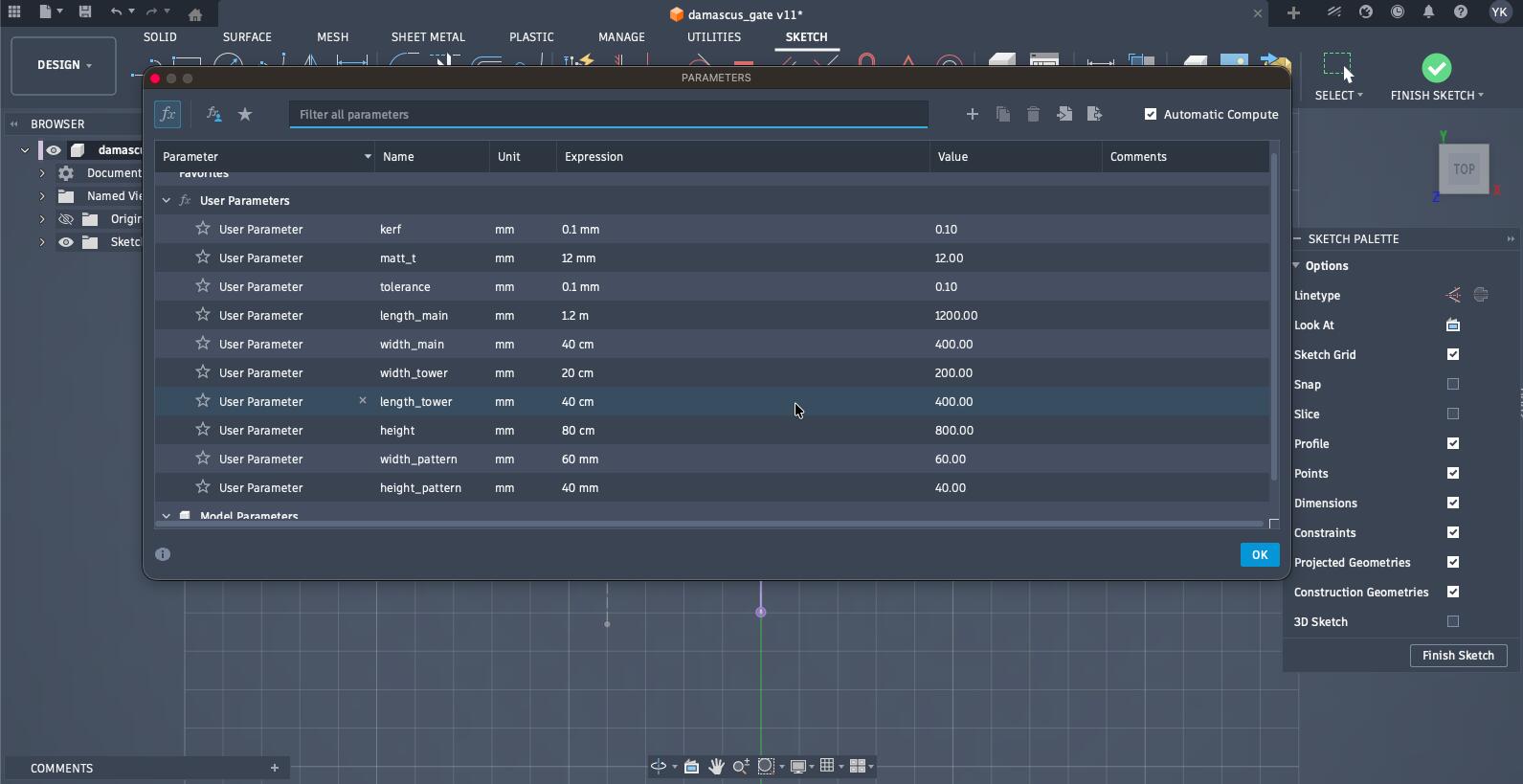
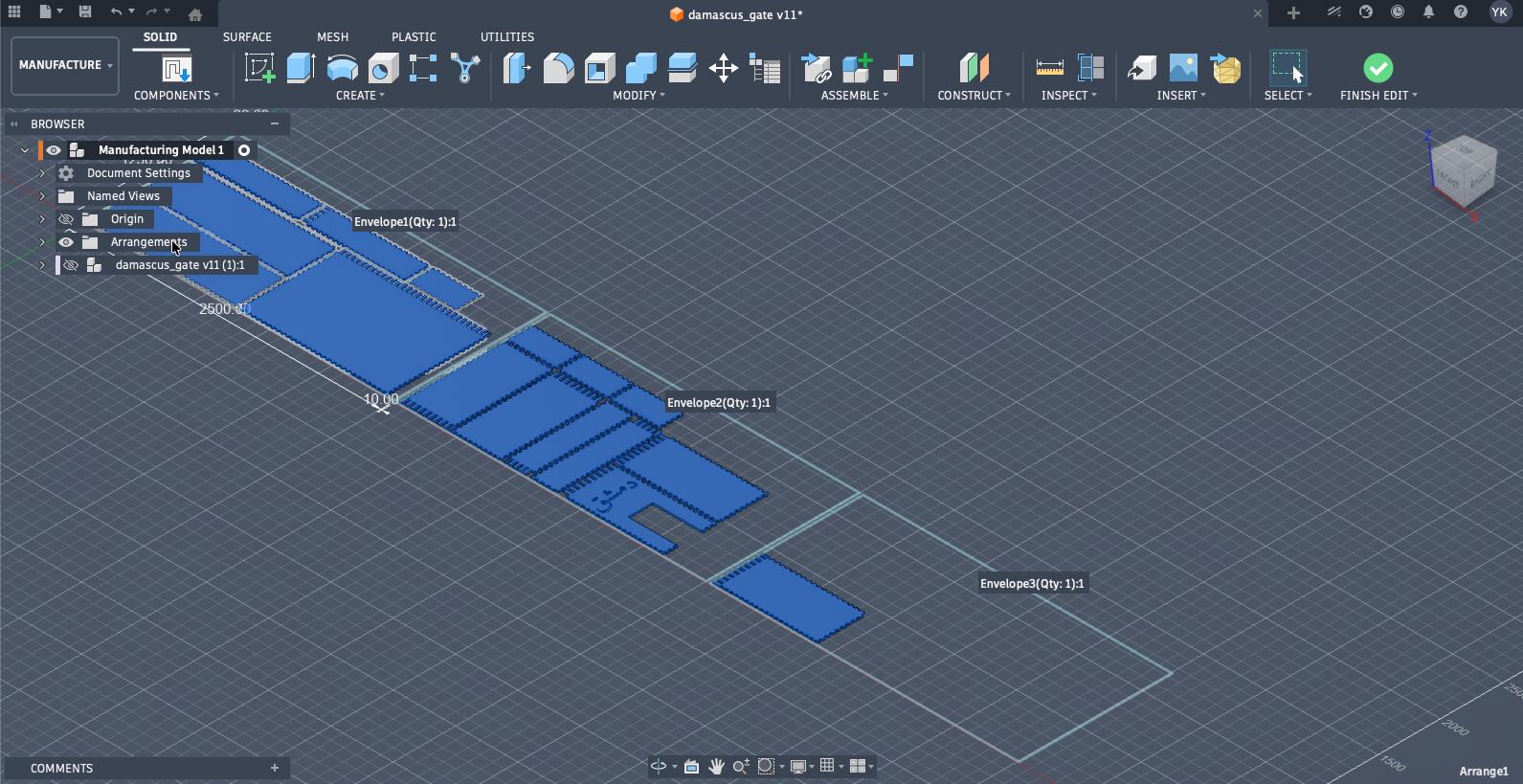
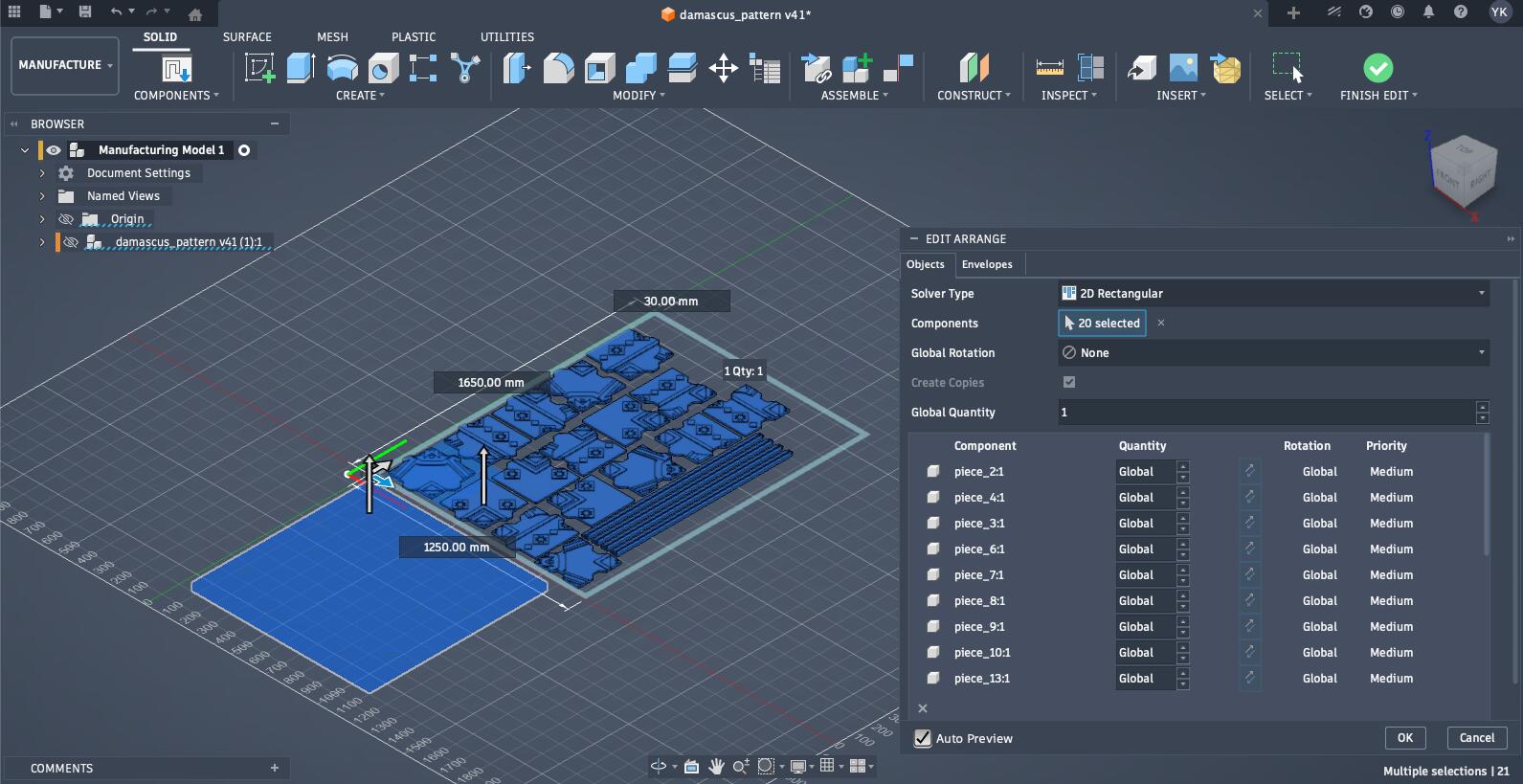
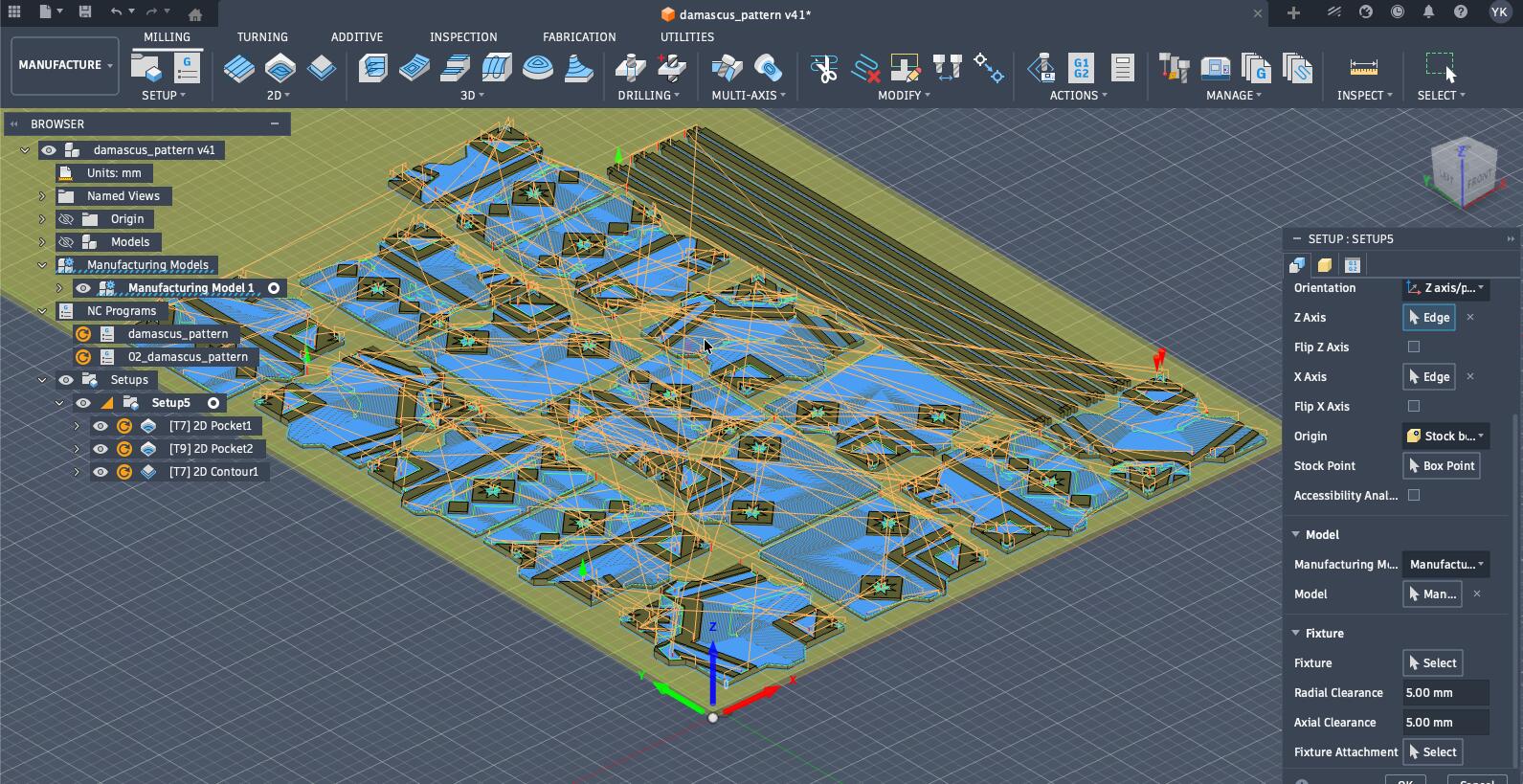
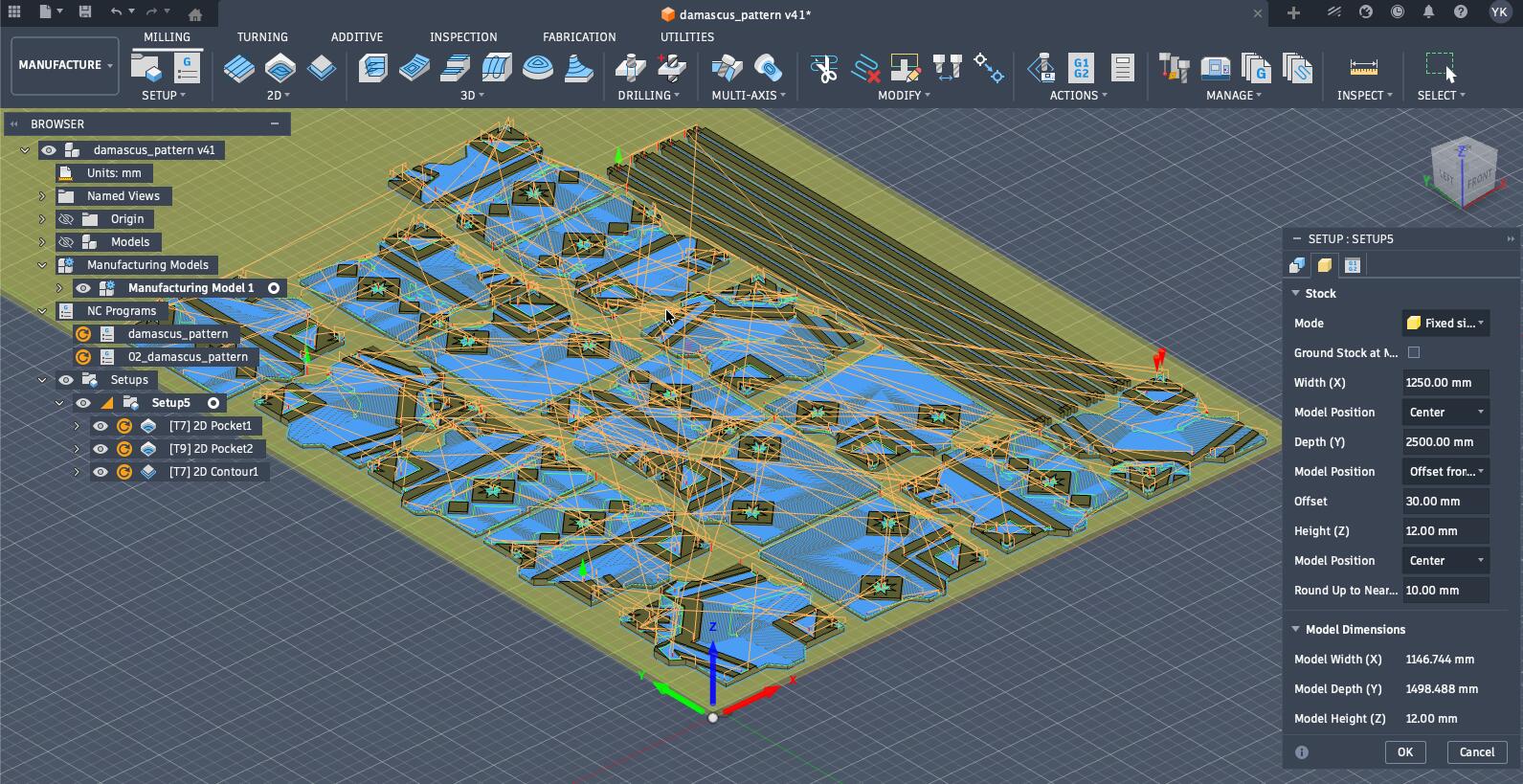
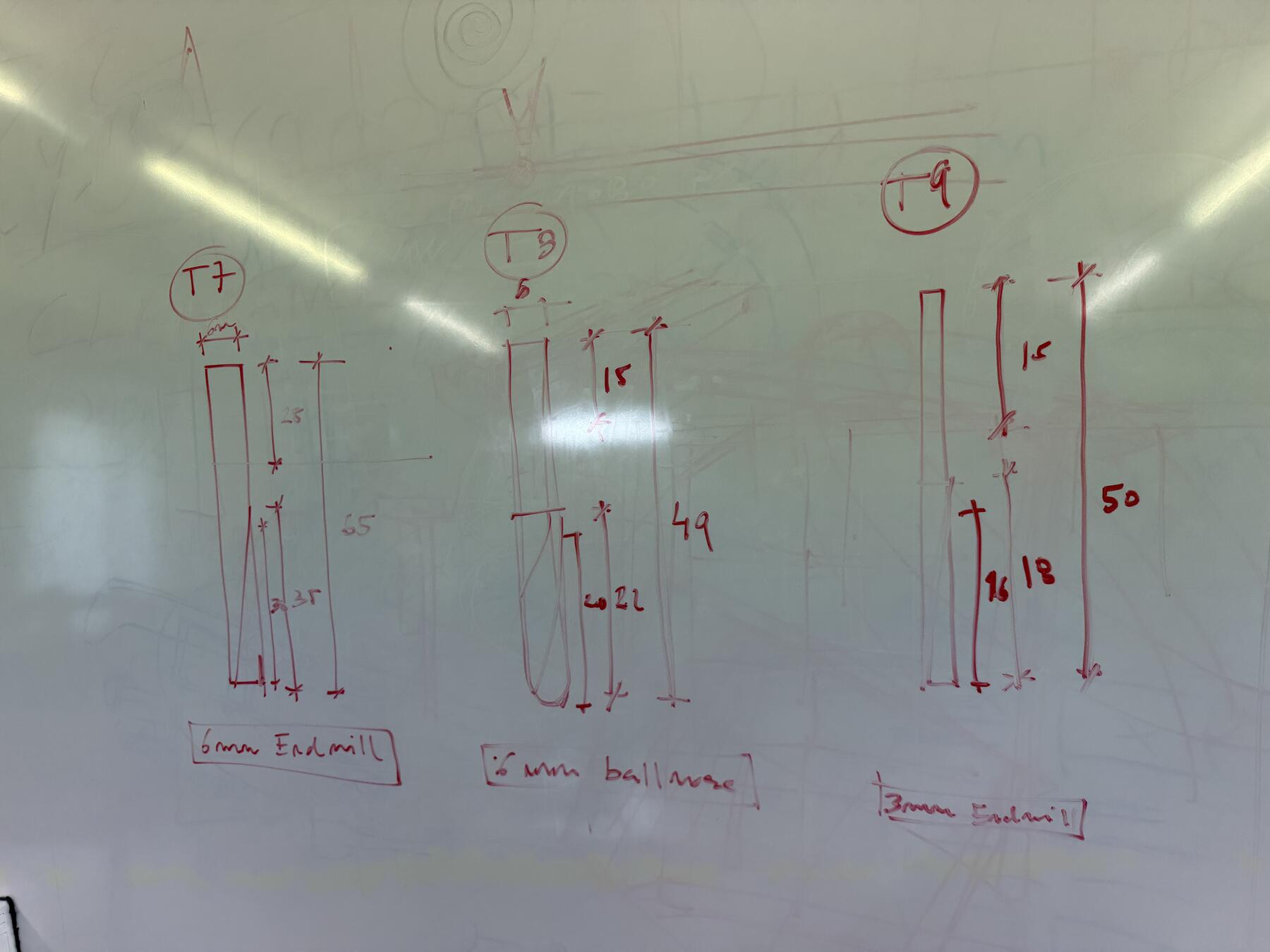
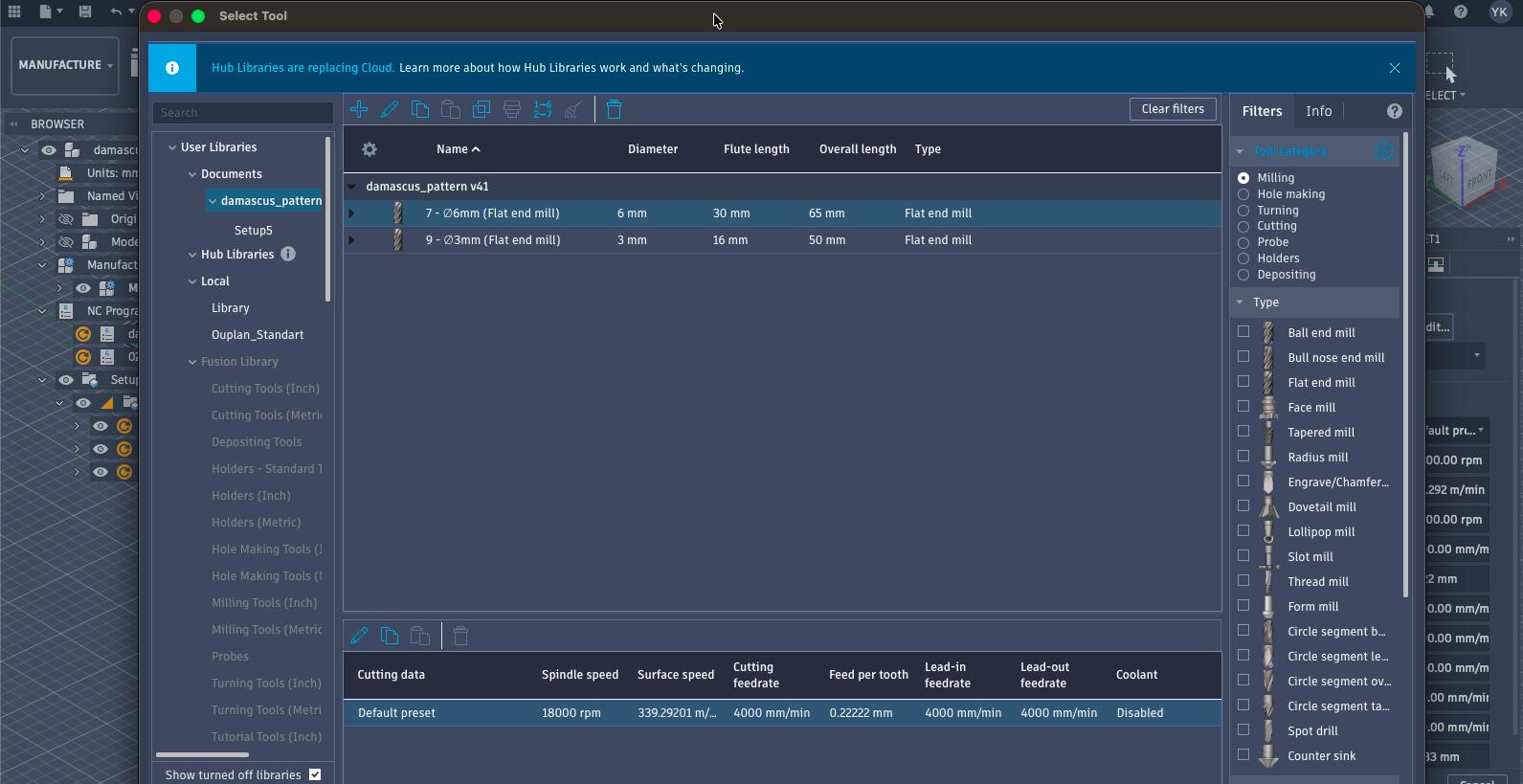
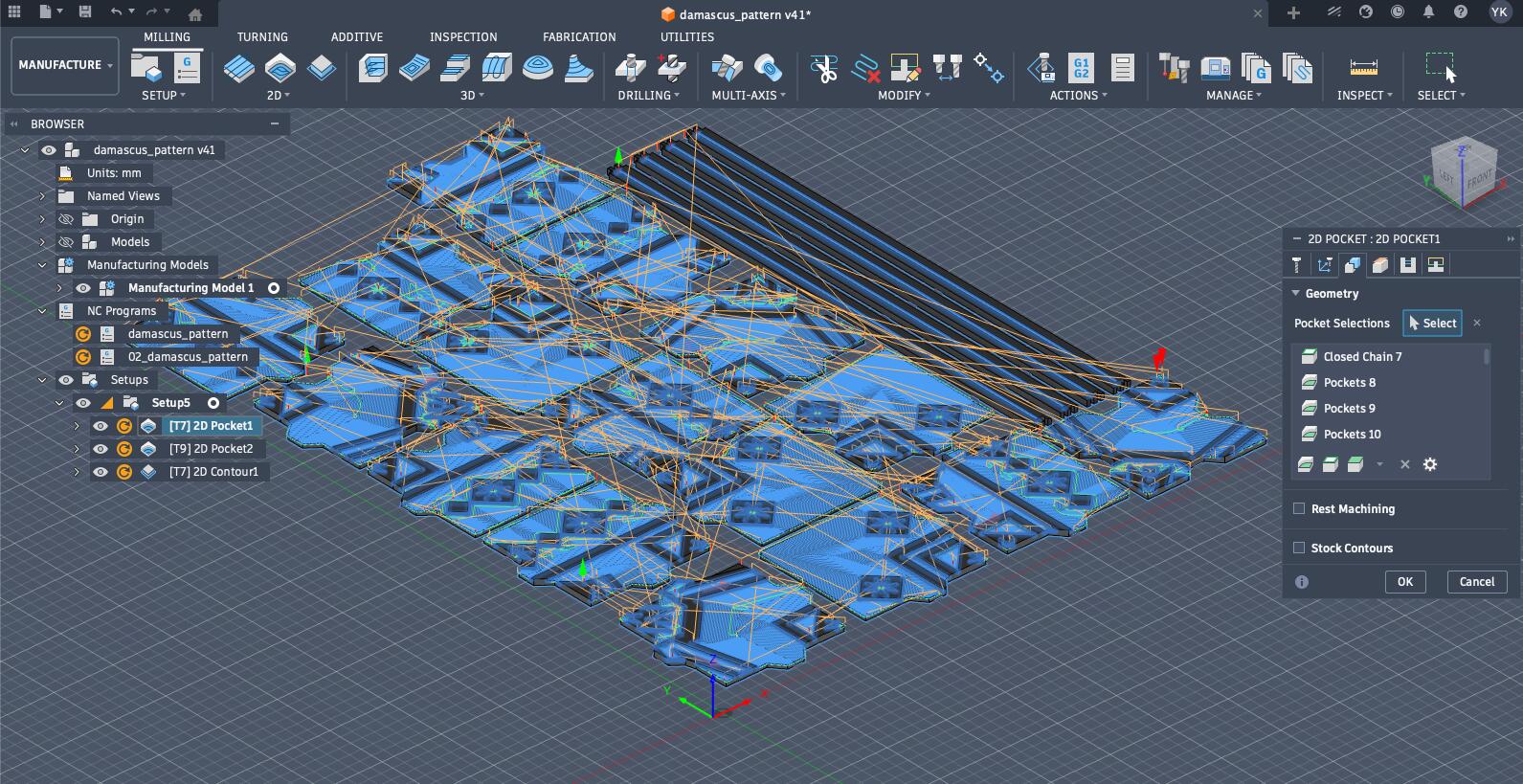
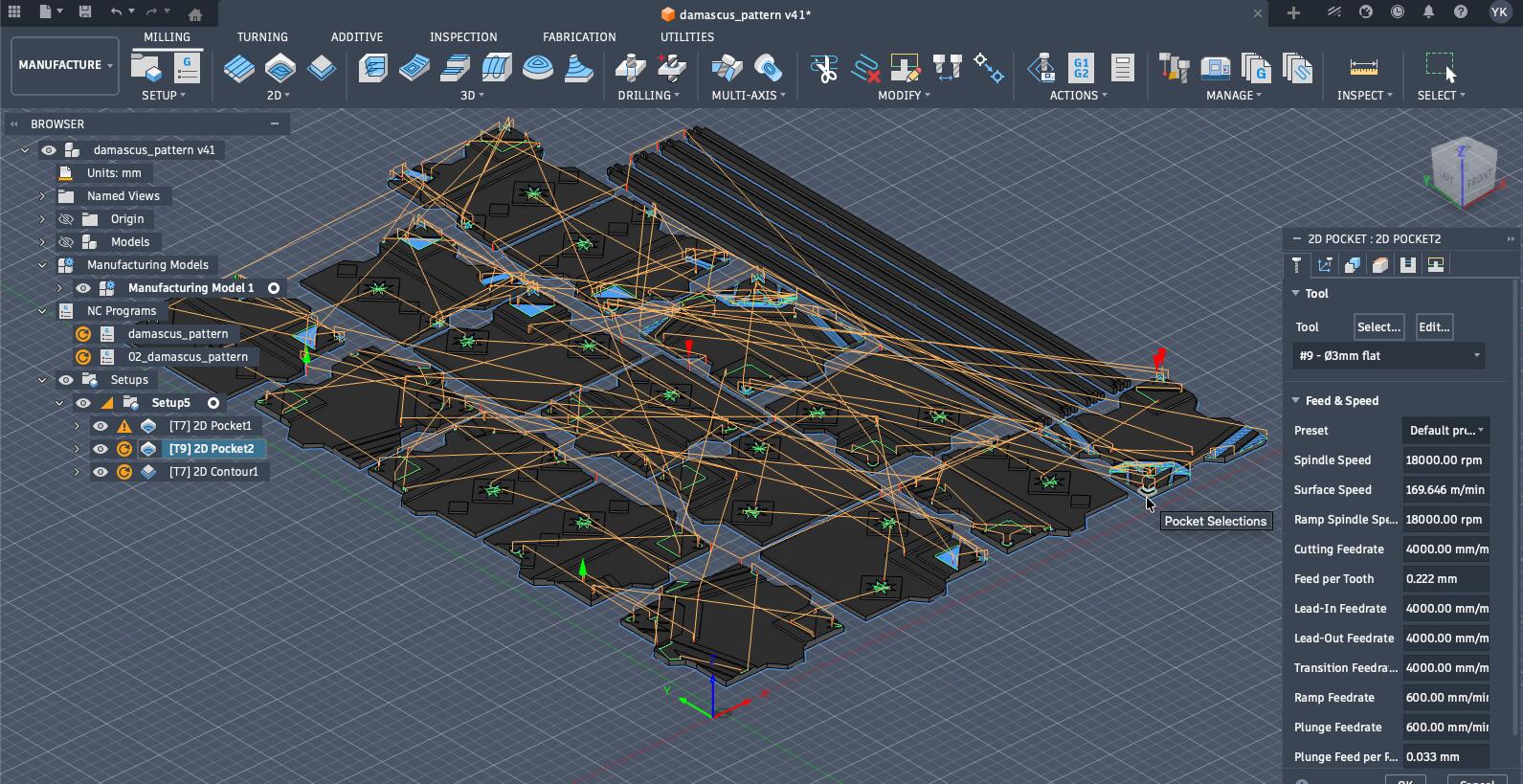
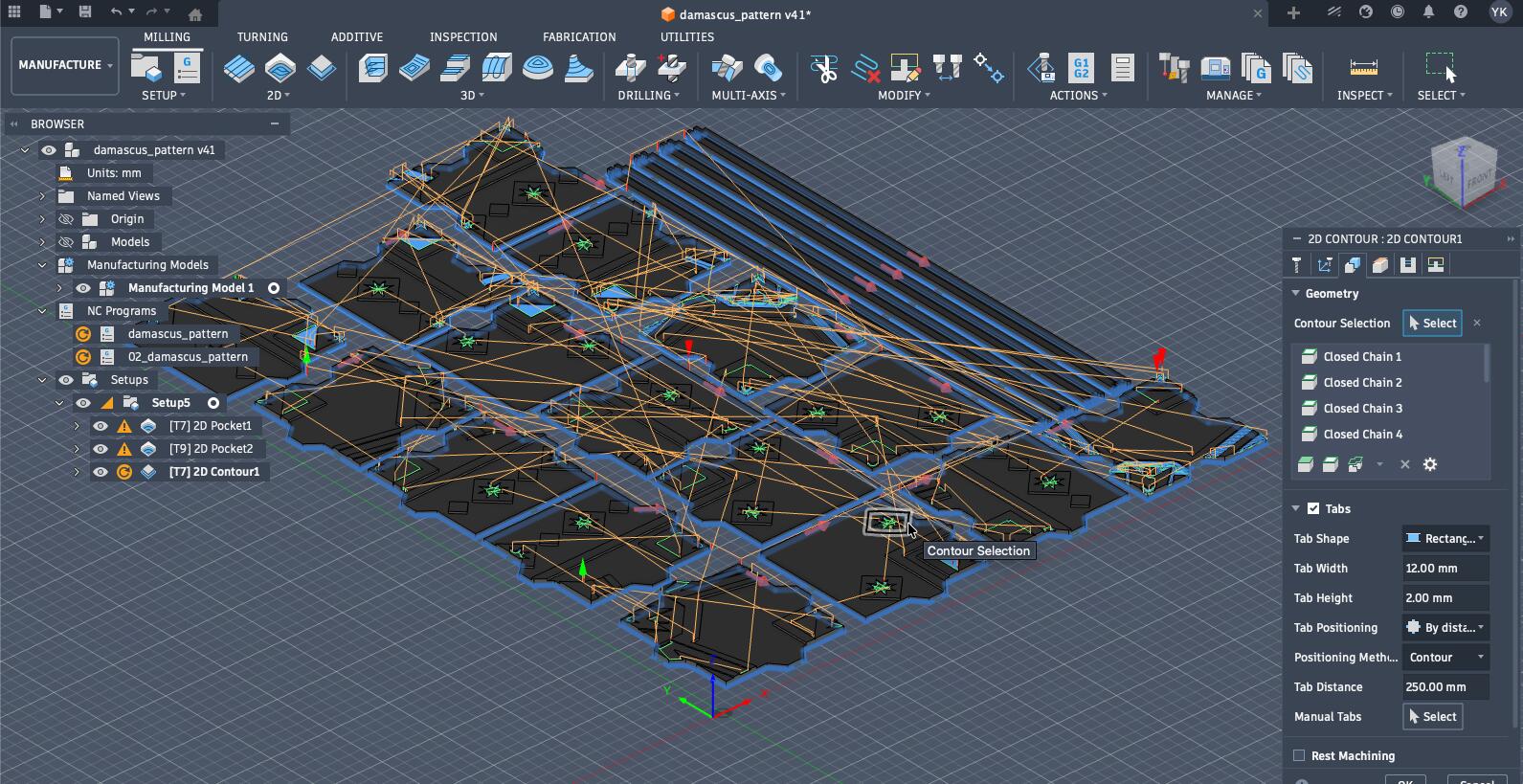
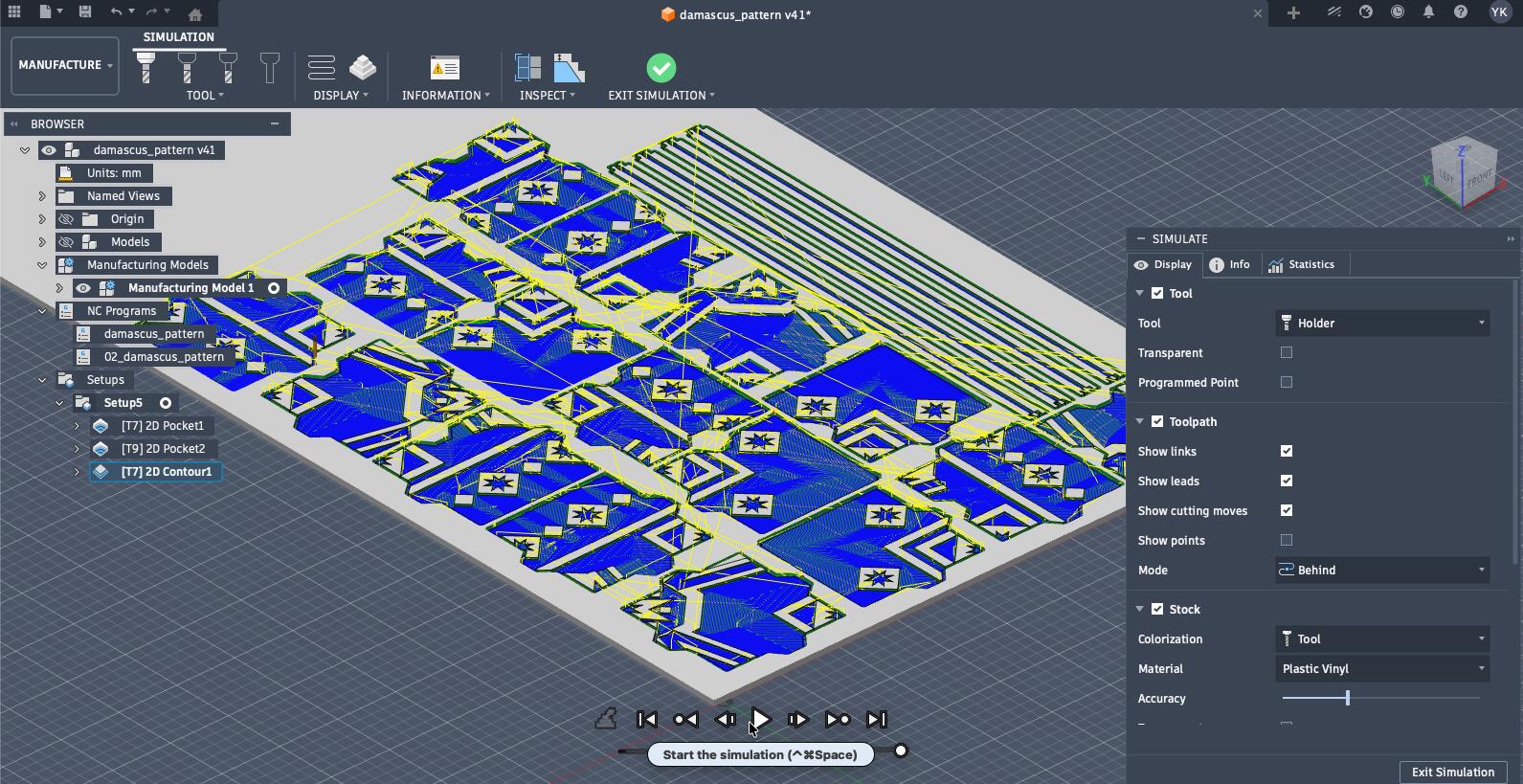
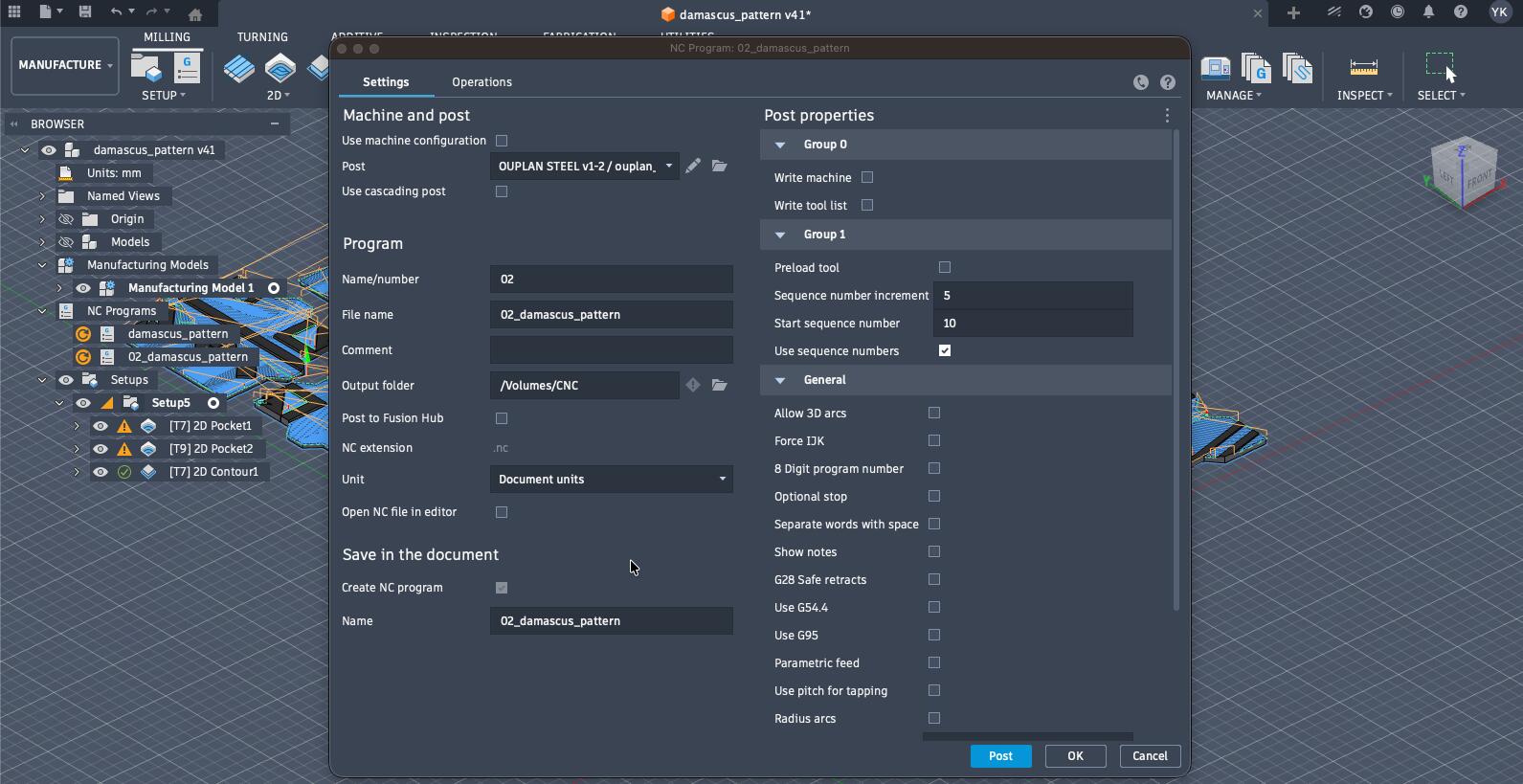
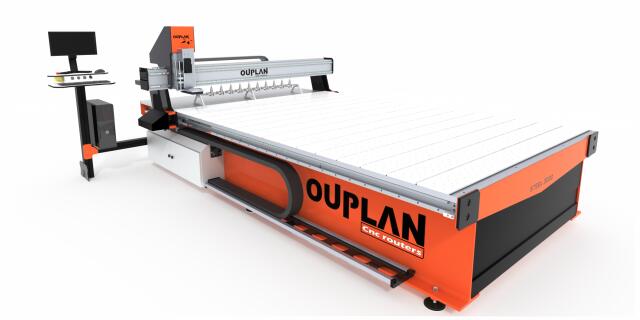
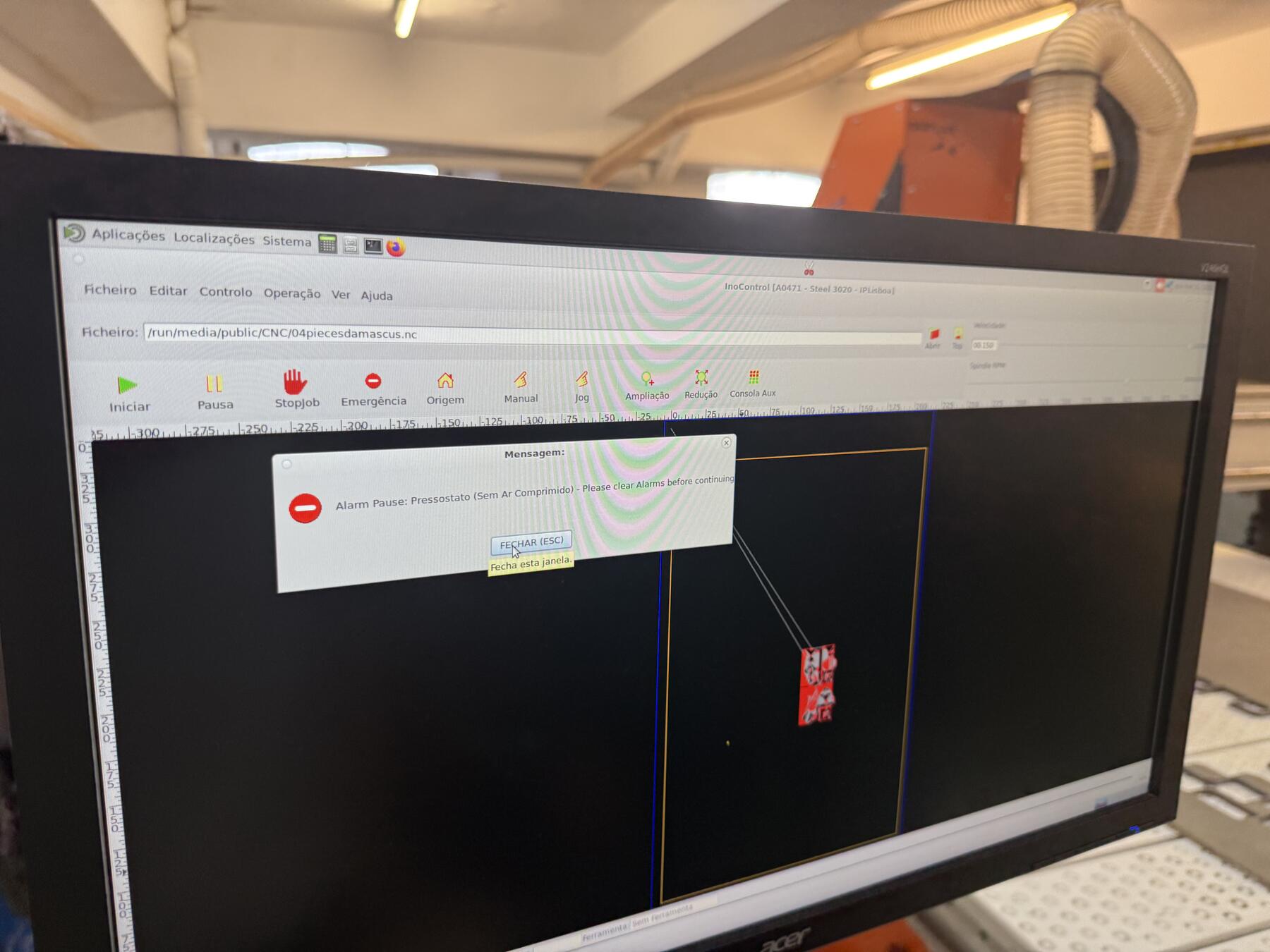
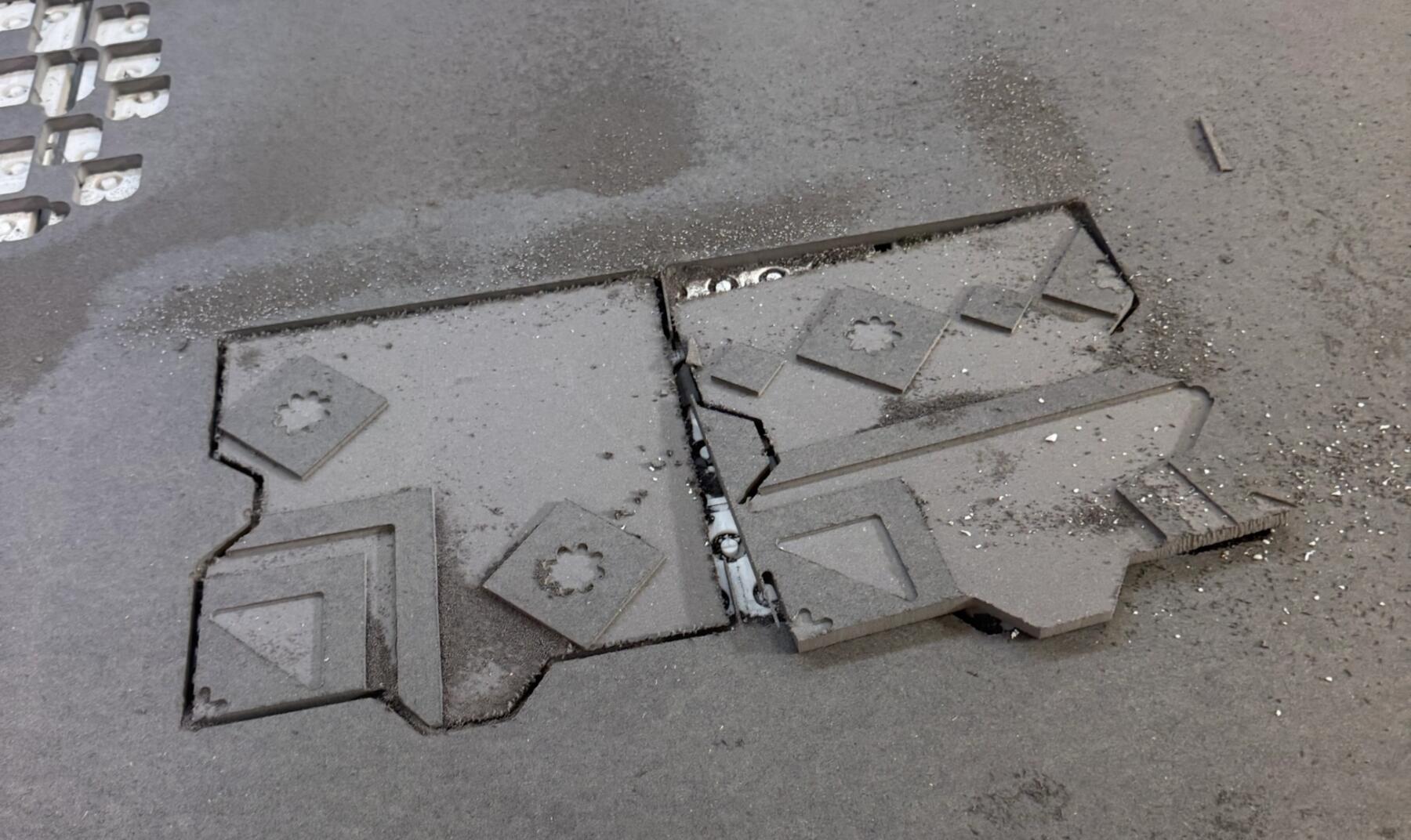
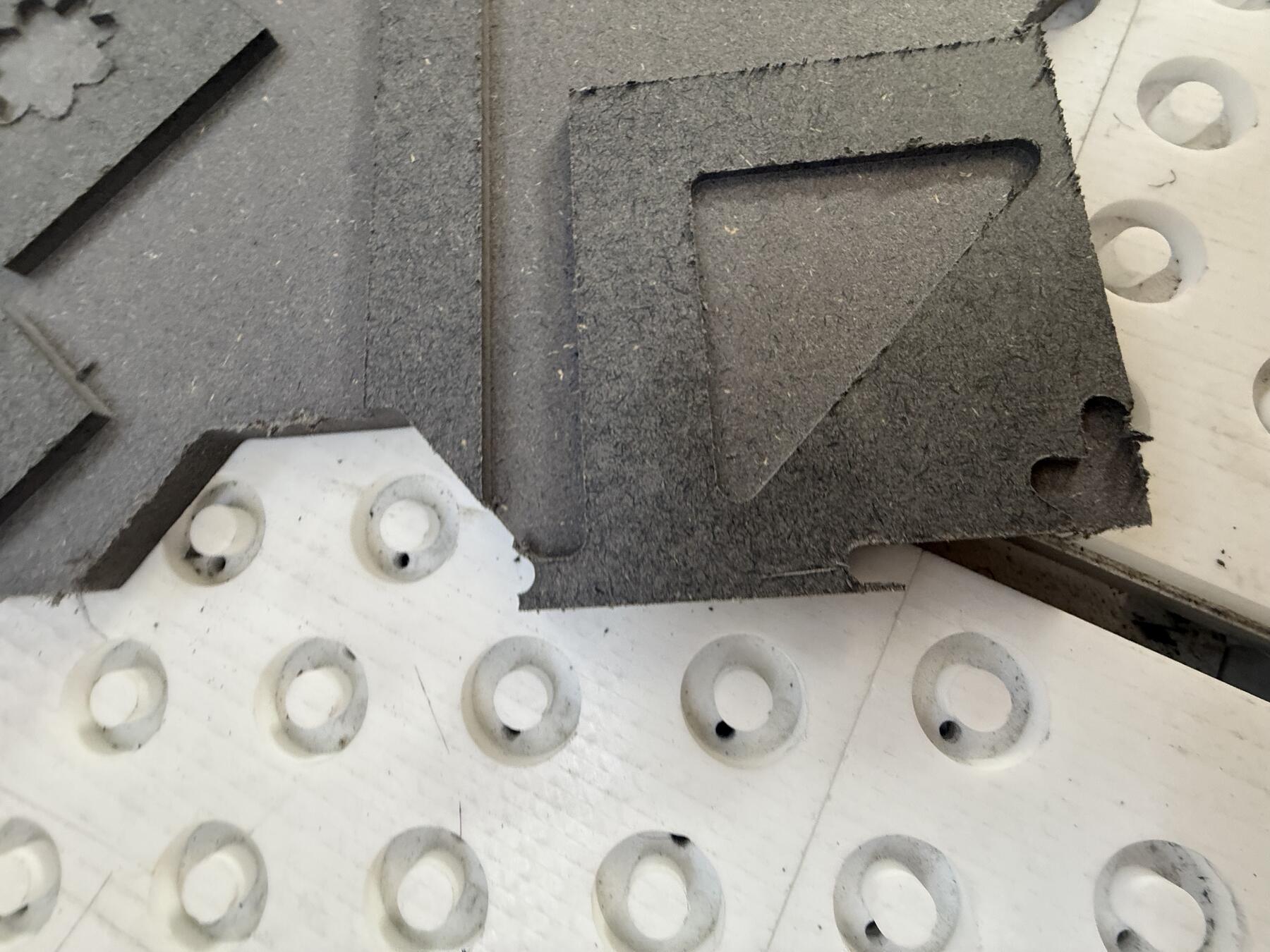
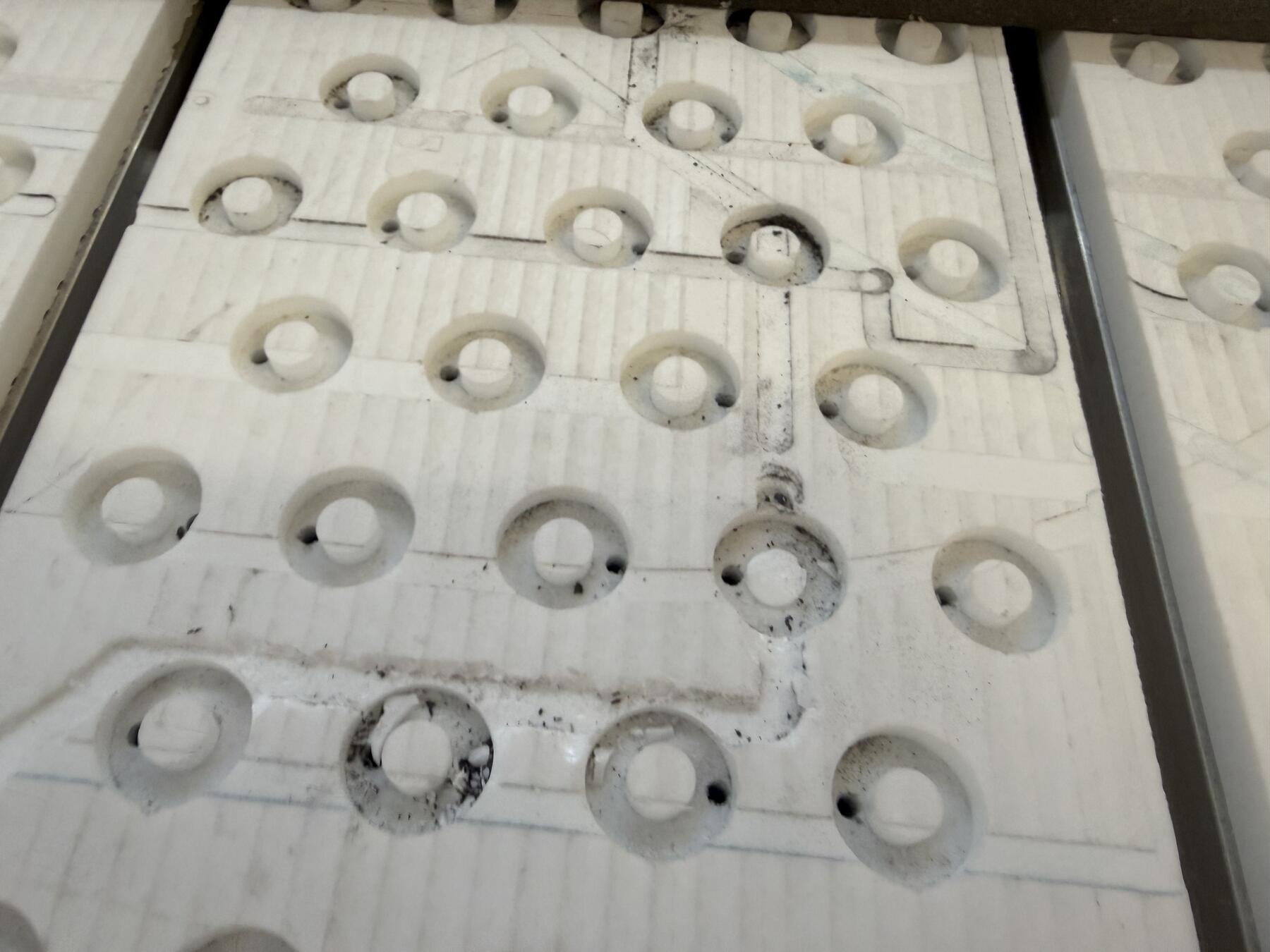
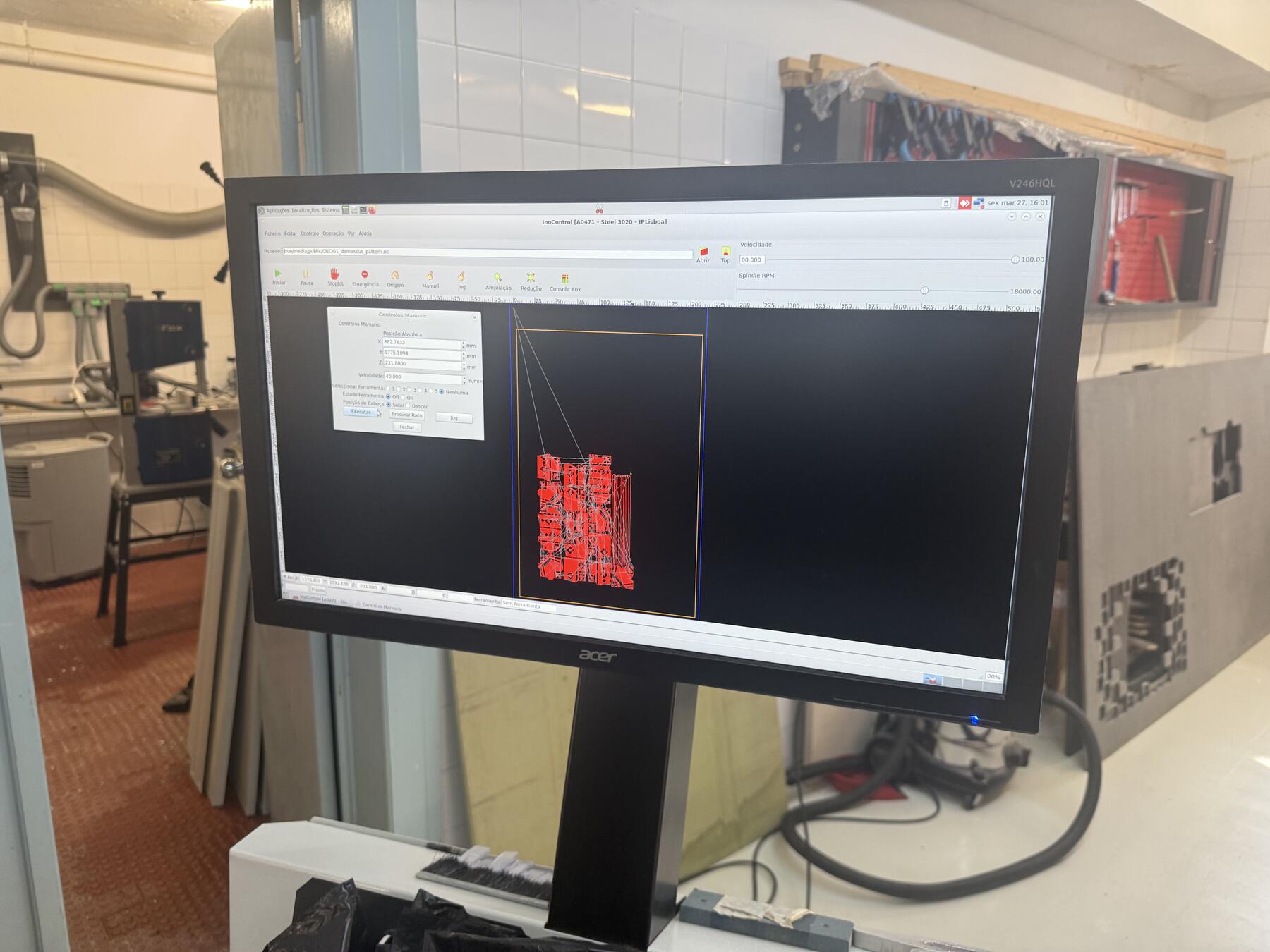
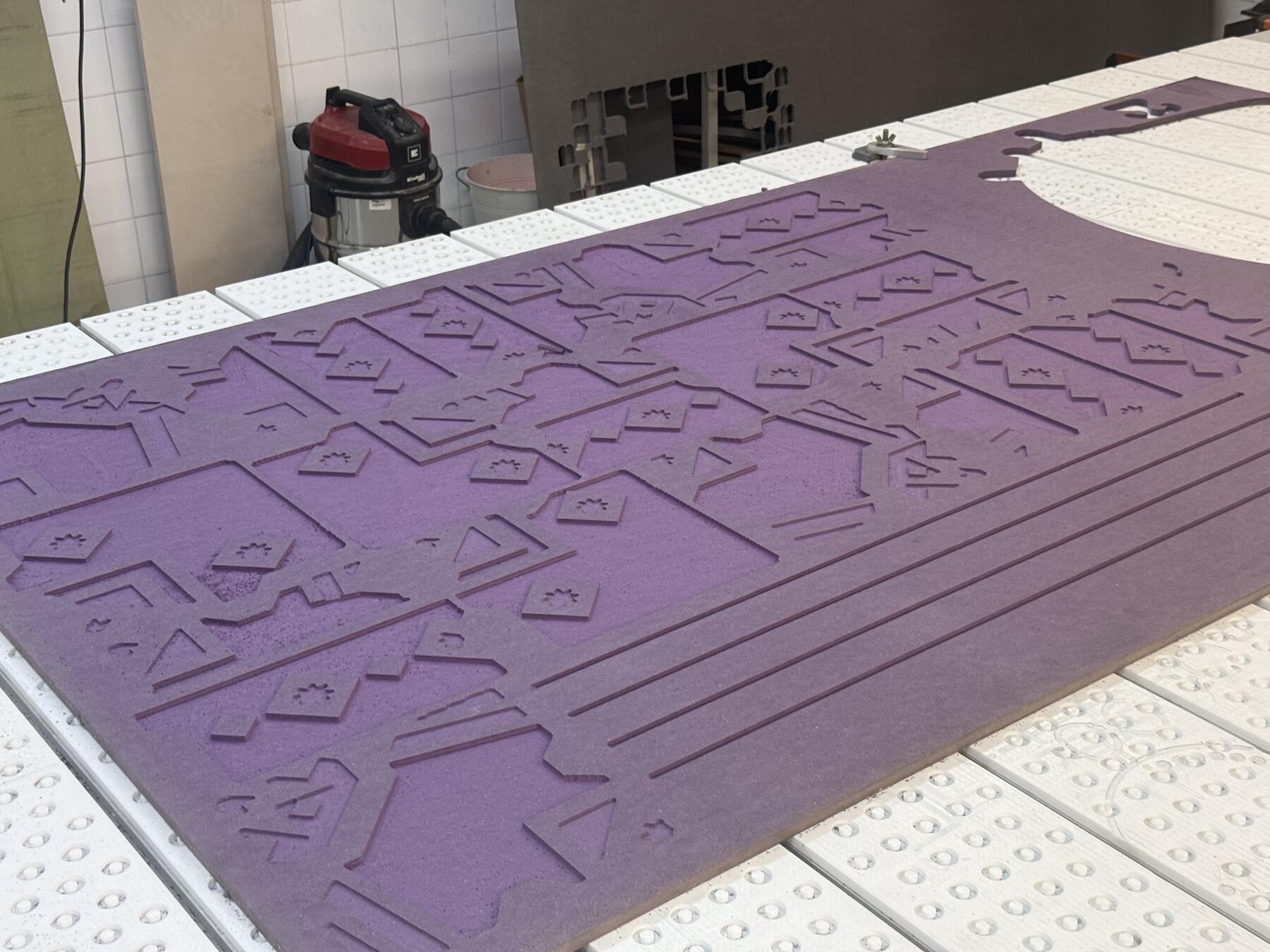
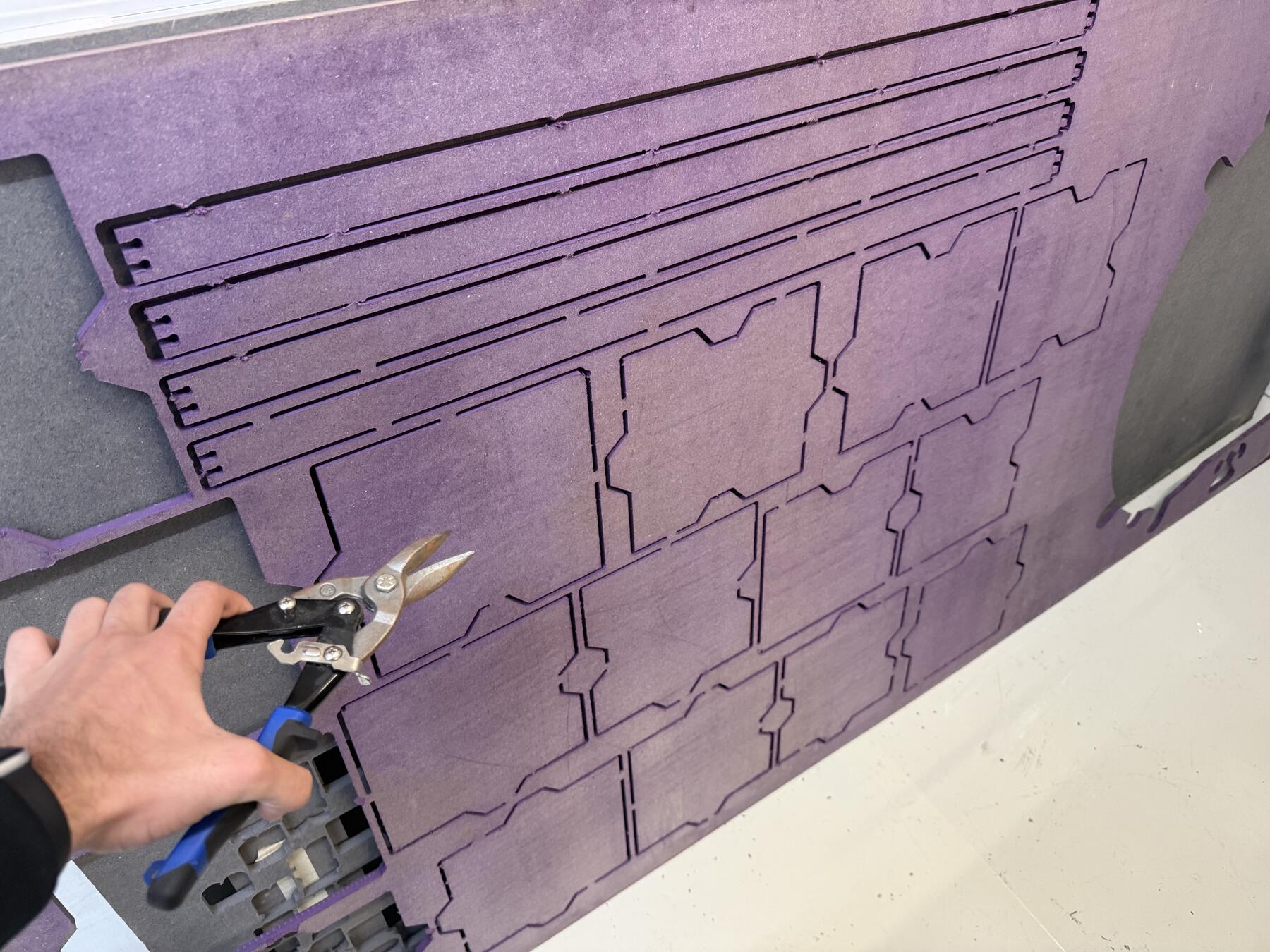
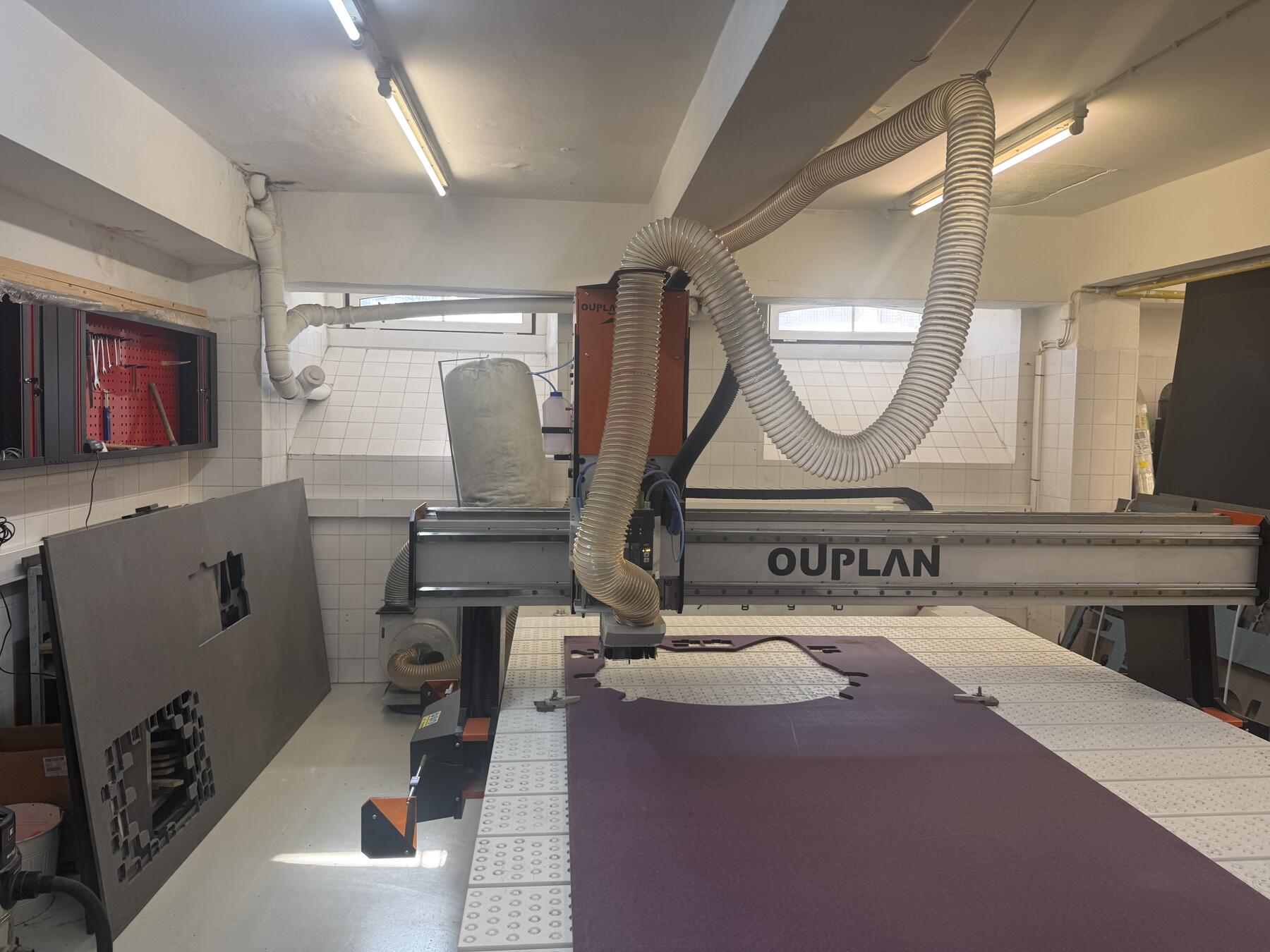
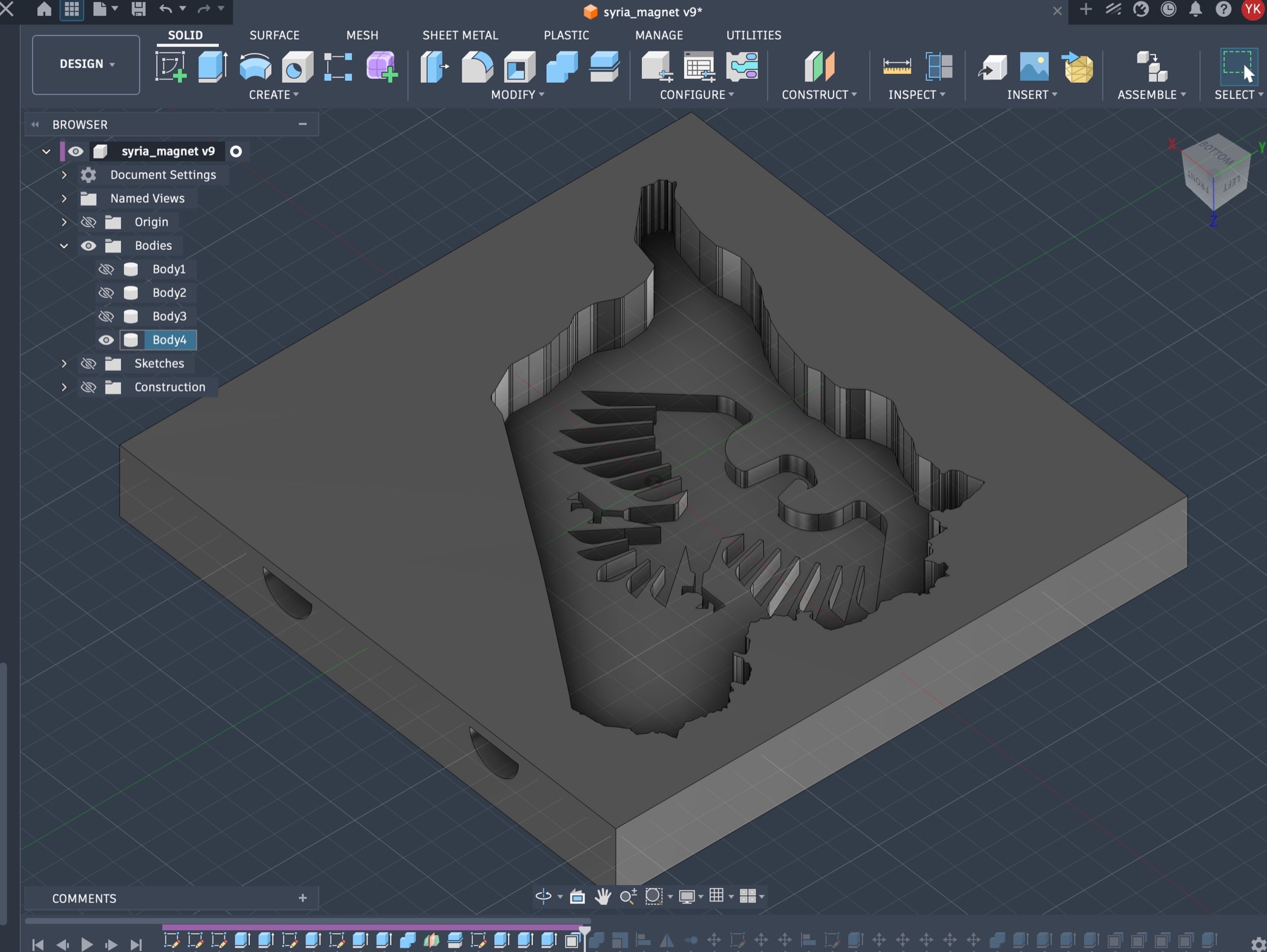
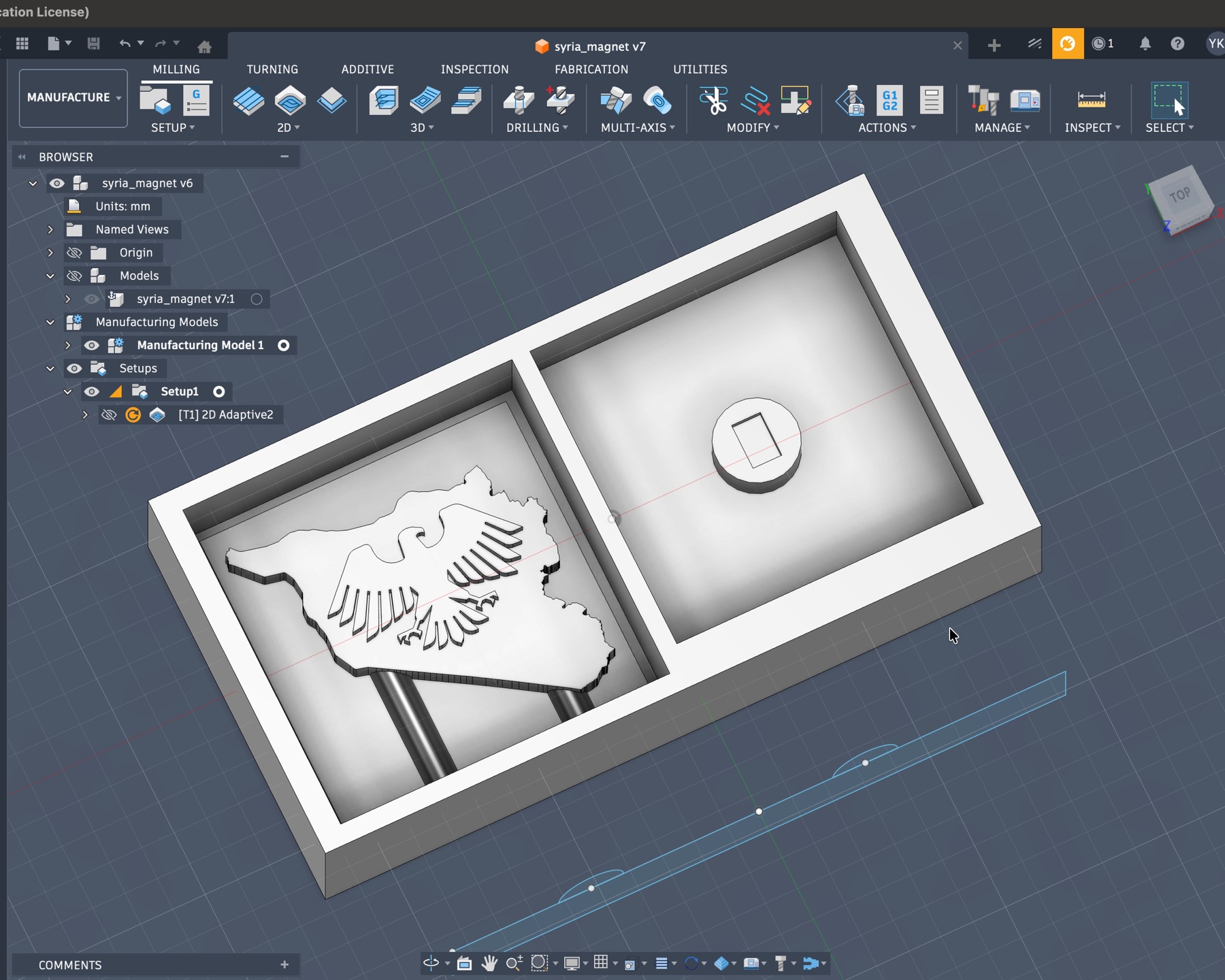
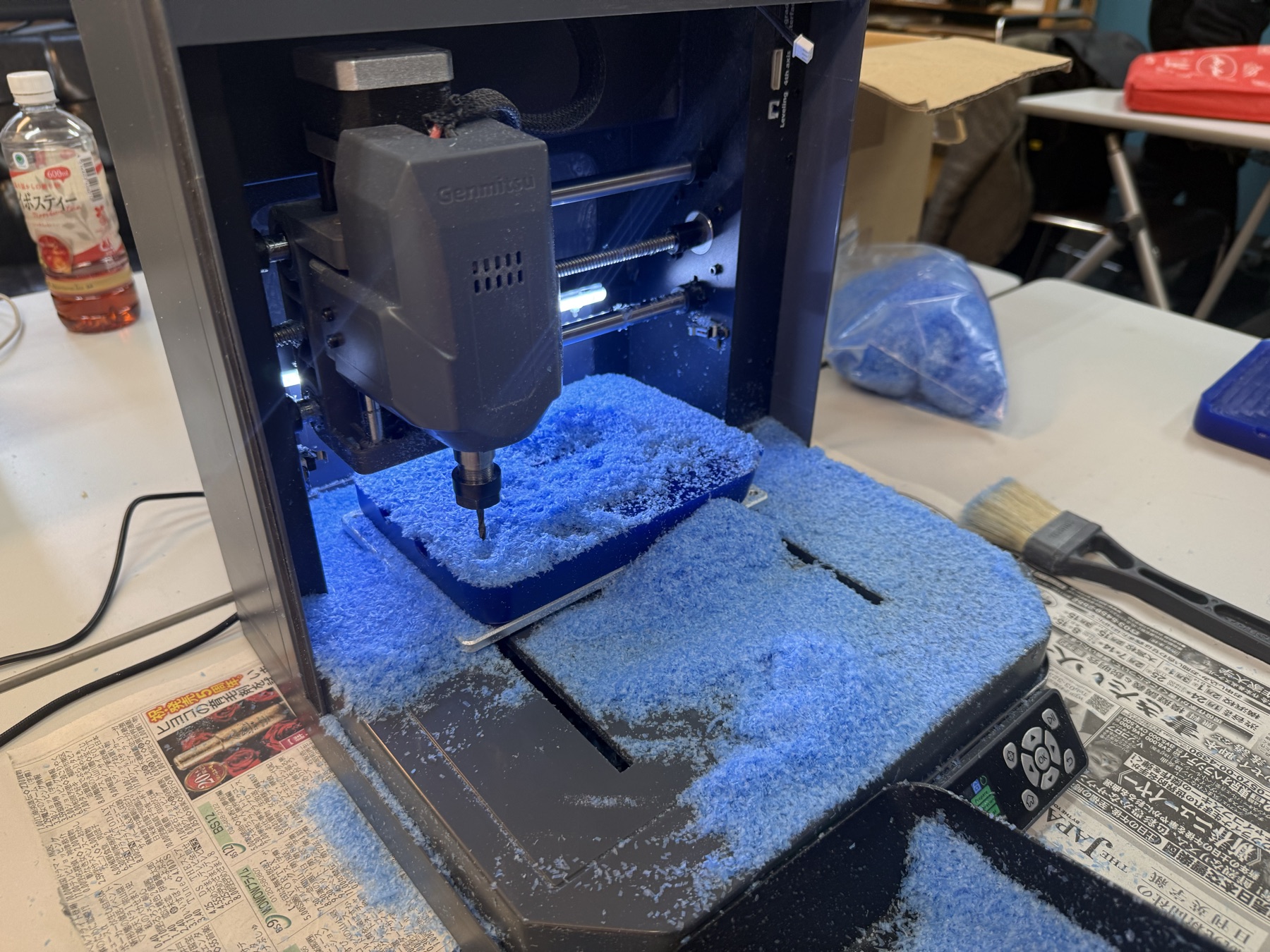
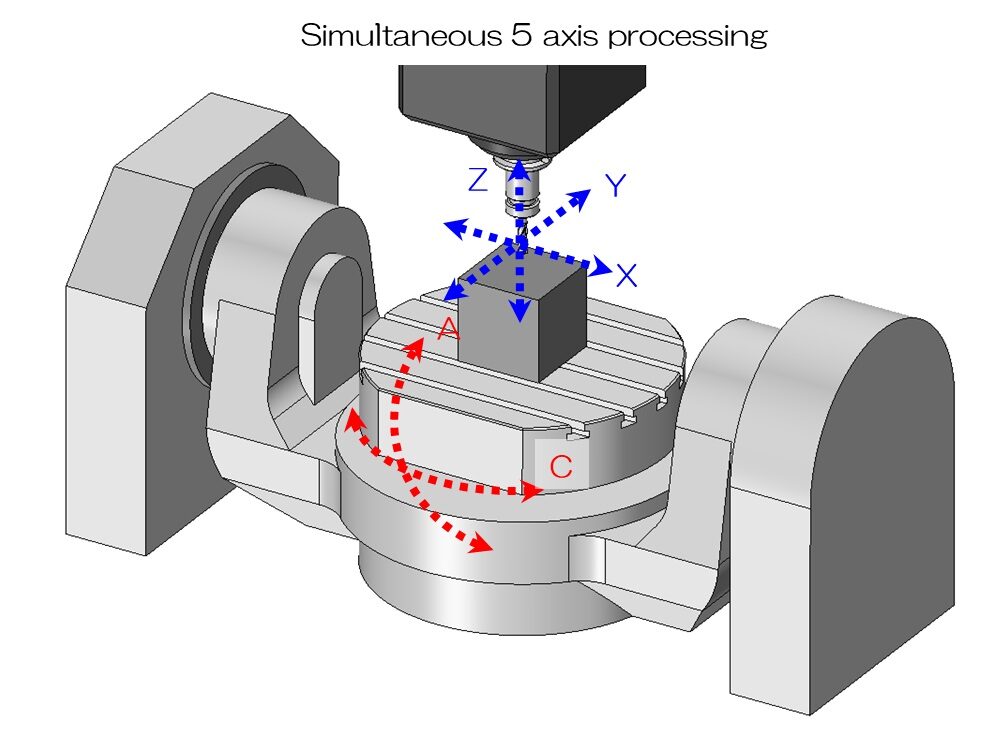
I learned CNC machining by designing Syrian mosaic geometry and a Damascus Gate-inspired panel, then moving the model through Fusion CAM and machining prep.
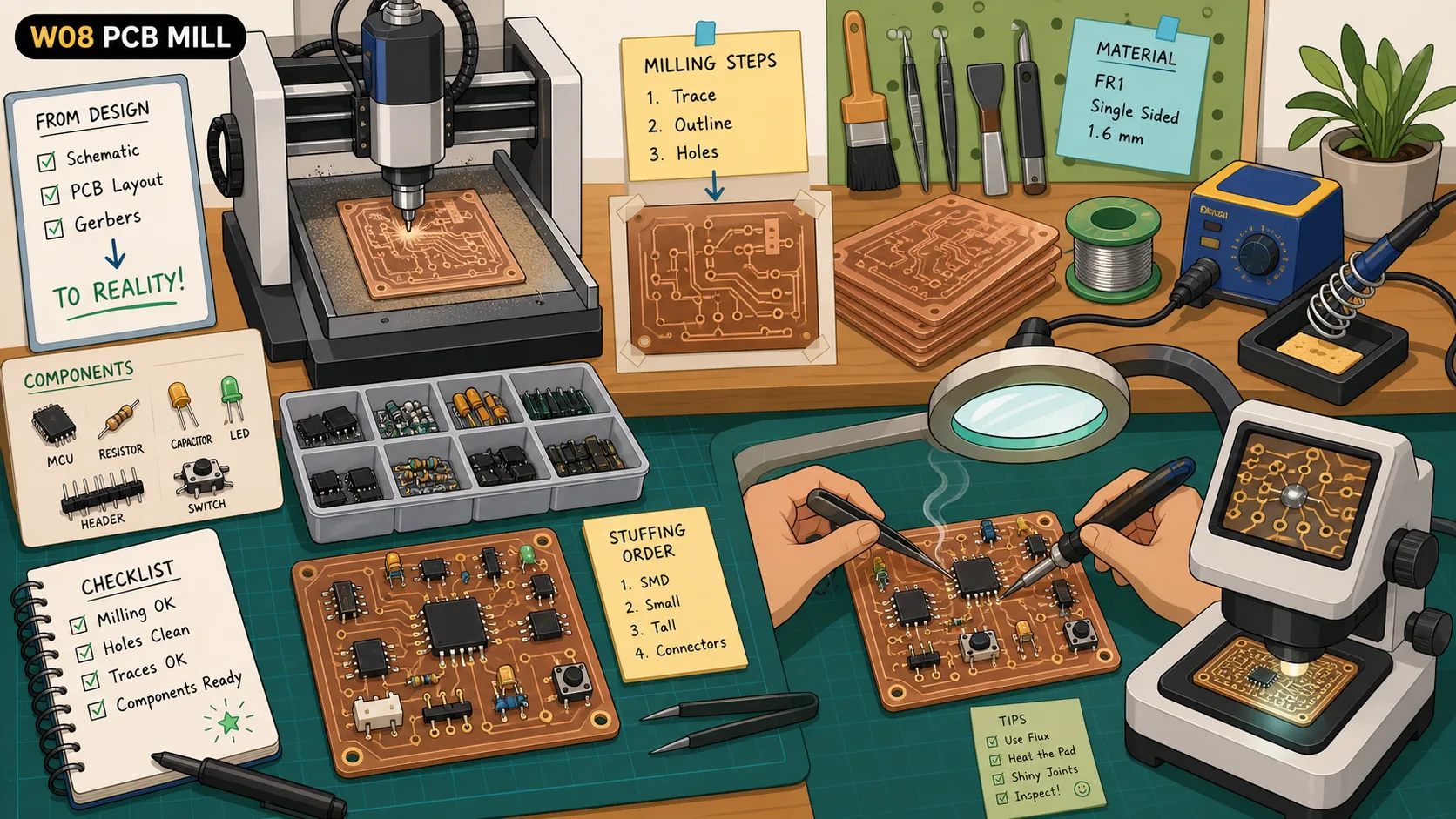
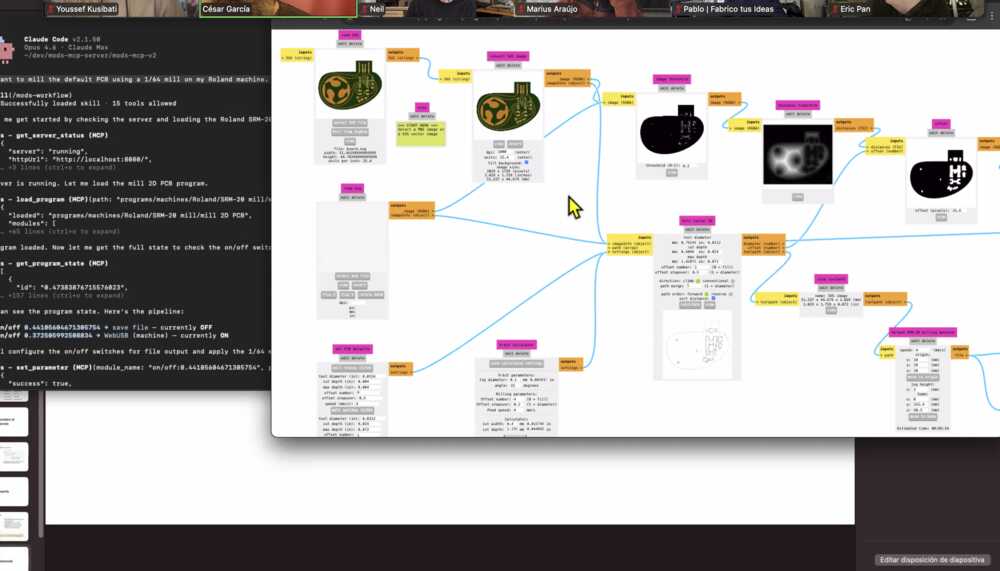
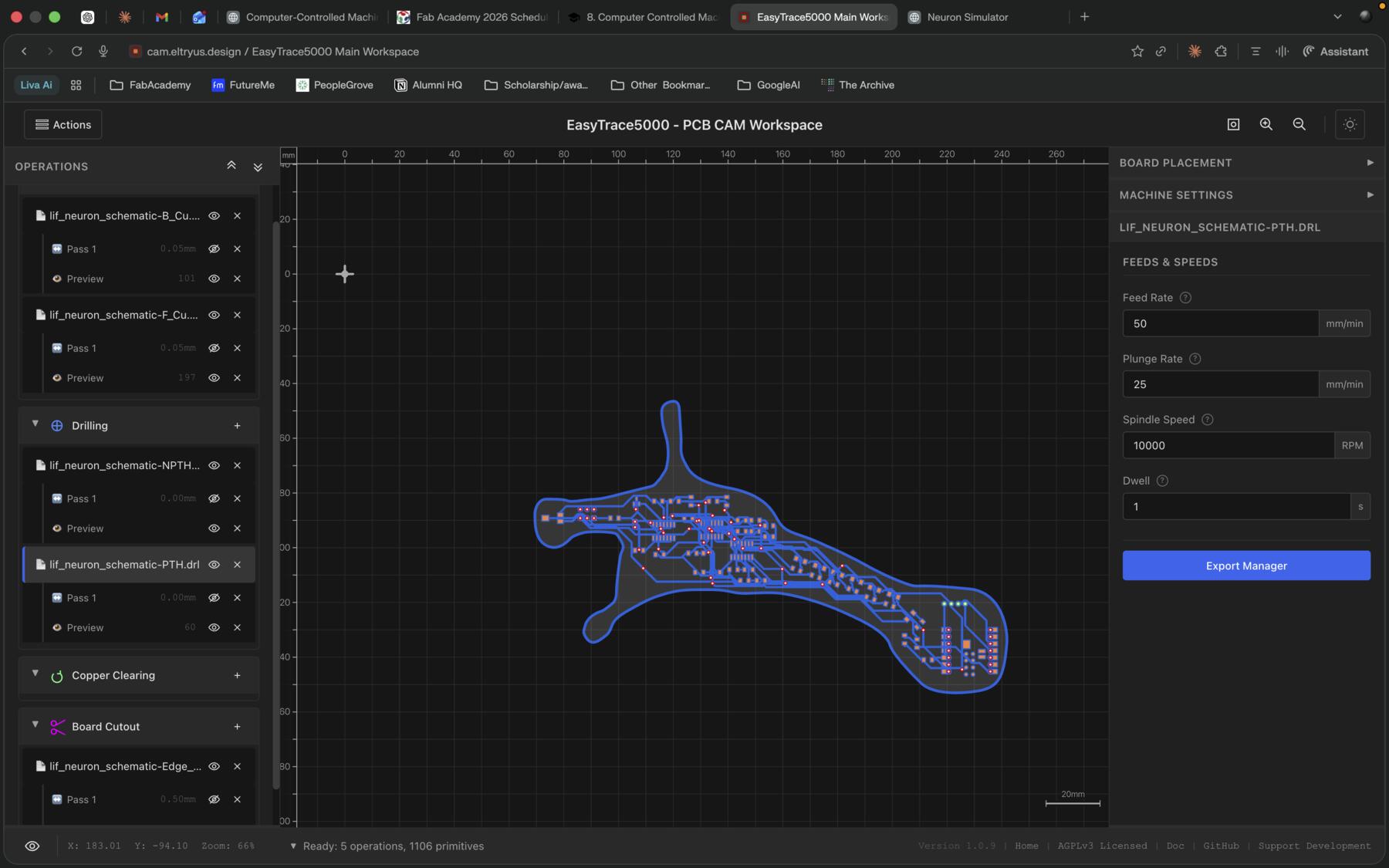
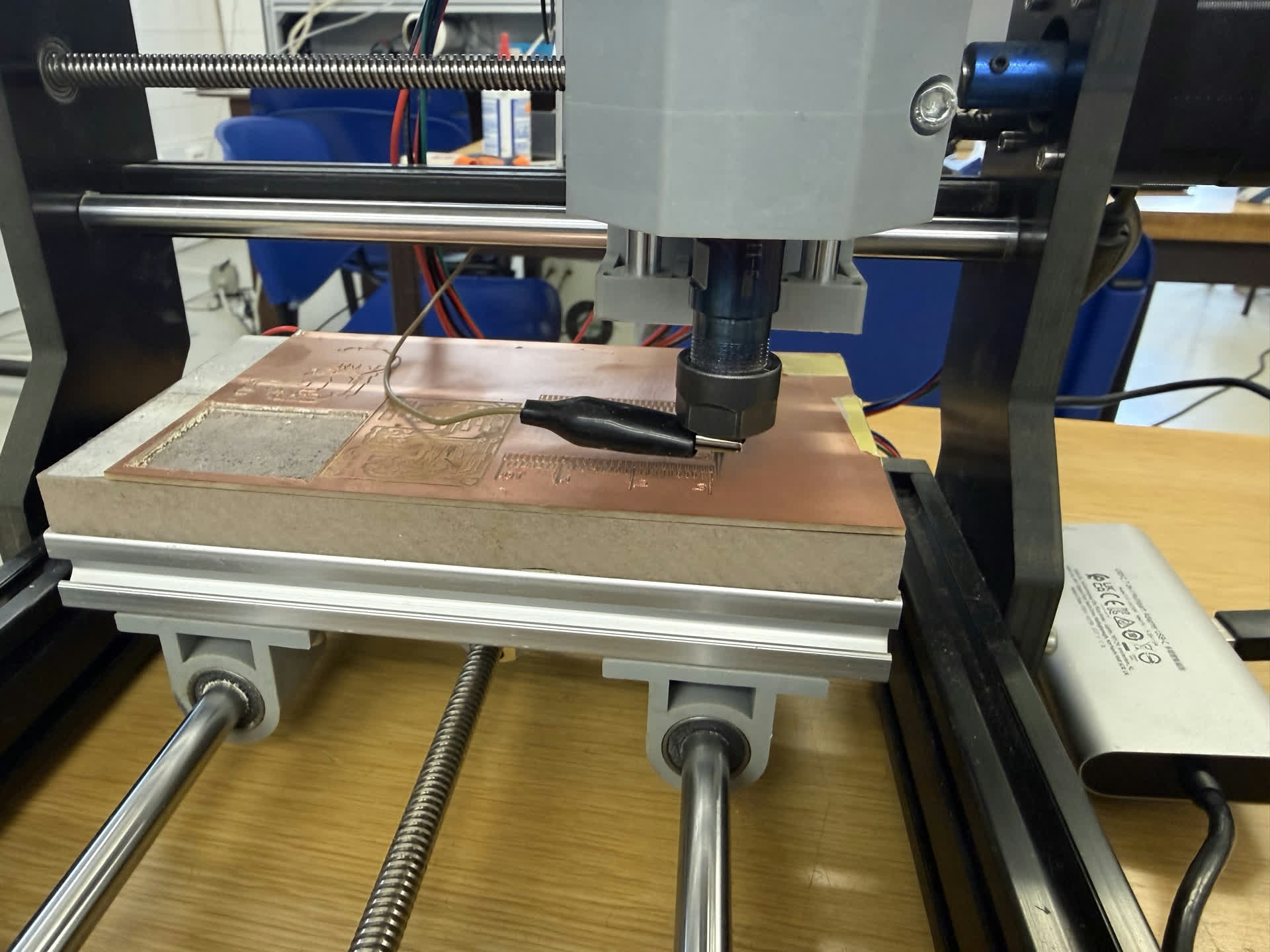
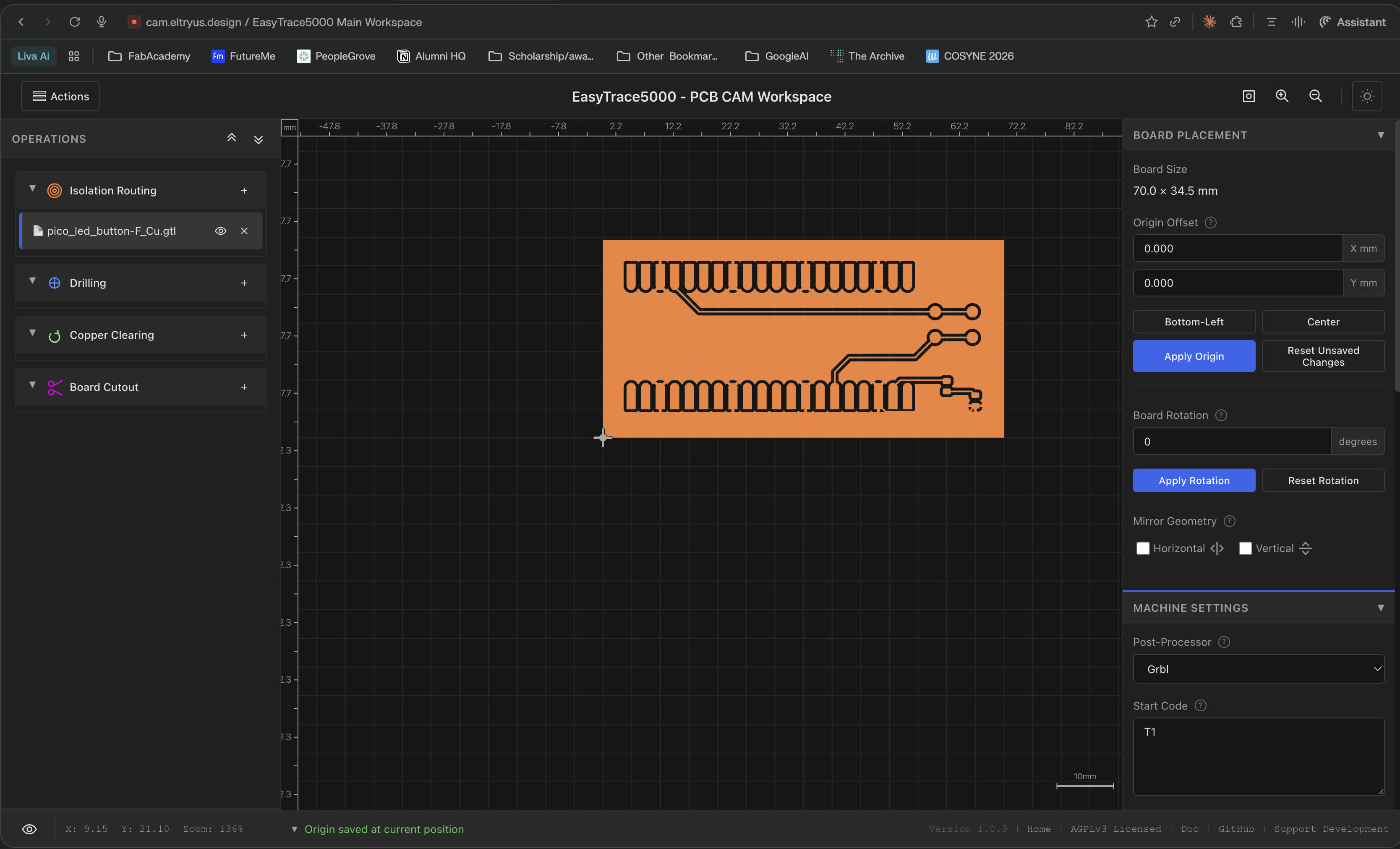
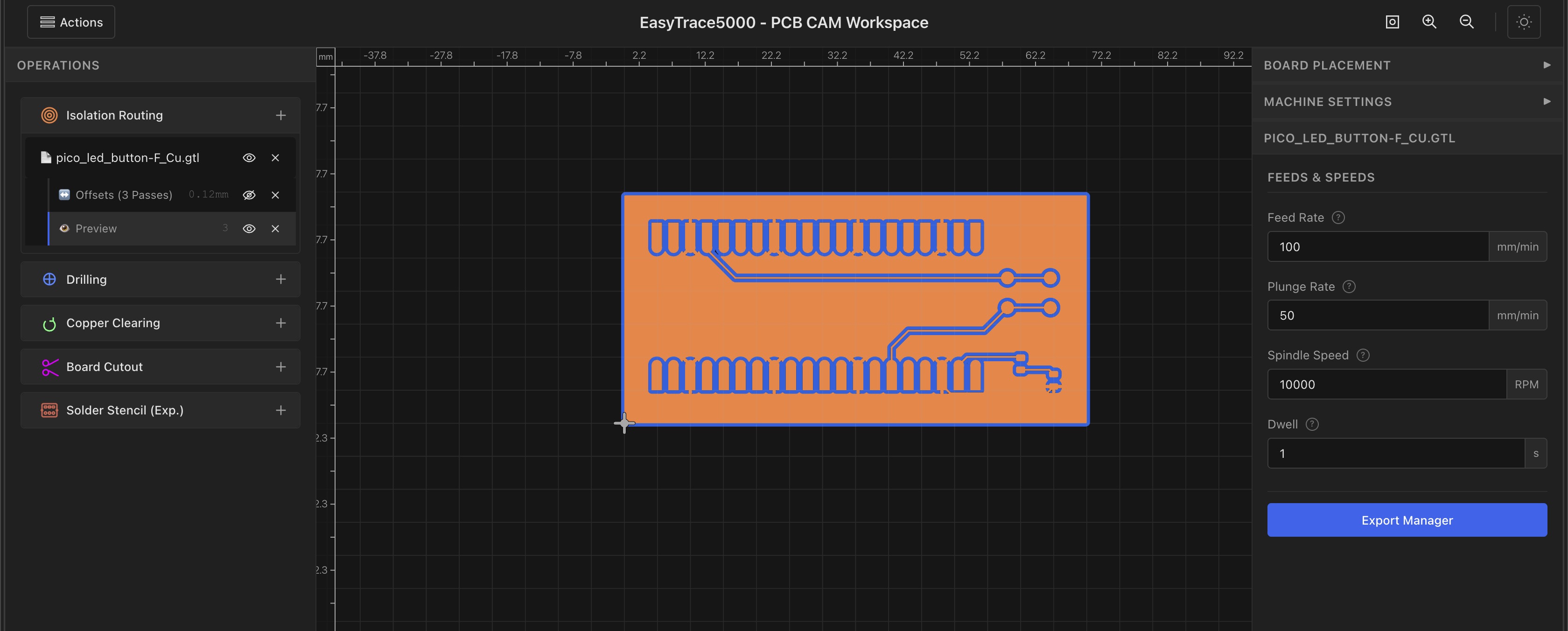
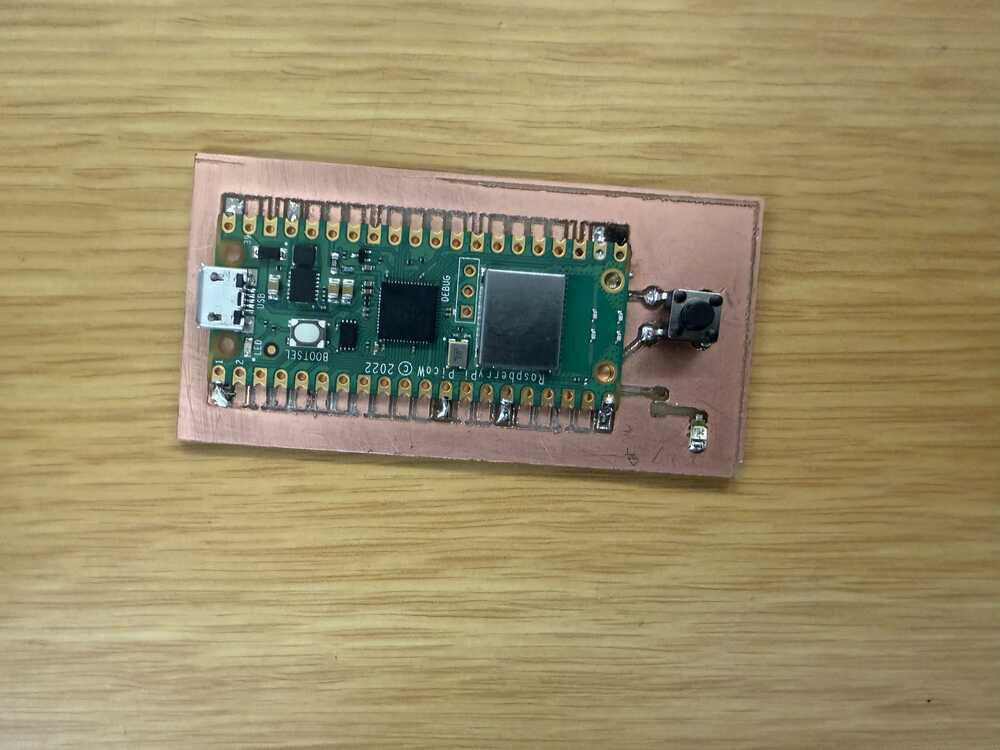
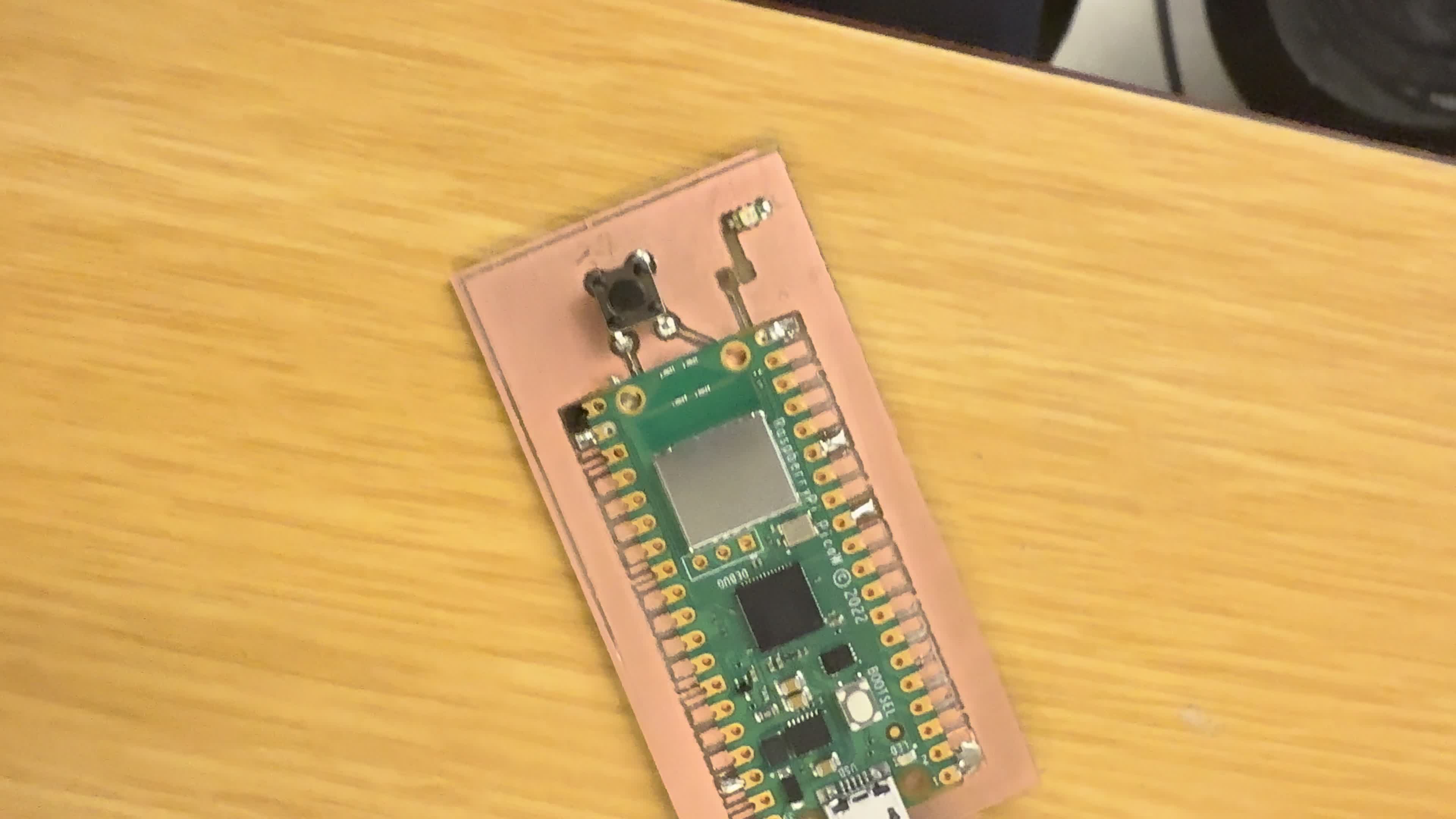
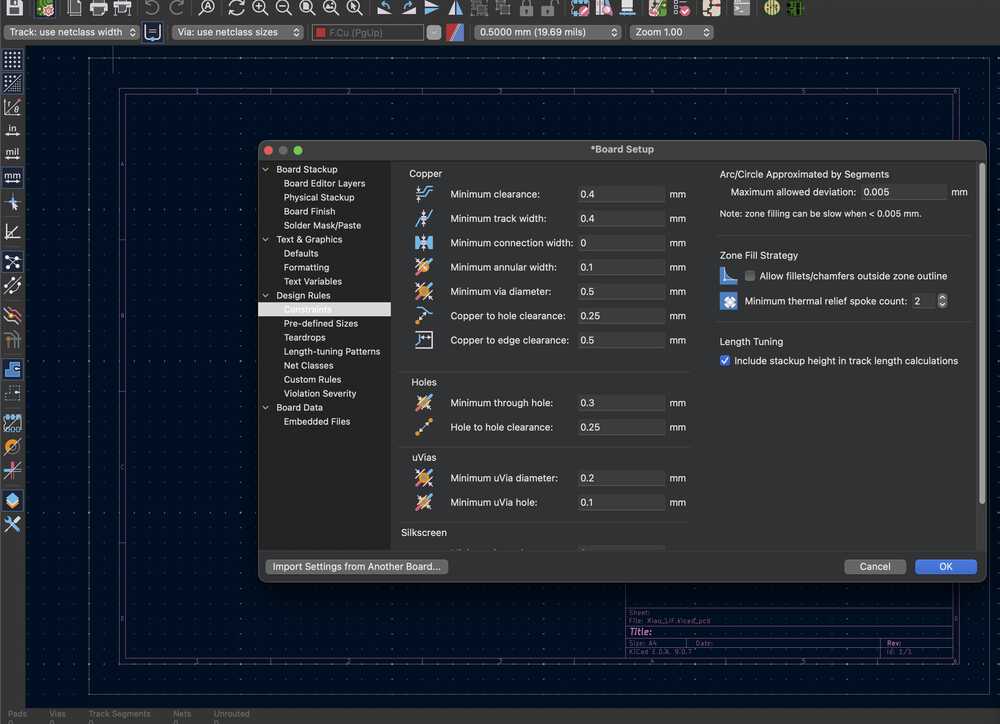
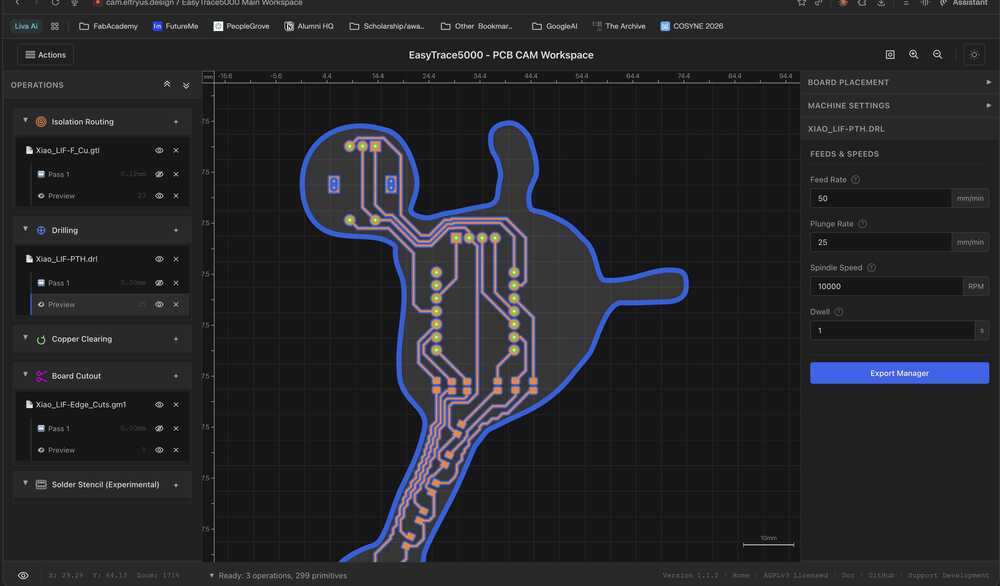
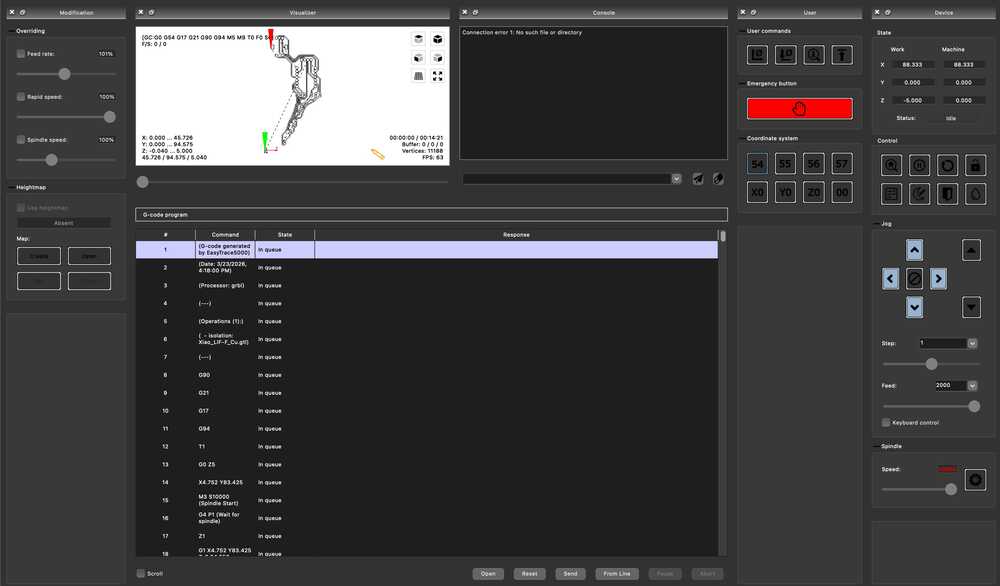
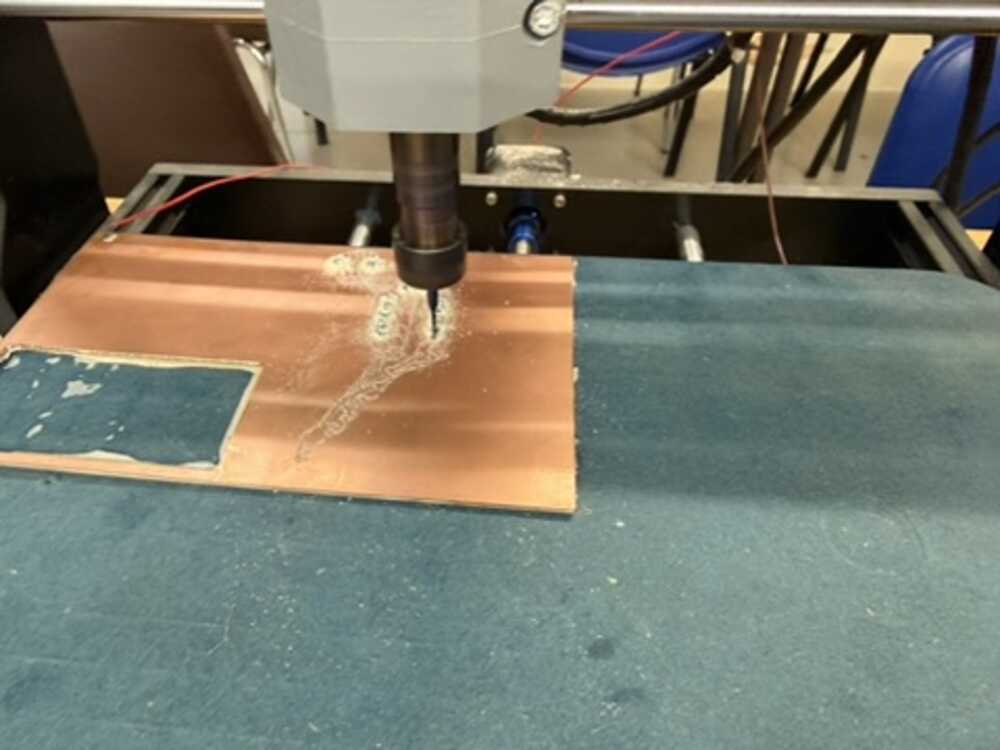
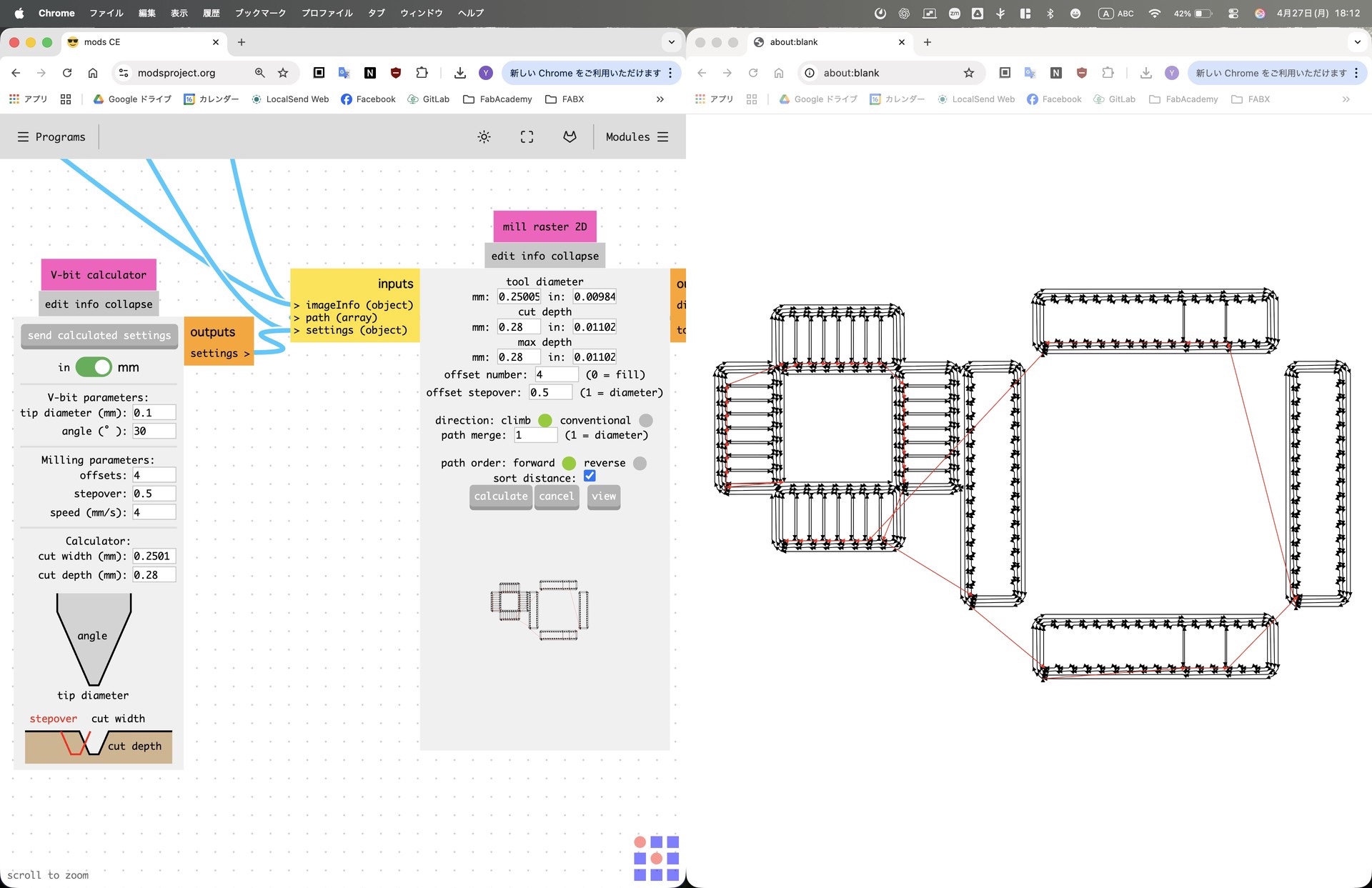
I simplified and produced a PCB, learned how in-house milling rules affect board design, and compared that path with board-house production for future project boards.
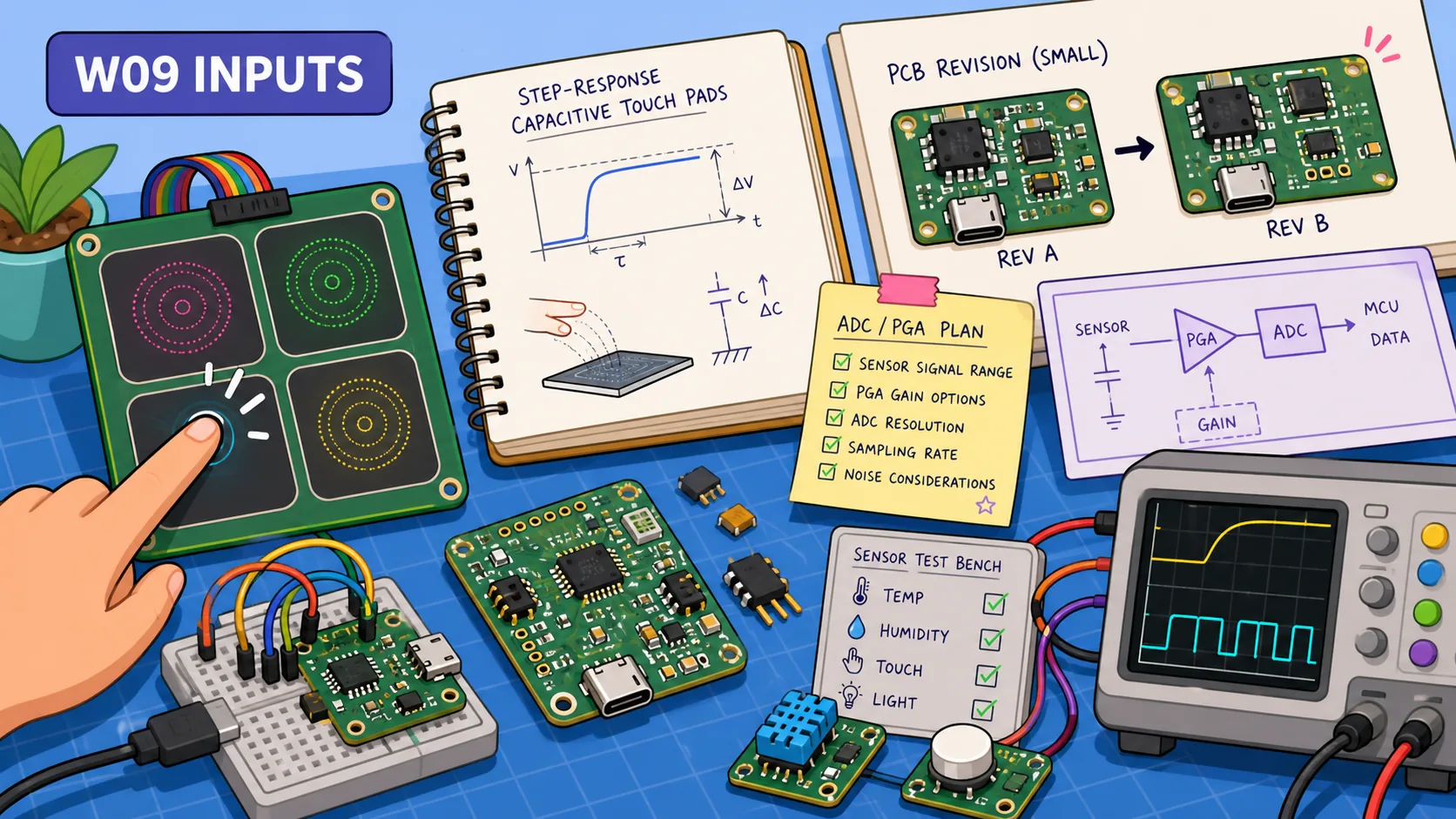
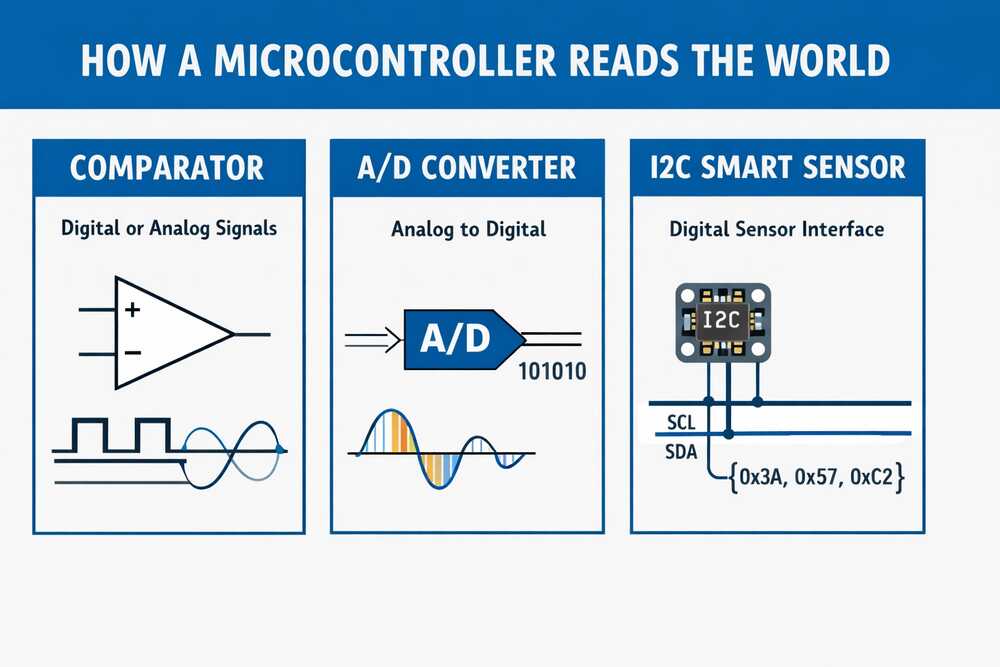
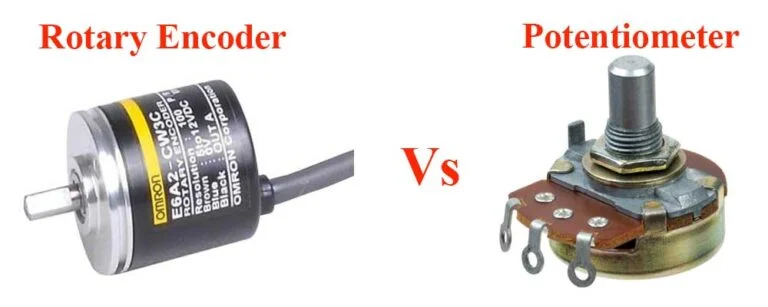
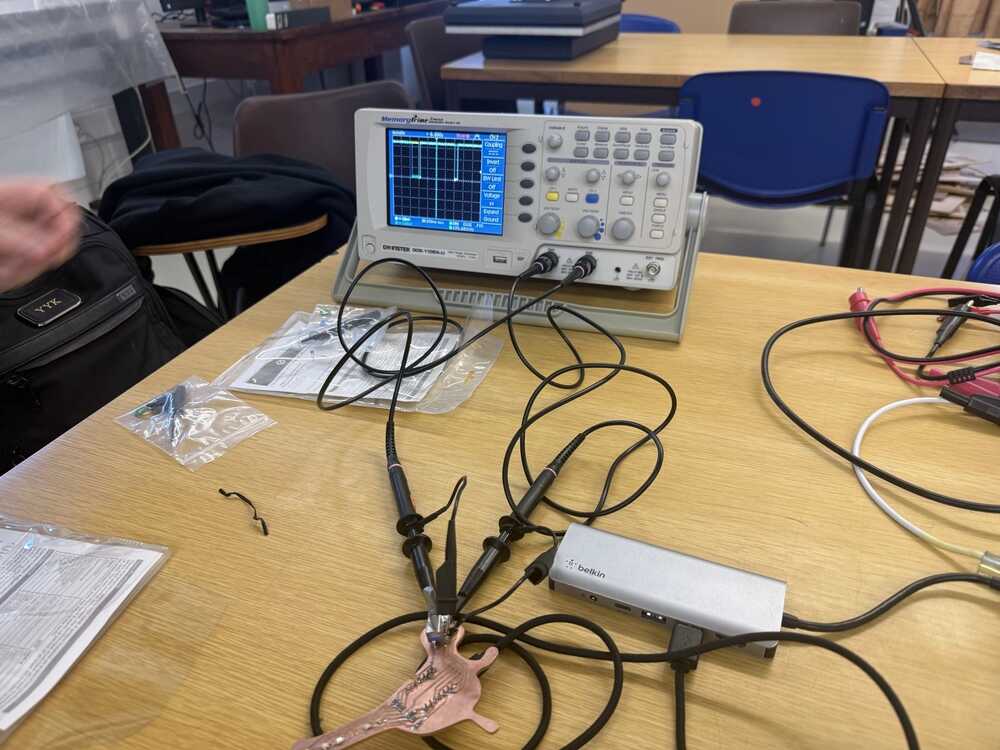
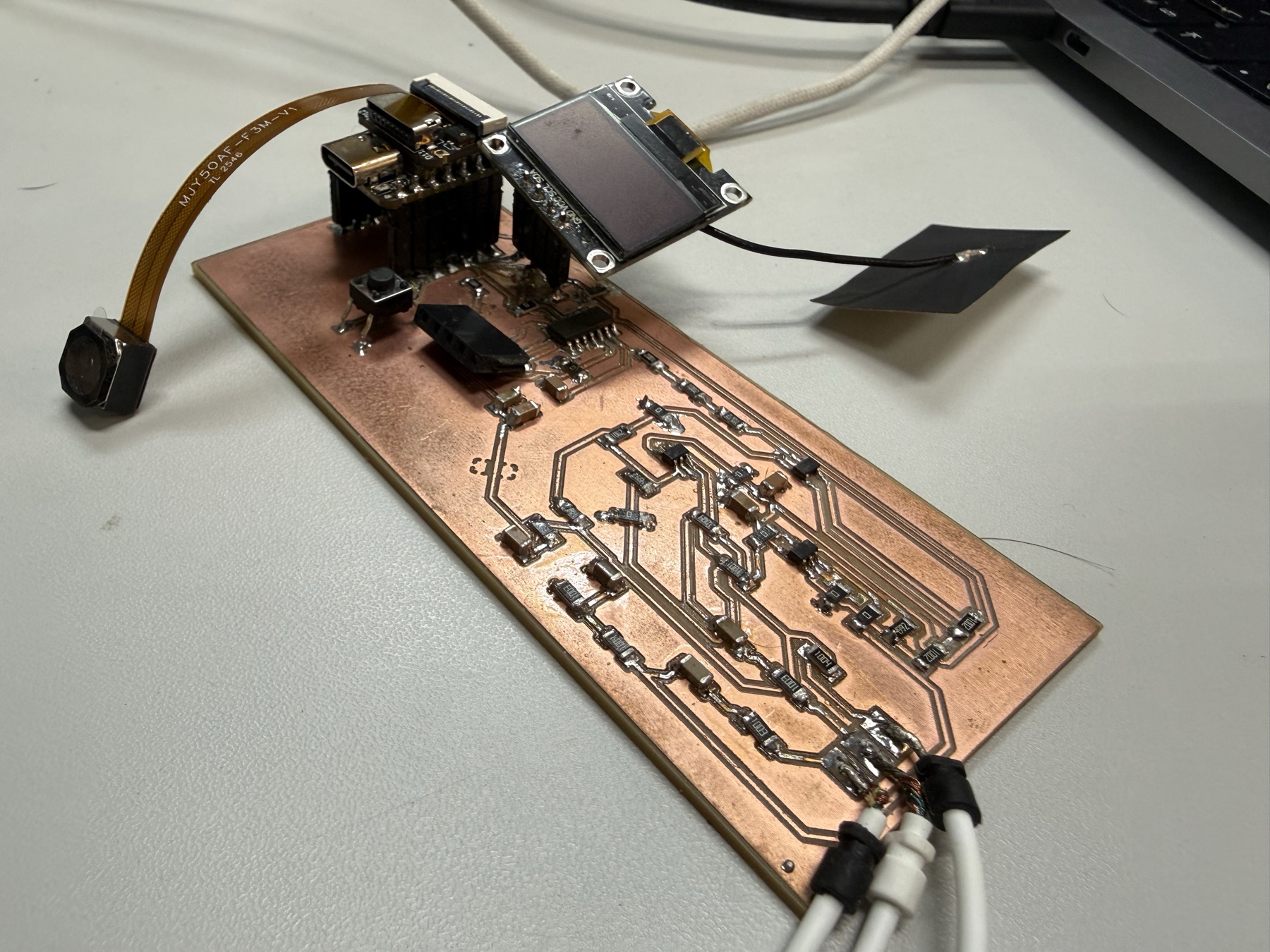
I focused on input devices by redesigning the neuron PCB as a software LIF board, then milling, soldering, and testing it as an input-focused electronics step.
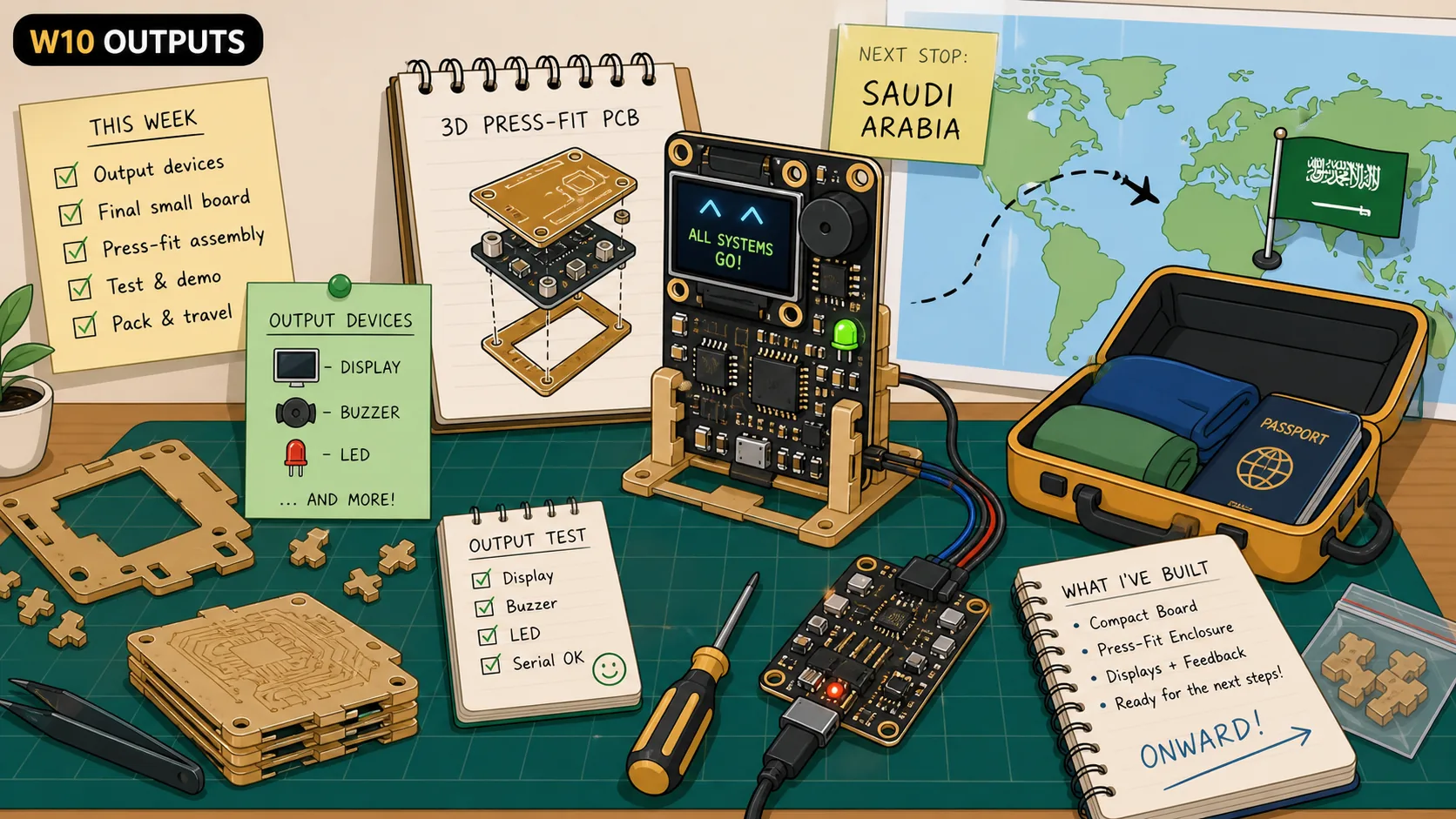
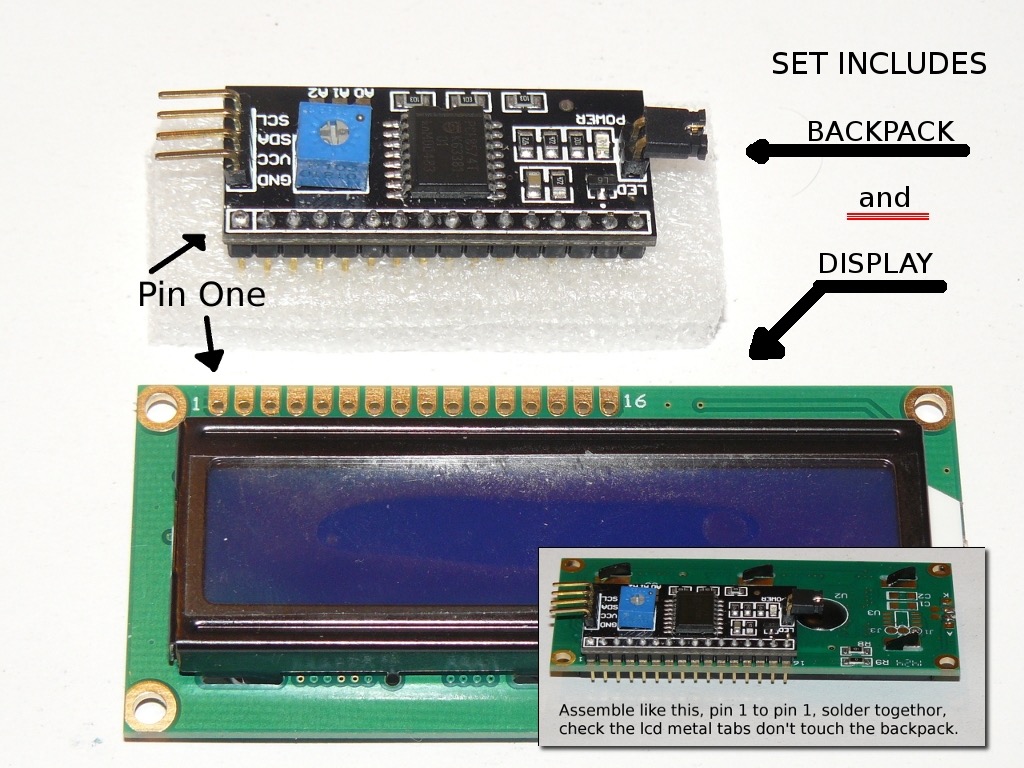
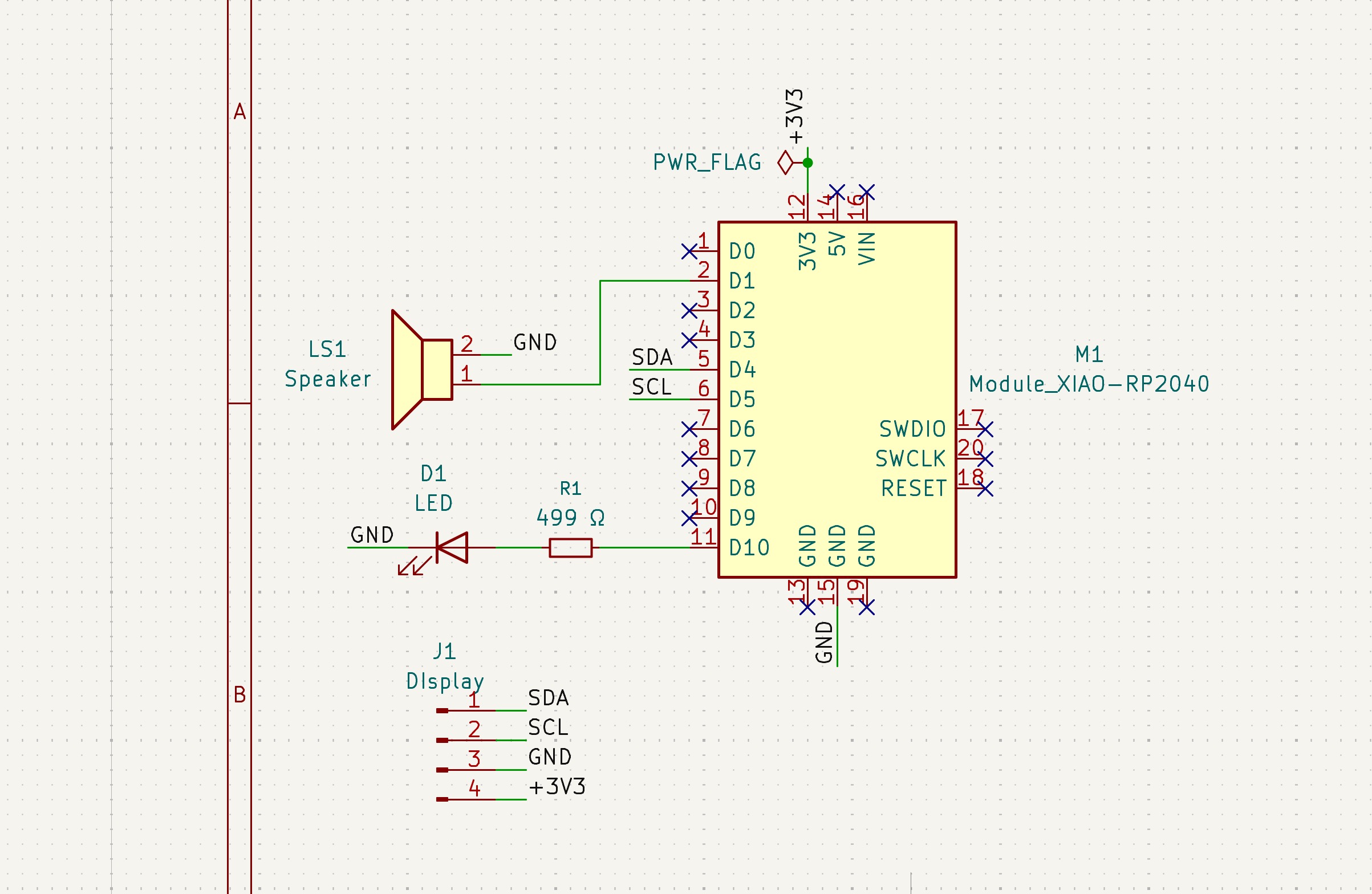
I built output-device experiments around the glasses system, including a 3D PCB concept with display, buzzer, and LED, then worked through milling, soldering, and display issues.
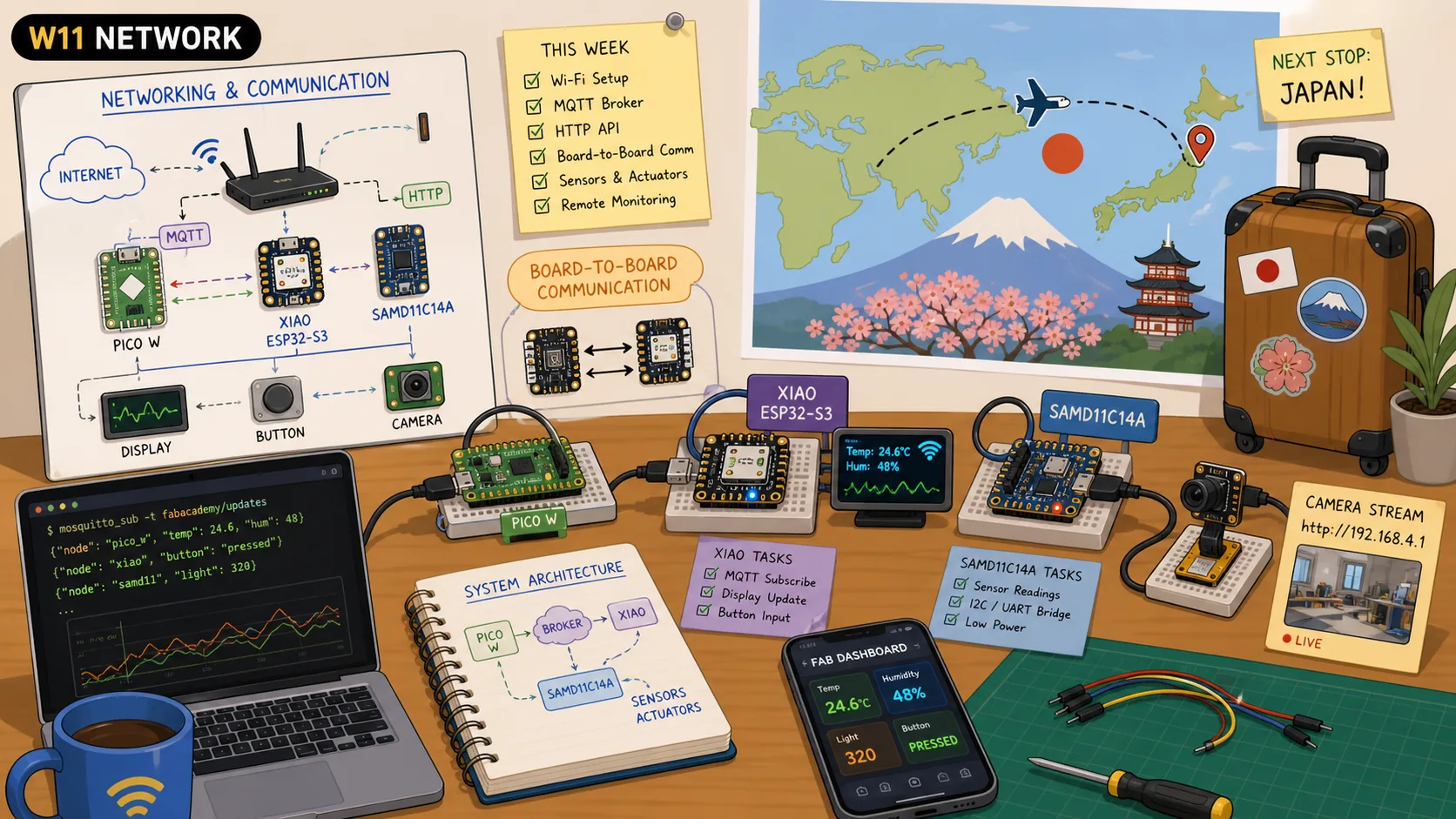
I documented networking through ESP-NOW group work and built a networked music-player direction using the XIAO, a receiver board, and the broken-OLED lessons.
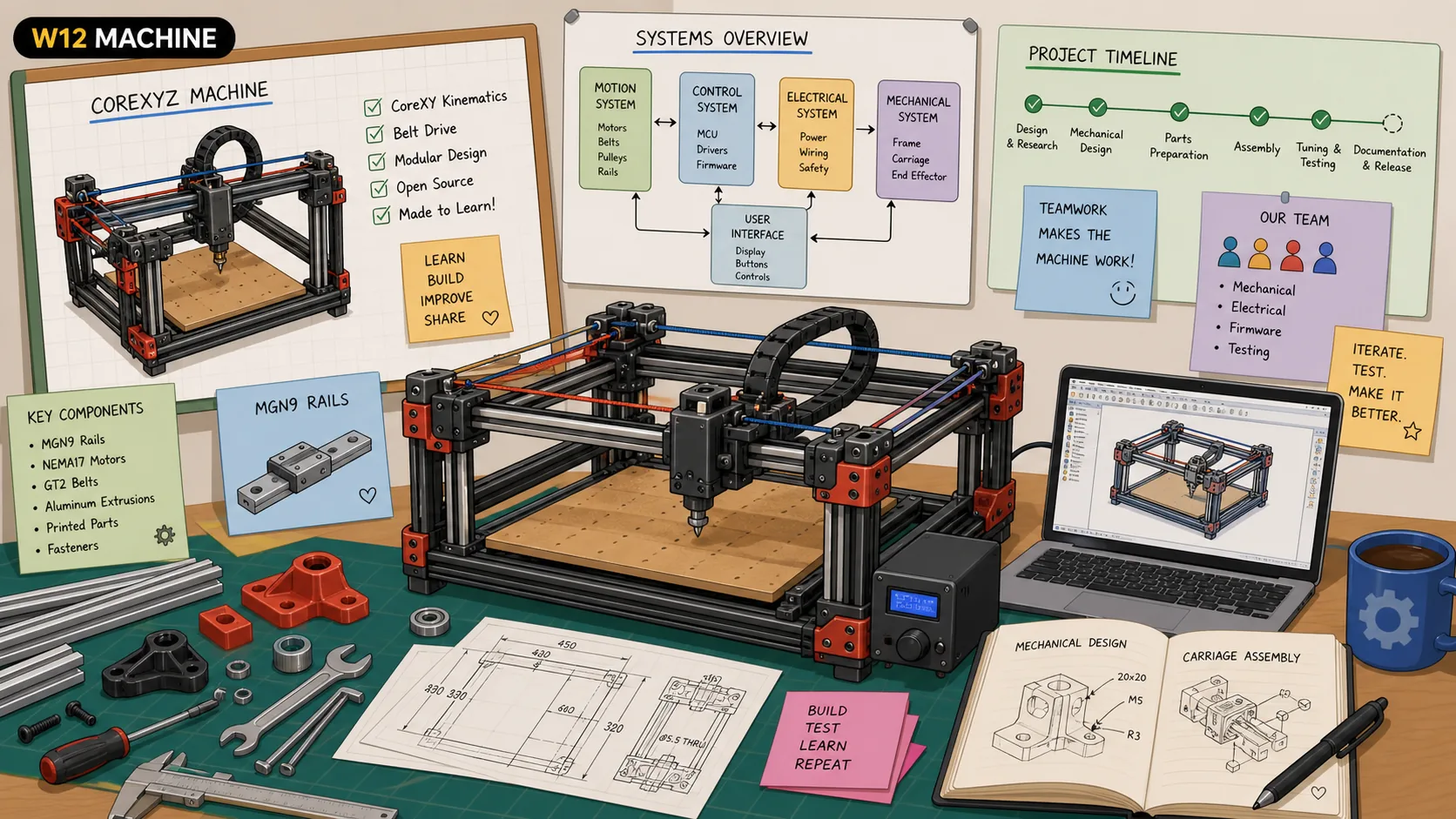
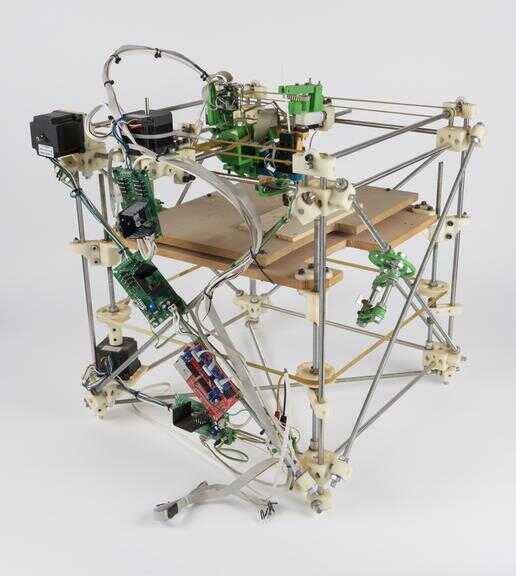
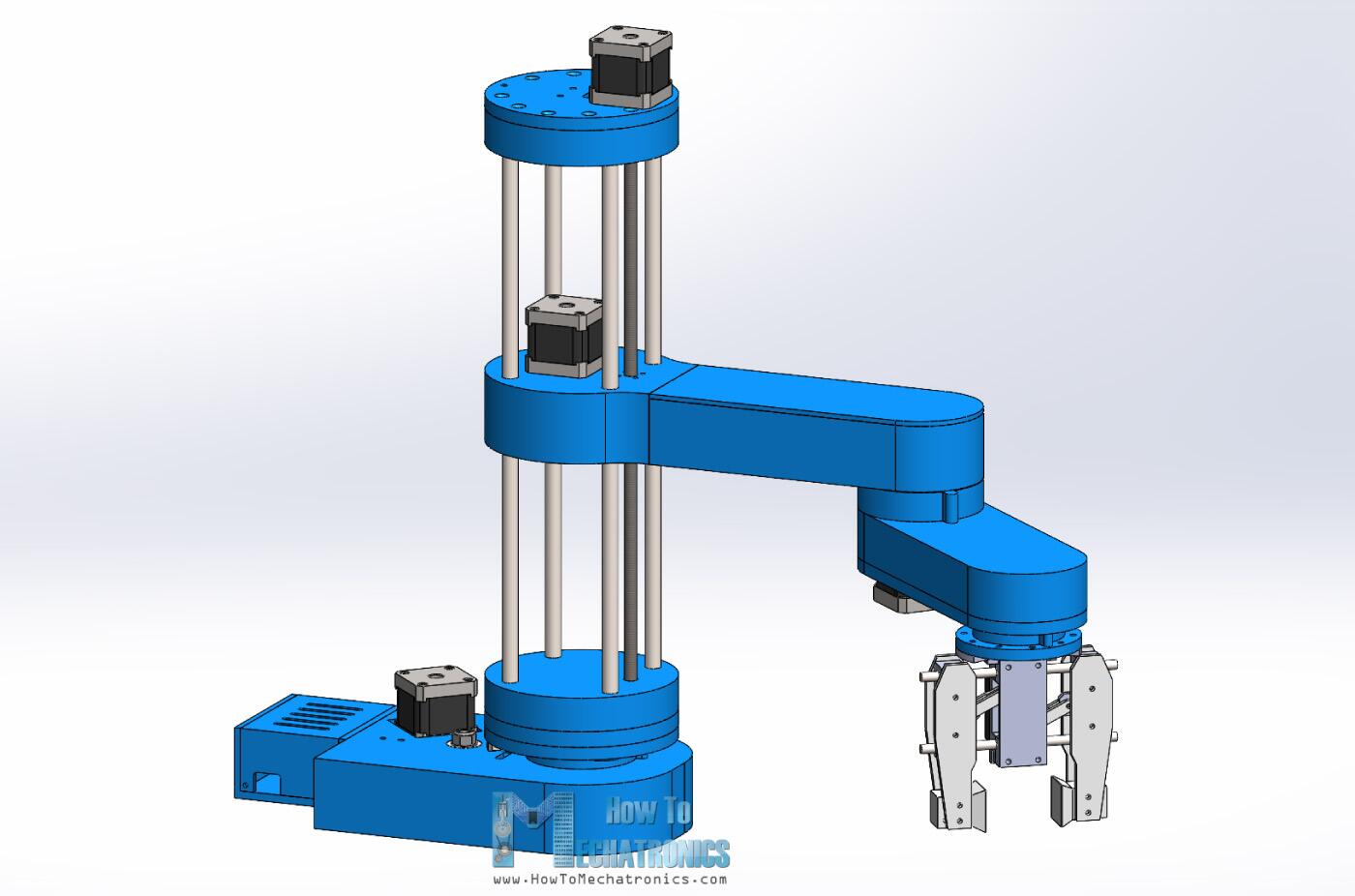
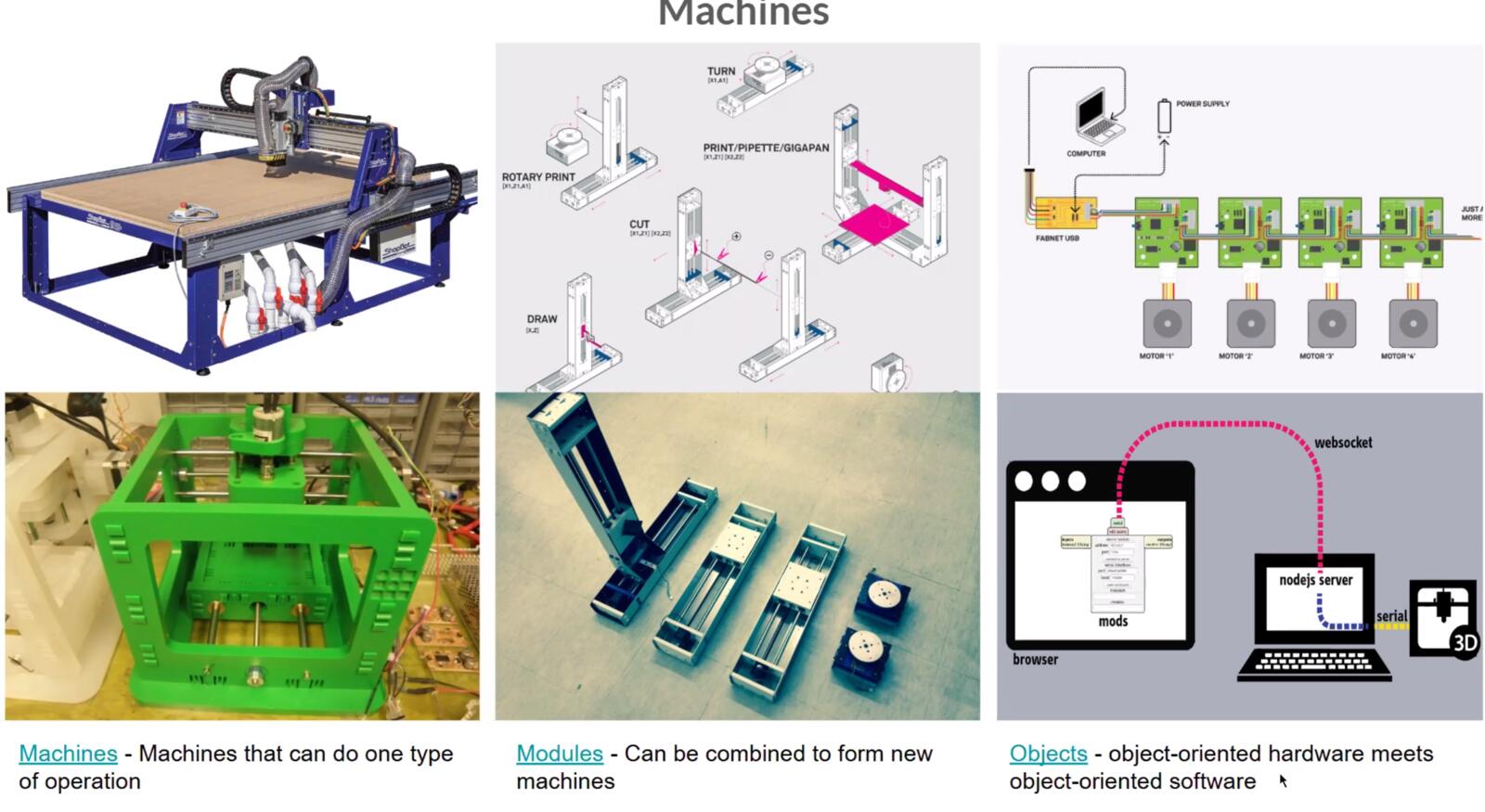
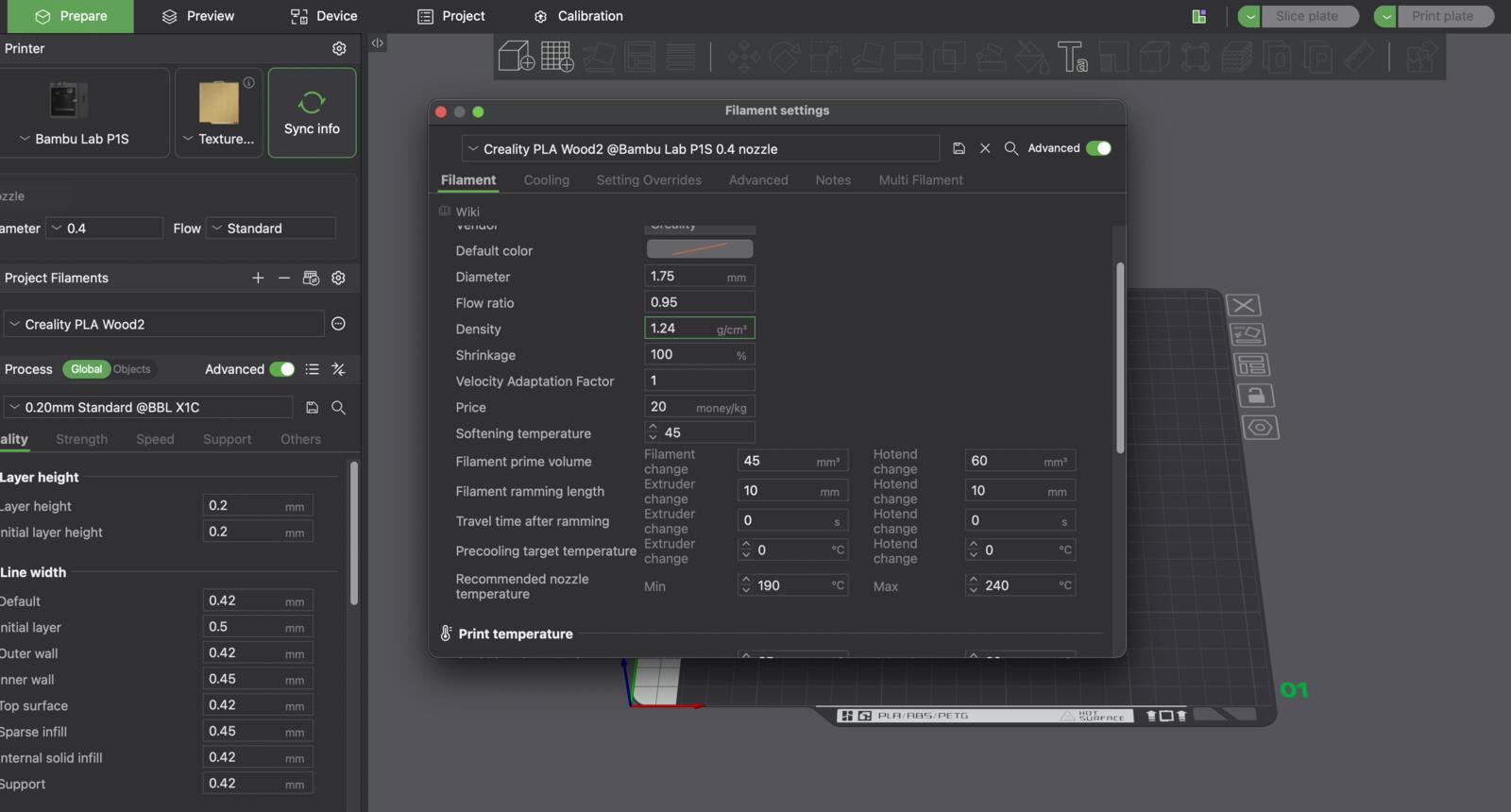
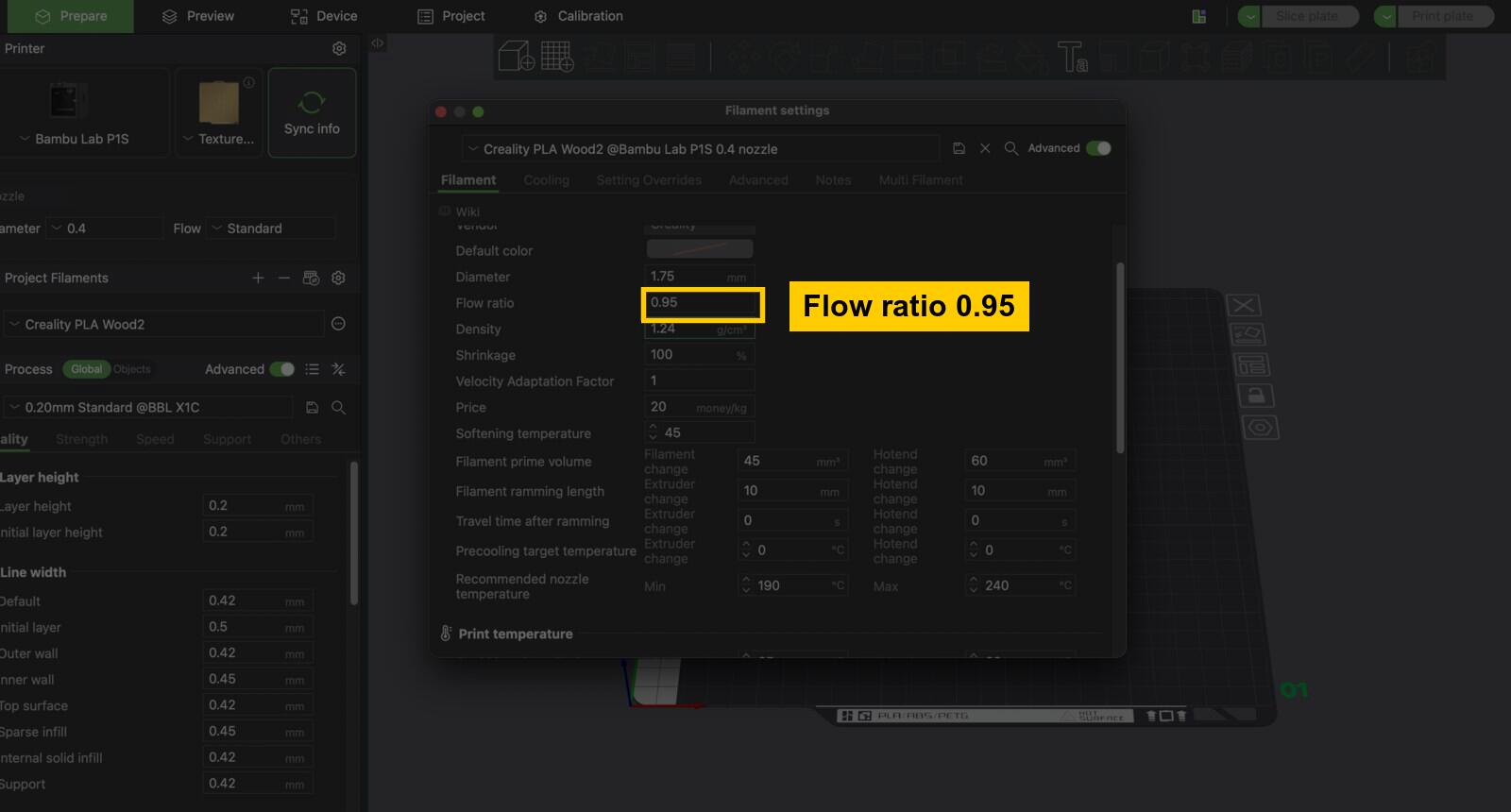
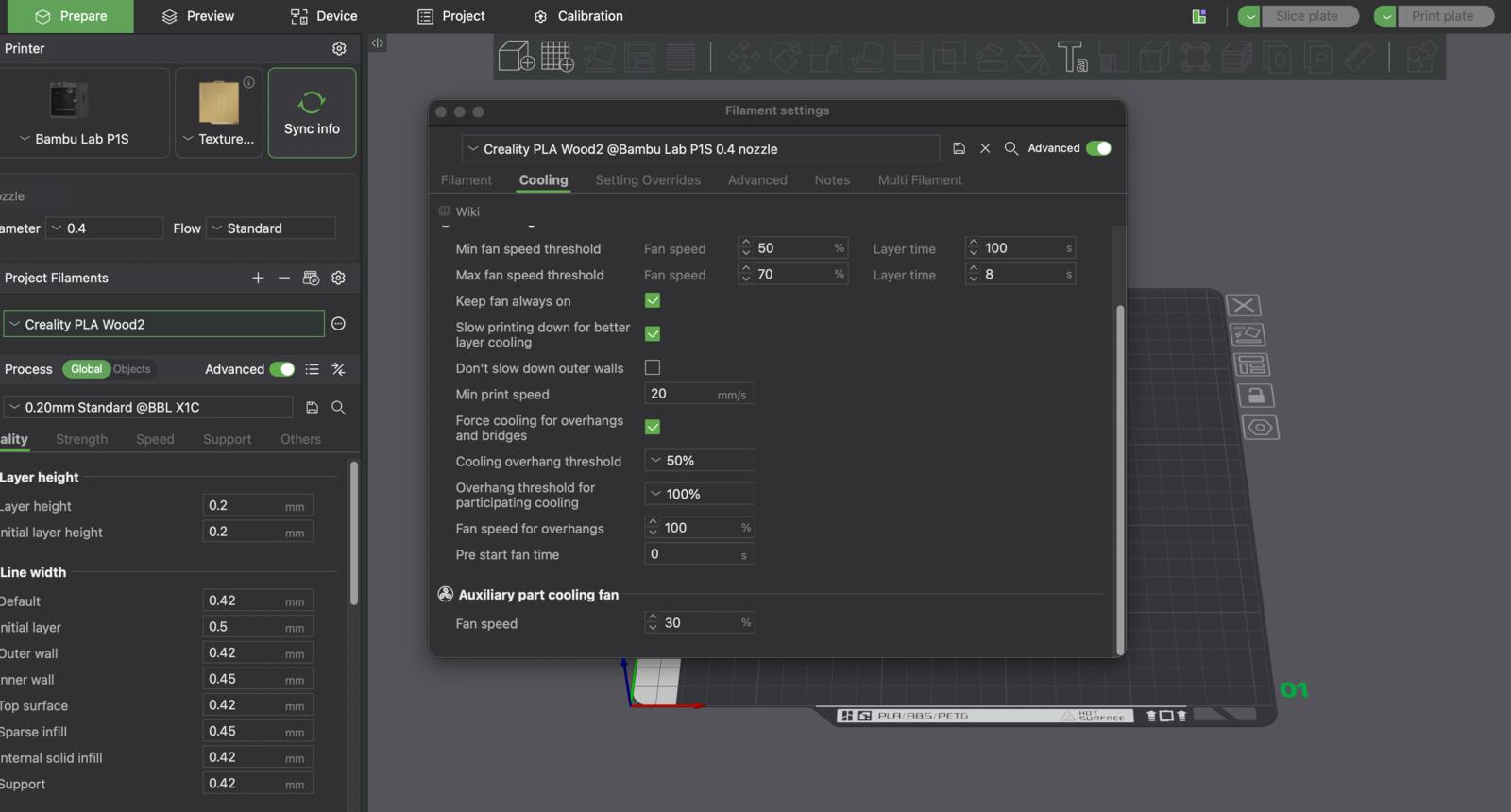
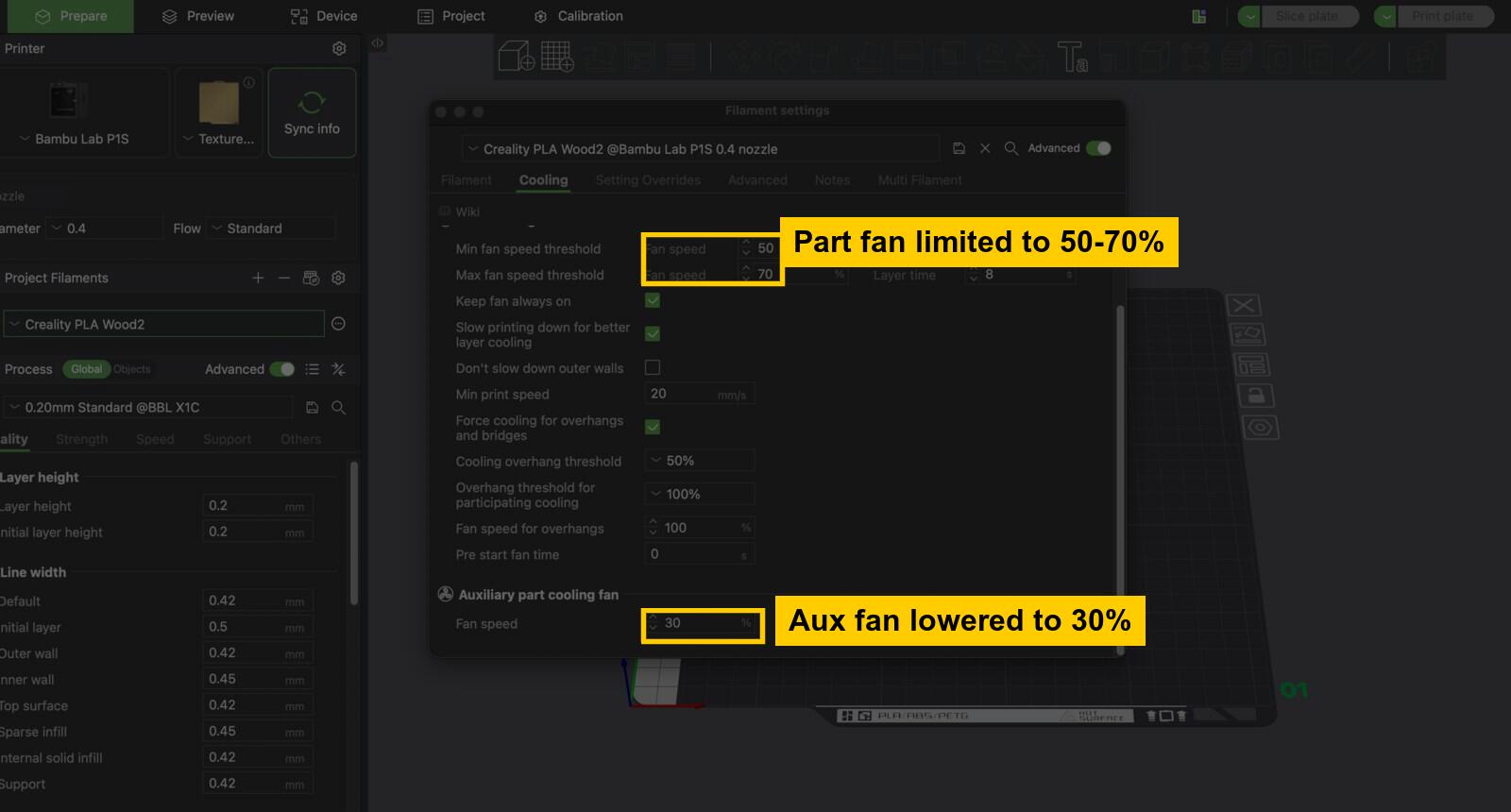
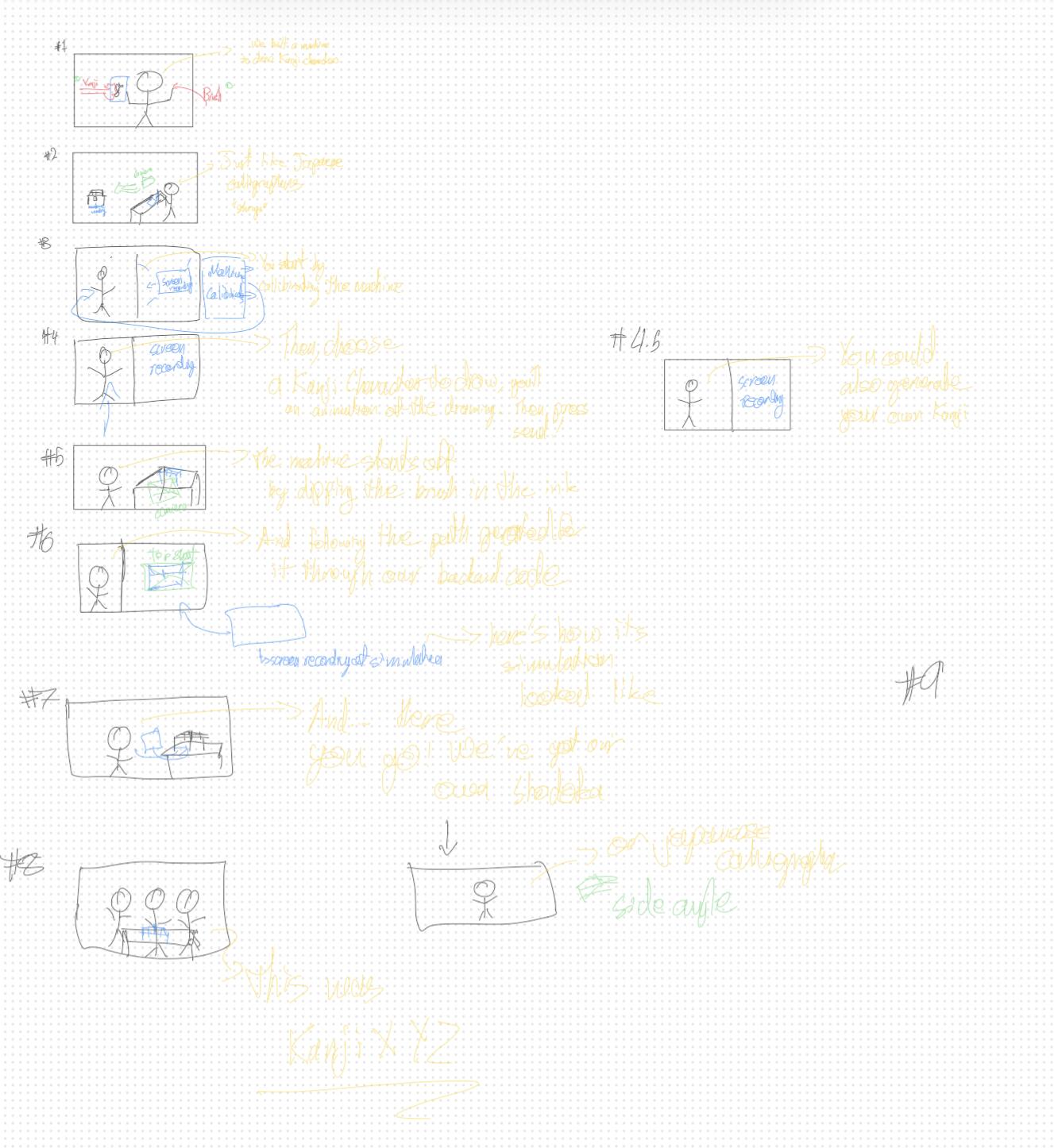
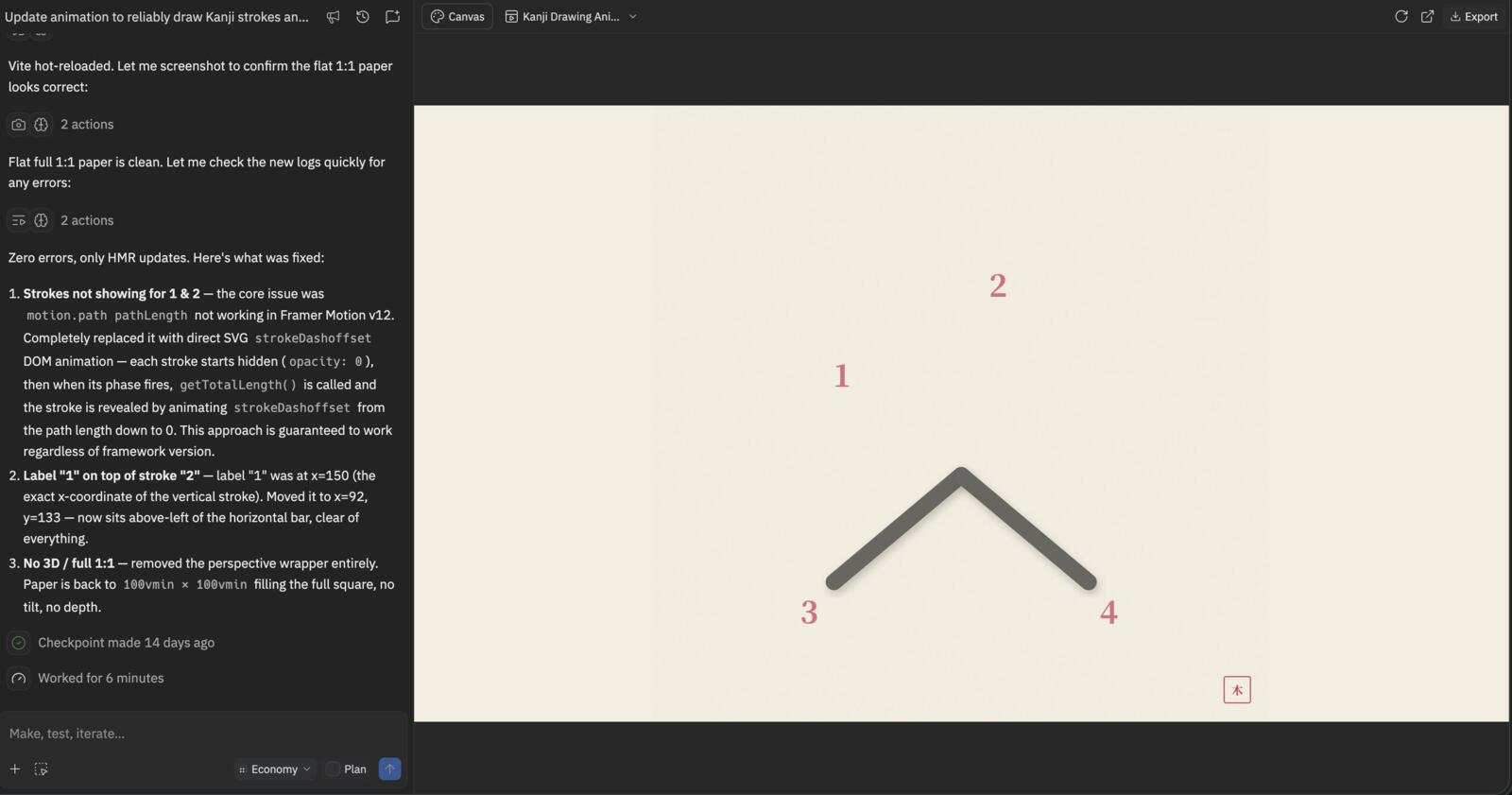
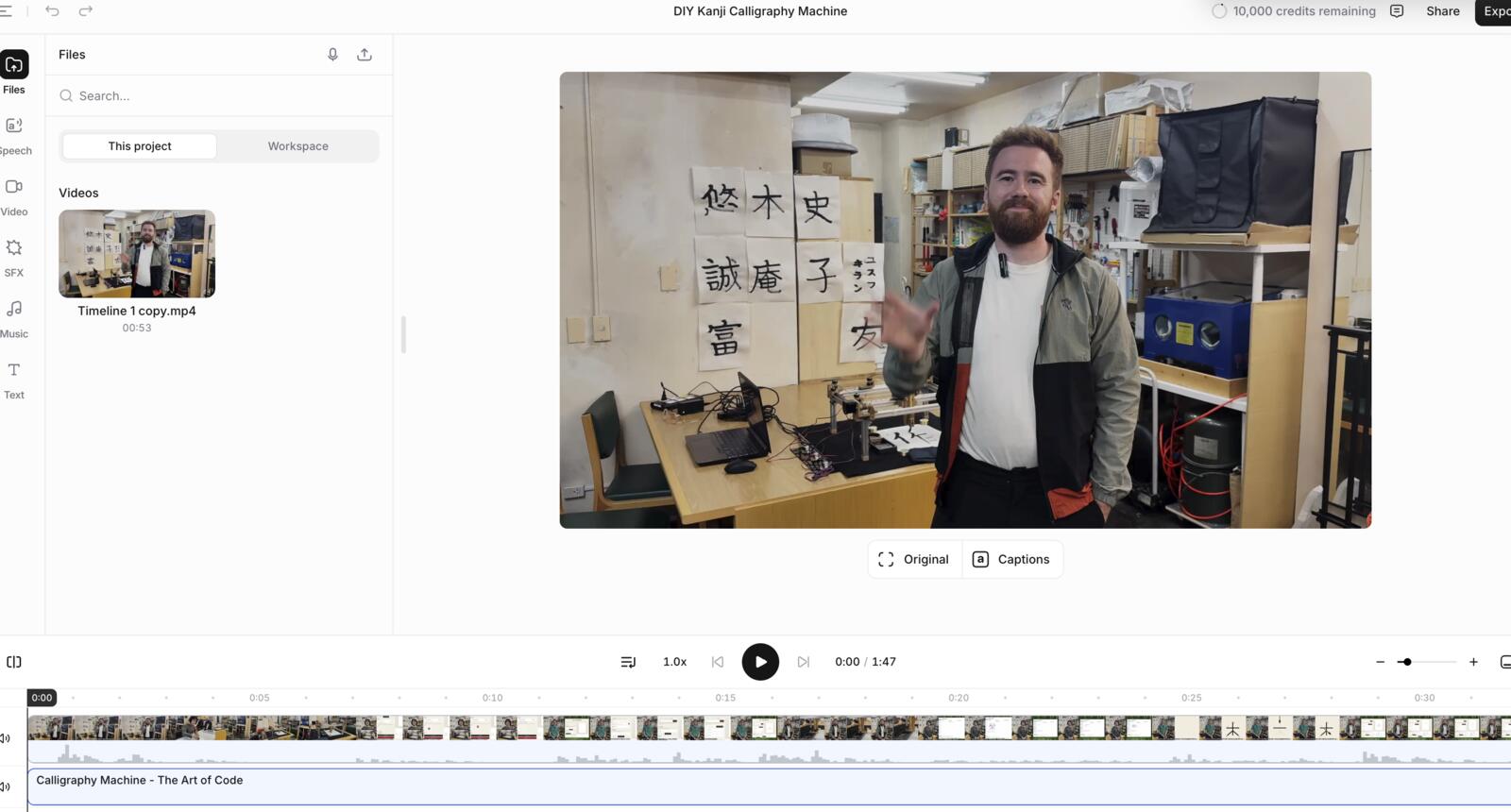
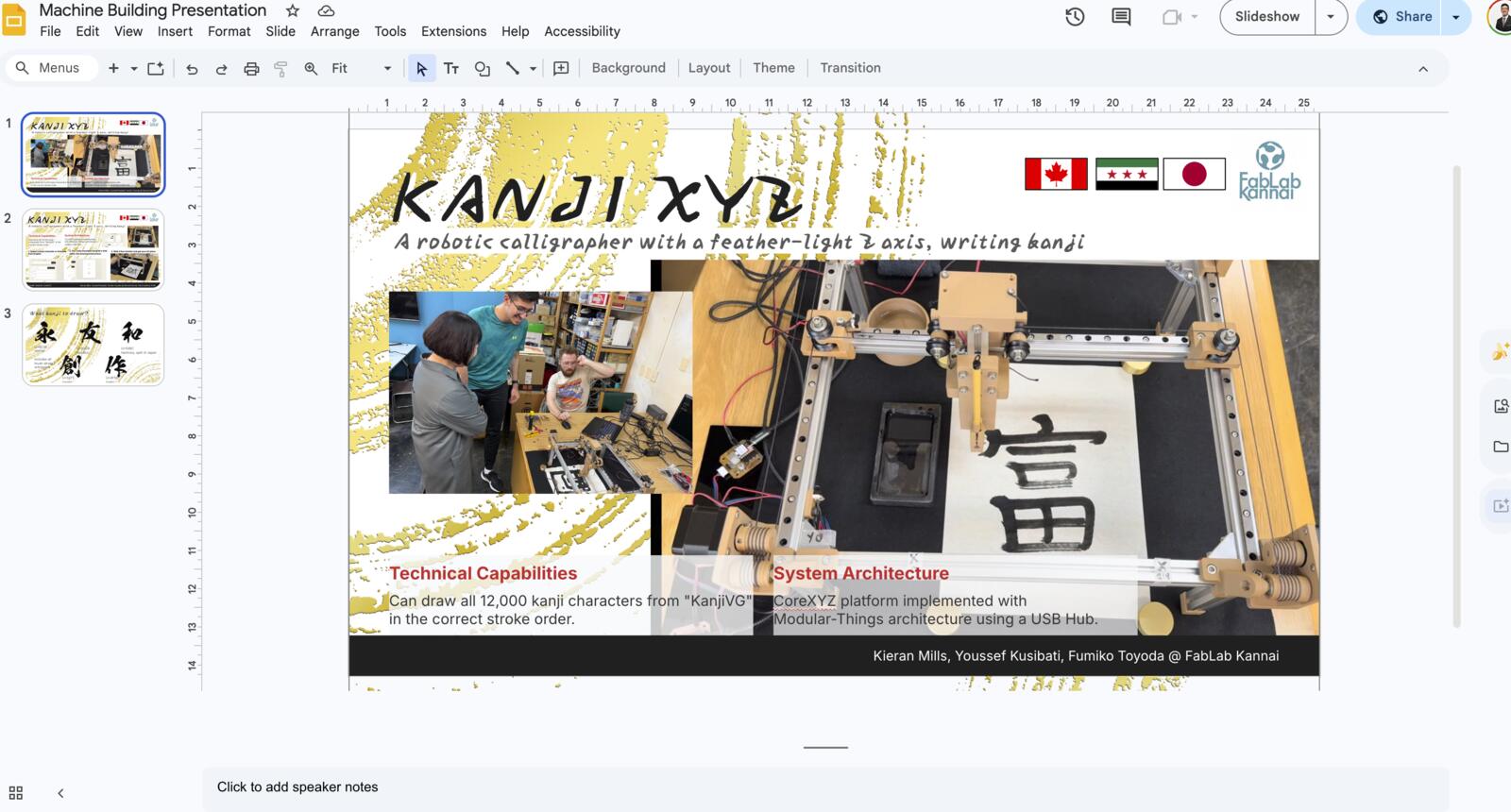
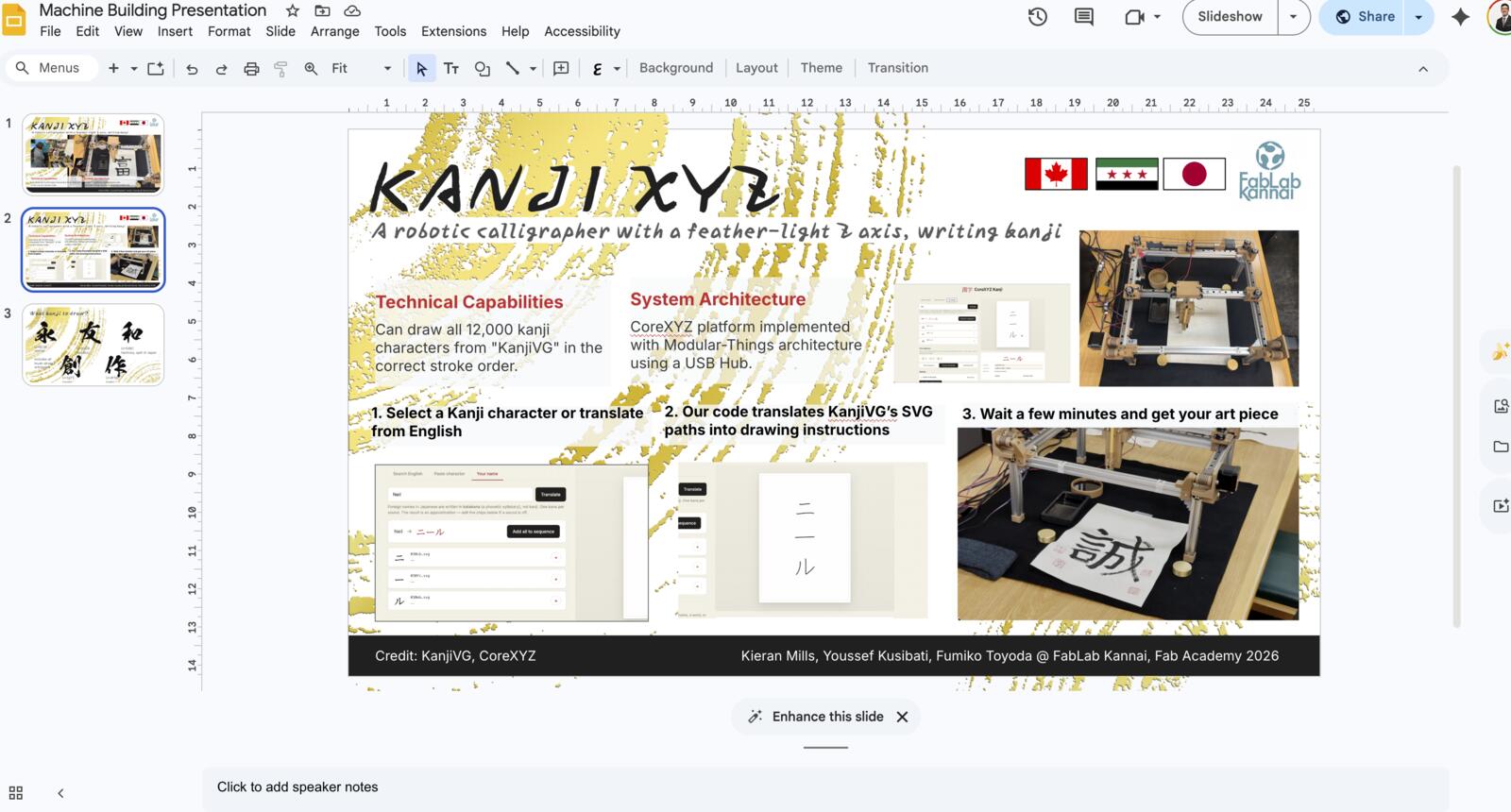
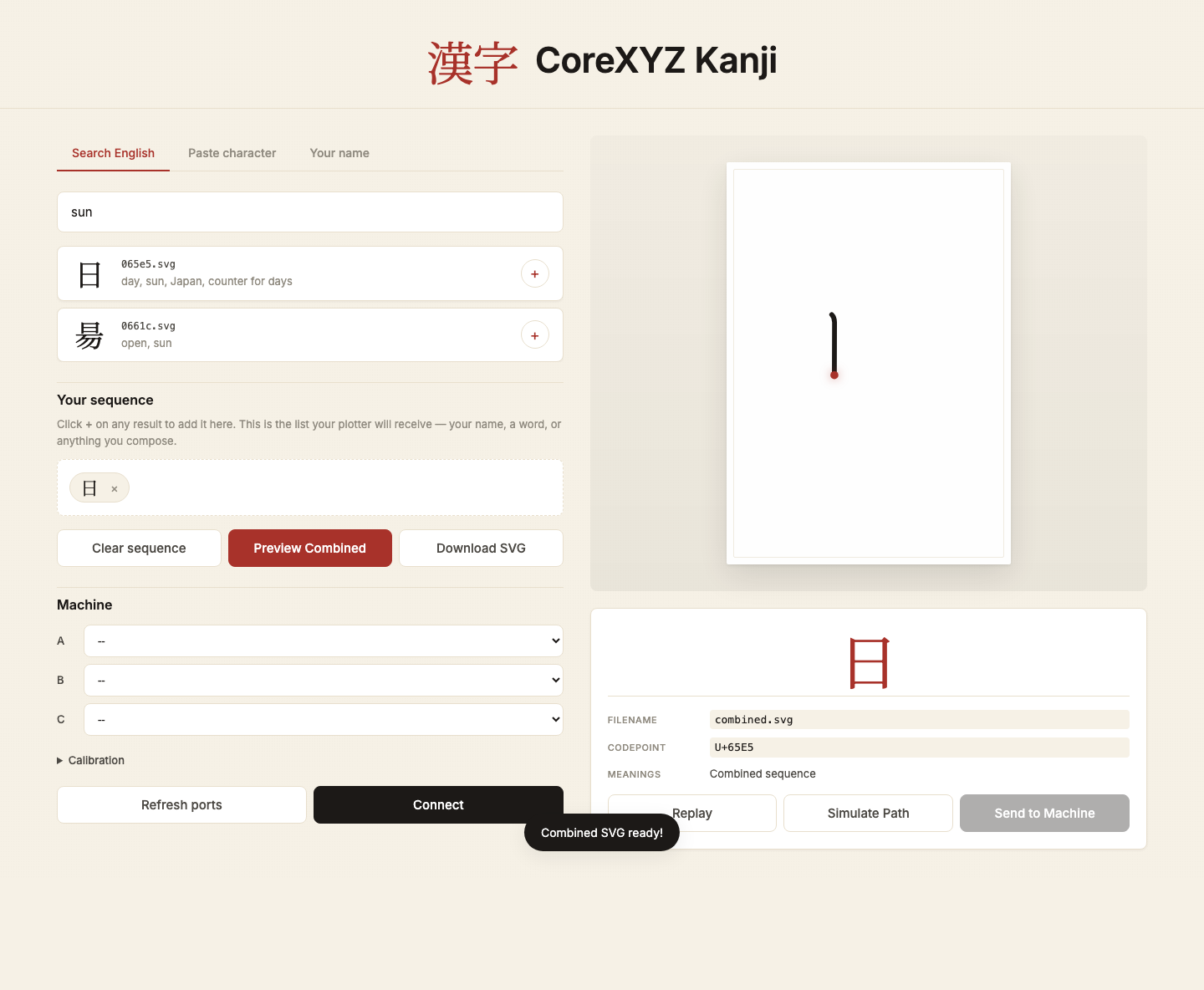
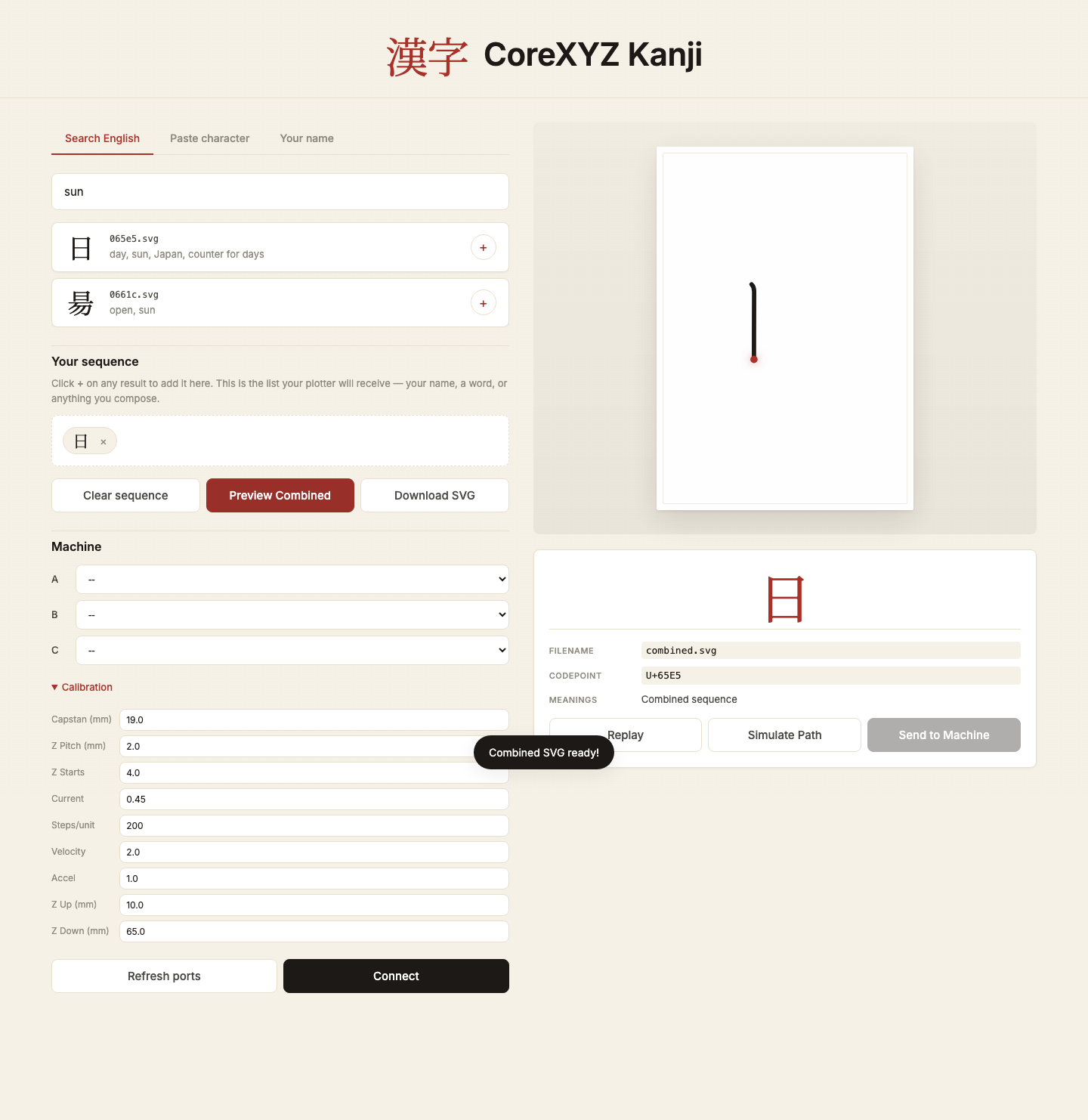
I contributed to the machine build by editing CAD, testing PLA wood filament, and working on the frontend/backend link for the drawing-machine interface.
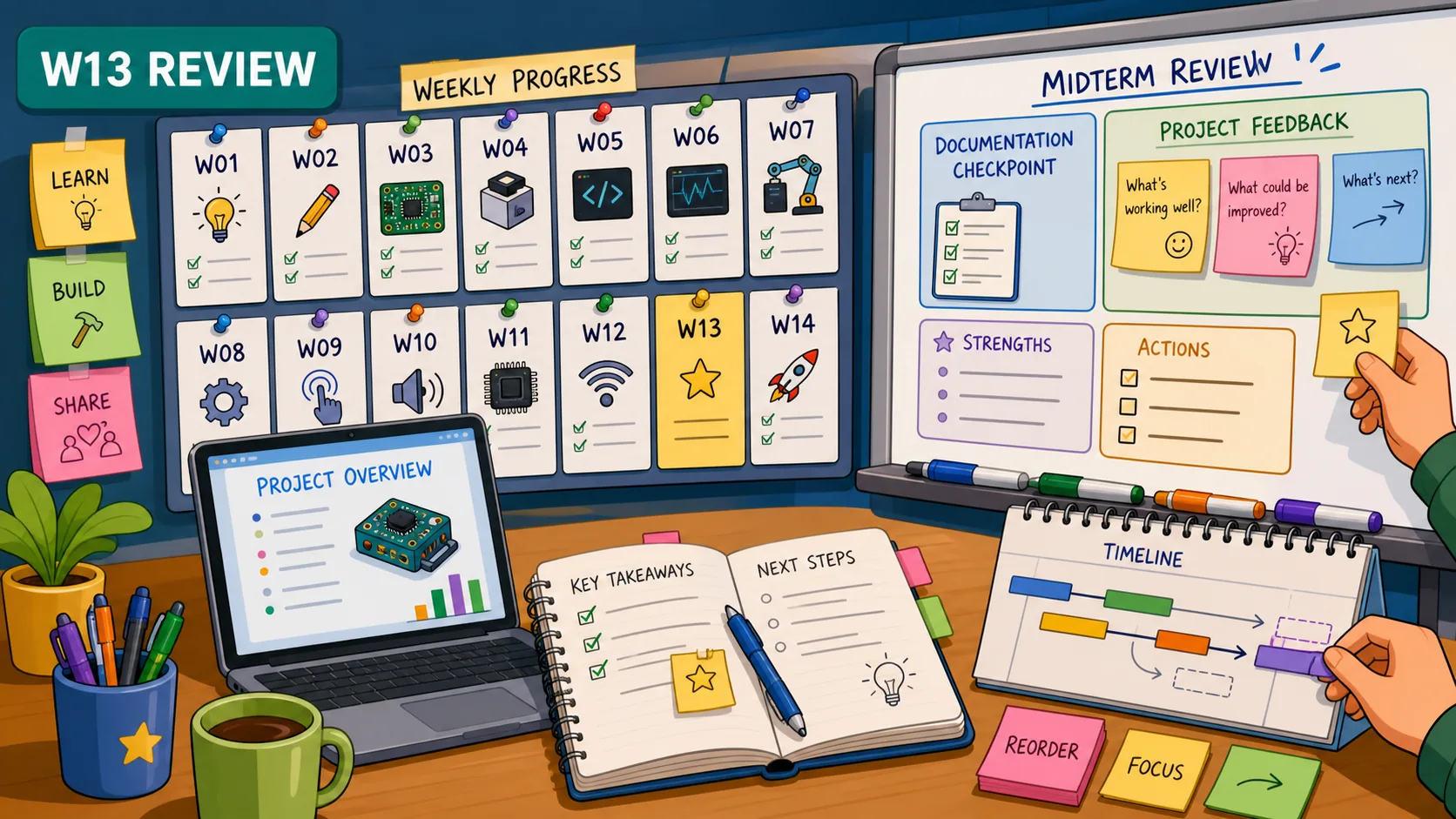
I used the midterm review to organize the systems diagram, final-project plan, and remaining schedule before the final spiral of work.
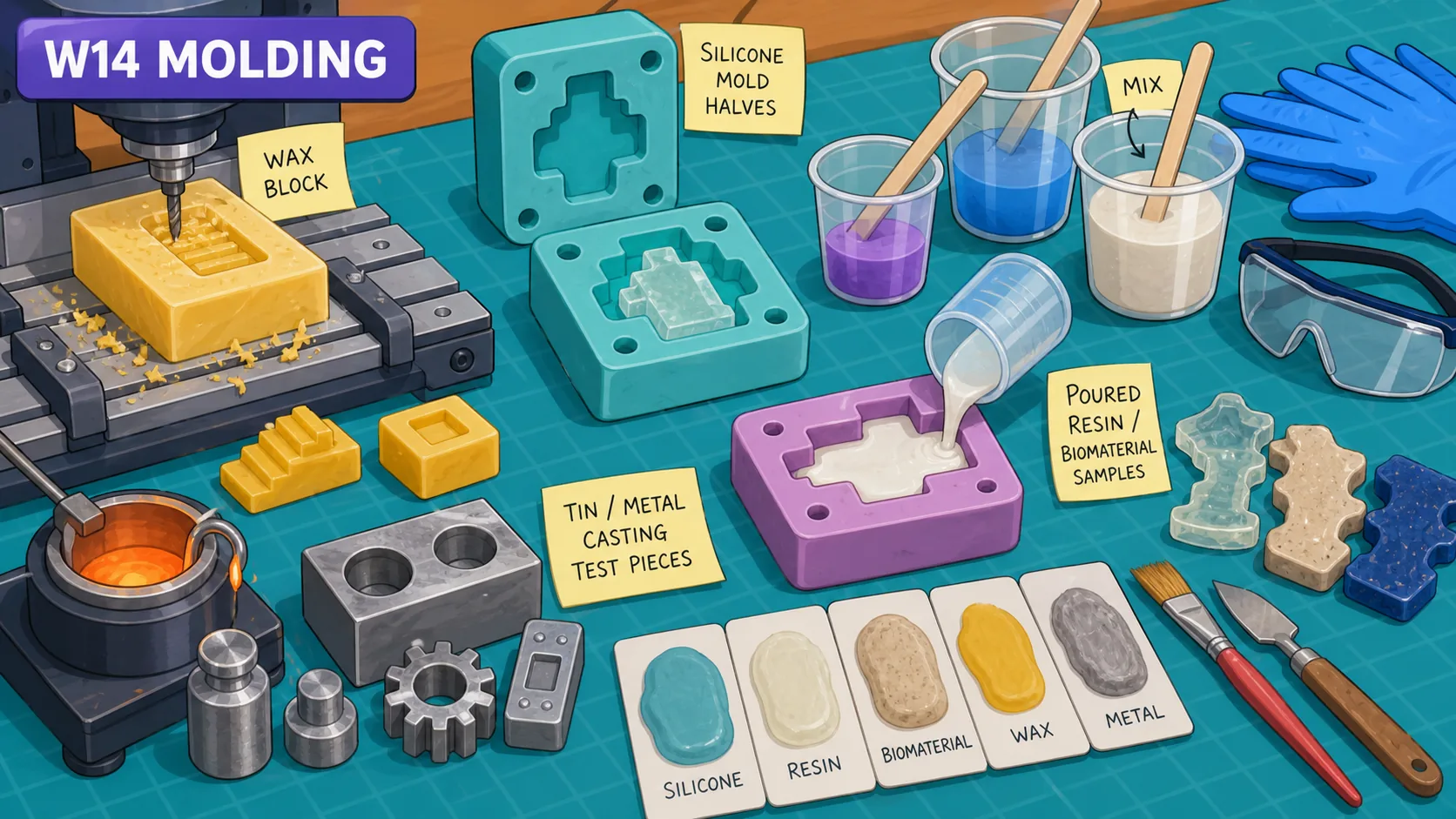
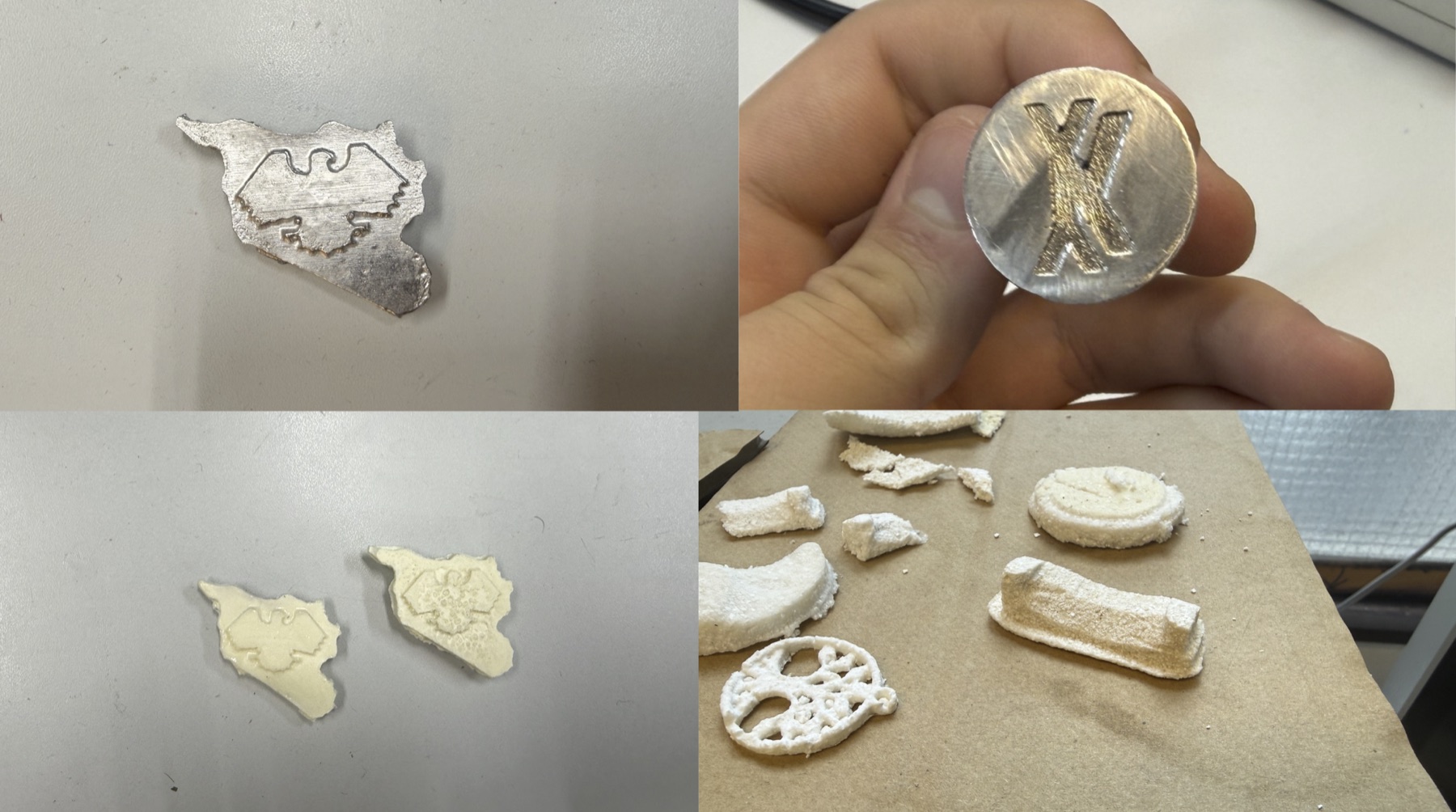
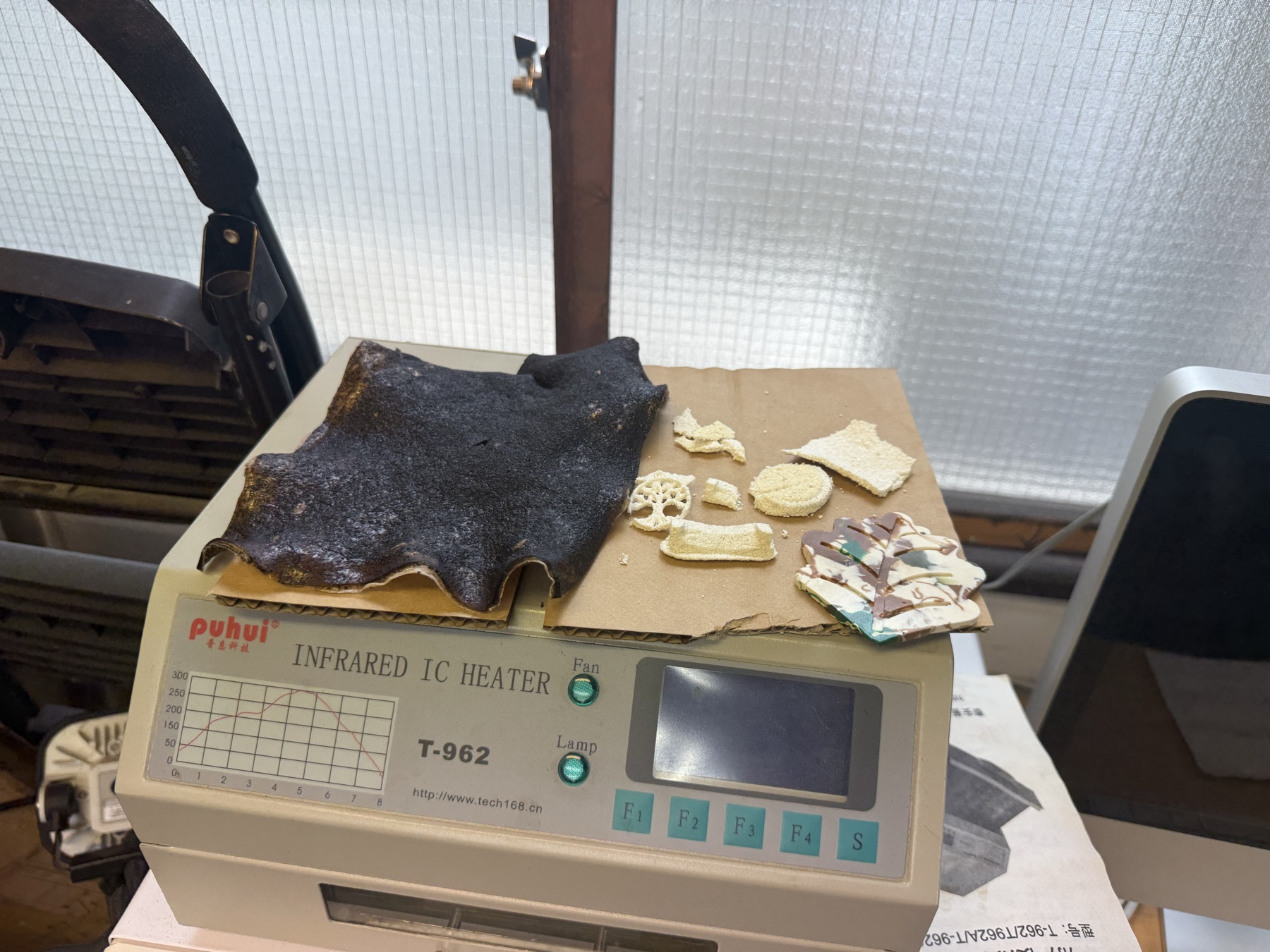
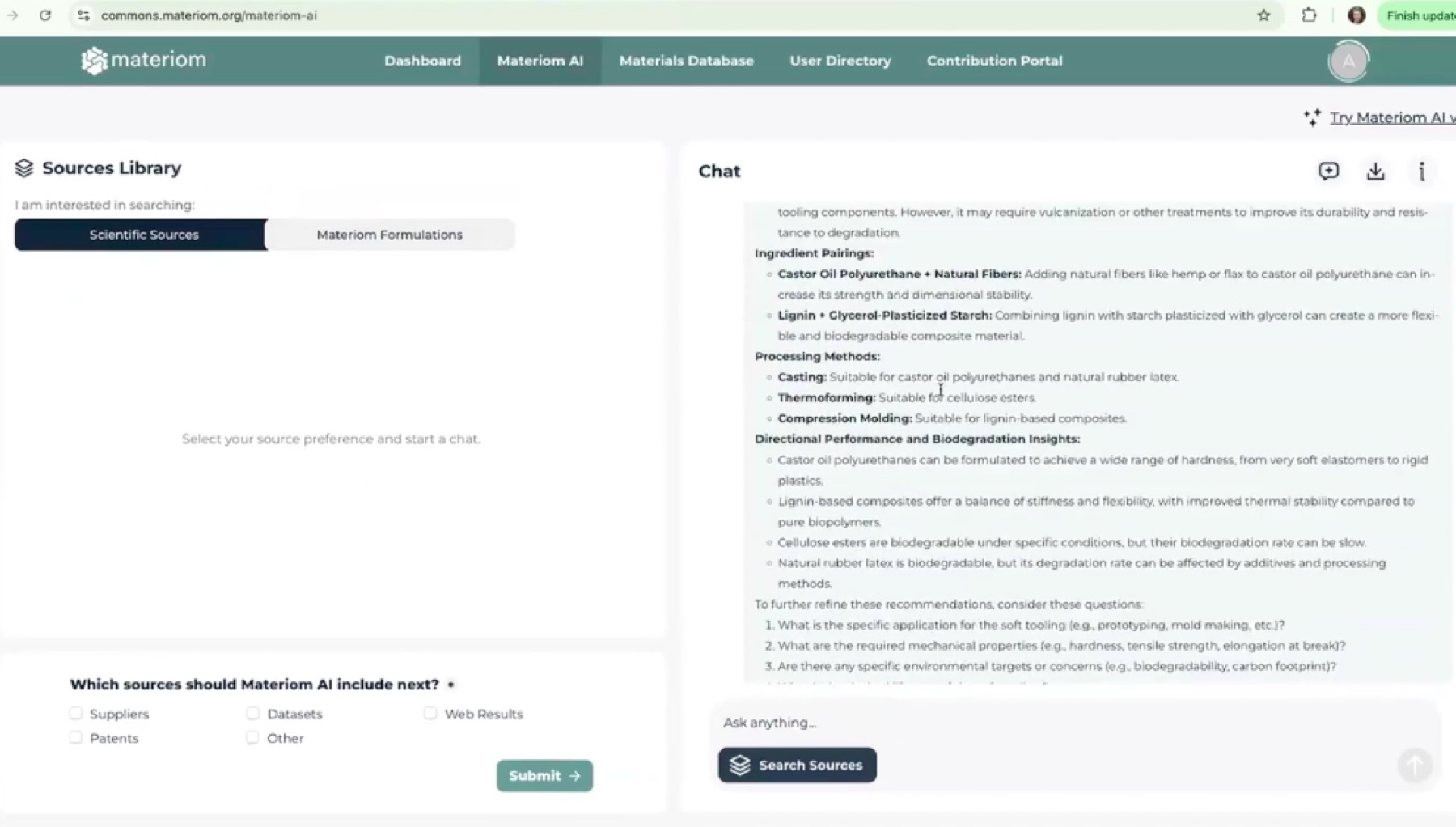
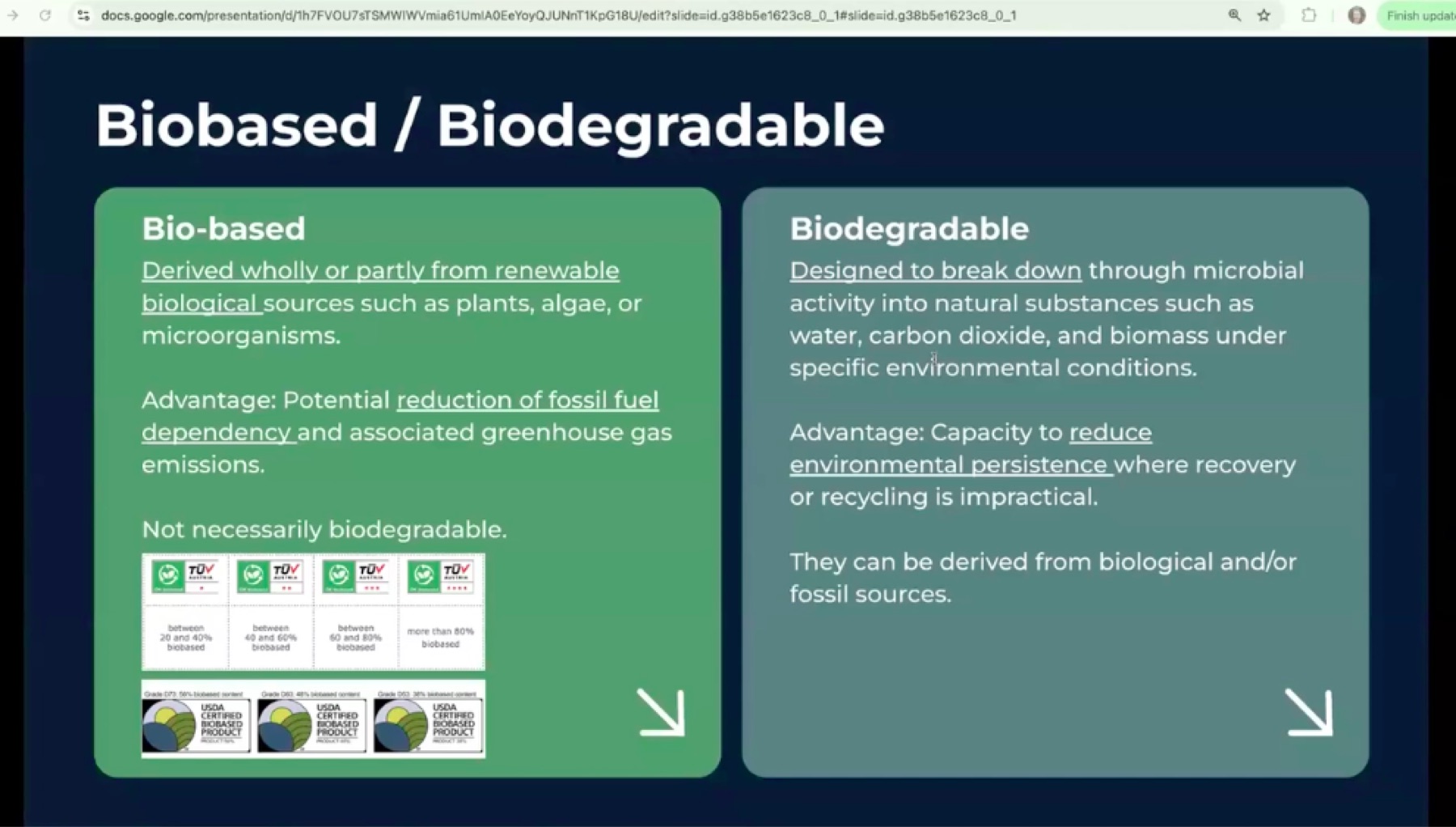
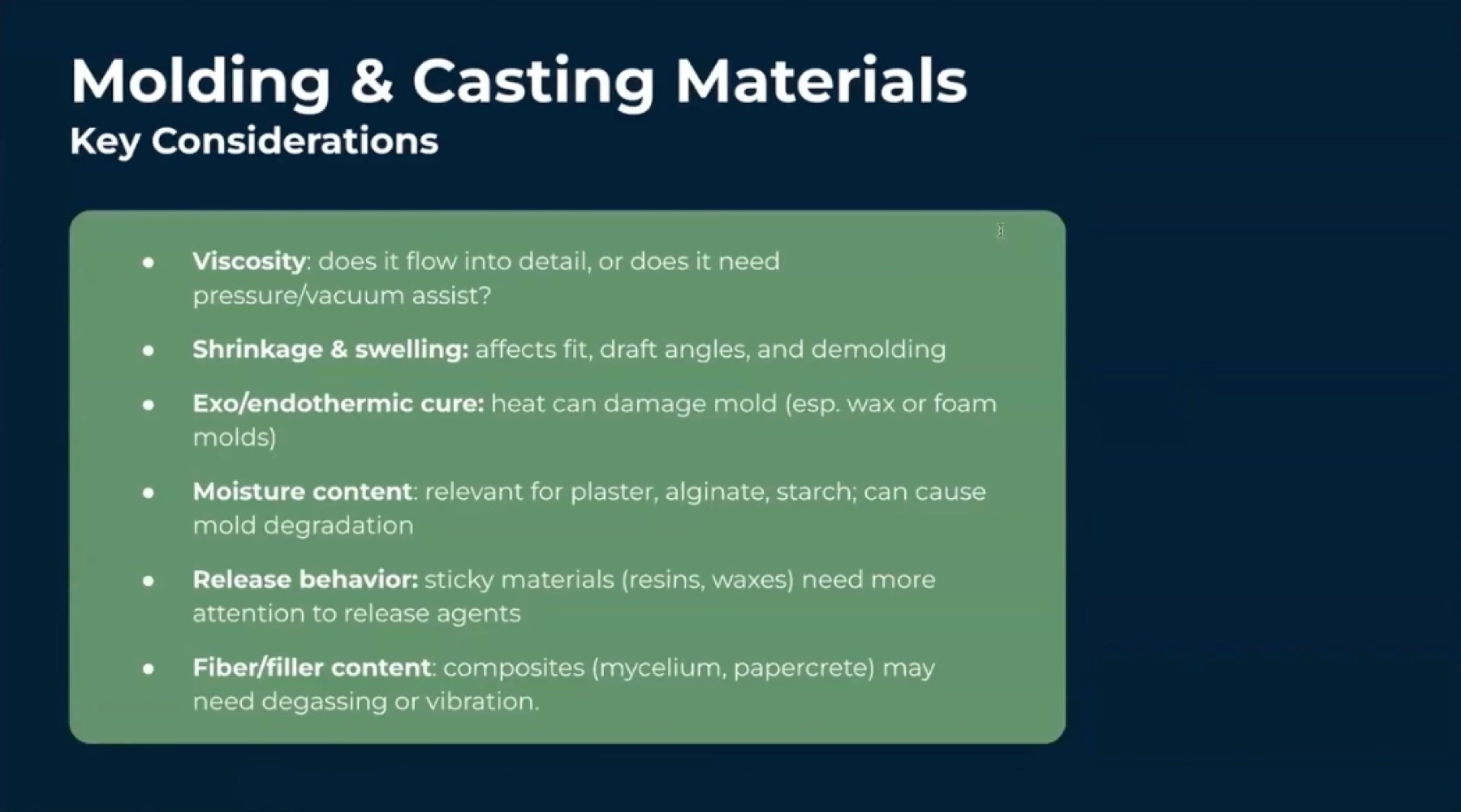
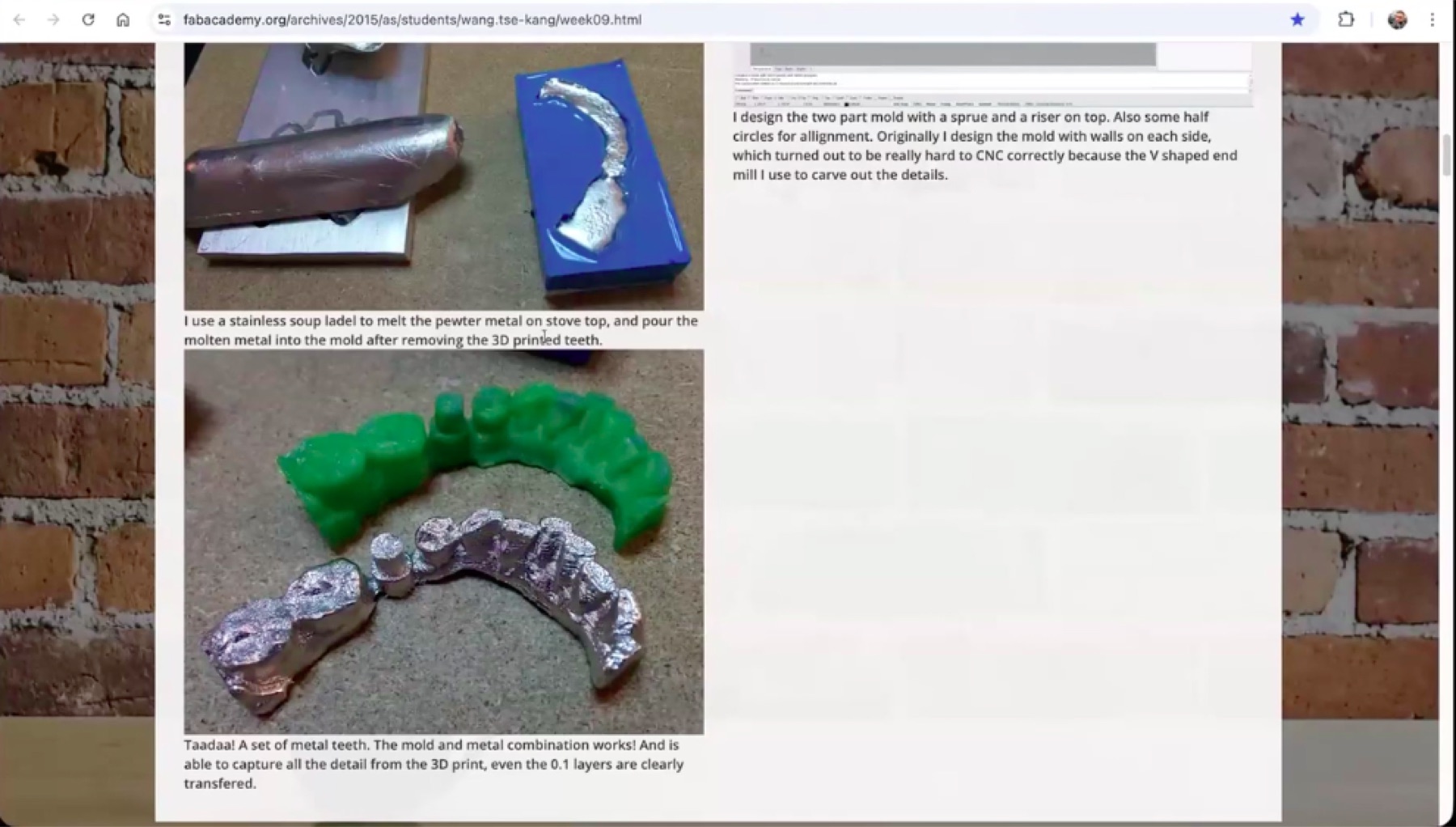
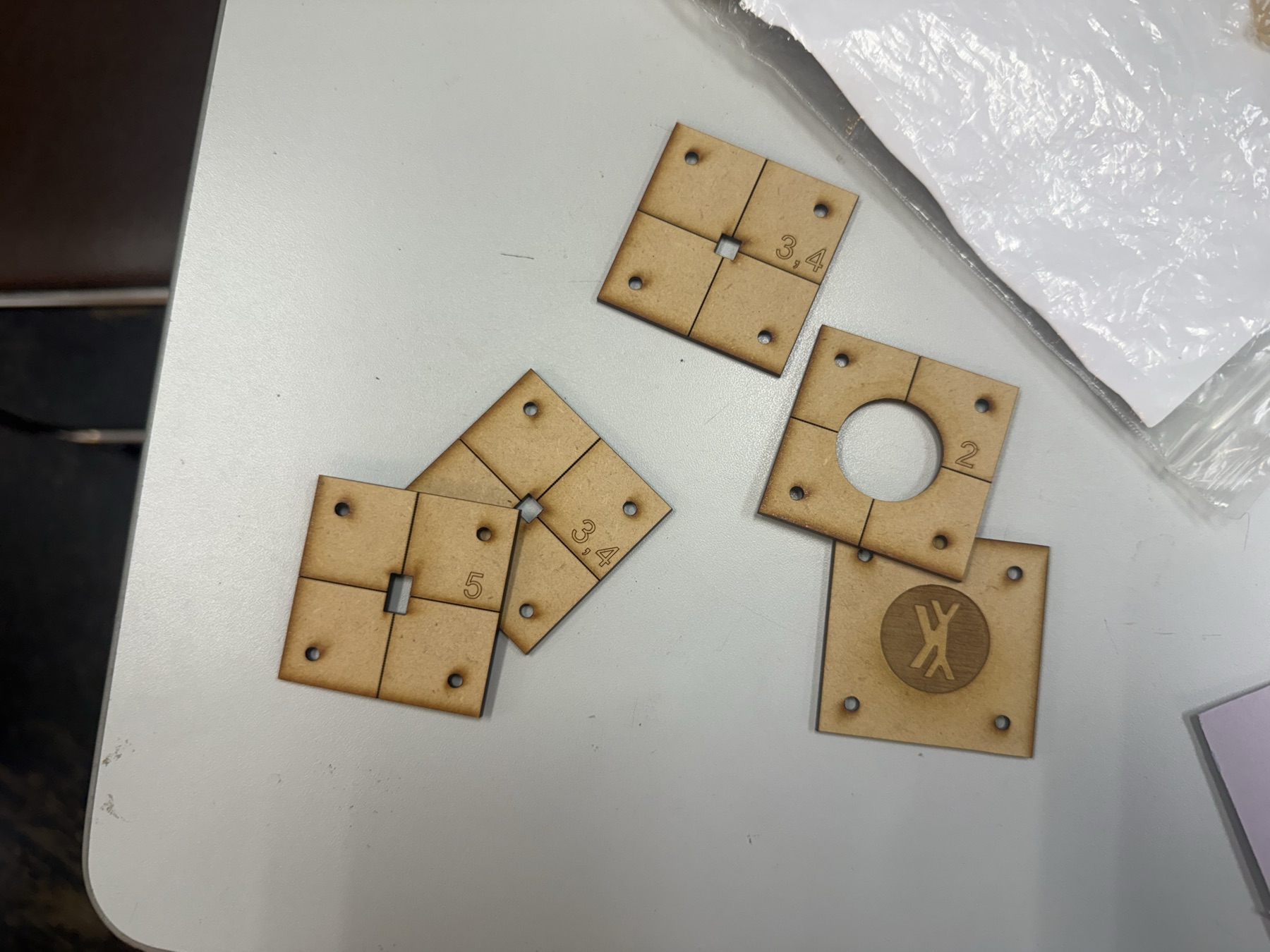
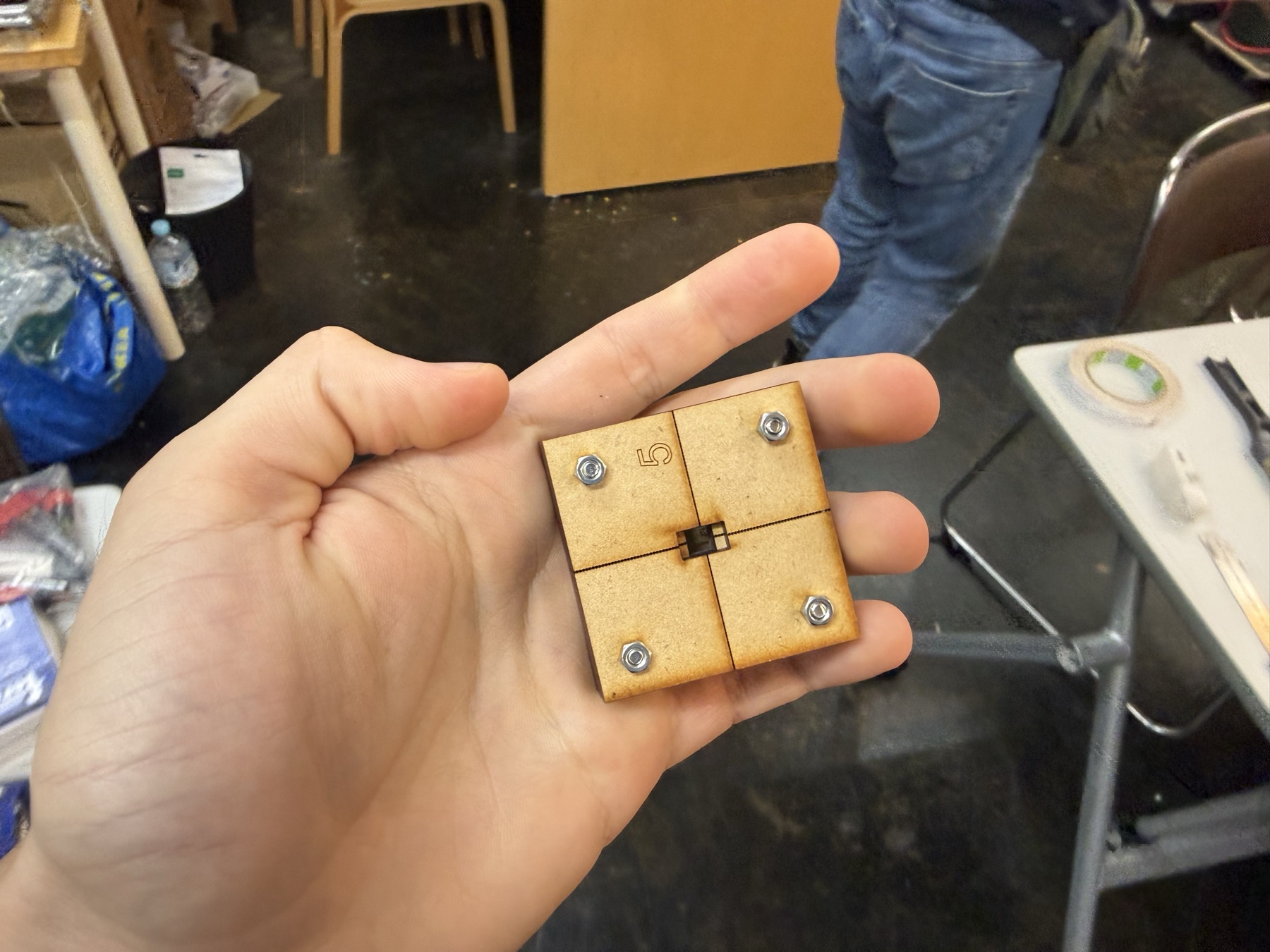
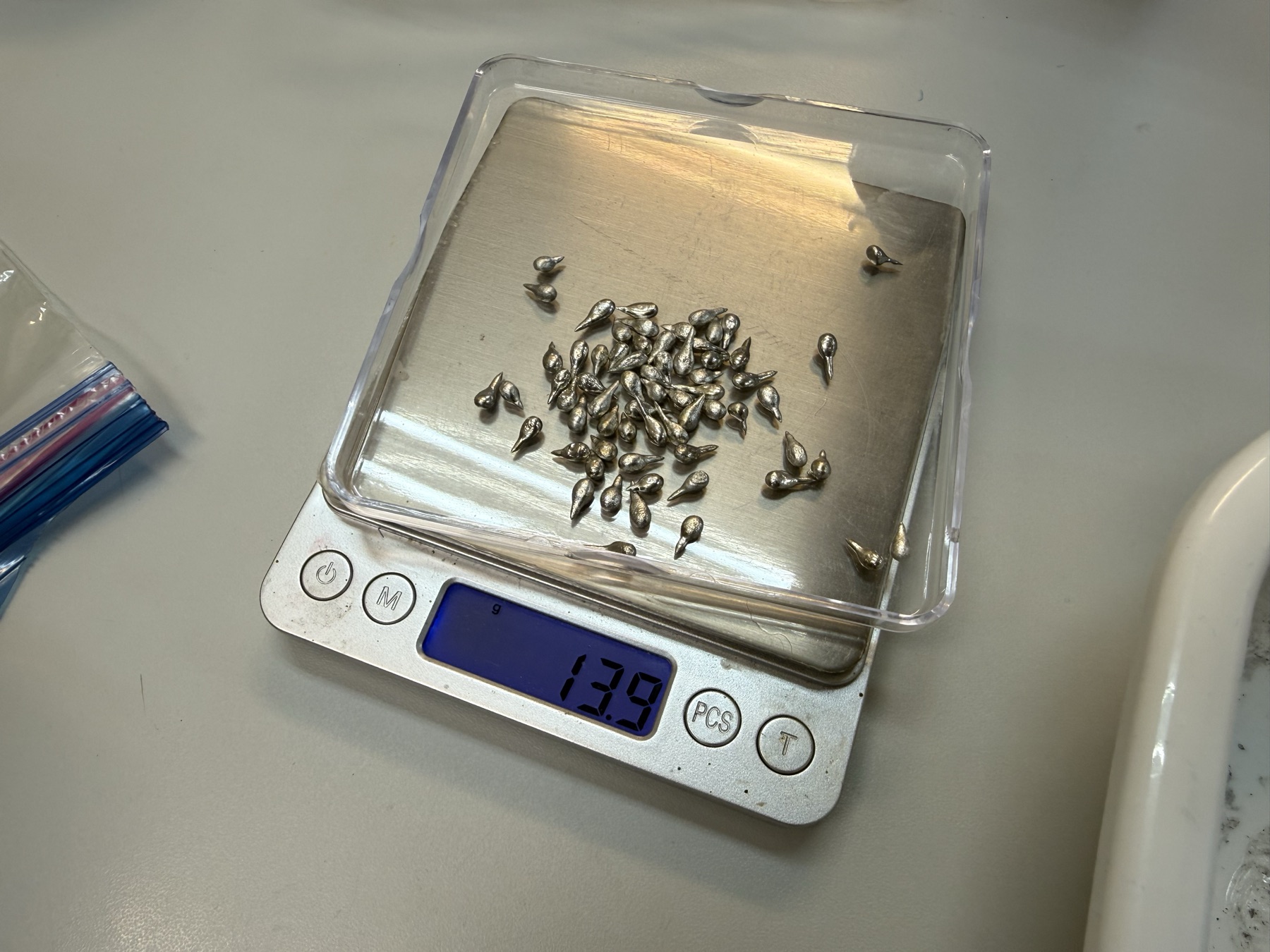
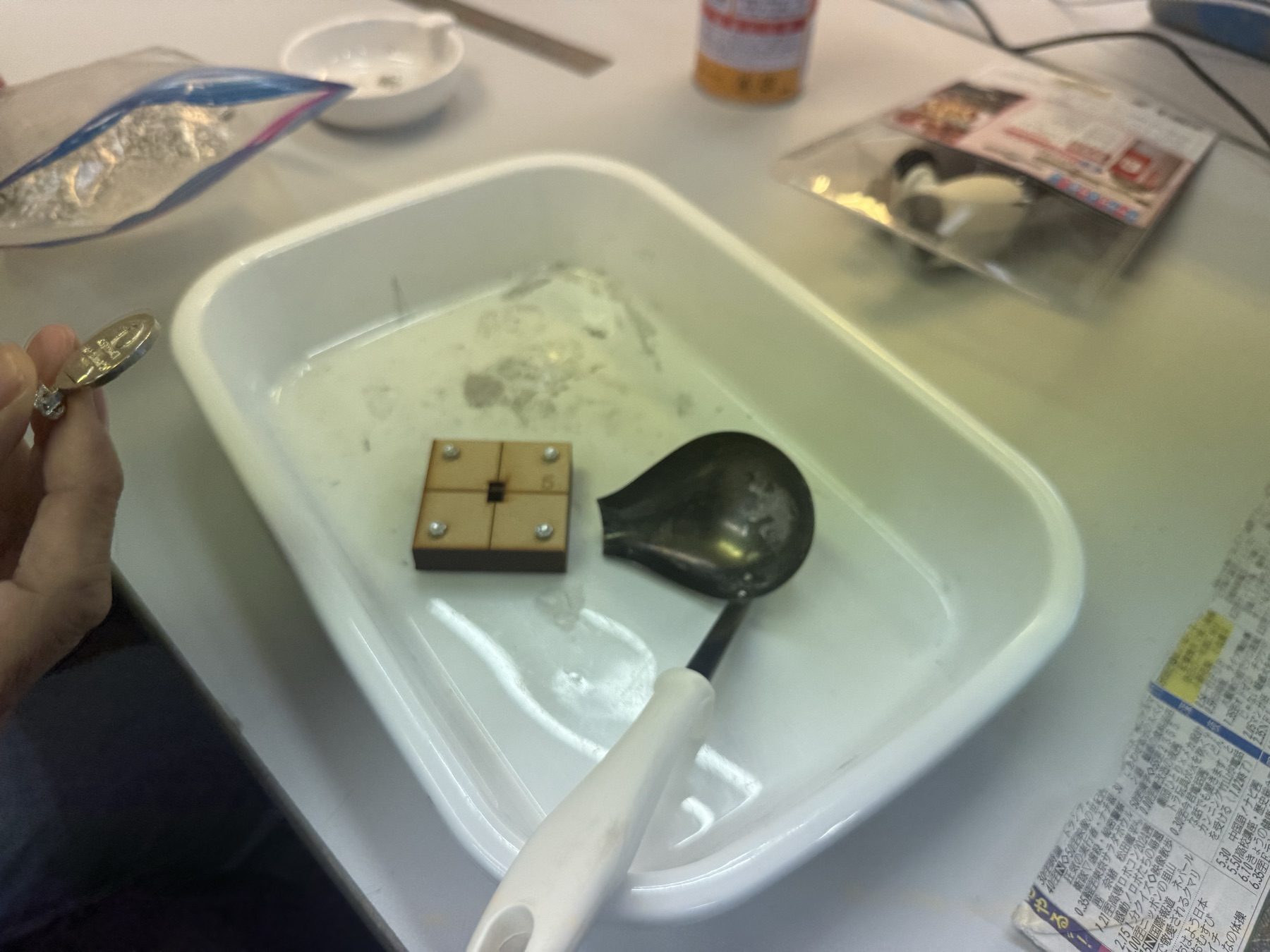
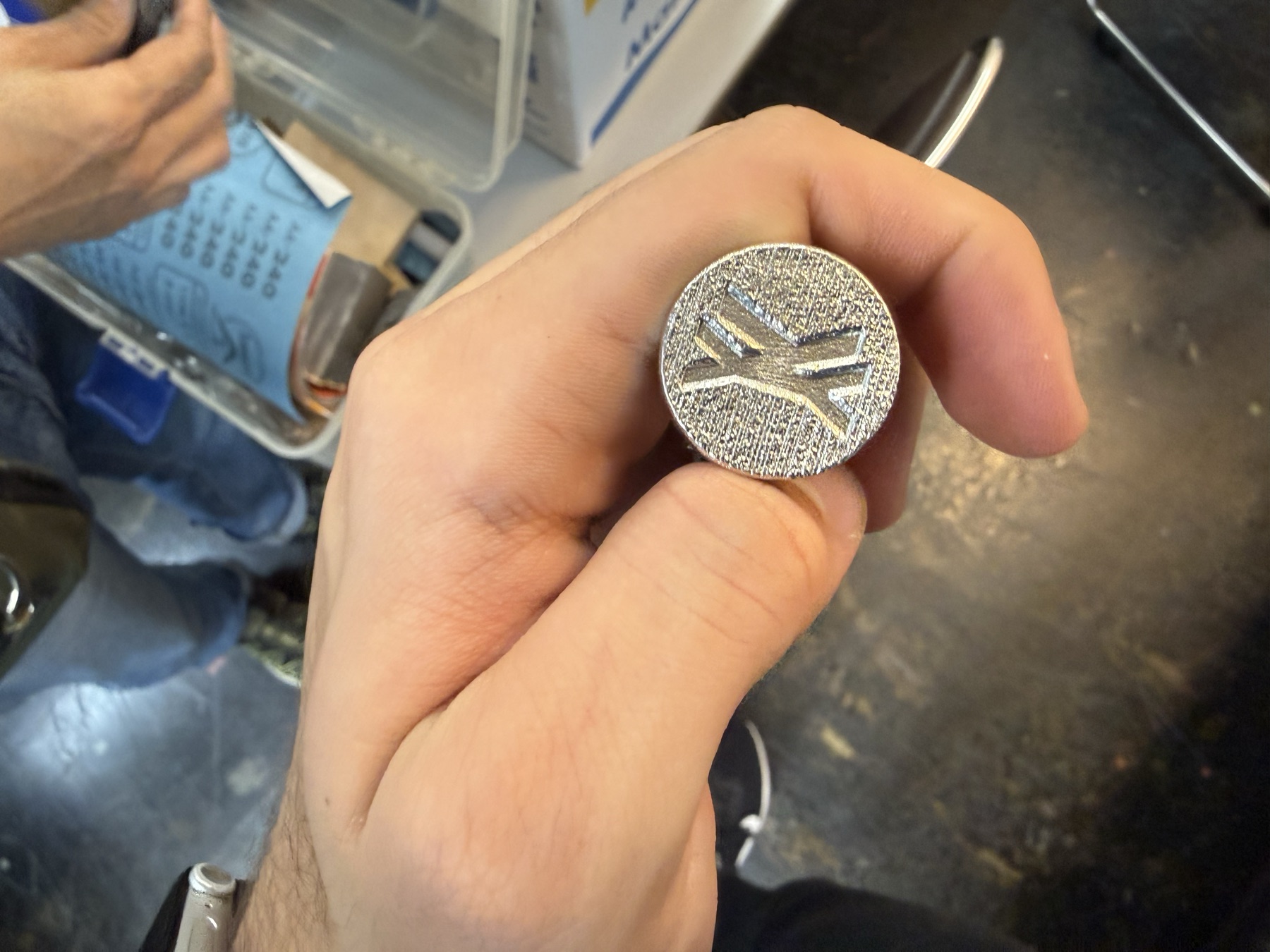
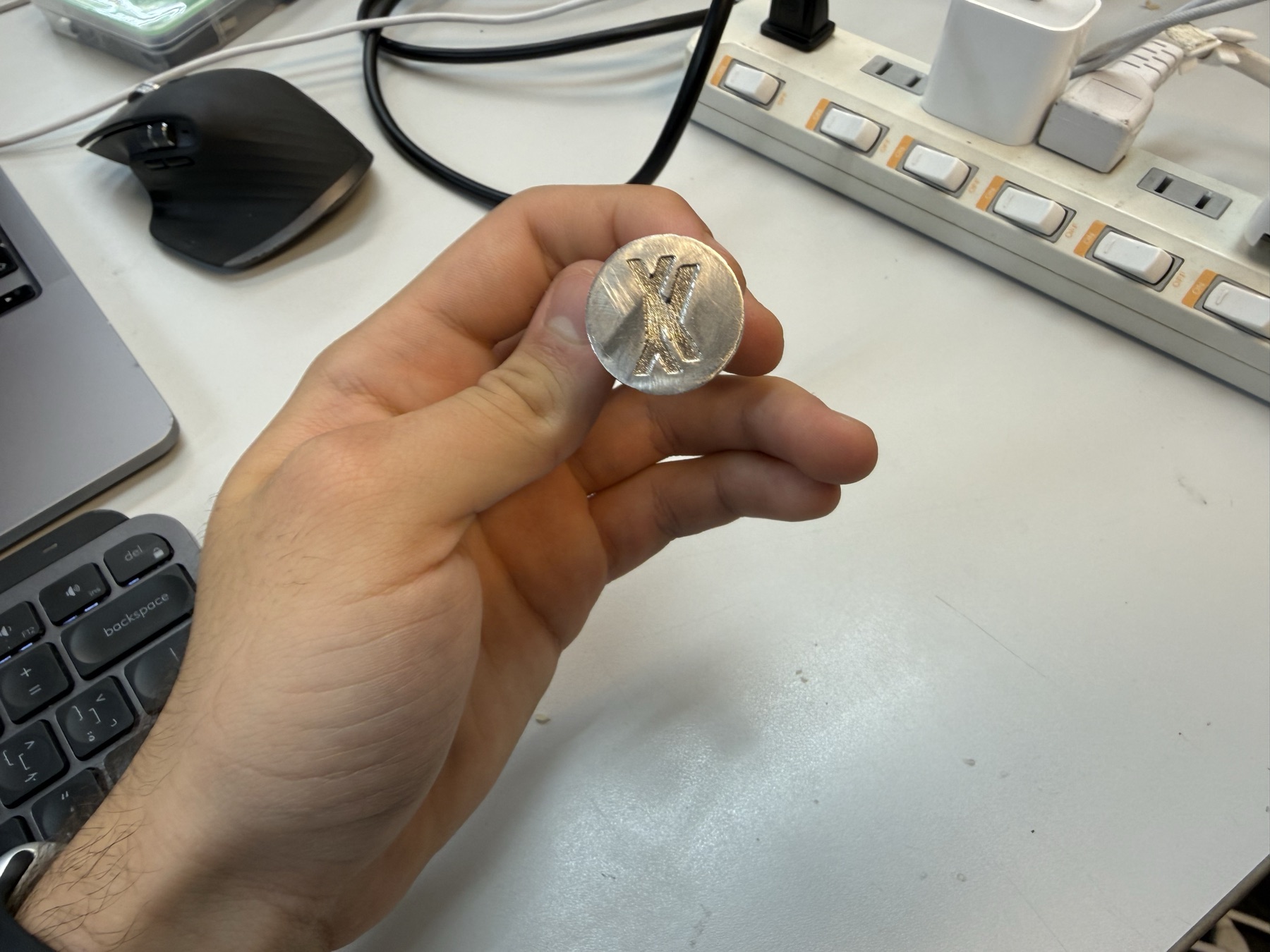
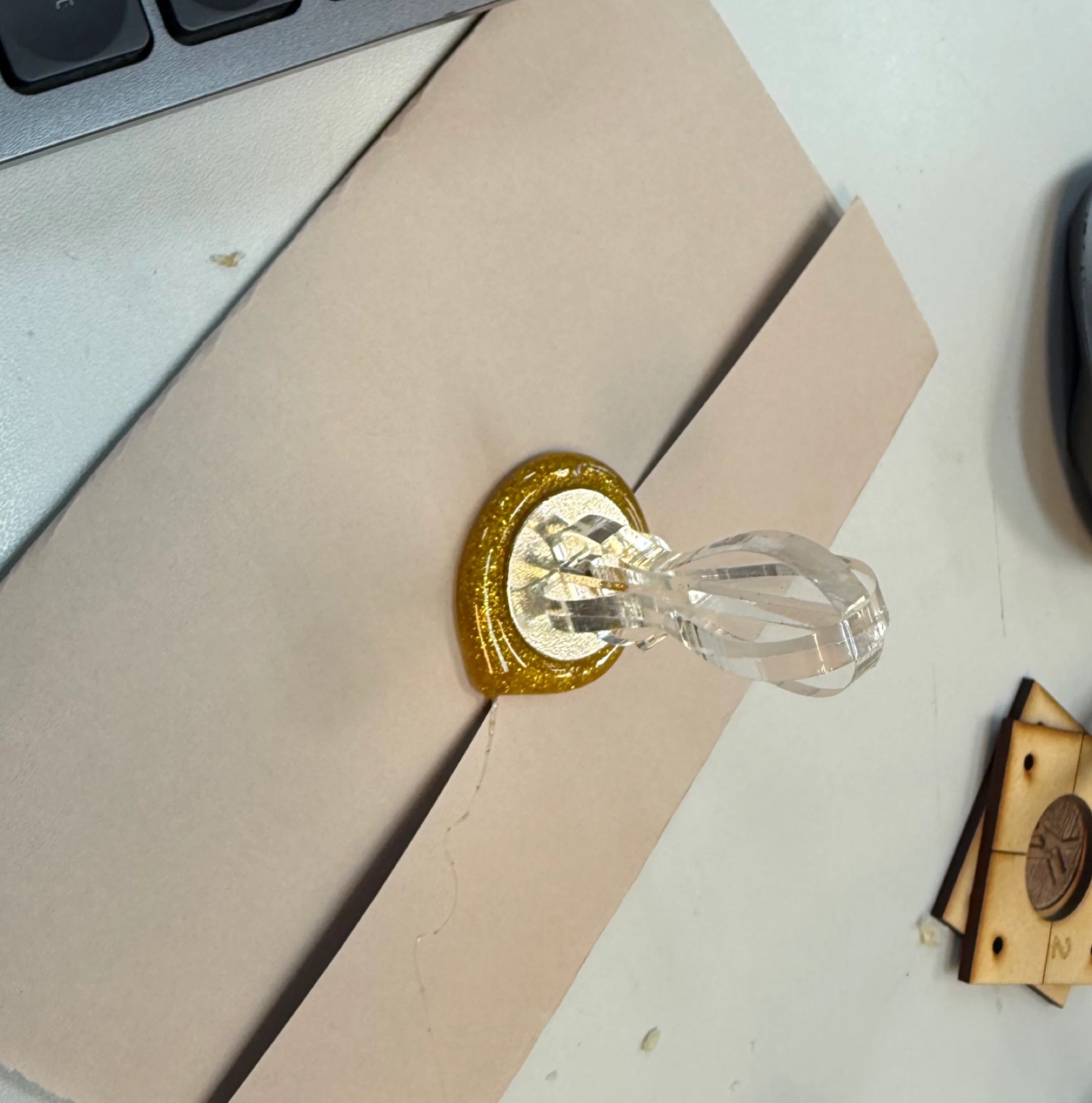
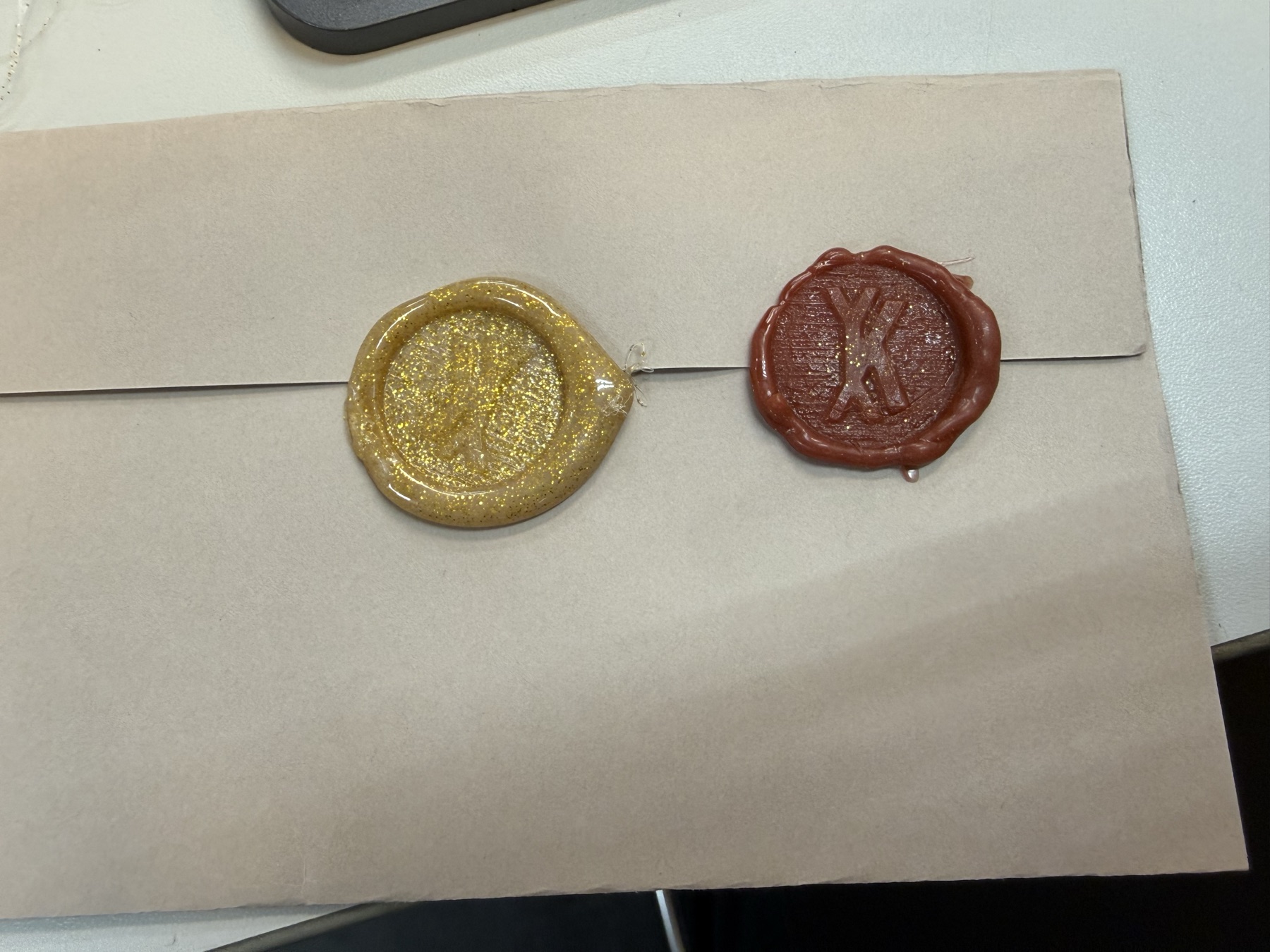
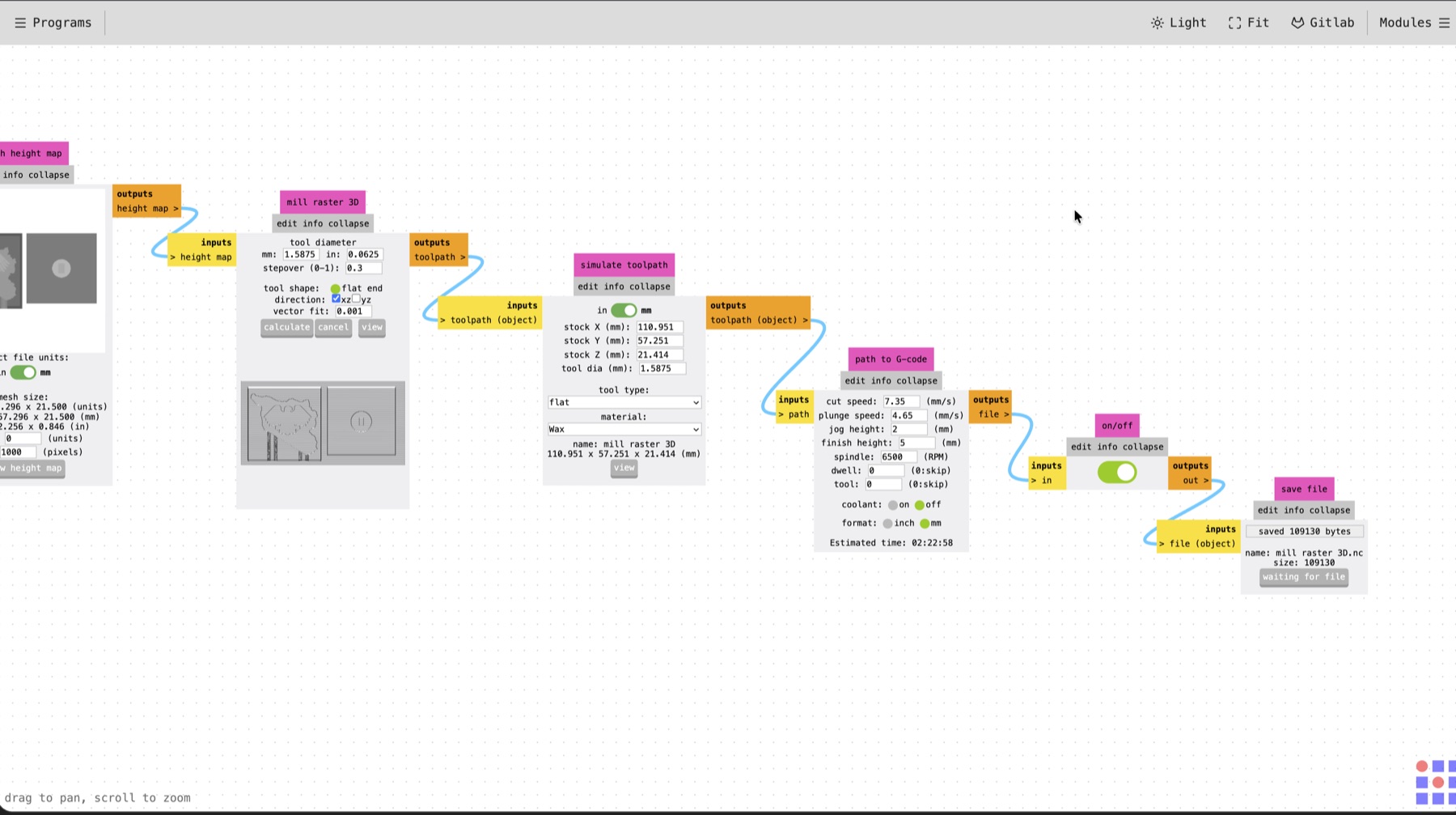
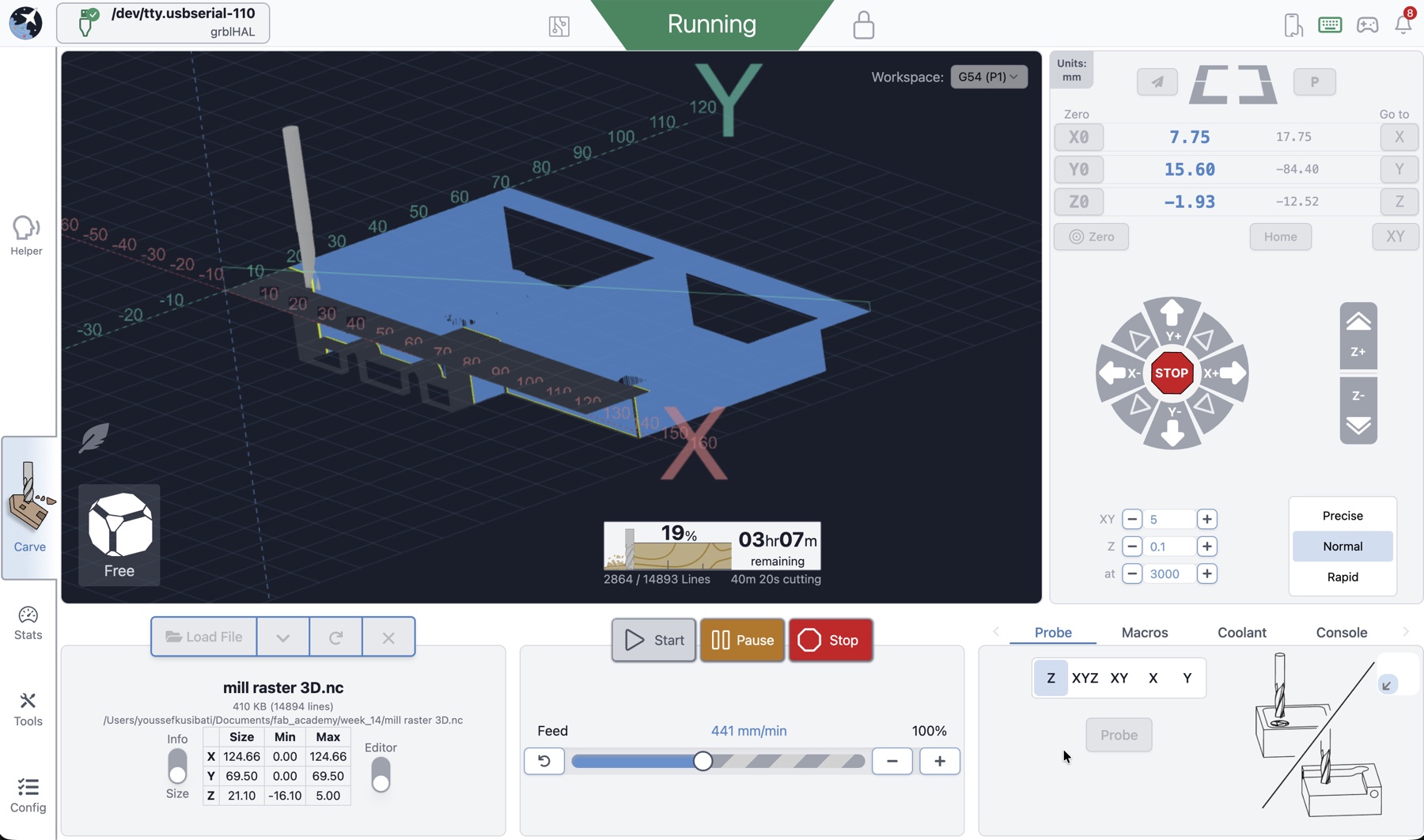
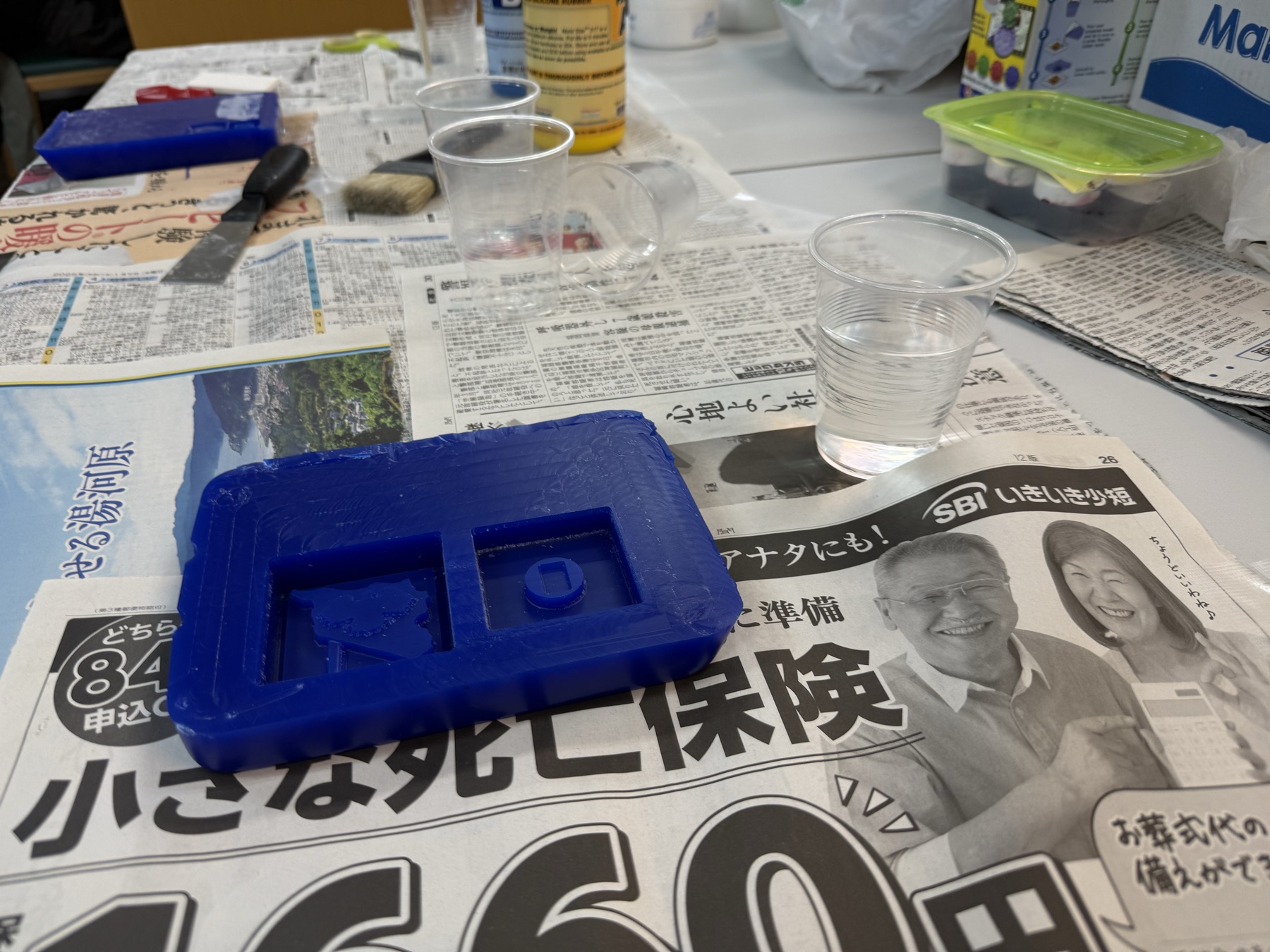
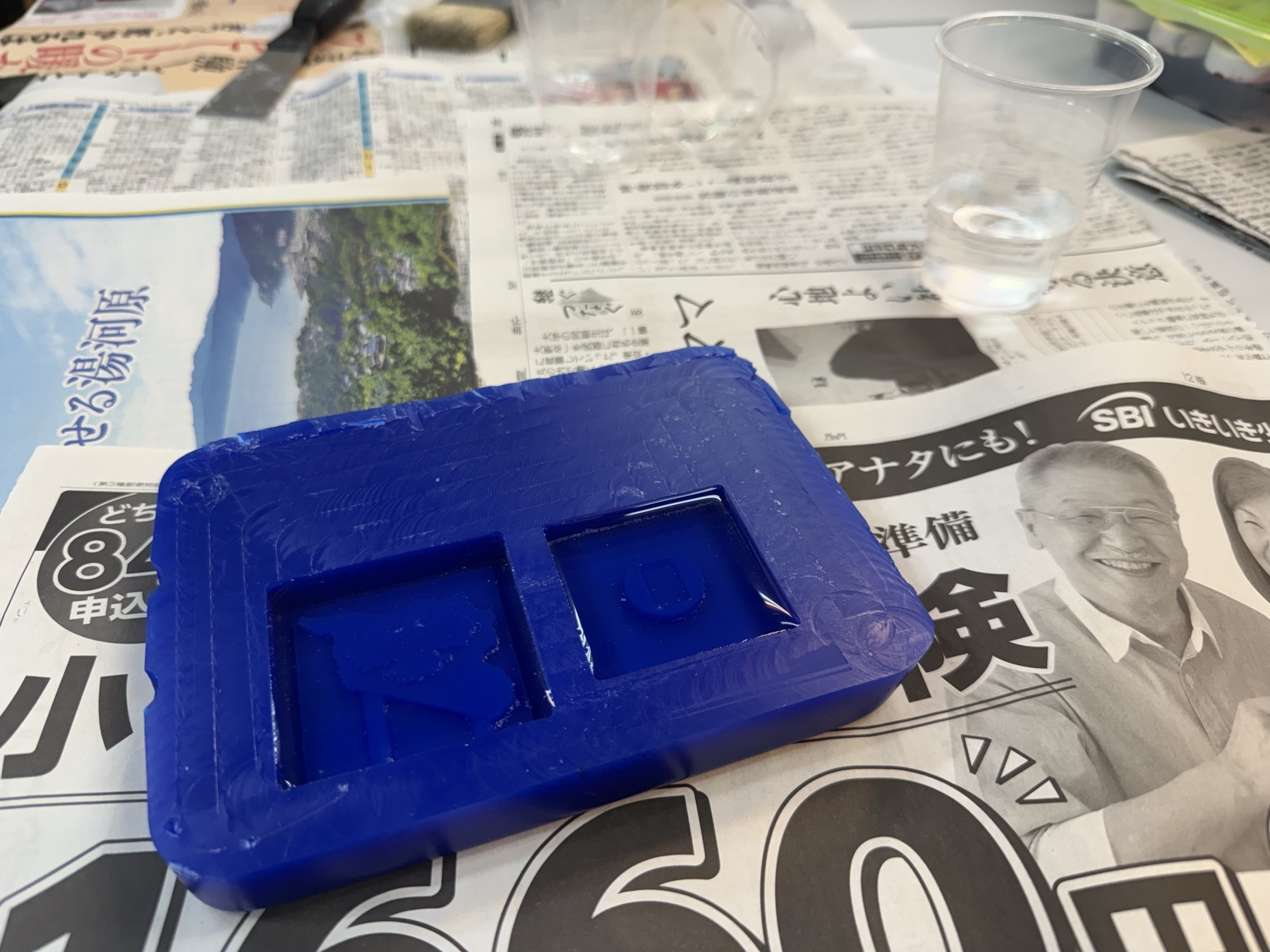
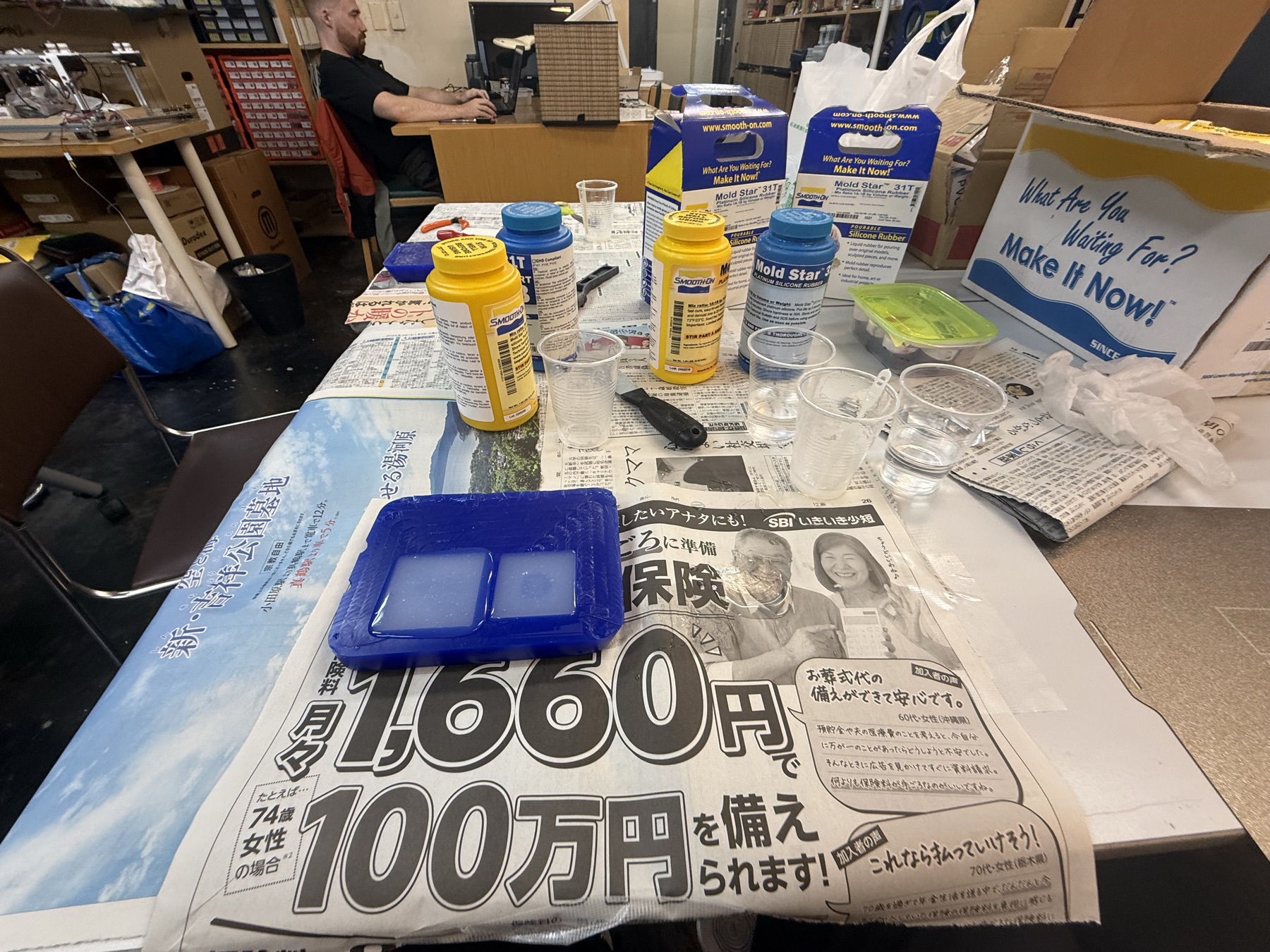
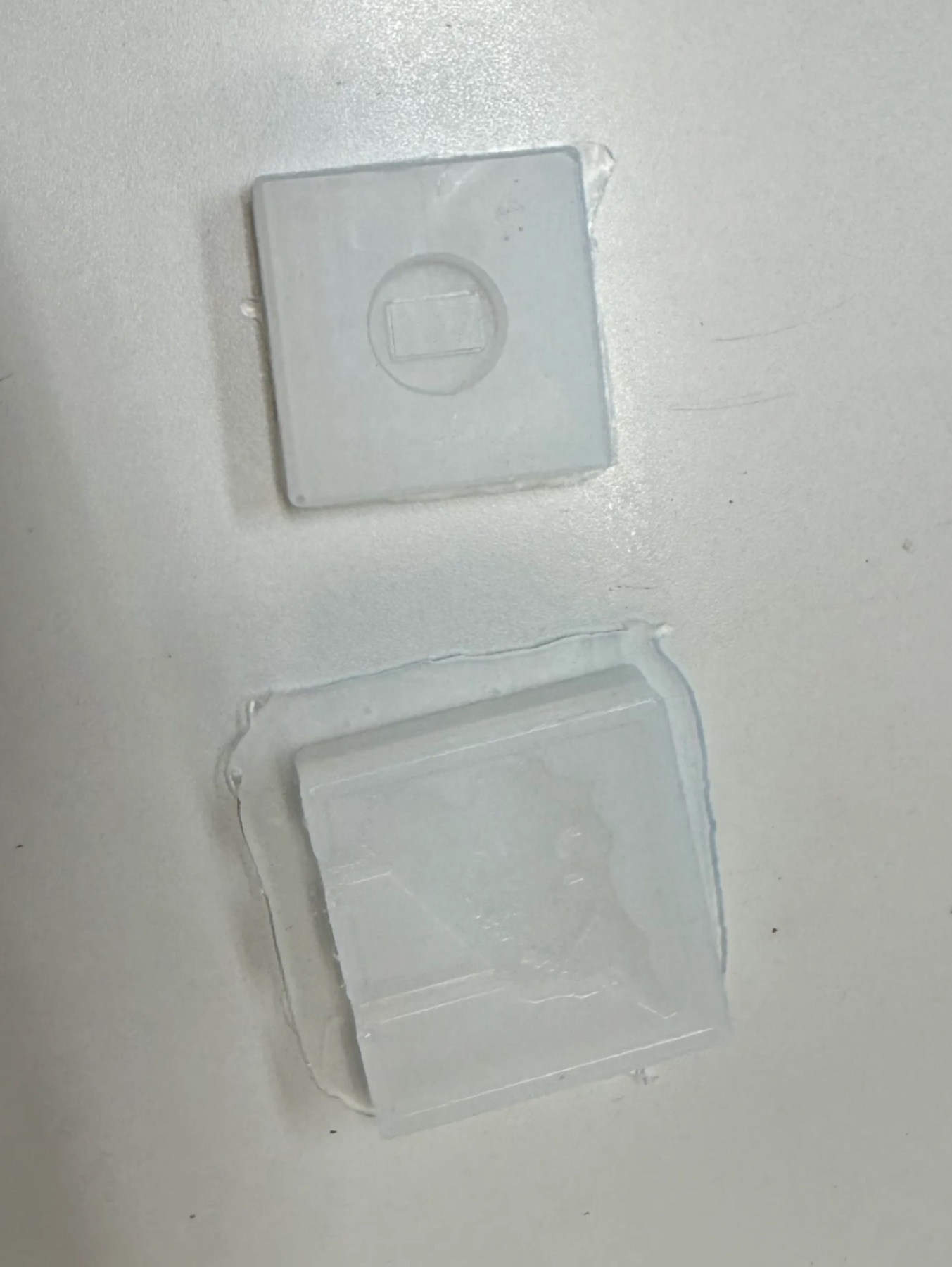
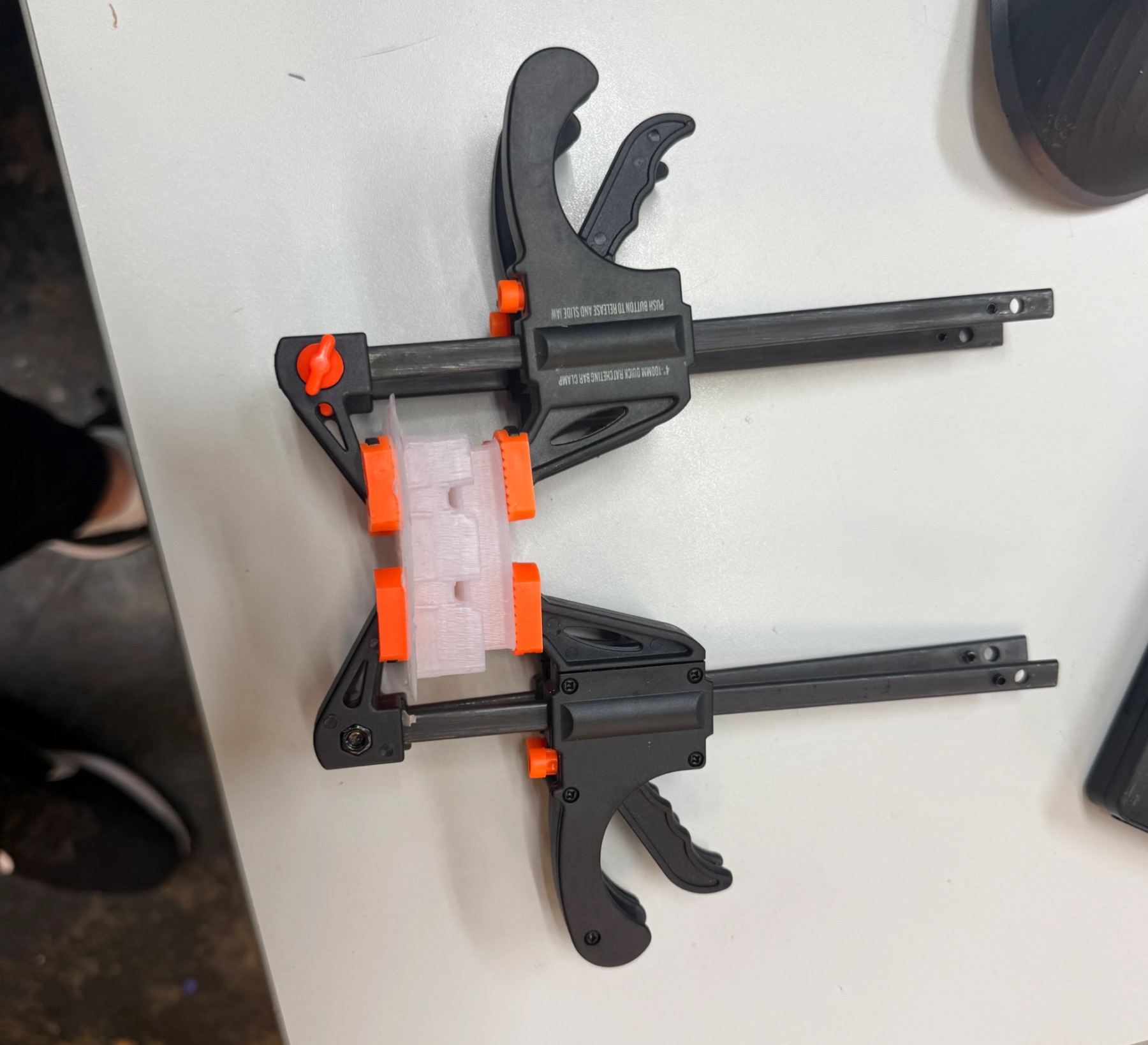
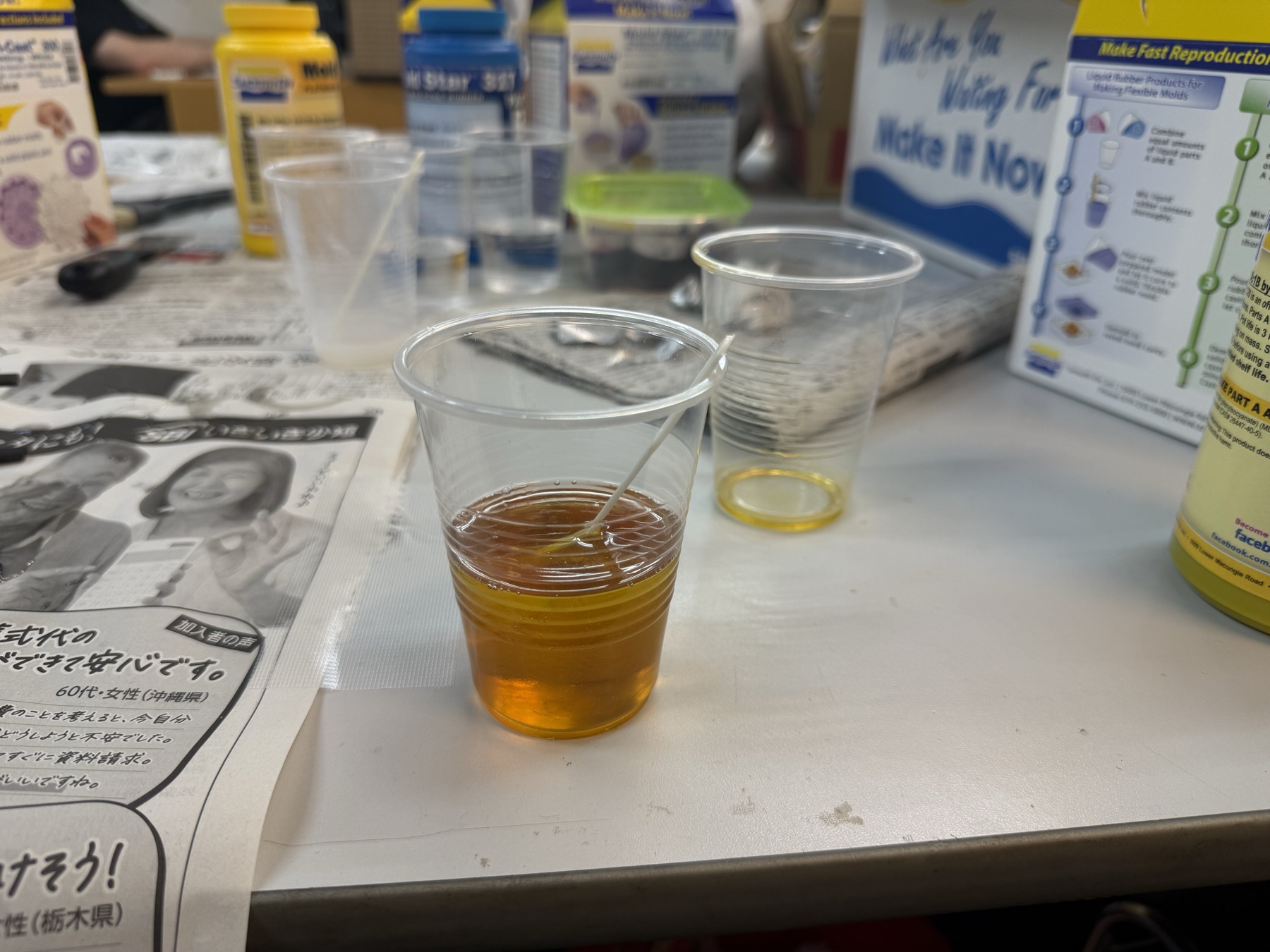
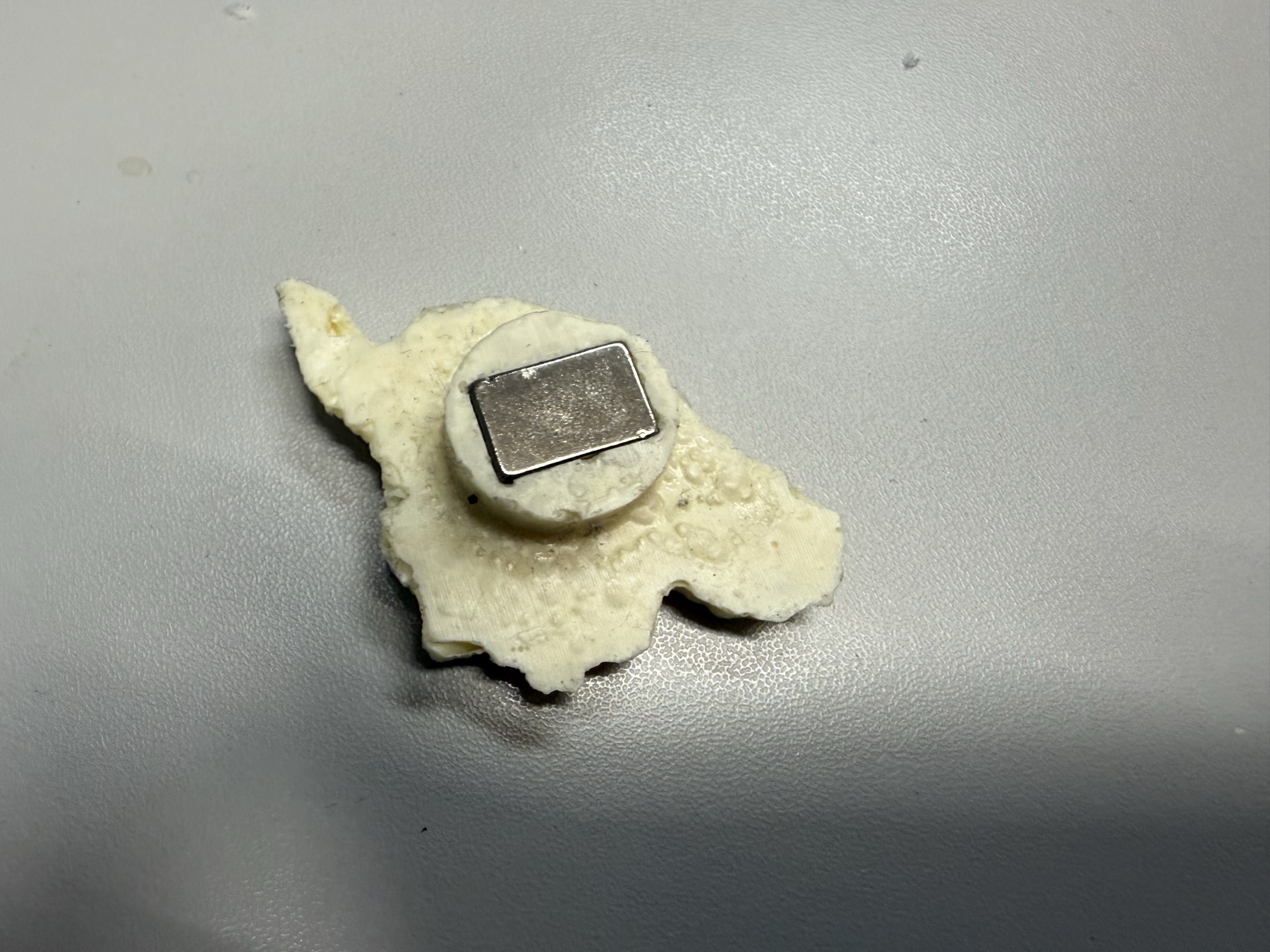
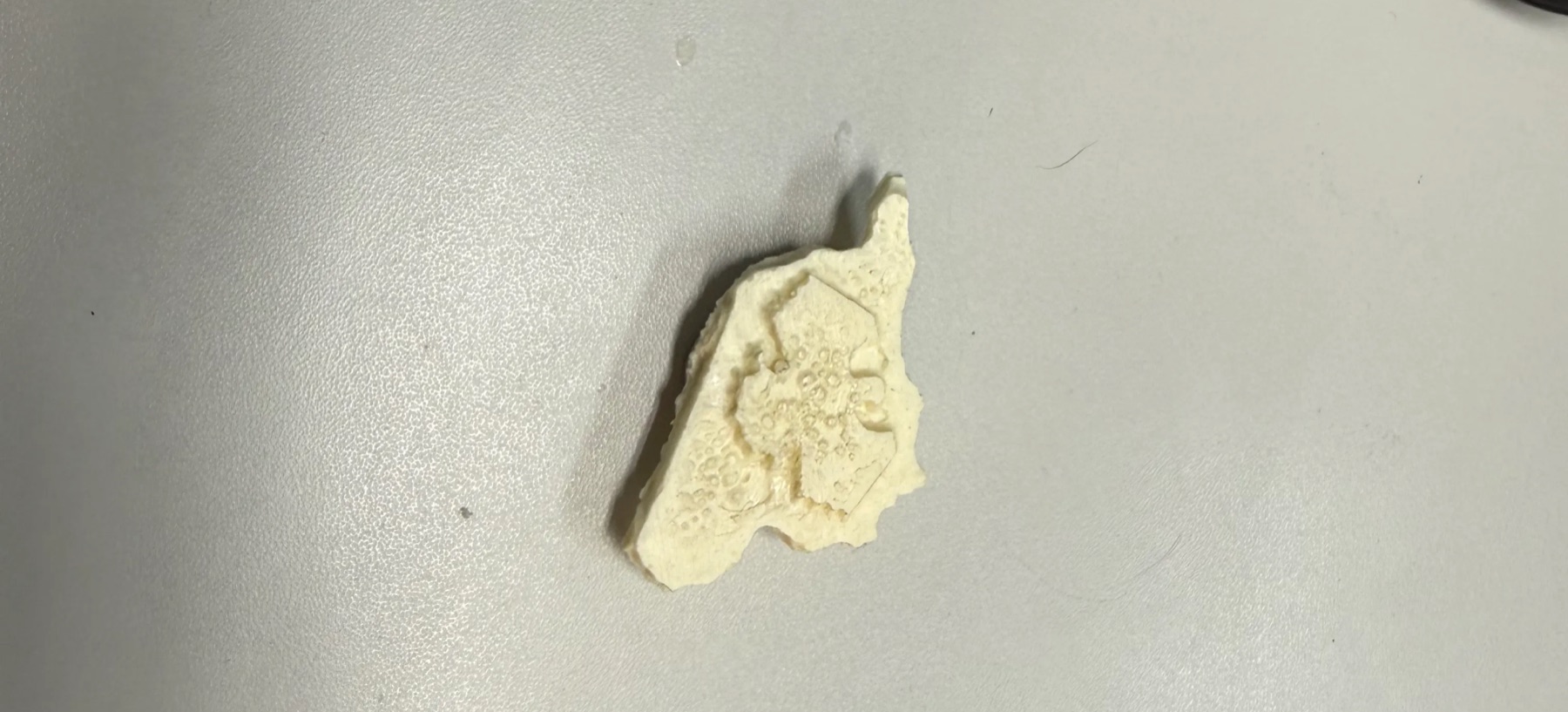
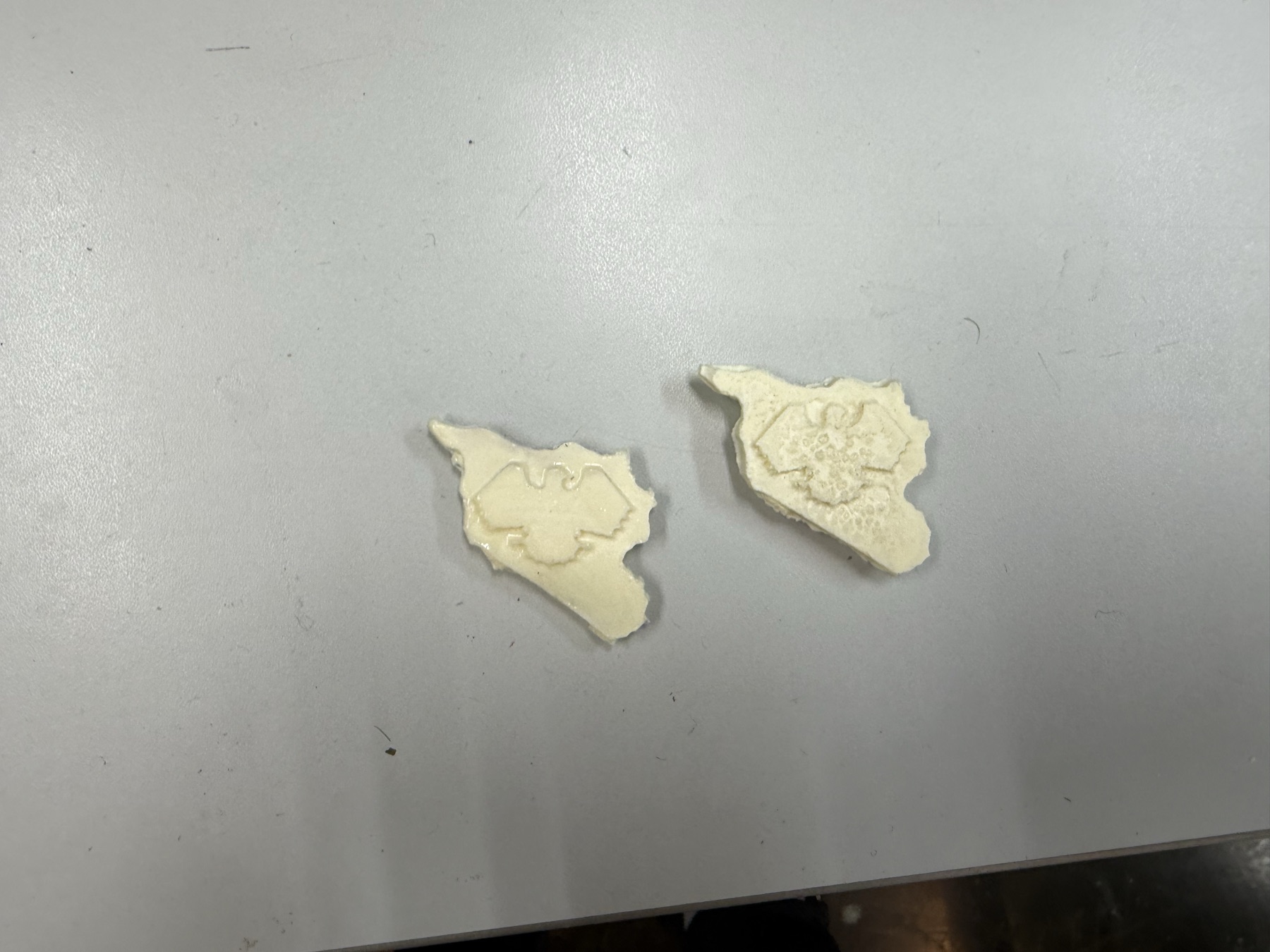
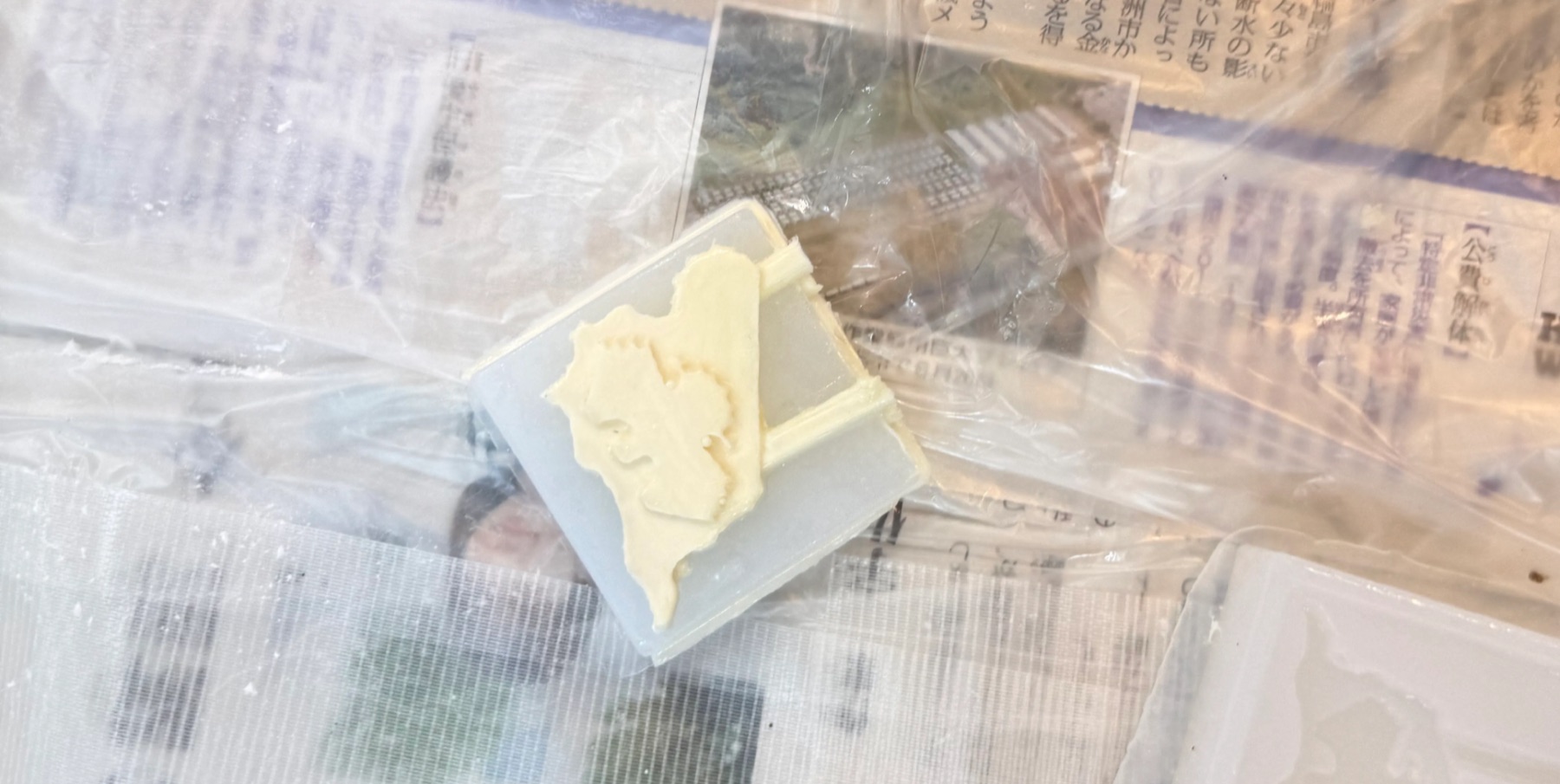
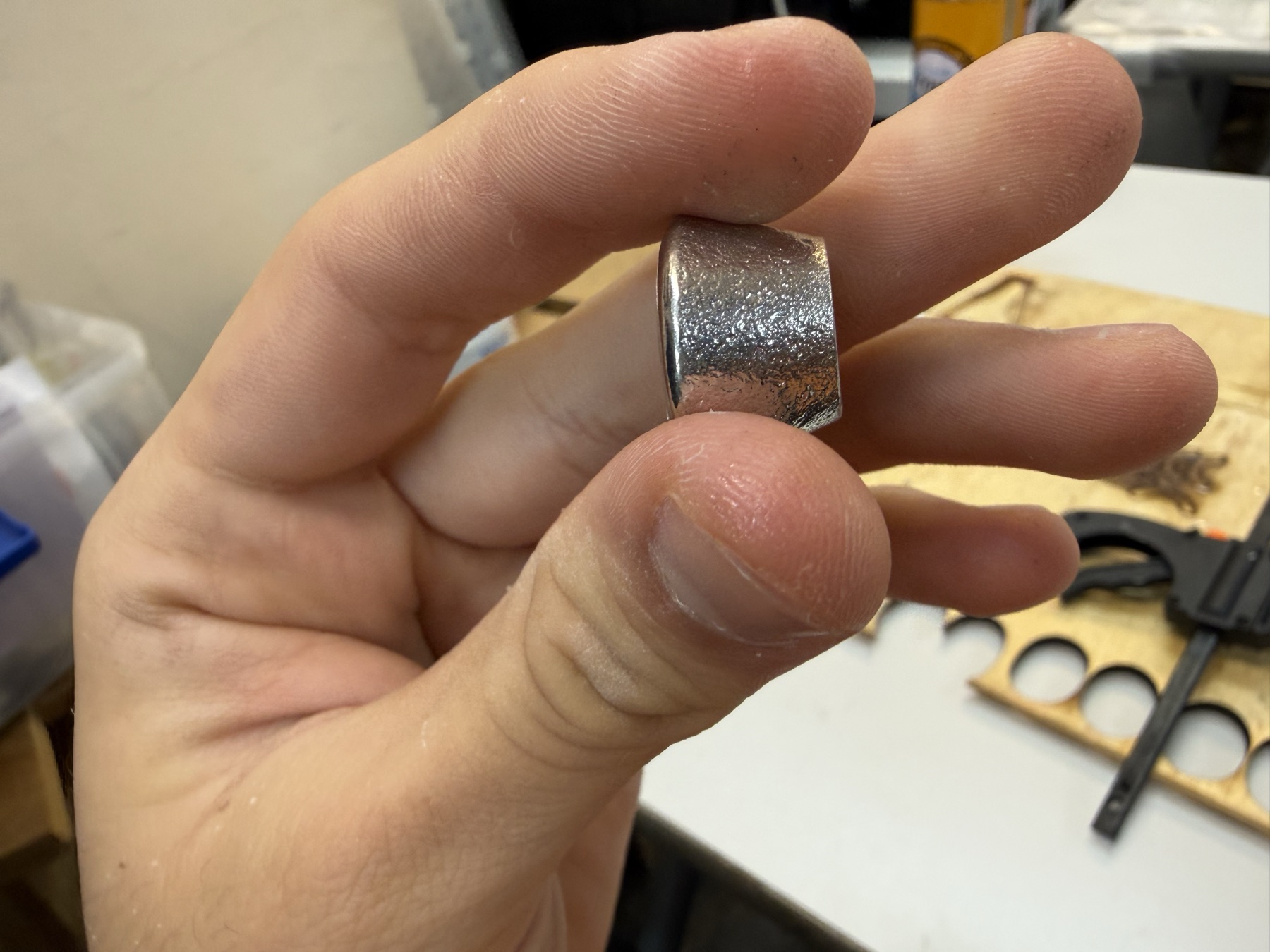
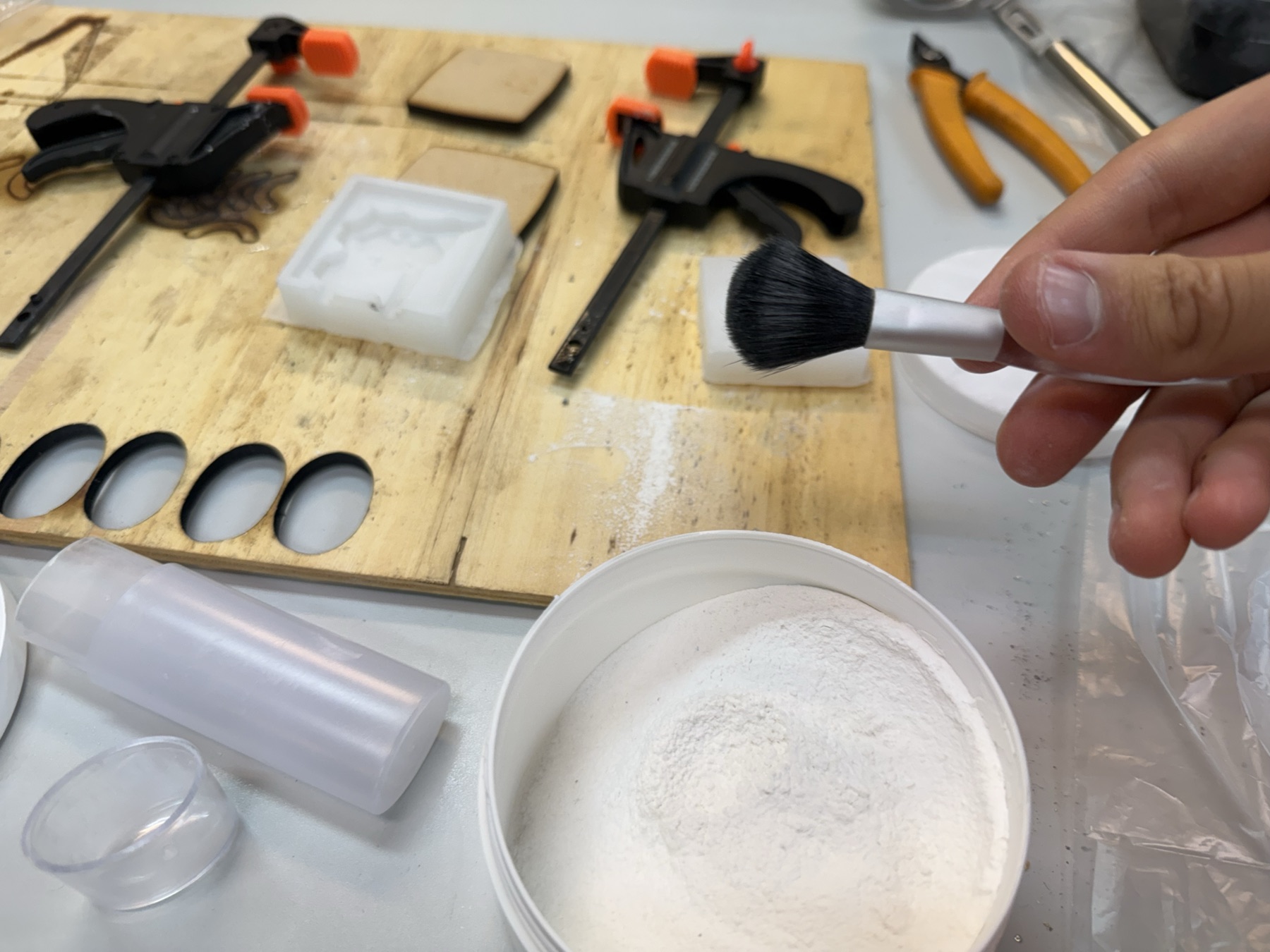
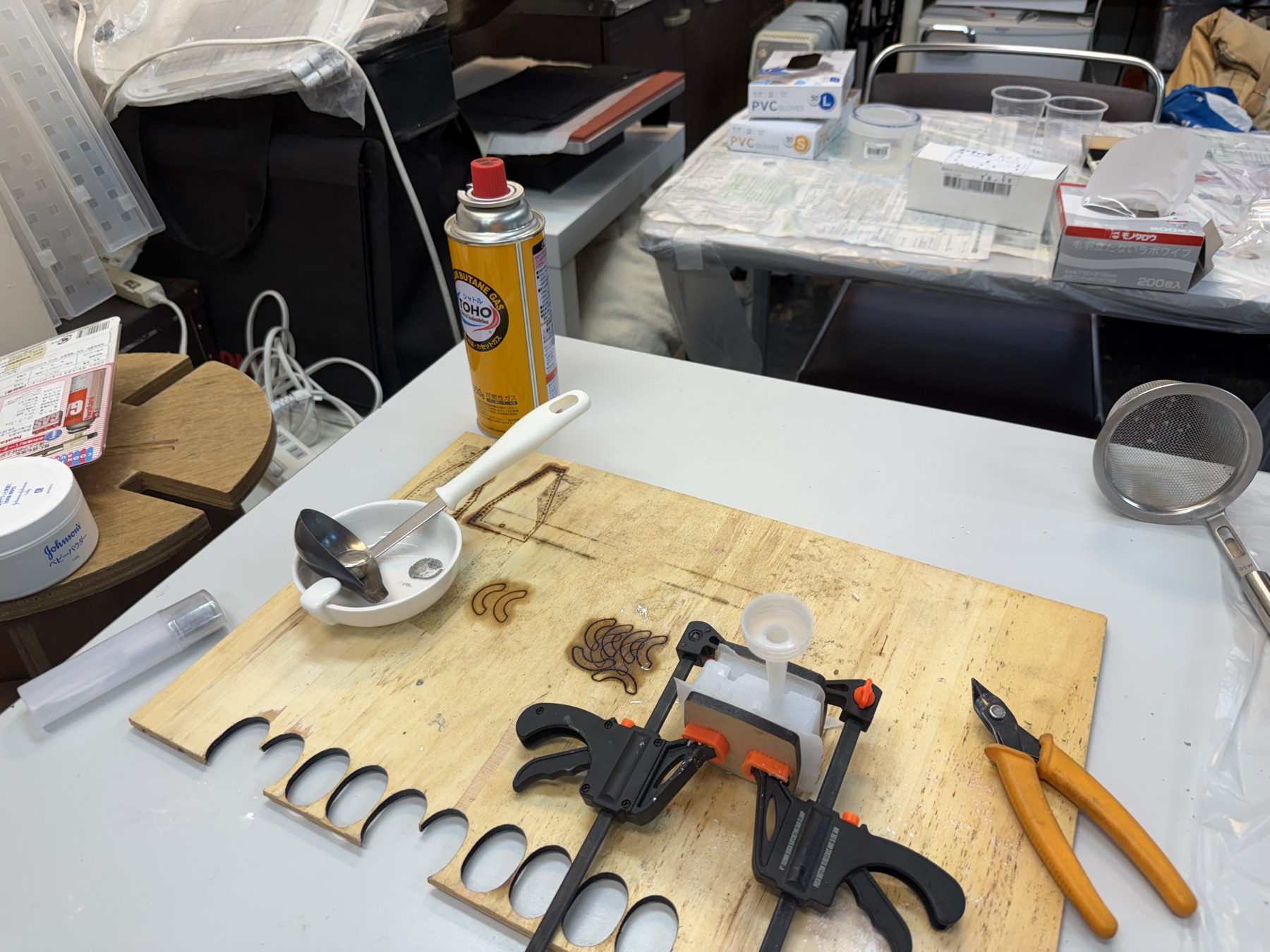
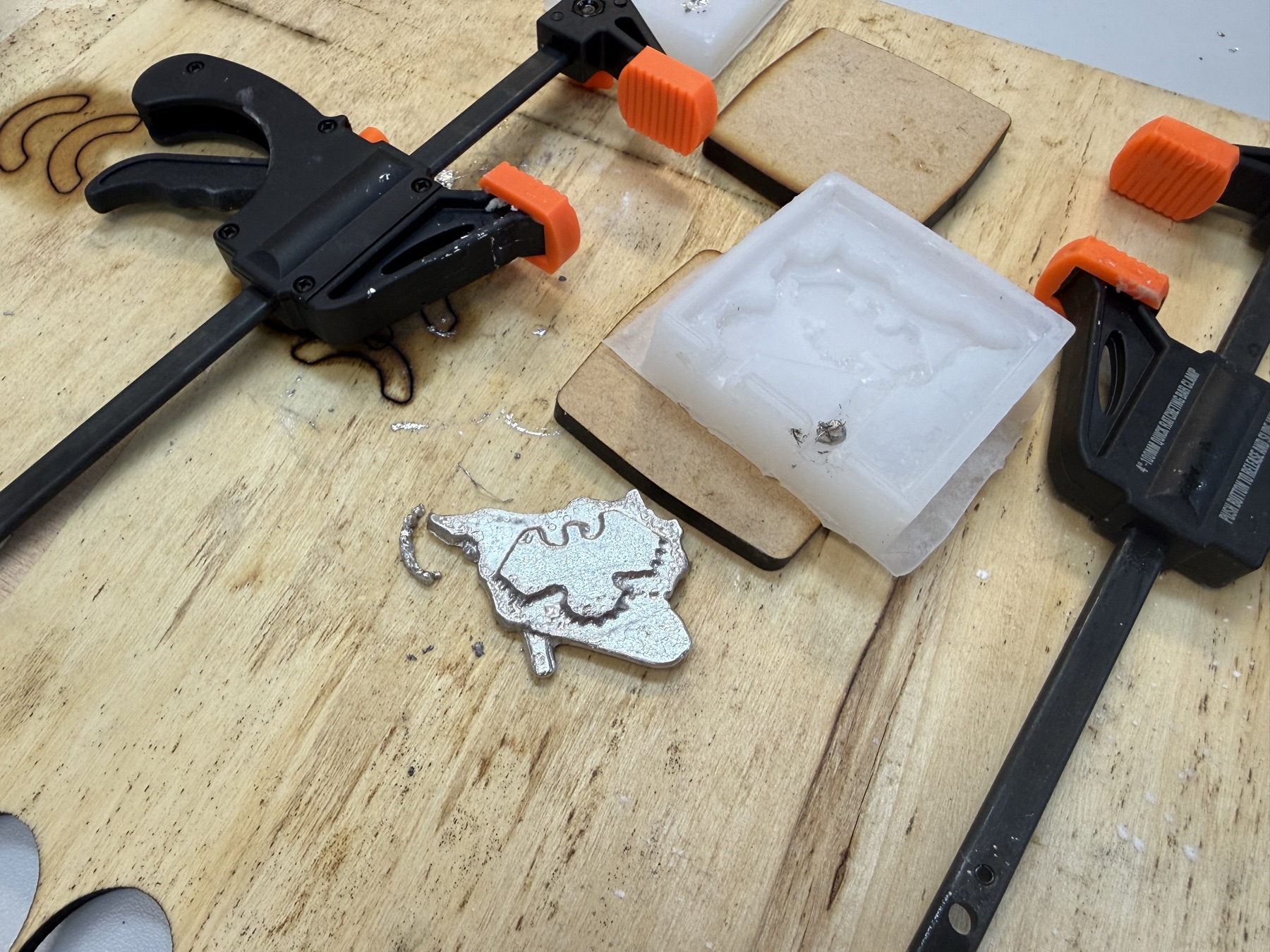
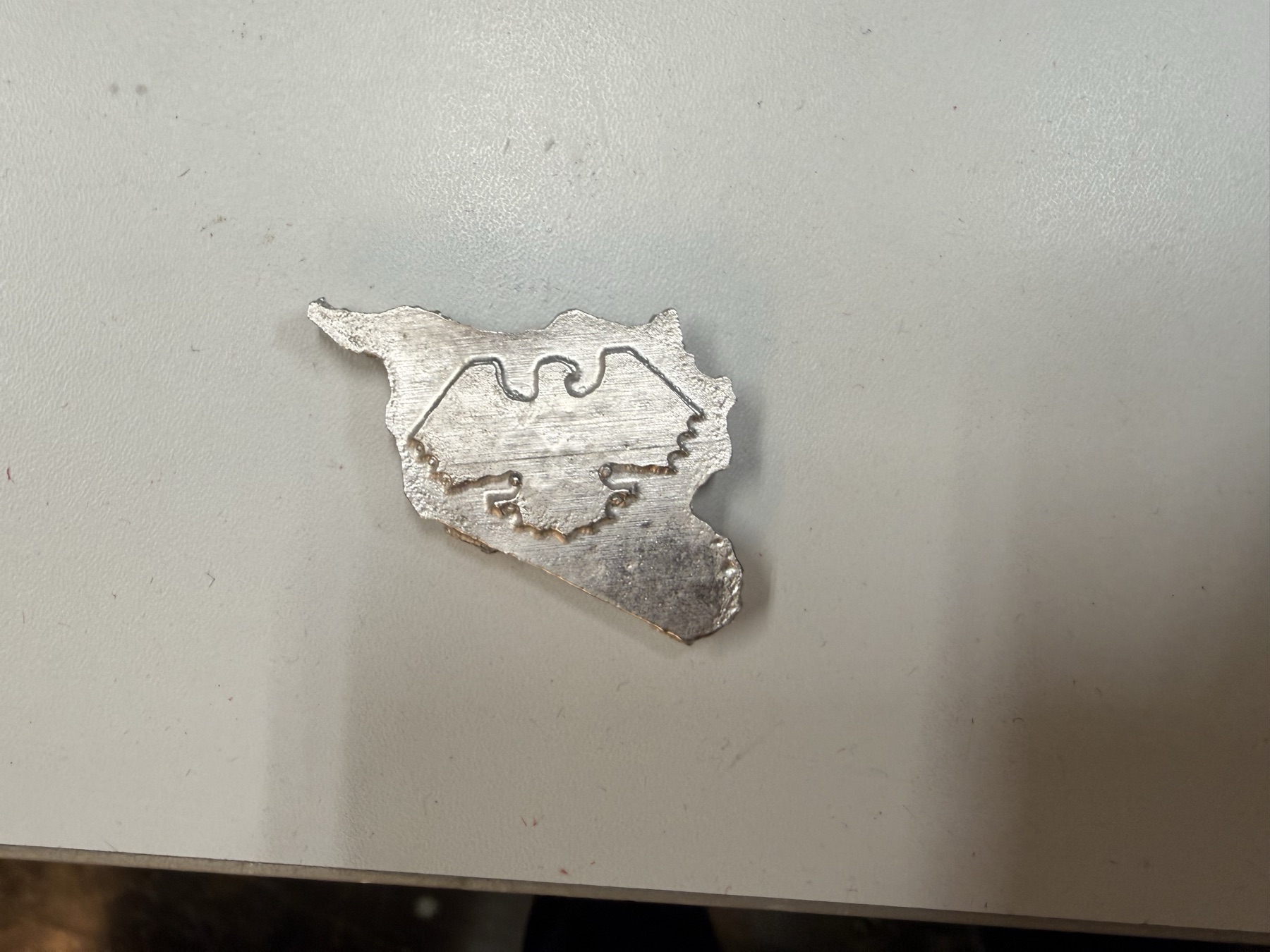
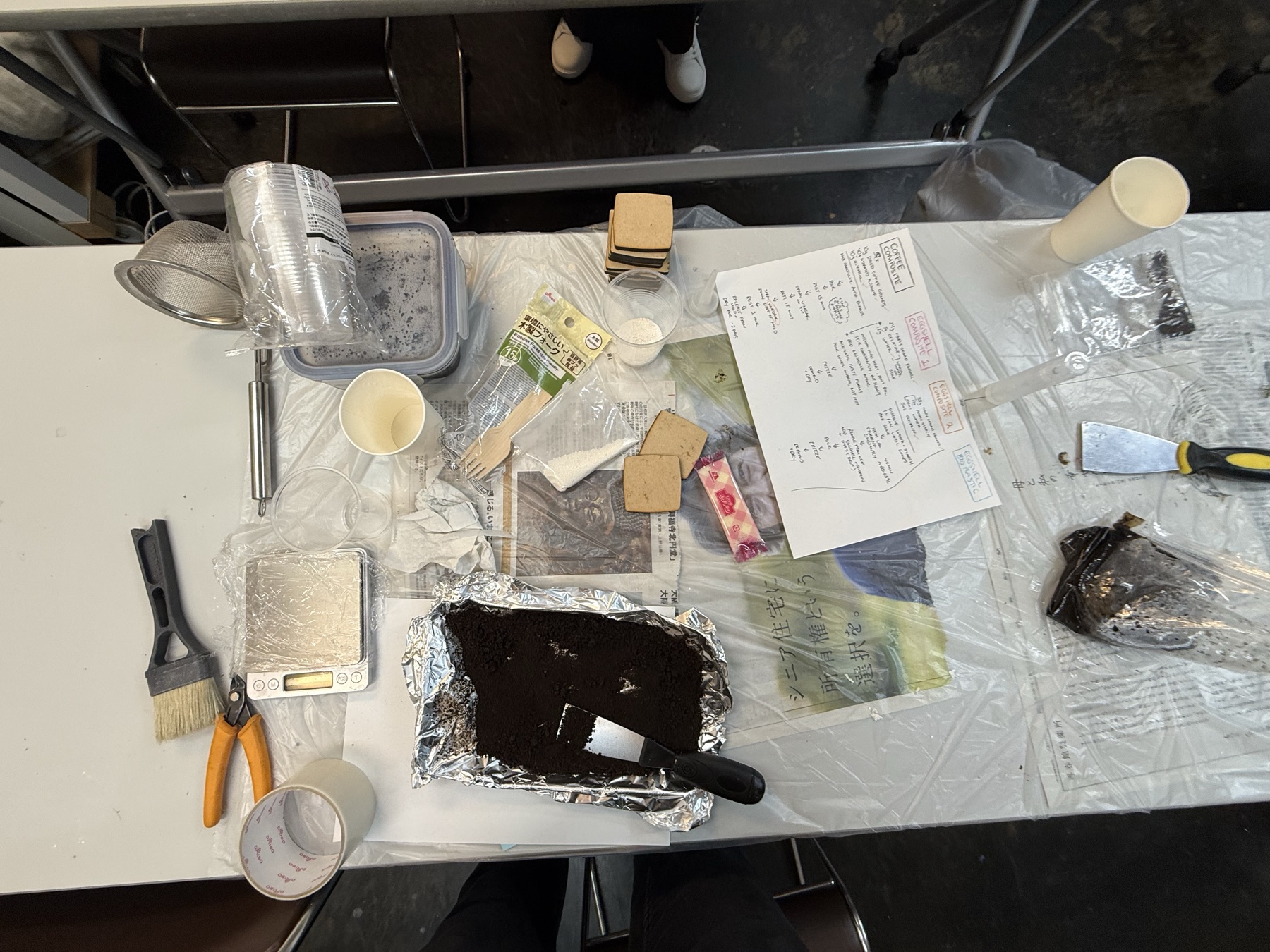
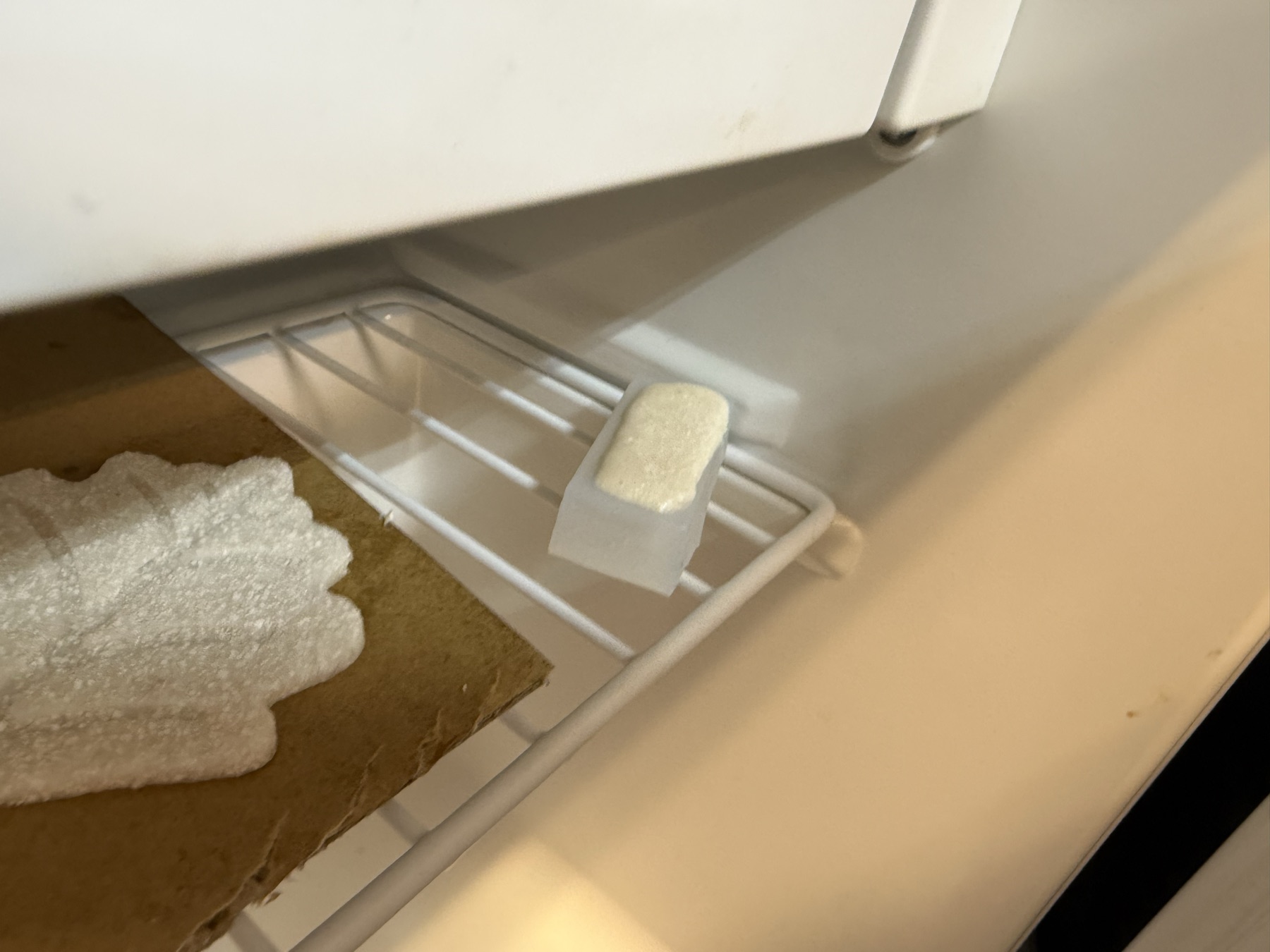
I explored molding and casting through wax-stamp, fridge-magnet, low-melt metal, and biomaterial tests, then compared the processes and what each one is good for.
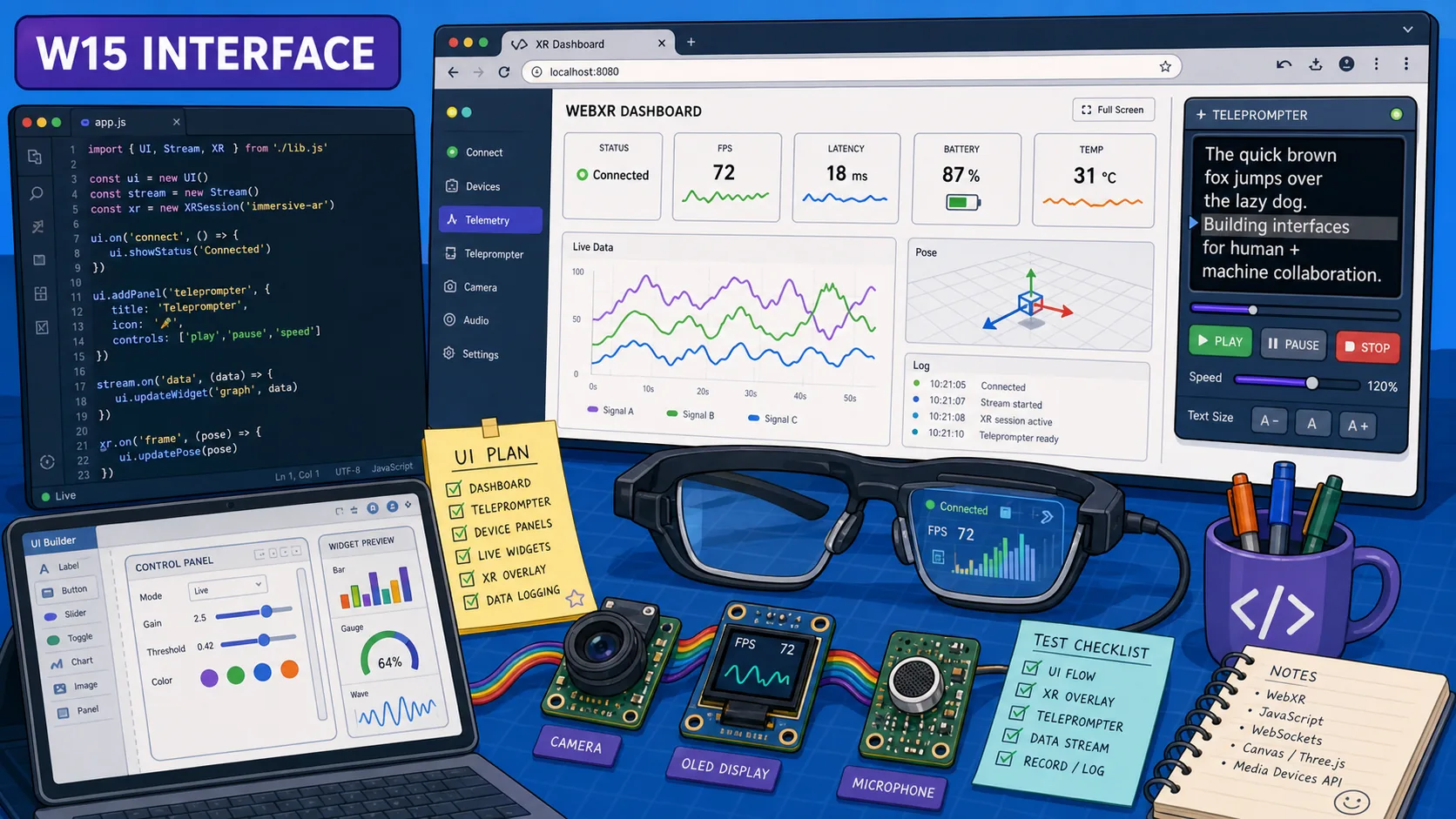
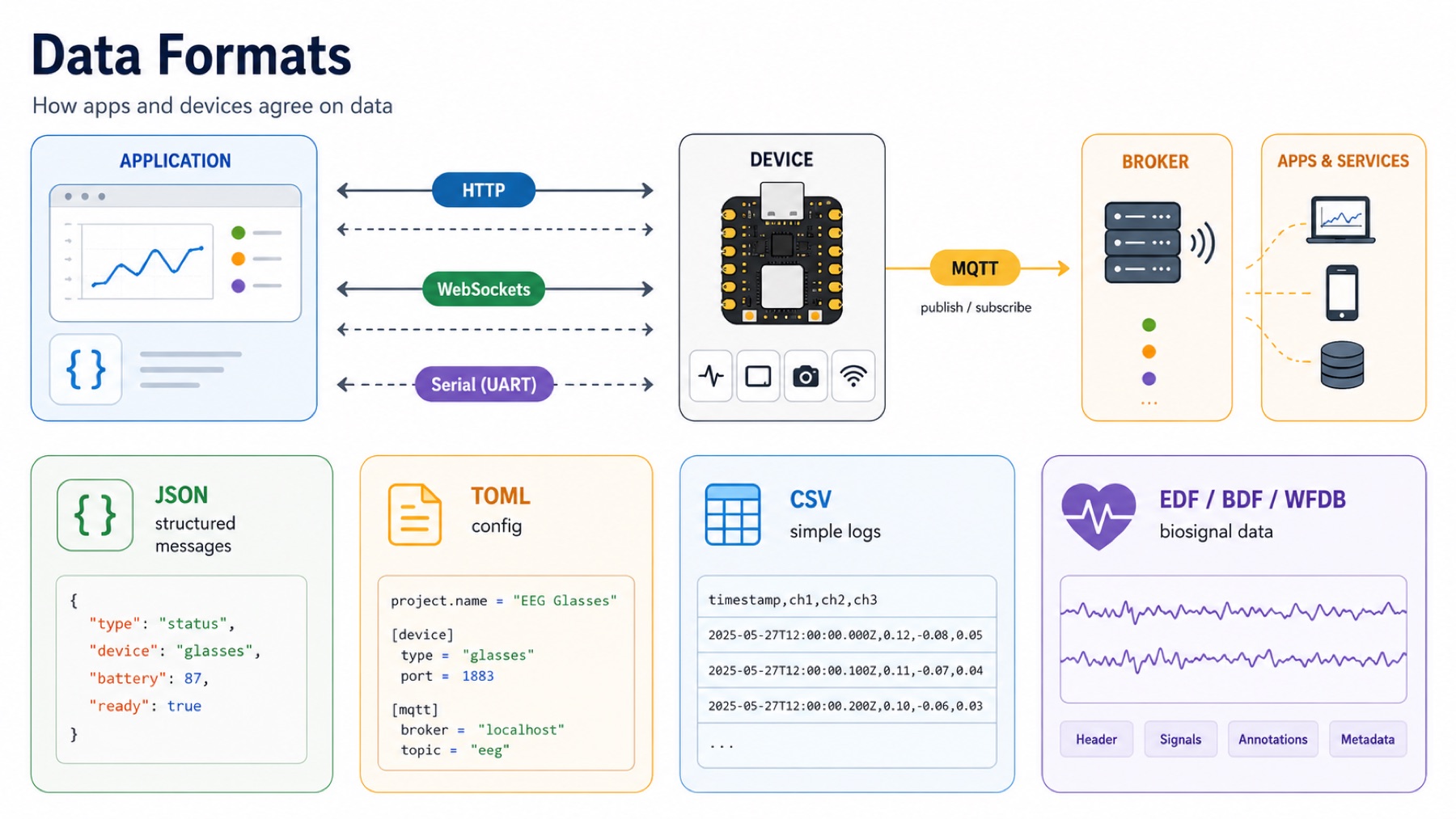
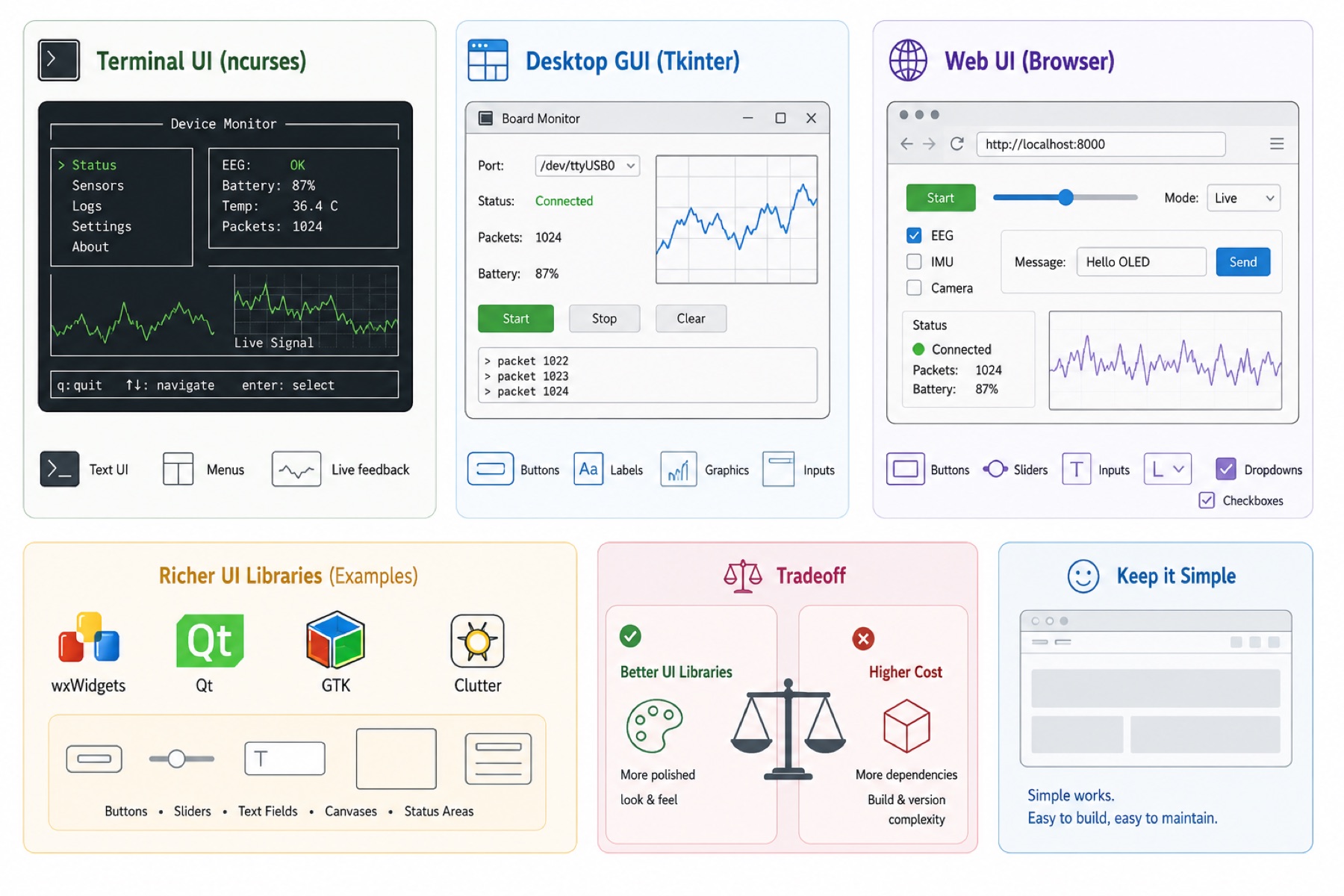
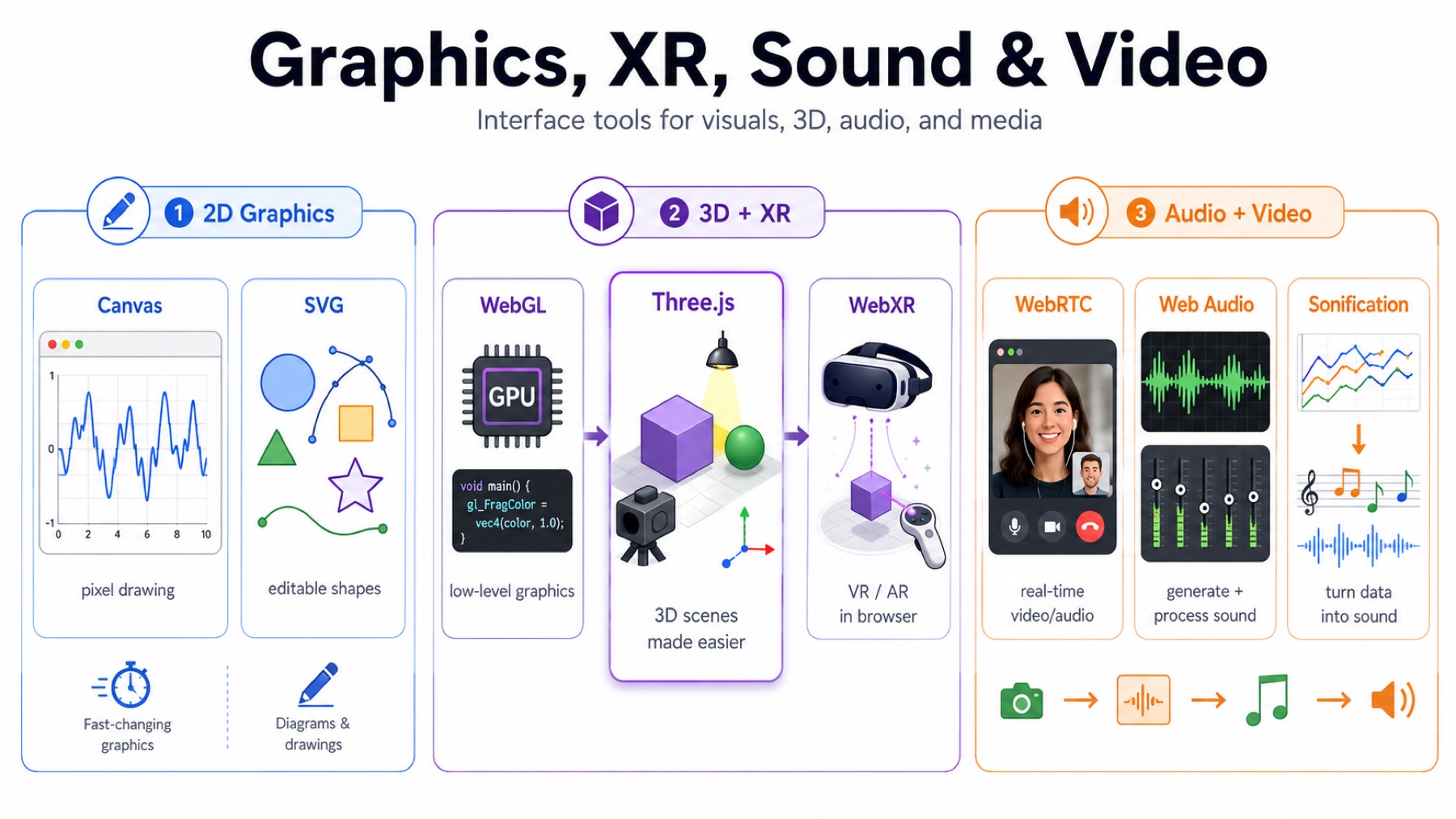
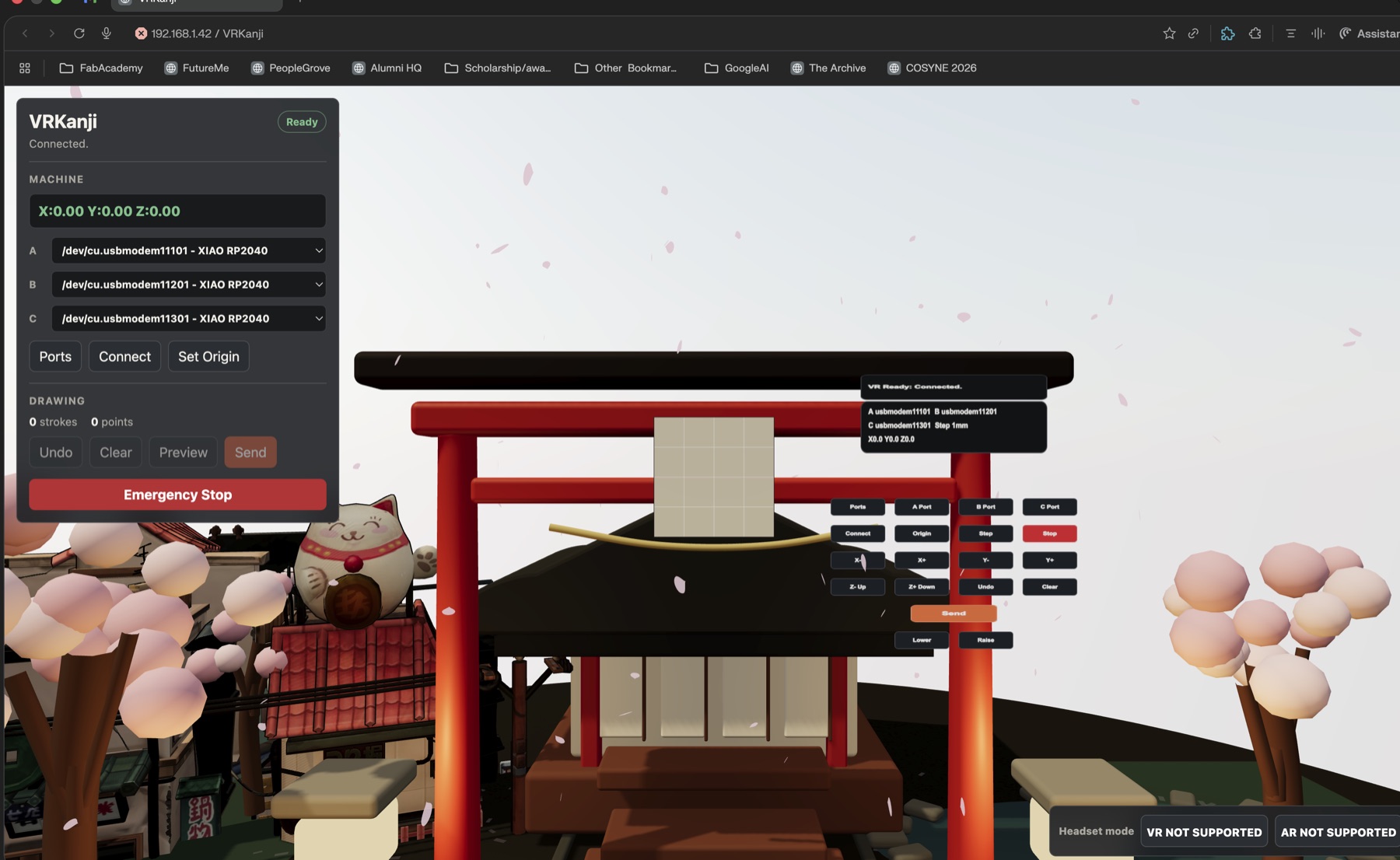
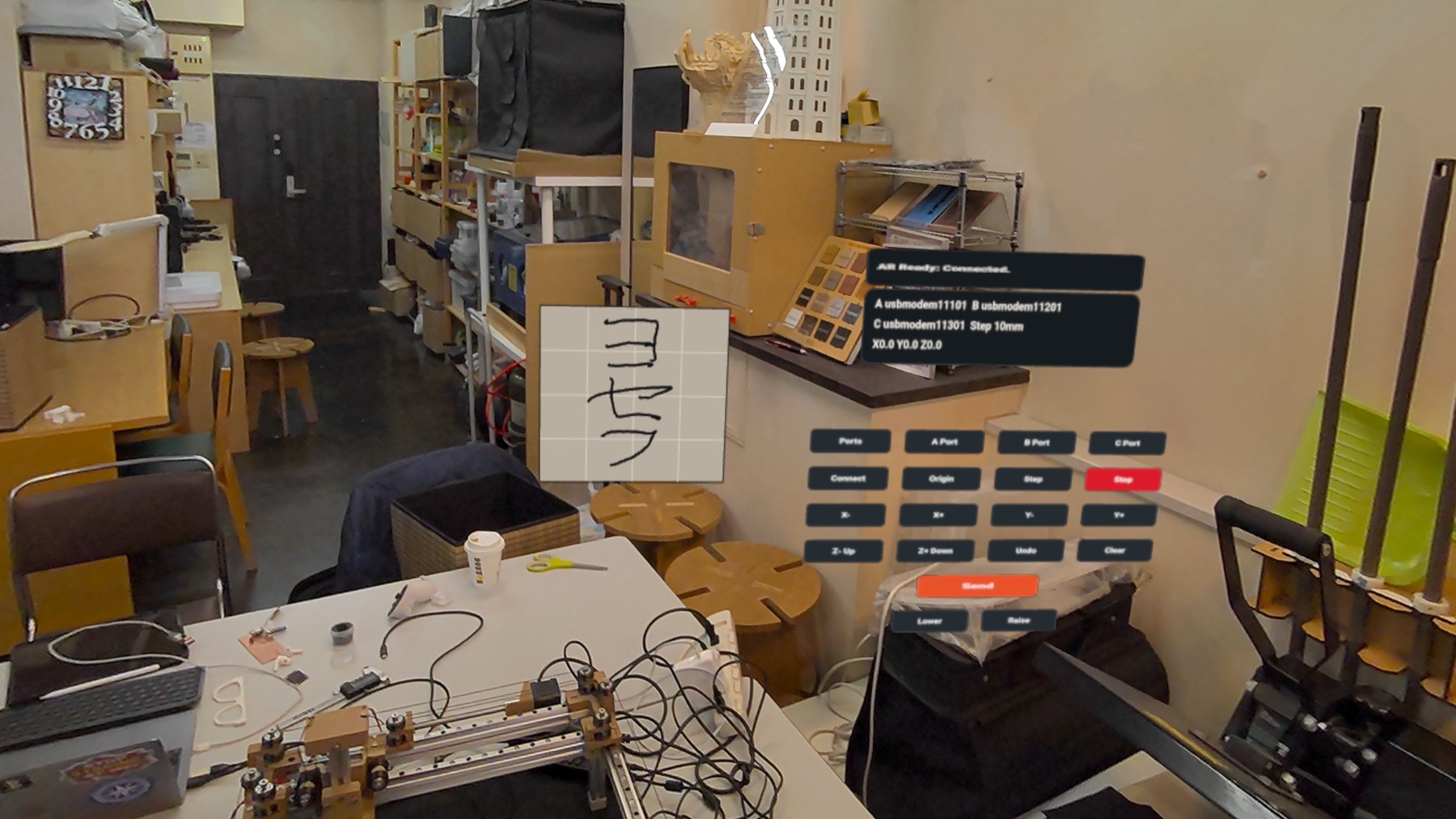
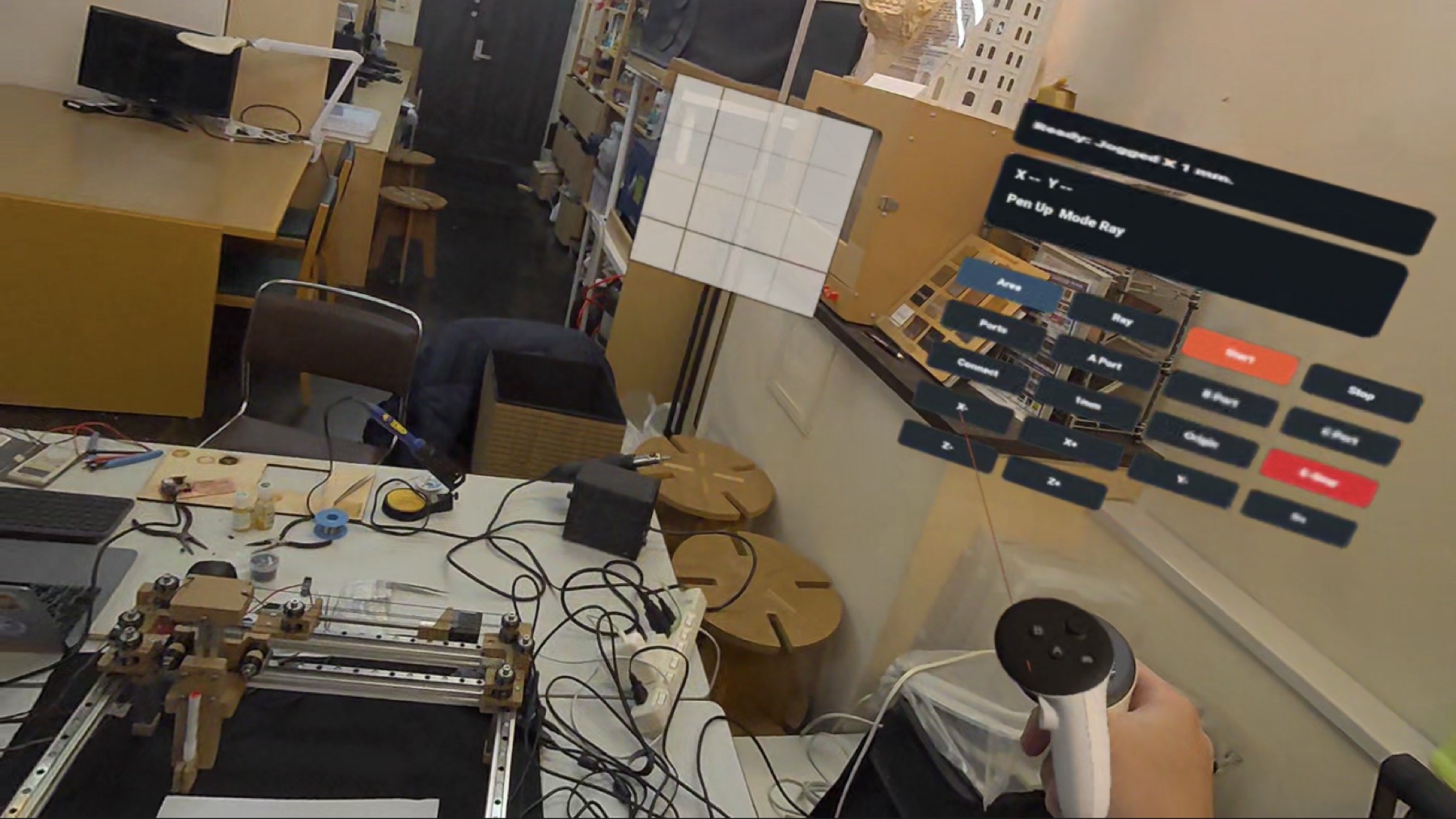
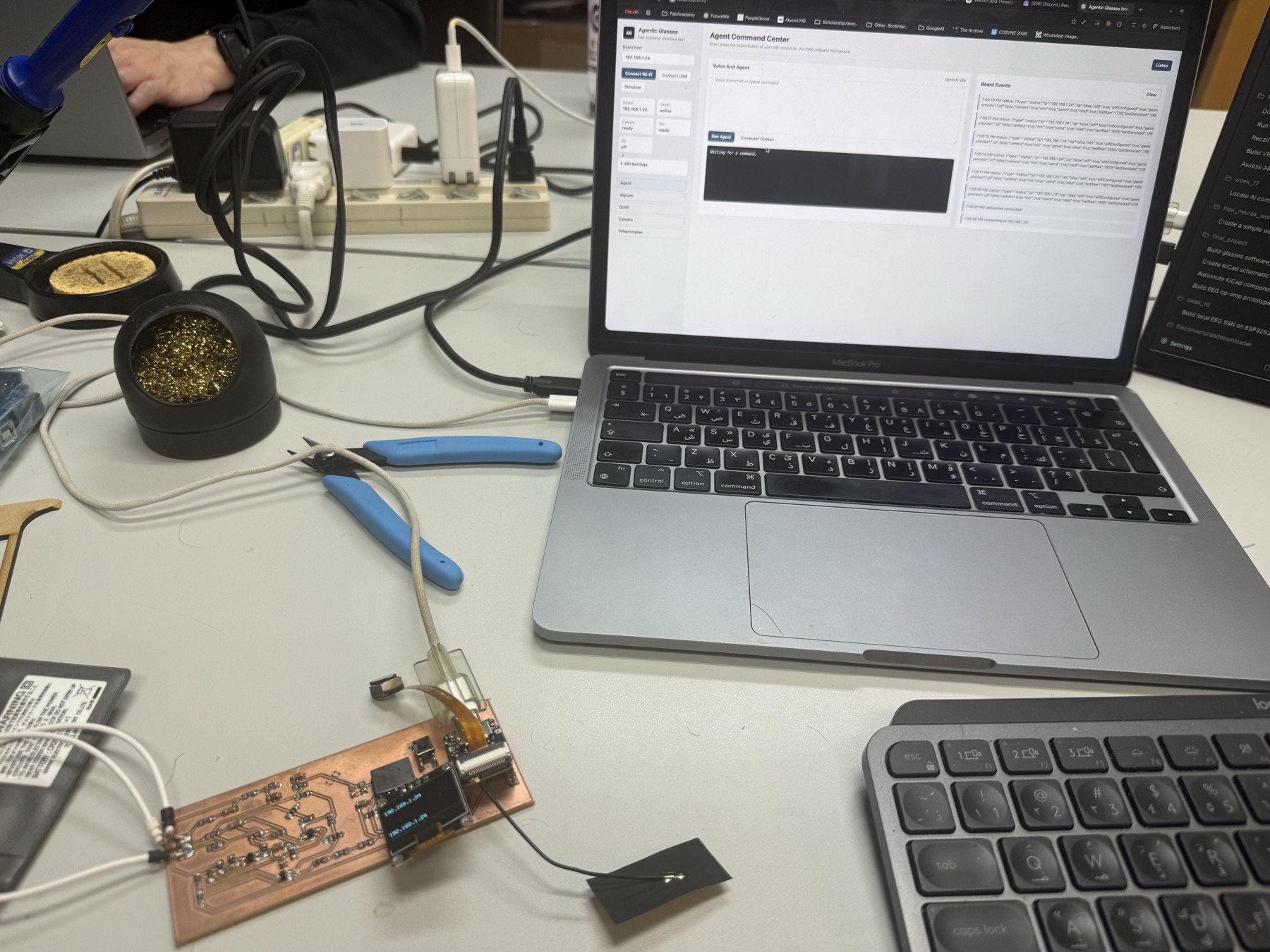
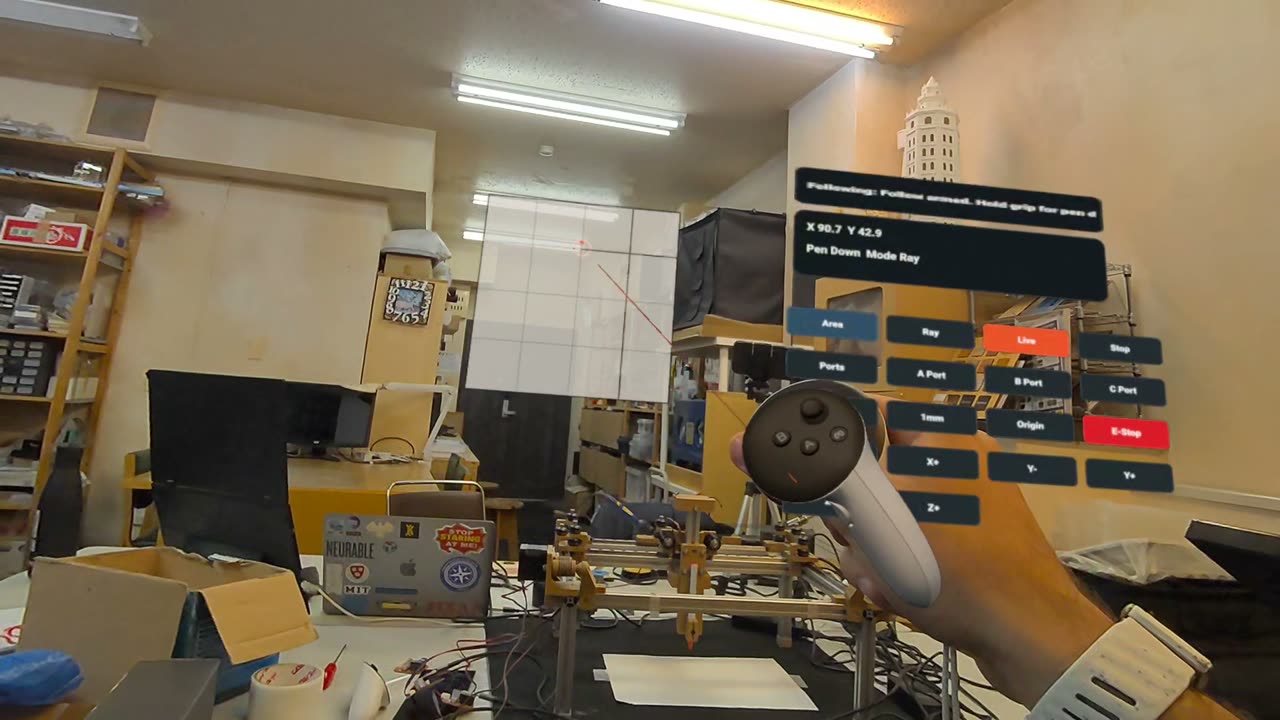
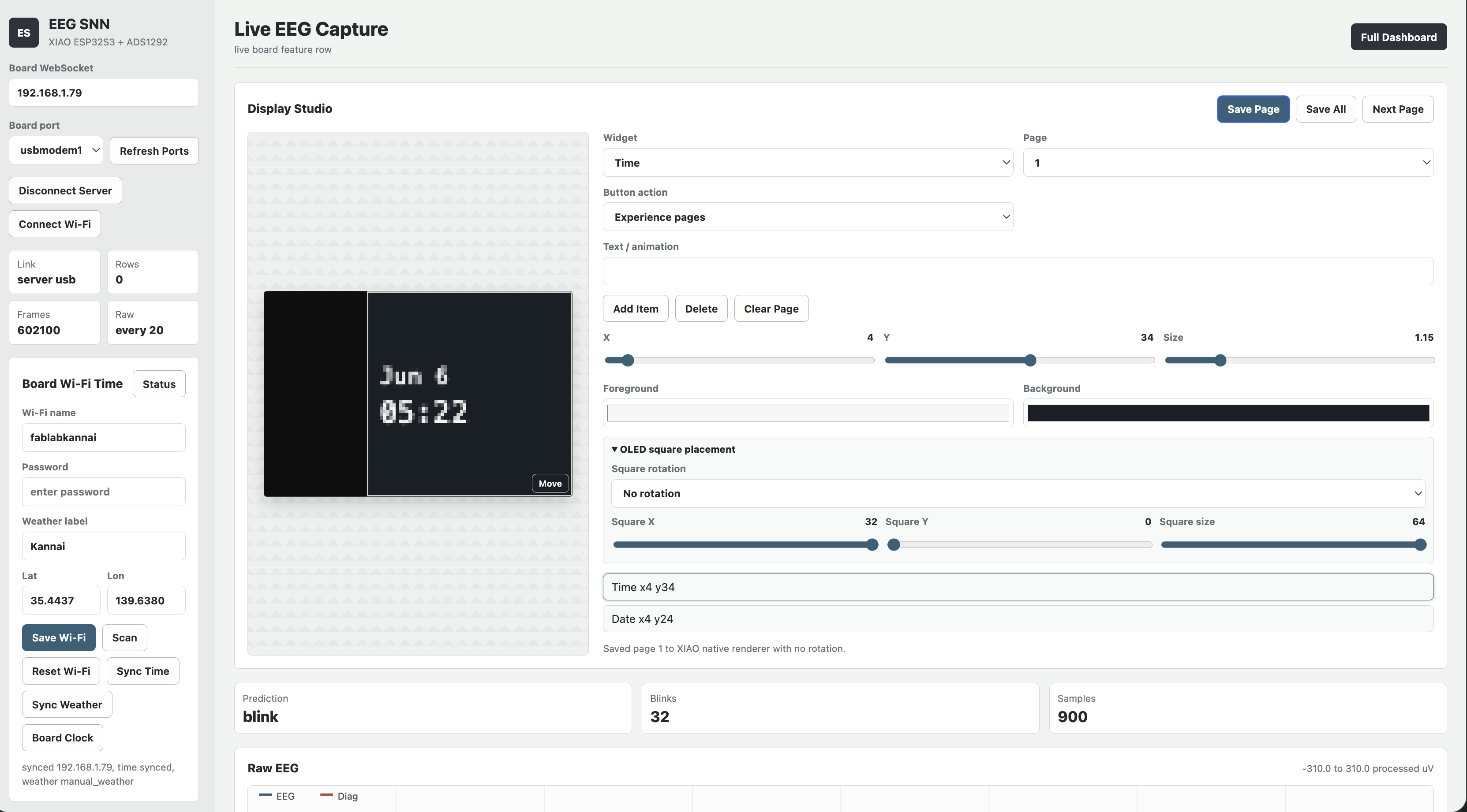
I built the software side around XR machine interfaces and the NeuroAR dashboard, including VRKanji, ARBrushMachine, and the first agentic glasses interface ideas.
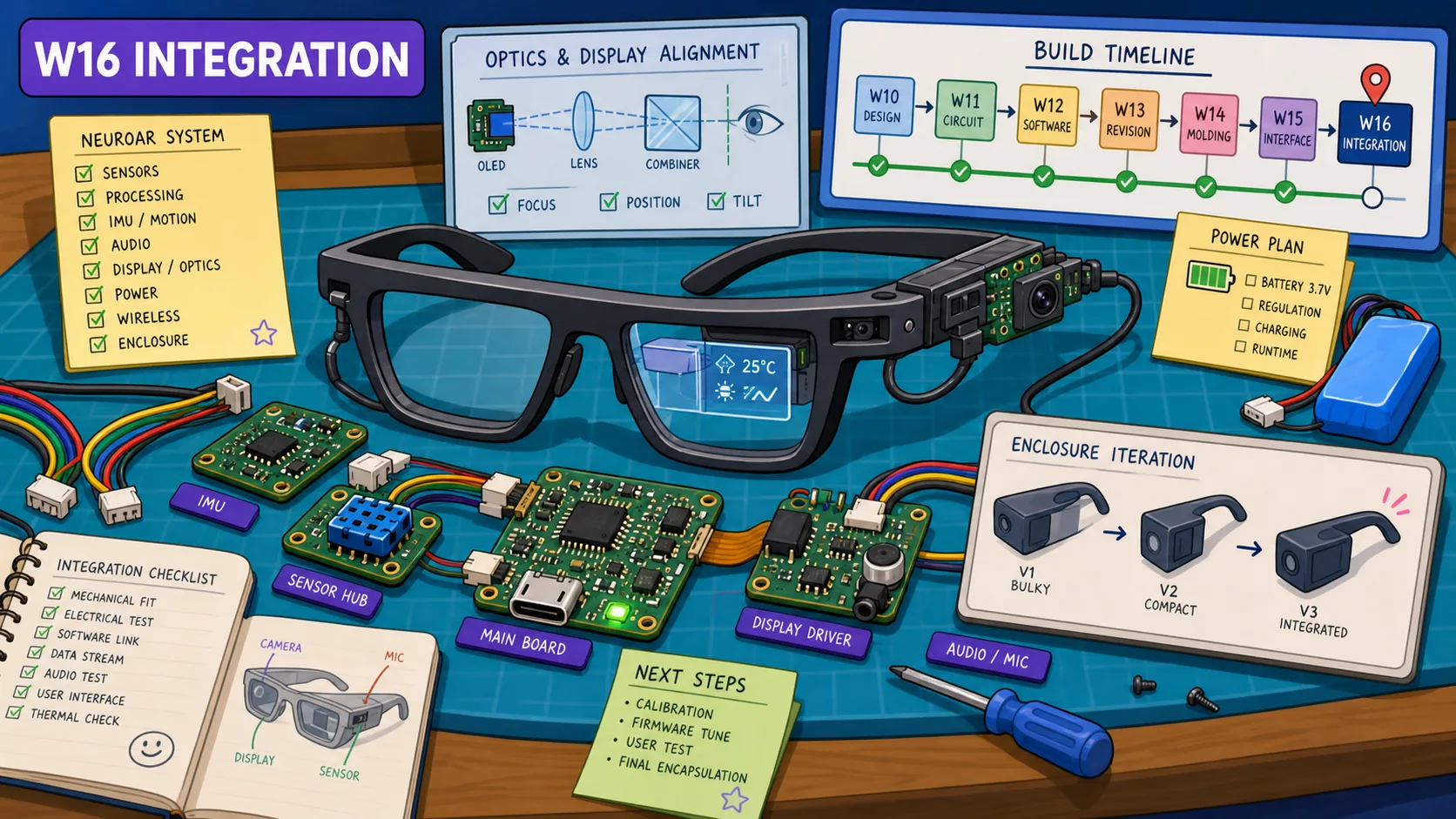
I integrated the first NeuroAR spiral by building the chassis, optics, electronics, milled board, and final packaged glasses prototype.
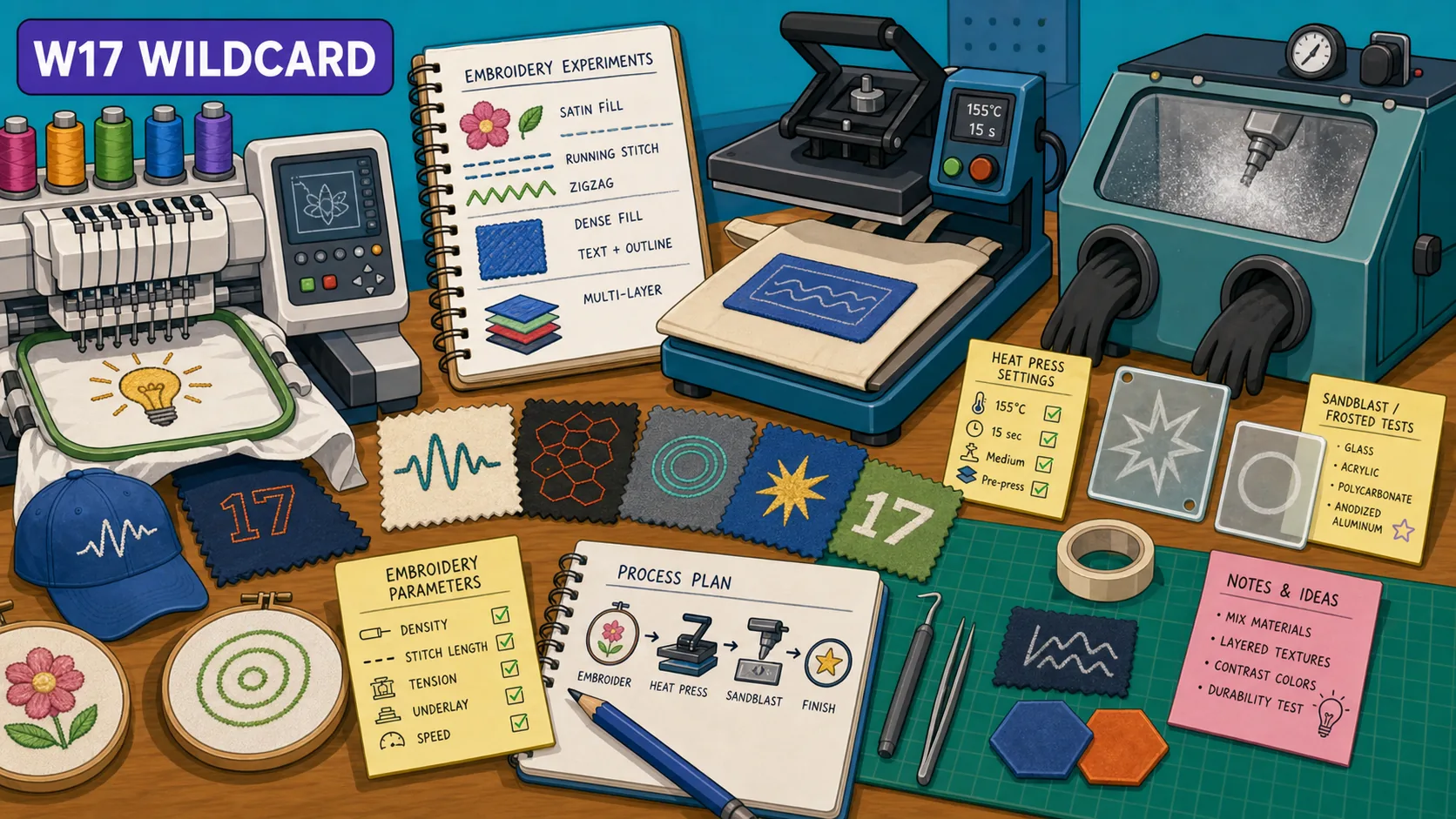
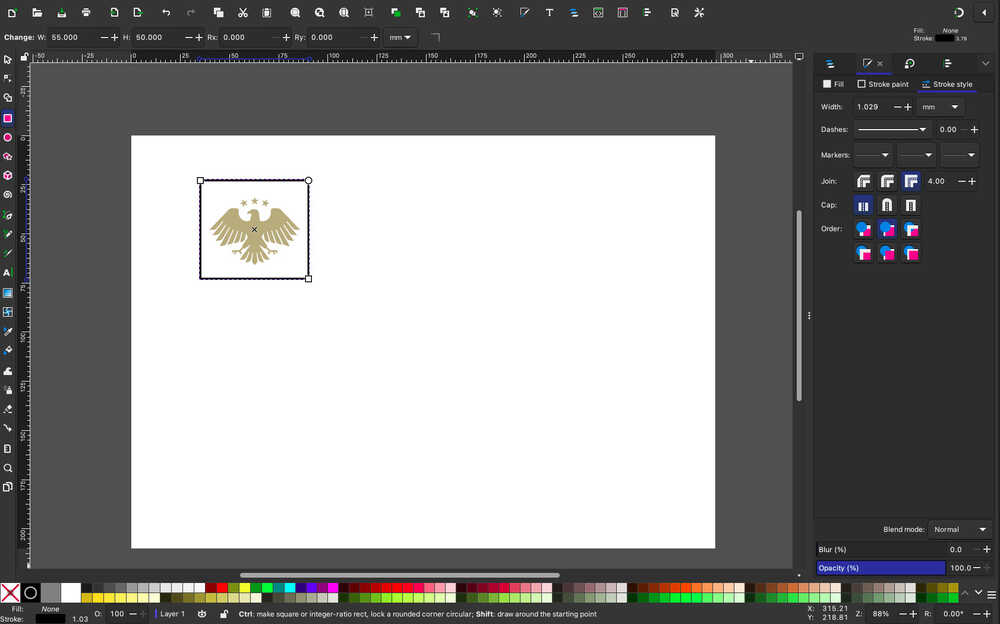
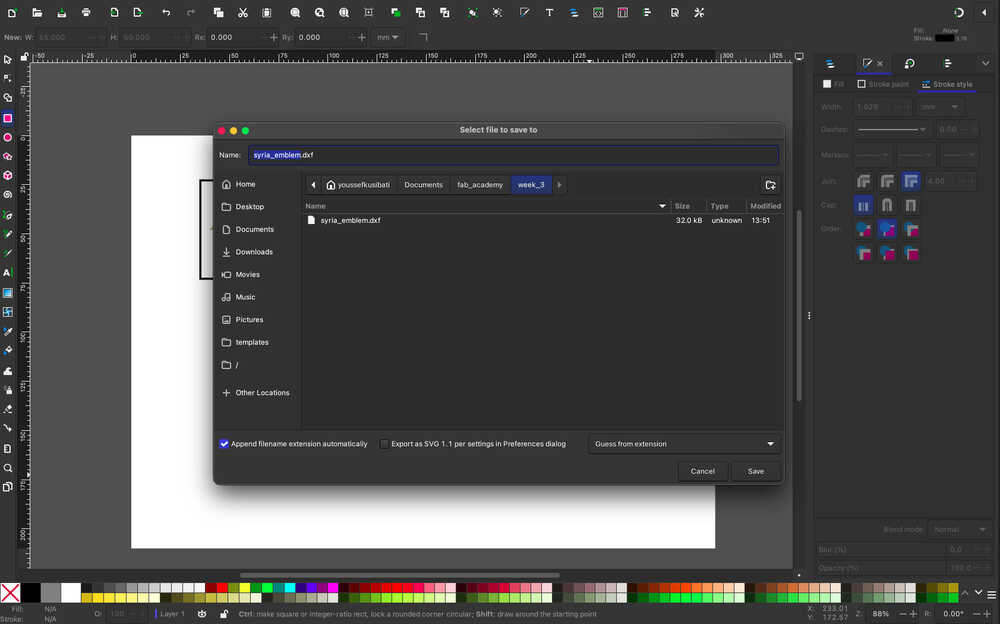
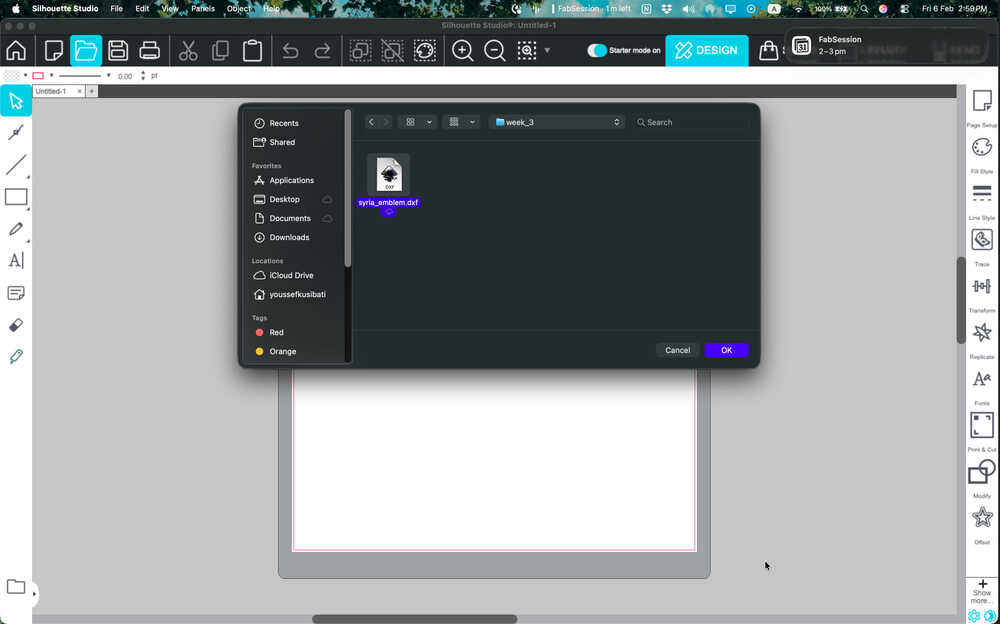
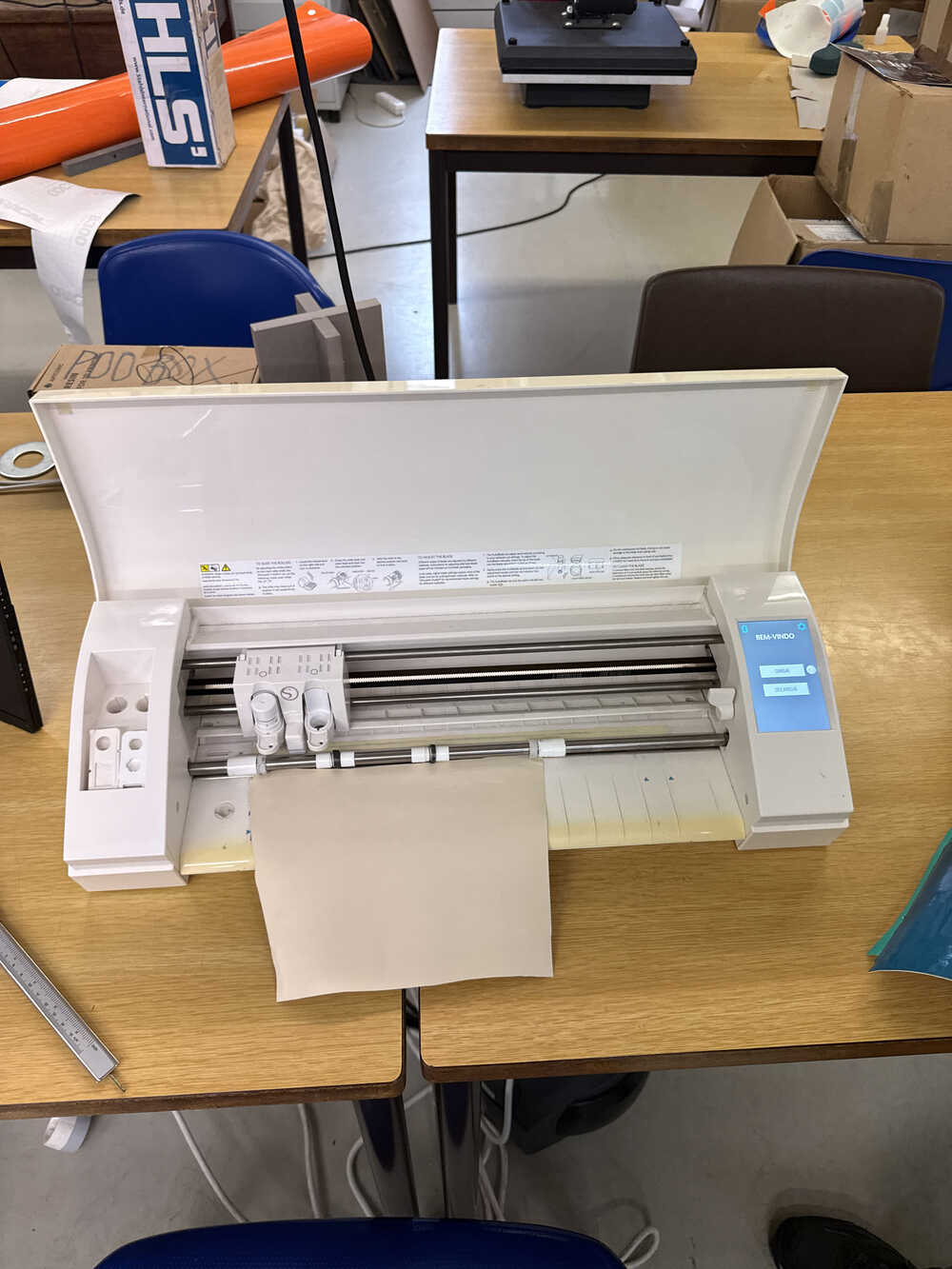
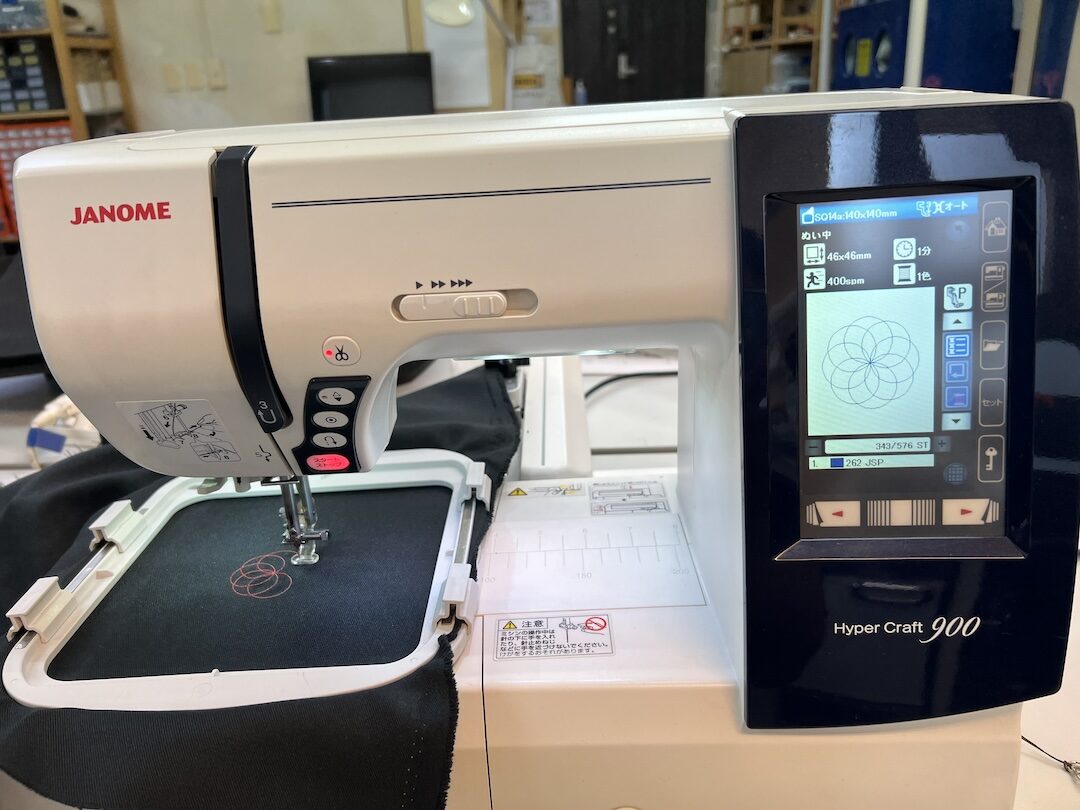
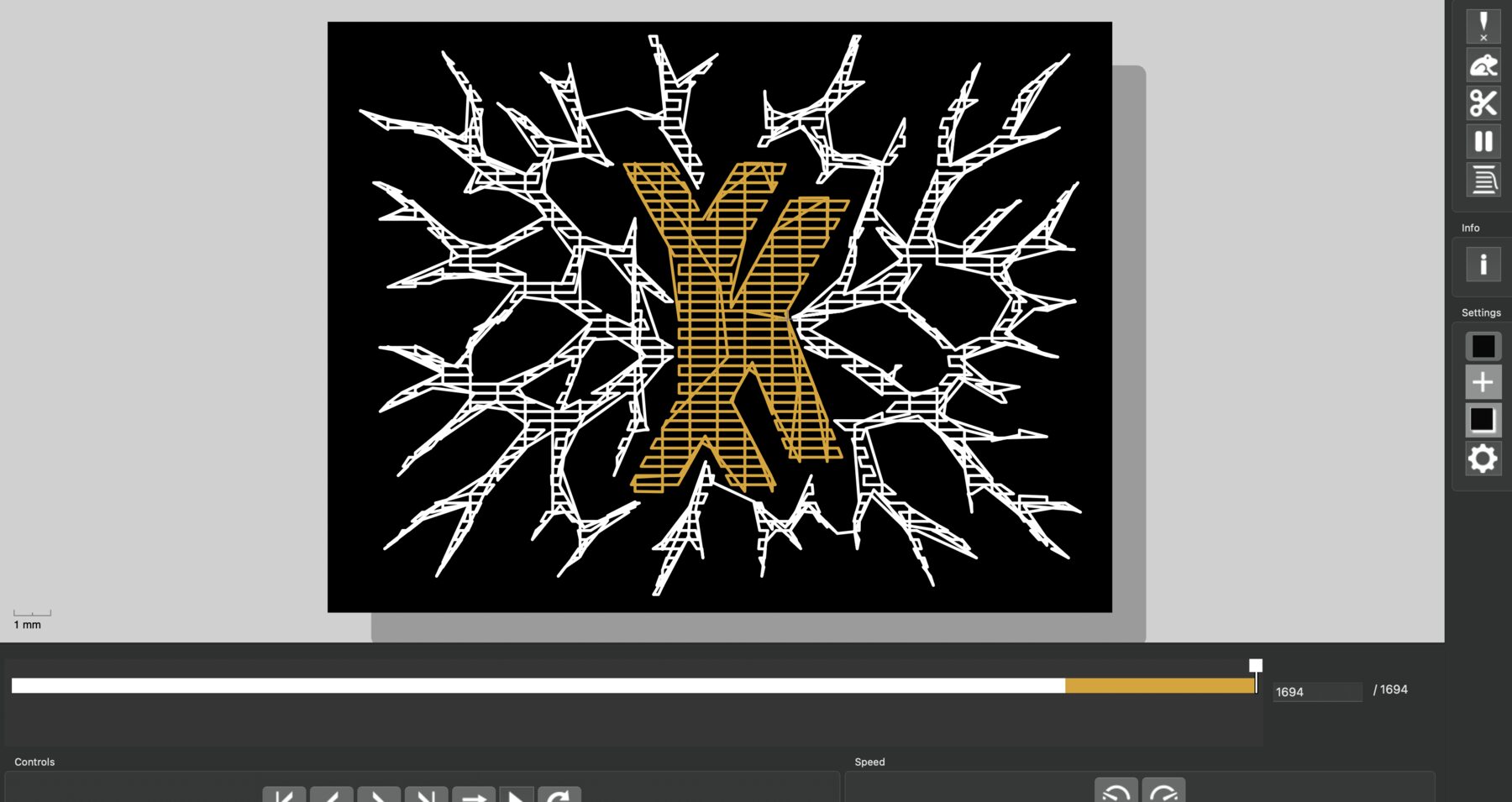
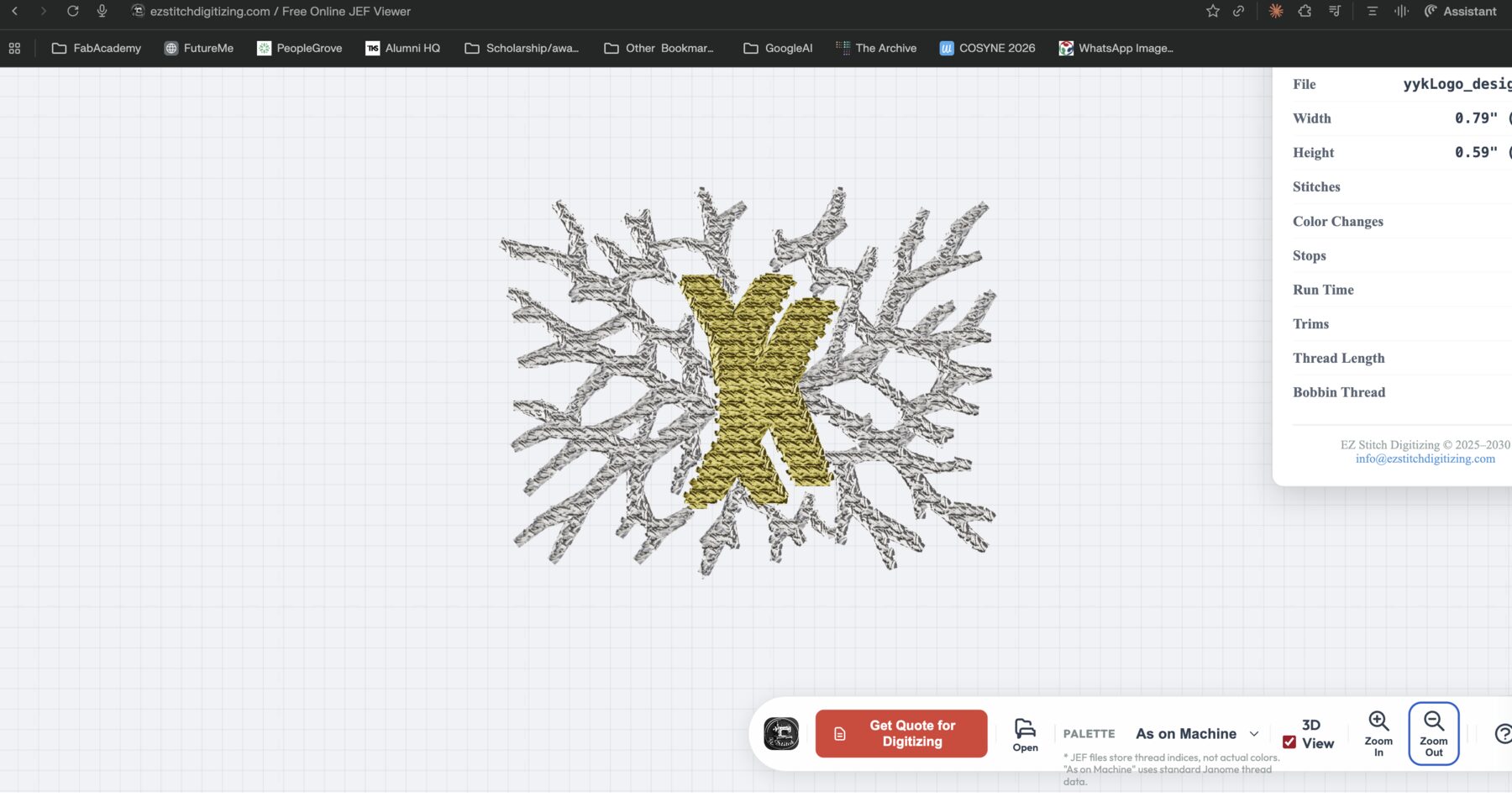
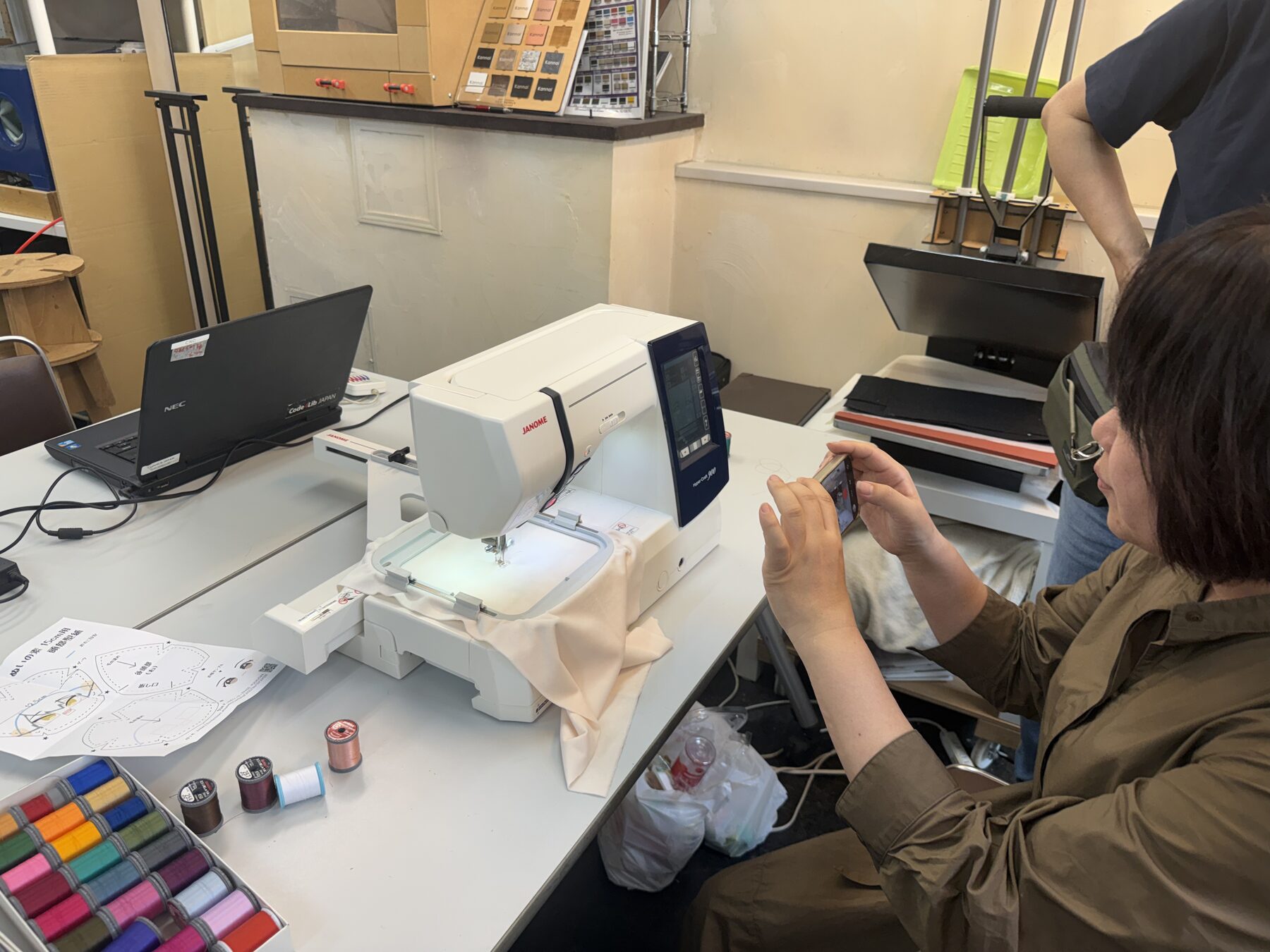
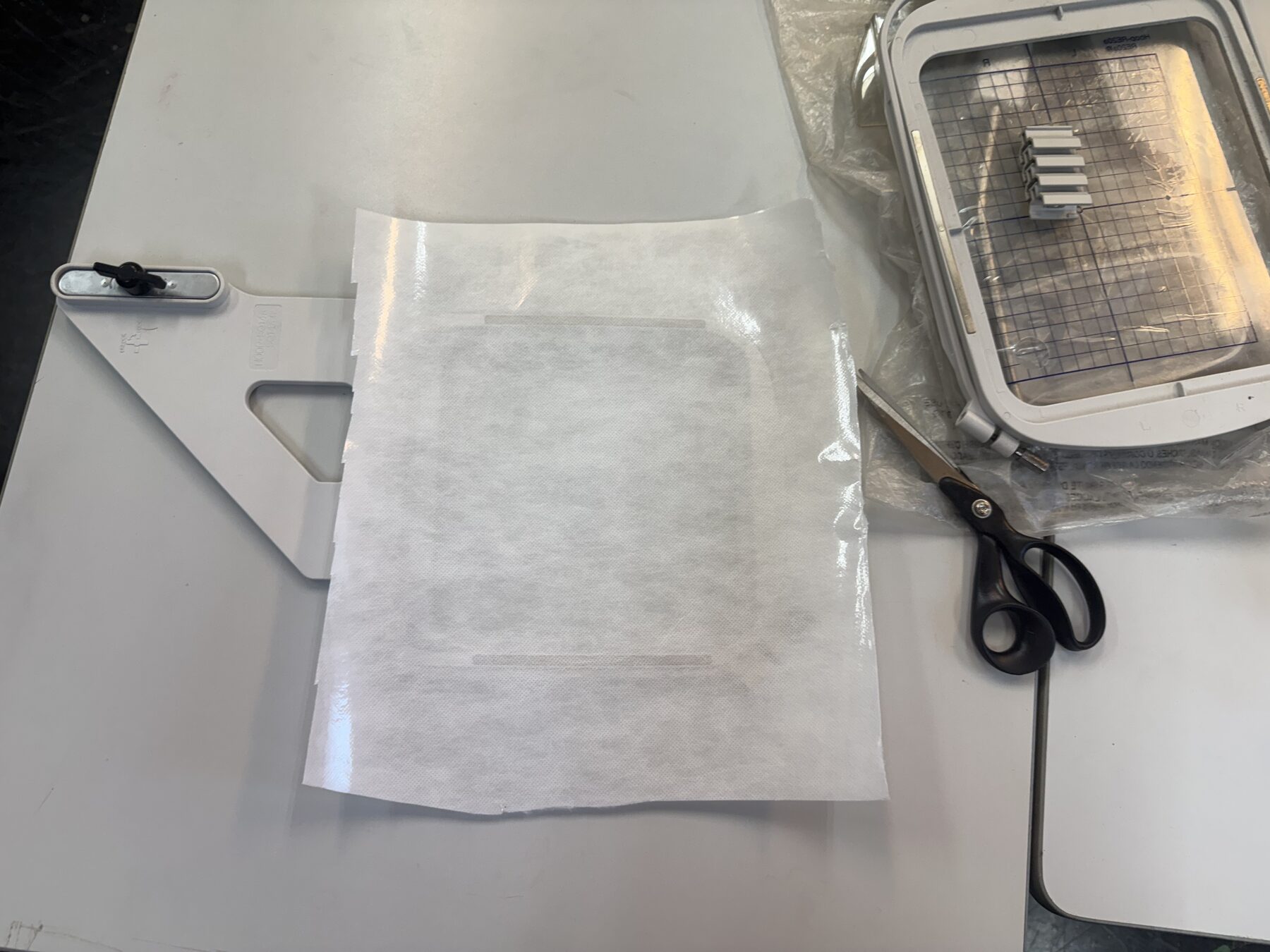
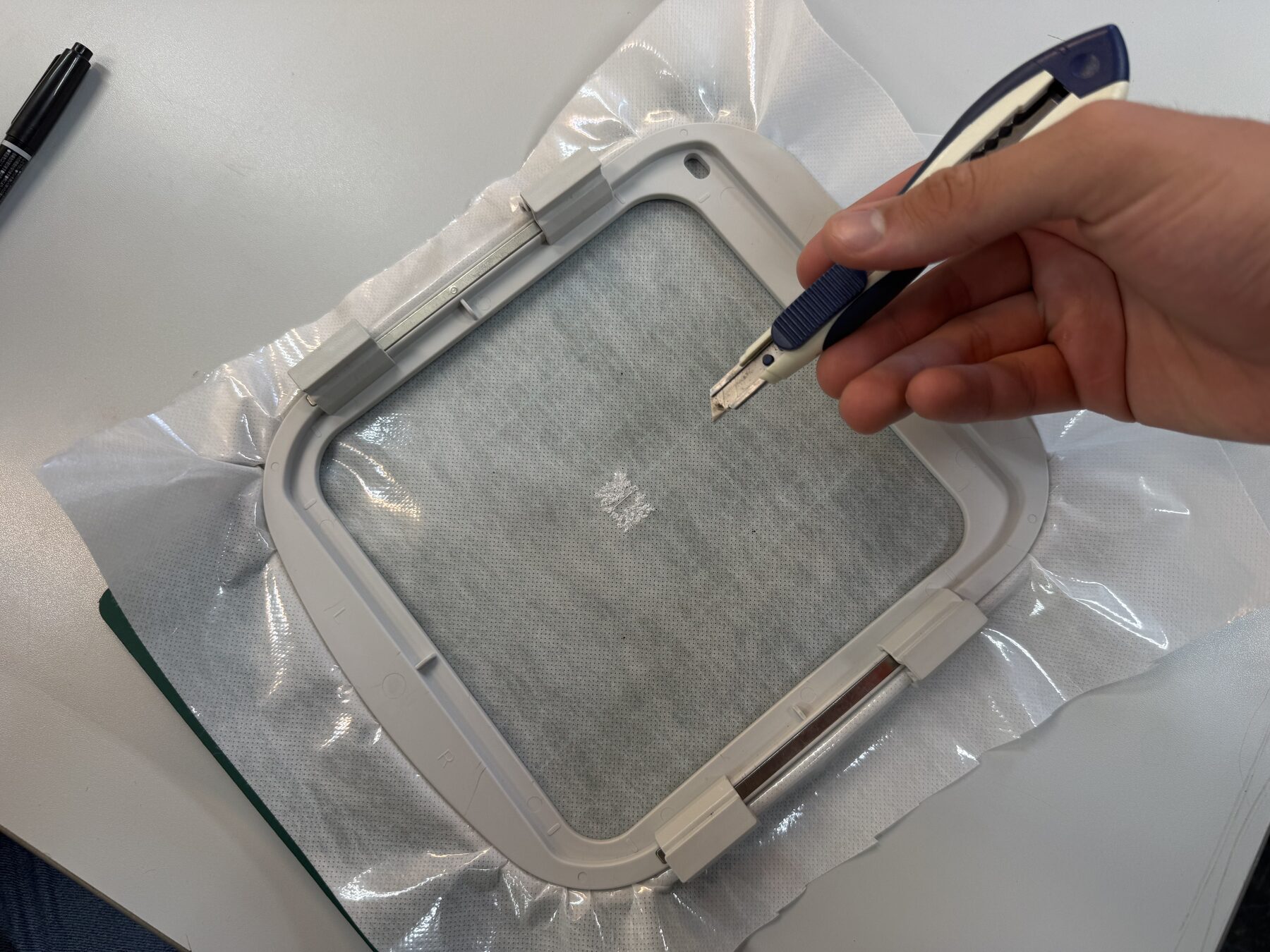
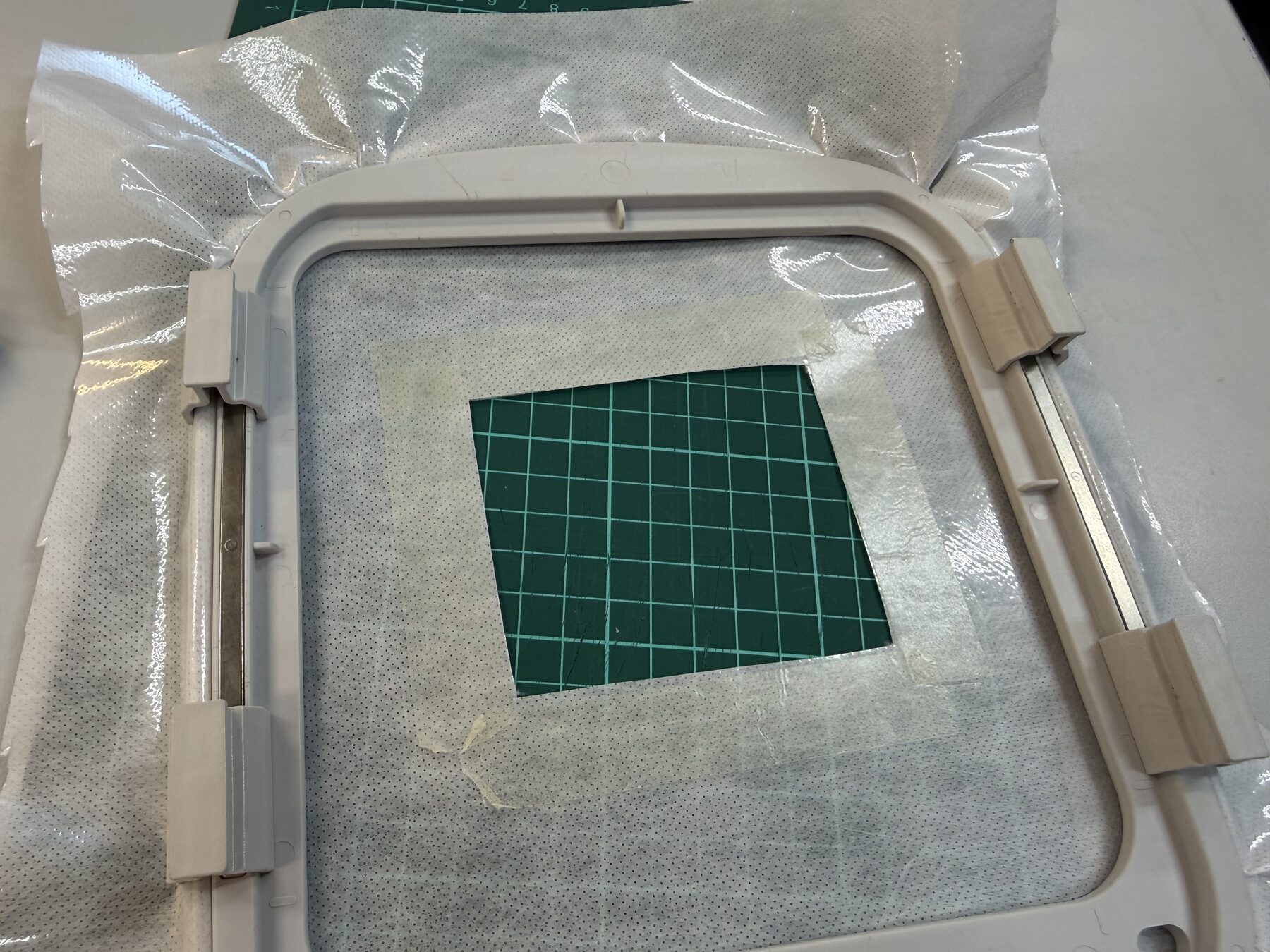
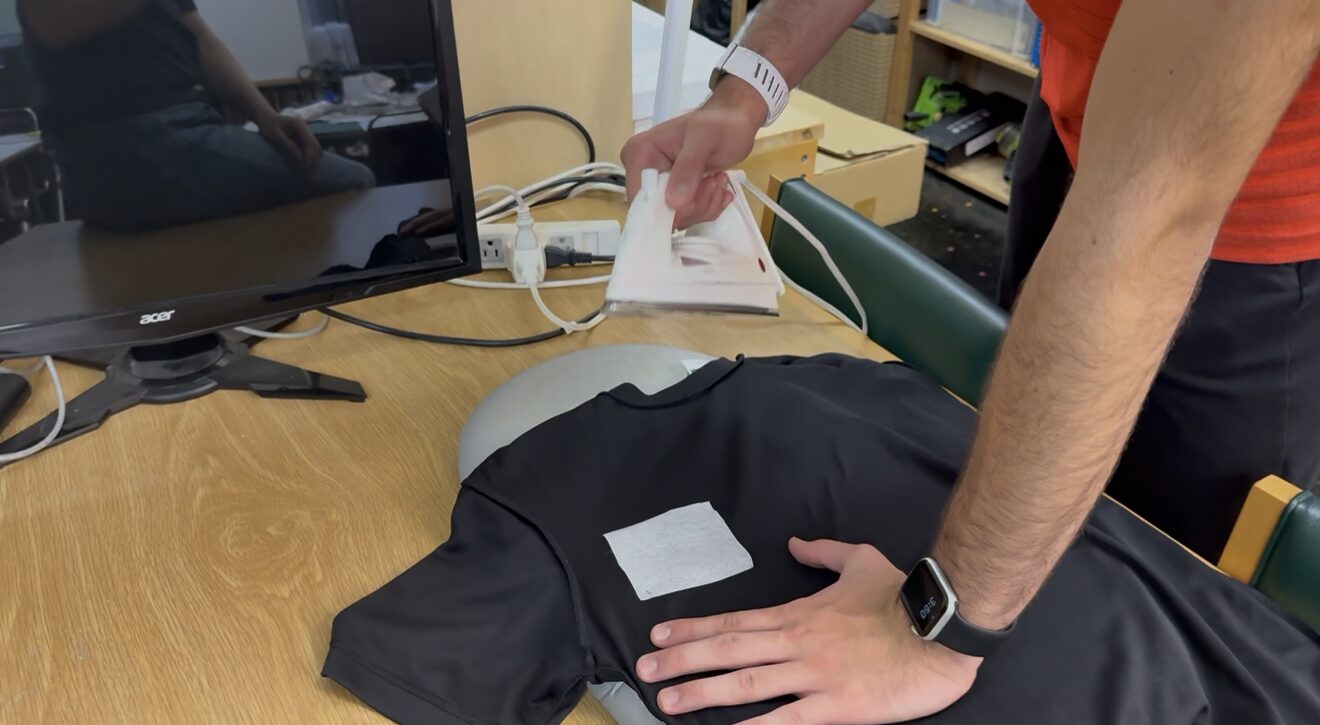
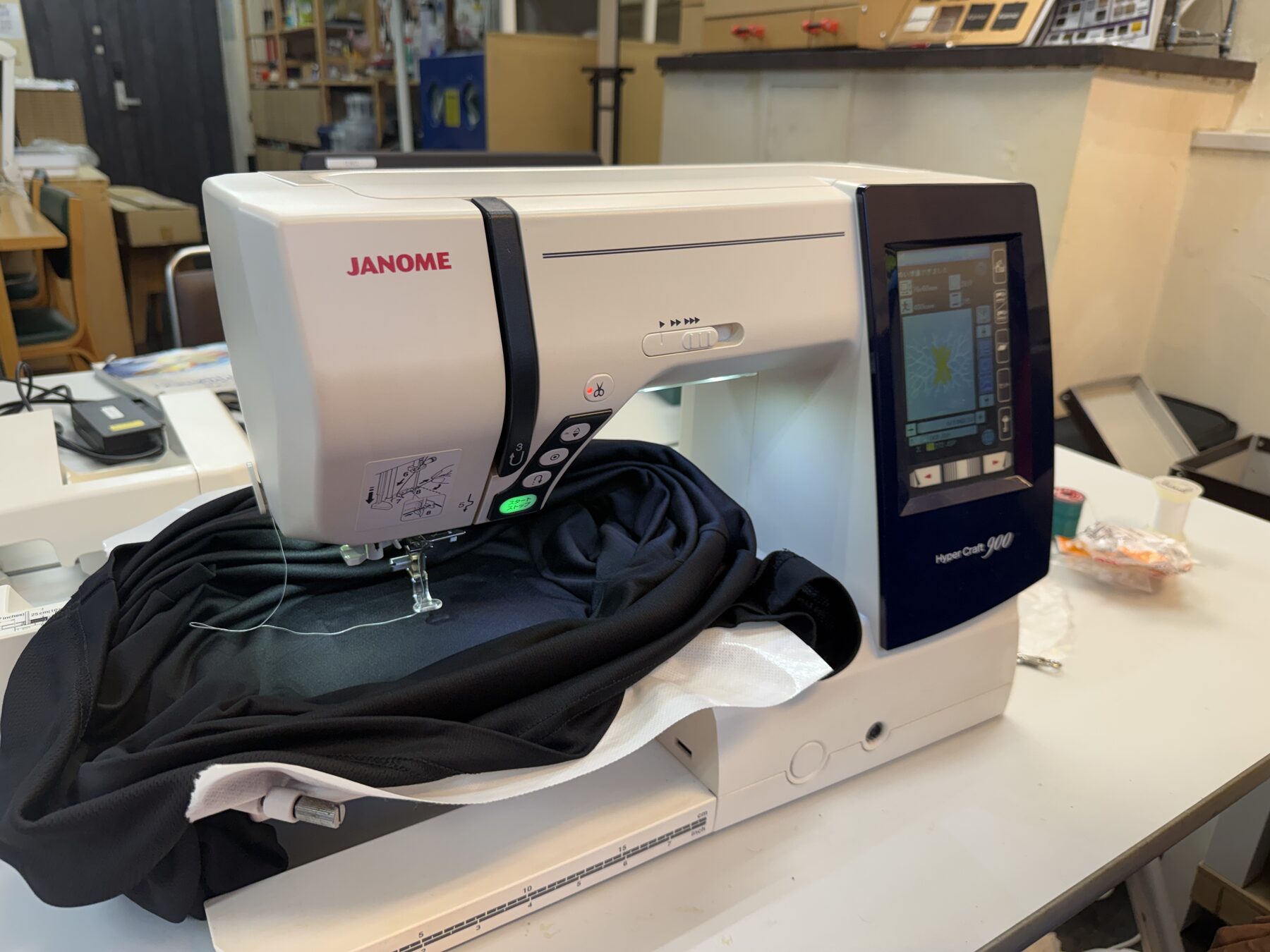
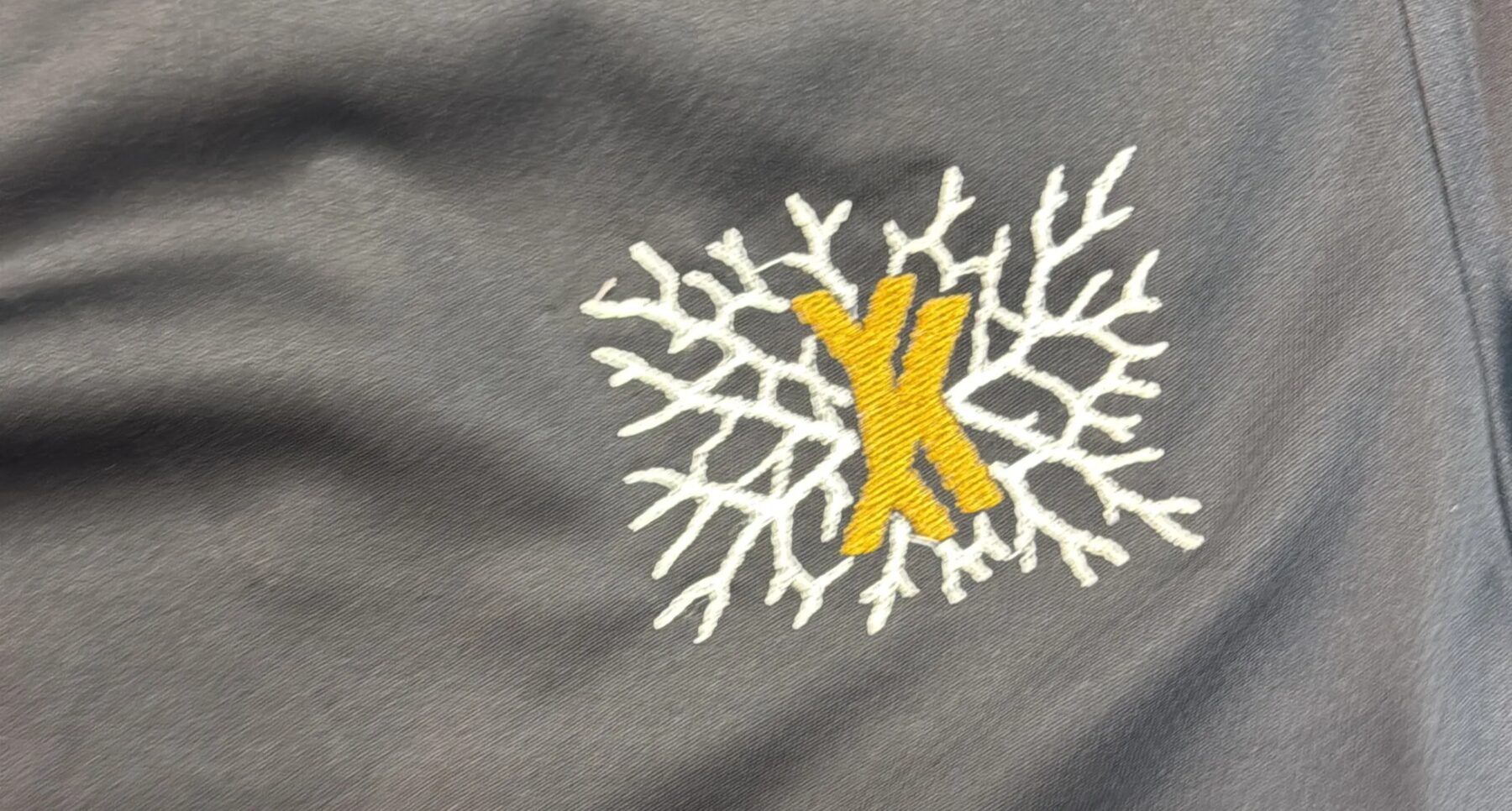
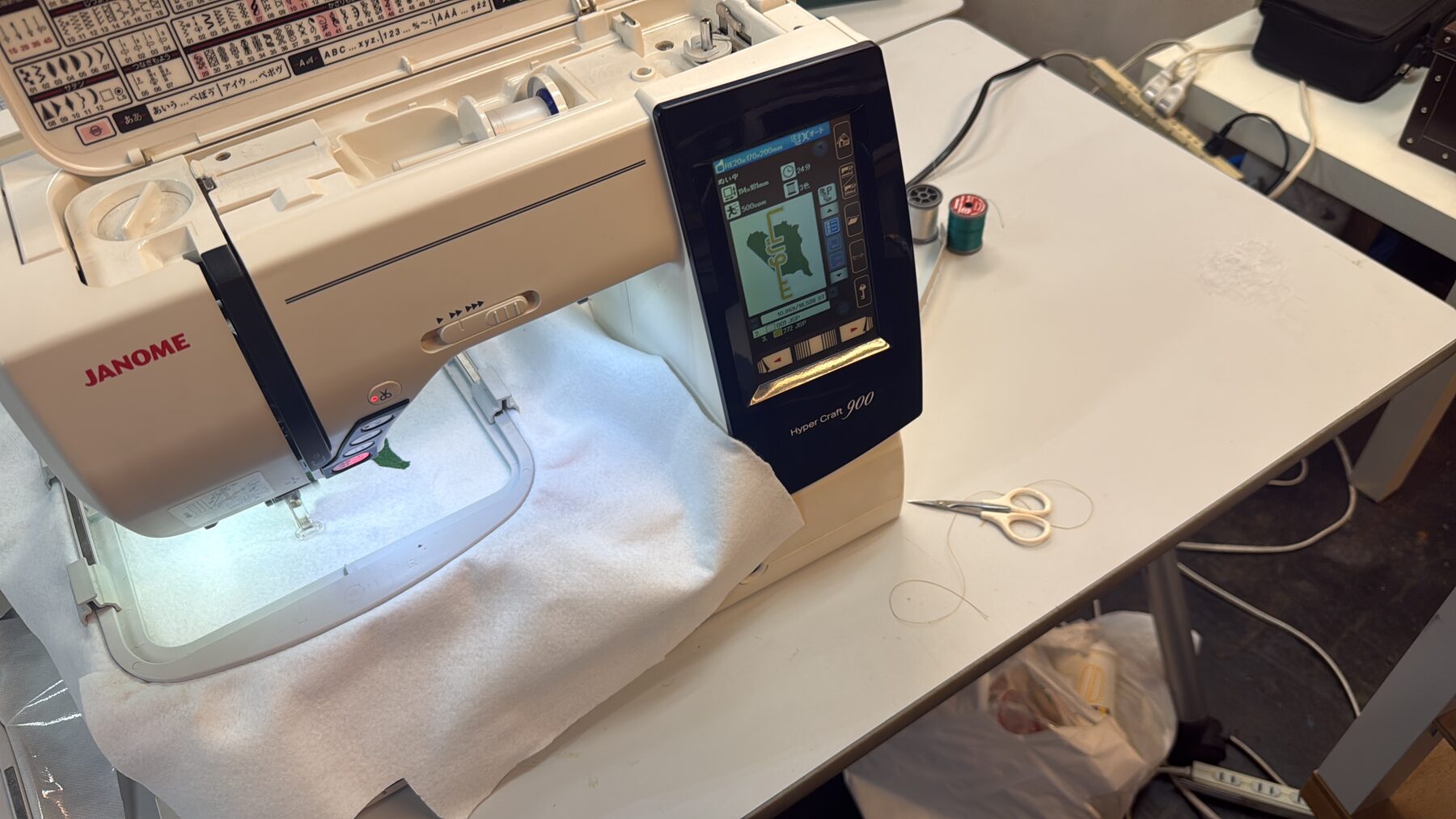
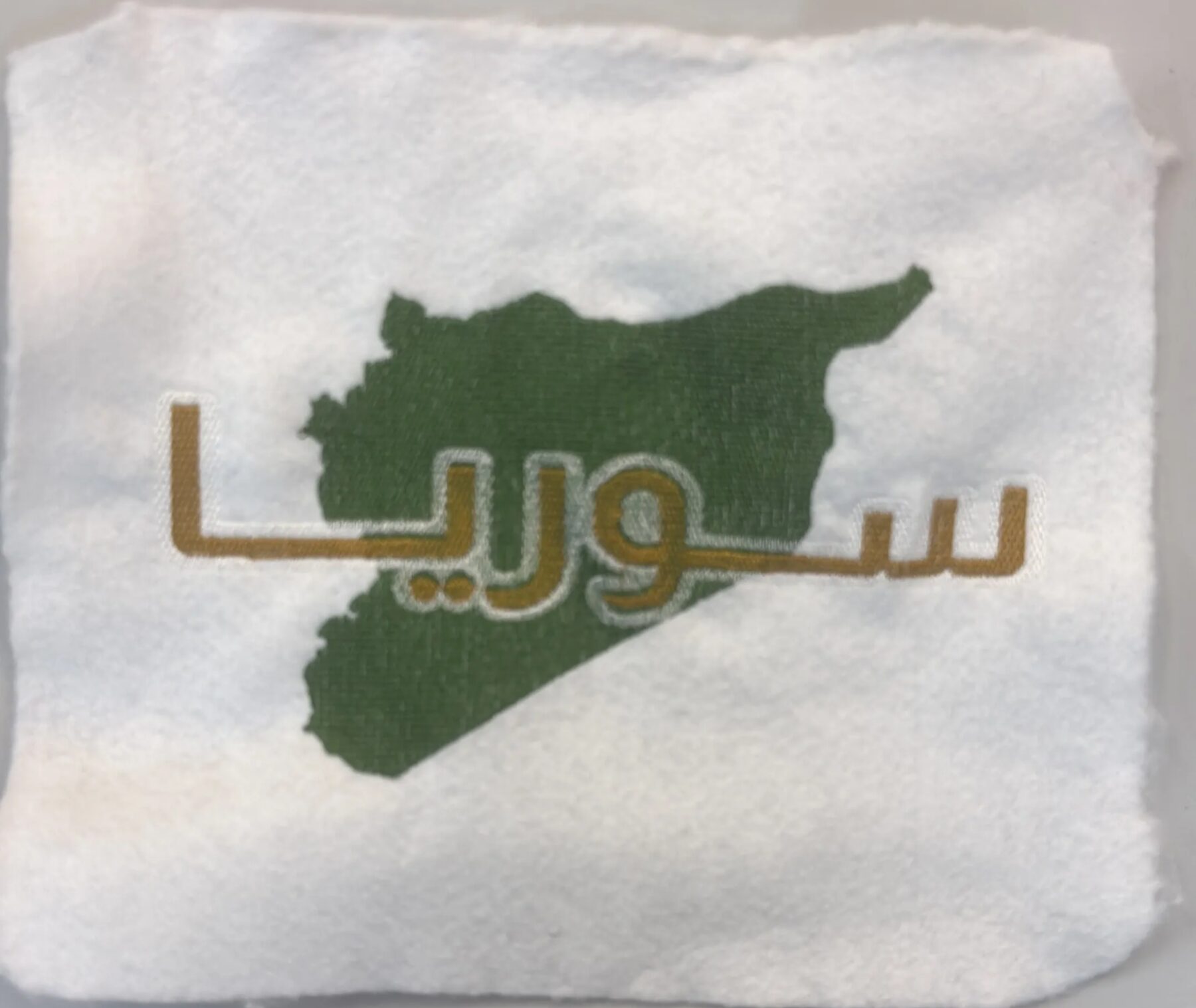
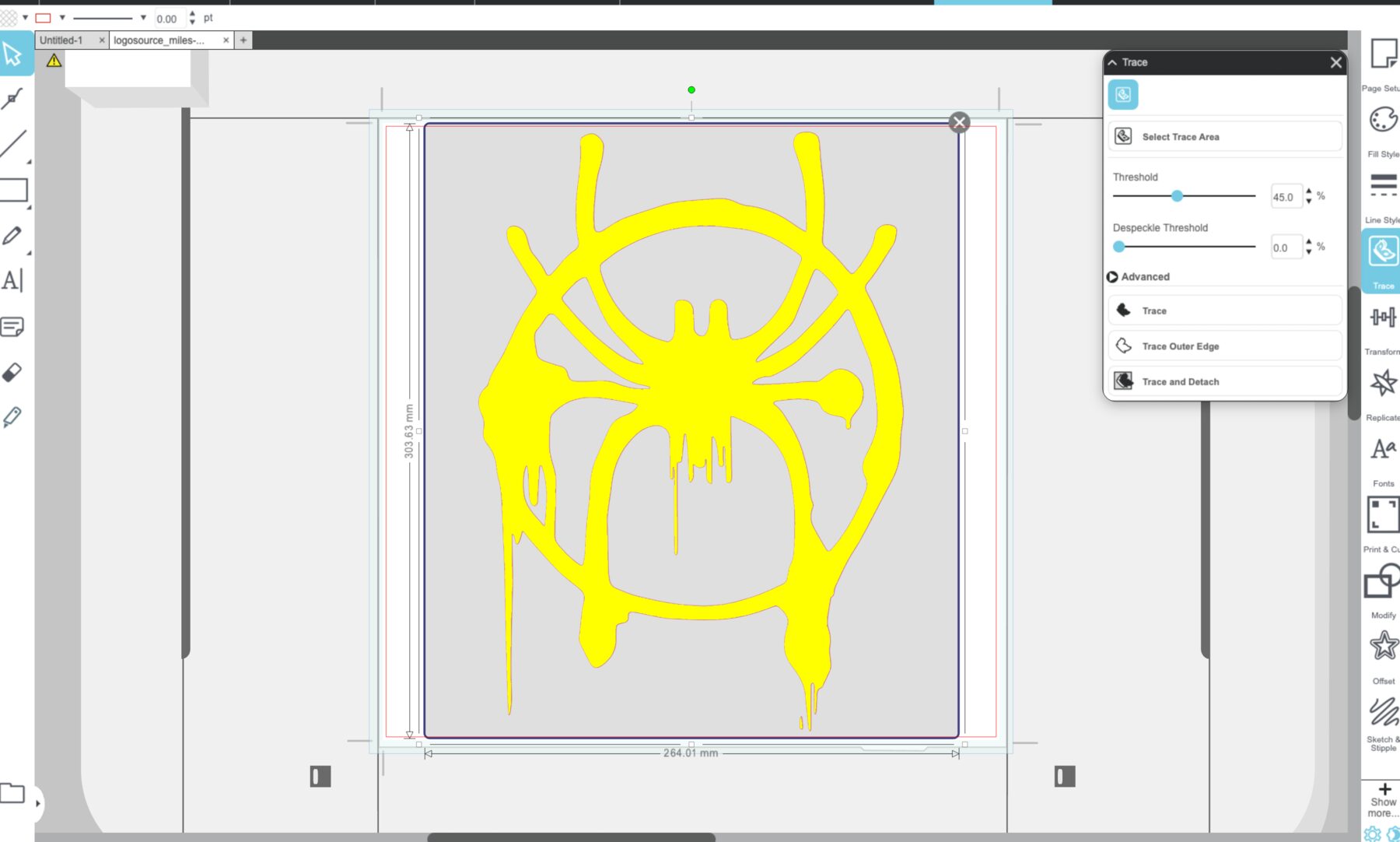
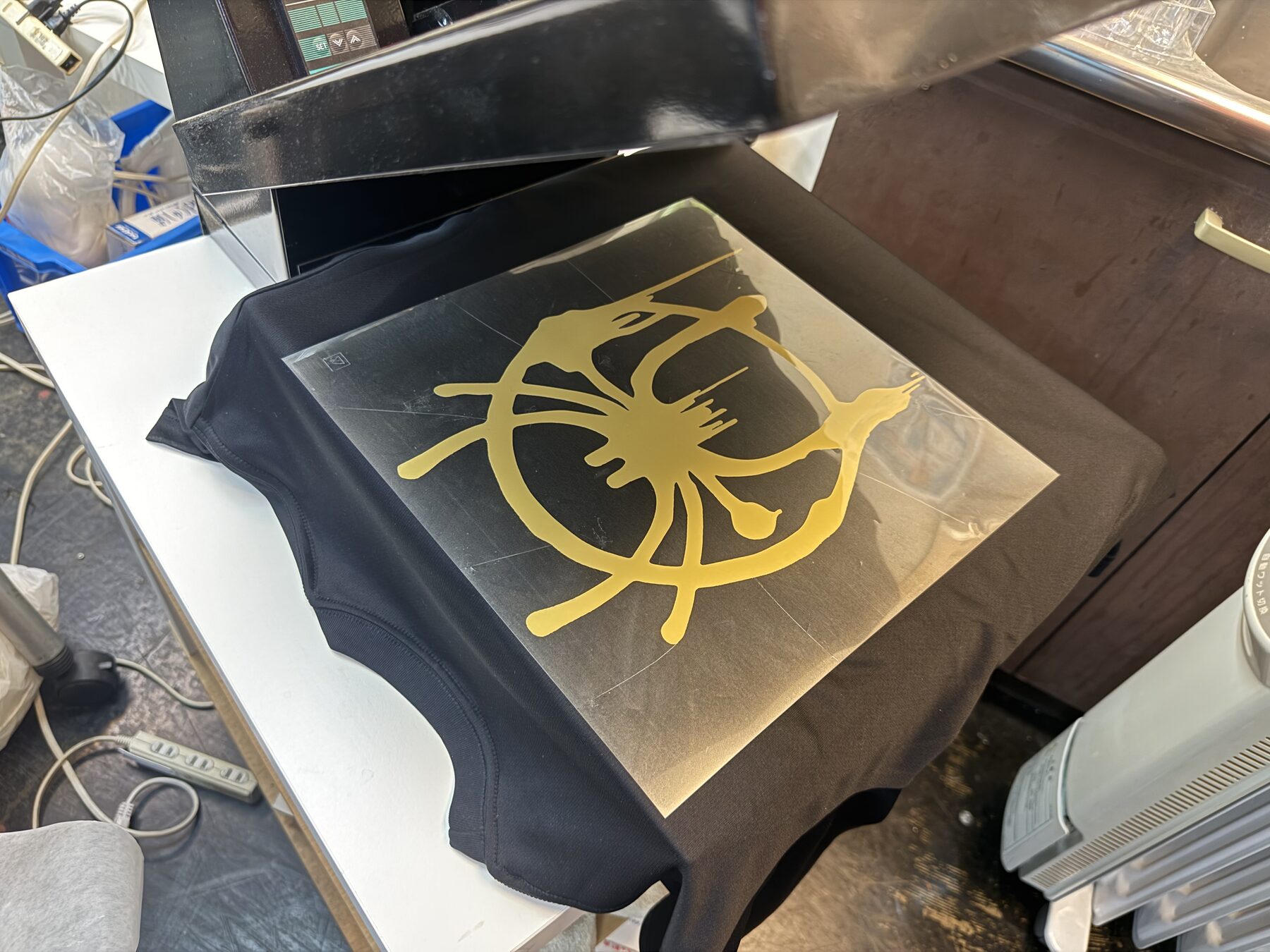
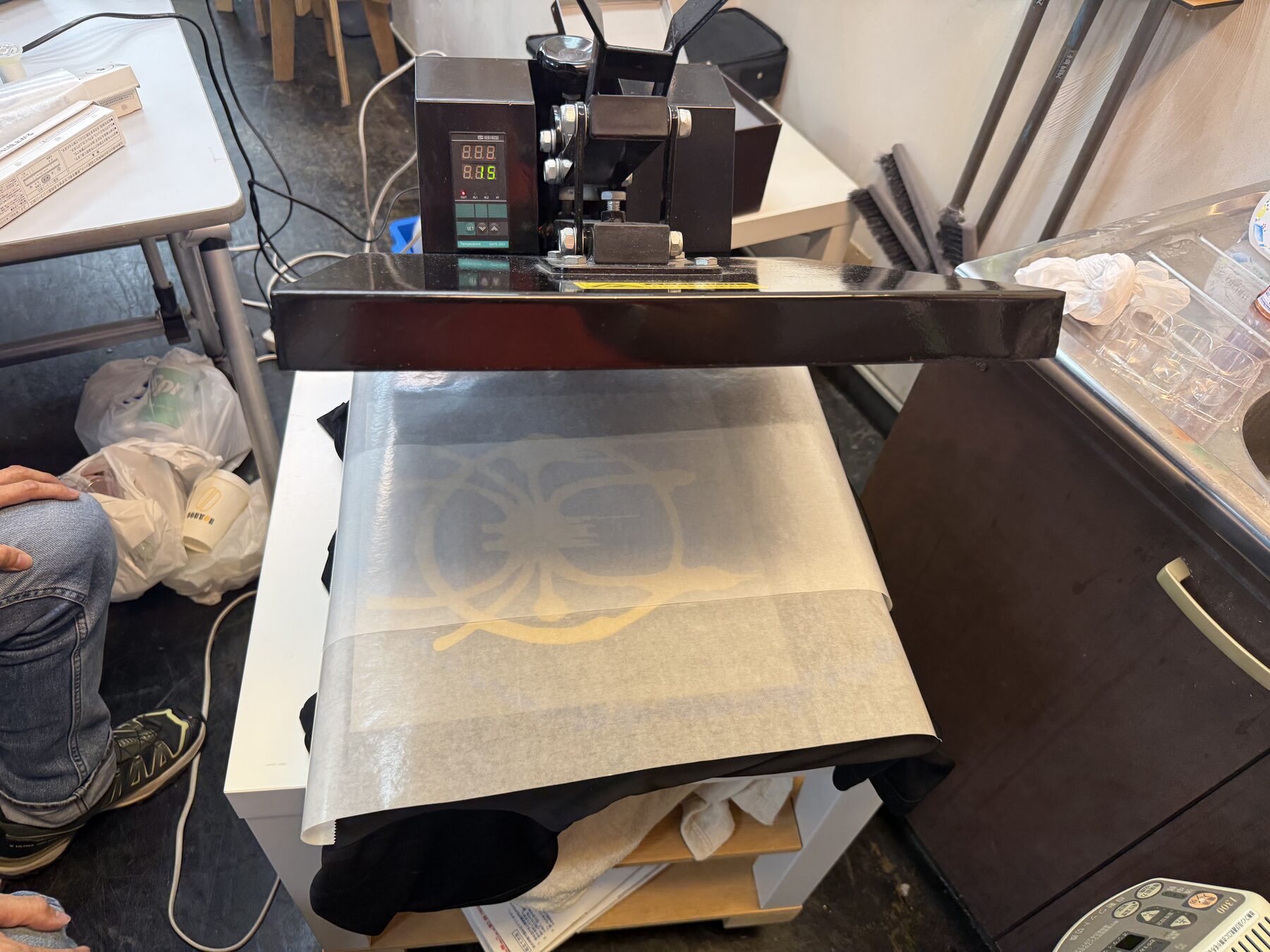
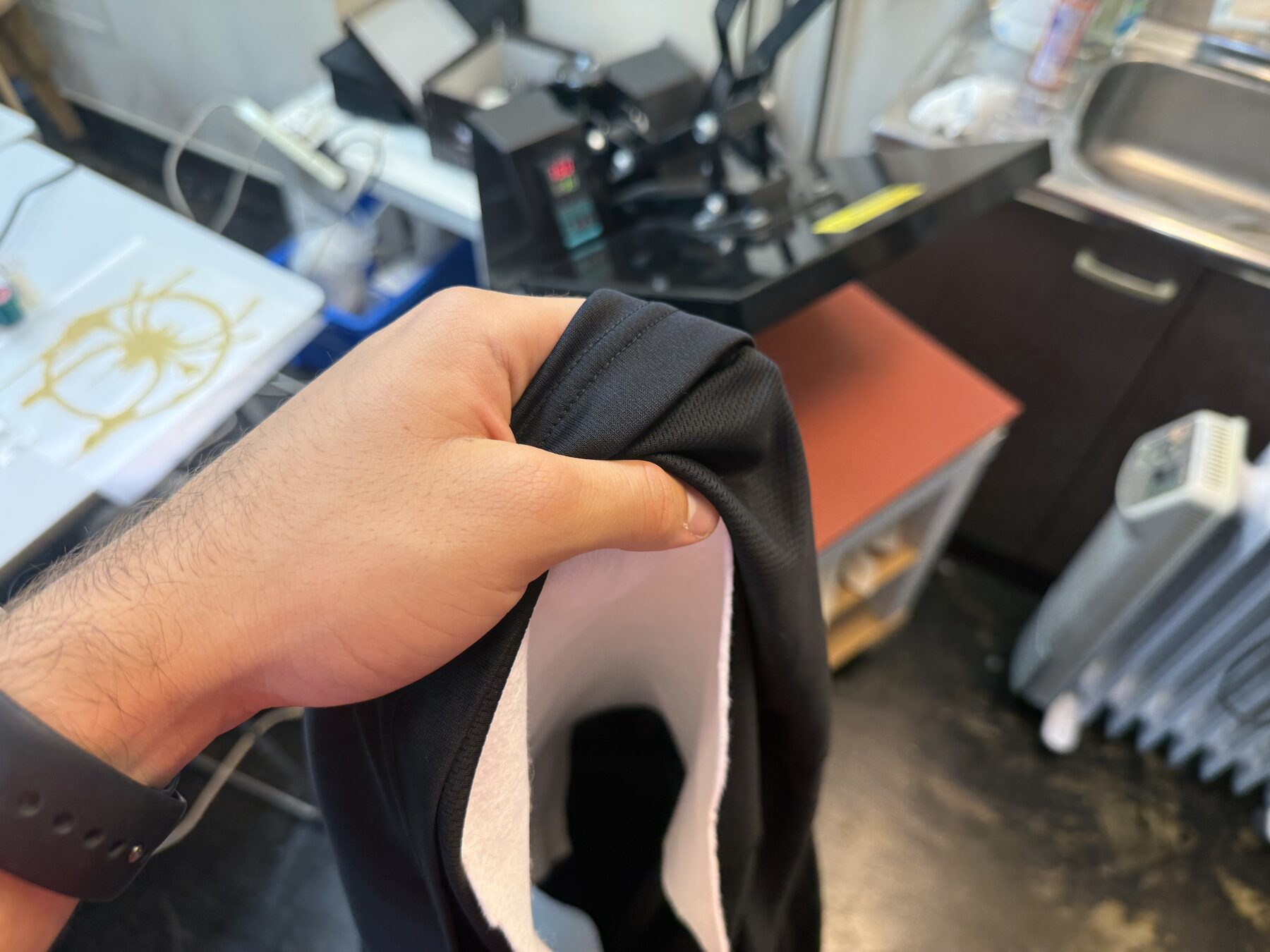
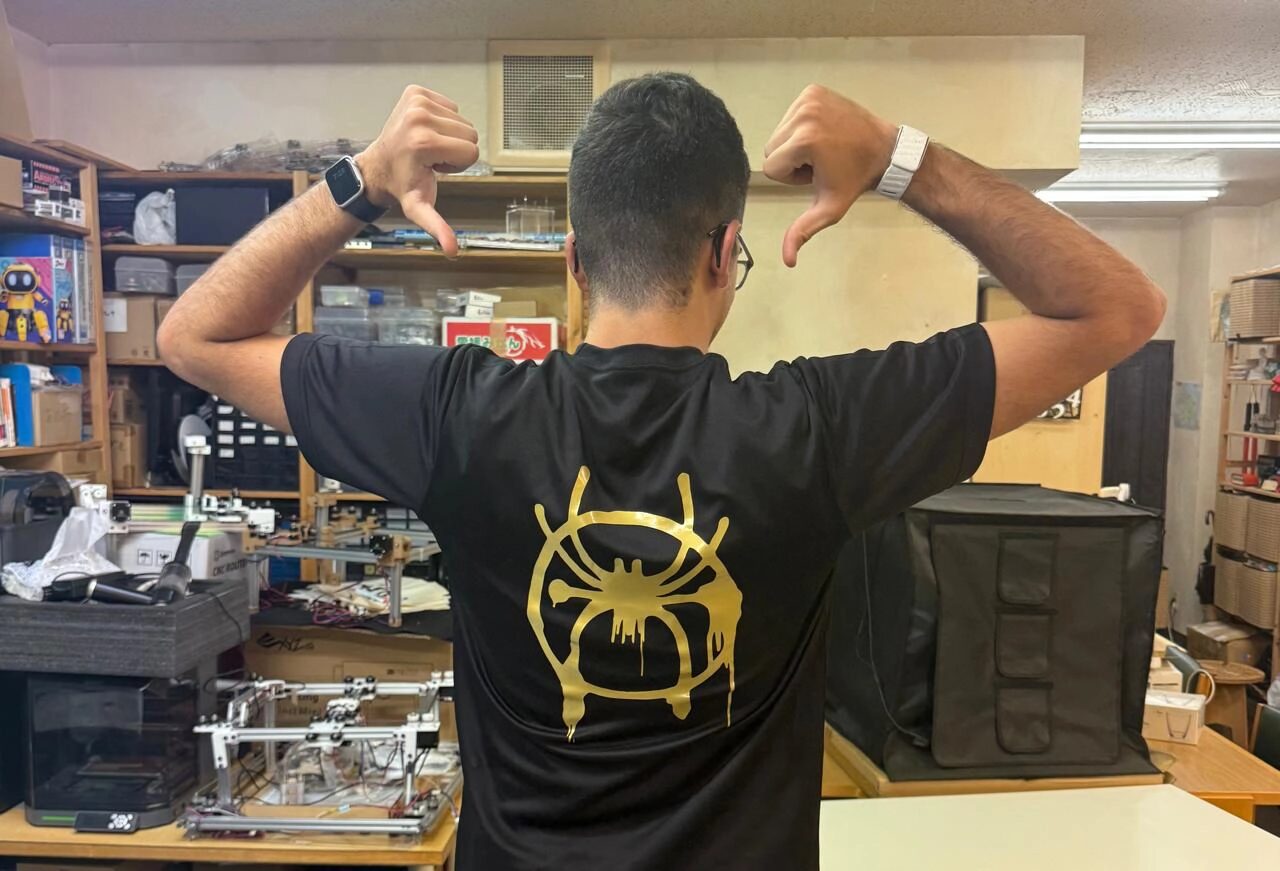
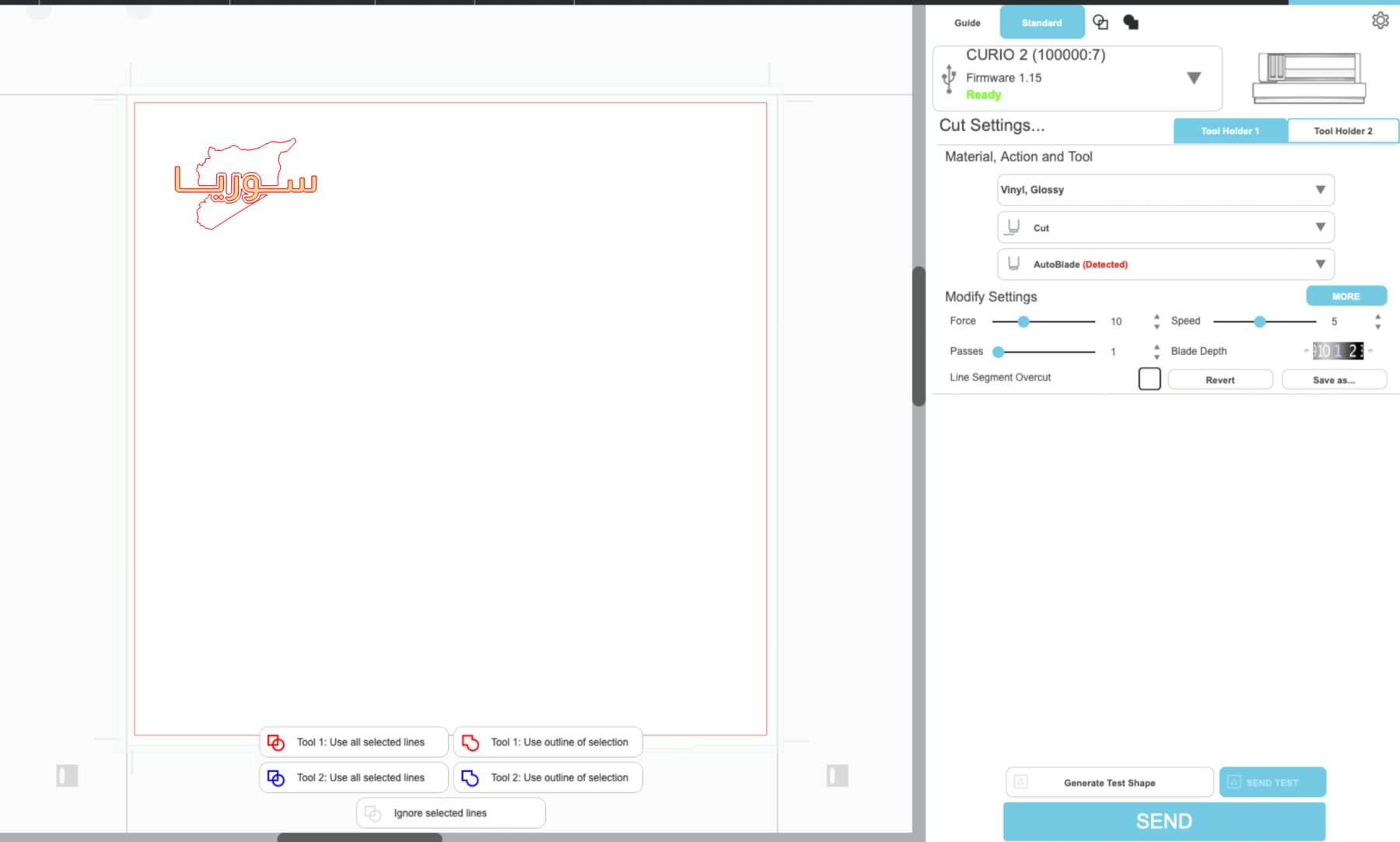
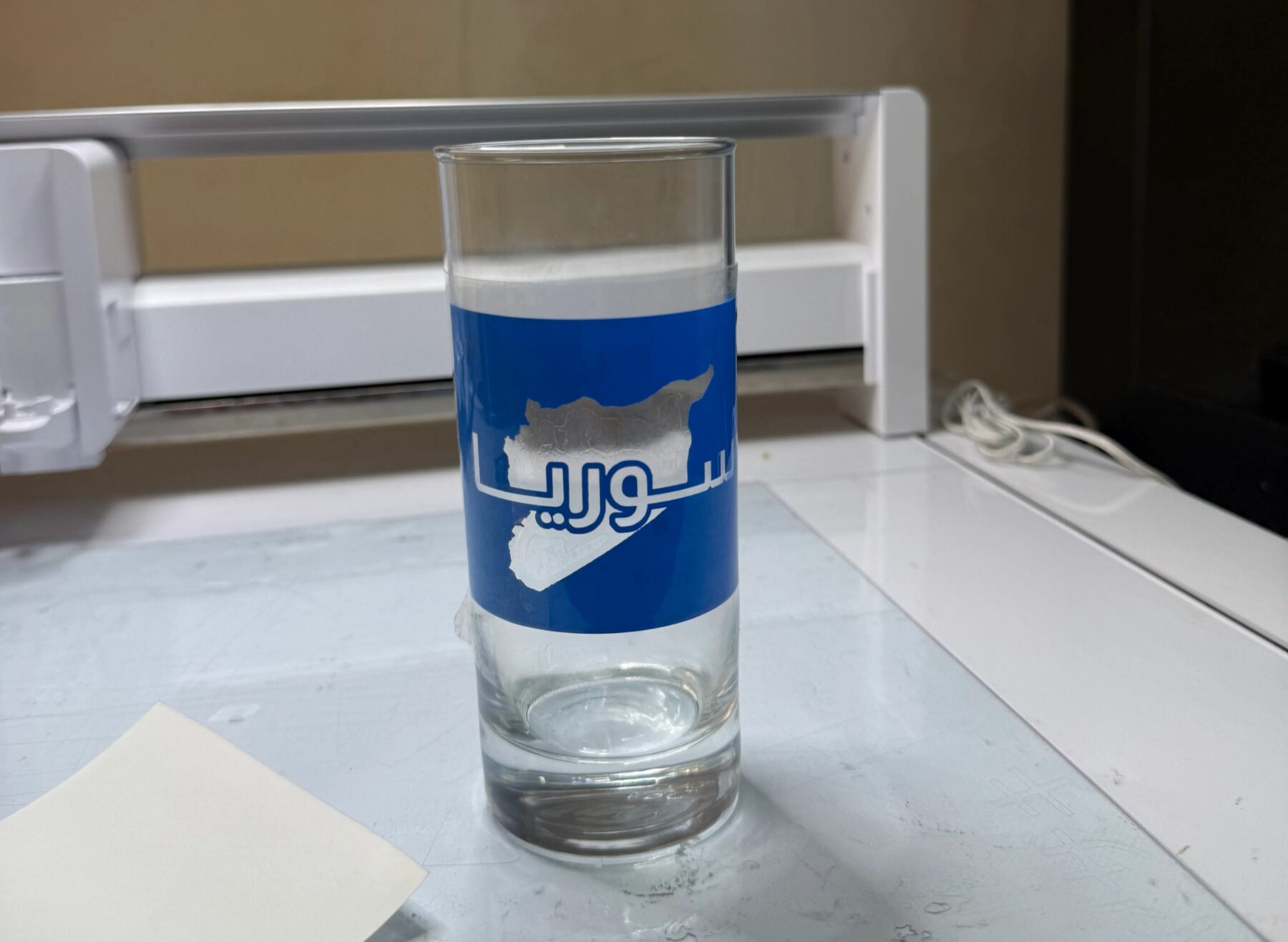
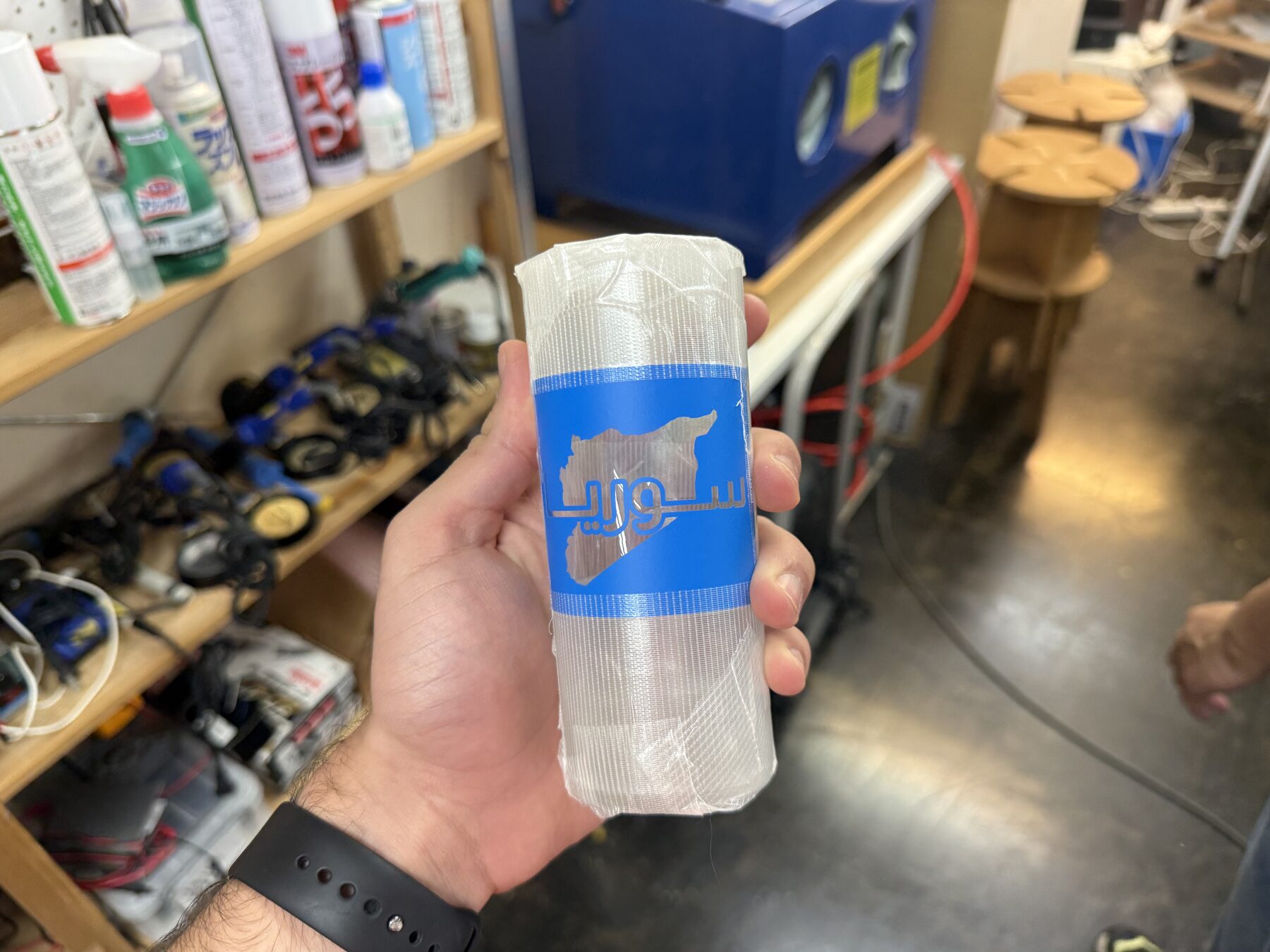
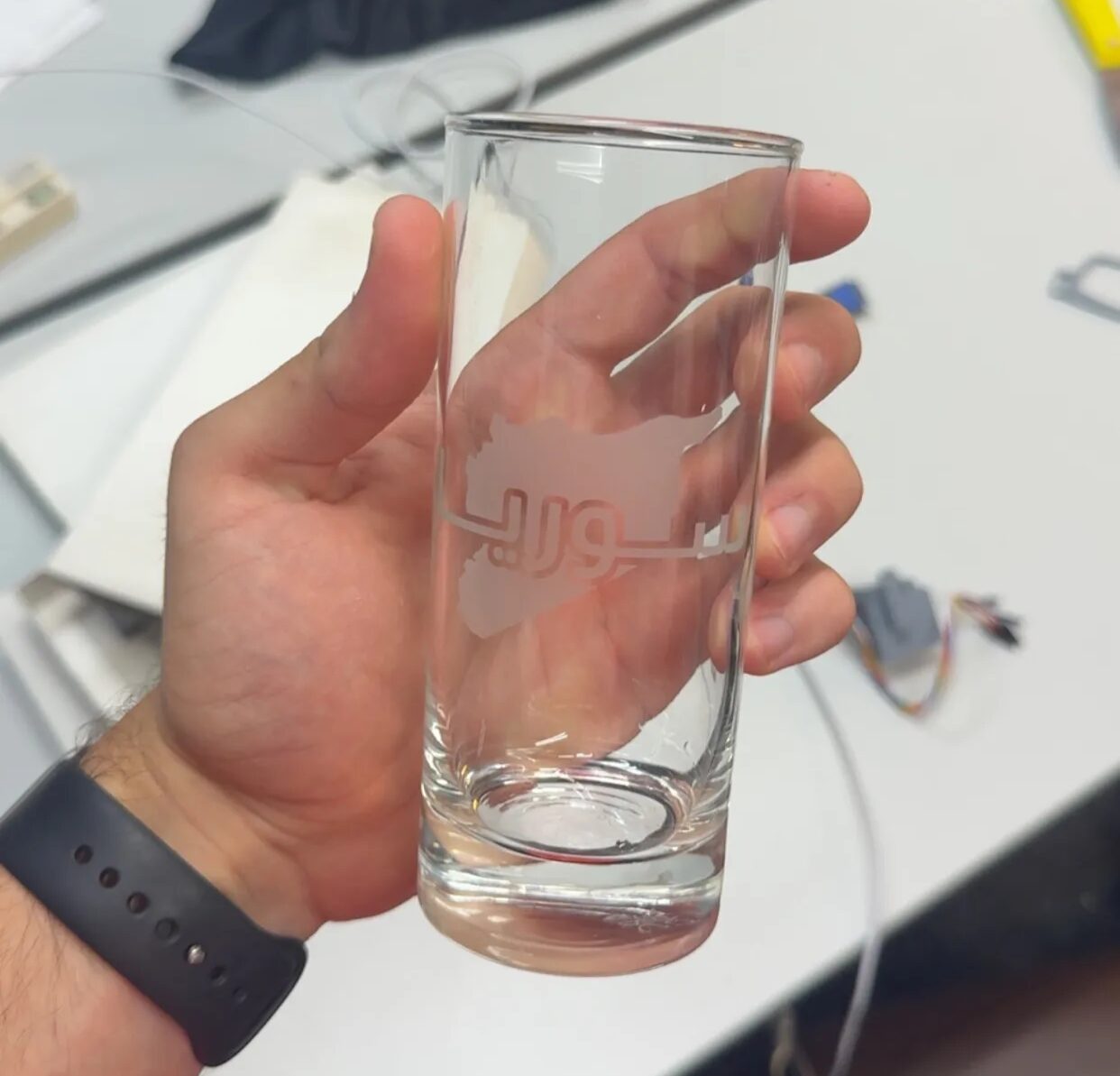
I used wildcard week for embroidery, heat pressing, and sandblasting: a logo test, a Syria design, and a few fabrication processes outside the normal electronics/CAD path.
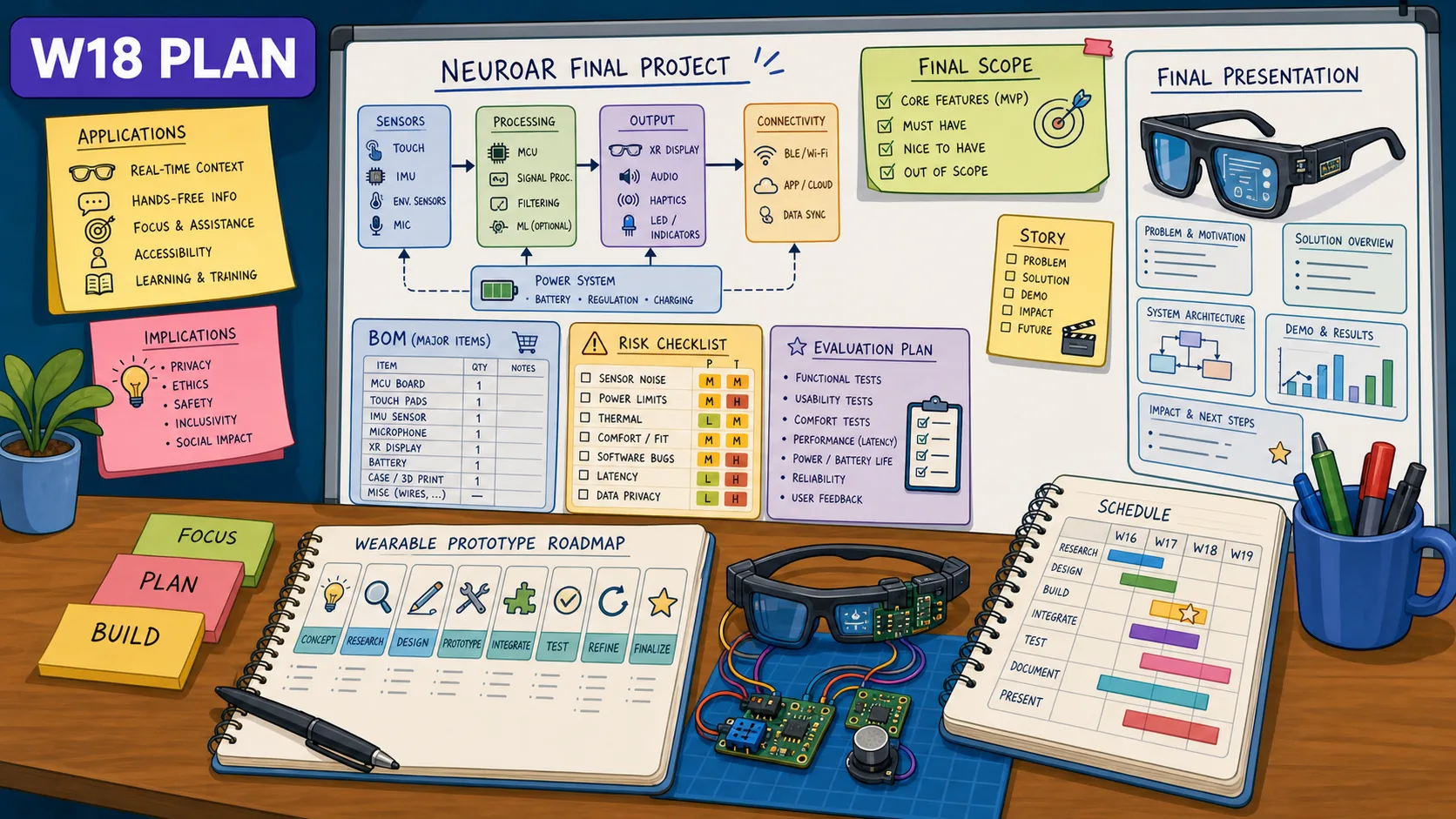
I clarified the applications and implications of NeuroAR: what it will do, who it is for, what I need to build, what it costs, and how I will evaluate it.
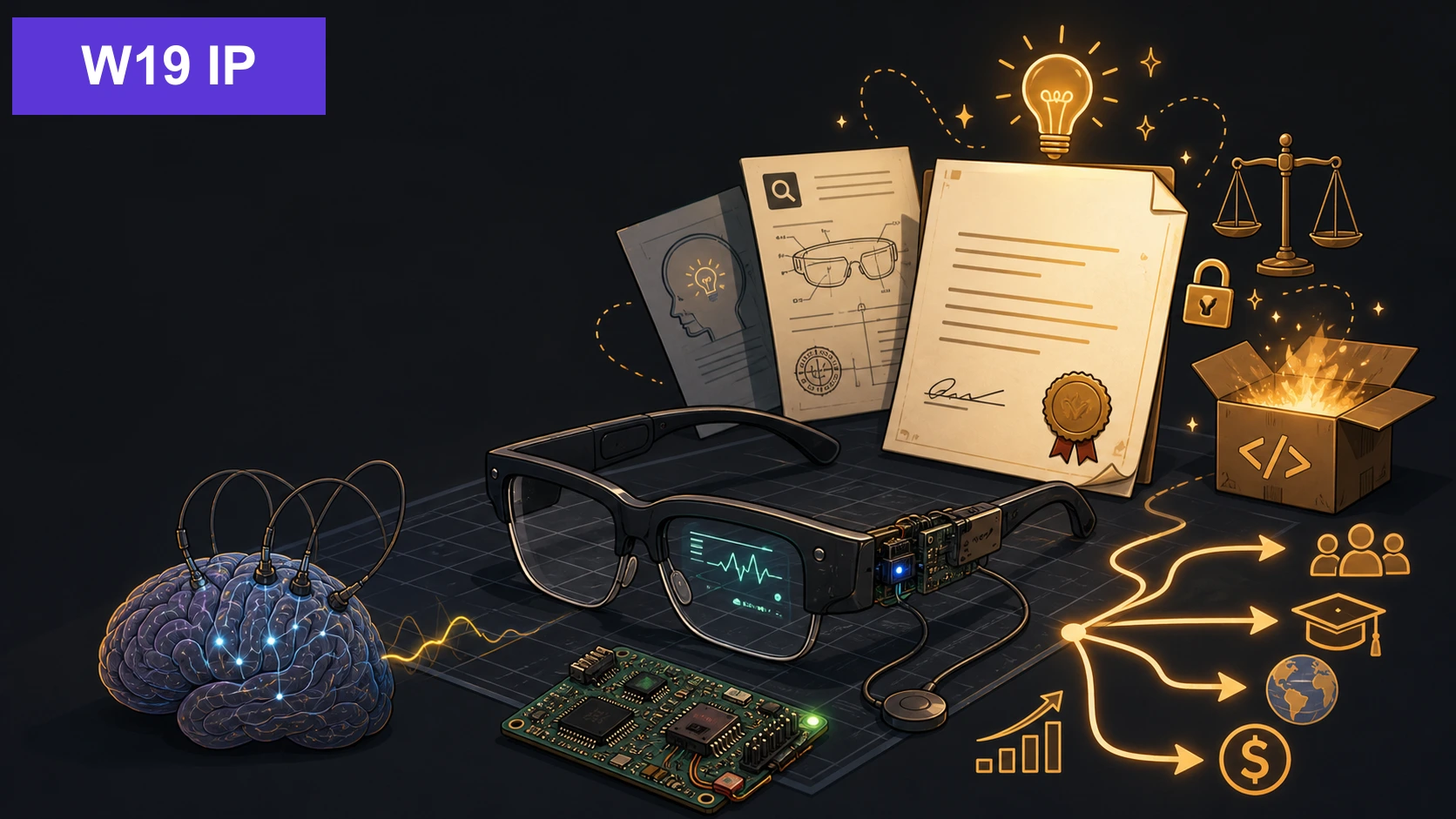
I wrapped Fab Academy by documenting invention, IP, income, and how I plan to release NeuroAR as an open project with the FAB license and future spirals.
I wrote about how I used AI throughout Fab Academy by creating my own skills to publish my documentation and learn.
This space is for short notes that sit between the weekly documentation and the final project
This is the archive of all my original design files and code from Fab Academy. Each weekly page links its own files in context, so this page is just the quick way to grab things. The Project Files page has every NeuroAR file with...
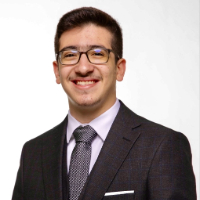
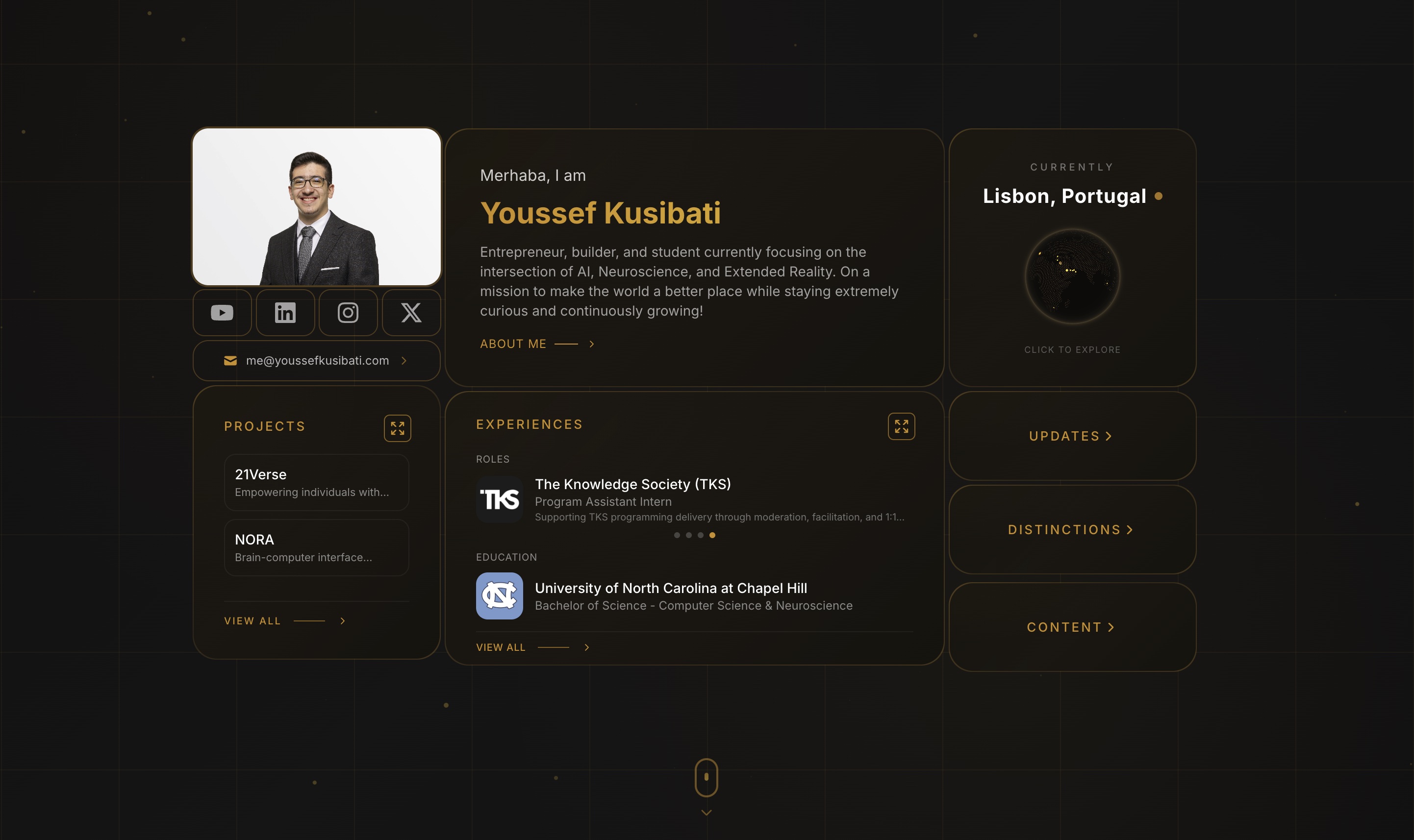
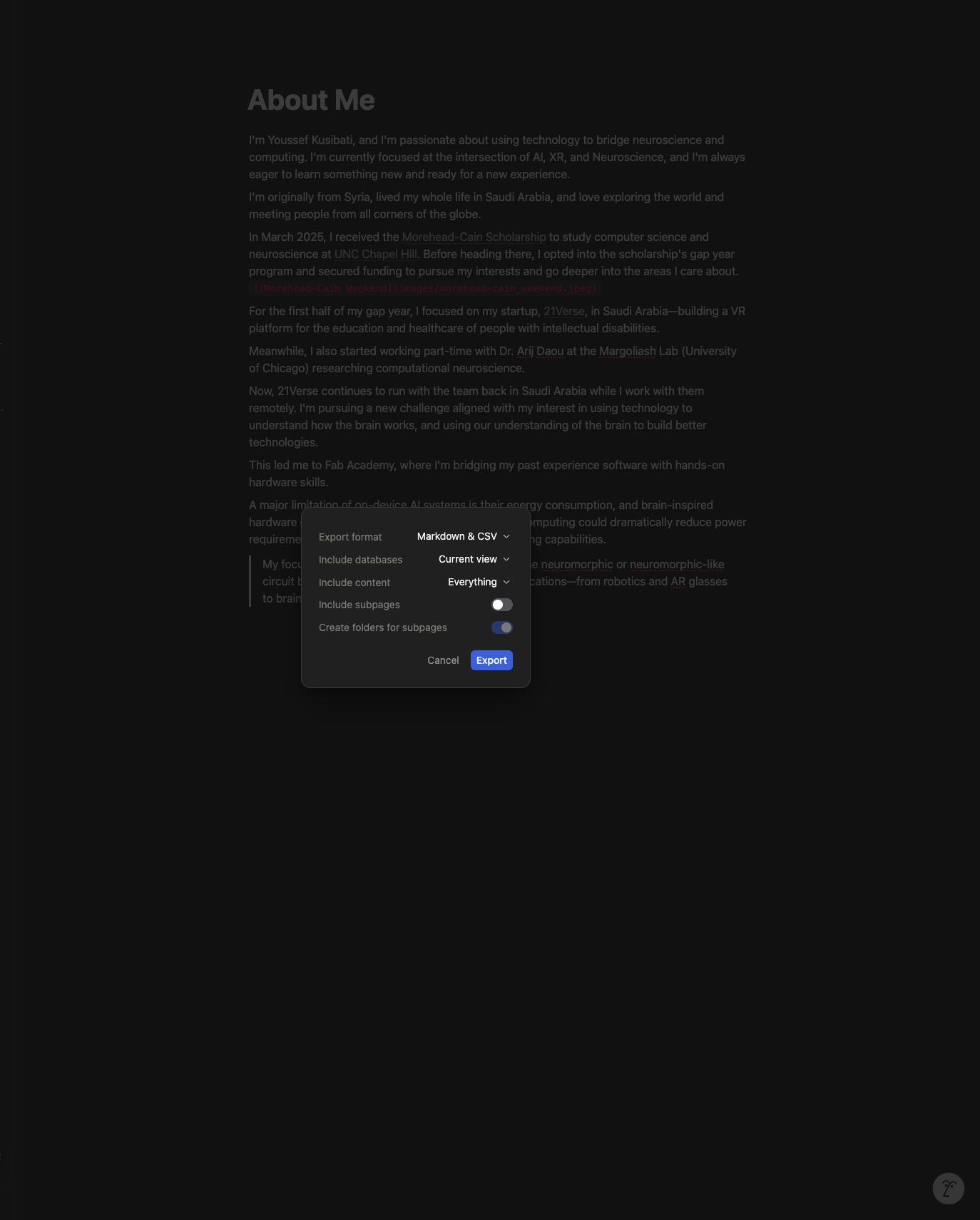
I'm Youssef Kusibati, and I'm passionate about using technology to bridge neuroscience and computing. I'm currently focused at the intersection of AI, XR, and Neuroscience, and I'm always eager to learn something new and ready...
Documentation
Downloads and media788 files