I started Fab Academy by meeting the Kannai/Japan crew, going through the two-day bootcamp, and getting oriented to the program while settling into the Japan/Portugal rhythm.
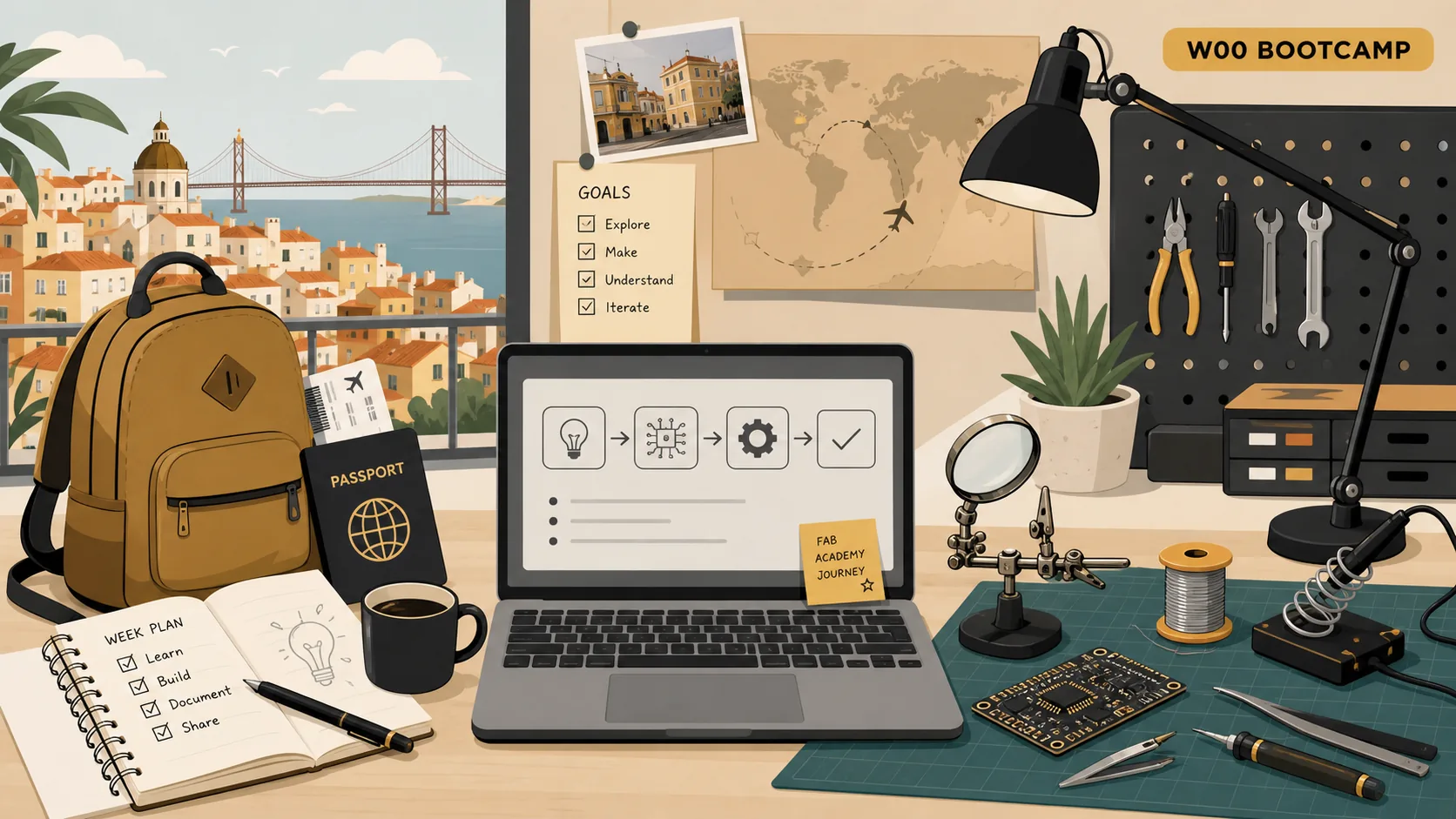
I started Fab Academy by meeting the Kannai/Japan crew, going through the two-day bootcamp, and getting oriented to the program while settling into the Japan/Portugal rhythm.
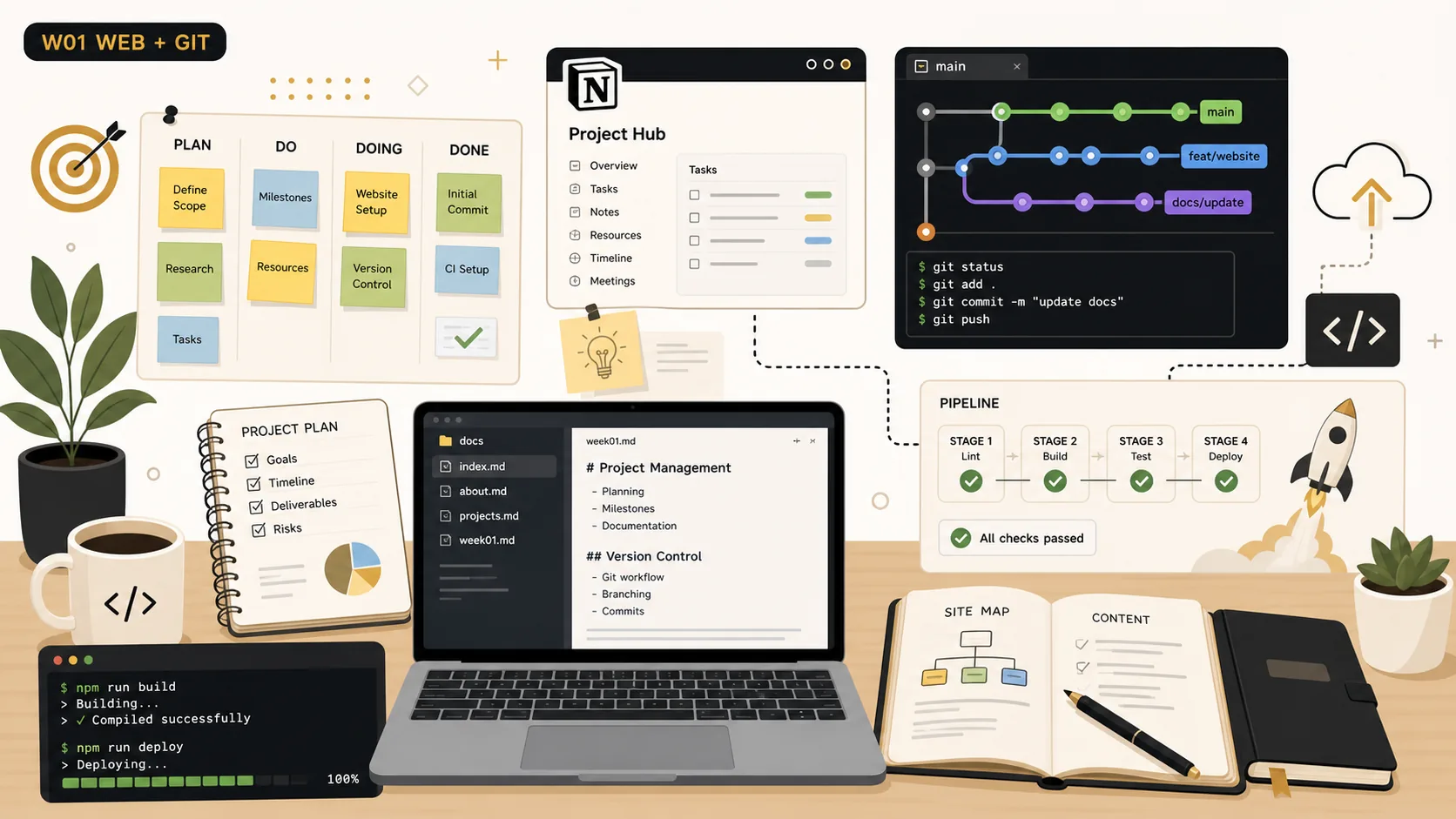
I set up my working environment, learned the Git/GitLab workflow, rebuilt the first version of my personal site, and opened the first notes for the final project.
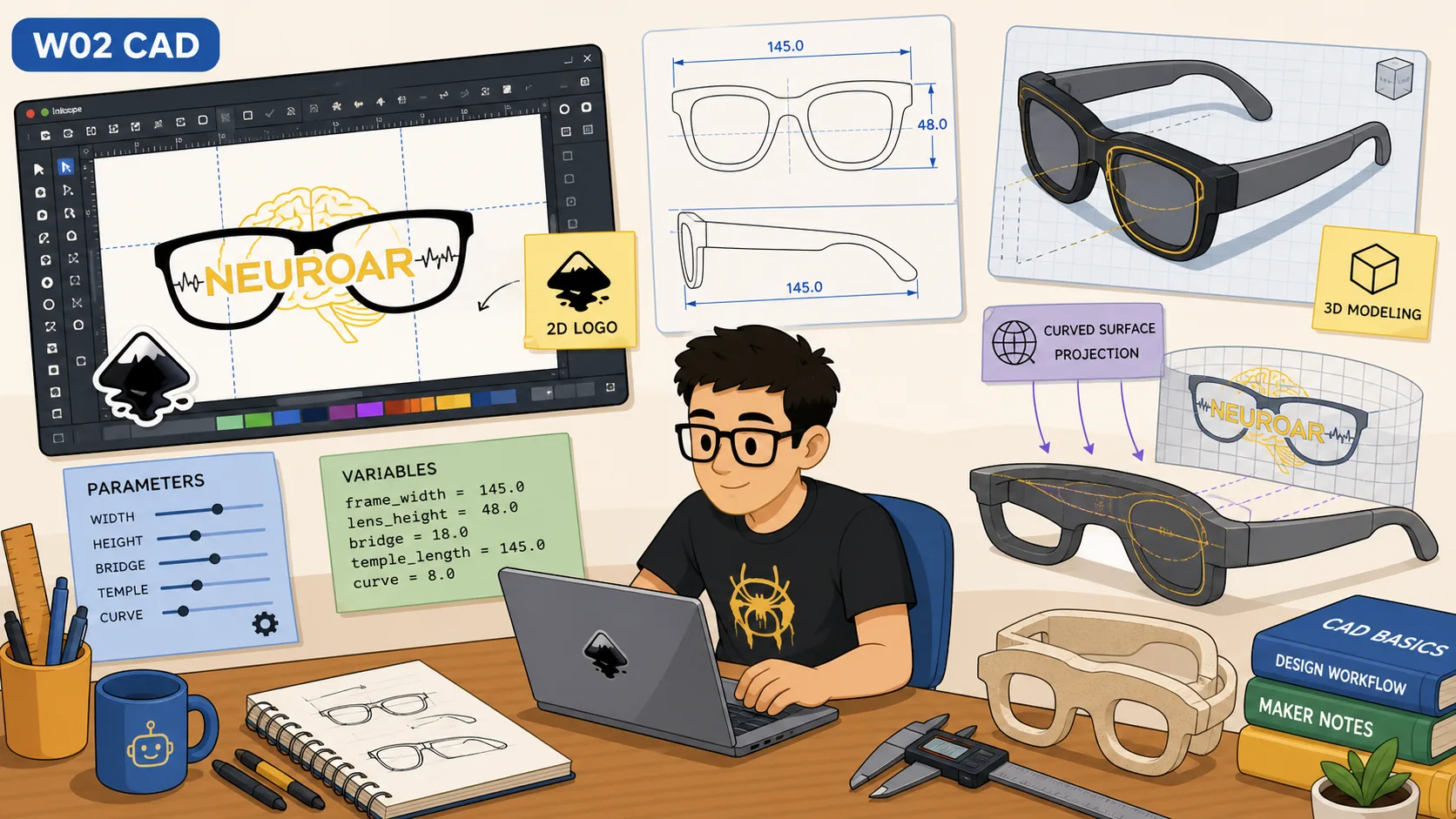
I used CAD week to design the first visual identity and glasses concepts for my final project, moving between vector work, 3D modeling, and file compression.
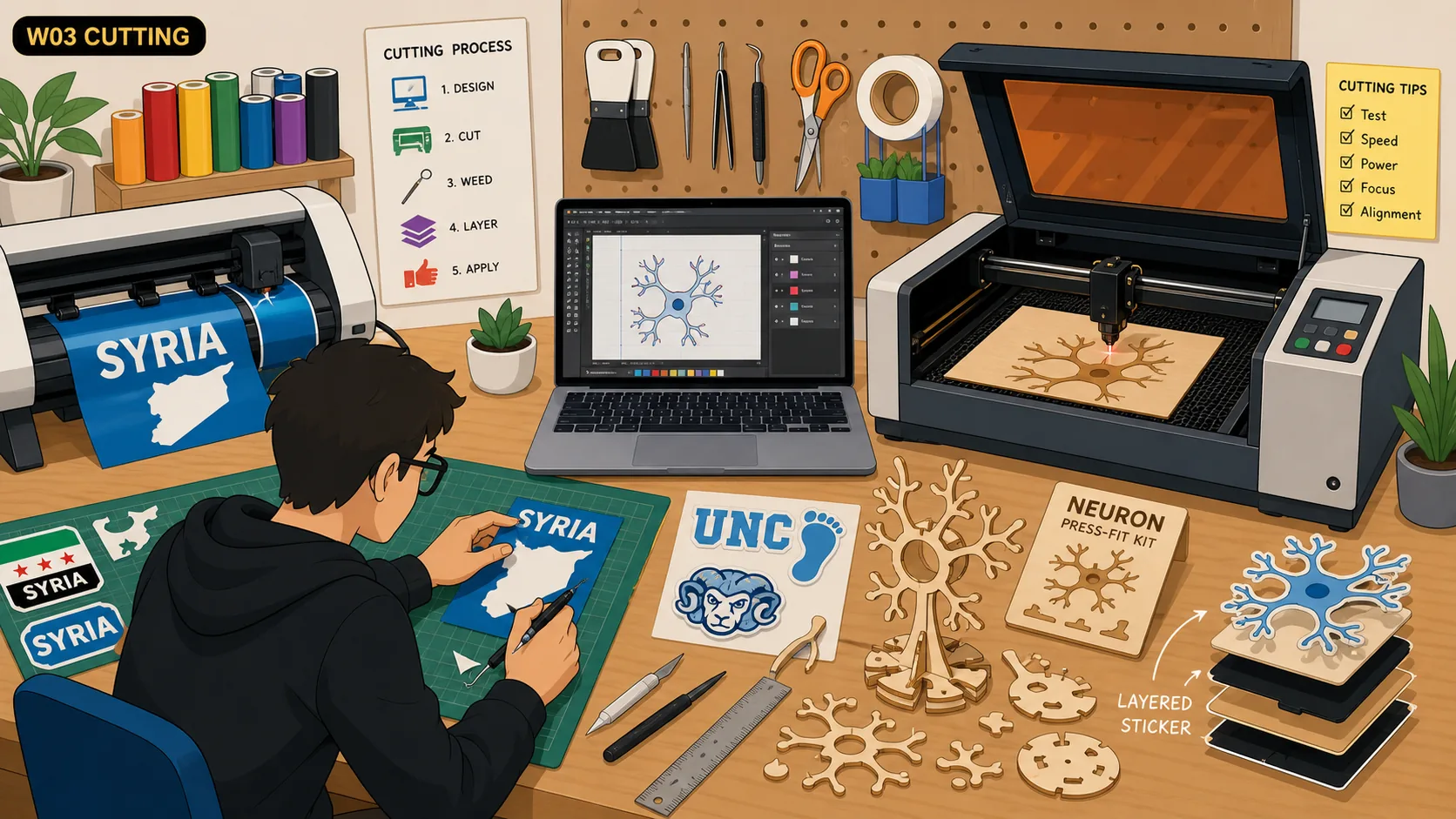
I made vinyl stickers, cut laser parts, and turned the neuron-model idea into a press-fit kit while learning the cutting settings that actually matter.
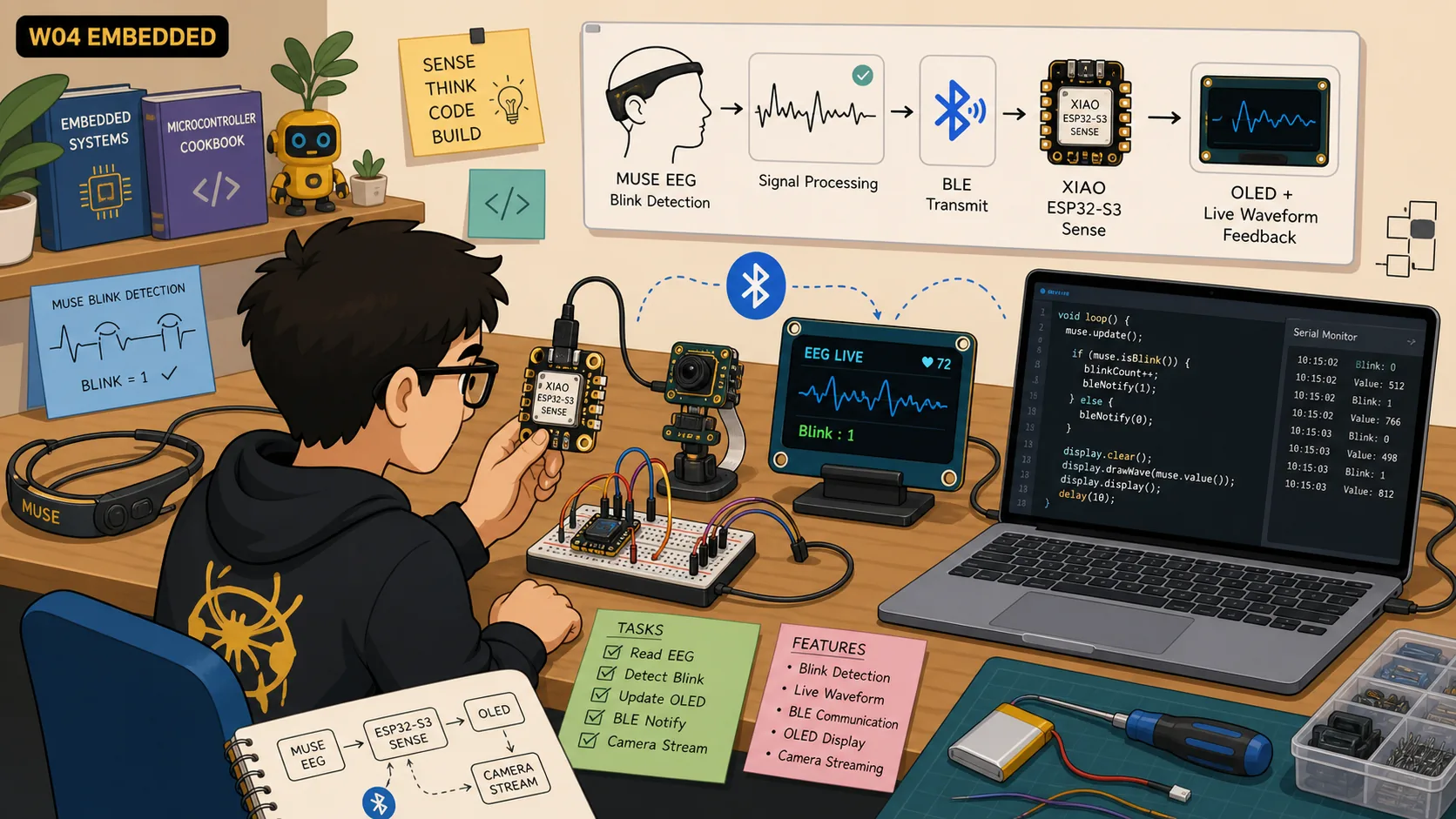
I explored embedded programming through XIAO ESP32-S3 tests: stepper and blink experiments, Grove Shield soldering, sensor input, OLED animation, camera streaming, and Muse EEG experiments.
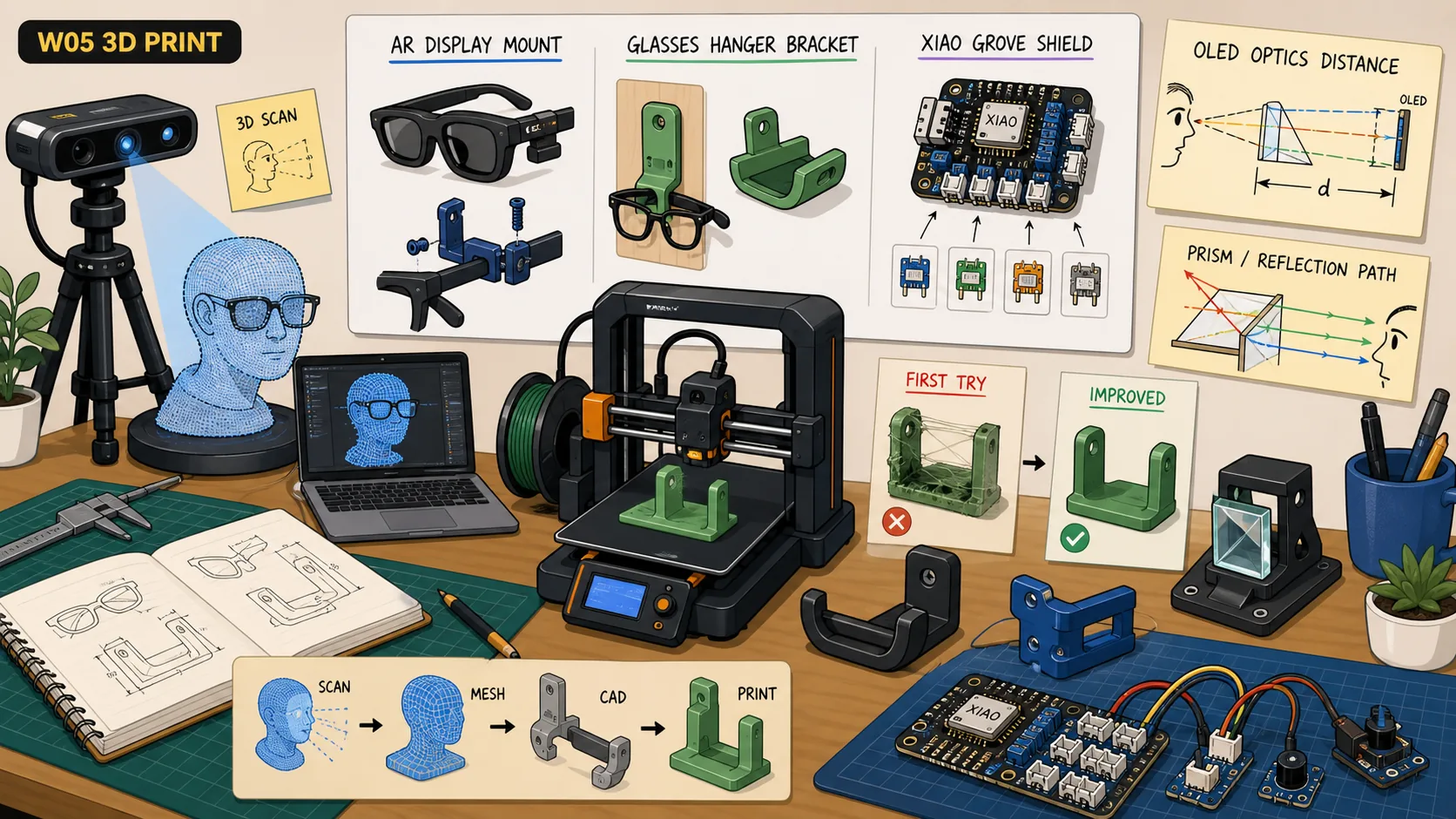
I printed and scanned objects while pushing toward the final project: a Mobius lattice test, glasses hangers for the XIAO Grove Shield, and a Hyperscape scan of the lab.
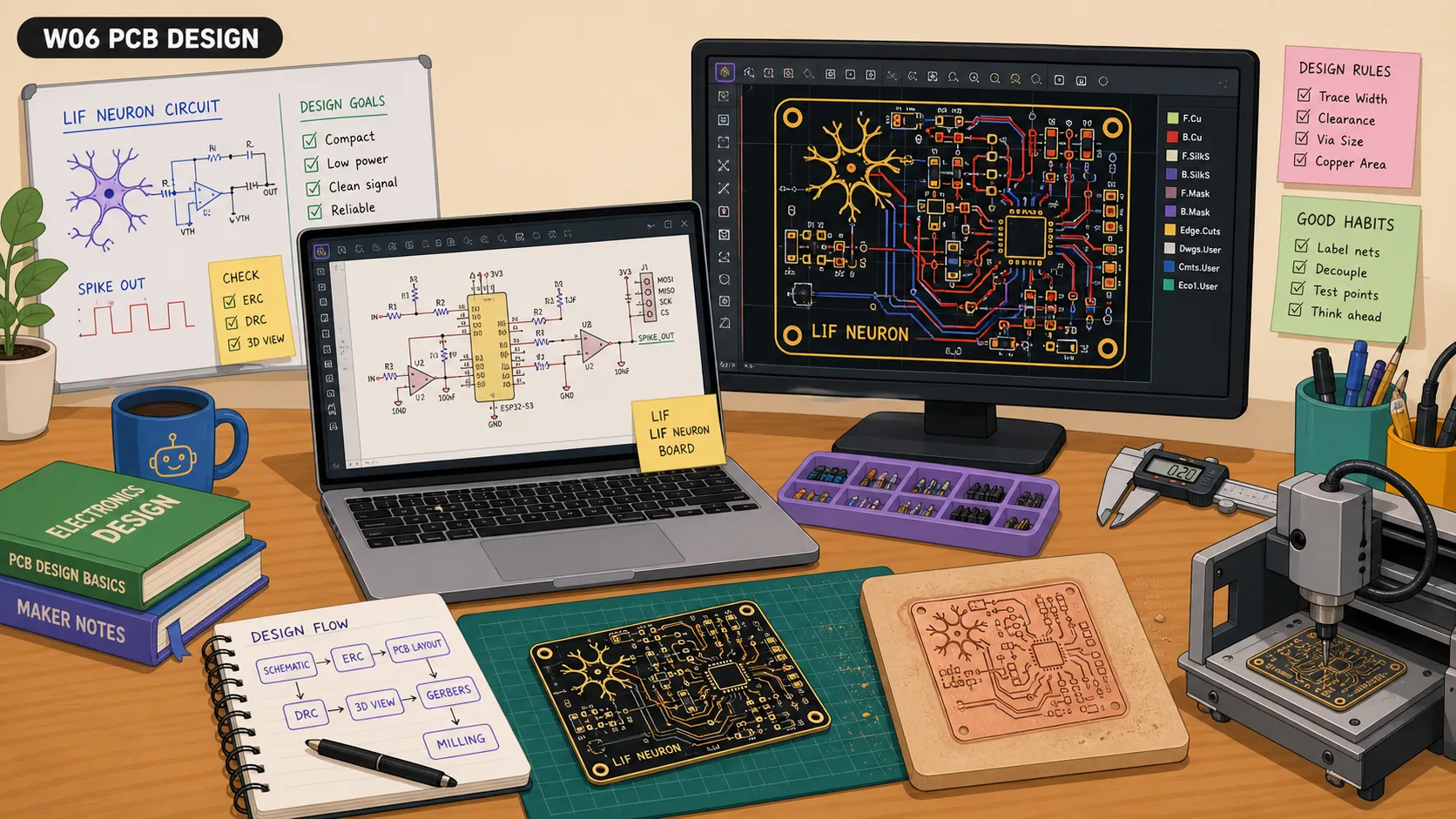
I designed my first PCB around a hardware LIF neuron idea, moving from circuit explanation to KiCad schematic, board layout, and manufacturing checks.
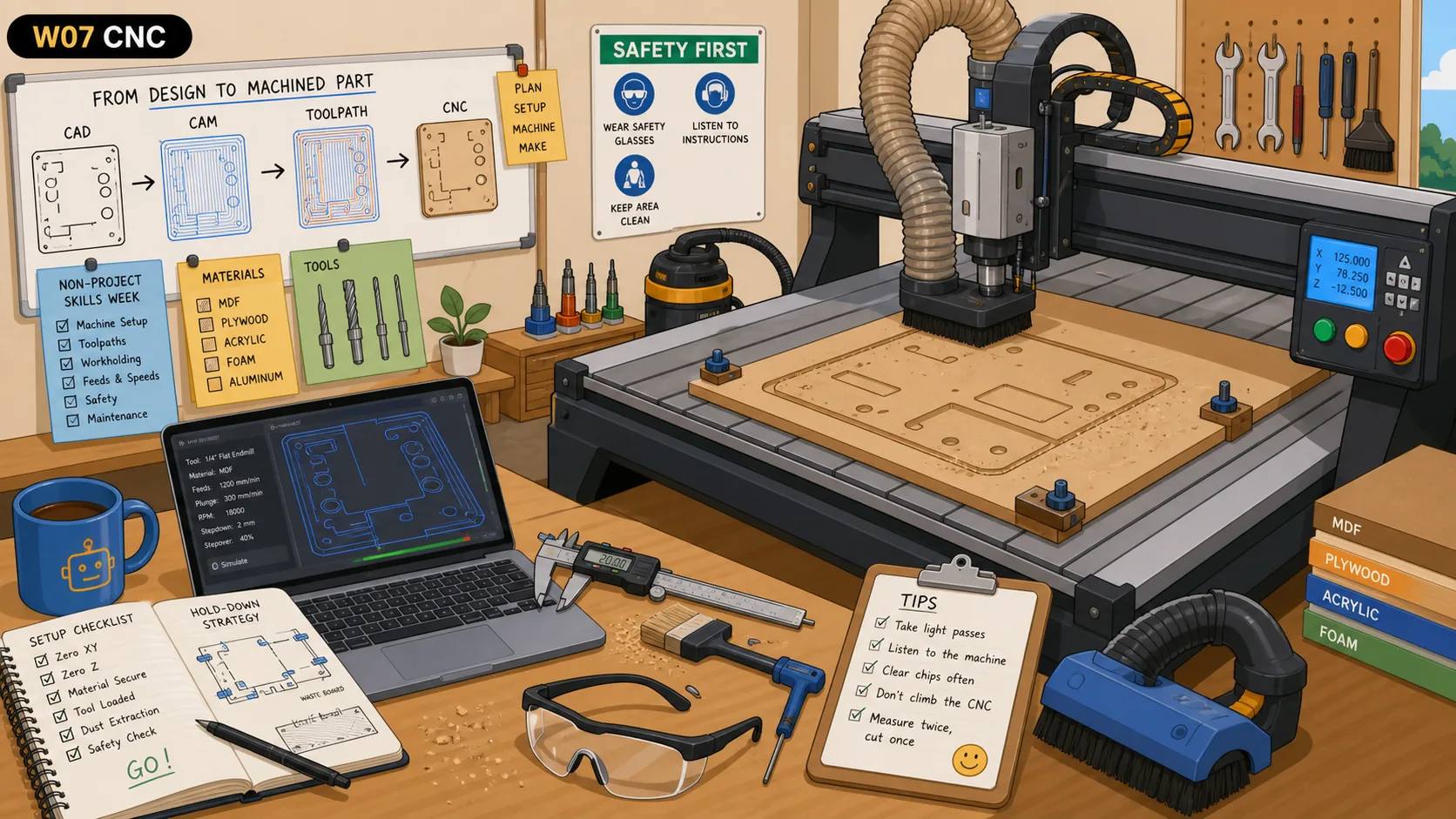
I learned CNC machining by designing Syrian mosaic geometry and a Damascus Gate-inspired panel, then moving the model through Fusion CAM and machining prep.
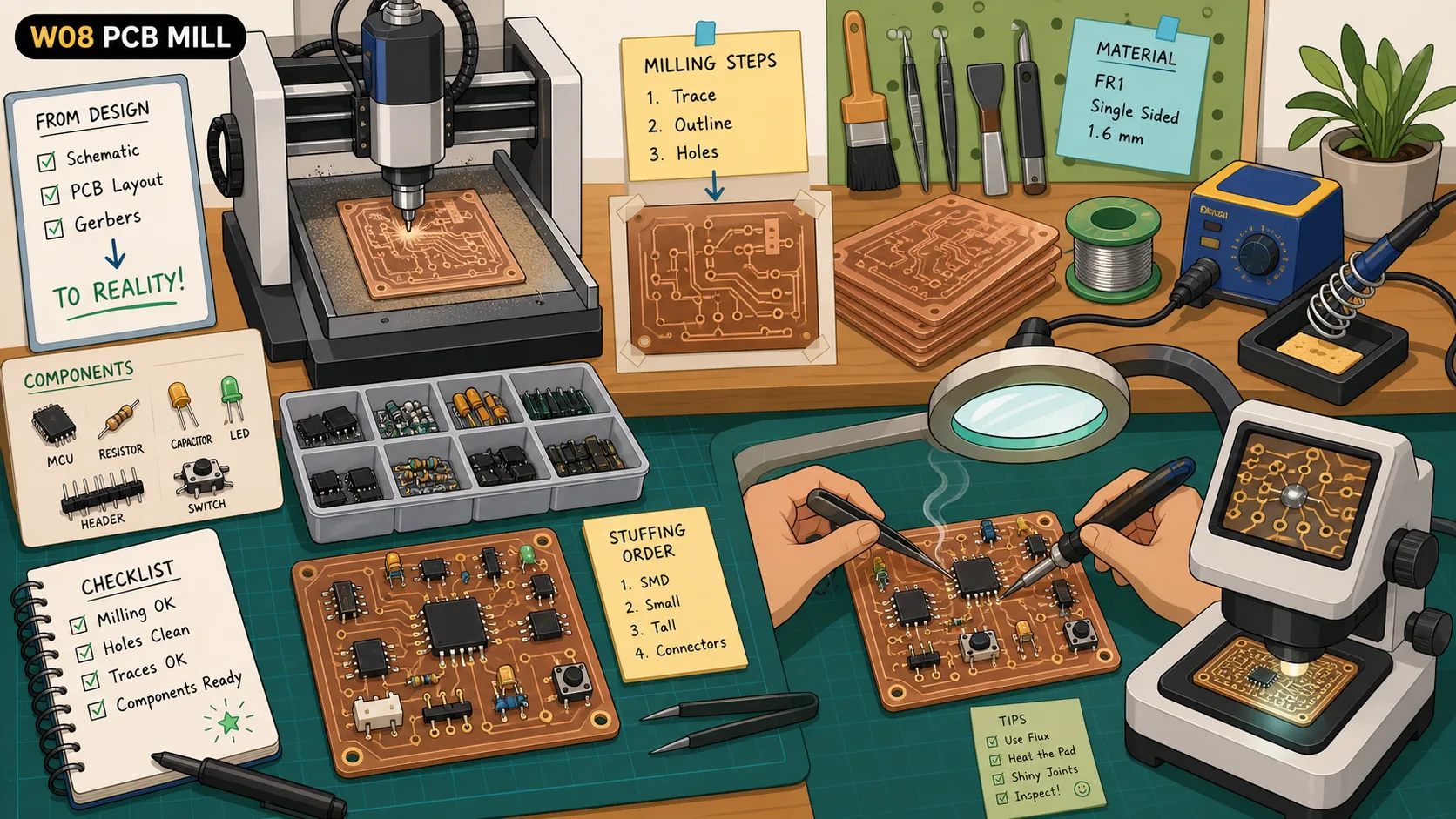
I simplified and produced a PCB, learned how in-house milling rules affect board design, and compared that path with board-house production for future project boards.
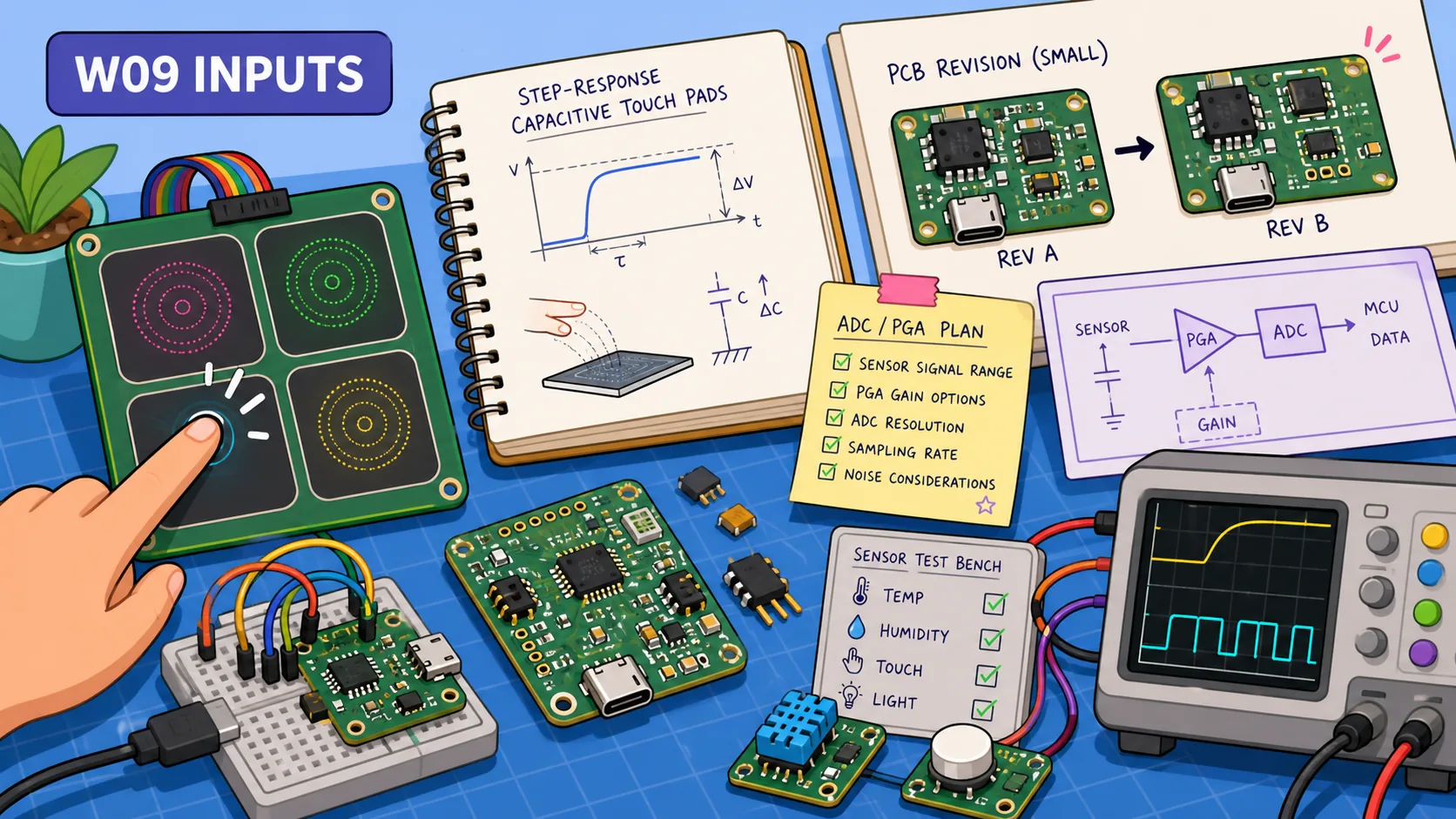
I focused on input devices by redesigning the neuron PCB as a software LIF board, then milling, soldering, and testing it as an input-focused electronics step.
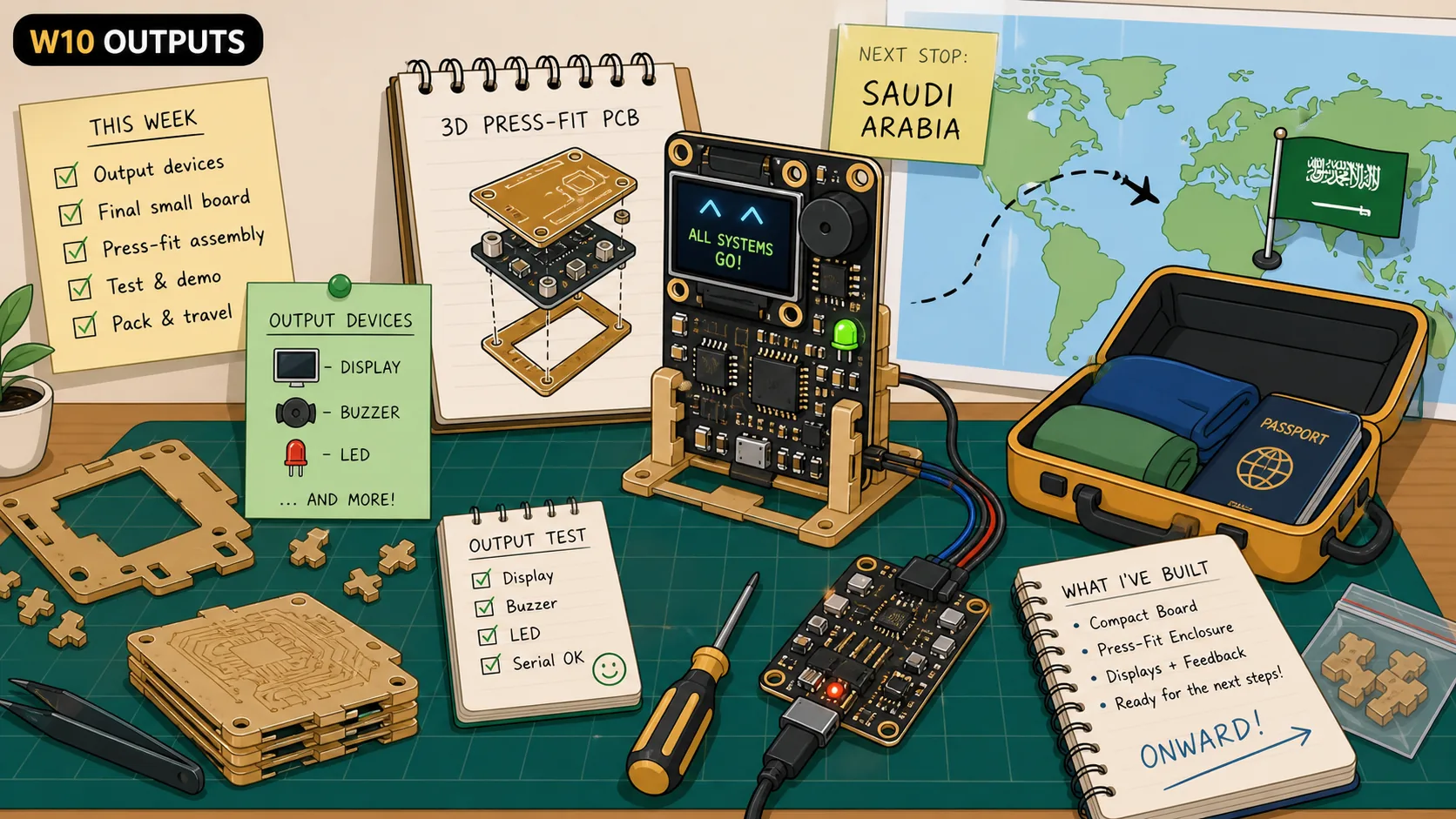
I built output-device experiments around the glasses system, including a 3D PCB concept with display, buzzer, and LED, then worked through milling, soldering, and display issues.
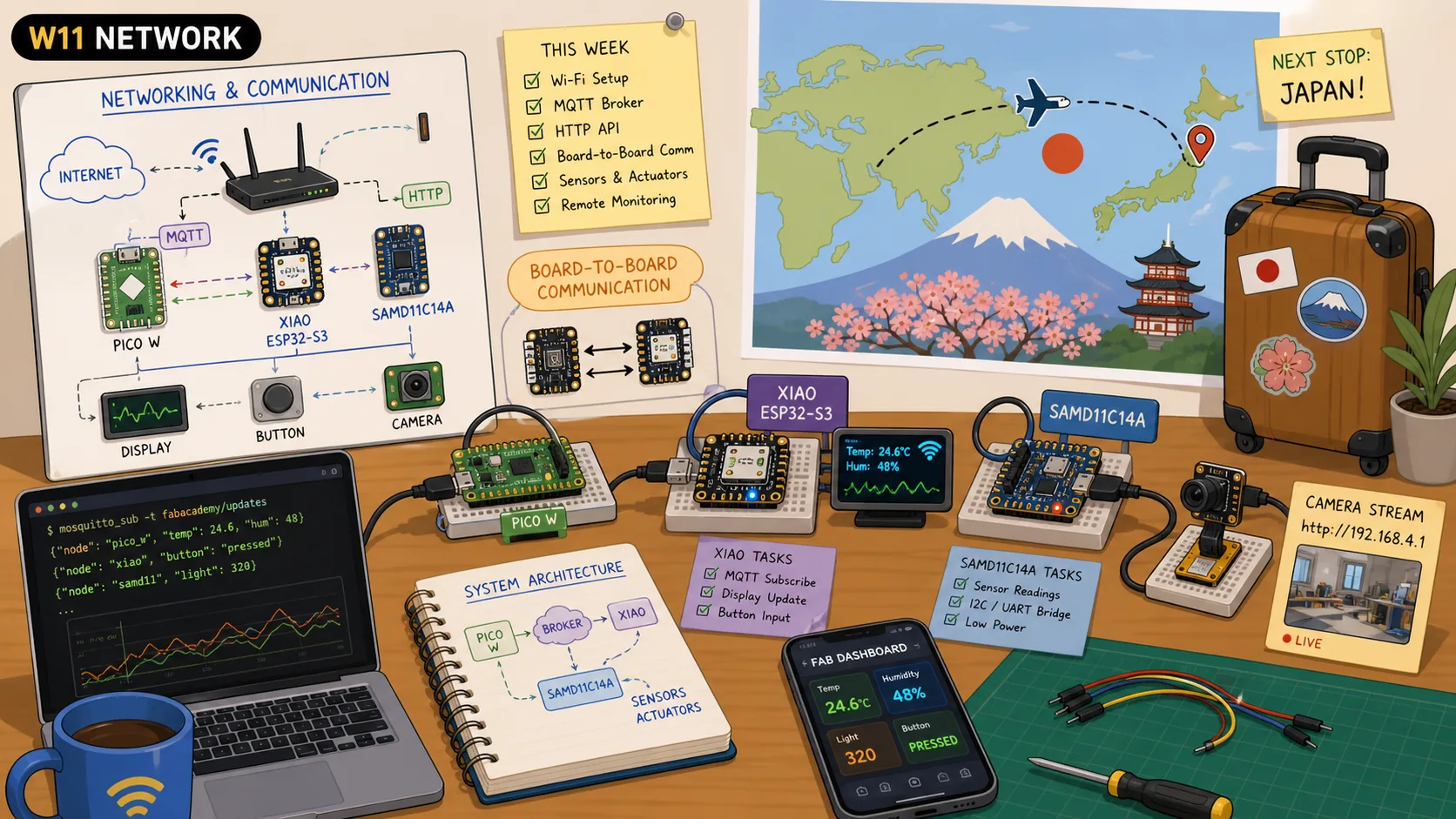
I documented networking through ESP-NOW group work and built a networked music-player direction using the XIAO, a receiver board, and the broken-OLED lessons.
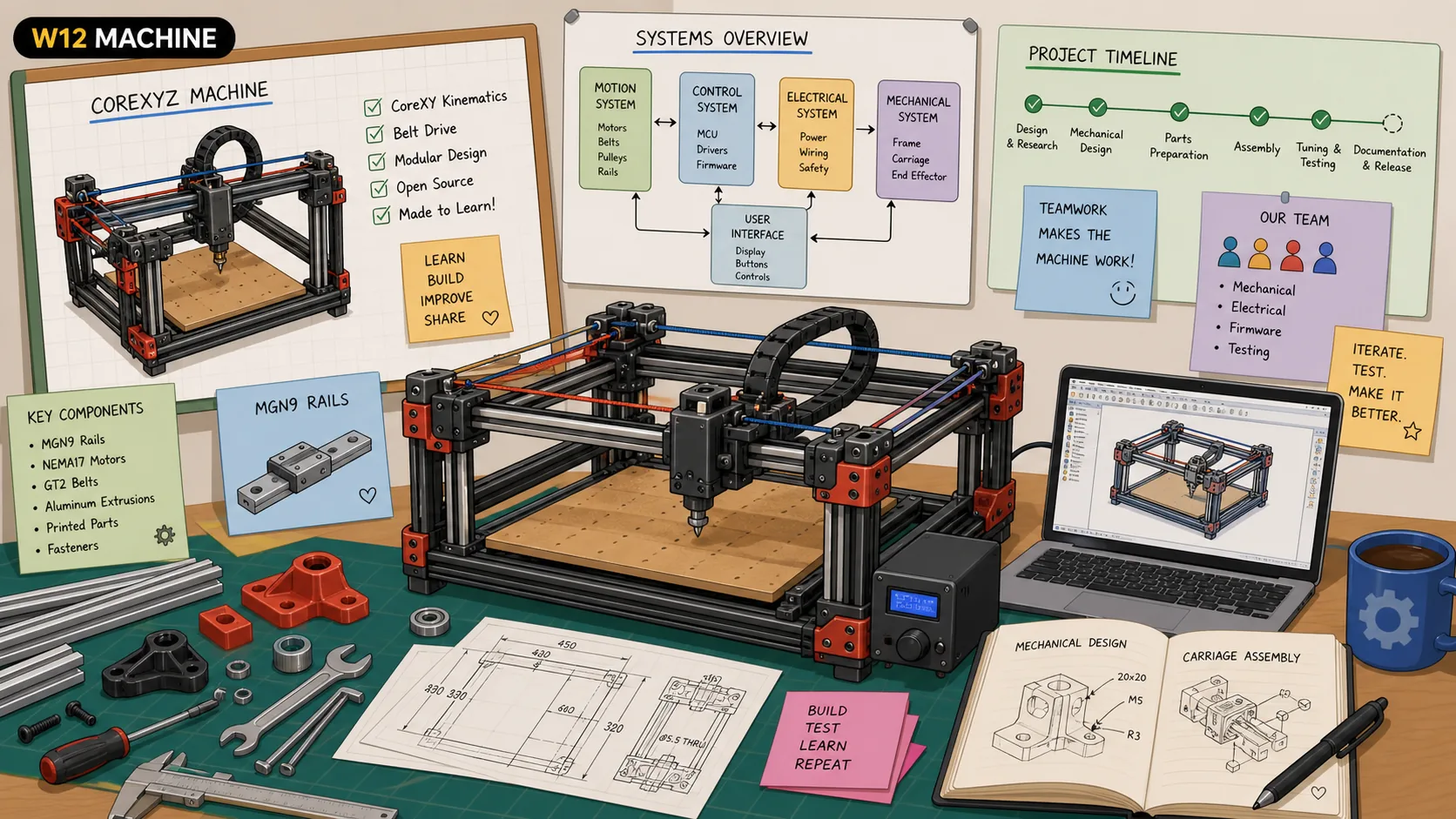
I contributed to the machine build by editing CAD, testing PLA wood filament, and working on the frontend/backend link for the drawing-machine interface.
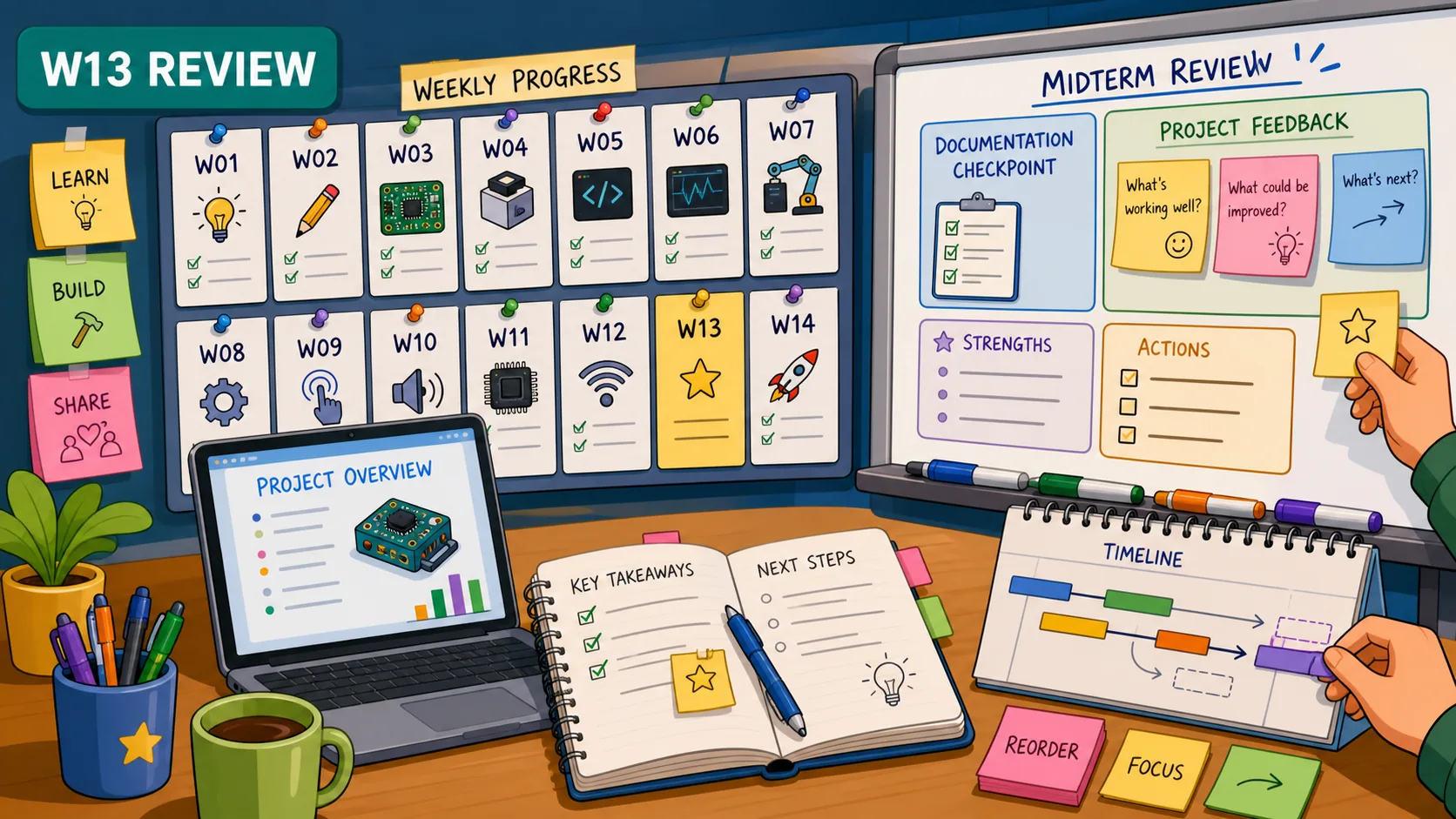
I used the midterm review to organize the systems diagram, final-project plan, and remaining schedule before the final spiral of work.
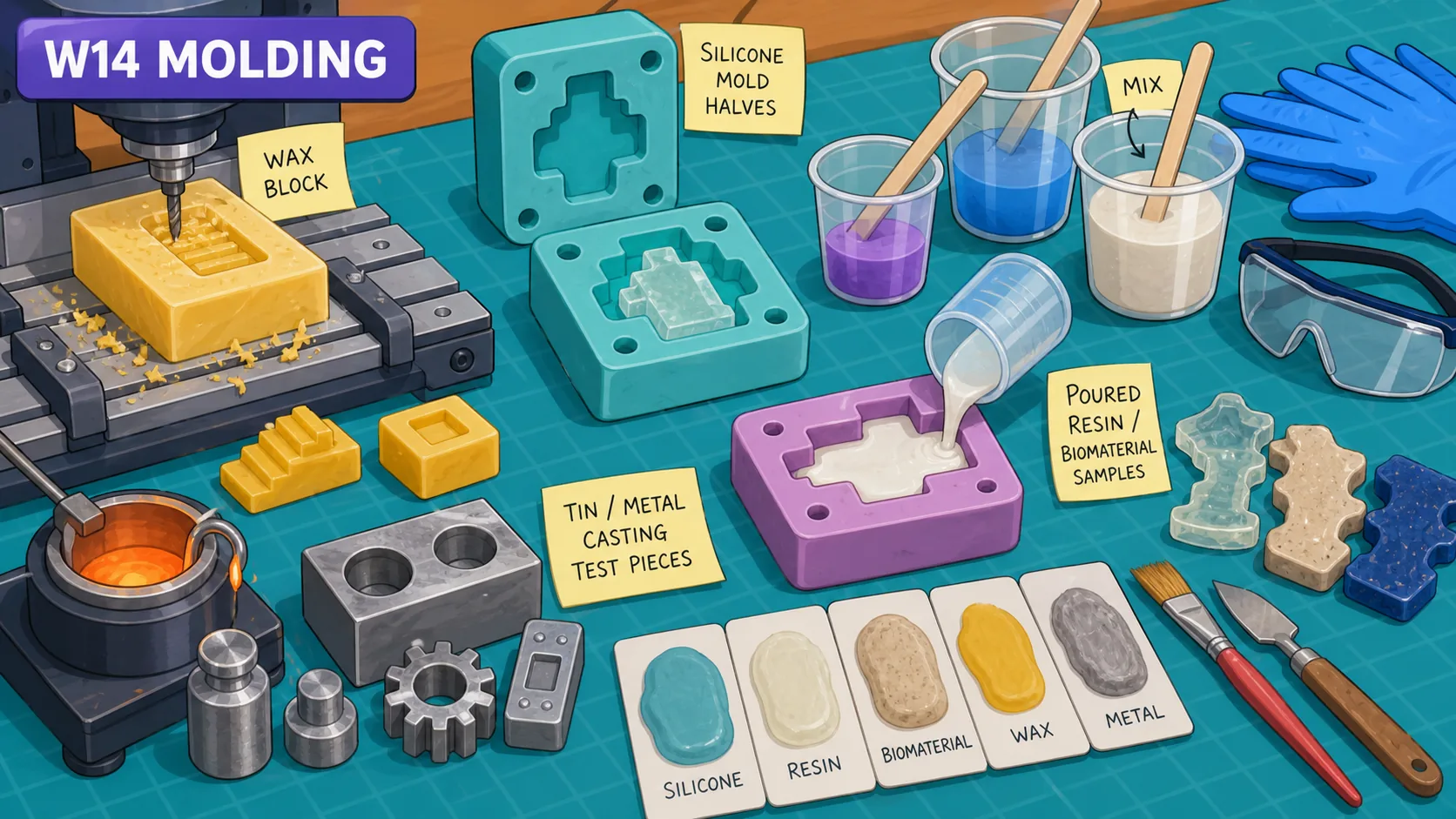
I explored molding and casting through wax-stamp, fridge-magnet, low-melt metal, and biomaterial tests, then compared the processes and what each one is good for.
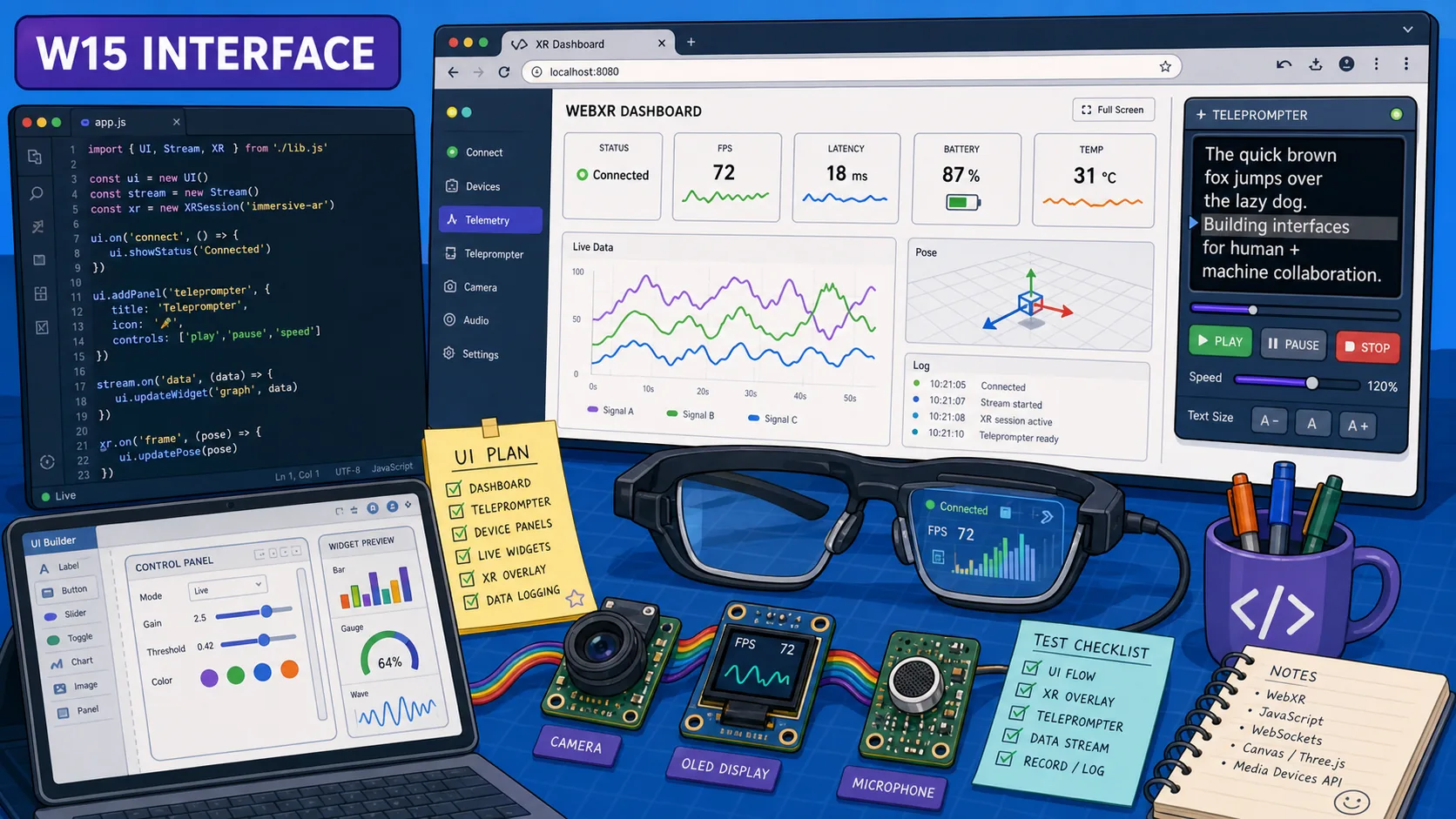
I built the software side around XR machine interfaces and the NeuroAR dashboard, including VRKanji, ARBrushMachine, and the first agentic glasses interface ideas.
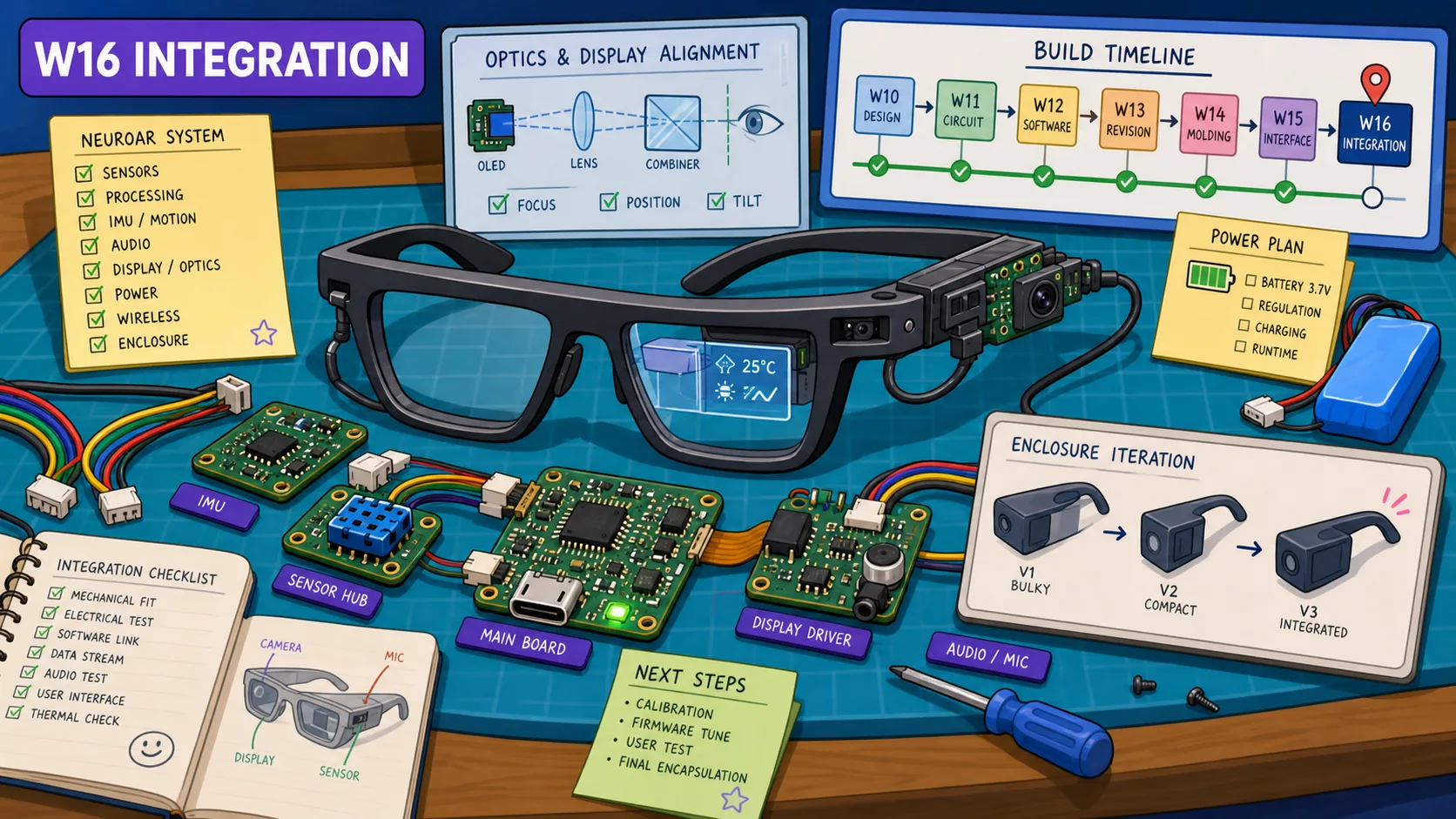
I integrated the first NeuroAR spiral by building the chassis, optics, electronics, milled board, and final packaged glasses prototype.
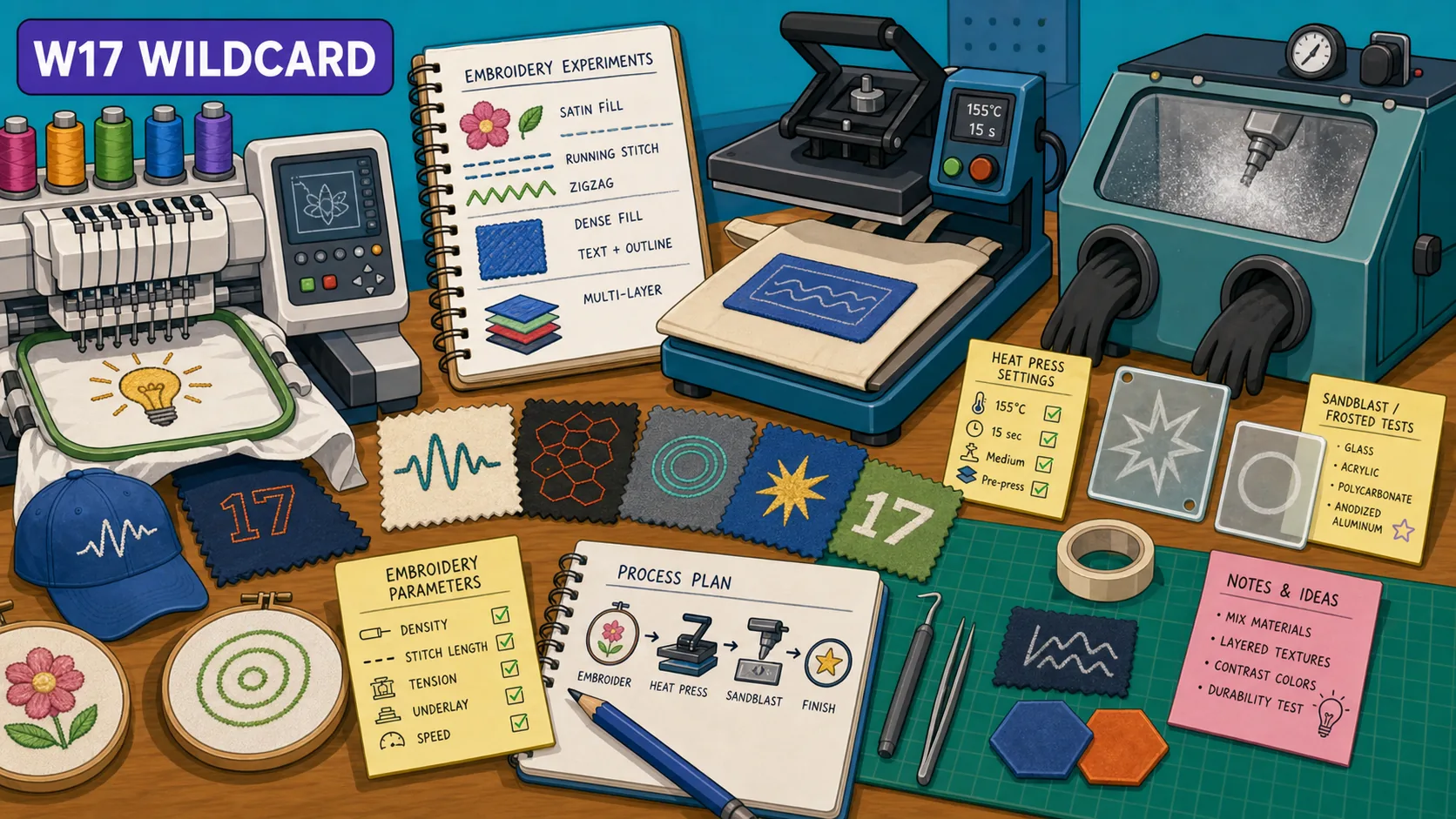
I used wildcard week for embroidery, heat pressing, and sandblasting: a logo test, a Syria design, and a few fabrication processes outside the normal electronics/CAD path.
I clarified the applications and implications of NeuroAR: what it will do, who it is for, what I need to build, what it costs, and how I will evaluate it.
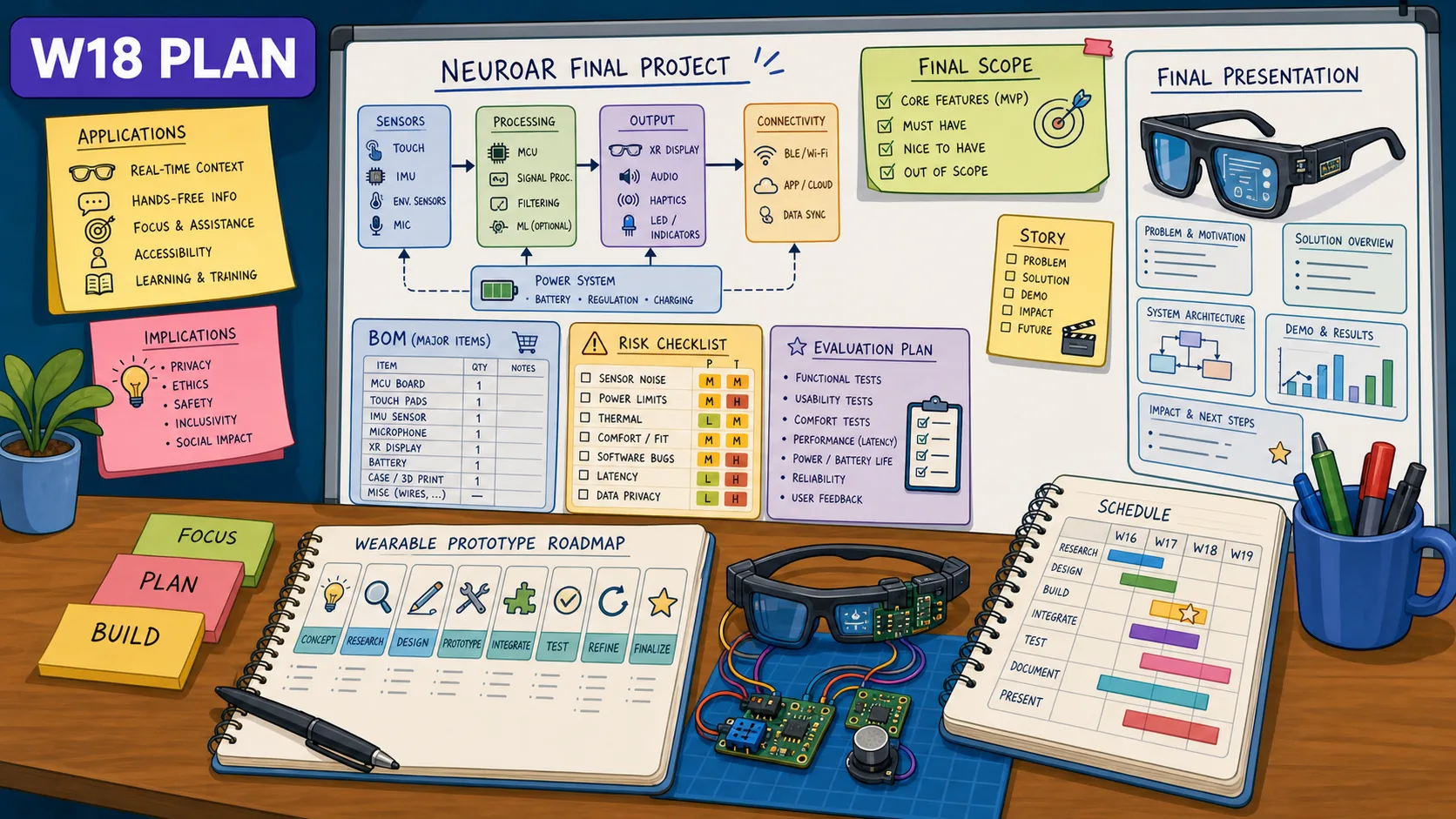
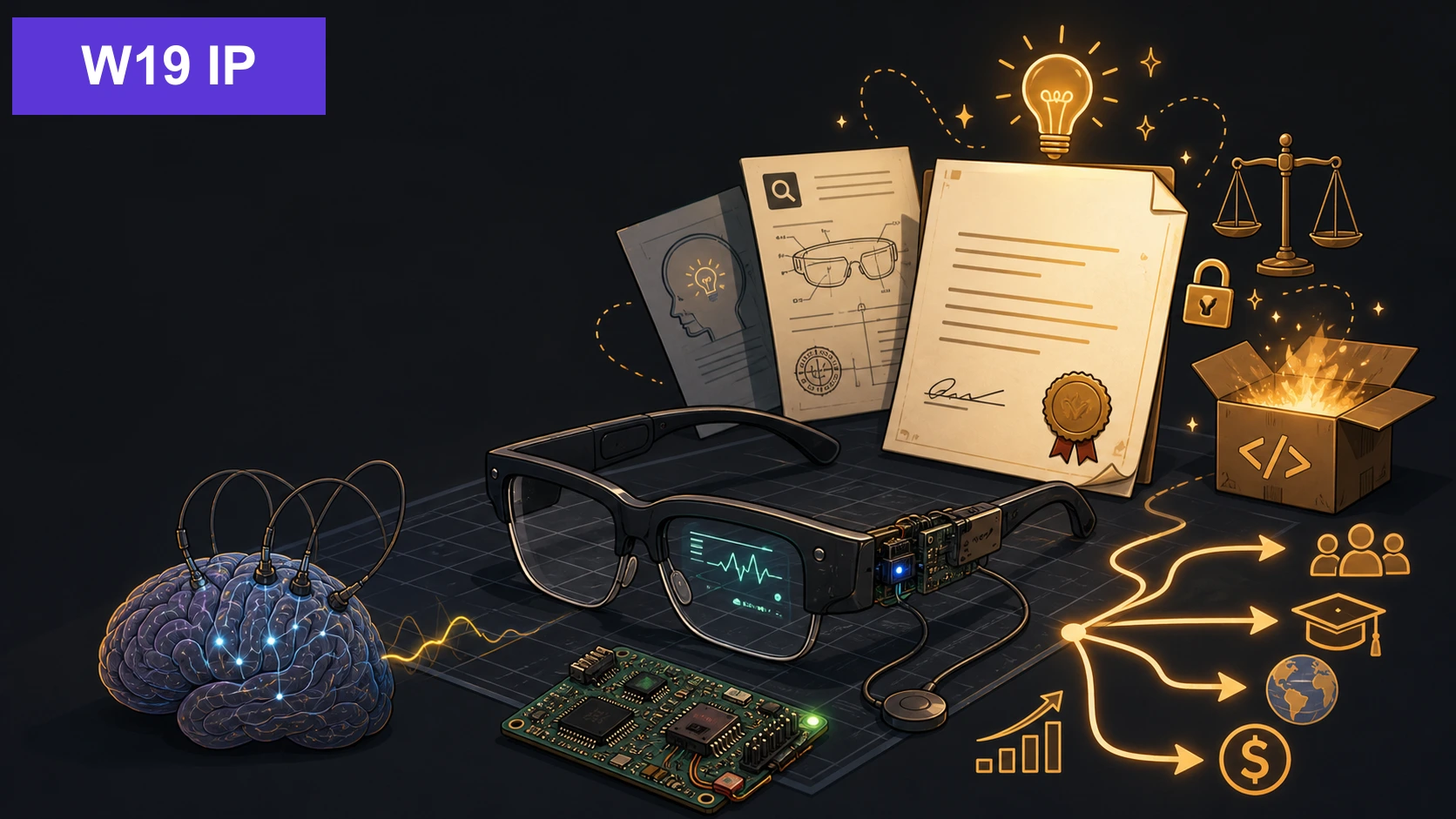
I wrapped Fab Academy by documenting invention, IP, income, and how I plan to release NeuroAR as an open project with the FAB license and future spirals.