16. Wildcard week
Group assignment:
None
Individual assignment:
Design and produce something with a digital fabrication process (incorporating computer-aided design and manufacturing) not covered in another assignment, documenting the requirements that your assignment meets, and including everything necessary to reproduce it.
Overview
This week's project focuses on 3D crystal laser engraving. The workflow is organized into four parts:
- Introduction to the 3D laser engraver
- Designing the 3D model
- Generating the engraving file
- Engraving the crystal
1. Introduction to the 3D Laser Engraver
A 3D laser engraver is a device that uses a focused laser beam to engrave three-dimensional patterns inside transparent materials such as crystal or glass. These machines combine laser precision with the ability to create stunning volumetric engravings without altering the surface of the material.
Our Fab Lab is equipped with the Perfect Laser model.
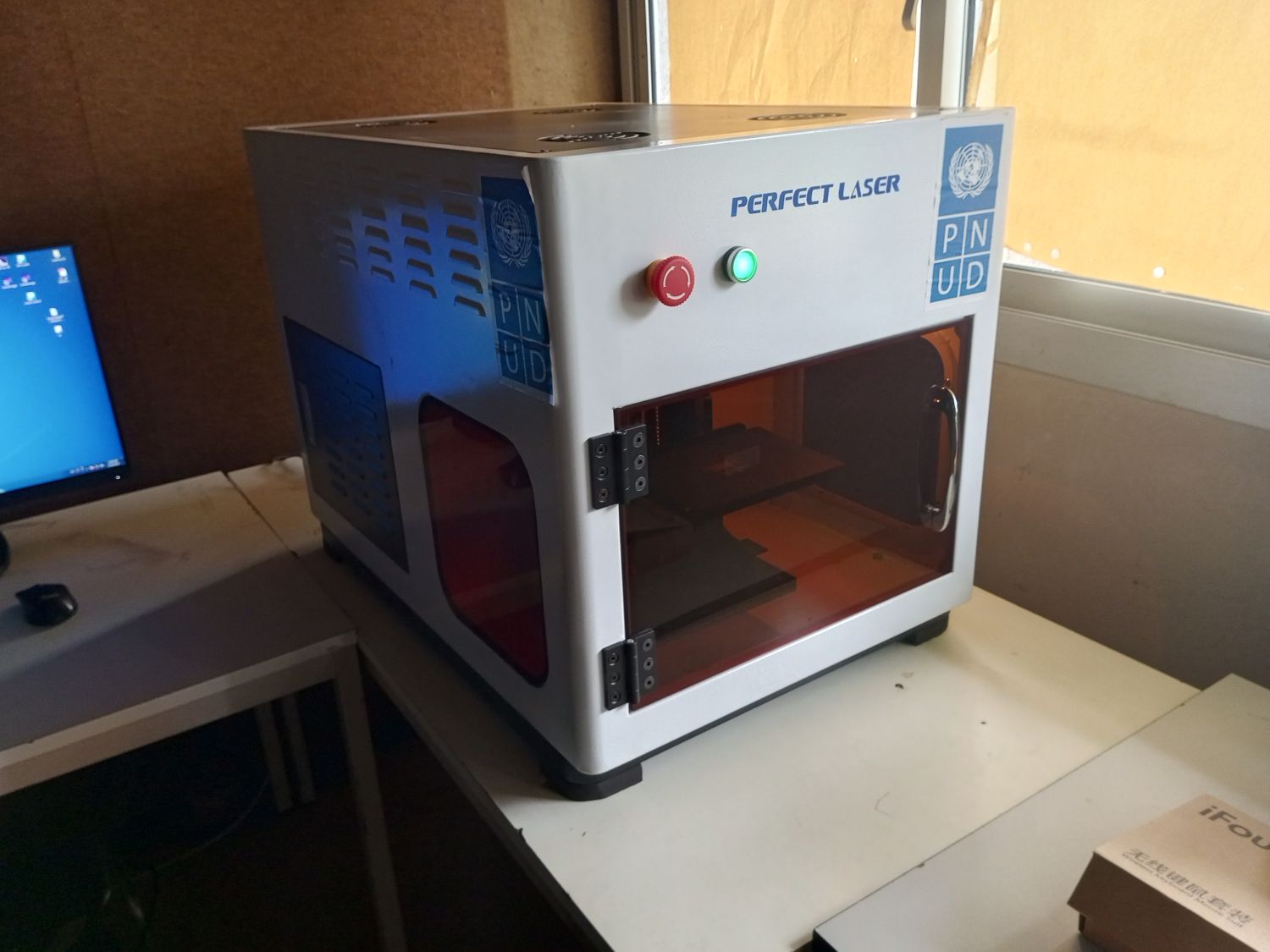
Specifications
| Parameter | Value |
|---|---|
| Model | PE-DP-A2 |
| Maximum Frequency | 5 000 Hz |
| Maximum Engraving Area | 400 mm × 320 mm × 120 mm |
| Focal Length (standard) | 120 mm |
| Precision | 20 μm 40 μm |
| Maximum Speed | 300 000 points/minute |
| Power | < 350 W 220 V / 60 Hz |
| Net Weight | 185 kg |
| Supported File Formats | BMP, JPG, DXF, OBJ, WRL, 3DS, STL |
| Compatible Materials | Crystal, glass, acrylic — internal and surface engraving |
| Machine Dimensions | 1 060 mm × 1 060 mm × 1 460 mm |
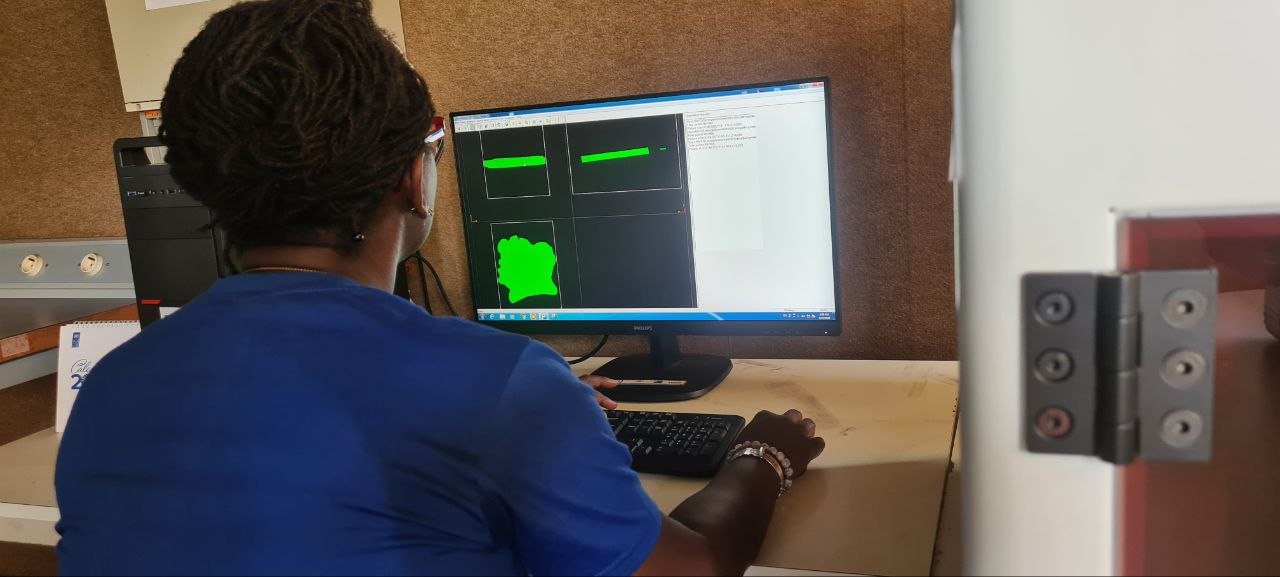
2. Designing the Model & Generating the Engraving File
Two software tools are used in this workflow:
- 3D Crystal Converts 2D/3D models into a Point Cloud and exports them
in
.cadformat. - Laser Control Interfaces with the machine to engrave the
.cadfile into the crystal.
Step-by-Step Workflow
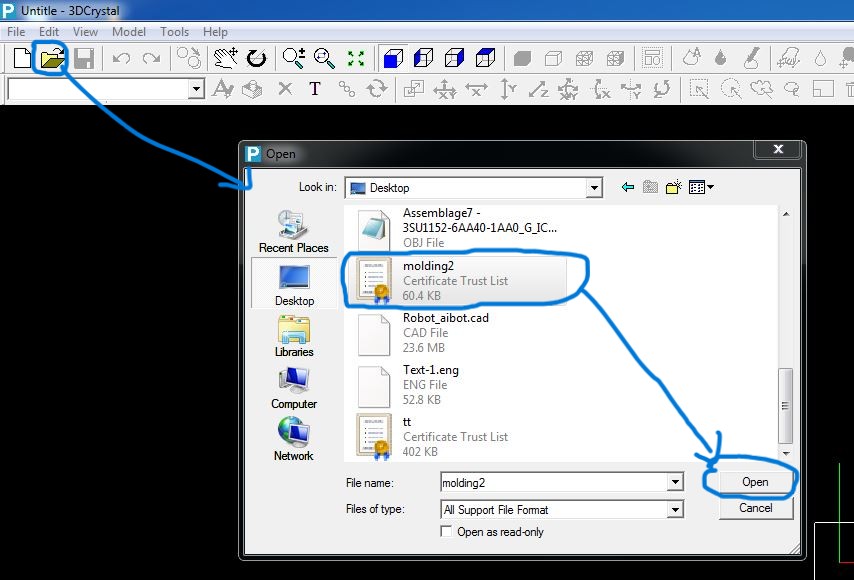
Opening the 3D Model File
- Launch the 3D Crystal software.
- Go to File > Open, select your 3D model file, and click Open.
Tip
If the model appears too large and extends outside the crystal boundary, right-click and select Fit to Crystal Size.
 

Setting the Crystal Size
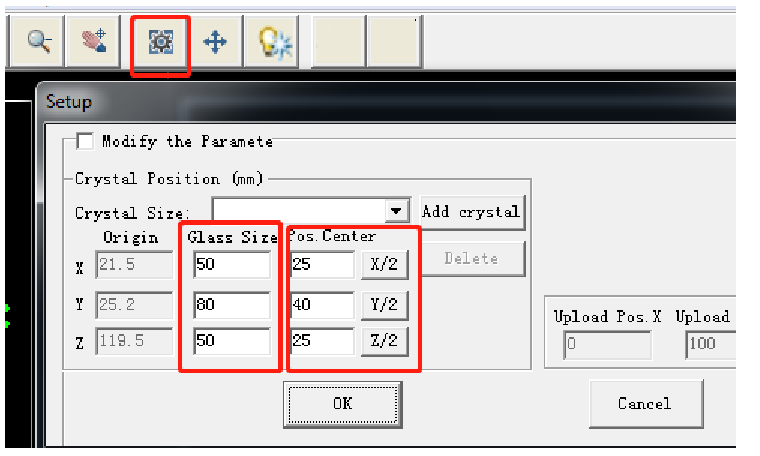
- Adjust the crystal size by modifying the Size field: 50 × 80 × 50 mm.
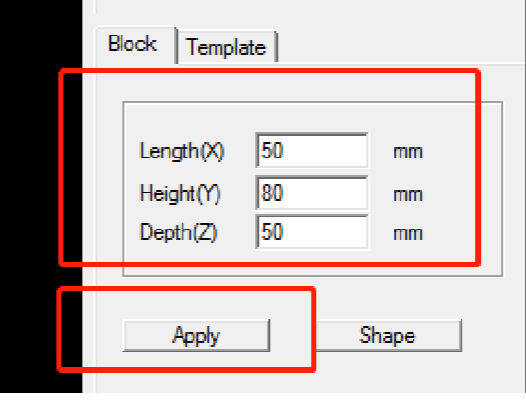
- Use the directional buttons in the interface to adjust the view orientation.

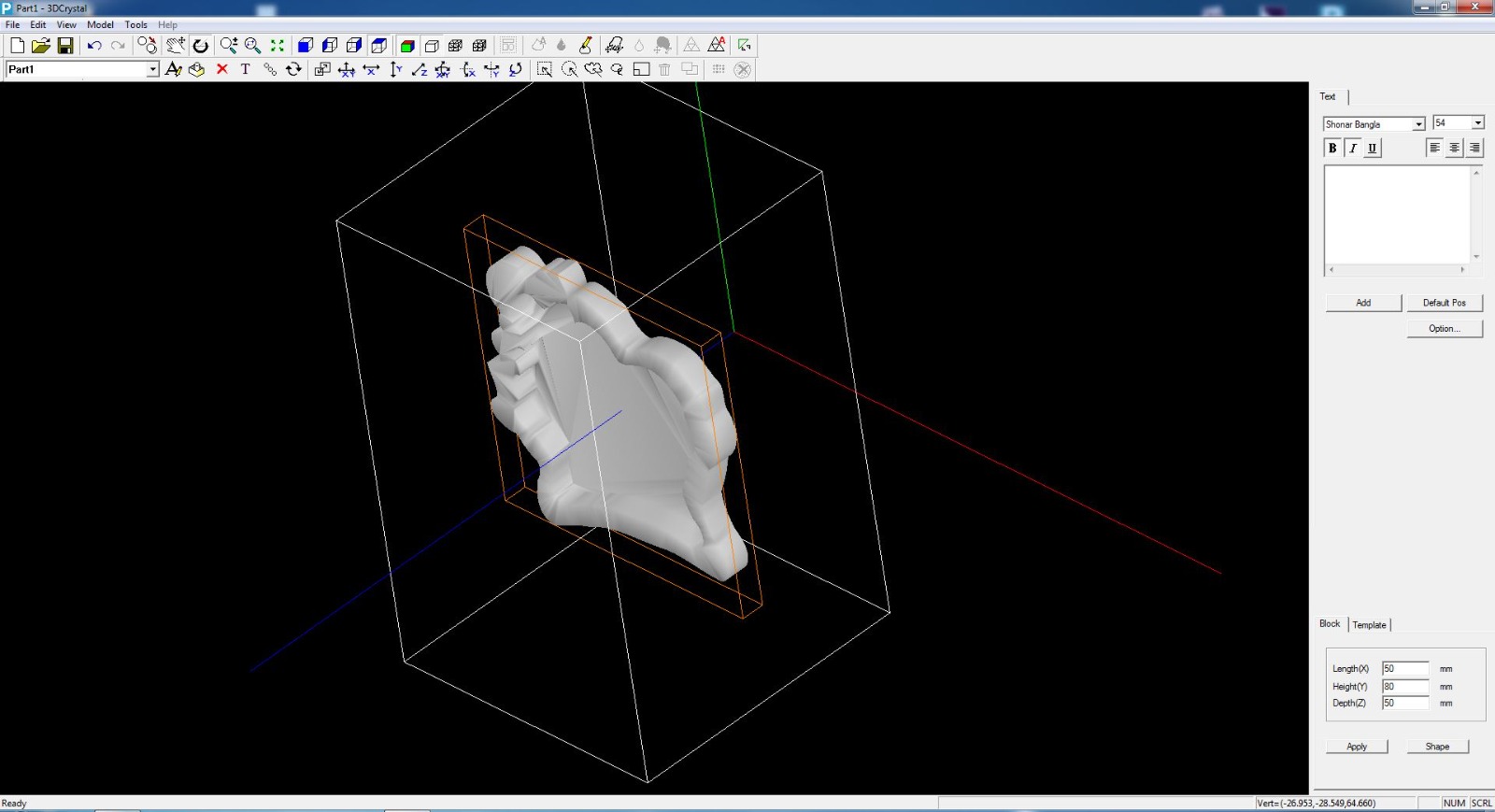
- Resize the model to approximately 90% of the crystal size so the model stays fully inside the block.

Here is the 3D model positioned inside the crystal volume in the software:
Generating the Point Cloud
- Right-click on the model and select Generate Point Cloud.
- Configure the parameters as follows:
| Parameter | Range | Value Used |
|---|---|---|
| Hori | 0.08 – 0.12 | 0.1 |
| Layer Num | 3 – 5 | 5 |
| Distance | 0.15 – 0.45 | 0.2 |
360° Coverage
We use 360-degree points for full 3D coverage of the model.
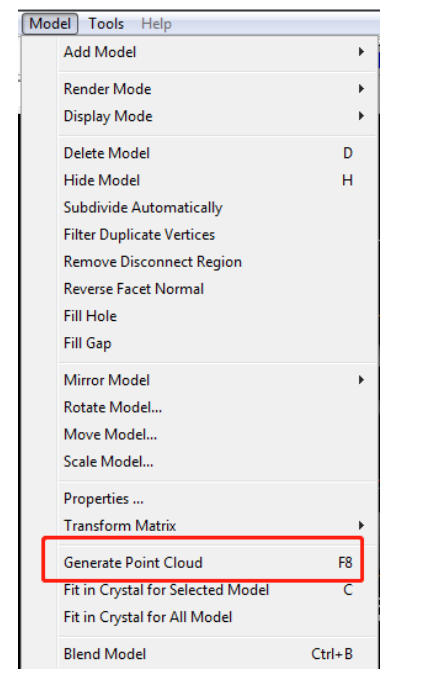
Once generated, combine the model points with any text annotation if needed.
Exporting the File
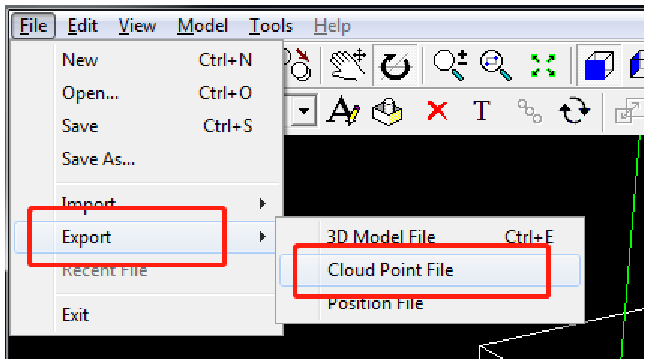
- Go to File > Export.
- Name your file and save it in
.cadformat.

3. Engraving the Crystal
Opening the File in Laser Control Software
- Launch the Laser Control software.
- Go to File > Open, select your
.cadfile, and click Open.
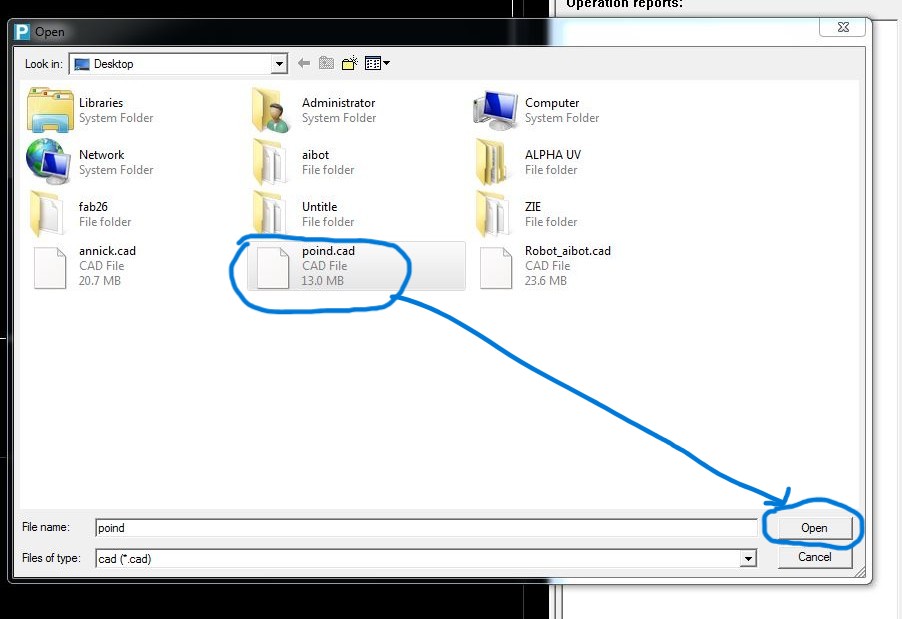
Setting Up the Machine
- Since we are using a 50 × 80 × 50 mm crystal block, press X/2, Y/2, and Z/2 to set the laser to the center position.
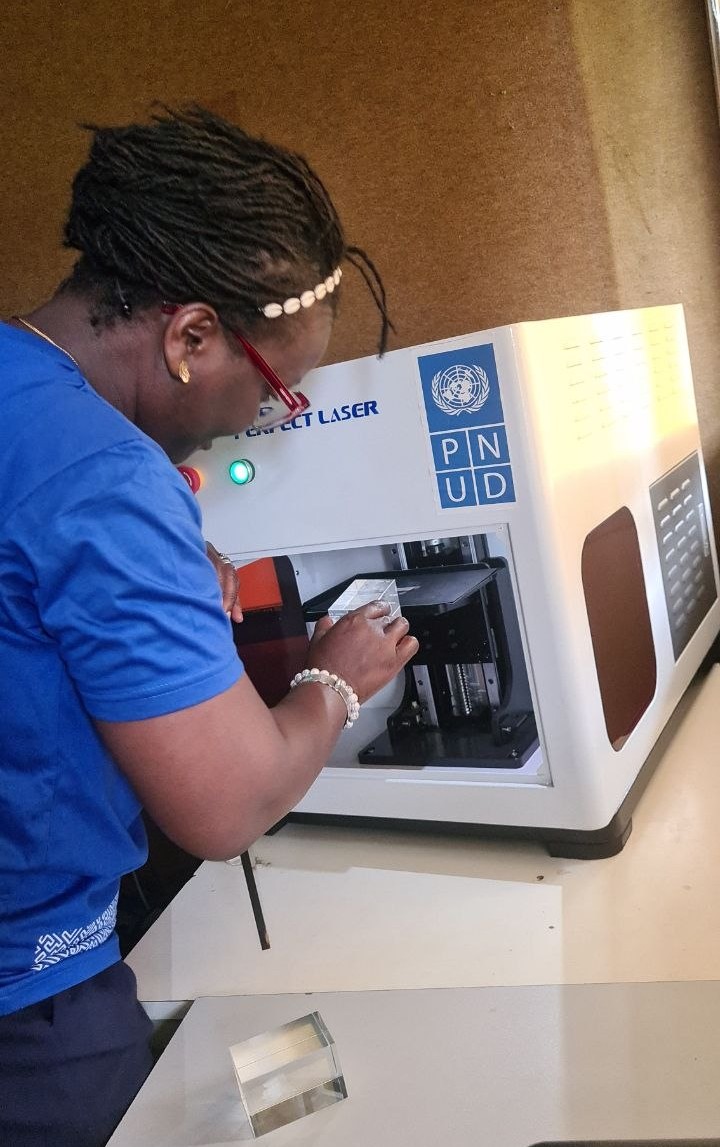
- Place the crystal block on the machine bed.
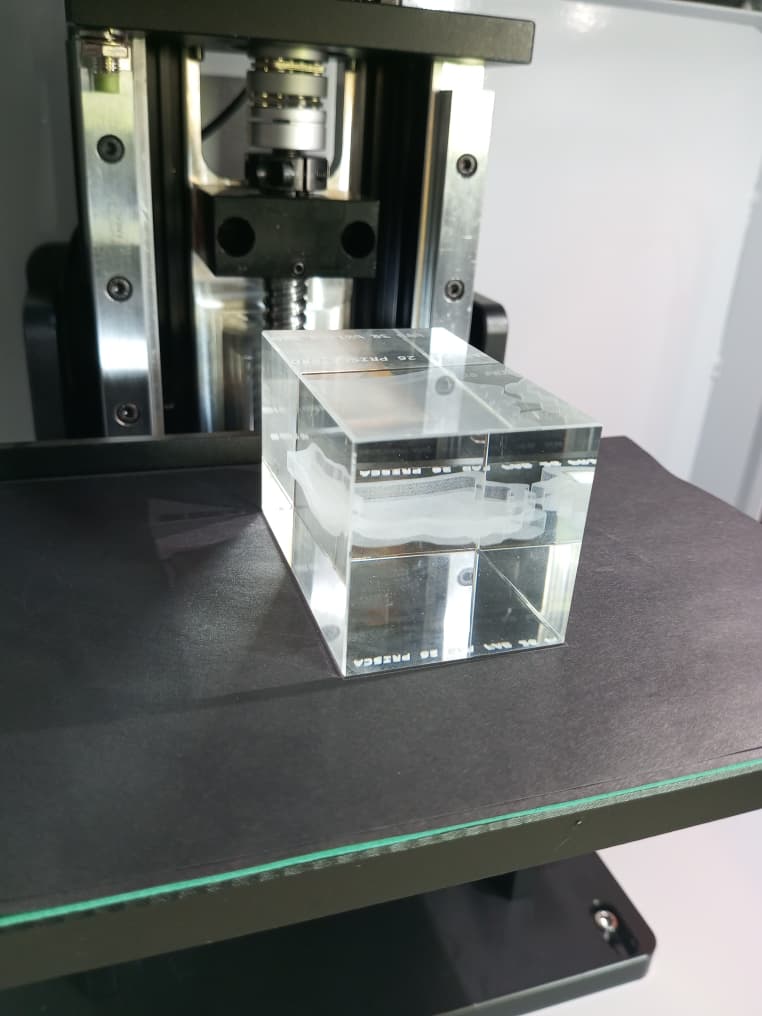
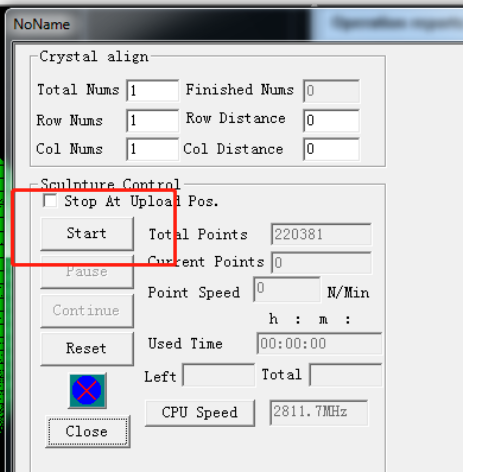
- Click the Light button to preview the laser alignment on the crystal.
- Press Start to begin engraving.
Safety
Never look directly at the laser beam during operation. Always keep the machine cover closed while engraving is in progress.
Hero Shots
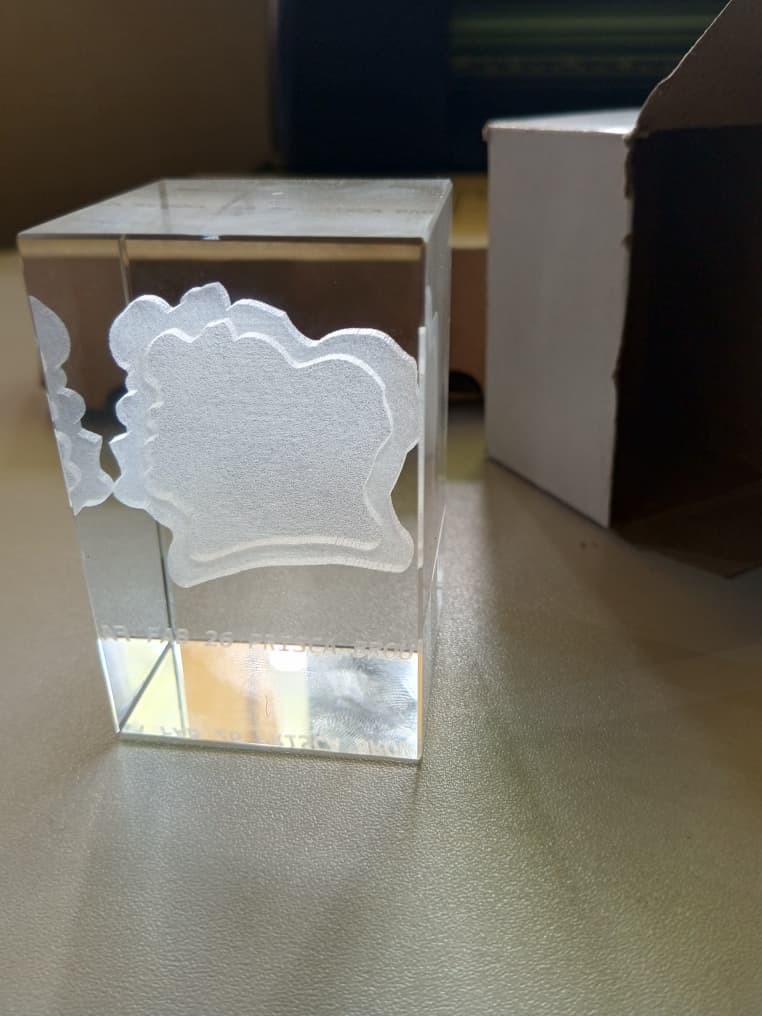
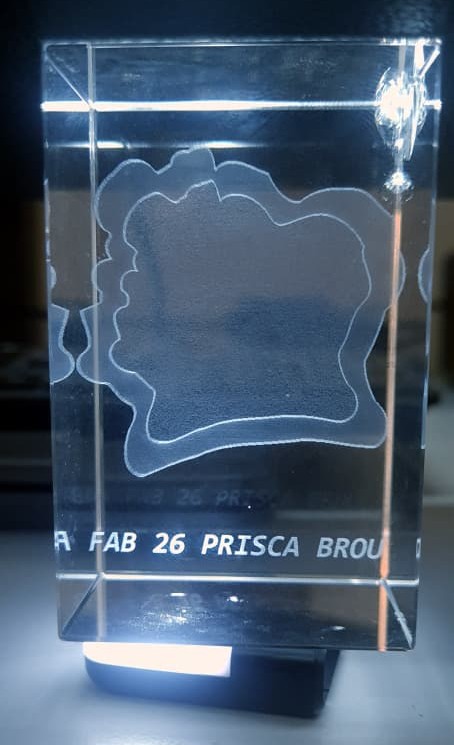
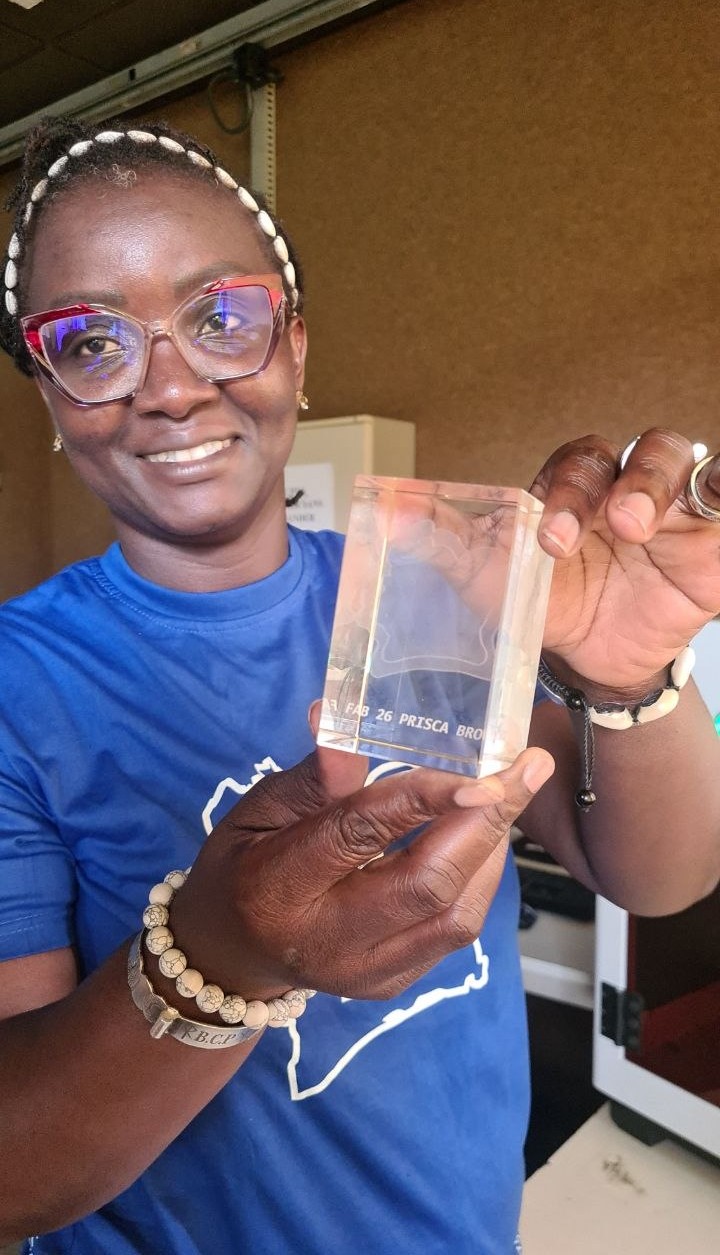
The final result: a 3D laser-engraved crystal with a precise volumetric model captured inside the transparent block.
Files
| File | Description |
|---|---|
| Download project files | 2D model |
| Download project files | 3D model |