Week 10: Output Devices
Assignment:
- Group: measure the power consumption of an output device.
- Individual: add an output device to a microcontroller board you've designed, and program it to do something.
Exploring the output devices in the lab
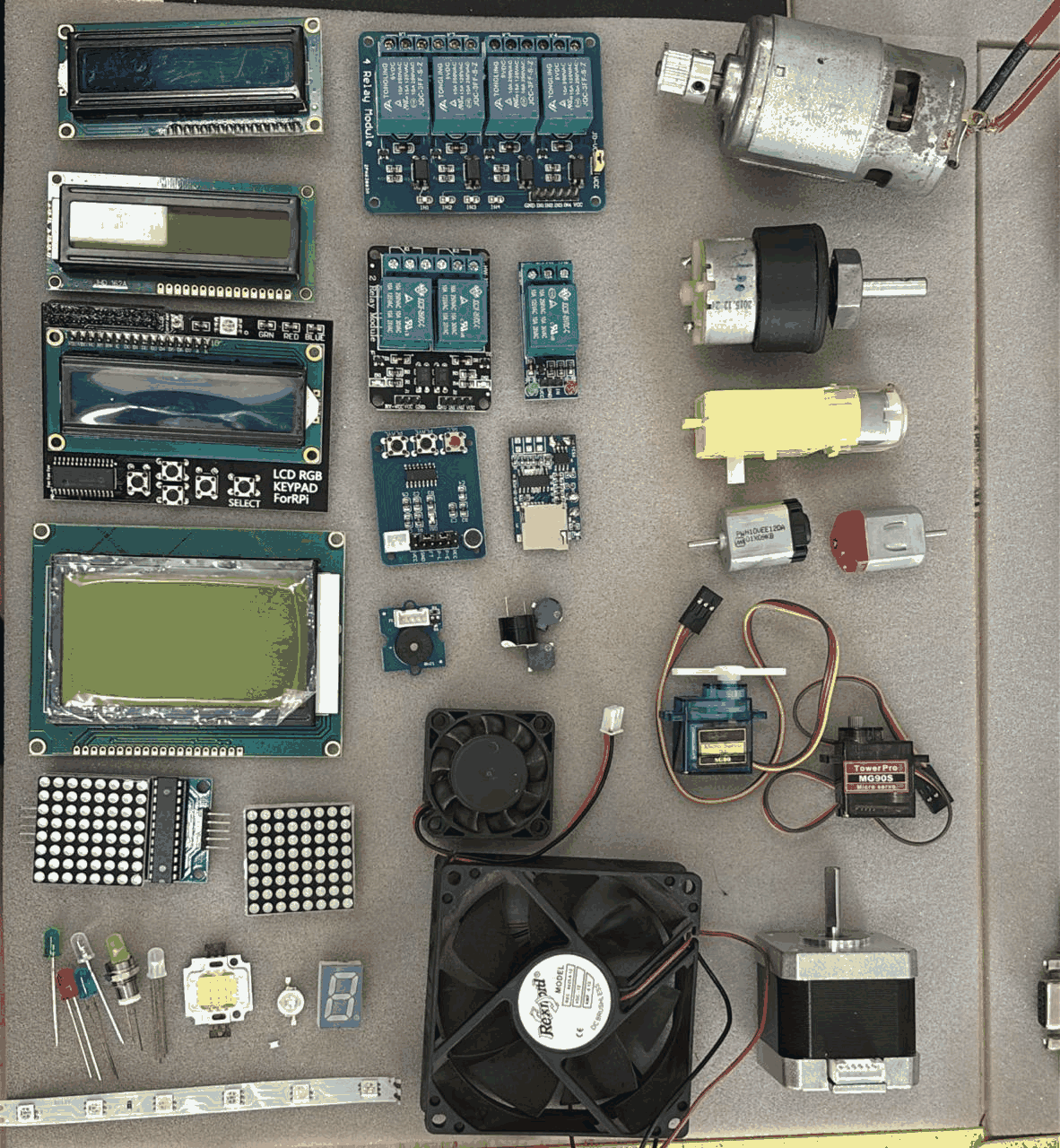
🖥️ LCD Displays (16x2 / Graphic LCD / LCD Keypad)
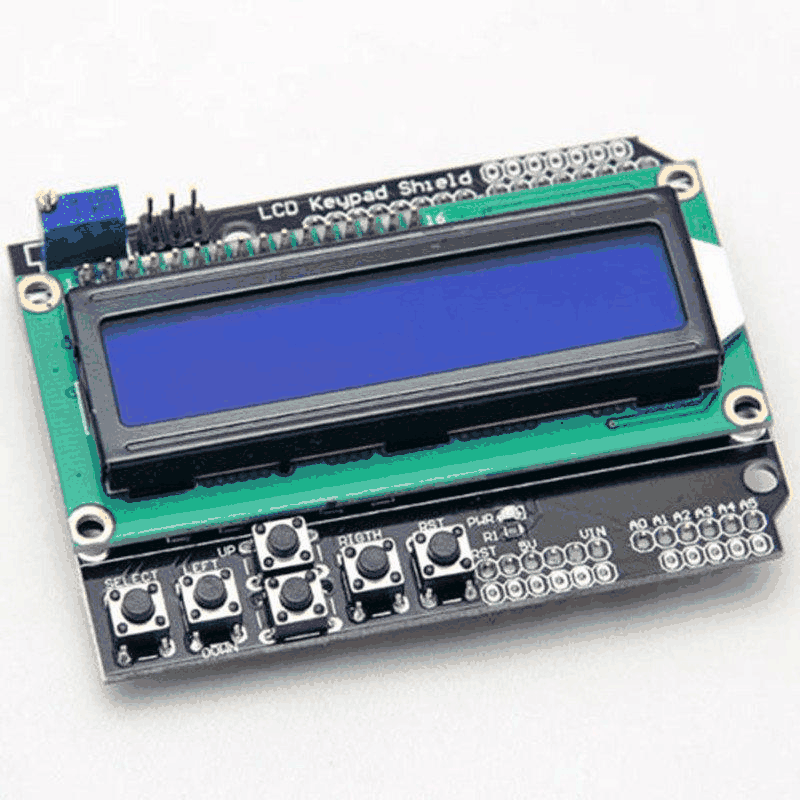 LCD displays are output devices used to visually present information such as text, numbers, and system status. The 16x2 LCD can display 16 characters per line across two lines, making it suitable for basic user interfaces. Graphic LCDs allow more complex visuals like icons and patterns. The LCD keypad shield integrates buttons for user input along with display output. These modules communicate with microcontrollers using parallel or I2C interfaces. They are widely used in embedded systems for real-time feedback and monitoring.
🔁 Relay Modules (1-Channel / Multi-Channel)
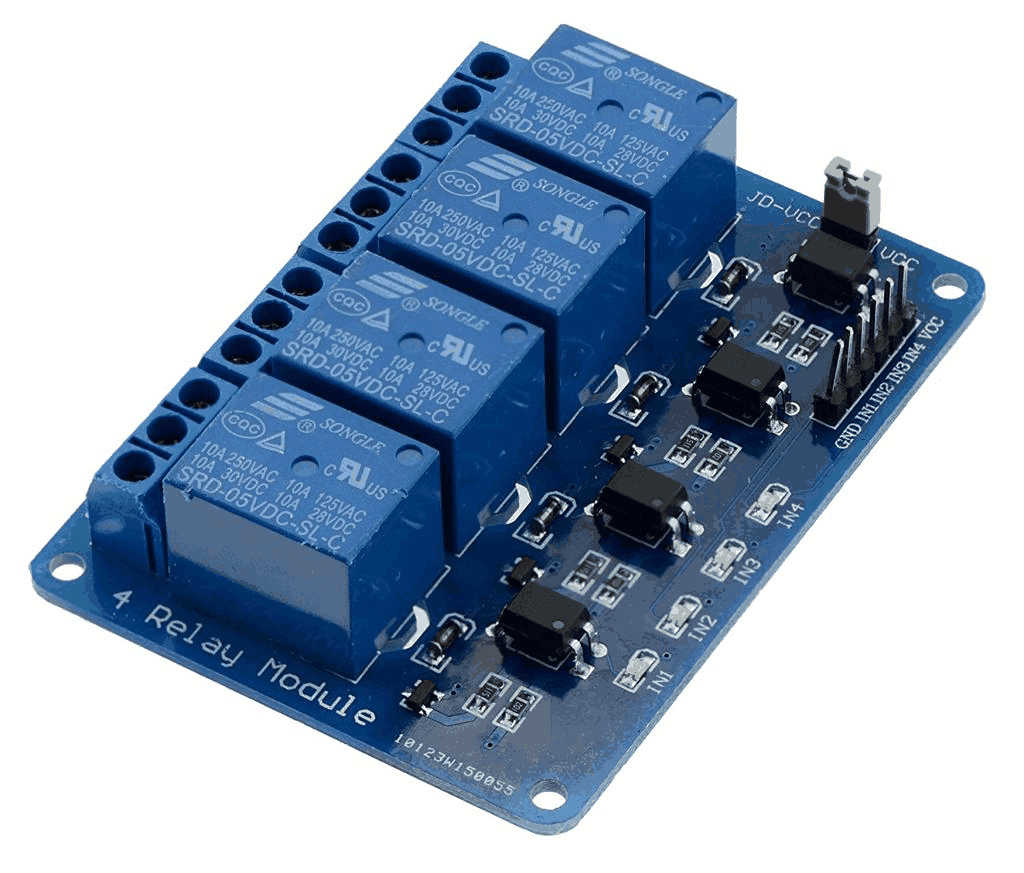 Relay modules are electrically operated switches used to control high-power devices using low-power signals. They allow microcontrollers to safely switch AC appliances like motors, lights, or pumps. Multi-channel relays can control multiple devices independently. These modules often include optocouplers for isolation and protection. When triggered, the relay physically connects or disconnects a circuit. They are essential in automation systems where electrical isolation and safety are required.
⚙️ DC Motors (Various Types)
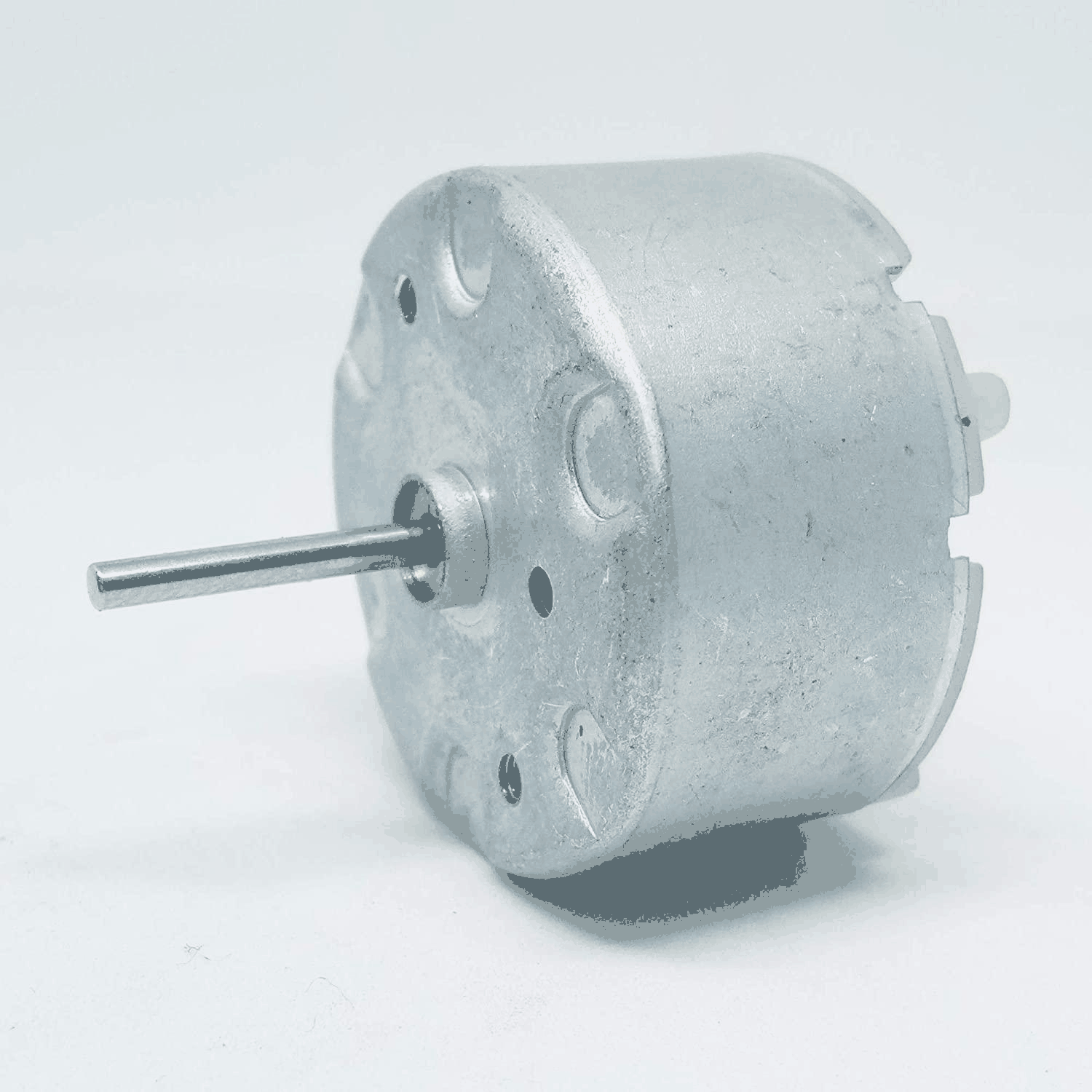 DC motors convert electrical energy into rotational mechanical motion. They are commonly used in robotics, fans, and mechanical systems. Different types shown include high-speed motors and geared motors for torque applications. The speed of a DC motor can be controlled using PWM signals. They are simple to operate but require motor drivers for proper control. These motors are widely used for movement and actuation tasks.
🔄 Servo Motors (SG90 / MG90S)
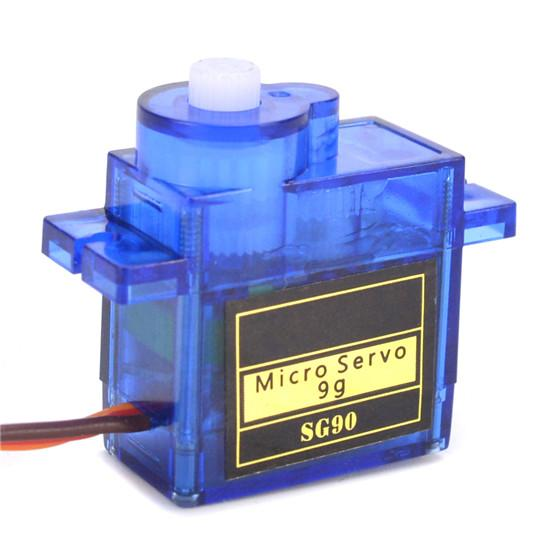 Servo motors are precise rotational actuators used to control angular position. Unlike DC motors, they can move to a specific angle based on PWM signals. They are ideal for applications like robotic arms, hands, and controlled mechanisms. The SG90 is a lightweight plastic gear servo, while MG90S offers higher strength with metal gears. Servos have built-in control circuits for accurate positioning. They are essential where controlled motion is required.
🌀 Cooling Fans (DC Fans)
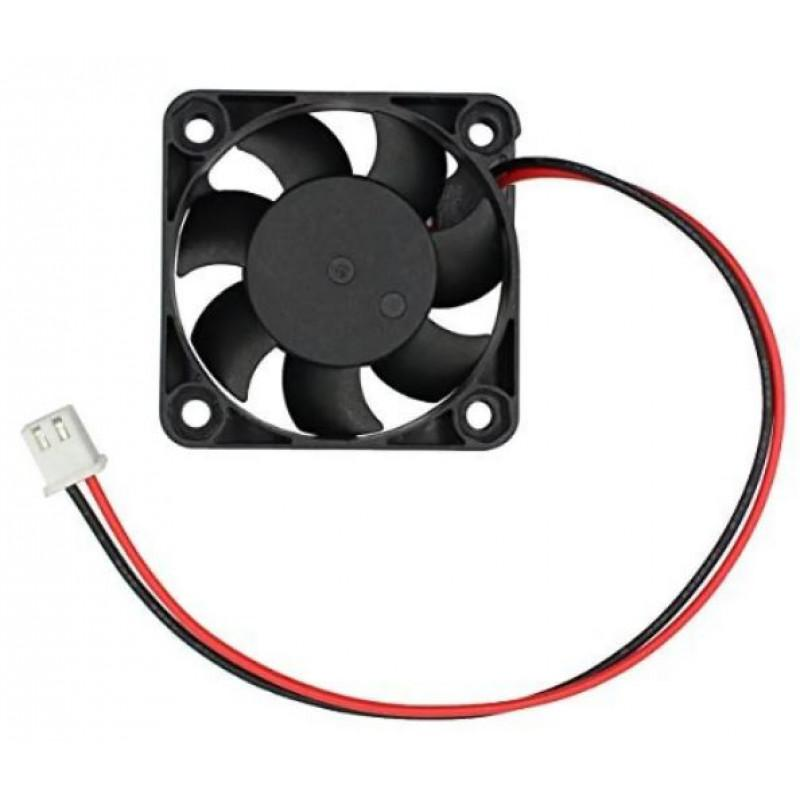 Cooling fans are used to dissipate heat from electronic components and maintain safe operating temperatures. They work by rotating blades to create airflow across heat-generating devices. Small fans are used in compact circuits, while larger fans are used in high-power systems. They operate on DC voltage and can be controlled via PWM or simple switching. Proper cooling improves system reliability and lifespan. These are commonly used in power electronics and embedded systems.
🔢 LED Matrix Displays
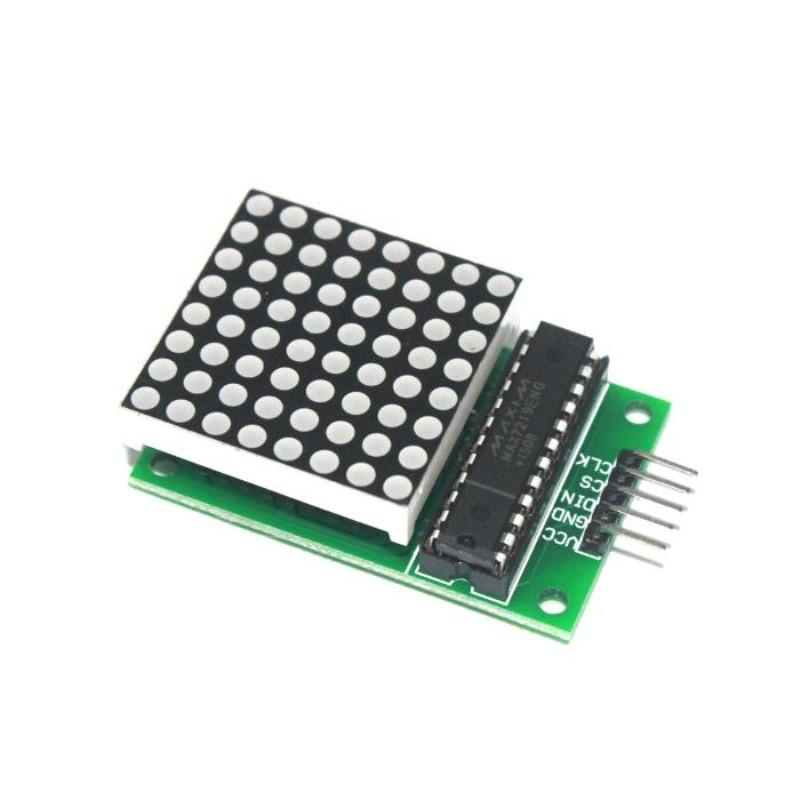 LED matrix displays consist of multiple LEDs arranged in rows and columns to display patterns or text. They are used for visual output such as animations, scrolling messages, and indicators. The matrix is controlled using driver ICs that manage multiplexing. These displays are efficient for compact visual communication. They are widely used in signage, clocks, and interactive projects. Their modular nature allows expansion for larger displays.
💡 LEDs (Various Types including High Power LED)
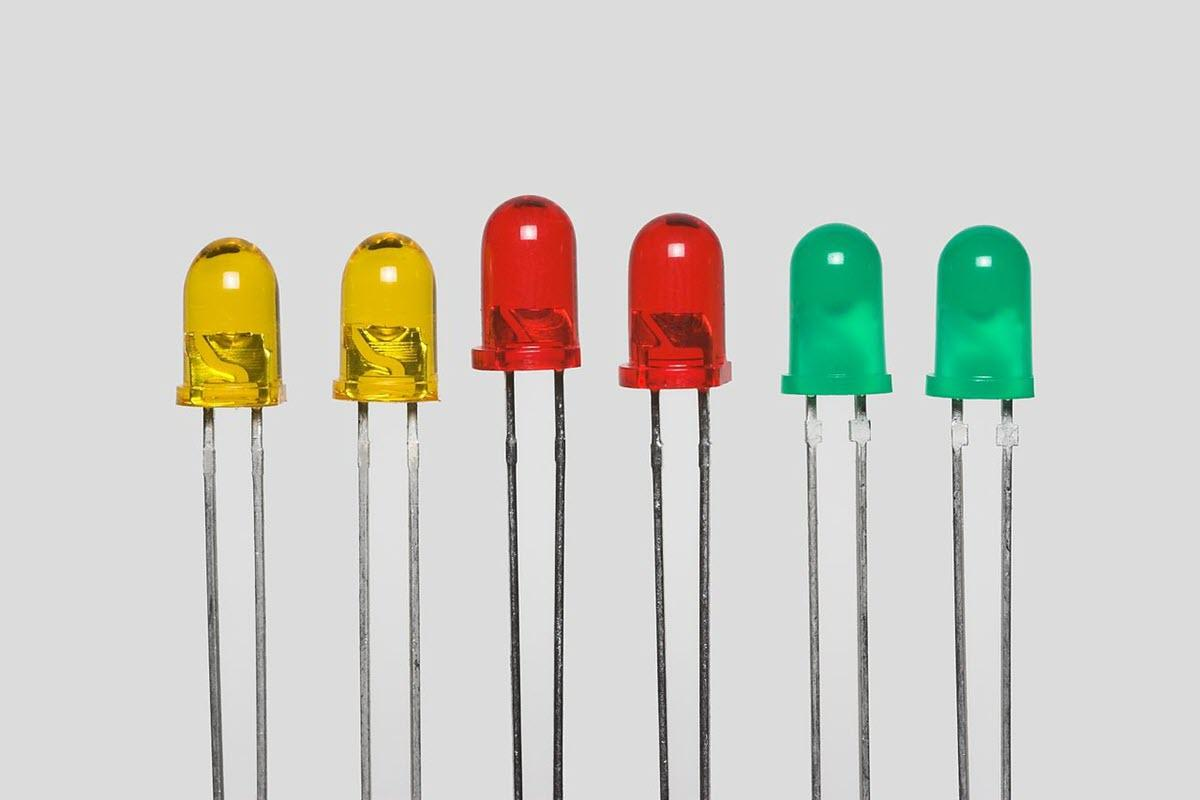 LEDs (Light Emitting Diodes) are basic output devices used for indication and illumination. They emit light when current flows through them. Different colors represent different statuses in a system. High-power LEDs provide intense brightness for lighting applications. They are energy-efficient, long-lasting, and widely used in electronics. LEDs are often the first output device used in prototyping and debugging.
🔊 Buzzer Module
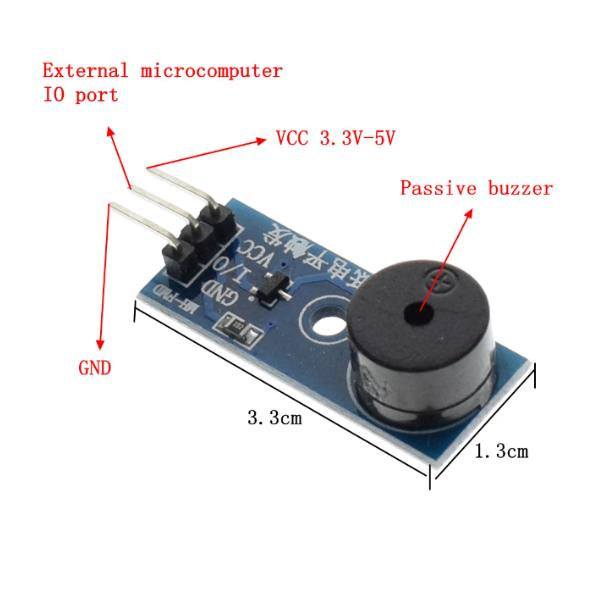 Buzzers are audio output devices used to generate sound signals like beeps or alarms. They are commonly used for alerts, notifications, and feedback in embedded systems. Active buzzers produce sound directly when powered, while passive buzzers require signal input. They are easy to interface with microcontrollers. Buzzers consume low power and are compact. They are widely used in security systems and user interaction feedback.
🔢 7-Segment Display
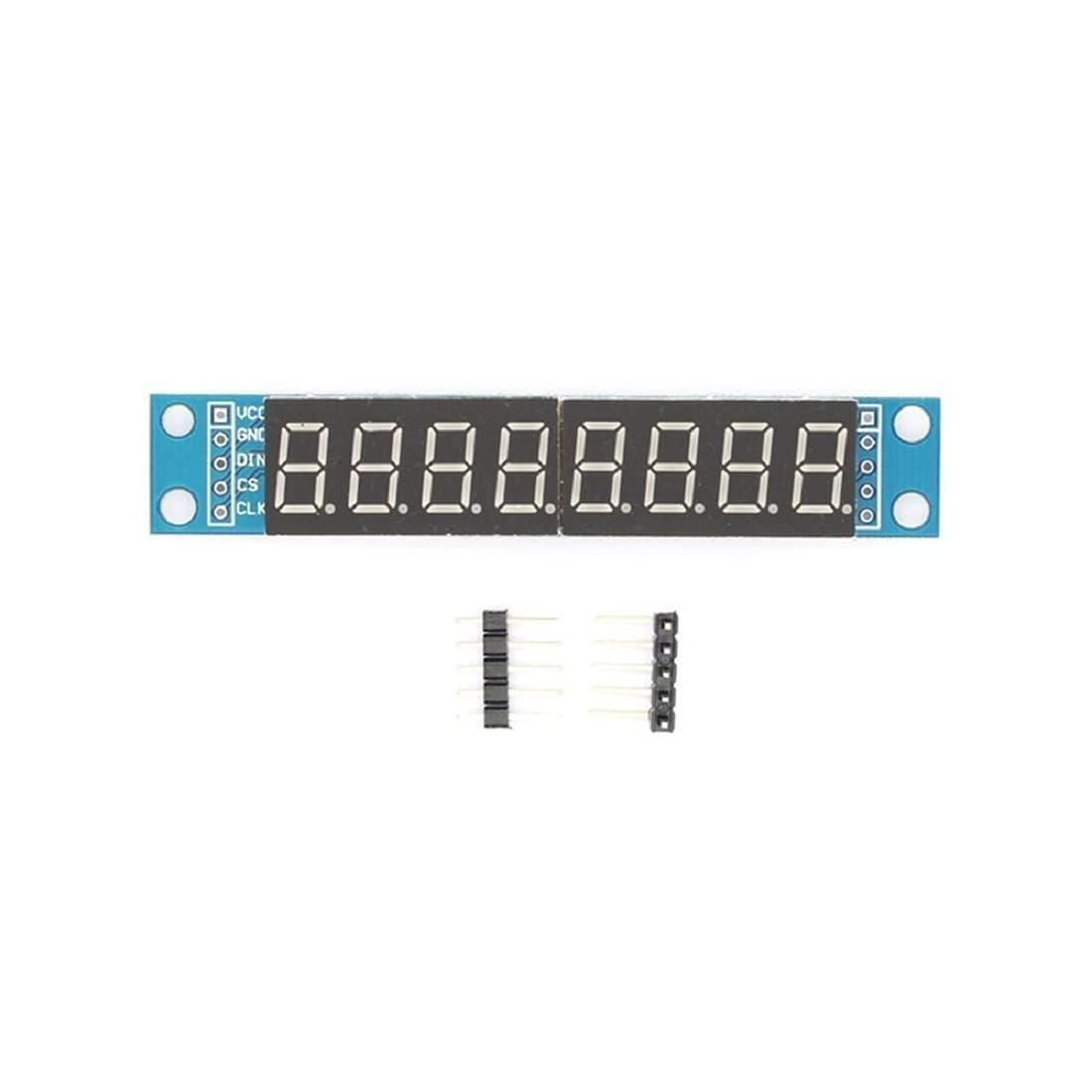 A 7-segment display is used to show numerical digits using seven individual LED segments. Each segment can be controlled to form numbers from 0 to 9. It is commonly used in digital clocks, counters, and measurement devices. These displays can be driven directly or using driver ICs. They are simple, cost-effective, and easy to read. Their straightforward design makes them ideal for numeric output applications.
⚙️ Stepper Motor
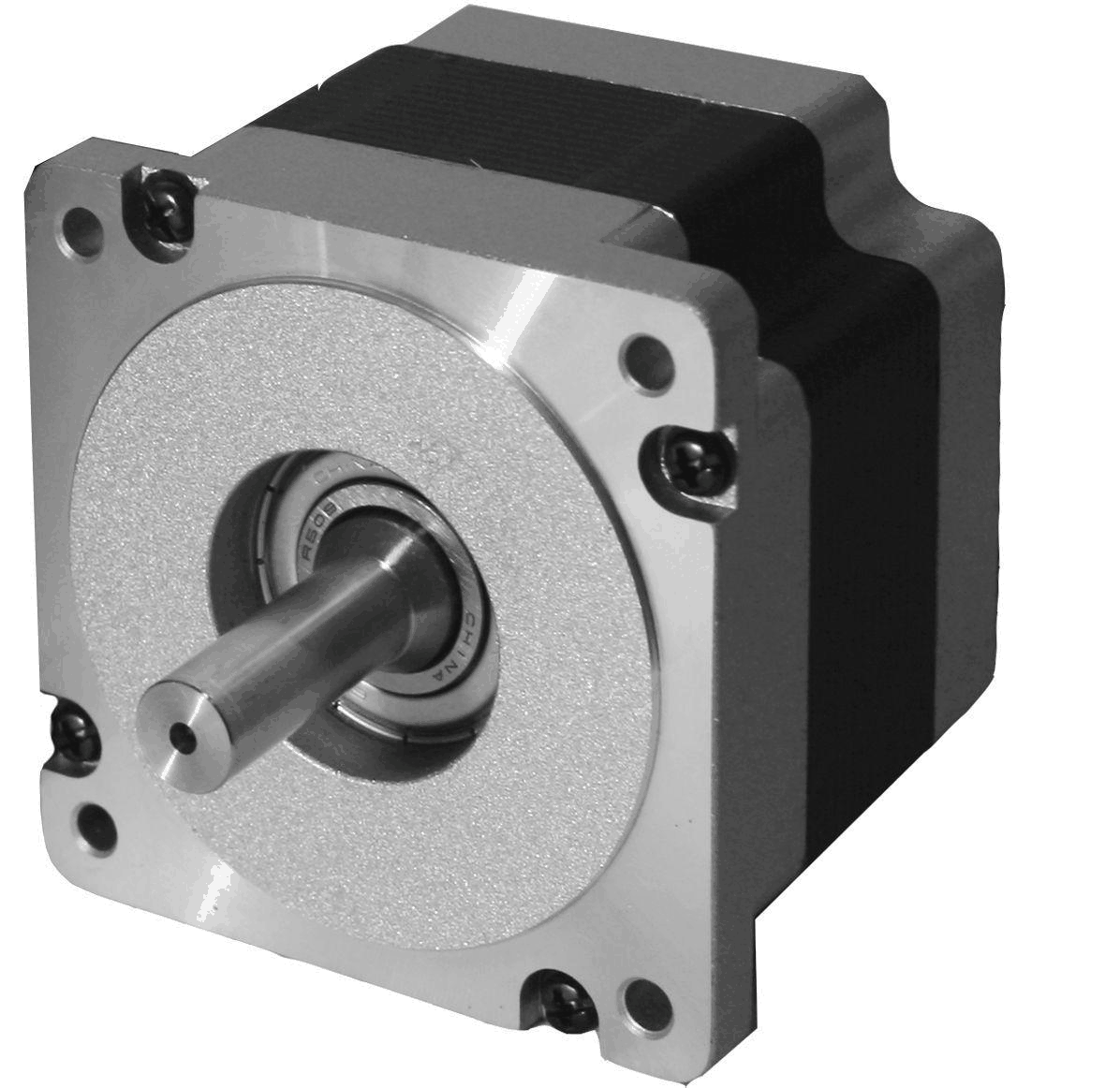
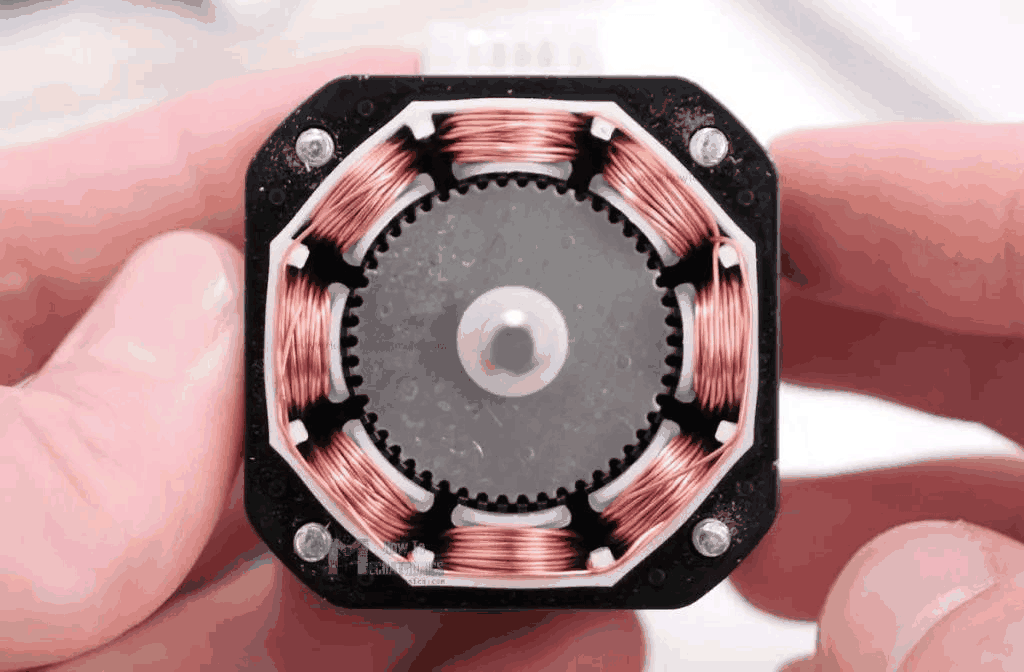 Stepper motors are precise motors that move in discrete steps rather than continuous rotation. This allows accurate control over position and speed. They are commonly used in CNC machines, 3D printers, and robotics. Each step corresponds to a fixed angle of rotation. They require a driver circuit to control the stepping sequence. Stepper motors are ideal for applications requiring precision and repeatability.
📀 Micro SD Card Module
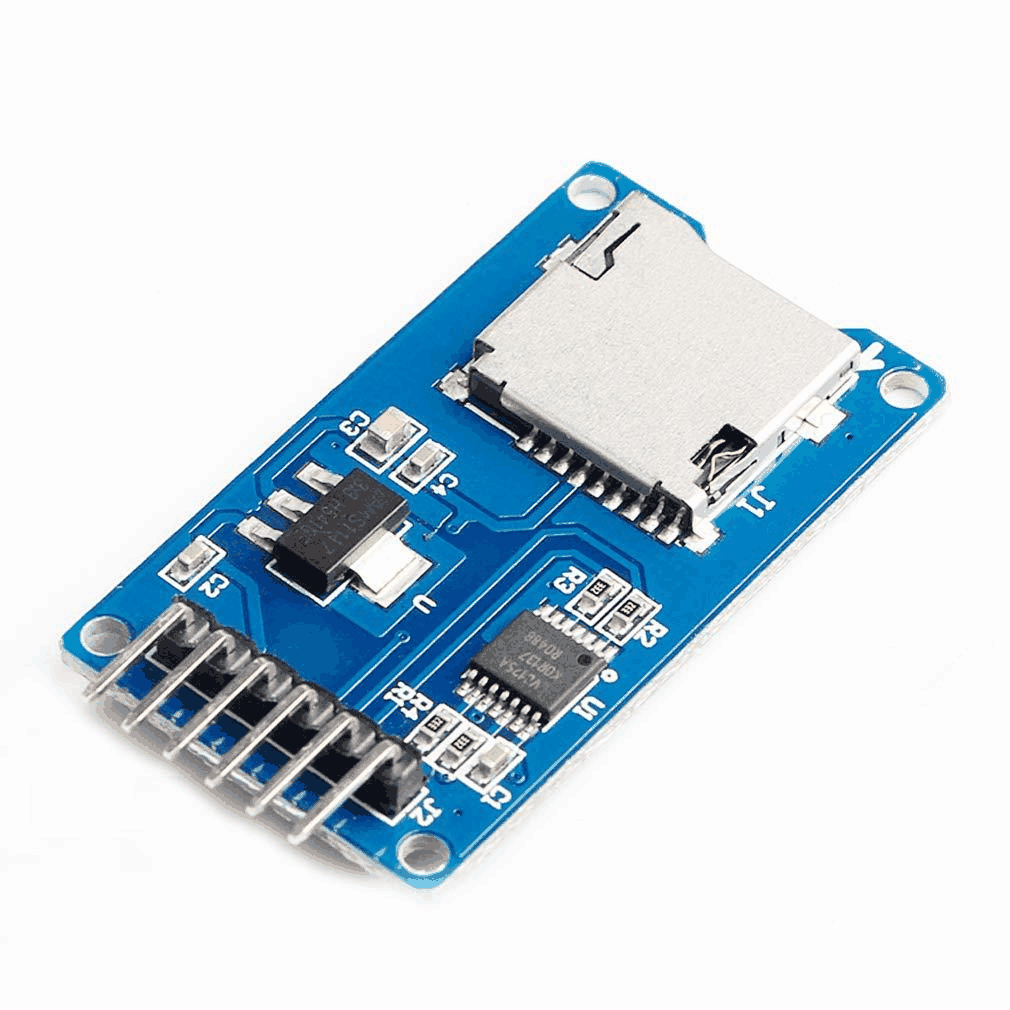 The micro SD card module is used for data storage and logging in embedded systems. It allows the system to save sensor data, logs, or configuration files. The module communicates with the microcontroller using SPI protocol. It supports removable storage, making data transfer easy. These modules are widely used in IoT and data acquisition systems. They are essential when persistent storage is required.
🎮 Push Button Module / Control Board
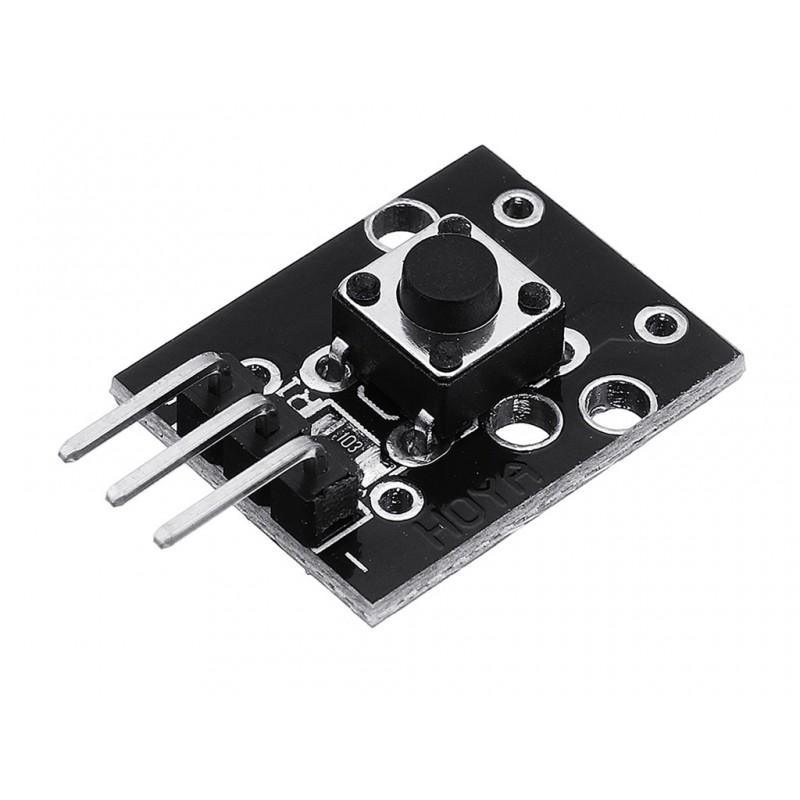 Push button modules are simple interface devices used for user interaction. They allow manual input to control system functions. Each button acts as a switch that sends a signal when pressed. These modules are often debounced in software or hardware. They are used in menus, controls, and triggering events. Their simplicity makes them essential in interactive embedded systems.
Capacitive touch sound system
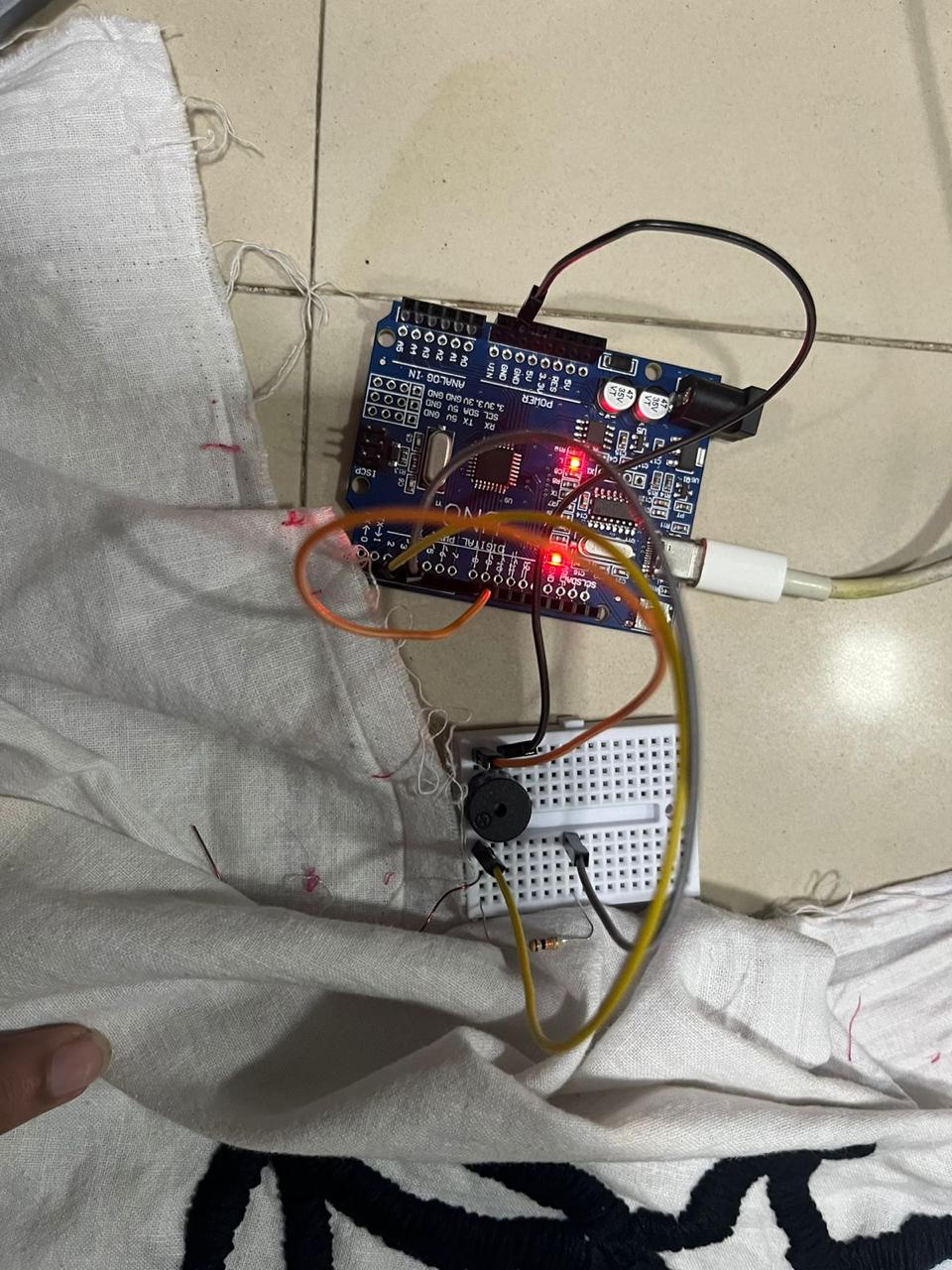
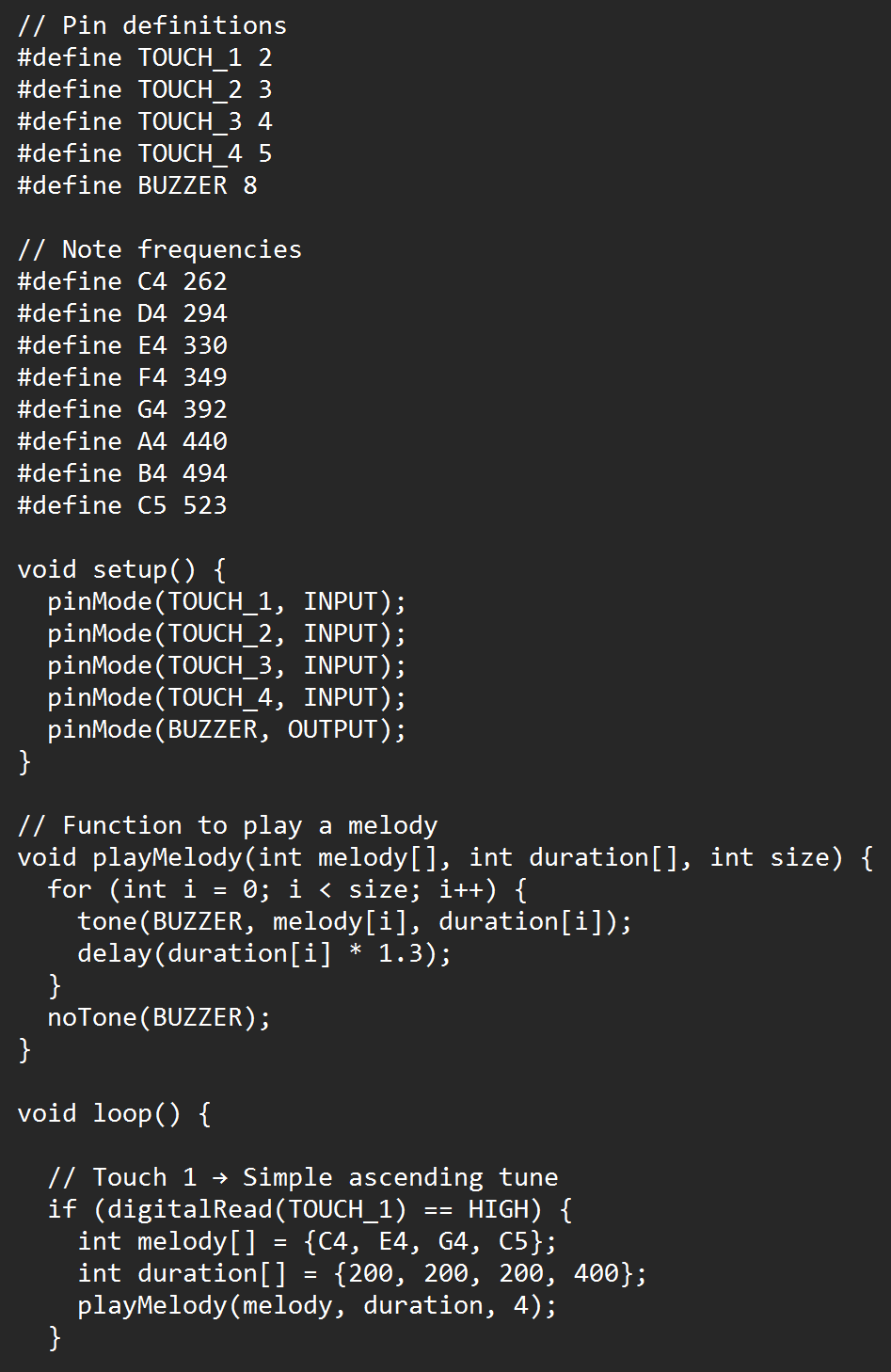
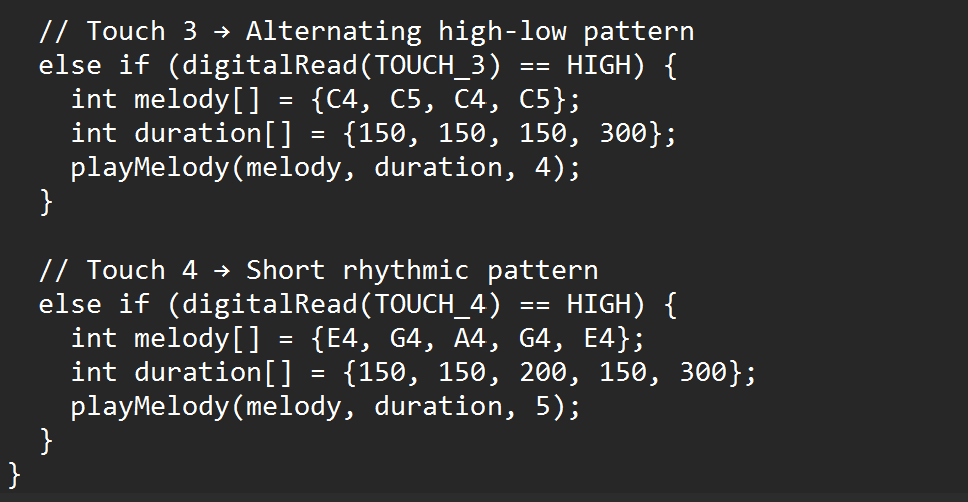
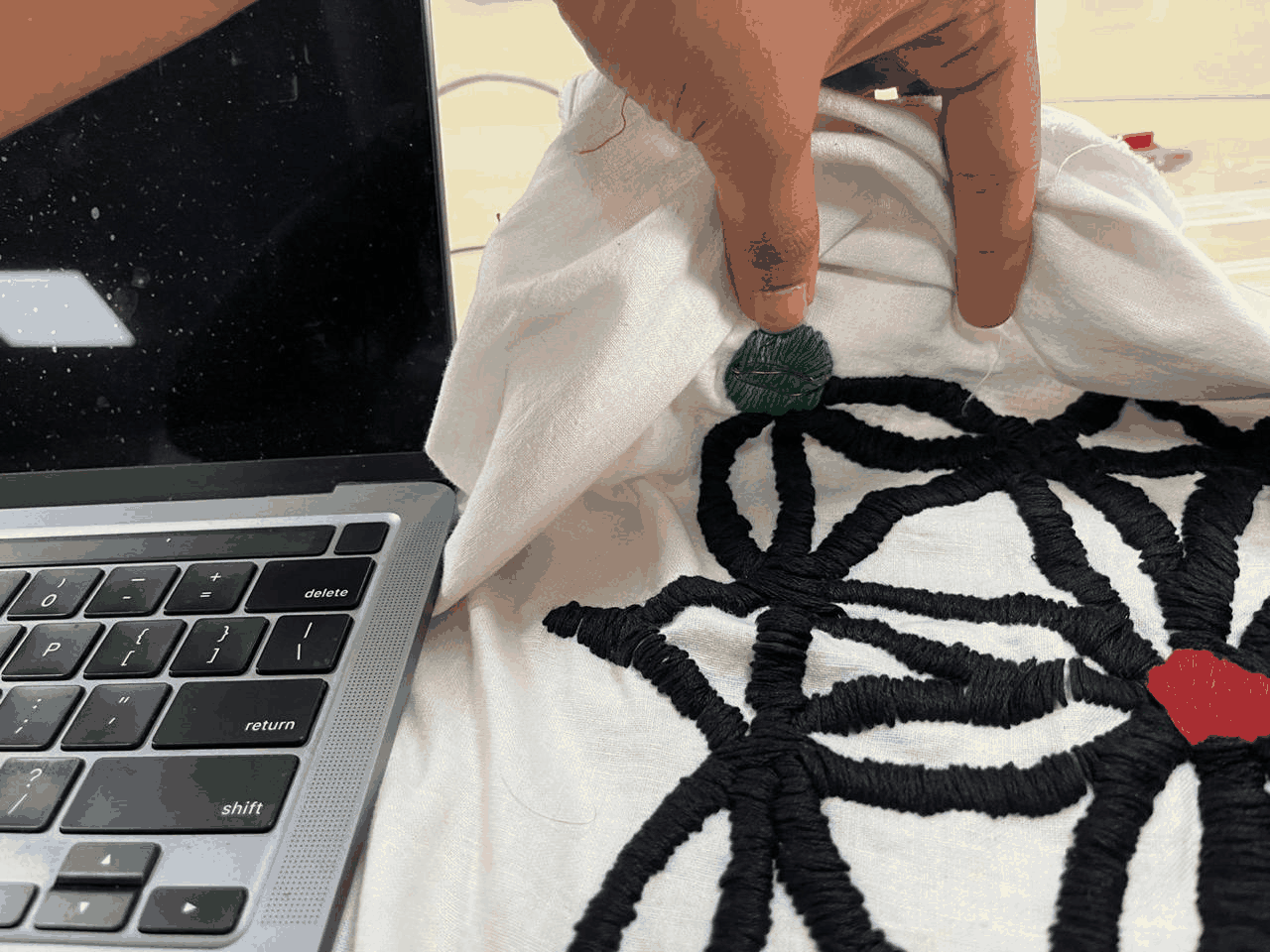
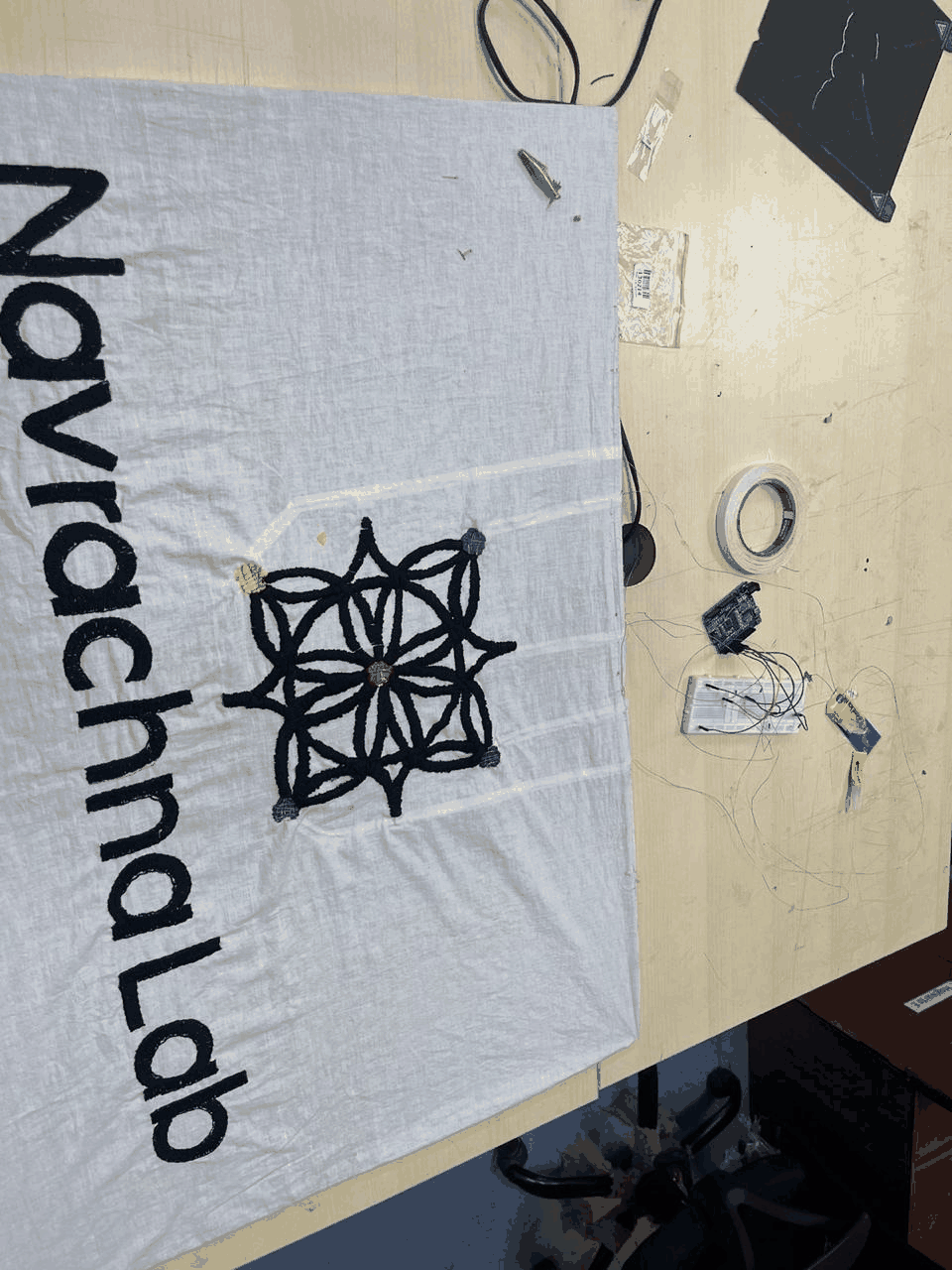
This project demonstrates a simple capacitive touch-based sound system using conductive copper points, a buzzer, and an Arduino Uno. Copper pads are placed at different locations on the fabric surface, acting as touch sensors. Each colored circle represents an individual touch point connected through wires to the breadboard and microcontroller pins.
When a user touches any copper point, the human body introduces a small capacitance change, which is detected by the microcontroller. Based on the touched input, the system triggers a corresponding predefined tone or melody through the buzzer. Each touch point is mapped to a unique sound, creating an interactive audio experience. The breadboard is used for quick prototyping and connections, while jumper wires link the copper pads, buzzer, and controller. This setup demonstrates the integration of interactive textiles, basic electronics, and sound generation in a simple and intuitive way.