Week 10: Output Devices
This week focuses on the output devices spicifically the power consumption of the output devices and how to test it.
What is Power and How to Calculate It?
Power is the rate at which energy is transferred or converted. In electrical circuits, power can be calculated using the formula: P = V x I, where P is power in watts, V is voltage in volts, and I is current in amperes and there is other formulas as well but I will focus on this one.
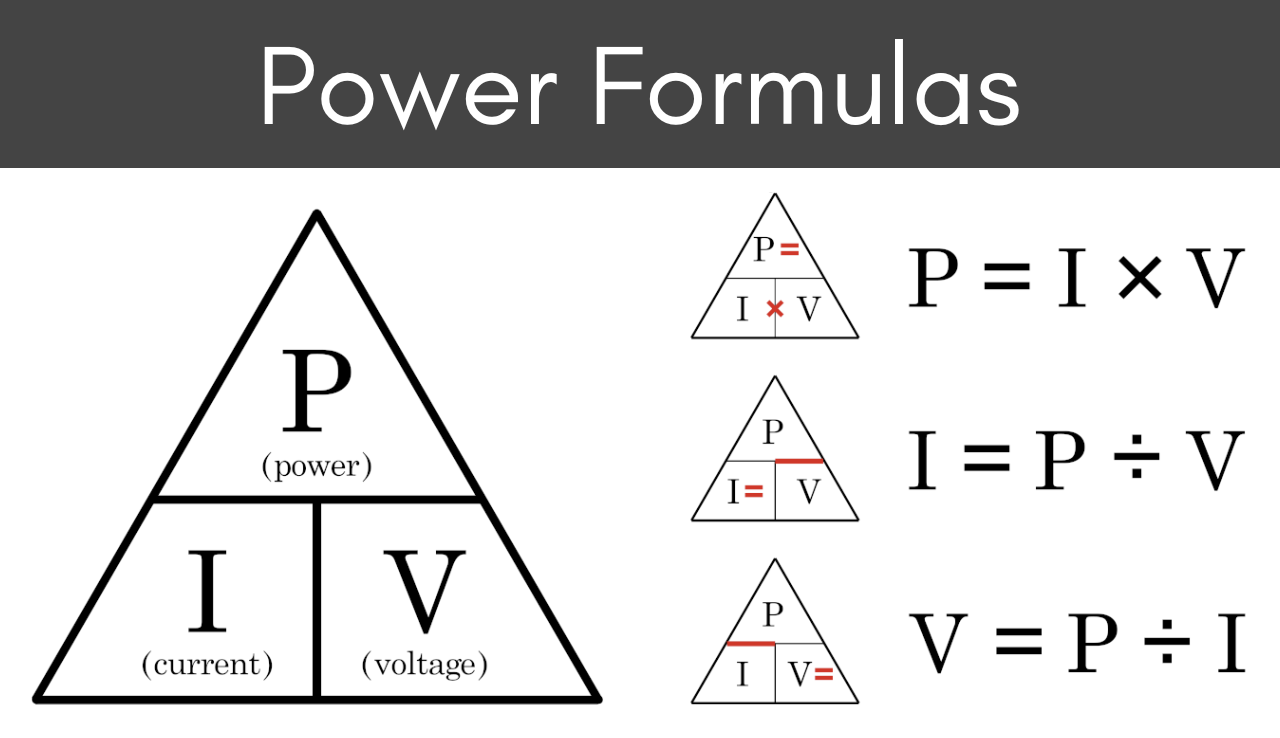
The power of output devices is always positive since they consume energy from the power source.
The power of output devices is an important consideration in electronic design, as it affects the overall efficiency and performance of the circuit.
How to Test Power Consumption
To test the power consumption of output devices, I use a multimeter to measure the voltage and current. Here are the steps to follow:
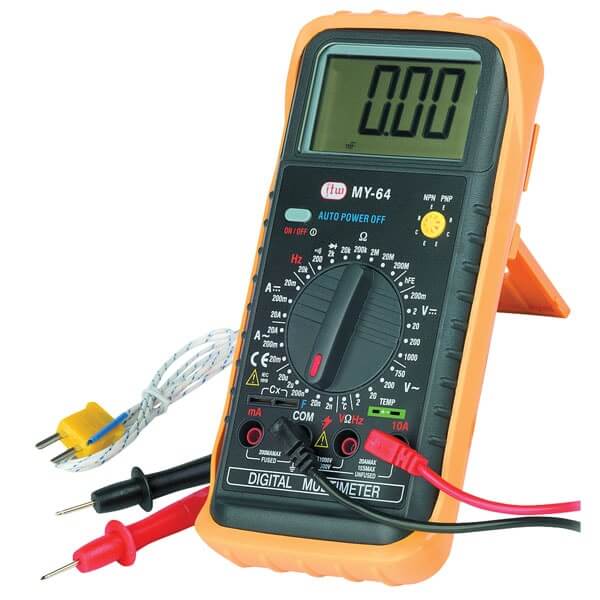
Here is a good reference about Multimeter Basics and how to use it for measusing voltage and current.
Testing current:
Testing voltage:
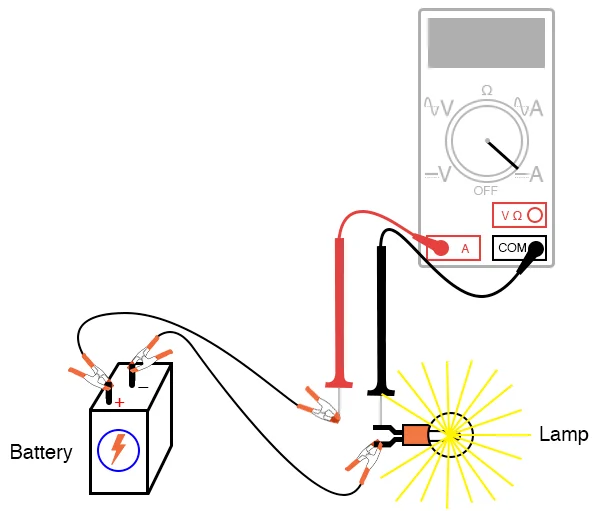
To measure current, set the multimeter to the appropriate current range (e.g., mA or A) and connect the multimeter in series with the output device. This means you need to break the circuit and insert the multimeter so that the current flows through it.
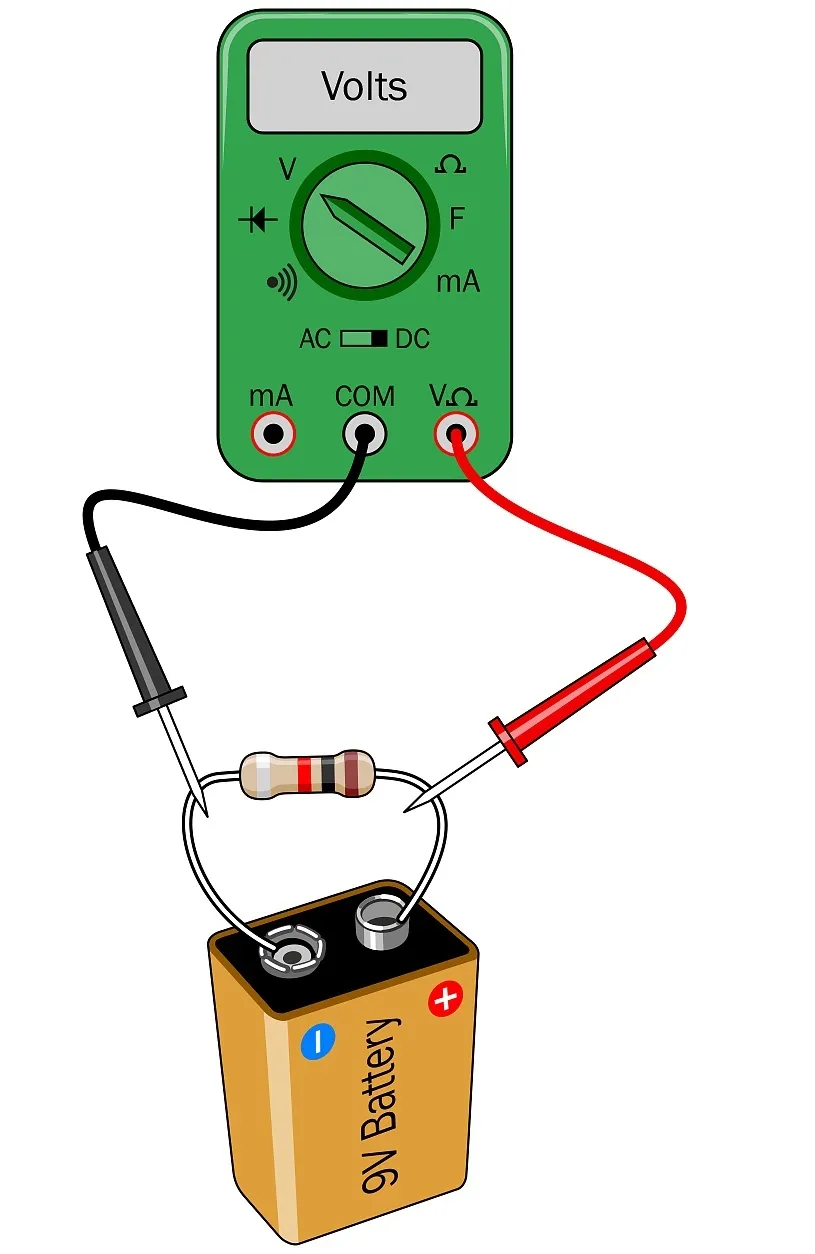
To measure voltage, set the multimeter to the appropriate voltage range (e.g., V) and connect the multimeter in parallel with the output device. This means you need to connect the multimeter probes across the output device terminals.
Calculating Power Consumption of Output Devices
To calculate the power consumption of output devices, you can use the formula: P = V x I, where P is power in watts, V is voltage in volts, and I is current in amperes.
For example, if you measure a voltage of 5 volts and a current of 0.2 amperes, the power consumption would be: P = 5 V x 0.2 A = 1 watt.
LCD vs OLED
In this section, I will test the power consumption of LCD and OLED displays and compare between them .
Connection:
Testing LCD:
Testing Current:
Testing Voltage:
Testing OLED:
Testing Current:
Testing Voltage:
Calculating Power Consumption:
- LCD Power Consumption: 5.19 × 0.0283 ≈ 0.147 W
- OLED Power Consumption: 5.2 × 0.0025 = 0.013 W
Comparison:
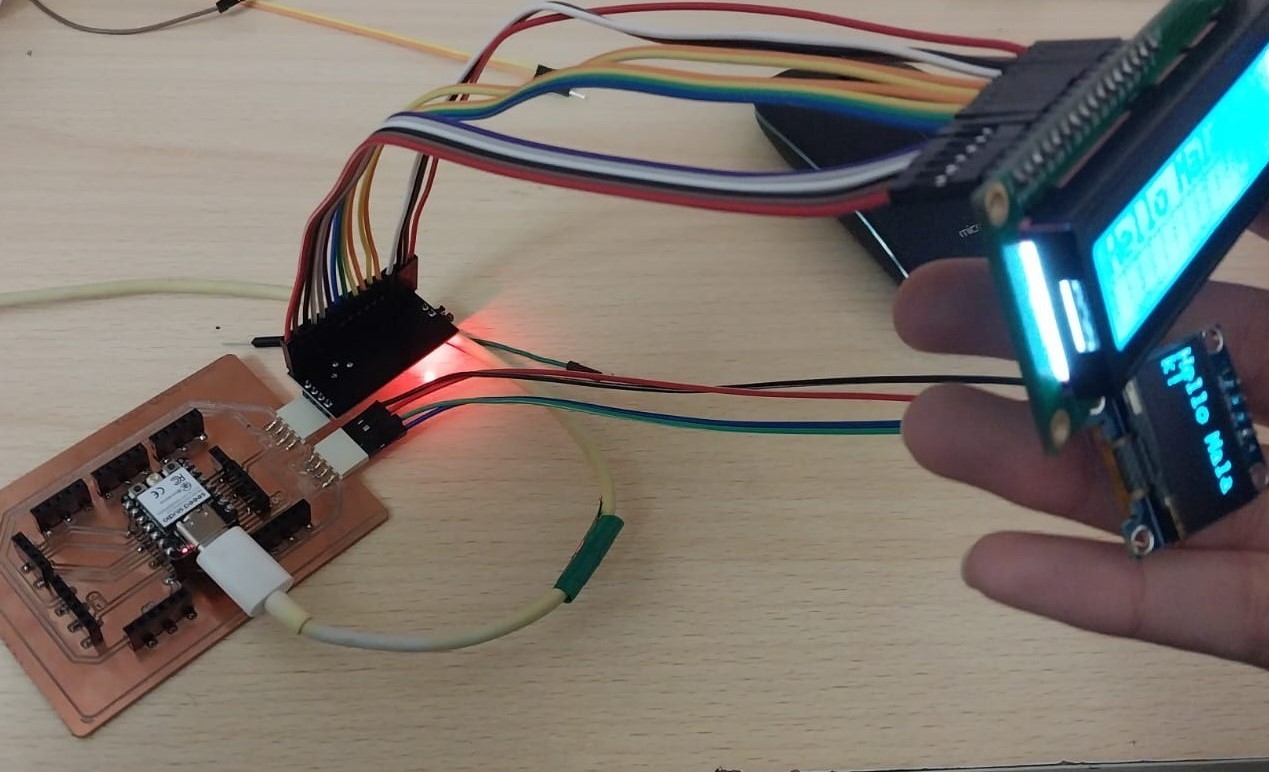
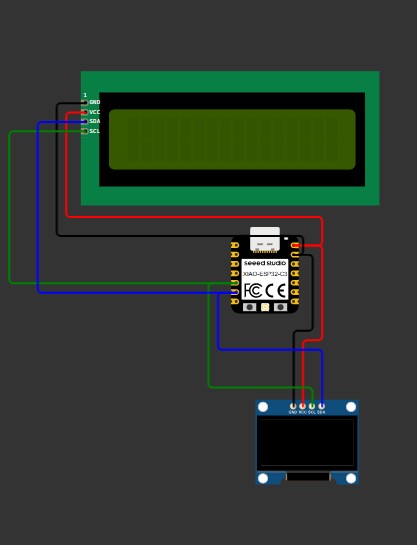
I connected the LCD and OLED displays to the Arduino and set up the circuit as shown in the figure below:
Here is the diagram using Wikwi
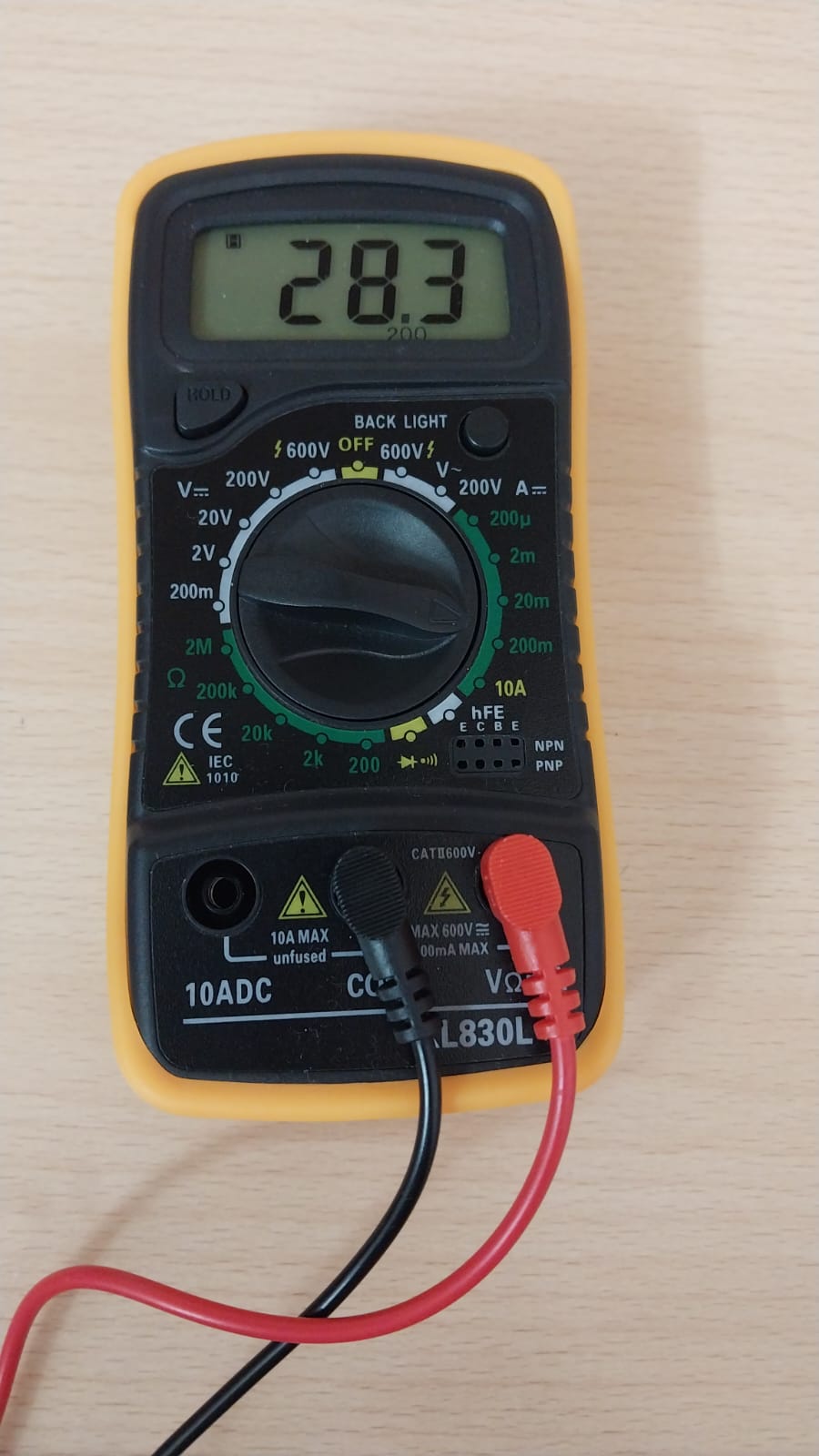
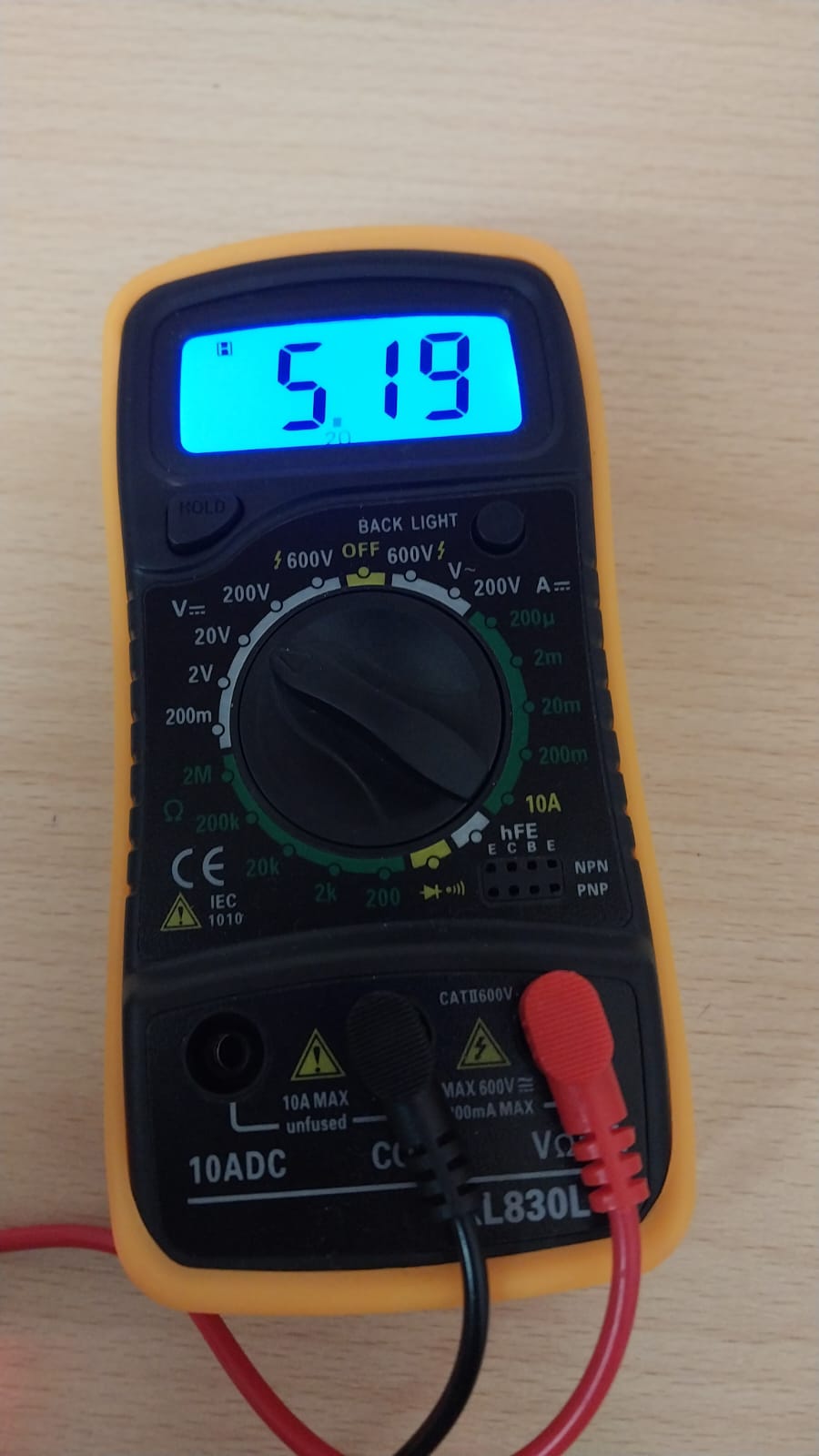
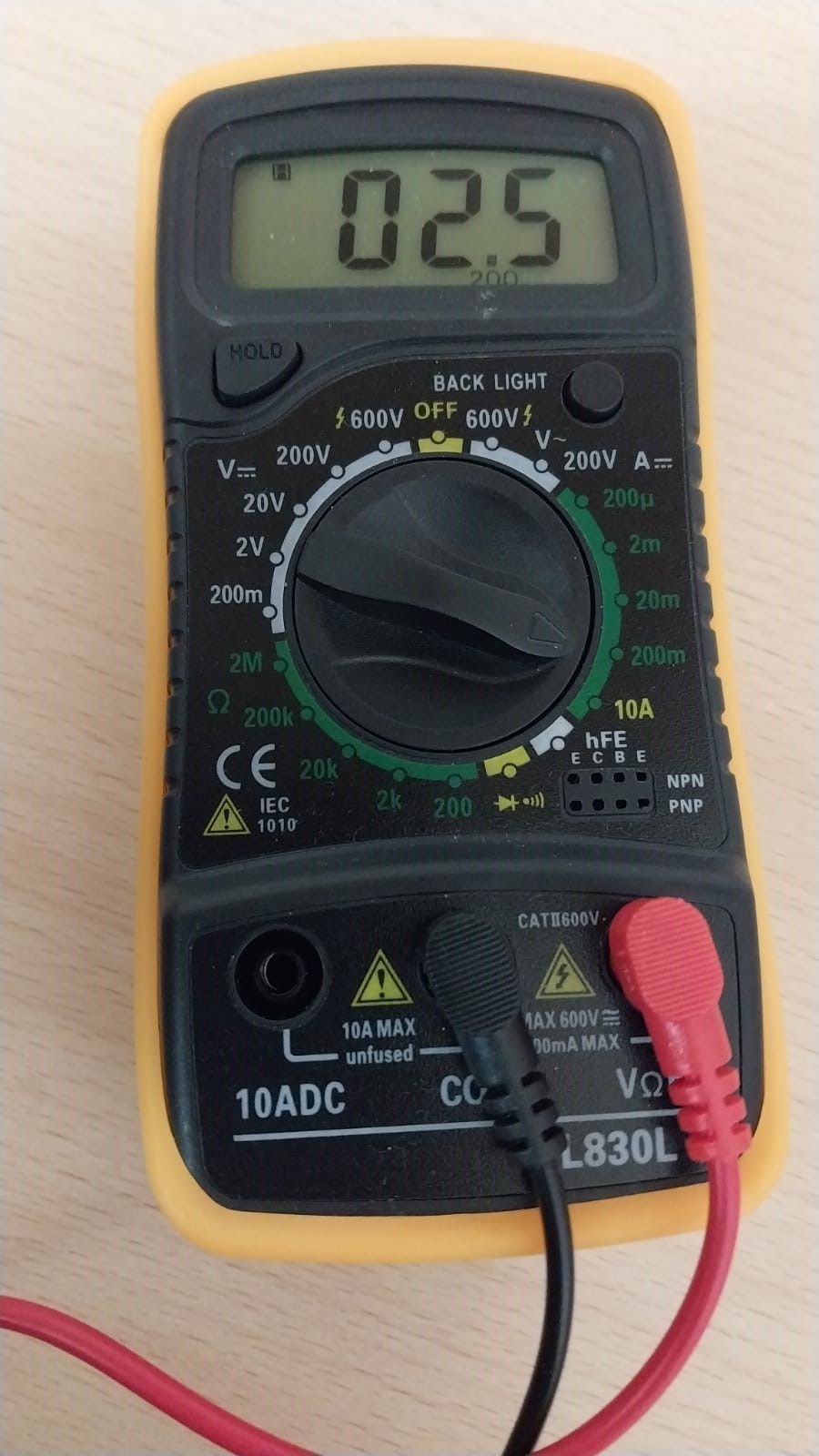
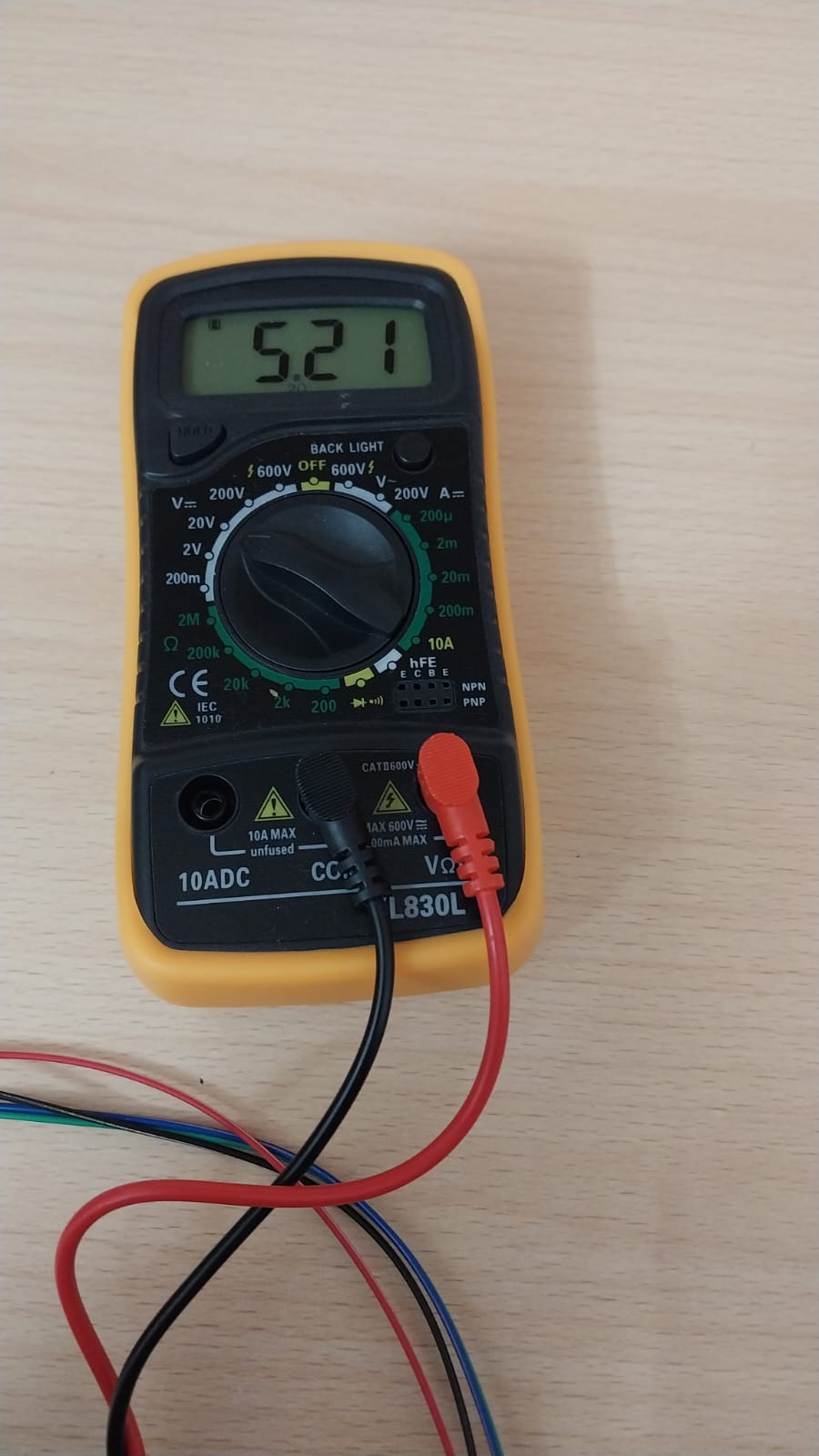
After measuring the voltage and current for both LCD and OLED displays, I calculated the power consumption using the formula P = V x I. The results are as follows:
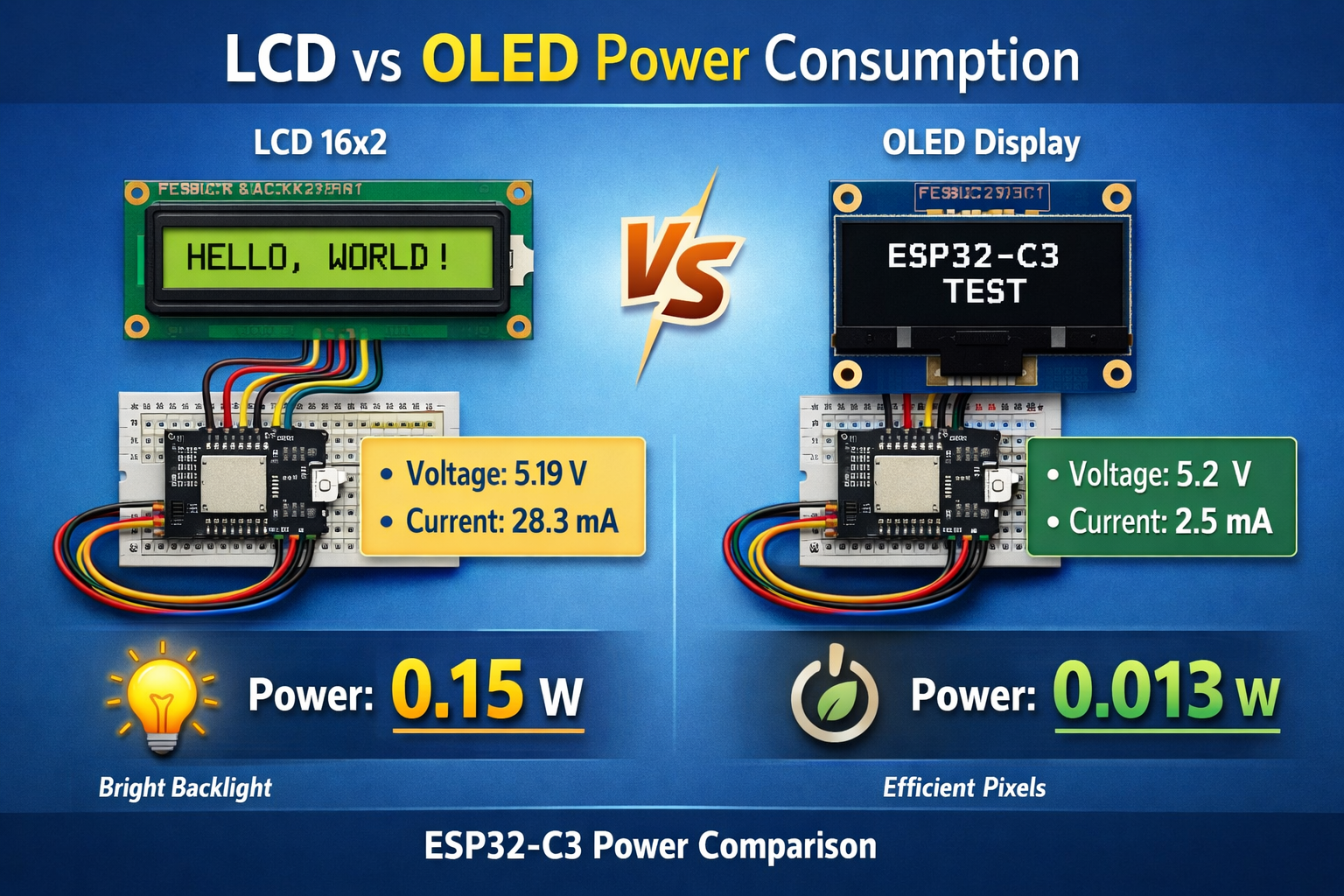
Based on the power consumption measurements, it is evident that the OLED display consumes significantly less power than the LCD display. This makes OLED a more energy-efficient choice for battery-powered devices.
Conclusion
In conclusion, understanding the power consumption of output devices is crucial for designing efficient electronic circuits. By measuring the voltage and current, we can calculate the power consumption and make informed decisions about which output devices to use in our projects. In this case, the OLED display proved to be more energy-efficient than the LCD display, making it a better choice for applications where power consumption is a concern.