Molding and casting
Group assignment:
- Review the safety data sheets (SDS) and technical data sheets (TDS) for each of your molding and casting materials
- Make and compare test casts with each of them
Overview and Objectives
The goal of this week's group assignment is to characterize the molding and casting capabilities of the Fab Lab INP-HB (Y'ello Lab).
Molding and casting is a multi-stage replication process:
- Positive pattern generation: Designing and CNC milling a positive model in machinable wax or high-density modeling board.
- Negative flexible mold making: Pouring liquid silicone rubber over the milled wax positive to obtain a reusable, flexible negative mold.
- Final positive casting: Pouring liquid casting resin into the flexible silicone mold to produce high-detail duplicate parts.
Building upon our lab's historical documentation (from the 2023 and 2024 cycles) and our current hands-on experiments, this page compiles a comprehensive review of our lab's materials, safety protocols, CNC milling workflow, and comparative testing of silicone rubbers versus rigid casting resins.
Laboratory Materials and Equipment
Below is the complete equipment inventory available at Fab Lab INP-HB for molding and casting:
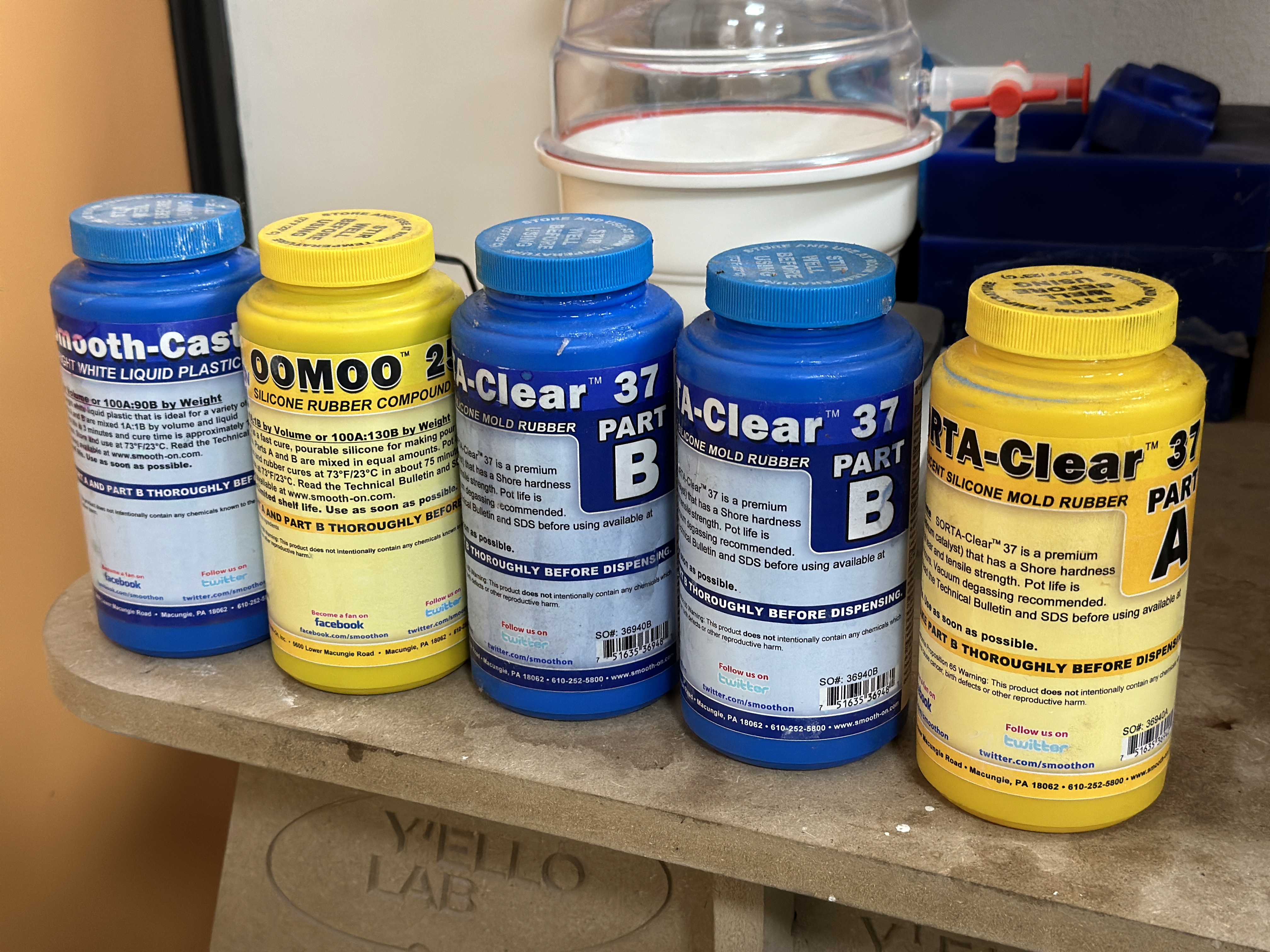
Lab stock: Smooth-On casting resins, SORTA-Clear silicone rubber, mixing containers, and measuring gear.
1. Liquid Molding and Casting Materials
- Molding Rubber: SORTA-Clear 37 (Smooth-On) — High-performance, platinum-cure (addition-cure) silicone rubber with water-white translucency and high tear strength.
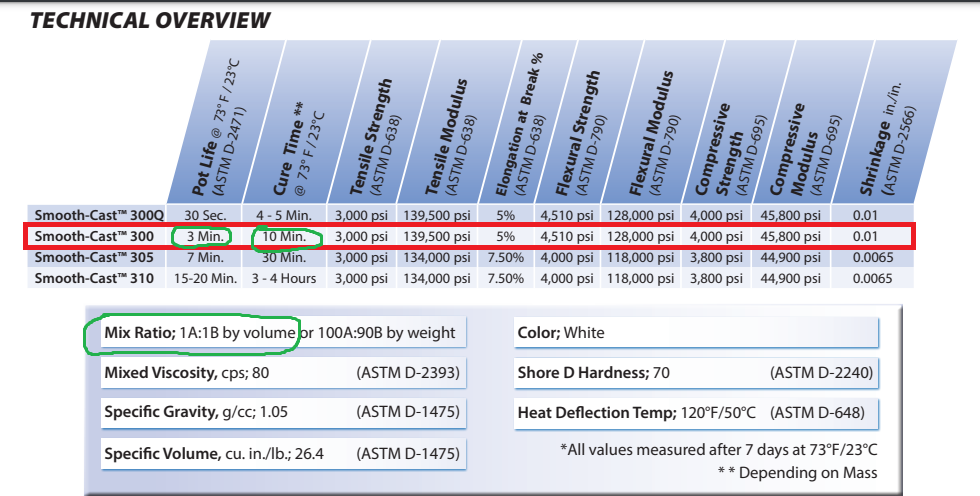
- Casting Resin: Smooth-Cast 300 Series (Smooth-On) — Ultra-low viscosity, fast-curing polyurethane liquid plastic that turns bright white upon hardening.
- Release Agent: Universal Mold Release (Ease Release / Smooth-On) — Formulated to facilitate clean demolding of polyurethanes and silicones.
2. Stock Materials for Molds
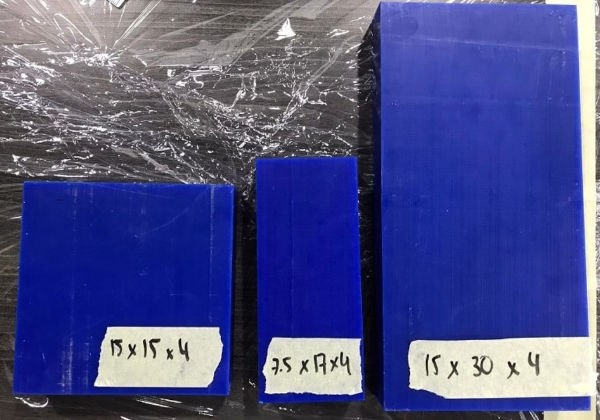
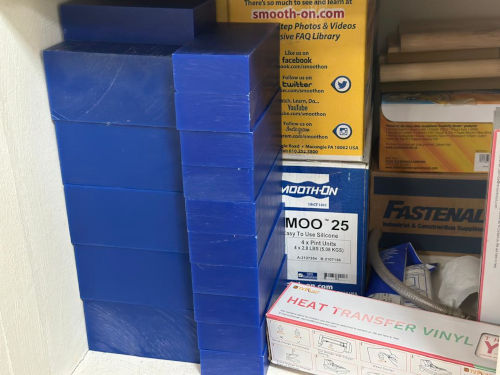
We utilize high-density Ferris Machinable Wax blocks available in various dimensions. Machinable wax is ideal for precision milling: it produces no dust (only shavings), does not melt at cutting speeds, has zero grain, and captures sharp sub-millimeter details.
3. Machining Equipment and Tooling
For carving the wax blocks, our lab uses the precision benchtop mill Roland MonoFab SRM-20 (as well as the large-format ShopBot Alpha CNC router for oversized molds).
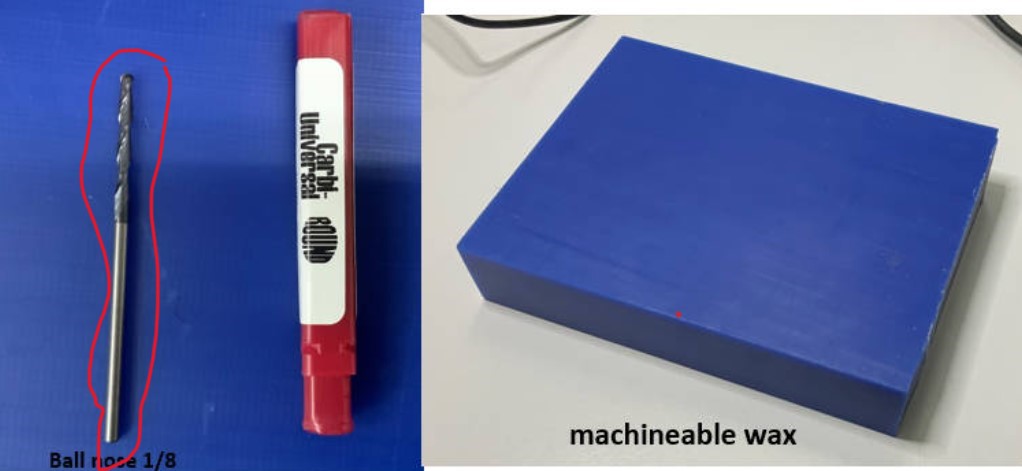
Standard tooling: ⅛" (3.175 mm) and 1/16" (1.587 mm) flat two-flute carbide end mills.
Safety Data Sheets (SDS) and Safety Protocols
Handling reactive chemical polymers requires strict adherence to personal safety protocols. Technical Data Sheets (TDS) provide engineering parameters (mix ratio, pot life, demold time), while Safety Data Sheets (SDS) identify chemical hazards and mandatory safety measures.
General Safety Rules
- Ventilation: Always work in a well-ventilated space ("room-size" ventilation or localized fume extraction).
- Skin and Eye Protection: Wear chemical safety splash goggles and protective clothing with long sleeves.
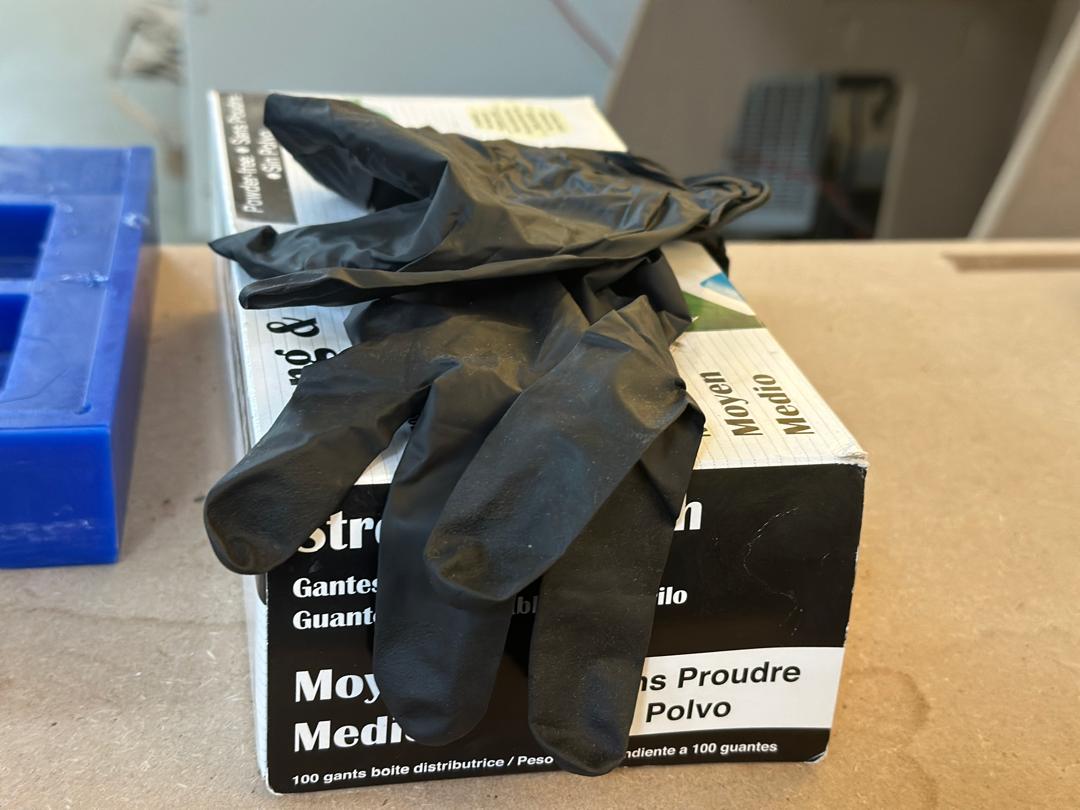
- CRITICAL - Glove Selection: Use only vinyl or nitrile gloves! NEVER use latex gloves! Latex contains sulfur compounds that cause platinum-cure inhibition, permanently preventing silicone rubber from curing (it remains sticky and wet indefinitely).
- Storage: Keep containers sealed tightly in a cool, dry environment (23°C / 73°F).
1. Smooth-Cast 300 Series (Polyurethane Resin)
Chemical Hazards Identified (from SDS)
Smooth-Cast Part A contains diisocyanates (MDI). Polyurethane components present several health hazards if mishandled:
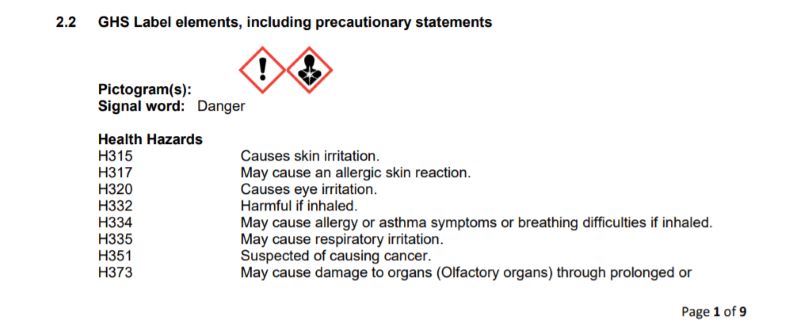
- H315 / H319: Causes skin and serious eye irritation.
- H332: Harmful if inhaled.
- H334: May cause allergy, asthma symptoms, or breathing difficulties if inhaled.
- H335: May cause respiratory irritation.
First Aid Measures (from SDS)
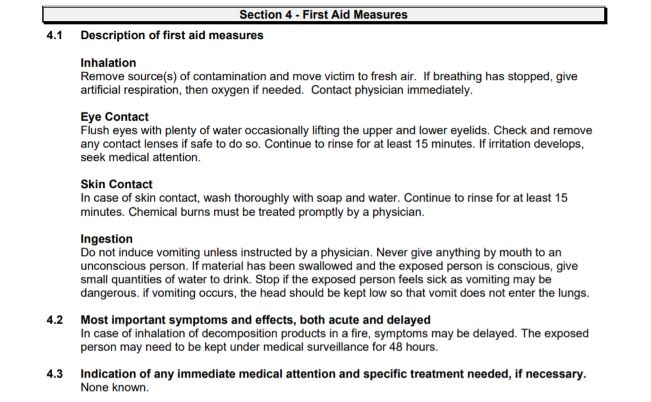
- Inhalation: Move to fresh air. If breathing is difficult, seek immediate medical attention.
- Skin Contact: Wash thoroughly with warm water and soap. Remove contaminated clothing.
- Eye Contact: Flush eyes with copious amounts of water for at least 15 minutes. Contact a physician immediately.
- Ingestion: Do not induce vomiting. Seek emergency medical assistance.
2. SORTA-Clear 37 (Platinum Silicone Rubber)
- Download SORTA-Clear Series Technical Datasheet (TDS)
- Download SORTA-Clear Series Safety Datasheet (SDS)
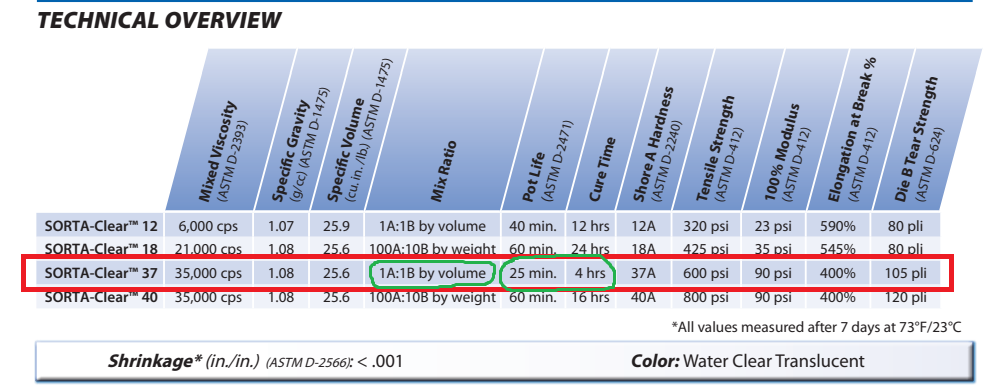
Key Chemical Safety Notes
- SORTA-Clear 37 is a food-grade, skin-safe platinum silicone once fully cured.
- Uncured Part A and Part B may cause mild eye or skin irritation upon contact.
- It exhibits virtually zero shrinkage (< 0.1%).
- Inhibition Warning: Contaminants such as sulfur (latex gloves), tin-cure silicones, sulfur-based clays, and certain UV resins will permanently inhibit curing.
Technical Comparison: Material Properties
| Engineering Property | SORTA-Clear 37 (Silicone Mold) | Smooth-Cast 300 (Casting Resin) |
|---|---|---|
| Material Category | Addition / Platinum Silicone Rubber | Fast-Cast Polyurethane Liquid Plastic |
| Mix Ratio (by Volume) | 1A : 1B | 1A : 1B |
| Mix Ratio (by Weight) | 100A : 100B | 100A : 90B |
| Color (Cured) | Translucent / Water-white | Bright White (opaque) |
| Viscosity (Mixed) | ~35,000 mPa·s (thick liquid) | ~80 mPa·s (ultra-low, like water) |
| Pot Life / Working Time | 25 minutes | 3 minutes (very fast!) |
| Demold / Cure Time | 4 hours @ 23°C | 10 minutes @ 23°C |
| Shore Hardness | 37A (Flexible, elastic rubber) | 70D (Rigid, hard structural plastic) |
| Tensile Strength | 550 psi (3.79 MPa) | 3,000 psi (20.7 MPa) |
| Shrinkage | Negligible (< 0.1%) | Low (0.010 in/in) |
| Key Advantage | High flexibility, easily demolds deep undercuts | Extremely fast turnover, captures micro-details |
Positive Mold Fabrication: CNC 3D Milling
To test these materials in realistic lab conditions, the team engineered and milled positive wax master molds using our Roland MonoFab SRM-20.
1. CAD Mold Design
Molds were modeled in SolidWorks, taking into account crucial casting principles:
- Draft Angles: Adding 2° to 3° draft on vertical walls to ensure clean release without tearing.
- Parting Lines & Two-Part Alignment: Incorporating mating hemispherical registration keys (pins and sockets) so two mold halves align with sub-millimeter precision.
- Pour Sprues & Air Vents: Modeling funnels for resin injection and narrow exit channels to release entrapped air.
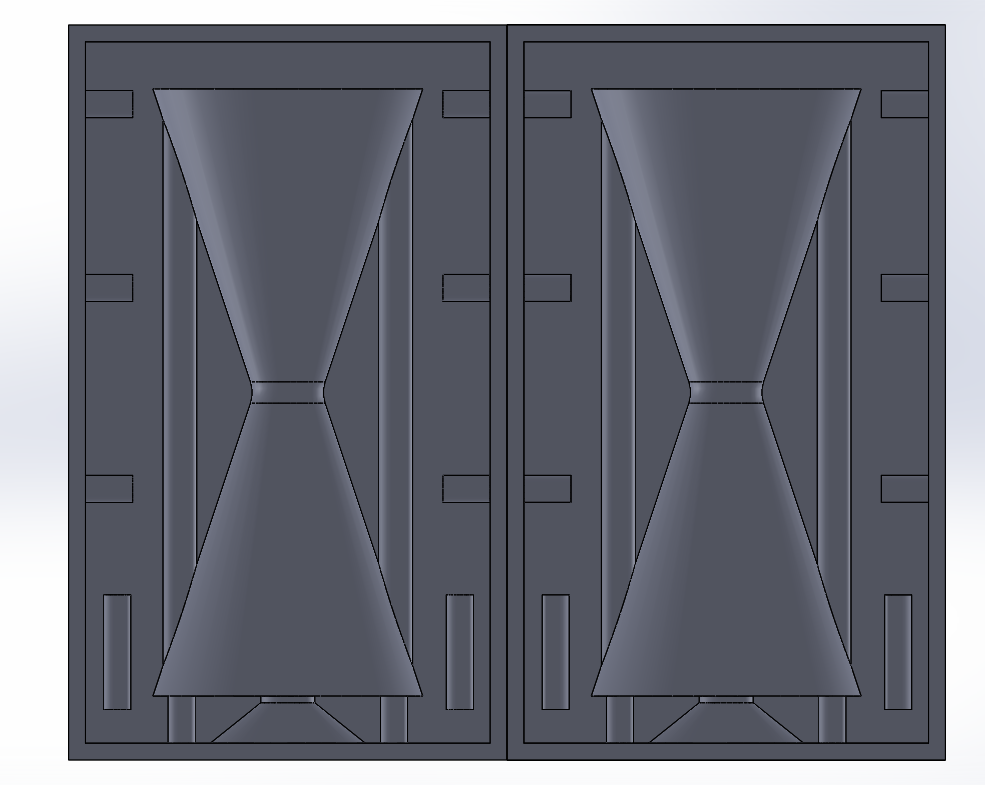
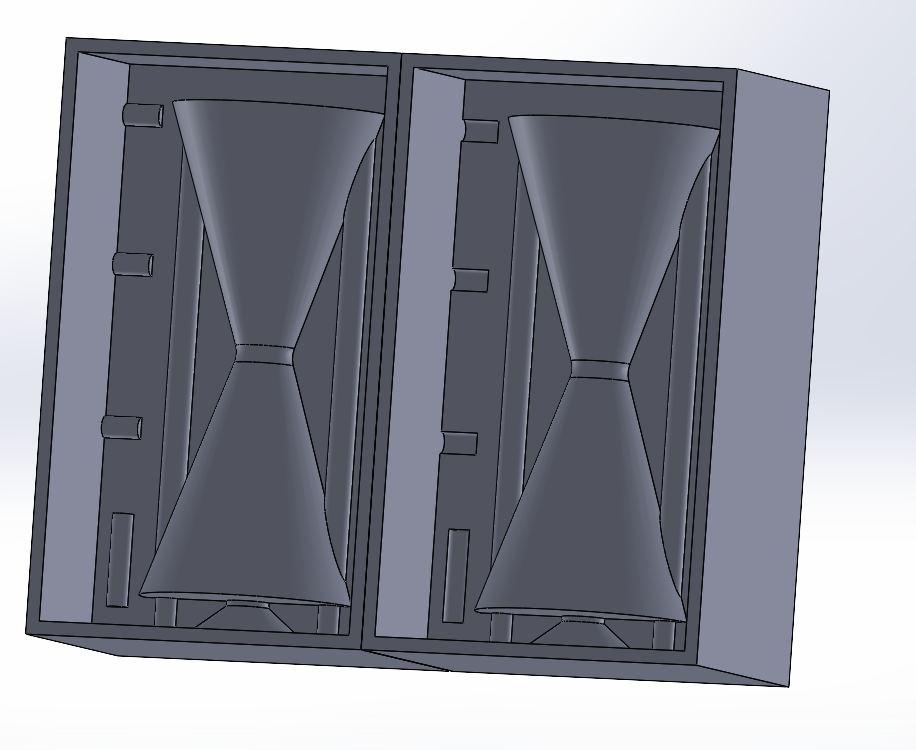
2. CAM Toolpath Generation (VCarve Pro)
The 3D CAD models were imported into VCarve Pro to compute roughing and finishing passes:
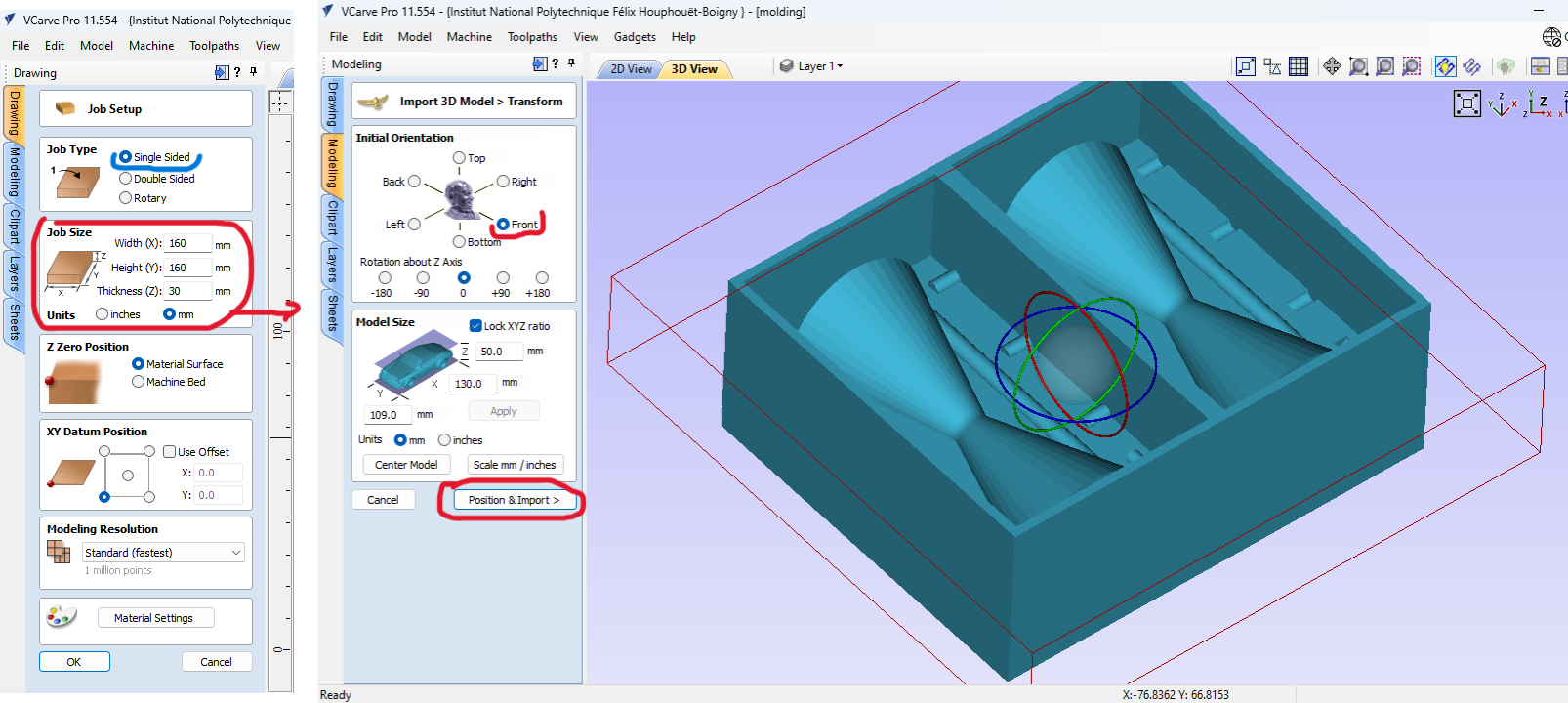
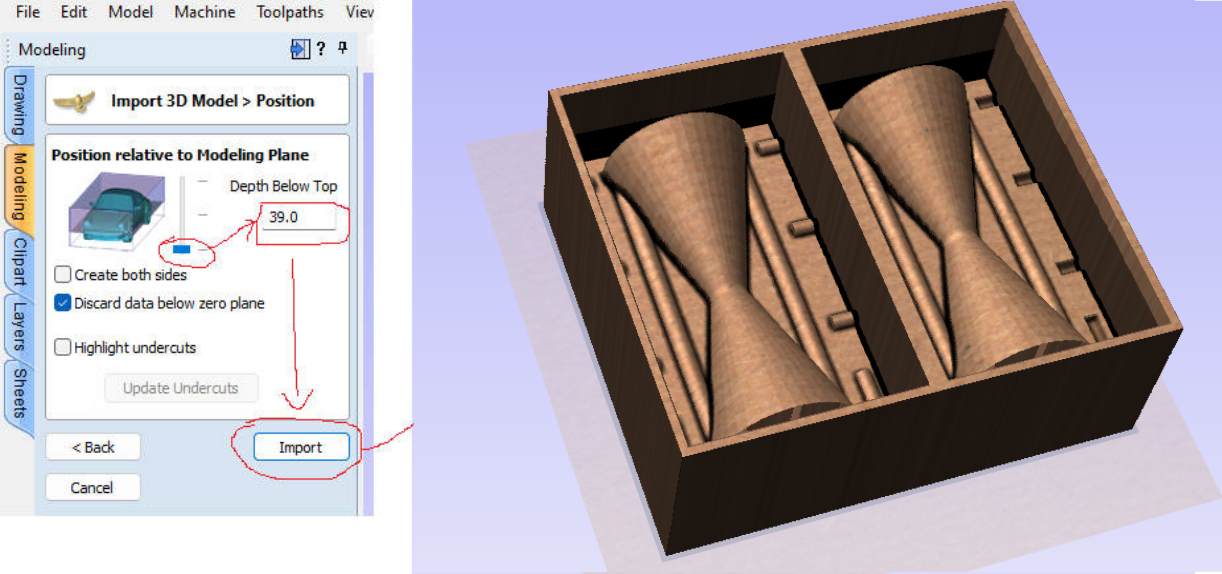
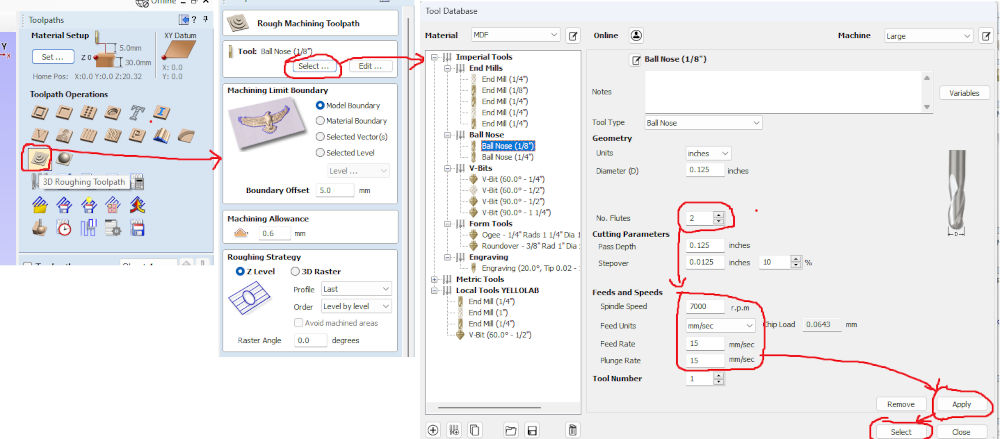
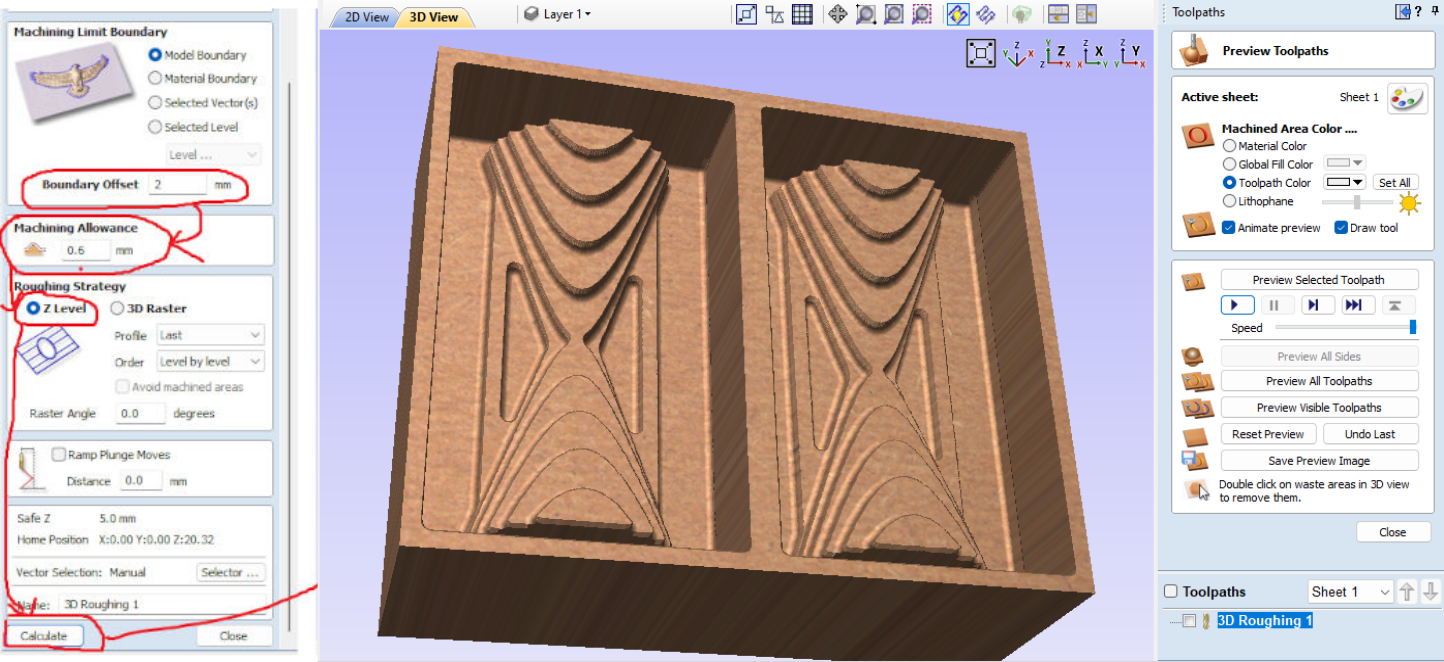
- 3D Roughing Pass:
- Tool: ⅛" (3.175 mm) 2-flute flat carbide end mill
- Pass depth: 1.5 mm
- Stepover: 40% (1.27 mm)
- Spindle speed: 7,000 RPM
- Feed rate: 1,200 mm/min
- Machining allowance: 0.4 mm skin left for finishing
- 3D Finishing Pass:
- Tool: ⅛" flat end mill (or 1/16" ball nose for organic curves)
- Stepover: 8% to 10% (0.25 mm) for a smooth surface finish
- Raster angle: 45° across geometry
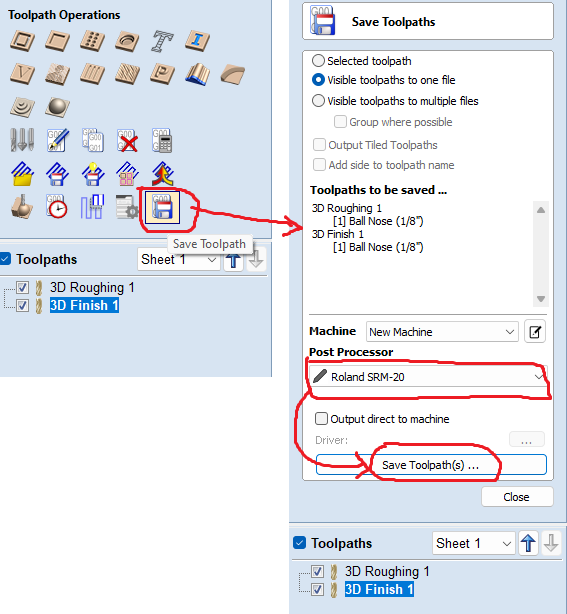
3. Machining Execution on Roland SRM-20
The machinable wax block was firmly mounted to the sacrificial bed using heavy-duty double-sided tape. The origin (X0, Y0, Z0) was set using the VPanel software.
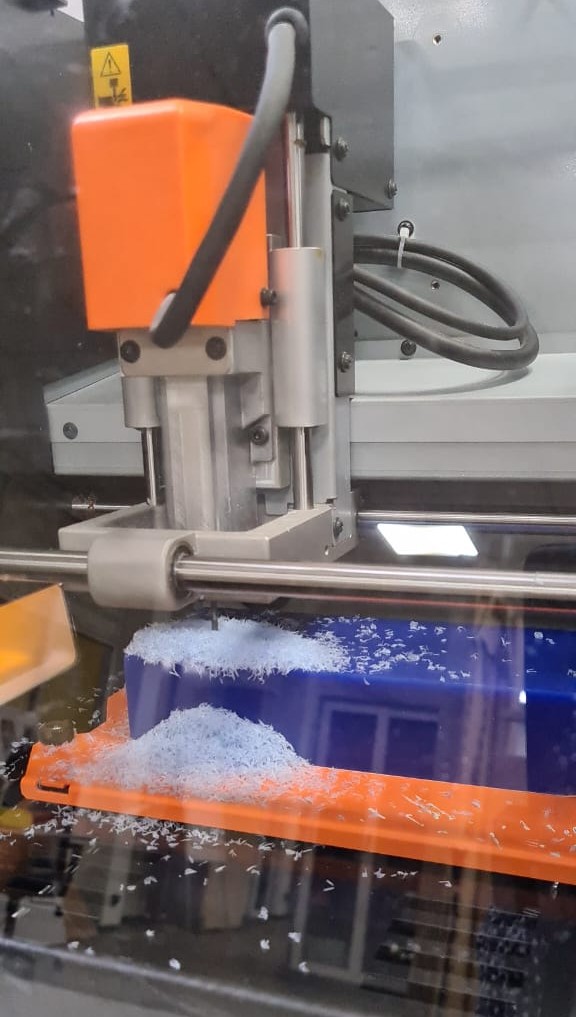
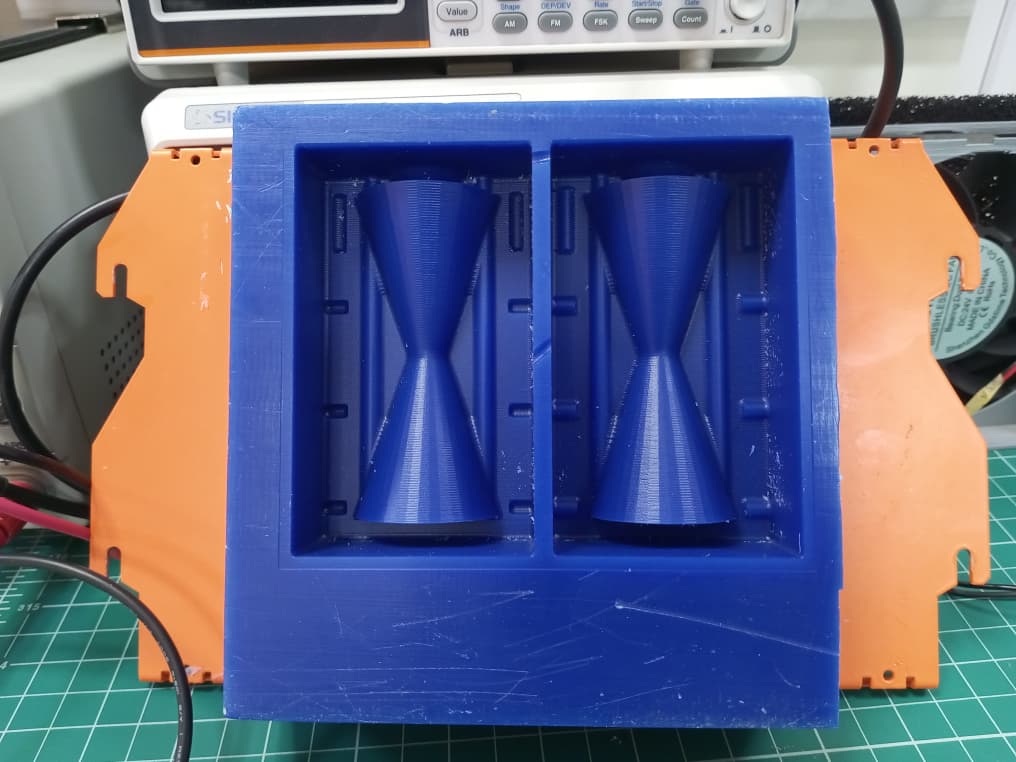
Video above: 3D milling of the positive mold geometry in machinable wax on the Roland SRM-20.
Test Casts and Comparative Results
Test Cast 1: Flexible Negative Mold with SORTA-Clear 37
- Volume Estimation: Water displacement was used in the wax cavity to determine the exact volume required (V ~ 65 mL).
- Dispensing: Equal volumes (1A : 1B) of Part A and Part B were poured into two calibrated plastic cups.
- Mixing: Thorough manual stirring for 3 minutes, scraping sides and bottom. Because SORTA-Clear 37 has a viscous consistency (~35,000 cP), mixing incorporates air bubbles.
- Degassing and Pouring: To eliminate bubbles without a vacuum chamber:
- The mold was coated with a thin mist of Universal Mold Release.
- The silicone was poured in a very thin, continuous stream from high above into the lowest point of the mold cavity, letting the silicone naturally rise and push air out of crevices.
- The table was repeatedly tapped to dislodge remaining micro-bubbles.
- Curing and Demolding: Left to cure for 4 hours at ambient temperature (25°C). The resulting mold was peeled cleanly from the wax.
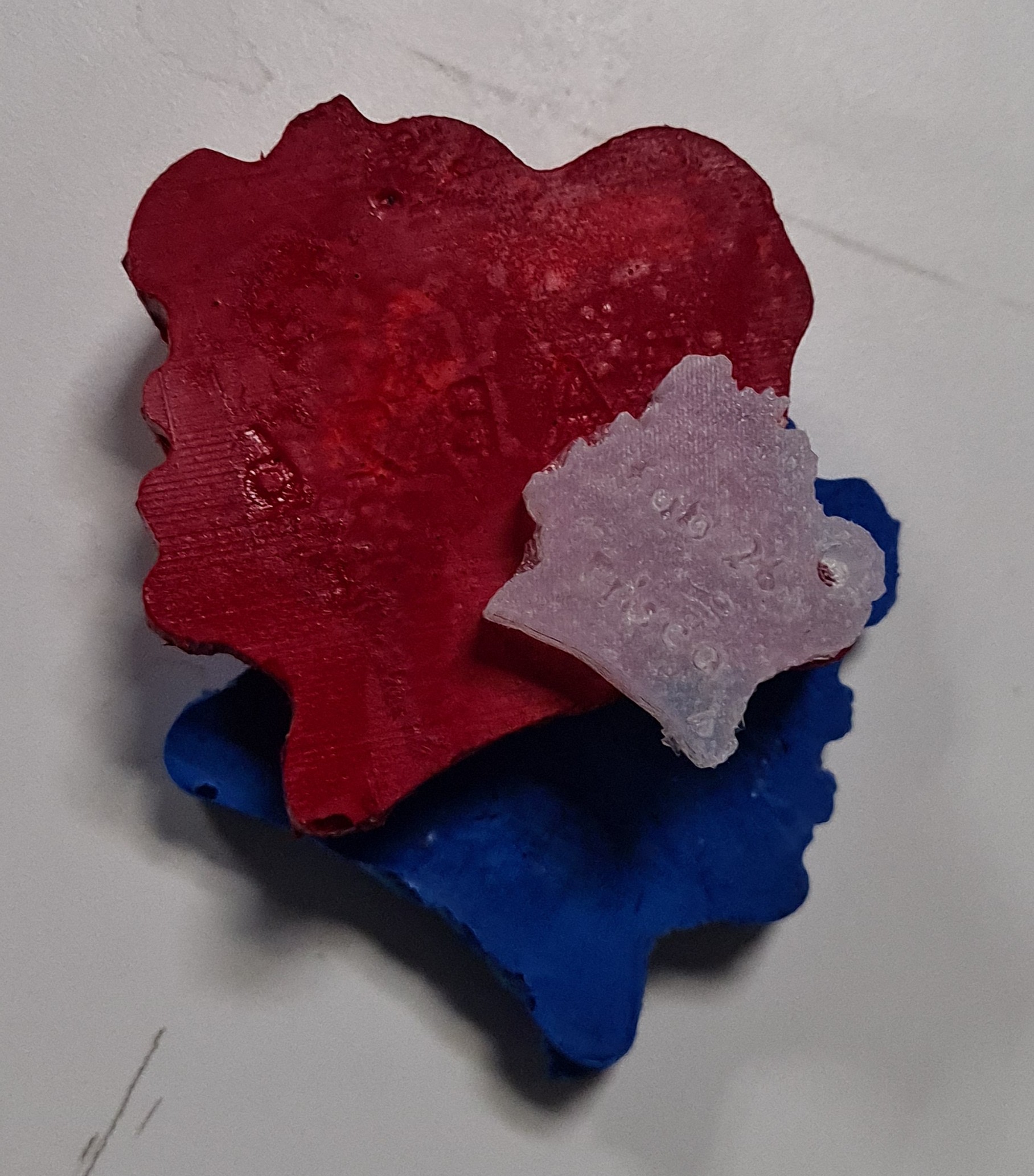
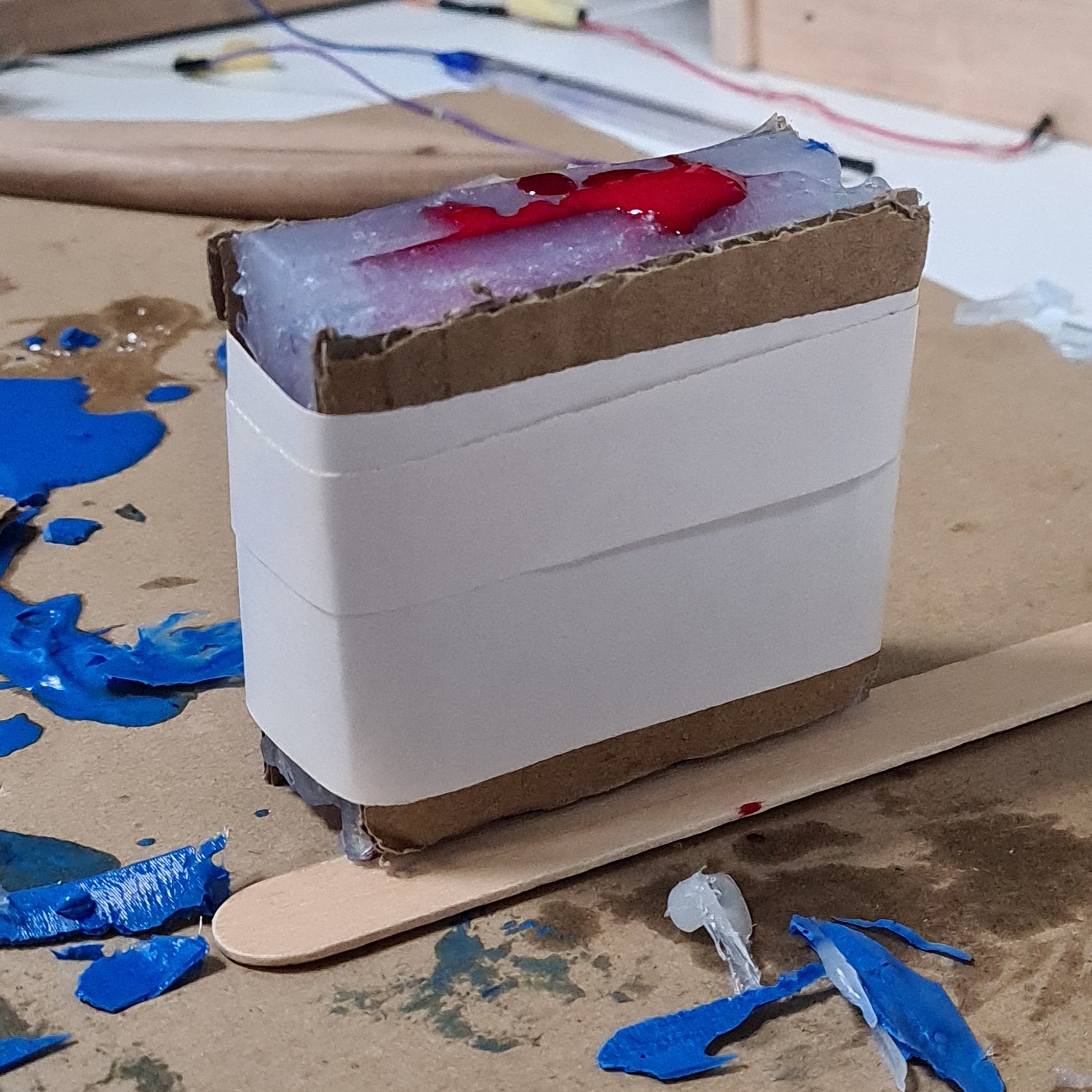
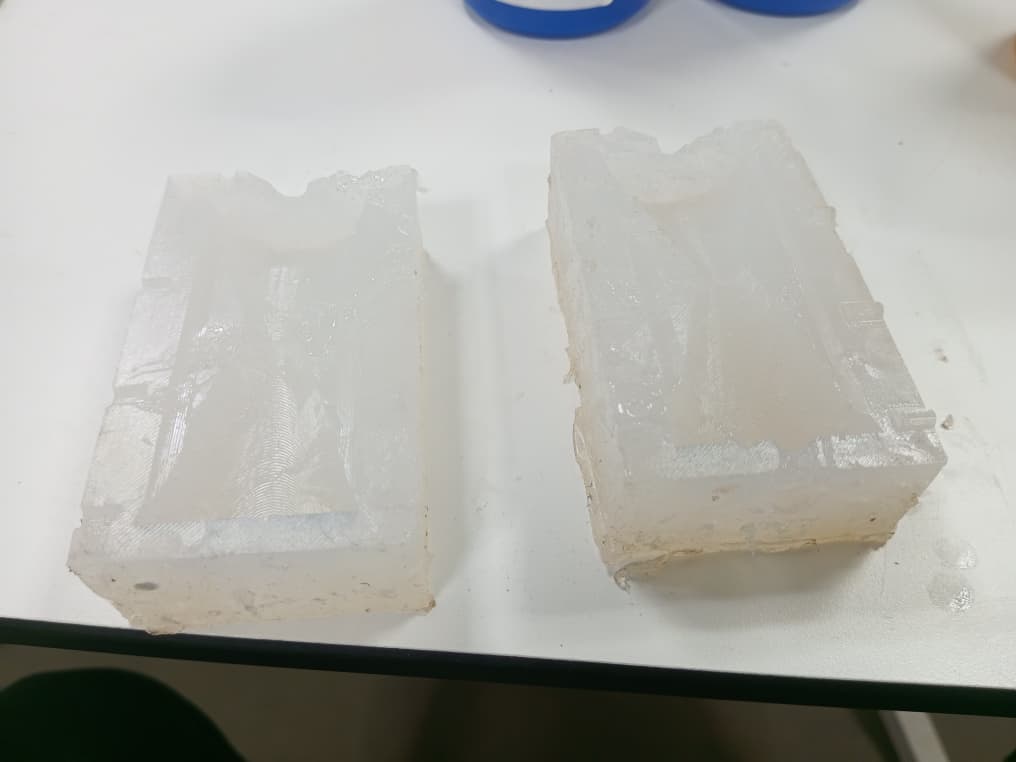
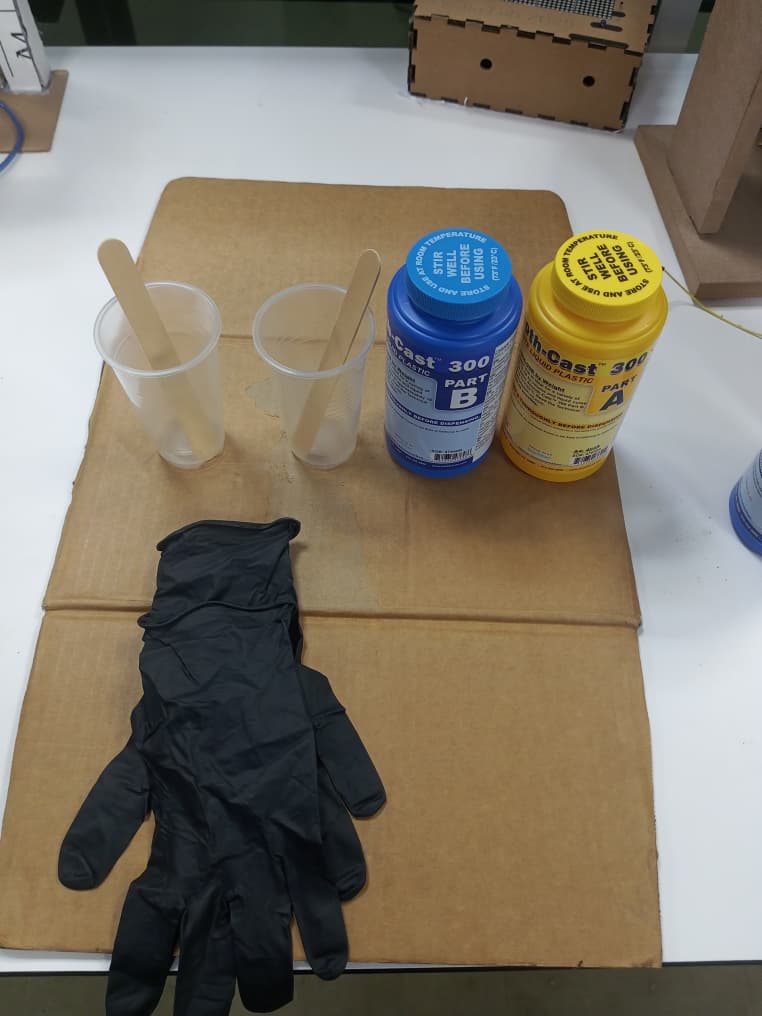
Results: Exceptional clarity, high elasticity (Shore 37A), and accurate reproduction of mill toolmarks and registration pins.
Test Cast 2: Rigid Positive Casting with Smooth-Cast 300
- Mold Preparation: The SORTA-Clear 37 silicone mold halves were cleaned, dried, and treated with a light spray of mold release.
- Dispensing: Measured equal parts by volume (1A : 1B).
- Rapid Mixing: Polyurethane has an ultra-short pot life of only 3 minutes. Mixing was conducted briskly for 45 seconds.
- Pouring: Due to its water-like viscosity (80 cP), Smooth-Cast 300 flows easily into intricate details without trapping air.
- Exothermic Reaction and Curing:
- Within 2 minutes, the mixture turns from translucent amber to milky white as an exothermic reaction occurs (releasing noticeable heat).
- After 10 to 12 minutes, the part is fully solidified to Shore 70D hardness.
- Demolding: The flexible silicone mold walls were peeled away to reveal the solid polyurethane part.
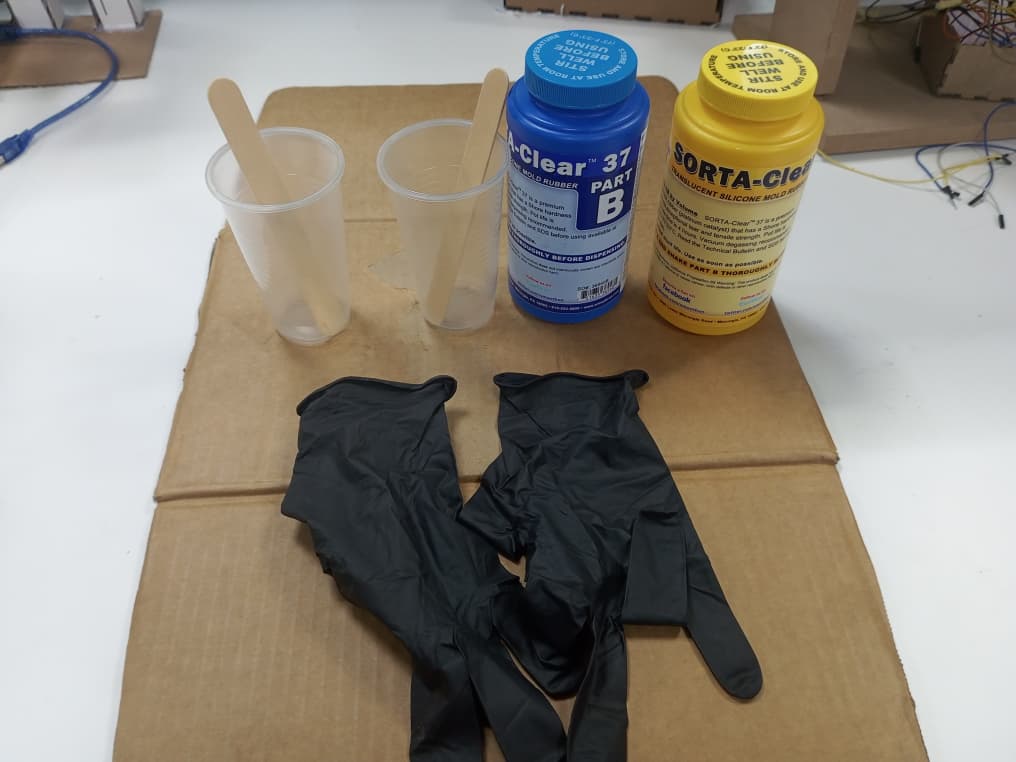
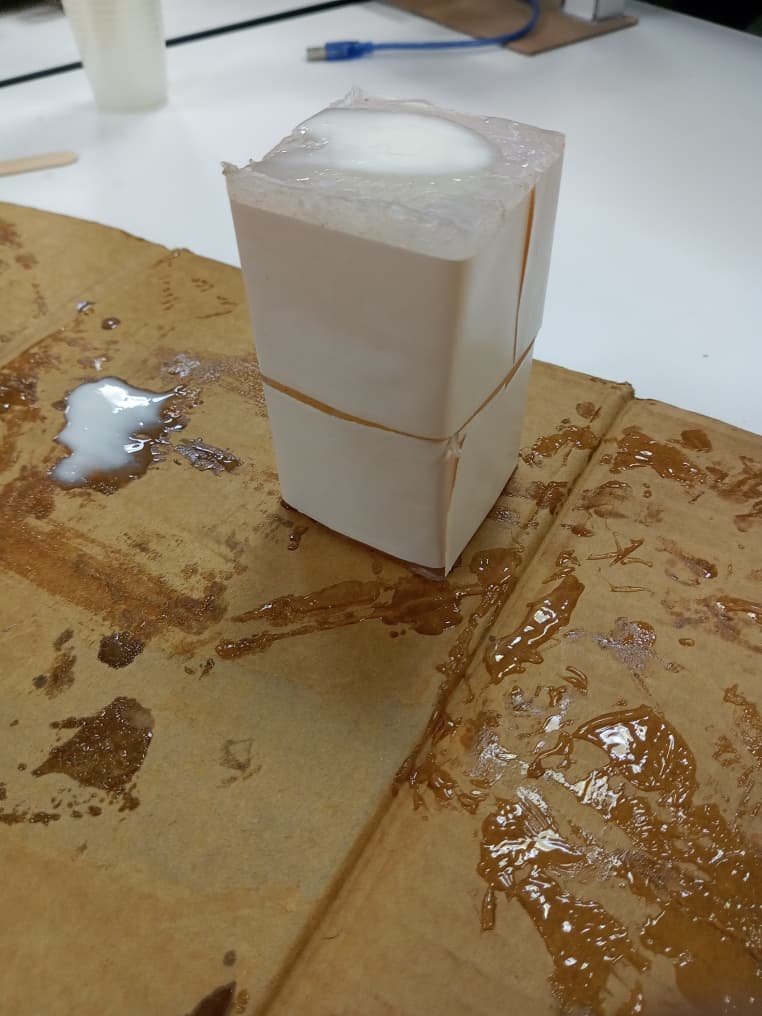
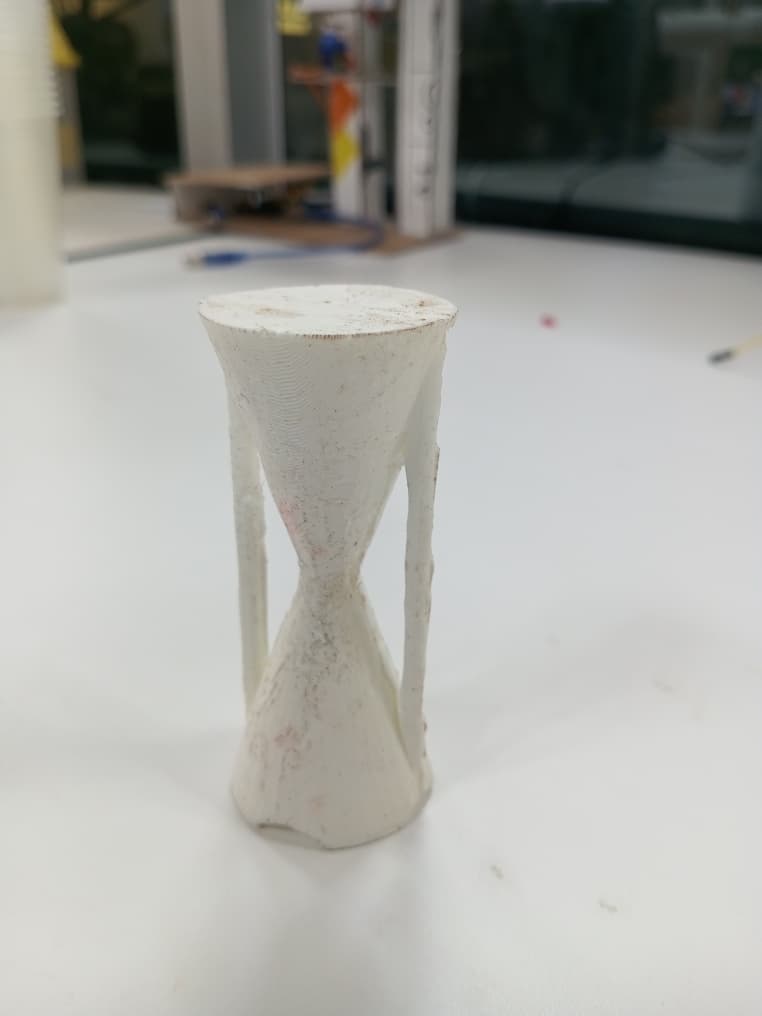
Hero shot: Solid white cast replica exhibiting high structural stiffness and fine surface detail.
Key Observations and Troubleshooting Guide
| Issue Encountered | Root Cause | Solution Implemented |
|---|---|---|
| Sticky, uncured silicone | Inhibition caused by sulfur contact (e.g. latex gloves or contaminated tools). | Mandatory use of vinyl or nitrile gloves. Thoroughly clean all mixing spatulas and containers. |
| Air bubbles on casting surface | High viscosity of silicone entrapping air during rapid pouring. | Pour in an ultra-thin laminar stream into the lowest corner of the mold; vibrate or tap the mold base repeatedly. |
| Premature resin gelation in cup | Exceeding the 3-minute pot life of Smooth-Cast 300. | Pre-measure Part A and Part B separately; mix rapidly for 45 seconds or less and immediately pour into the mold. |
| Flash / Seam line on two-part casts | Mold halves parting under hydraulic pressure of the liquid resin. | Use rigid backing plates and rubber bands / clamps around the silicone exterior to maintain uniform sealing pressure. |
| Trapped air at high points in mold | Inadequate venting channels at elevated extremities. | Add small 1 mm bleed vents in the CAD model at local geometric peaks. |
Individual Contributions
The group assignment was completed collaboratively with the following individual contributions:
| Student | Individual Contribution | Student Documentation Page |
|---|---|---|
| Auguste Dimitri Goubo | • Detailed review of Smooth-Cast 300 and SORTA-Clear 37 SDS/TDS datasheets. • CAD modeling of the two-part interlocking hourglass mold in SolidWorks. • VCarve 3D toolpath setup and Roland SRM-20 CNC milling of the wax positives. • Mixing, pouring, and comparative hardness/curing testing of silicone and polyurethane resin. |
Auguste's Week 13 Documentation |
| Prisca Brou | • Review of workshop chemical safety, handling protocols, and PPE compliance. • 3D mold modeling for custom country map keychain in SolidWorks and STEP export. • Machining preparation and test casting verification with silicone rubber. • Photography, video capture, and documentation of mixing/demolding steps. |
Prisca's Week 13 Documentation |