Networking and Communications
The design was based on the datasheet of the XIAO ESP32-S3. This board includes an integrated antenna for basic wireless communication through Wi-Fi and Bluetooth. It can also use an external antenna, which helps improve signal range and stability, especially in environments with interference or longer distances.
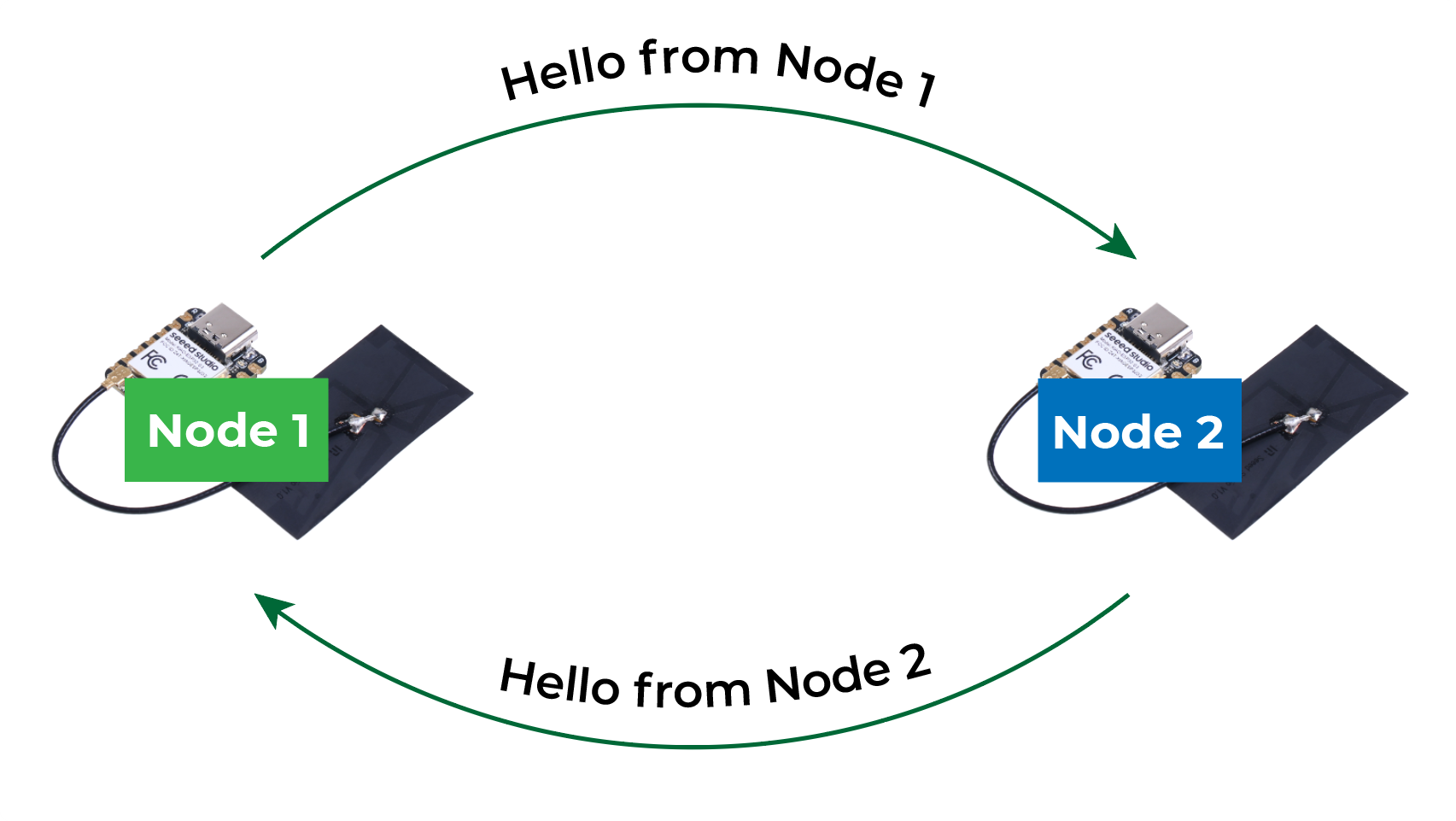
During this stage, we also explored Meshtastic as a possible wireless communication option. Meshtastic uses LoRa technology to create a mesh network between devices, allowing them to communicate over long distances without requiring an internet connection.
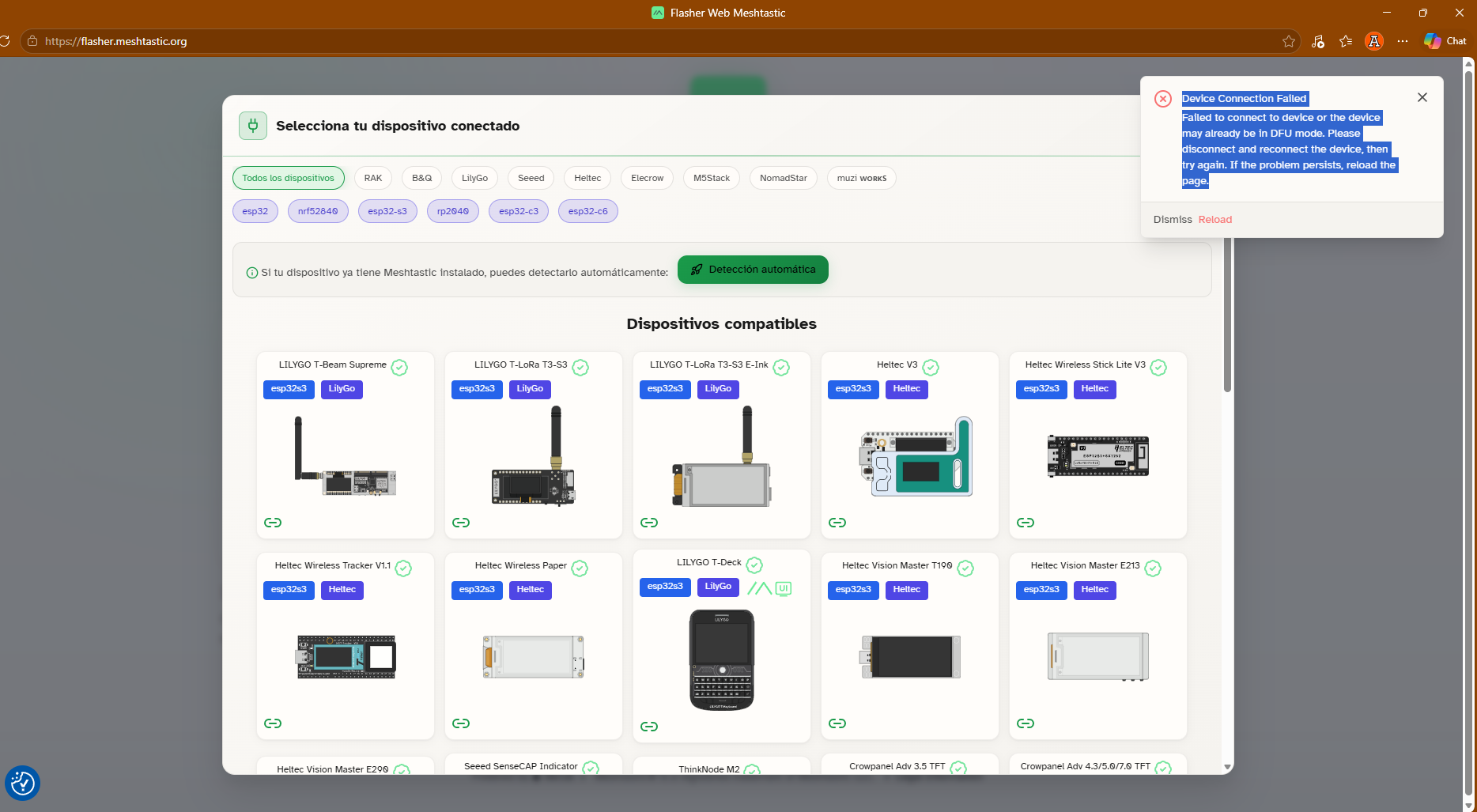
However, during the setup process, we had problems uploading the firmware using the web flasher. The system could not connect correctly to the board, so the configuration could not be completed through this method.
Before starting the communication tests, the PCB traces were designed. This board is part of a later stage of the project, where bidirectional communication will be needed between different devices.
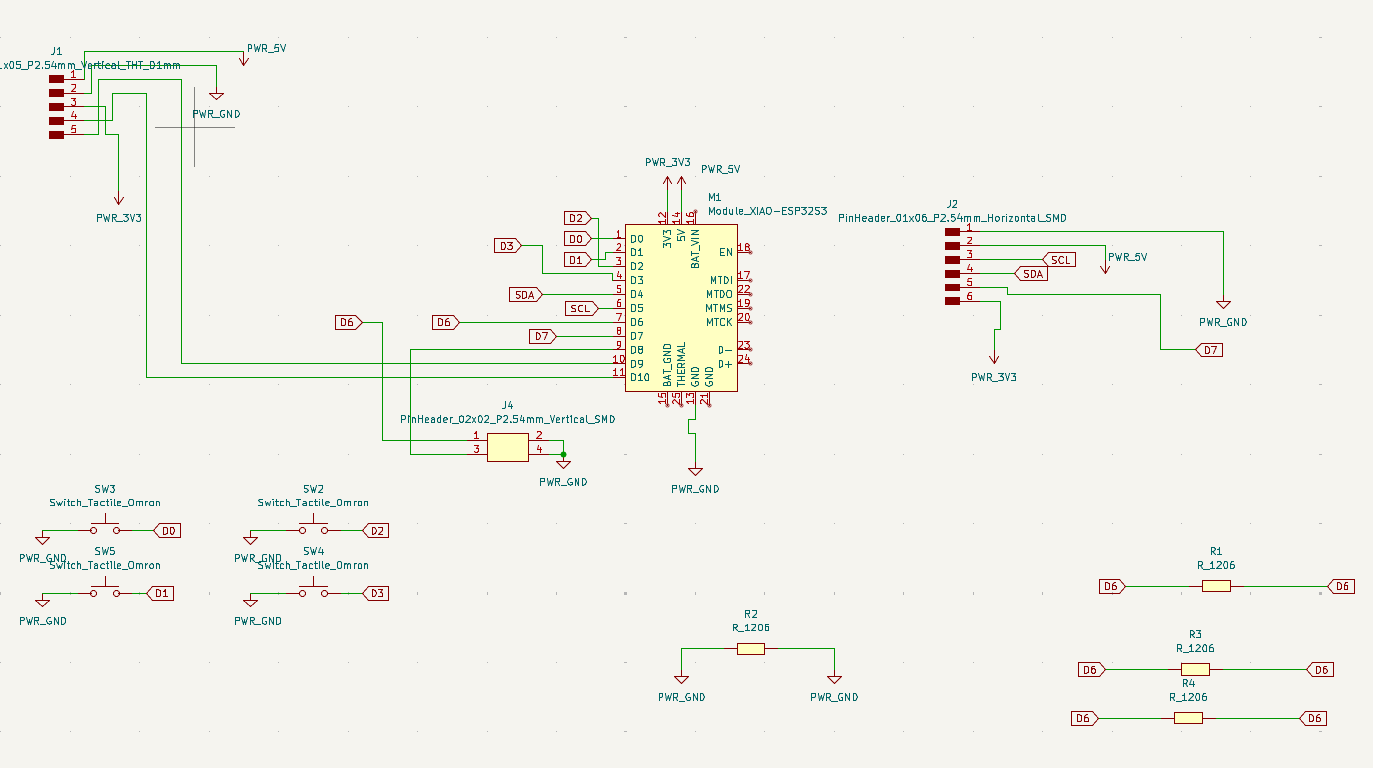
The design includes digital inputs, such as buttons, and external connections such as I2C and GPIO. These connections will be useful for integrating different modules into the complete system and allowing user interaction.
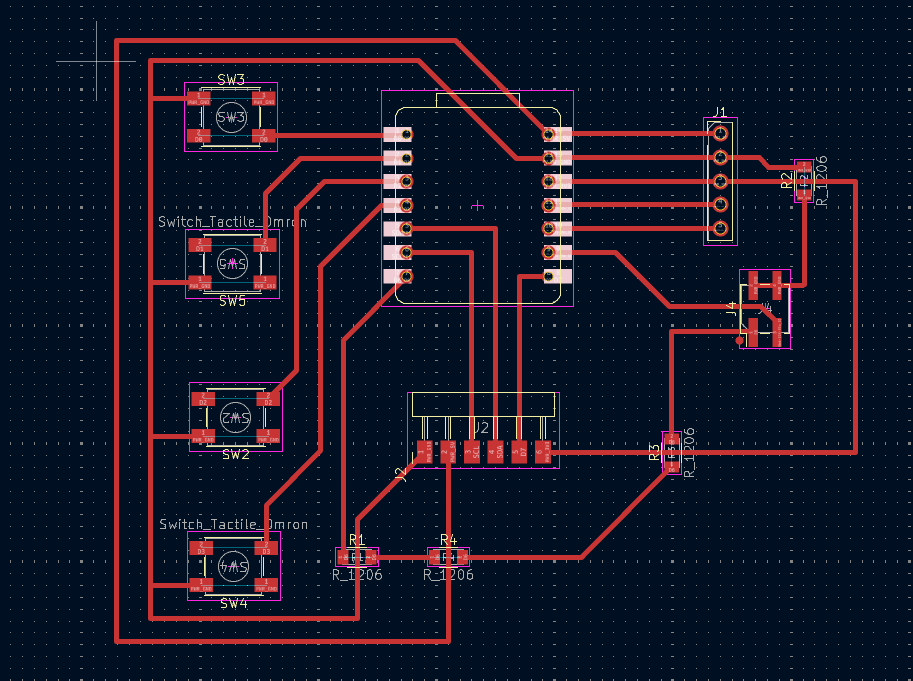
At this stage, the developed board was added to the PCB inventory as part of the prototyping process. This helped us identify the project limits and the adjustments needed for the next stages.
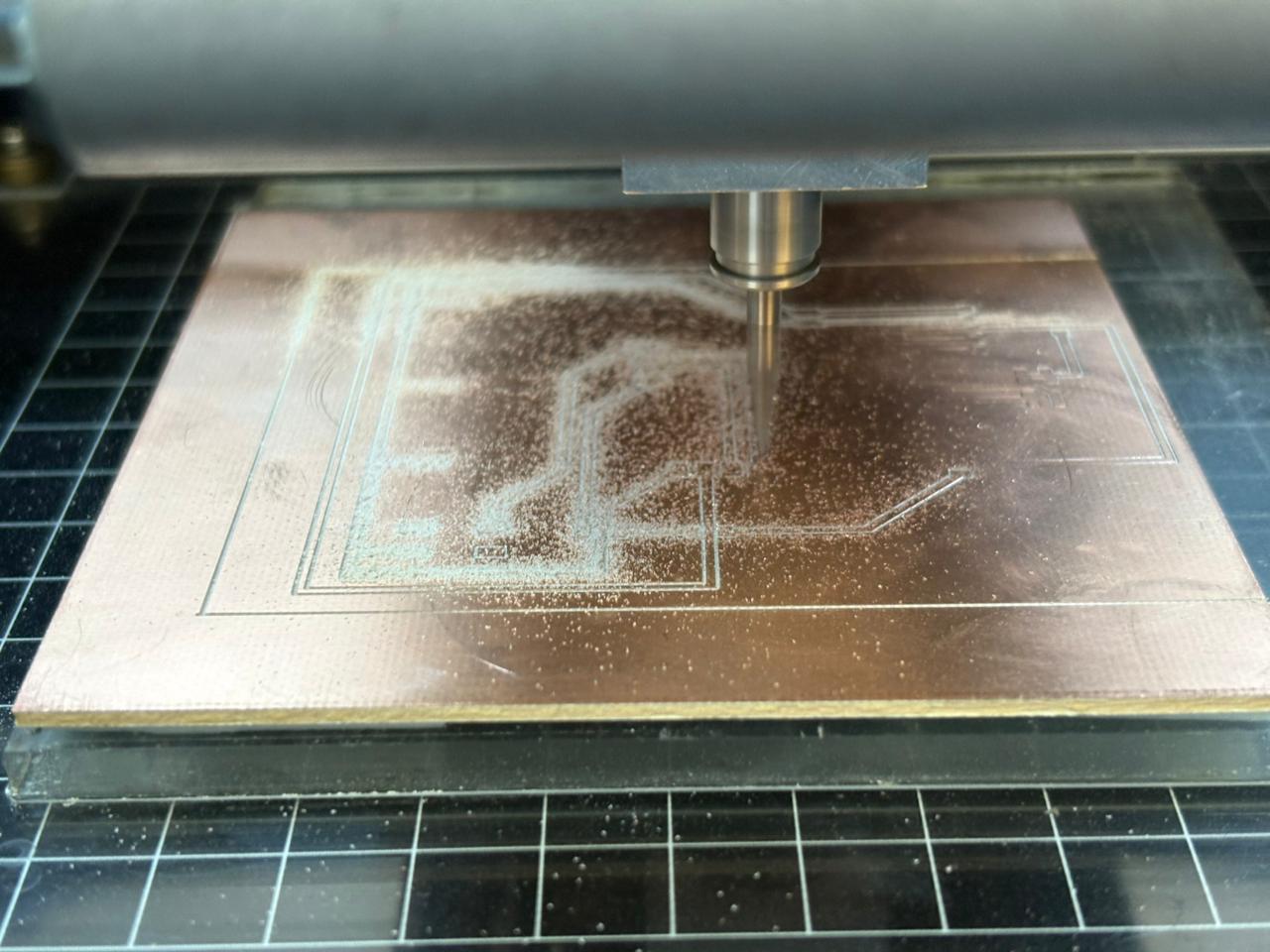
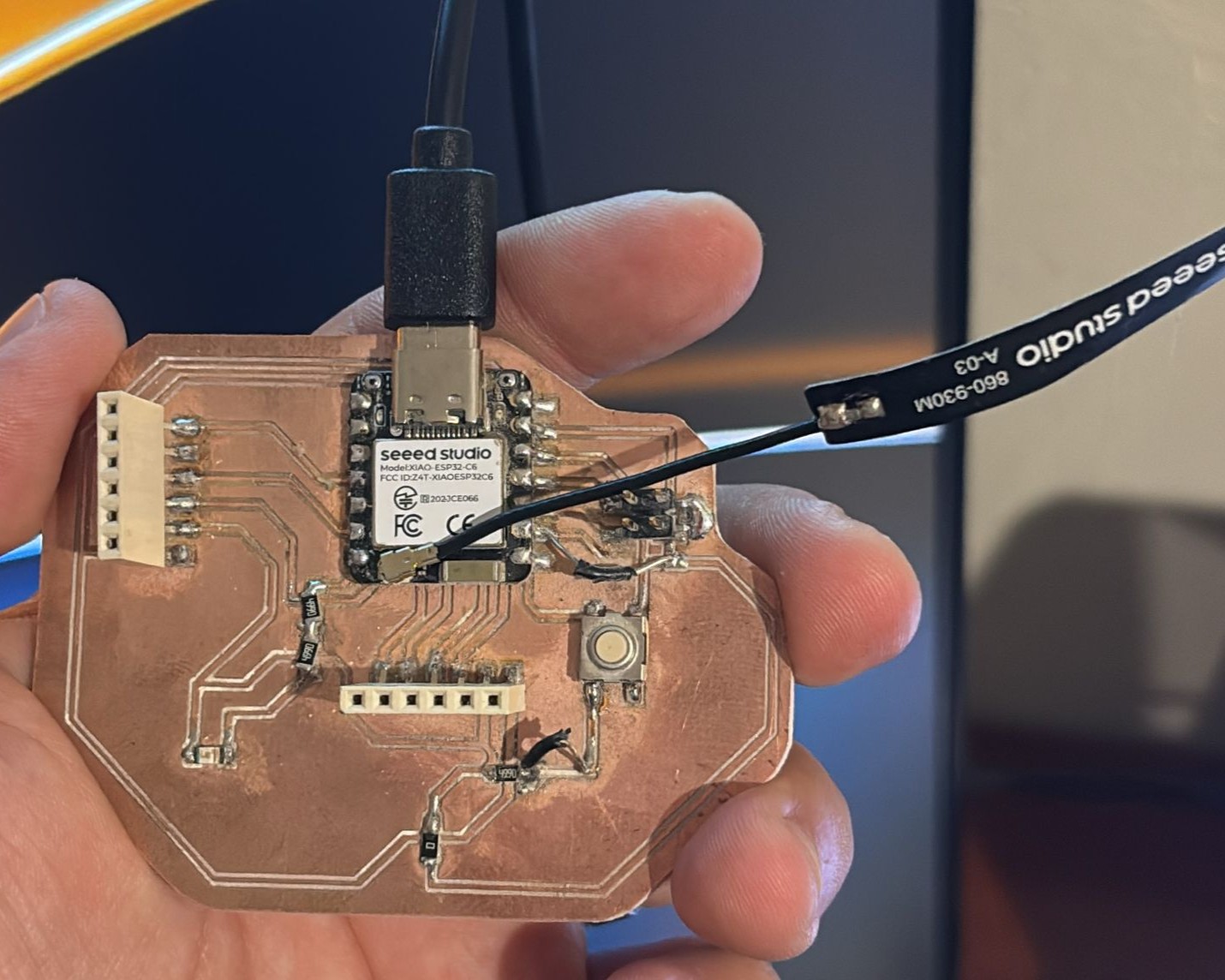
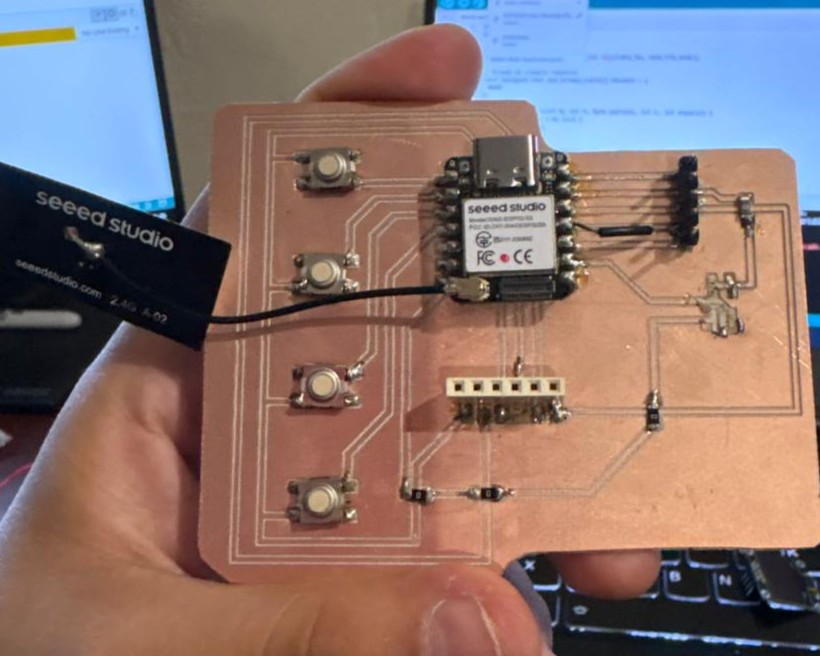
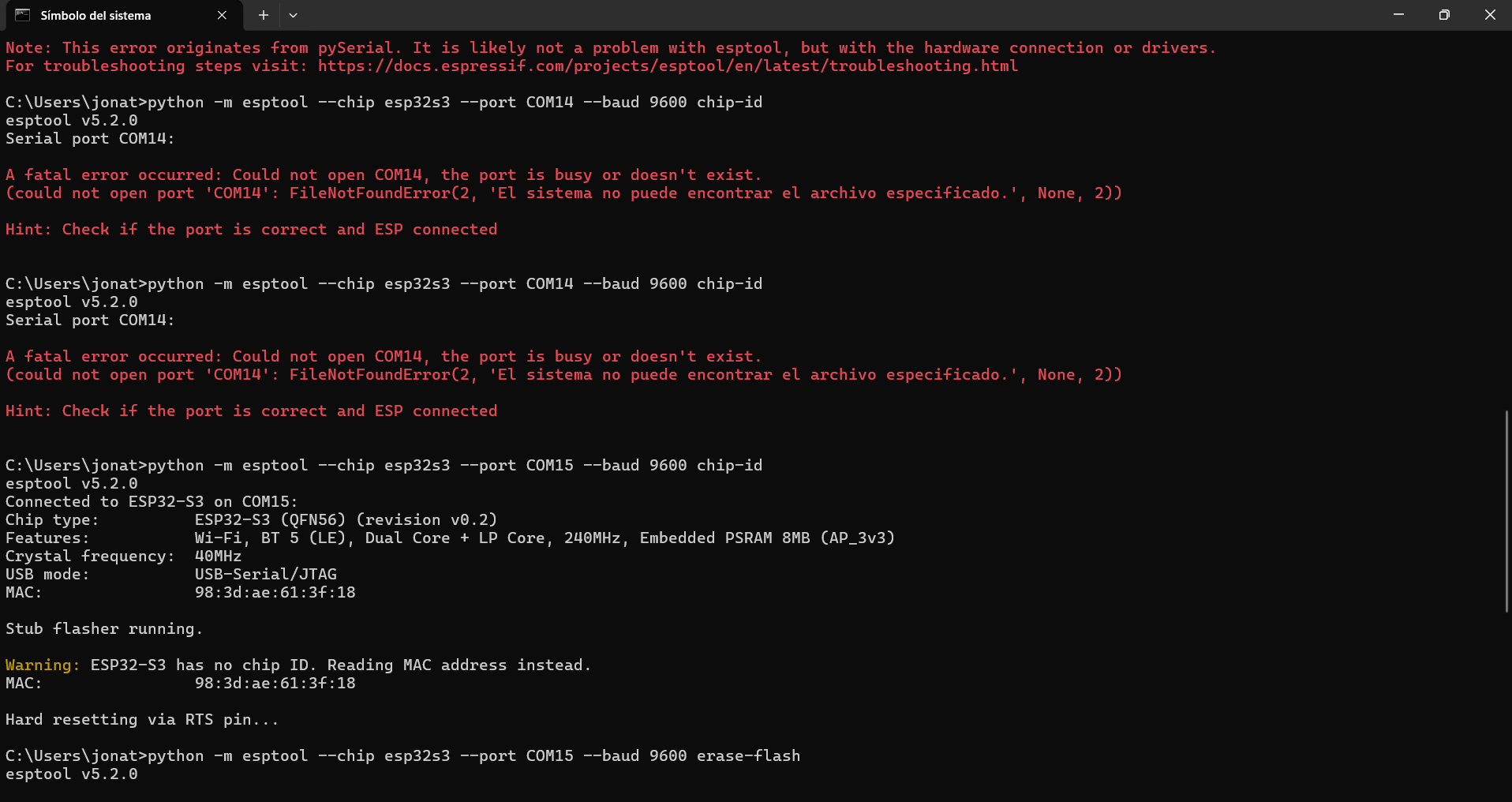
During programming, we had connection problems with the XIAO ESP32-S3 because the computer did not recognize the serial port correctly. At first, we tried to connect through COM14, but the system showed errors indicating that the port was busy or did not exist.
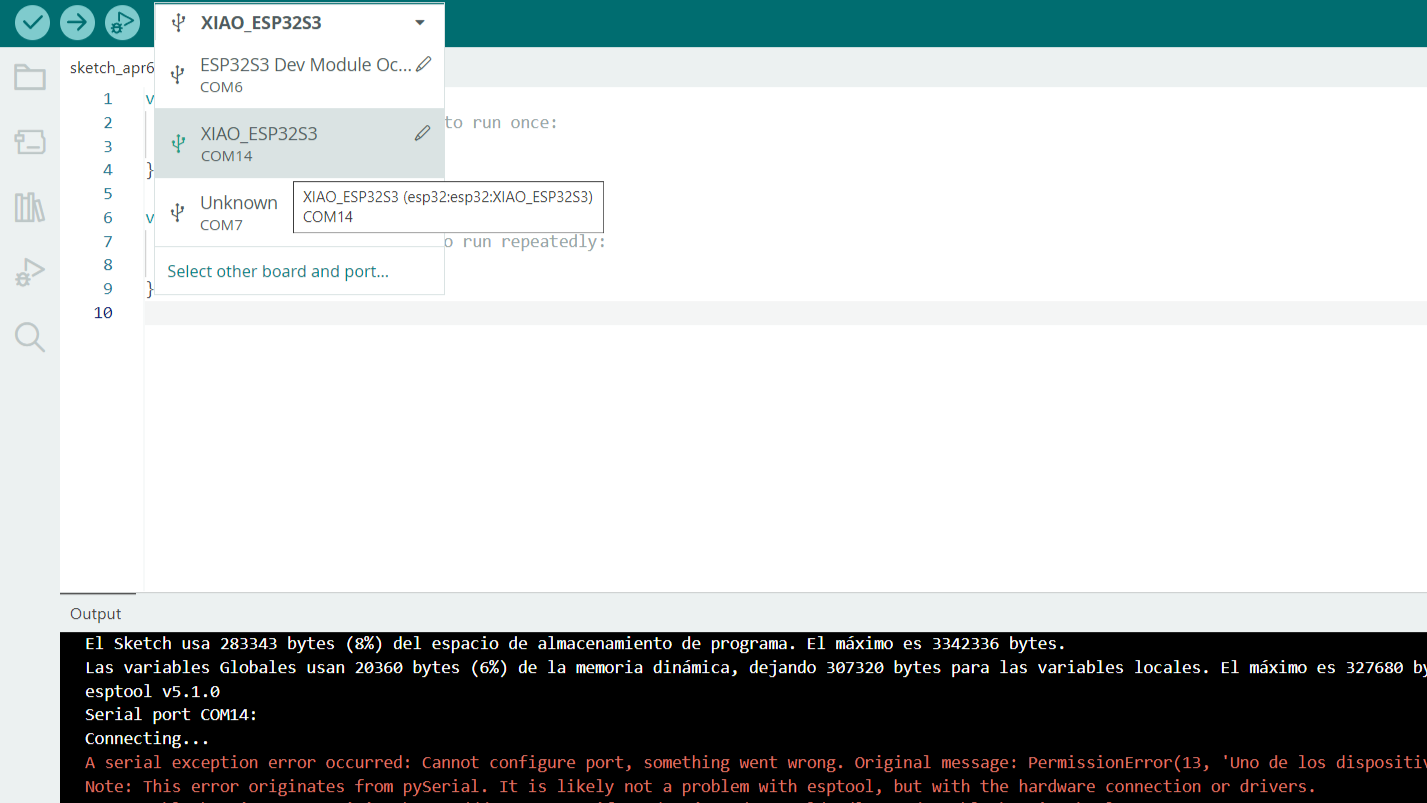
After several tests, we found that the microcontroller was detected on a different port: COM15. Once the port was changed manually in the command and in the development environment, the connection worked correctly.
Wireless Communication Test
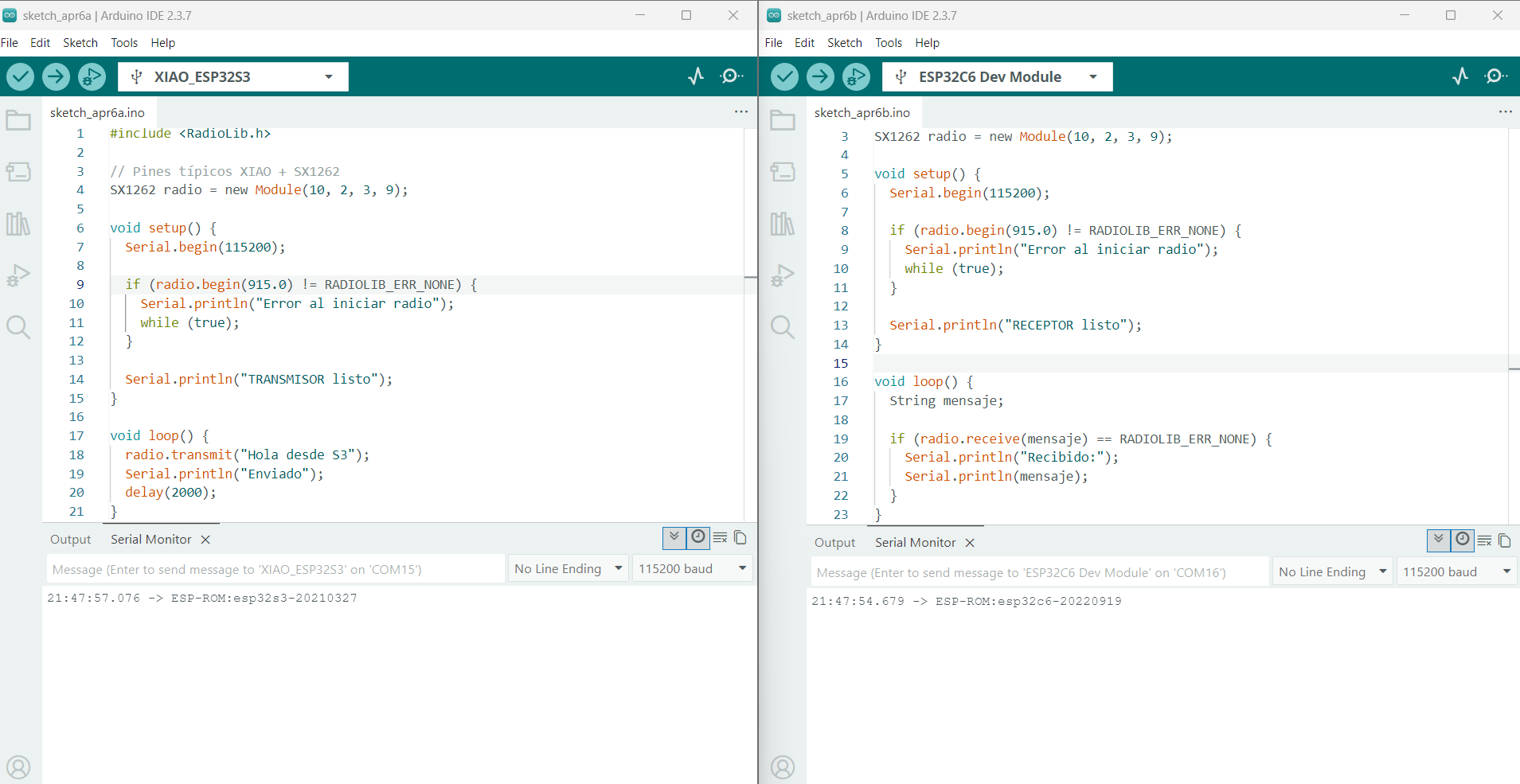
Wireless communication tests were carried out between two microcontrollers. The XIAO ESP32-S3 was used as the transmitter, and the ESP32-C6 was used as the receiver through basic Wi-Fi communication. The ESP32-S3 created a network, while the ESP32-C6 attempted to connect to it.
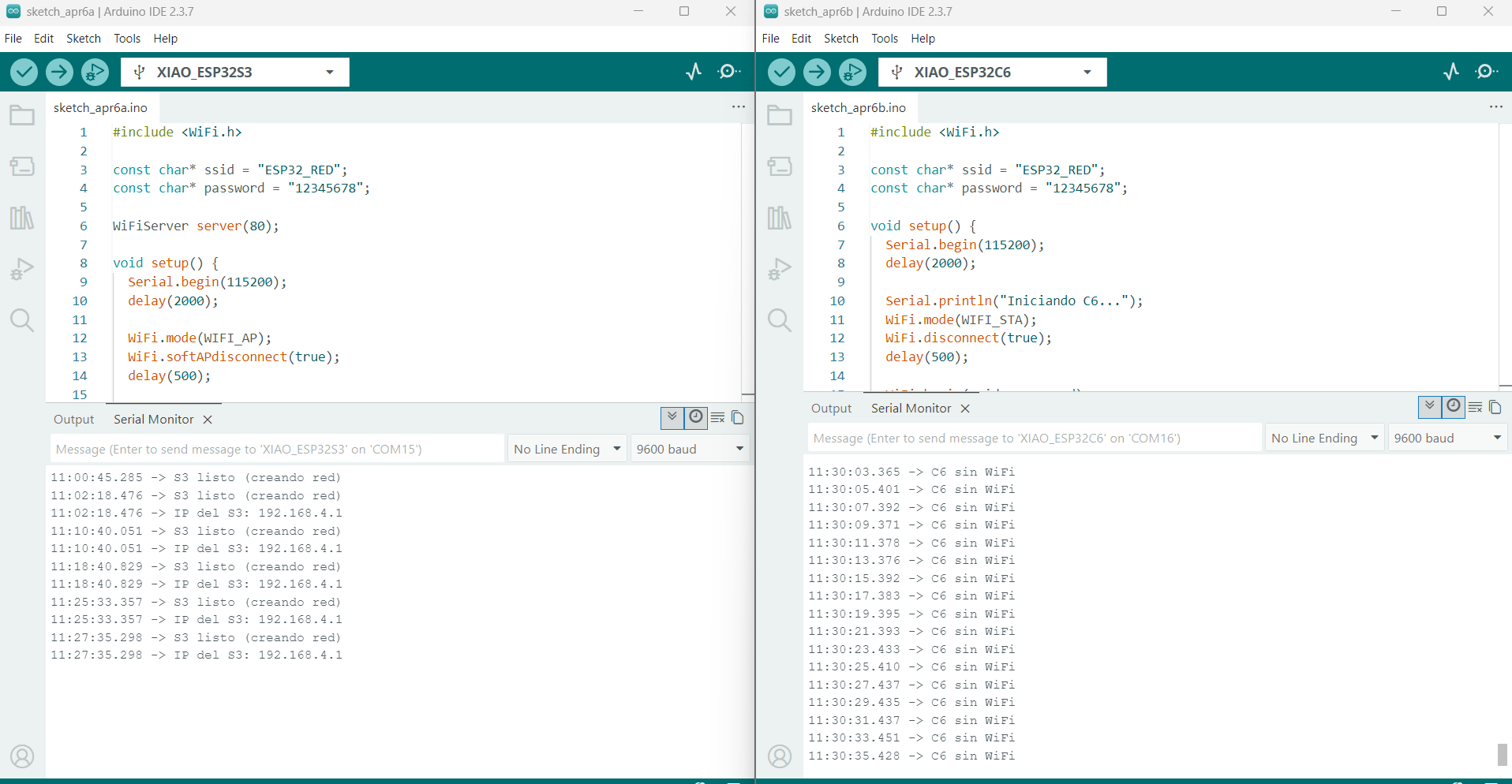
During the tests, we identified problems related to the antenna. The communication behavior changed depending on whether the antenna was connected or not. After using the antenna connection, the system started working correctly.
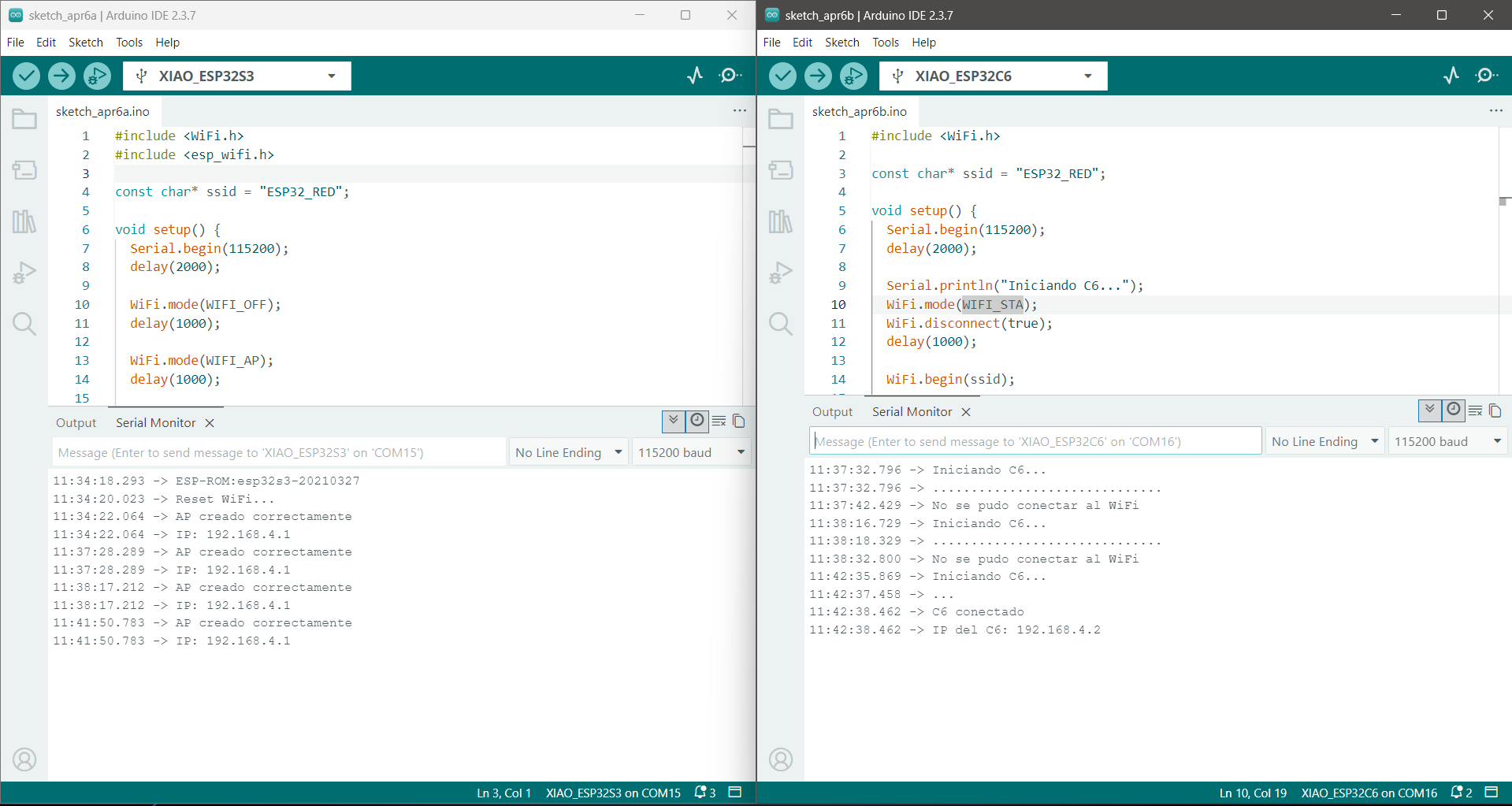
After several attempts, the connection between both devices was established and an IP address was assigned correctly.
With communication established between both nodes, the project was tested as a simple wireless communication system between two microcontrollers. The main idea is that the devices can send text messages to each other in real time.
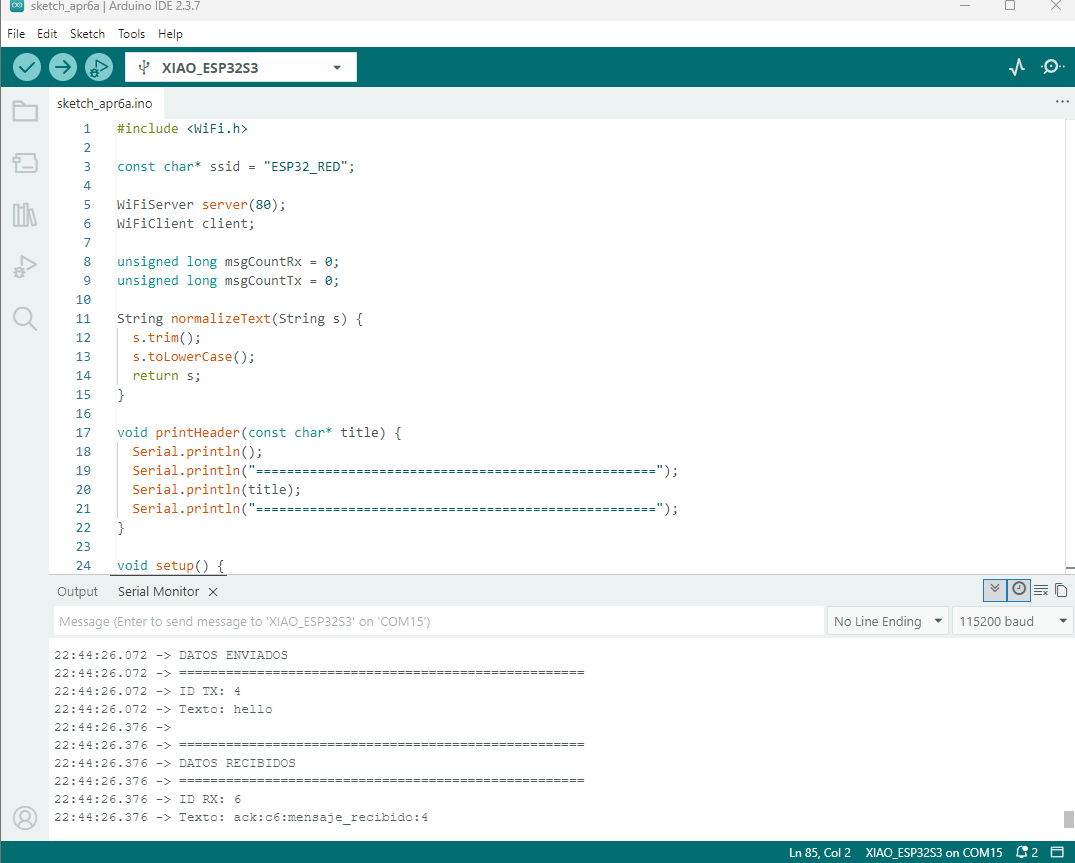
When one device sends a message, the other receives it and displays it on the serial monitor. At this point, the project becomes more relevant because the original text is converted character by character into its Braille representation.
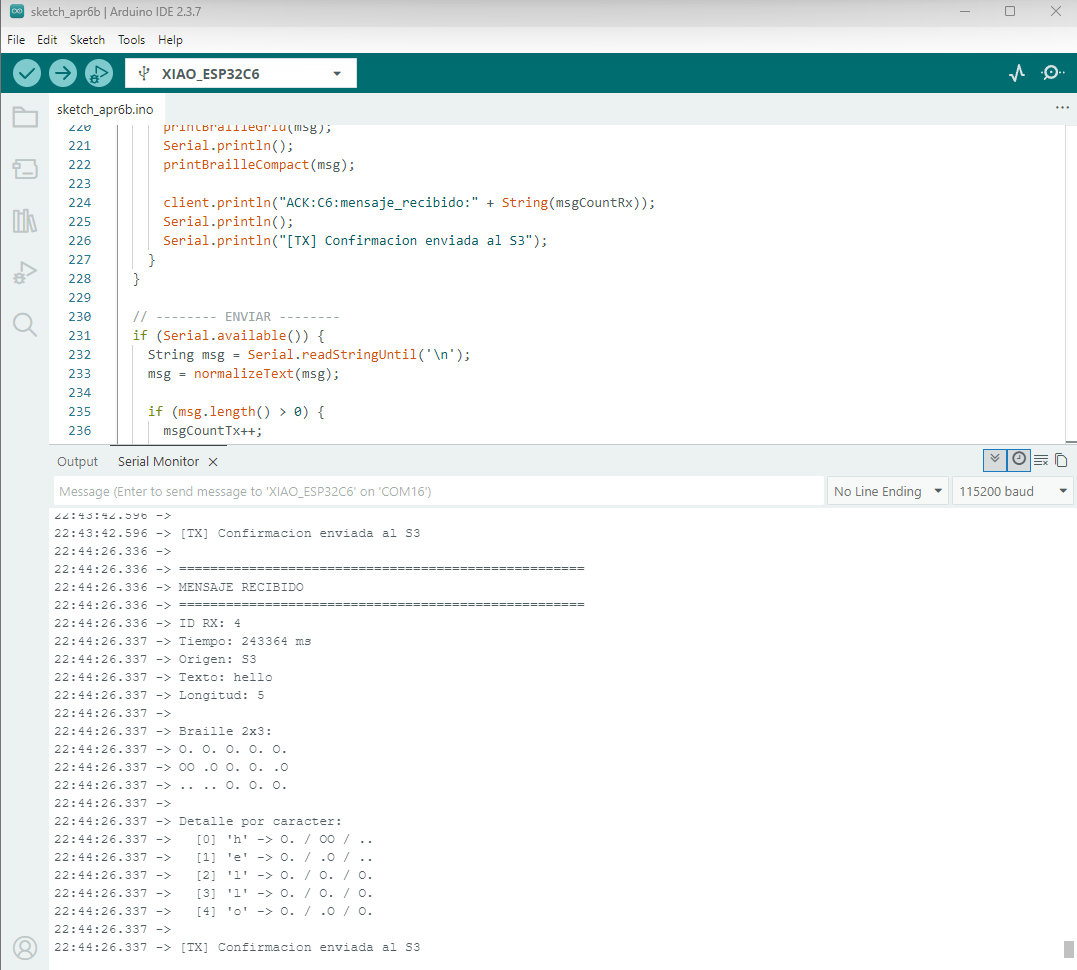
For now, the Braille output is simulated through the serial monitor. This makes it possible to demonstrate how the translation process works before moving to a physical output. The final goal is to implement this representation using solenoid-based Braille cells capable of generating real tactile dots.