Applications And Implications
1.What will it do?Music today often lives behind touchscreens a tap, swipe, skip, repeat. With N.J (NanoJam), I wanted to slow things down and bring interaction back into the experience.
N.J is a compact handheld music player inspired by retro mini-disc players and tactile music devices. Instead of simply pressing play, users physically interact with music through a rotating disc interface that becomes part of the listening experience. Songs
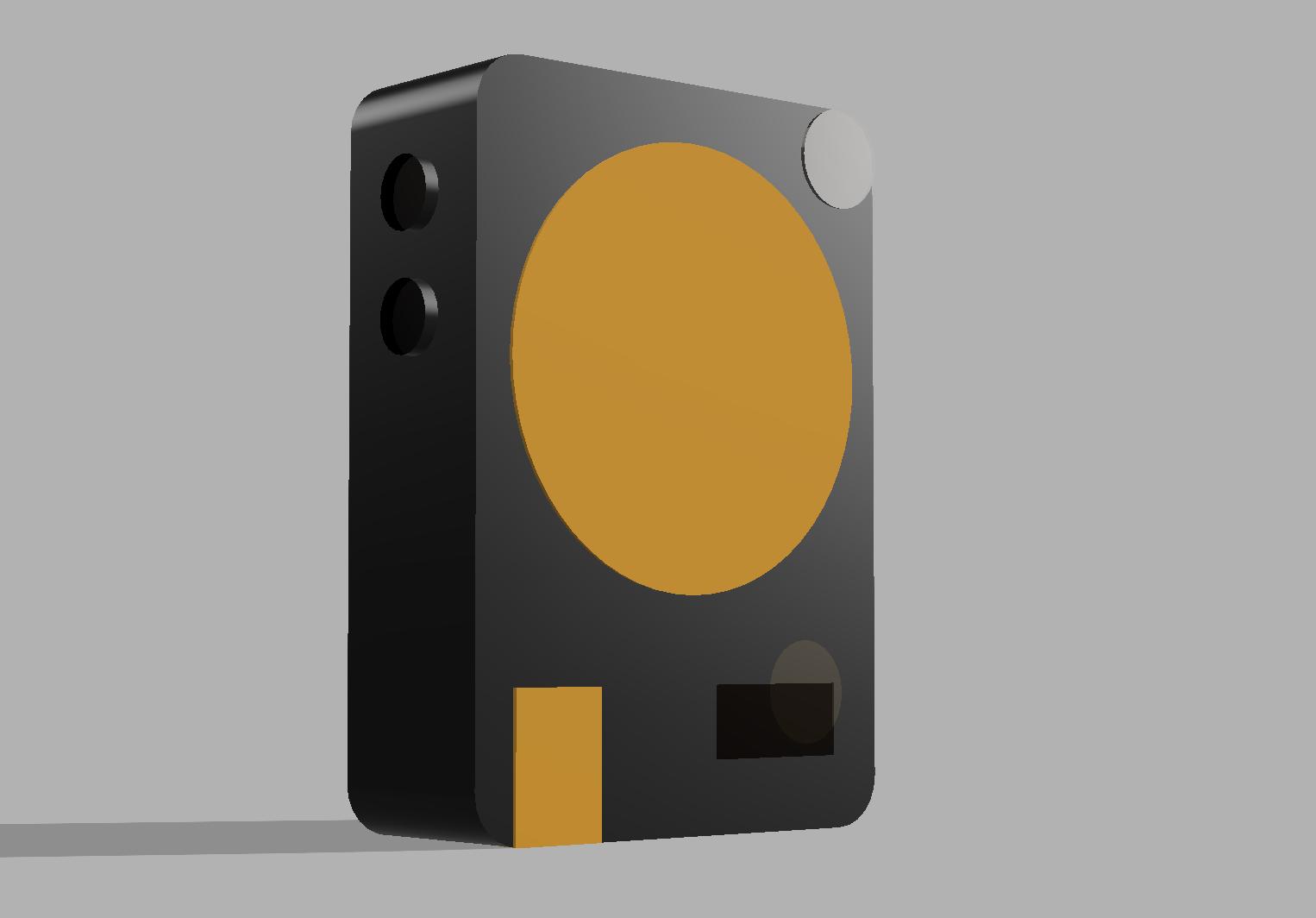
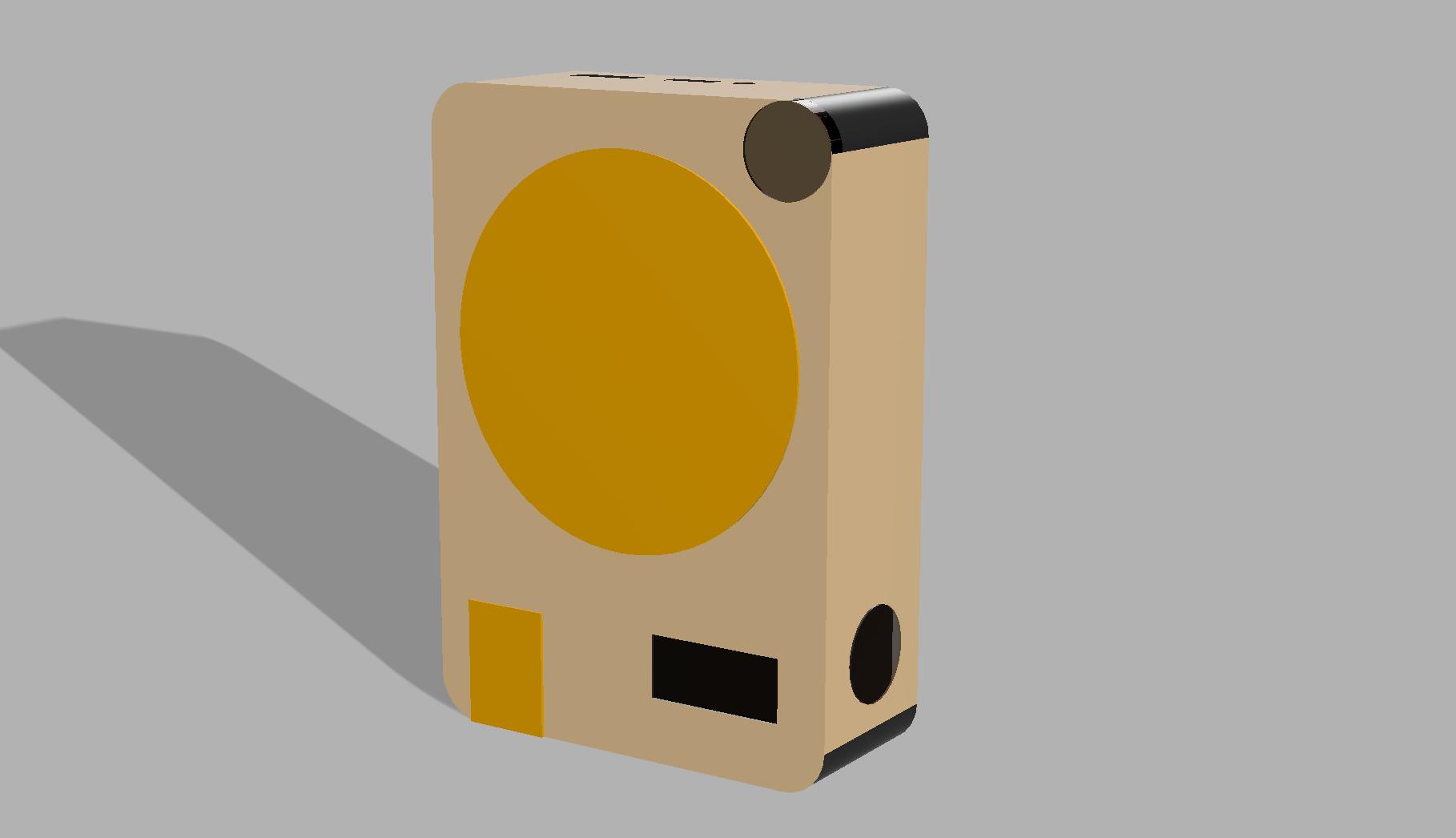 The ideo of the project is to explore how digital media can feel more personal when paired with touch and motion. Beyond functioning as a music player, I want it to feel like carrying a tiny object of curiosity with you, something playful that invites interaction rather than passive consumption.
2.Who’s done what beforehand?
The idea did not emerge from a single product but from fragments of many things I grew up with and encountered.
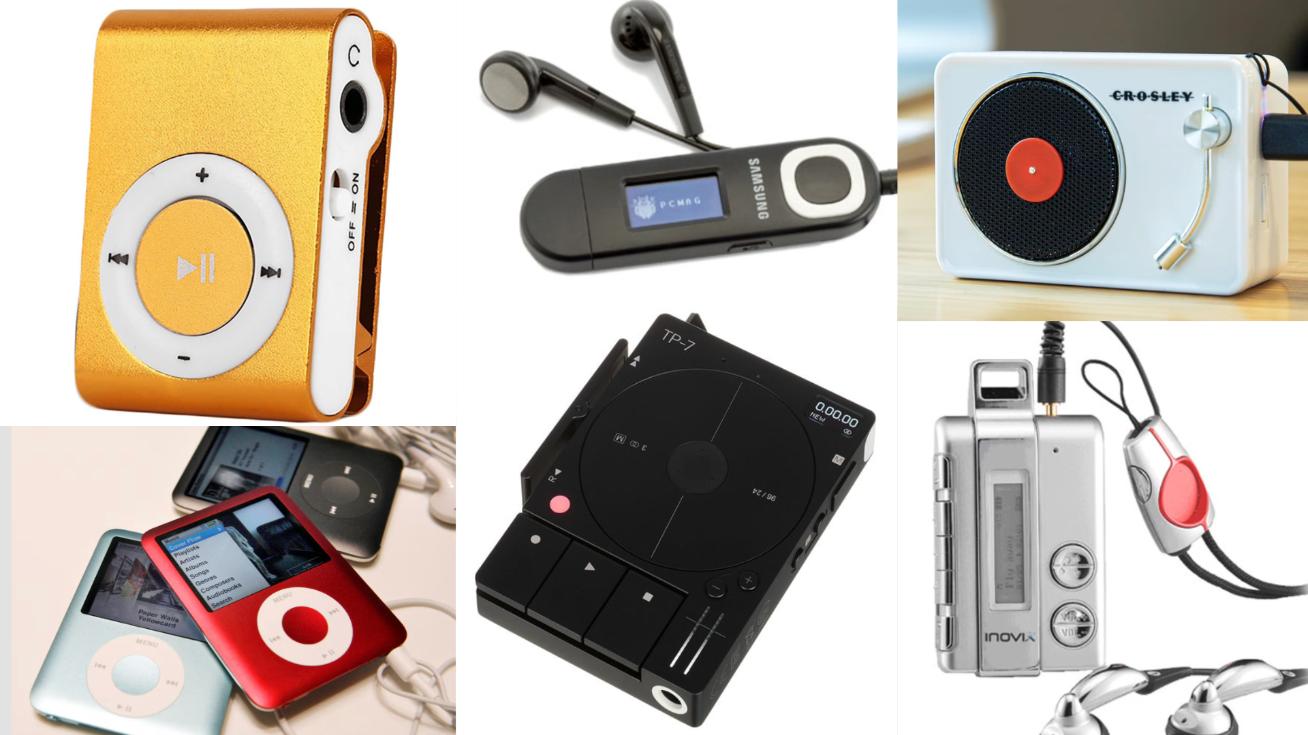
Image Credits: img 1, img 2, img 3, img 4,img 5, img 6,
Retro mini-disc players, old MP3 players , DJ turntables, physical music interfaces, and playful handheld devices all influenced this project. I was particularly drawn toward products that made interaction feel intentional rather than invisible.
I had come across some really interesting projects that explored physical music interfaces, like the Winamp Style Music Player and the Music Box, which inspired me to think about how I could create something that felt tactile and engaging while still being a functional music player. What interested me was not recreating an existing product, but combining these inspirations into something that sits between a nostalgic object and a contemporary interactive device.
Like carrying a tiny music artifact from another timeline.
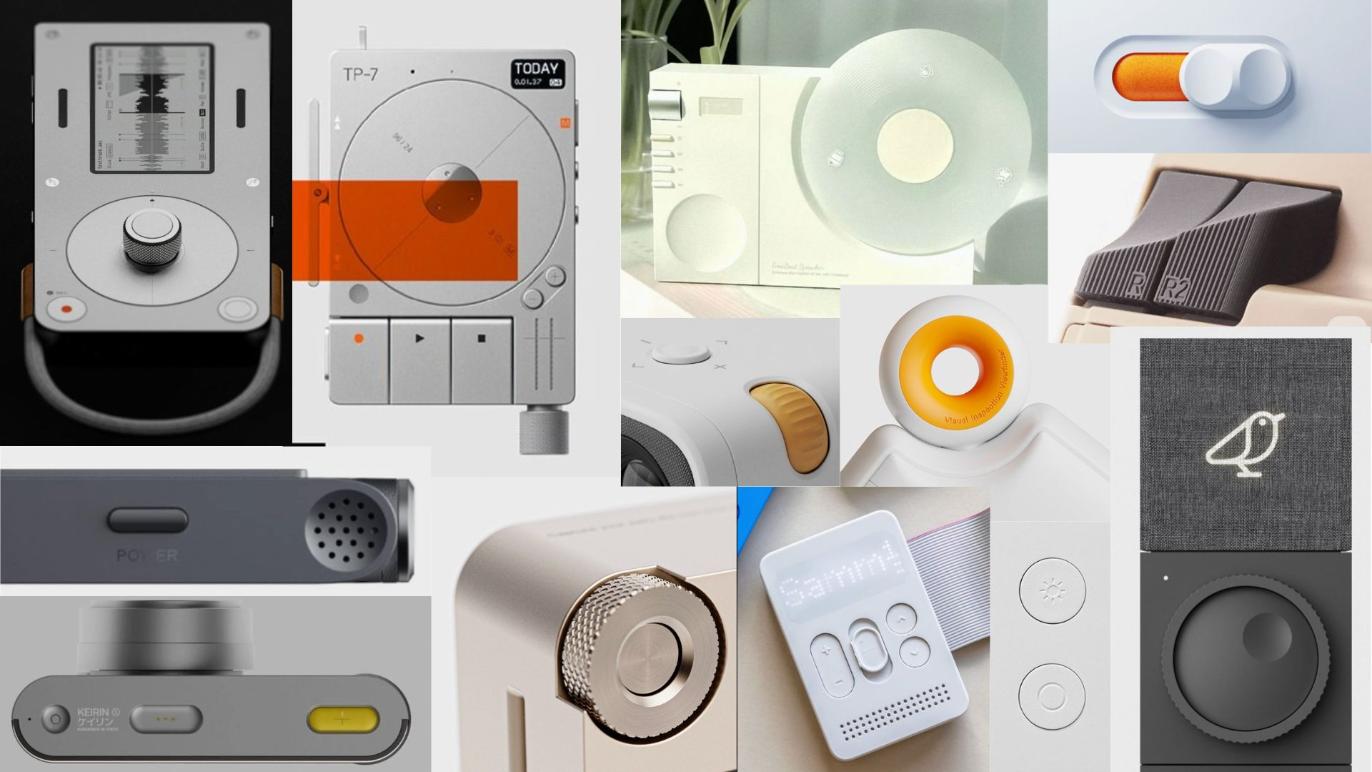 The image is from Week 15.
These are the designs that inspired me.
The image is from Week 15.
These are the designs that inspired me.
3.What sources will you use?
My main sources of Inspiration for the visual aspect was from Pinterest mostly, the moodboard above is a collection of what i found there. Also TP-7 documentation was the one that helped the most visually.
As the project evolved, the references also shifted from visual inspiration to technical research.
A big part was obviously from the wide pool of AI tools, but i mainly used Claude and ChatGPT for brainstorming, troubleshooting, and refining ideas. They were particularly helpful in generating code snippets, suggesting design approaches, and providing feedback on the project direction.
Then the Wiki Seeed Studio documentations were really helpful for understanding the capabilities and limitations of the microcontrollers.
Reddit and Arduino Forum's were also a great source to find loopholes and tested solutions for hardware challenges.
Most of the research happened gradually throughout weekly assignments, where each week acted as a prototype for some future aspect of the final project and also with the help of Super Fablab Kerala and the local and global instructors who provided feedback and guidance along the way.
4.What will you design?
This project requires designing not just electronics, but also an experience.
The design process includes:
- A custom PCB for integrating components
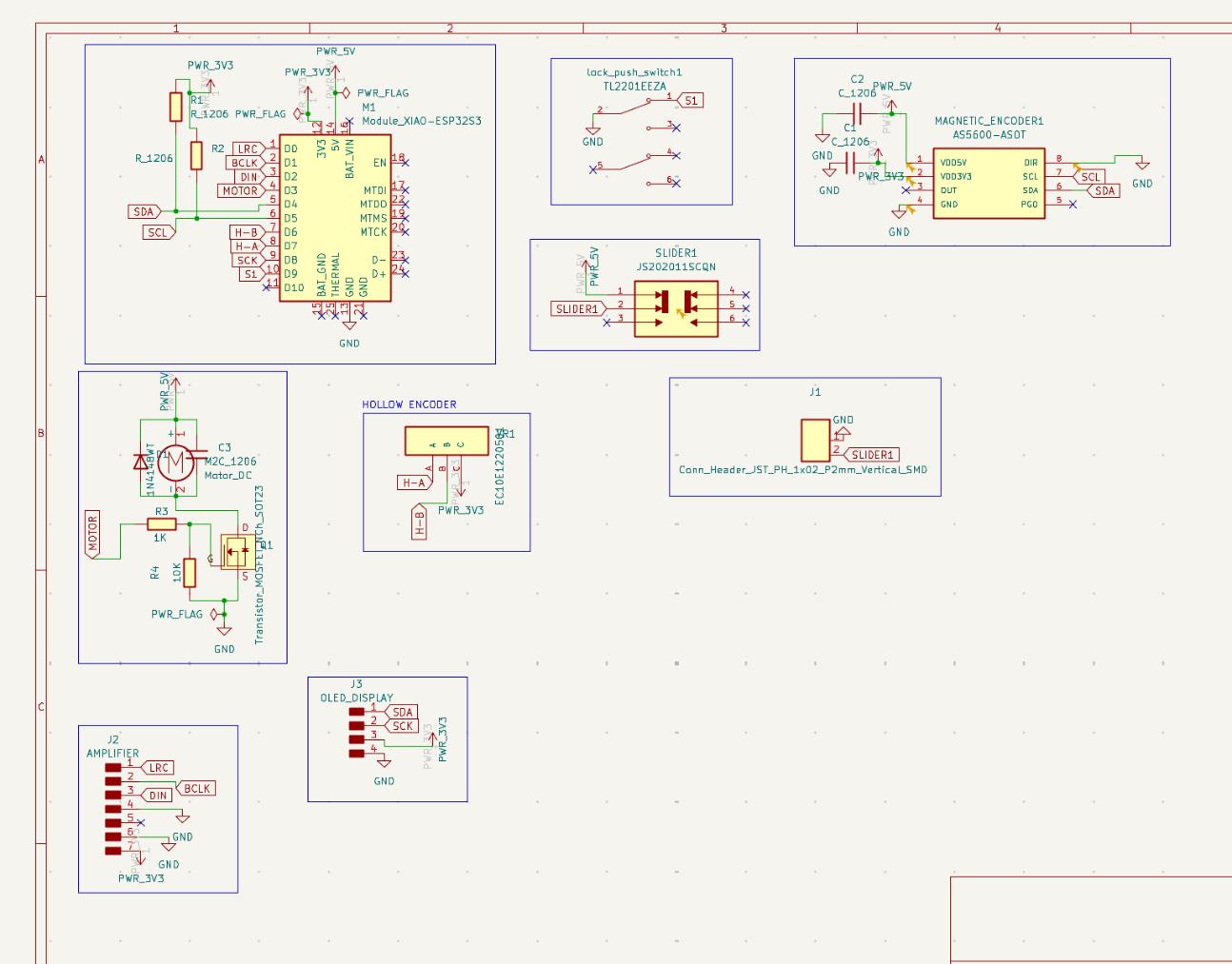 It includes an ESP32-S3 microcontroller, an SD card slot for music storage, an I2S audio amplifier for sound output, and a small OLED display for user interface.
 - A compact enclosure body
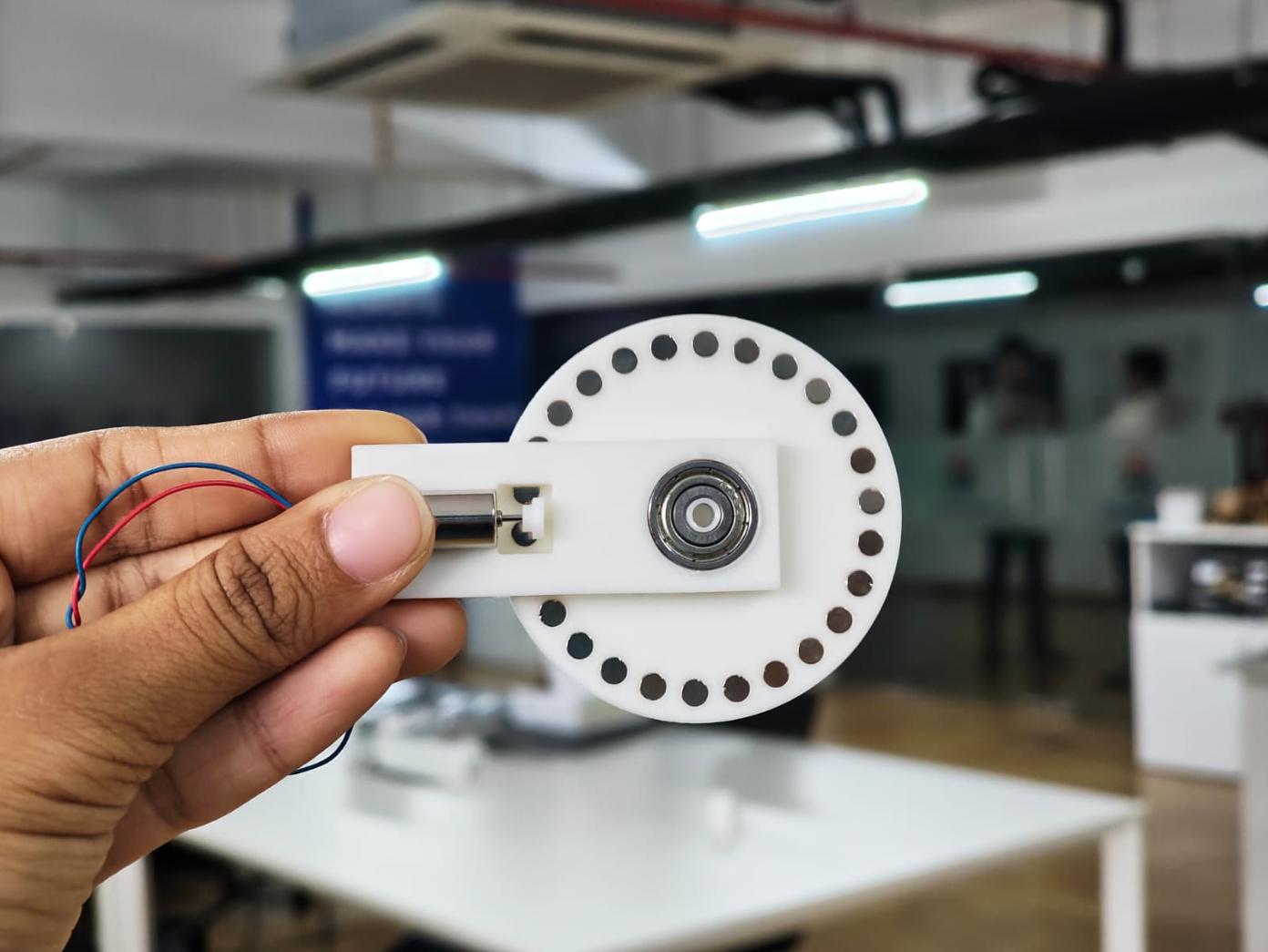
- A rotating physical disc mechanism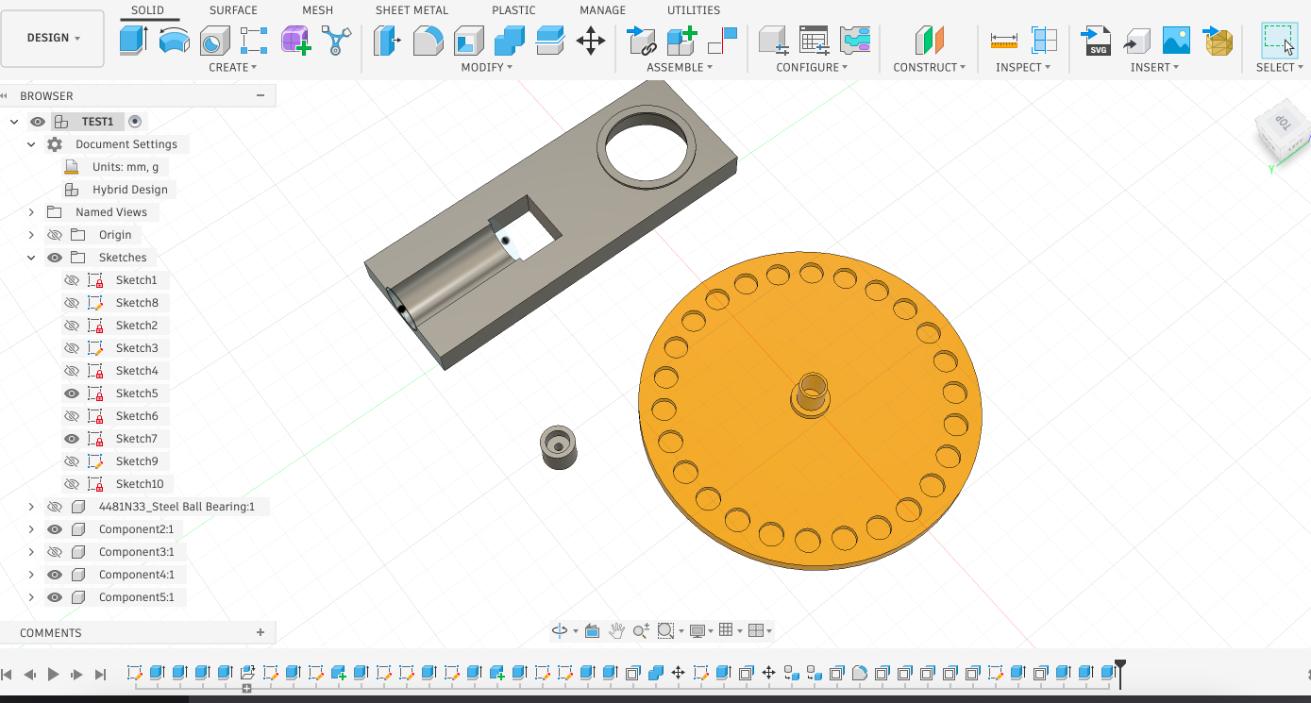
 - Internal packaging for components
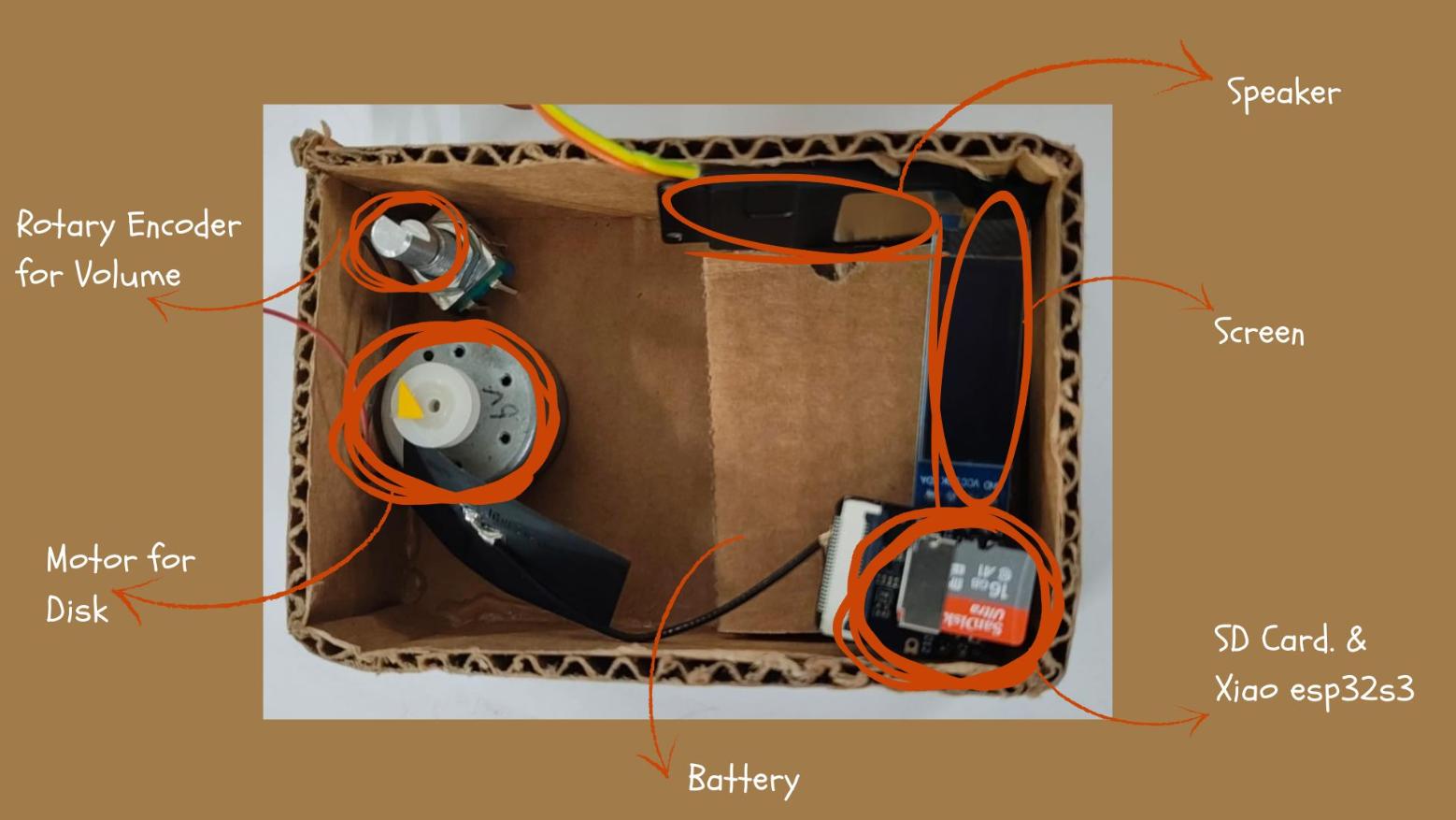 - A display and interface system
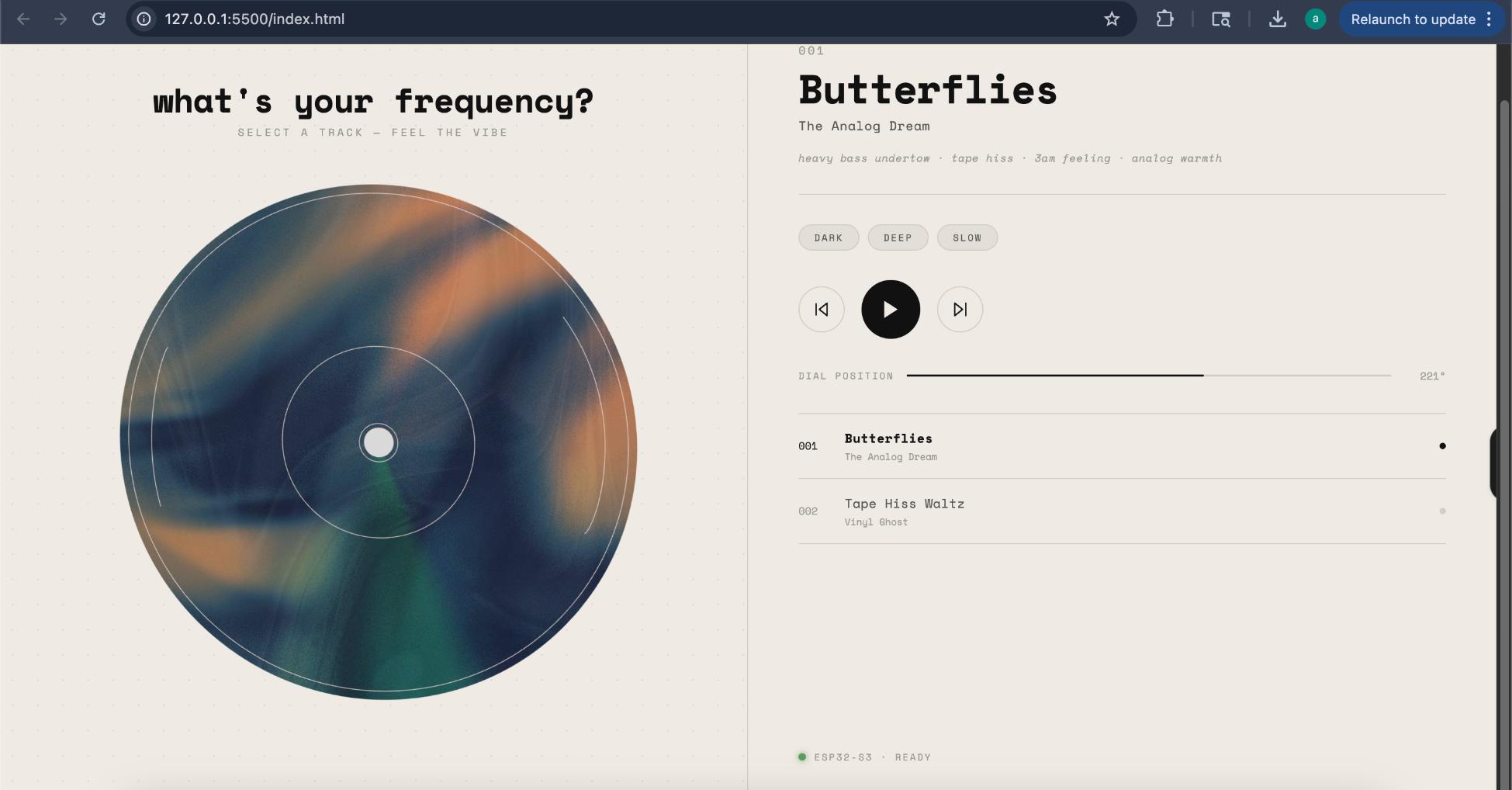 - User interaction flow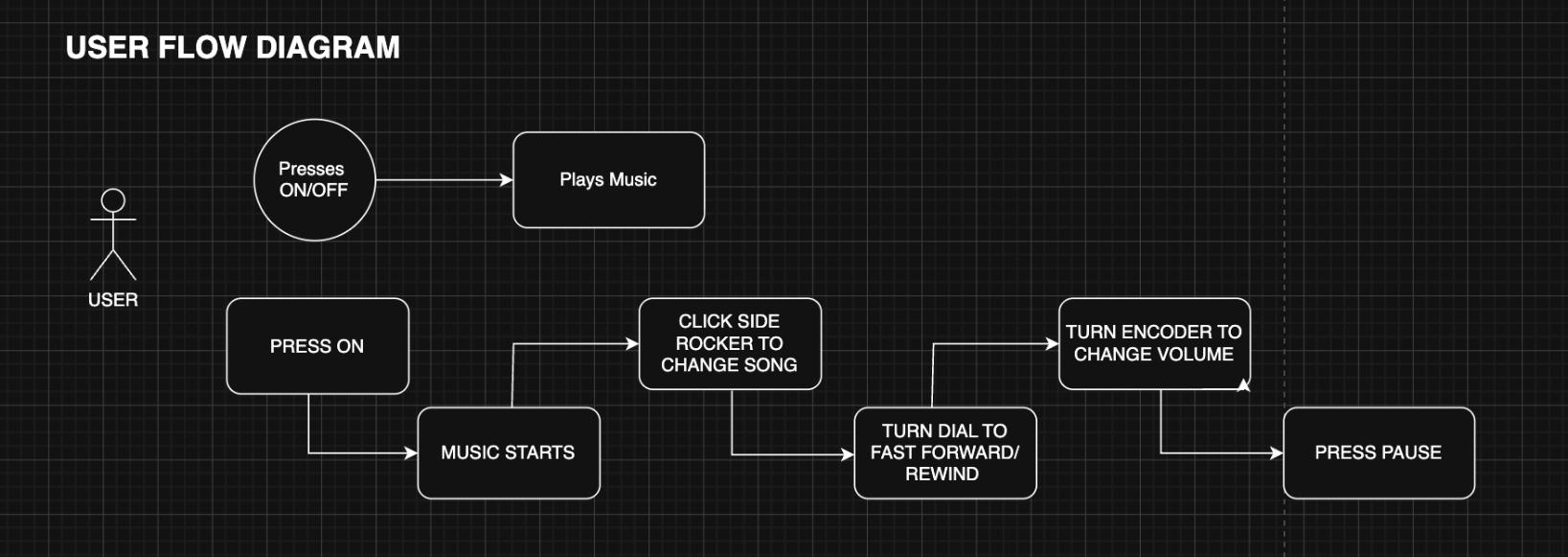
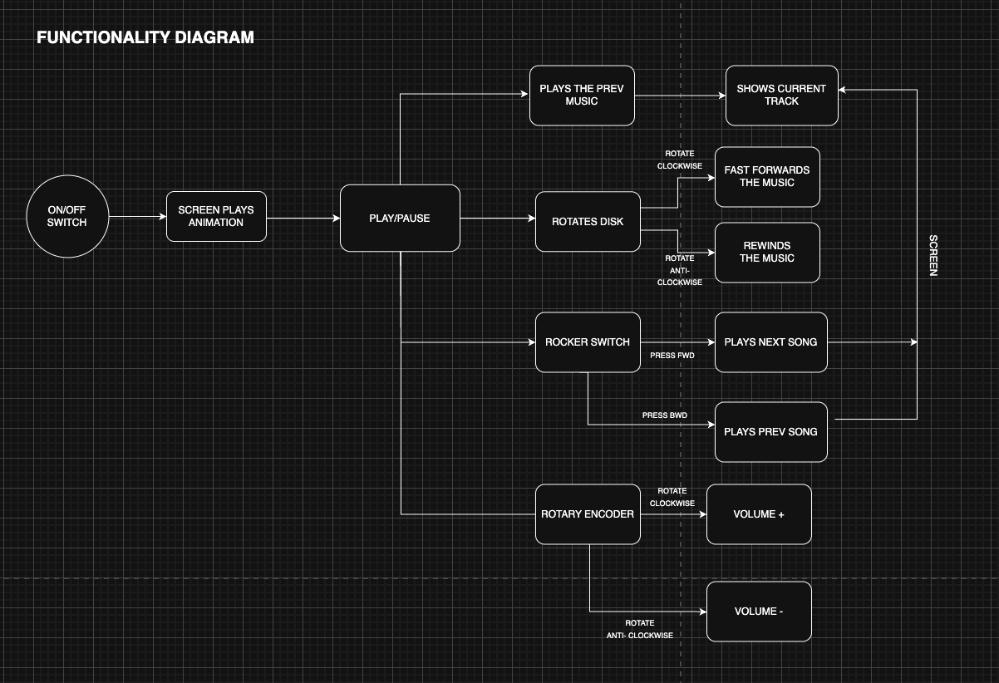 - Mounting structures for electronics and batteries
One of the biggest goals is making all systems coexist within a handheld form factor while preserving the playful nature of the device.
5.What materials and components will be used? Where will come from? How much will they cost?
Some of the components had to be bought from outside sources and most of the other components were available in the fablab inventory.
6.What parts and systems will be made?
- Electronic System:
Here, i am making i custom PCB to integrate the microcontroller, audio components, and display. This involves designing the circuit,milling and soldering the board.
- Mechanical System:
The rotating disc mechanism is designed and fabricated using 3d printing. This includes the disc itself, the mounting structure, and the interaction components that allow users to control playback through rotation.
- Software System:
I had made an Interface that allows users to navigate through songs, control playback, and view information on the display. This involves programming the microcontroller to read from the SD card, process user input, and manage audio output.
- Enclosure and Packaging:
The enclosure is designed to house all components securely while maintaining a compact form factor. This involves designing the case & creating mounting points for components.
7.What questions need to be answered?
1. Can music interaction feel more playful and tactile?
2. Is the rotating mechanism smooth and responsive?
3. Can all systems fit inside a compact body?
4. How long can battery life sustain use?
8.How will it be evaluated?
The project will be successful if:
- Music playback works reliably from the SD card.
- User interactions control playback correctly.
- Audio output remains stable.
- The rotating mechanism performs consistently.
- The custom PCB integrates all systems successfully.
- Components fit within the designed enclosure.
- Users find the experience enjoyable and engaging.
Project Development
Making a dummy slide
Made the dummy slide for the final project:
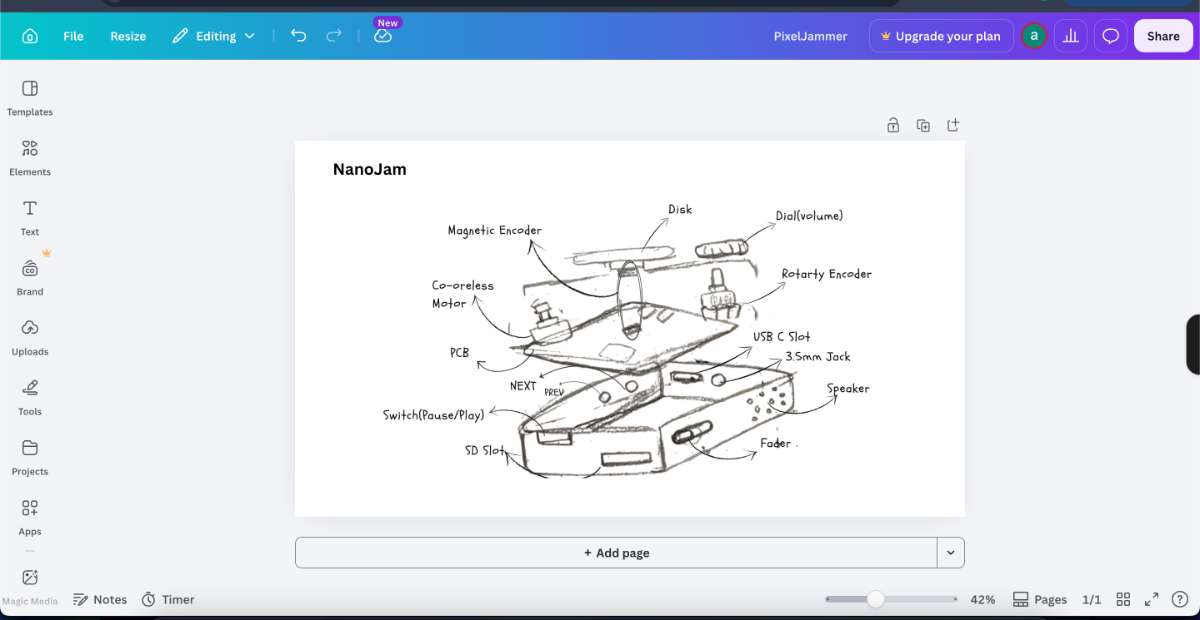 using Canva.
First I opened canva and added a custom size of 1920*1080 px canvas and then I added the image from my week16 and the title of the project.
Making a trial video
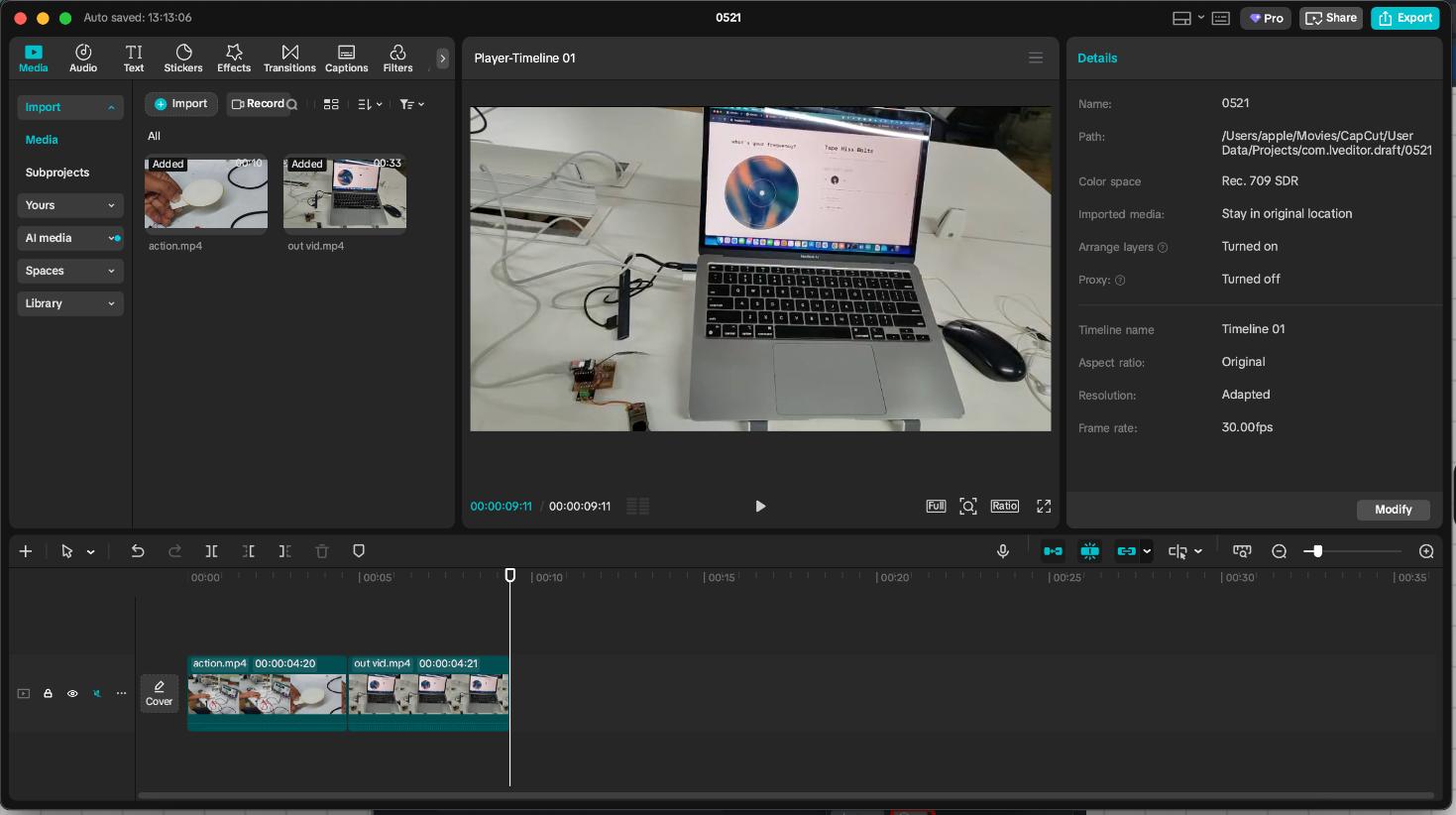
First, i put together some clips of my project in capcut:
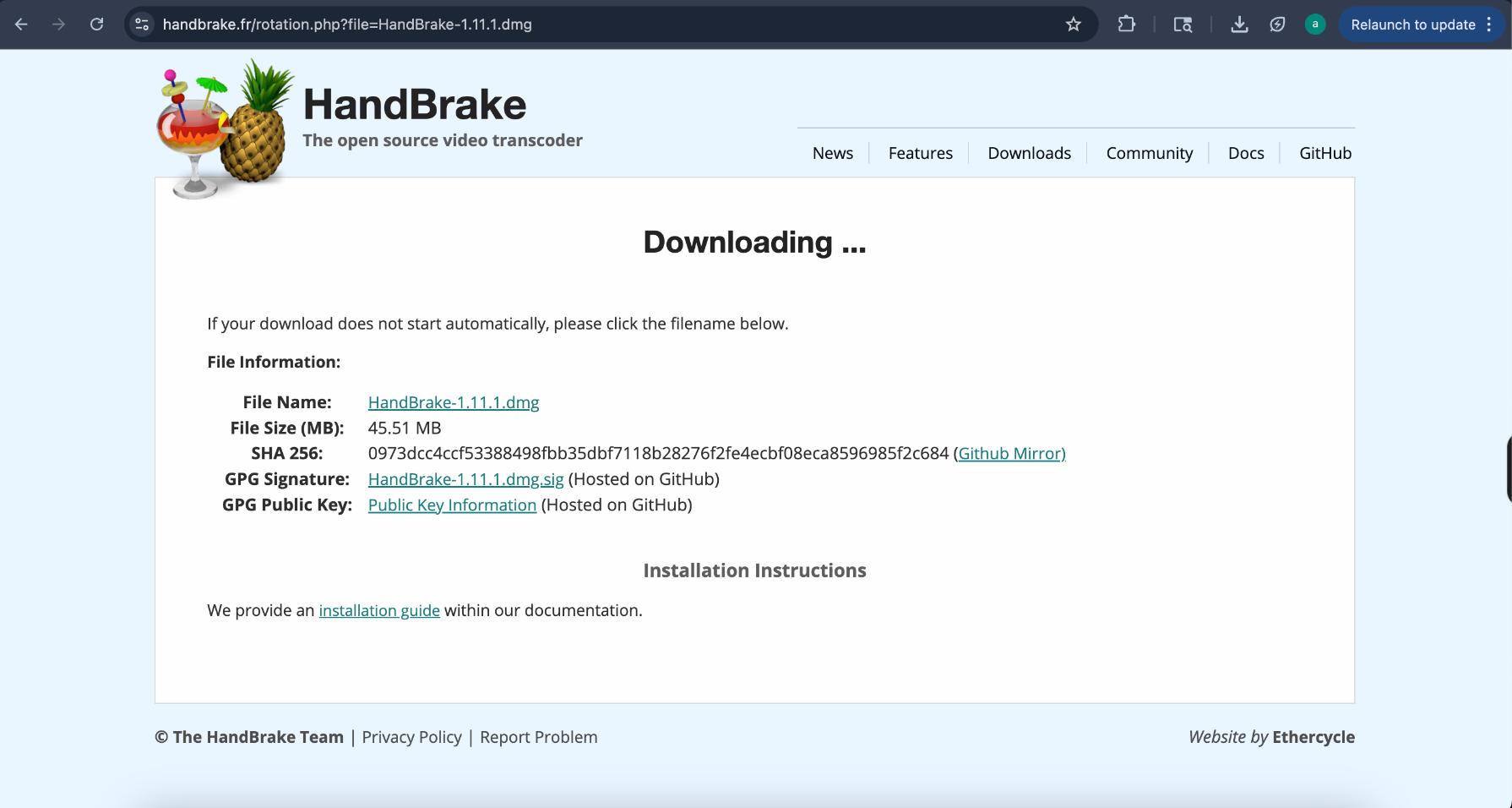
 Then to optimize the resolution and size i installed handbrake , which was my instructor Saheen's recommendation, it is a free and open-source video transcoder that allows you to convert videos into different formats and optimize them for various devices and platforms. I used it to compress the video while maintaining good high-quality.
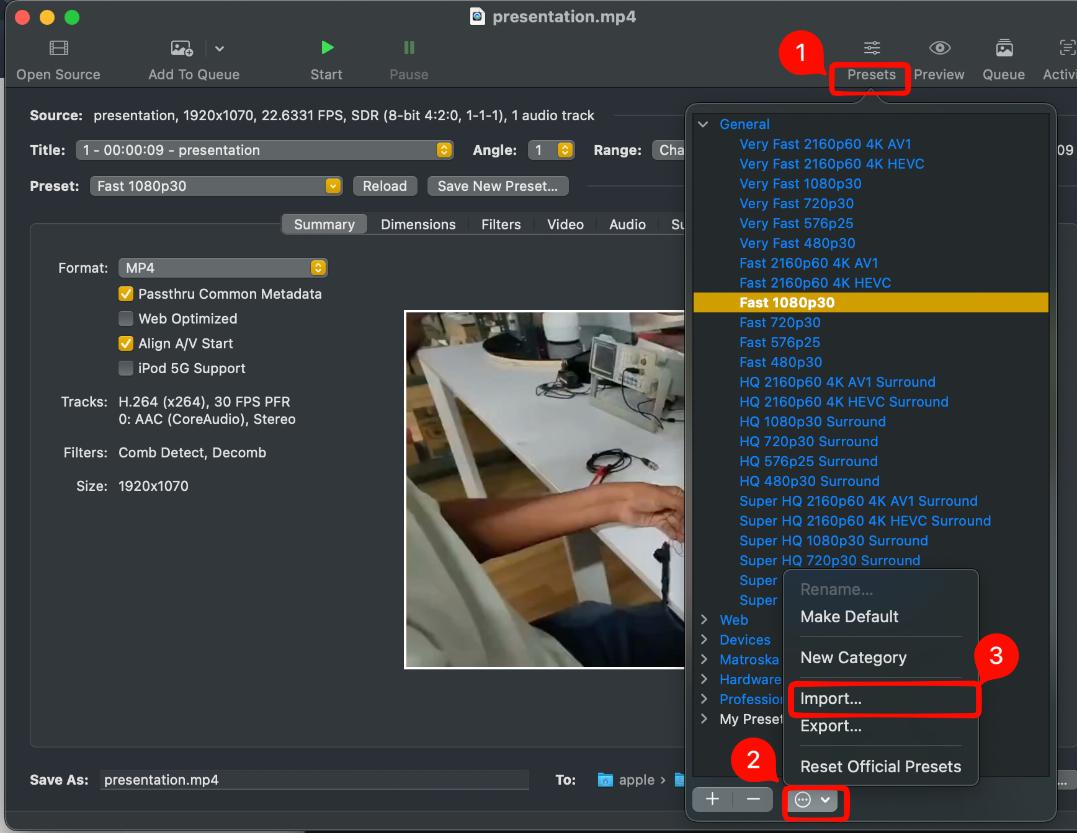
 used the following settings to encode the video:
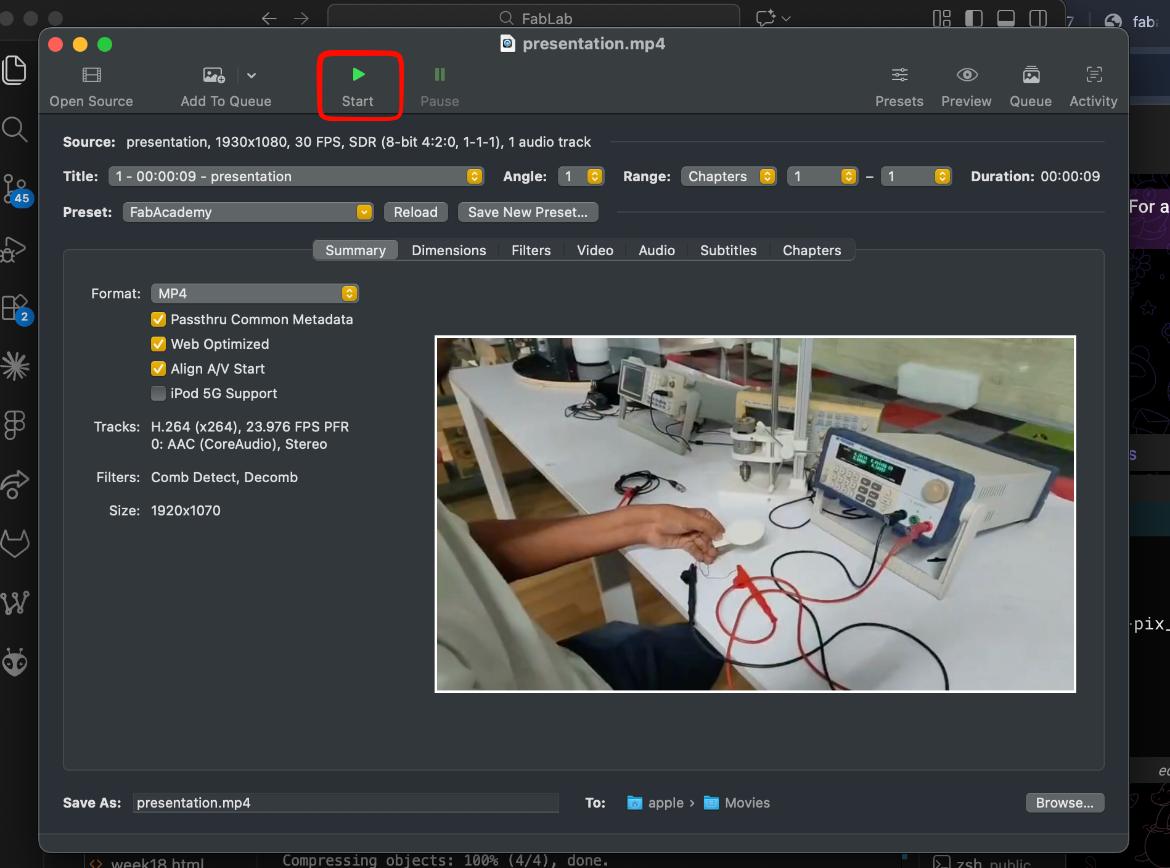
 then click on start initiate the encoding:
 click to get the imported preset.
then i pushed it to the repo.
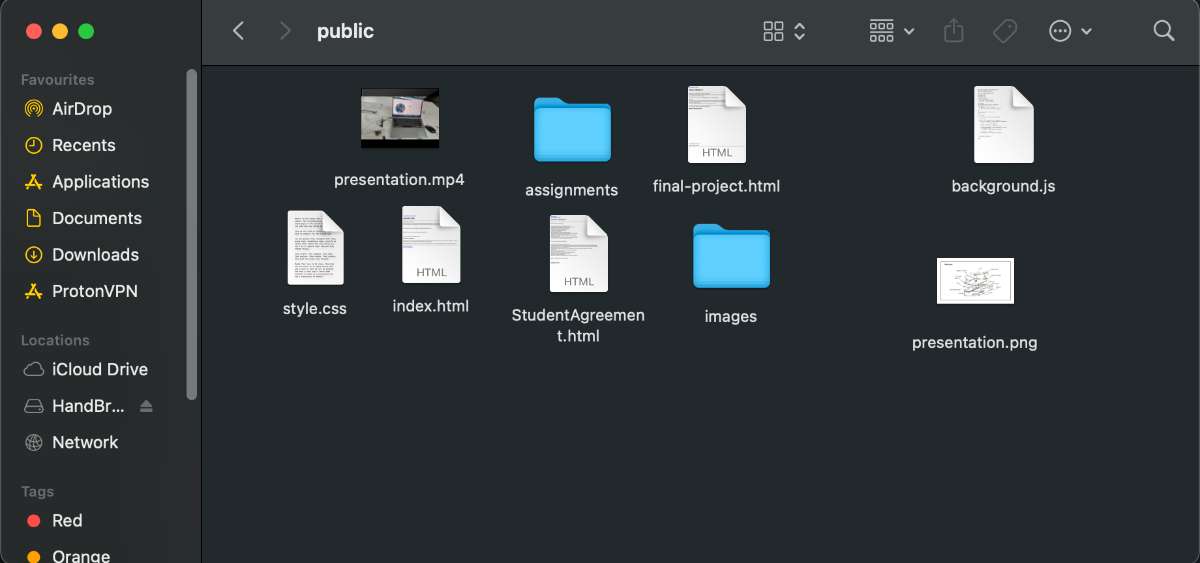 We had been asked to place the slide and the video in the root directory, named properly and check that they are linked in the final presentation schedule, so i checked the presentation schedule and found that both of them were linked correctly.
 Here is the
Presentation link
Here is the
Presentation linkfor the schedule where the slide and the video are linked.
NANOJAM © 2026 by archita b k is licensed under CC BY-NC-SA 4.0


