 FAB ACADEMY
FAB ACADEMY
FAB ACADEMY
The assignment for this week was to work on the system integration of the final project, focusing on planning, organizing, and integrating all the different components into a single functional device.
My final project is a wearable headband that helps users identify the direction from which a sound is coming by providing haptic feedback through vibration motors. The project is called H.A.L.O, a name with two meanings. A halo is a circle of light or a luminous glow, and the acronym H.A.L.O. (Haptic Auditory Location Orientator) describes the main purpose of the device.
I designed and fabricated two custom PCBs. The main board contains the XIAO ESP32-C6, a microphone, and a vibration motor for the left side of the head. This board is connected through wires to a secondary board that contains the microphone and vibration motor for the right side.
I selected the XIAO ESP32-C6 because it provides Wi-Fi connectivity, allowing future communication with a desktop interface that will be used to control operating modes and calibration settings.
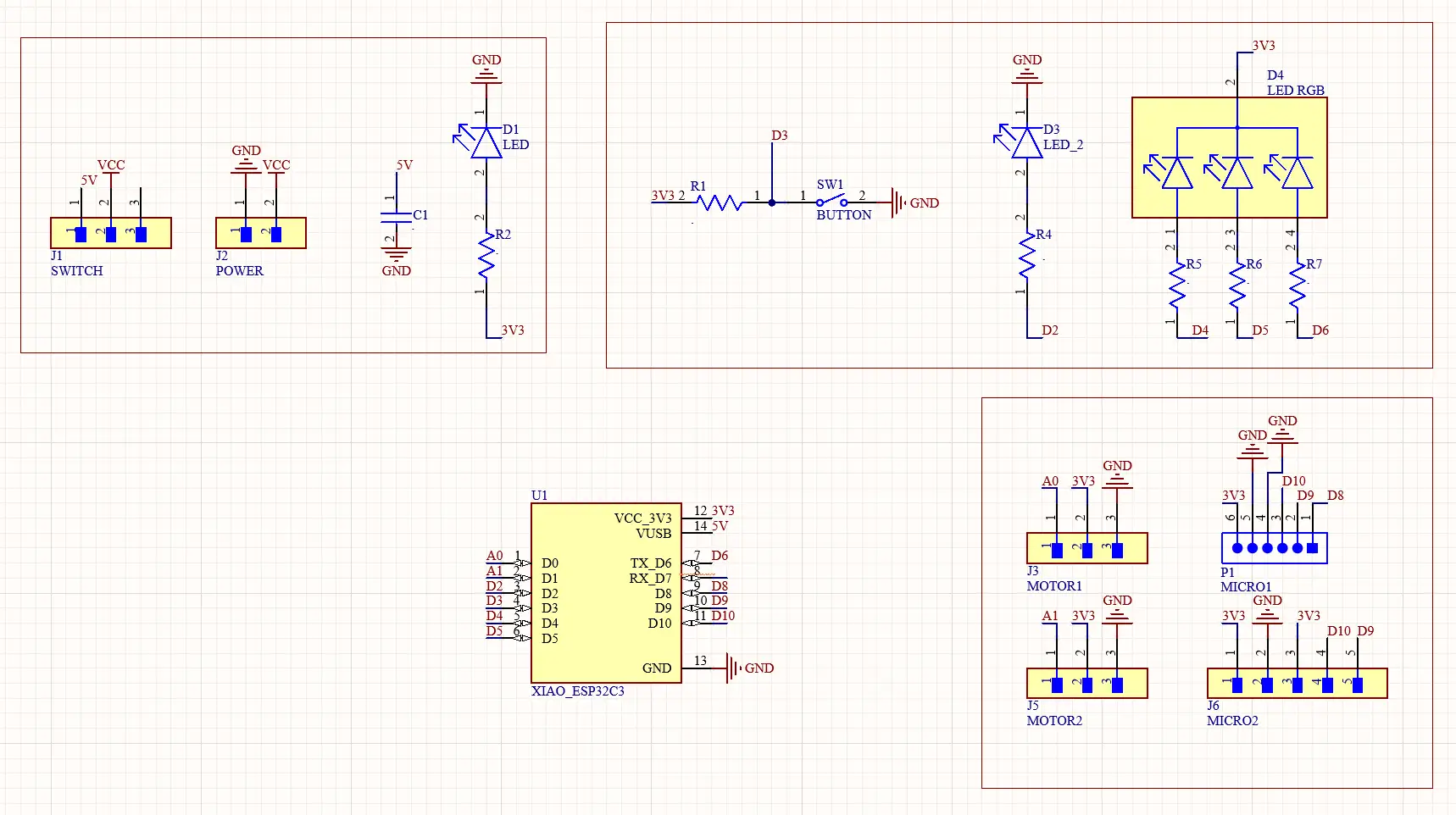
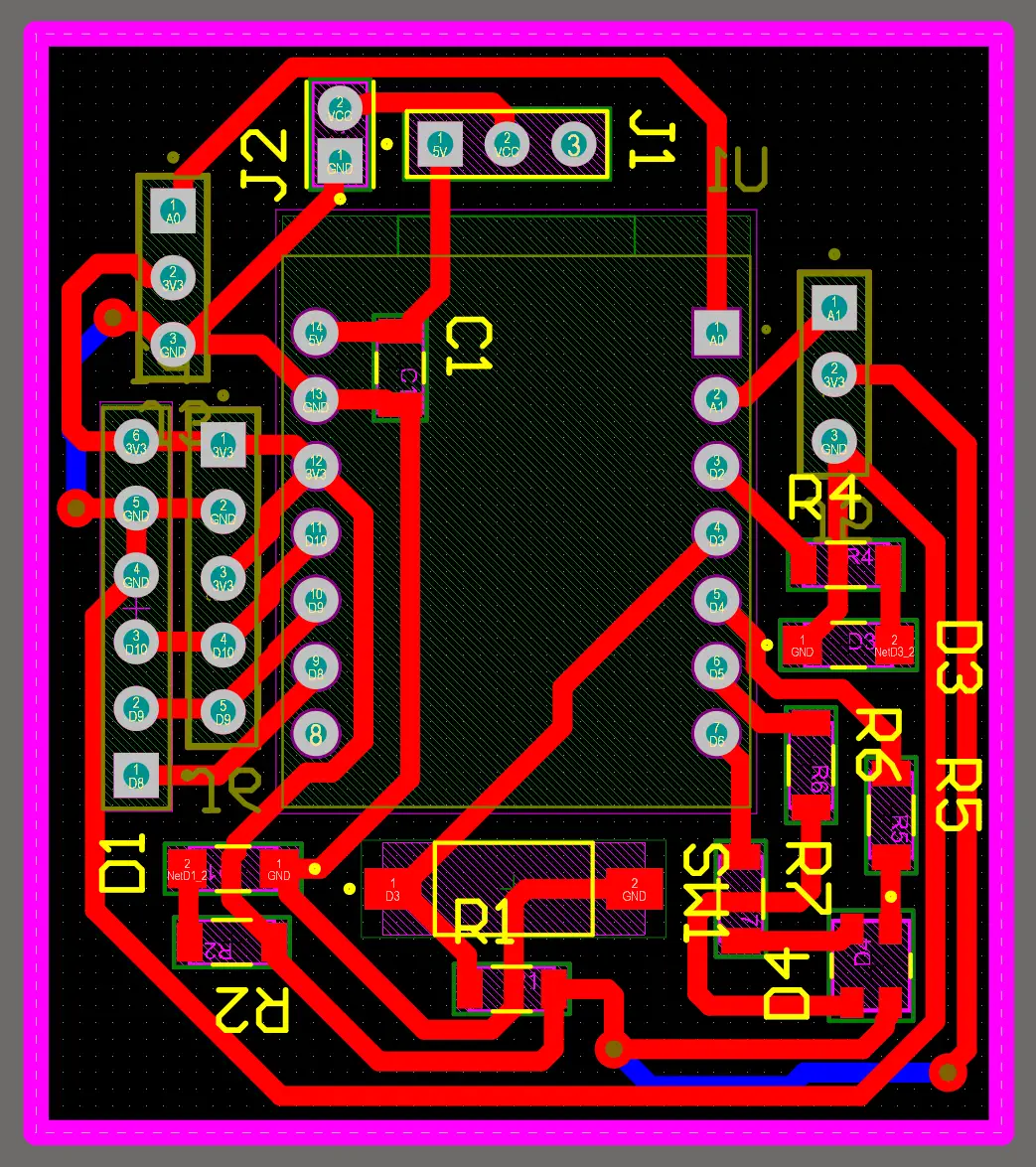
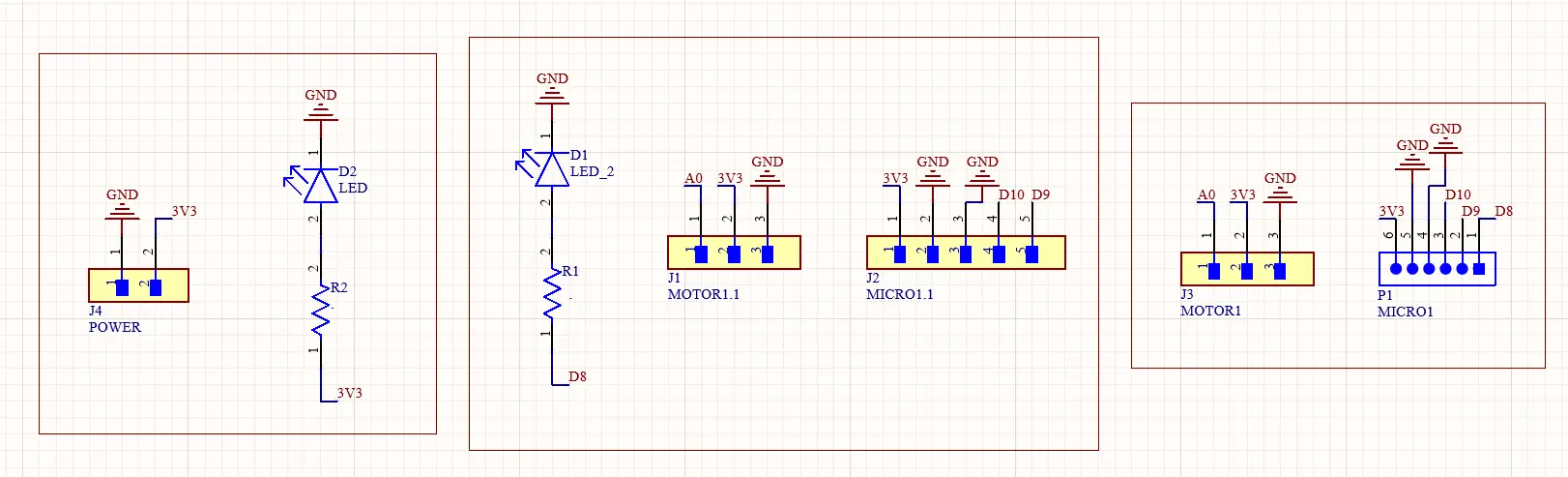
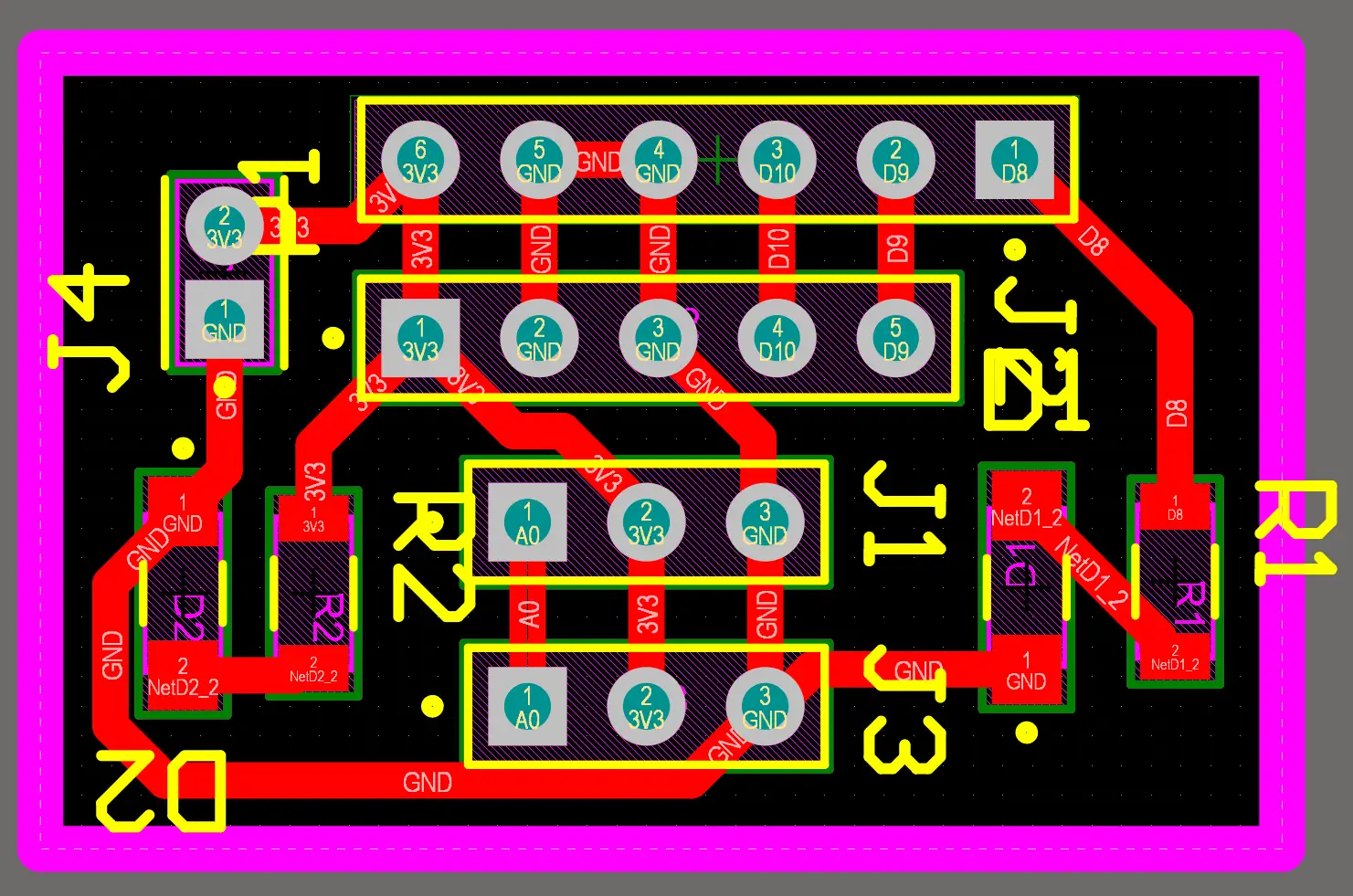
To create a more finished and professional-looking product, I designed two custom enclosures to house the electronic boards and protect the components.
To verify that all parts fit correctly, I exported the PCB design from Altium into SolidWorks and assembled it together with the 3D models of the enclosures. This allowed me to check clearances, dimensions, and the overall integration of the system before manufacturing.
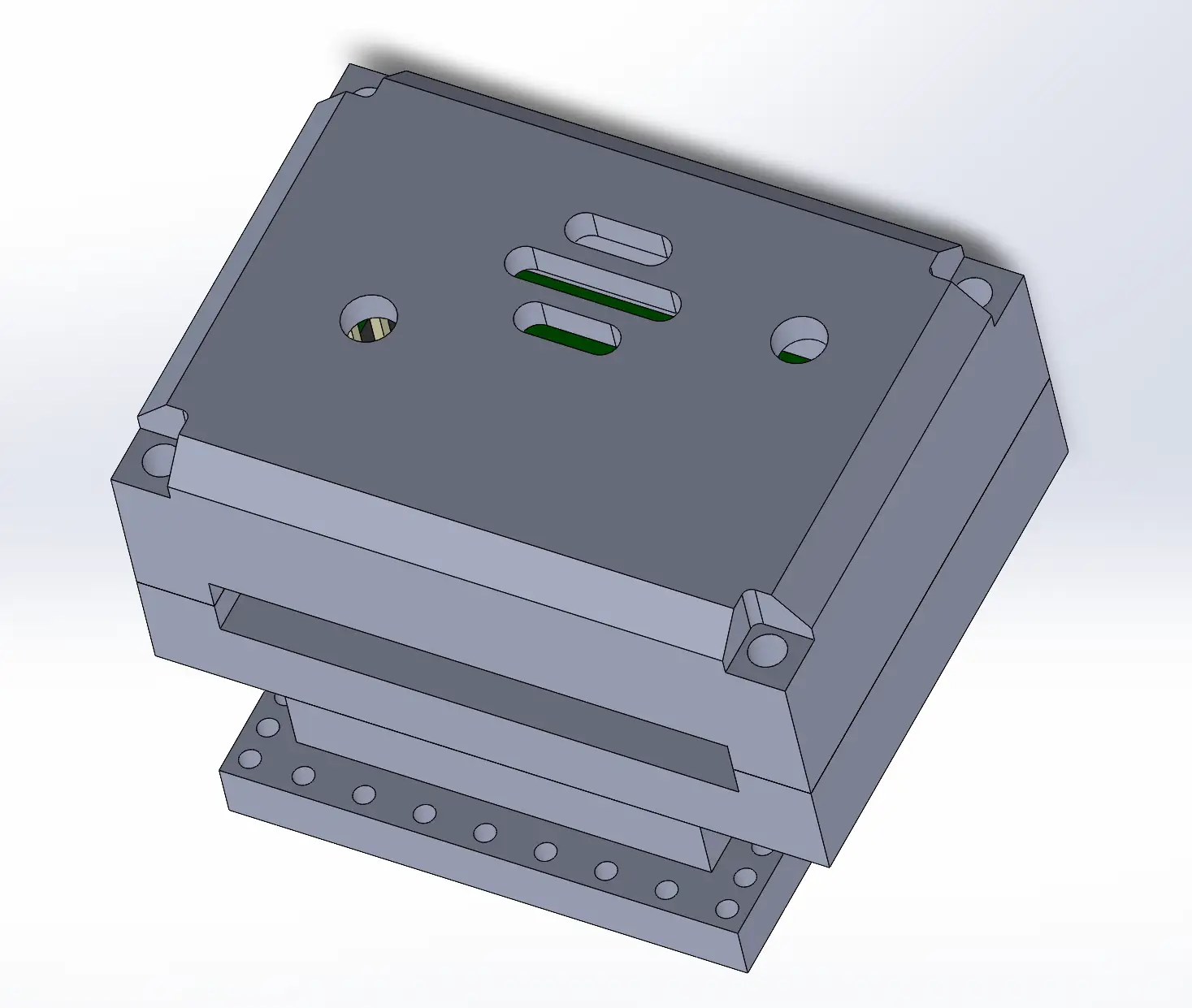
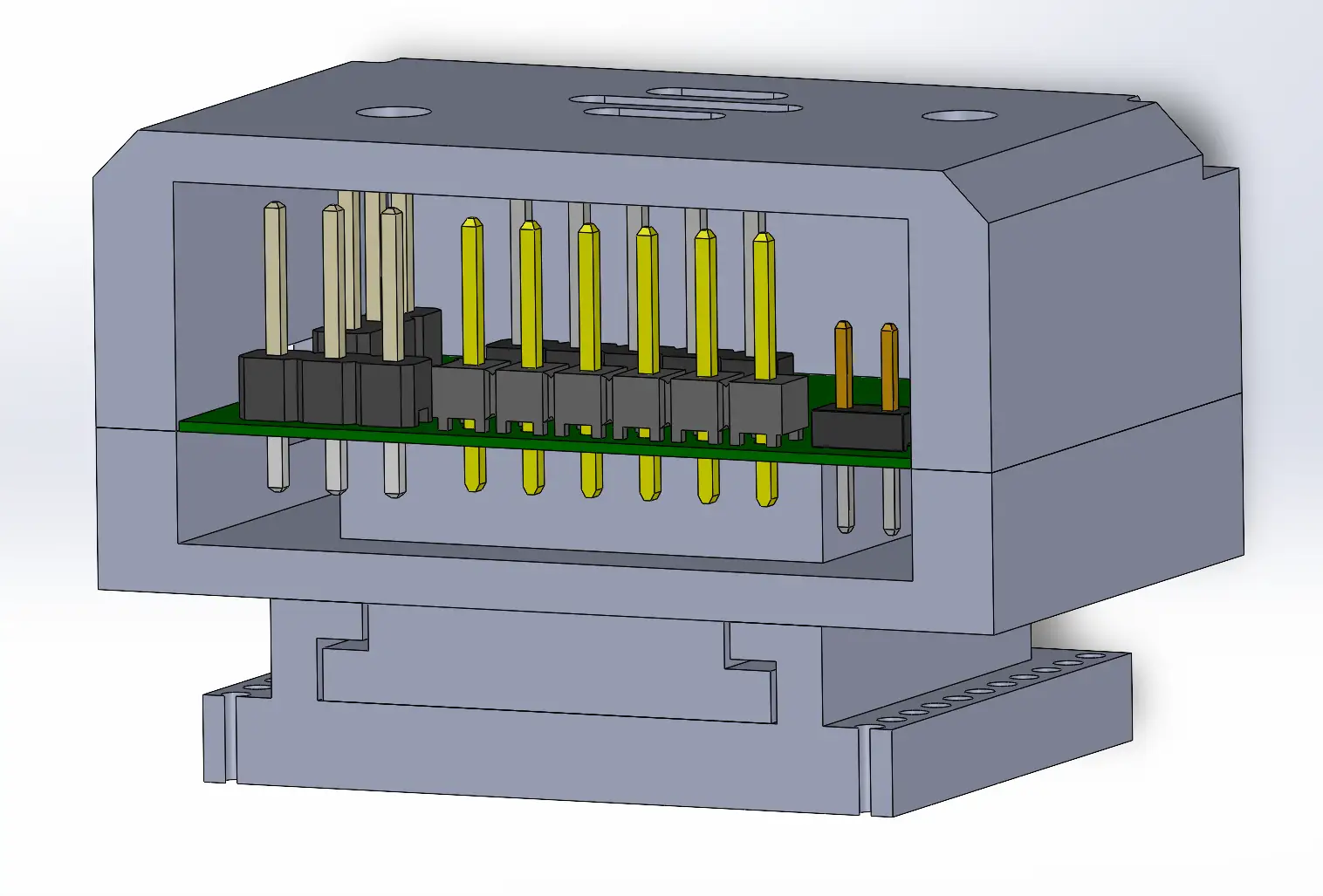
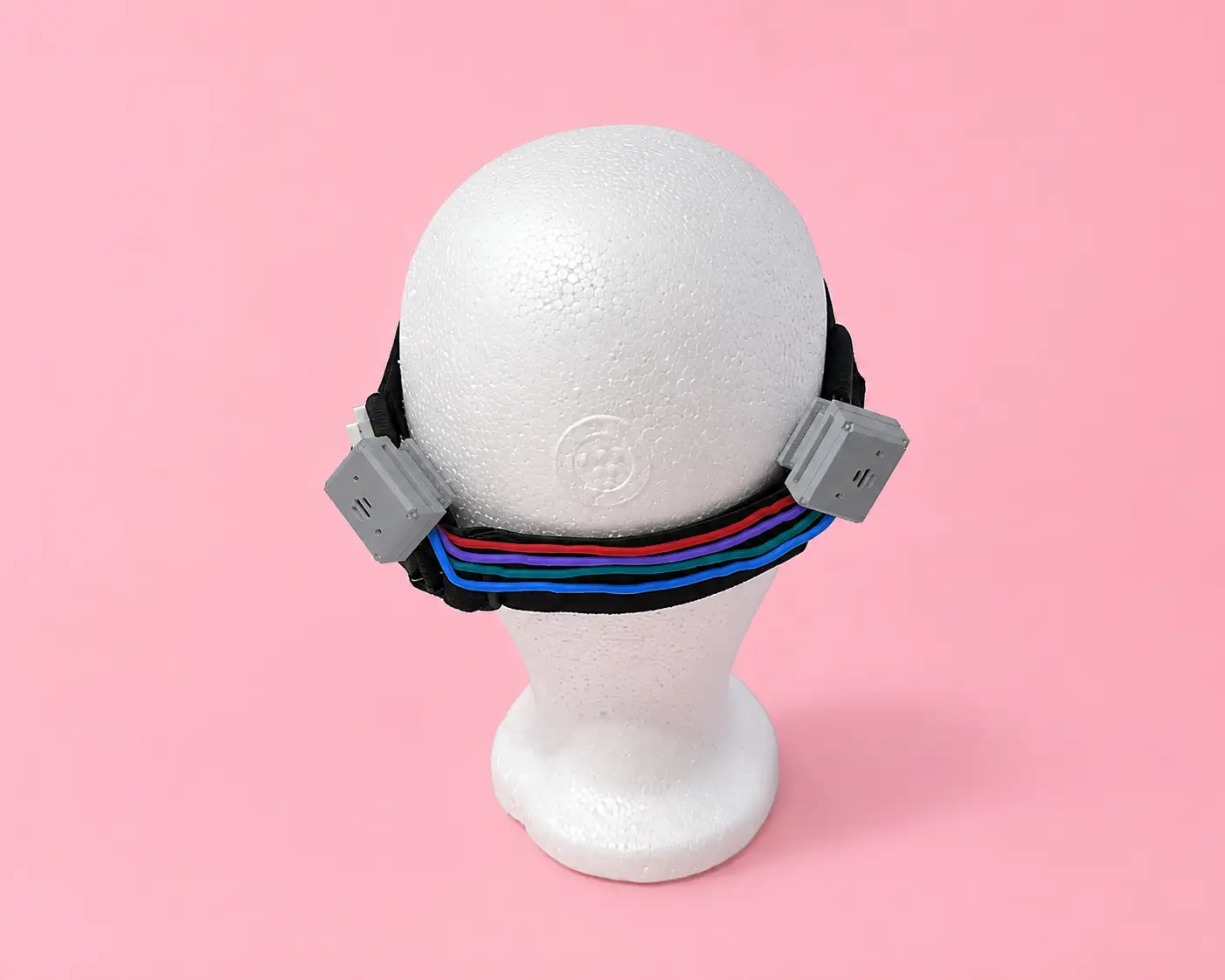
To integrate the enclosures and create the main structure of the device, I chose an adjustable fabric headband. This solution provides greater comfort and adaptability for different users.
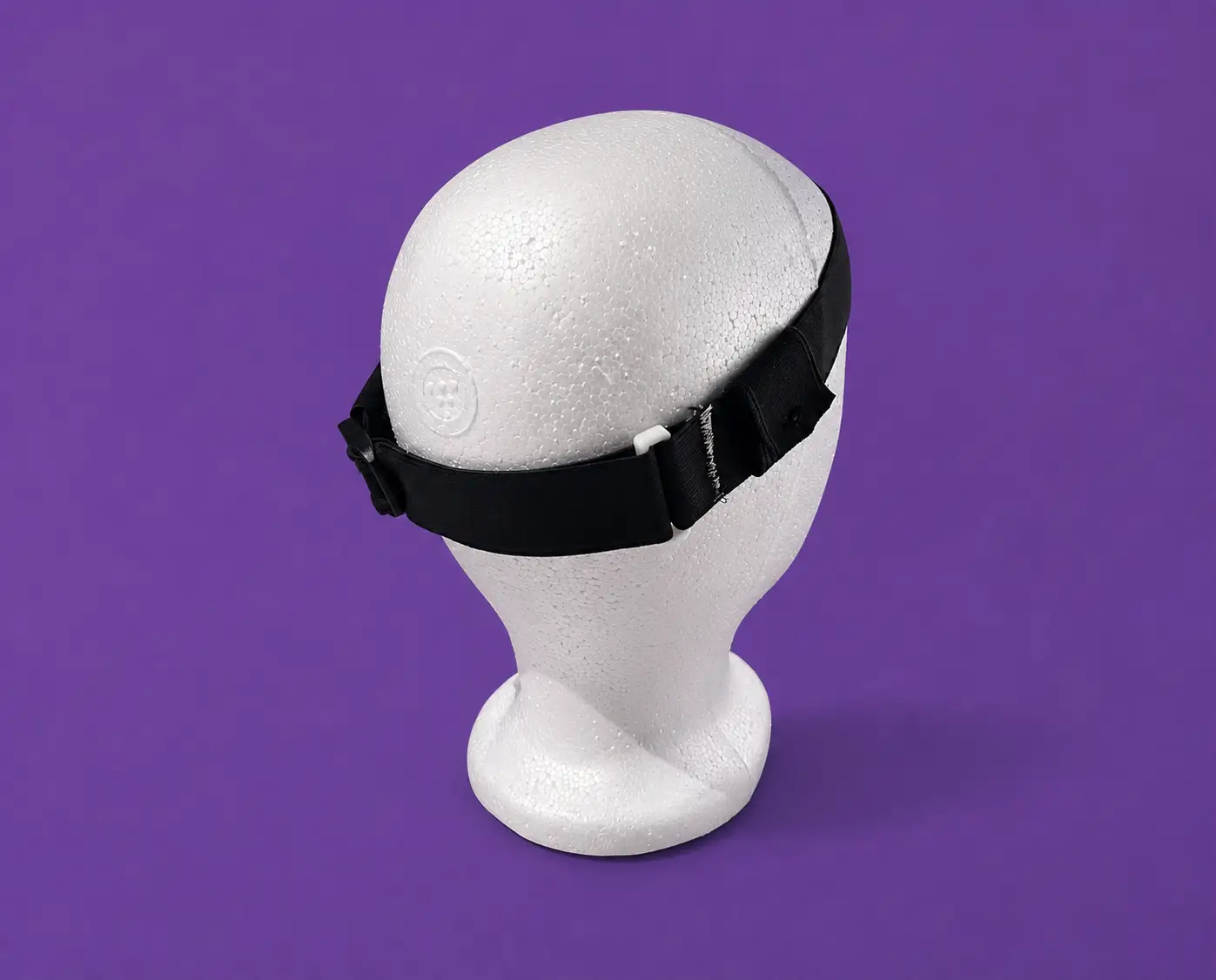
The electronic enclosures are mounted on both sides of the headband, while the connecting wires are routed behind the head. This arrangement helps distribute the components more comfortably and reduces interference during normal use.
The following images show the proposed arrangement of the electronic components and cable routing within the wearable system. The connecting wires will be covered with a braided cable sleeve to keep them organized and prevent tangling.