WEEK 16

TASK
MONDAY
WEDNESDAY
FRIDAY
MONDAY

✦ Experimental Electroplating Exploration

For this wildcard week, I decided to explore electroplating as an experimental fabrication process that combines electricity, chemistry and material transformation. The objective of this exploration was to understand how electrical current can be used to deposit thin metal coatings onto conductive surfaces and how different parameters affect the final results.
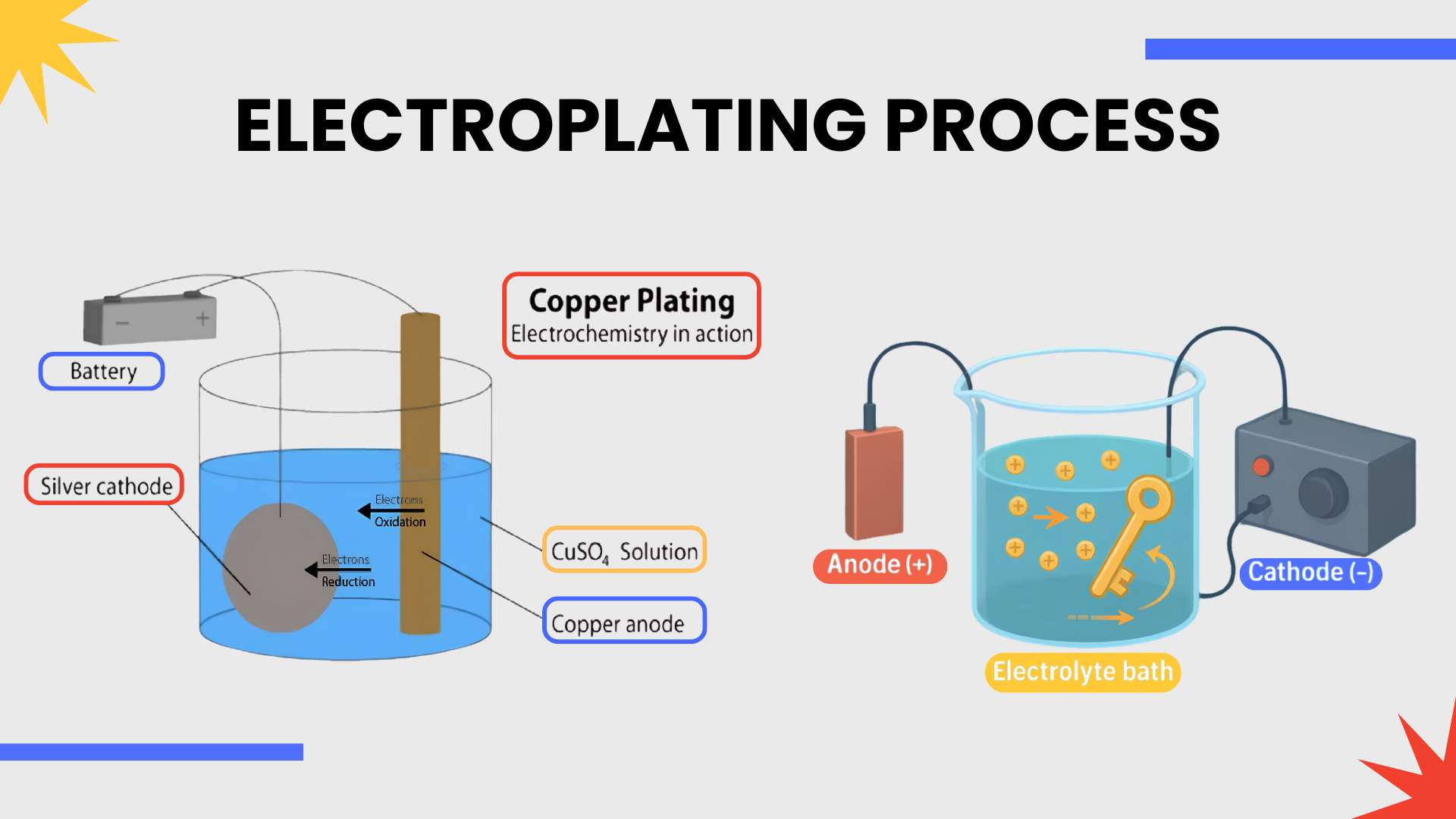
✦ What is Electroplating?

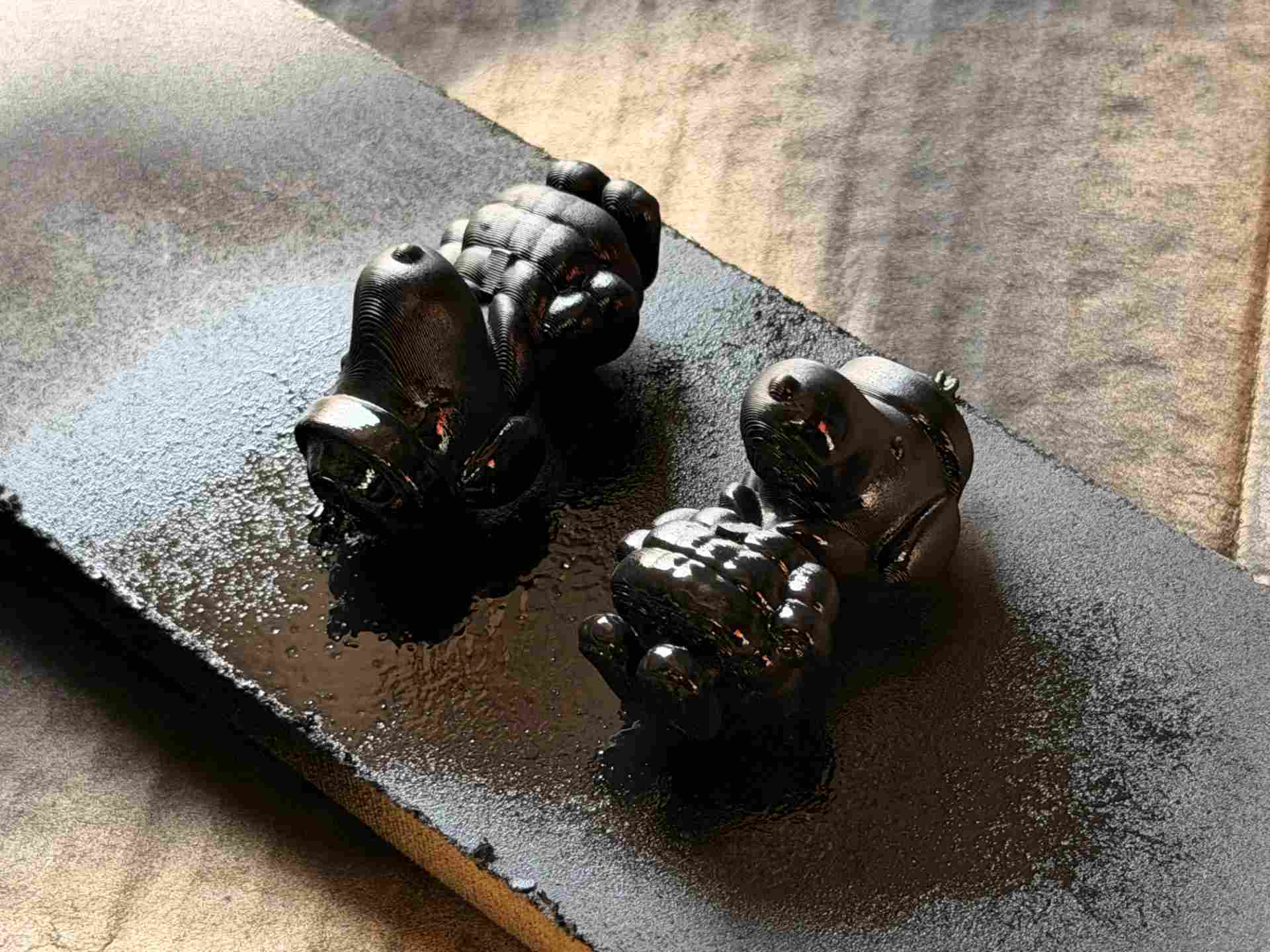
Electroplating is an electrochemical process that uses electricity to deposit a thin layer of metal onto the surface of another conductive object. Although the process is commonly used on metal objects, non-conductive materials such as 3D printed parts can also be electroplated by first applying a conductive coating, such as conductive paint.

✦ This process is commonly used to:

✦ Basic Concepts

Electroplating is an electrochemical process that uses electricity to deposit a thin layer of metal onto the surface of another conductive object.

Pinout Diagram
Concept
Description
Electrical Current
The current moves metal particles from one surface to another.
Conductive Surface
Material that allows electricity to flow through it.
Electrolyte
Conductive liquid solution that contains metal ions (this allows the electrochemical reaction).
Metal Ions
Tiny charged particles dissolved in the electrolyte solution (create the metal coating).
Cathode
The object that will receive the metal coating.
Anode
The matal source used during the process.
Electrochemical Reaction
Occurs when electricit causes chemical changes between the solution and the metal surfaces.

✦ How Does Electroplating Work?

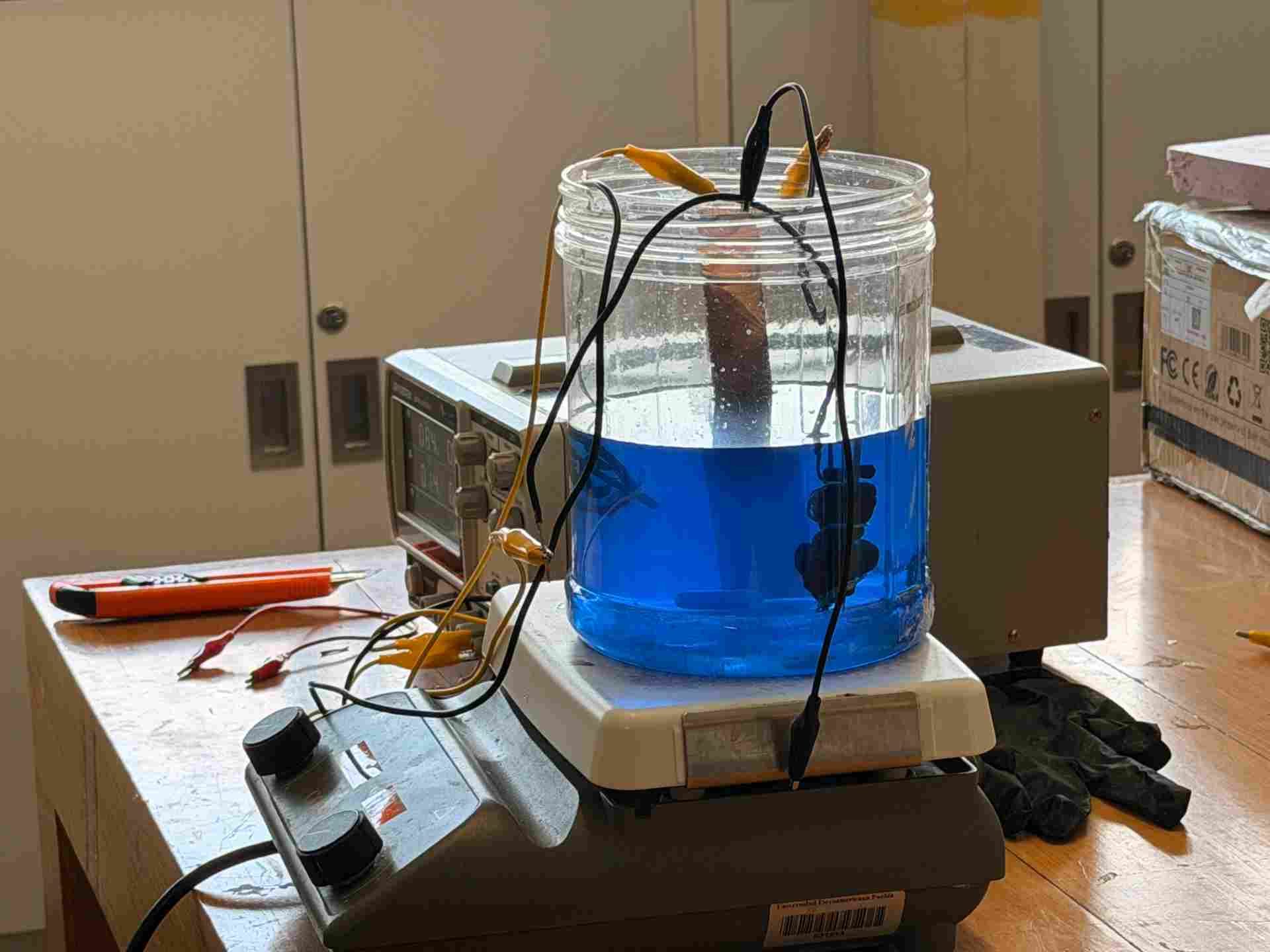
Electroplating works by creating a simple electrical circuit inside a conductive solution.

✦ General Workflow

✦ Safety Measures

Electroplating works by creating a simple electrical circuit inside a conductive solution.

✦ Do's and Dont's

✦ 3D Printing Process

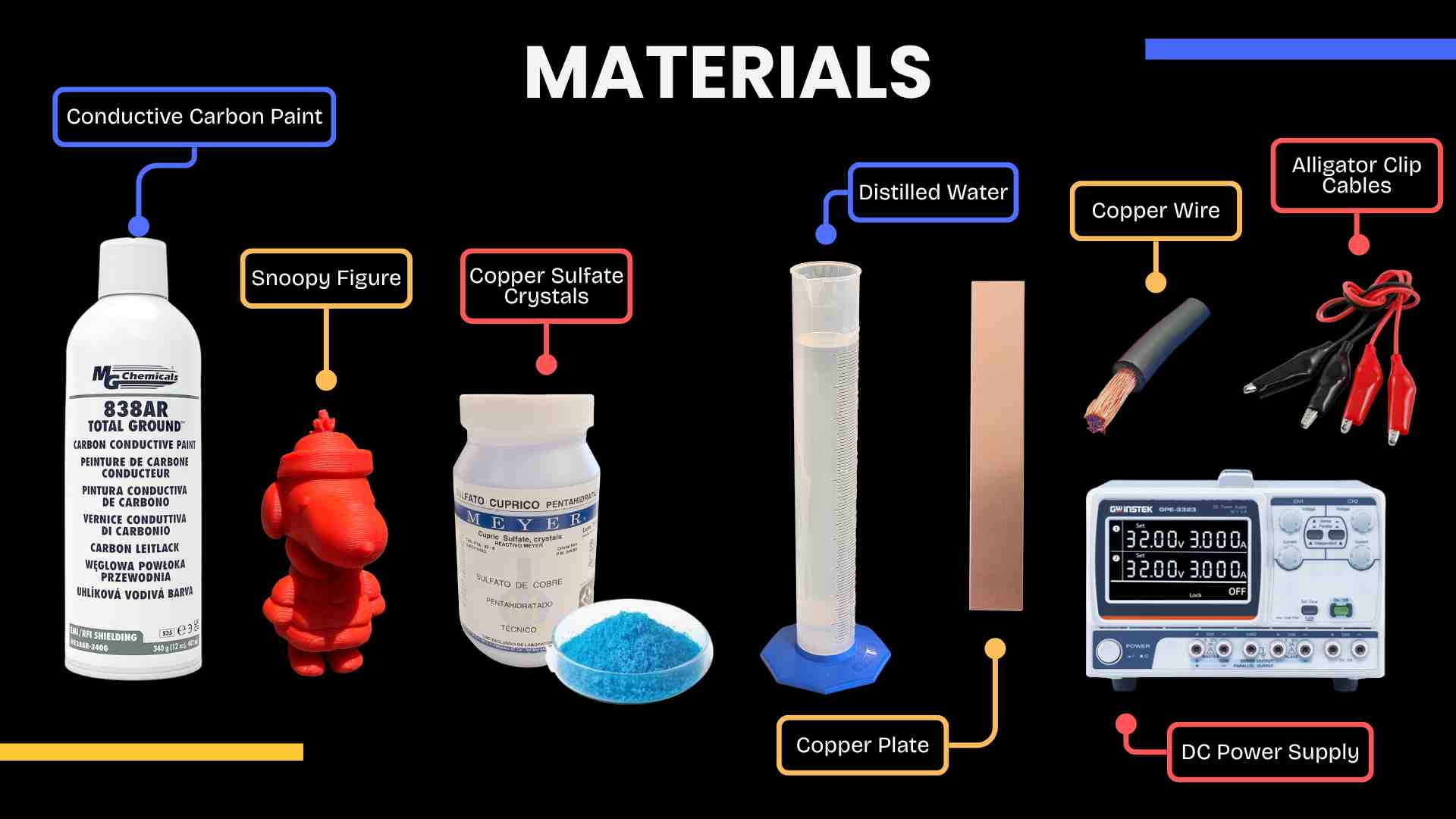
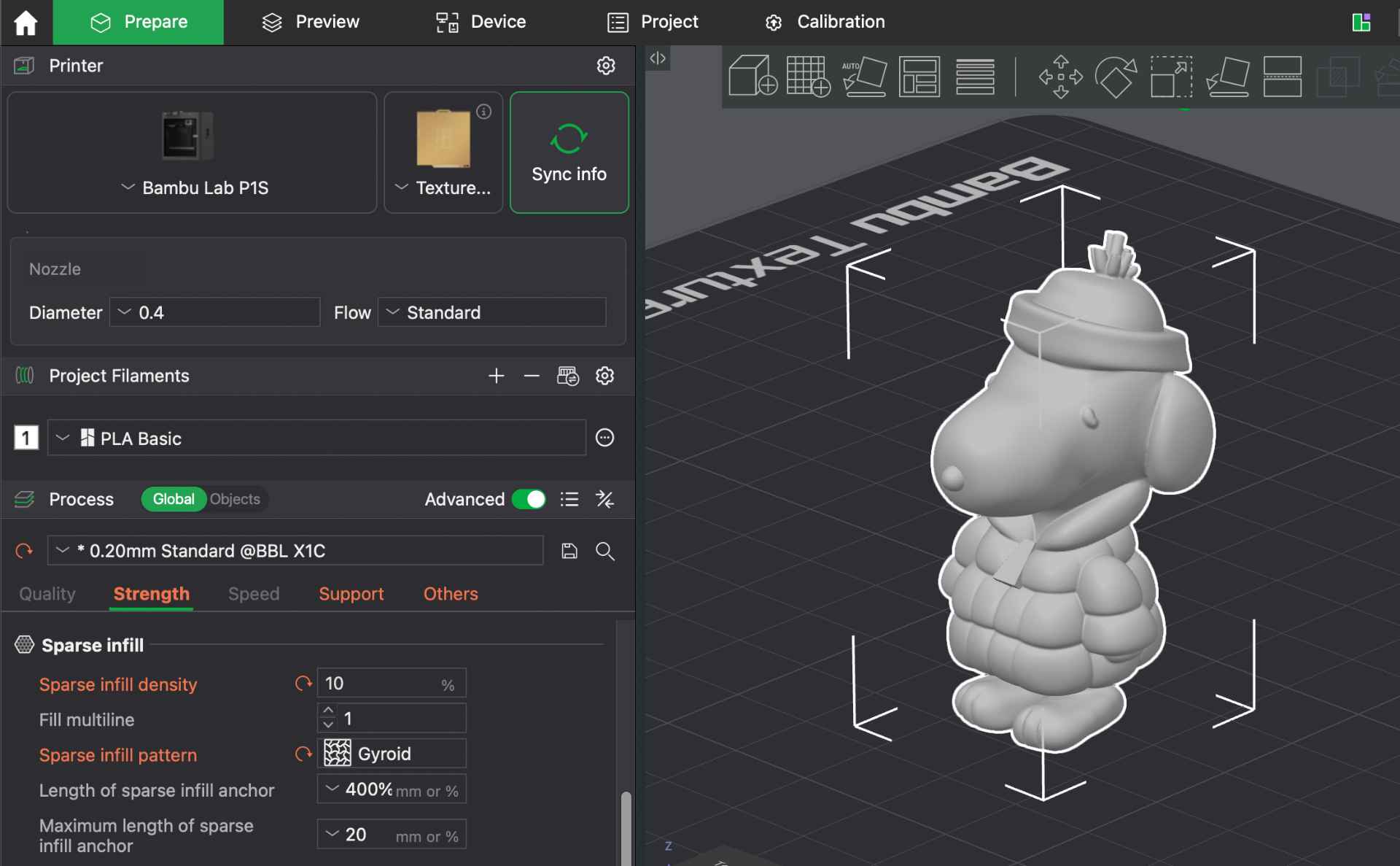
For this assigment, I first fabricated a small Snoopy figure using 3D printing. This is the piece that I will be using as an object for the conductive coating and metal deposition process.

descripción

Basic Printing
Information

✦ Electroplasting Process

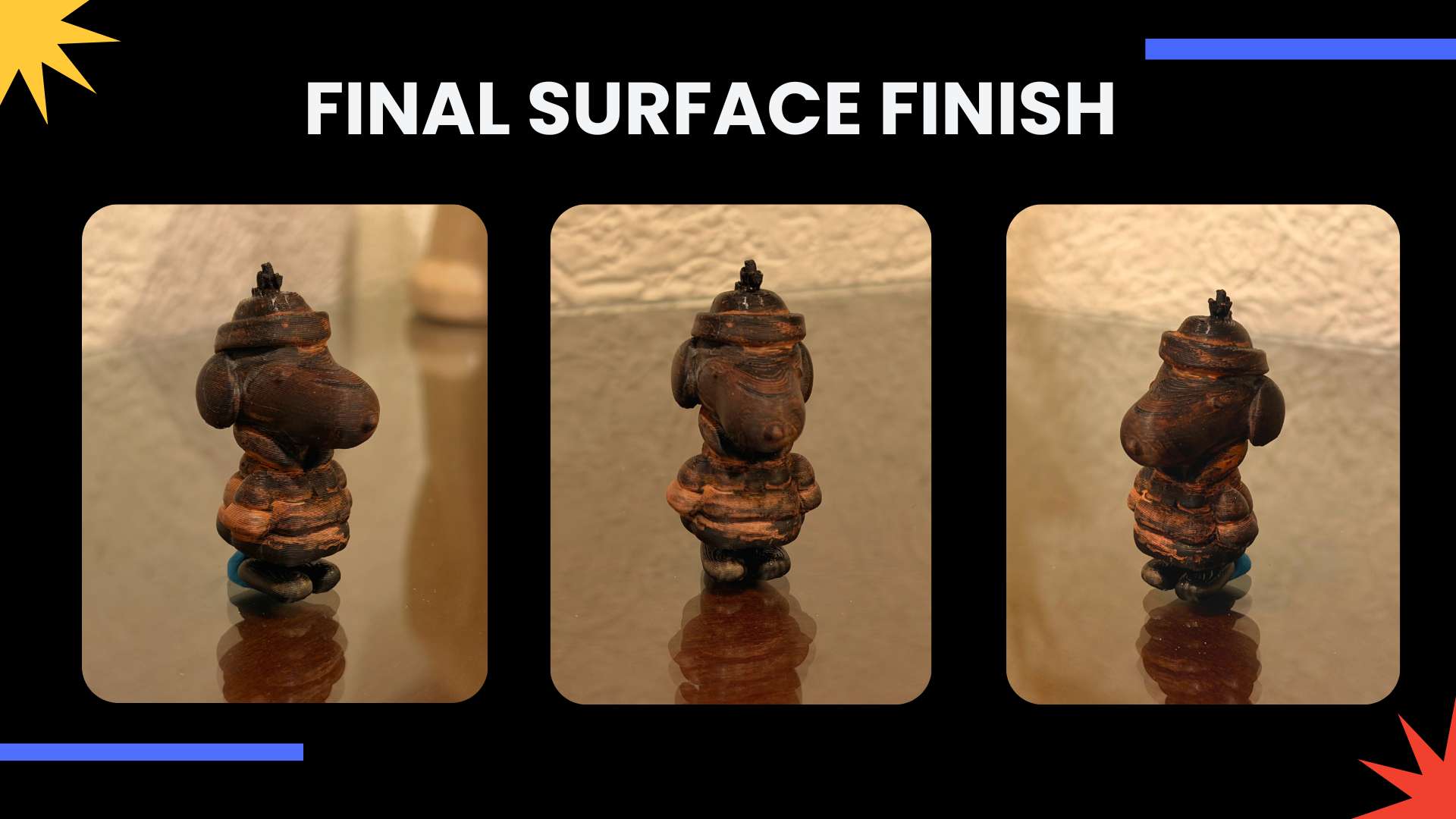
✦ Final Electroplasting Result

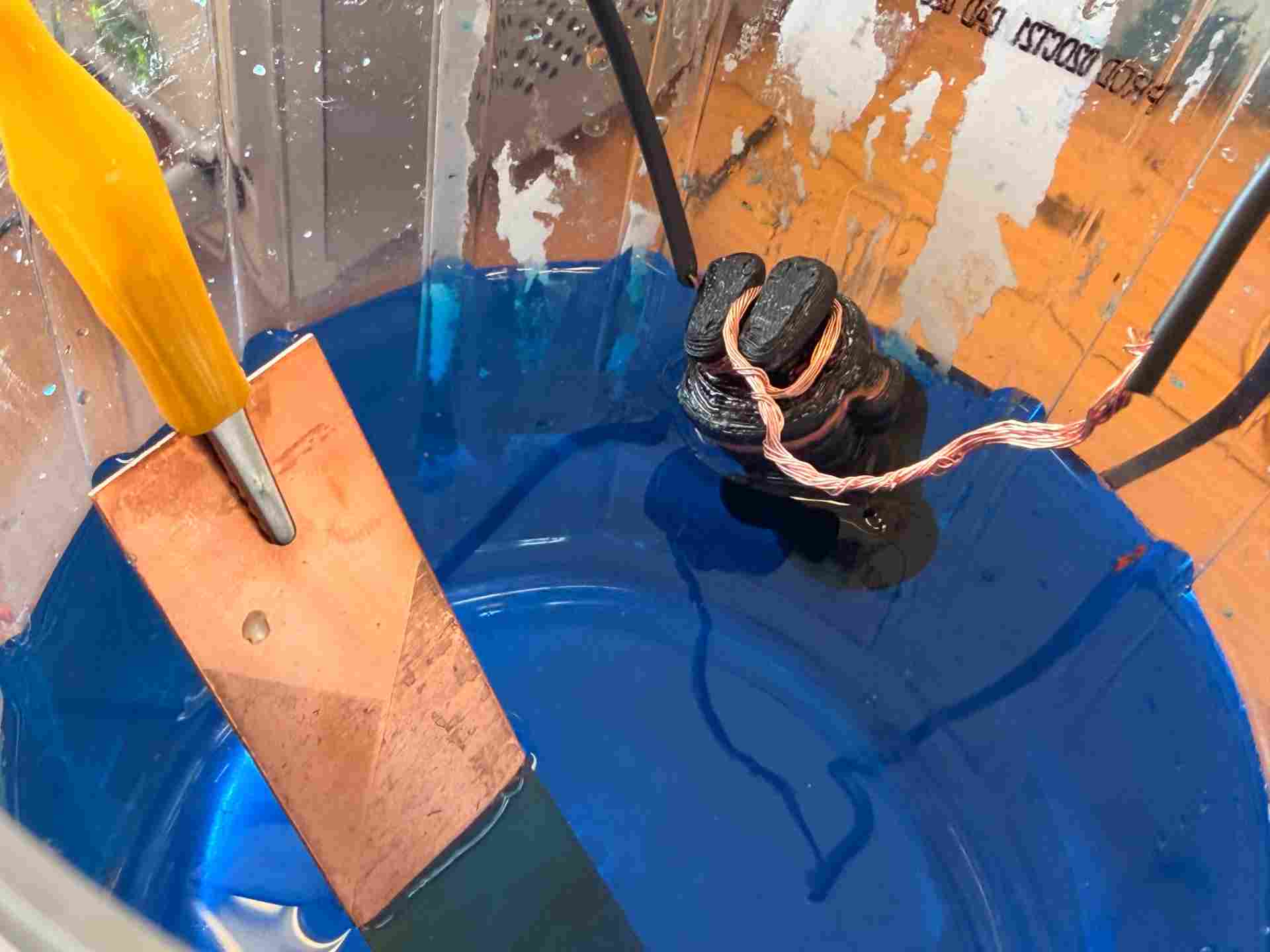
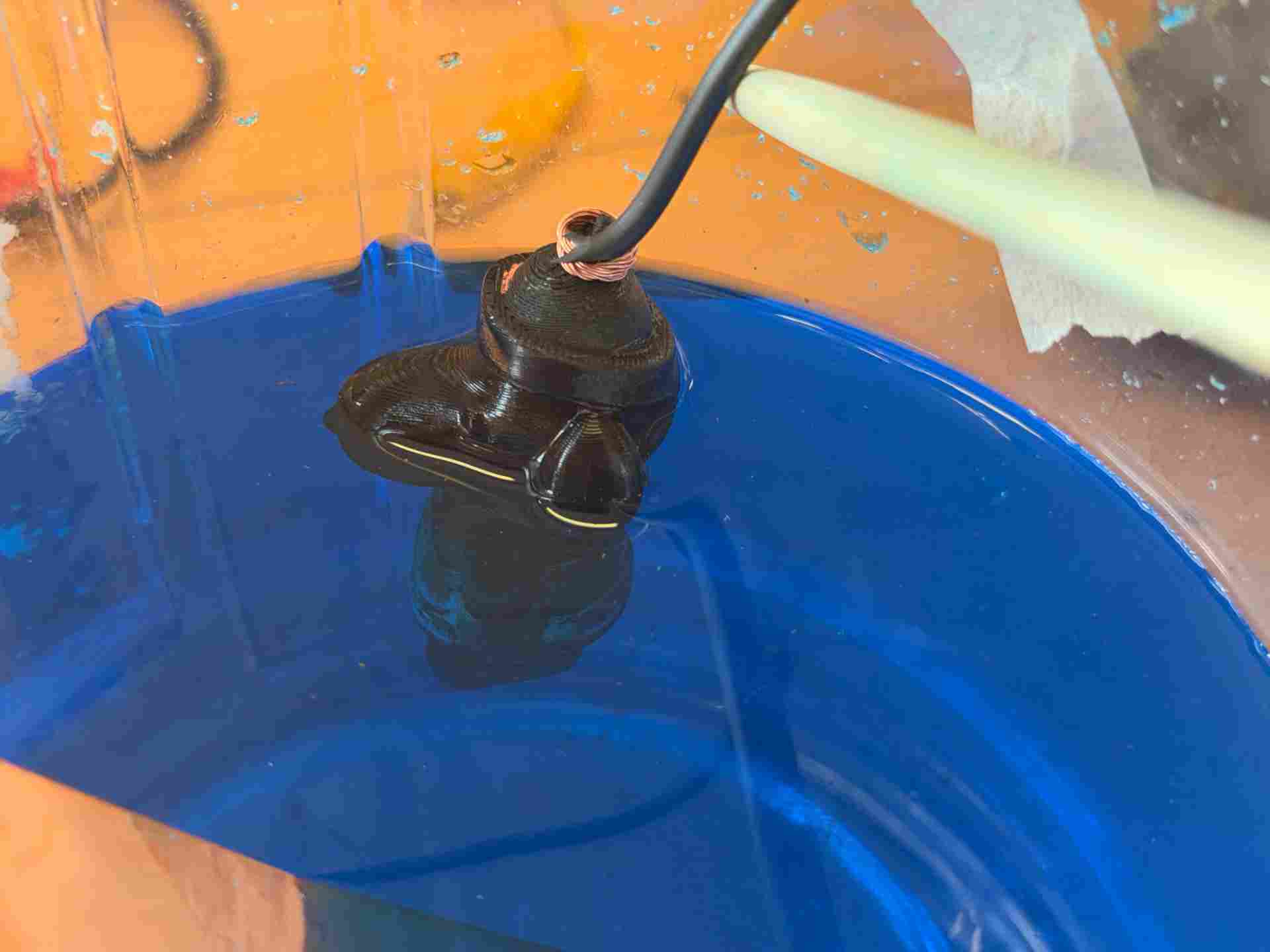
Over time, some areas of the figure slowly began developing a visible copper-toned layer.

Pinout Diagram
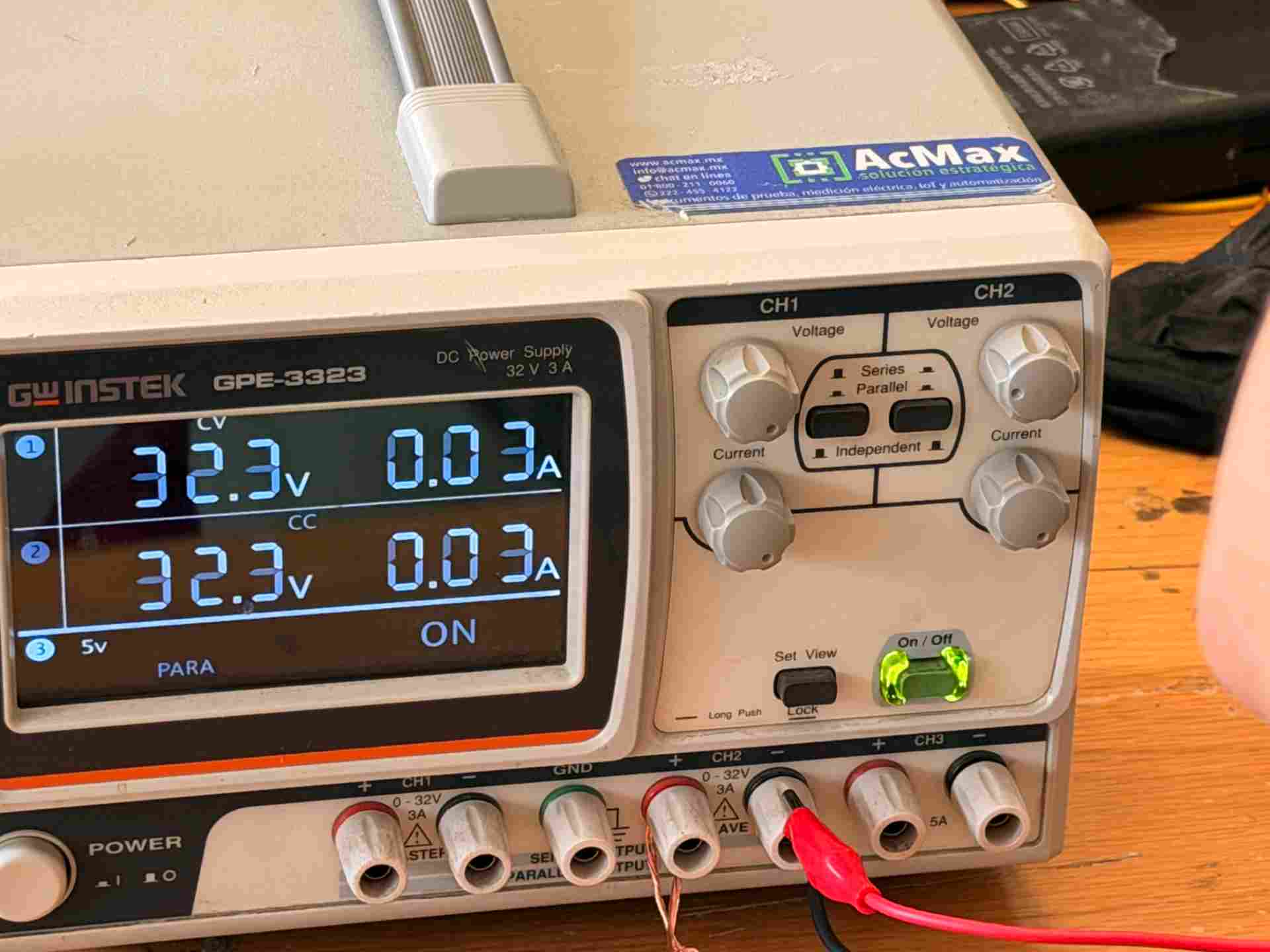
✦ Note: I continuously adjusted and reduced the voltage of the DC power supply to prevent overheating and smoke generation during the electroplating reaction, maintaining a working range between 29.0 V and 32.5 V to achieve a more stable deposition process.

✦ Final Thoughts

Although the final result was not as successful or uniform as I initially expected, this experiment helped me better understand the importance of surface conductivity in electroplating processes. I learned how sensitive electrochemical deposition can be to parameters such as current, electrical contact and coating quality.

✦ Download Here!

In this section, you can find the downloadable source files developed during this week.

STL

3D PRINTING

Download Files