WEEK 19
Invention, Intellectual Property and Income
How the week started
Doing this work inbetween the final project's work.
How the week ended
Week 19’s Assignment
Tasks:
- Develop a plan for dissemination of your final project
- Complete your final project, tracking your progress:
- what tasks have been completed, and what tasks remain?
- what's working? what's not?
- what questions need to be resolved?
- what will happen when?
- what have you learned?
Dissemination
I am starting by googling up this word, dissemination.
A Google explaination "A planned process where scientists and academics make their findings accessible to the public, policymakers, or the industry through journals, seminars, and repositories" Basically this is me having to tell how my product can be used by others. If they can create the same product or alter its design. If they can sell the design or not. If I am taking the full rights to the product
There are ways in which one can claim their design, that is Intellectual Property.
Intellectual Property
This is where one involves legal rights in one's design. Now this can be an invention, an artisitc work, a brand element, written content or proprietary design. This allows one to get the credit, earn recognition or financial benefit.
Invention and Innovation
Invention: An invention is a design, idea, or technology that is completely original to its creator. It is something that has never existed before. An invention introduces a new concept, product, or process.
Example: The invention of the electric light bulb.
Innovation: Innovation is the modification, improvement, or combination of existing inventions, ideas, or technologies to create a new product, design, or solution. Innovation can also involve new business strategies or methods.
Example: An electric scooter. It is an innovation that modifies the existing petrol powered scooter by replacing the internal combustion engine with an electric motor and battery system.
Types of Intellectual Property
Patents
A patent is an exclusive legal right granted to the creator, owner, or inventor of an invention. This right prevents others from making, using, selling, or generating revenue from the invention without the owner's permission. A patent is granted for a limited period of time, usually 20 years. In return, the inventor must publicly disclose detailed information about the invention. Patents are mostly granted for how things work and function.
Patent in India
The official Intellectual Property website in India is IP India - Intellectual Property India | Government of India.
How to File a Patent in India
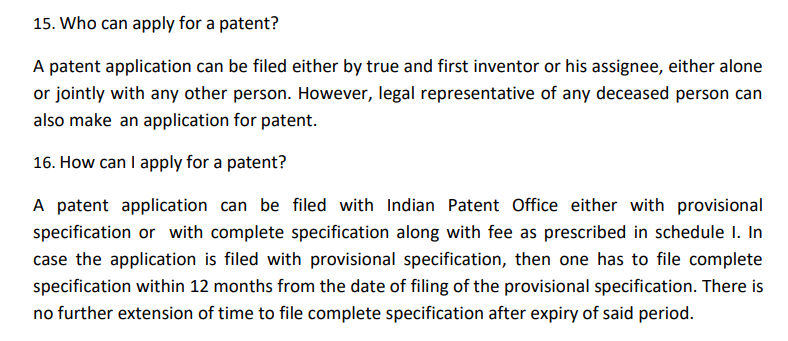
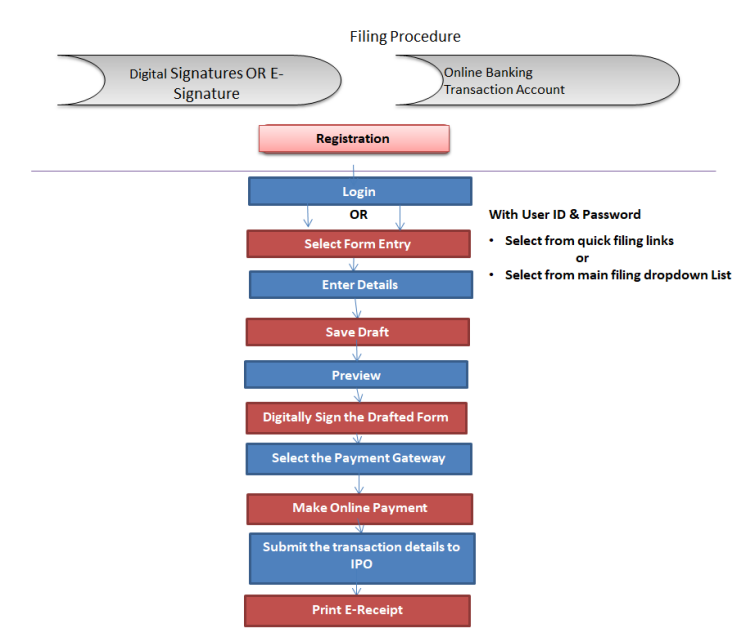
The following links for the patent filing procedure are provided on the official website:
a) Information regarding the use of a Digital Signature Certificate (DSC): Link
b) General FAQs: Link
c) Components required for filing can be downloaded by clicking on the "Component" option available on the portal.
d) Digital Signature Manual: Link
If a user wishes to use an E-signature, complete information is available under different tabs on the portal. The user must obtain an E-signature from an authorized vendor using either an Aadhaar number or a PAN number.
The relevant links are:
a) E-sign Introduction: Link
b) Registration and Installation Details: Link
c) Web Portal to Obtain an E-signature for Individuals or Organizations: Link
How to File a Patent Outside of My Country (India)
Reference 1Reference 2
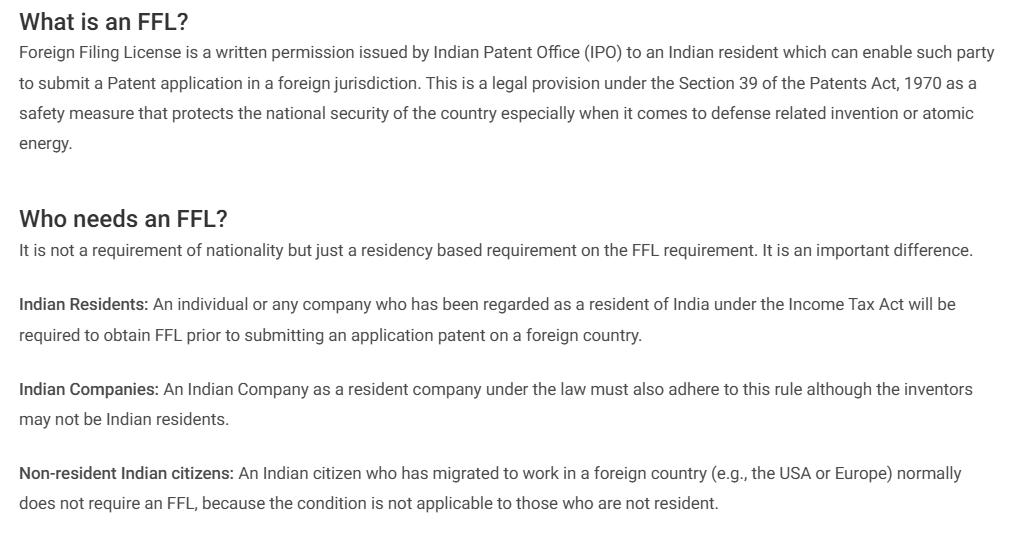
For filing a patent application internationally, there are 2 ways in which one can do it.
1. File the patent application directly in any foreign country without filing the patent application in India.
2. Or else, first file the patent application in India and then go for international filing of that patent application in any of the foreign countries.
In both cases, it is mandatory to inform the Indian Patent Office before filing the patent application. The Patent Office replies within a period of 21 days.
In India, the only thing that the applicant must see is whether the national law of the country requires prior permission to file a patent directly outside the resident country. This approval is a must in India.
There are basically 2 routes through which one can file, and they are:
1. The PCT (Patent Cooperation Treaty) Route
2. The Paris Convention Route link
Copyrights
This is simple, you create a work, an art, book or music. This naturally belongs to you, but that moral sense alone does not stop anyone else from copying or selling your work. With copyright to the work, it prevents other from copying or selling your work without your permission
Trademarks
This is to help people recognise a brand by its logo, name, symbols or slogans. This is to make their product to stand out from the others. Example Nike: "Just do it."
Geographical Indications (GIs)
A product that is known for its specific location or origin. This gives the product the leverage from the other simialr products. Tea is found almost all around the world. but Darjeeling Tea is famous because of the region it is from.
Licenses
There are different types of licenses serving different purposes. Lets know about Creative Licenses
Creative Licenses
Creative Commons (CC) or creative licenses these come with differet conditions.
The user I define here is the person who is using a work under creative license.
Attribution (BY): Litereally says by, meaning the person/user is using a product and is giving credit that this specific work is done by this original creator.
NonCommercial (NC): Now the user cannot sell or generate revenue out of the work.
NoDerivatives(ND): The work can be shared but without any adaptation or modifications. It can only be shared in original form
ShareAlike (SA):With this license the work can be modified but can be shared only with the license
Few main license types CC licenses
The images are from creativecommons.org
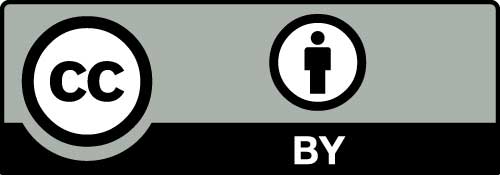
Attribution (CC BY): The user can make any modifications and even generate revenue as long as the creator is credited.
Attribution-ShareAlike (CC BY-SA): The user can modify and generate revenue but has to apply the same license conditions on their work.
Attribution-NoDerivatives (CC BY-ND): The user can share and generate revenue by giving credit, but no modifications
Attribution-NonCommercial (CC BY-NC): The user can modify and share by giving credit to the original, but non commercial uses only
Attribution-NonCommercial-ShareAlike (CC BY-NC-SA):The user can modify and share by giving credit to the original, non commercial use. The same license shall be applied for that work too.
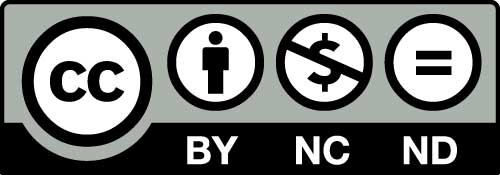
Attribution-NonCommercial-NoDerivatives (CC BY-NC-ND): The user can share the work by giving the owner it's credit. Only non commercial purposes.
CC0 (Public Domain): This is the most liberal license of all. The owner waives off all the rights and conditions. Anyone can use it, modify it or generate revenue without any conditions
MIT License
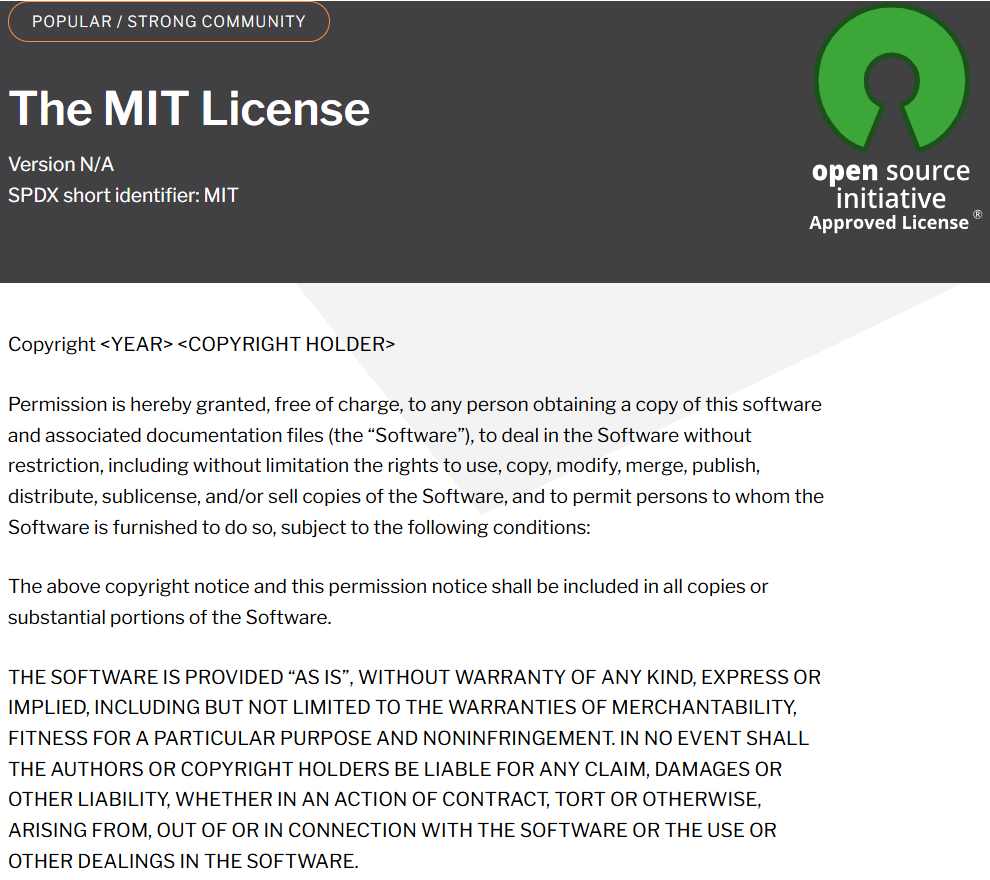
License - my project
I used this site Creative Commons before having a clear cut idea about the kind of license I wanted. This site gives the license code or public domain marking.
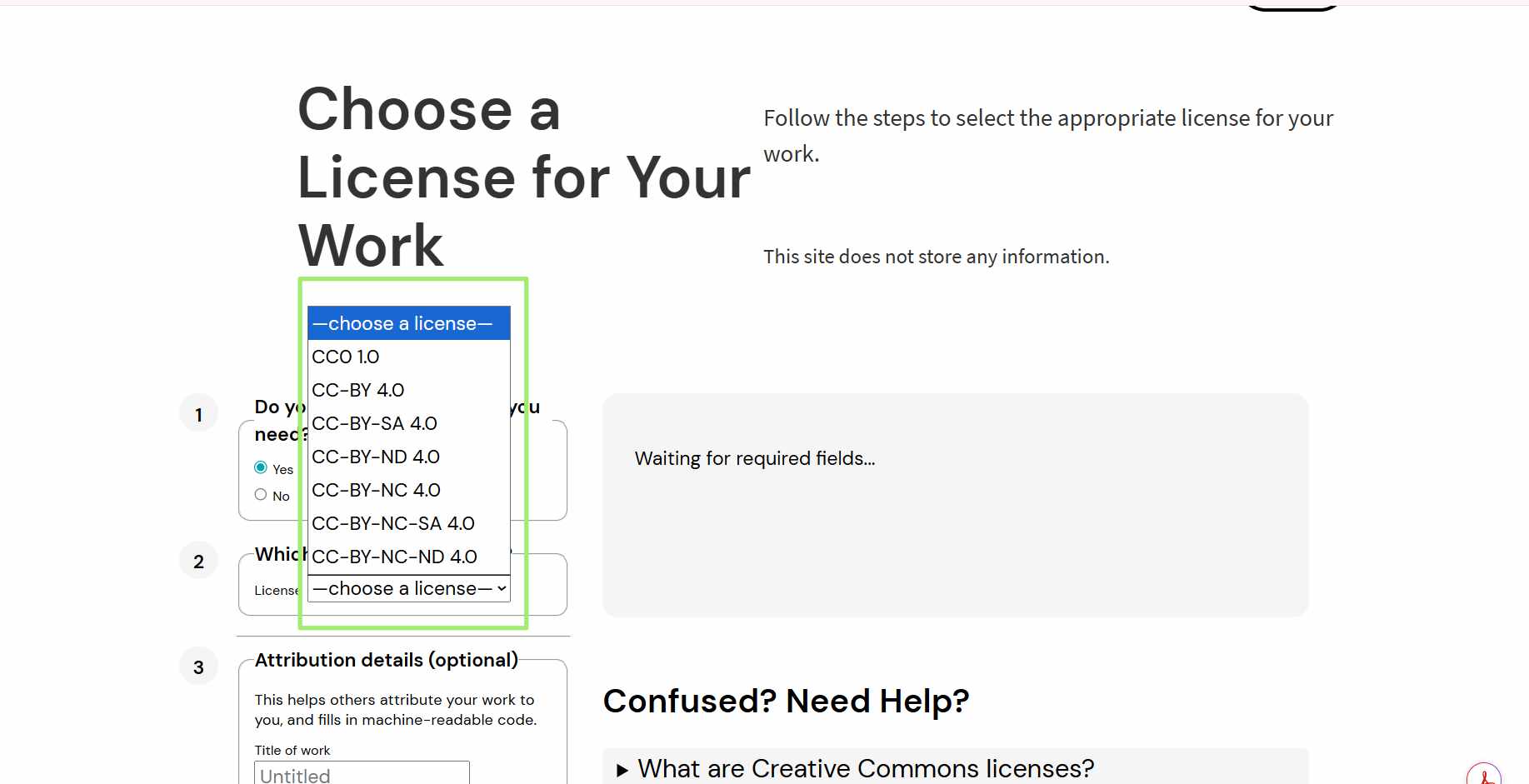
If you know the license type you can just choose it directly.
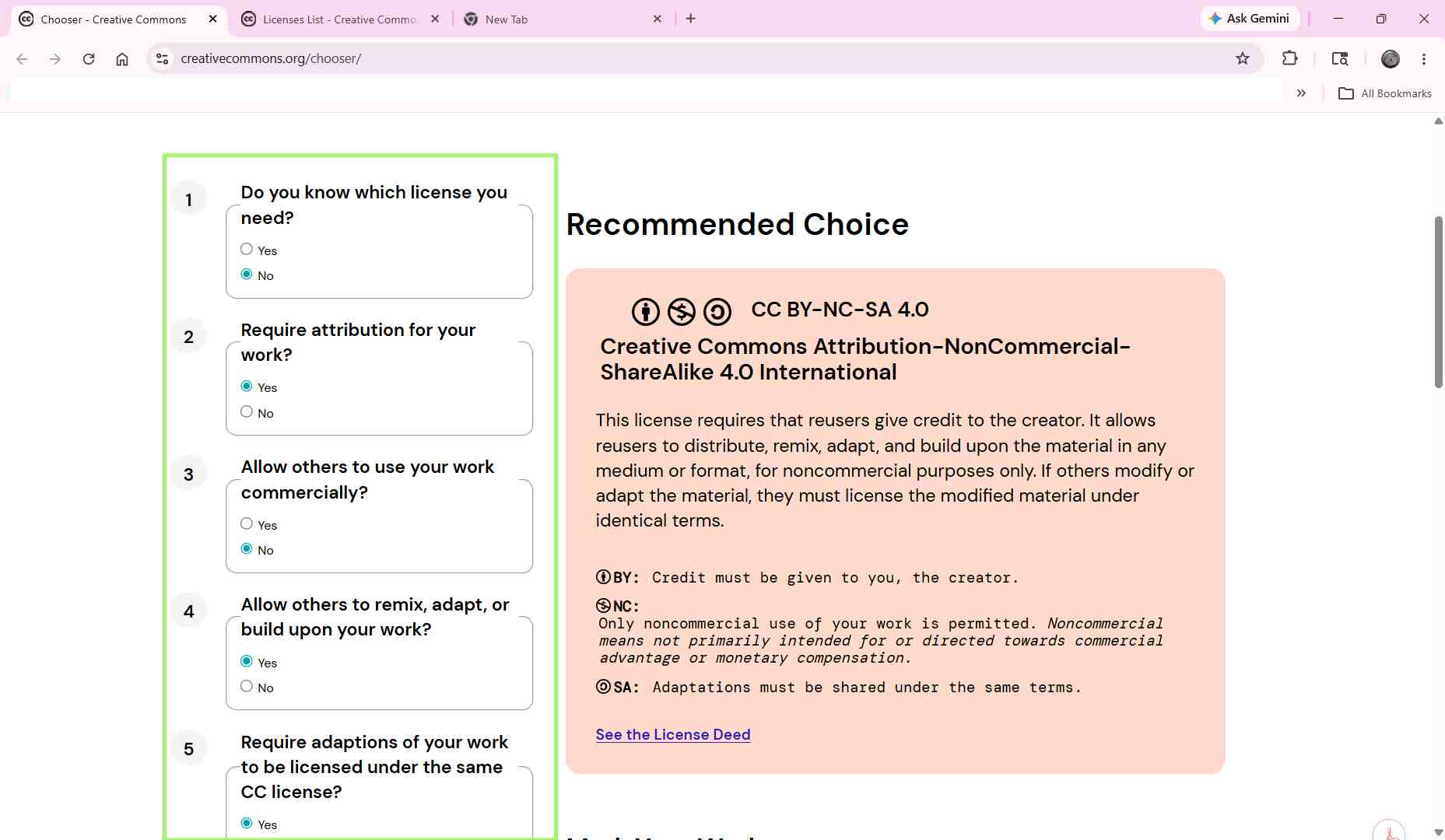
I didnt know what I wanted at first. So I chose to select whatever I wanted to be applicable for my product
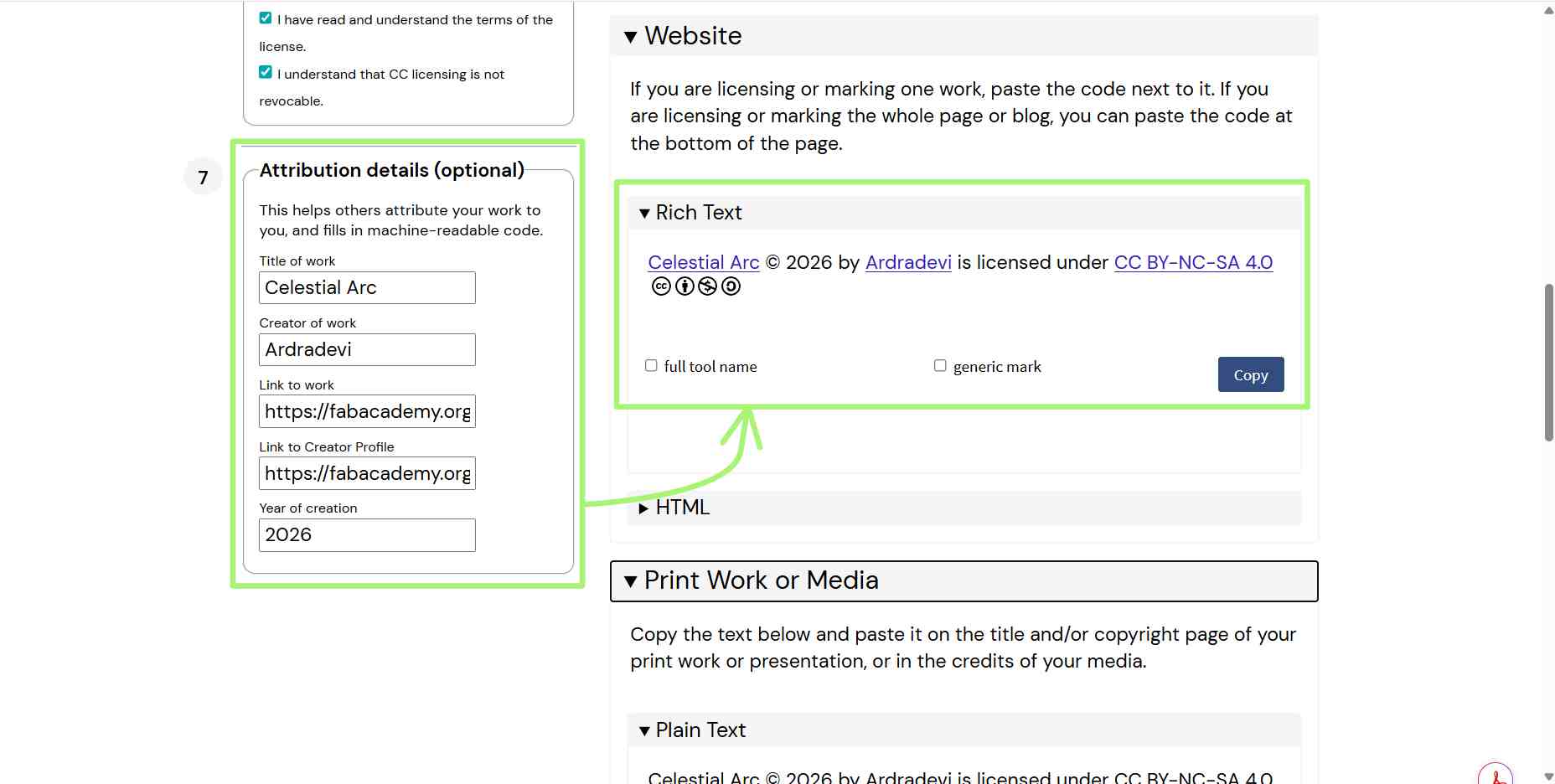
The site generated the license code, html format for website and public domain marking
The following is the license I got :
Celestial Arc © 2026 by Ardradevi is licensed under CC BY-NC-SA 4.0


PLAIN TEXT : Celestial Arc © 2026 by Ardradevi is licensed under CC BY-NC-SA 4.0. To view a copy of this license, visit https://creativecommons.org/licenses/by-nc-sa/4.0/
Company structure in India
Reference 1 Reference 2India's Department for Promotion of Industry and Internal Trade
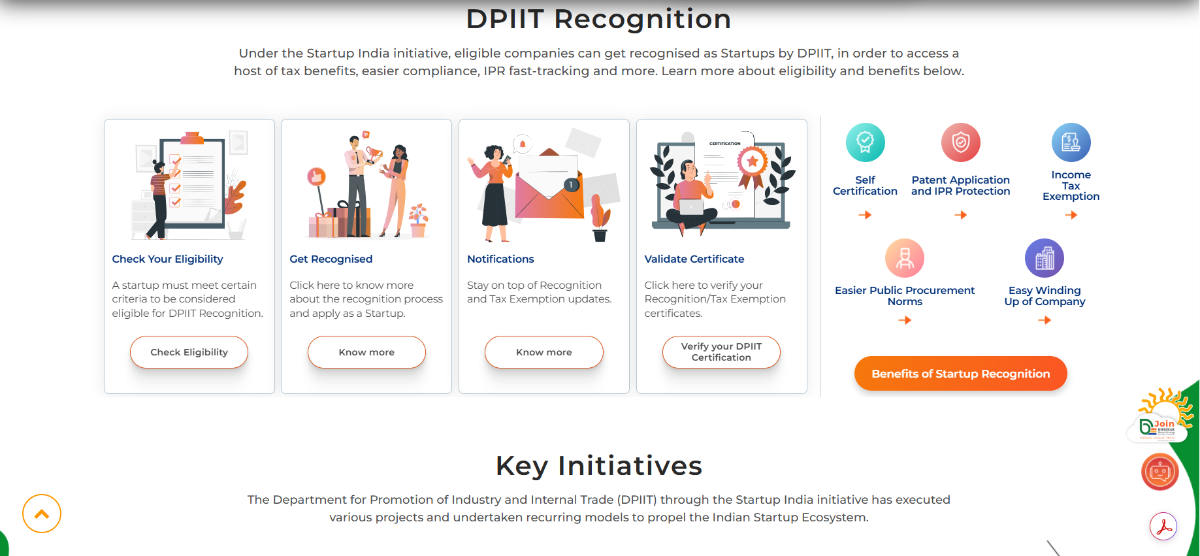
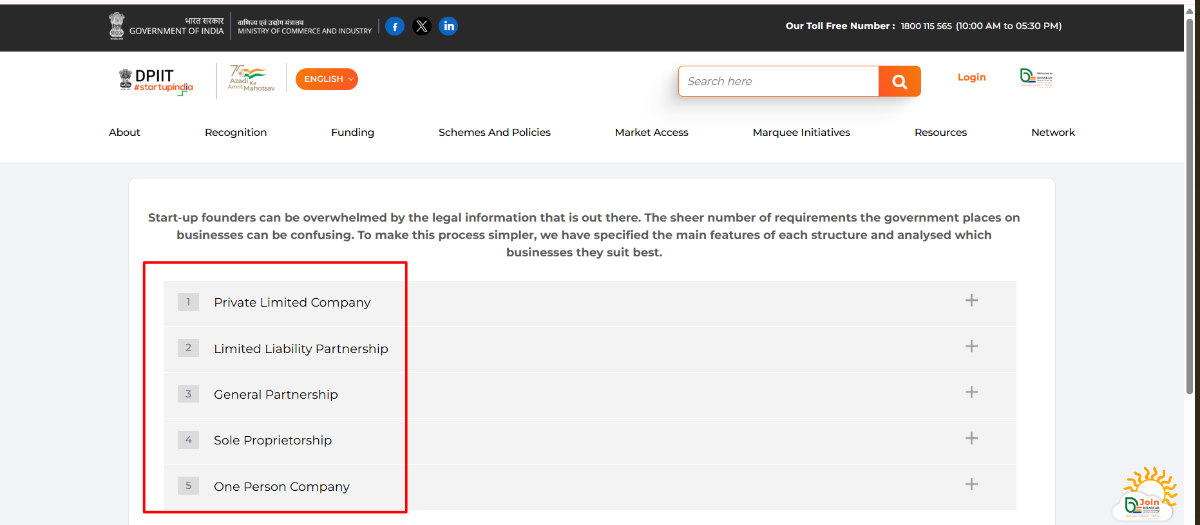
Private Limited Company (PLC)
Startups and growing companies often choose this type of business structure because it allows them to raise funds more easily. The shareholders and other entities are required to hold board meetings and file annual returns with the Ministry of Corporate Affairs (MCA). As a result, they are generally viewed as more credible than an LLP or a general partnership. The startup cost is usually around ₹8,000 or higher, depending on the state in which the company is registered.
Examples:
Shiprocket started as a Private Limited Company and grew into one of India's leading eCommerce logistics platforms. This structure helped the company raise investment and scale its operations across the country.
Meesho also began as a Private Limited Company and expanded into a major eCommerce platform. The structure allowed it to attract investors and support rapid business growth.
Limited Liability Partnership (LLP)
This is a more economical approach than a Private Limited Company. An LLP combines several benefits of a private limited company and a general partnership. It offers limited liability, similar to a private limited company, while maintaining a simpler structure like a general partnership.
General Partnership
In this business structure, two or more individuals manage and operate a business according to the terms and objectives set out in the Partnership Deed. It has lost some of its relevance due to the introduction of LLPs.
Unlimited Liability: Due to unlimited liability, the partners are responsible for all business debts. This means that if a partner is unable to repay a bank loan or is required to pay a fine, the amount can be recovered from their personal assets.
Sole Proprietorship
In this structure, a single person owns and manages the business. It can usually be set up within 10 days and is popular among small traders and merchants.
Unlimited Liability: Like a partnership, a sole proprietorship has no separate legal existence. Therefore, all debts can only be recovered from the sole proprietor, making the owner personally liable for all business obligations.
One Person Company (OPC)
This is a relatively recent business structure that allows a single promoter to have full control over the company while limiting liability to their contribution to the business. The promoter acts as both the director and the shareholder of the company.
KSUM + Story time:
For my architecture thesis, I worked on a project that created a space for the youngsters of a state to visit the Capitol Complex in Chandigarh more often. The main idea revolved around a museum and a digital fabrication space to encourage people to gather and take part in the process. At that time, I heard about KSUM (Kerala Startup Mission). This is a complex that allows startup companies to use its co working spaces. This creates an ecosystem for startups to get to know other companies and create collaborations. Being part of the Fab Academy in Super Fab Lab Kochi within that same building provides more scope to explore opportunities.
About my project's dissemination:
Anyone can use this design and creatively adapt it for their own projects as long as it is for non commercial use and proper credit is given. They should also share their work under the same Creative Commons license as this project. I chose this because my own project was inspired by the work of others. Looking at existing projects helped me develop ideas and understand different approaches to solving a problem. By sharing my work in the same way, I hope others can learn from it, build upon it, and create something new from it in the future.
About the progress and process of the final project -HERE