
Week 05 — 3D Printer Characterization
Group Assignment
The objective of this group activity was to evaluate and characterize the printing capabilities of the 3D printer available in the laboratory. For this purpose, a calibration test model designed to evaluate multiple characteristics of the printing process was used.
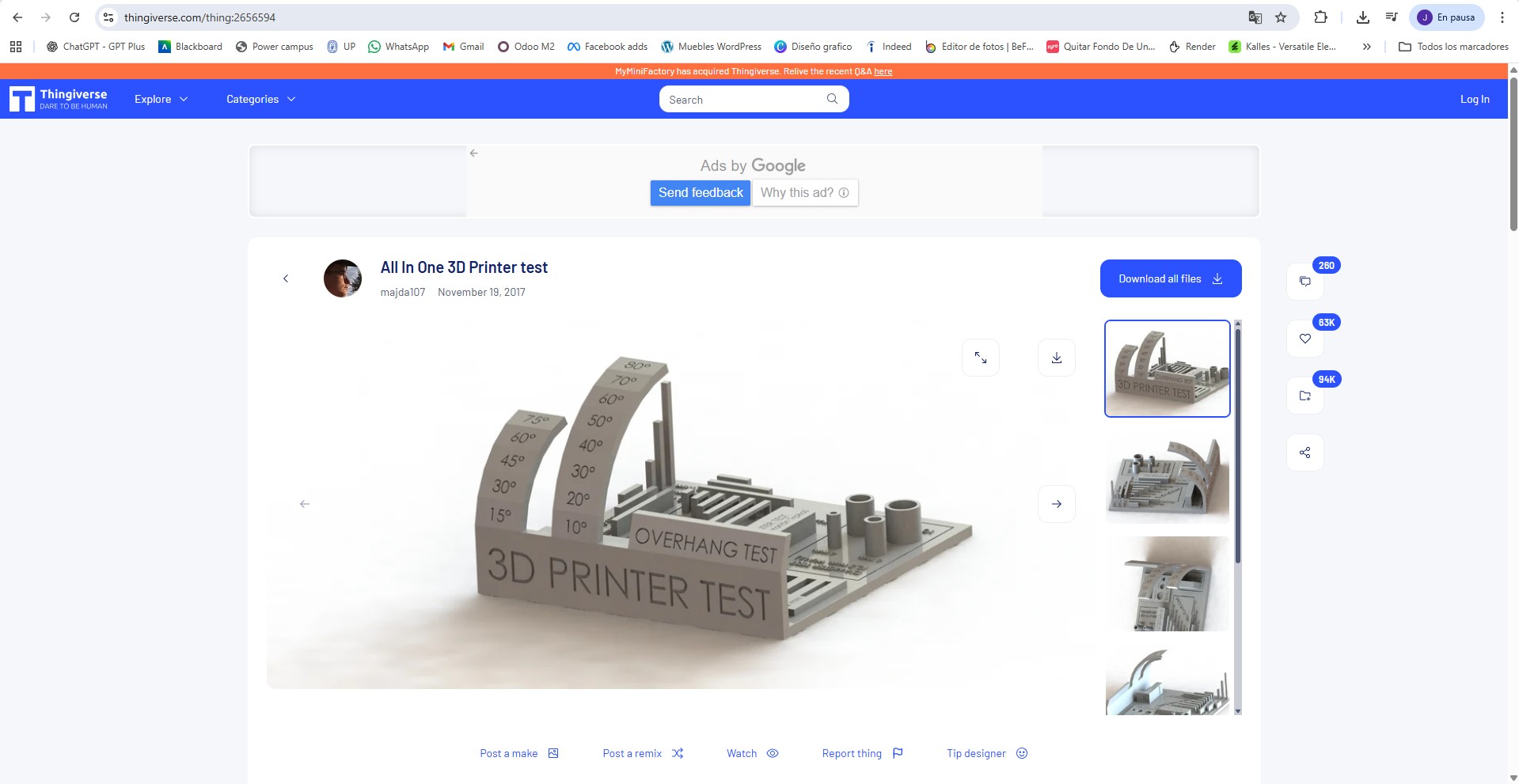
The model used was the All-in-One 3D Printer Test, which allows the analysis of different printing parameters such as overhangs, bridging, assembly tolerances, dimensional accuracy, and fine detail reproduction.
These tests help to understand the fabrication limits of the printer and establish appropriate design criteria for future digital fabrication projects.
Printer Used
During the activity we used a Bambu Lab A1, a 3D printer based on FDM (Fused Deposition Modeling) technology.
In this process the thermoplastic material is melted and deposited layer by layer until the object is formed.
The main characteristics of the printer are:
- Technology: FDM
- Direct drive extrusion system
- Automatic bed leveling
- Optimized flow and speed control
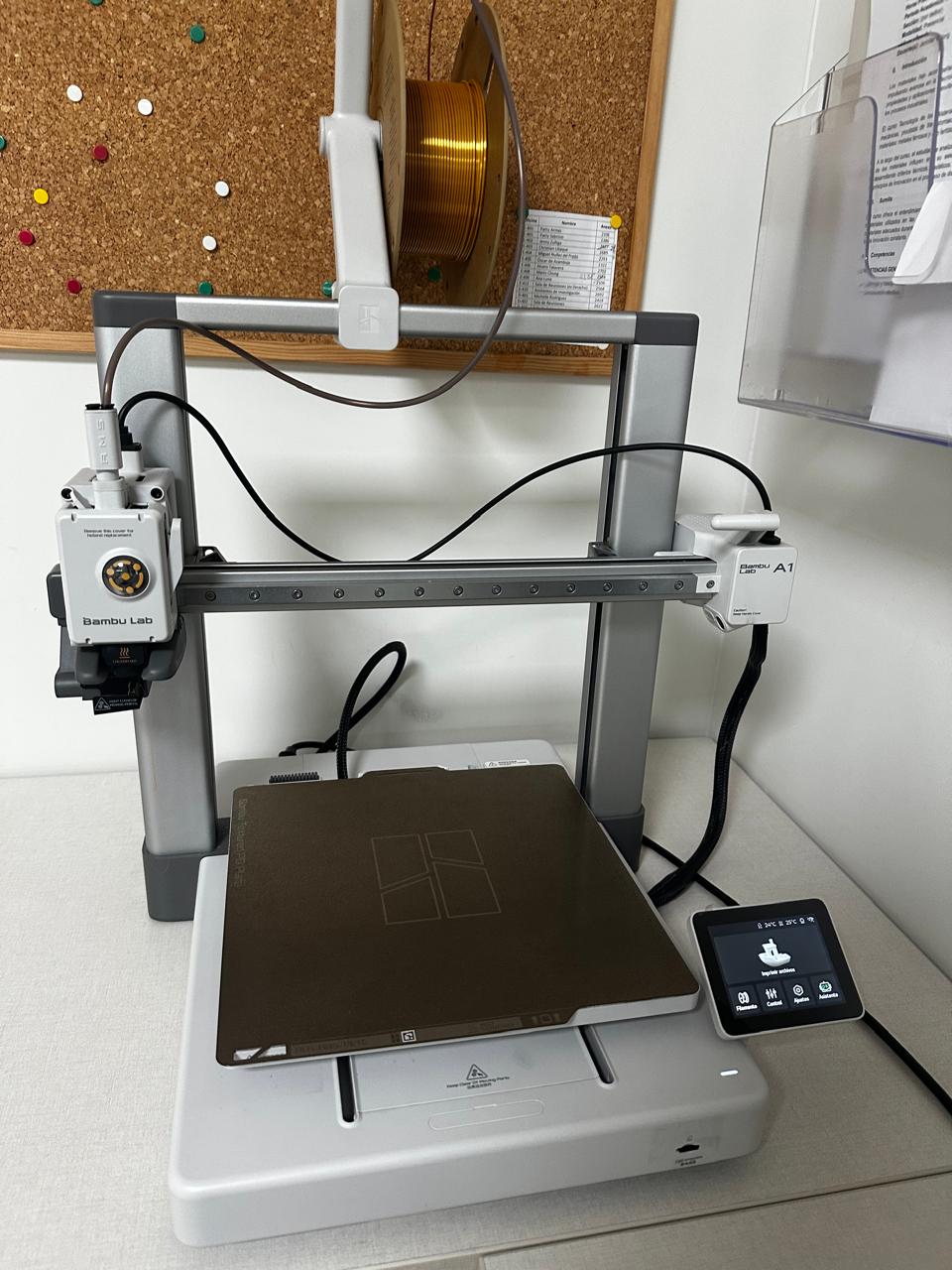
The material used for the test was PLA due to its ease of printing and dimensional stability.
Test Model
To characterize the performance of the 3D printer, the All-in-One 3D Printer Test Model was used. This model integrates multiple evaluation features into a single geometry, allowing a comprehensive analysis of the printer behavior in one print.
Using a combined test model is more efficient than printing separate calibration pieces, as it enables direct comparison of different printing conditions under the same parameters.
Features Evaluated
- Overhang tests: evaluate the maximum printable angle without supports.
- Bridging tests: analyze the ability to print horizontal spans without support.
- Assembly tolerances: test the fit and clearance between parts.
- Fine detail tests: evaluate resolution in small geometries and text.
- Dimensional accuracy: verify how closely the printed object matches the digital model.
This model allows identifying multiple printing limitations and capabilities in a single fabrication process.
Printing Configuration
To ensure consistent and comparable results during the characterization process, a standard set of printing parameters was used on the Bambu Lab A1. Instead of optimizing the settings for each feature, the goal was to evaluate the general performance of the printer under typical conditions.
This approach allows identifying the real capabilities and limitations of the machine without introducing bias from highly optimized configurations.
Parameters Used
- Material: PLA
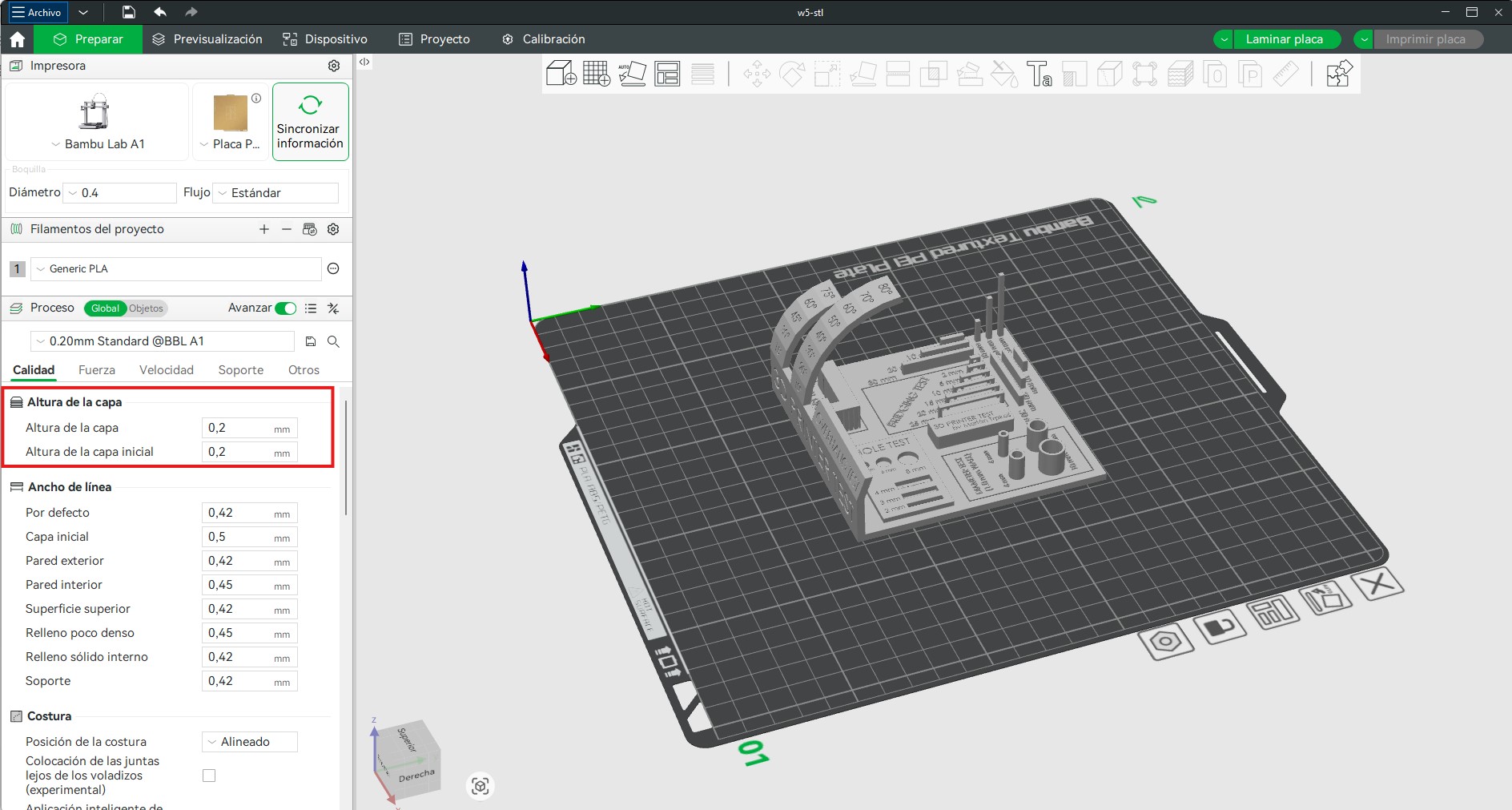
- Layer height: 0.2 mm
- Nozzle temperature: 200 °C
- Bed temperature: 60 °C
- Print speed: 60 mm/s
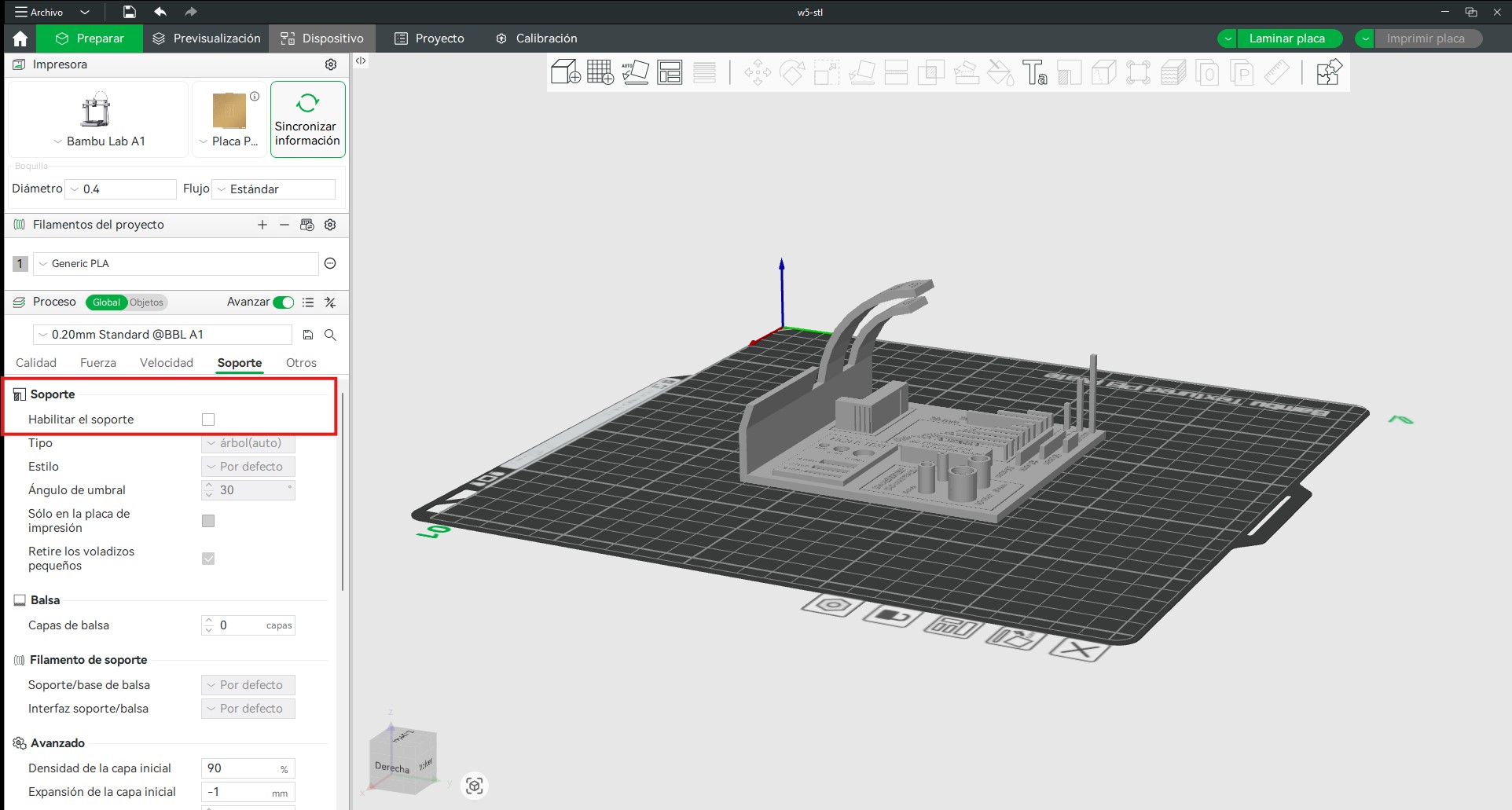
- Supports: disabled
- Infill: 15 %
The selected layer height (0.2 mm) provides a balance between print quality and fabrication time, making it suitable for general testing. PLA was chosen due to its stability and ease of use, reducing variability related to material behavior.
Supports were intentionally disabled to evaluate the printer's ability to handle overhangs and bridges without assistance. This is critical for understanding real performance limits.
A moderate infill value (15%) was used since the objective was not structural strength, but rather the evaluation of geometric accuracy and surface quality.
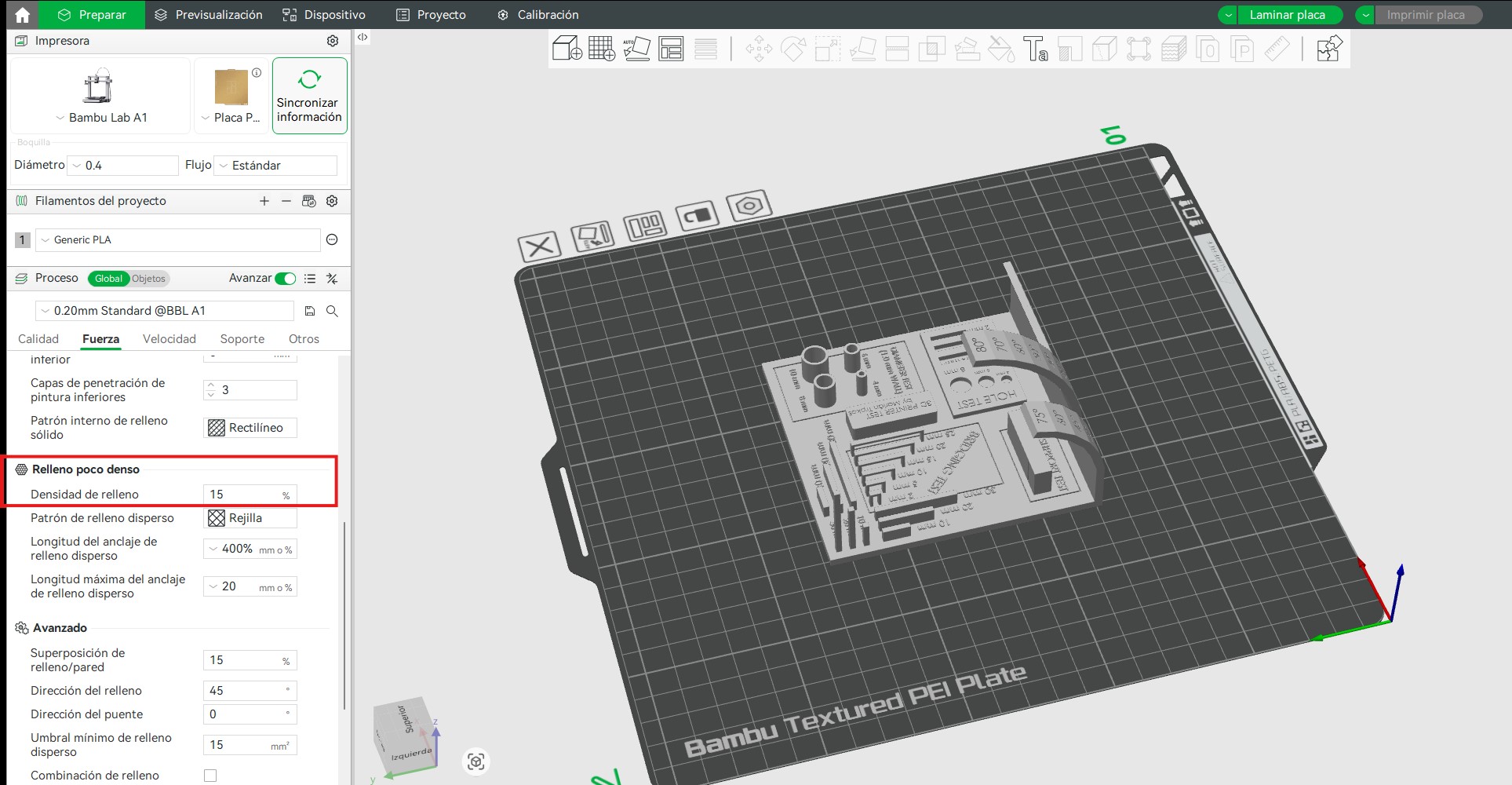
After setting the slicing parameters, the model was sliced in order to estimate the material consumption, printing time and save the file to send it to the 3d printer.
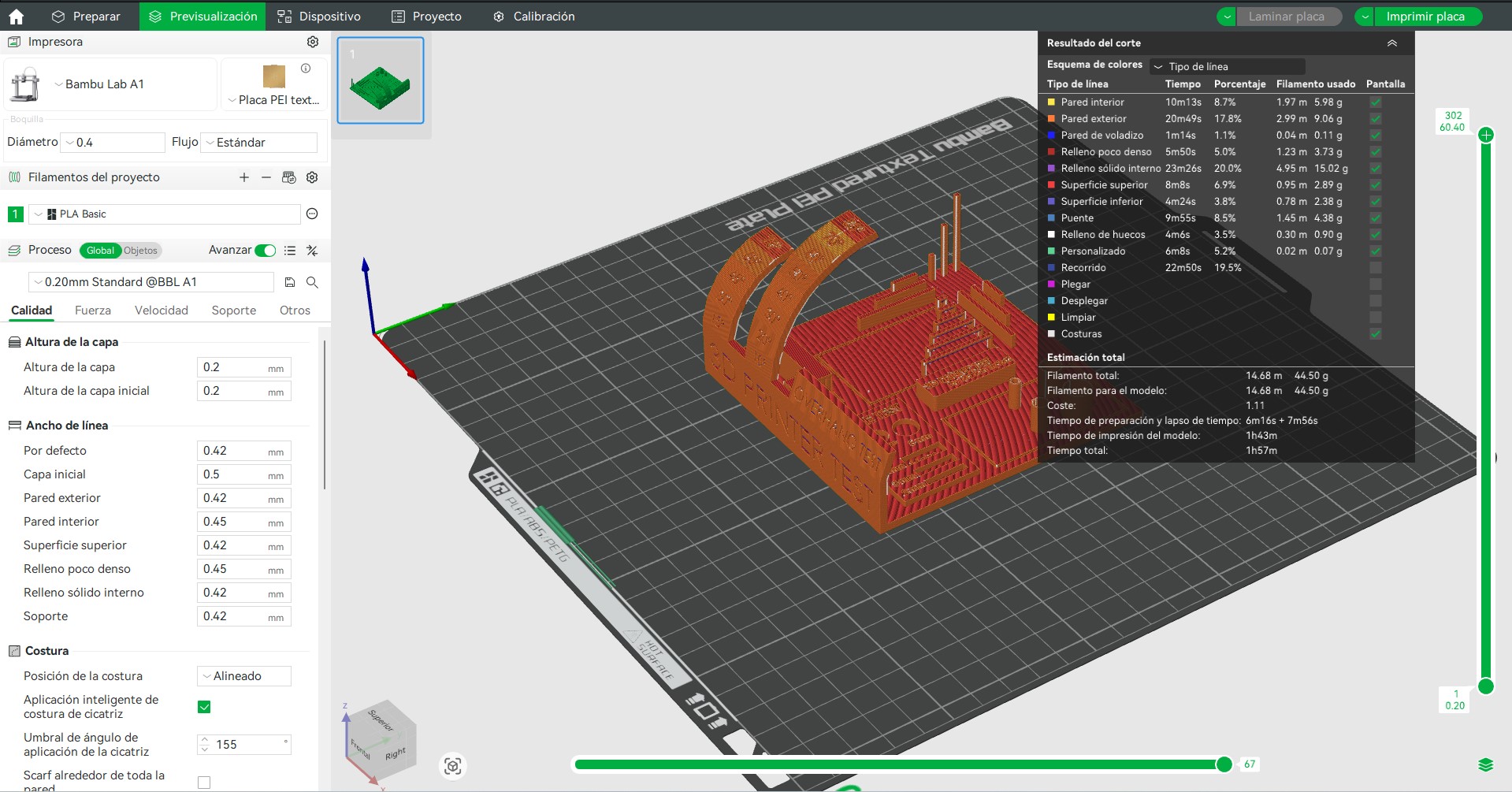
Tests Performed
Observations from the Printed Test Piece
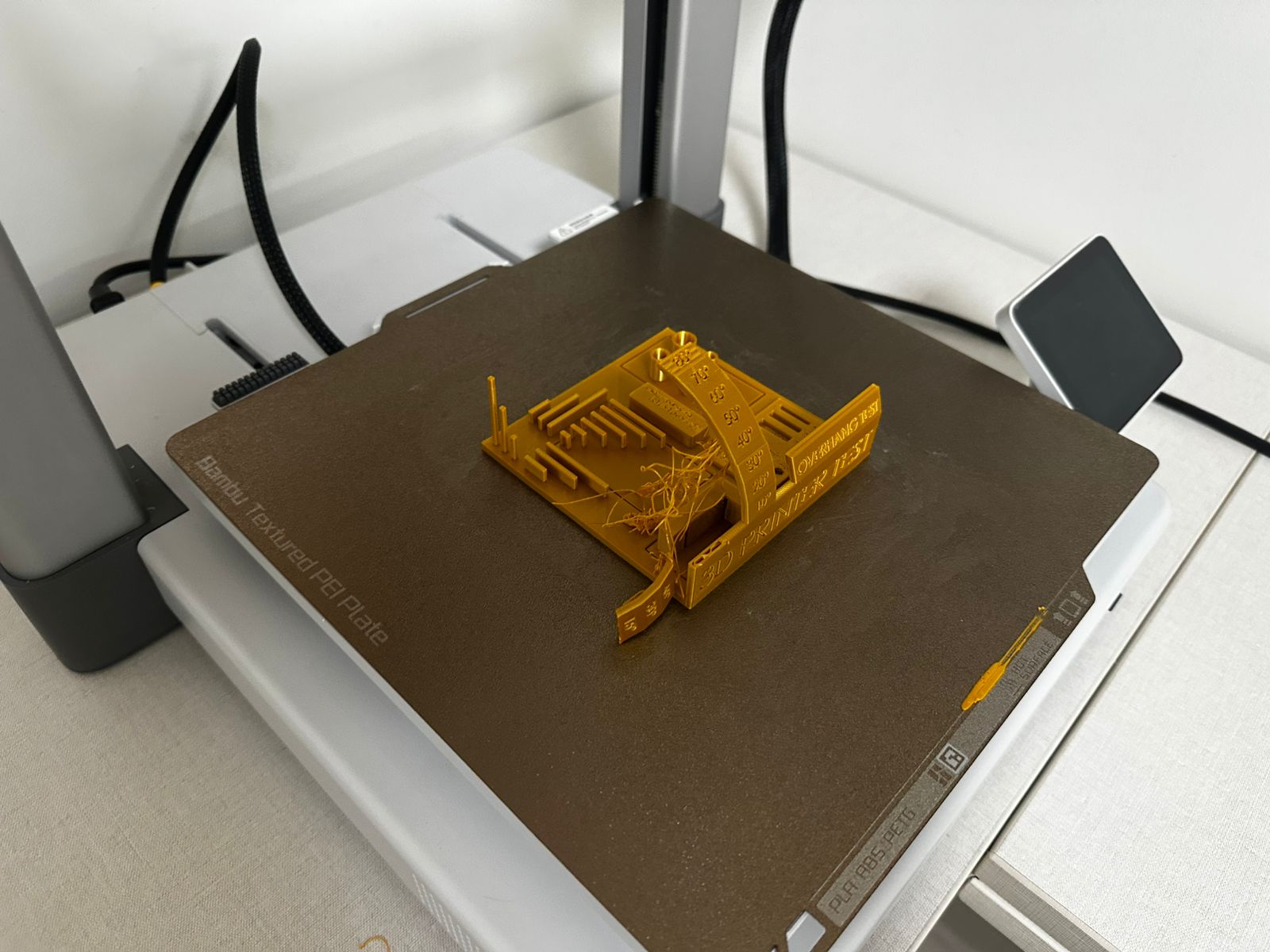
The printed test model was used to evaluate several capabilities of the 3D printer, including dimensional accuracy, hole tolerance, overhang performance, bridging behavior, and fine detail reproduction.
Overall Print Quality
The general print quality is acceptable, and most of the base geometry was printed successfully. The first layers adhered well to the build plate and the main body of the part remained stable during printing. Surface finish is relatively uniform, although visible layer lines can be observed across the model.
However, the print was not completely successful. One section of the test piece became detached, which indicates that some features were too weak or unstable to be printed reliably under the selected parameters. This affects the interpretation of the test and shows that not all geometries were printed with the same level of stability.
Some stringing is also visible, especially around the curved overhang section, suggesting that the retraction settings or travel behavior could still be improved.
Overhang Test
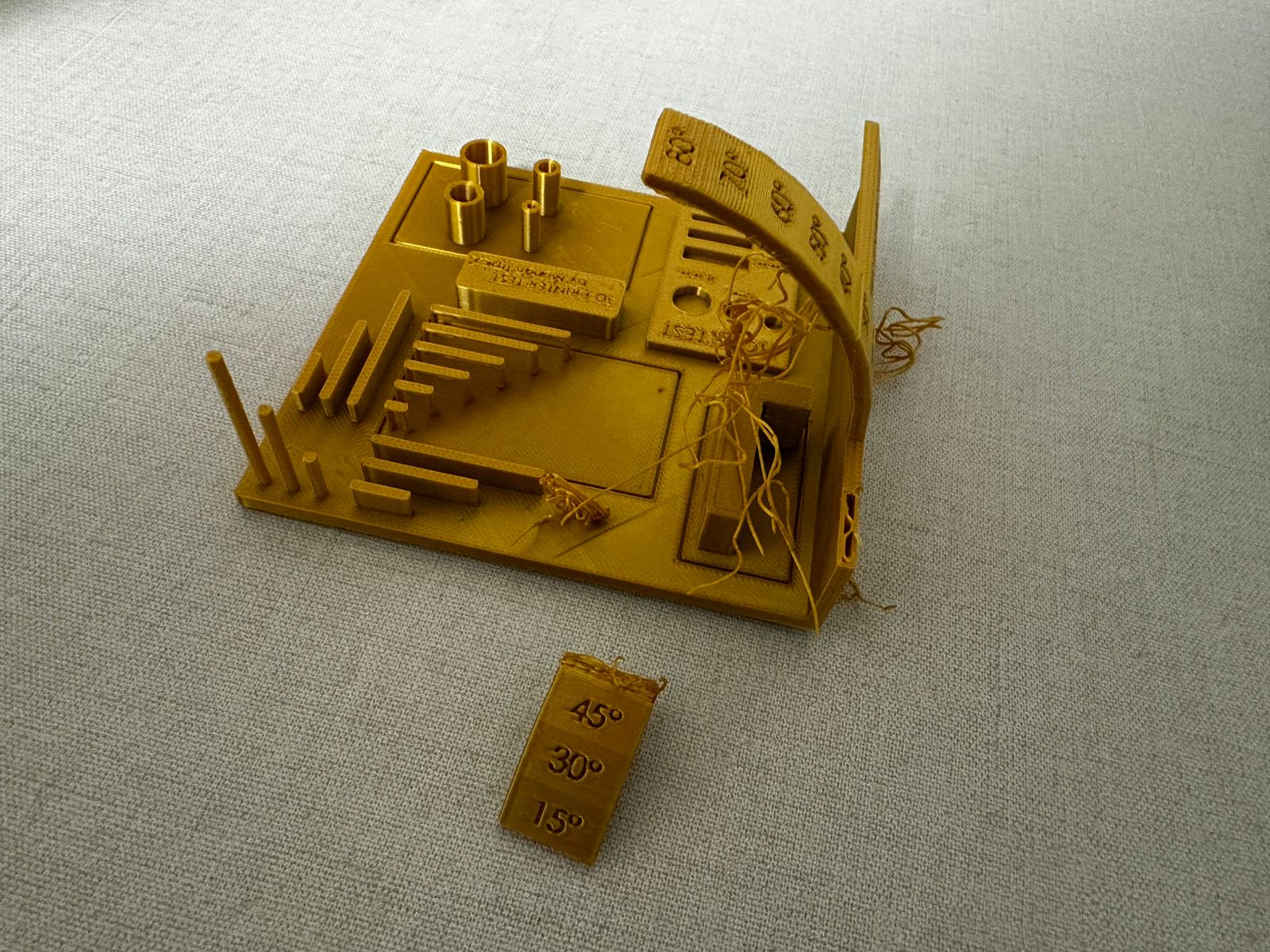
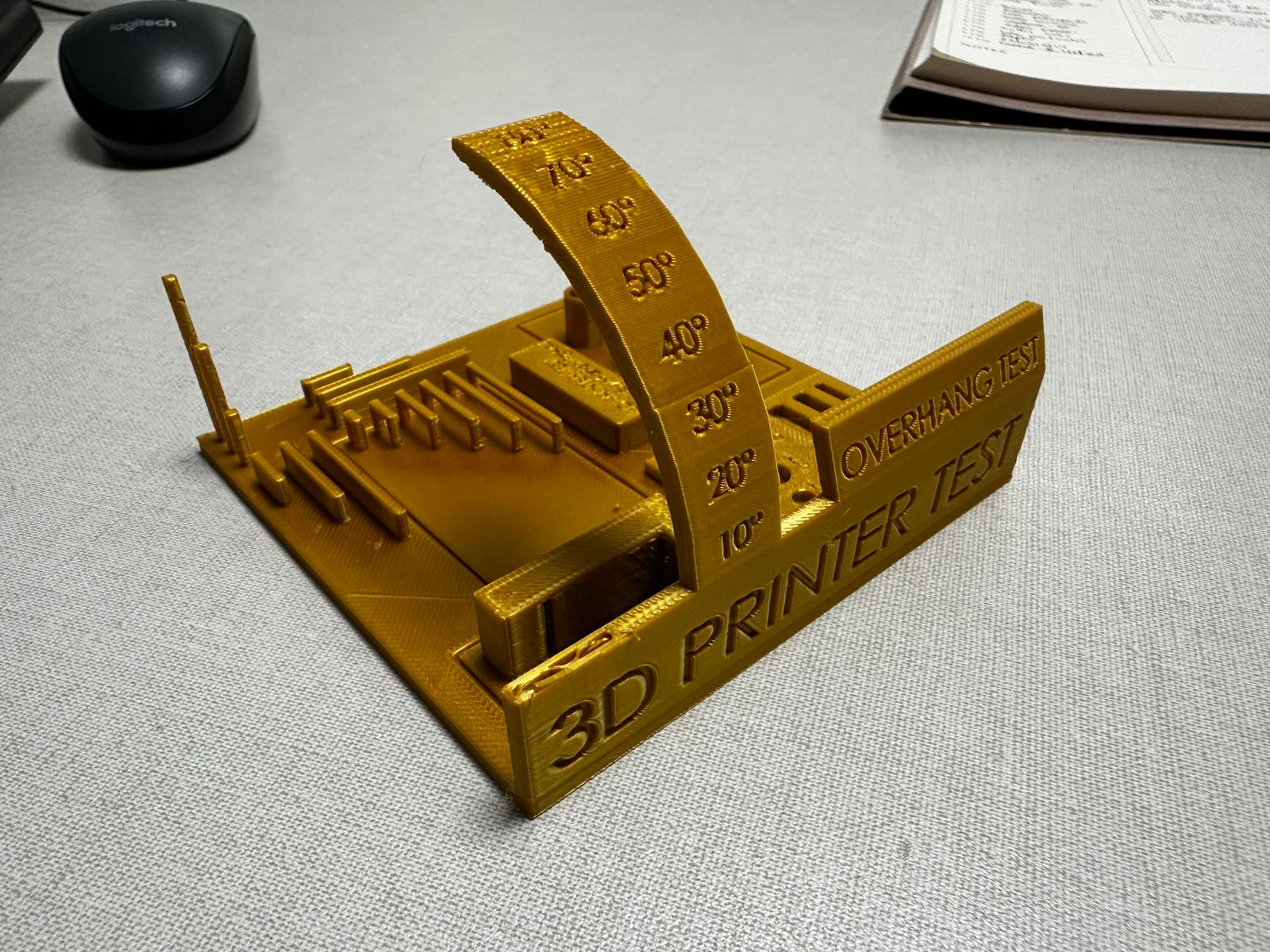
The overhang test ranges from 10° to 80°.
From the printed results, the printer handled lower and medium overhang angles reasonably well. Overhangs up to approximately 50°–60° remained mostly stable and preserved their shape.
At higher angles, the geometry becomes less reliable. In addition, one of the elements associated with this test detached from the main model, which suggests that the printer had difficulty maintaining stability in unsupported or highly inclined features. This indicates that the machine can manage moderate overhangs, but more extreme angles may require support structures or better tuning of cooling and print speed.
Hole Accuracy Test
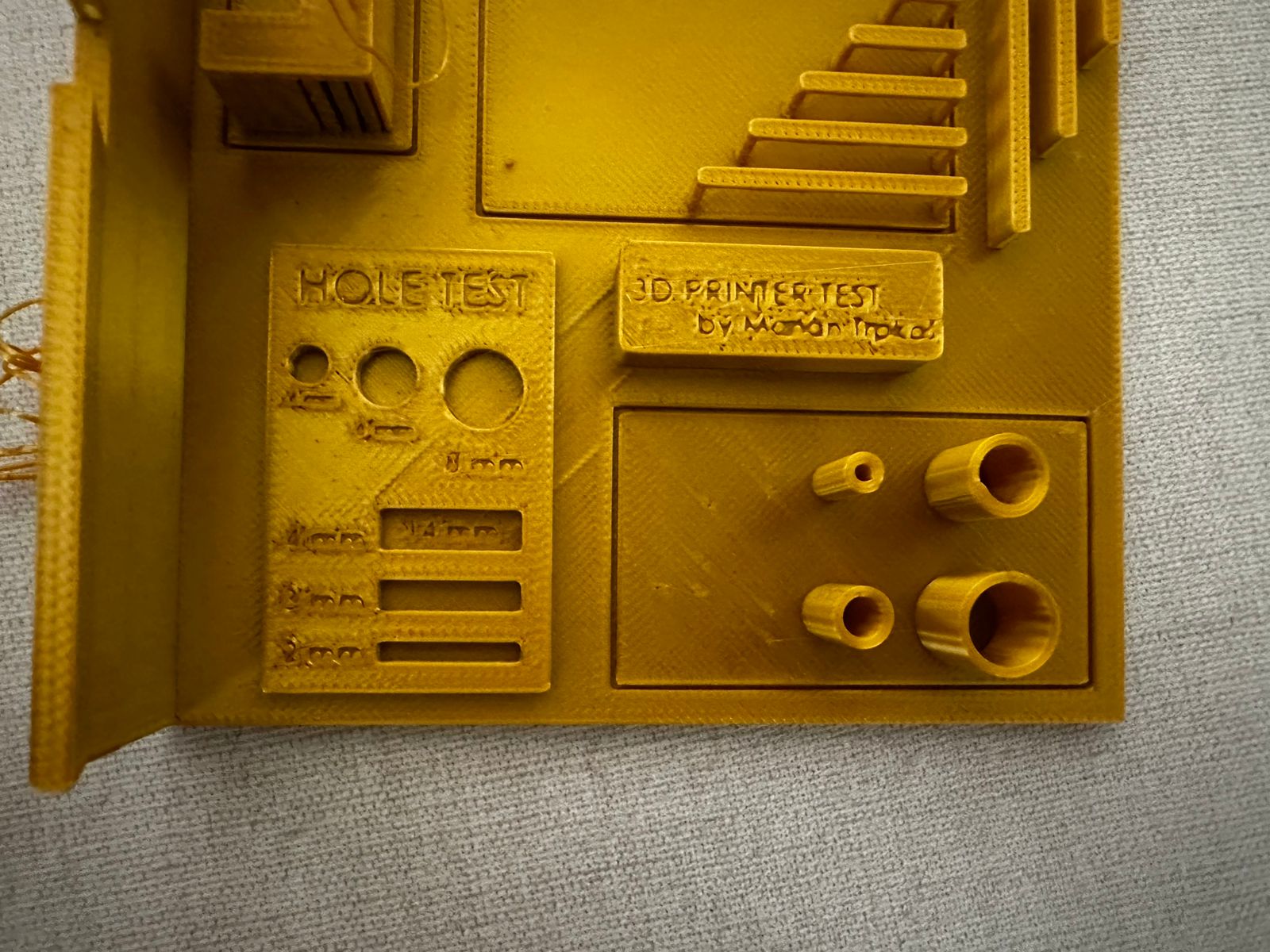
The hole test evaluates dimensional accuracy for circular features.
The printed holes appear slightly smaller than their intended dimensions, which is common in FDM printing due to material expansion and extrusion width. Smaller holes are less precise and may require post-processing, while larger holes preserve their geometry more accurately.
This suggests that for functional parts requiring precise fits, tolerance compensation should be considered during the design stage.
Bridge Test
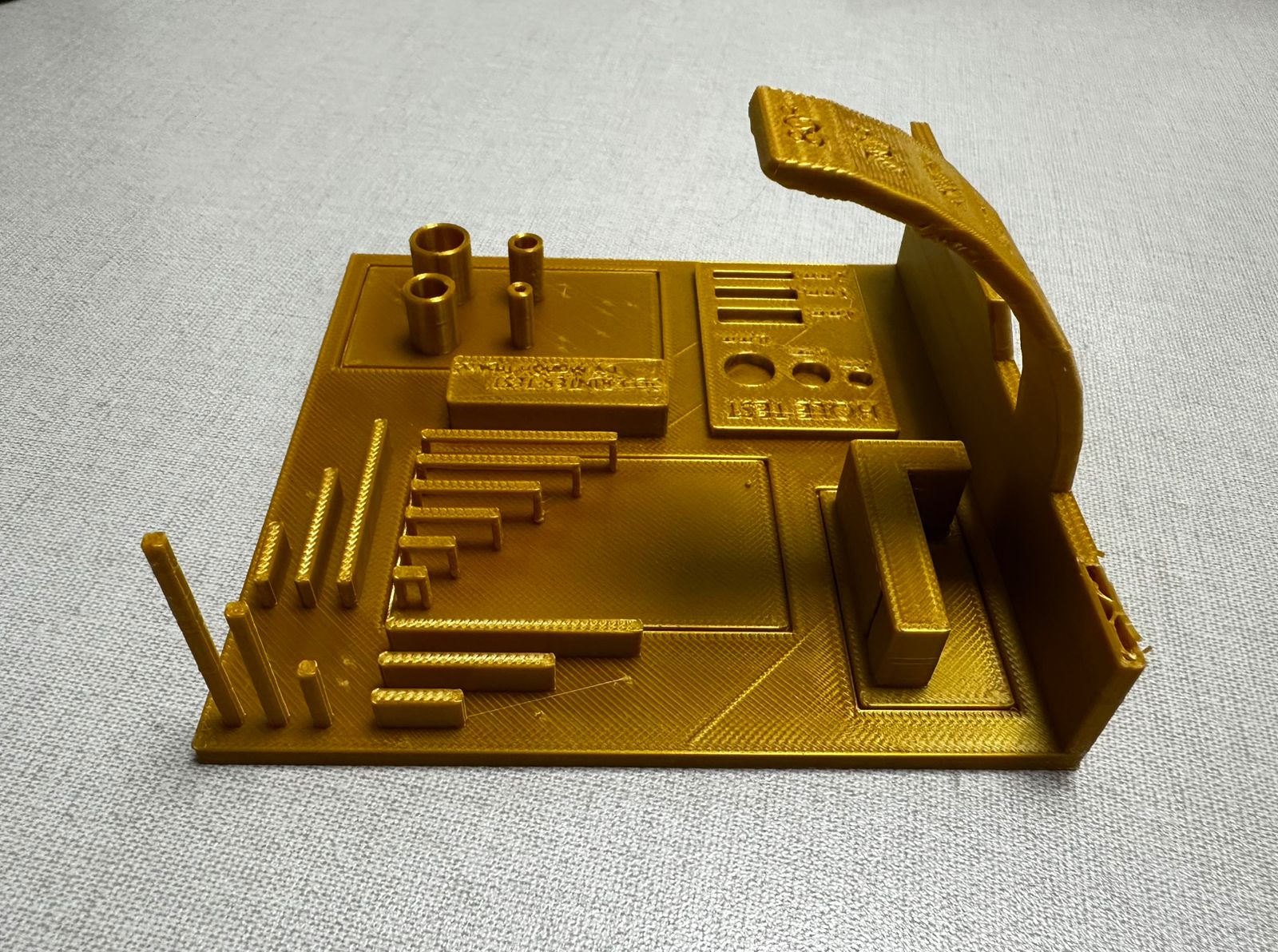
The bridging features show mixed results. Some short spans were printed successfully, but more demanding unsupported features were less stable. Since one part of the model detached, it is clear that the printer struggled when the geometry required sustained printing in areas with limited support.
This indicates that bridge performance is acceptable for short distances, but longer spans or more complex suspended geometries would benefit from improved cooling or adjusted print settings.
Fine Detail and Small Features
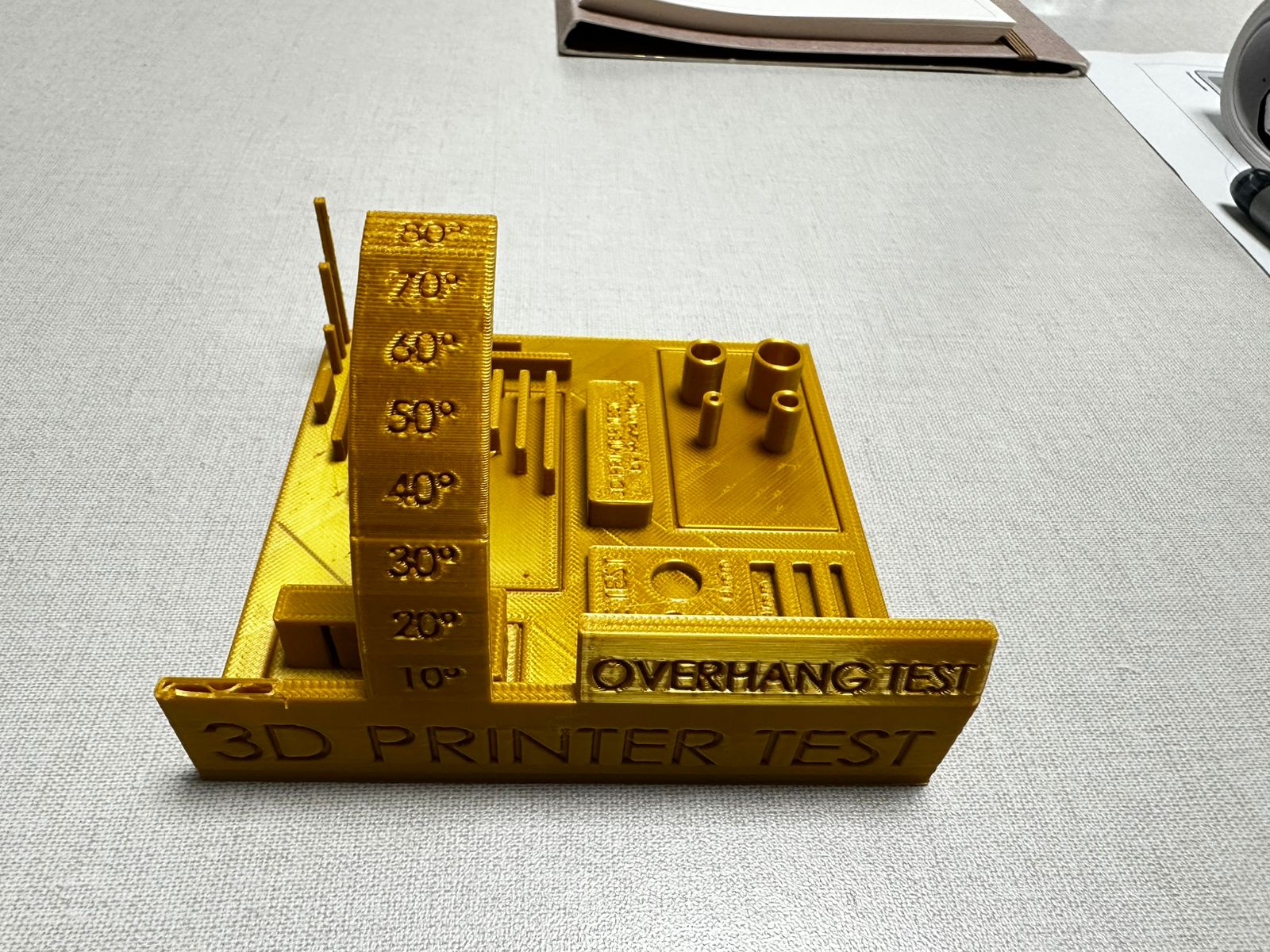
The model includes several fine details such as thin vertical pins, small geometric features, and embossed text labels. While most of the vertical pins printed successfully, the smallest text elements did not reproduce clearly.
Some of the engraved and embossed labels (such as the hole and print test markings) appear blurred or partially filled, making them difficult to read. This indicates that the printer has limitations when reproducing very small text features with the current nozzle size and printing parameters.
This behavior is common in FDM printing, where very small details may lose definition due to extrusion width and layer height. To improve text readability, larger font sizes, deeper engravings, or a smaller nozzle could be used.
Conclusion
The calibration print shows that the printer is capable of producing stable results in many areas of the model, especially in the base, vertical features, and medium-difficulty geometries. However, the test also revealed important limitations. One part of the model detached, indicating that highly unsupported or weak features were not fully reliable under the selected settings.
Overall, the printer performs well for standard geometries, moderate overhangs, and basic dimensional tests, but more challenging features would require better tuning of retraction, cooling, speed, and possibly the use of supports.
Additional 3D Printing Tests Observed
During the group work session we also analyzed several reference tests available in the PUCP digital fabrication laboratory. These demonstrations help visualize how different printing parameters affect the internal structure and mechanical behavior of 3D printed parts.
Infill Pattern Comparison
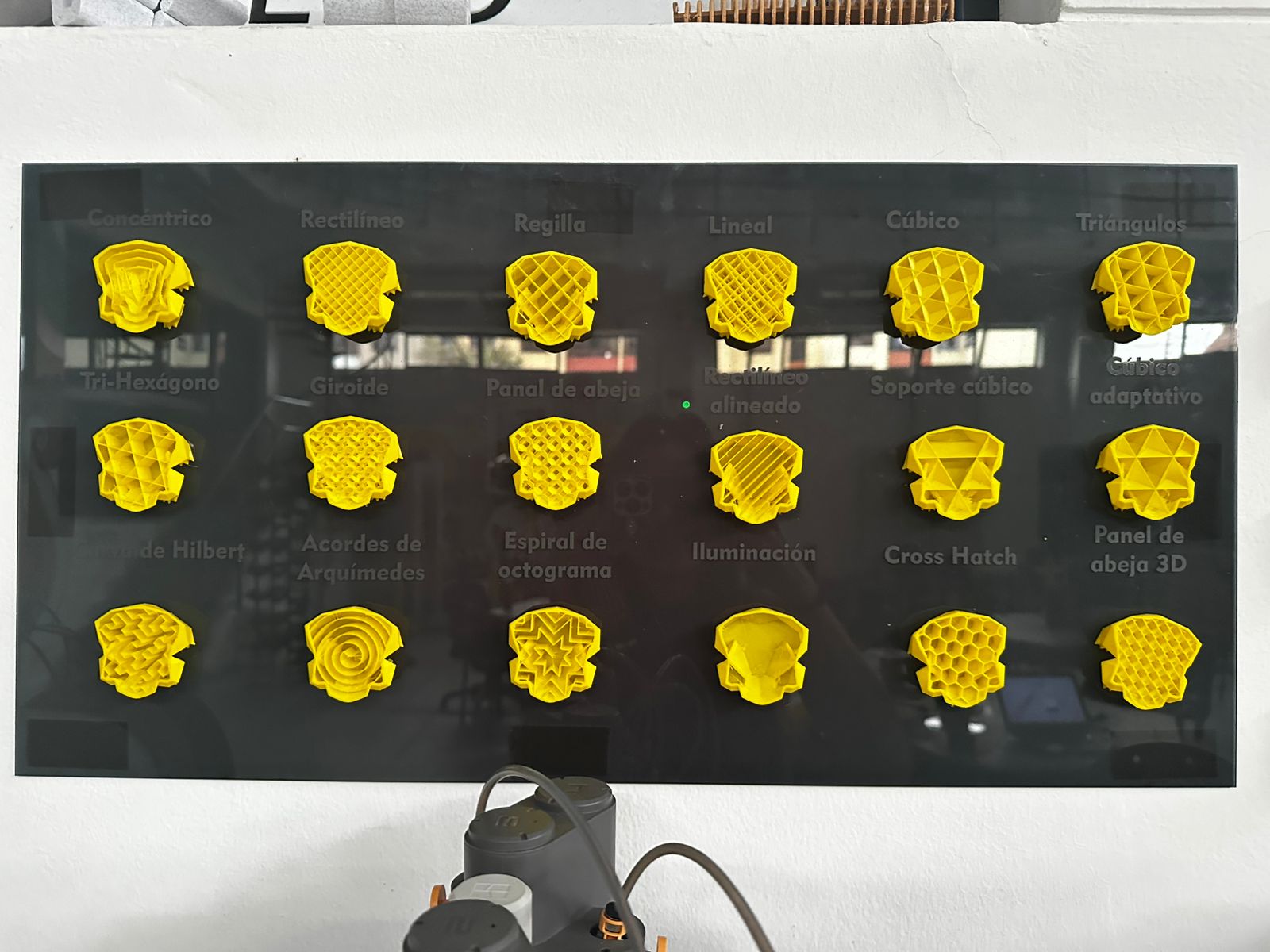
One of the demonstrations showed a comparison between different infill patterns used in FDM 3D printing. Infill structures determine how the internal volume of a printed object is filled and directly influence strength, weight, material consumption, and printing time.
Among the patterns displayed were concentric, grid, linear, cubic, triangular, gyroid, honeycomb, and cross-hatch structures. Each of these geometries distributes internal forces differently and may be selected depending on the functional requirements of the printed part.
Infill Density Comparison
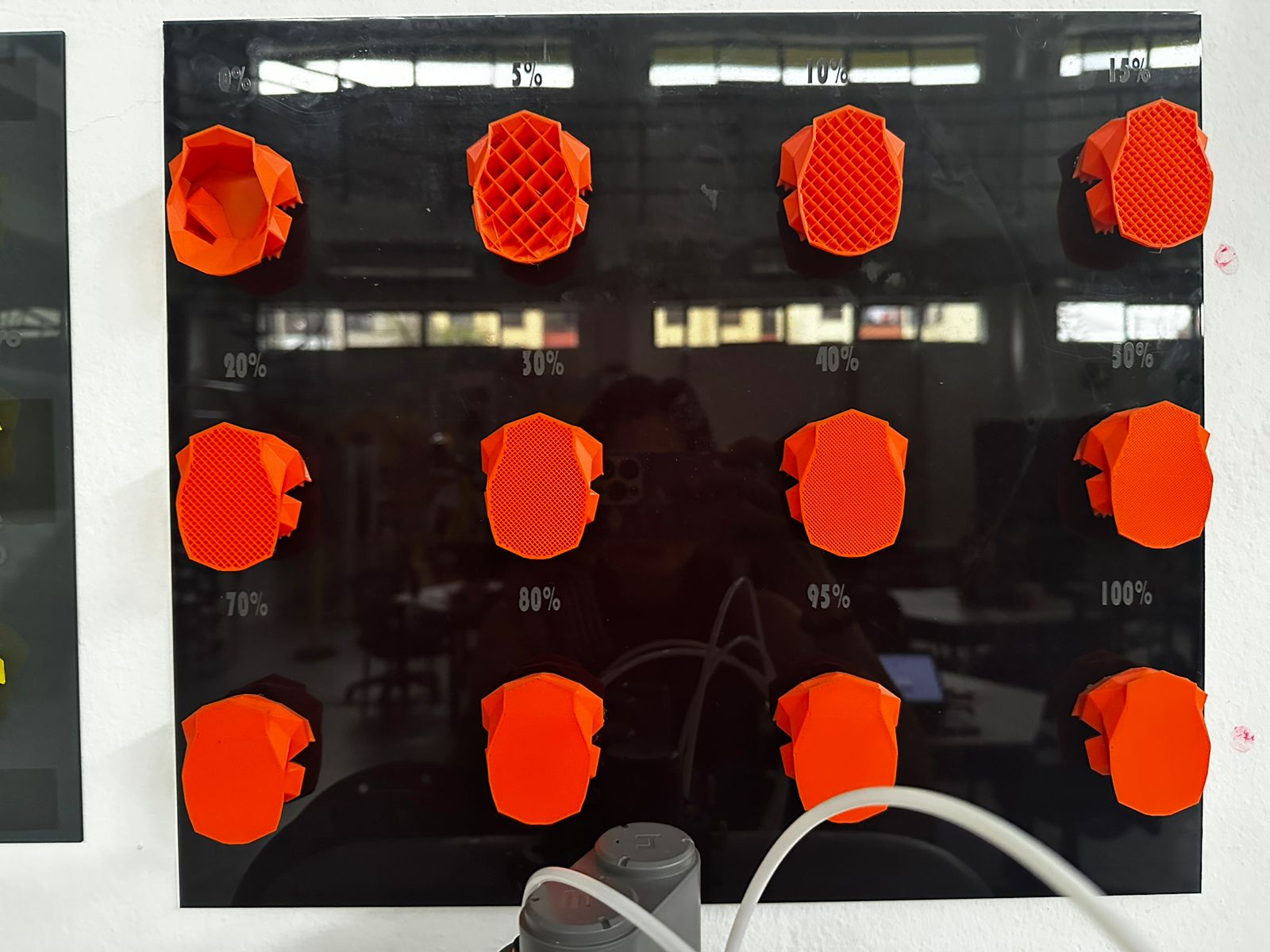
Another reference board demonstrated how infill density affects the internal structure of a printed object. Samples were printed with densities ranging from 0% to 100%.
Lower densities produce lighter parts with reduced material usage and faster printing times, while higher densities increase strength and rigidity but also increase material consumption and printing duration.
Wall Thickness Test
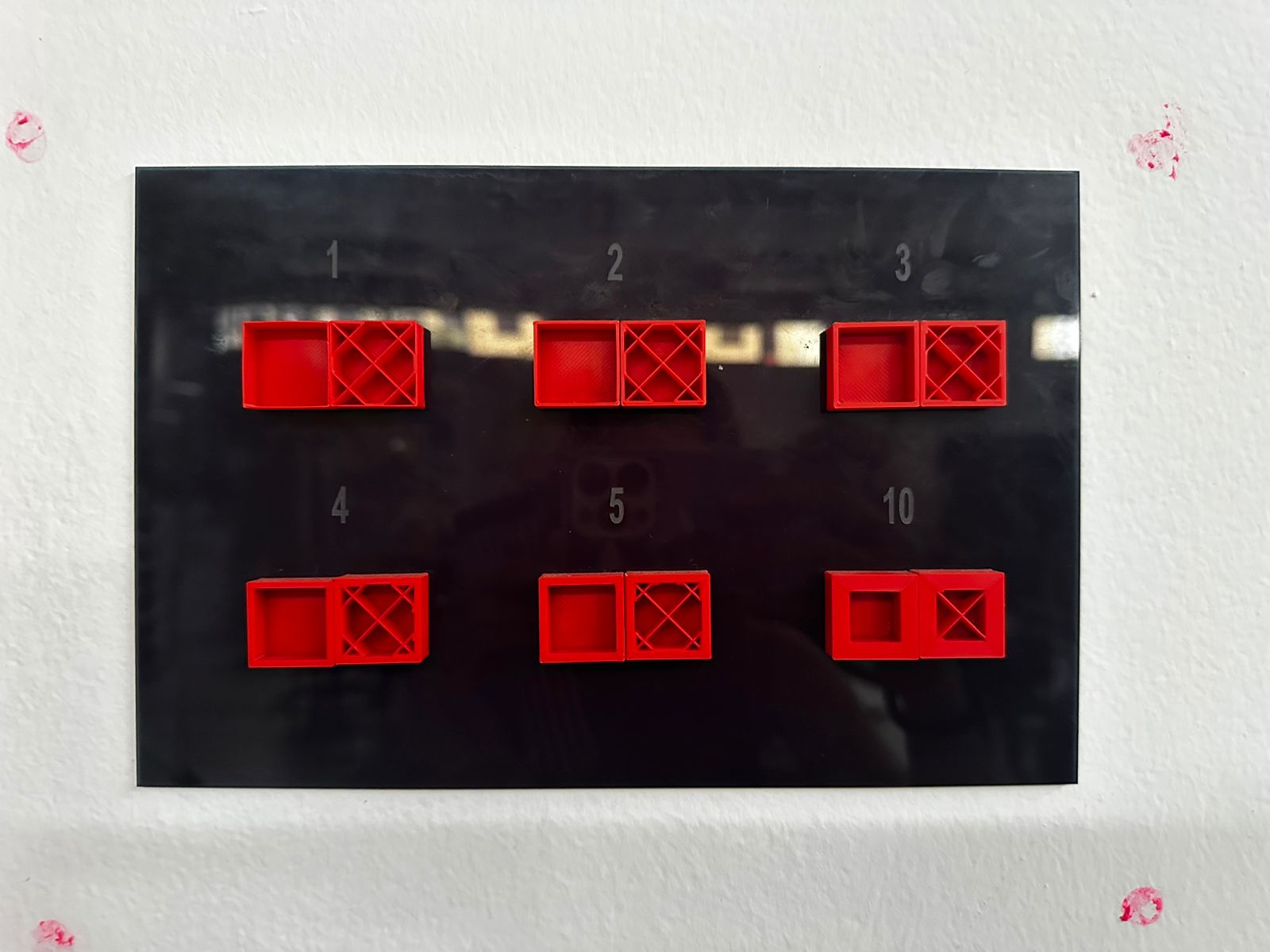
A third test compared different wall thickness configurations. Wall thickness plays an important role in the structural stability of the printed object. Increasing the number of walls improves strength and durability, while thinner walls reduce material usage and print time.
These visual demonstrations help better understand how slicing parameters influence the internal geometry and mechanical performance of 3D printed parts.
Download Files
The design files used in this assignment can be downloaded below.