Penny Pal
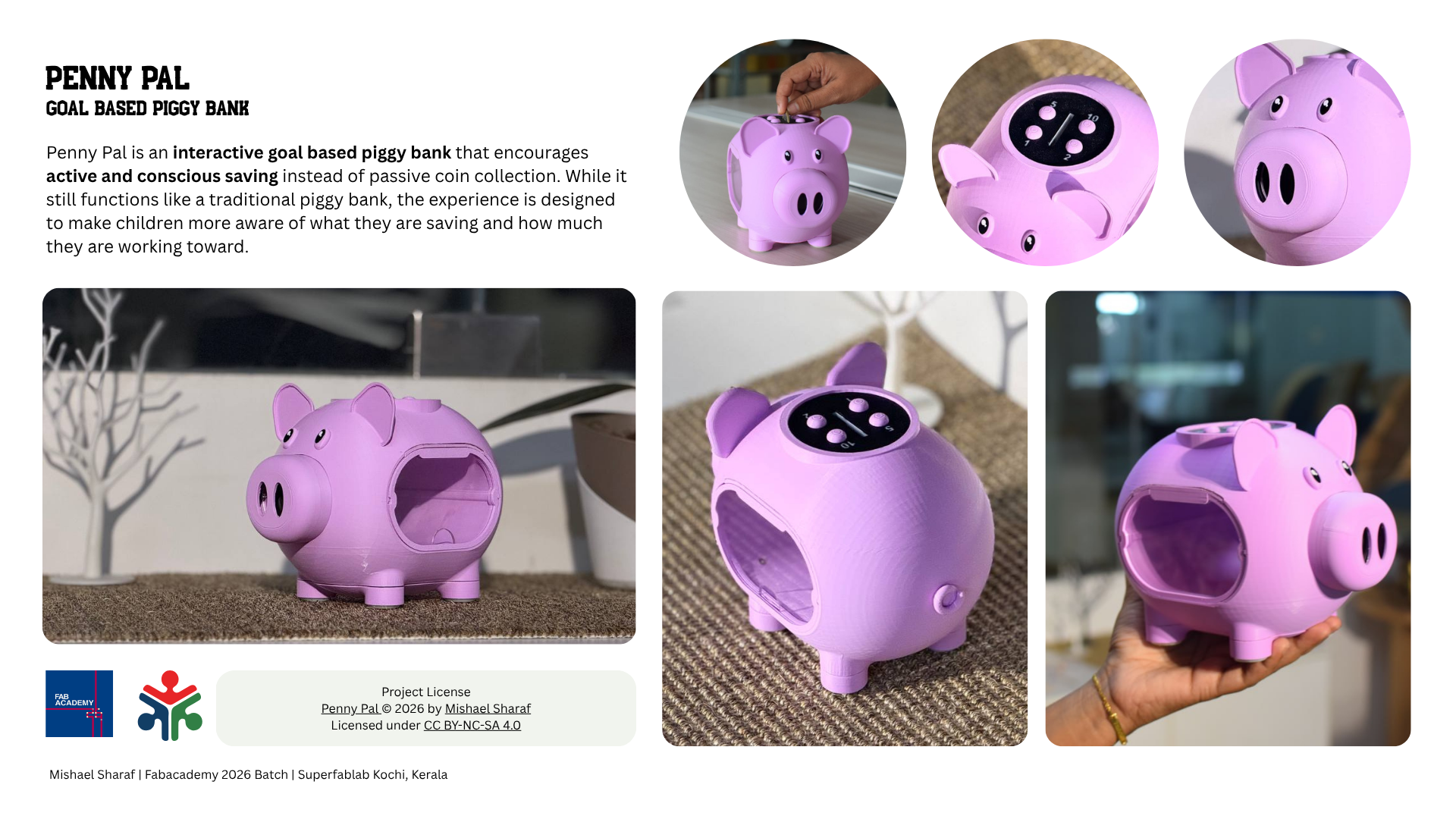
A goal-based savings companion for kids
week 1. Principles and Practices, Project management
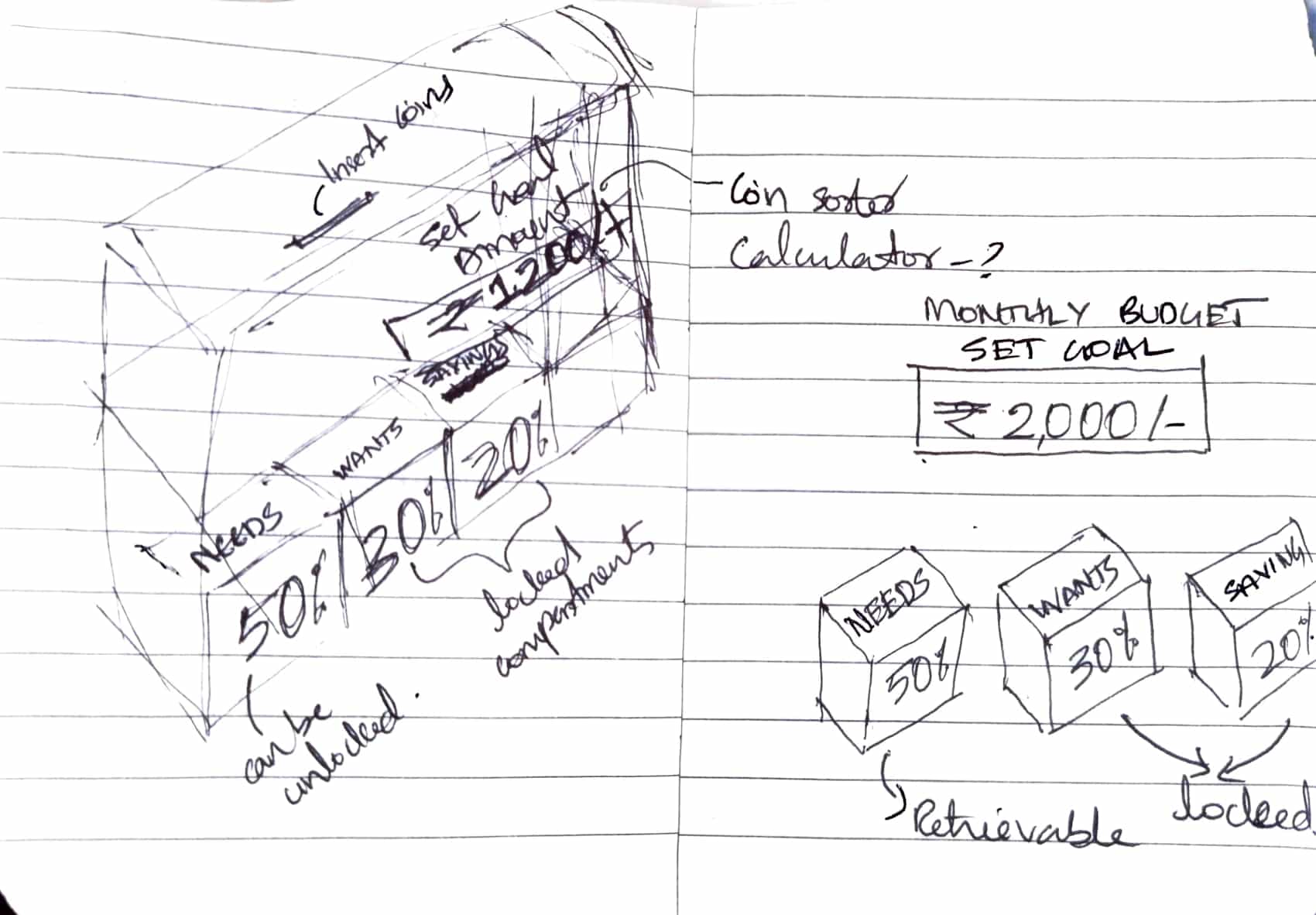
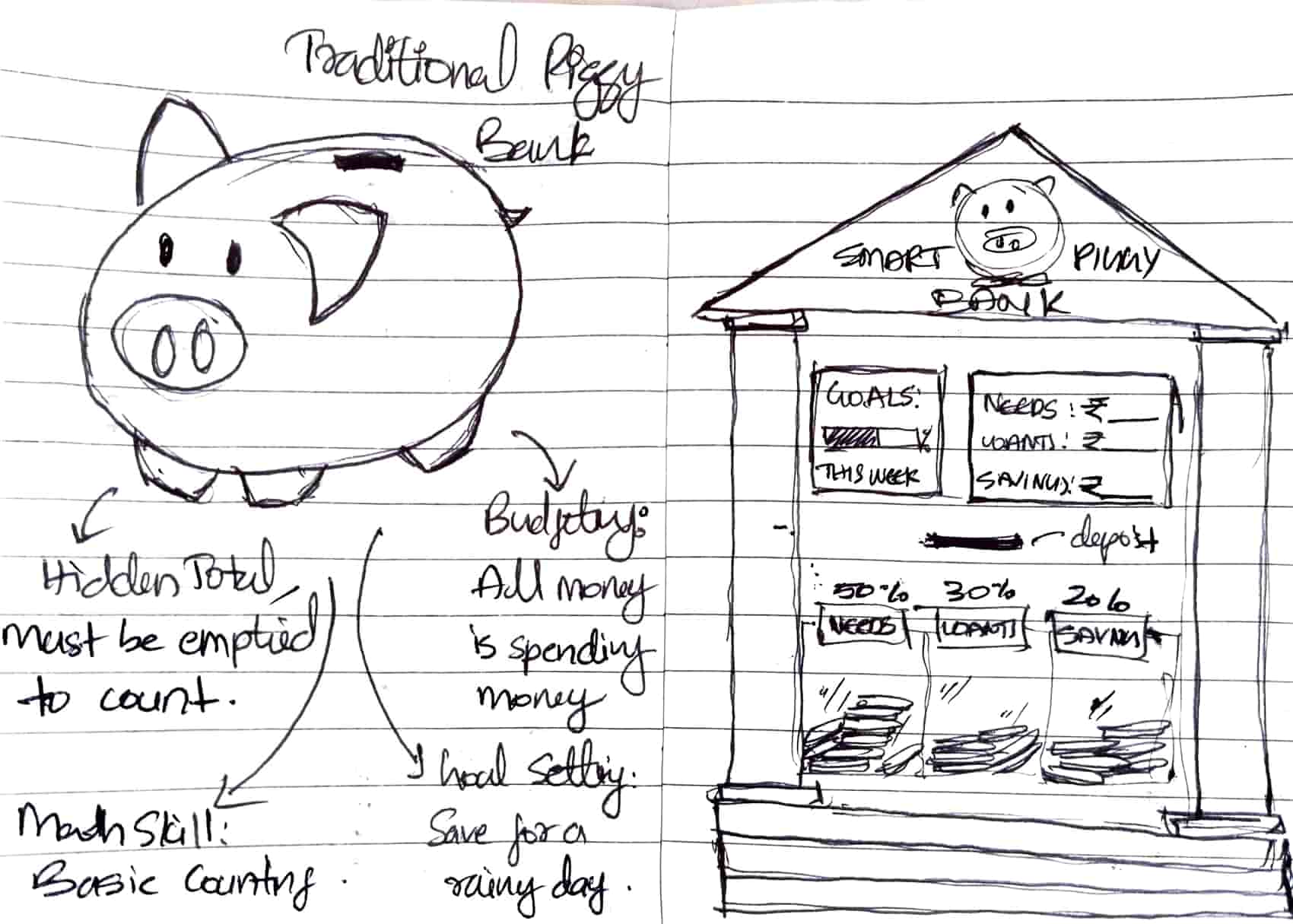
Early explorations ranged from a goal-based savings box to a multisensory piggy bank experience.
This project explores a Smart Piggy Bank System that goes beyond traditional saving. While conventional piggy banks and school-led saving schemes encourage putting money aside, they rarely guide children on how to save strategically toward a goal. This project seeks to bridge that gap.
The more senses involved in an action, the more intuitive it feels, the more it holds attention, and the more it is remembered. A single tap on a screen engages almost nothing. But dropping a coin into a slot, feeling its weight, hearing it fall, pressing a button, watching a light change, and hearing a voice respond creates multiple sensory moments from one small action.
Penny Pal is deliberately designed around this idea. Every coin deposit is intended to be a multisensory experience.
The Penny Pal Piggy Bank introduces goal-oriented saving, where a child sets a specific target (with parental guidance) and works toward it through consistent contributions and delayed access to funds. Saving becomes a structured and intentional process rather than simple accumulation.
week 2. Computer Aided design
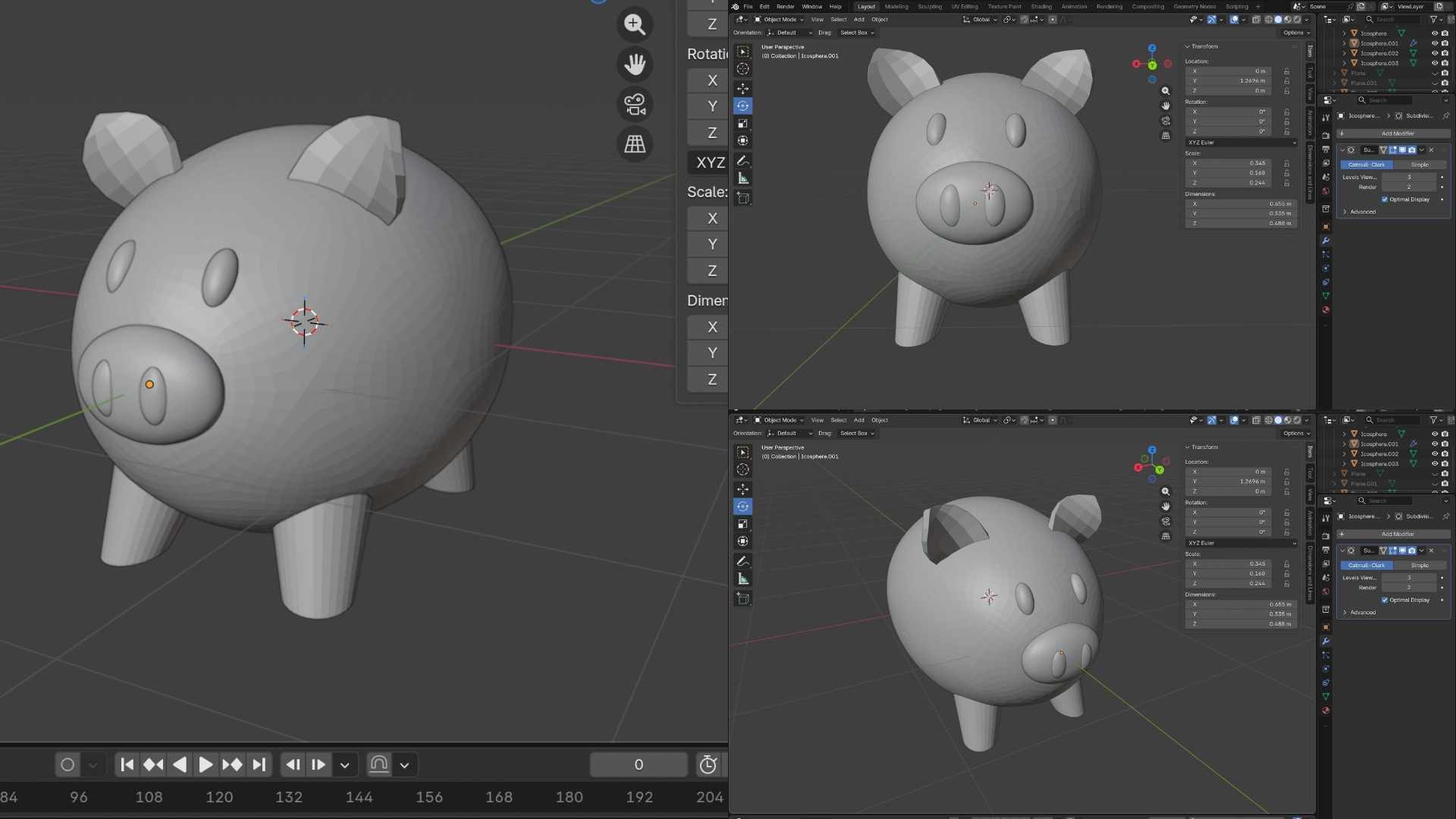
week 20. Project Development
Behind the Build
From early sketches and design decisions to system integration and the finished product, explore the complete journey of Penny Pal.
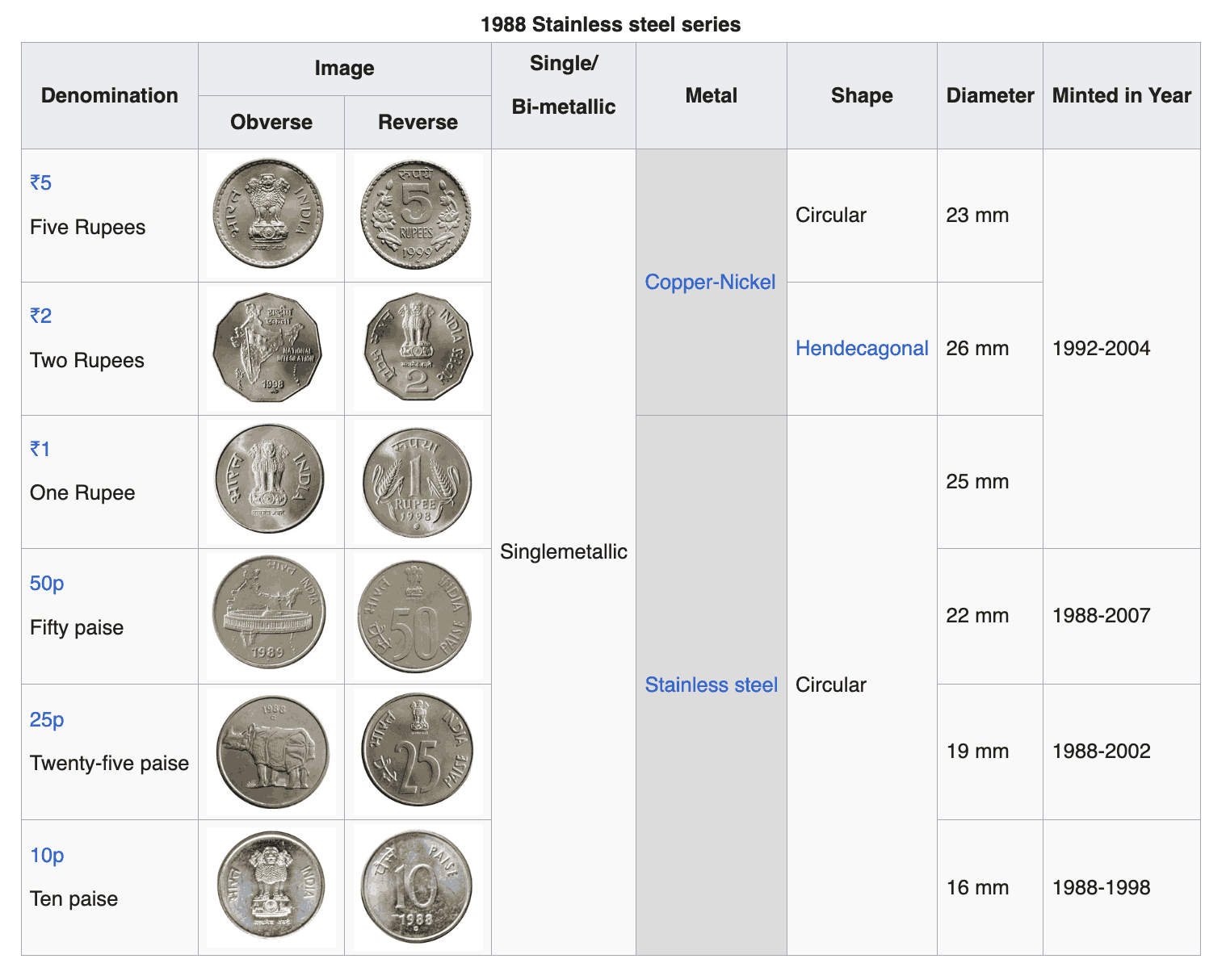
Preliminary Design Development Archive
Initial ideas, iterations, discarded concepts, and design decisions.
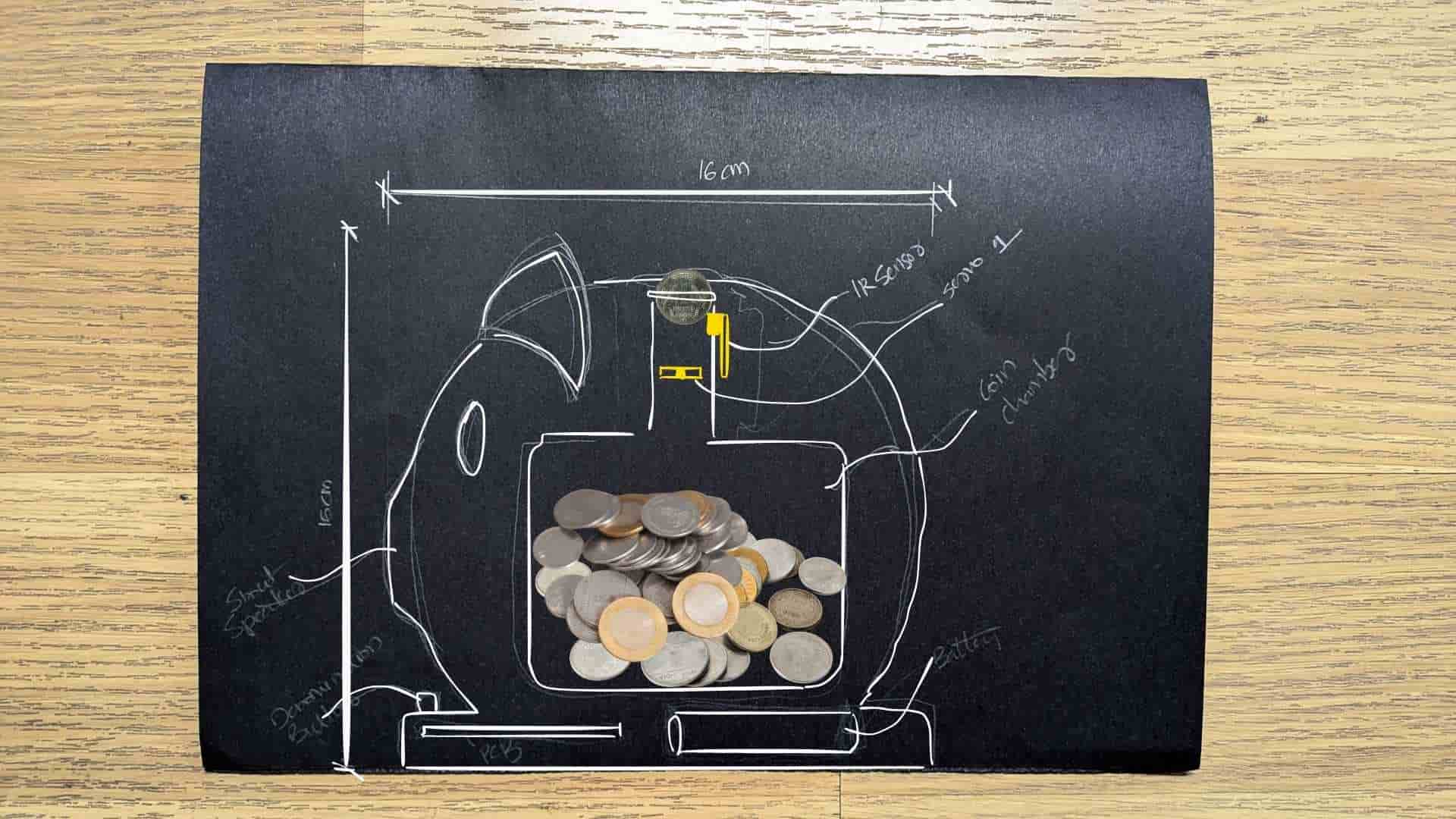
System Integration
User flow diagrams, conceptual mockups, and proof of concept.
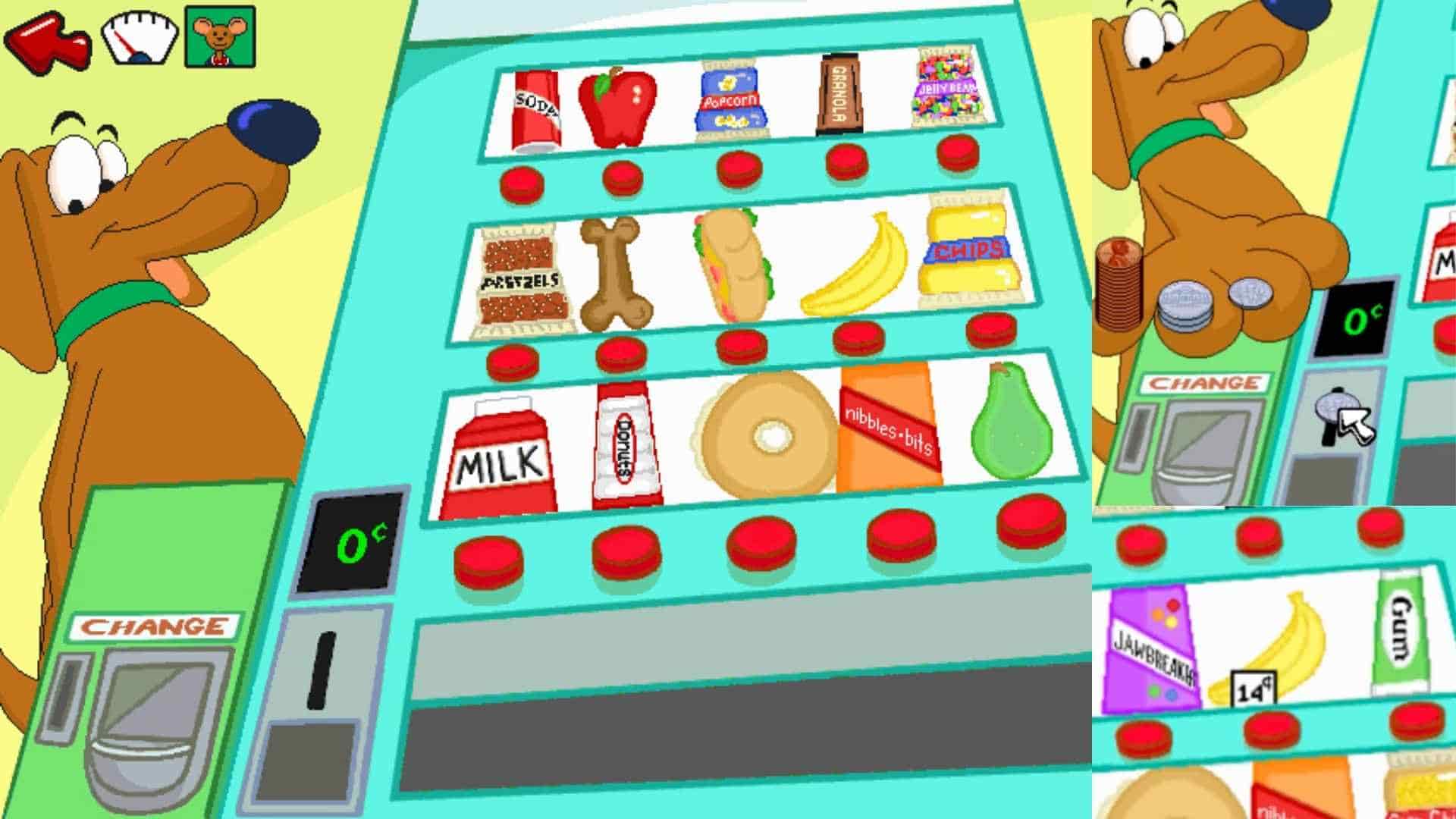
Applications & Implications
Inspirations, references, future possibilities, and planned applications.
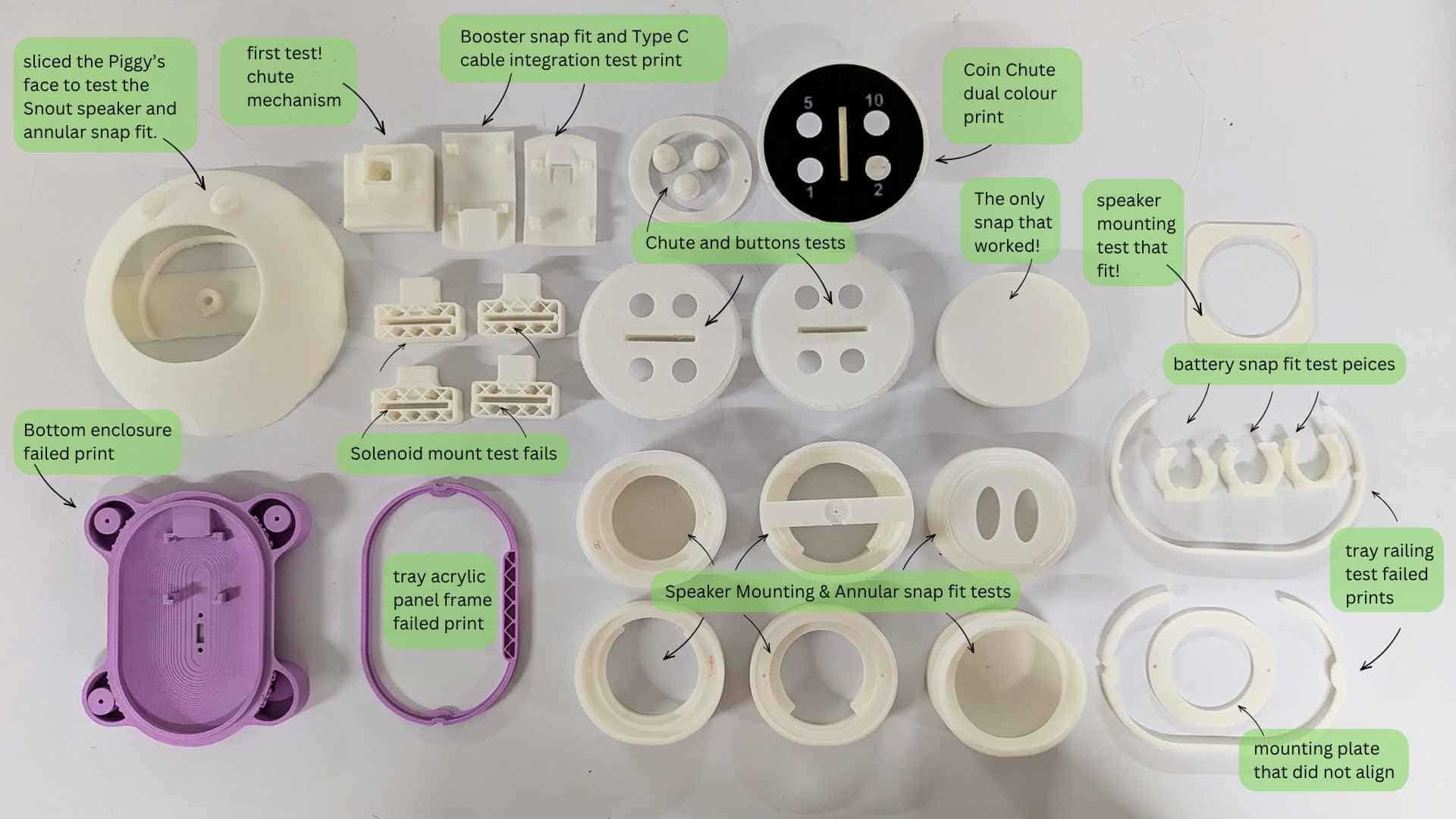
Final Project Development
Design progression, electronics integration, prototyping, and iterative development.
Project Highlights
week 16: System Integration
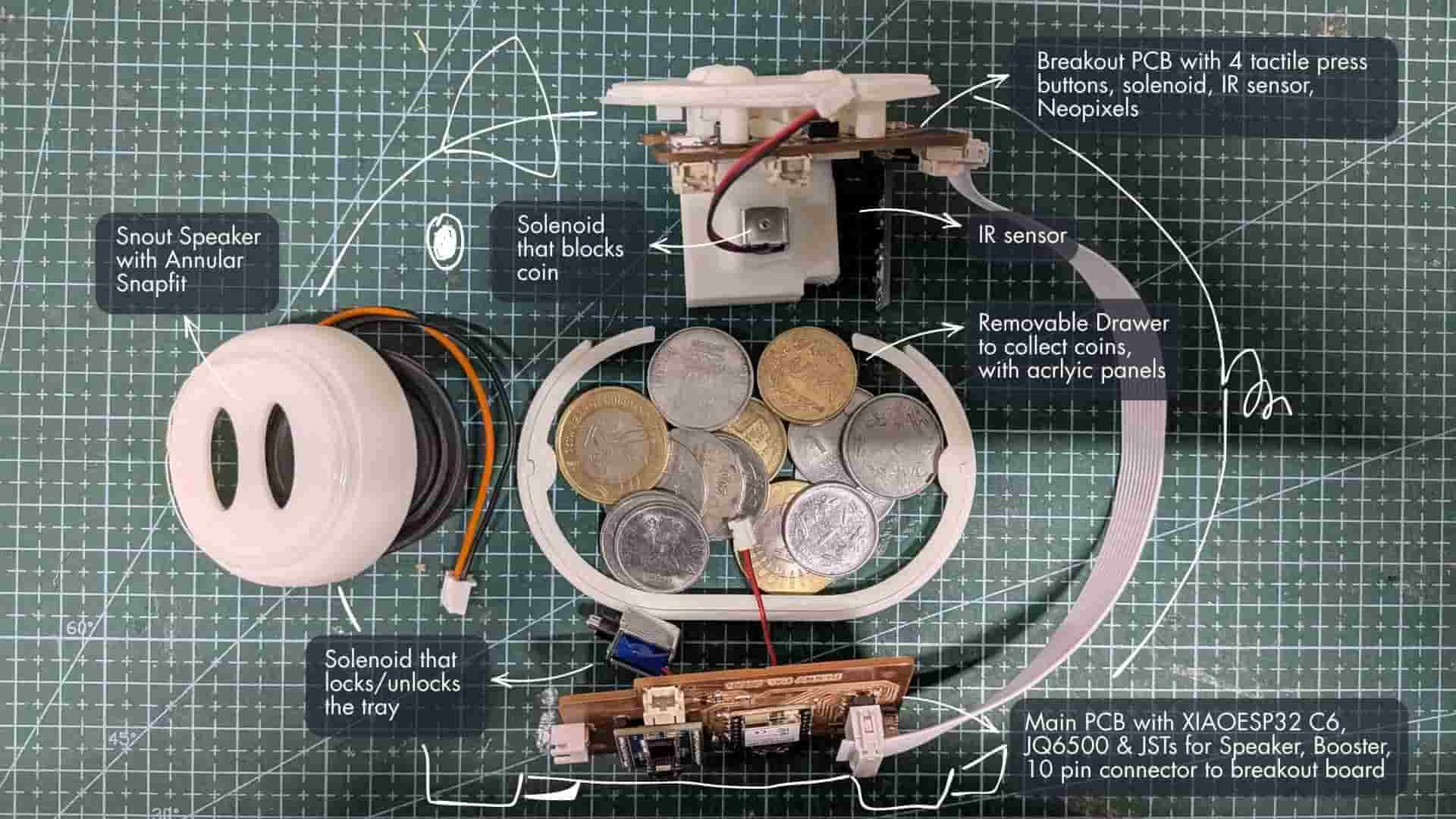
week 16: System Integration
week 15: Interface and Application Programming
Bill of Materials (BOM)
| No. | Component | Qty. | Description | Price (₹) | Price (US$) | Link | Source |
|---|---|---|---|---|---|---|---|
| 1 | XIAO ESP32-C6 | 1 | Main controller with built-in Wi-Fi | ₹677 | $7.87 | View | Fab Inventory |
| 2 | IR Sensor Module | 1 | Object/Coin detection | ₹25 | $0.29 | View | Fab Inventory |
| 3 | Tactile Push Buttons | 4 | Coin denomination buttons | ₹52 | $0.60 | View | Fab Inventory |
| 4 | NeoPixel LED Strip | 1 | Progress tracking and visual feedback | ₹490 | $5.70 | View | Fab Inventory |
| 5 | JQ6500 MP3 Module | 1 | Audio playback | ₹190 | $2.21 | View | Fab Inventory |
| 6 | 0.5W 8Ω Speaker | 1 | Audio output | ₹28 | $0.33 | View | Fab Inventory |
| 7 | Micro Solenoid | 2 | Coin locking mechanism | ₹499 | $5.80 | View | Purchased |
| 8 | Decoupling Capacitors | 2 | Power stability | — | — | View | Fab Inventory |
| 9 | JST Connectors | As required | Module connections | — | — | View | Fab Inventory |
| 10 | Li-ion Battery | 1 | Rechargeable power source | ₹107 | $1.24 | View | Fab Inventory |
| 11 | Boost Converter | 1 | Voltage regulation | — | — | View | Fab Inventory |
| 12 | PLA Filament | 1 | 3D printed enclosure and support structures | — | — | View | Fab Inventory |
| 13 | Acrylic Sheet | 1 | Laser-cut components | — | — | View | Fab Inventory |
| 14 | FR1 PCB Material | 1 | PCB fabrication | — | — | View | Fab Inventory |
*USD prices are approximate, calculated using an exchange rate of ₹86 ≈ US$1. Prices are provided for reference only.
Design Files
PCB Files
Program Files
Other Files
↑