Display Shelf
The first task we were given was to look at the materials available in the lab, especially the leftovers from previous fabrication work, and find ways to give them a second use through new projects. After a discussion about what we could make, we decided to work on display shelves for the small samples, prototypes, and models at the lab, using plywood and other available materials.
We started by sketching our ideas. Each of us was given a 4 ft × 4 ft sheet of plywood for the main frame, while the additional parts and legs were planned to be cut from other available materials.
I started by treating the available material size as a constraint and tried sketching a figure that was stuck inside a rectangular plane. I then started thinking about rotating the plane conceptually, almost as if the figure's palms were being rotated to hold something horizontally. This was the initial idea I developed.
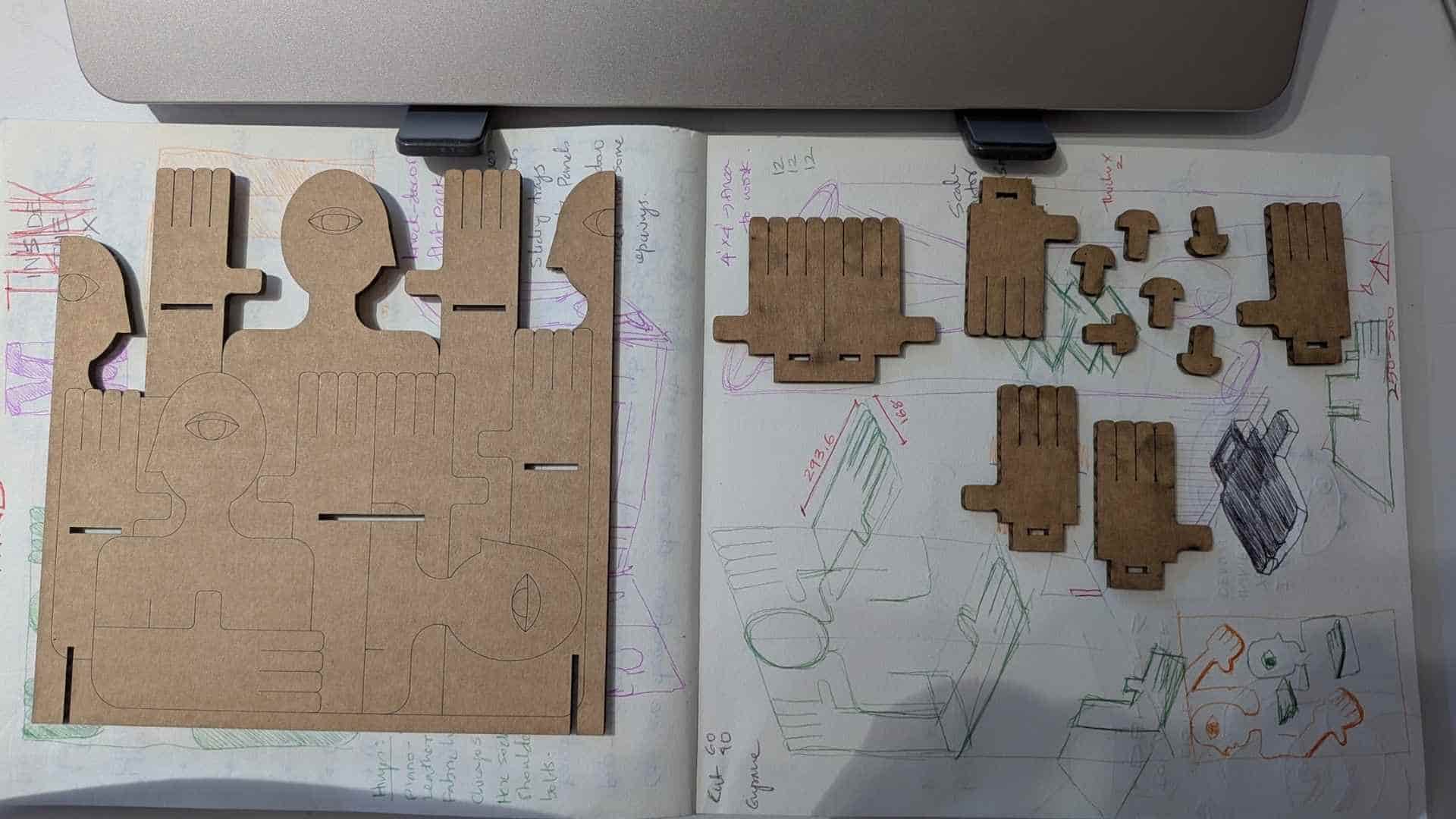
I then explored the idea through different postures and tried paper-cutting models to see the possible combinations and placements.
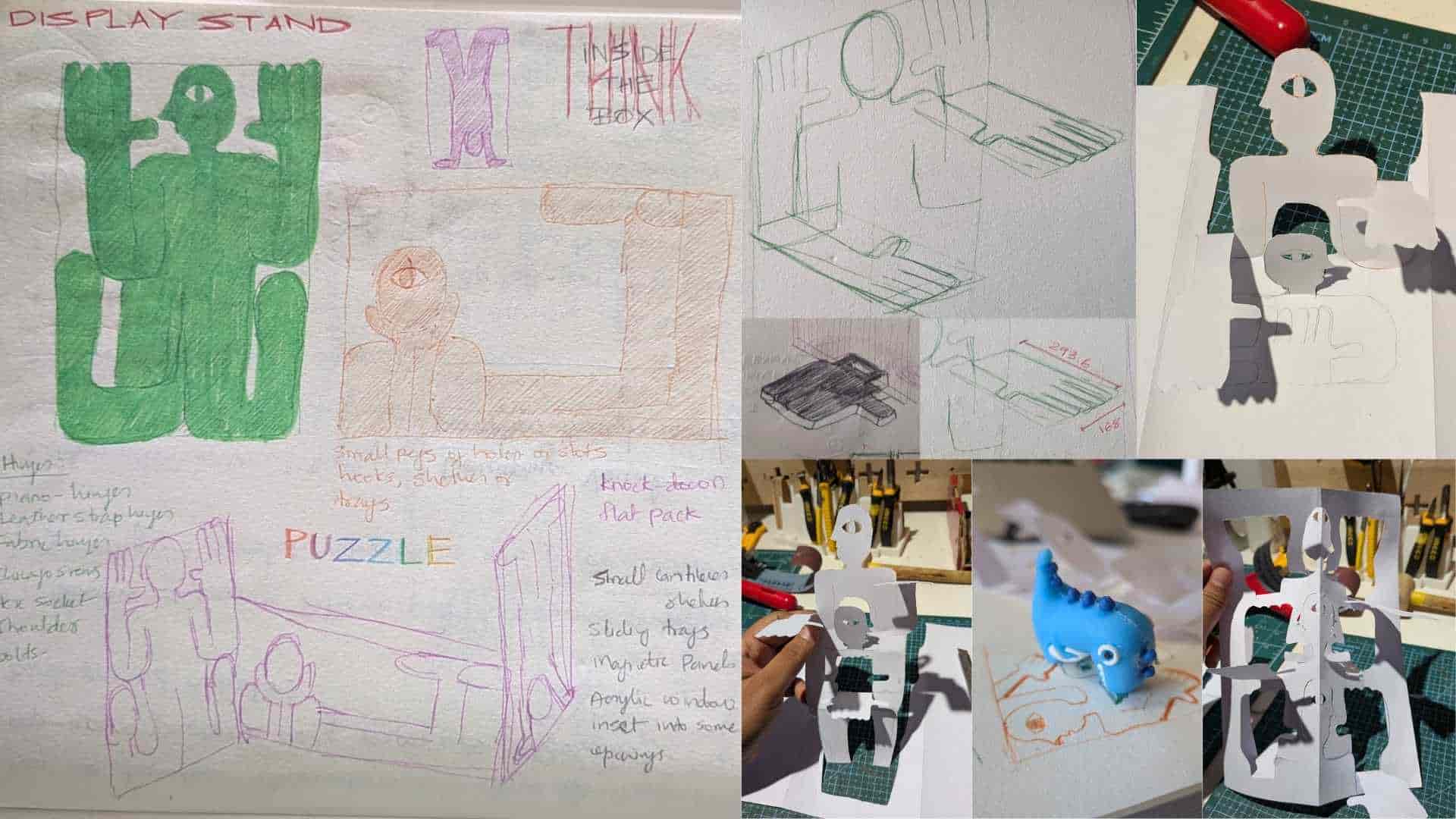
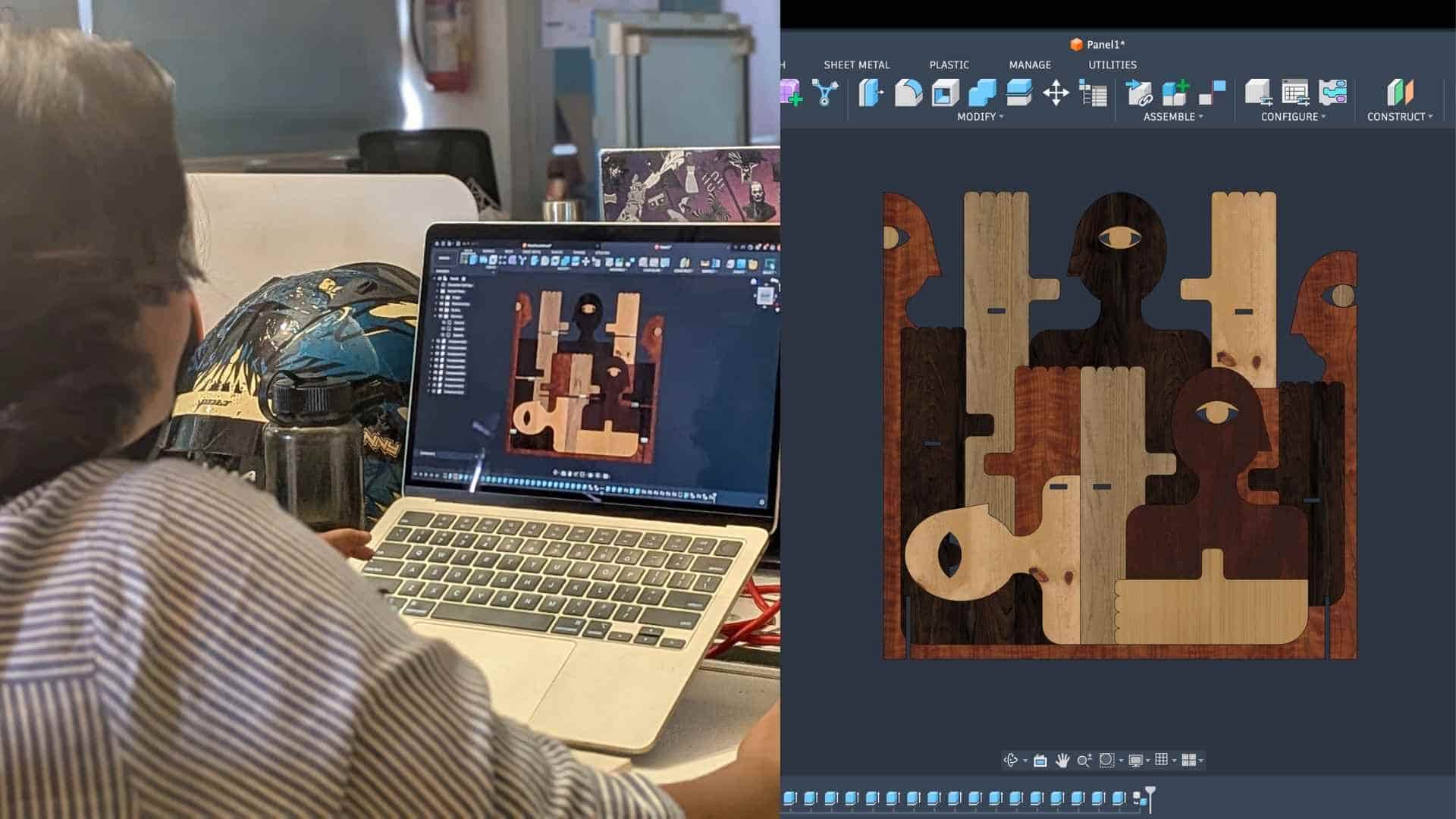
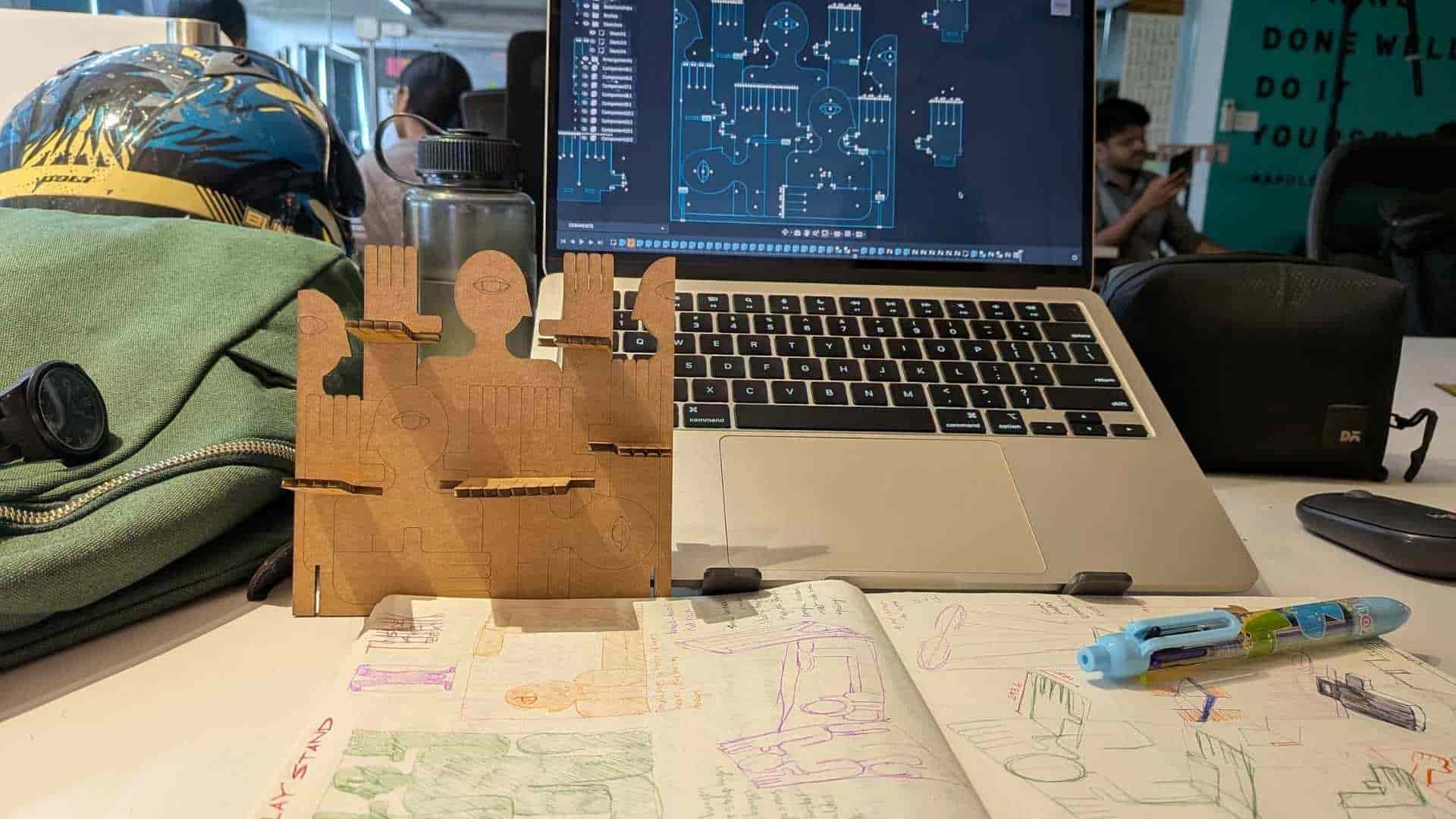
Once I had a fair idea of the concept, I sketched it in Fusion and refined it further. Adding eyelids gave the figures more personality, and I also experimented with different orientations to create visual interest.
I particularly liked the idea that the figures on the display stand looked as though they were judging the people who came by to look at the things on display.
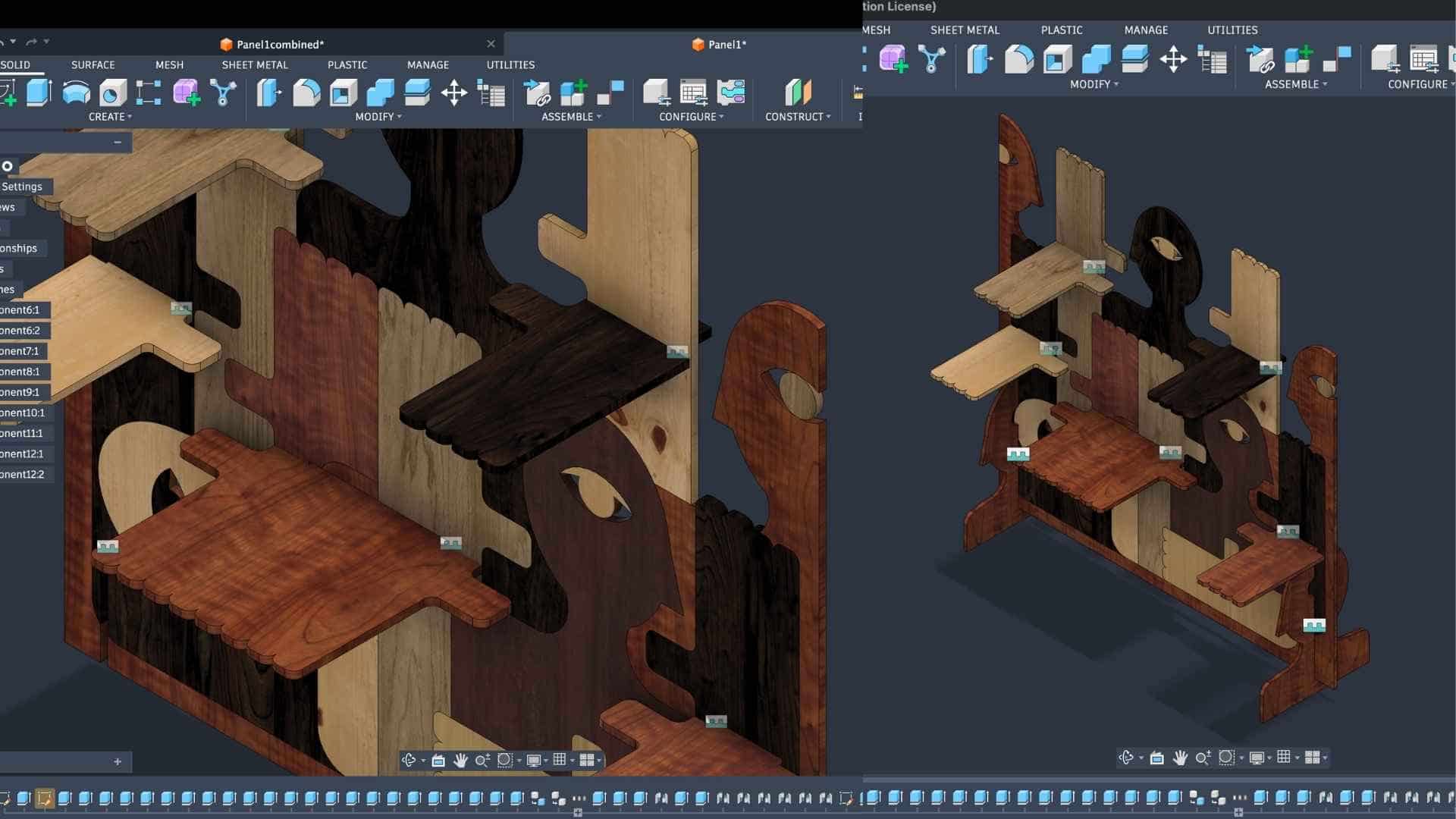
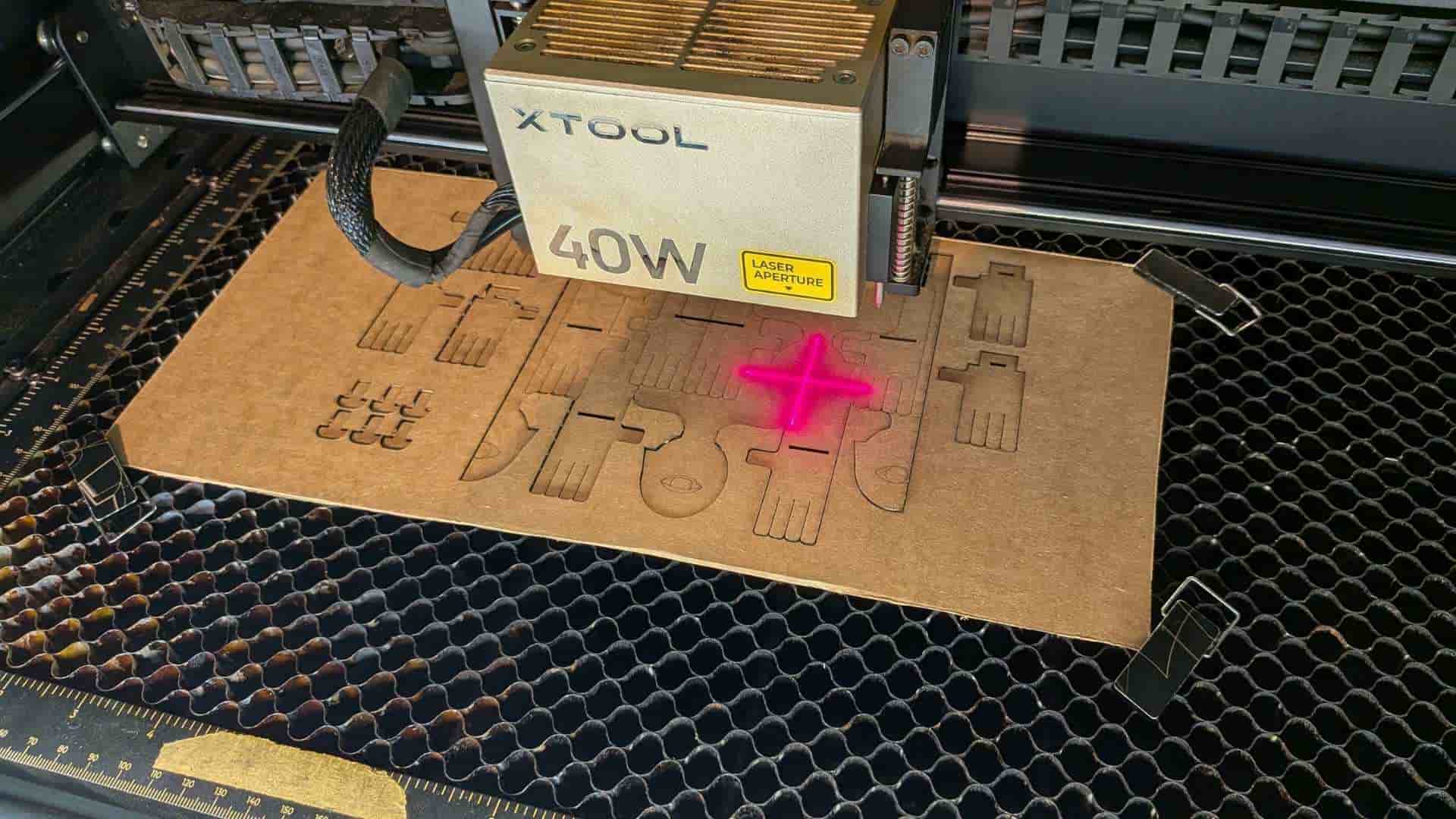
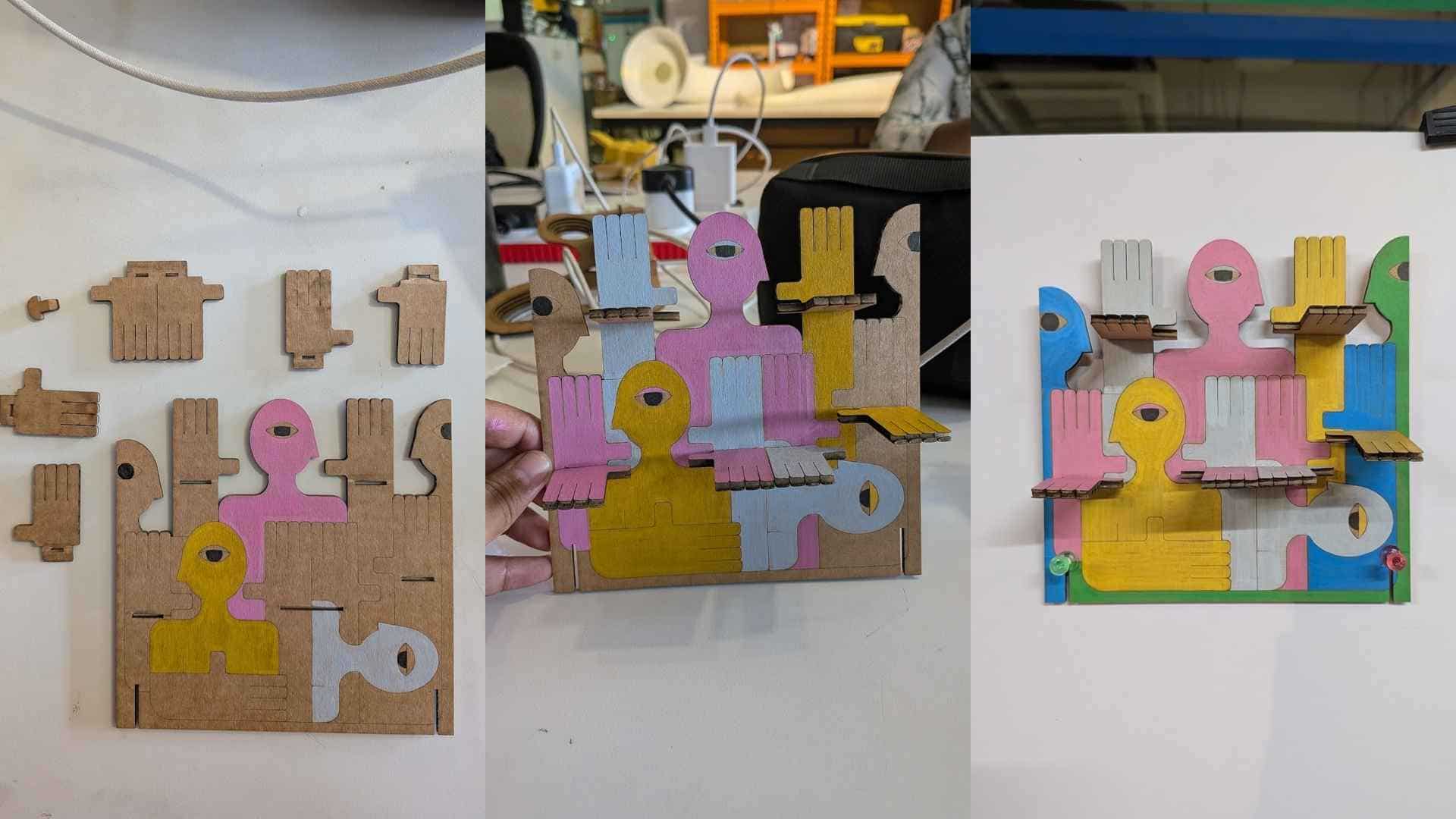
Once the Fusion model was finalised, I moved on to creating a physical prototype using cardboard and the xTool S1. I scaled the design down and fabricated the parts using 3 mm cardboard to test how the form translated from the digital model into a physical structure. I then experimented with acrylic markers to colour the figures, helping define the individual forms inside the shelf and adding another layer of curiosity to the display.
After cross-verifying the design with Mufeed, the project was sent for production. To initiate the fabrication process, we had to submit the file through an internal work request form at Super Fablab. The form included details such as the material, estimated time required, and the machine needed for the job.
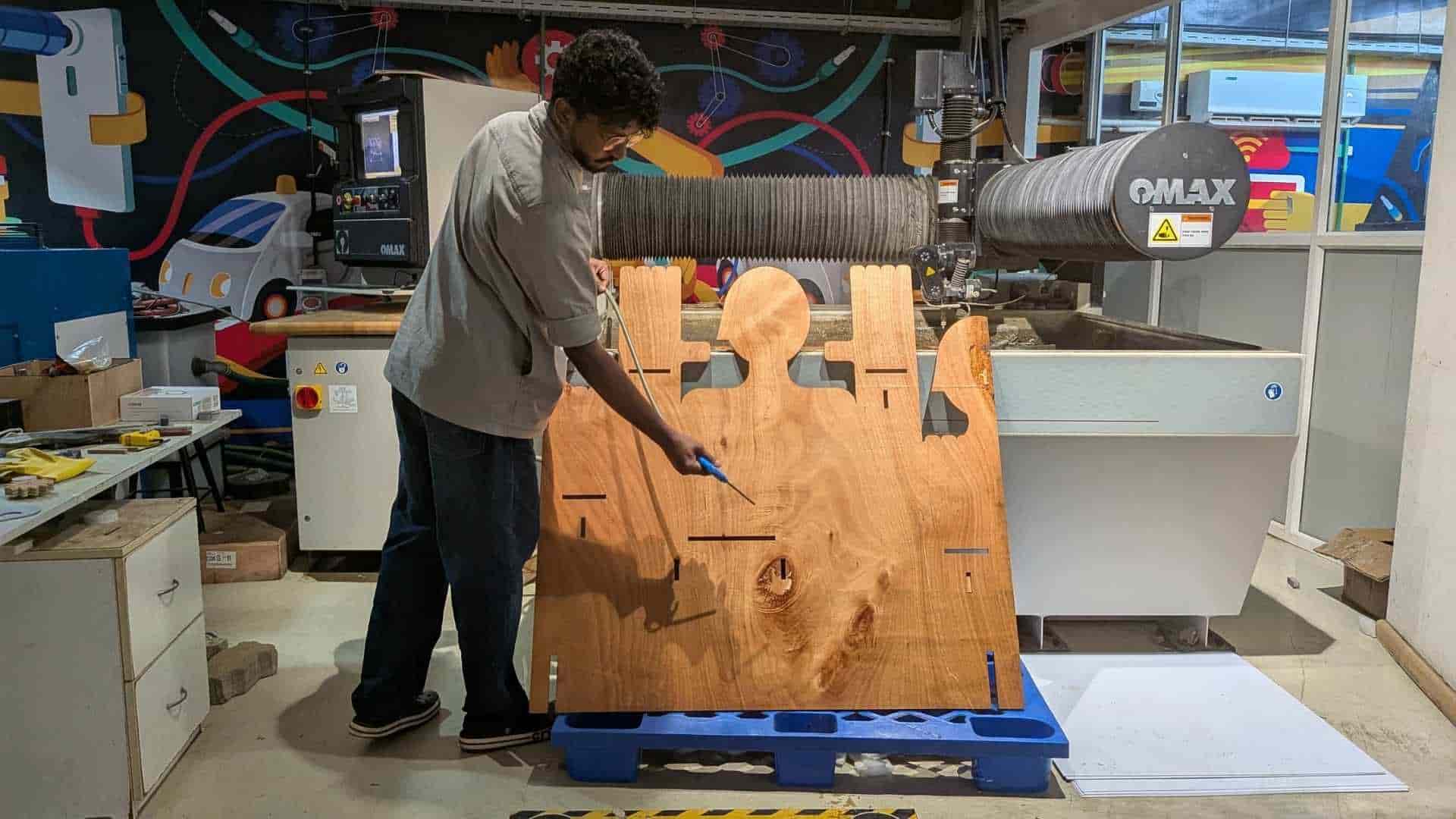
Once the request was received and processed, the allocated material was collected from the wood workshop and loaded onto the waterjet. Instead of completing the entire project at once, Mufeed suggested that I get the main panel fabricated first while the others worked on their respective panels. I therefore went ahead with cutting the main panel on the waterjet.
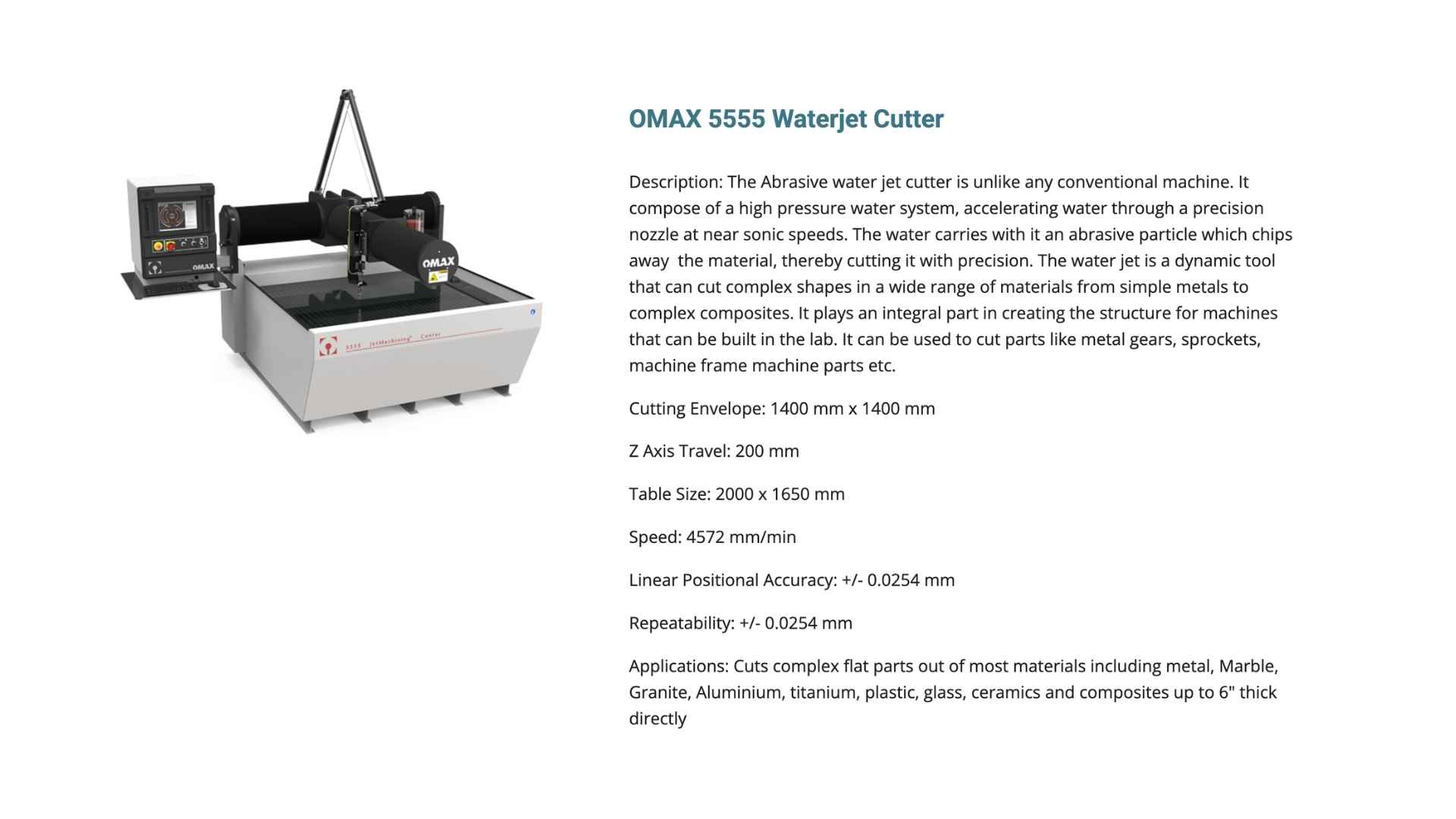
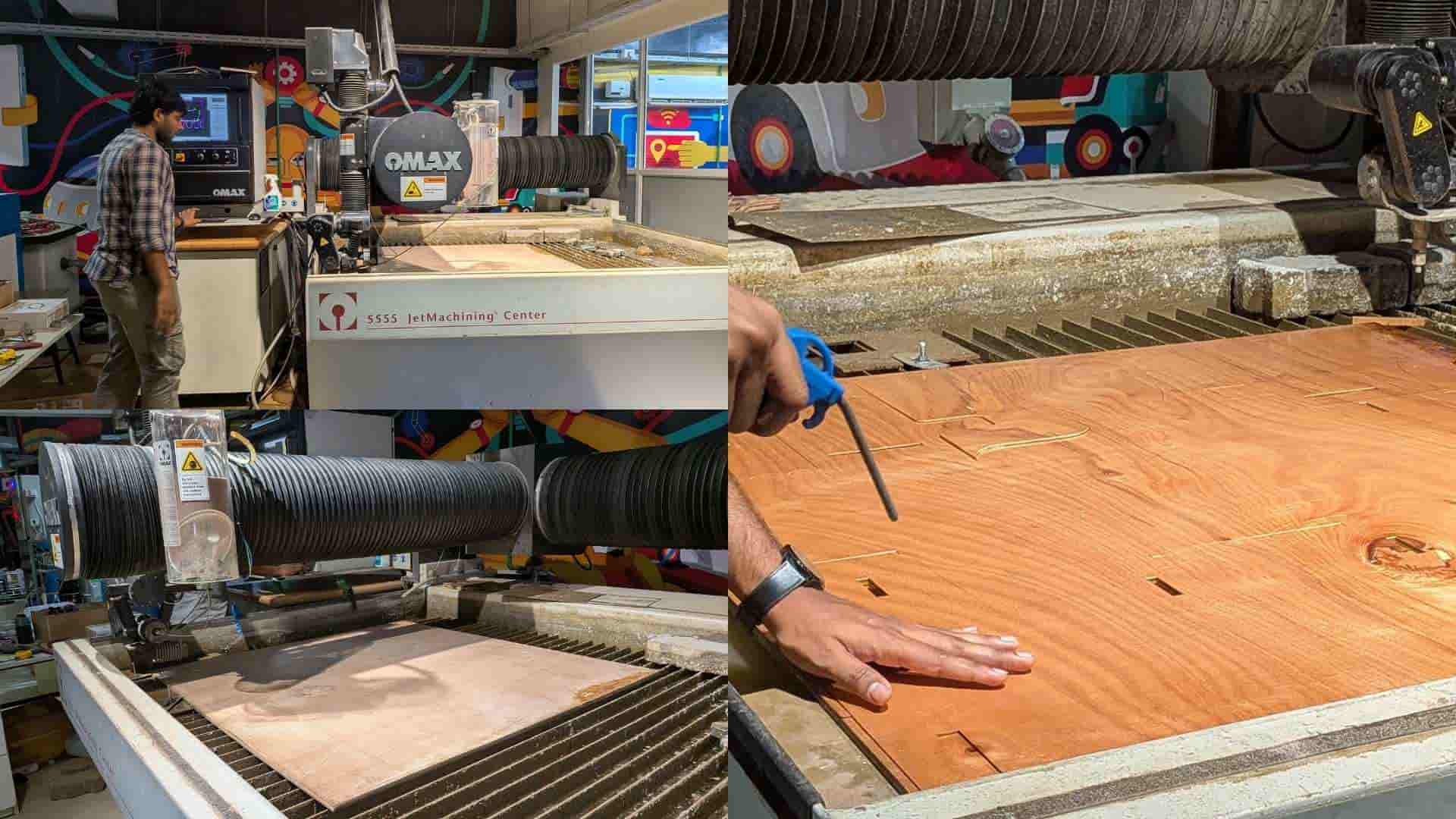
Once the cutting was completed, the panel was left to dry overnight.
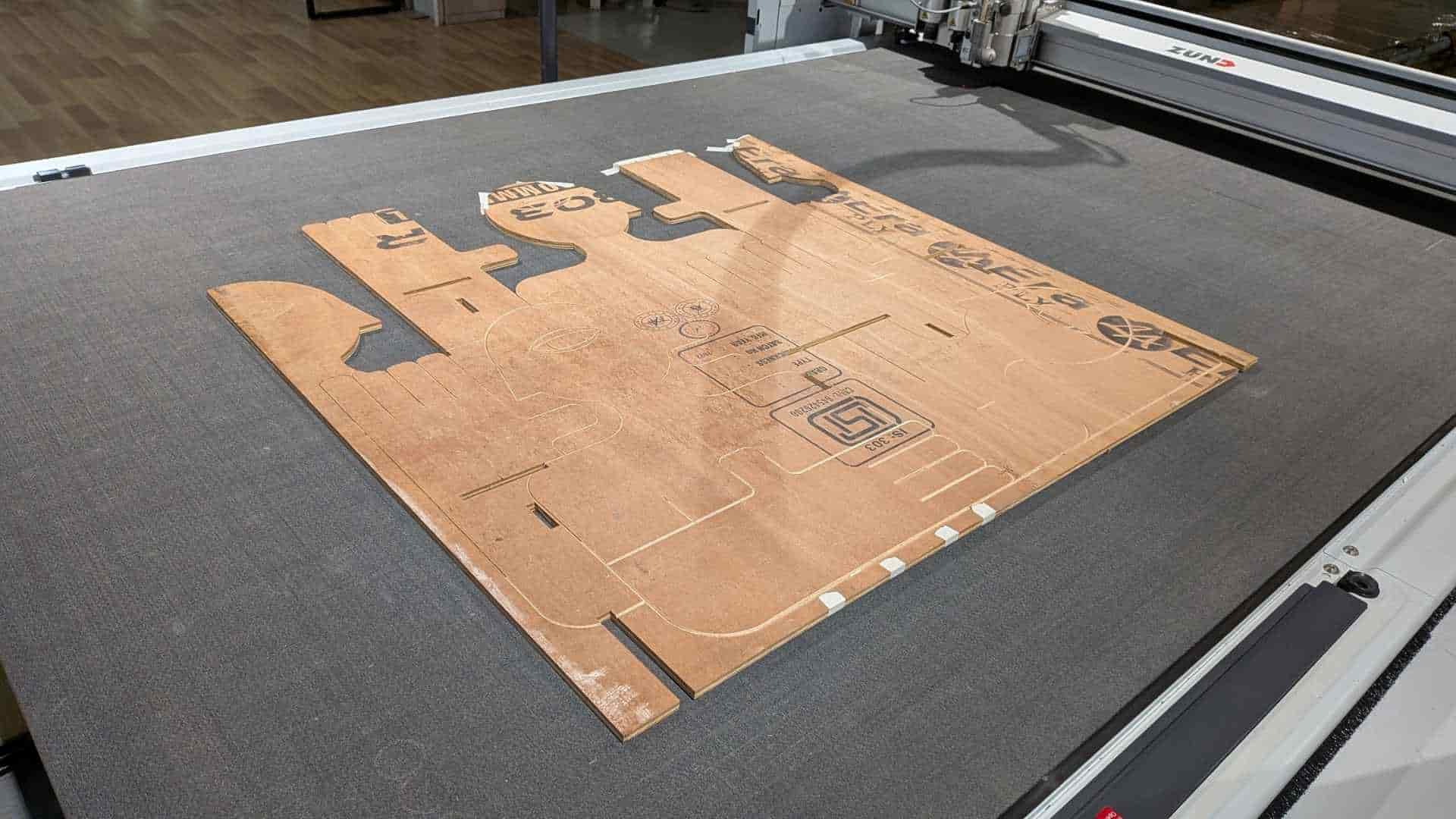
Afterwards, Ravi used the Zund machine to engrave the border lines of the illustration onto the plywood. These engraved lines would later be used as guides for painting the figures, following the colour treatment tested earlier on the prototype.
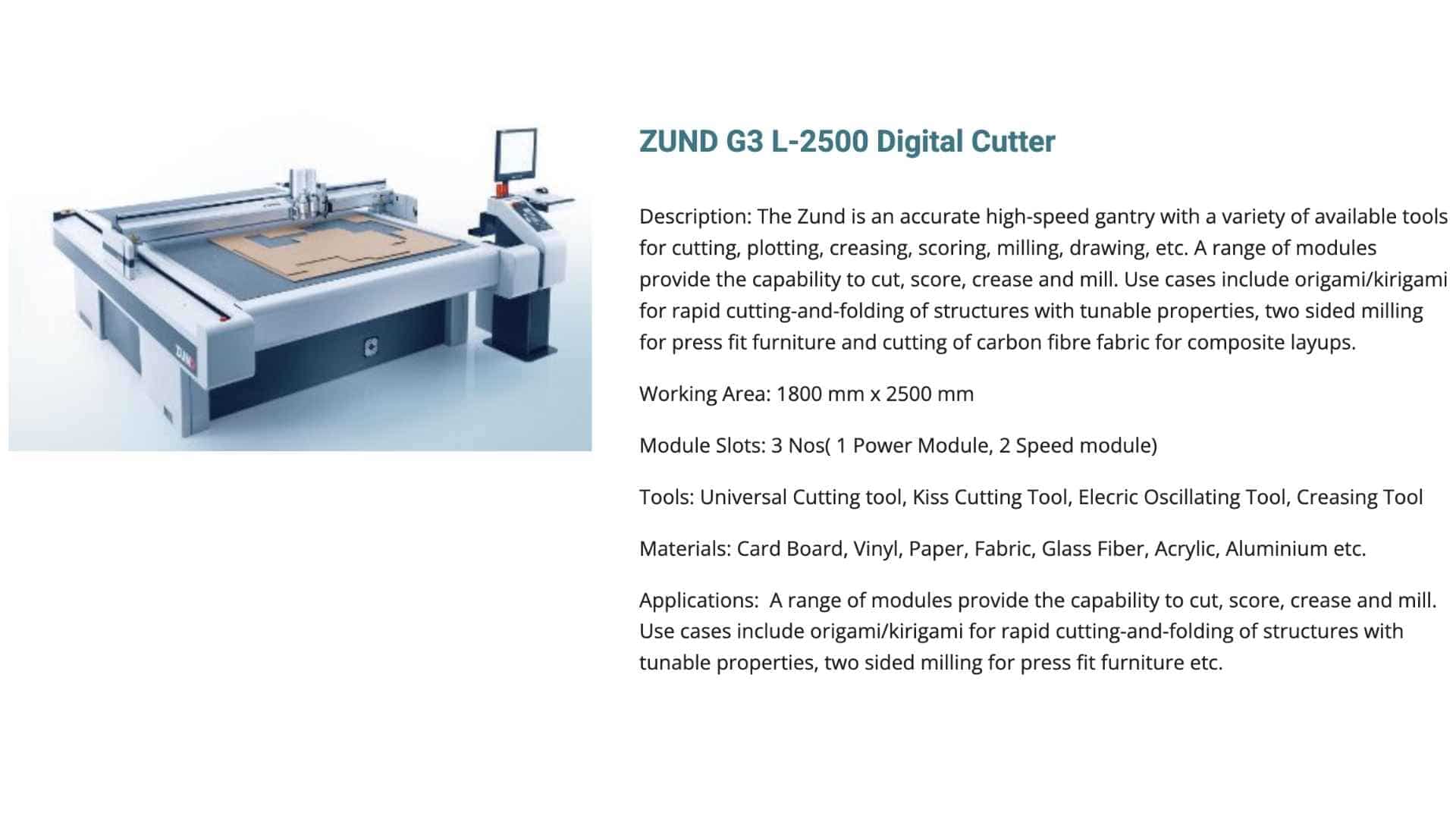
Click to know what happened next.
After this, the materials allocated to the four of us for the display shelf projects were taken for another project, with the understanding that our work would resume once the materials ordered for that project arrived. We were told that the remaining panels would then be fabricated and the production would continue.
However, that never happened. The materials did not arrive, and there was no further communication about the project. When we followed up, we eventually understood that the display shelf project had simply been abandoned. Mufeed explained that there were insufficient funds and that procuring the required materials was not easy.