Design Development Archive
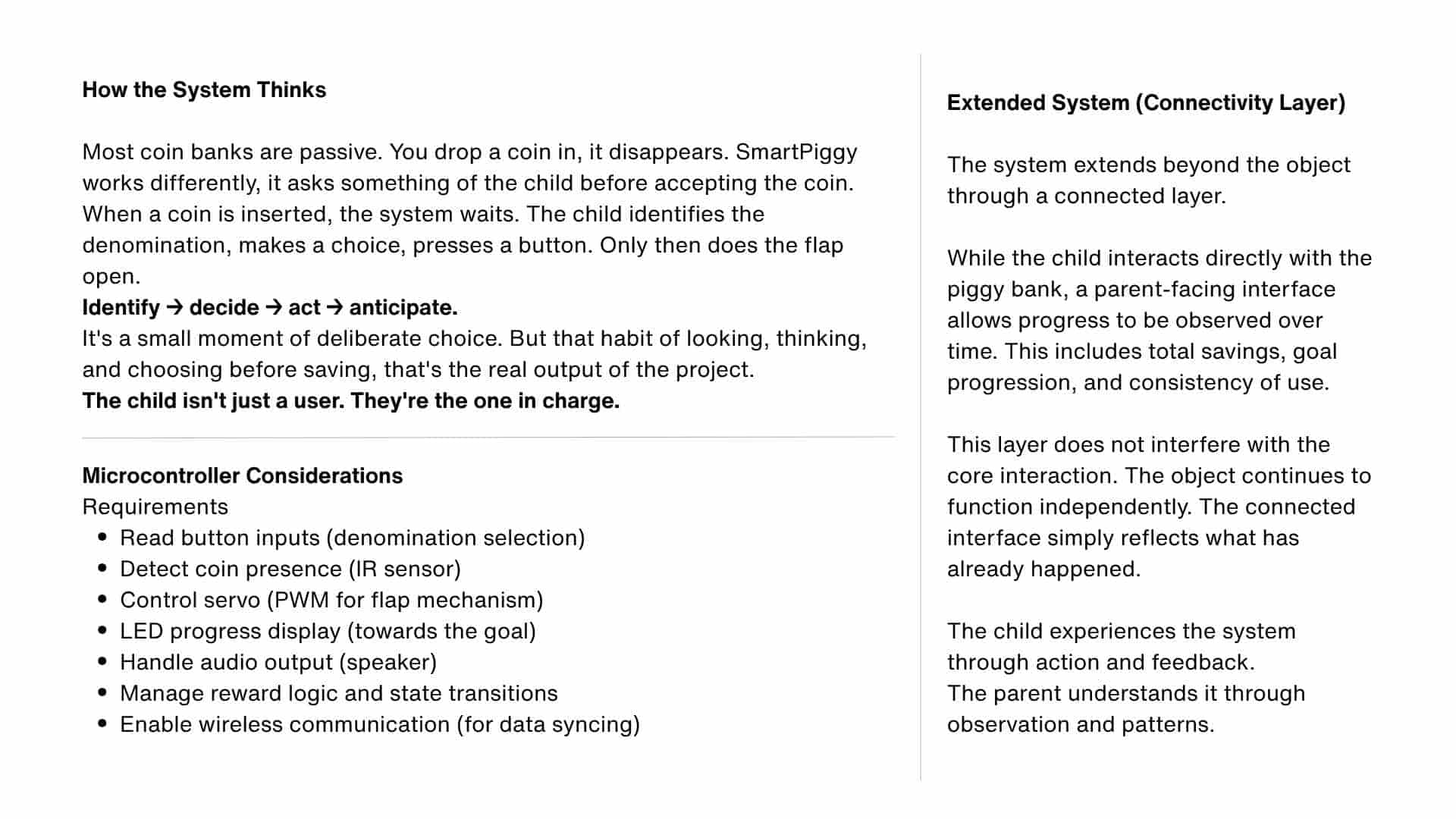
This page documents the thinking, exploration, and decision-making that shaped Penny Pal during the early stages of the project.
It includes:
Not every concept presented here made it into the final product. Some ideas were tested and discarded, while others evolved significantly as the project progressed. Together, they provide a record of the iterative process behind the project and capture the reasoning that informed the final design.
This archive complements the final project page, which presents the refined outcome in a more concise and focused manner. If the final project page shows what Penny Pal became, this page shows how it got there.
Stage 1 - Coin Sorting for Money Management Training
My initial concept was to design a coin sorting system based on the 50-30-20 money management model. The idea was to:
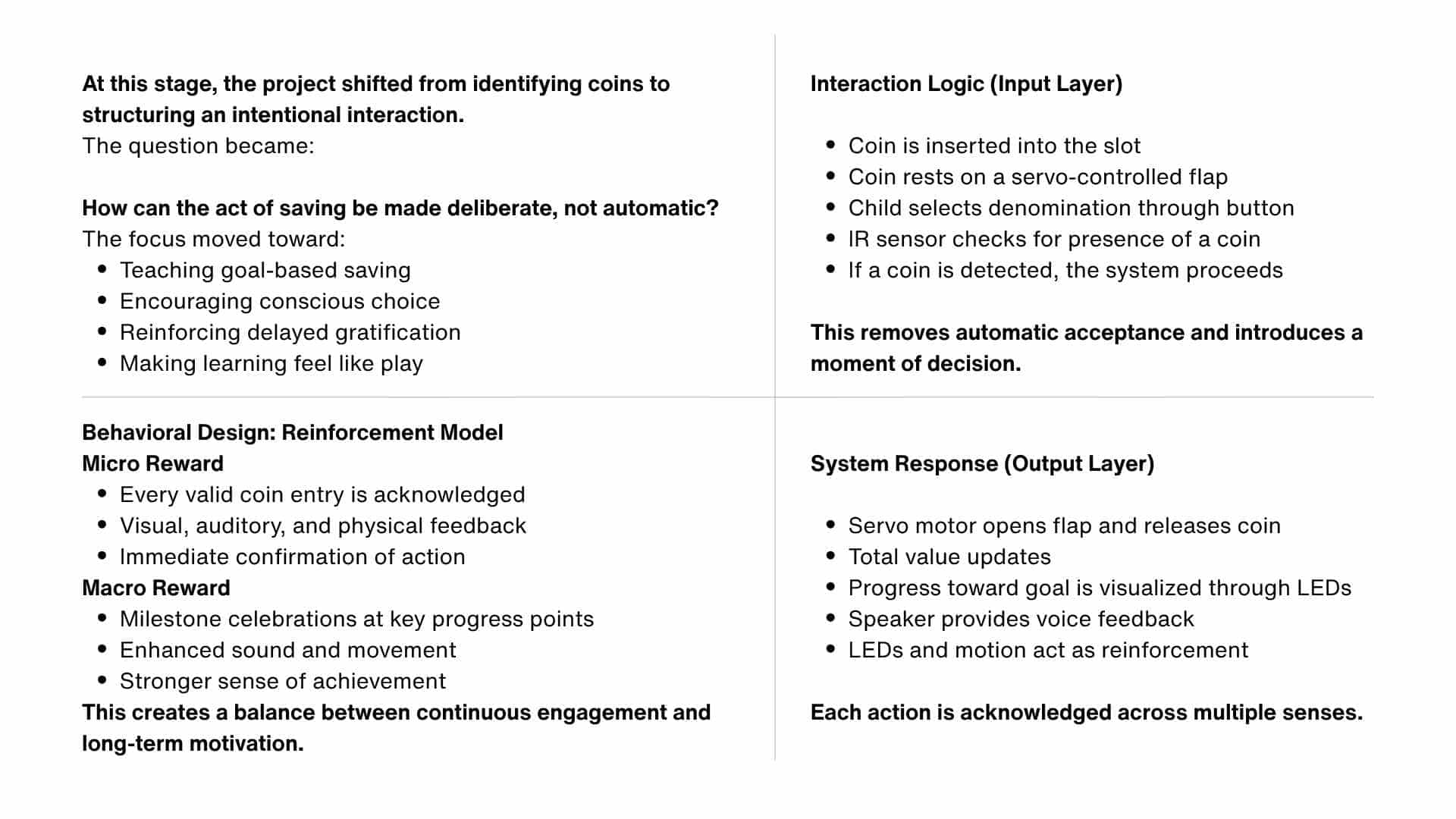
At this stage, I was thinking mechanically:
However, while mapping this idea to the real objective, I realized: The project is not about managing spending categories. It is about goal-based saving for children. Sorting coins added:
This week helped me identify a mismatch between concept and purpose.
I decided to pivot.
Stage 2 - Shift to Goal-Based Digital Value Tracking
The project evolved from physical sorting to digital value accumulation.
New system requirement:
Detect coin → identify denomination → update total → display goal progress.
This was a conceptual shift from mechanical organization to intelligent tracking.
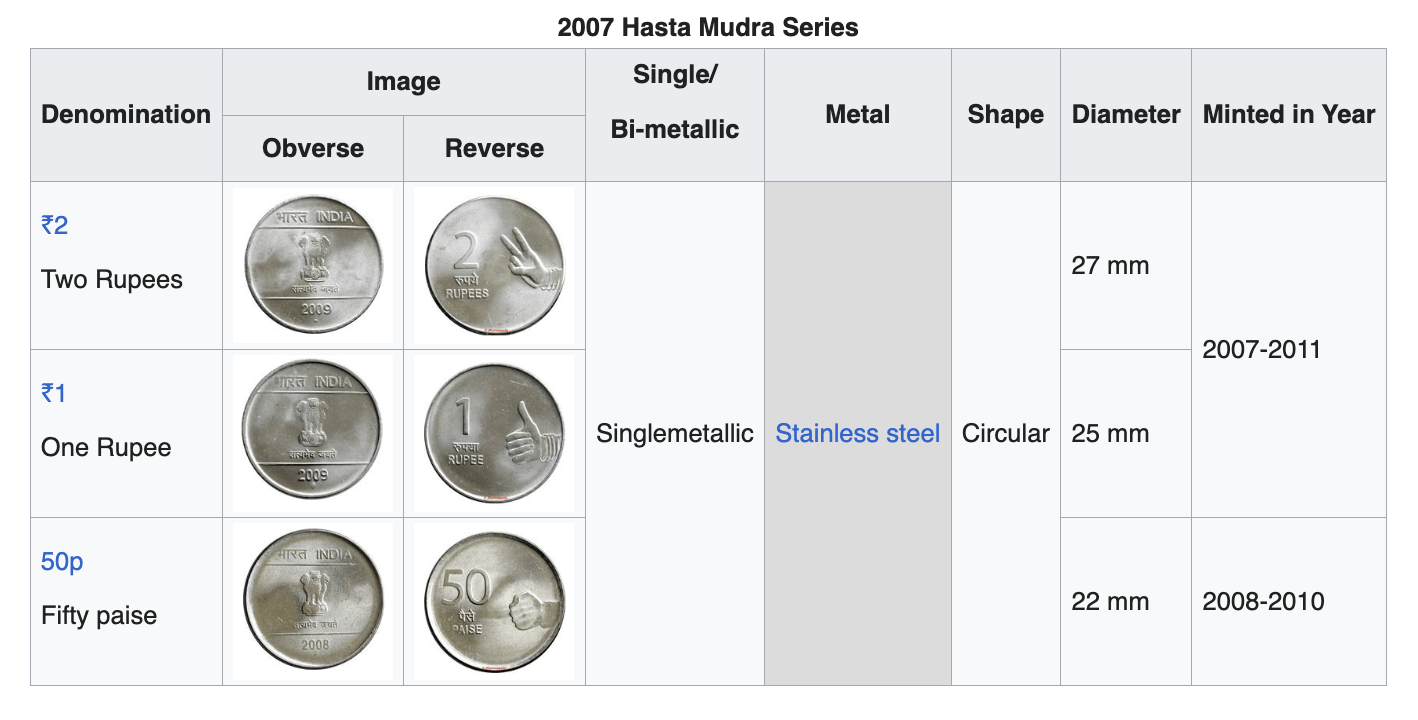
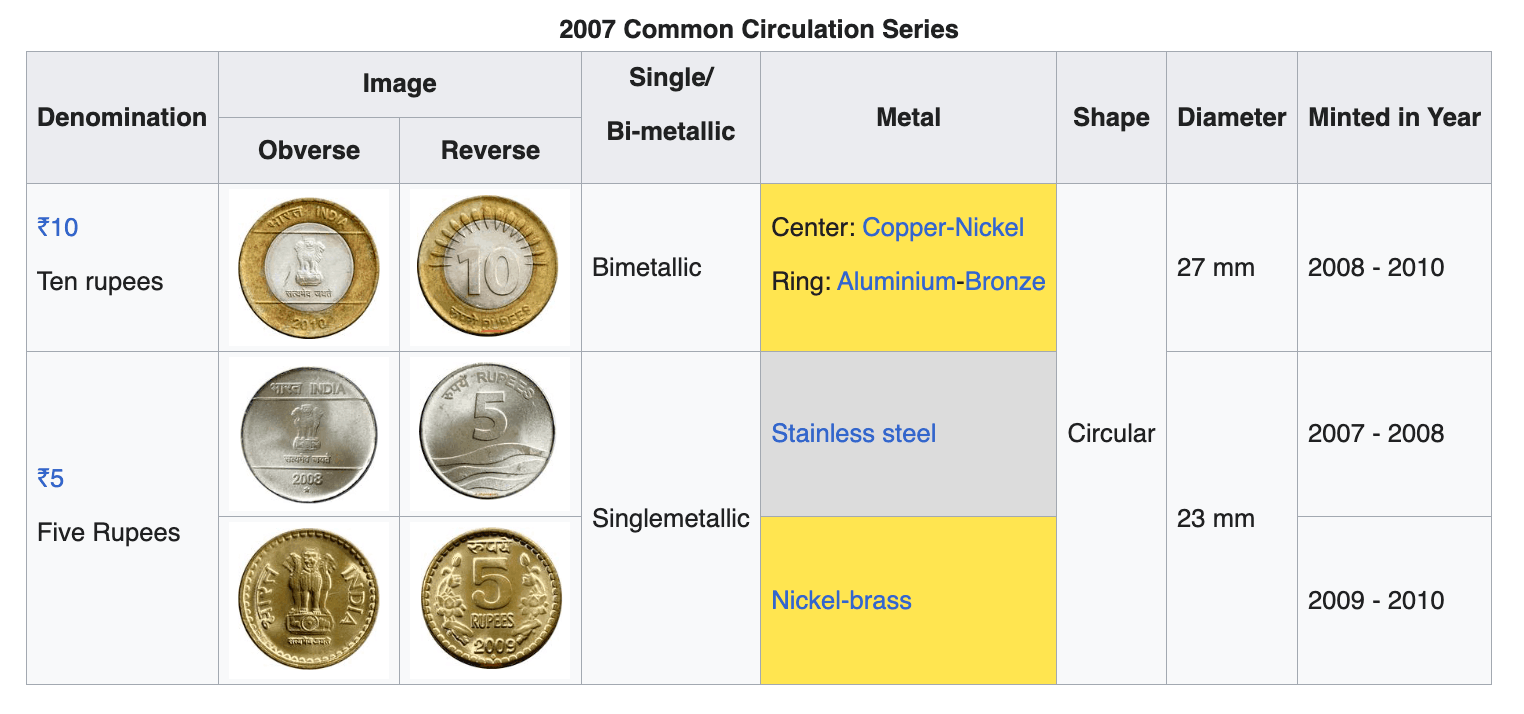
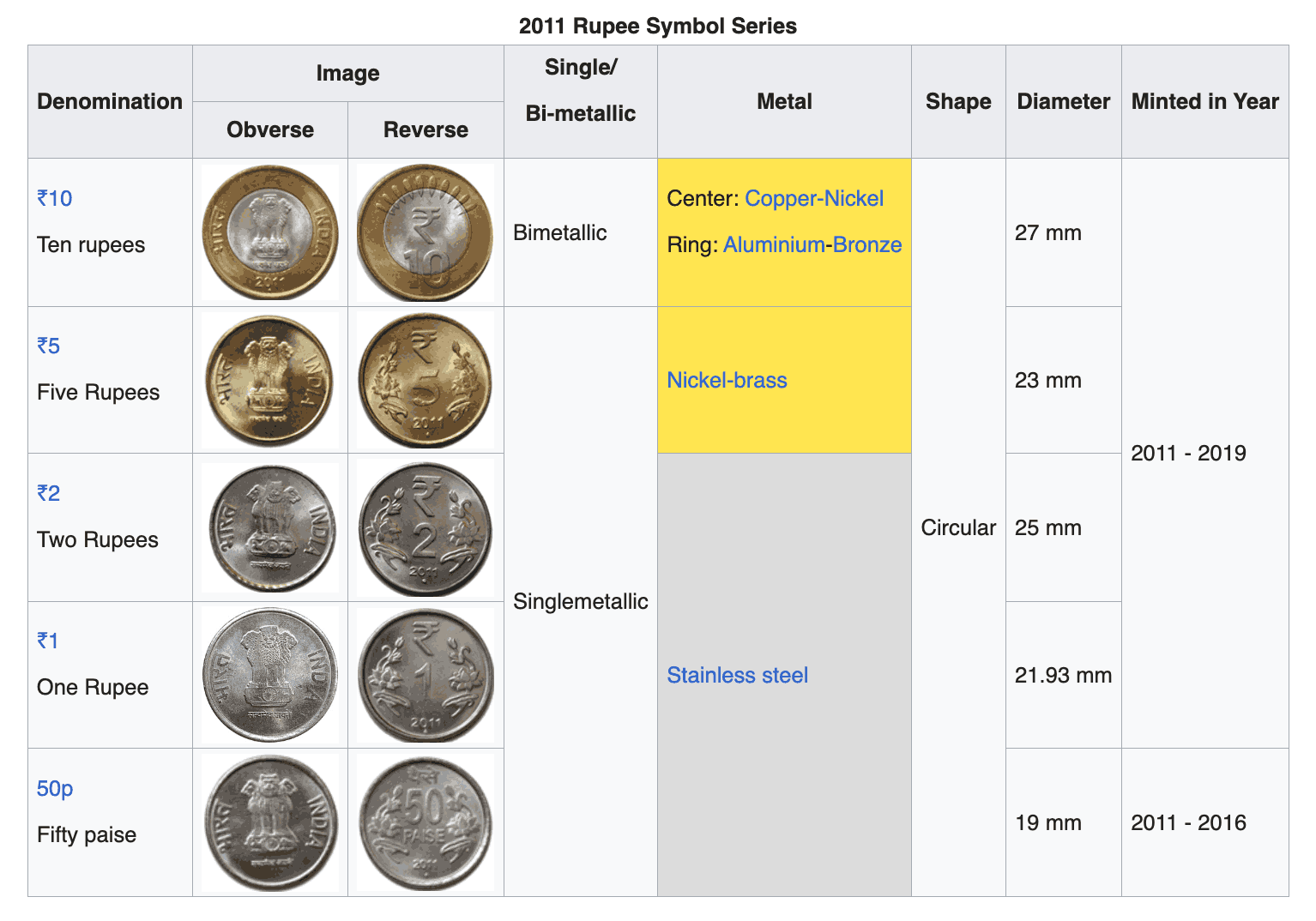
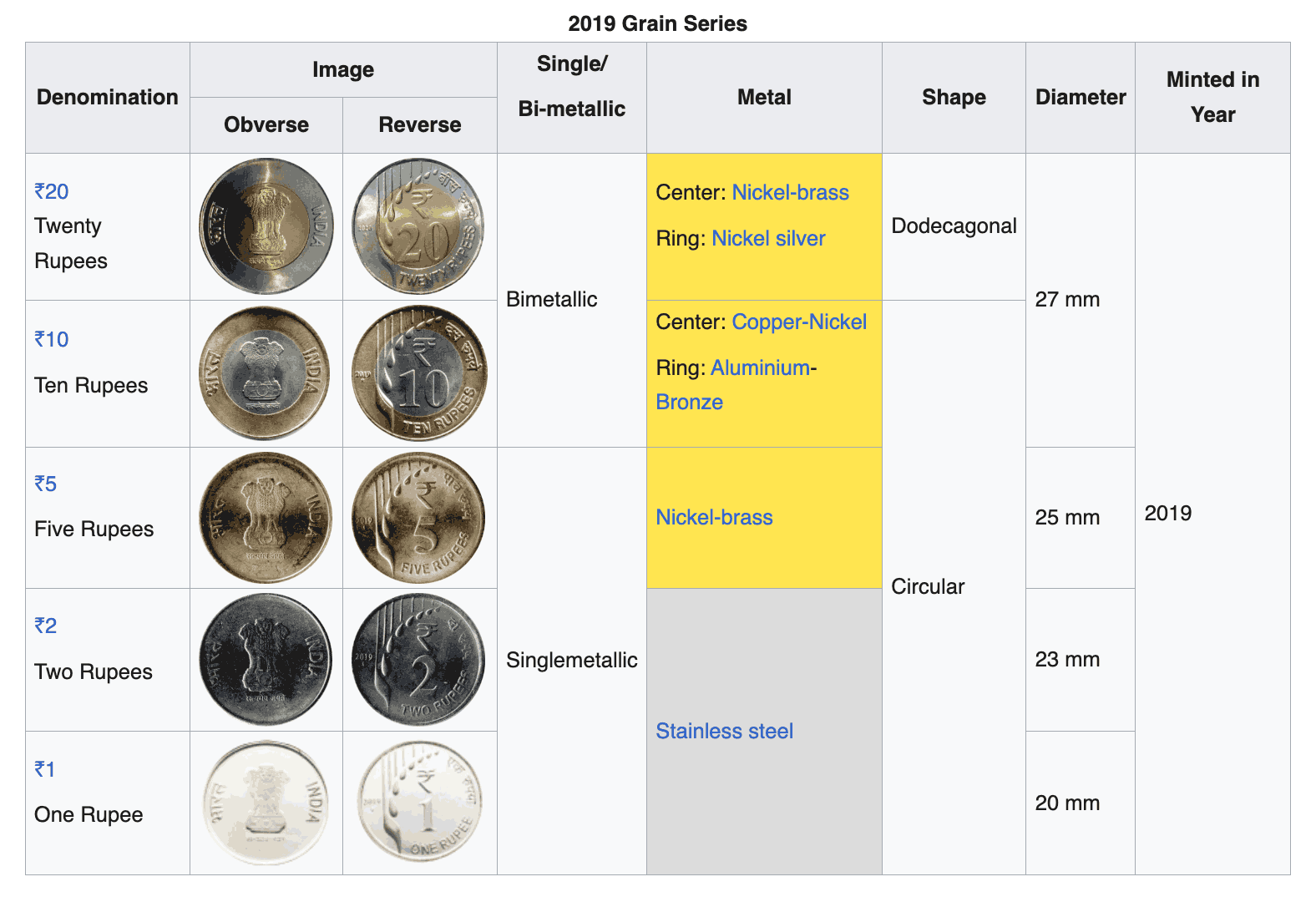
To implement this, I studied Indian coin characteristics:
I discovered that Indian coins are not standardized in a simple way. Different issues of the same denomination vary in material and design. This made denomination detection more complex than expected. This week was about understanding the physical reality of the problem.
Preliminary Diameter and Material Study for Coin Identification System Design
Since my final project involves designing a coin identification system that detects denomination and updates a running total, it was necessary to analyze whether Indian coin denominations are dimensionally consistent across different series. Accurate value computation depends on reliable physical identification; therefore, I first examined variations in diameter and material among commonly circulated coins.
Comparison across models
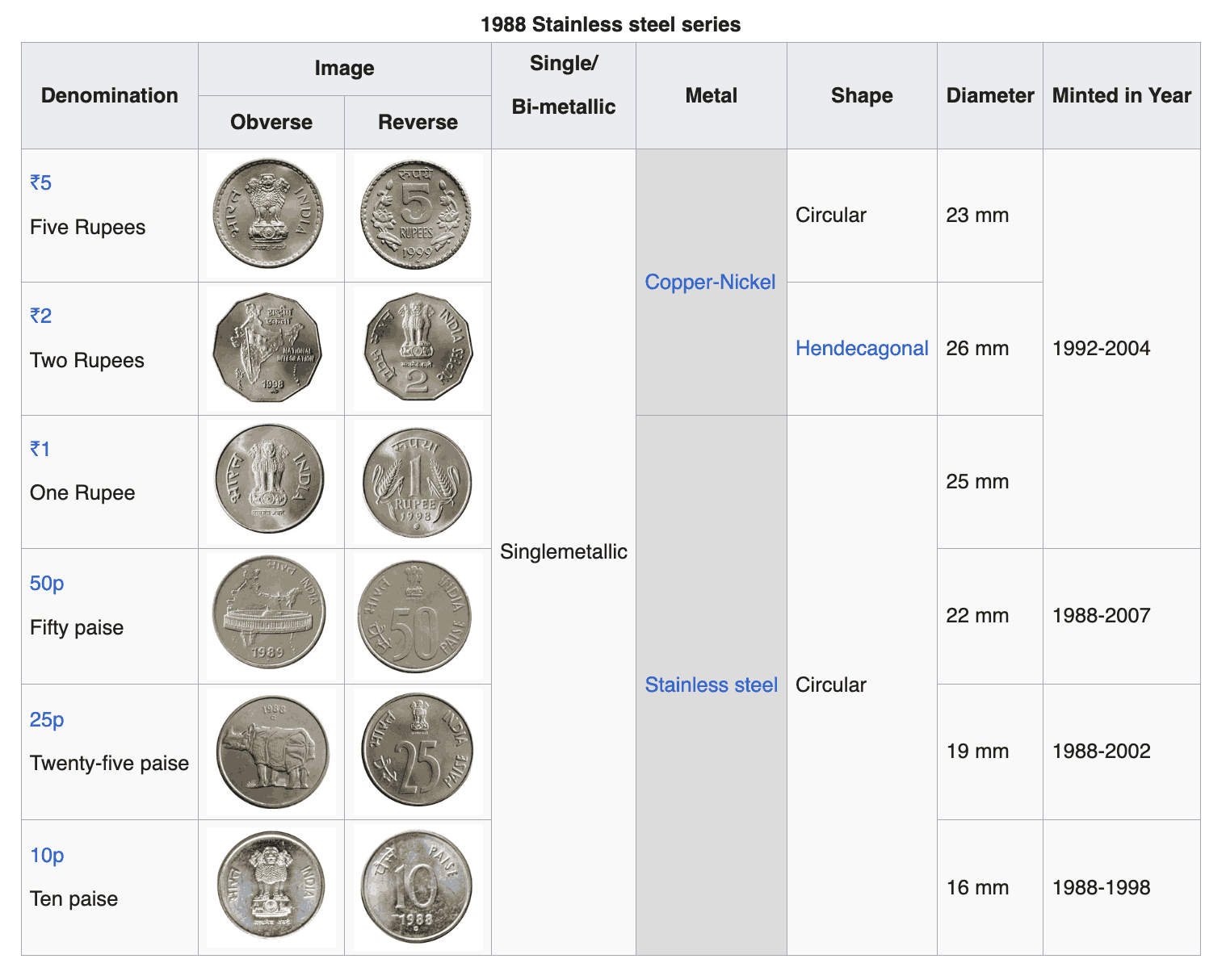
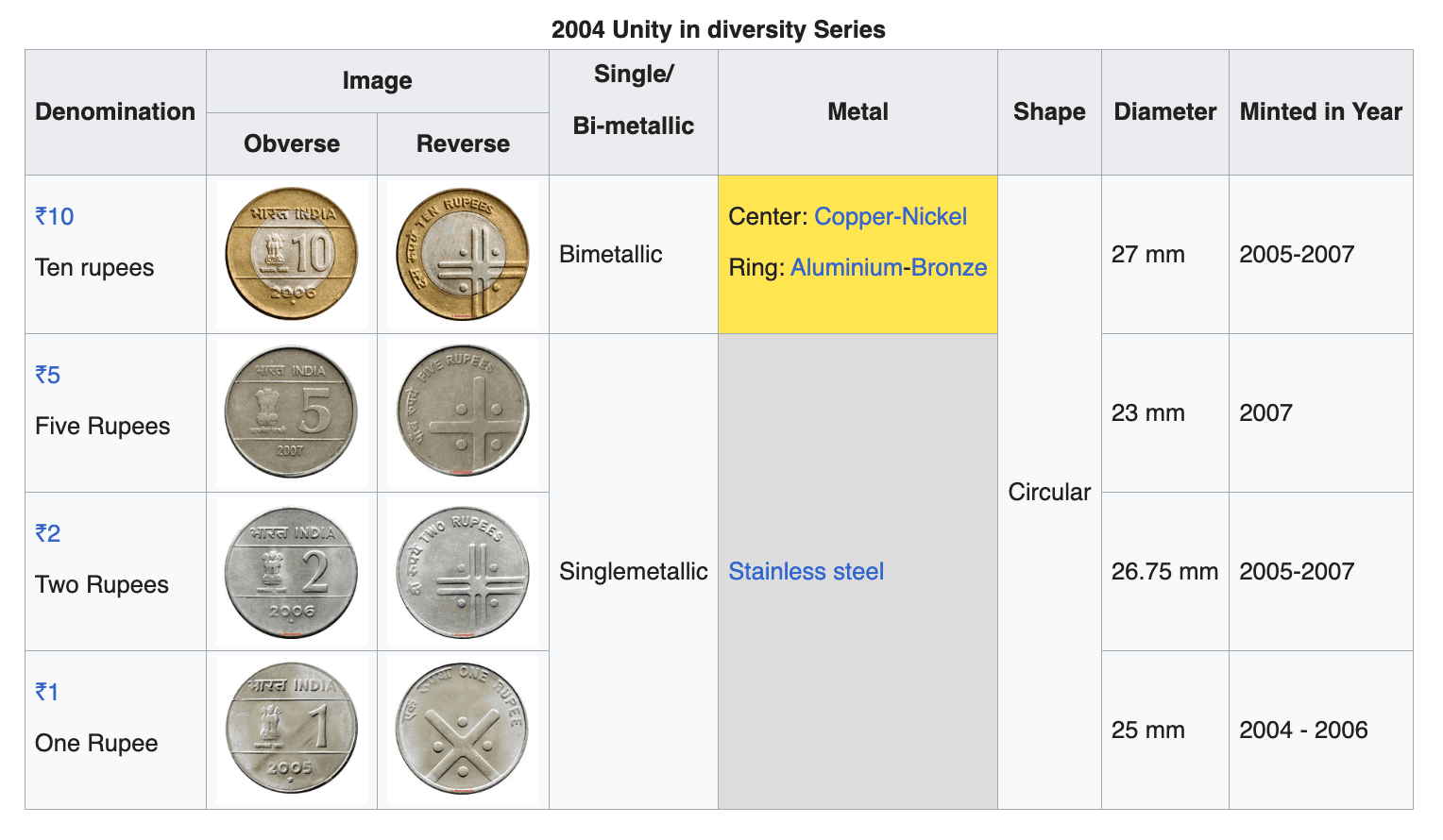
Final Comparison Summary
| Denomination | No. of Varieties | Diameter Range | Materials Used |
|---|---|---|---|
| ₹1 | 5 | 20–25 mm | Stainless Steel |
| ₹2 | 5 | 23–27 mm | Copper-Nickel, Stainless Steel |
| ₹5 | 5 | 23–25 mm | Copper-Nickel, Stainless Steel, Nickel-Brass |
| ₹10 | 3 | 27 mm | Bimetallic (Cu-Ni + Al-Bronze) |
| ₹20 | 1 | 27 mm | Bimetallic (Ni-Brass + Ni-Silver) |
Stage 3 - Understanding Different Sensors & Engineering Trade-offs
After studying the physical parameters of Indian coins, I moved into exploring different sensing mechanisms that could help identify denominations.
At this stage, I was not comparing industrial systems.
I was simply trying to understand:
What sensing approach is technically possible and practical for my context?
Since the project operates in a controlled environment and processes one coin at a time, I evaluated different sensors based on feasibility, complexity, and reliability.
Diameter Detection (Mechanical / Optical)
Measuring the width of the coin either through fixed mechanical slots or using optical sensors (such as IR break-beam) placed at defined spacing.
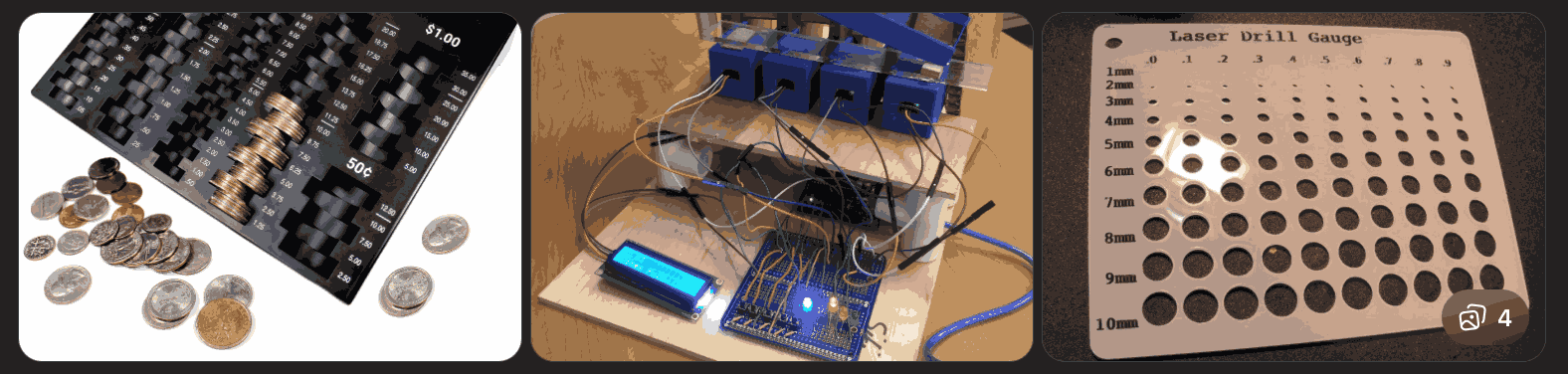
What This Is: A plate or ramp with multiple slots of different widths.
Each slot is calibrated to a specific diameter.
How It Works:
Limitation: Once fabricated, it cannot adapt. If coin size changes, redesign is required. This is purely mechanical detection, no electronics involved.
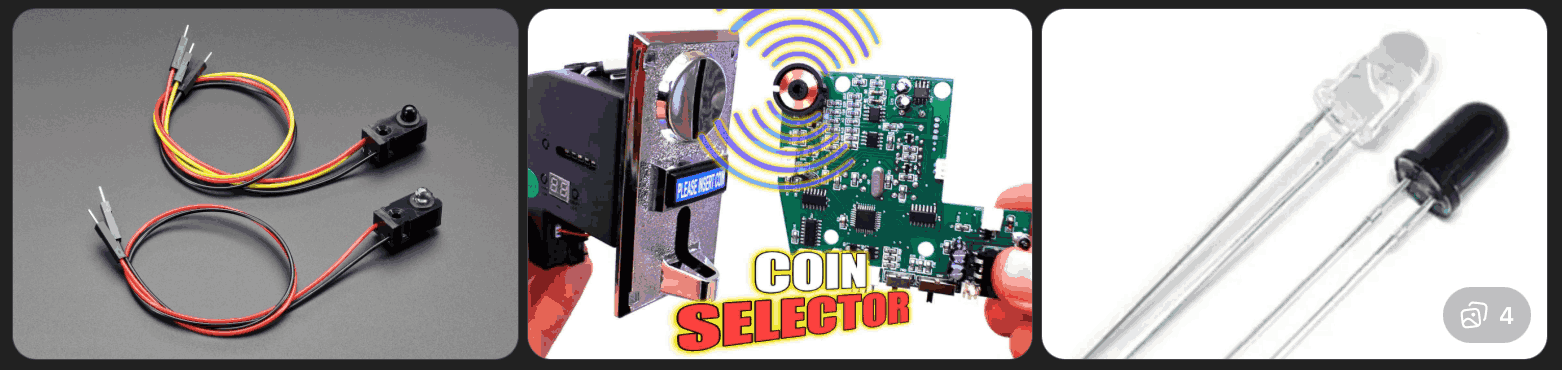
What This Is: An IR LED on one side and a receiver on the other.
When coin blocks the beam → signal changes.
What It Detects:
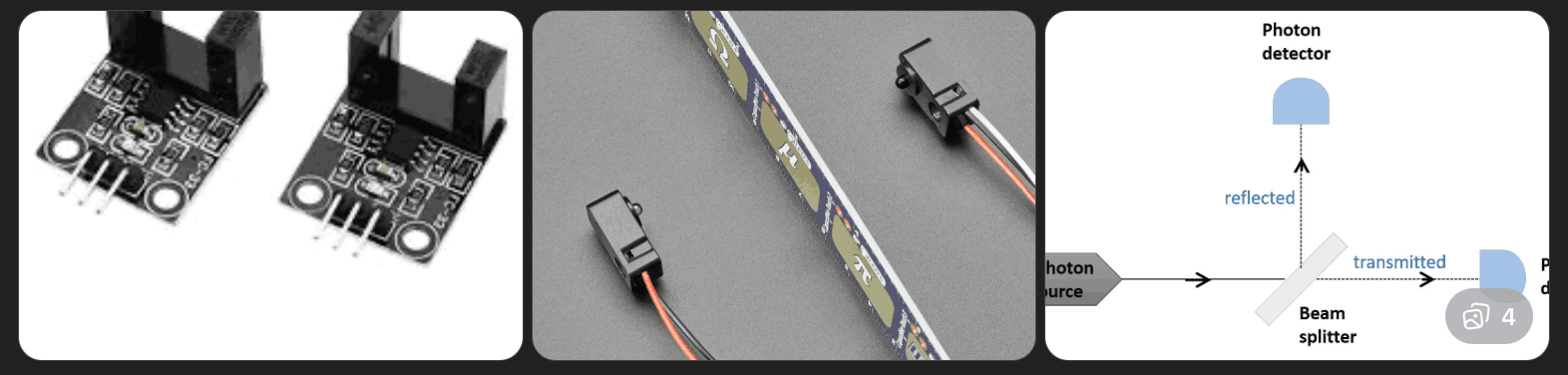
What This Is: Two IR beams placed a fixed distance apart.
How It Works:
Case 1 – Small coin:
Case 2 – Larger coin:
Microcontroller reads:
This allows approximate size classification without physical slot filtering.
Load Cell (Weight-Based Detection)
A load cell measures force using strain gauges. When a coin is placed on it, slight deformation generates a measurable electrical signal.
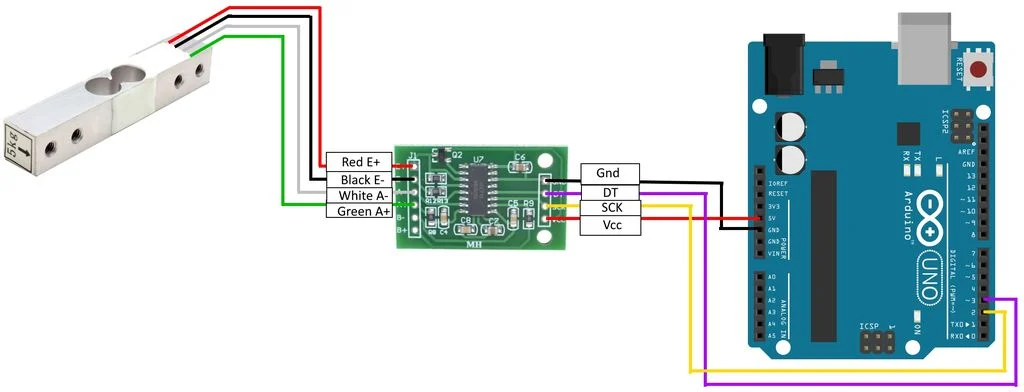
Why it could work:
Limitations:
IR-Based Detection Methods
IR Break-Beam Sensor (Object Detection)
What it is: An infrared LED (transmitter) and an infrared receiver placed opposite each other. The transmitter continuously emits invisible IR light toward the receiver.
How it works:
What it detects: Only presence of an object. Use in this project:Can detect coin insertion event reliably.
Limitation: Does not provide size or denomination information unless combined with additional logic.
IR Timing Analysis (Using Break-Beam Sensor)
What it is: A software-based method using the same IR break-beam sensor. Instead of only detecting interruption, the system measures: How long the beam remains blocked.
How it works: Coin enters → beam blocked → timer starts.
Coin exits → beam restored → timer stops.
Duration of blockage correlates to coin diameter (if insertion speed is controlled).
What it detects: Presence + approximate size.
Use in this project: Could help differentiate denominations based on interruption time.
Limitation: Highly dependent on insertion speed and user handling. Inconsistent movement may reduce reliability.
Inductive Sensing
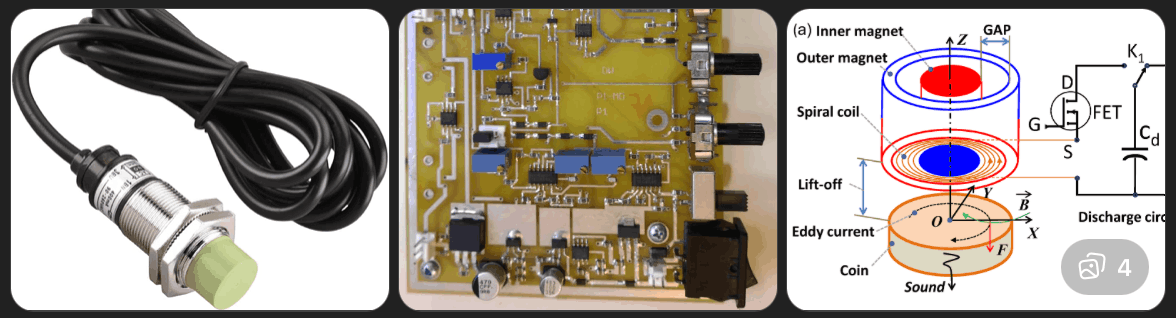
What it is: A coil generates a magnetic field. When a metal object passes through it, the inductance changes depending on material properties.
Why it could work:
Limitations:
This method is technically strong but increases system complexity significantly.
Magnetic Response Detection
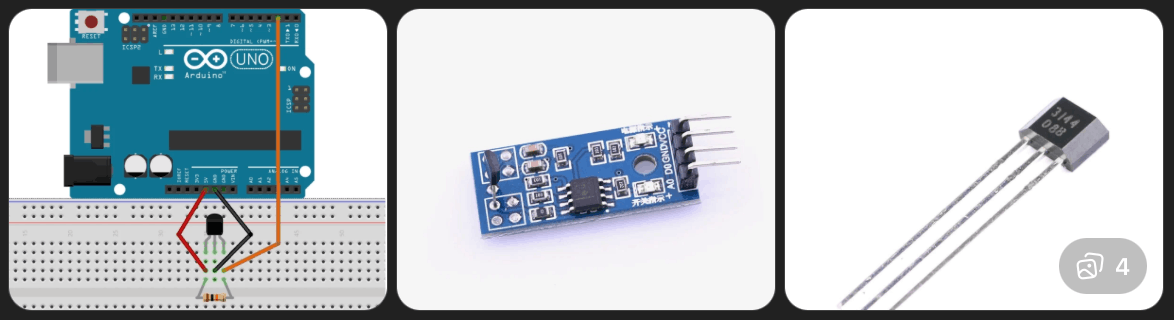
What it is: Using a Hall sensor or magnet to detect ferromagnetic properties of coins.
How It Works in Coin Detection
If a coin has ferromagnetic properties:
Limitations:
This would only work as a supporting parameter.
Insight
No sensing method is perfect on its own. Each approach introduces trade-offs between:
Stage 4 - Learning from Vending Machines & Banks
I researched how real systems handle coin validation.
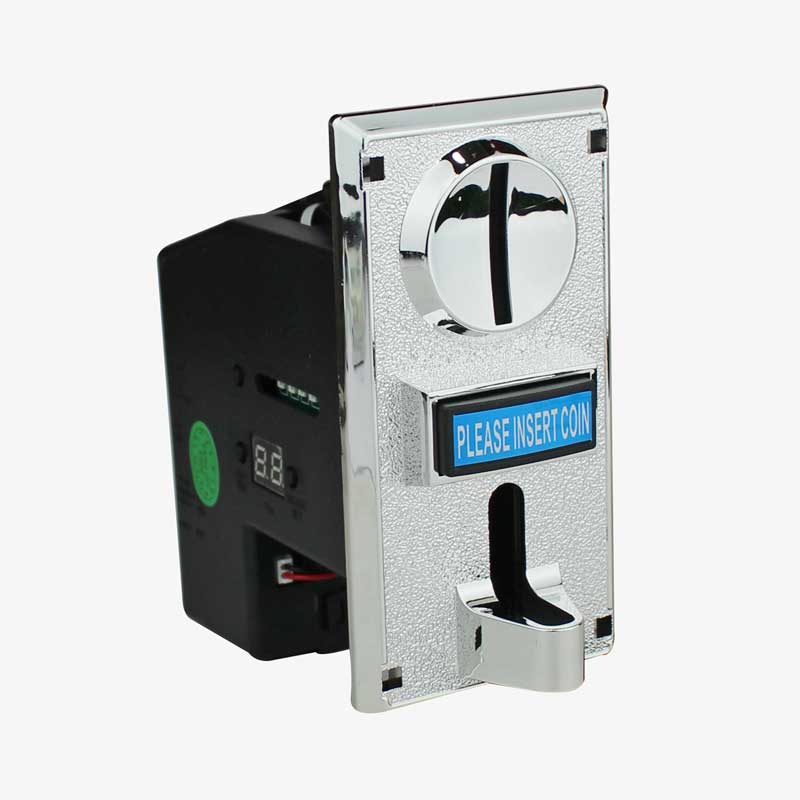
Findings:Industrial systems use multi-parameter validation, combining:
- Diameter
- Thickness
- Electromagnetic signature
- Magnetic properties
- Optical timing
Important realization:Real-world systems never rely on a single parameter. However, their priorities differ:
- Banks focus on authentication and counterfeit detection.
- Vending machines focus on transaction reliability.
- My project focuses on behavioral learning and goal tracking.
This comparison helped me clearly define boundaries.My system does not need:
- Anti-counterfeit security
- High-speed processing
- Industrial-grade validation
It needs:Reliable detection within a controlled environment. This week was about defining scope.
Stage 5 - Project Direction
Inspiration - JumpStart 1st Grade (1995)
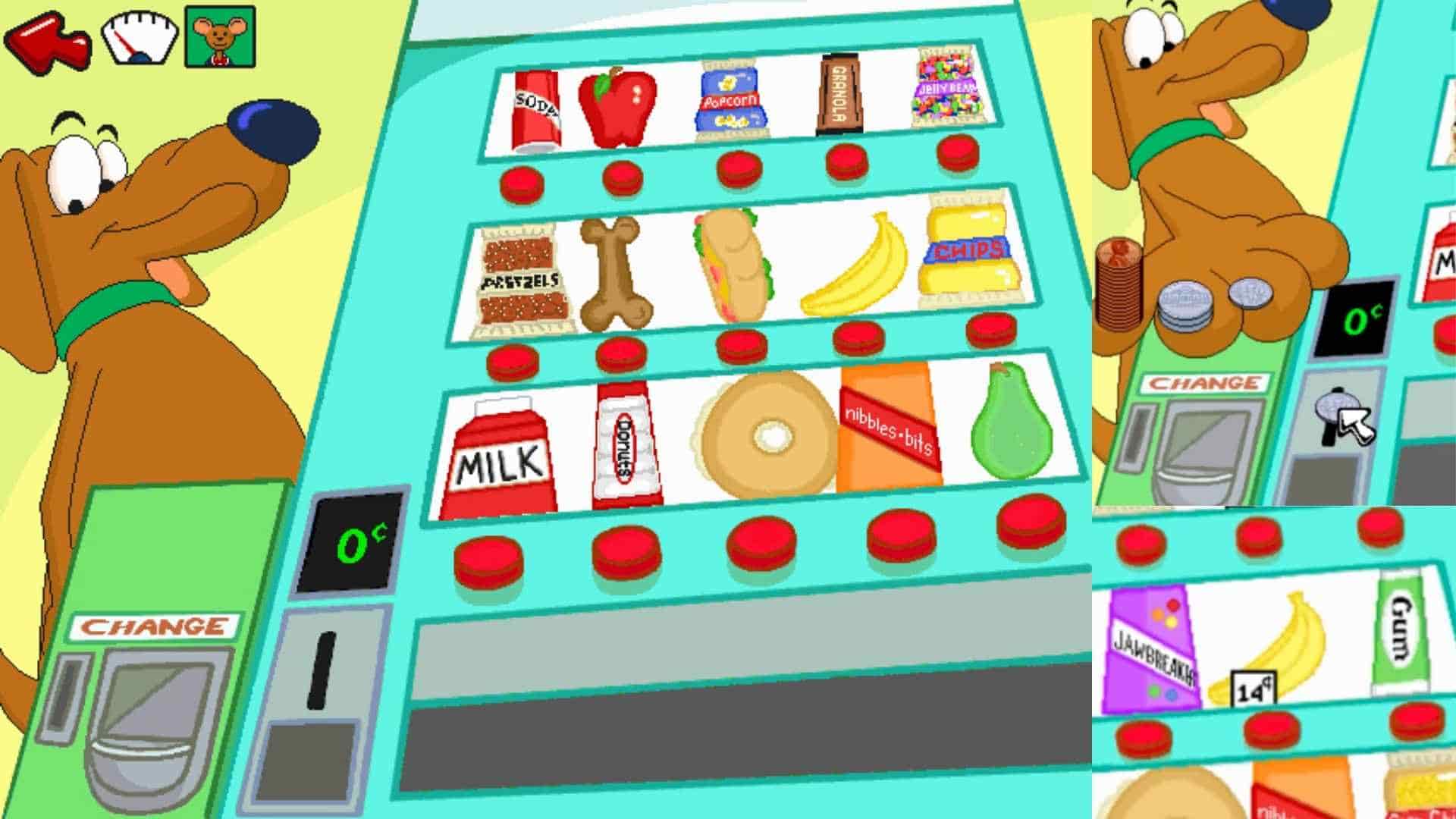
A childhood favourite, a vending machine mini-game where you identify coin denominations, insert them, and watch the machine tally up to the item price. Simple, satisfying, and surprisingly effective at teaching money recognition without feeling like a lesson.
This project borrows that same core loop, with one key difference:
| State | Trigger | Strip Behaviour |
|---|---|---|
| Coin detected | New coin inserted | Breathing pulse (all LEDs) |
| Progress update | After coin is registered | Fill left to right, red → yellow → green |
The NeoPixel strip plays the role the vending machine display did, making progress visible and rewarding, even when the goal is weeks away.