Invention, Intellectual Property, and Income
Task:-
- Develop a plan for dissemination of your final project.
Intellectual Property
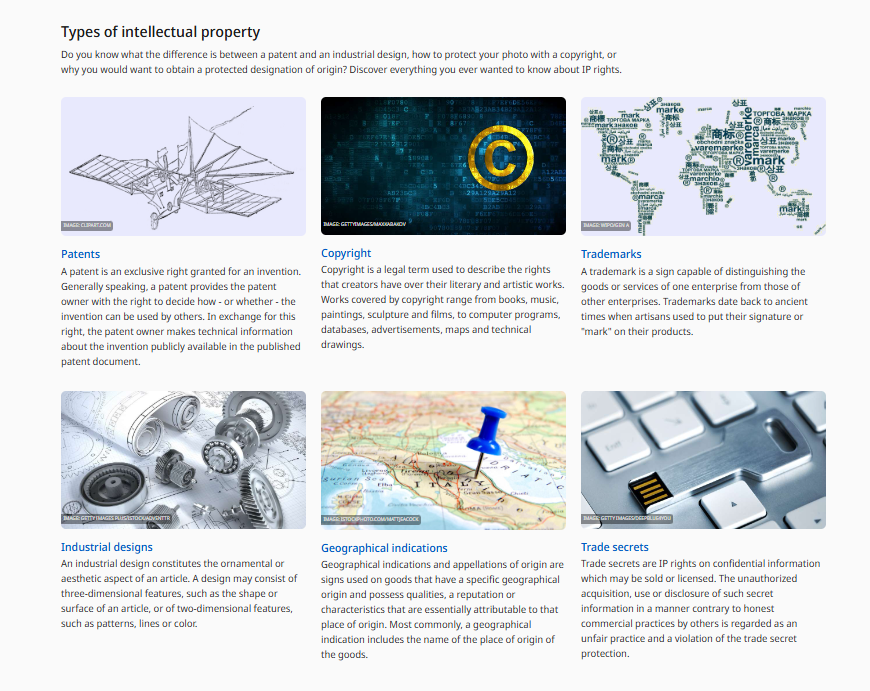
Intellectual property (IP) refersto creations of the mind,which includes inventions,
artistic works, designs, software, trademarks, and other creative or commercial creations.
It is important because it protects the creators work and allows creators to receive recognition and control how their work is used.
Without IP rights, anyone could take your work, claim it as their own, or commercially benefit from it without acknowledging your contribution.
IP India
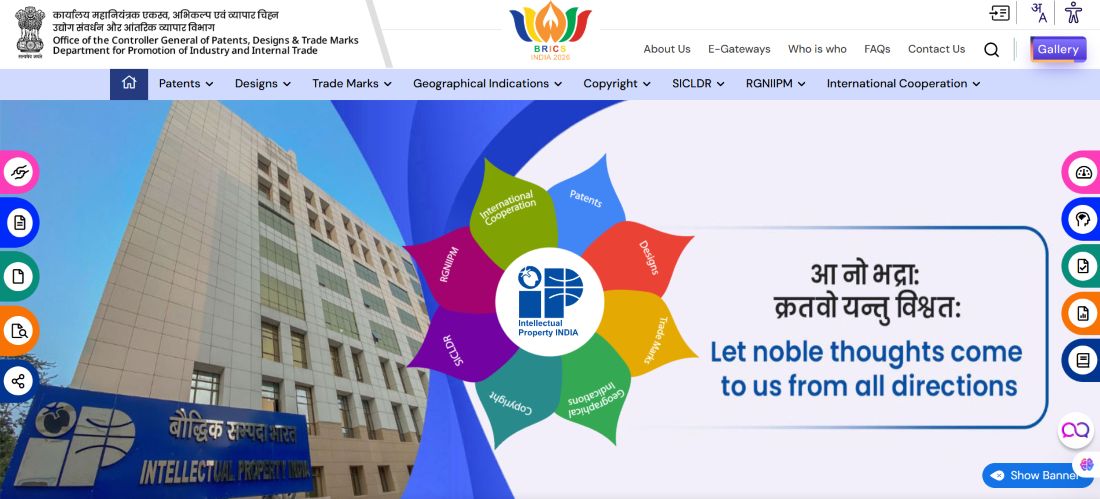
This is the page to Intellectual Property - Government of India
Patent of India
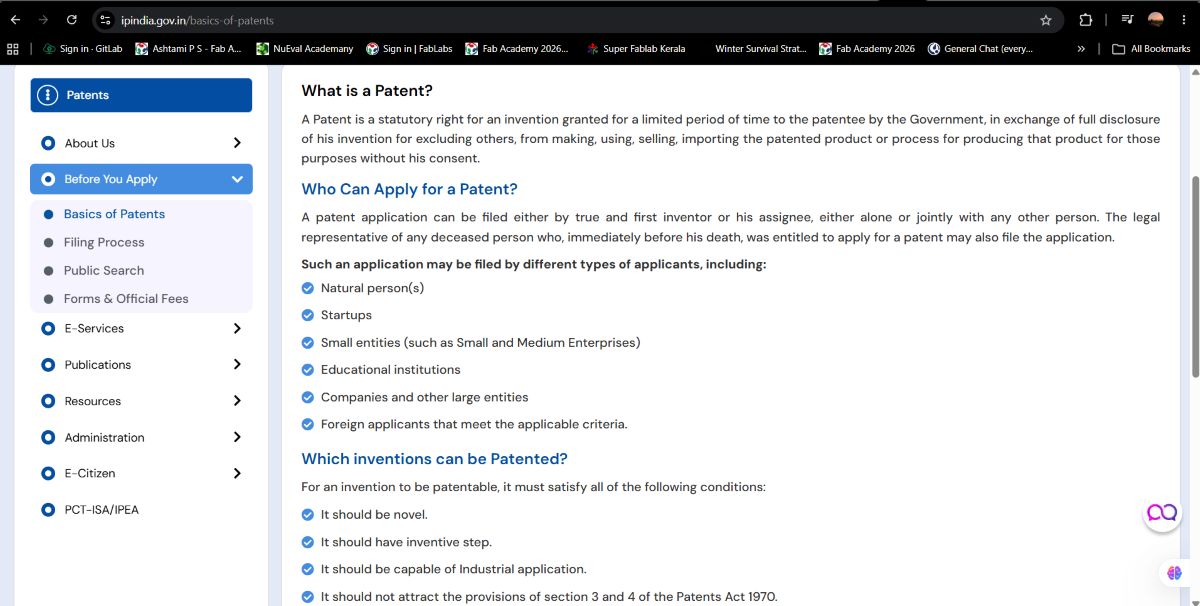
source:Basics-of-patent
A patent in India protects a new, useful, and non-obvious invention.
Patent applications are filed through the Indian Patent Office using the IP India portal.
Types of patent applications in India
Provisional application
filed when the invention is still being developed and more time is needed before submitting the full details.
Complete application
filed when the invention is fully developed with complete technical details and claims.
Convention application
used when claiming priority from an application filed in another convention country.
PCT National Phase application
used when entering India through an international PCT application.
How to File a Patent in India
Filing a patent in India usually begins with documenting the invention clearly and checking whether a similar idea already exists. A novelty search can be done using patent databases such asInPASS and Patentscope. Based on the stage of the invention, the application can then be prepared either as a provisional or a complete specification Along with the specification, the required forms and supporting documents are prepared before filing through the Indian Patent Office e-filing portal.
| Step | Procedure |
|---|---|
| 1. Document the invention | Write down the invention clearly, including how it works, what problem it solves, and what makes it new. |
| 2. Do a patent search | Check whether a similar invention already exists using patent databases such as InPASS and Patentscope. |
| 3. Decide provisional or complete specification | If the invention is still being developed, a provisional specification can be filed first. If the invention is fully ready, a complete specification can be filed directly. |
| 4. Prepare forms and documents | Prepare the required forms and supporting documents such as the specification, drawings, abstract, and claims before filing. |
| 5. Create account on the e-filing portal | Sign up on the Indian Patent Office e-filing portal to submit the application online. |
| 6. File the application and pay the fee | Upload the forms and specification, submit the application, and pay the required filing fee. |
| 7. Track application status | After filing, the application status can be monitored through the official portal. |
| 8. Publication of application | The application is usually published after 18 months, unless early publication is requested. |
| 9. Request examination | A request for examination must be filed within the prescribed time so that the Patent Office can examine the application. |
| 10. FER / objections | If the Patent Office raises objections in the First Examination Report (FER), they must be addressed with a response or hearing if required. |
| 11. Grant | If the objections are resolved and the application meets all requirements, the patent is granted. |
Process after obtaining DSC or E-sign
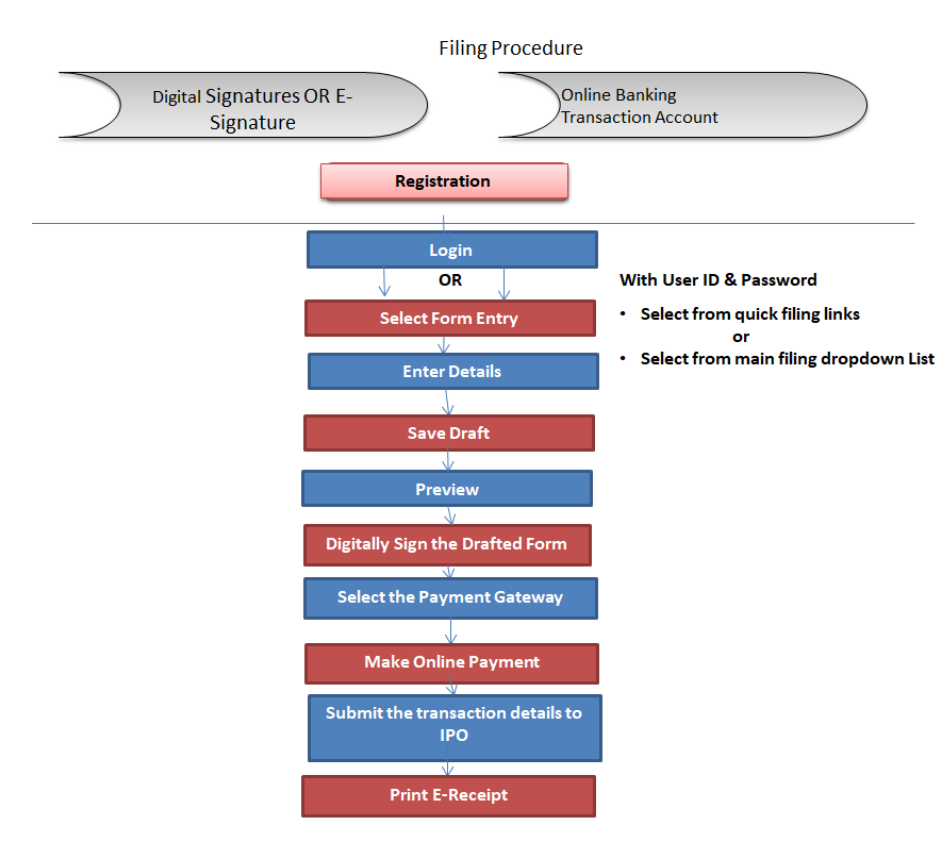
source:filling process
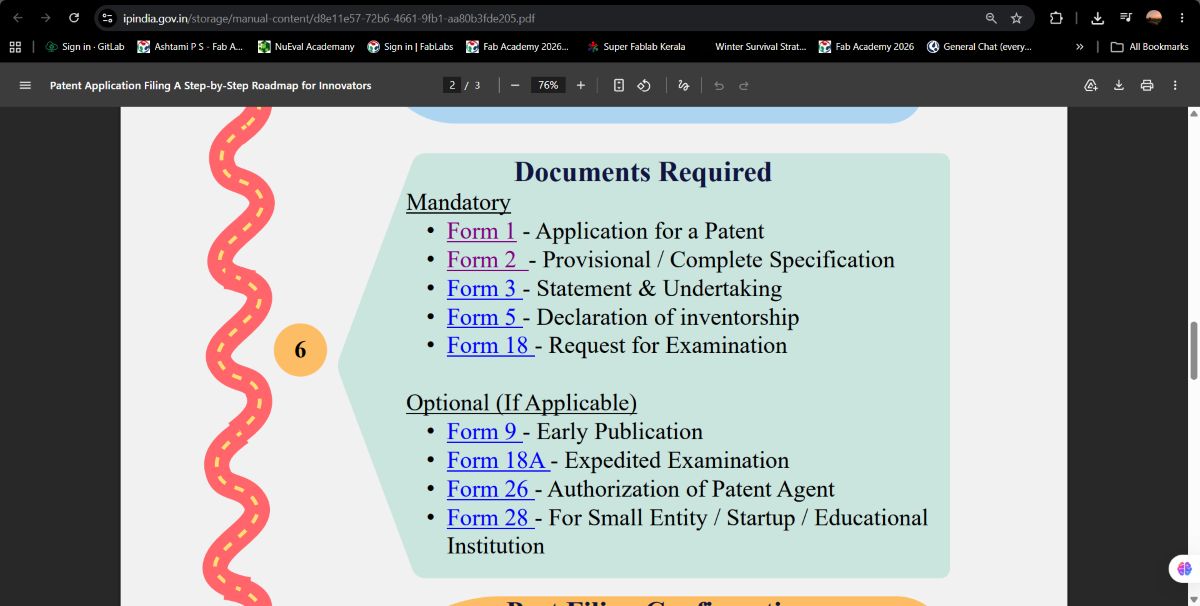
| Form | Purpose |
|---|---|
| Form 1 | Application for grant of patent |
| Form 2 | Provisional or complete specification |
| Form 3 | Statement and undertaking regarding foreign applications, if any |
| Form 5 | Declaration of inventorship |
| Form 18 | Request for examination |
| Form 9 | Request for early publication (optional) |
| Form 18A | Request for expedited examination (optional, if eligible) |
| Form 26 | Authorization of patent agent, if filing through an agent |
| Form 28 | Used to claim startup / small entity / educational institution status |
Patent Search Portals
| S.No. | Application Portal | Access |
|---|---|---|
| 1 | InPASS | View Portal |
| 2 | Patentscope | View Portal |
Filing a Patent Outside India
While looking into patent filing, also explored how patent protection works outside India. Since patents are territorial rights, a patent granted in India protects the invention only within India. If someone wants protection in other countries, the application has to be filed separately in those countries. This can either be done by filing directly in individual countries or by using the PCT (Patent Cooperation Treaty) route, which allows a single international application before entering the national phase in selected countries.
| Route | What I understood |
|---|---|
| PCT Route | The PCT route seems useful when protection is needed in multiple countries, because it allows one international application first and gives more time, usually around 30–31 months, before deciding the final countries for national filing. It does not give a worldwide patent, but it helps in delaying and organising the filing process. |
| Paris Convention Route | This route is more direct, where the same invention can be filed in individual foreign countries within 12 months of the first filing date in India. It seems more suitable when protection is needed only in a small number of countries. |
I also found that for Indian residents, filing outside India is linked to Section 39 of the Patents Act. In most cases, the application is first filed in India, and then the foreign filing is done after the required waiting period or with a foreign filing licence if needed.
source:youtube video
Company Structure in india
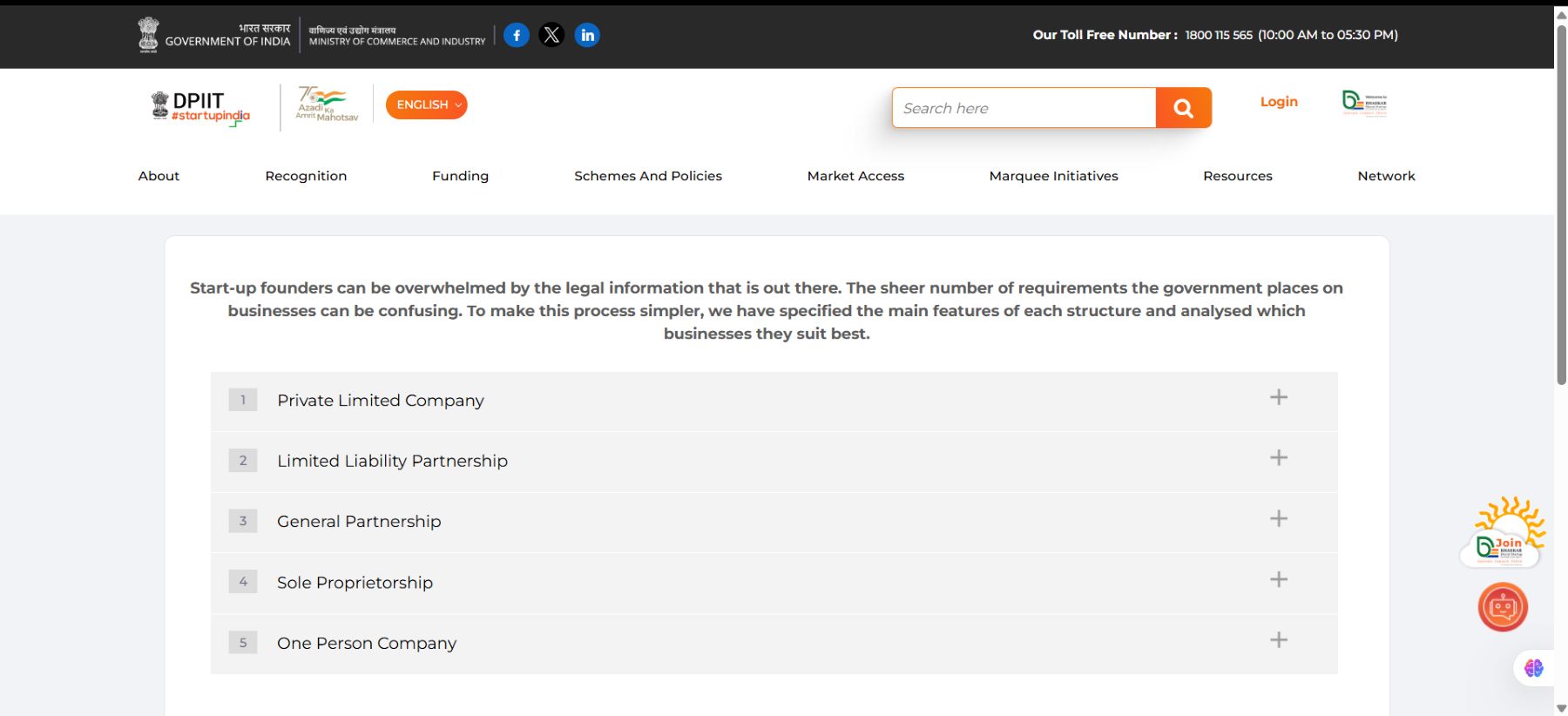
Types of Company
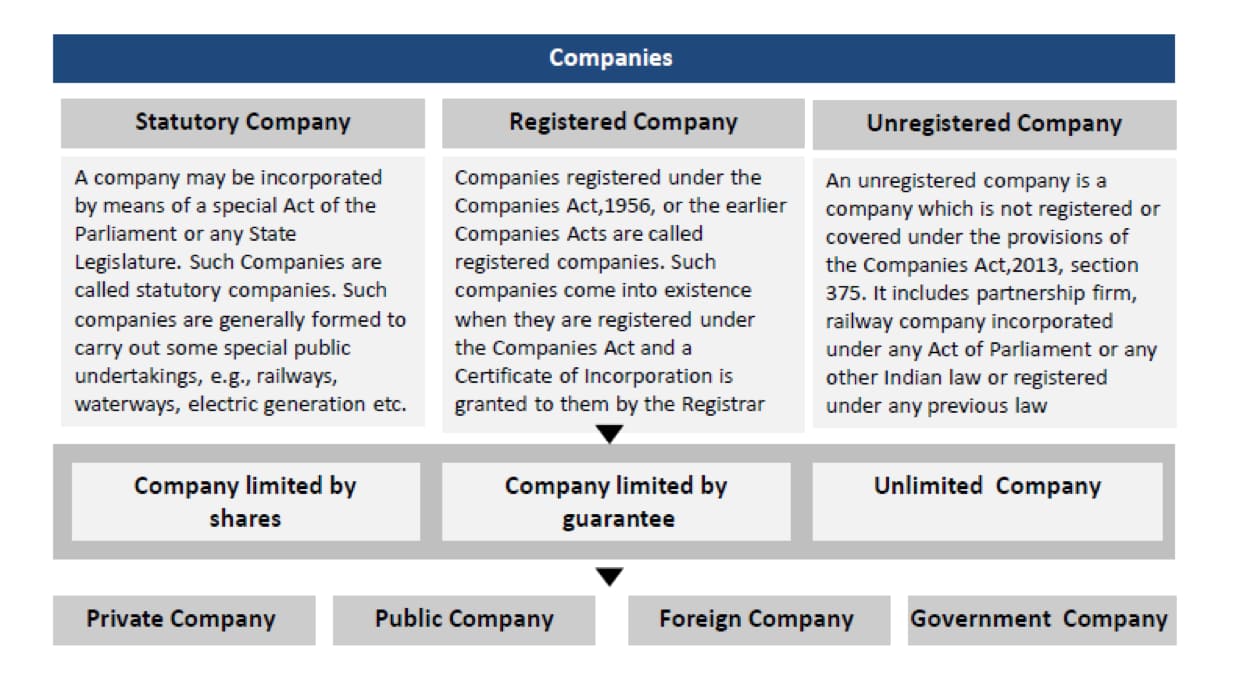
Forms of Business Establishments
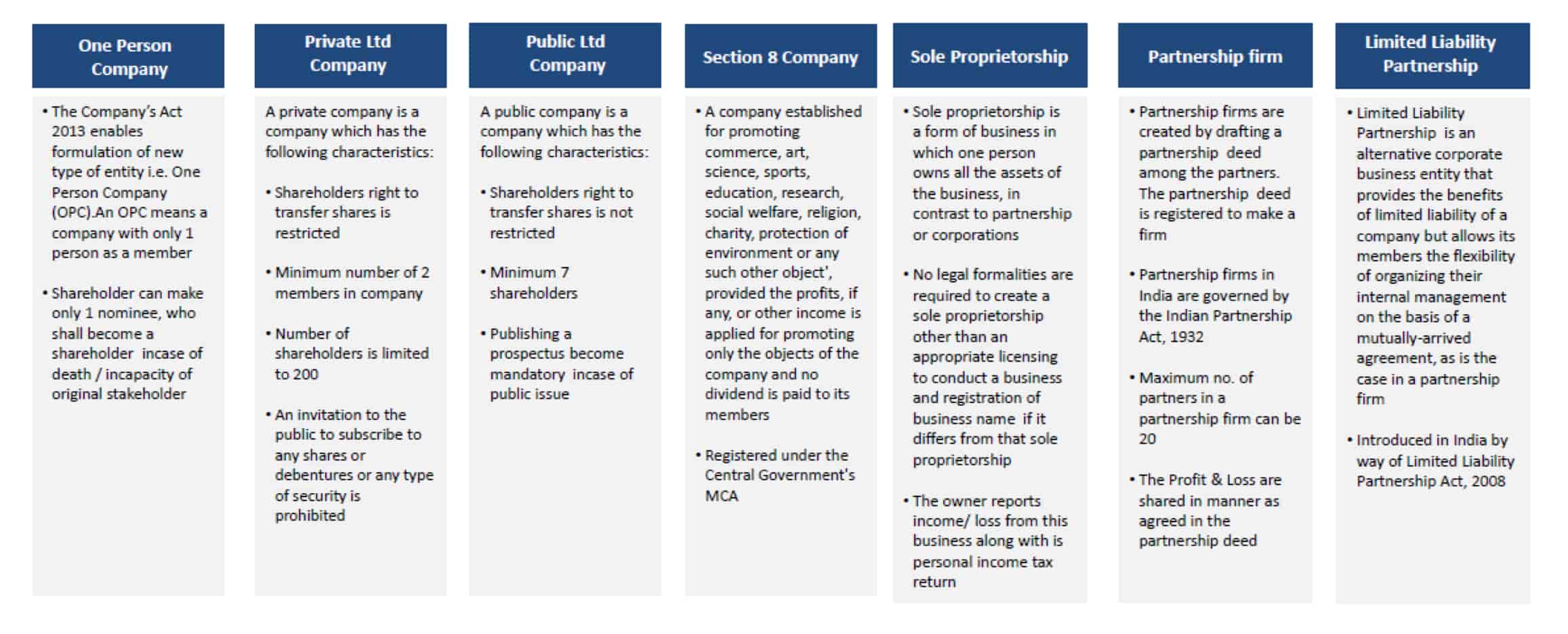
source:startupindia.gov.in/business-in-India types-of-businesses
Comparison of Company Structures in India
| Business Structure | Ownership | Liability | Suitable For |
|---|---|---|---|
| One Person Company (OPC) | 1 owner | Owner's liability is limited to investment in the company | Suitable for solo entrepreneurs who want full control with the benefit of a separate legal entity. |
| Private Limited Company | Minimum 2 members | Shareholder's liability is limited to their shares | Best for start-ups and growing businesses. Allows outside funding, shareholder ownership, and employee stock options. |
| Public Limited Company | Minimum 7 shareholders | Shareholder's liability is limited to their shares | Suitable for large businesses that want to raise capital from the public through shares. |
| Section 8 Company | Non-profit members/shareholders | Limited liability | Formed for charitable and non-profit purposes such as education, research, social welfare, and environment. |
| Sole Proprietorship | 1 owner | Owner is personally responsible for all business debts | Simplest and easiest form of business to start. Suitable for small traders and home businesses. |
| Partnership Firm | 2 or more partners | Partners are personally responsible for all business debts | Business run by partners under a partnership deed. Easy to set up but partners are personally liable for debts. |
| Limited Liability Partnership (LLP) | 2 or more partners | Liability is limited to the amount invested by each partner | Combines the flexibility of a partnership with limited liability. Suitable for professional firms and small businesses. |
Reference: Startup India - Business in India
Startup India for Beginners
Startup India is a Government of India initiative that supports entrepreneurs by providing startup recognition, funding support, tax benefits, mentoring, and access to different schemes.
| Topic | Explanation |
|---|---|
| What is Startup India? | A government initiative launched to encourage innovation, entrepreneurship, and startup growth in India. |
| Who can apply? | Eligible startups registered as a Private Limited Company, LLP, or Partnership Firm can apply for DPIIT recognition under Startup India. |
| DPIIT Recognition | DPIIT recognition gives startups access to benefits such as tax exemptions, easier compliance, intellectual property support, and eligibility for certain government schemes. |
| Funding Support | Startup India supports startups through initiatives such as the Startup India Seed Fund Scheme, which helps with prototype development, product trials, market entry, and scaling. |
| Seed Fund Scheme | The Startup India Seed Fund Scheme provides financial support to eligible startups for proof of concept, prototype creation, product testing, and commercialization. |
| Why it is useful for beginners | It gives first-time founders a structured way to understand startup registration, government support, funding opportunities, and available schemes in India. |
Chatgpt_AI Prompt Used
           Go through the official Startup India website https://www.startupindia.gov.in/ and
           explain everything a beginner should know about startups India, funding,
            tax, who can apply for, schemes, other important factors and give useful links.
Kerala Startup Mission
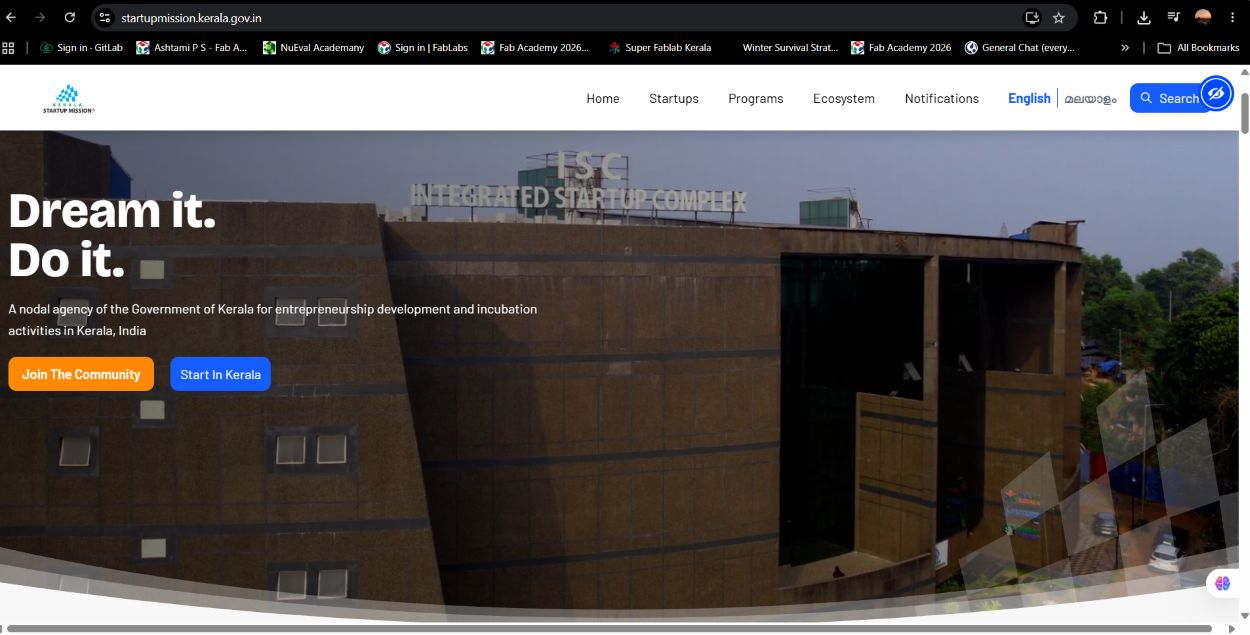
As I'm doing Fab Academy at Super Fab Lab Kochi owned by KSUM and i'm from kerala, I also explored Kerala Startup Mission
and the opportunities it offers for students and women entrepreneurs in Kerala. KSUM supports innovation
through programs like Idea Grant, seed funding, incubation, mentorship, and IEDC initiatives for student innovators.
I also looked at the All Scheme Handbook for Women Entrepreneurs published on Women's Day 2025, which brings together useful schemes,
support systems, and opportunities available for women-led startups in Kerala.
MIT License
The MIT License is one of the simplest and most open software licenses, which allows anyone to use, copy, modify, and share the software freely. The only requirement is that they keep the original creator's name and license with the software.
Creative commons
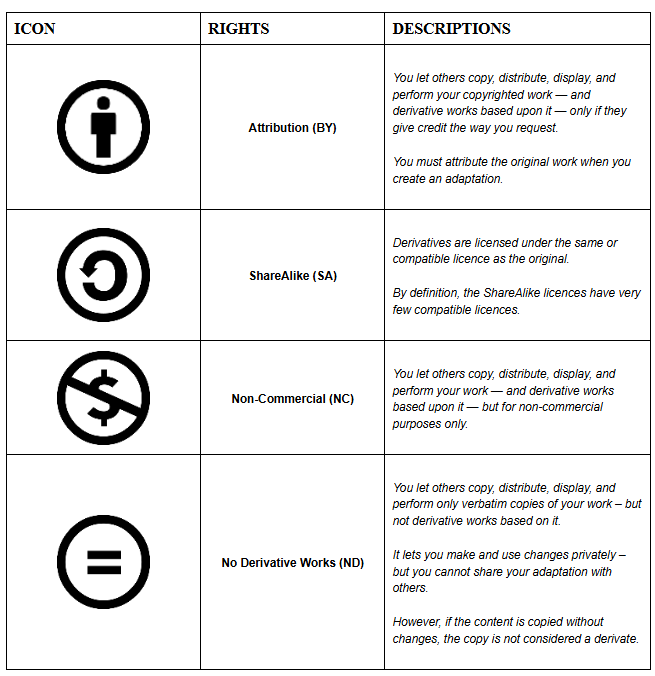
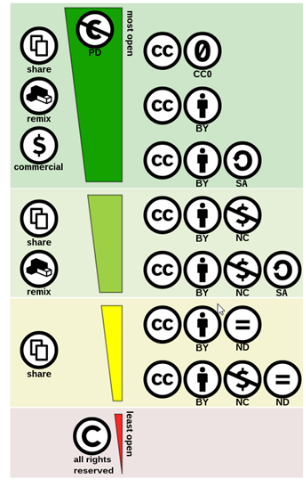
Creative common as it sounds the creative works, shared resources and knowledges which public can access, learn and build upon under certain conditions. This is an international non-profit organization that gives license to the creator freely and legally share their work. CC allows creators to give premission in advance under certain condition, which is different from copyright as it is "all the rights are reserved", in cc "some rights are reserved".
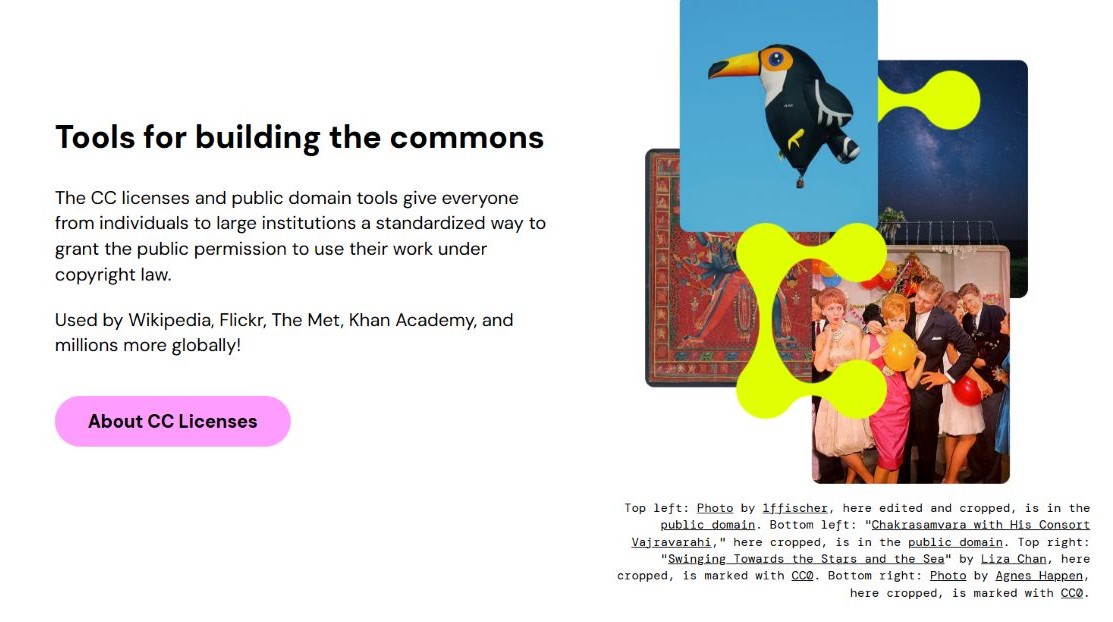
Read more about:CC license
Six Main Creative Commons Licenses
Creative Commons provides six licenses, each gives different permissions for sharing, adapting, and reusing creative work.
CC BY
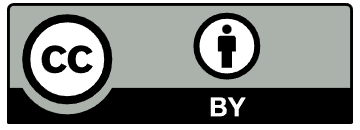
Attribution
- Copy and redistribute
- Modify and remix
- Commercial use allowed
- Must give credit
CC BY-SA
Attribution ShareAlike
- Modify and remix
- Commercial use allowed
- Must give credit
- New work must use same license
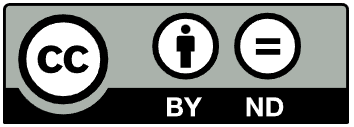
CC BY-ND
Attribution NoDerivatives
- Redistribute allowed
- Commercial use allowed
- No modifications allowed
- Must give credit
CC BY-NC
Attribution NonCommercial
- Modify and remix
- Non-commercial only
- Must give credit
- Commercial use prohibited
CC BY-NC-SA
Attribution NonCommercial ShareAlike
- Modify and remix
- Non-commercial only
- Must give credit
- Same license required
CC BY-NC-ND
Attribution NonCommercial NoDerivatives
- Sharing allowed
- Non-commercial only
- No modifications allowed
- Must give credit
Chatgpt
AI Prompt Used:
         give html code for the contents i provided using the my css sytle and also provide a href for linking the pages.


         Later i added images from this cc-licenses page.
Dissemination Plan
As i'm planning to make my project koipoee - storyteller device's(automated crankie) project development, design and all the knowledge and resources openly available and allowing reuser to reuse, modify, and build upon them with proper crediting but only non-commercially purpose.
For creating the license for my work visited cc chooser page.
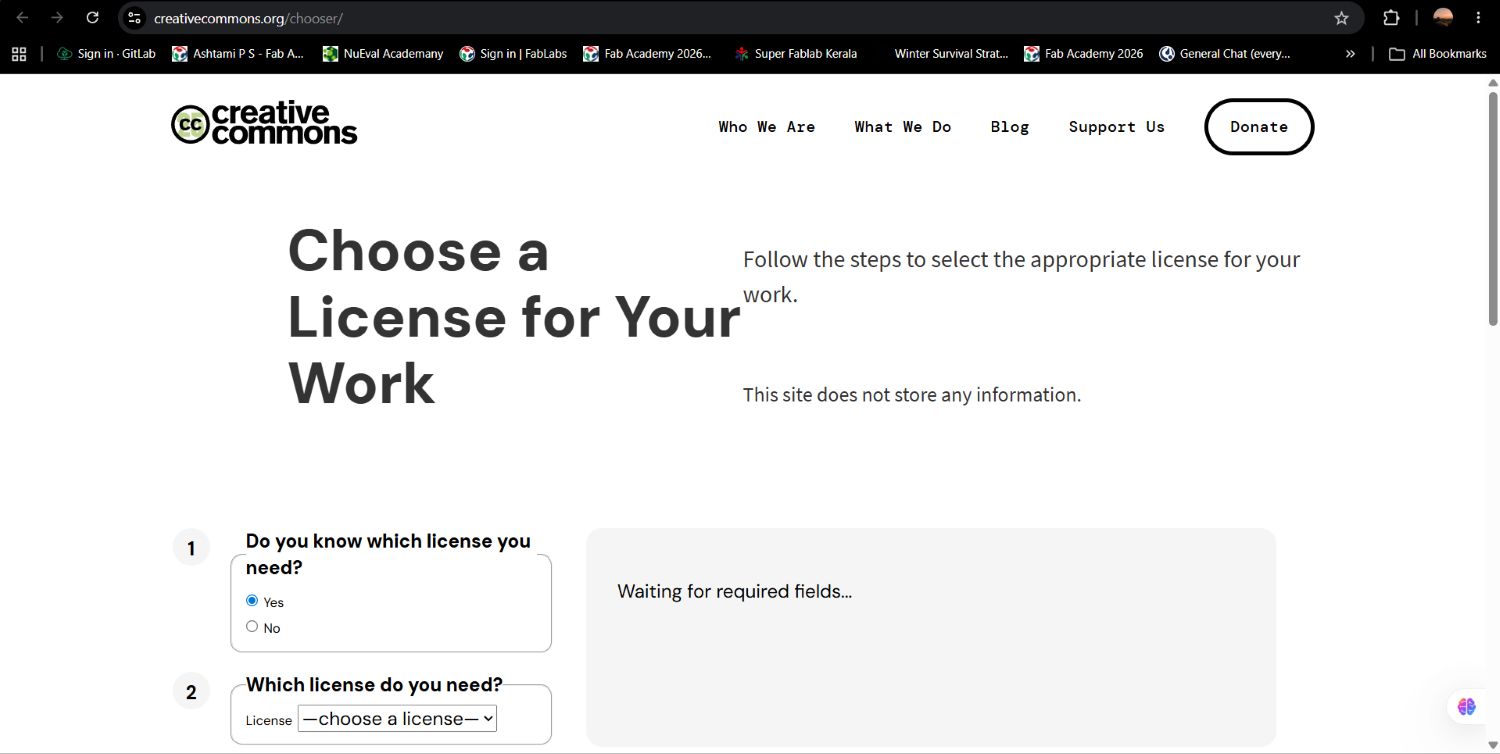
Even though i went through the types of license they providing, i was bit confused on which one i shall go with.
I went with "NO, i dont one which licence i need."
Then there will be a set of questions to answer and based on the our input to that they will recommend one licence to choose.
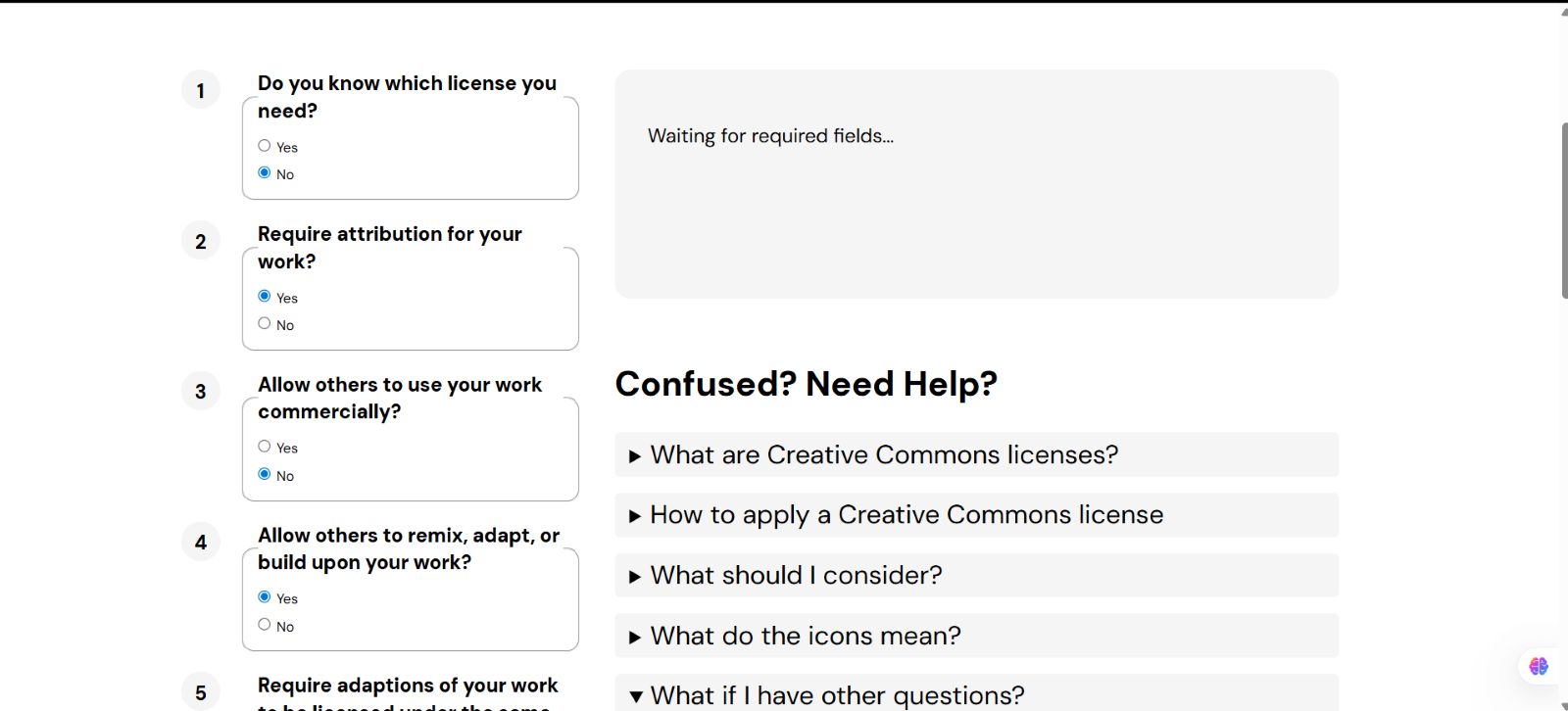
Once 1-6 question answered, they will give recommended choice.
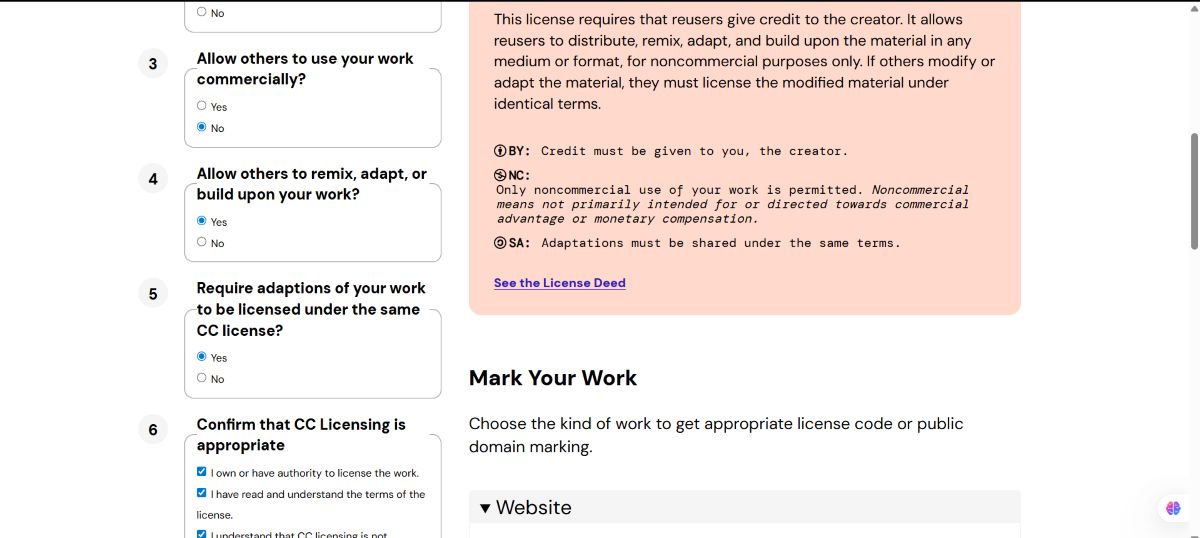
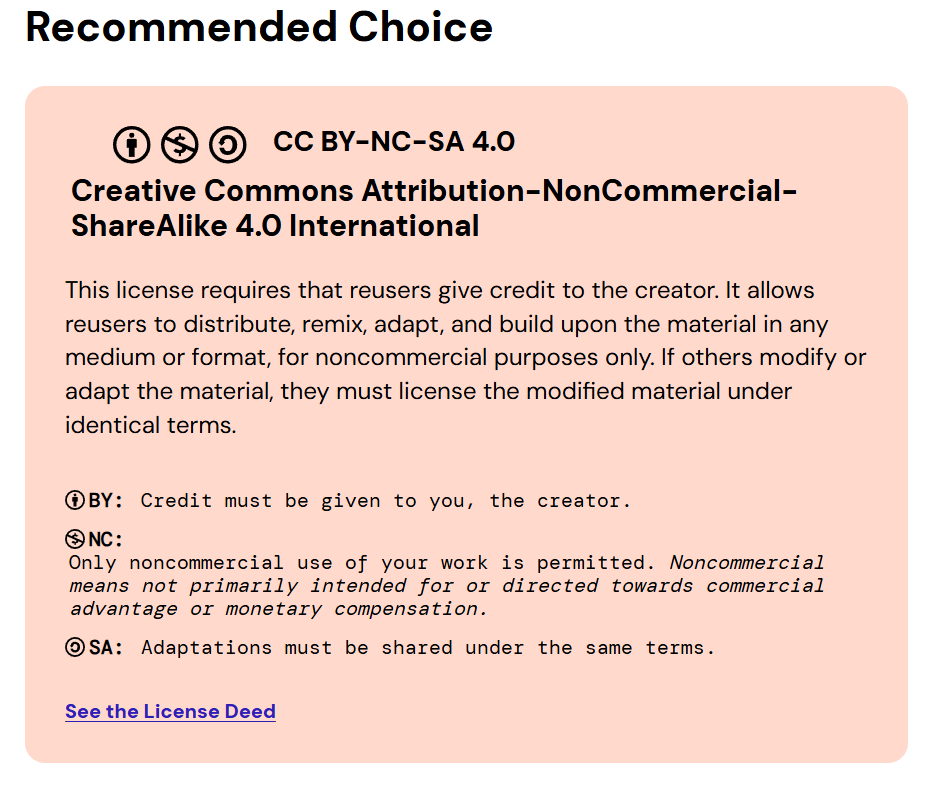
The recommended choice, i got was:
CC BY-NC-SA 4.0 Creative Commons Attribution-NonCommercial-ShareAlike 4.0 International
This gives reusers the right to modify, adapt and build up on build upon my work any medium or format, for noncommercial purposes only and also required to credit the "creator"(me).
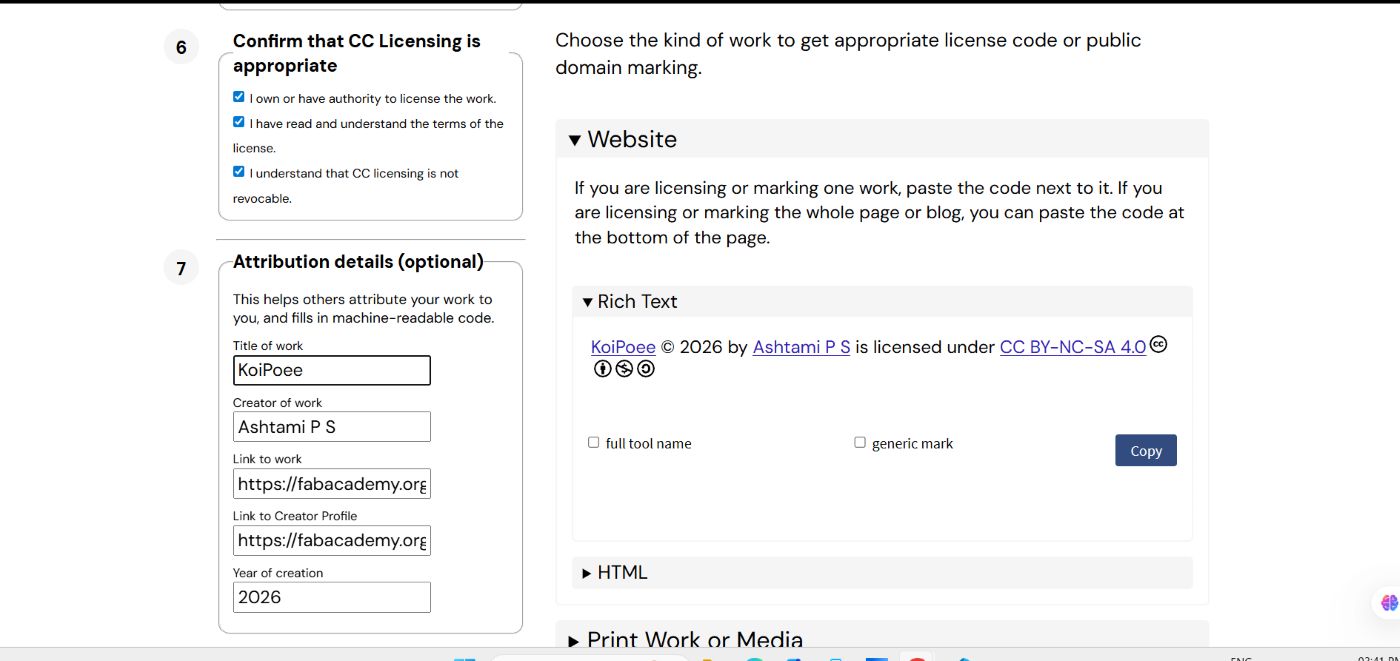
After filling the attribution details, copied the html code and pasted it in the my website.


Future Plan
For further spirals, i want to build a space where users can bring their creative, imagination and storyteller in them, by provided a platform(webappplication)
where they can illustrate, create, give music, audio, voice to their stories and print the frames. All the inputs will be sent to the device, allowing users to play and experience their own stories.
I want it to be used for more than just storytelling; it should open up for creativity, imagination, self-expression, shared experiences, learning, and meaningful engagement through stories along side the stories come with the product.
Project Development
Complete your final project, tracking your progress.
• What tasks have been completed, and what tasks remain?
• What's working? What's not?
• What questions need to be resolved?
• What will happen when?
• What have you learned?