Project Development
Tasks:
- what tasks have been completed, and what tasks remain?
- what's working? what's not?
- what questions need to be resolved?
- what will happen when?
- what have you learned?
Project Schedule:
What will happen when?
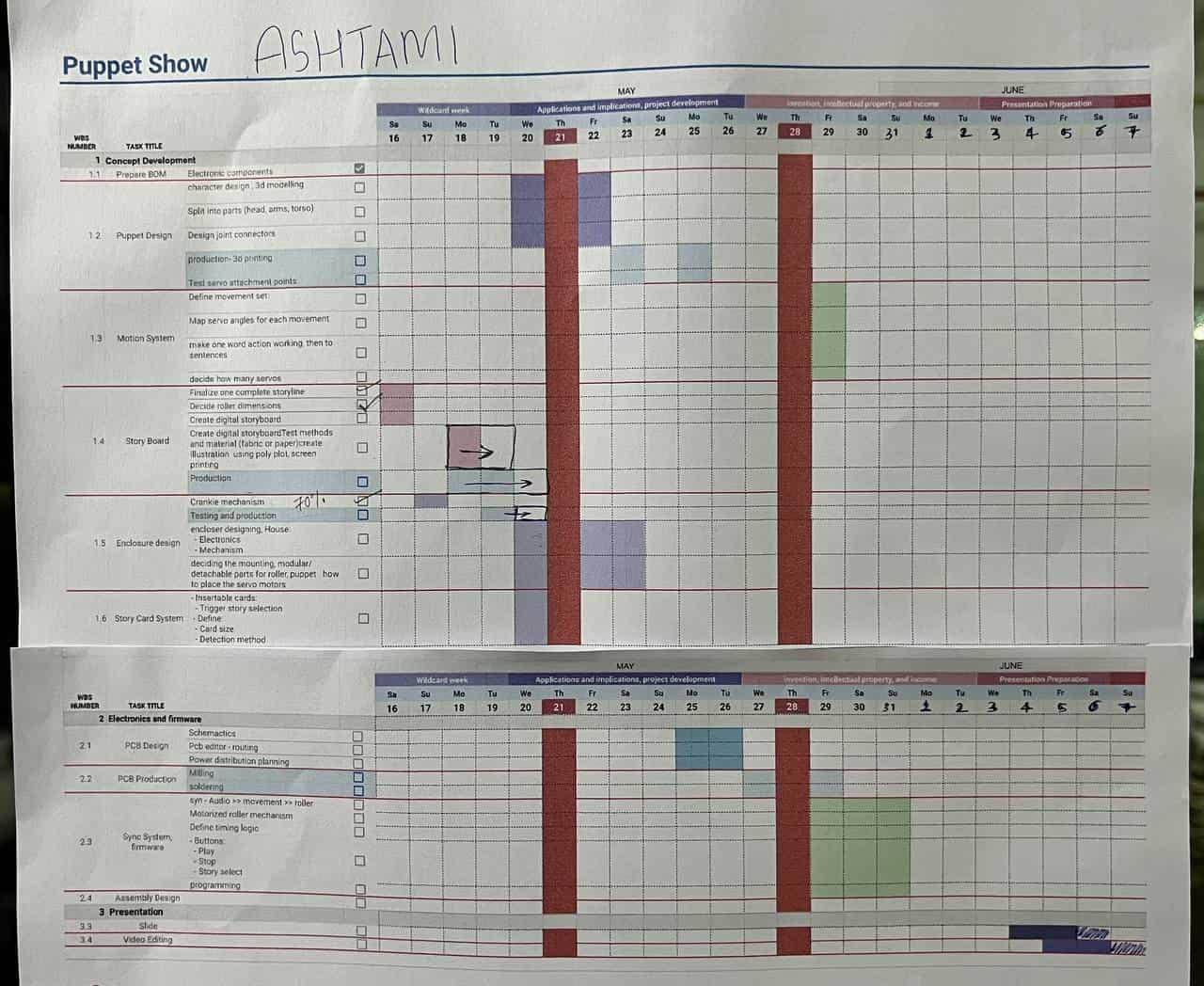
This was the initial schedule for my final project execution. During the development process, some tasks took longer than expected, due to design iterations, testing so the timeline was revised and rescheduled to better match my workflow and task priorities.
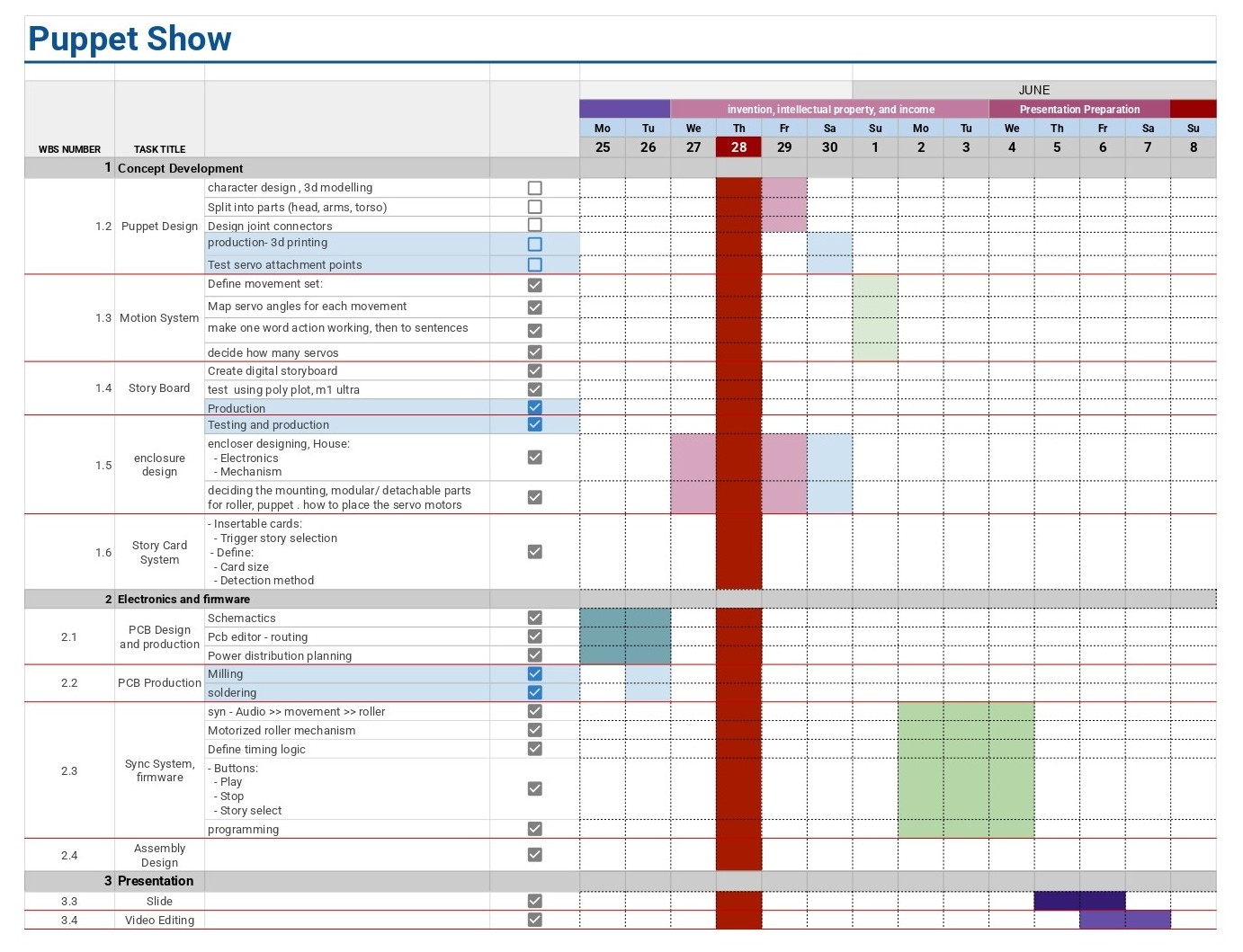
Used googlesheets for making schedule for my final project execution, click here to view: project schedule
Work Completed So Far and Next spirals:
what tasks have been completed, and what tasks remain?
Most of the planned tasks have been completed. I have completed the electronic design and production, story roll design and illustration, made the audio for story narration and mechanism has been tested and improved through several iterations. The remaining tasks are to make the puppet, get the RFID system working, integrate the puppet with the device, synchronize the puppet movement with the story and audio so that it looks like the puppet is narrating the story being shown, and complete the programming and testing with in the puppet.
Electronic Design and Production
Main PCB Board Design on KiCAD
Schematic design
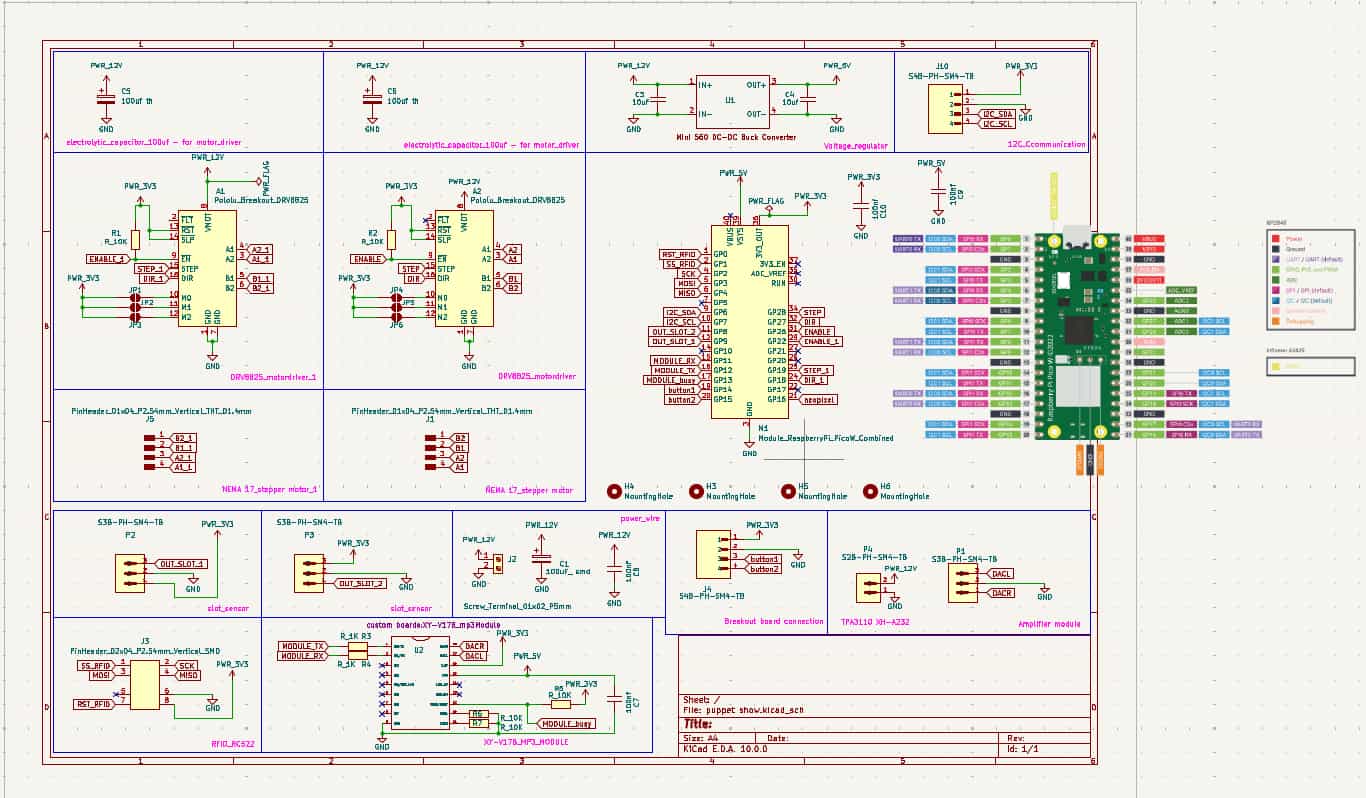
view: schematicpdf
PCB editor: Routing
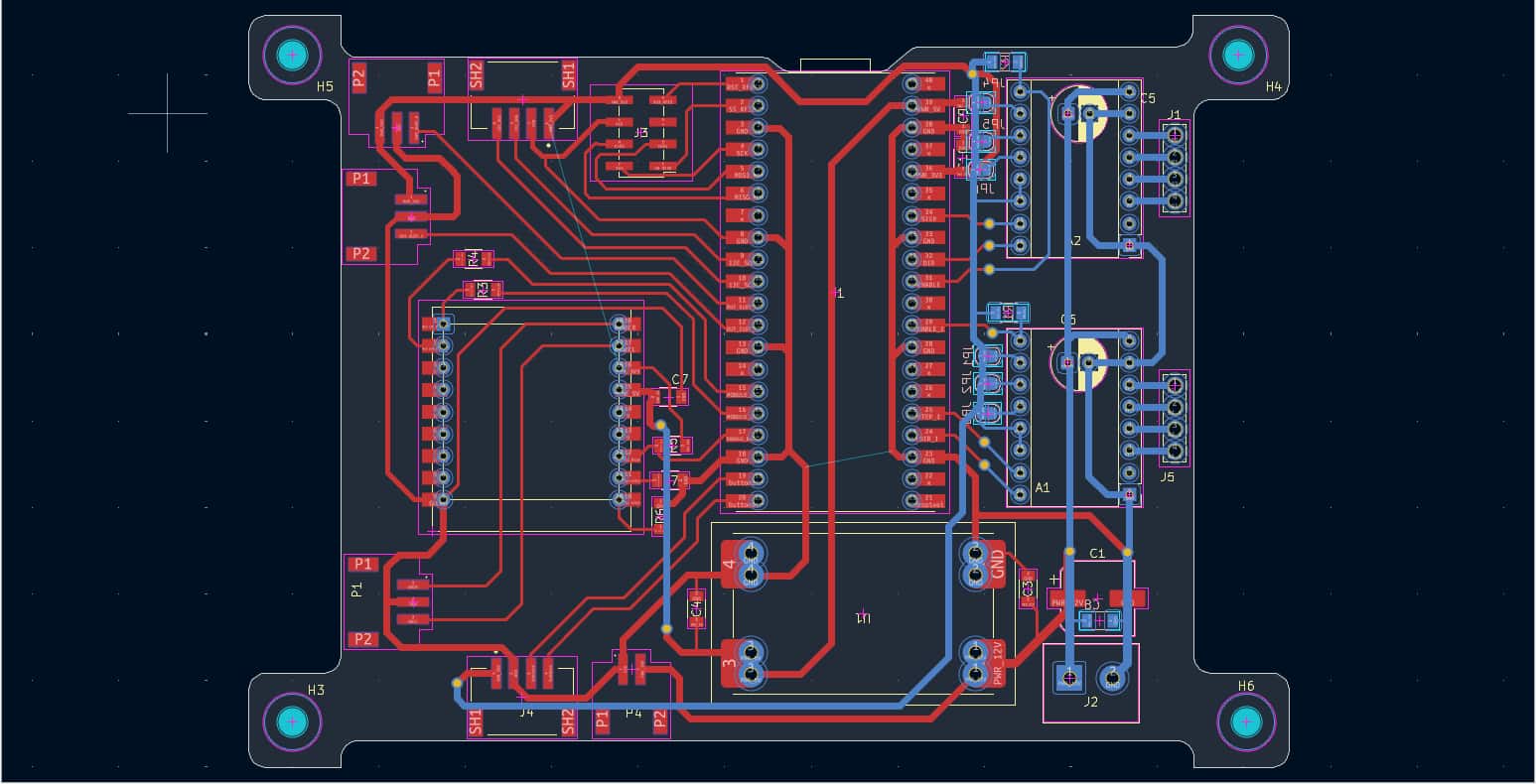
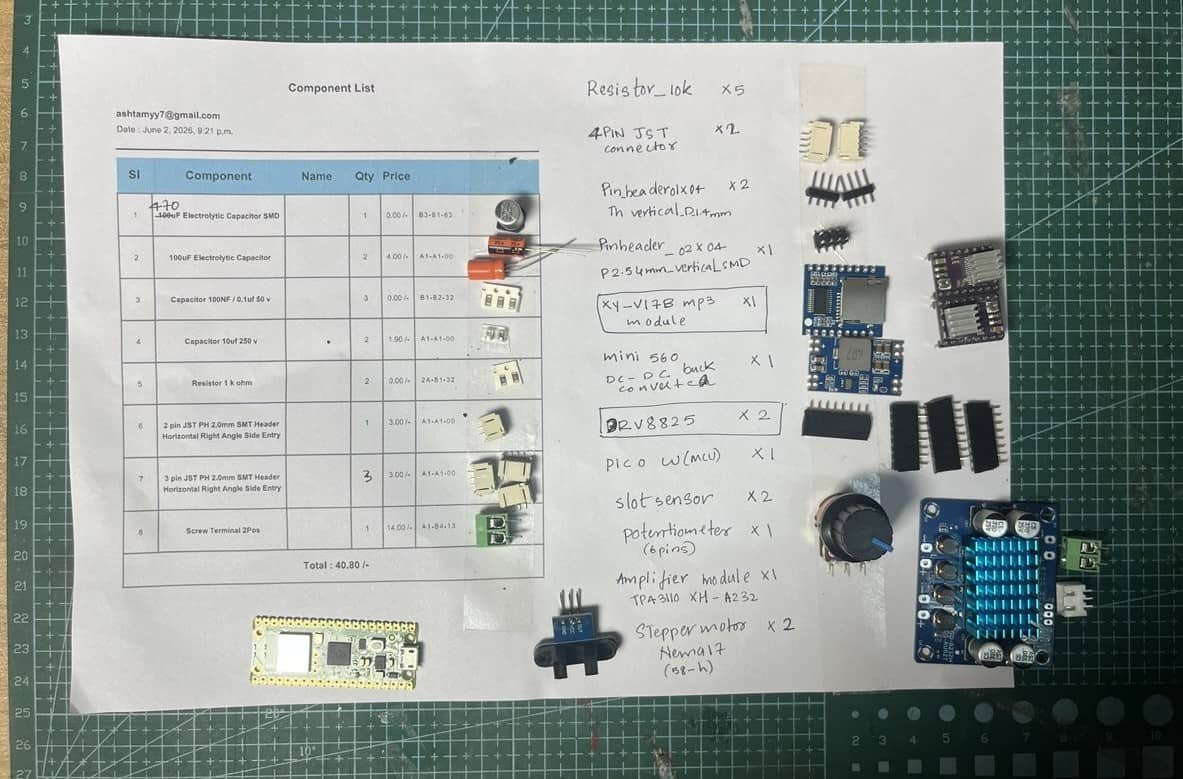
view: BOM
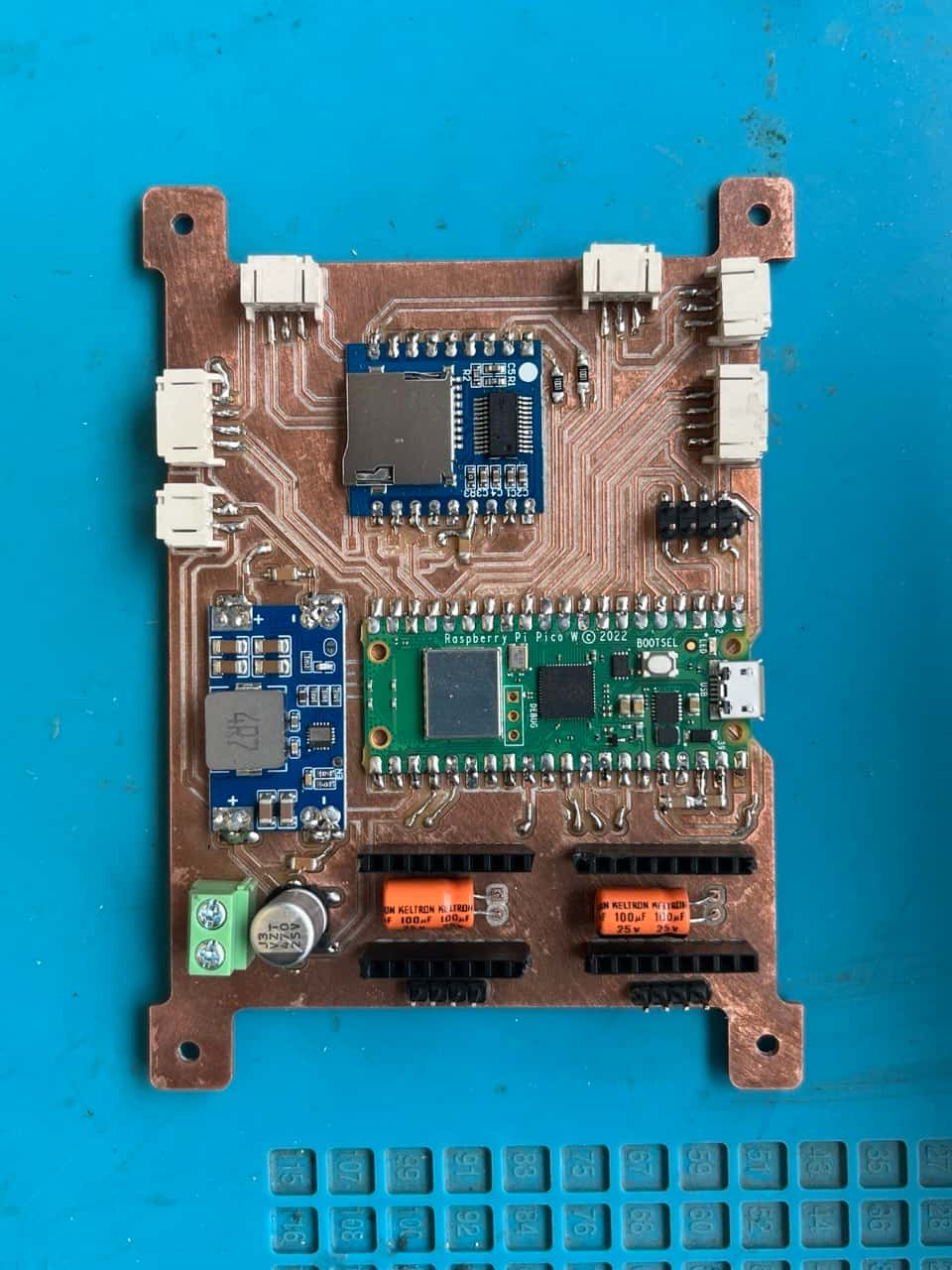
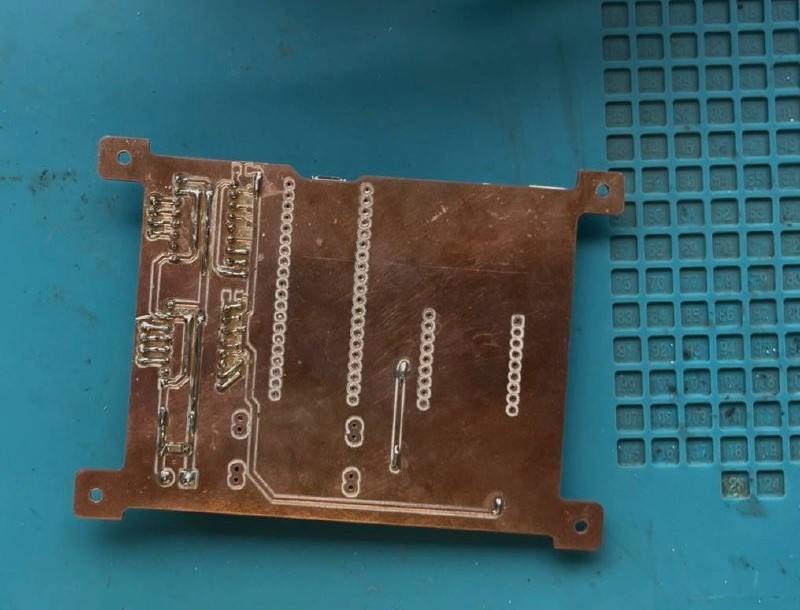
Milling and Soldering: Main Board
Breakout Board: Button PCB Design on KiCAD
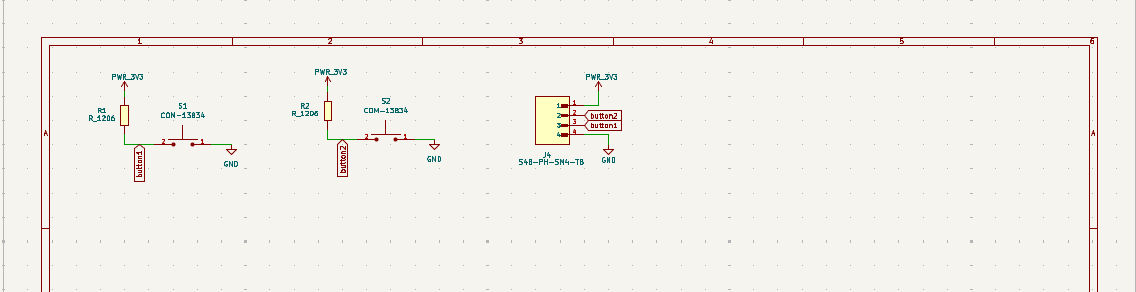
Schematic design
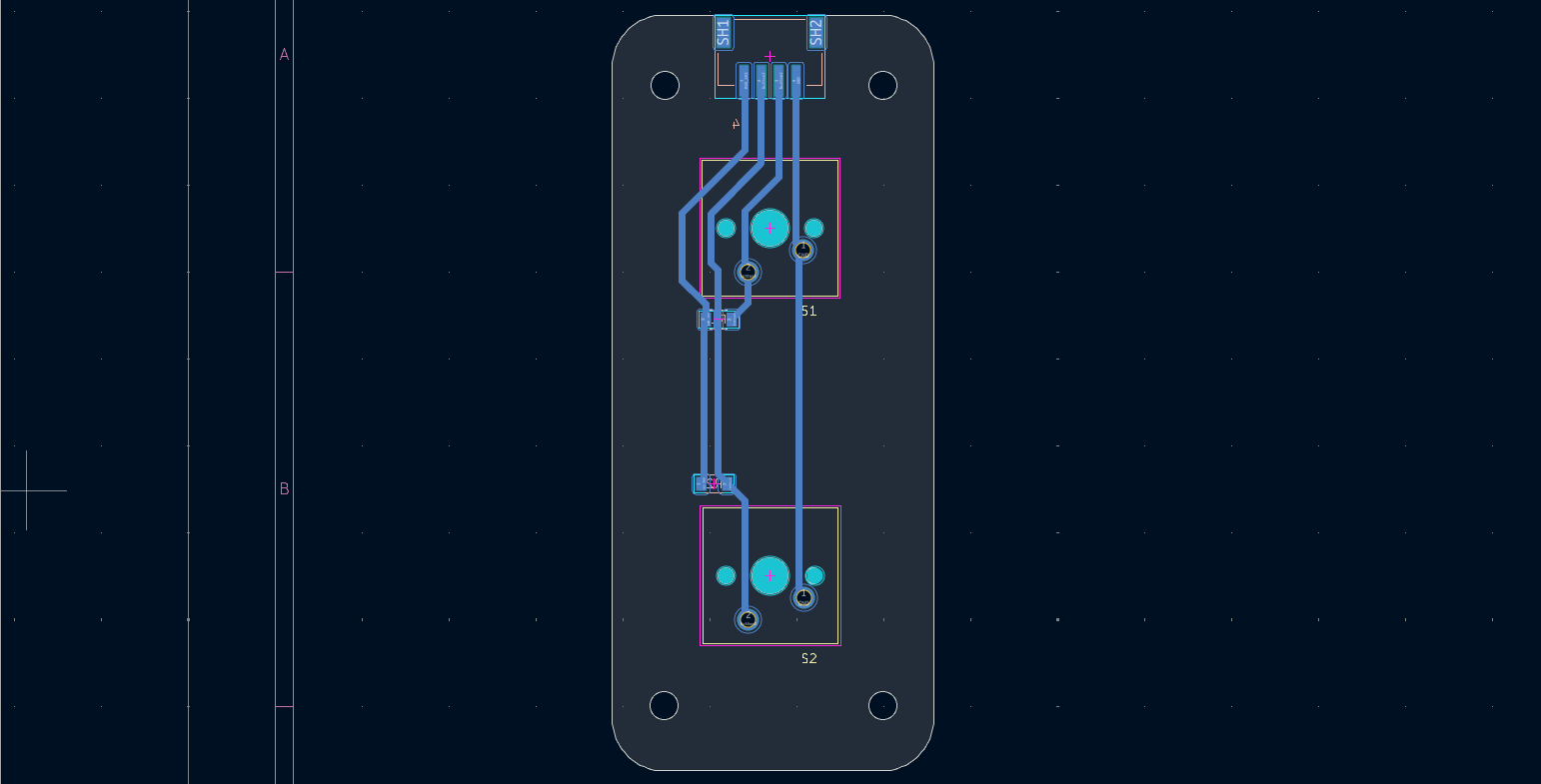
PCB editor: Routing
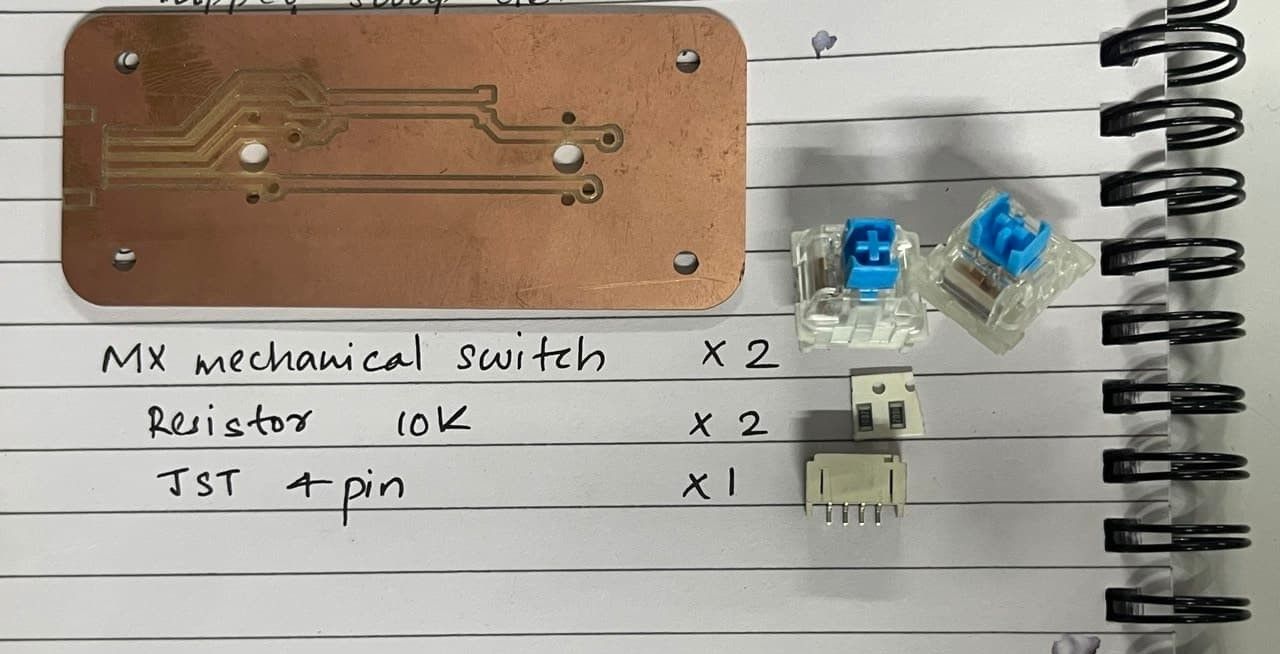
view: BOM
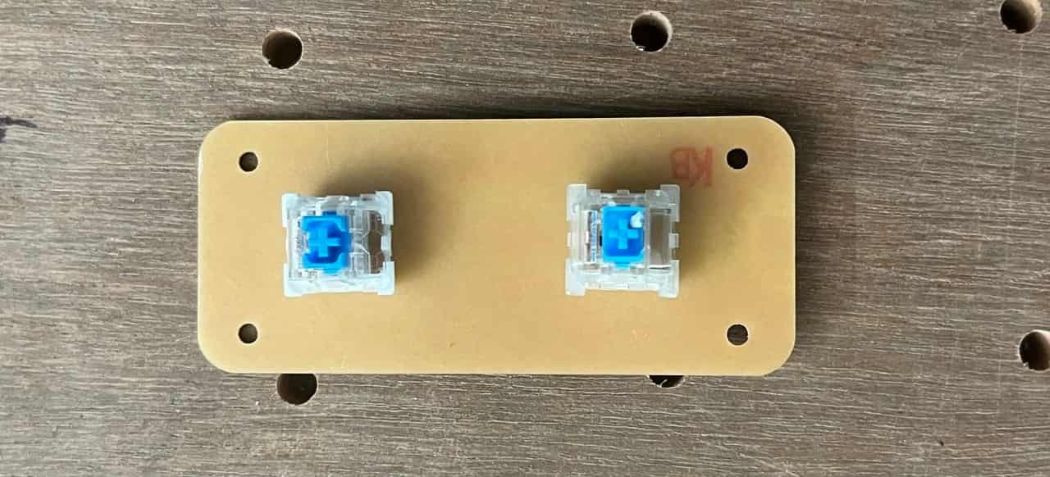
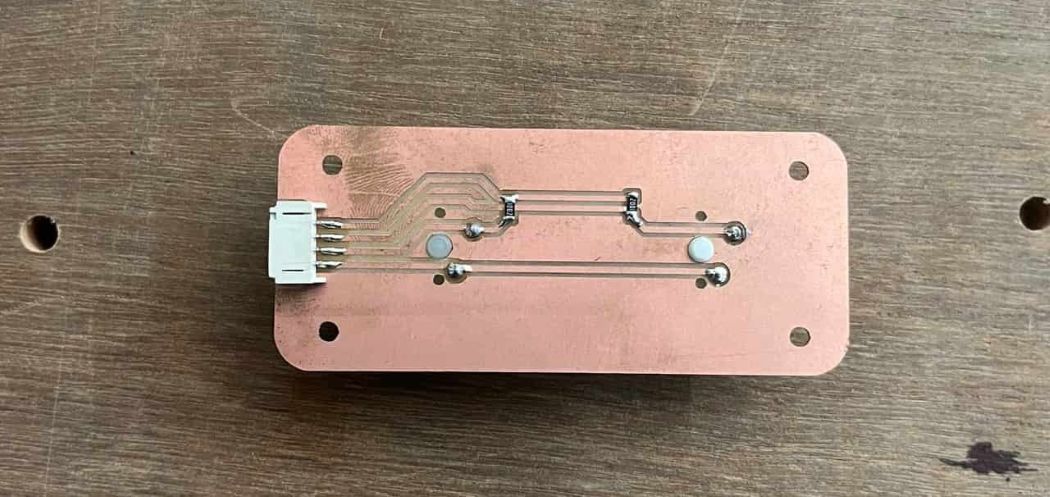
Milling and Soldering: Breakout Board
Creating Story roll and illustrating story
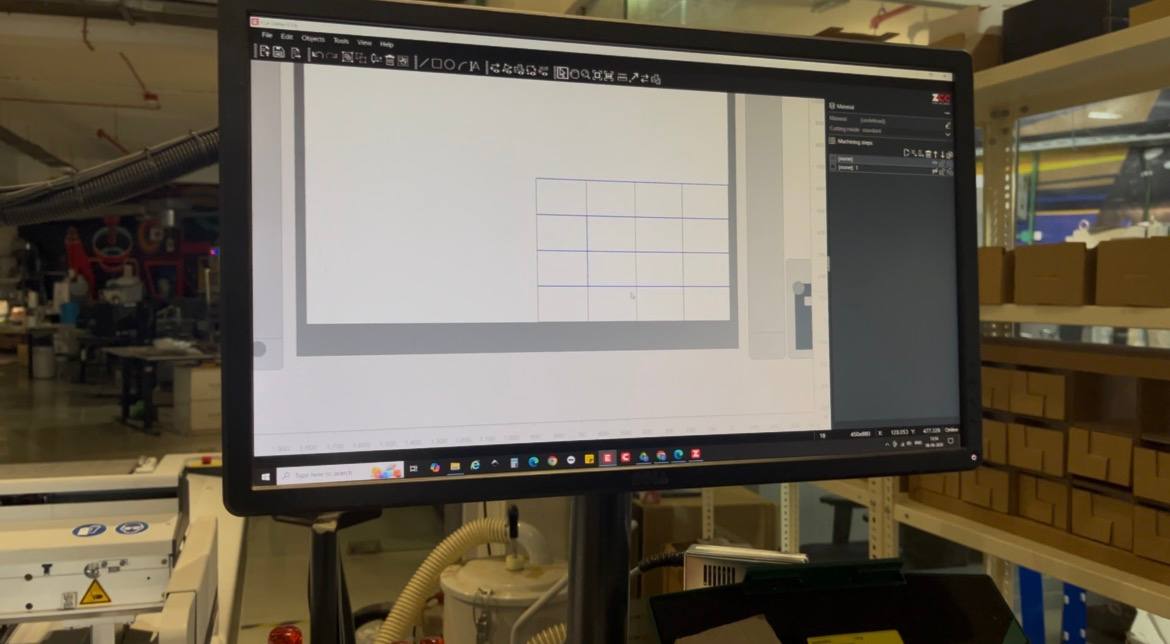
Cutting Gatweway paper in zund: story roll
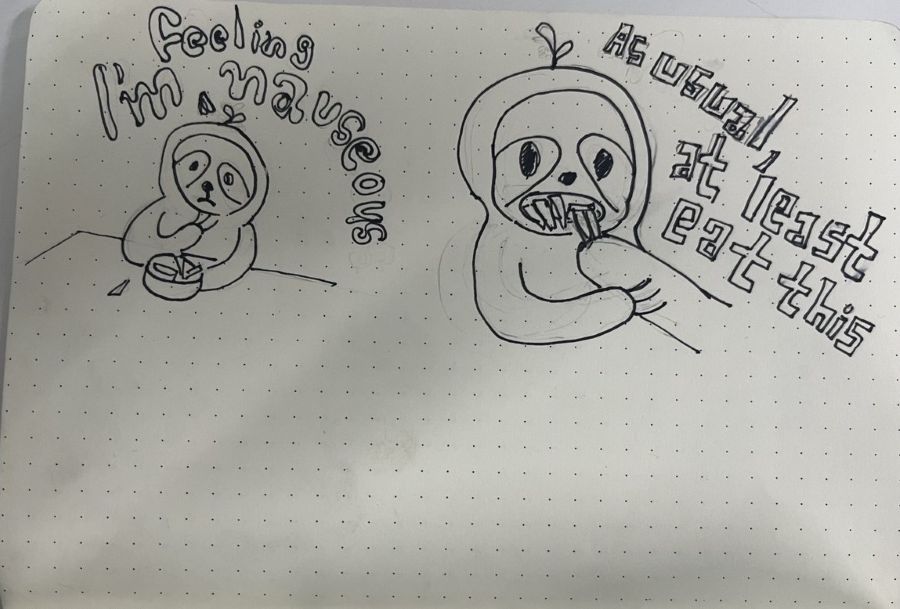
Sketching
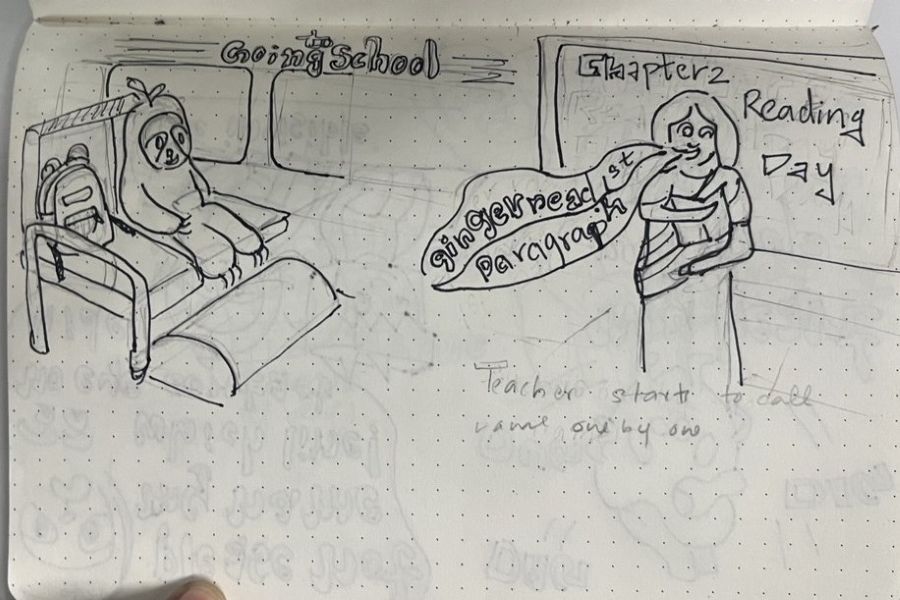
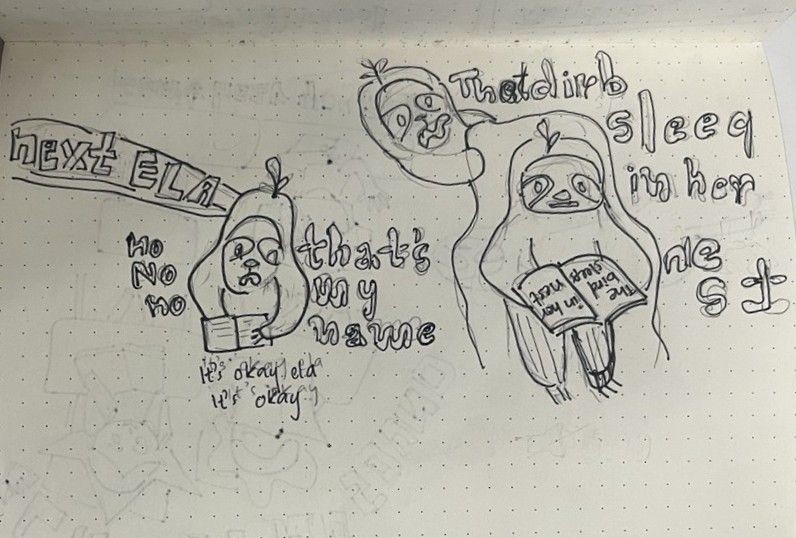
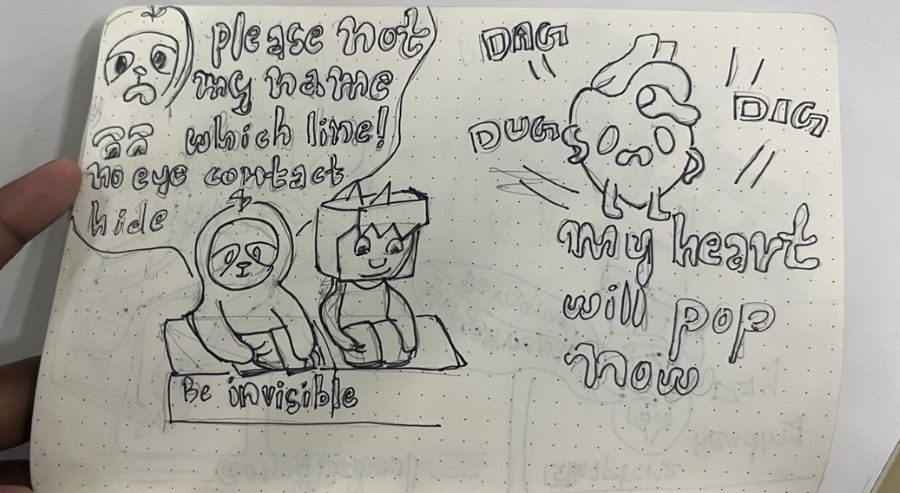
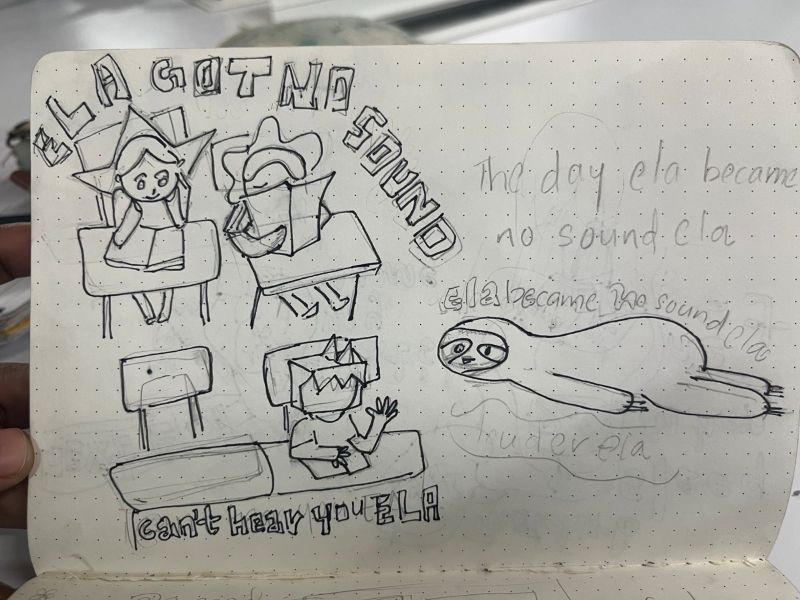
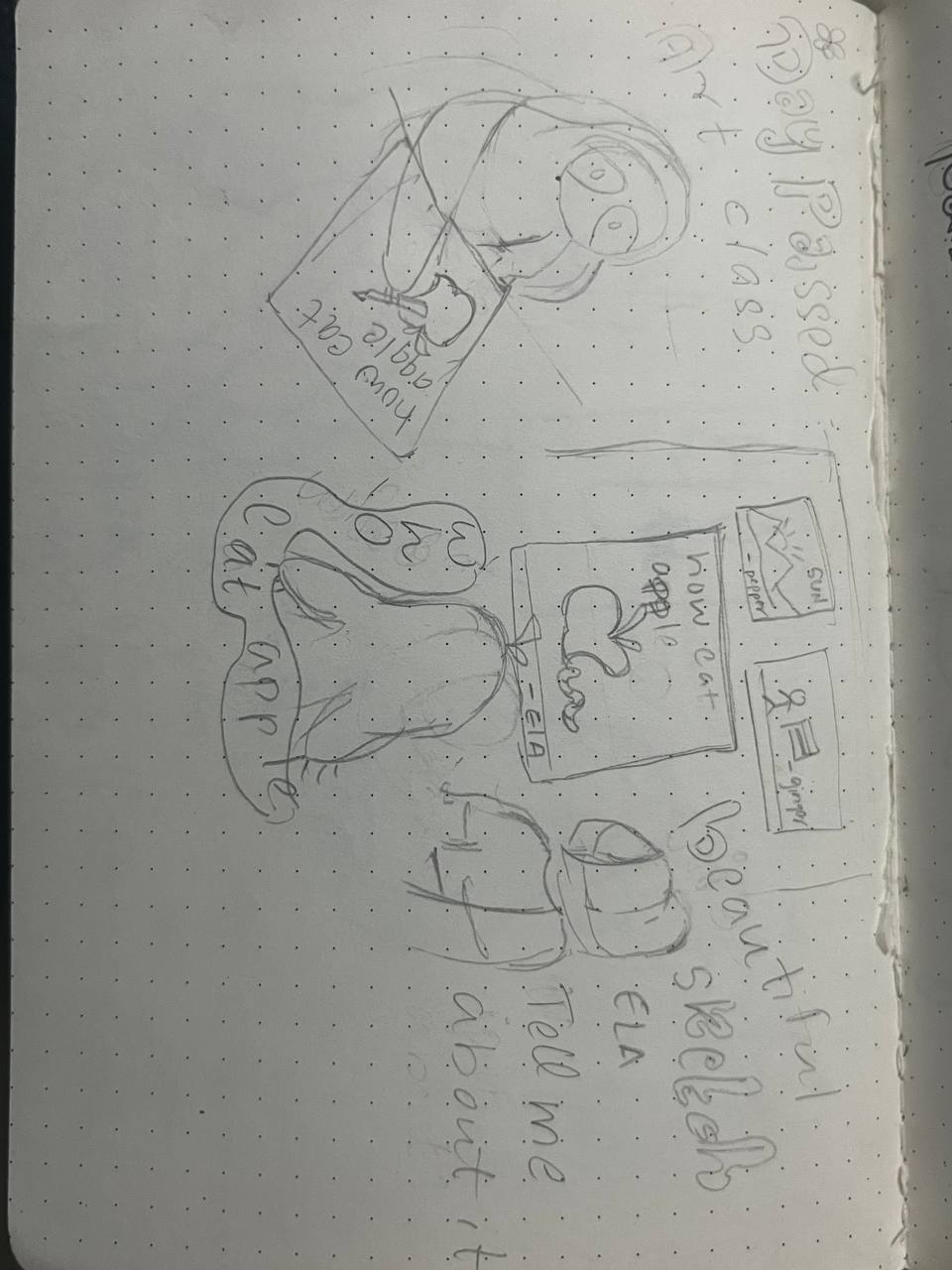
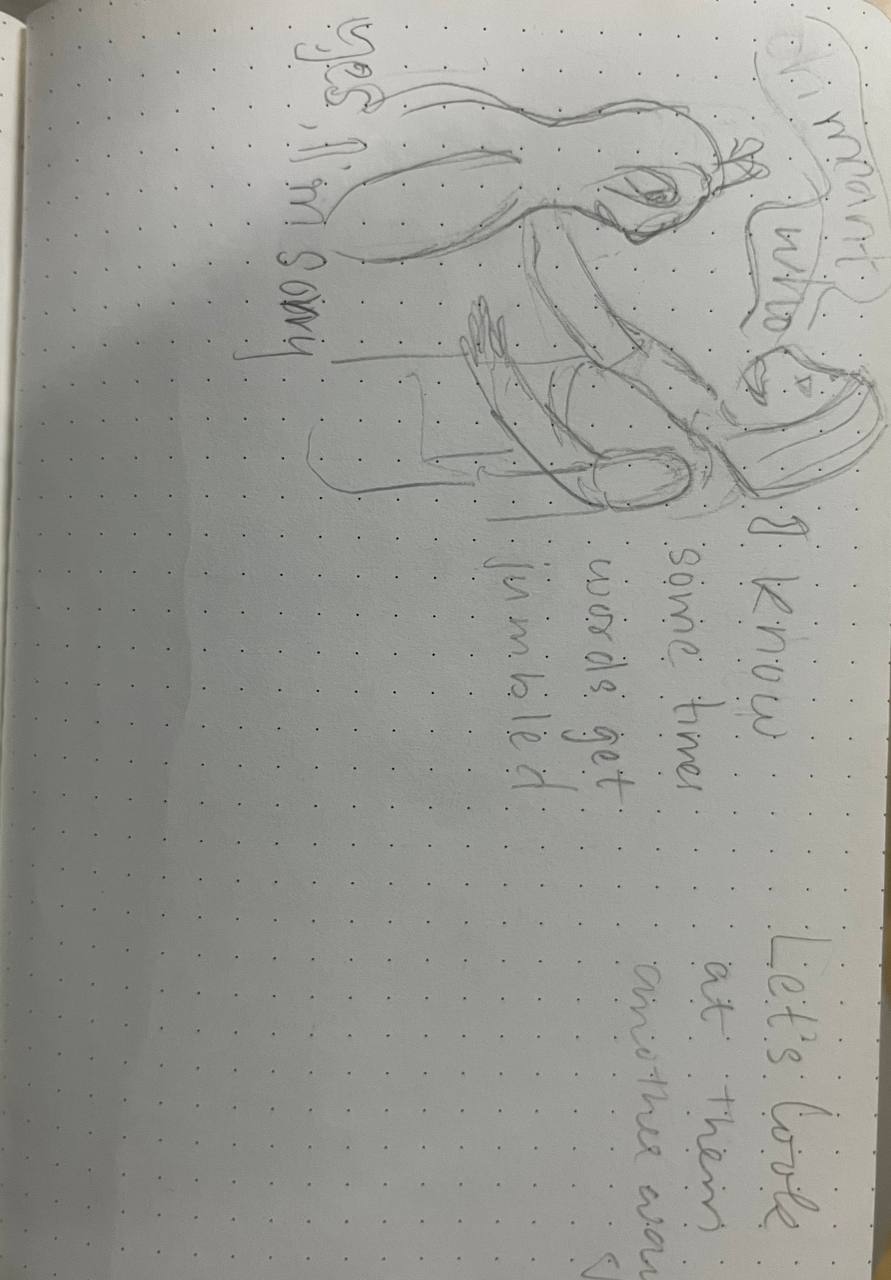
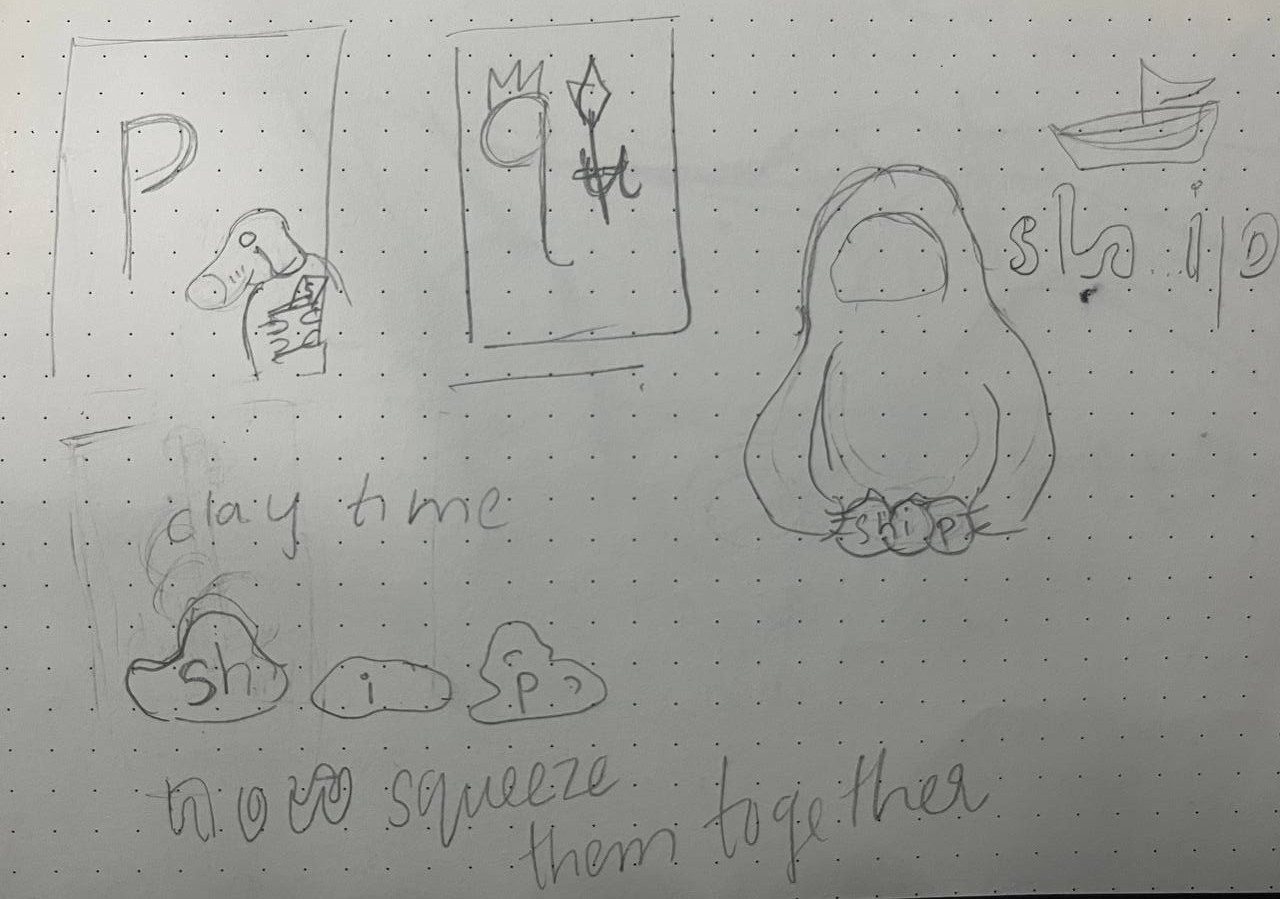
Digital Sketching: Procreate Software
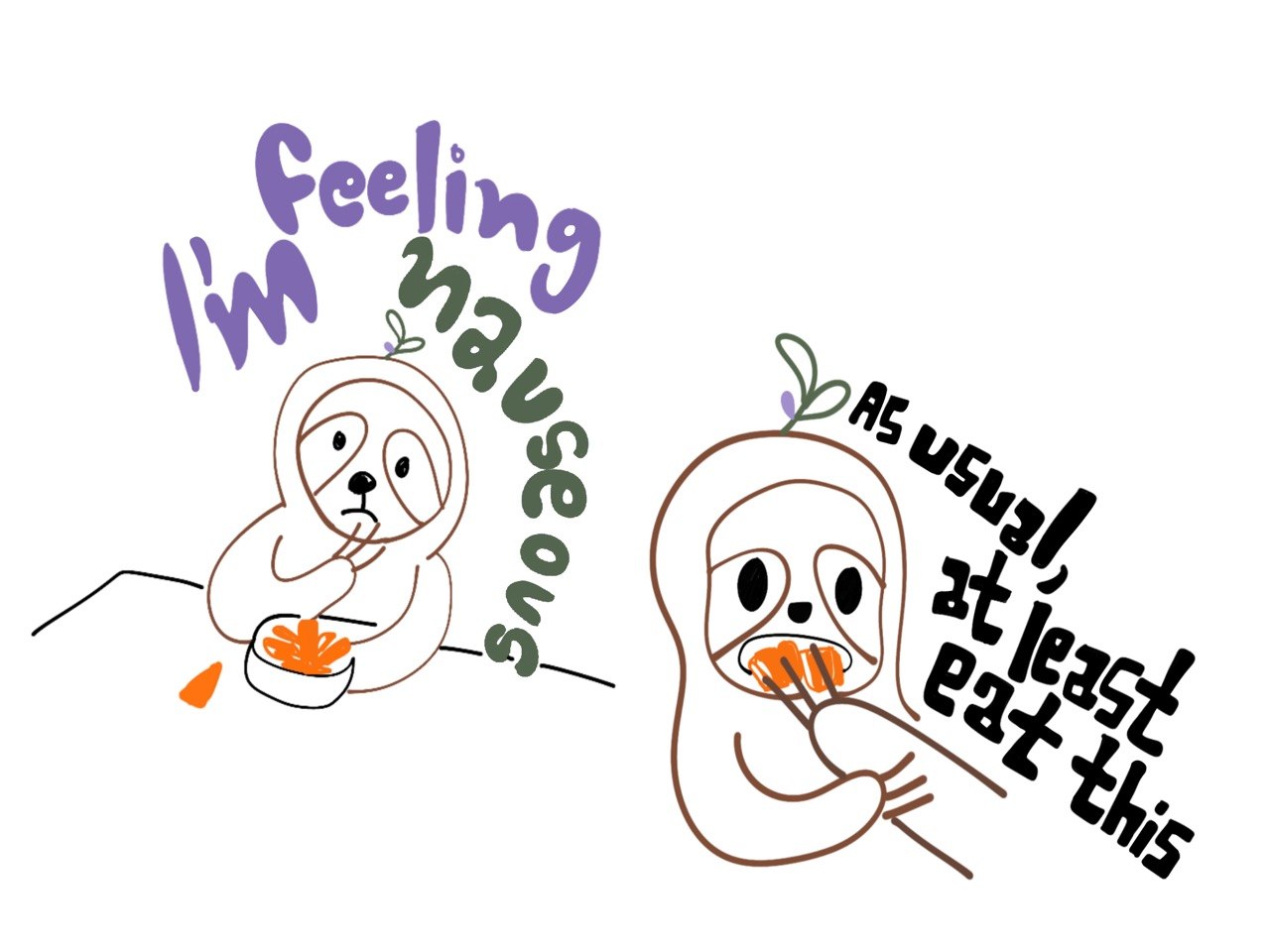
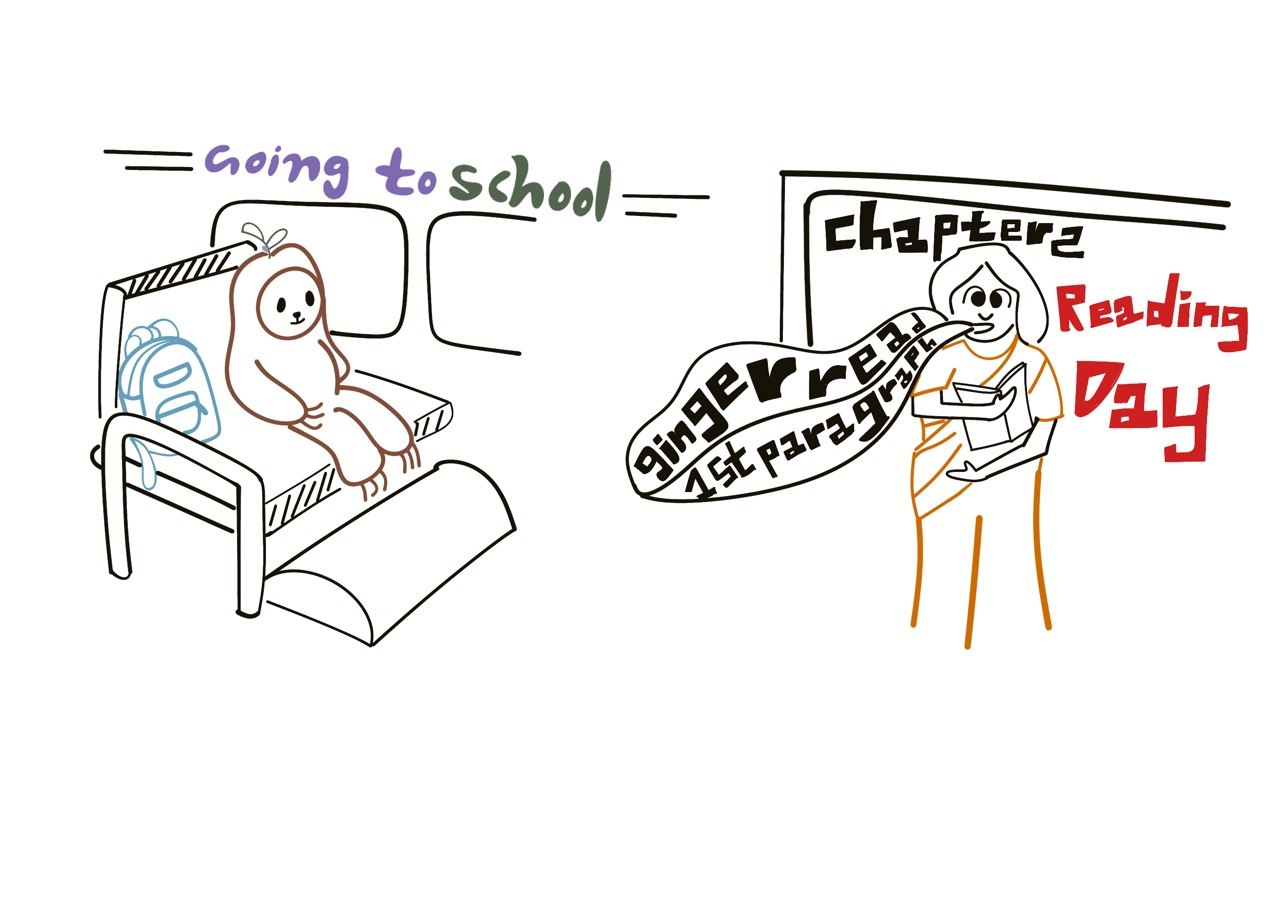
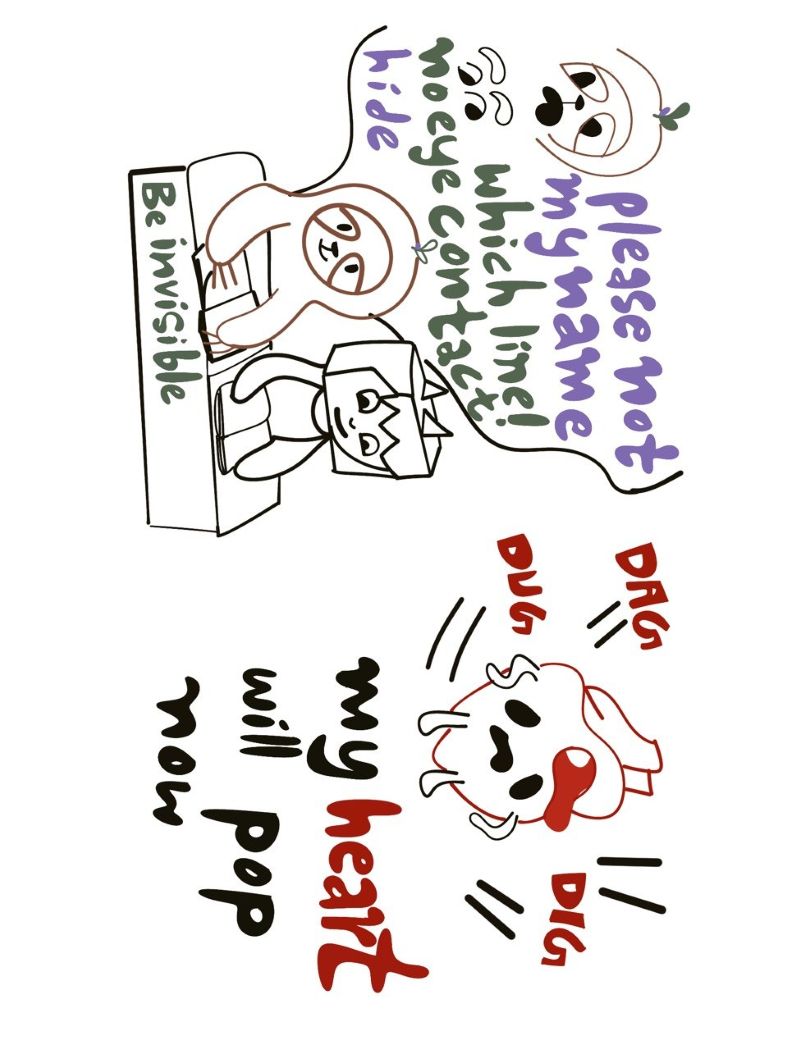
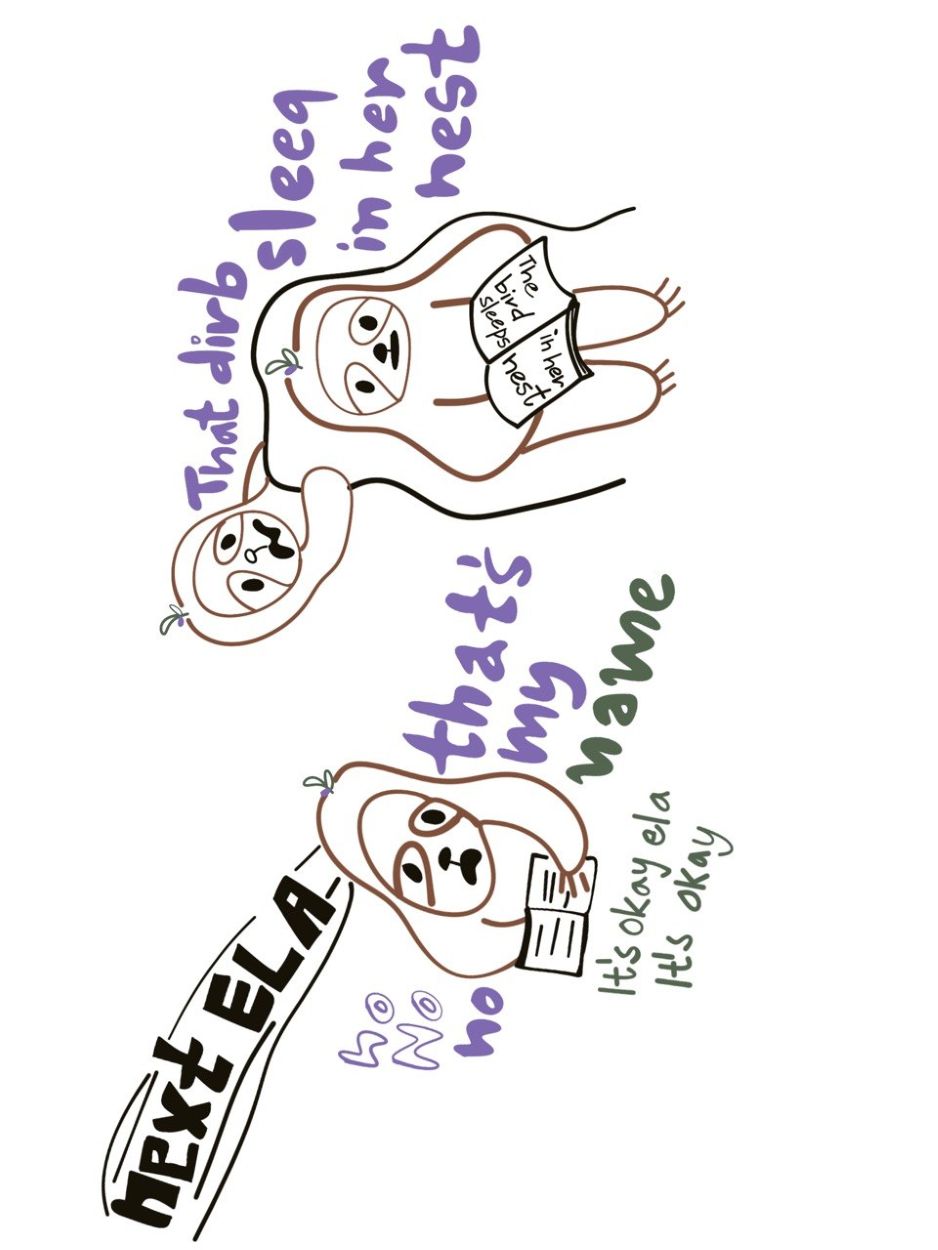
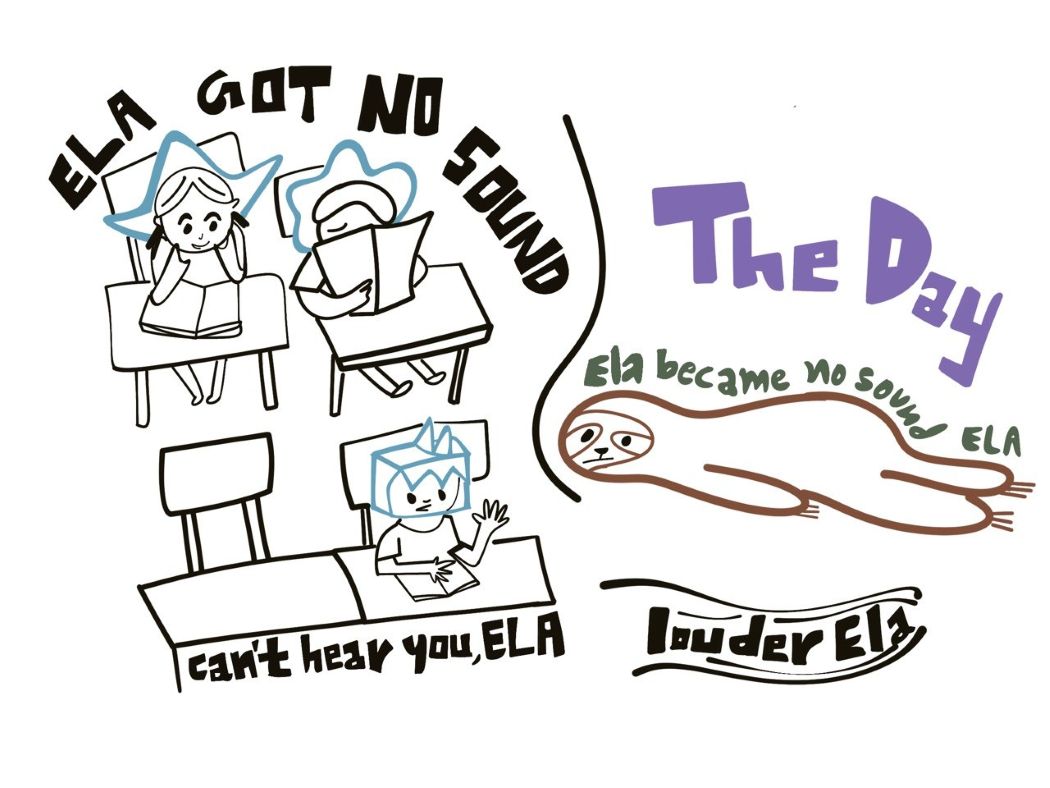
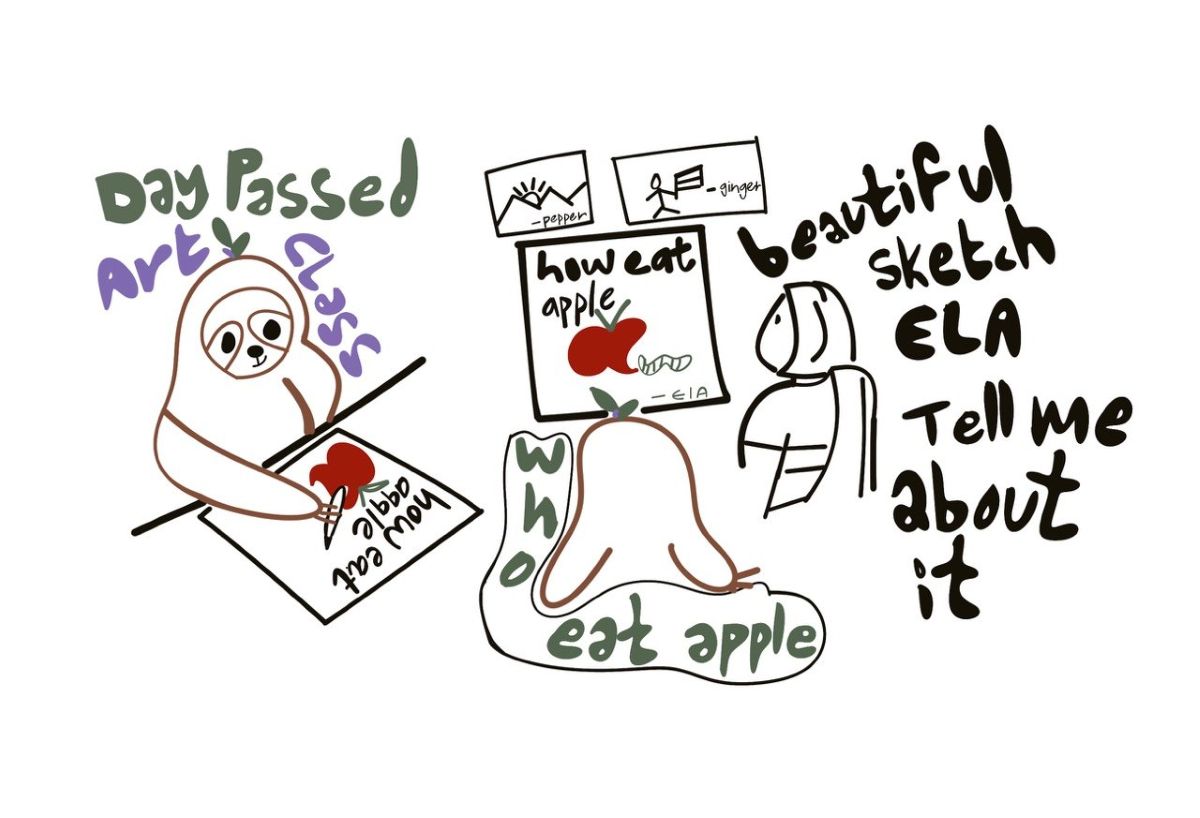
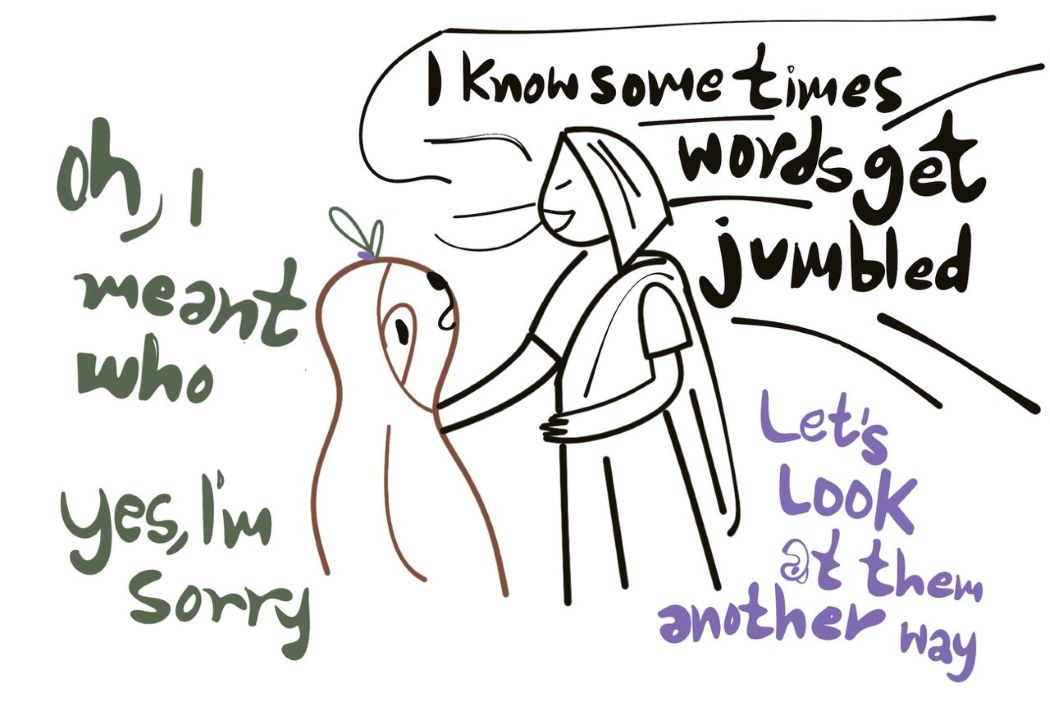
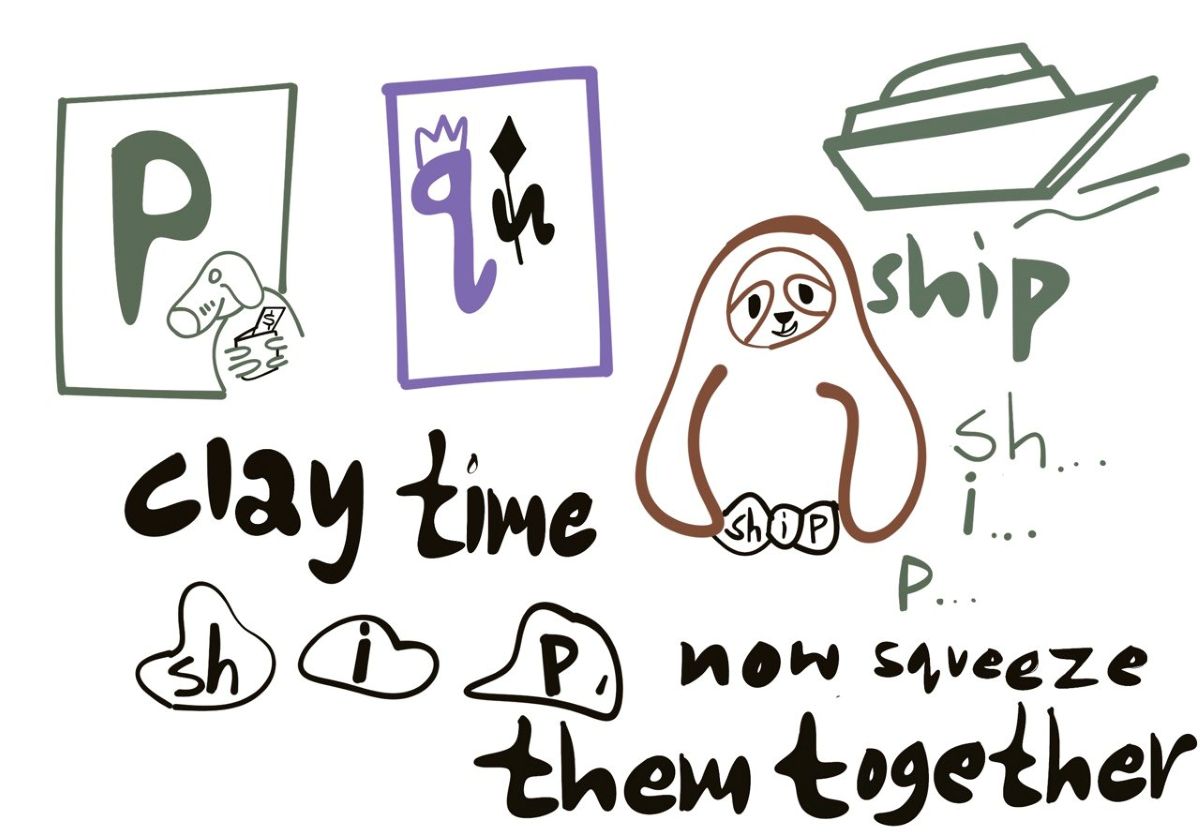
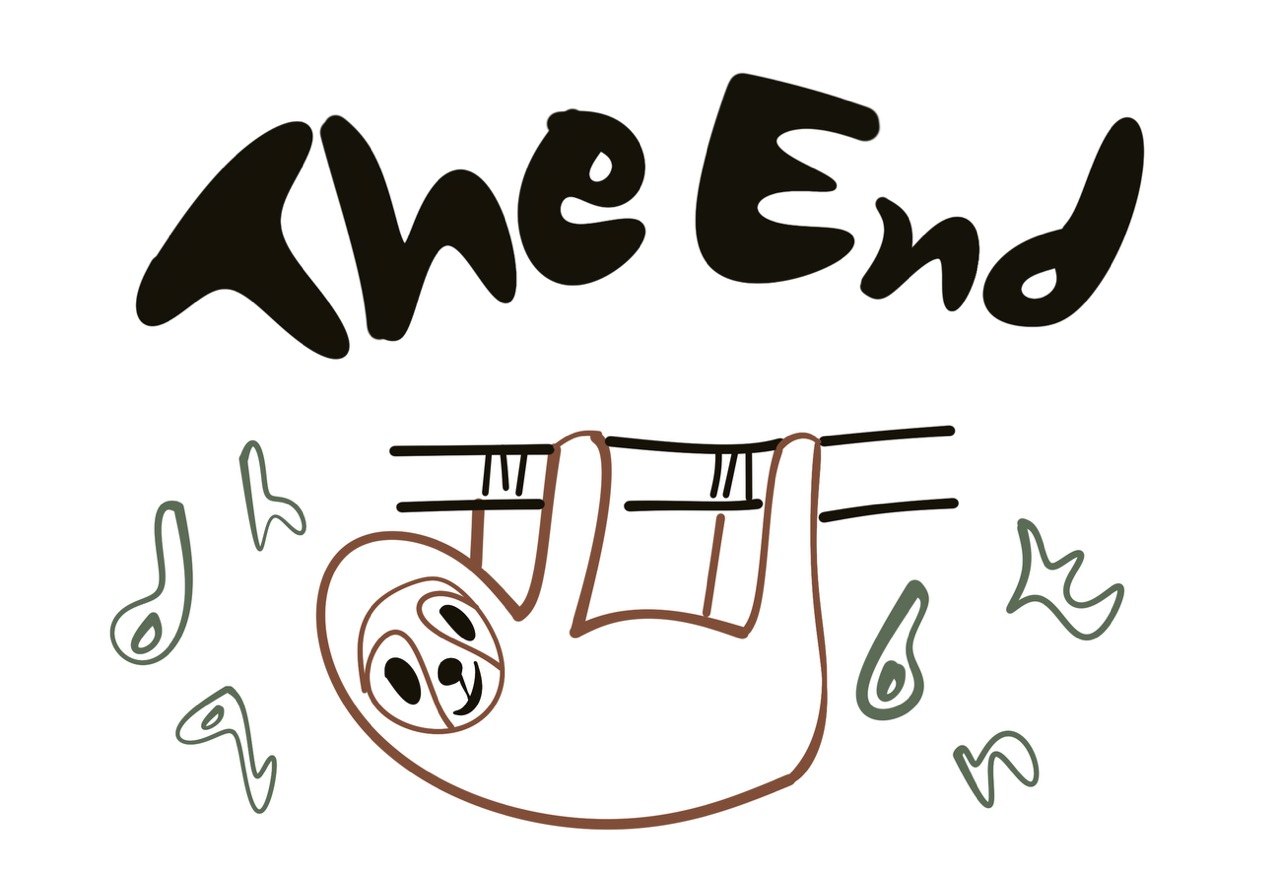
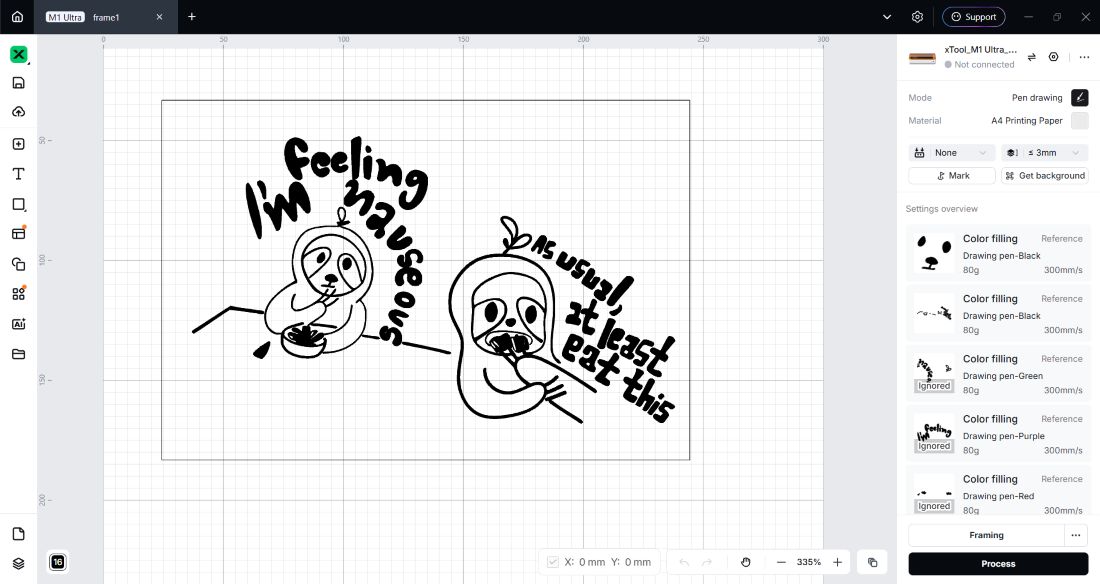
Sketching it on Gateway paper roll: Xtool M1 ultra
xTool Creative Space software
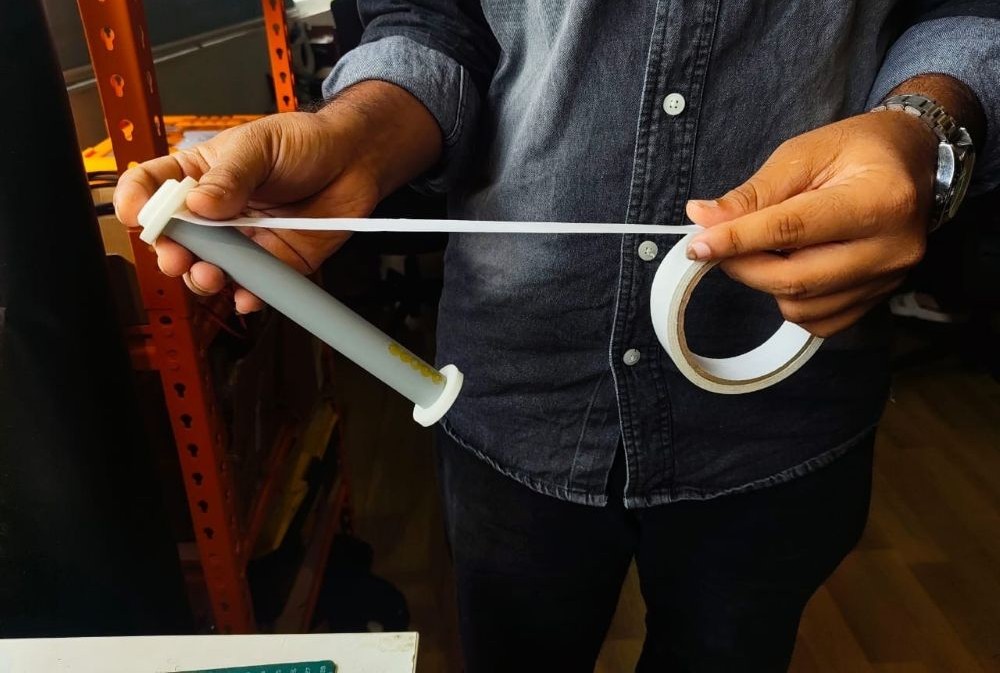
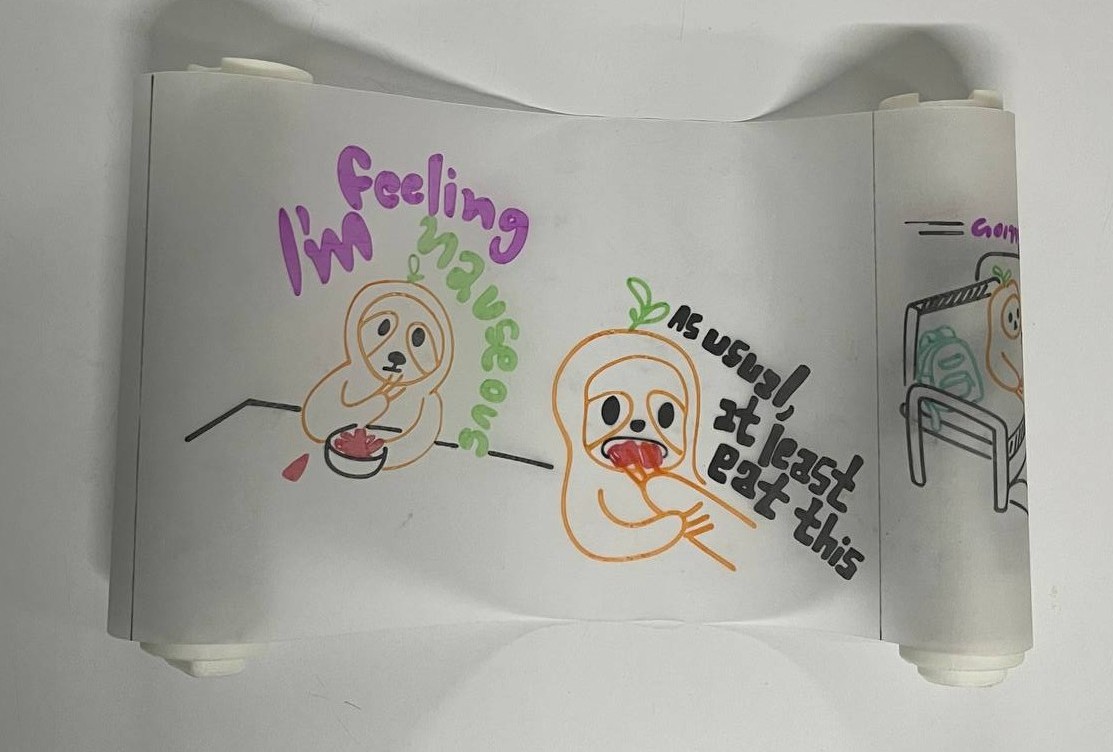
Testing and iterating the mechanism:
what have you learned?
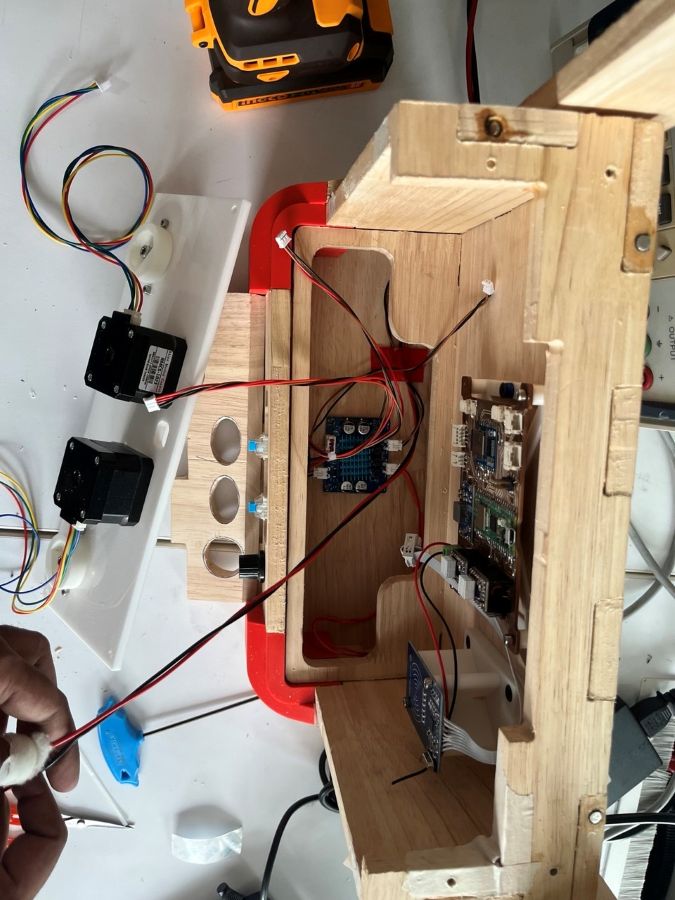
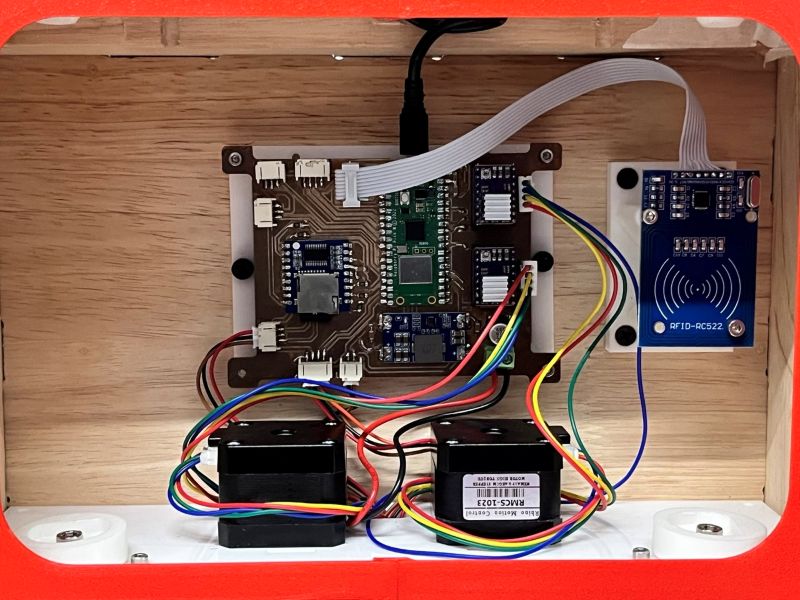
The most challenging part for me was integrating the electronics and mechanical design, mounting them on the enclosure.
I had almost no knowledge about mounting electronics inside an enclosure.
I always wondered why products like TV remotes have screws, slots, chamfers, and different types of mounts,
but I didn't really have a understanding on how do we know where to put these and their purpose.
During this project, I learned how to think about mounting PCBs, choosing screws, designing supports, adding clearances, and deciding where different features should be placed.
Although my instructor explained different ways to mount the electronics and PCB, what I interpreted and imagined from those explanations was quite different from the actual design
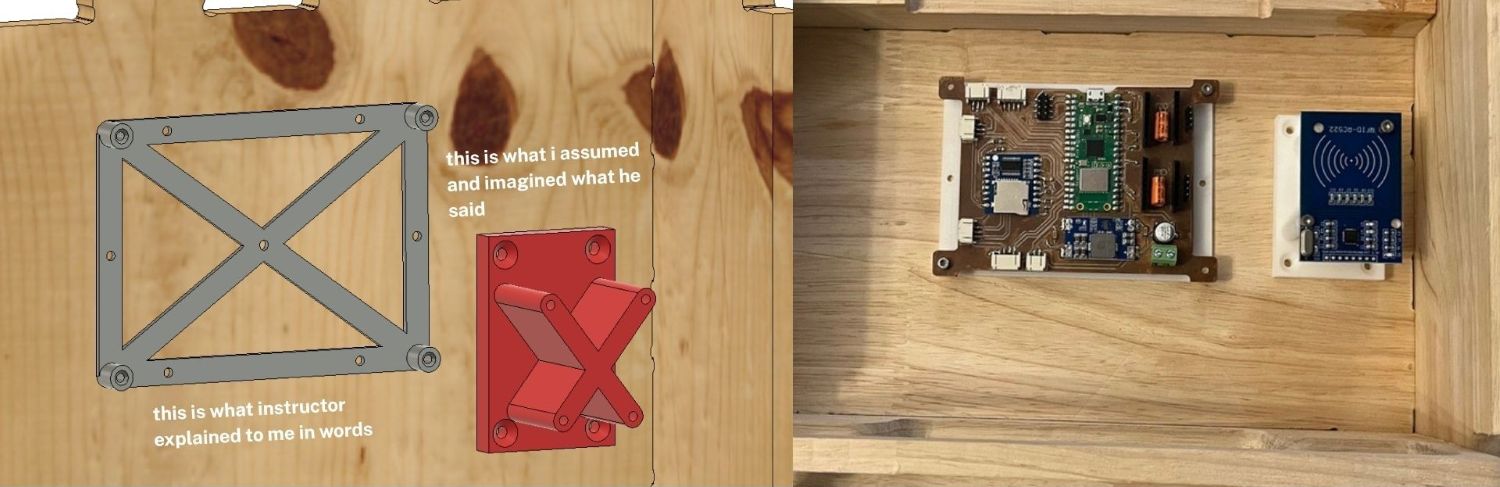
Through designing, fabricating, testing, and making mistakes, I gradually understood these concepts in a practical way. This has been one of the biggest learning experiences from my project.
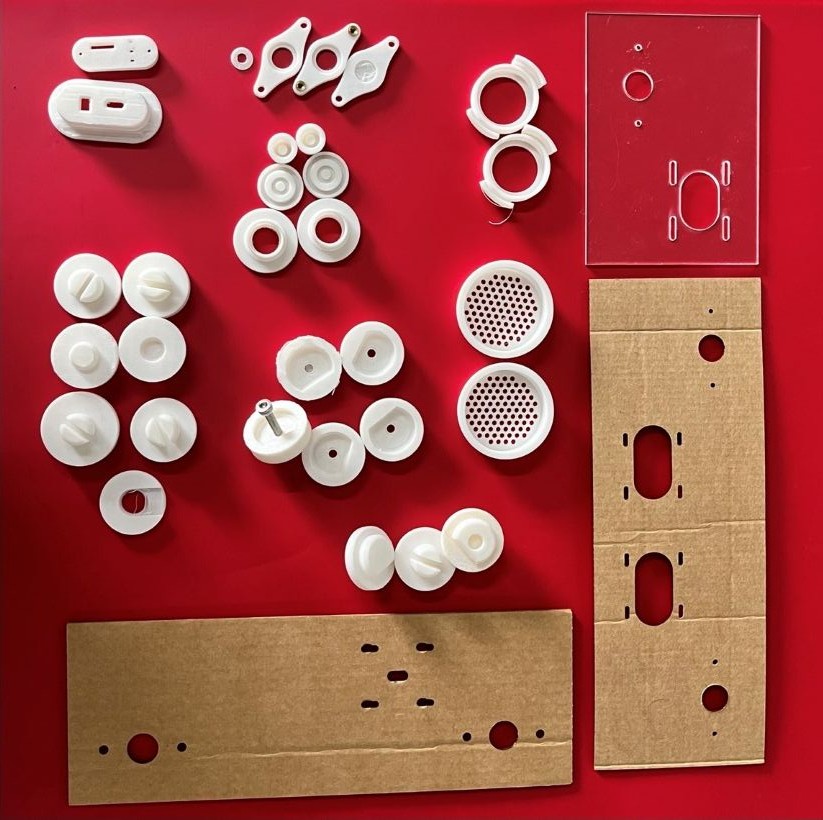
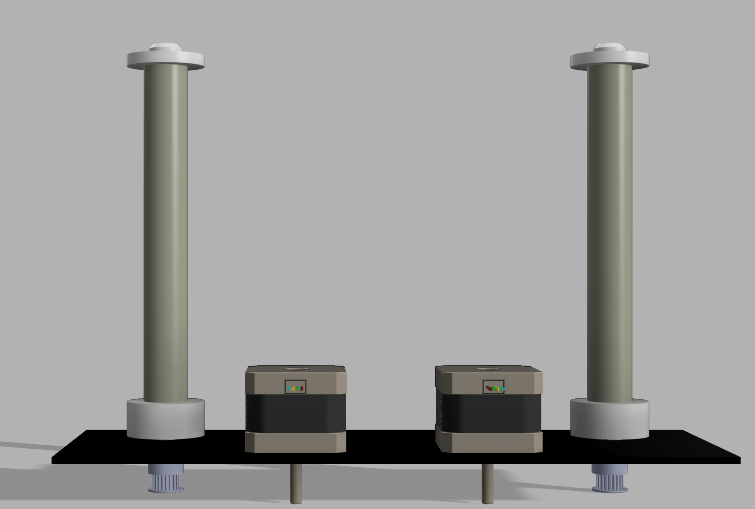
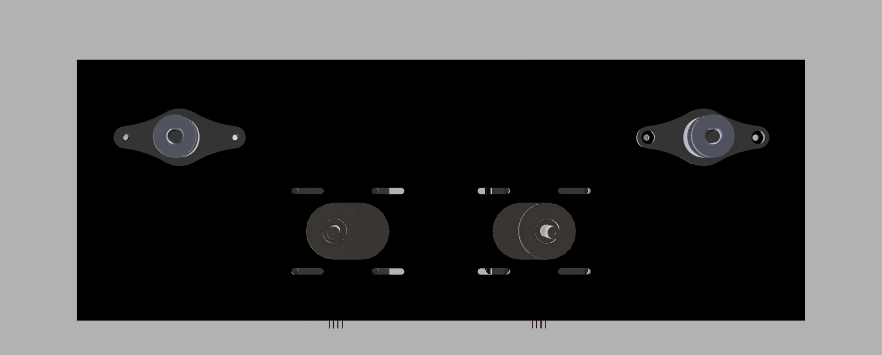
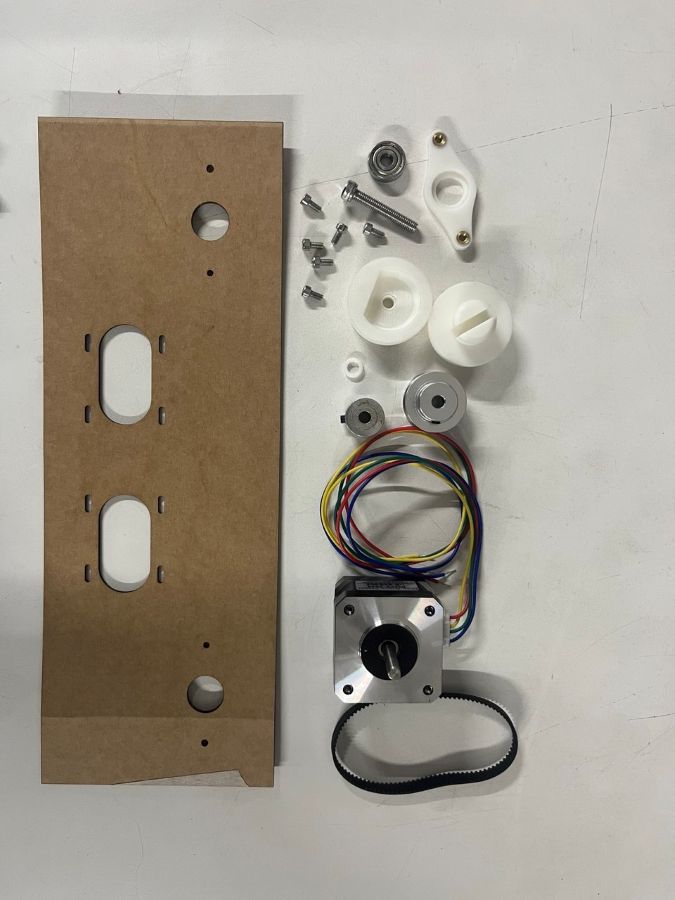
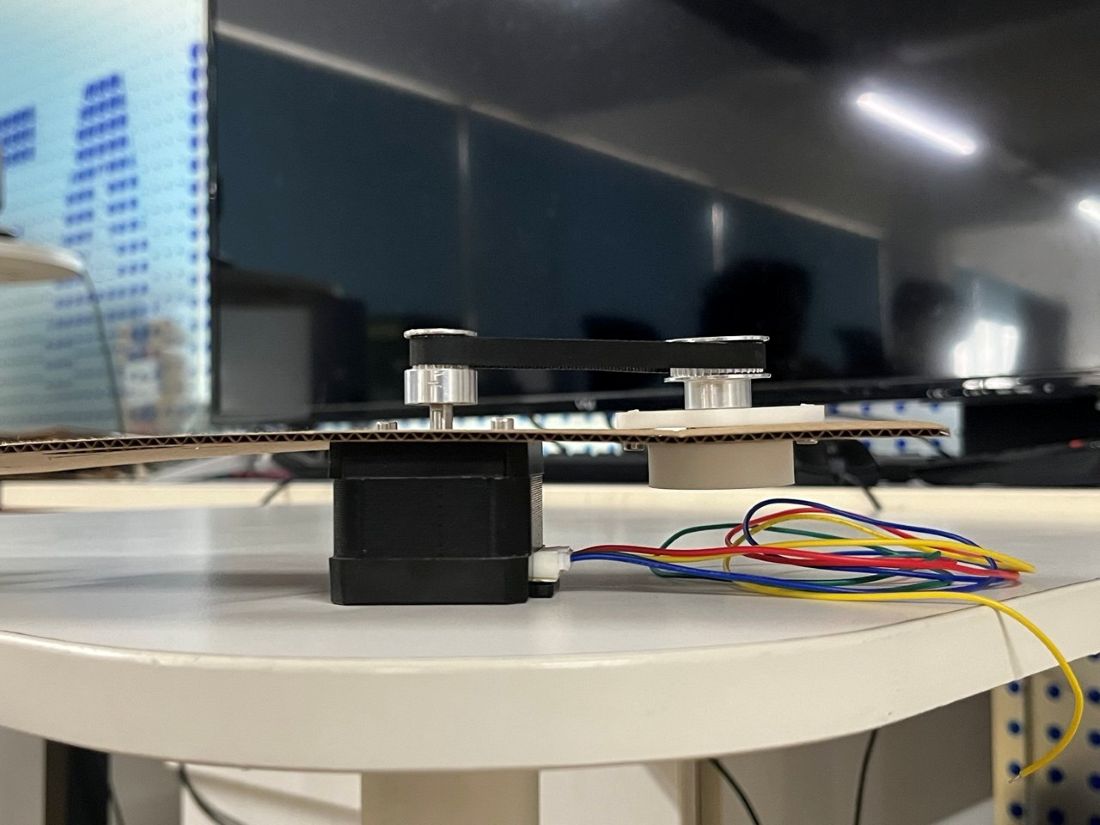
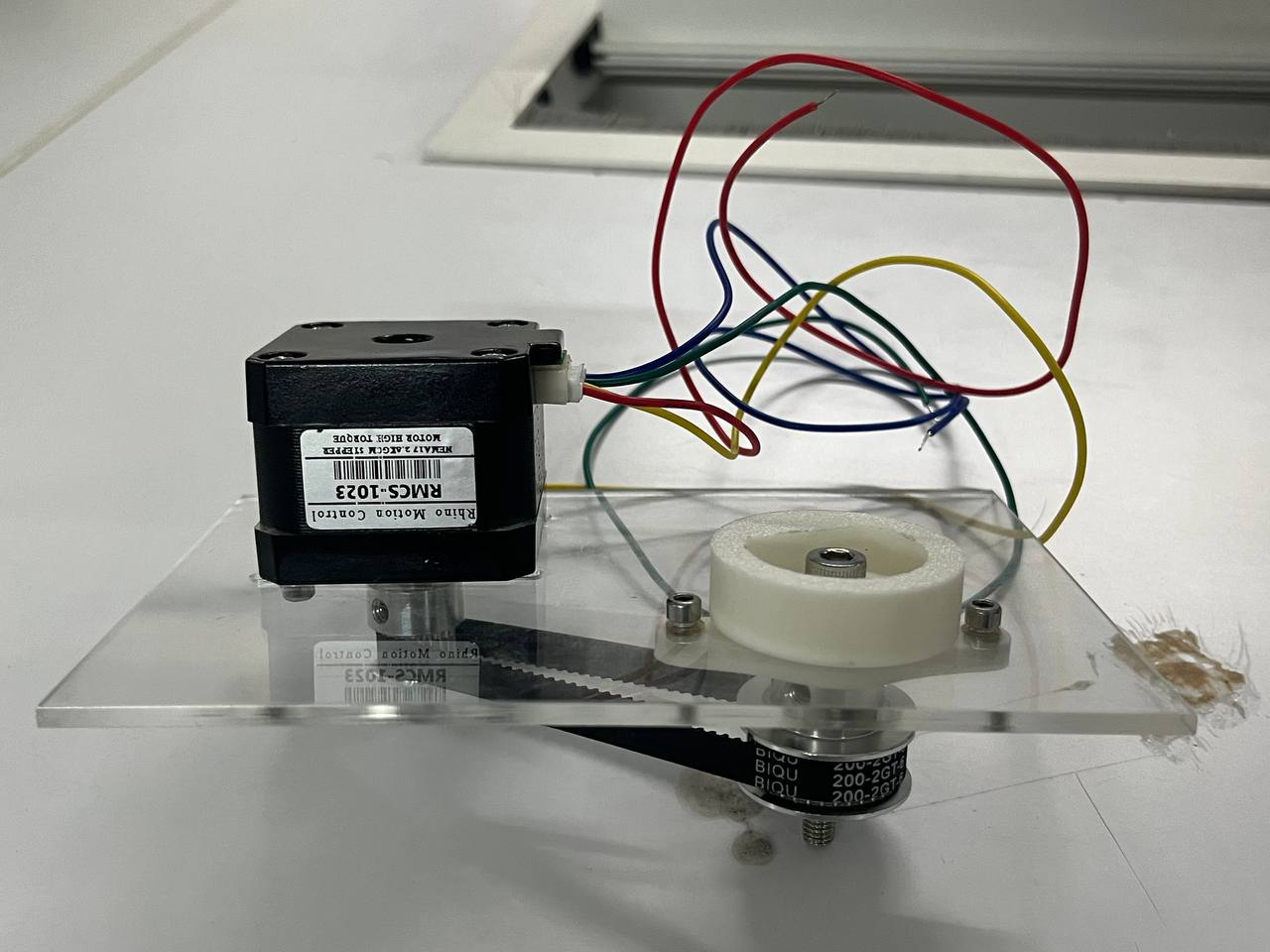
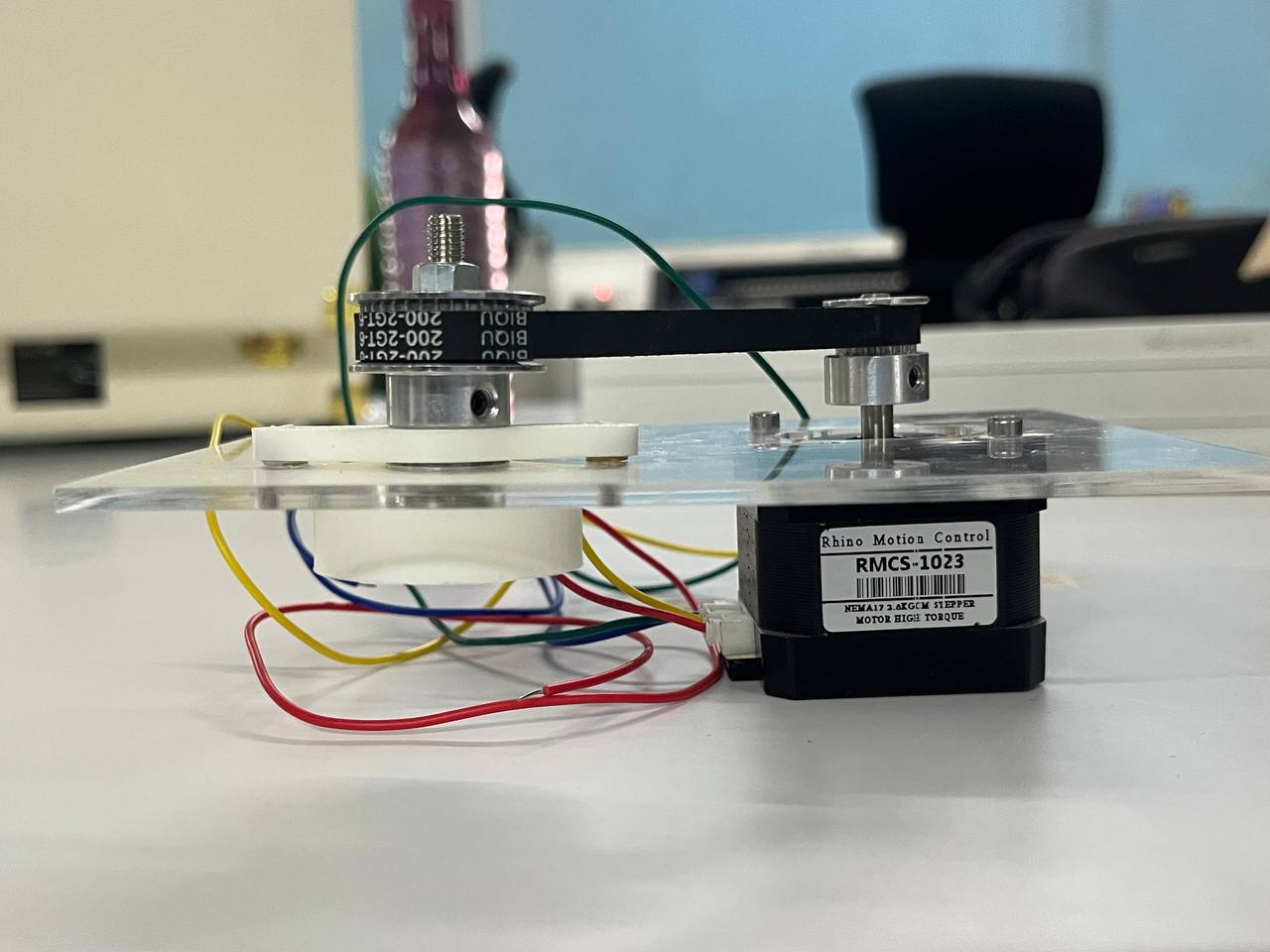
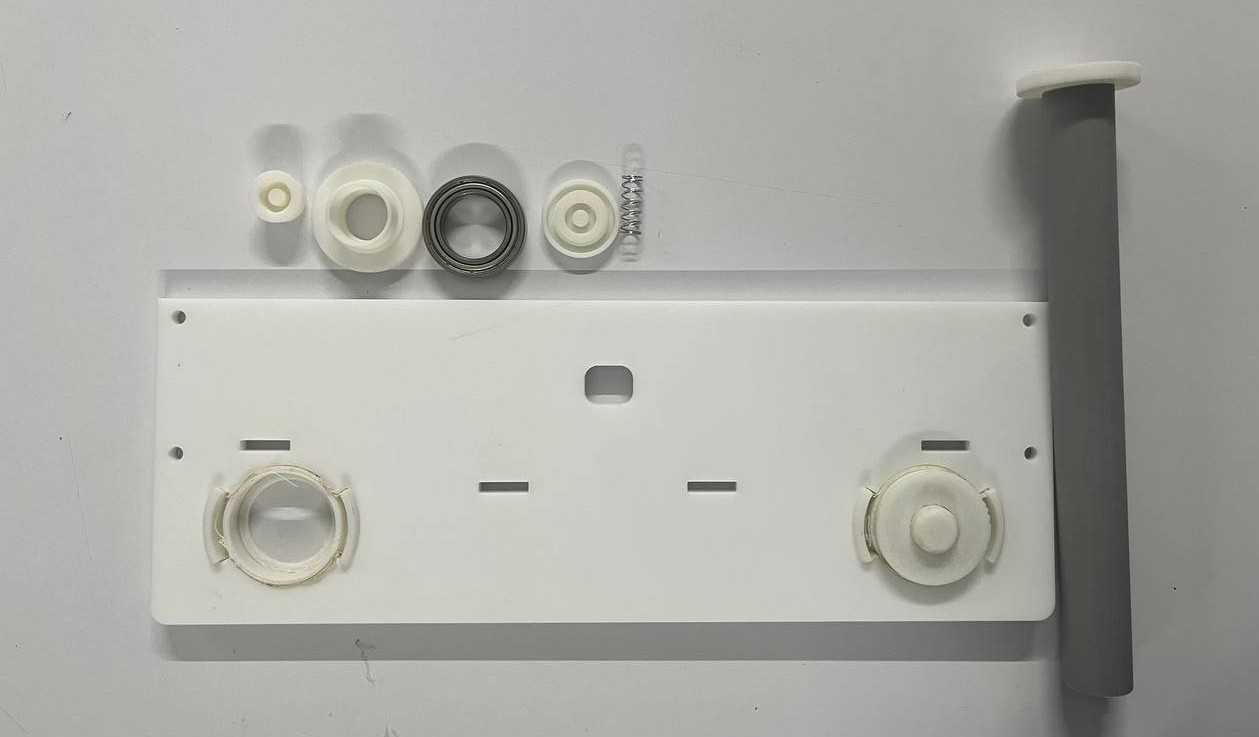
Fabrication And assembly
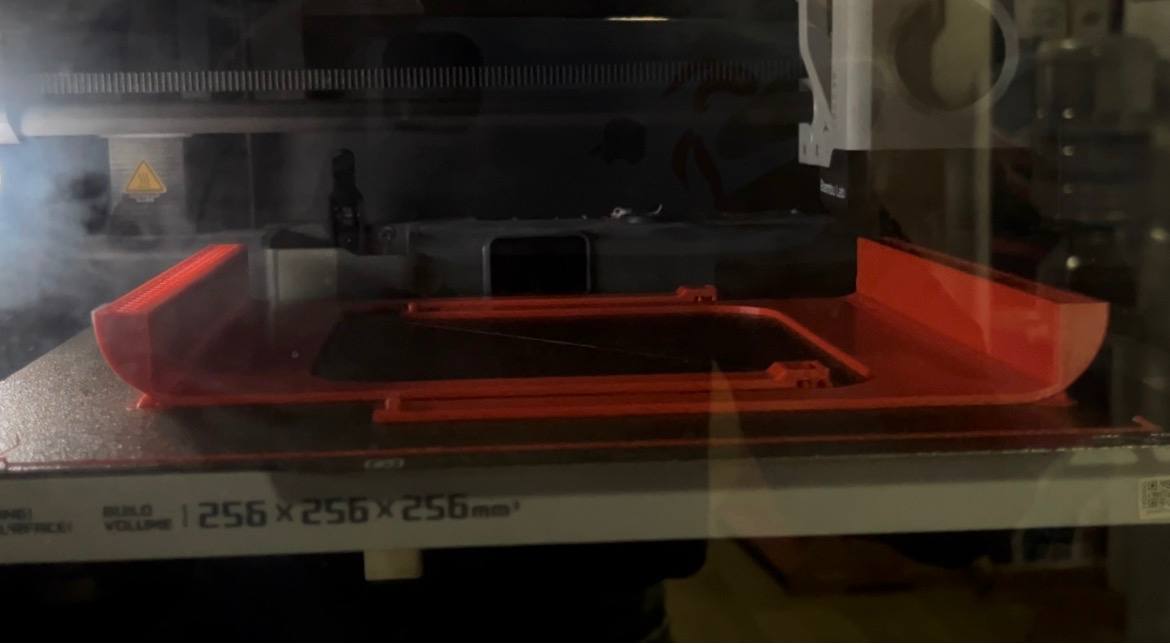
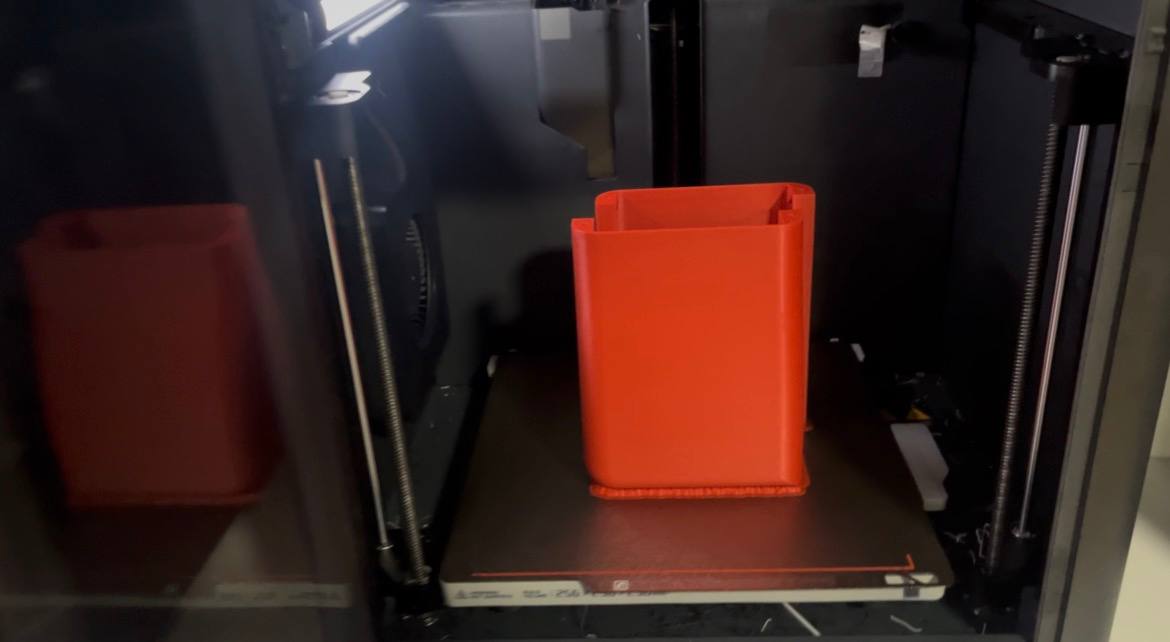
3D printing
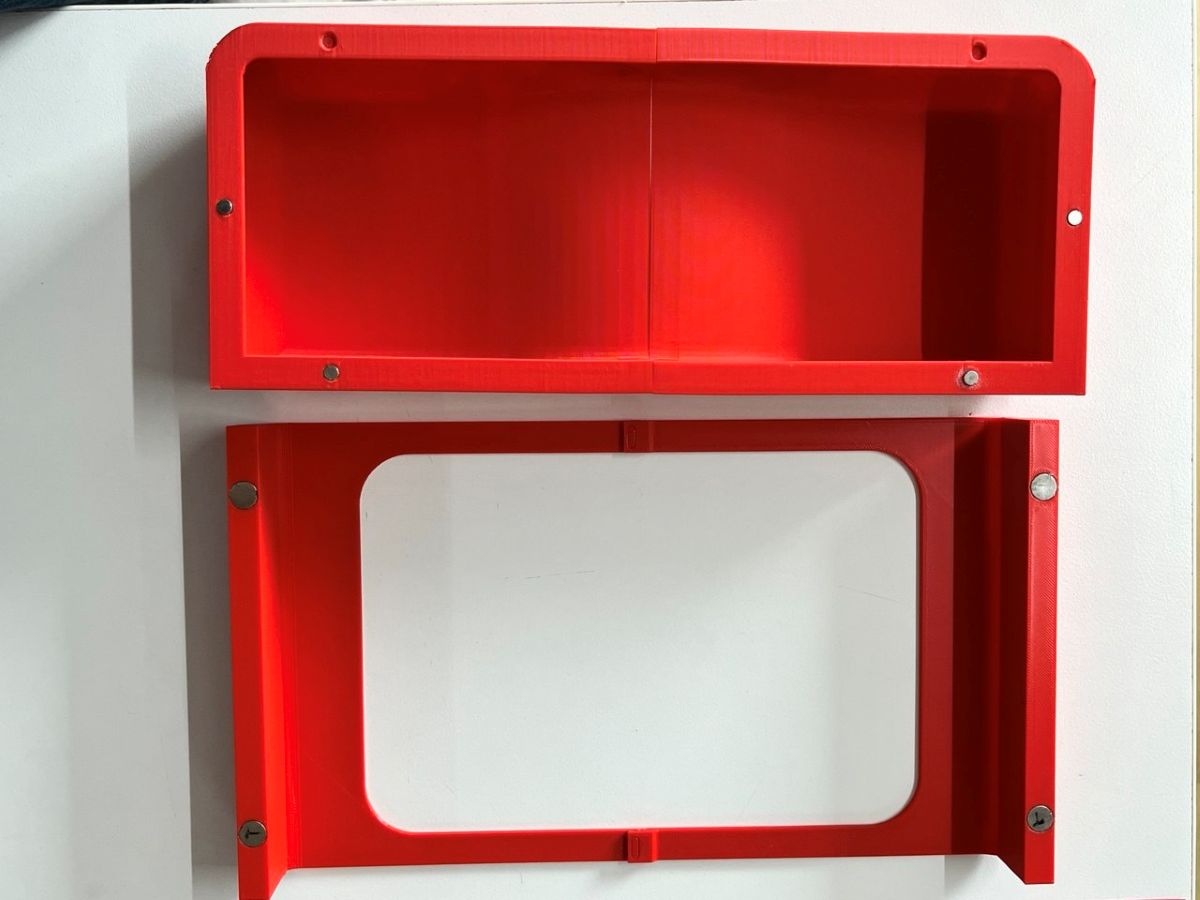
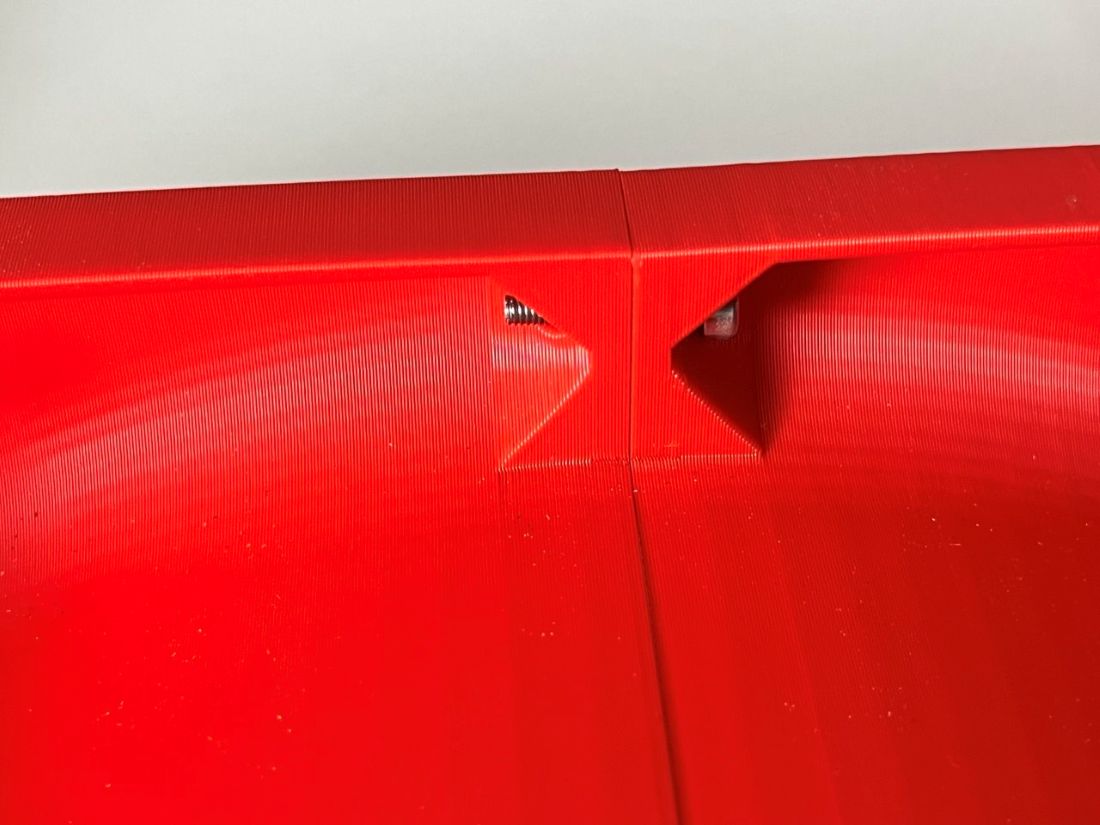
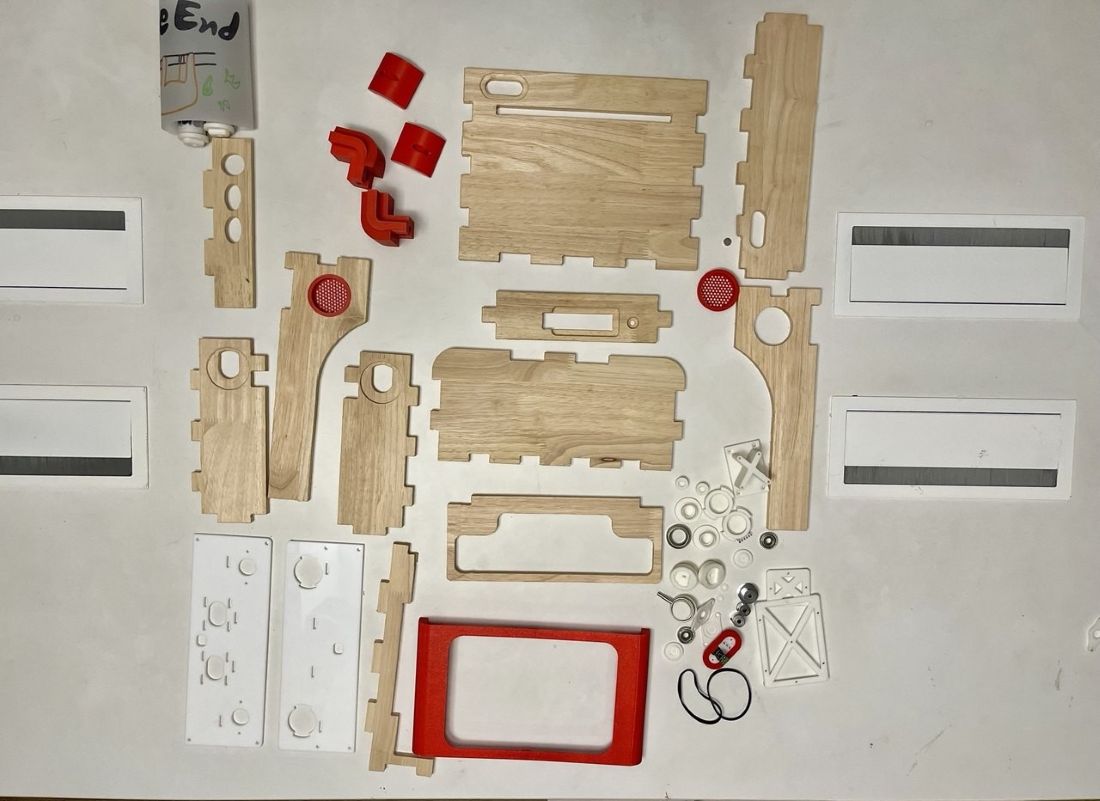
Laser cutting: acrylic sheet
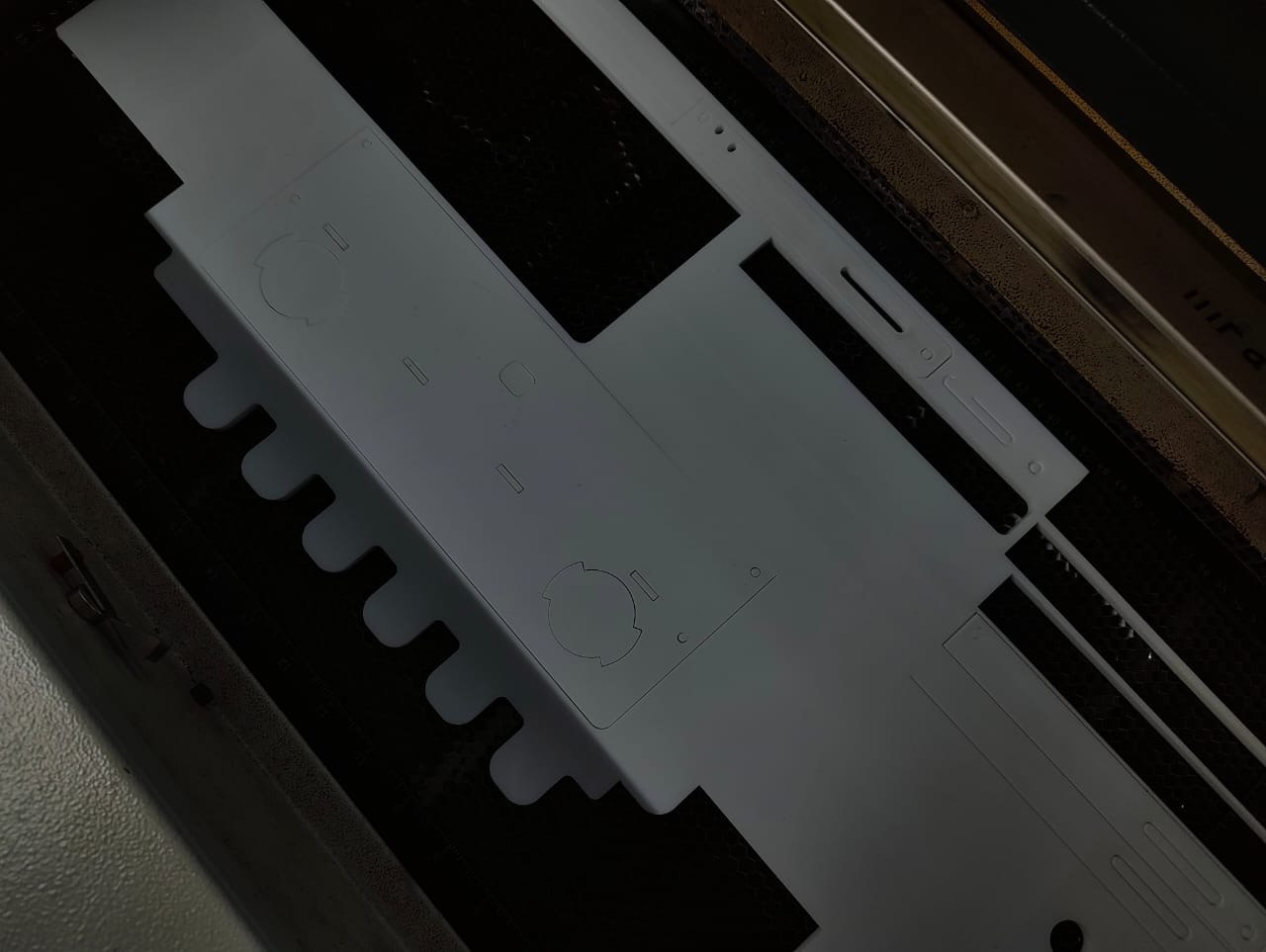
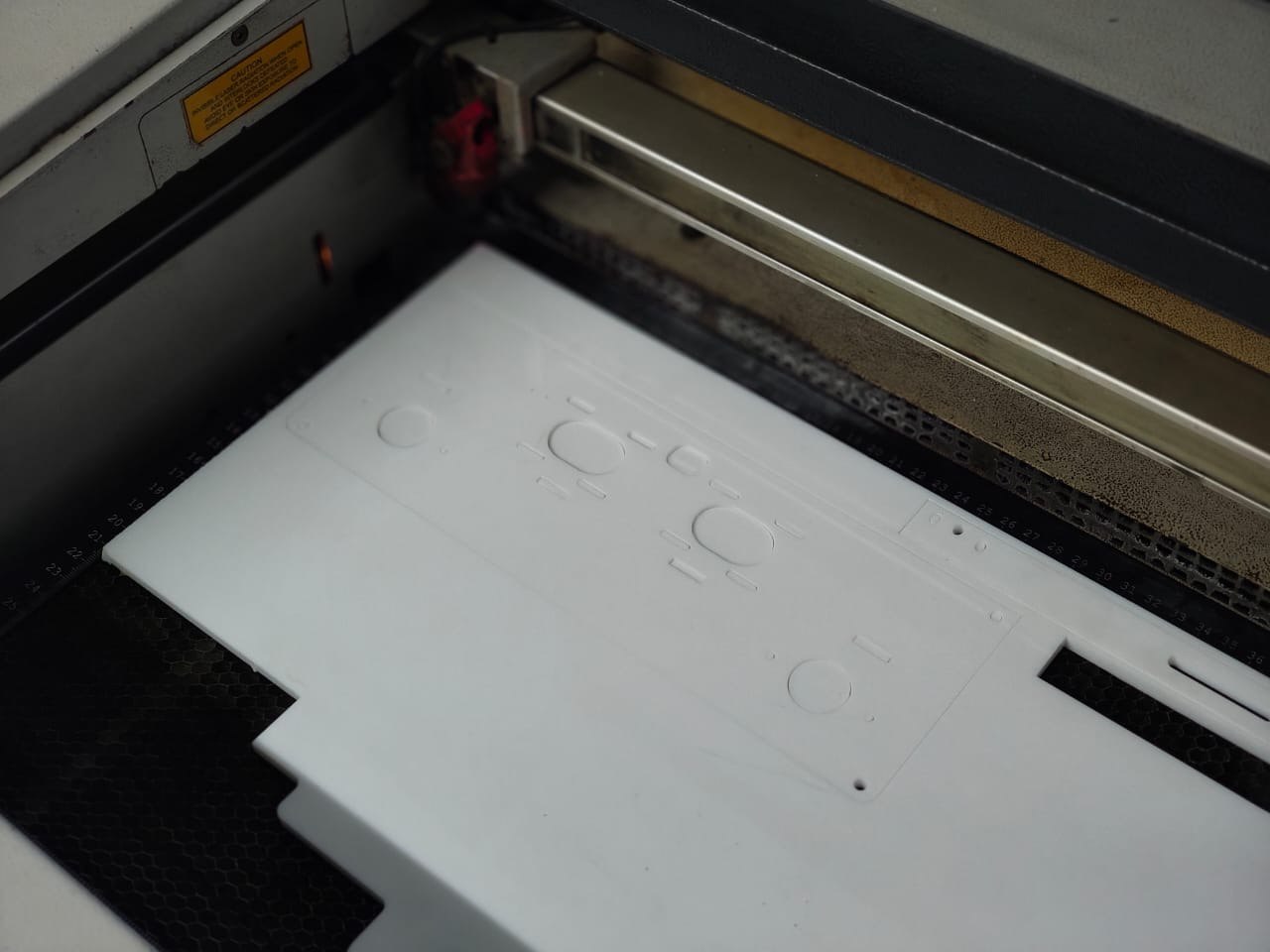
Shopbot Milling: Birchwood
Project Reality Check:
what's working? what's not? What questions need to be resolved?
What's working?
The story device mechanism is working well. It can smoothly roll the story forward and rewind it back to the beginning. The overall design has turned out close to what I had envisioned and designed. Even though there are some tolerance and clearance improvements to be made, the fabricated parts fit together quite well as planned. There is still room for improvement, but the overall assembly works as intended. Most of the mechanical system has been tested successfully.
What's not Working?
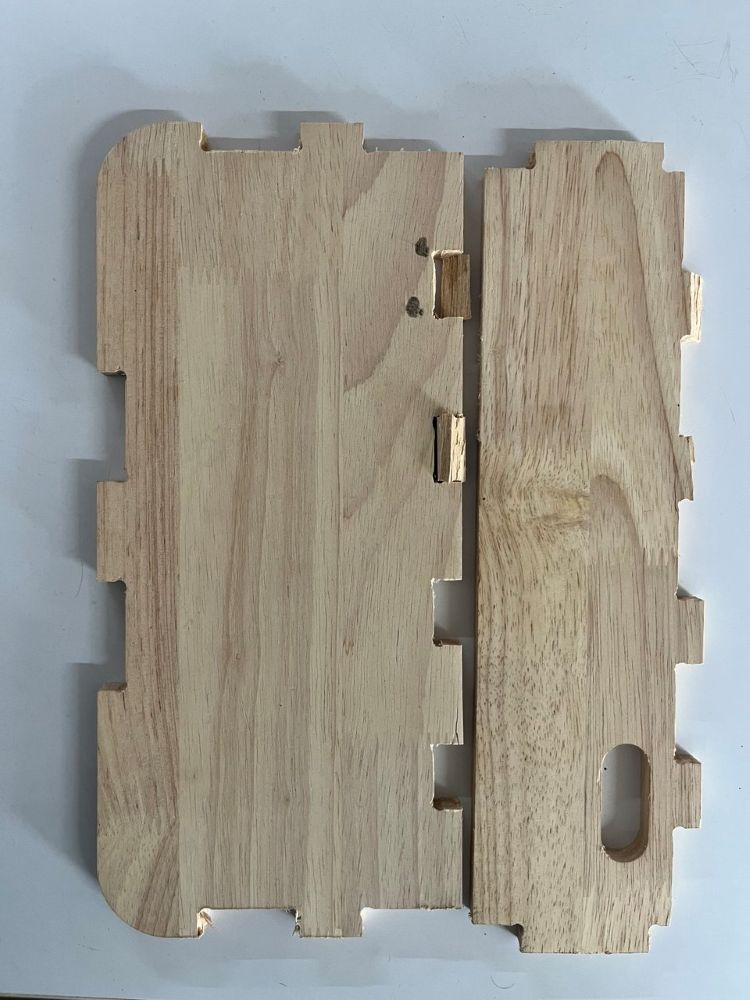
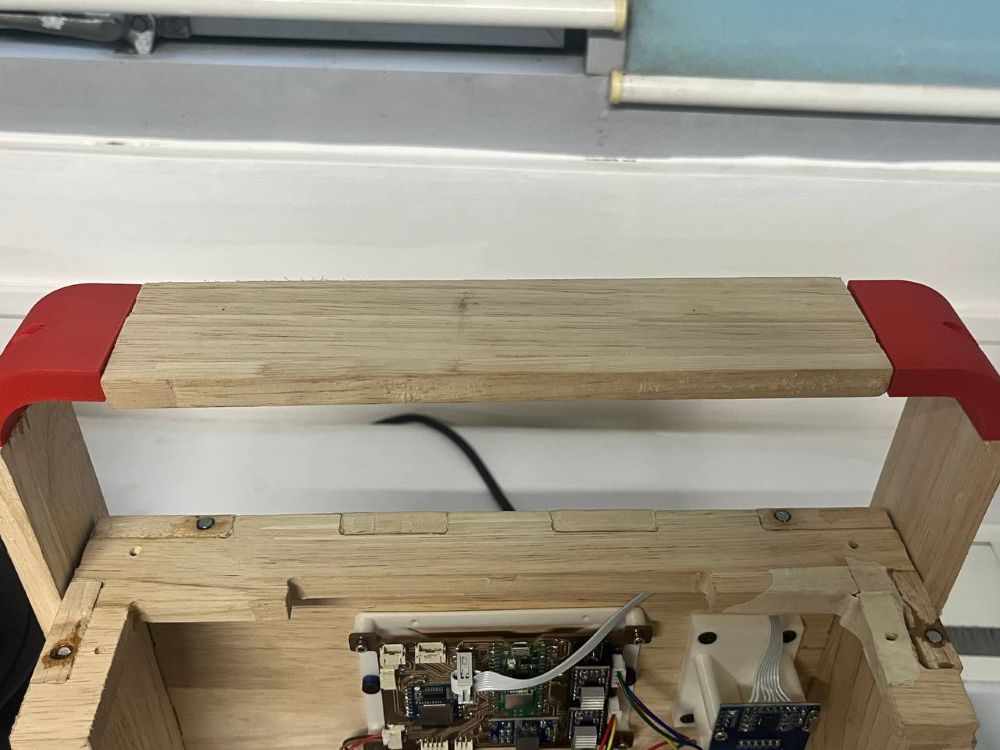
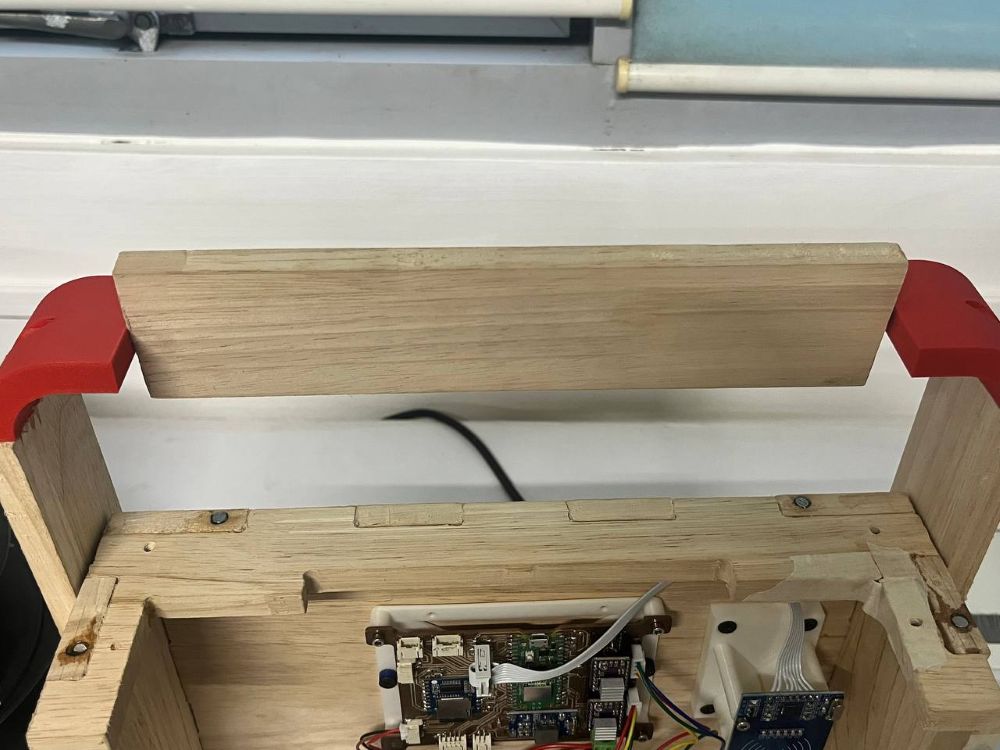
The birchwood looks aesthetically pleasing, but it is quite fragile for the structure, and some parts were damaged during assembly. During post-processing, one piece fall from my hands and edge got broken.
The handle is currently attached with only one screw, so it rotates whenever it is used. It needs an additional screw to provide better support and stability.
The RFID reader still needs to be programmed so it can identify which story roll has been inserted
and play the corresponding story. This has not been a problem so far because
I currently have only made one story and one story roll for testing.
The audio system was working earlier but now requires troubleshooting.
The puppet has not yet been fabricated or integrated with the device,
so the synchronized puppet storytelling is not working at this stage.
What questions need to be resolved?
- As of now, I have only left an I2C connection on the main board for the puppet and yet to decide what should the final form of the puppet be?
- How should the puppet be designed and integrated with the device?
- How can the puppet's movements and actions be synchronized with the audio narration?
- How should the RFID system be programmed to identify different story rolls and play the correct story?
- How can the handle be redesigned to prevent it from rotating during use?