Week 18: Invention, Intellectual Property, and Income
Basil Abraham took a class on invention and intellectual property.
Invention
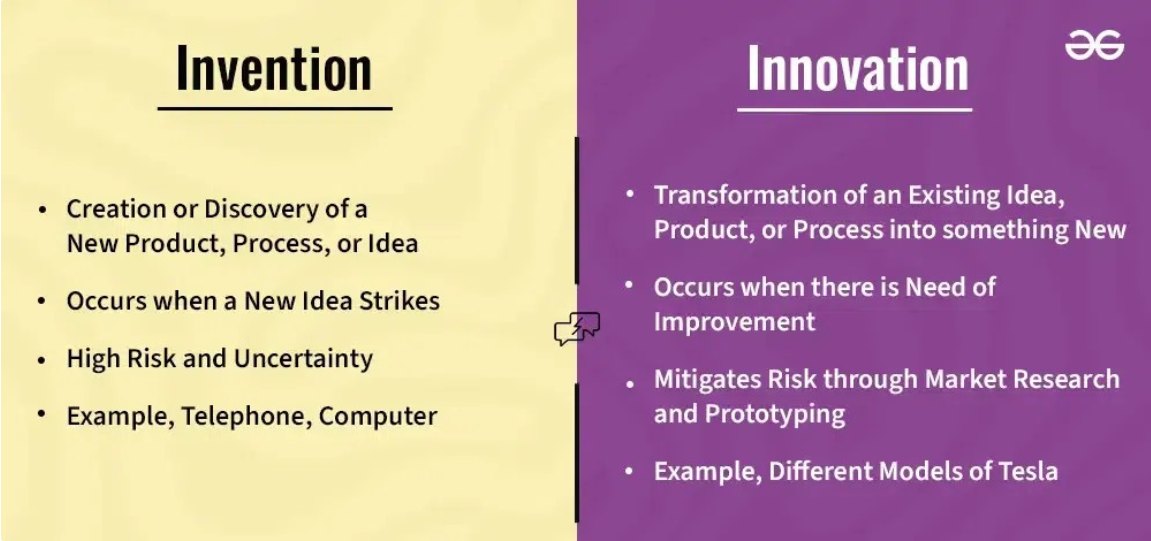
An invention is something new that is created to solve a problem or make life easier. It can be a product, machine, process, or idea that has not existed before. Inventions are developed using creativity, knowledge, and hard work.
 source
Invention vs Innovation
 source
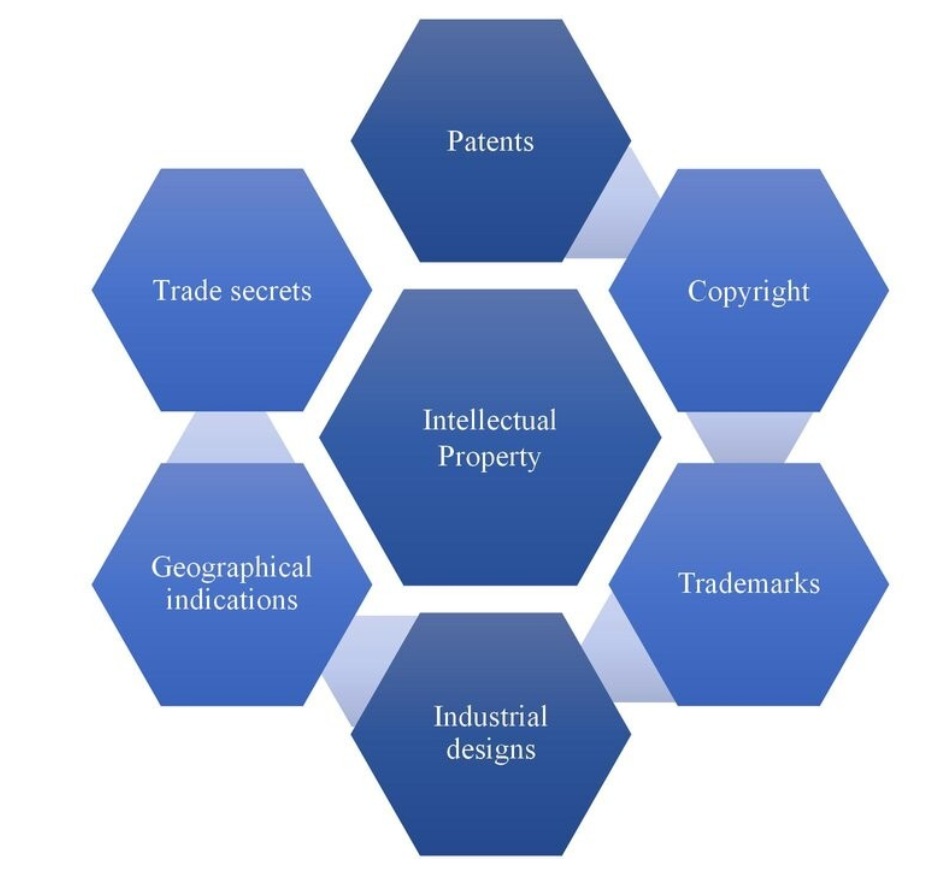
Intellectual property rights are legal rights granted to individuals over the creations of their minds, providing them with exclusive control over the use of their creations for a certain period. These rights are broadly categorized into copyright and industrial property. Copyright protects original literary and artistic works, while industrial property protects inventions, trademarks, industrial designs, and geographical indications.
Business Entity Types in India
For-Profit
Sole ProprietorshipOwned and run by a single individual — no formal registration required. No legal separation between owner and business; owner bears unlimited personal liability. Best for freelancers, small traders, and local service providers.
Partnership Firm
Two or more individuals sharing profits and responsibilities under the Indian Partnership Act, 1932. Terms defined in a partnership deed.
One Person Company (OPC)
Introduced by the Companies Act, 2013 for solo founders who want limited liability and corporate status without partners. Separate legal entity — personal assets protected.
Private Limited Company
The most popular structure for startups and growing businesses. Governed by the Companies Act, 2013. Separate legal entity, limited liability, can raise investment via equity and ESOPs. Shares cannot be publicly traded. Minimum 2 directors and 2 shareholders.
Public Limited Company (Ltd)
For large businesses raising public capital via stock exchanges (NSE/BSE). Regulated by SEBI. Highest fundraising potential, but subject to strict disclosure and compliance requirements. Minimum 3 directors and 7 shareholders.
Producer Company
A corporate structure for farmers, agricultural producers, and rural cooperatives. Members collectively own the company and share profits. Combines co-op principles with corporate governance.
Non-Profit
Trust
The oldest non-profit form in India. Governed by the Indian Trusts Act, 1882 (private) or state-level laws (public). Created via a trust deed; managed by trustees. Easiest to register (~10–15 days, state level). Best for family philanthropy, religious endowments, and small charitable initiatives.
Registered Society
Governed by the Societies Registration Act, 1860 (state level). Minimum 7 members with a shared charitable or social objective. Democratic governance via elected committees. Used for clubs, cultural bodies, professional associations, and NGOs.
Section 8 Company
A non-profit company under the Companies Act, 2013, registered with the Central Government (MCA). Most structured and credible non-profit form in India. No dividend distribution — profits reinvested into objectives. Eligible for tax exemptions under Section 12A & 80G. Can receive foreign funds via FCRA. Best for formal NGOs, foundations, and nationwide social enterprises.
Hybrid / Specialized
Nidhi CompanyA member-owned savings and lending club under the Companies Act, 2013, governed by RBI guidelines. Can only transact with its own members — not the general public. Common in South India for community micro-finance.
Joint Venture (JV)Not a standalone legal structure — a collaboration between two or more entities via a contractual agreement or a newly incorporated Pvt Ltd. Governed by the Indian Contract Act, 1872 and FEMA, 1999 for foreign partners. Used for large projects and international market entry.
Comparison of Business Entity Types
| Entity | Legal Identity | Liability | Registration | Best For |
|---|---|---|---|---|
| Sole Proprietorship | None | Unlimited | Not Required | Solo, small-scale business |
| General Partnership | None | Unlimited | Optional | Small shared businesses |
| LLP | Separate | Limited | MCA (Central) | Professional firms |
| OPC | Separate | Limited | MCA (Central) | Solo founders |
| Private Limited Company | Separate | Limited | MCA (Central) | Startups, investment |
| Public Limited Company | Separate | Limited | MCA + SEBI | Large enterprises, IPO |
| Producer Company | Separate | Limited | MCA (Central) | Farmers, cooperatives |
| Trust | None | Unlimited | Sub-Registrar (State) | Charities, religious activities |
| Society | None | Unlimited | Registrar of Societies (State) | NGOs, clubs, associations |
| Section 8 Company | Separate | Limited | MCA (Central) | Formal NGOs, foundations |
| Nidhi Company | Separate | Limited | MCA (Central) | Member savings groups |
All corporate entities registered under the Companies Act, 2013 are regulated by the Ministry of Corporate Affairs (MCA) .
This table compares the major business entity types in India based on legal identity, liability, registration authority, and their common use cases. It helps in selecting the most suitable business structure according to business size, ownership, and purpose.
Types of Intellectual Property
1. Patents
Patents are legal rights granted to inventors for new inventions, providing exclusive authority to make, use, sell, or distribute the invention for a fixed period, typically 20 years from the date of filing. Patents incentivize innovation by protecting inventors from unauthorized exploitation of their ideas.
Types of Patents:
Criteria for Patentability:
Patenting Process:
2. Trademarks
 source
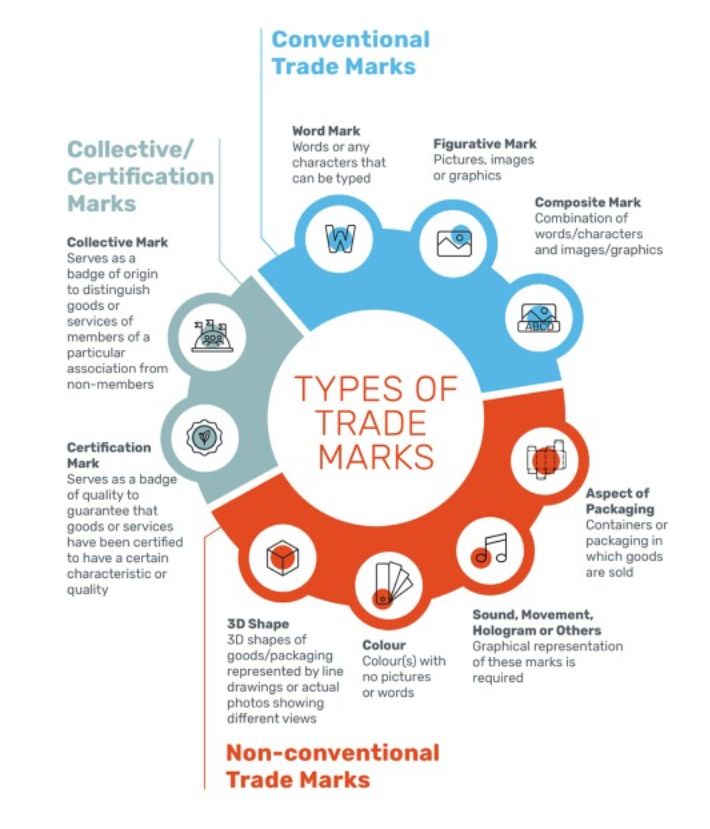
Trademarks protect signs, symbols, logos, or words that distinguish one company's products or services from another's. They serve as indicators of origin, building consumer trust and business reputation.
Types of Trademarks:
Registration Process:
3. Copyrights
 source
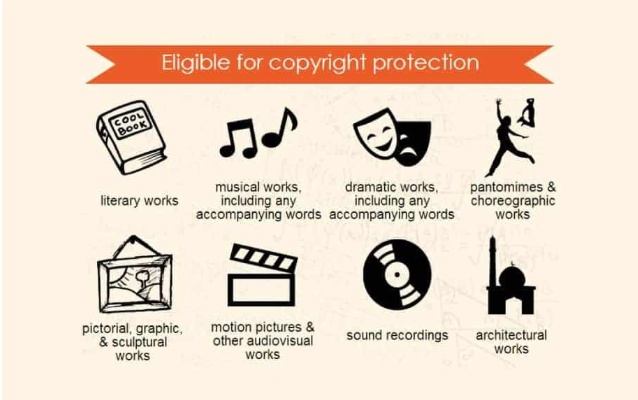
Copyright grants creators exclusive rights to use and control original works, including literary, artistic, musical, and audiovisual content. It promotes creative expression by ensuring that authors benefit from their work.
Registration Process:
Duration:
4. Trade Secrets
Trade secrets consist of confidential information that provides businesses with a competitive advantage, such as formulas, practices, designs, or methods. Unlike patents, trade secrets are not publicly disclosed.
5. Industrial Designs
Industrial designs protect the non-functional, aesthetic features of a product—such as its shape, color, and surface pattern. These designs contribute significantly to product appeal and consumer preference.
6. Geographical Indications (GIs)
GIs identify goods that originate from specific regions with qualities, reputation, or characteristics linked to that location. They preserve traditional knowledge and enhance economic value.
Open source license
Open source license meanes any one can use,recreate,share
Different licensing options
GPL
The GNU General Public License (GPL) is a free, copyleft license for software and other types of works. Unlike many licenses that restrict your ability to share and modify, the GPL is designed to protect your freedom to use, share, and change all versions of a program. Its goal is to ensure that software remains free for all users, encouraging collaboration and transparency.
LGPL
The GNU Lesser General Public License (LGPL) is a free software license that allows developers to use and integrate open-source libraries into their own software, even if their software is not open source, under certain conditions. It ensures that the library itself remains free and open, while permitting its use in proprietary programs. Any modifications to the LGPL-covered library must be released under the same license, but the rest of the application can remain under a different license. This makes the LGPL a more flexible option compared to the stricter GPL, especially for software libraries.
BSD
BSD license allows redistribution and use of software in both source and binary forms, with or without modification, as long as the original copyright notice, conditions, and disclaimer are retained. It provides broad freedom for reuse, including in proprietary software. However, it includes a disclaimer of warranties and liability, stating the software is provided "as is" without guarantees of performance or suitability. Users cannot hold the original authors responsible for any damages resulting from the software's use.
MIT/X11
It allows anyone to use, copy, modify, distribute, and even sell the software, as long as the original copyright and license notice are included. The software is provided "as is," with no warranties, and the authors are not liable for any damages resulting from its use. It promotes wide adoption and flexibility while protecting the creators from legal responsibility.
Apache
The Apache License is a permissive open-source software license that allows users to freely use, modify, and distribute licensed software. It provides the license holder with the rights to use the software for any purpose, including commercial use, and to create derivative works. The license also includes a patent grant, protecting users from patent claims by contributors related to their contributions. In return, the license holder must preserve copyright notices, include the license text, and acknowledge any modifications made.
Fab
The Fab License is an open-source license developed by the Fab Lab community to encourage sharing, learning, and remixing of digital fabrication projects. It allows anyone to use, modify, and distribute the work, as long as credit is given and the new work is shared under the same license. Commercial use is allowed, but attribution to the original creator is required, and contributors are encouraged to share improvements. The license is provided "as is," meaning there is no warranty, and users accept all responsibility for how the work is used.
The CC License Options
We can use Creative Commons tools to help share our work. Their free, easy-to-use copyright licenses provide a simple, standardized way to give permission for others to share and use our creative work — under the conditions we choose. We can adopt one of these licenses by sharing our work on an open platform, applying an open license, or even dedicating it to the public domain.There are six different license types, listed from most to least permissive here:
CC BY
This license enables reusers to distribute, remix, adapt, and build upon the material in any medium or format, so long as attribution is given to the creator. The license allows for commercial use. CC BY includes the following elements:

BY: credit must be given to the creator.
CC BY-SA
This license enables reusers to distribute, remix, adapt, and build upon the material in any medium or format, so long as attribution is given to the creator. The license allows for commercial use. If you remix, adapt, or build upon the material, you must license the modified material under identical terms. CC BY-SA includes the following elements:

BY: credit must be given to the creator.
SA: Adaptations must be shared under the same terms.
CC BY-NC
This license enables reusers to distribute, remix, adapt, and build upon the material in any medium or format for noncommercial purposes only, and only so long as attribution is given to the creator. CC BY-NC includes the following elements:

BY: credit must be given to the creator.

NC: Only noncommercial uses of the work are permitted.
CC BY-NC
This license enables reusers to distribute, remix, adapt, and build upon the material in any medium or format for noncommercial purposes only, and only so long as attribution is given to the creator. If you remix, adapt, or build upon the material, you must license the modified material under identical terms. CC BY-NC-SA includes the following elements:

BY: credit must be given to the creator.

NC: Only noncommercial uses of the work are permitted.
CC BY-NC-SA
This license enables reusers to distribute, remix, adapt, and build upon the material in any medium or format for noncommercial purposes only, and only so long as attribution is given to the creator. If you remix, adapt, or build upon the material, you must license the modified material under identical terms. CC BY-NC-SA includes the following elements:

BY: credit must be given to the creator.
NC: Only noncommercial uses of the work are permitted.

SA: Adaptations must be shared under the same terms.
CC BY-ND
This license enables reusers to copy and distribute the material in any medium or format in unadapted form only, and only so long as attribution is given to the creator. The license allows for commercial use. CC BY-ND includes the following elements:

BY: credit must be given to the creator.
ND: No derivatives or adaptations of the work are permitted.
CC BY-NC-ND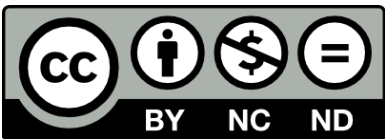
This license enables reusers to copy and distribute the material in any medium or format in unadapted form only, for noncommercial purposes only, and only so long as attribution is given to the creator. CC BY-NC-ND includes the following elements:
BY: credit must be given to the creator.

NC: Only noncommercial uses of the work are permitted.
ND: No derivatives or adaptations of the work are permitted.
CC0
CC0 (aka CC Zero) is a public dedication tool, which enables creators to give up their copyright and put their works into the worldwide public domain. CC0 enables reusers to distribute, remix, adapt, and build upon the material in any medium or format, with no conditions.
References:Creative commons
Choosing license for my project
I chose the CC BY-NC-SA 4.0 license because I wanted others to be able to use, share, and build upon my work, but only in non-commercial ways. It was important to me that people could adapt or remix what I made, as long as they gave me proper credit and shared their new versions under the same license.
To get my license I followed the steps shown below
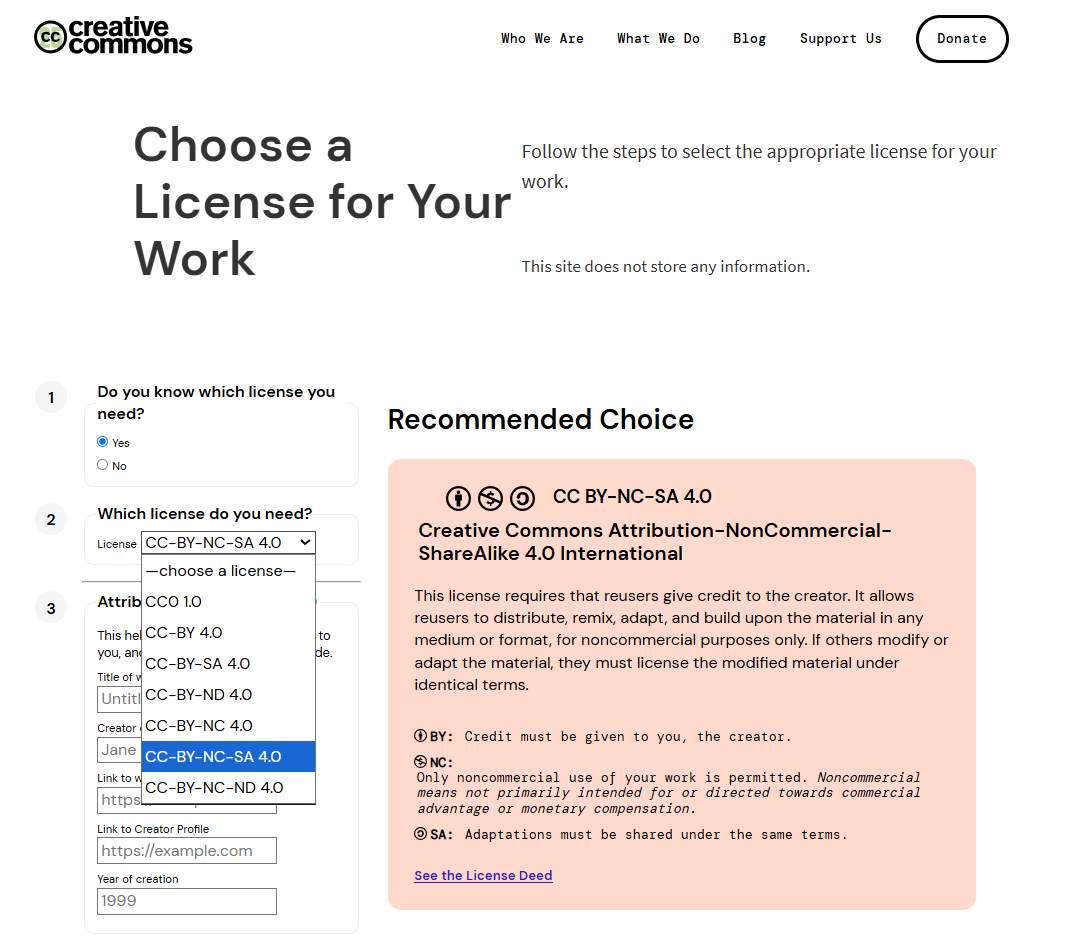
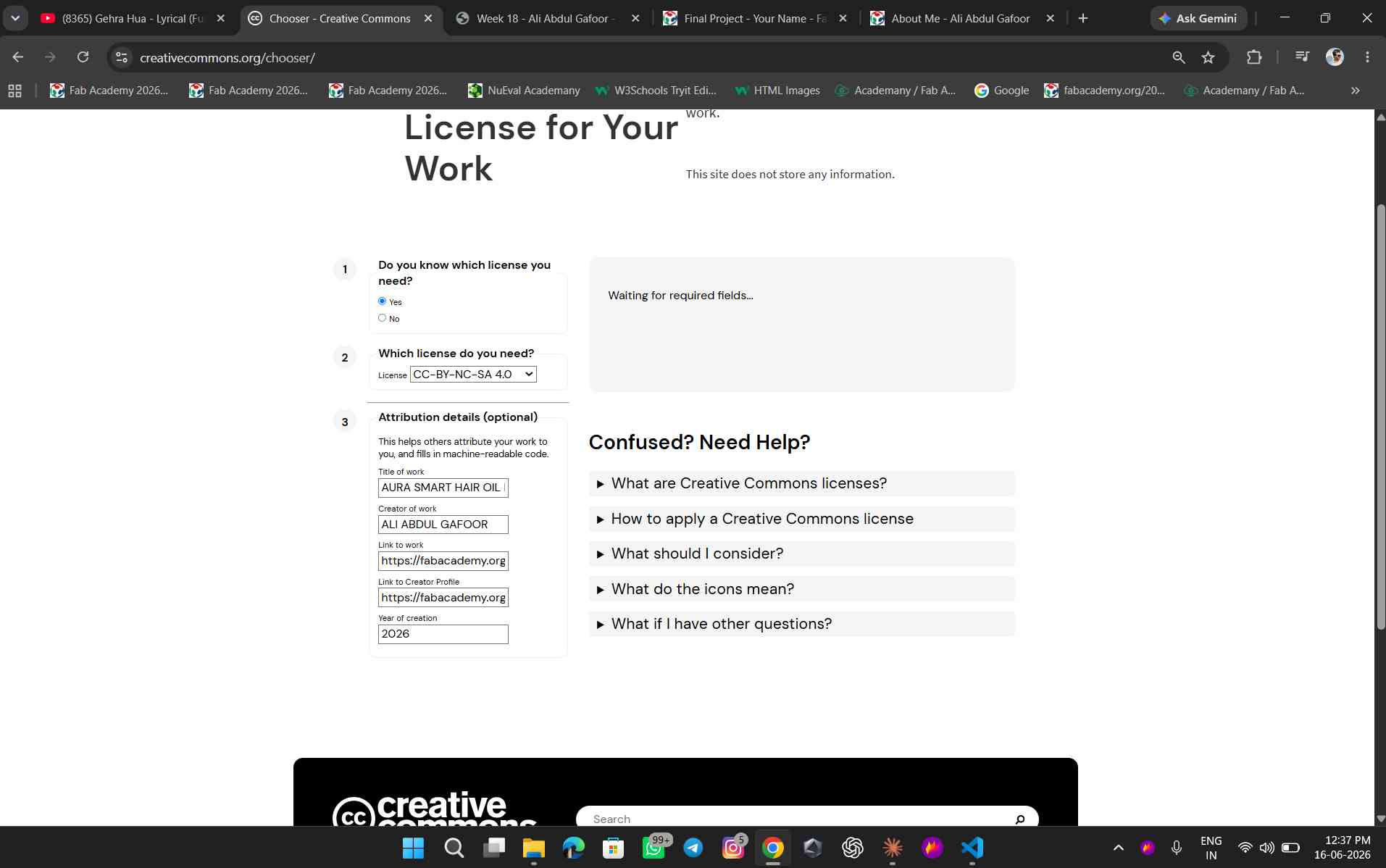
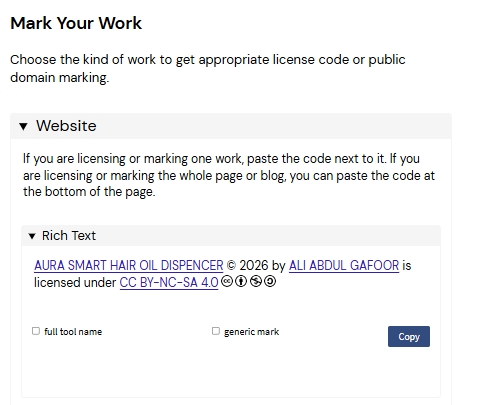
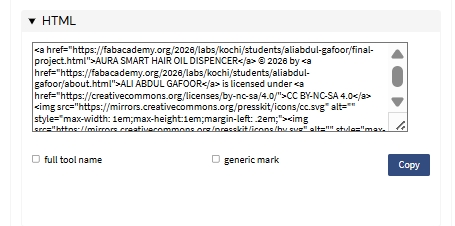
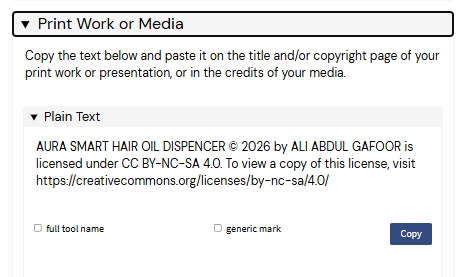
Now, I can use the generated license for my fab academy work and my final project "Aura smart hair oil dispenser".
AURA SMART HAIR OIL DISPENCER © 2026 by ALI ABDUL GAFOOR is licensed under CC BY-NC-SA 4.0


Adding license in final project.
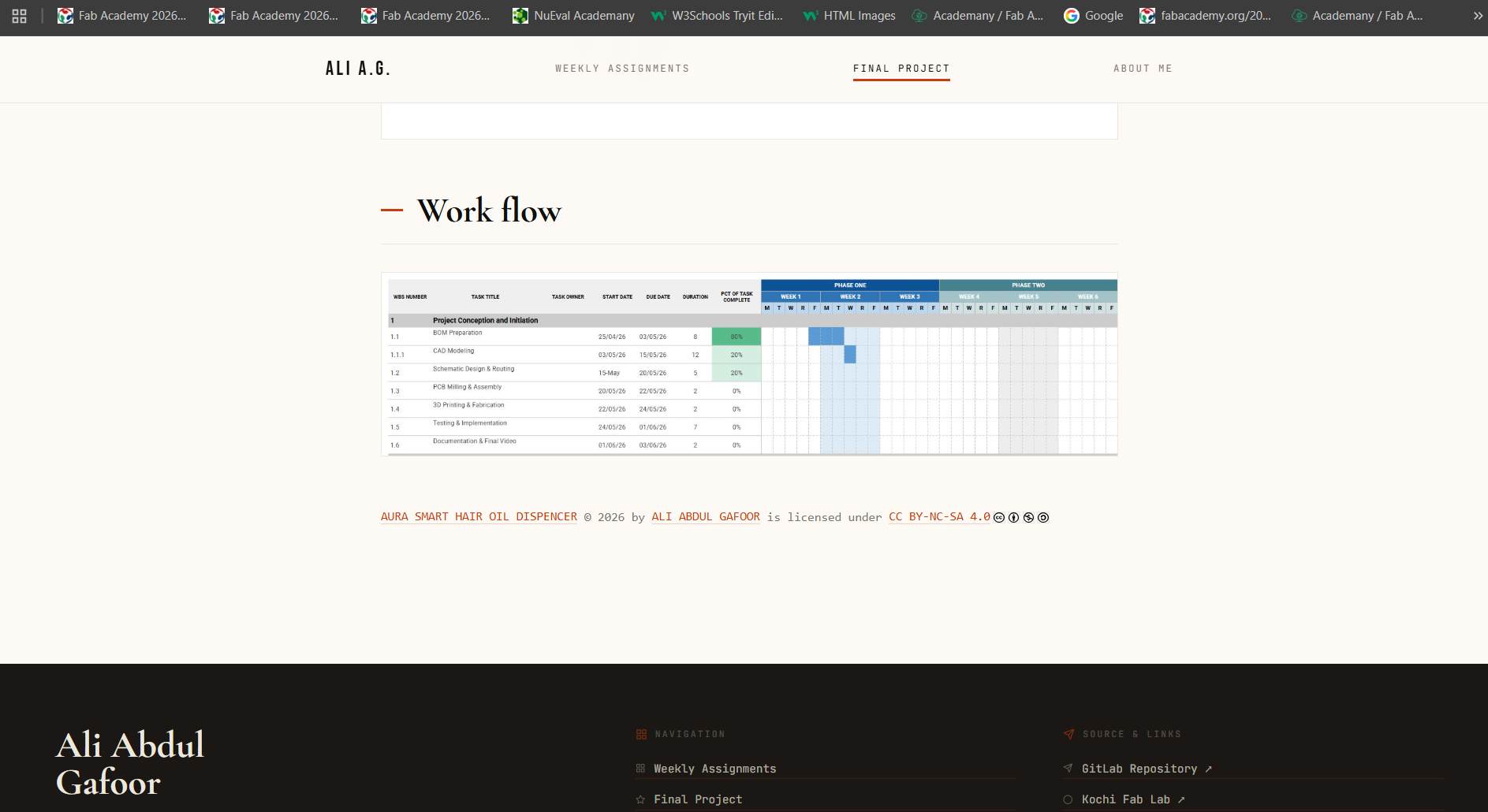
I added my license in the final project page
Plan for Dissemination of Final Project
My final project, Aura Smart Hair Oil Dispenser, is designed to make hair oil application easier, cleaner, and more comfortable. The primary target users are individuals who apply hair oil regularly and beauty parlours that provide hair care treatments.
Aura allows users to apply warm oil directly to the scalp without getting oil on their hands. The built-in massage function improves the user experience, while the small 8 ml oil chamber reduces the risk of contaminating an entire bottle of oil. This helps maintain better hygiene and reduces oil waste.
To share and promote this project, I will first present it through my Fab Academy documentation, project video, and demonstrations to friends, family members, salon professionals, and potential users. Their feedback will help me understand the strengths and weaknesses of the current design.
I am currently working on improving the system by replacing the battery with a supercapacitor to increase safety, reliability, and product lifespan. Before commercializing the product, I plan to make the device more compact, user-friendly, and robust for everyday use.
The next stage will involve conducting market research and collecting feedback from regular users and beauty parlours. Based on this feedback, I will develop an improved version of Aura with better ergonomics, increased reliability, and features that users find valuable.
My long-term goal is to transform Aura into a commercially viable product through larger-scale manufacturing and distribution. Before reaching that stage, I will continue refining the design, testing its performance, and validating the product with real users.
References
I reffered Ancy roshan Documentation for this week.