Week 19 – Invention, Intellectual Property, and Income
The objective is explored the intersection of invention, intellectual property, and income generation:
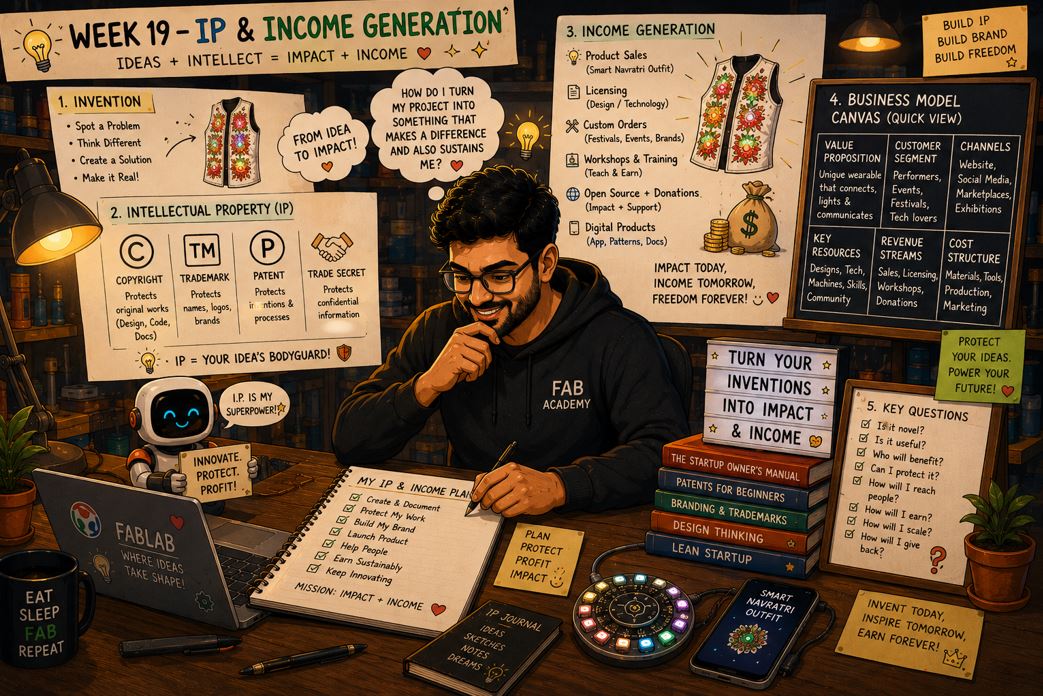
AI prompt ChatGPT: "this is the week where I am exploring the intersection of invention, intellectual property, and income generation. please give me an animated funny avatar of myself doing this."
Invention, Intellectual Property, and Income
Assignment Overview
- what tasks have been completed, and what tasks remain?
- what's working? what's not?
- what questions need to be resolved?
- what will happen when?
- what have you learned?
Invention and innovation
Innovation has the power to transform everyday life by improving convenience, enhancing functionality, and creating new possibilities. Whether through products, technologies, or processes, innovative solutions help address practical challenges while improving the way we live and interact with our surroundings. This project reimagines the concept of a traditional kitchen garden by adapting it for modern indoor living. The goal is to create a compact, visually appealing, and portable gardening system that brings greenery closer to everyday living spaces. Designed to blend seamlessly with home interiors, the garden can be easily relocated and placed in areas such as living rooms, allowing users to enjoy the benefits of growing plants without requiring a dedicated outdoor space.
| Aspect | Invention | Innovation |
|---|---|---|
| Definition | Creation of a new product, process, idea, or technology that did not previously exist. | Improvement, adaptation, or application of an existing invention to create value or solve a problem. |
| Focus | Developing something new and original. | Enhancing usability, efficiency, functionality, or user experience. |
| Purpose | To introduce a novel concept or technology. | To make an existing concept more useful, practical, or accessible. |
| Outcome | A completely new solution or breakthrough. | A better way of using, improving, or delivering a solution. |
| Risk Level | Generally involves higher uncertainty and experimentation. | Typically builds upon proven concepts with lower technical risk. |
| Example | The invention of the telephone by Alexander Graham Bell. | The evolution of the telephone into modern smartphones with advanced features. |
| Key Question | “What new thing can be created?” | “How can an existing thing be improved?” |
Intellectual Property
Intellectual property (IP) refers to the legal rights that protect creations of the mind, such as inventions, designs, brands, and artistic works. These rights allow creators to control how their inventions are used and to benefit financially from them. There are several types of intellectual property rights, including patents, copyrights, trademarks, and trade secrets.
- Patents: Legal rights granted to inventors for their inventions, giving them exclusive rights to make, use, and sell the invention for a certain period of time.
- Industrial Designs: Protect the visual design of objects, including their shape, pattern, and color. This type of IP ensures that the aesthetic aspects of a product are protected from imitation.
- Copyrights: Protect original works of authorship, such as literature, music, and art, giving creators exclusive rights to reproduce, distribute, and display their works.
- Trademarks: Protect brand names, logos, and slogans that distinguish goods or services from those of others.
- Trade Secrets: Protect confidential business information that provides a competitive advantage, such as formulas, processes, or customer lists.
IP India
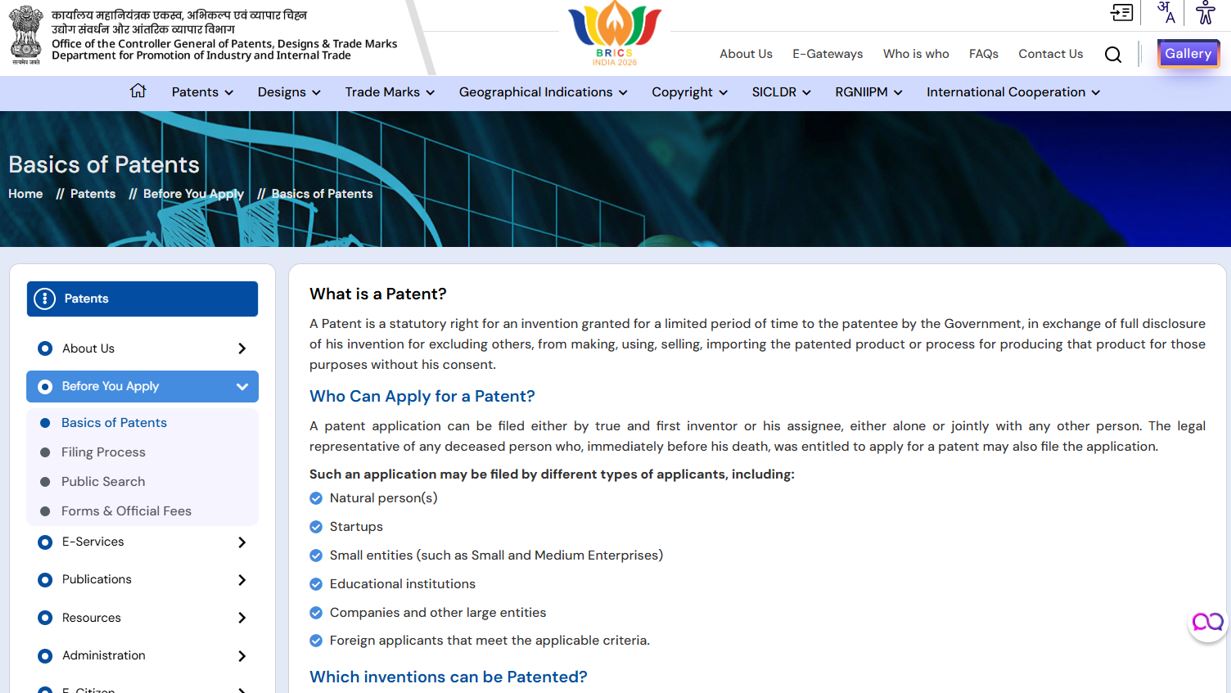
As we are based in India, more information about filling patent can be fined on IP India website. A Patent is a statutory right for an invention granted for a limited period of time to the patentee by the Government, in exchange of full disclosure of his invention for excluding others, from making, using, selling, importing the patented product or process for producing that product for those purposes without his consent.
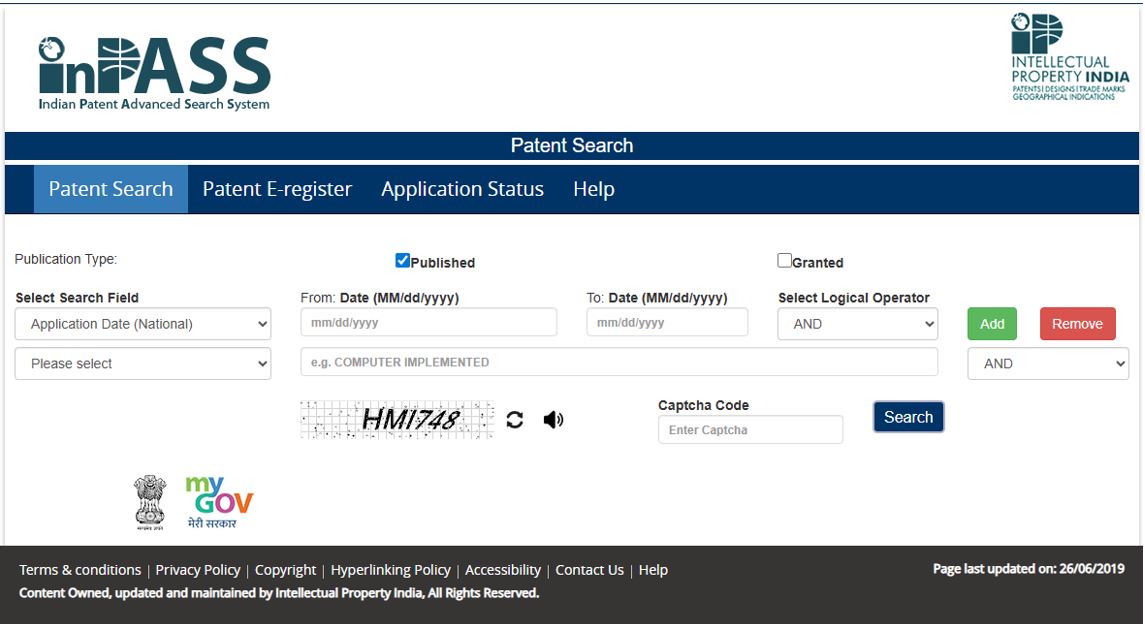
We can do Indian Patent Search for doing prior art search and know about prior invention and innovation in our similar topic.
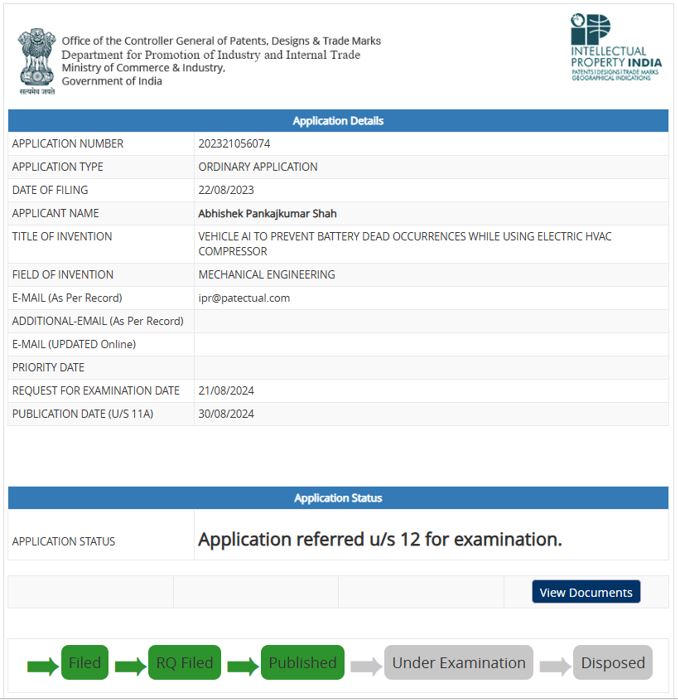
We can see the Patent Status here and the stage of patent process.
Patent Applications Outside of India
| Step | Description |
|---|---|
| 1. File Indian Patent Application | Submit a Provisional or Complete Patent Application in India to establish a priority date. |
| 2. Decide Target Countries | Identify the countries where patent protection is commercially important for manufacturing, sales, or licensing. |
| 3. File Within 12 Months | Foreign patent applications must generally be filed within 12 months of the first Indian filing to claim priority. |
| 4. Choose Filing Route | Select either Direct National Filing in specific countries or the PCT (Patent Cooperation Treaty) route for broader international coverage. |
| 5. PCT International Application | File a PCT application to reserve the option of seeking patent protection in over 150 member countries. |
| 6. International Search Report | An authorized patent office conducts a prior-art search and provides an assessment of patentability. |
| 7. National Phase Entry | Usually within 30–31 months from the priority date, enter the selected countries and continue prosecution individually. |
| 8. Examination by Each Country | Each patent office independently examines the application according to its national laws. |
| 9. Respond to Objections | Work with patent attorneys to address examination reports and office actions. |
| 10. Patent Grant & Maintenance | Once granted, pay periodic renewal fees to maintain patent protection in each country. |
Key Timelines
- 0 Months: First filing in India (Priority Date).
- Within 12 Months: File foreign applications or PCT application.
- 16-18 Months: International Search Report available.
- 30-31 Months: National Phase entry into desired countries.
- 3-7 Years: Patent examination and grant process (varies by country).
Common International Filing Routes
- PCT Route: Most popular option for international patent protection.
- USPTO: United States patent filing.
- EPO: European Patent Office covering multiple European countries.
- CNIPA: China patent filing.
- JPO: Japan patent filing.
- KIPO: South Korea patent filing.
Startup/Company Structure
| Business Type | Overview | Advantages | Limitations |
|---|---|---|---|
| Sole Proprietorship | Owned and managed by a single person. The owner and the business are legally considered the same entity. | Easy to start, simple management, and full control over business decisions. | The owner is personally responsible for all debts and liabilities of the business. |
| Partnership Firm | A business owned by two or more individuals who share responsibilities, profits, and losses according to a partnership agreement. | Shared investment, shared responsibilities, and access to a wider range of skills and expertise. | Partners are affected by the actions and losses of other partners. |
| Limited Liability Partnership (LLP) | A hybrid structure that combines the flexibility of a partnership with the limited liability benefits of a company. | Partners have limited personal liability and the business has a separate legal identity. | Cannot raise funds from the public through shares or an IPO. |
| Private Limited Company | A registered company owned by shareholders. The company exists as a separate legal entity from its owners. | Limited liability protection, easier investment opportunities, and continued existence even if ownership changes. | Requires more legal compliance, documentation, and regulatory reporting. |
Choosing the Right Structure
- Sole Proprietorship: Best for individual entrepreneurs and small businesses.
- Partnership Firm: Suitable when two or more people want to start and manage a business together.
- LLP: A good option for professional services, consulting firms, and startups seeking liability protection.
- Private Limited Company: Ideal for businesses planning to grow, attract investors, or scale operations.
Selecting the right business structure is an important decision because it affects ownership, liability, taxation, funding opportunities, and long-term growth. The choice should align with the business goals, risk level, and future expansion plans.
Licensing
MIT License
The MIT License is a permissive software license originating at the Massachusetts Institute of Technology (MIT)[6] in the late 1980s.[7] As a permissive license, it puts very few restrictions on reuse and therefore has high license compatibility.
Unlike copyleft software licenses, the MIT License also permits reuse within proprietary software, provided that all copies of the software or its substantial portions include a copy of the terms of the MIT License and also a copyright notice. In 2015, the MIT License was the most popular software license on GitHub and was still the most popular in 2025.
The license Terms can be found at The MIT License. Copyright "YEAR" "COPYRIGHT HOLDER" Permission is hereby granted, free of charge, to any person obtaining a copy of this software and associated documentation files (the “Software”), to deal in the Software without restriction, including without limitation the rights to use, copy, modify, merge, publish, distribute, sublicense, and/or sell copies of the Software, and to permit persons to whom the Software is furnished to do so, subject to the following conditions: The above copyright notice and this permission notice shall be included in all copies or substantial portions of the Software. THE SOFTWARE IS PROVIDED “AS IS”, WITHOUT WARRANTY OF ANY KIND, EXPRESS OR IMPLIED, INCLUDING BUT NOT LIMITED TO THE WARRANTIES OF MERCHANTABILITY, FITNESS FOR A PARTICULAR PURPOSE AND NONINFRINGEMENT. IN NO EVENT SHALL THE AUTHORS OR COPYRIGHT HOLDERS BE LIABLE FOR ANY CLAIM, DAMAGES OR OTHER LIABILITY, WHETHER IN AN ACTION OF CONTRACT, TORT OR OTHERWISE, ARISING FROM, OUT OF OR IN CONNECTION WITH THE SOFTWARE OR THE USE OR OTHER DEALINGS IN THE SOFTWARE.
GPL
The GNU General Public Licenses (GNU GPL, or simply GPL) are a series of widely used free software licenses, or copyleft licenses, that guarantee end users the freedoms to run, study, share, or modify the software.The GPL was the first copyleft license available for general use.
The licensing
can be found at GNU General Public License. "one line to give the program's name and a brief idea of what it does." Copyright (C) "year" "name of author" This program is free software: you can redistribute it and/or modify it under the terms of the GNU General Public License as published by the Free Software Foundation, either version 3 of the License, or (at your option) any later version. This program is distributed in the hope that it will be useful, but WITHOUT ANY WARRANTY; without even the implied warranty of MERCHANTABILITY or FITNESS FOR A PARTICULAR PURPOSE. See the GNU General Public License for more details.CREATIVES COMMON LICENSE
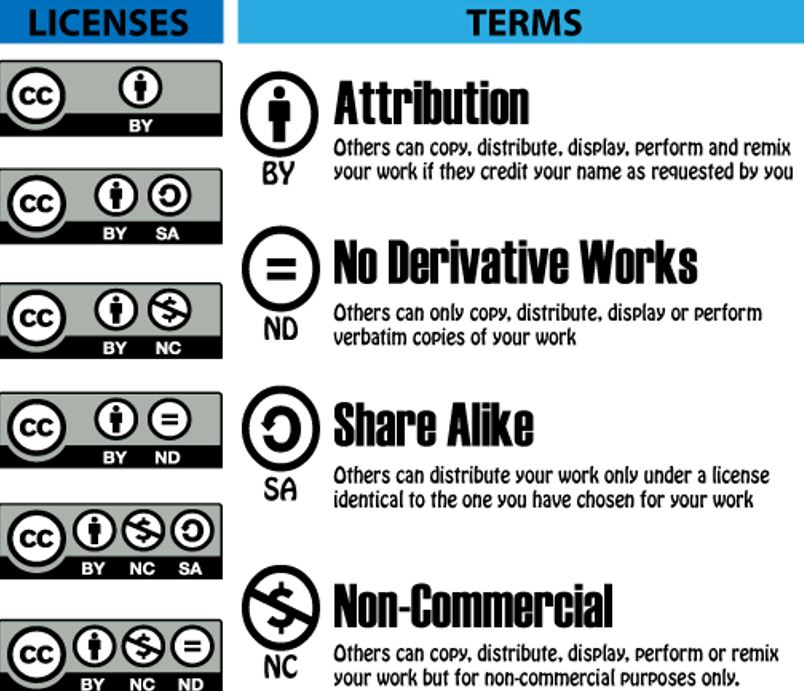
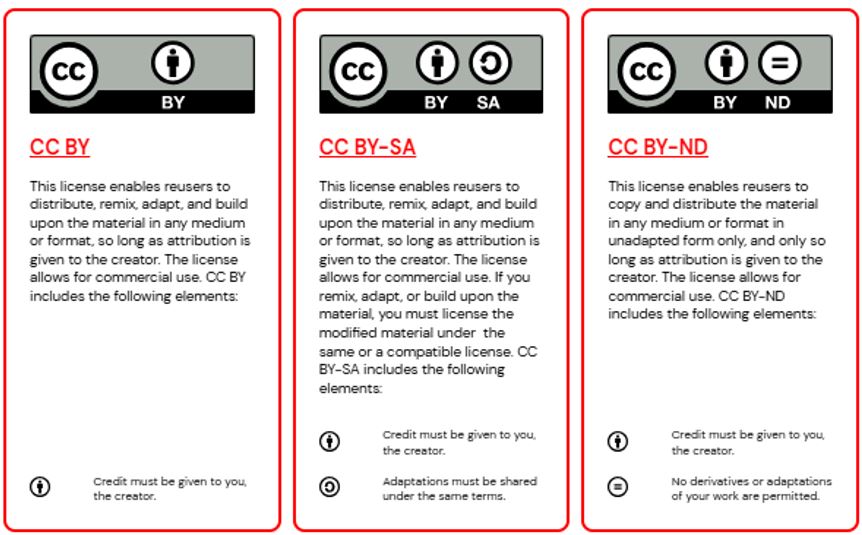
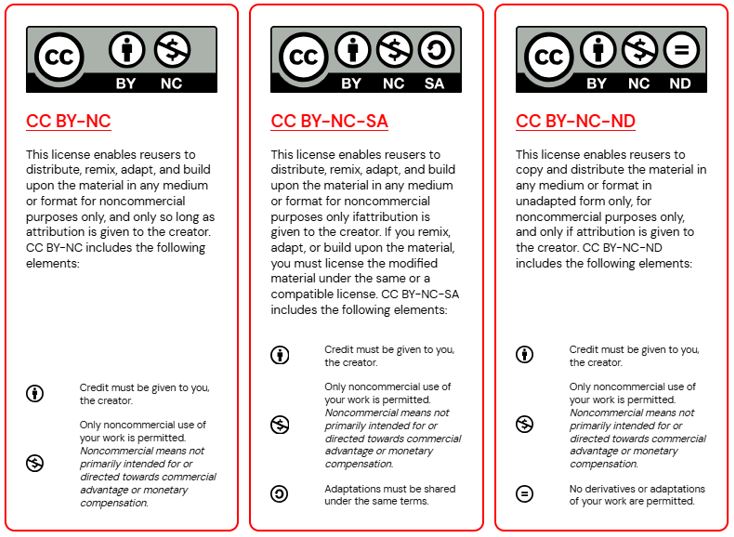
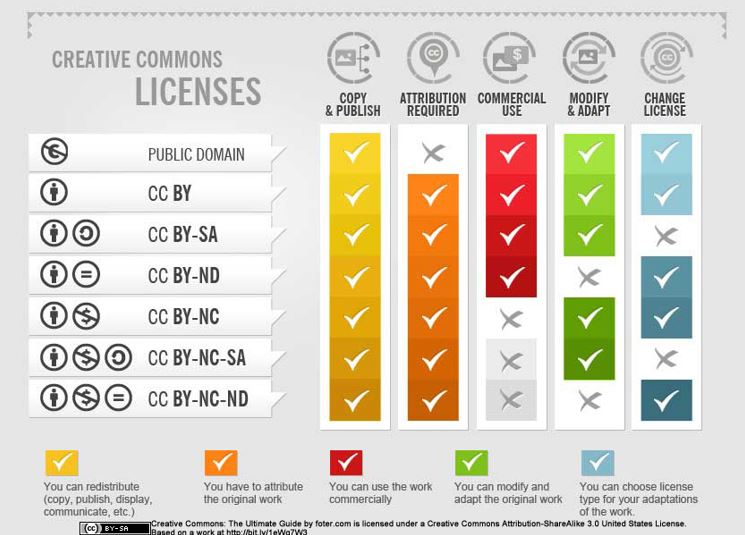
Creative Commons licenses give everyone from individual creators to large institutions a standardized way to grant the public permission to use their creative work under copyright law. From the reuser's perspective, the presence of a Creative Commons license on a copyrighted work answers the question, What can I do with this work?
There are Seven Creative Commons (CC) licenses. These CC licenses indicate the use parameters that have been granted by the content creator. The content creator still owns the copyright to that content, but through the selected CC license the creator is granting re-use of the content under the specified parameters. There is more on the history and uses of CC licenses on the Creative Commons Website.
Choosing a license
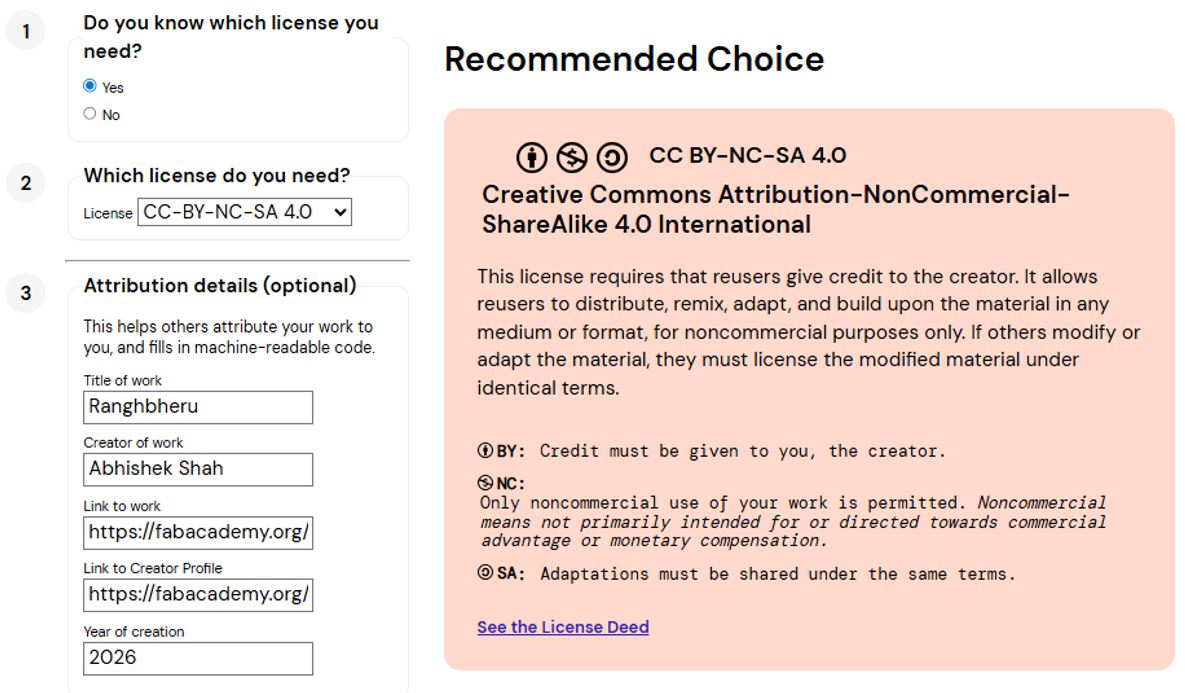
I am choosing a CC BY-NC-SA license for my final project. This license allows other people to use, share, reproduce my work for non-commercial purposes, as long as they give appropriate credit and share their adaptations under the same license. This way, I can ensure that my work is available to others while still retaining some control over its commercial use.
CC License Chooser LINK
You can use the CC License Chooser from the above link to find the right license and use it for use case. If you know the type of license to choose go forward and select the option yes for the first question and if you don't know it will help you to find the right choice.
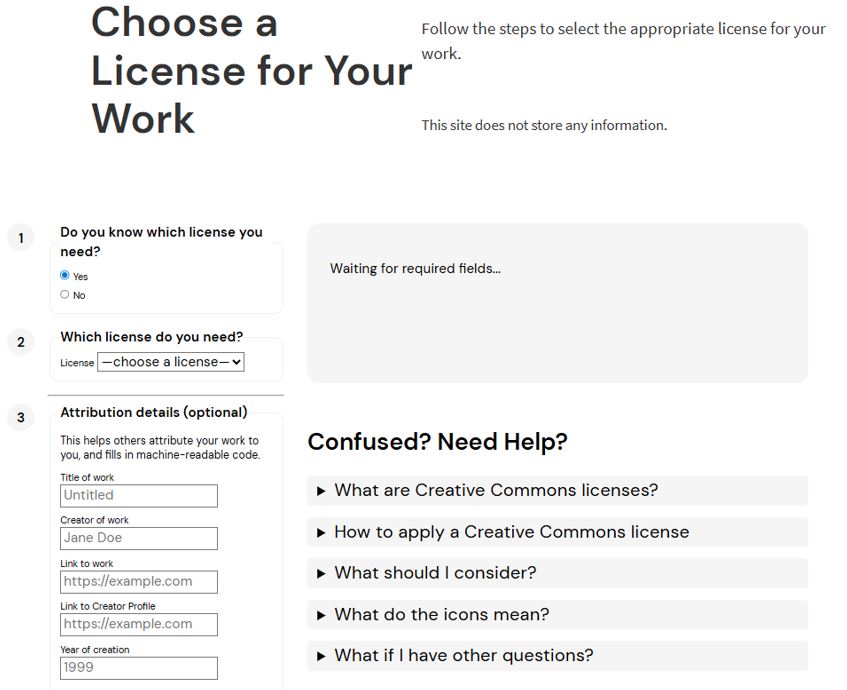
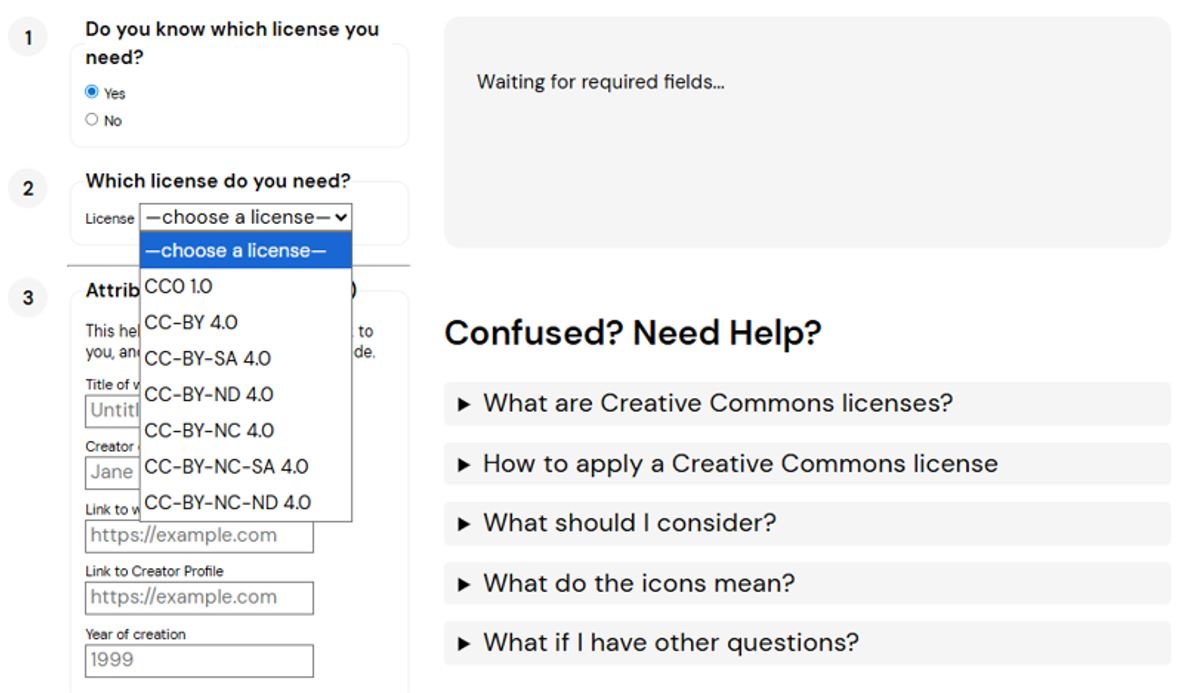
I selected the CC-BY-NC-SA 4.0 from the dropdown list.
I am added Work title, my name as creator name, link to work, link to my profile, and the year of creation.
We cna get the license Rich Text and HTML Code from below:
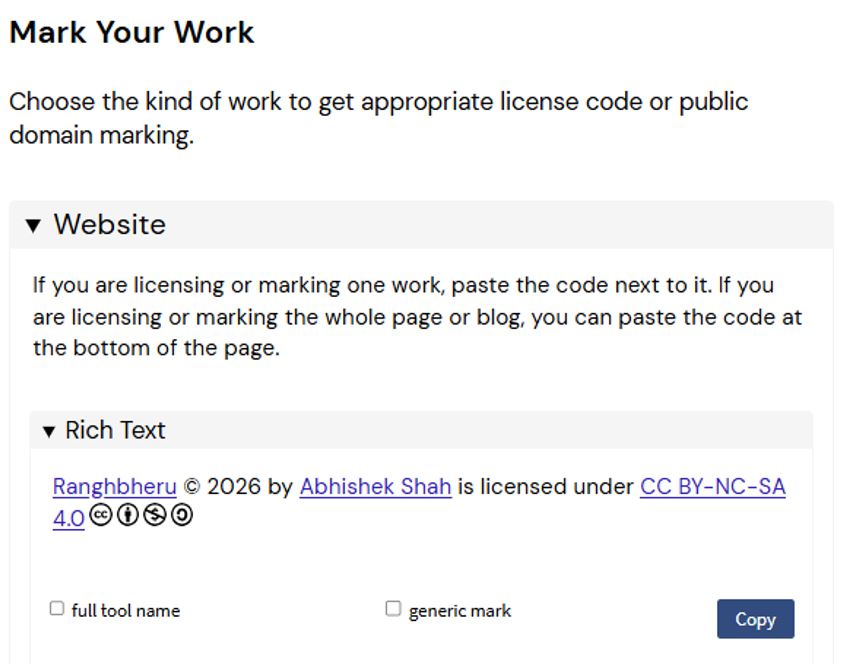
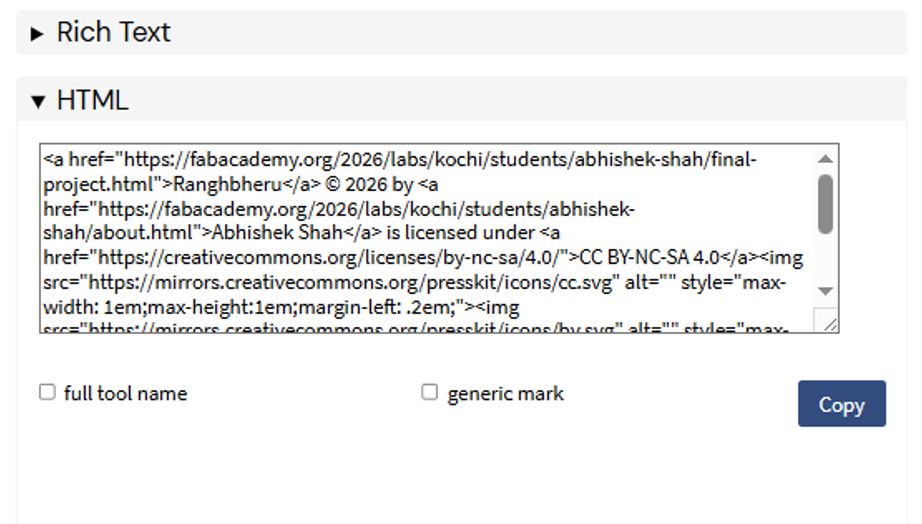
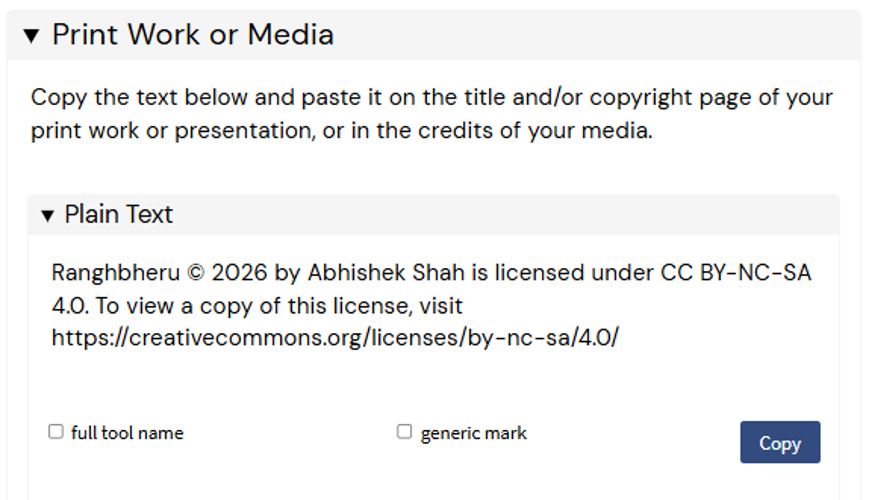
Now, I can use the generated license for my fab academy work and my final project "Rangbheru".
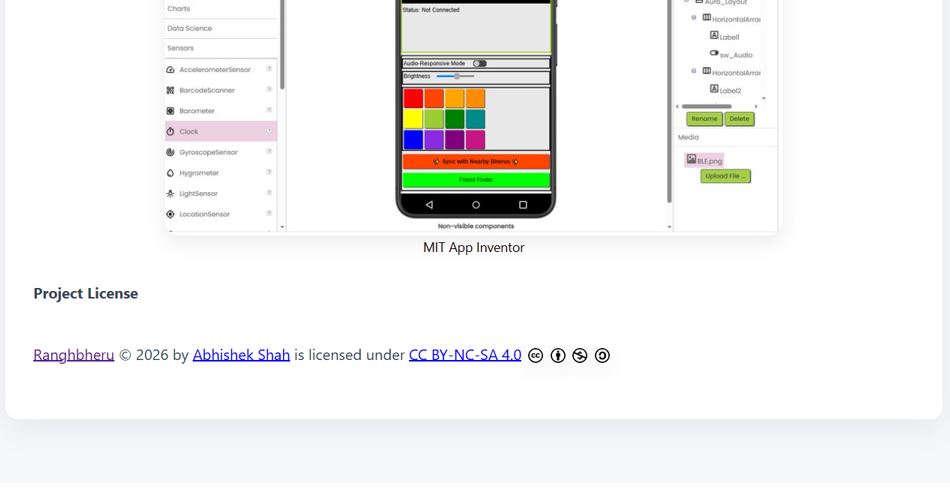
Ranghbheru © 2026 by Abhishek Shah is licensed under CC BY-NC-SA 4.0


Below is the Screenshot from my project page, where I added the above license that I generated.
Future Development
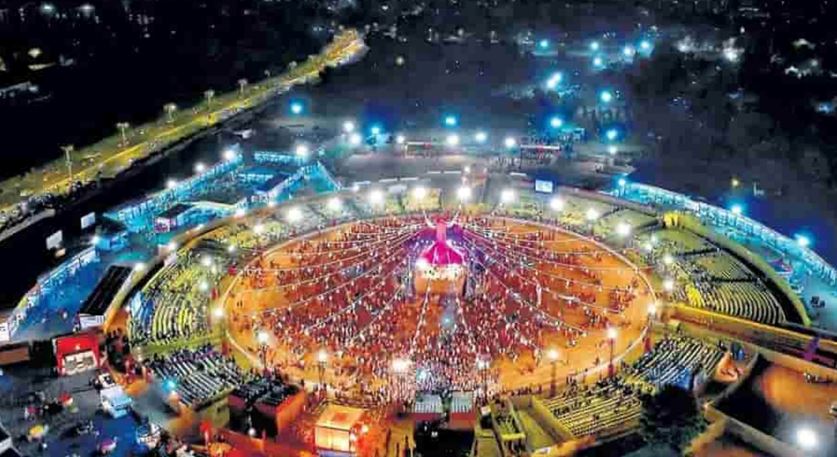
I have planned to try my product in the upcoming Navratri 2026 and test it in real word and see the people's response/reactions and try it get the answer to my project development questions.
The Ecosystem
Below is the grant available from the government to develop the prototype into more mature product - NIDHI PRAYAS.
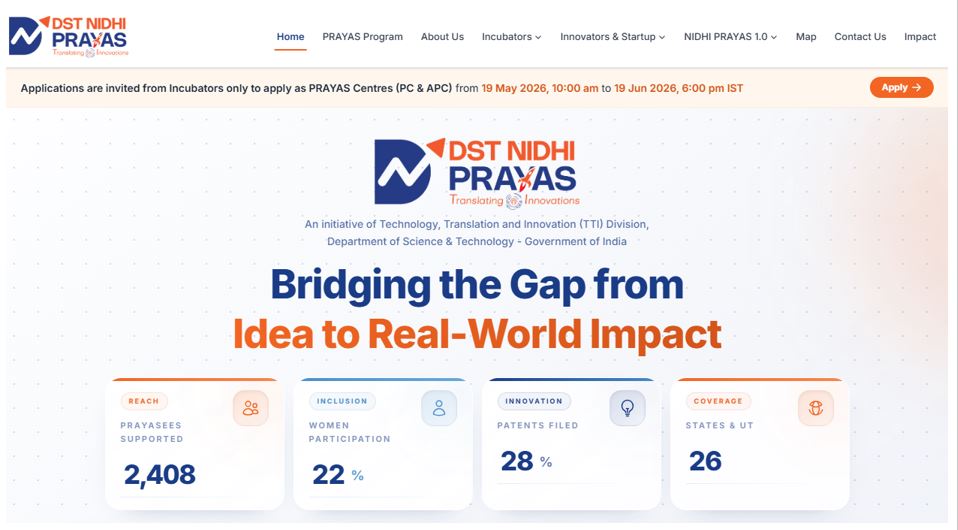
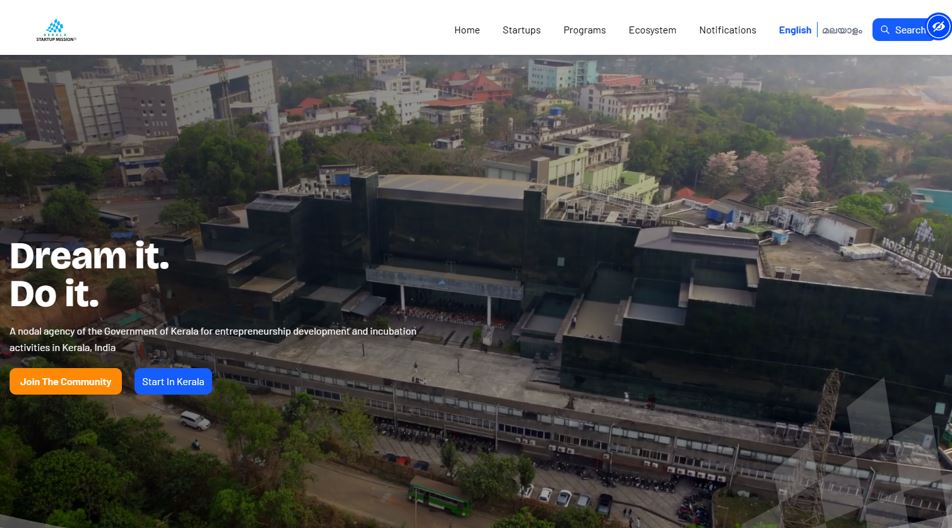
In india each state of India has startup hub and support infrastructure. The state of Kerala has Kerala Startup Mission, we get support for MVP to complete finished product development. The NIDHI PRAYAS is one of the project development fund that we can get support from Kerala Startup Mission.
References
- Comparison of Licenses can be find here for reference / Credit: Abel Tomy