What I did in Week 03
The work this week focused on understanding and using computer controlled cutting tools, especially the laser cutter and vinyl cutter, and documenting a parametric construction kit that can be assembled in multiple ways.
- Lab safety & characterization: trained on the laser cutter and characterized focus, power, speed, rate, kerf, joint clearance, and joint types.
- Parametric construction kit: designed and cut parts that account for laser kerf and allow multiple assemblies, including non-flat elements.
- Vinyl cutting: prepared and cut designs on the vinyl cutter using appropriate materials.
- Grupal: Do your lab's safety training. Characterize your lasercutter's focus, power, speed, rate, kerf, joint clearance and types
- Individual: cut something on the vinyl cutter
- Individual: design, lasercut, and document a parametric construction kit, accounting for the lasercutter kerf
- extra credit: design it to be assembled in multiple ways
- extra credit: include elements that aren't flat
- extra credit: engrave as well as cut
Group page
Group page link
Vinyl cutter
Vinyl cutting is a digital fabrication technique that uses a cutting plotter to cut precise shapes and designs from sheets of vinyl material. The machine's blade follows time-defined paths in a digital file, allowing for the creation of everything from letters and logos to complex decorative designs with great accuracy. Excess material is removed manually, leaving only the desired design on paper. This technique is widely used in signage, decoration, clothing, electronics, and prototyping, making it one of the most accessible and versatile tools in digital fabrication labs.
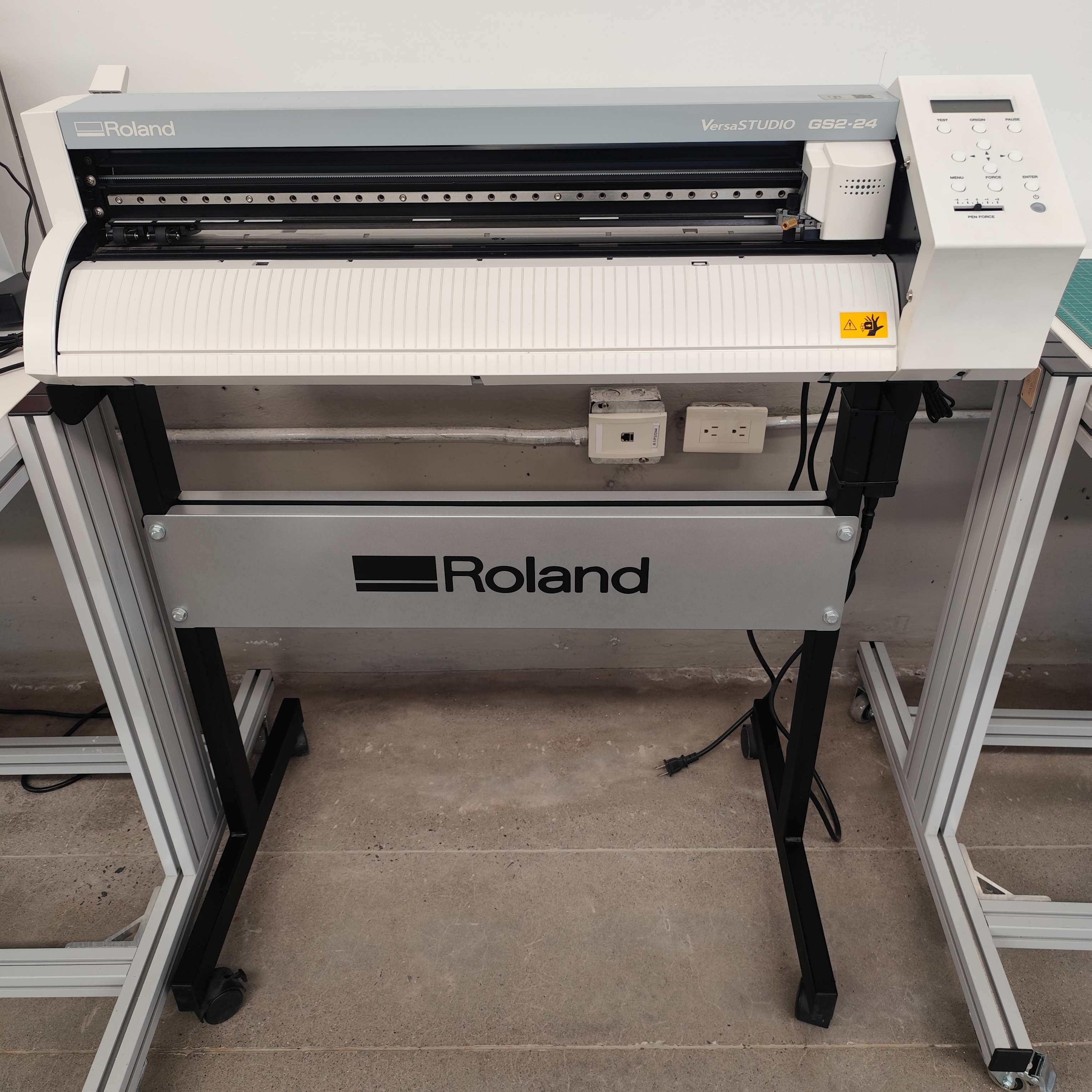
Phase 1 ·
Our digital fabrication lab has a Roland VersaSTUDIO GS2-24 cutter with the following specifications:
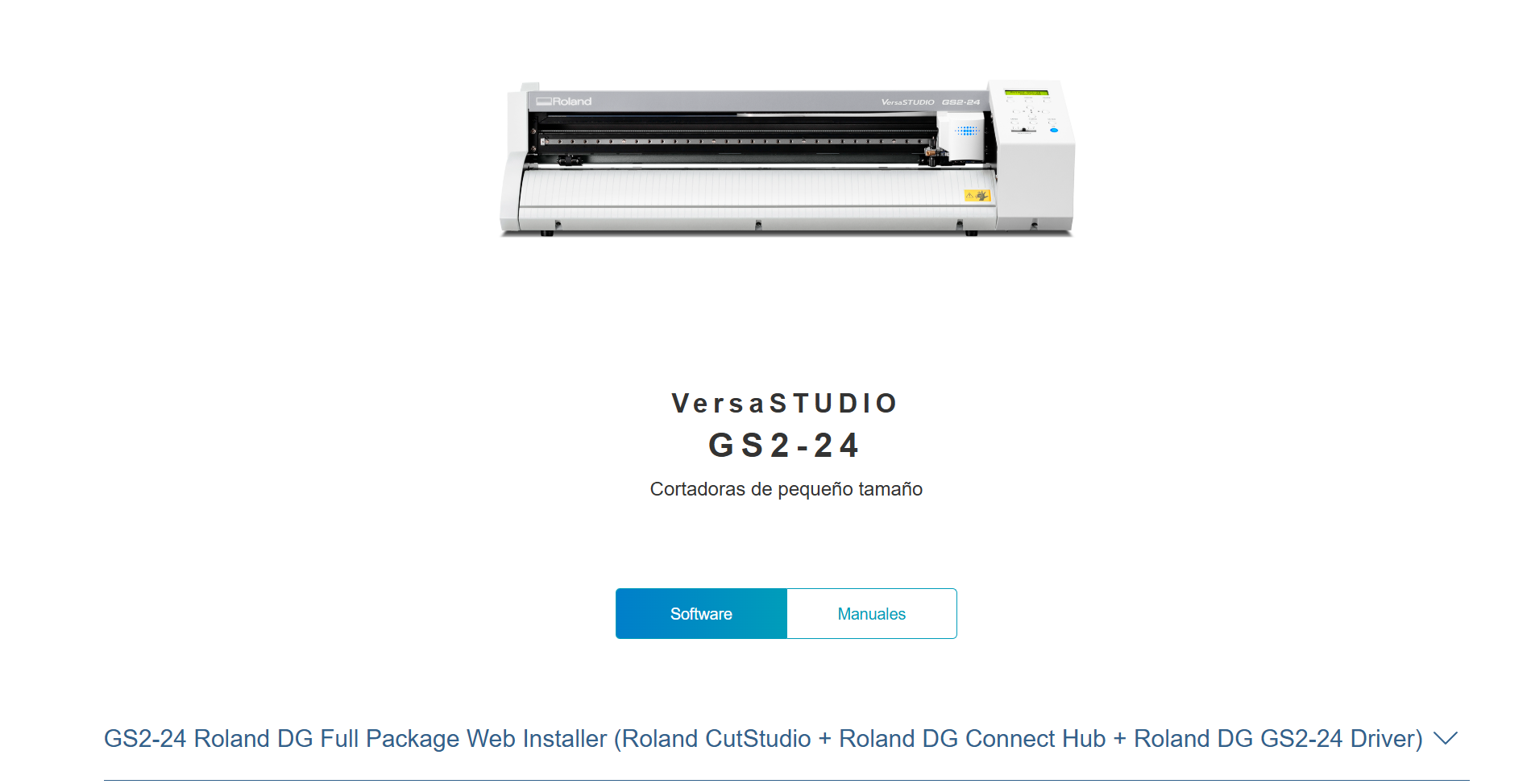
Phase 2 ·
We must install the Roland cutStudio program which is easy to access and install for both Windows and iOS.
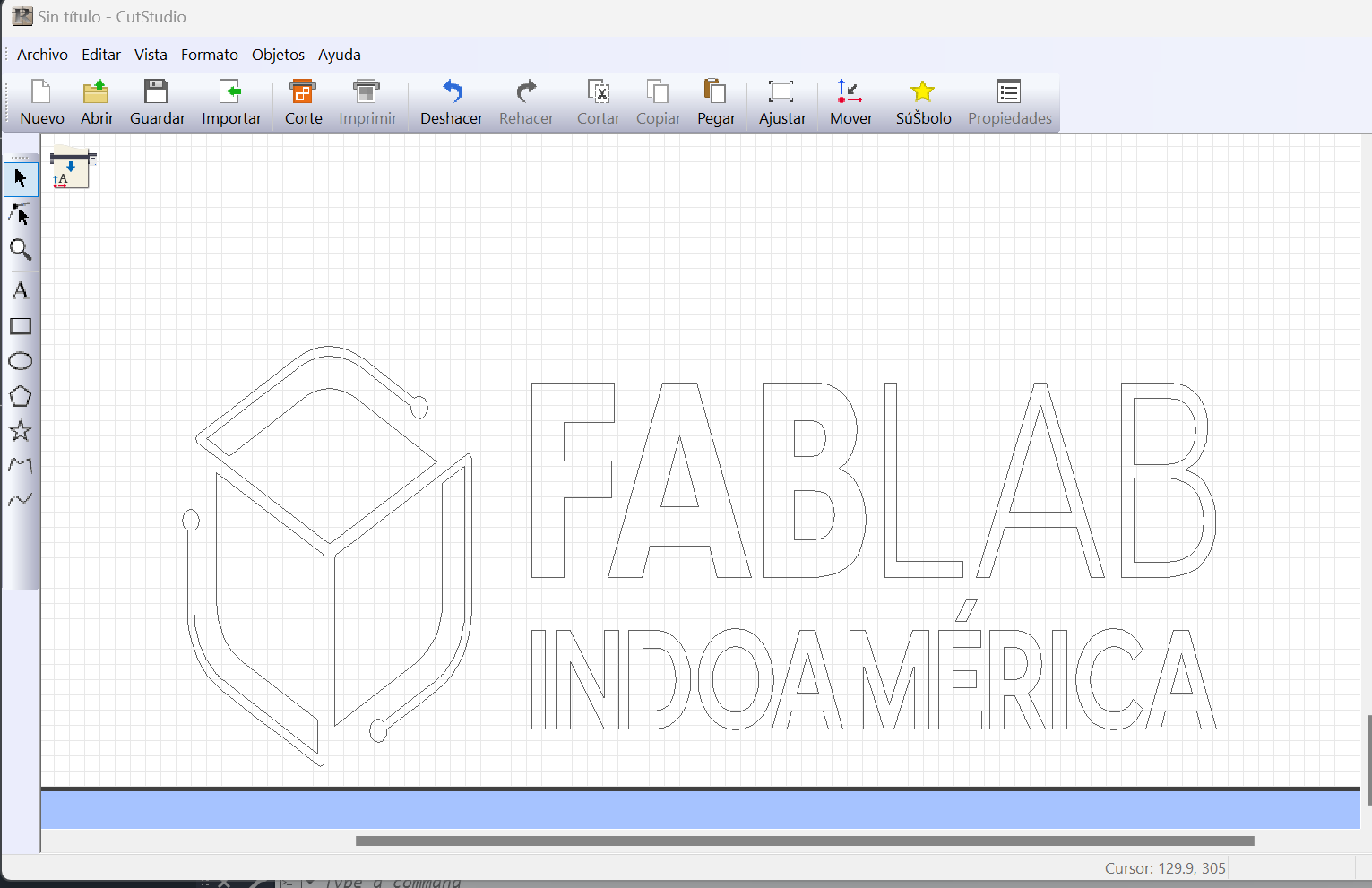
Phase 3 ·
With the software installed, let's load the vectors we want to cut. In our case, we want to cut the laboratory logo, which we have in AutoCAD. To load the vectors into CutStudio, we simply copy them from AutoCAD and paste them into CutStudio. There, we can position them on the vinyl where we want the cut to be made and adjust the size of the cut area.
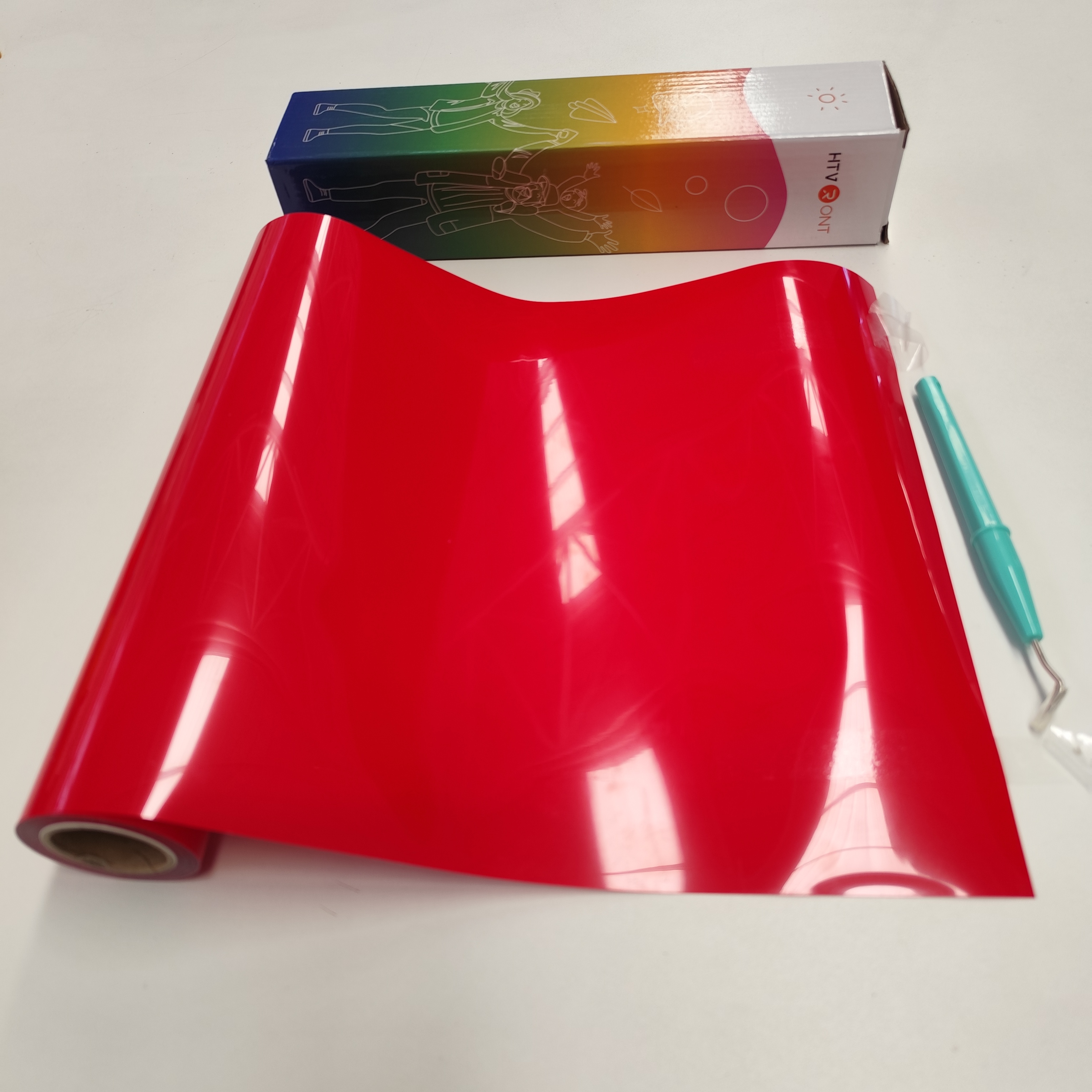
Phase 4 ·
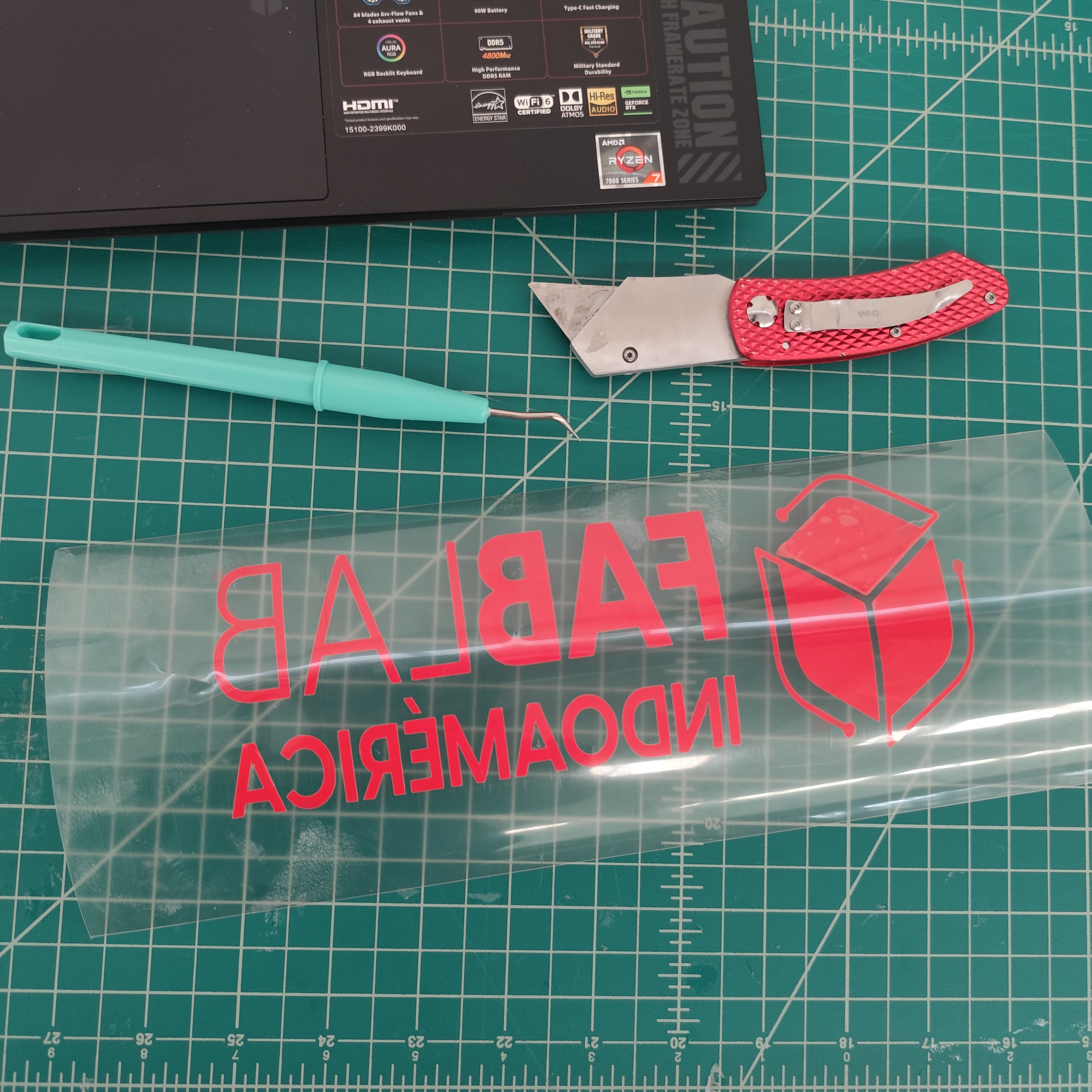
To make a cut we will use a red textile vinyl, this material is used to print on a textile garment using a heat iron.
Phase 5 ·
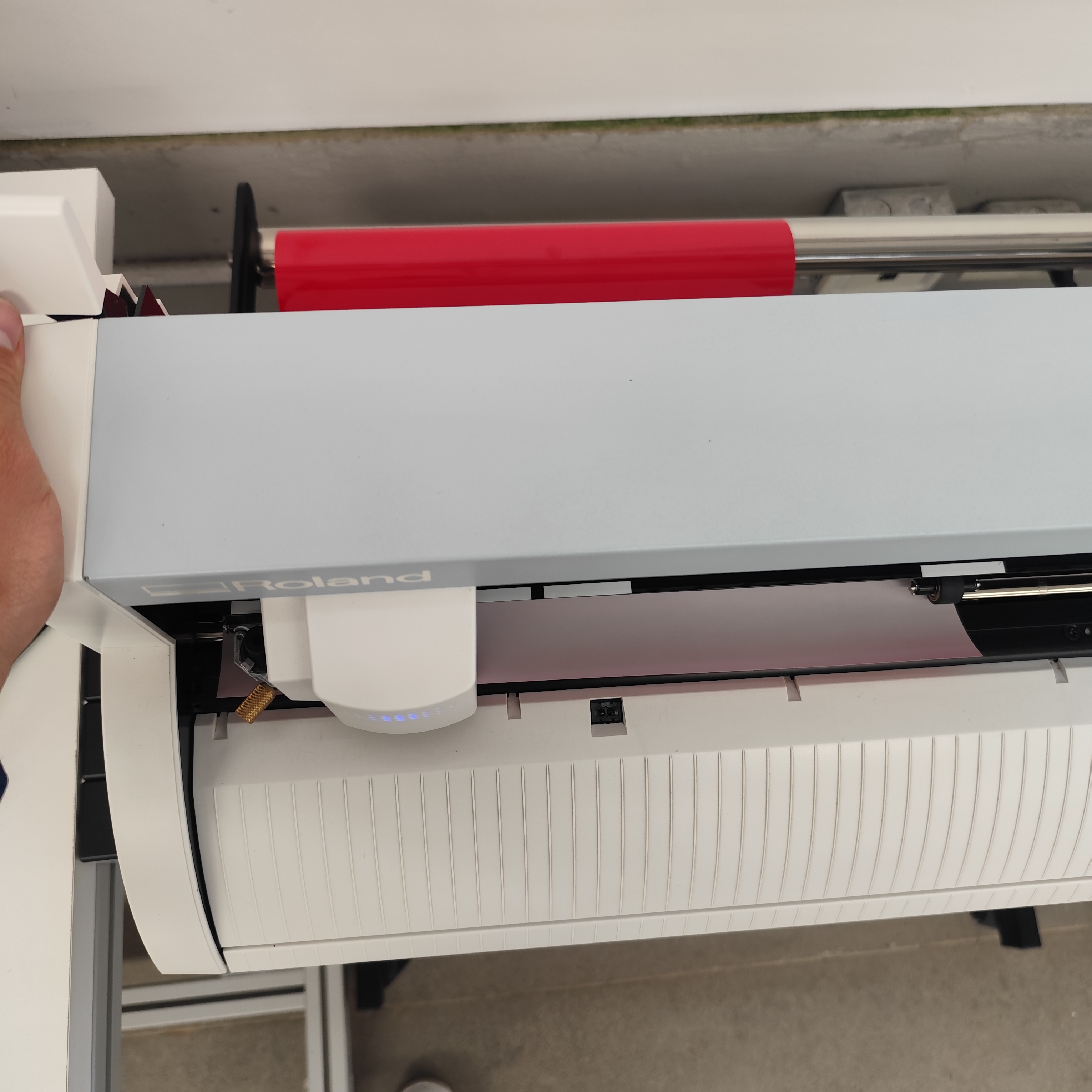
We load the material from the back of the machine and push the lever down to adjust the material.
Phase 6 ·
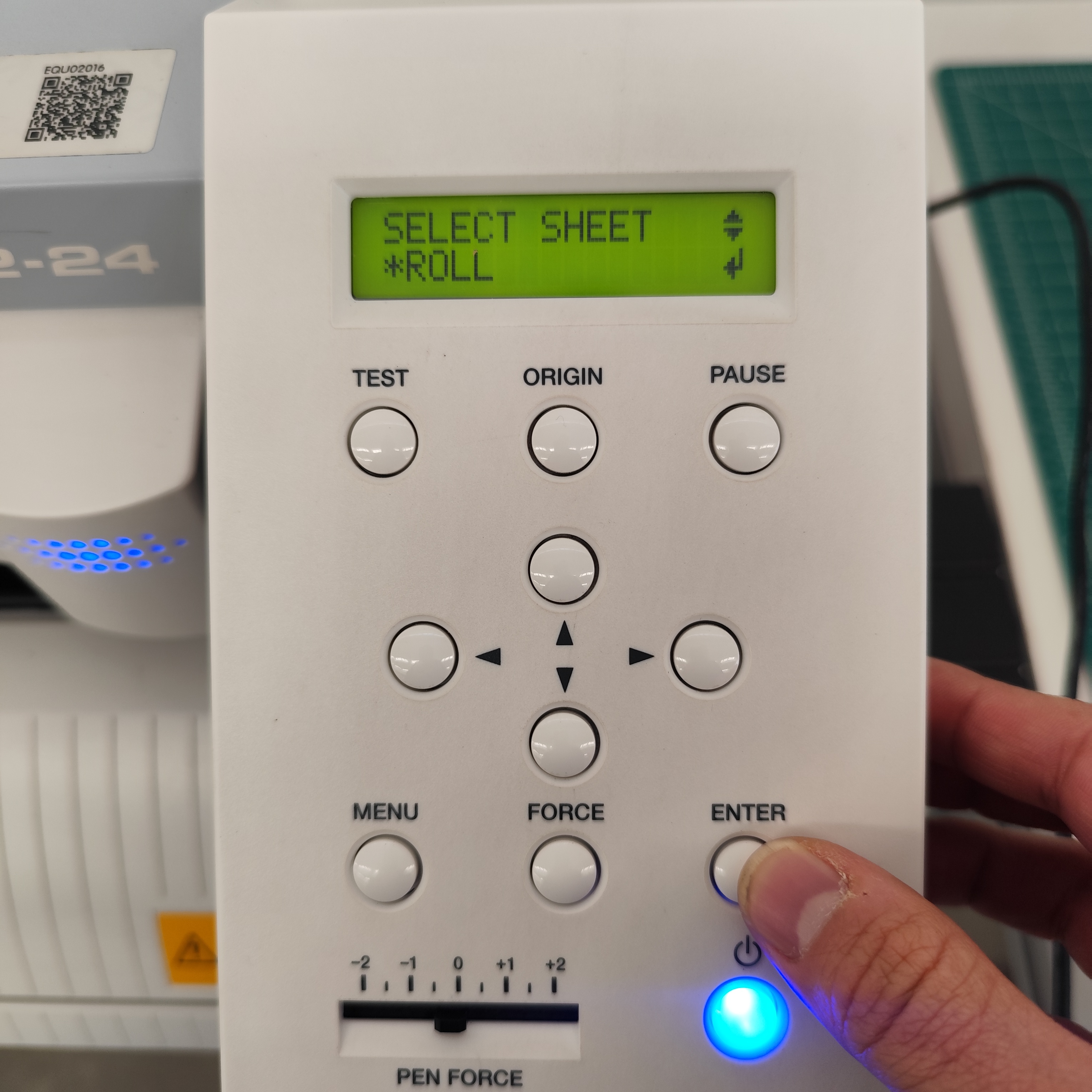
We configure the presentation of our material, which in our case is a roll.
Phase 7 ·
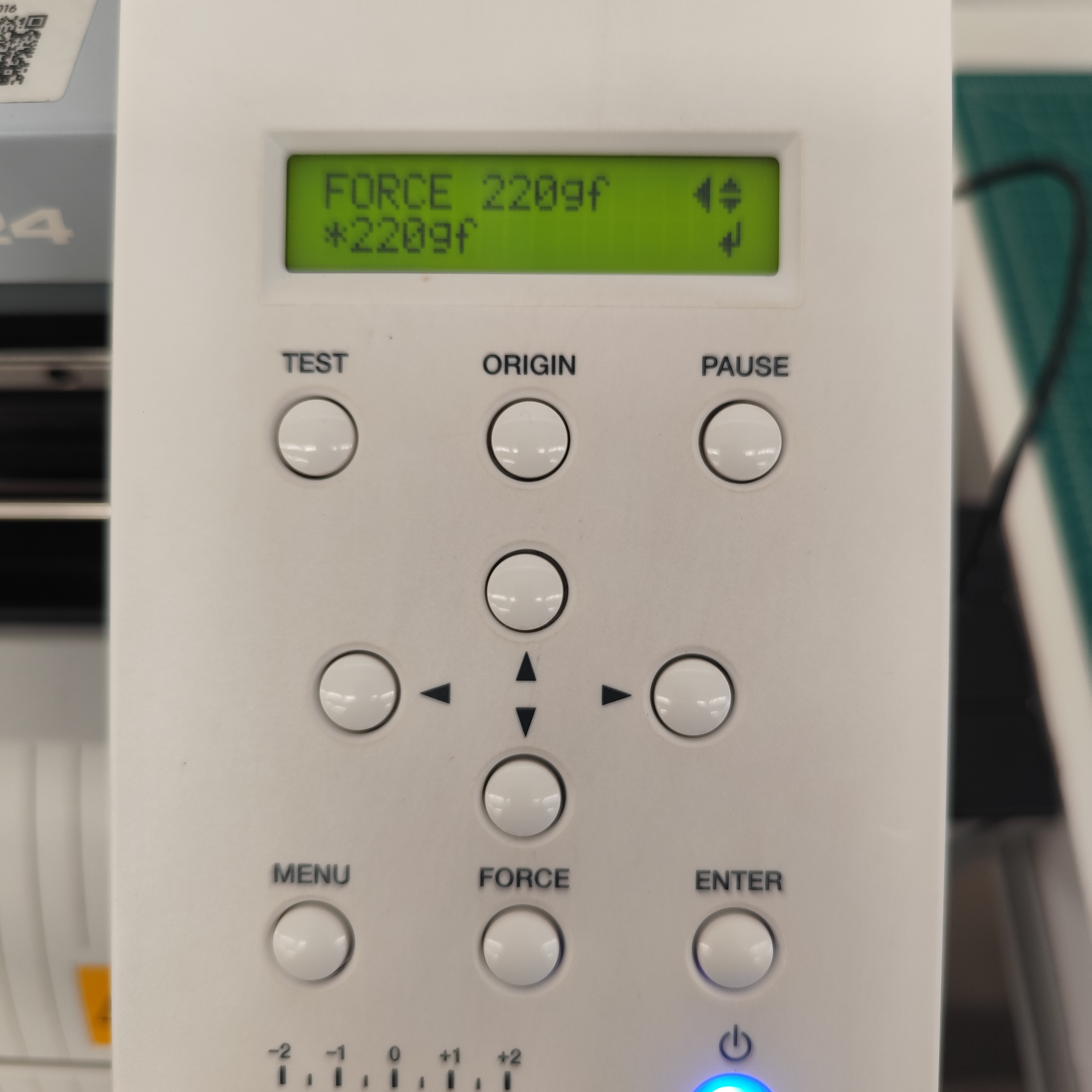
We set the cutting force of the machine, which for this textile vinyl is 220gf.
Phase 8 ·
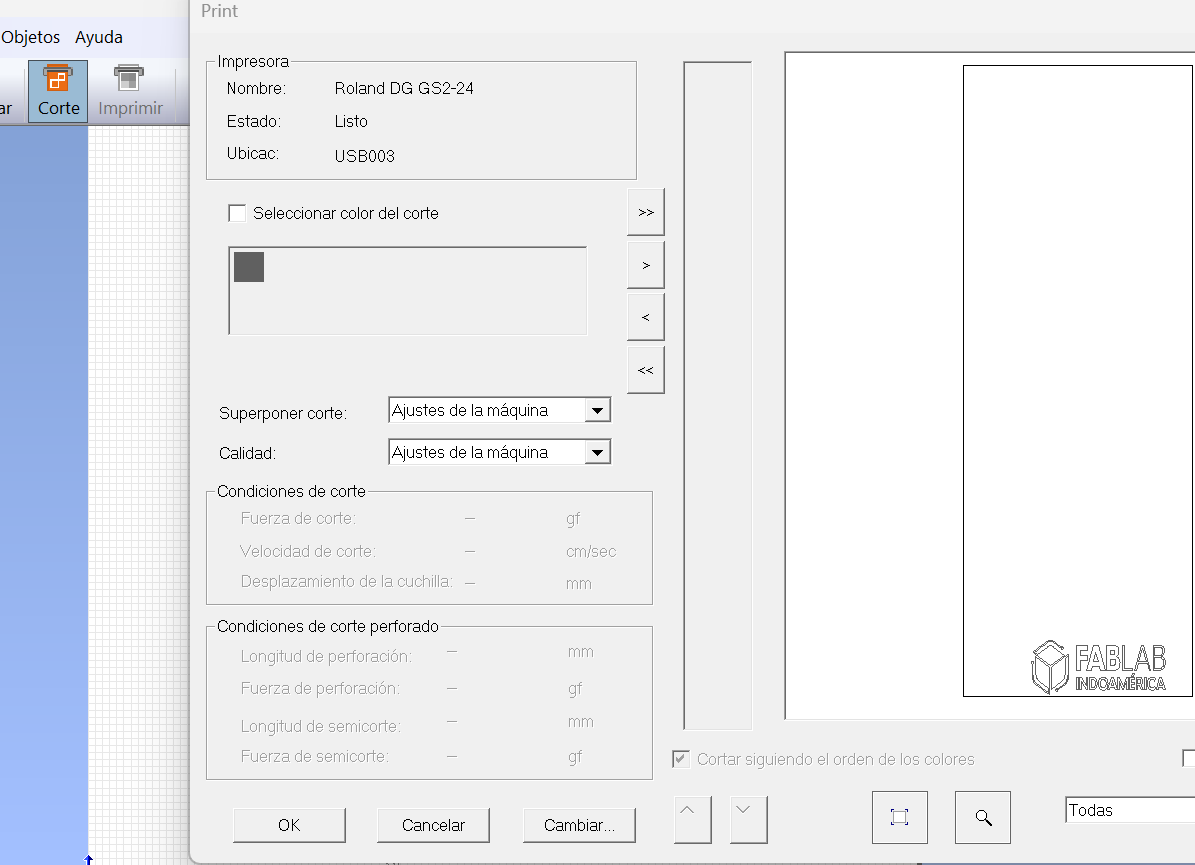
8. In cutStudio we select the Cut icon, confirm that the GS2-24 machine is selected and send to cut.
Phase 9 ·
We check our cut, remove the material that we don't need, and the cut is ready.
Laser cut
Laser cutting is a digital manufacturing technique that uses a high-powered laser beam to cut or engrave materials such as wood, acrylic, cardboard, leather, and fabric with great precision. The machine interprets vector or image files to direct the laser onto the material, capable of both complete cutting and surface engraving depending on the configured intensity and speed.
Phase 1 ·
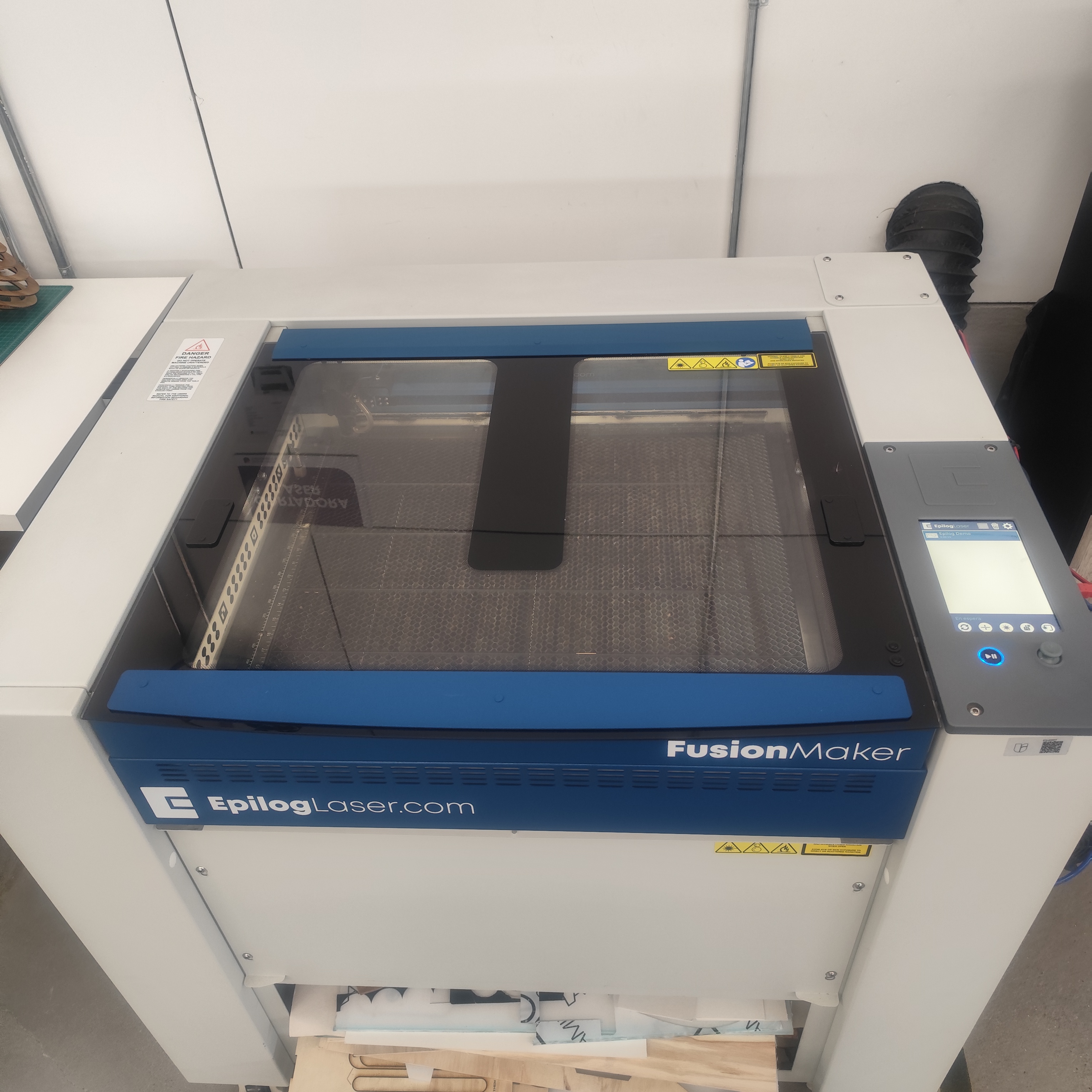
Our digital fabrication laboratory has an Epilog Fusion Maker 24, 40W laser cutter.
Phase 2 ·
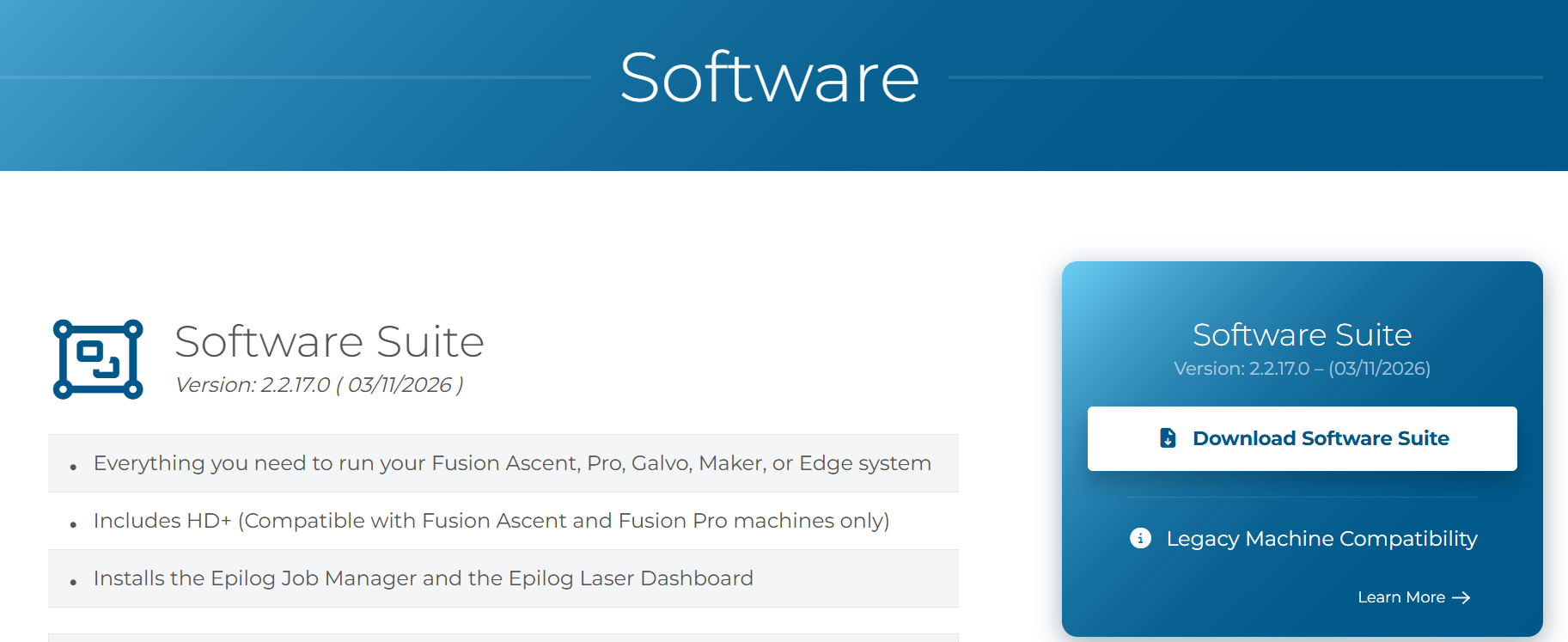
We must install the program and drivers to control the laser cutter. The program can be downloaded from the Epilog website; it is free to download and easy to install.
Phase 3 ·
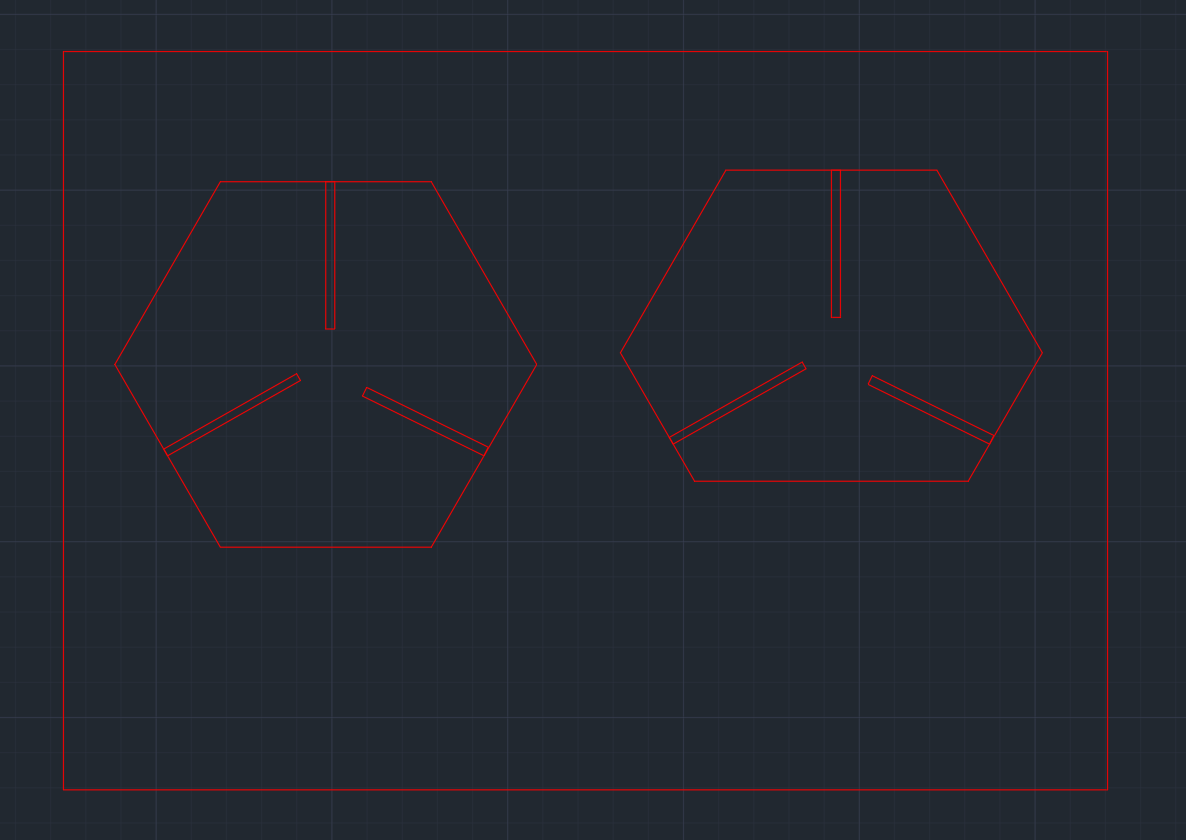
Now we continue with the design of what we want to cut, for now design in AutoCAD some geometric shapes that can be assembled together. In the group project, we conducted tests to determine the ideal cut that would allow the pieces to fit together without glue. We used a cutting width of 2.9 mm, which will be my cutting parameter, since the material thickness is 3 mm. Therefore, I will make different cuts to the various pieces using this 2.9 mm parameter, in different directions, so that they can be assembled together.
Phase 4 ·
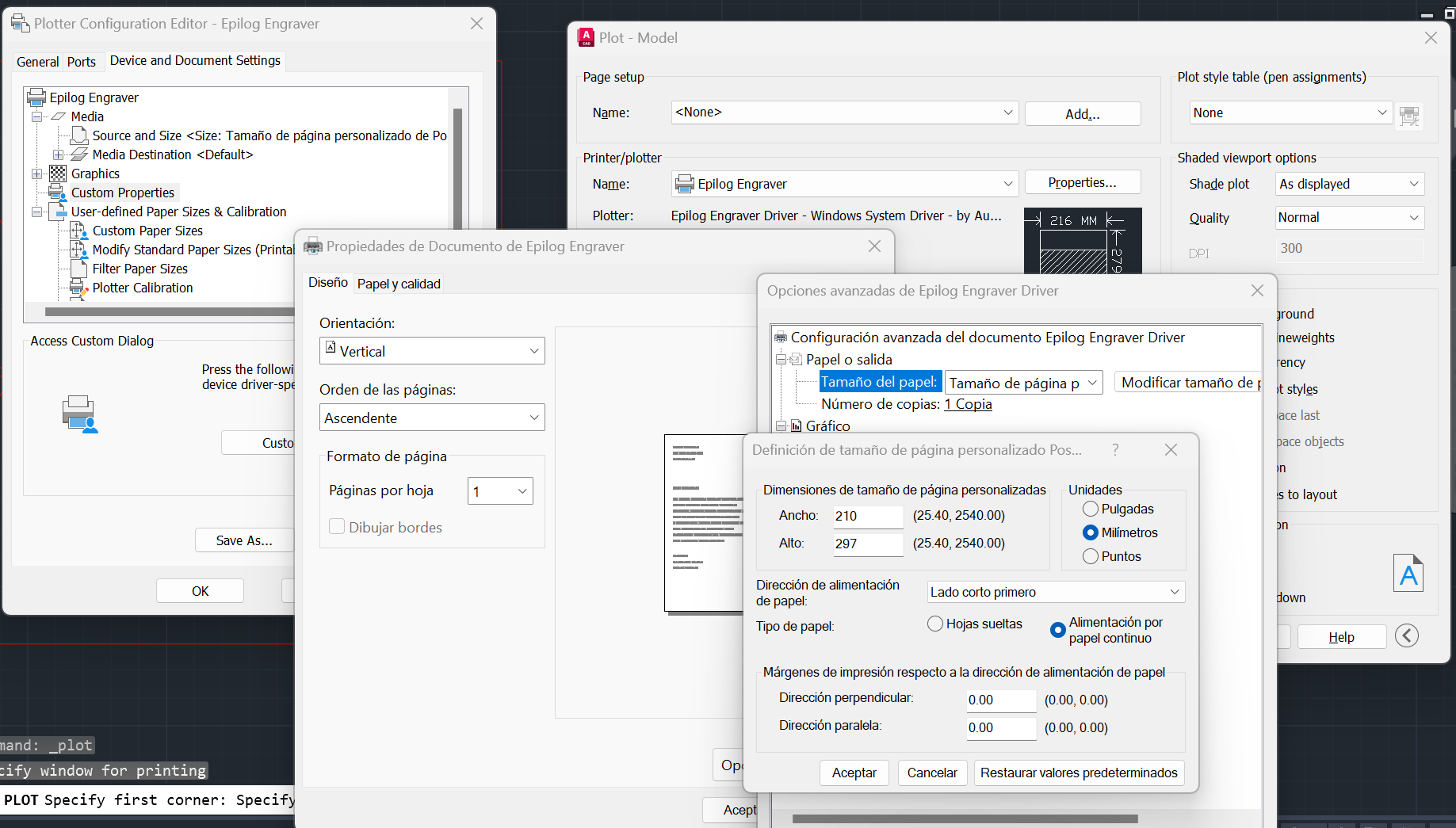
In order to load the file we designed into the laser cutter program, we send it to print from AutoCAD, but we choose the EPILOG ENGRAVER printer and we must configure the paper size in which our design is located, in my case it is A4 size.
Phase 5 ·
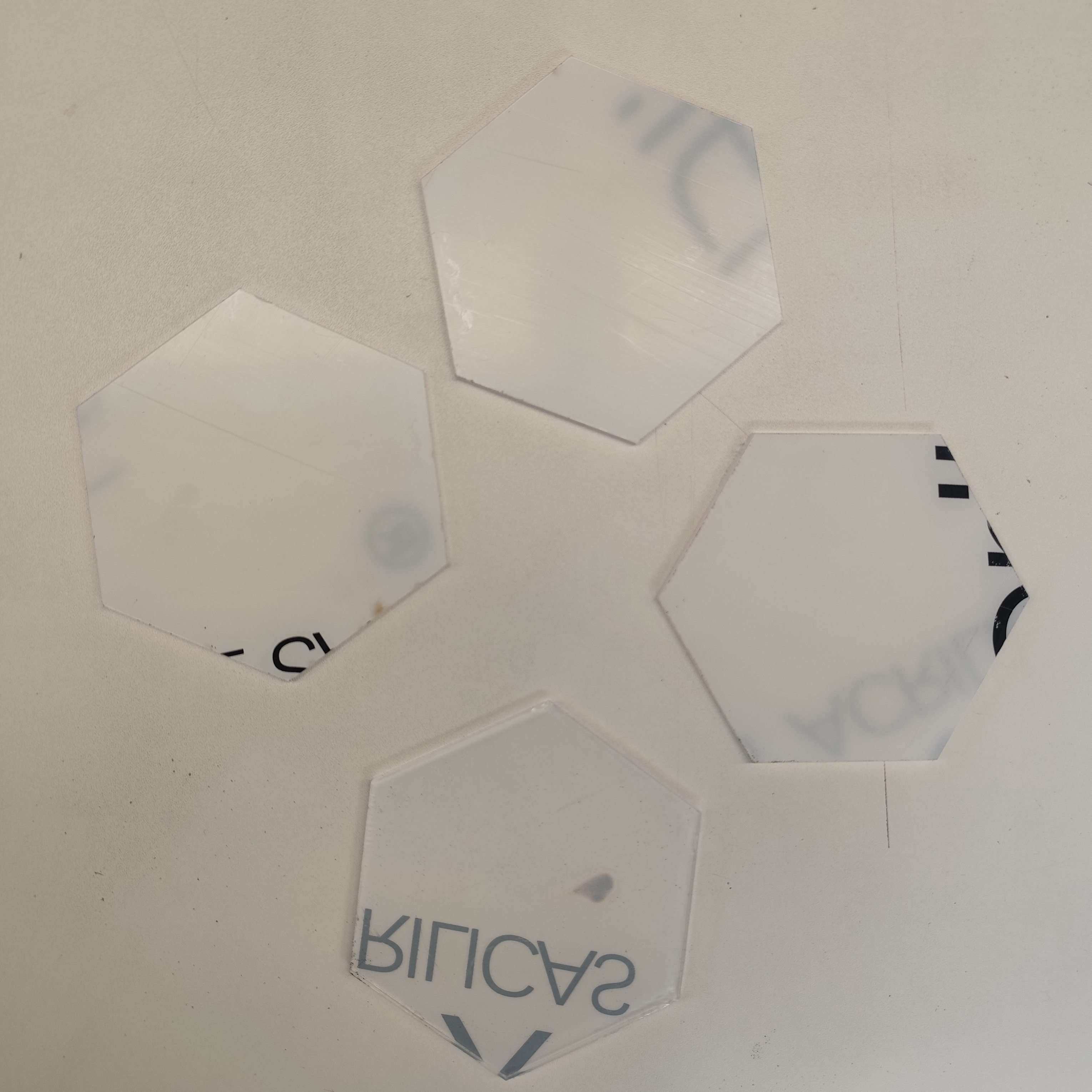
In this case the material I used is 3 mm acrylic, it is leftover from a previous project which I am going to give a new use to which are geometric figures that can be assembled together.
Phase 6 ·
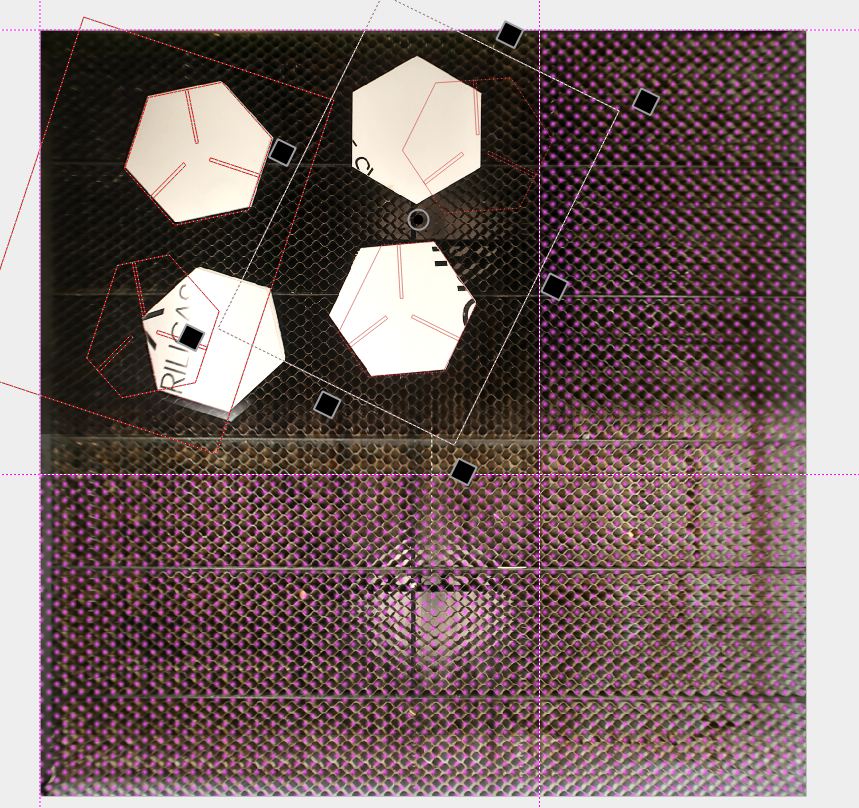
We place the material on the cutting bed of our laser machine and the advantage of this machine is that it has a camera where we can observe from the computer and place the vectors on the pieces.
Phase 7 ·
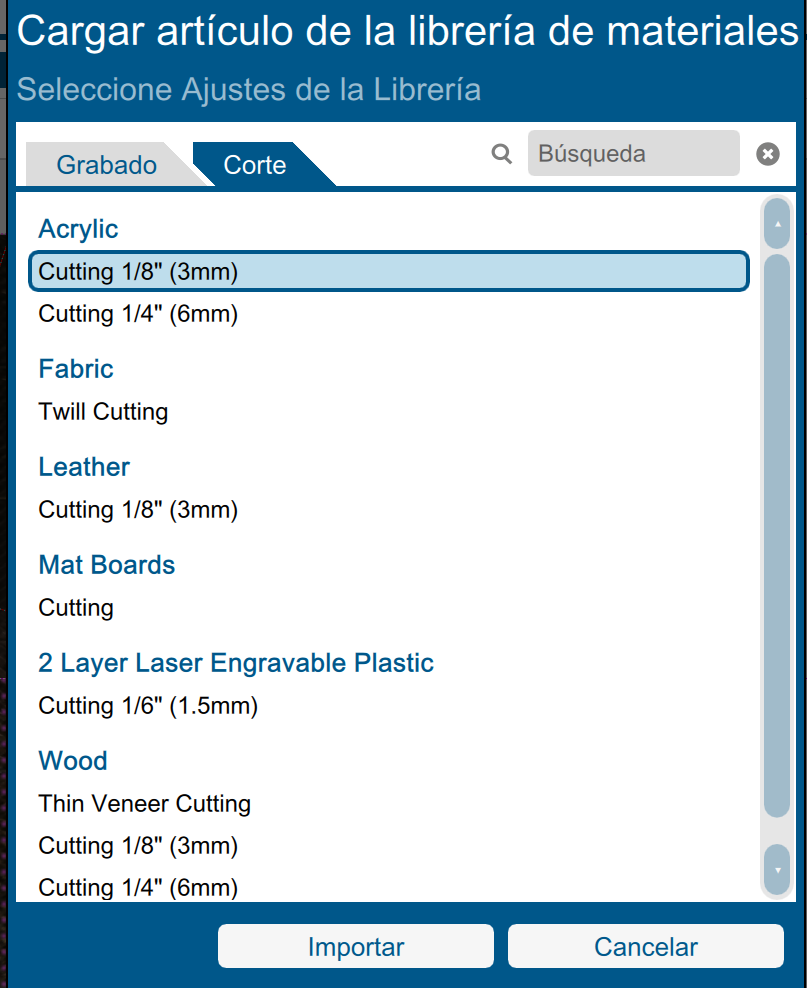
The next step is to configure the frequency, power, and speed of the laser to cut the material. The advantage of this program is that it has a library of materials where the optimal parameters for the process are already set.
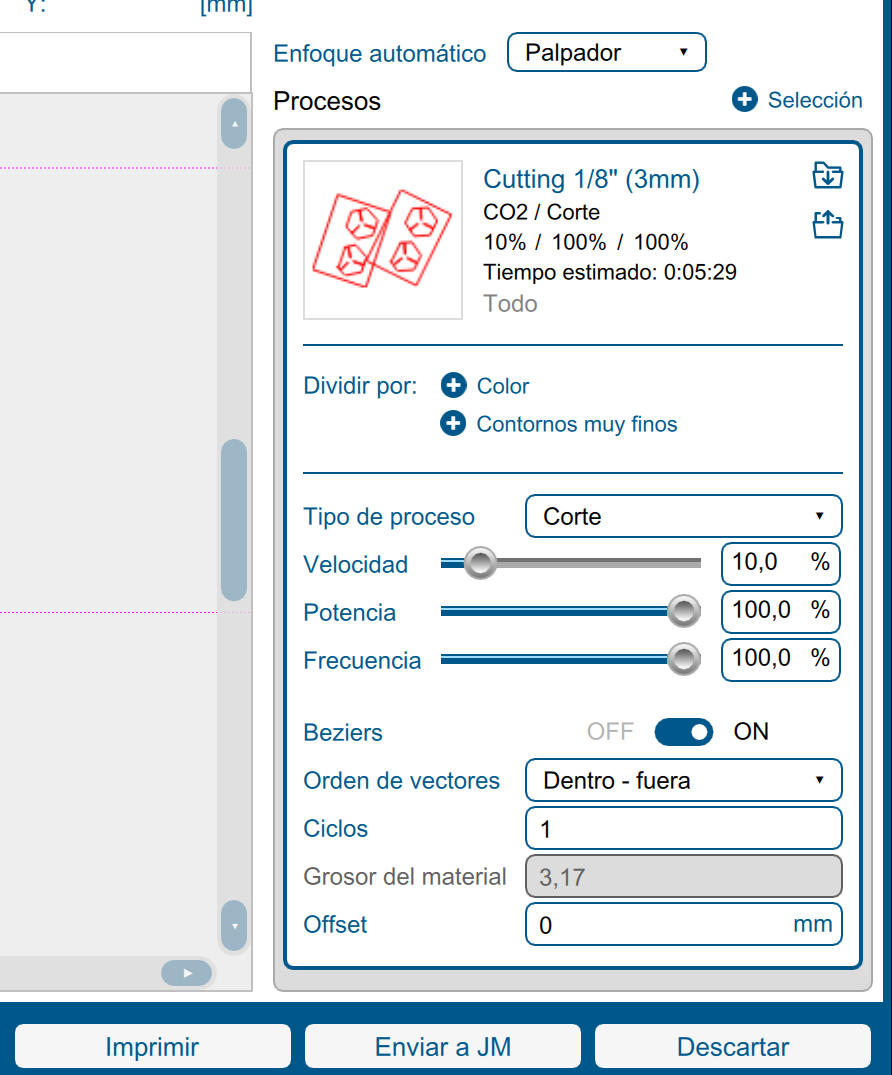
Phase 8 ·
With the cutting parameters ready, we choose automatic material focus and send the file to PRINT.
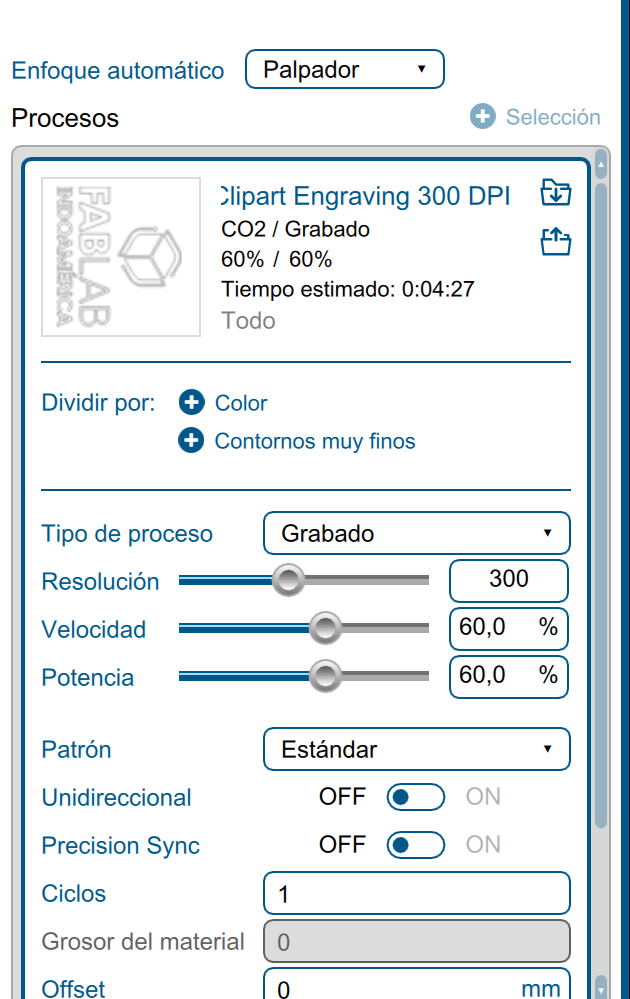
Phase 9 ·
For engraving, the same process is followed, but the difference is that in the process type we choose ENGRAVING
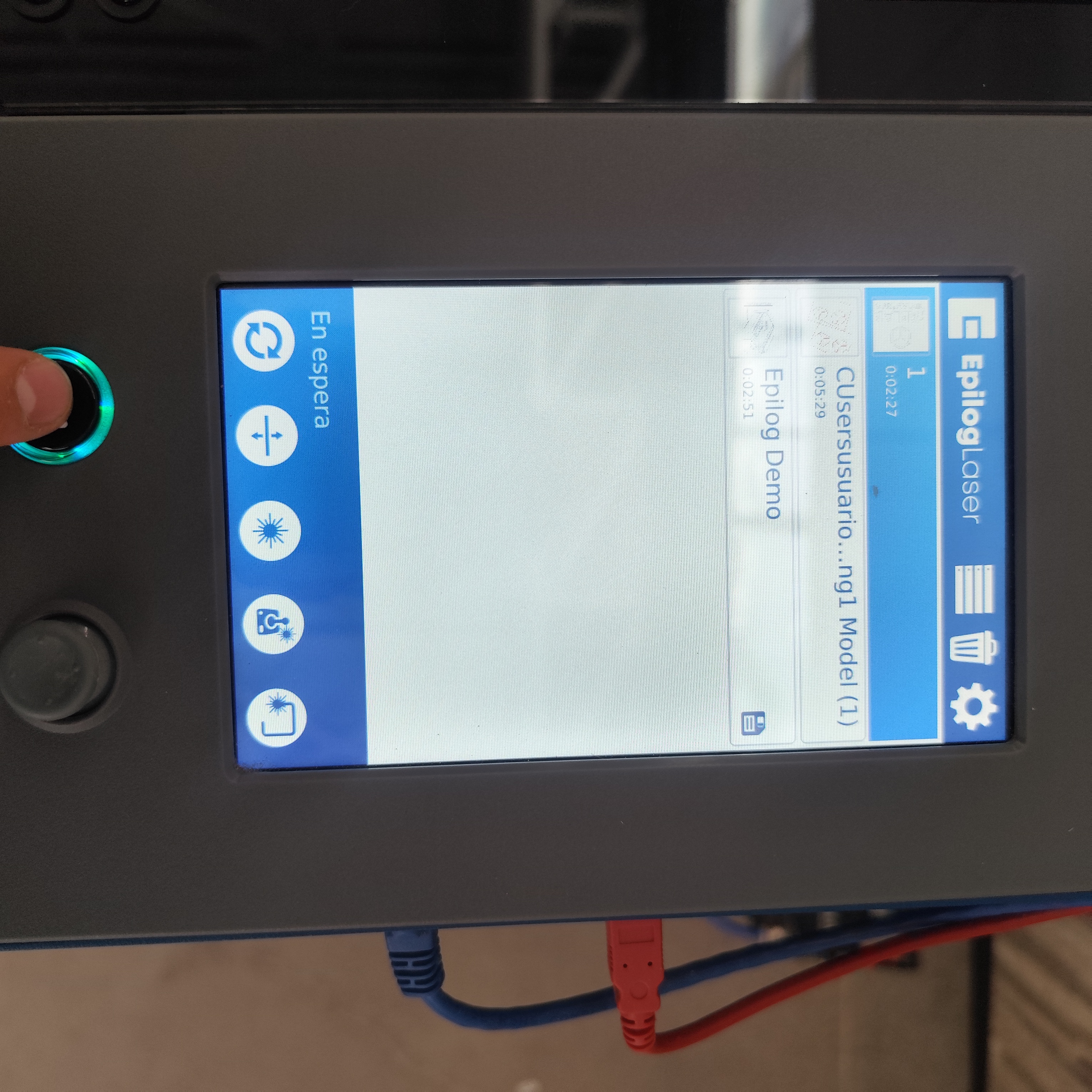
Phase 10 ·
On the laser cutter, we select the corresponding file and press play. Please note that the fume extractor and compressor must be turned on ALWAYS for cutting!
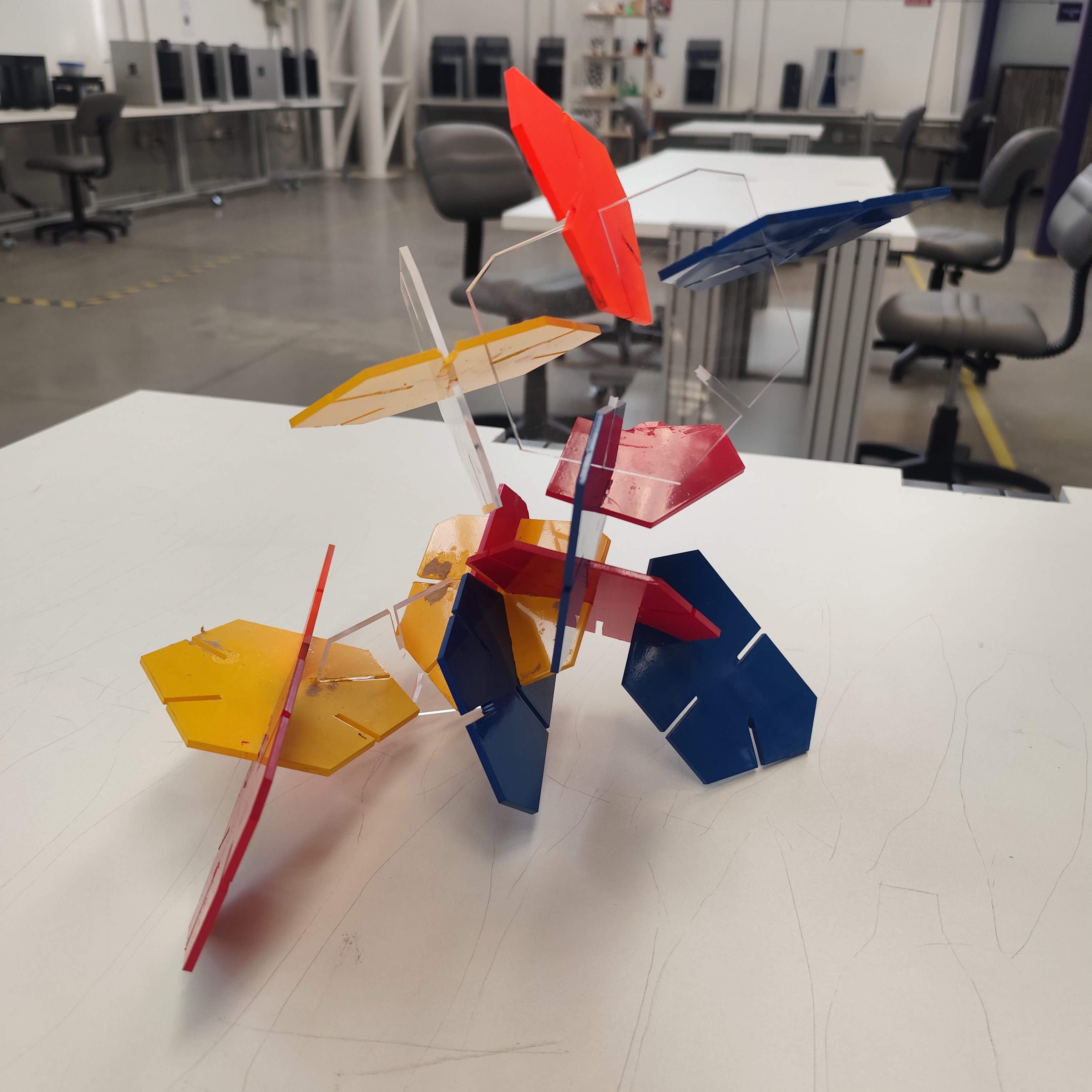
Phase 11 ·
In the end, with all the pieces I cut, I painted some of them and was able to assemble that structure.
Phase 12 ·
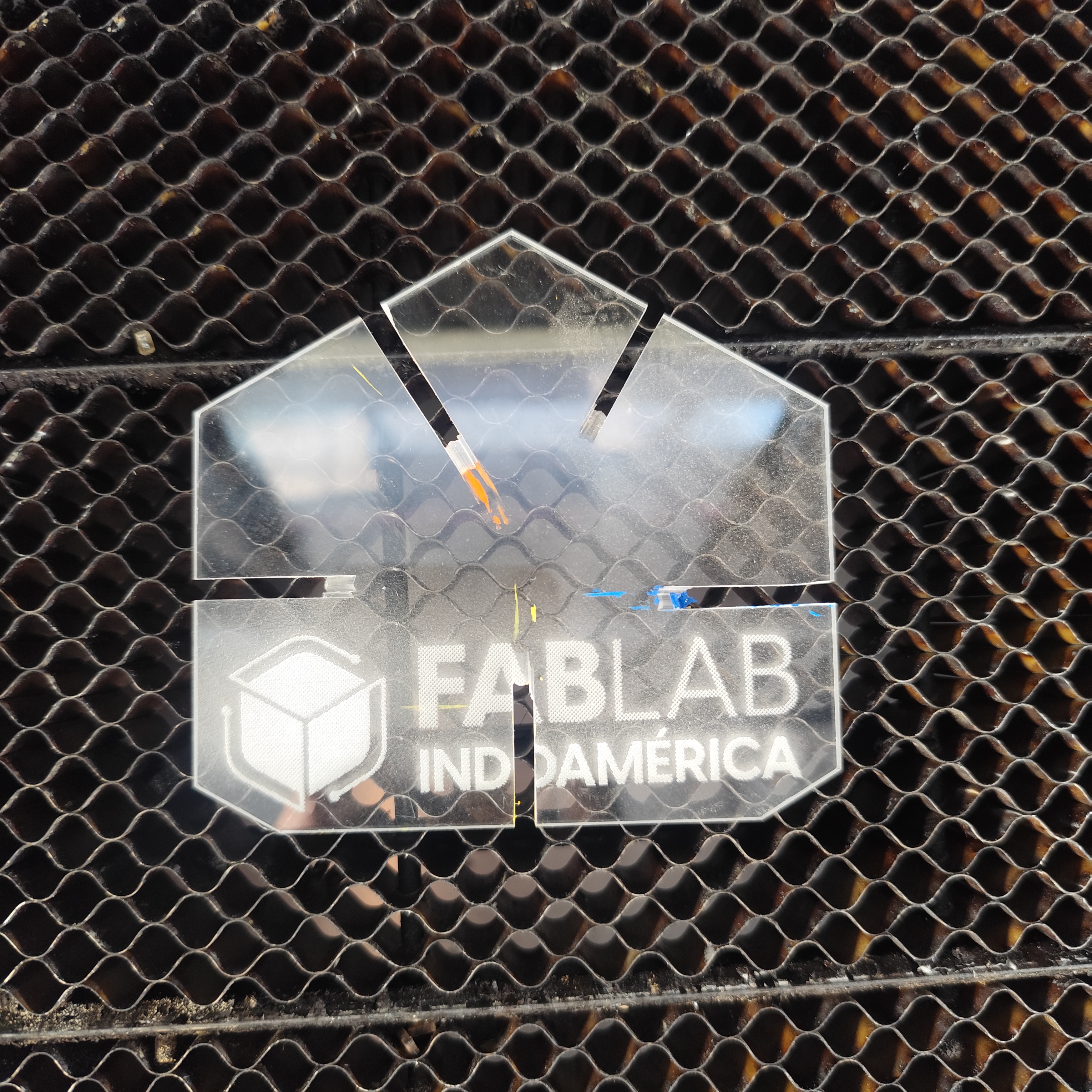
Also, have the laboratory logo laser engraved.
Conclusions
This week I learned about the process of computer-controlled cutting, from digital design to physical fabrication. Using a laser cutter and a vinyl cutter, I learned how machine parameters such as power, speed, focus, and cutting width directly affect the final quality and accuracy of the cuts. Working with parametric design allowed me to understand how dimensions, tolerances, and material thickness can be efficiently modified to create adaptable and functional assemblies. I also learned the importance of iterative testing to achieve precise press-fit joints. Challenges such as incorrect power and cutting speed settings, burnt edges, or fit issues became opportunities to better understand the behavior of both the machine and the materials.
← Main Page