Final Project Proposal
Plan and sketch a potential final project.
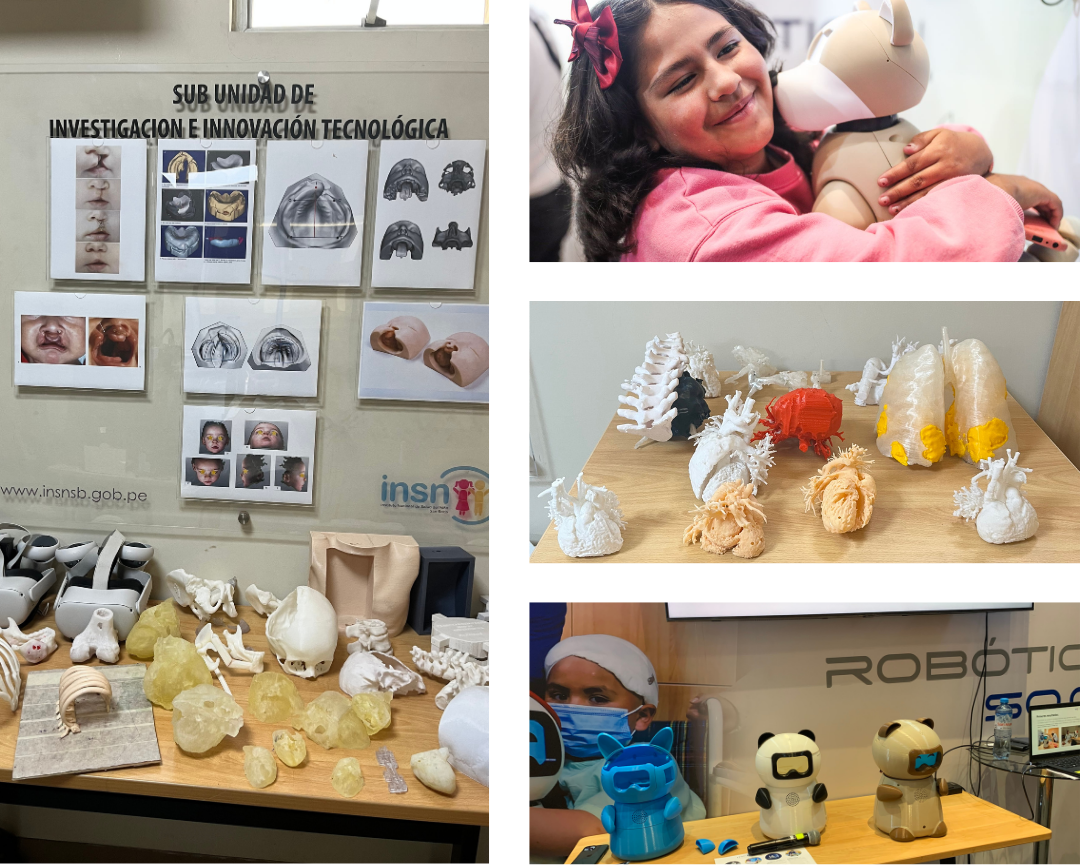
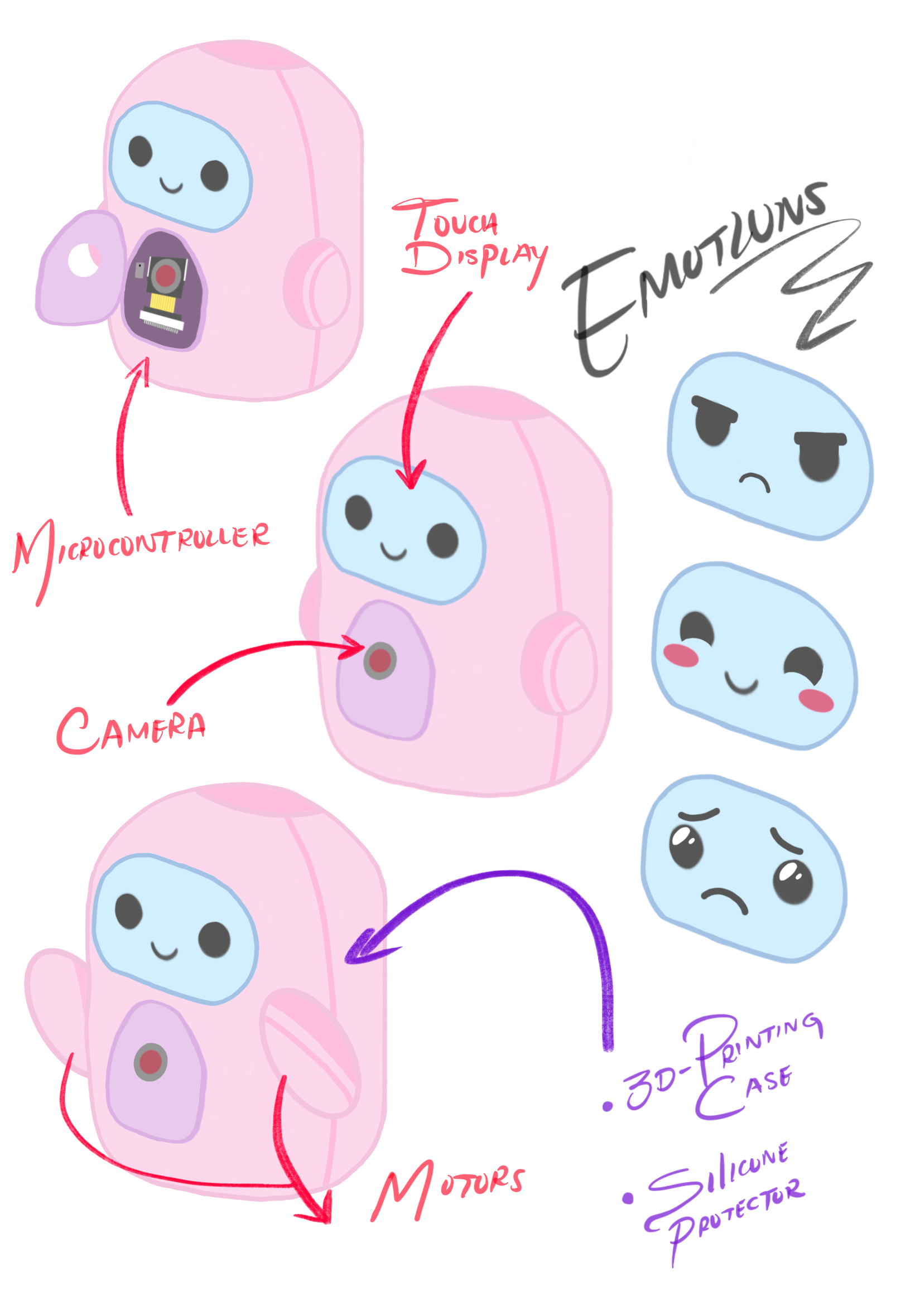
During my last year of university, I completed an internship at the Research, Technology, and Teaching Development Unit at the National Institute of Child Health in San Borja, Lima, Peru. This unit focuses on developing innovative projects that combine technology and healthcare to improve pediatric patient care through interactive devices, digital solutions, and applied research. During my internship, I explored projects involving 3D printing, augmented reality, social robotics, and artificial intelligence— all aimed at making the hospital experience for children a little kinder, a little easier… and more human. One area that especially caught my attention was social robotics. These small robots were not just devices; they were companions ❤️. They supported children during treatments, helping them feel less alone, and in many cases became a small friend — someone they could trust. What truly moved me was seeing how naturally children opened up to them. Because expressing how we feel is not always easy — even for adults.
First idea
This experience reminded me of something very personal. My younger cousin was diagnosed with ADHD, and learning to regulate his emotions was a challenge — for him and for our whole family 👪. With professional support and time, he improved. However, I know this is not the reality for many children in Peru 🇵🇪, where access to psychological care can be limited. At home, we tried to reinforce therapy exercises, but it was not always easy. Sometimes, even trying to do these activities with us was difficult for him. And that is when I remembered my internship experience… and asked myself: what if he had a small companion to help him understand and regulate what he was feeling? 🤔 At first, I imagined a robot capable of recognizing emotions through facial expressions. But as I researched, I realized how complex this idea was and the responsibility of designing for children with specific diagnoses.
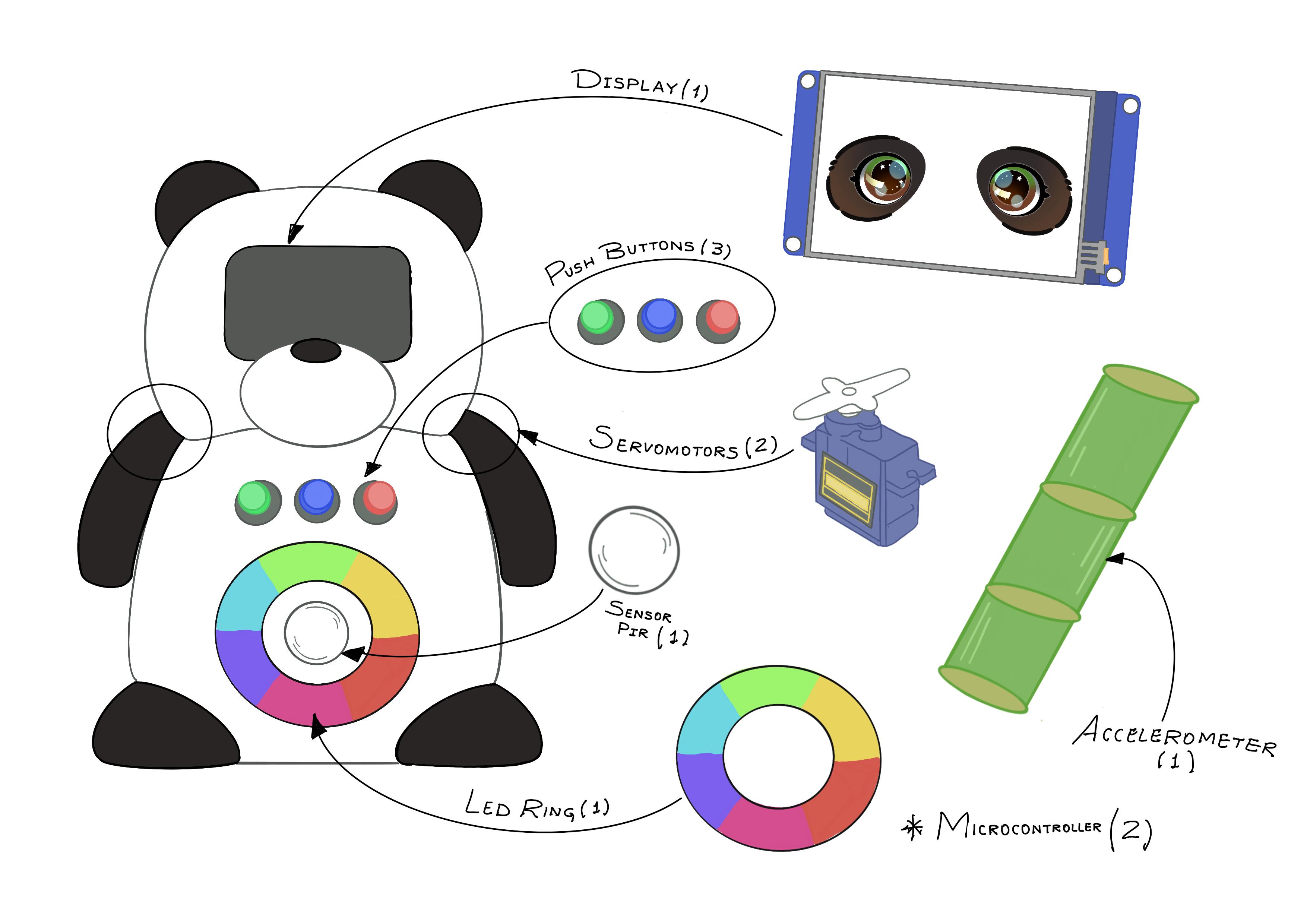
So, I took a step back and reframed the project. Instead of focusing on diagnoses, I focused on universal emotions such as happiness 😊, sadness 😢, and especially anger 😠—an emotion even adults struggle to manage… so imagine how challenging it can be for children. This is how my project took shape: a small panda-shaped robot 🐼 designed as a little robot friend for emotional support. Through simple and playful interactions, it helps children recognize, express, and manage their emotions in a safe and calming way. Its approach draws from play therapy, emotional regulation techniques, somatic awareness, and behavioral responses, gently guiding the child.