
HigiBox Structure
At this stage, HigiBox was no longer only an idea or a digital model. The acrylic structure was already assembled, the dispensing mechanism was being tested, and the main question was how to transform the prototype into a more complete, reliable, and shareable project.
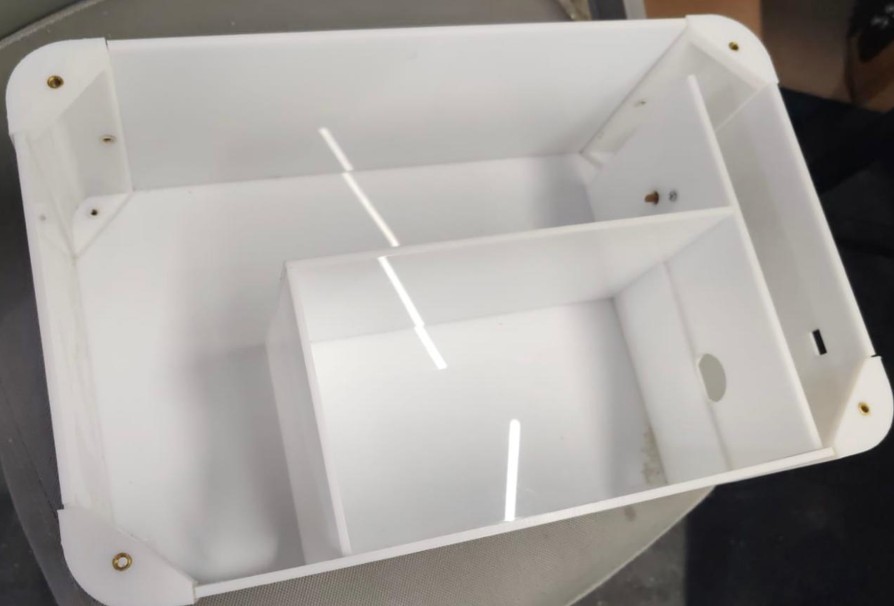
HigiBox is designed as a minimalist sanitary pad dispenser with a clean and warm visual language. The main structure uses white acrylic and rounded 3D-printed corners to make the object feel softer, safer, and more suitable for a bathroom or personal-care environment.
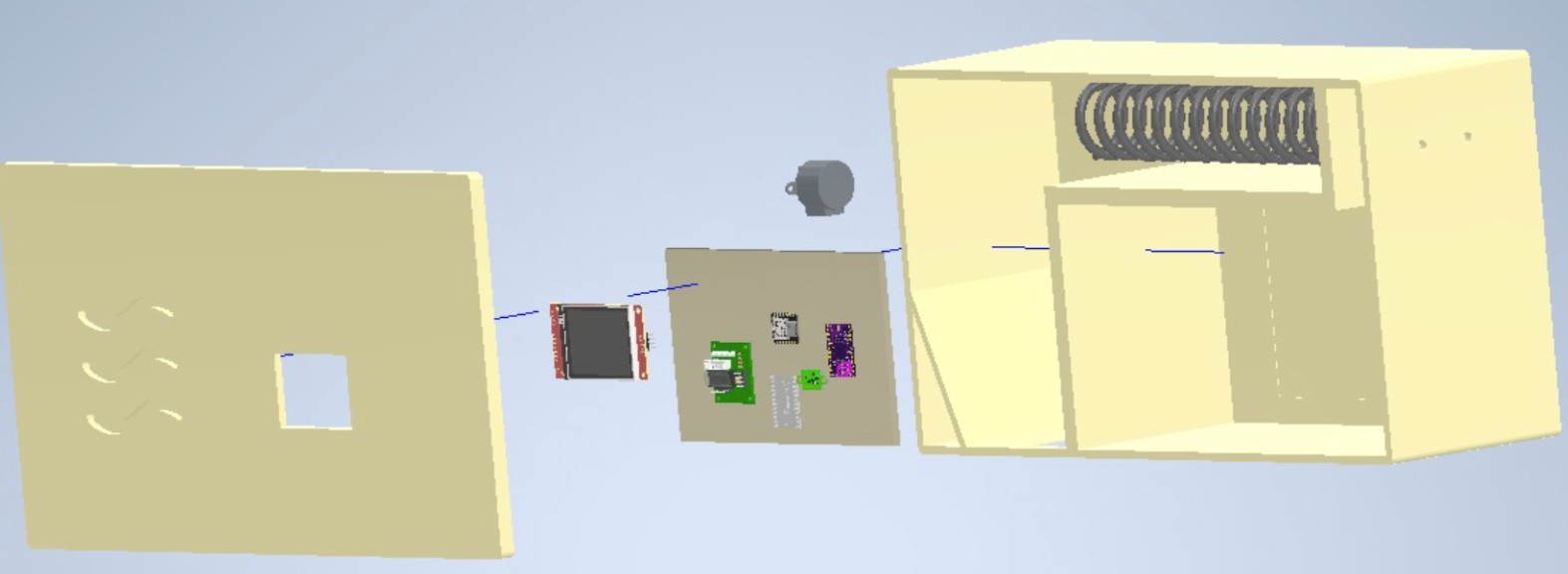
The 3D assembly helped me understand how the external enclosure, internal compartments, front cover, motor, spiral mechanism, and electronics could be organized inside one rectangular product.
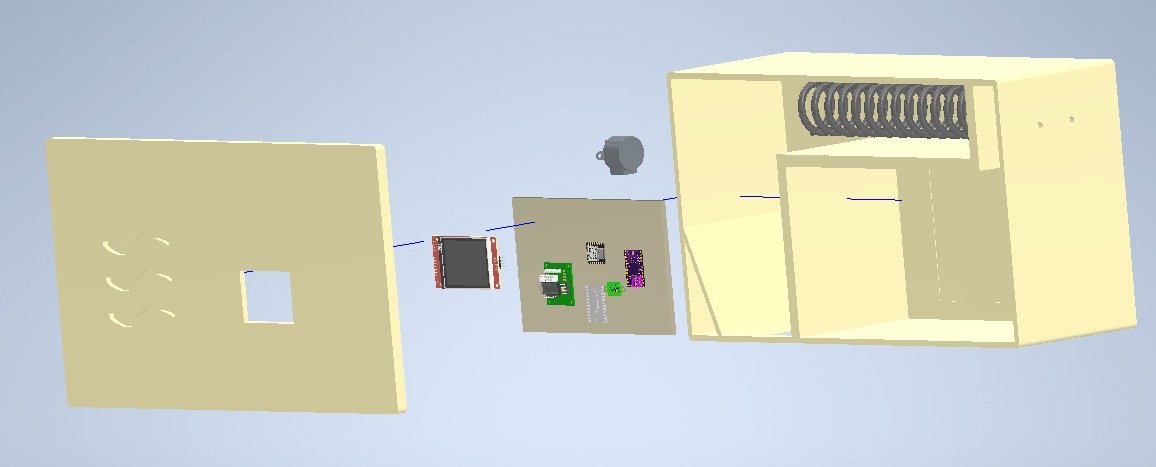
Static vs. Portable Design Decision
An important design decision this week was defining whether the dispenser should be static or portable. After reviewing the structure, size, battery, internal wiring, and intended use, I decided that the current version of HigiBox should be a static dispenser.
The project was planned from the beginning as a device that the user could place in a specific location, such as a bathroom, bedroom, dorm room, or university space. A static version gives more stability to the mechanism, protects the electronics better, and makes the refilling process easier. A portable version could be explored later as a future iteration, but for the current prototype, the priority is reliability and proper dispensing.
Intellectual Property
For my final project, I explored different intellectual property options in order to understand how HigiBox could be protected, shared, or developed in the future. Since the project combines mechanical design, electronics, digital fabrication, and user interaction, it can be analyzed from different intellectual property perspectives.
In Peru, intellectual property related to inventions, utility models, and industrial designs is managed through INDECOPI.
Protects a new technical solution that involves an inventive step and industrial application. Patents require novelty, non-obviousness, and enabling disclosure. This would be suitable for the dispensing mechanism if it represents a truly novel technical solution.
Protects a functional improvement in an object, device, or mechanism. Less stringent than patents, utility models are useful for practical innovations. This could protect the specific spiral mechanism and housing design of HigiBox.
Protects the external appearance of a product, such as its shape or visual configuration. This would protect HigiBox's distinctive form factor and aesthetic — the rounded acrylic enclosure with integrated 3D-printed corners.
Creative Commons CC BY-NC-SA 4.0
For this stage, I decided to use a Creative Commons Attribution–NonCommercial–ShareAlike 4.0 International License, also known as CC BY-NC-SA 4.0. I selected this license because I want HigiBox to remain open for learning, documentation, and noncommercial adaptation, while requiring attribution and keeping derivative versions under similar terms.
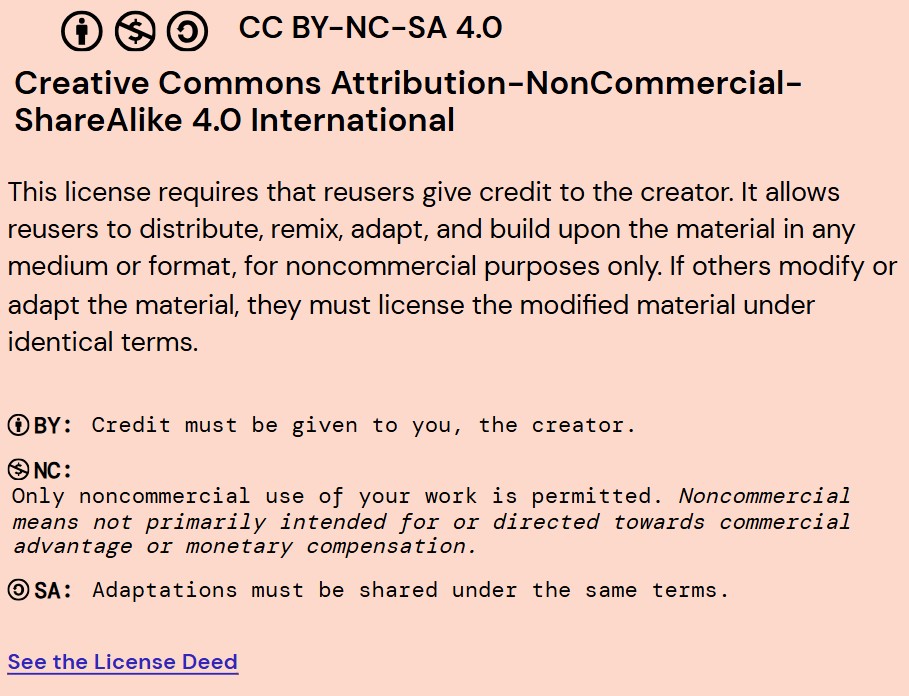
The license chooser helped me identify a license that matched my current intentions: allowing others to study, share, remix, adapt, and build upon the project for noncommercial purposes, while giving proper credit and sharing adaptations under the same license.
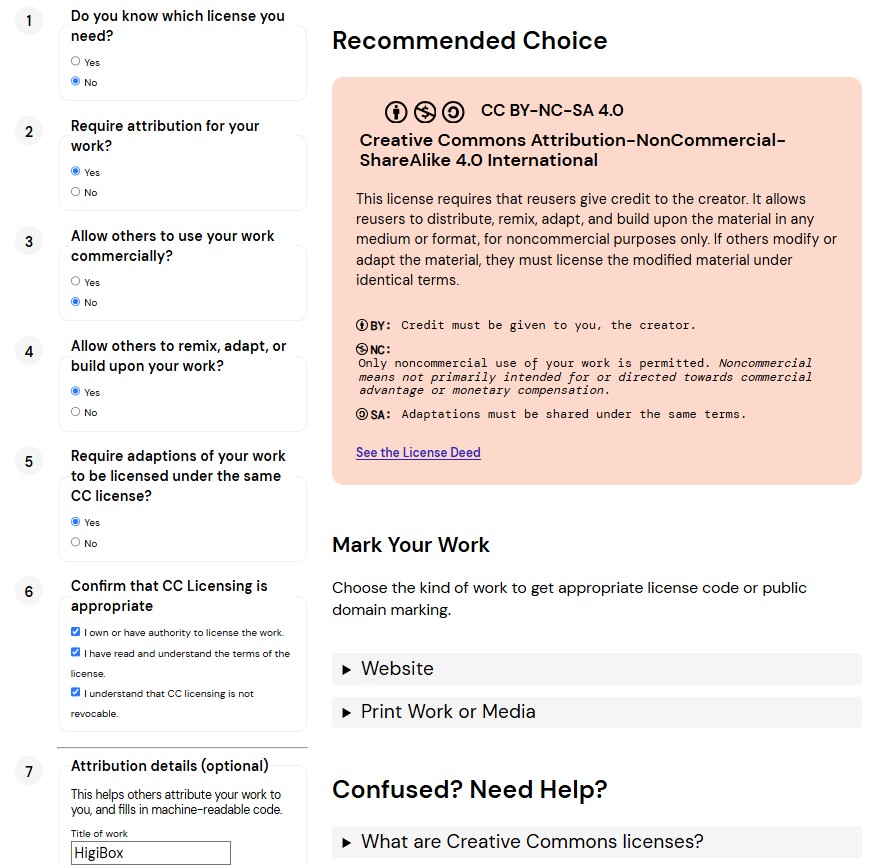
I researched the possibility of protecting the project later through formal INDECOPI registration. If I decide to pursue this route, I would need to evaluate novelty, industrial application, technical contribution, and the timing of public disclosure — requiring a detailed legal and technical review.
Dissemination Plan
The dissemination plan explains how I could share HigiBox with people who may benefit from it, support it, improve it, or help develop it further.
The main audience for HigiBox includes:
- Students who need access to menstrual-care products in universities or schools
- Individuals who want a more organized and discreet way to store sanitary pads
- Fab Lab and maker communities interested in open-source health and care devices
- Designers and engineers interested in assistive, personal-care, and hygiene-related products
- University innovation programs and entrepreneurship initiatives
- Institutional partners interested in menstrual-care accessibility
The main goals of the dissemination plan are:
- Share the project as an educational and open documentation resource
- Demonstrate how digital fabrication can be applied to personal-care products
- Receive feedback from users, instructors, and possible partners
- Identify improvements for future versions
- Explore whether the project can become a university-supported initiative or product
Dissemination Channels & Strategies
Website & Documentation
The first dissemination channel will be my Fab Academy website, which already contains the weekly documentation, design process, electronics development, failures, tests, and final project progress.
Future standalone HigiBox website would include:
- Project Overview: Intelligent menstrual care dispenser for personal use, combining physical interaction, embedded electronics, sensors, and digital fabrication
- Core Features (Current): Touchless activation via IR sensor, multiple product compartments, stock detection system, modular 3D-printed design
- Problem Statement: Lack of modernization in menstrual hygiene product storage + social stigma → need for smart, user-centered solutions
- Impact Focus: Reduce menstrual stigma, empower user autonomy, provide dignified access, promote female empowerment through technology
- Technical specifications (XIAO ESP32-C3, IR sensors, load cells, servo motors)
- System architecture diagrams and technical drawings
- Bill of materials and cost breakdown
- Fabrication files (STL for 3D prints, DXF for laser cutting, CAD models)
- Step-by-step assembly guide with photos
- Electronics schematic and Arduino/firmware documentation
- FemTech positioning and market context
- License information (CC BY-NC-SA 4.0 + INDECOPI Modelo de Utilidad for hardware)
- Future Development Roadmap: Mobile app integration, touchscreen display, cloud backend, cycle data features
Live University Demonstration
An important dissemination action would be scheduling live demonstrations at the university through Fab Lab events, design fairs, engineering showcases, entrepreneurship competitions, or student wellness programs.
Live Demonstration Sequence:
- Problem Introduction: Explain the stigma surrounding menstruation and the lack of modernization in product storage. Show why intelligent solutions are needed
- Core Idea Explanation: Present HigiBox as an intelligent dispenser for personal use — emphasize the empowerment and automation aspect
- Physical Prototype Display: Show the acrylic enclosure, multiple compartments, and 3D-printed dispensing mechanisms
- Touchless Sensor Demo: Demonstrate hand-detection via IR sensor and automatic product dispensing without physical buttons
- Motor & Dispensing Mechanism: Show how the servo motor rotates to dispense different products from separate compartments
- Stock Detection System: Explain how load cells or optical sensors monitor stock levels in each compartment
- Electronics & Firmware: Show the XIAO ESP32-C3 microcontroller, sensor integration, and motor control logic
- Future Vision Presentation: Explain roadmap for mobile app connectivity, cycle data integration, and smart features
- Impact & FemTech Context: Connect the technology to the growing FemTech industry and importance of female-centered innovation
- Q&A & User Feedback: Collect real-time reactions and suggestions from potential users to validate and improve the concept
Funding & Scaling Pathway
One possible funding path is Emprende UP, or similar university entrepreneurship programs. These programs could help transform HigiBox from a working Fab Academy prototype into a market-ready product positioned within the FemTech industry.
Positioning HigiBox in FemTech
Women's health — particularly menstrual health — has historically been ignored, hidden, or treated as a taboo subject. HigiBox addresses a genuine market gap in:
- Menstrual product accessibility and automation
- Stigma reduction through technology normalization
- Personal empowerment and product choice automation
- Female-centered IoT and smart device innovation
Immediate Scaling Priorities (Phase 1)
To move from working prototype to production-ready device:
- Manufacturing Refinement: Optimize 3D-printed components for durability, refine acrylic cutting, improve mechanical reliability
- Component Sourcing: Establish supply chains for XIAO ESP32-C3, reliable sensors, servo motors, quality acrylic materials
- Quality Control: Develop testing protocols for sensor accuracy, motor reliability, dispensing consistency, and durability under repeated use
- Electronics Robustness: Optimize power consumption, improve sensor calibration, ensure stable firmware performance over extended use
- User Testing: Conduct field testing with real users to validate dispensing reliability, sensor responsiveness, and overall UX
- Regulatory Compliance: Ensure product meets health and safety standards for menstrual-care devices in target markets
Future Opportunities (Phase 2+)
Once the physical prototype is market-ready, future funding could support:
- Mobile App Development: Build Bluetooth connectivity, real-time stock tracking, usage history, and companion features
- Smart Display Integration: Add optional touchscreen display for onboard control and feedback (future enhancement, not current MVP)
- Cycle Data Integration: Connect with Clue or similar apps to provide context-aware product recommendations and motivational messaging
- Cloud Backend: Enable cloud storage for usage analytics and personalized insights over time
- Production Scaling: Move from 3D printing to injection molding for cost-effective mass production
- Supply Chain Optimization: Establish manufacturing partnerships and logistics for B2C and B2B distribution
- Customer Support: Build helpdesk, warranty programs, maintenance services, and refill systems
Market Targets for Growth
B2C (Direct to Consumers): Personal dorms, wellness spaces, boutique health centers
B2B (Institutional): Universities, secondary schools, office buildings, hospitals, government facilities investing in menstrual equity programs
Business to Consumer (B2C) Model
A possible B2C business model could focus on selling HigiBox as a personal-care device directly to individuals for:
- Individual consumers at home
- Personal dorm rooms and student housing
- Private bathrooms and wellness spaces
- Boutique health centers and clinics
Advantages: Direct customer feedback, brand loyalty, premium pricing potential. Challenges: Higher customer acquisition costs, need for strong marketing presence.
Business to Business (B2B) Model
An alternative B2B model where institutions purchase and maintain HigiBox units as part of their menstrual-care accessibility programs:
- Universities and educational institutions
- School systems (secondary/high schools)
- Office buildings and corporate wellness programs
- Hospitals and healthcare facilities
- Government agencies and public facilities
Advantages: Larger order volumes, predictable recurring revenue, institutional partnerships. Challenges: Longer sales cycles, need for institutional compliance and certification.
Scaling Strategy
To scale from a handmade prototype to a reproducible product, the following steps would be essential:
- Manufacturing: Move from 3D printing to injection molding or CNC for cost-effective production
- Supply Chain: Establish relationships with reliable suppliers for electronics and materials
- Quality Control: Develop testing protocols for reliability and safety
- Assembly: Design for automated or semi-automated assembly processes
- Packaging & Distribution: Create professional packaging and logistics partnerships
- Customer Support: Establish helpdesk and maintenance systems
- Regulatory Compliance: Ensure product meets health and safety standards
Business Plan Requirements
A complete business plan would need to define:
- Final Cost: Manufacturing, assembly, packaging, distribution costs
- Pricing Strategy: Profit margins for sustainability
- Maintenance Process: Cleaning, refilling, repair protocols
- Refill Method: How users/institutions obtain replacement pads
- Manufacturing Strategy: In-house, contract manufacturer, or hybrid
- Safety Requirements: Health standards, materials certification
- User Experience: Intuitive operation, accessibility features
- Possible Suppliers: Component sourcing and logistics
- Market Validation: User research and demand assessment
Final Project Progress Tracking
By this week, several important tasks had already been completed:
- The acrylic structure was assembled
- The 3D-printed rounded corners were integrated with the acrylic panels
- The structure maintained the rectangular aesthetic of the original concept
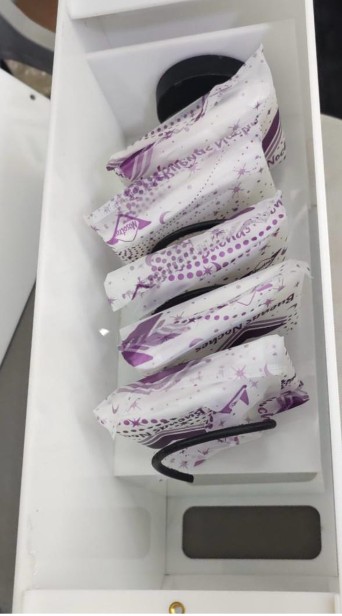
- The sanitary pads fit inside the storage compartment
- The spiral mechanism was printed and installed
- The spiral base was connected to the motor
- The access panels were planned using screws
- A better visual solution for the acrylic detail was tested
- The main electronic components were selected
- The system architecture was defined
- The intellectual property strategy was selected
- The dissemination plan was outlined
The main pending tasks are:
- Install the complete circuit inside the acrylic structure
- Test the dispensing mechanism with the front cover installed
- Verify if one motor movement releases exactly one sanitary pad
- Define the final position of the stock sensor
- Define the final position of the hand-detection sensor
- Organize and secure the internal wiring
- Test the battery with the complete system
- Mount the TFT display on the front panel
- Check if the front cover is enough to keep the pads aligned
- Record the final demonstration video
- Prepare the final slide and final presentation
Acrylic Enclosure System
The acrylic enclosure is working as expected. It is rigid, visually clean, and can be opened for maintenance.
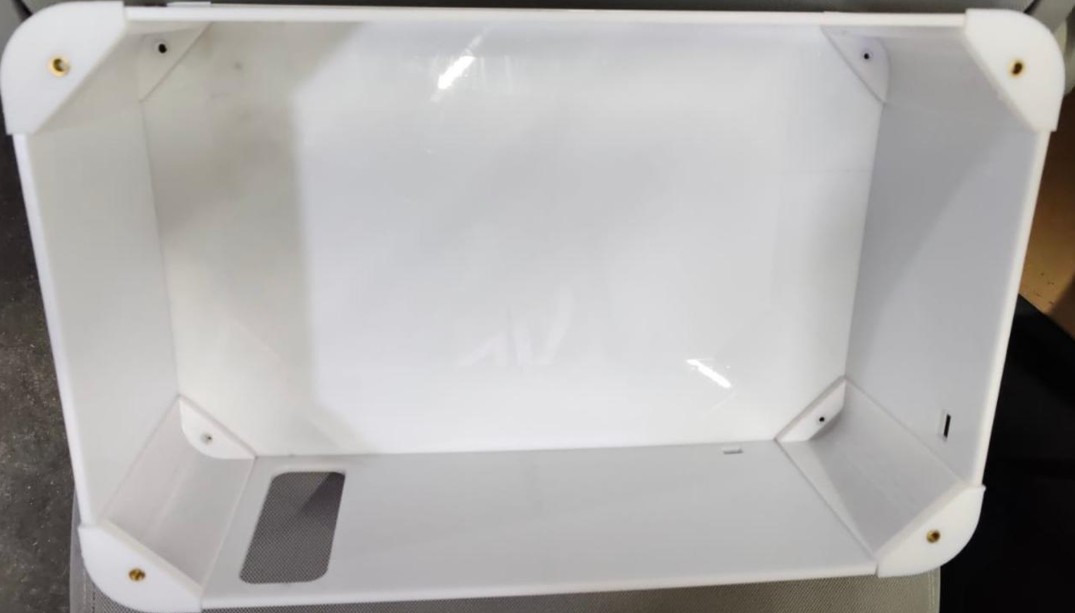
The pressure-fit system with the 3D-printed rounded corners helps connect the acrylic panels and gives the product a softer and safer appearance.
Storage & Dispensing Area
The upper storage area works well for the sanitary pads. The pads fit inside the dispenser, and the spiral mechanism can be positioned in the correct area.
The motor and spiral connection is working as a mechanical concept. The motor coupling allows the spiral to connect to the motor, which is essential for the dispensing function.
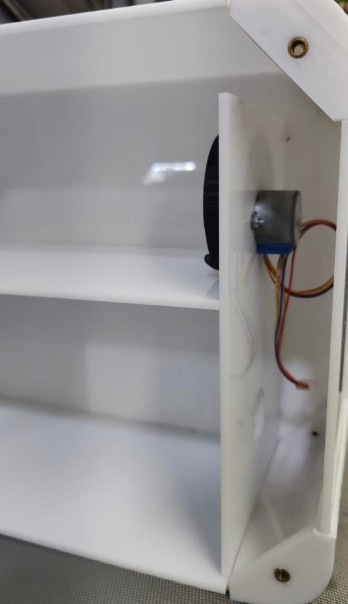
The access area for the sanitary pads also works well. It allows the user to refill the dispenser without disassembling the entire structure.
Power System
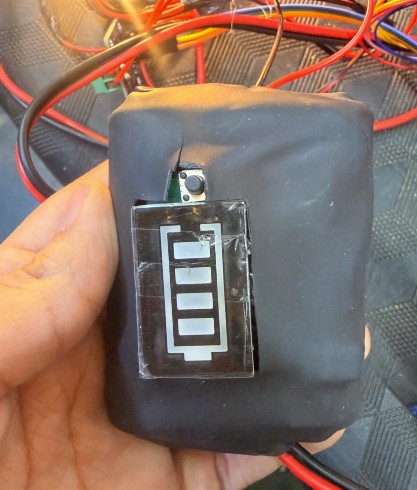
The 12 V battery is also useful for the project because it has a long operating capacity and includes a USB Type-C charging port. This means the battery can be charged more easily without necessarily removing it from the structure.
Acrylic Engraving Challenge
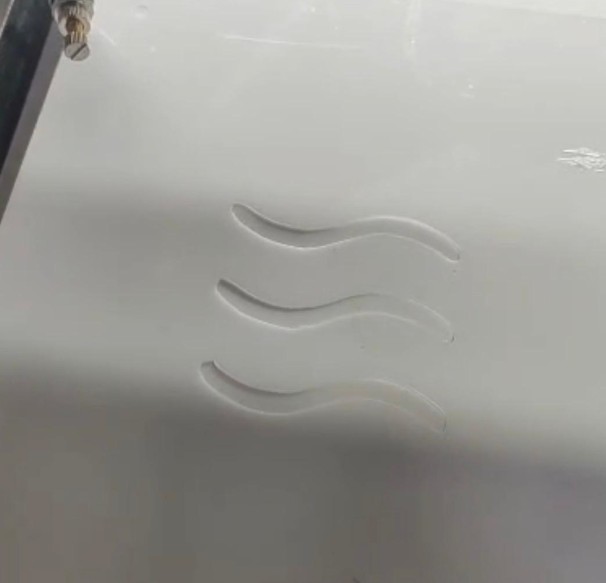
One problem I found was related to the acrylic engraving. When I tried to engrave the logo or decorative detail directly on white acrylic, the result was difficult to see because there was not enough contrast.
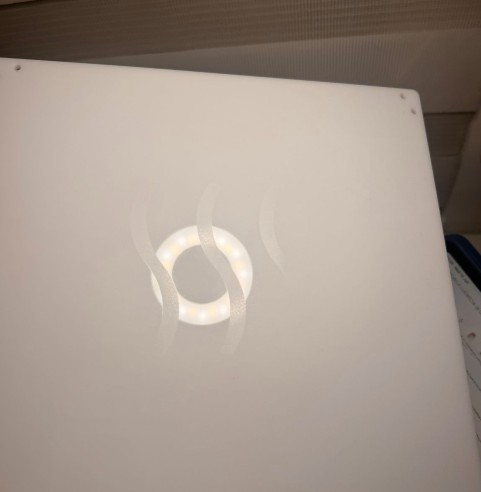
Instead of only engraving the design, I decided to cut the shape and place another material behind it. This created a more visible contrast and made the detail easier to recognize.
Complete Electronic System Installation
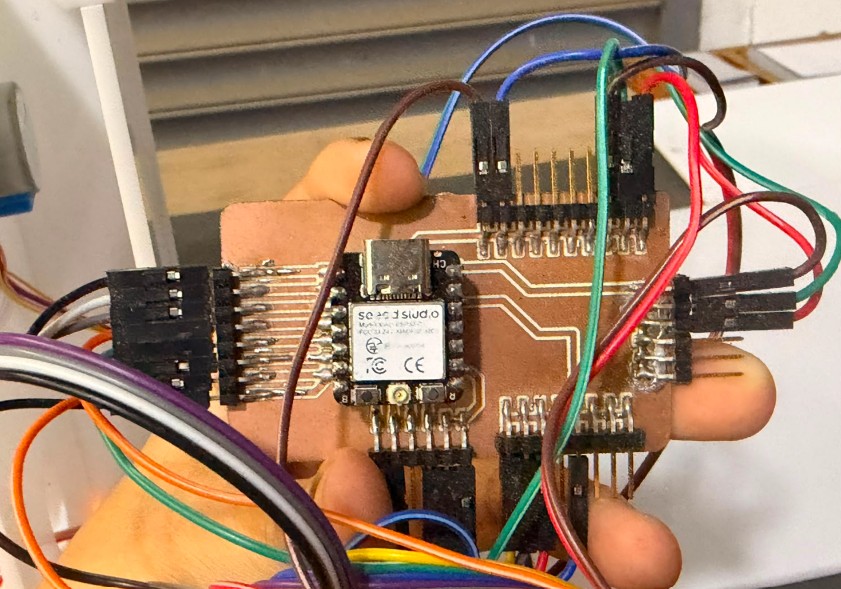
The complete electronic system has not yet been fully installed inside the structure. The circuit was already developed and tested separately, but it still needs to be mounted and tested inside the final enclosure. At this stage, only the motor, the spiral, and the sanitary pads were placed inside the structure because they are the most important components for validating the main dispensing function.
Mechanism Testing with Front Cover
The dispensing mechanism still needs to be tested with the front cover installed. Since I did not add additional side walls or guide plates around the sanitary pads, the front cover becomes an important barrier that helps keep the pads aligned inside the correct path.
The main questions that still need to be resolved are:
- How will the mechanism behave when the front cover is installed?
- Will the front cover be enough to keep the sanitary pads aligned?
- Will one motor movement dispense only one sanitary pad?
- Where should the stock sensor be placed for the most reliable reading?
- Where should the hand-detection sensor be placed so it is accessible but not accidentally activated?
- How should the wiring be routed inside the structure?
- How can the electronics remain accessible for maintenance?
- How can the circuit be secured without interfering with the mechanism?
- How long will the battery last when the complete system is working?
| Moment | Planned Action |
|---|---|
| Before final assembly | Place the circuit inside the structure and define cable paths |
| After mounting the circuit | Test the sensors, TFT display, motor driver, and battery together |
| During mechanism testing | Verify if the spiral releases one sanitary pad per activation |
| After mechanism testing | Adjust the motor speed, spiral position, or outlet if needed |
| Before final presentation | Record a clear demonstration video of the working prototype |
| Final presentation stage | Present the final slide, video, documentation, and functional prototype |
| After Fab Academy | Explore a refined version, user testing, possible funding, and a future portable edition |
Future Possibilities & Lessons Learned
HigiBox has several future possibilities. However, to make them real, each possibility needs specific actions.
| Future Possibility | How to Make It a Probability |
|---|---|
| Portable version | Reduce size, improve battery safety, redesign the enclosure, and test the mechanism in different positions |
| Mobile application | Use Bluetooth or Wi-Fi to connect the device to a phone and allow the user to update cycle information without editing the code |
| Low-stock alerts | Add Wi-Fi notifications or app-based alerts when the stock sensor detects that few pads remain |
| Institutional version | Test the product in a university bathroom or dormitory and collect user feedback |
| Improved dispensing reliability | Test many cycles with real sanitary pads and adjust the spiral pitch, motor speed, and outlet geometry |
| More polished product | Improve surface finish, cable management, screen integration, and access panels |
| Commercial development | Validate user interest, estimate production costs, protect the brand, and search for funding |
| Open-source documentation | Publish design files, code, diagrams, and assembly steps clearly under the selected license |
This week helped me understand the importance of using 3D modeling before fabrication. The digital model allowed me to organize the internal areas, visualize the relationship between the structure and mechanism, and check if the parts were physically possible before manufacturing them.
I also learned that the transition from a digital model to a physical prototype always reveals new problems. Some decisions that seem simple in CAD become more complex when working with real materials, screws, tolerances, wiring, and moving mechanisms.
The project also showed me that time management is essential. Although the prototype made significant progress, there were still details that I would have liked to refine earlier, such as the internal cable organization, sensor holders, and full mechanism testing.
The main pending task is to install the complete circuit inside the acrylic structure and test the full mechanism with the front cover installed.
After that, I need to verify the complete interaction:
- The user places a hand near the sensor
- The sensor detects the hand
- The XIAO ESP32-C3 activates the motor driver
- The motor rotates the spiral
- One sanitary pad is released
- The TFT display updates the system status
Social Media Strategy
I could use Instagram, LinkedIn, or X/Twitter to share short updates, images, videos, and links to the documentation website.
Post topics could focus on: