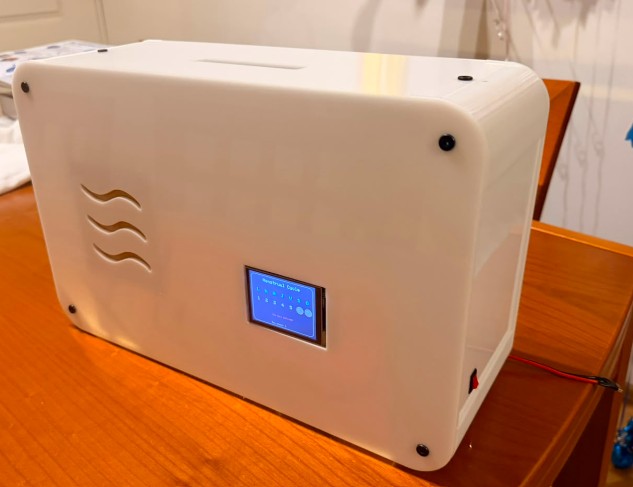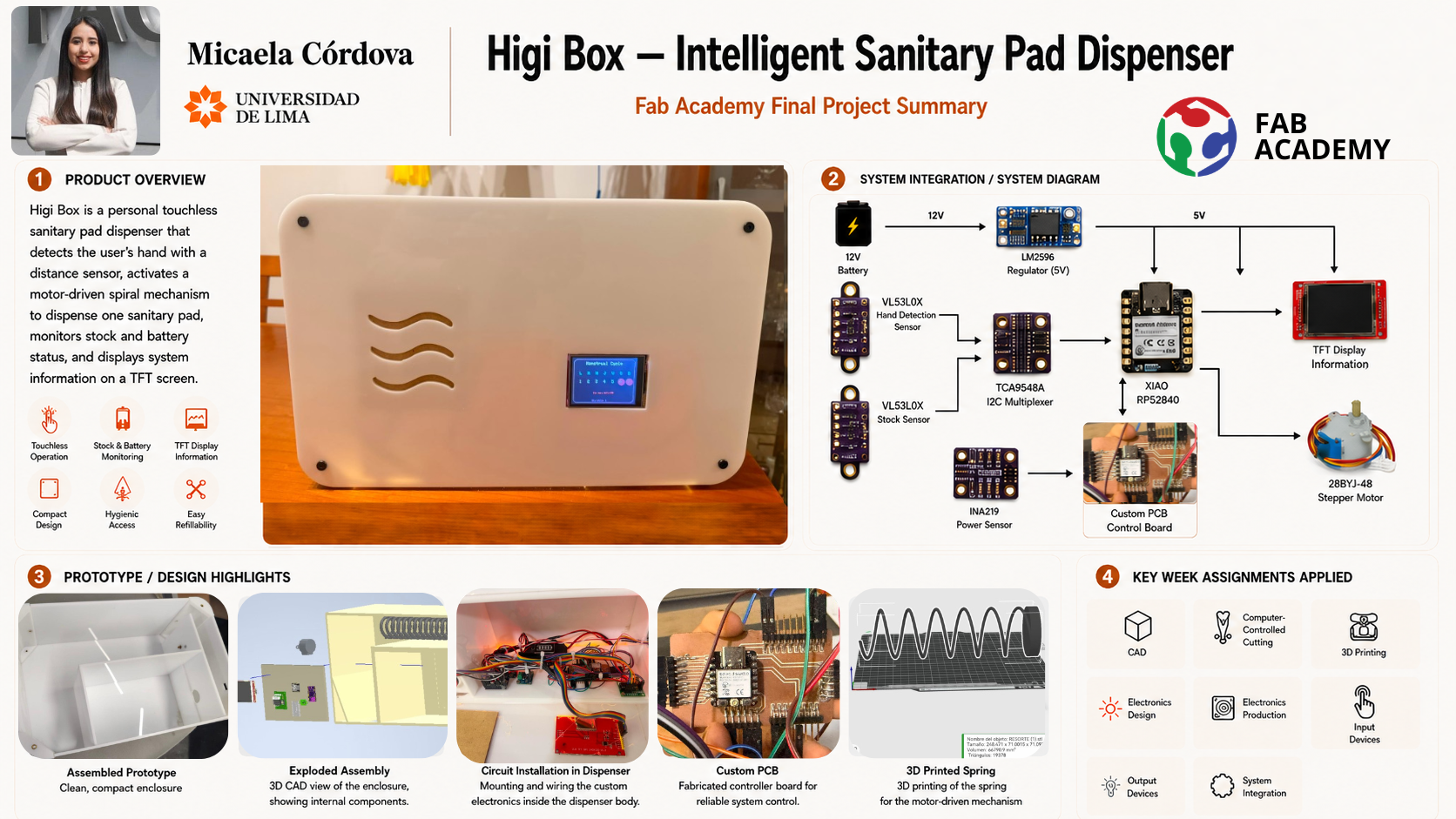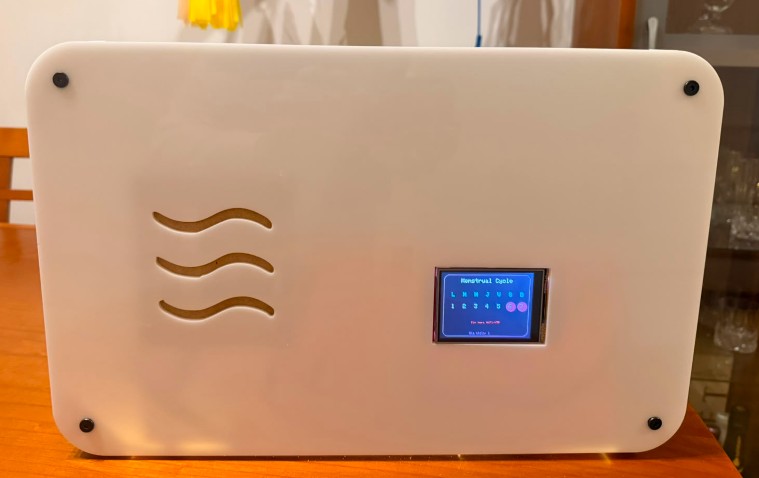
For my final project, I plan to design and prototype an intelligent menstrual care dispenser intended for personal use, aimed at improving the menstrual experience by combining physical interaction, embedded electronics, sensors, and mobile connectivity.
The objective is not only to create a dispenser, but a smart companion device that supports, informs, and empowers users throughout their menstrual cycle. The system promotes hygiene, accessibility, and menstrual health, while actively contributing to the reduction of stigma surrounding menstruation.
This project integrates digital fabrication, electronics, and software, aligning with Fab Academy's principles and emphasizing human-centered design, personal empowerment, and social impact.
The product is positioned within the rapidly growing FemTech industry, which focuses on developing technology-driven solutions to address long-standing gaps in women's health.
Women's health—particularly menstrual health—has historically been ignored, hidden, or treated as a taboo subject. This lack of visibility creates the need for products that normalize menstruation, promote personal empowerment, and provide users with greater control and understanding of their menstrual care and consumption.
By automating and simplifying access to menstrual products, this project aims to facilitate the menstrual experience, support informed decision-making, and encourage a more open, positive, and empowered relationship with menstrual health.
The project consists of an intelligent menstrual hygiene dispenser designed for personal use that:
Through its connection to a mobile application, the system allows the user to:
The system uses menstrual cycle data collected through the Clue app, which tracks the user's cycle.
This information is used by the dispenser only to identify the current stage of the menstrual cycle, enabling better-informed product recommendations and contextual feedback.
Important: The device does not store or modify medical data, but instead relies on cycle-state information to support a personalized and user-centered experience.
The lack of modernization and automation in menstrual hygiene product storage, combined with the social stigma surrounding menstruation, limits accessibility and negatively impacts the user experience.
This creates the need for smart, automated, and user-centered solutions that normalize menstrual care and add value to the experience.
(This may change throughout the course)
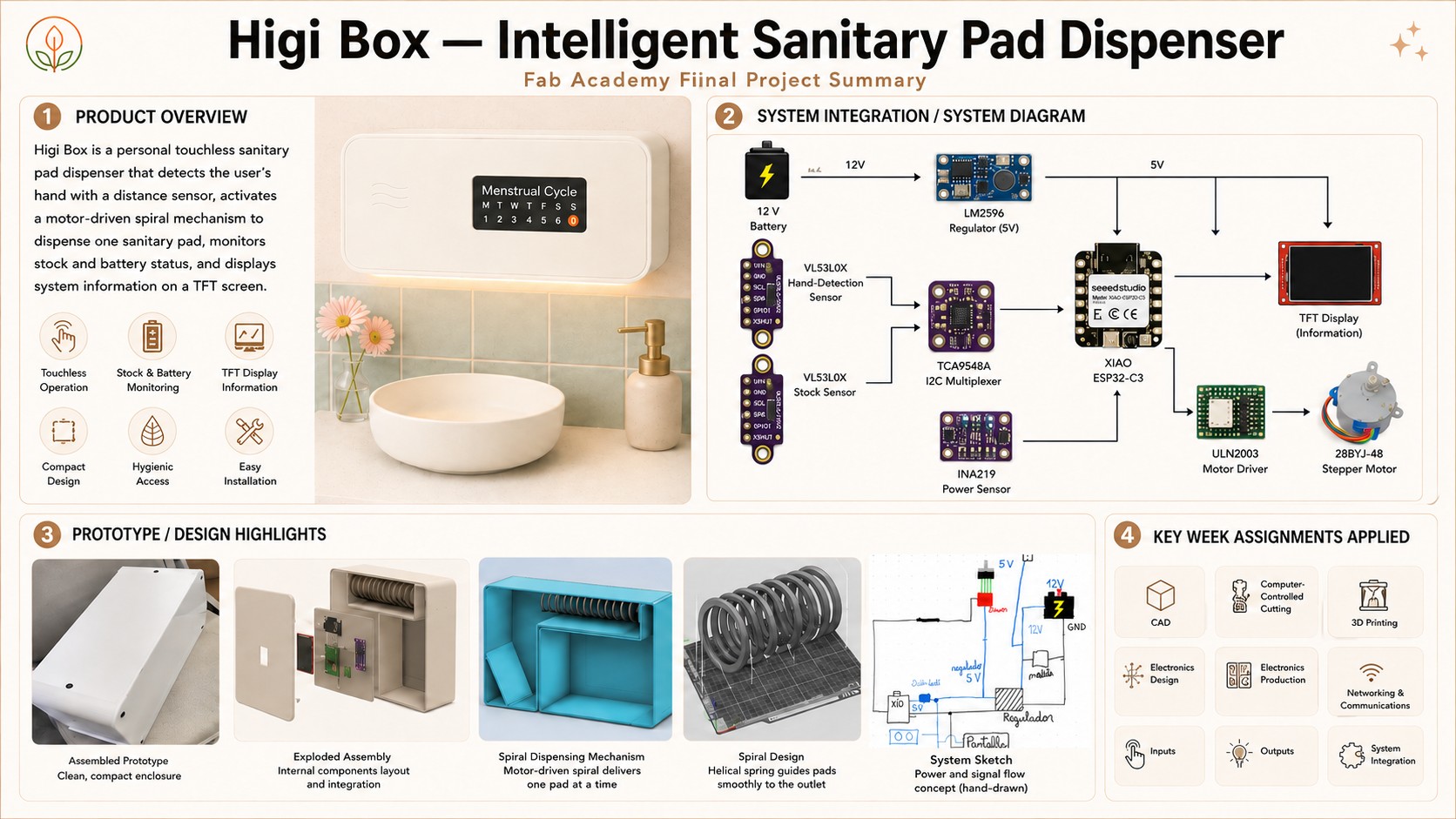
Microcontroller: ESP32
Why ESP32 instead of Arduino?
Additional Components:
The system requires an intermediary that translates communication between the physical hardware and the mobile application.
Communication methods include:
The ESP32 acts as the central communication node, enabling bidirectional data exchange between the dispenser and the app.
(This may change throughout the course)
The dispenser uses a hand-detection sensor to detect when the user places her hand under the device.
Once detected, the system activates automatically and releases one menstrual product, without the need for physical buttons.
This interaction:
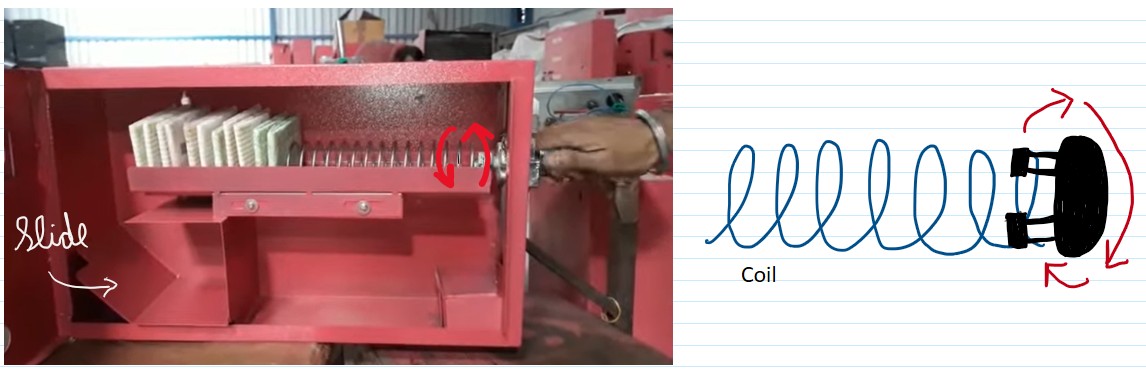
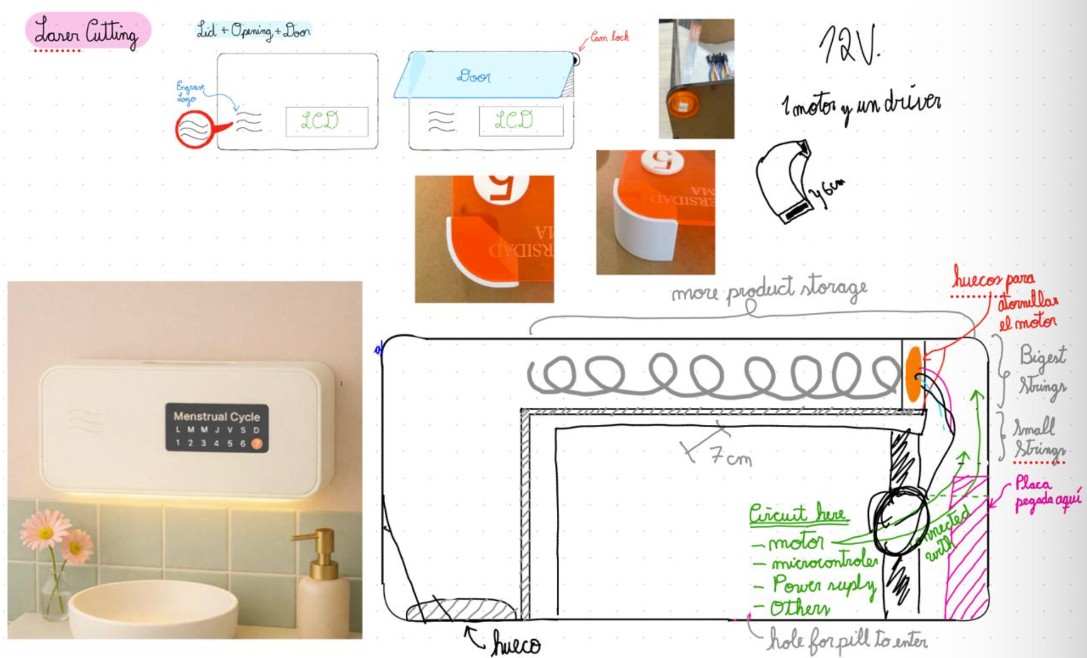
The dispenser includes multiple independent compartments, each dedicated to a different menstrual product, such as:
Each compartment operates independently, allowing controlled and accurate dispensing.
Each compartment includes a stock-detection sensor, which may be:
These sensors continuously monitor product availability.
When stock is low or empty:
Beyond functionality, the dispenser is designed as a supportive companion device.
Through the app, it can:
This project:
To develop this project, I was inspired by technical tutorials and educational YouTube videos focused on Arduino programming, sensor integration, Bluetooth communication, and IoT systems.
In particular, content from the channels 3D Prints&Builds, DevMode Makes, Mellow_Labs, and Sensle Tech Solutions provided valuable insights into the technical aspects of building automated devices, integrating electronics with digital fabrication, and developing functional prototypes from a technical perspective.