Final Project Proposal
1. The Problem
In the fabrication laboratory, there are different types of equipment, such as laser cutters, 3D printers, and other machines. Some of this equipment can be dangerous, especially for people who do not know how to use it properly. For this reason, it is necessary to have a system that controls who is using the machines and whether they are authorized. This system should prevent unauthorized users from turning on or operating critical equipment. The objective is to grant access only to trained and authorized people. Only those users will be able to turn on and use dangerous or critical machines, helping to ensure safety in the laboratory
2. My Project Idea
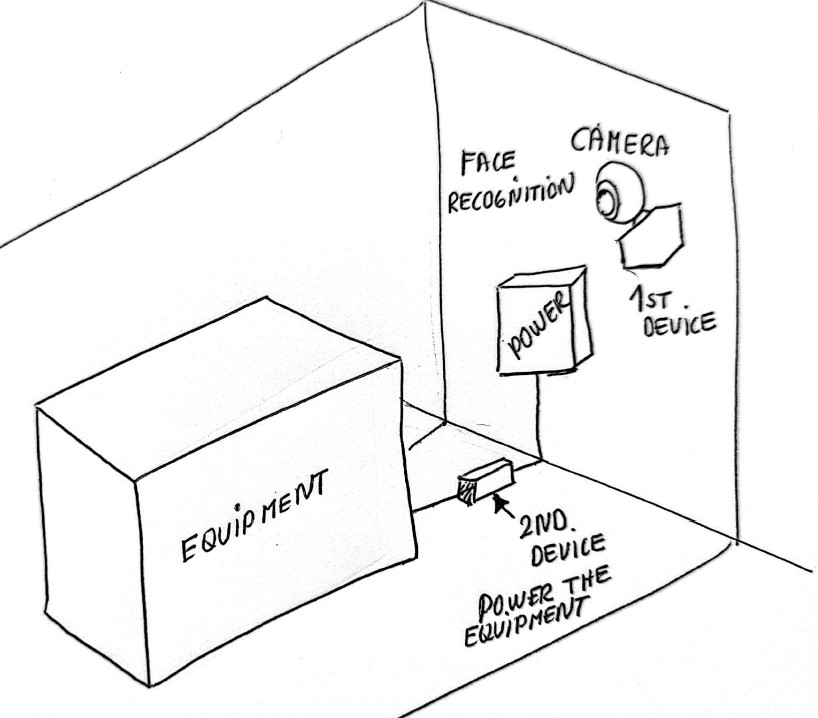
My project idea is to develop a device that uses a camera and facial recognition to control access to dangerous equipment in the fabrication laboratory. The system will identify users through face recognition and verify whether they are authorized. Only approved users will be allowed to operate critical machines, such as laser cutters and CNC machines. The project will have two main parts:
1. Identification Unit This unit will include a camera and a microprocessor or microcontroller. It will be installed in a visible position near the machine, where it can scan the user’s face and perform facial recognition.
2. Power Control Unit This unit will be connected to the machine’s power supply. When the system successfully recognizes and authorizes a user, it will send a signal to this unit to enable power and allow the machine to turn on.
If the user is not recognized or authorized, the system will keep the machine powered off, preventing unauthorized use.
To complete this project according to the schedule, I organized the activities as shown in the table below.

3. Project Alternatives
Based on my idea, I also explored alternative approaches that could effectively address the problem and provide a reliable solution. The following are some of the alternative solutions considered:
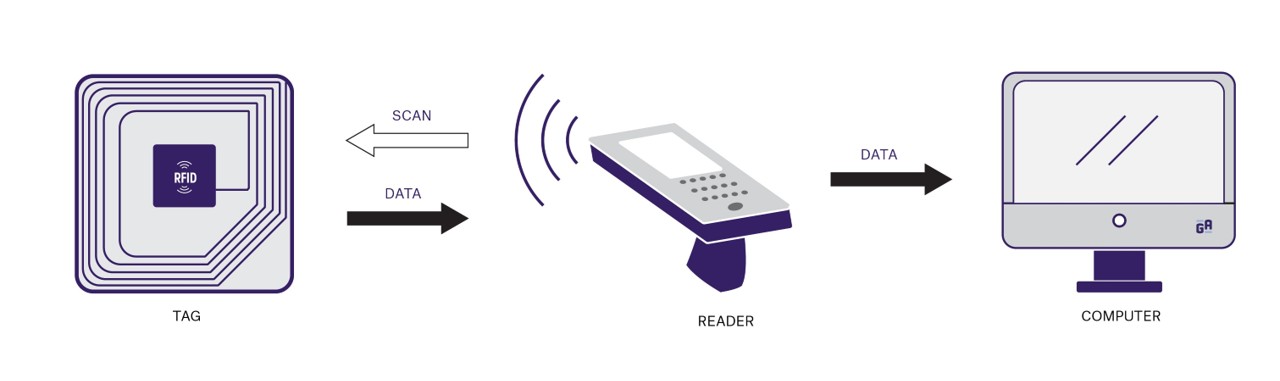
3.1 RFID card
To grant access to the machines, I explored the use of an RFID card system. This option is cost-effective and reliable; however, it presents a potential drawback, as users may lose or forget their identification cards.
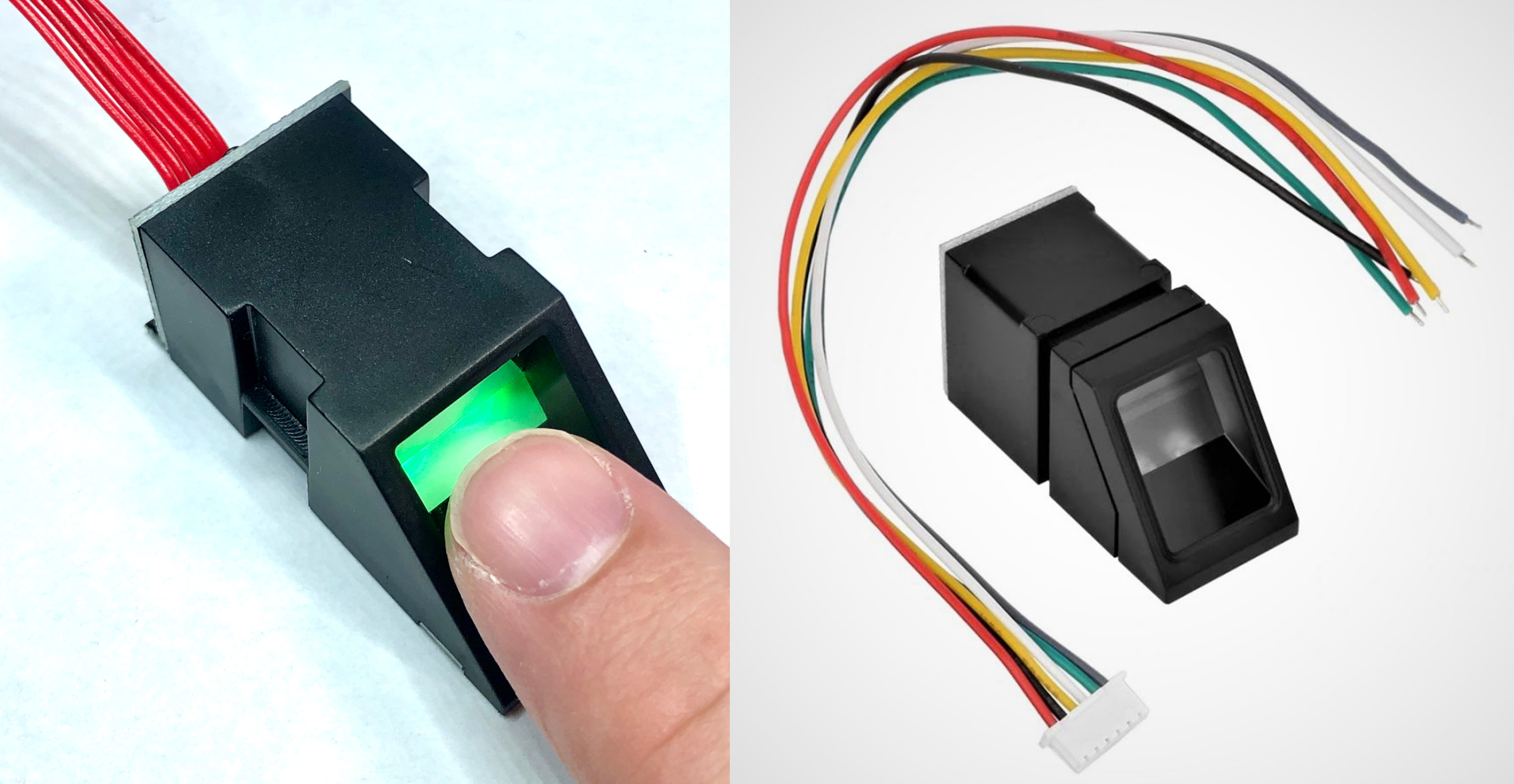
3.2 Finger Print Sensor
I also explored the use of a fingerprint sensor for user identification and authorization. This method allows users to authenticate by placing their finger on the sensor, removing the possibility of losing or forgetting a physical credential.
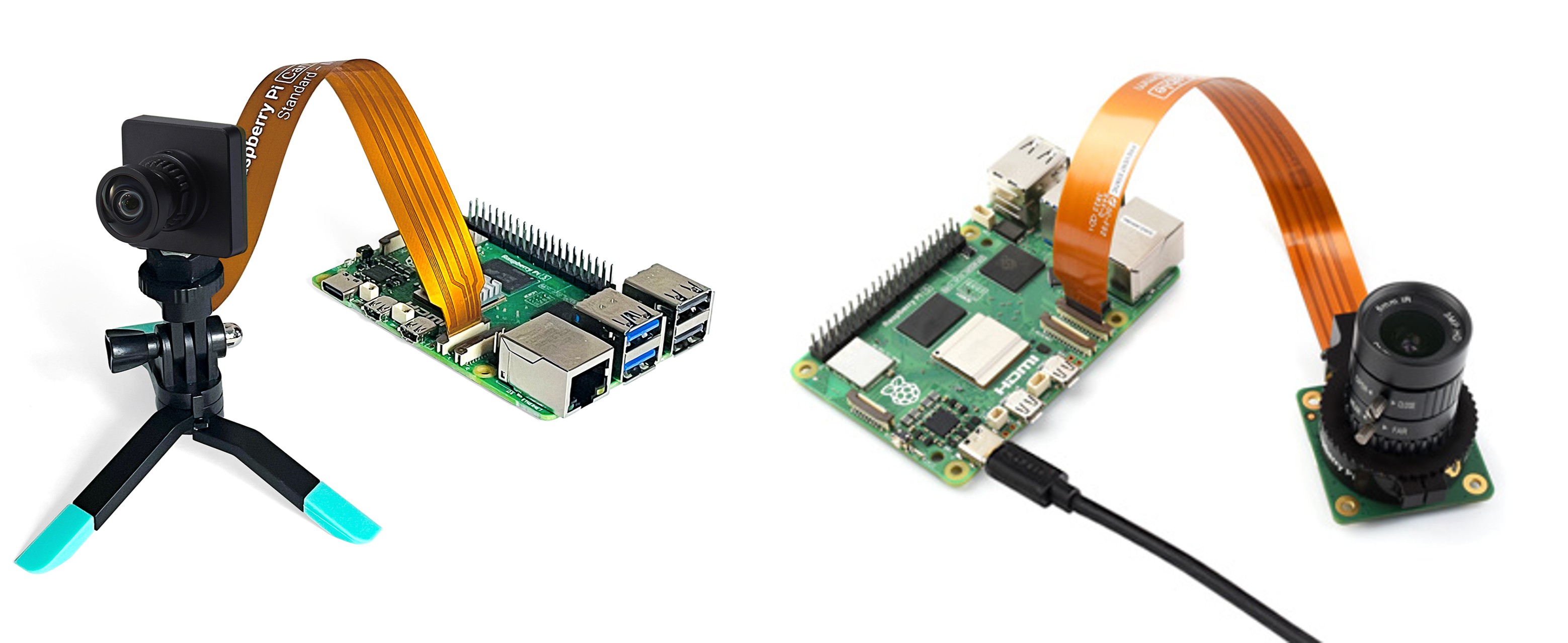
3.1 Raspberry Pi Camera
A further option is to use a Raspberry Pi with a Pi Camera for identification and authorization. Although this solution can be effective, it is more expensive and requires a more complex implementation compared to other alternatives.
4. Comparison of Alternatives
I evaluated the different alternatives using criteria such as cost, implementation complexity, and overall reliability.
| Criteria | RFID Sensor | Fingerprint Sensor | Raspberry Pi Camera |
|---|---|---|---|
| Cost | Low | Medium | High |
| Complexity | Low | Medium | High |
| Reliability | Medium (cards can be lost) | High | Medium to High (depends on setup) |
After analyzing the comparison, the fingerprint sensor stands out as the most reliable option, so I have decided to use it for the final project.
5. Final Project Decision and Chosen Alternative
Now that I have a better understanding of the available alternatives, I have decided to move forward with the fingerprint sensor as the chosen solution.
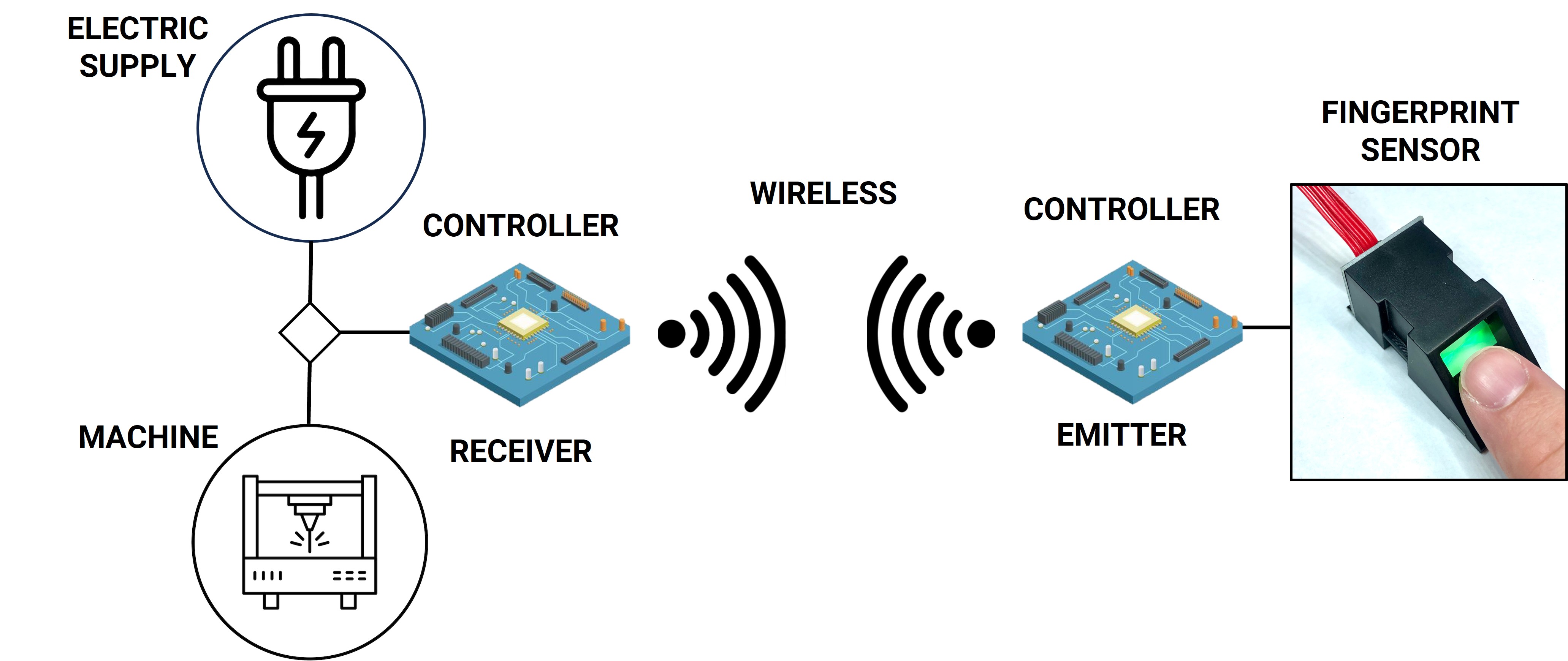
Now it is time to implement the chosen solution.