Assignment requirements
Individual assignment
- Plan a final project masterpiece that integrates the range of units covered.
- The project should incorporate: 2D and 3D design, additive and subtractive fabrication processes, electronics design and production, embedded microcontroller interfacing and programming, system integration and packaging.
- Project development: prepare drafts of your final project summary slide (presentation.png, 1920x1080) and video clip (presentation.mp4, 1080p HTML5)
Progress status
Individual work
Done
Present project advances
1) Introduction
Focus on the final project
-
My final project idea was to prototype a product for swimmers with visual disabilities.
During my swimming session, I focus on improve my swimming style, and I have several questions about how to improve and swimmers sucess factors. Swim requires a lot of practice and dedication, and I have been swimming for four years, but it is an individual sport without a group interaction.
My initial idea was to create a devices that help to have a gym experience in the swimming pool. In this 2026 fab lab academy course, I have been observed and explored different swimmer expericences, activities, and all swimming enviroment.
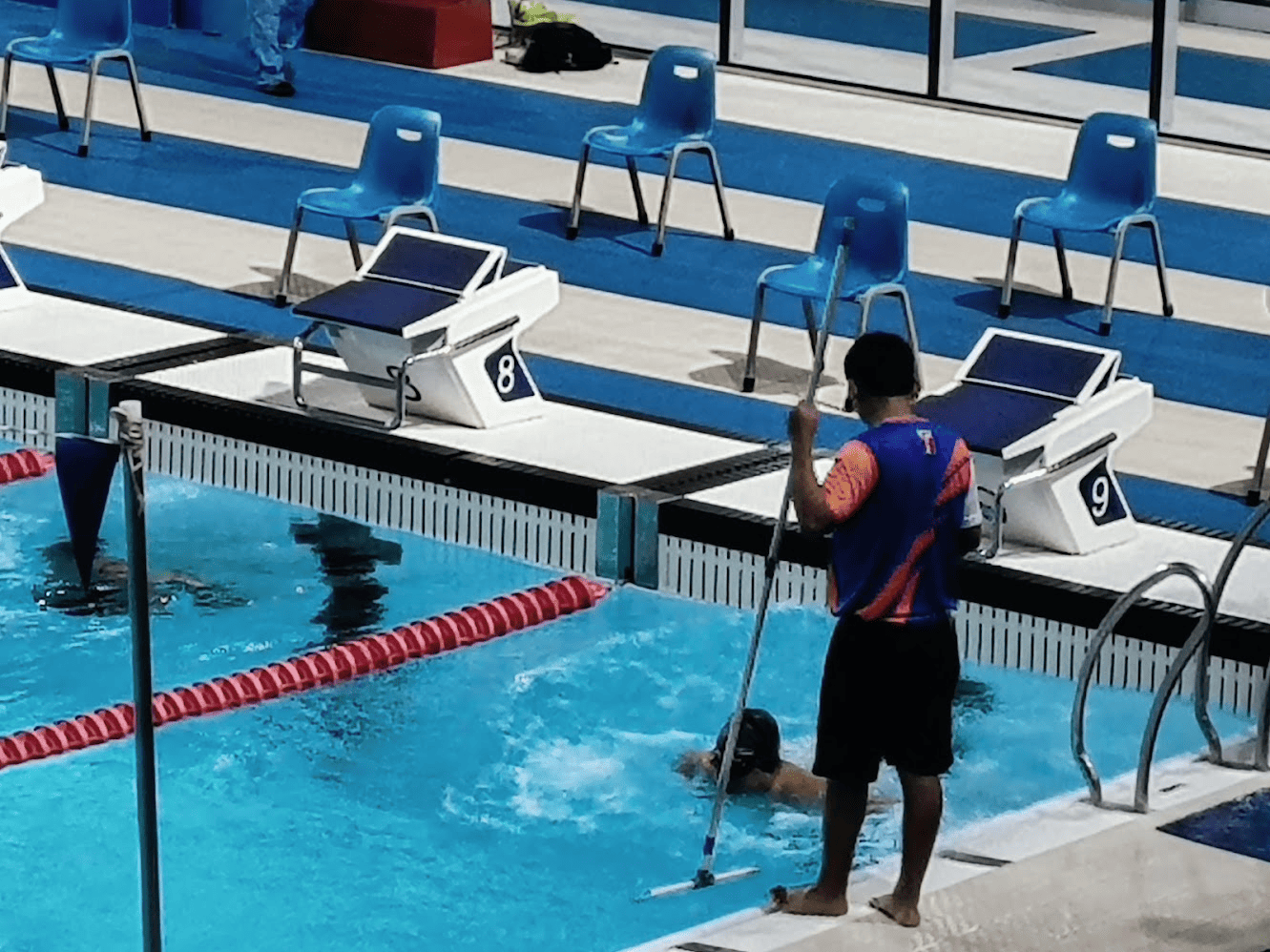
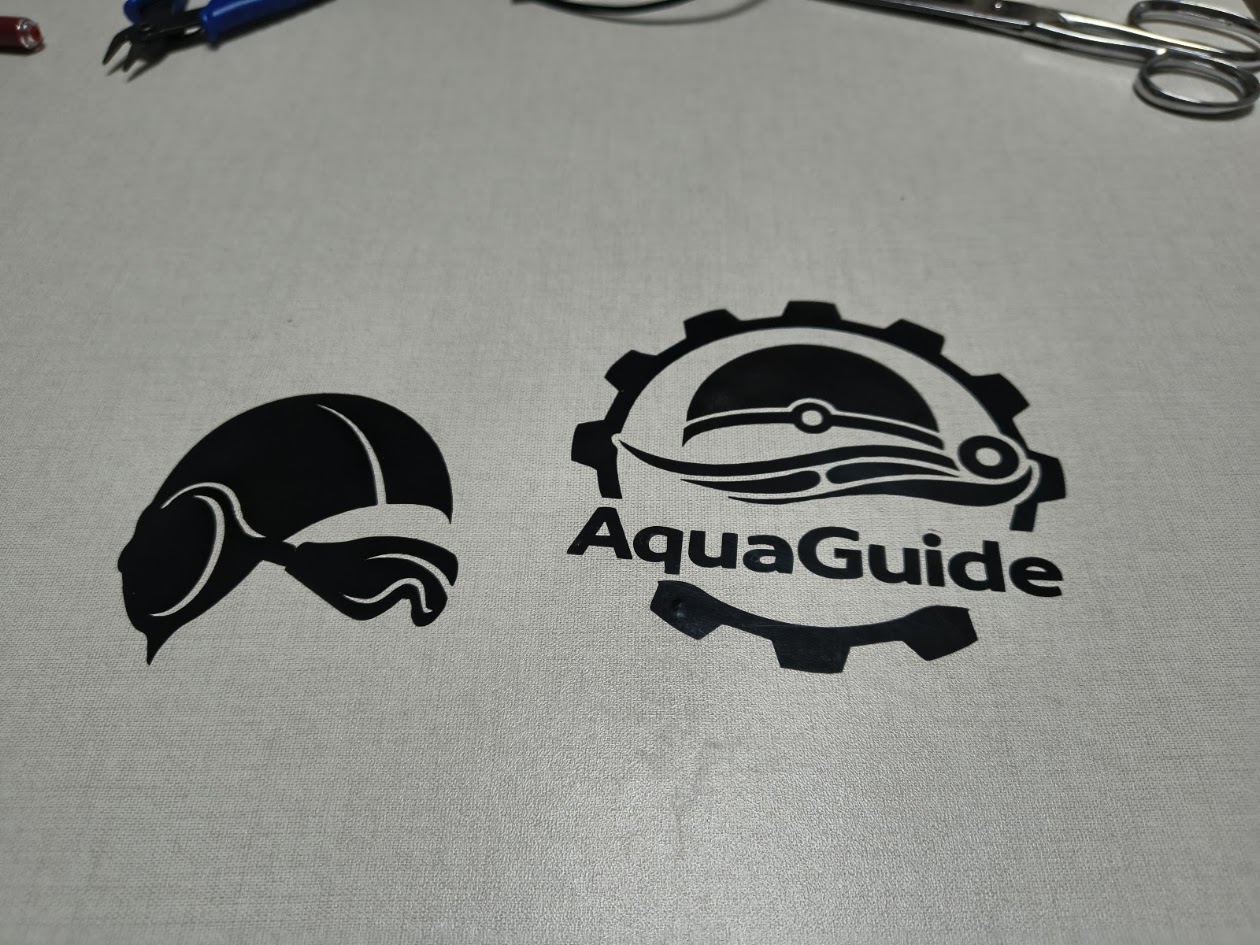
The following picture helped to define the idea. AquaVision, and it is a wearable device that provides real-time feedback to swimmers with visual disabilities, enhancing their safety and performance in the pool.
2) Individual assigment
Project license: public domain marker, power how share knowledge, creativity, and culture across borders, languages, and technologies
Open source nature: allowing anyone to use, modify, distribute the design, view, copy, test, modify, improve and use the project without restrictions, as long as the original creators are credited and any modifications are documented. This license promotes collaboration and innovation while ensuring that the project remains freely accessible to the community.
A develop at Fab Lab Academy is for public use and has the Creative Commons license https://creativecommons.org/. AquaVision will have this license, the Creative Commons Attribution-Non Commercial Share Alike 4.0 International License.
Project license: public domain marker, power how share knowledge, creativity, and culture across borders, languages, and technologies
This license allows others to remix, adapt, and build upon the work non-commercially, as long as they credit the original creation and license their new creations under the identical terms. This means that anyone can use, modify, and share AquaVision for non-commercial purposes, but they must give appropriate credit to the original creators and cannot use it for commercial purposes without permission. This license encourages collaboration and sharing while protecting the original creators' rights
The project will be shared on the Fab Academy website to reach a wide audience of makers, designers, and swimmers.
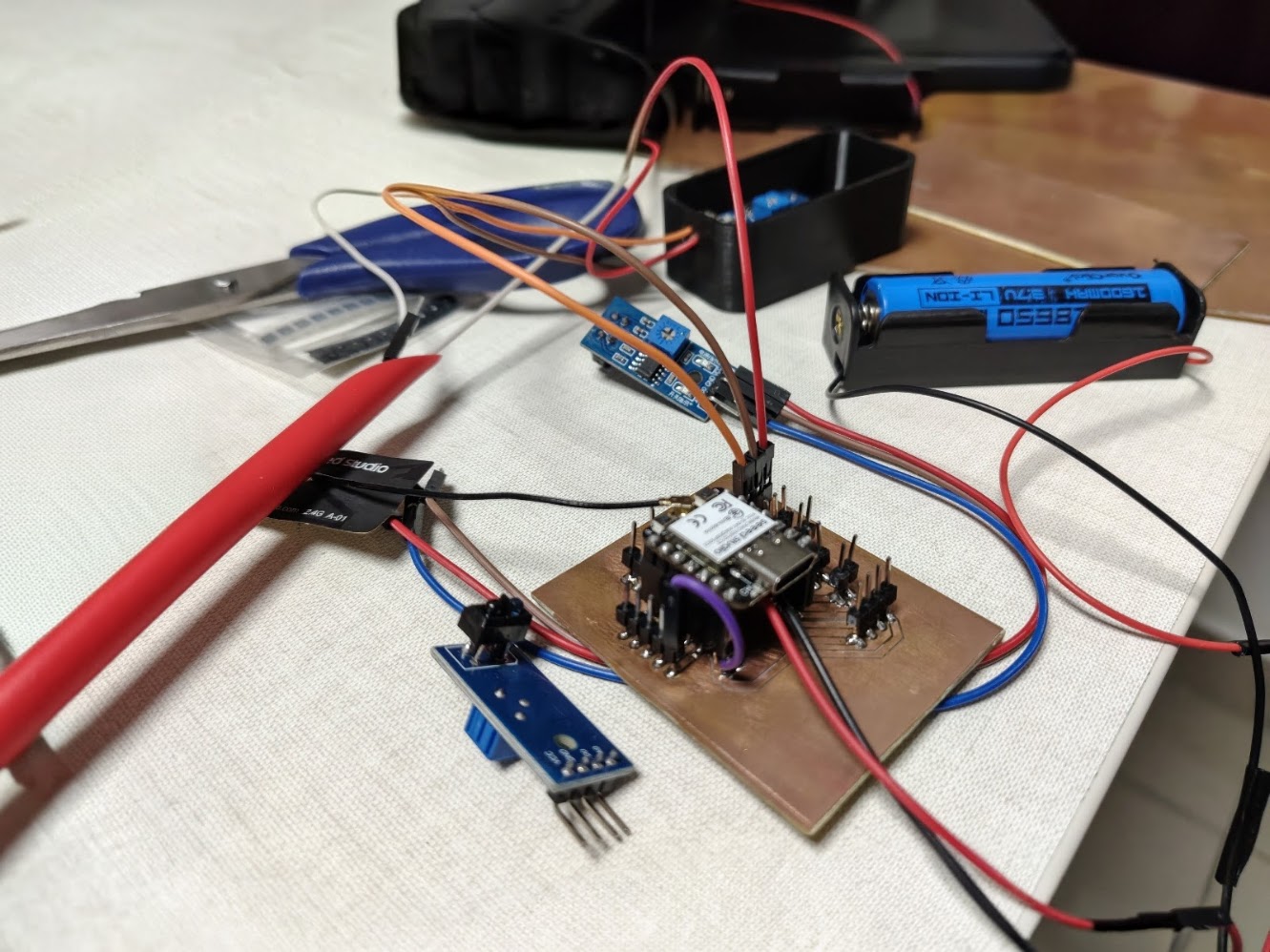
This project combines digital computer, electronics, and mechanical design to create a device for swimmers with visual disabilities.
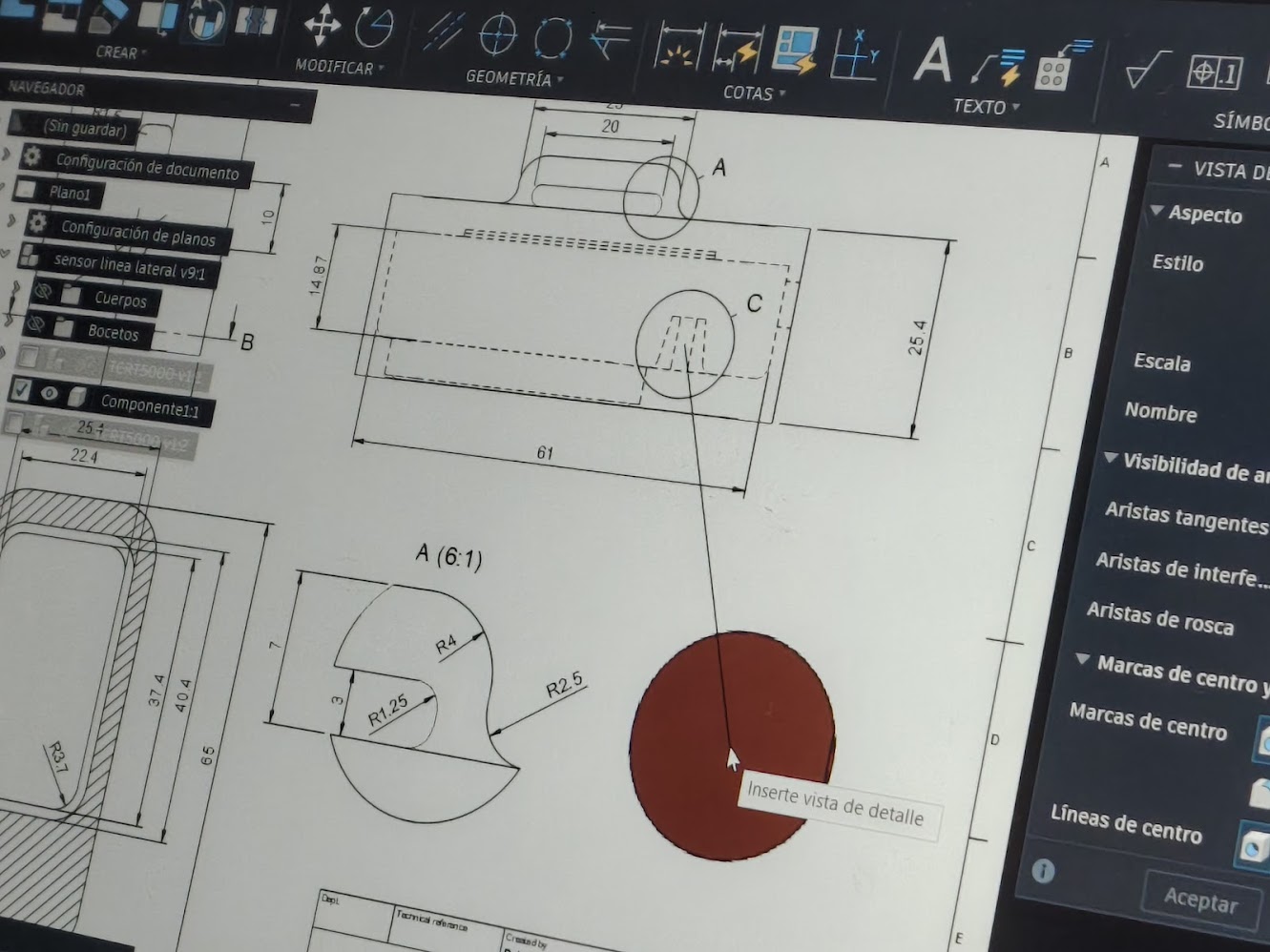
This multidisciplinary project explores the intersection between art, design, and technology and generate a positive impact
The main goal is to generate a positive impact with Fab Academy tools, and to create a device that enhances the swimming experience for individuals with visual disabilities.
This project integrate computer, electronic and mechanical design for functional purposes and human interaction.
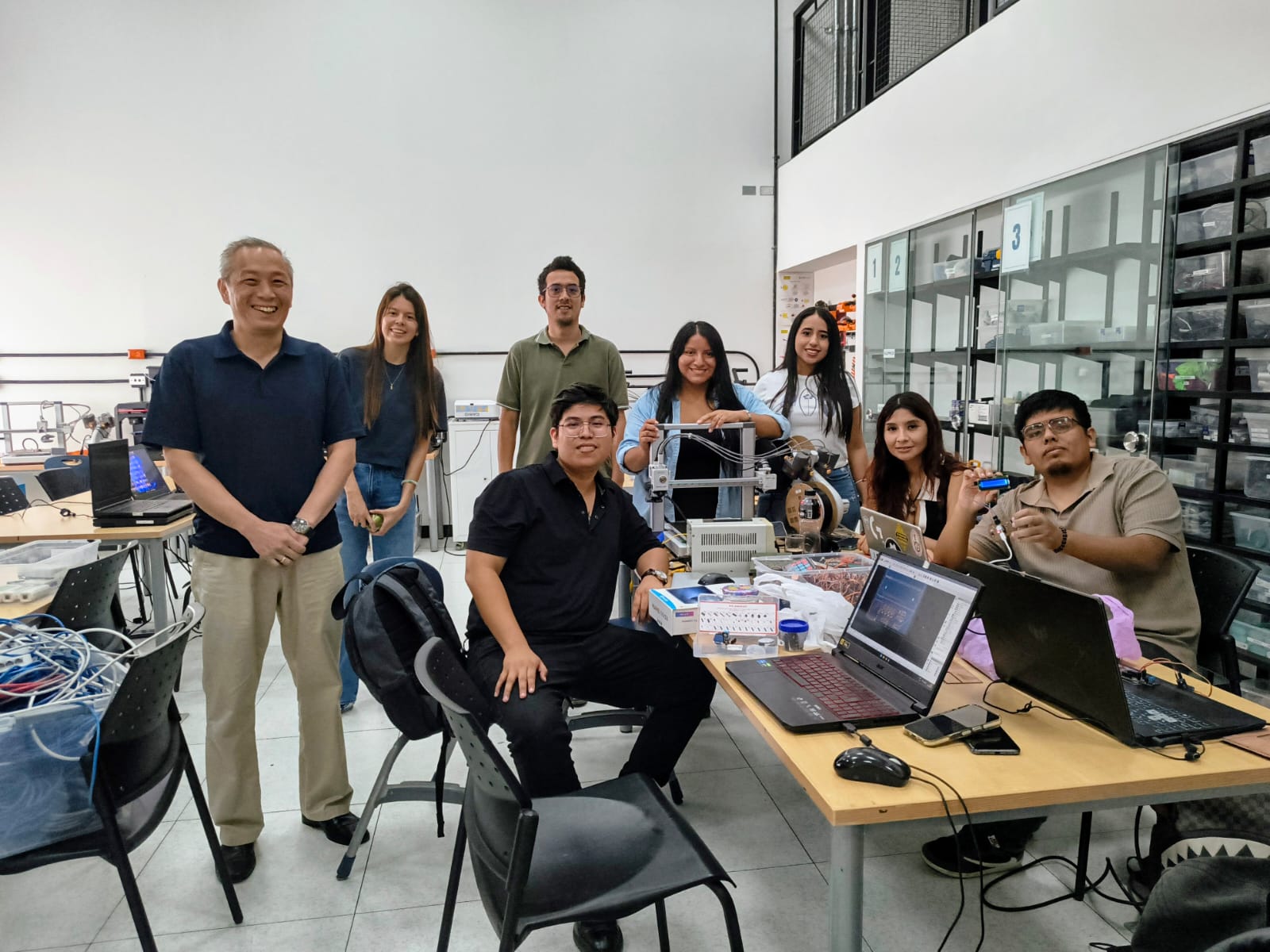
Target audience: swimmers with visual disabilities.
The following entities will be involve:
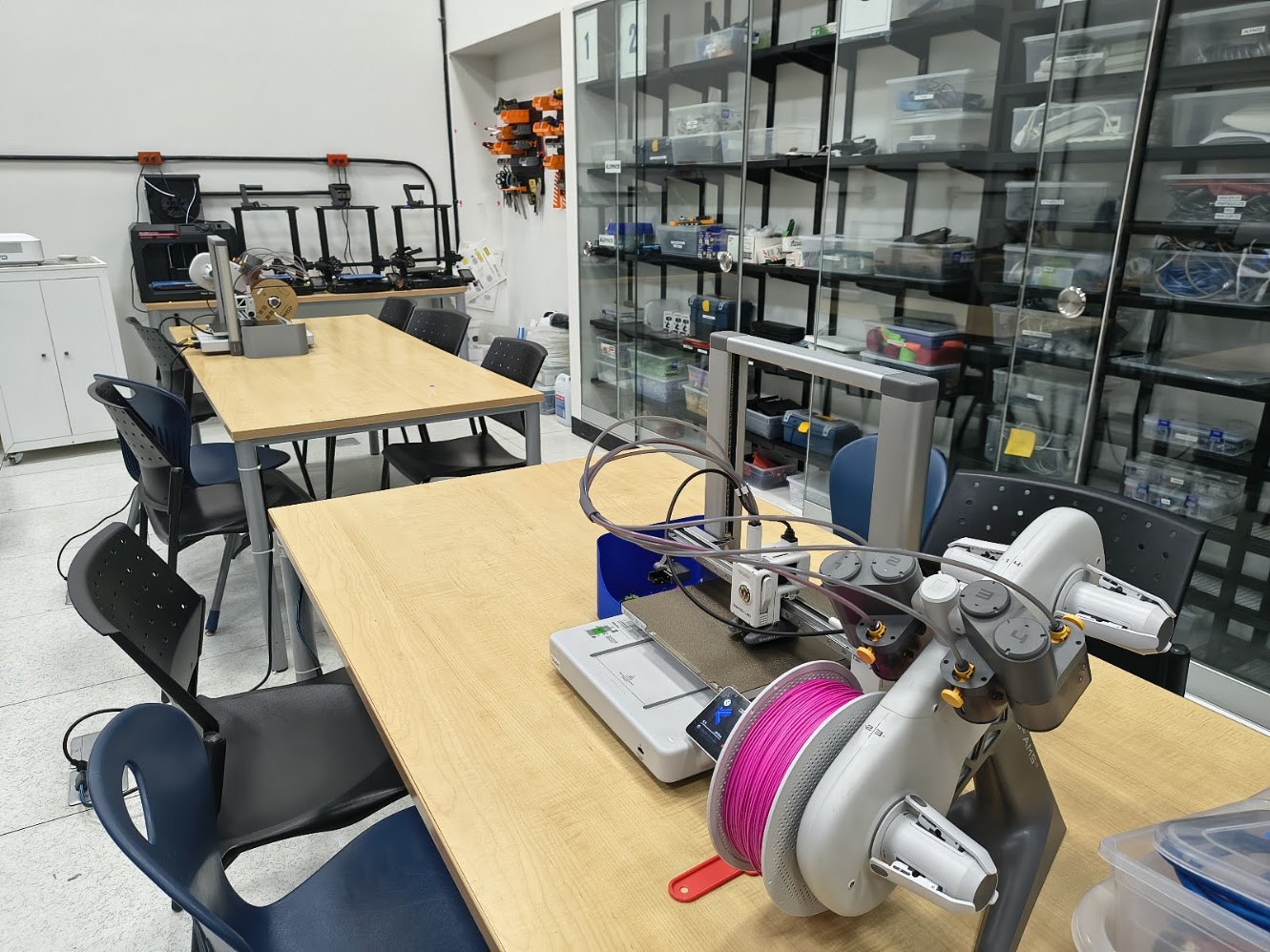
Channels: sharing the project:
Fab Academy Website: full technical documentation, design files, and project description to reach the global maker community.
Social media: short videos showing interaction and movement, shared on platforms like Instagram and X to reach a broader audience and generate interest.
Exhibitions: physical presentation as an installation at local maker fairs, design exhibitions, or swimming events to engage directly with the target audience and receive feedback.
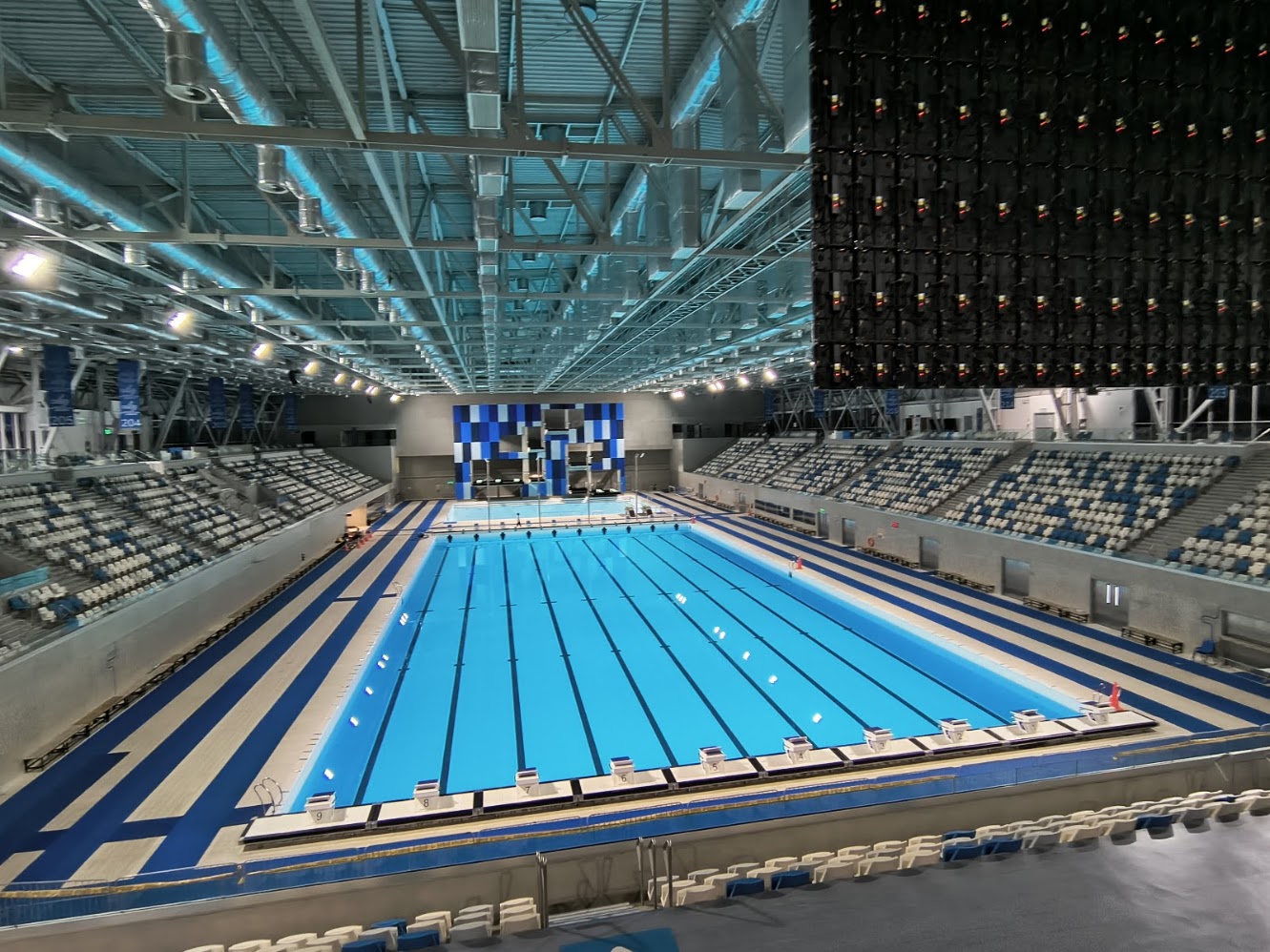
Future opportunities and development: create a functional prototype, a wearable device that provides real-time feedback to swimmers with visual disabilities, enhancing their safety and performance
Improve the system integration: computer, electronical and mechanical design
Develop a functional prototype of AquaVision
Test the prototype with swimmers with visual disabilities to gather feedback and iterate on the design.
Explore potential partnerships with swimming organizations, disability advocacy groups, and technology companies to further develop and distribute the product.
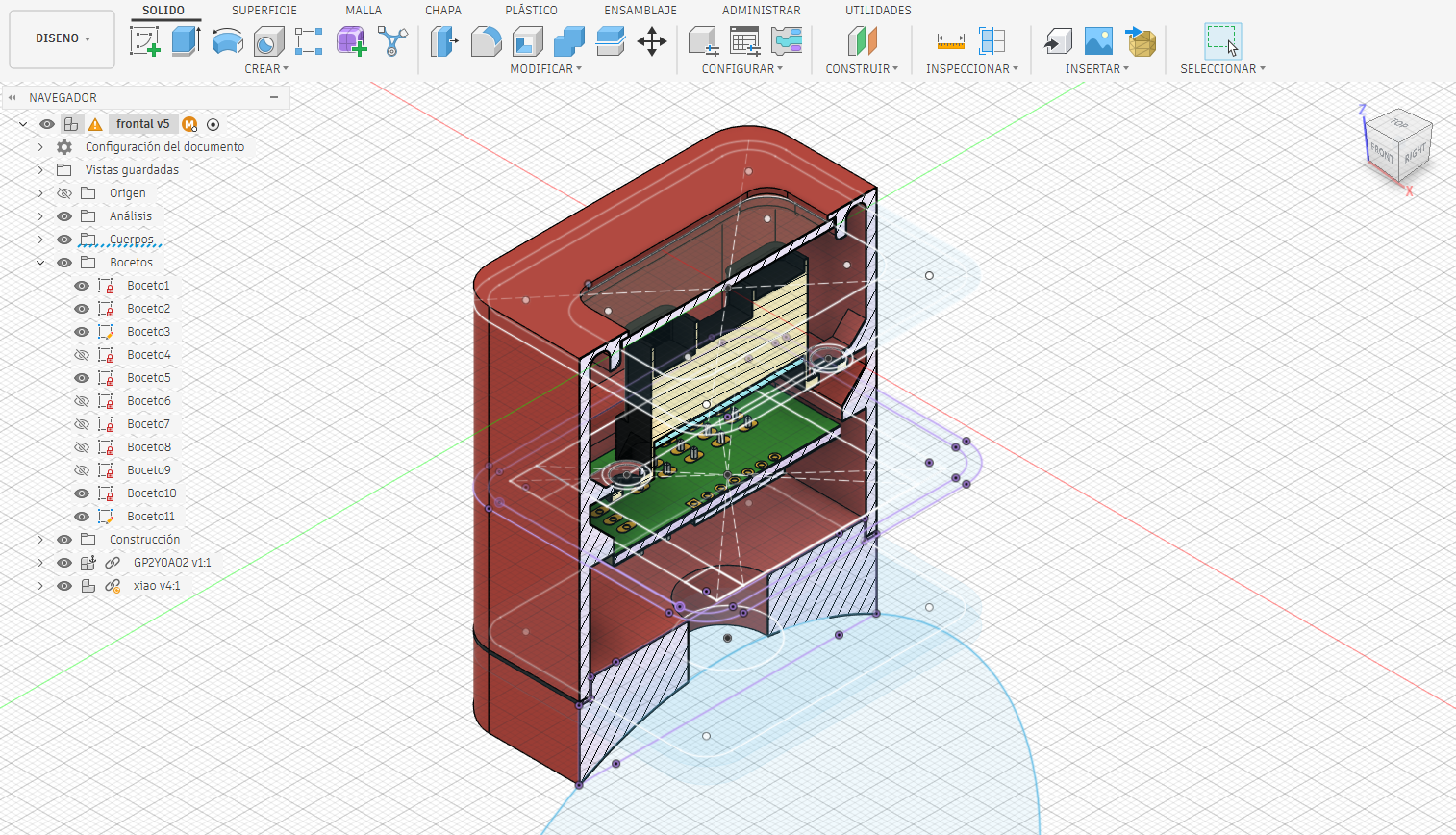
What task have been complete, and what task remain?
I finished the design and prototyping phase. Now, focus on testing the prototype.
The waterproofing is working, but I need to improve the user interface and the sensor accuracy. Then on the experiences of swimmers with visual disabilities, gather feedback and iterate on the design.
I finished the design and prototyping phase. Now, focus on testing the prototype.
The waterproofing is working, but I need to improve the user interface and the sensor accuracy. Then on the experiences of swimmers with visual disabilities, gather feedback and iterate on the design.
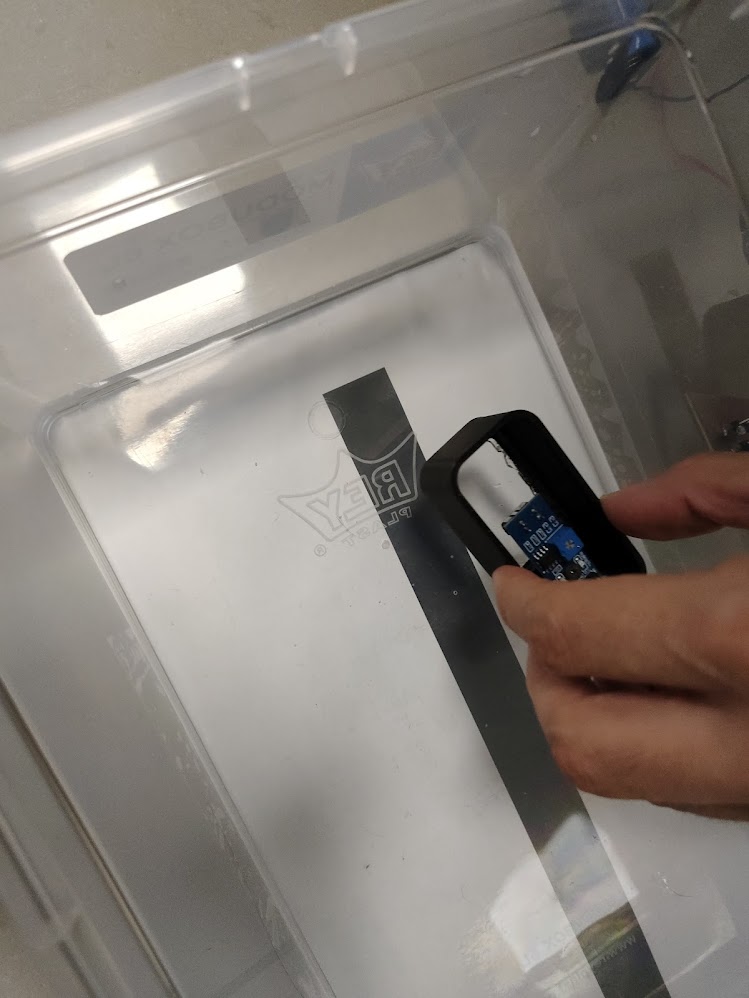
What's working? what's not?
In this week, I have been testing the prototype of AquaVision. Test sensor, waterproofing, and user interface.
The waterproofing is working, but I need to improve the user interface and the sensor accuracy. Then on the experiences of swimmers with visual disabilities, gather feedback and iterate on the design.
In this week, I have been testing the prototype of AquaVision. Test sensor, waterproofing, and user interface.
The waterproofing is working, but I need to improve the user interface and the sensor accuracy. Then on the experiences of swimmers with visual disabilities, gather feedback and iterate on the design.
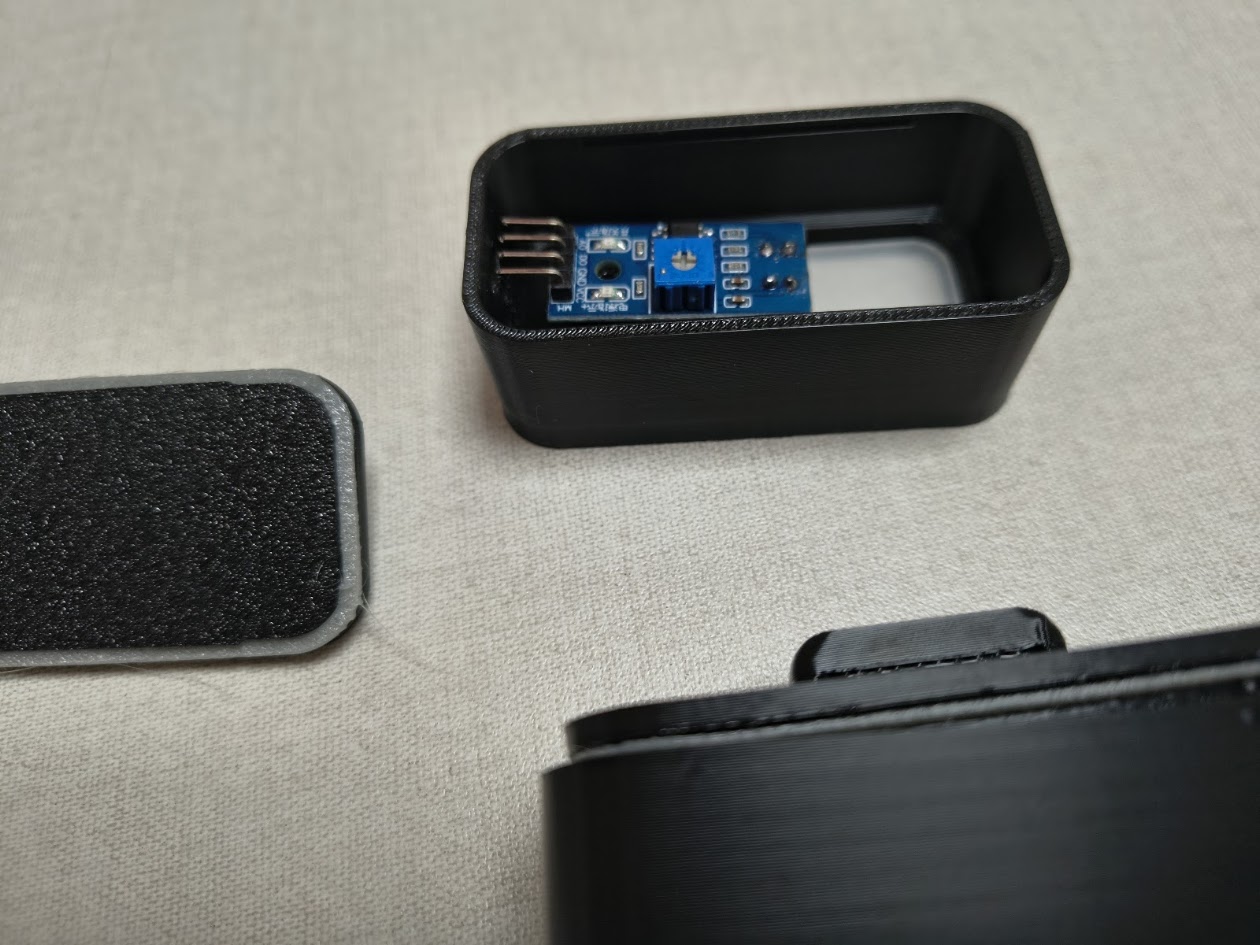
What questions I need to be resolved?
Will this devices help swimmers with visual disabilities?
Is this a functional solution for the target users?
How can I improve the user interface and the sensor accuracy?
Is a viable product for the market?
How can I gather feedback from swimmers with visual disabilities to iterate on the design?
Could I finish the project on time?
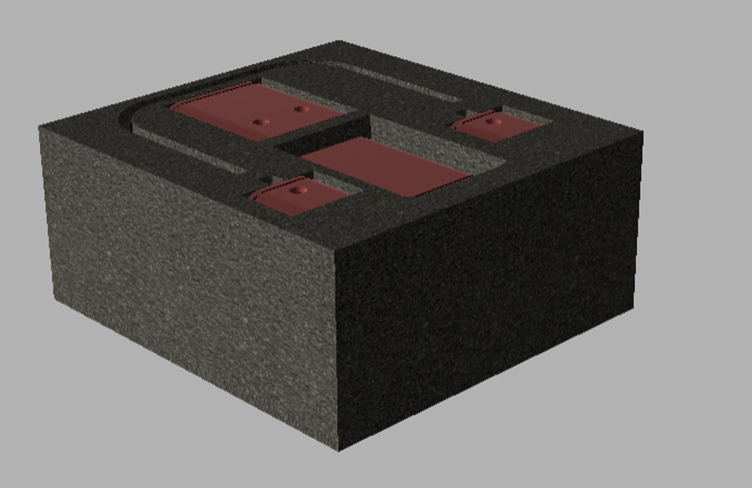
Planned what will happen to be resolved?
First phase: Testing the prototype
Second phase: Gathering feedback and iterating on the design
Third phase: Finalizing the product and preparing for dissemination
Fourth phase: Sharing the project on the Fab Academy website, social media, and exhibitions
Fifth phase: Exploring potential partnerships for further development and distribution
I will finish the second phase during this 2026 Fab Lab Academy. Then I will work on the third phase to finalize the product dissemination
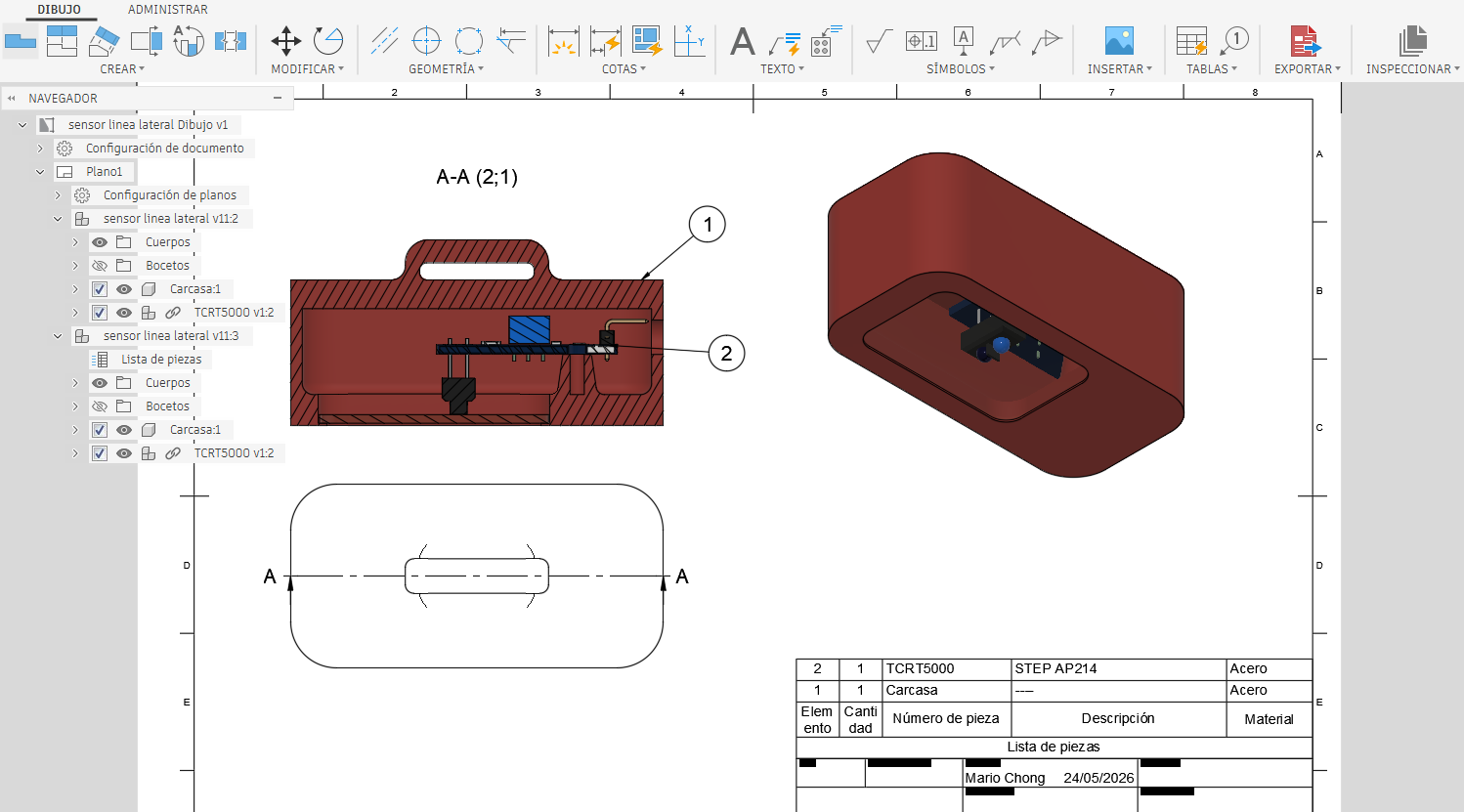
What have I learned?
This project has been an opportunity to apply the knowledge and skills acquired throughout the Fab Academy course. It has allowed me to explore the intersection of art, design, and technology, and to create a device that enhances the swimming experience for individuals with visual disabilities.
I have learned to integrate computer, electronic, mechanical and system design to generate a positive impact in my community.
This project has been an opportunity to apply the knowledge and skills acquired throughout the Fab Academy course. It has allowed me to explore the intersection of art, design, and technology, and to create a device that enhances the swimming experience for individuals with visual disabilities.
I have learned to integrate computer, electronic, mechanical and system design to generate a positive impact in my community.
Testing the prototype
Project development: computer, electronic, mechanical and system design integration
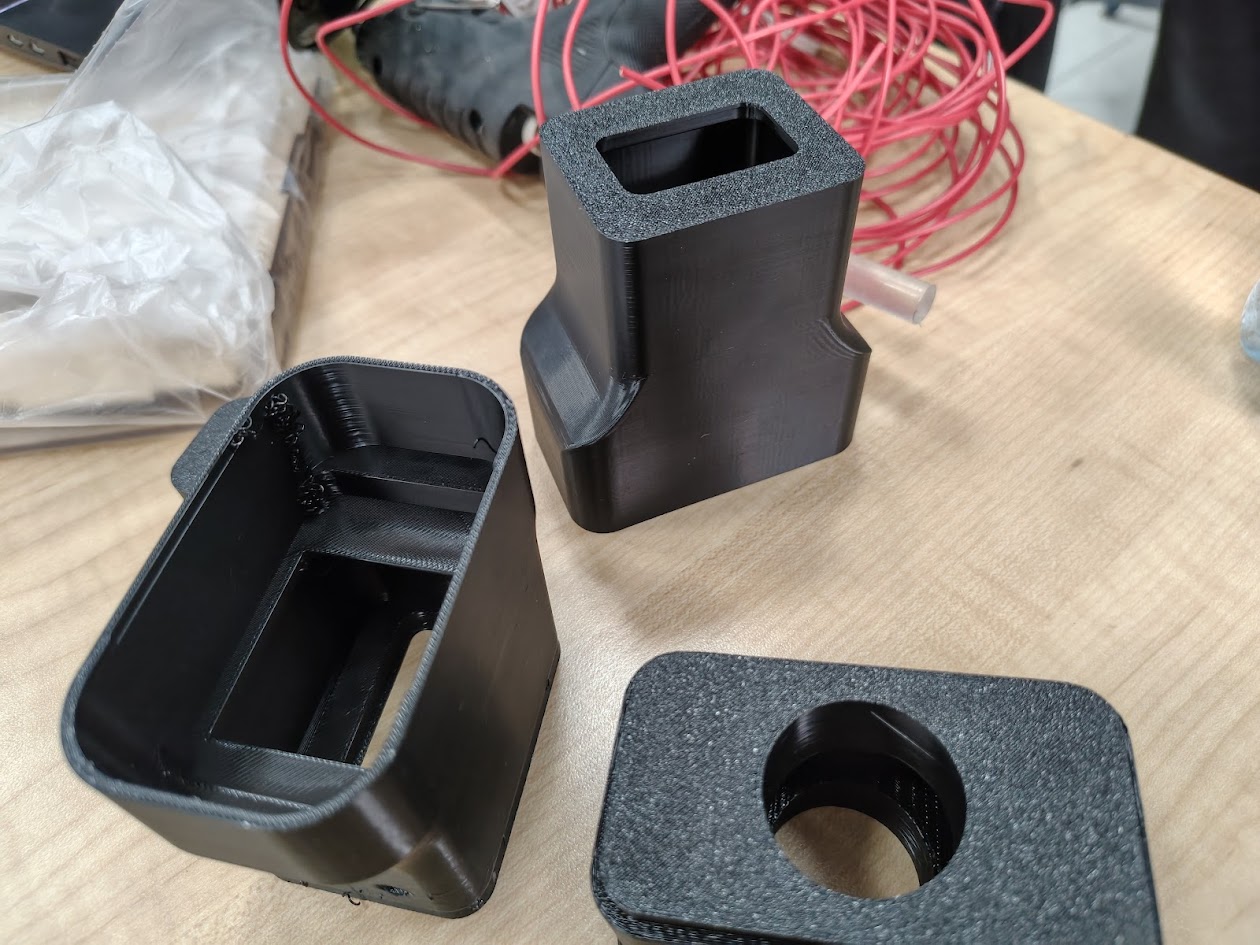
3D printers parts
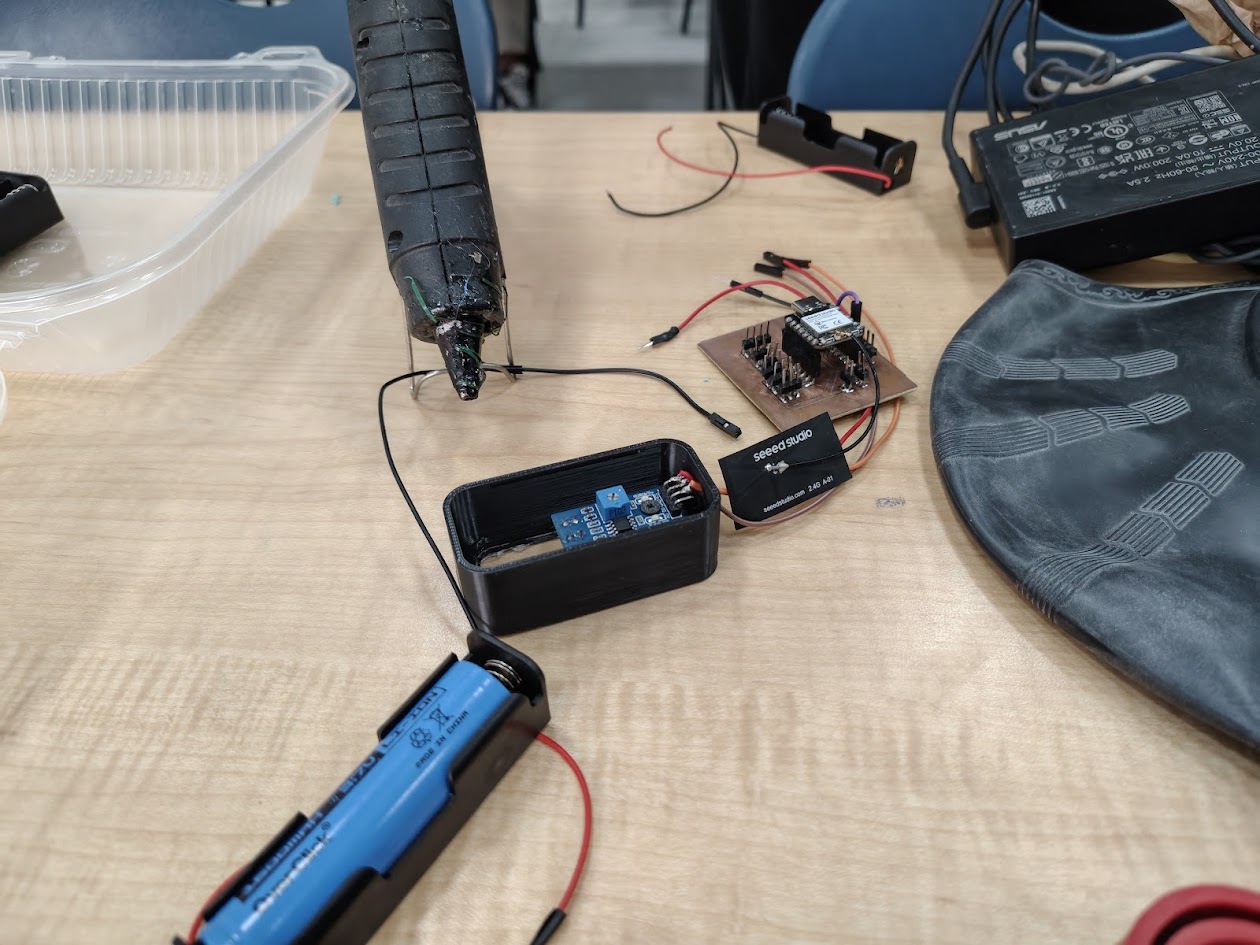
Electronic integration
computer, electronic and mechanical design integration
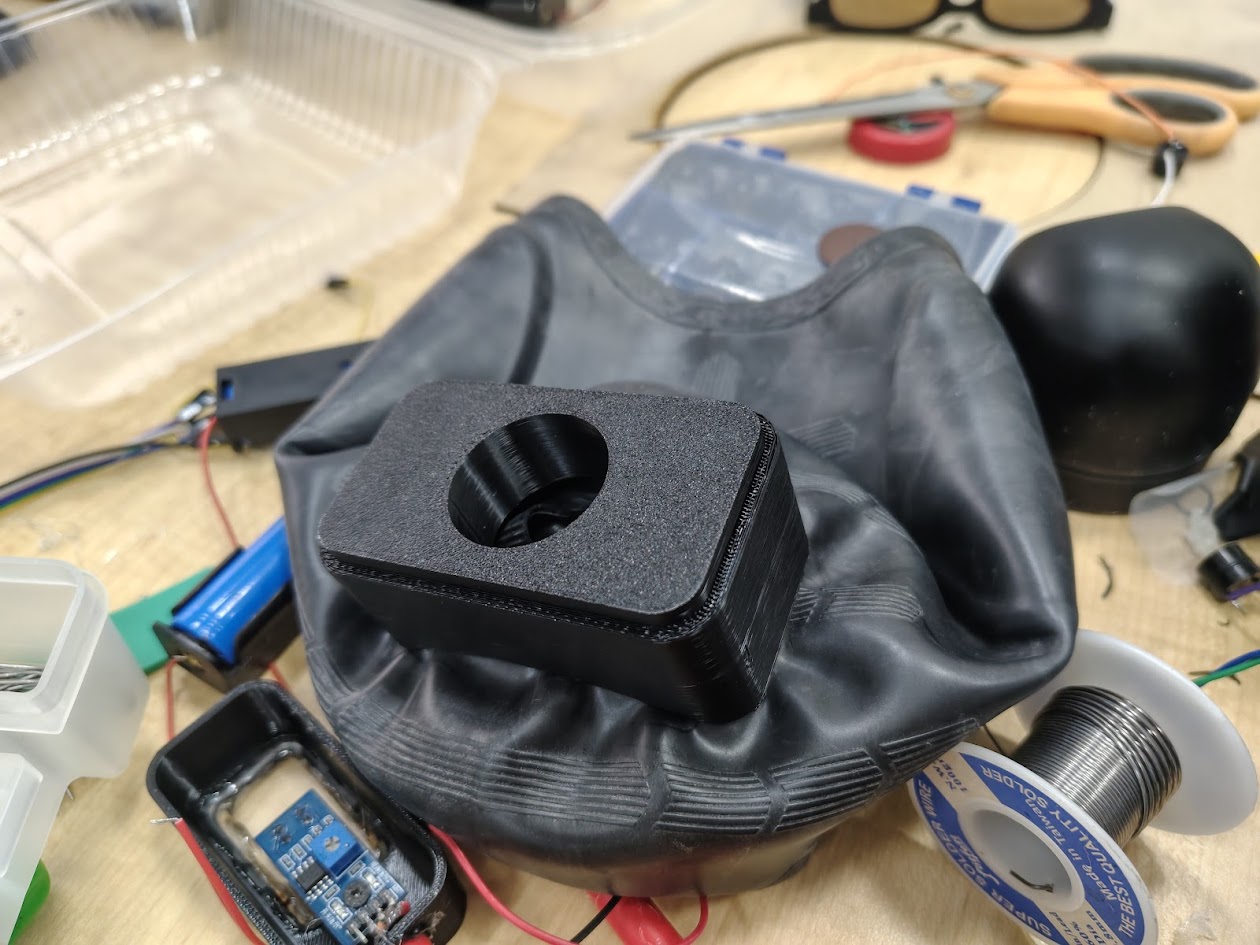 Testing the prototype
Printing the parts using PET
3) Final results
- Created a dissemination plan for your final project
- Outlined future possibilities and described how to make them probabilities
- What task have been complete, and what task remain?
- What's working? what's not?
- What questions need to be resolved?
- Planned what will happen to be resolved?
- What have you learned?