Assignment requirements
Individual assignment
- Plan a final project masterpiece that integrates the range of units covered.
- The project should incorporate: 2D and 3D design, additive and subtractive fabrication processes, electronics design and production, embedded microcontroller interfacing and programming, system integration and packaging.
- Project development: prepare drafts of your final project summary slide (presentation.png, 1920x1080) and video clip (presentation.mp4, 1080p HTML5)
Progress status
Individual work
Done
Present project advances
Documentation
Done
Upload source files
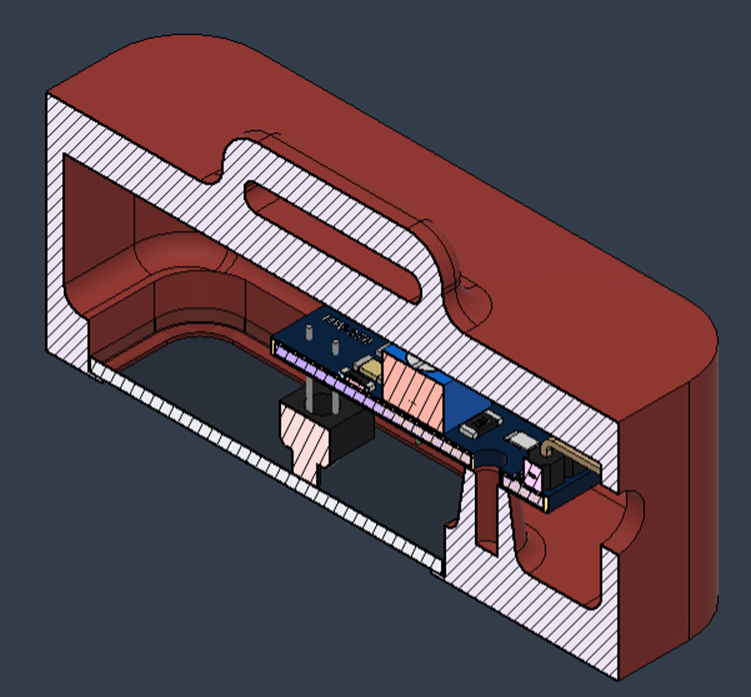
1) Introduction
Focus on the final project
- Integrate knowledges
- Project development
2) Individual assigment
Problems
- Define the project
- How to control Input/Output devices
- Not enough experience
Solutions
- Review previous materials
- Explore solutions at Web Resources
- Test & Error for hours
1. What will it do?
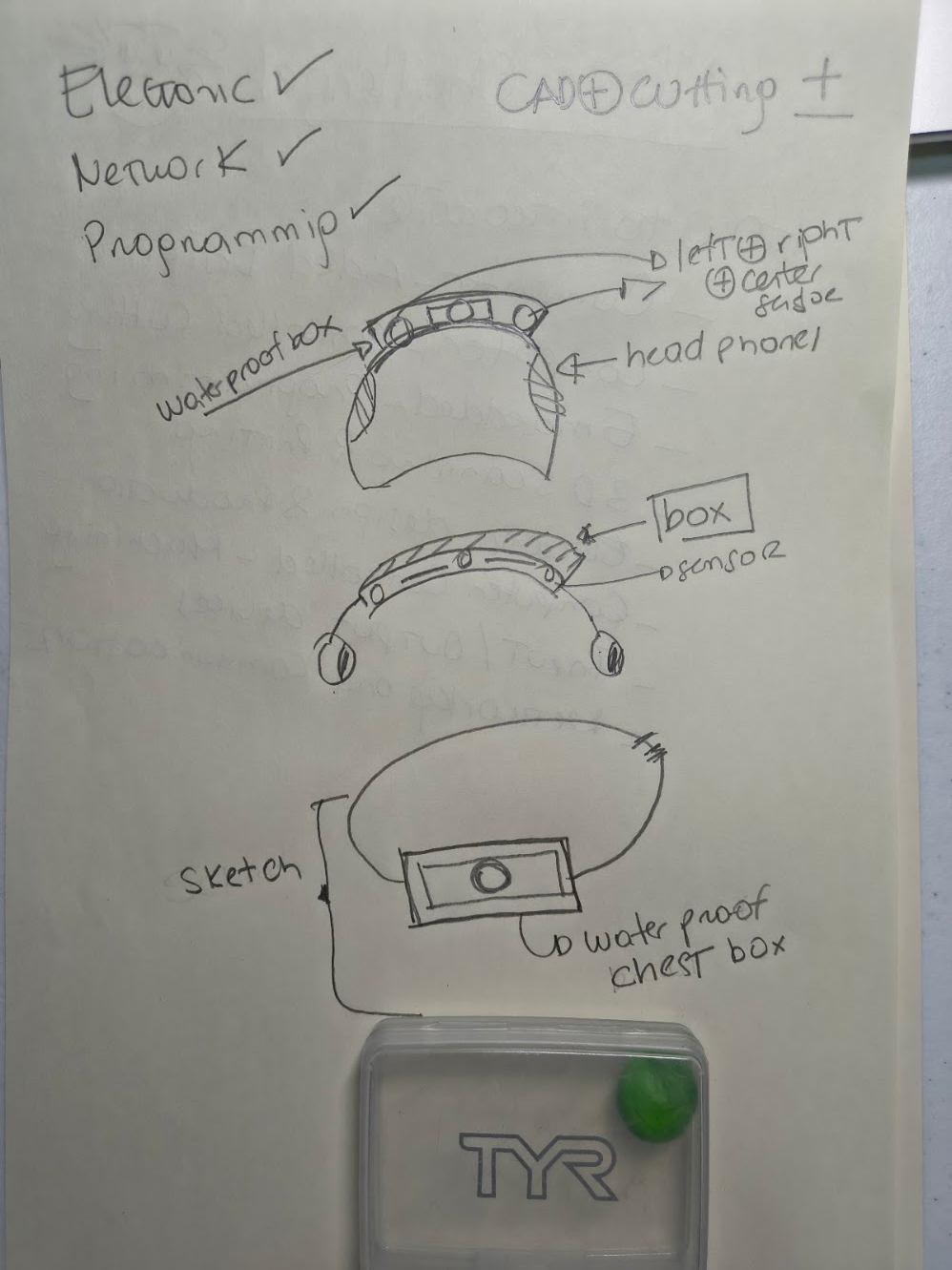
AquaVision is a wearable, waterproof device integrated into the head and body for people with visual disabilities. While underwater, the device will enable swimmers to:
1) Provide safety alerts for pool edge proximity
2) Have position information about the swimlanes and possible deviations
1) Provide safety alerts for pool edge proximity
2) Have position information about the swimlanes and possible deviations
The system monitors the swimmer's position within the swim lane and detects lateral deviations. When the user approaches the lane limits, the system generates a sound alert to indicate the correct direction.
2. Who has done what beforehand?
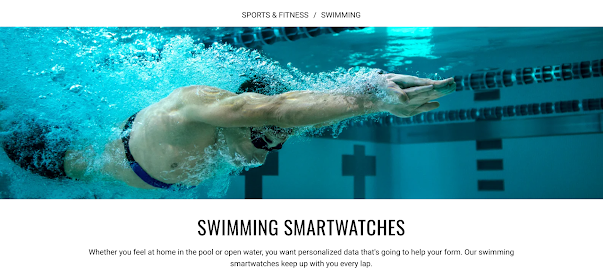
Traditional approach without focus on persons with visual disabilities. The underwater wearable has been partially explored by commercial and research efforts https://www.youtube.com/shorts/jiaPNjImB5M https://www.youtube.com/shorts/x-8rlnioR2I:
AquaVision - Visual disabilities people focus: audio & safety
3. What sources will you use?
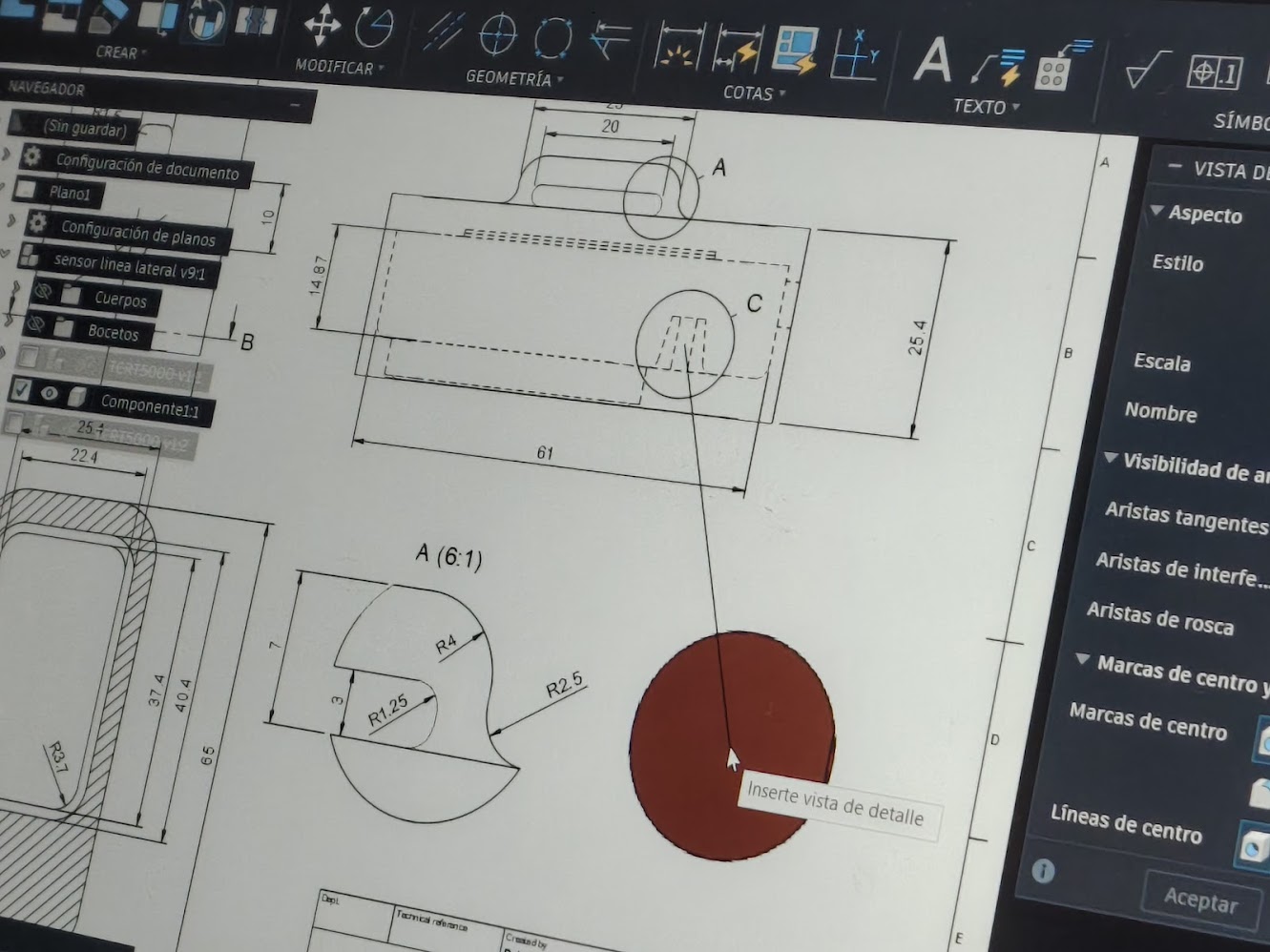
4. What will you design?
A system with sensor integration for person with visual disabilities. The following elements will be designed:
1) Designed PCB with Xiao ESP32 C3 (Fusion 360)
2) 3D-printed device box (Fusion 360)
3) Laser-cut acrylic windows and silicone sealing box
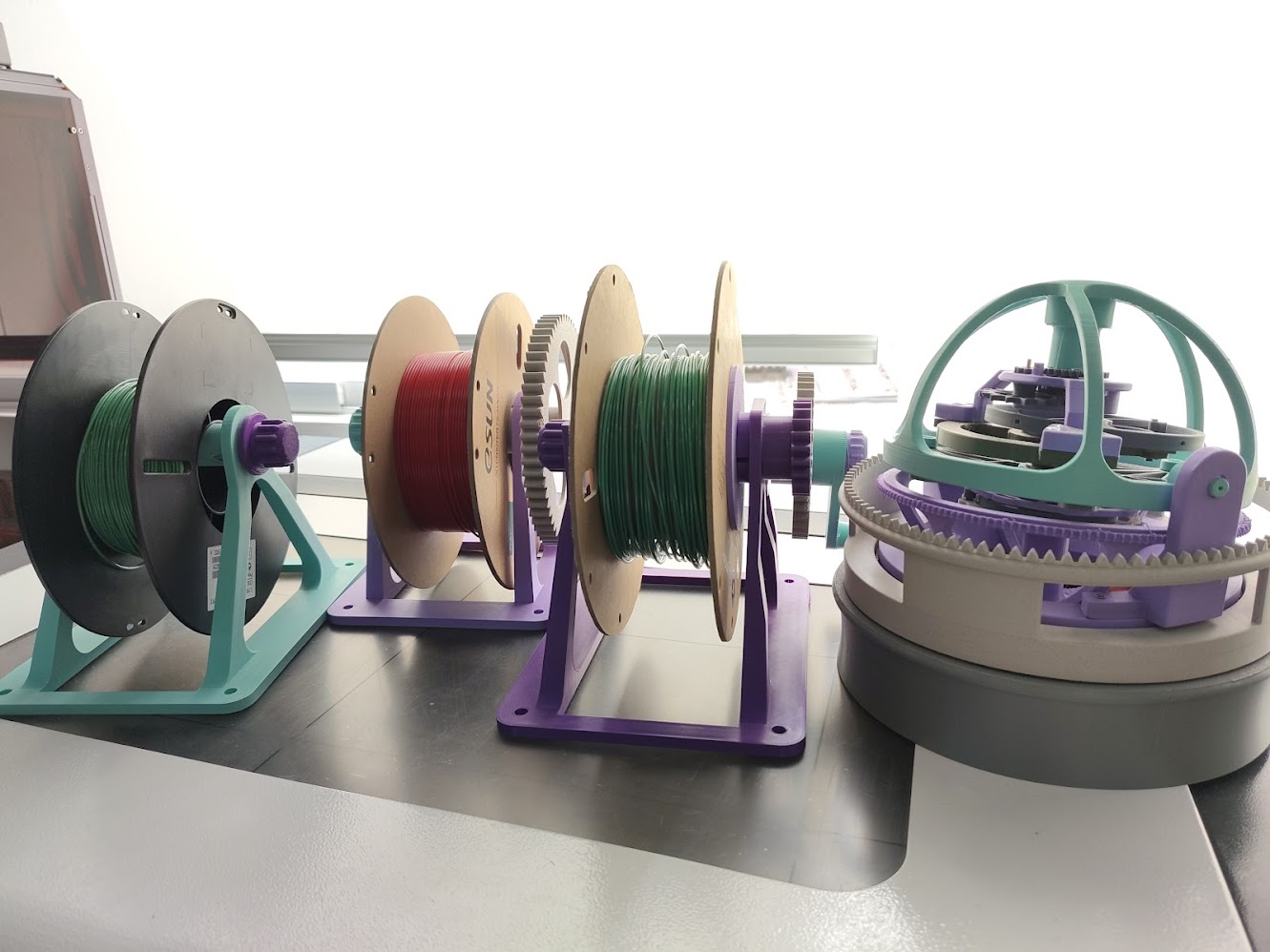
5. What materials and components will be used?
Electronics:
1) ESP32 C3 microcontroller
2) IR proximity sensor (pool wall detection)
3) Battery (3.7V, 500mAh) + waterproof charging port
Structural materials:
1) Medical-grade silicone for seal and body
2) PLA filament for 3D-printed box
3) Acrylic sheet (3mm) for optical windows
4) Epoxy resin for waterproofing PCB assemblies
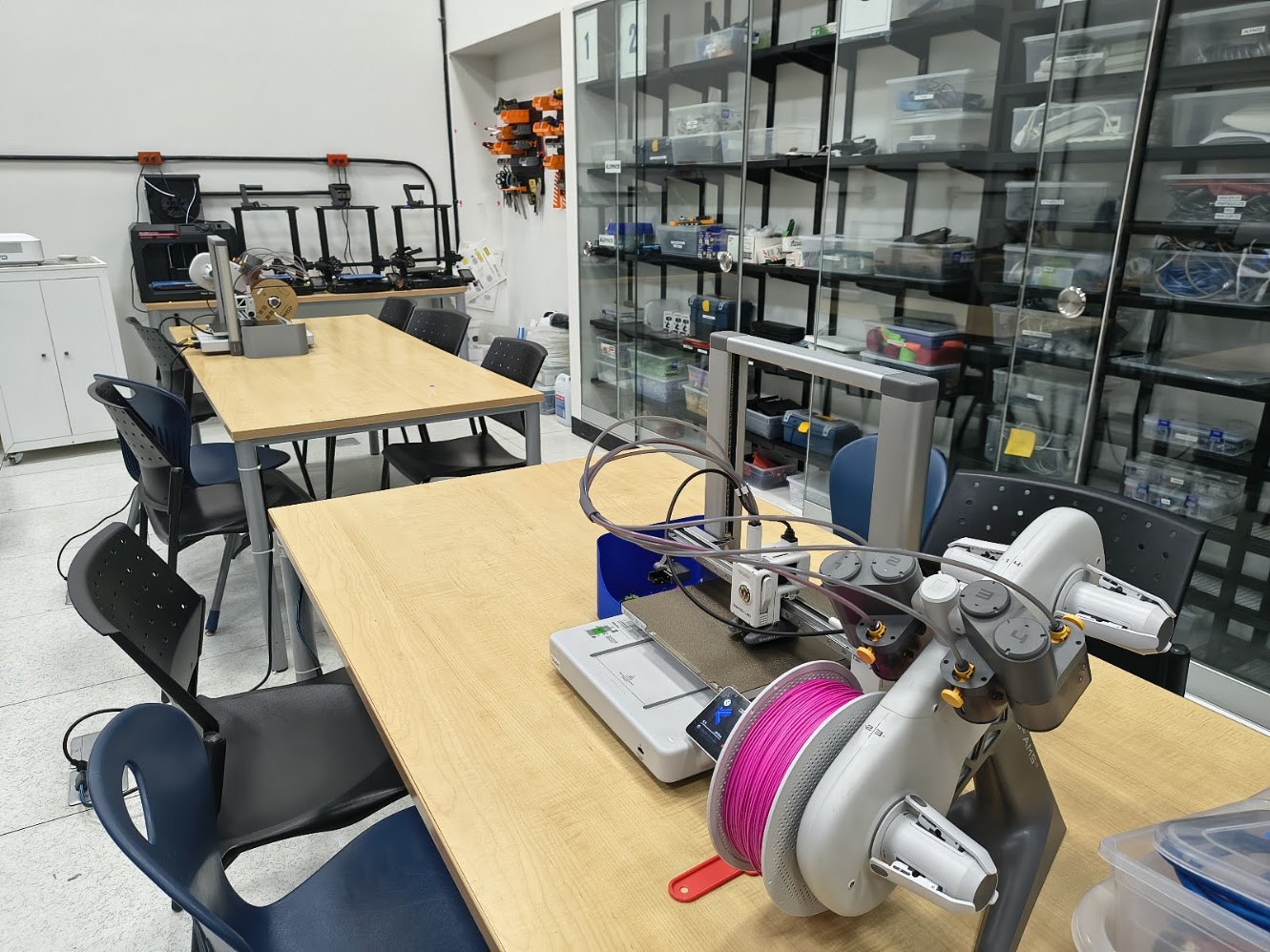
6. Where wll they come from?
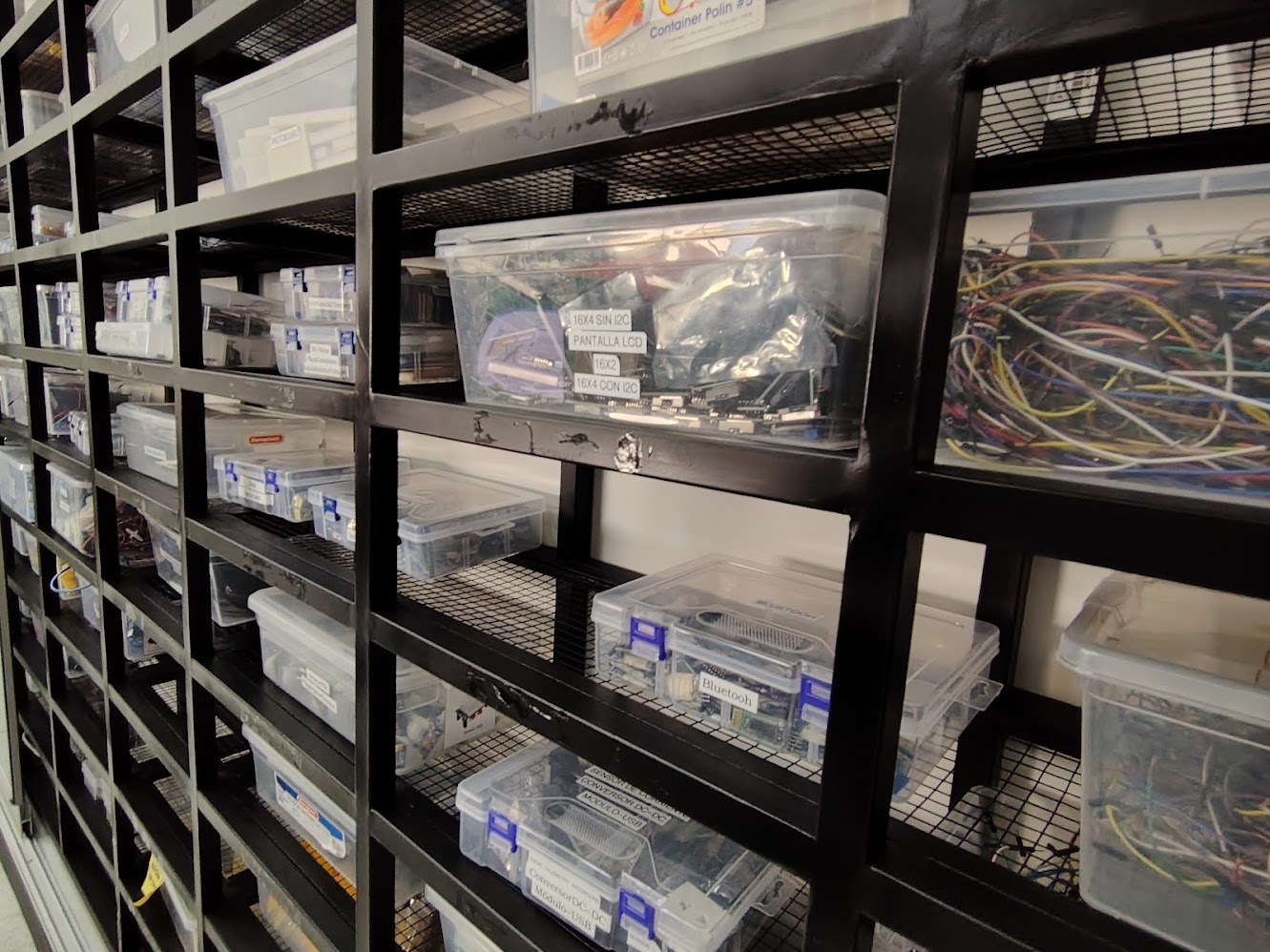
1) Electronics: Fab Lab Lima inventory + Mercado Libre Peru + AliExpress
2) Filament: Fab Lab Lima inventory + local 3D printing suppliers in Lima
3) Acrylic: Local supplier in Lima
4) Silicone: Medical supply distributors in Lima
1) Electronics: Fab Lab Lima inventory + Mercado Libre Peru + AliExpress
2) Filament: Fab Lab Lima inventory + local 3D printing suppliers in Lima
3) Acrylic: Local supplier in Lima
4) Silicone: Medical supply distributors in Lima
| Materials & Components | Where did they come from | Cost (S/.) |
|---|---|---|
| Sharp GP2Y0A02 | Naylampmechatronics | $12.00 |
| TCRT5000 Single Channel Line Tracking Sensor Module x3 | Hifisac | $ 3.30 |
| XIAO ESP32 C3 Seeed Studio Mini placa de desarrollo WiFi BLE x2u | MTLAB | $ 30.00 |
| LED SMD Blanco 1210 (3528) x10u | Stacktronics | $ 1.00 |
| Resistors SMD 5% 1W 2512 - 10 Ohms x10u | Stacktronics | $ 1.00 |
| Rechargeable battery 18650 3.7V 2200mAh x2u | Sai Sac | $ 4.00 |
| TOTAL | $ 51.30 | |
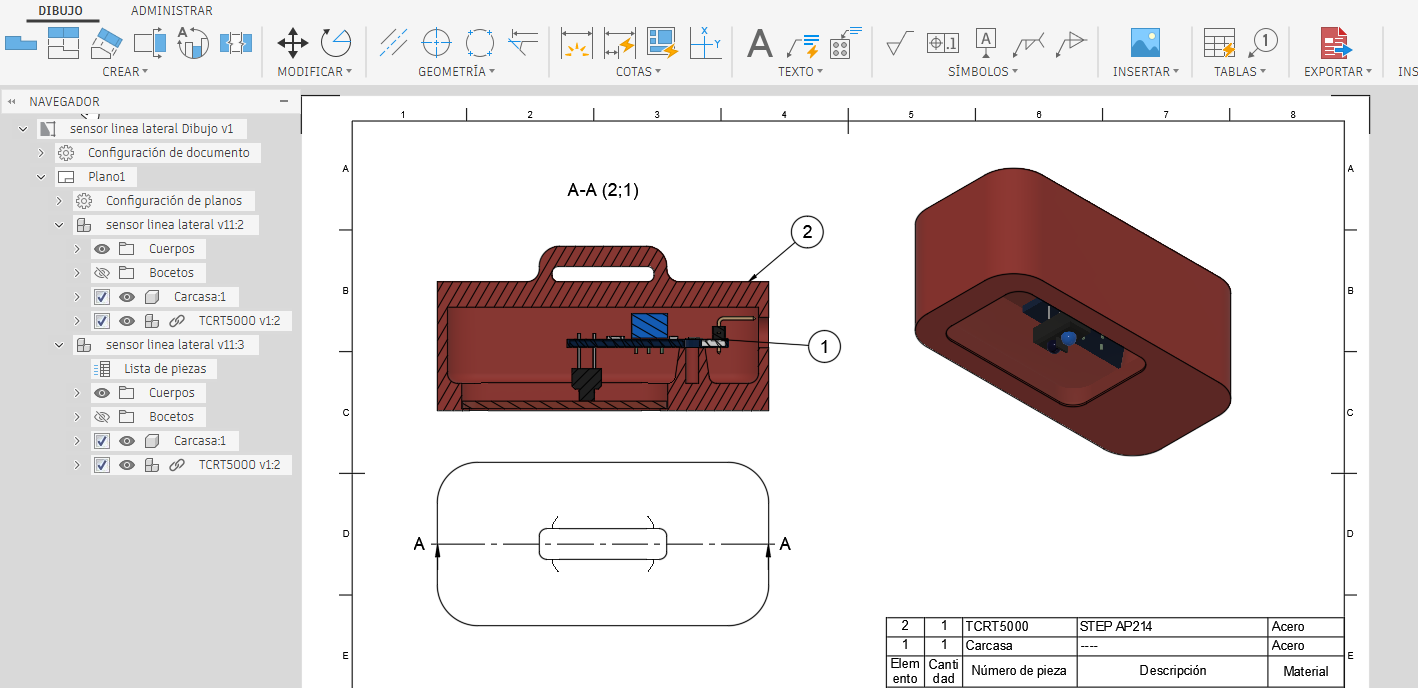
7. What parts and systems will be made?
Made:
1) Designed PCB with Xiao ESP32 C3, sensor array, and power management
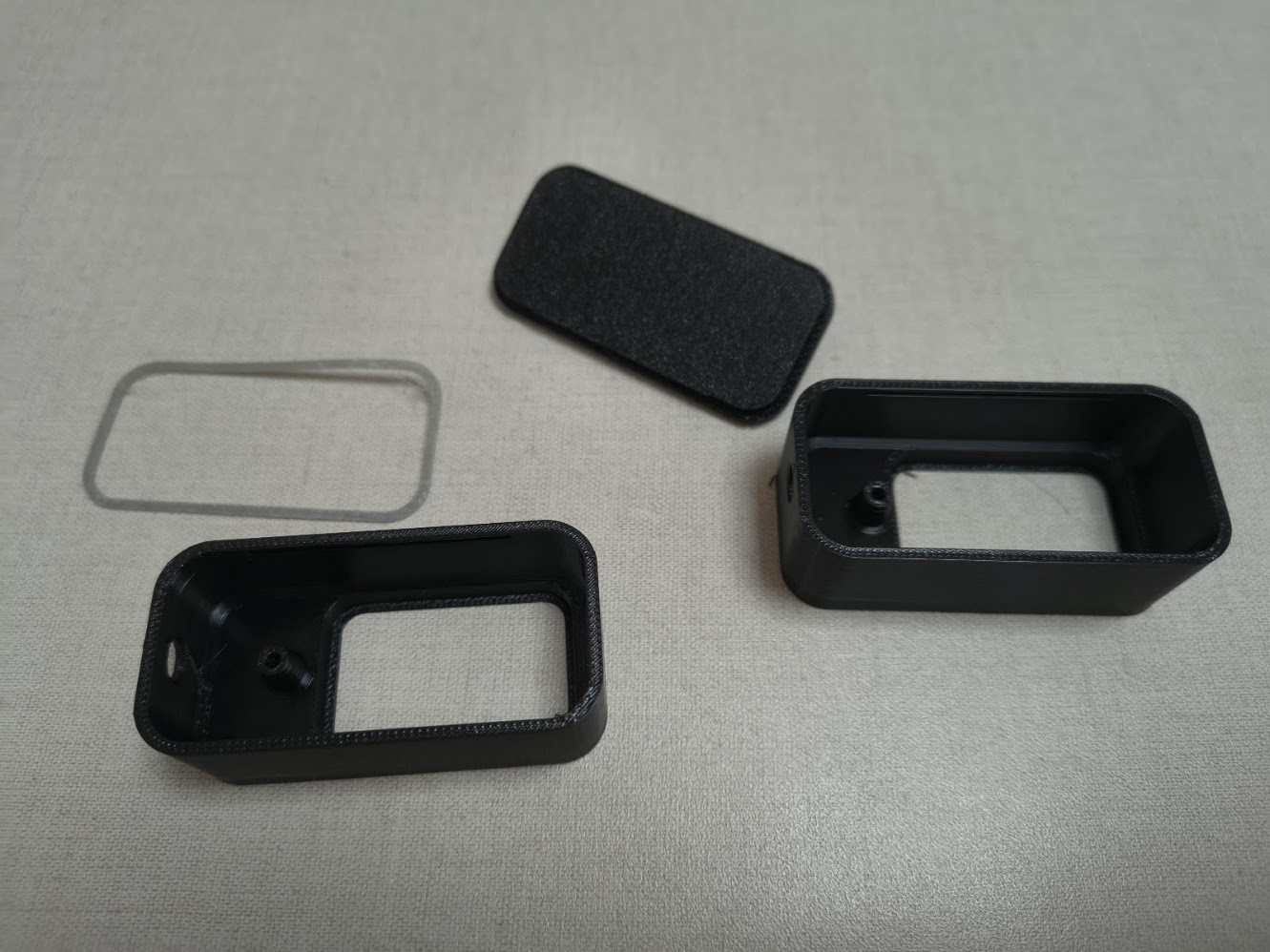
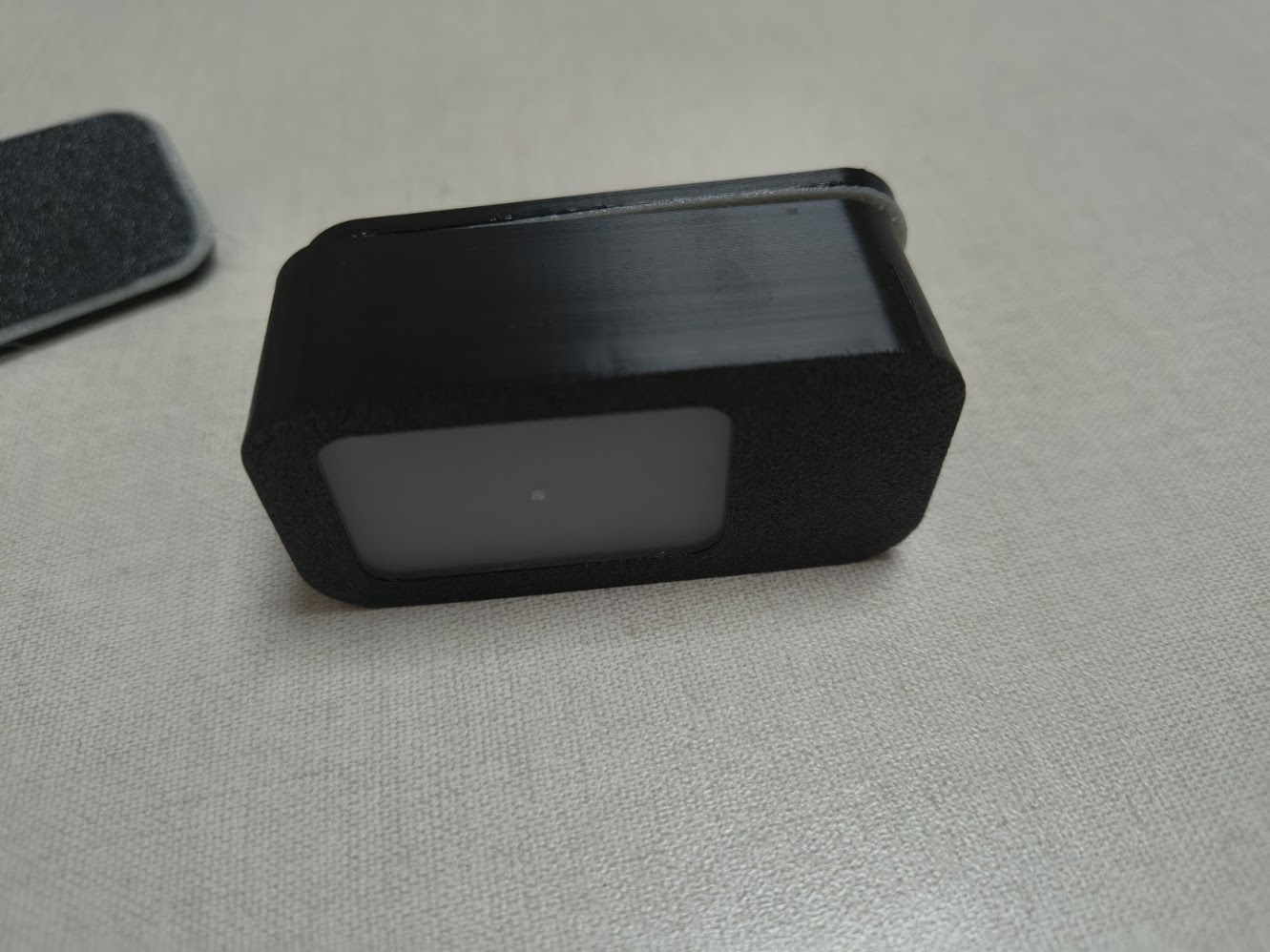
2) 3D-printed box frames, and battery compartment
3) Laser-cut acrylic display window with anti-fog coating
4) Silicone mold for waterproof sealing
Buy:
1) Sensors
2) Batteries
3) Charging components
4) Misc. hardware (screws, wires, connectors)
5) Materials (filament, resin, silicone)
Made:
1) Designed PCB with Xiao ESP32 C3, sensor array, and power management
2) 3D-printed box frames, and battery compartment
3) Laser-cut acrylic display window with anti-fog coating
4) Silicone mold for waterproof sealing
Buy:
1) Sensors
2) Batteries
3) Charging components
4) Misc. hardware (screws, wires, connectors)
5) Materials (filament, resin, silicone)
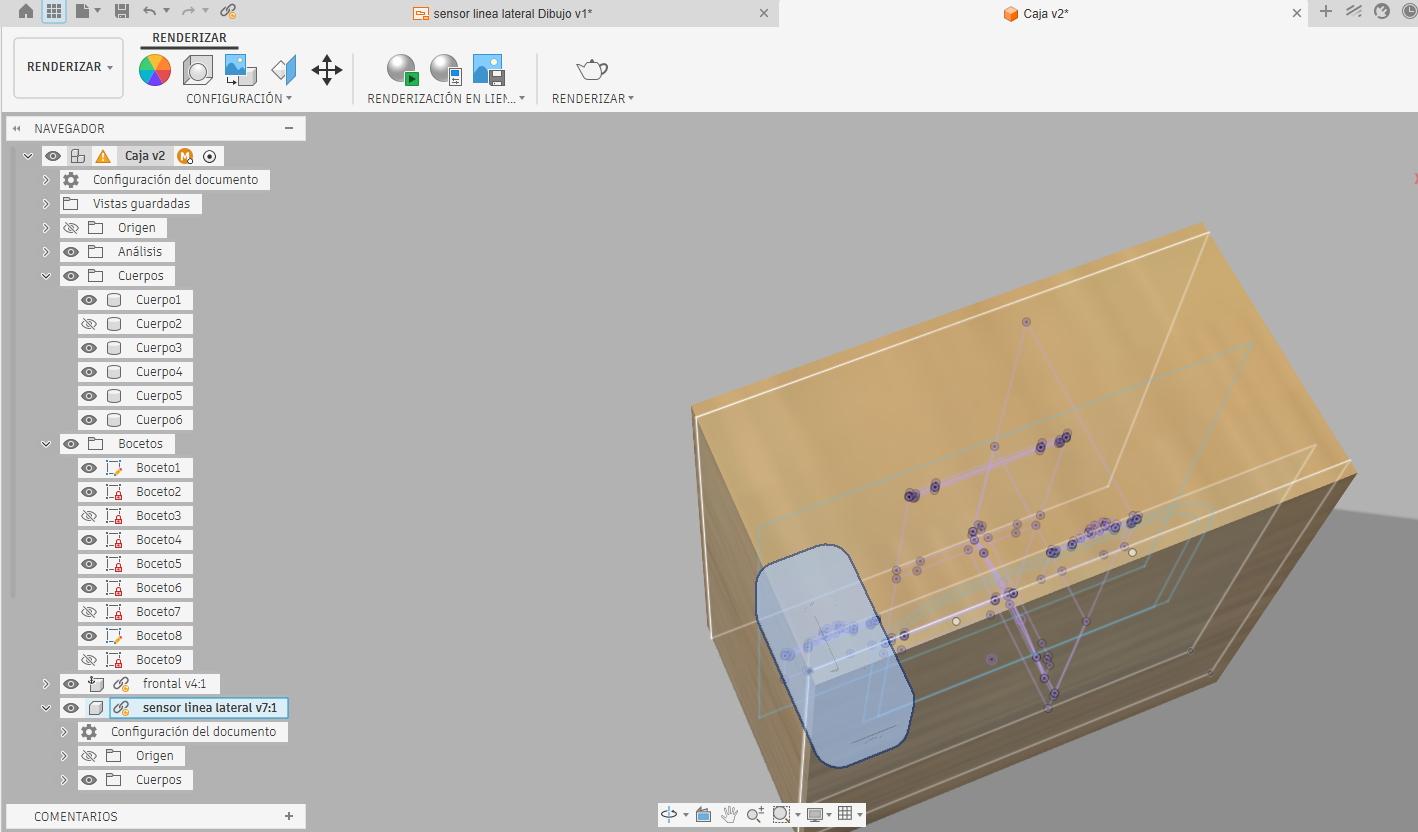
8. What processes will be used?
1) 2D design: logos, vinyl cutting
2) 3D CAD: Fusion 360
3) 3D printing: Bambu Lab
4) PCB design & milling: Fusion 360, Roland MonoFab SRM-20 desktop CNC at Fab Lab UNI
5) Laser cutting: Acrylic windows and prototype frames
6) Embedded programming: Based on Xiao ESP 32 C3 microcontroller, using Arduino IDE and C++ for sensor integration
1) 2D design: logos, vinyl cutting
2) 3D CAD: Fusion 360
3) 3D printing: Bambu Lab
4) PCB design & milling: Fusion 360, Roland MonoFab SRM-20 desktop CNC at Fab Lab UNI
5) Laser cutting: Acrylic windows and prototype frames
6) Embedded programming: Based on Xiao ESP 32 C3 microcontroller, using Arduino IDE and C++ for sensor integration
9. What questions need to be answered?
1) What is the best waterproofing approach (conformal coating vs. resin vs. silicone overmold)?
2) How to optimize sensor placement for reliable pool edge detection without false positives?
3) How to achieve reliable transmission through water?
4) Can Xiao ESP32-C3 handle real-time sensorly?
5) What is the minimum viable battery life for a 1-hour swim session?
6) How to design an intuitive feedback system for swimmers with visual disabilities?
1) What is the best waterproofing approach (conformal coating vs. resin vs. silicone overmold)?
2) How to optimize sensor placement for reliable pool edge detection without false positives?
3) How to achieve reliable transmission through water?
4) Can Xiao ESP32-C3 handle real-time sensorly?
5) What is the minimum viable battery life for a 1-hour swim session?
6) How to design an intuitive feedback system for swimmers with visual disabilities?
10. How will it be evaluated?
The project will be evaluated the following criteria, criterion success metric:
1) Waterproofing: survives 30-min submersion at 1.5m depth
2) Audio functionality: Music audible underwater without earbuds
3) Battery life: Minimum 60 minutes continuous operation
4) Comfort & fit: Positive feedback from 3 test swimmers
5) Safety alert: Proximity alert triggers before wall impact
This multidisciplinary project explores the intersection between art, design, and technology and generate a positive impact for swimners with visual disabilities
The main goal is to generate a positive impact with Fab Academy tools, and to create a device that enhances the swimming experience for individuals with visual disabilities.
This project integrates computer, electronic and mechanical design for functional purposes and human interaction.The project will be evaluated based on its technical performance, user experience, and potential for real-world impact.
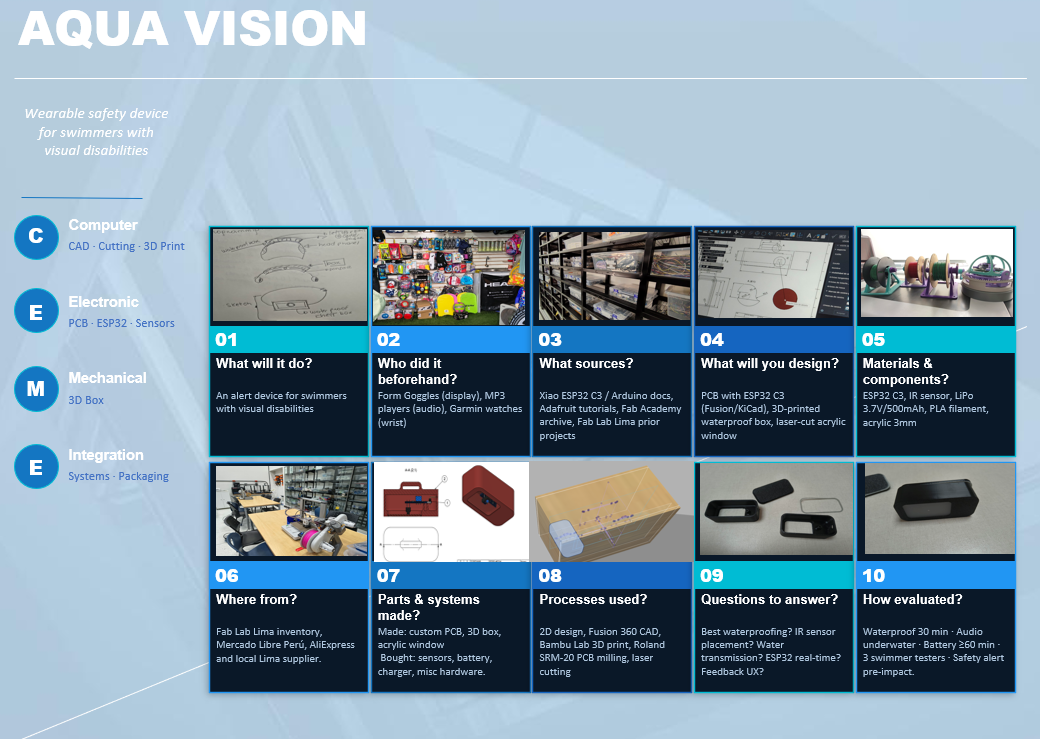
Summary slide
Video demonstration
Final project page3) Additional individual assignment
Comments
- Show the working model
- Demonstrate how you tested it
- Show a functional prototype
Organization methodologies
- Time management tools
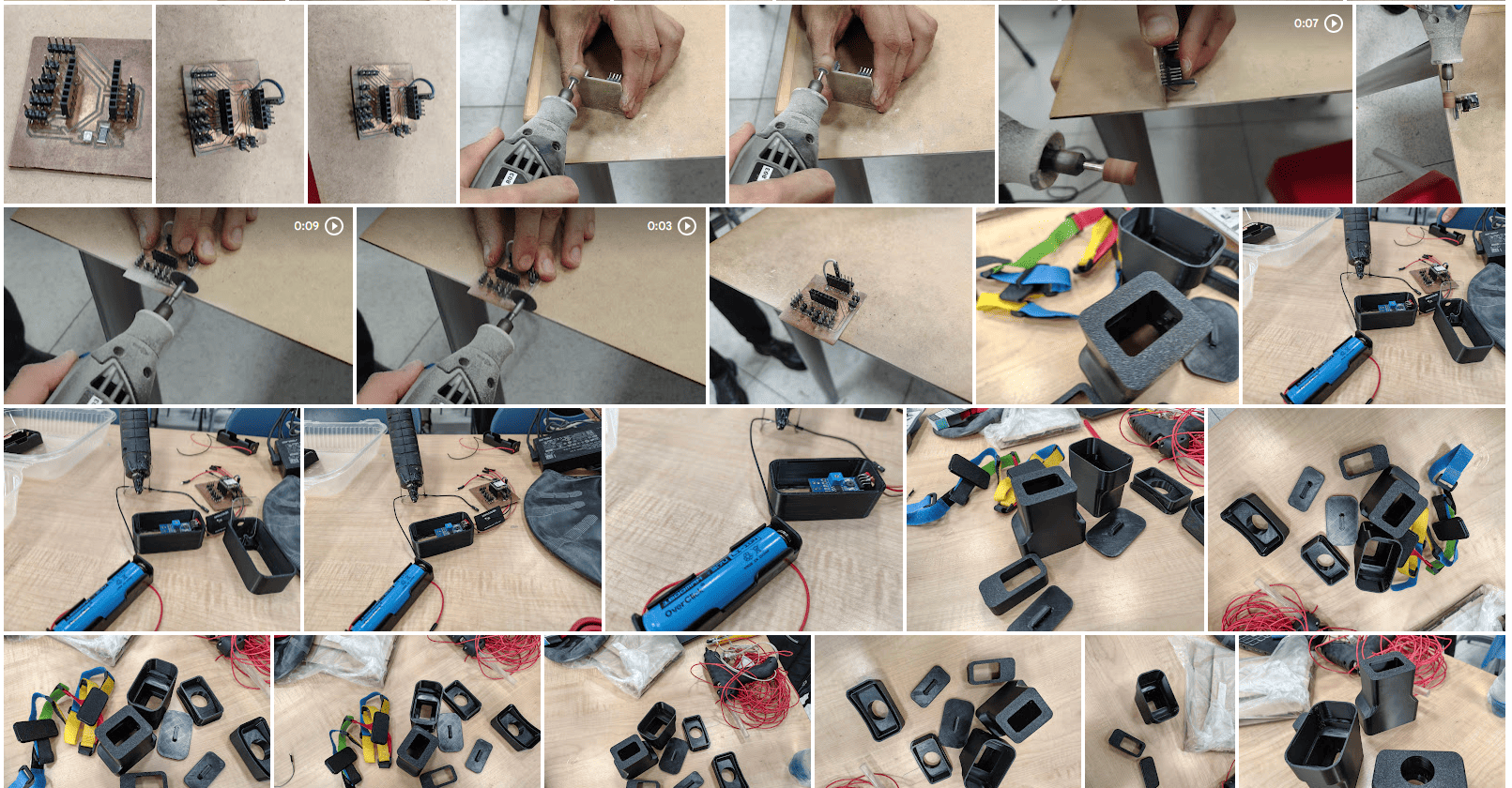
Assembly process - Computer
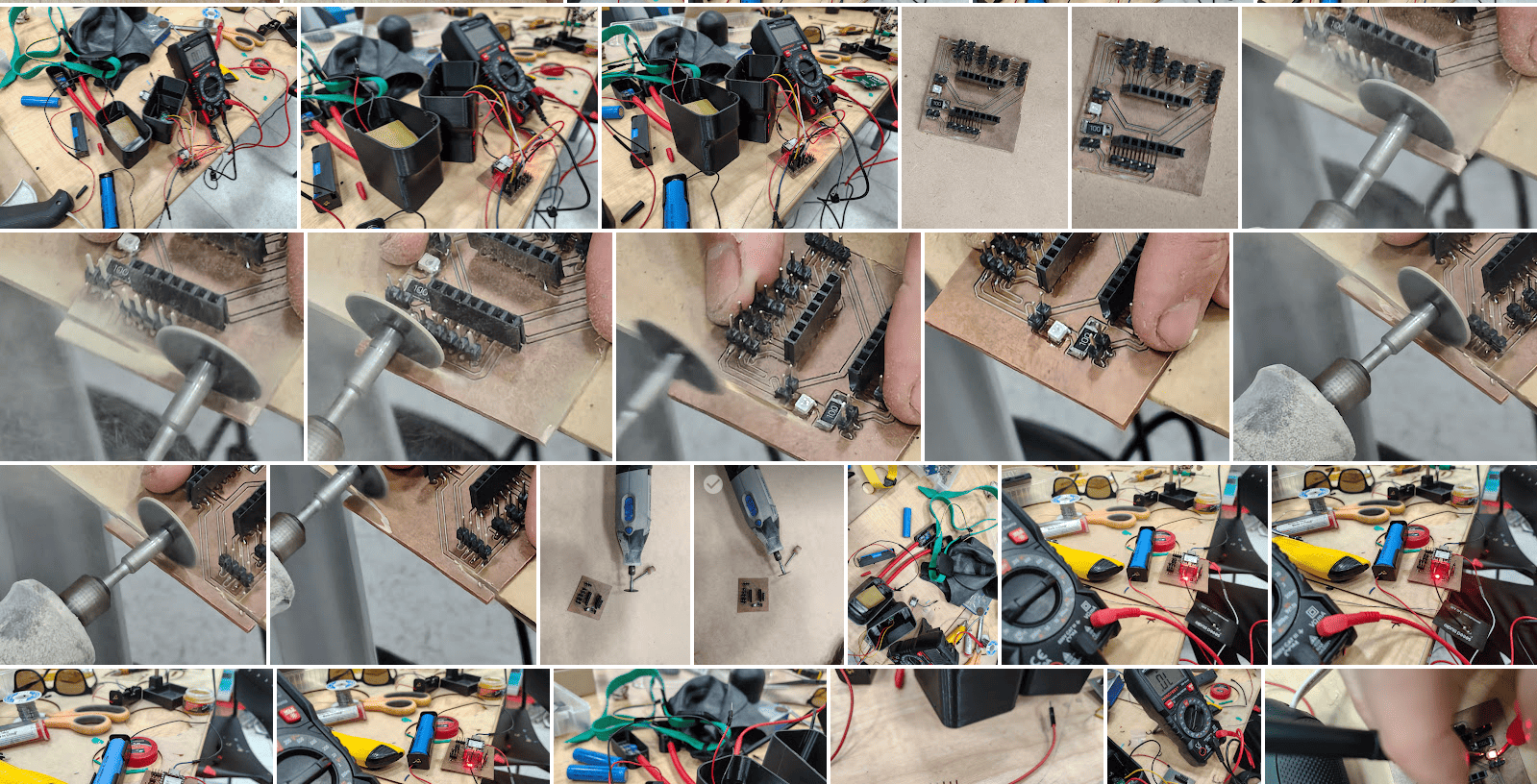
Assembly process - Electronic
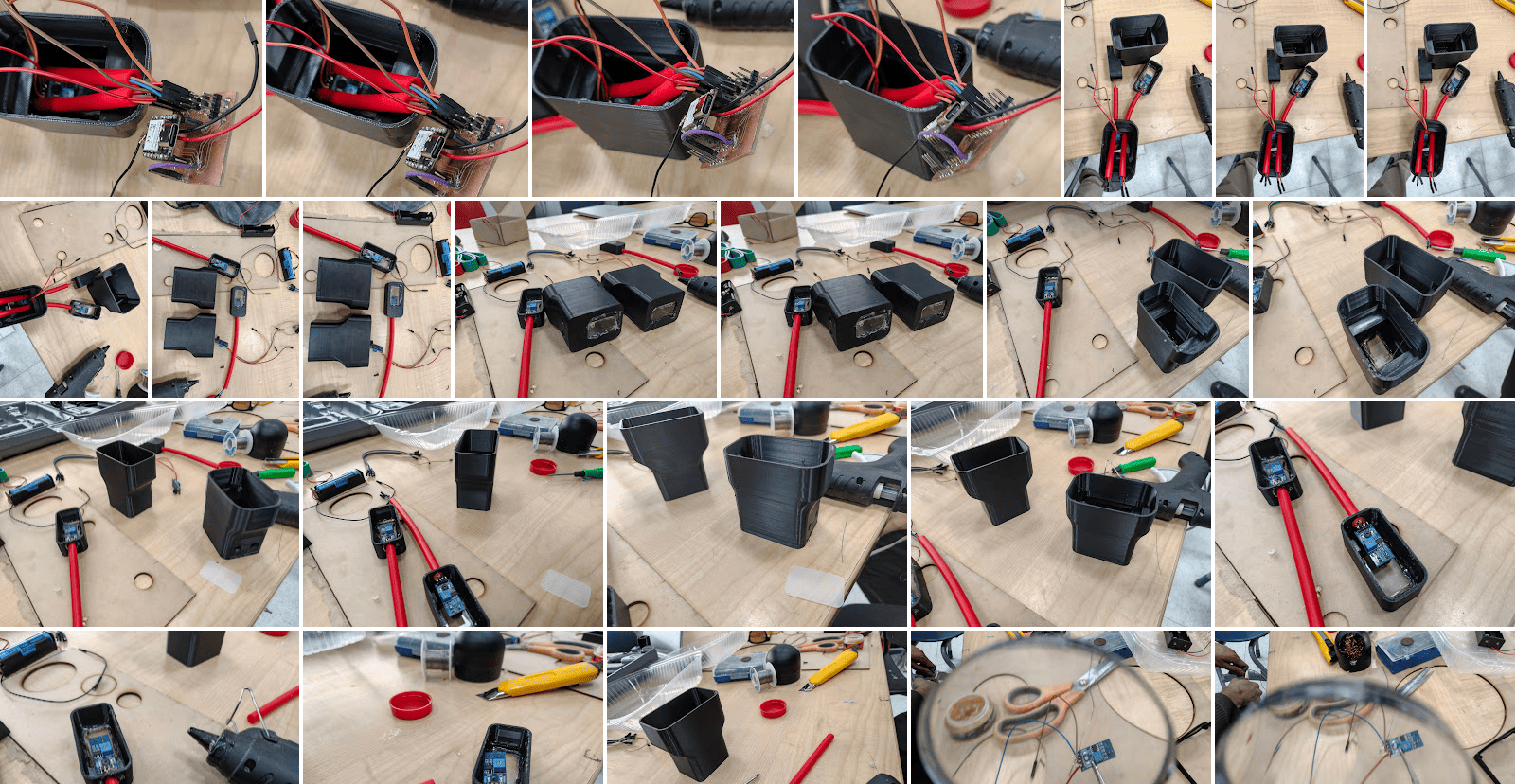
Assembly process - Integration
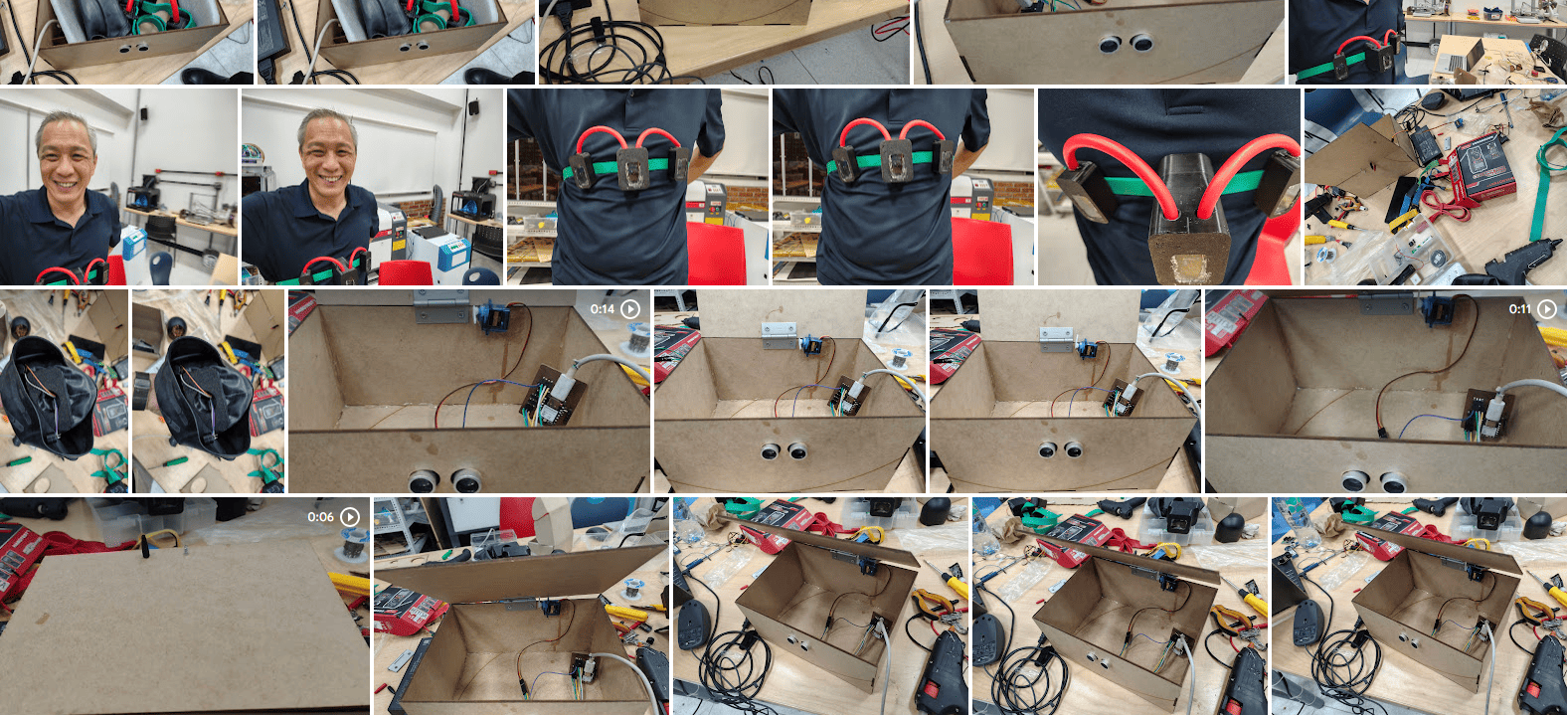
Assembly process - Packaging
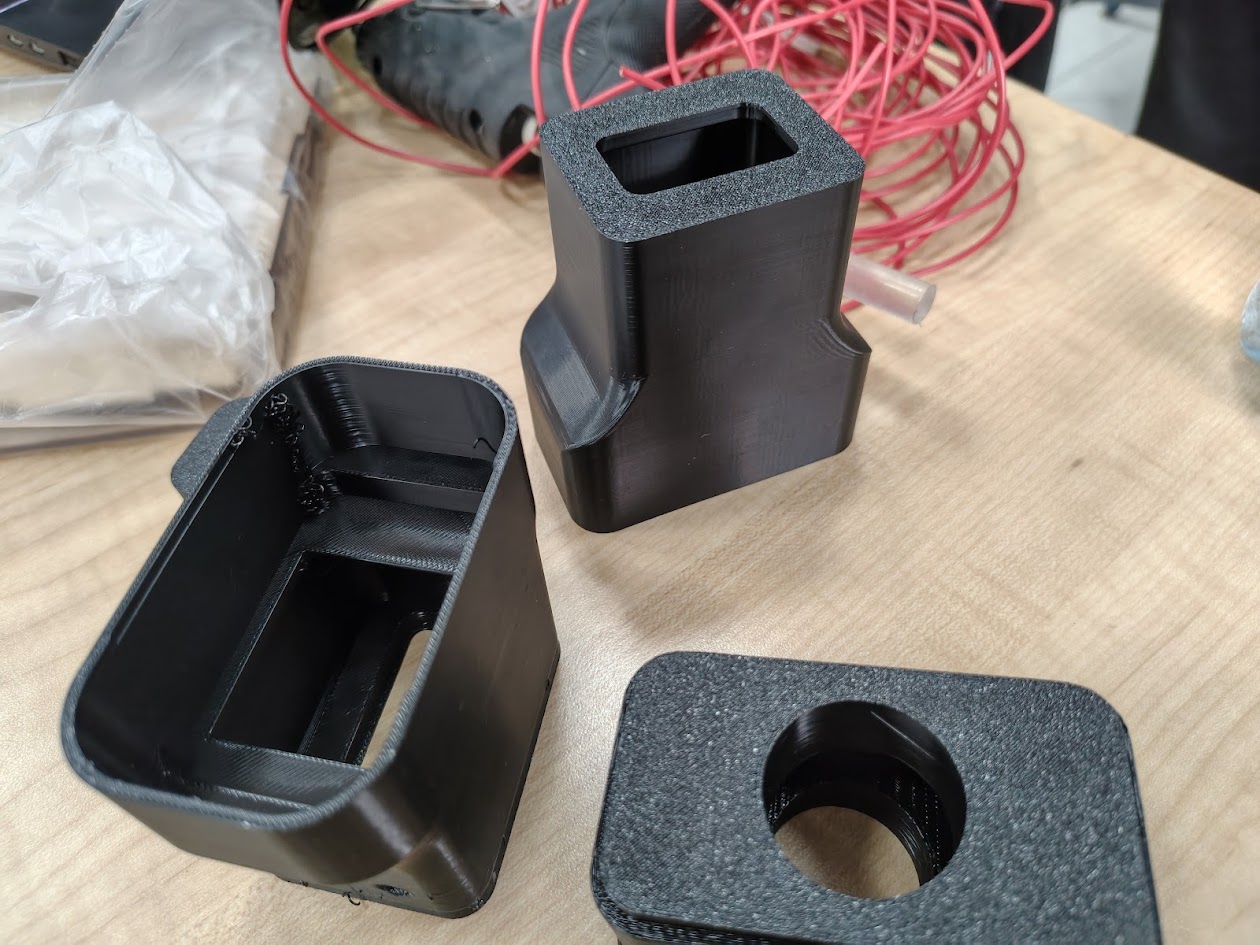
Head device 3D Printing parts - PET
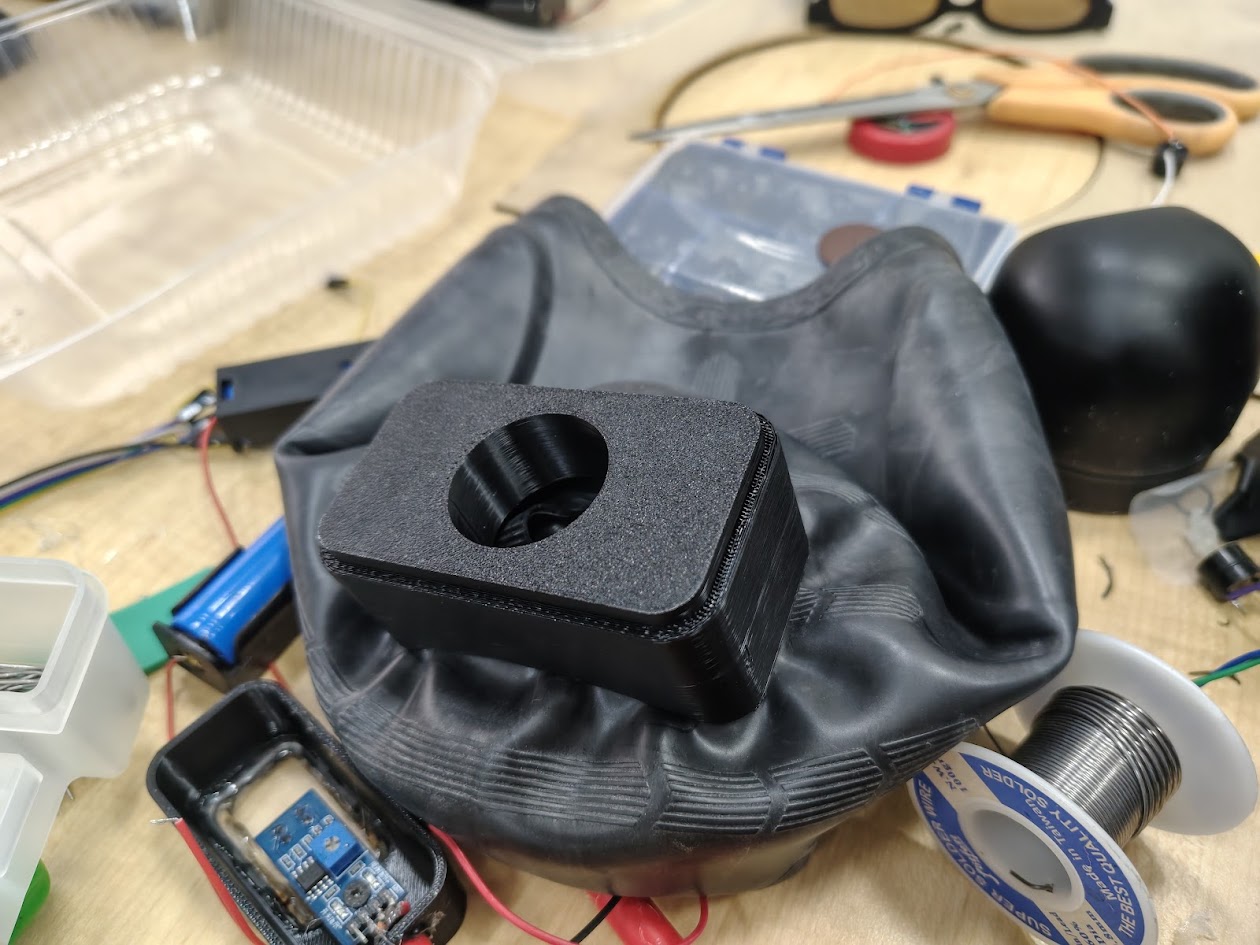
Head device assembly insight view
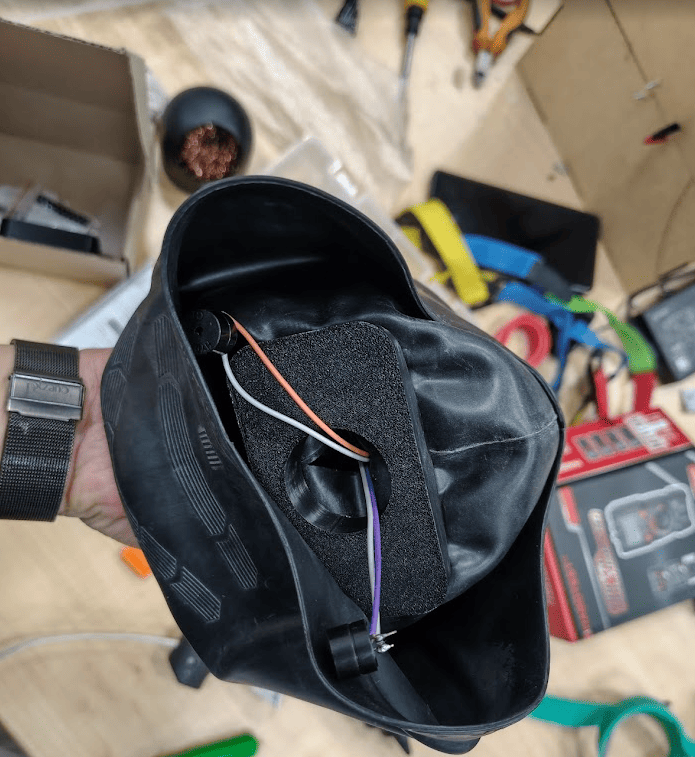
Head device assembly insight view - 02 buzzers
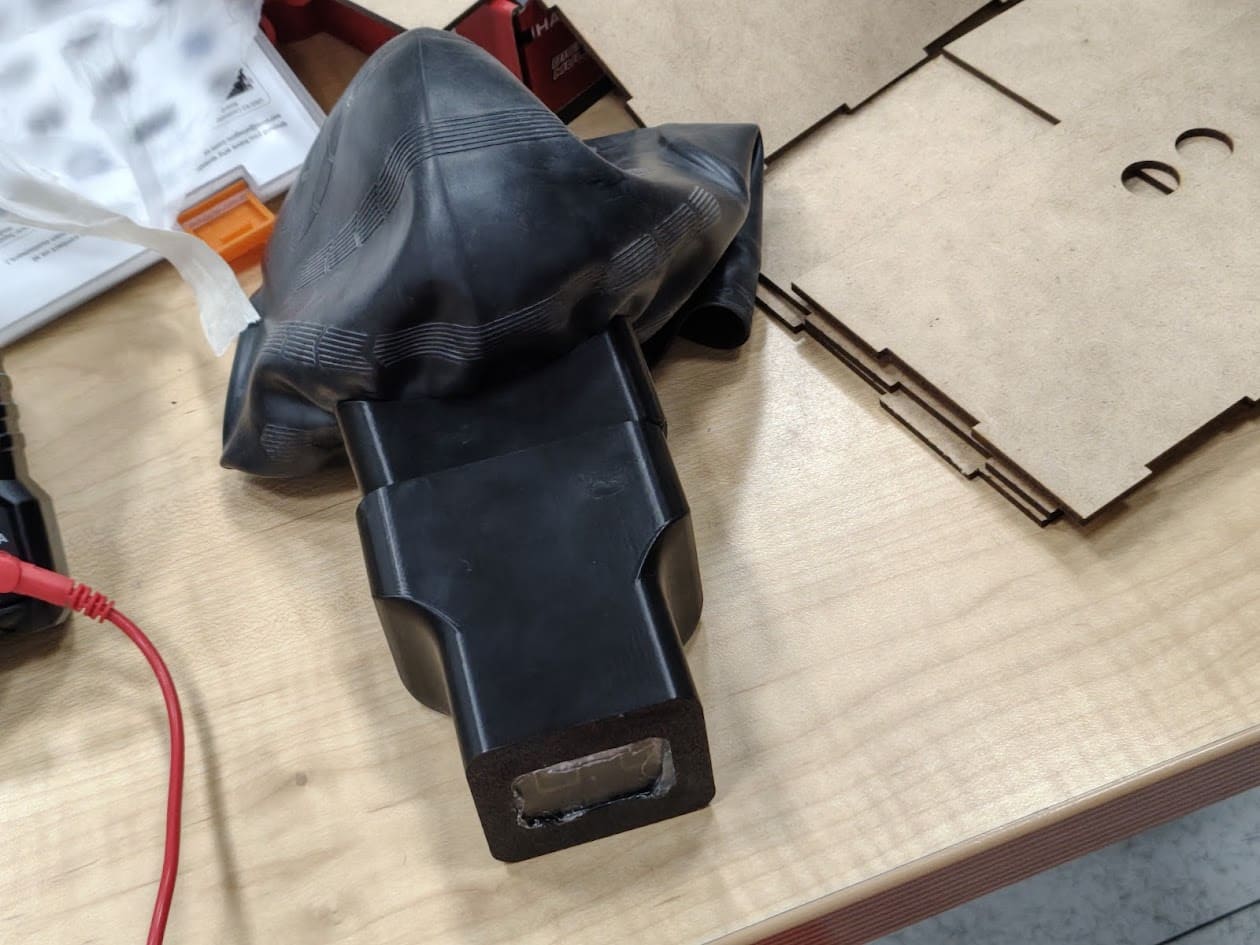
Head device assembly cap view
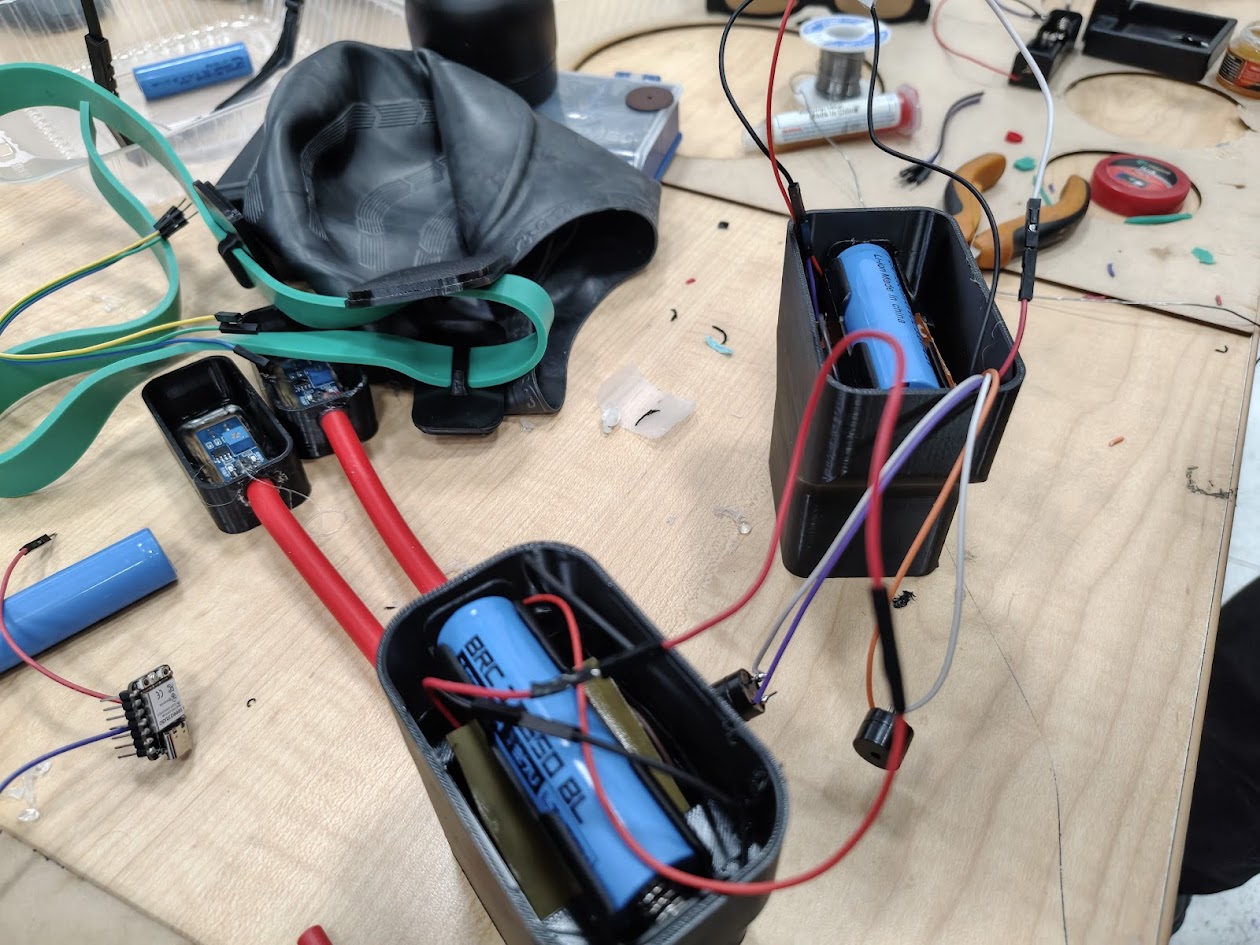
Body device assembly
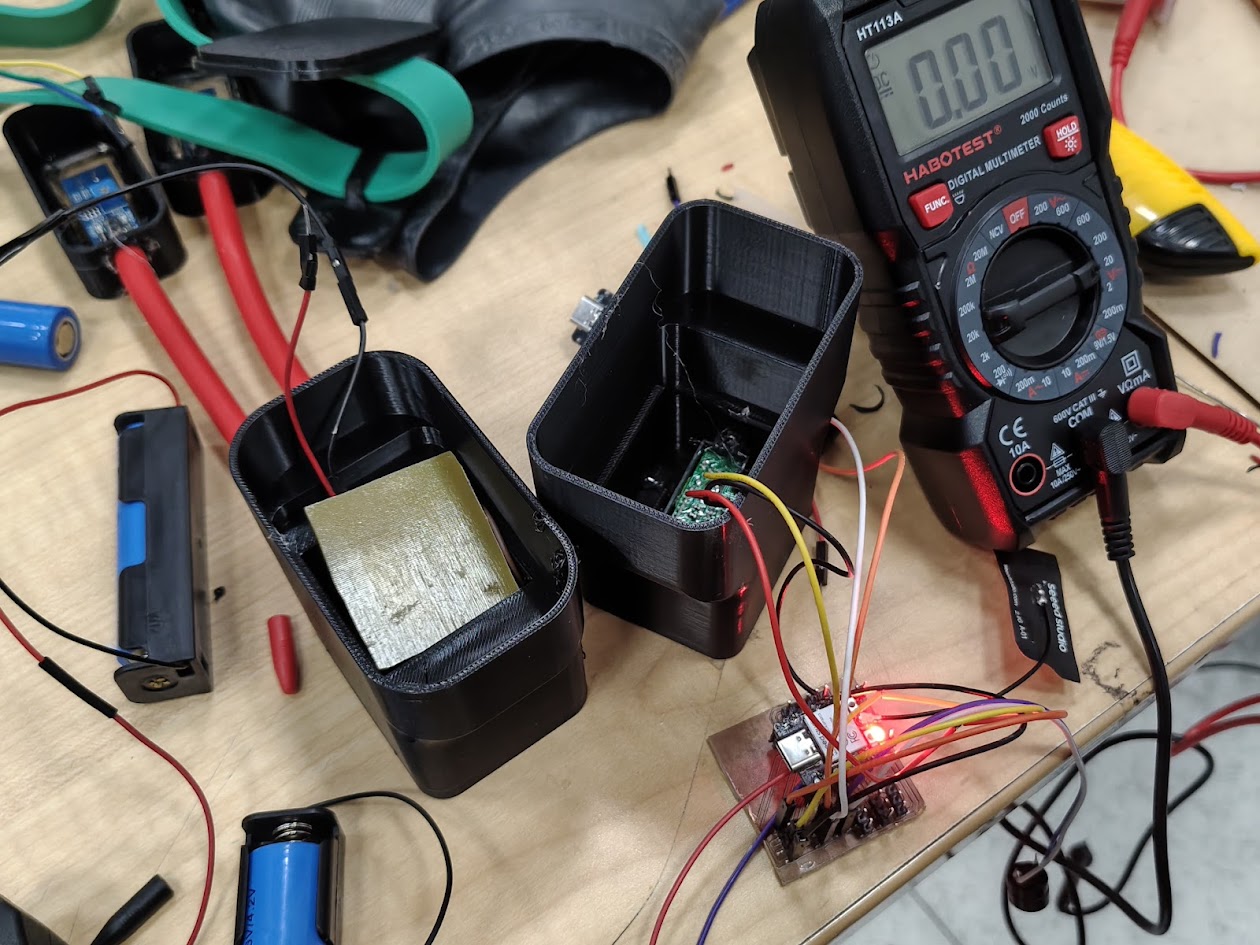
Body device connections
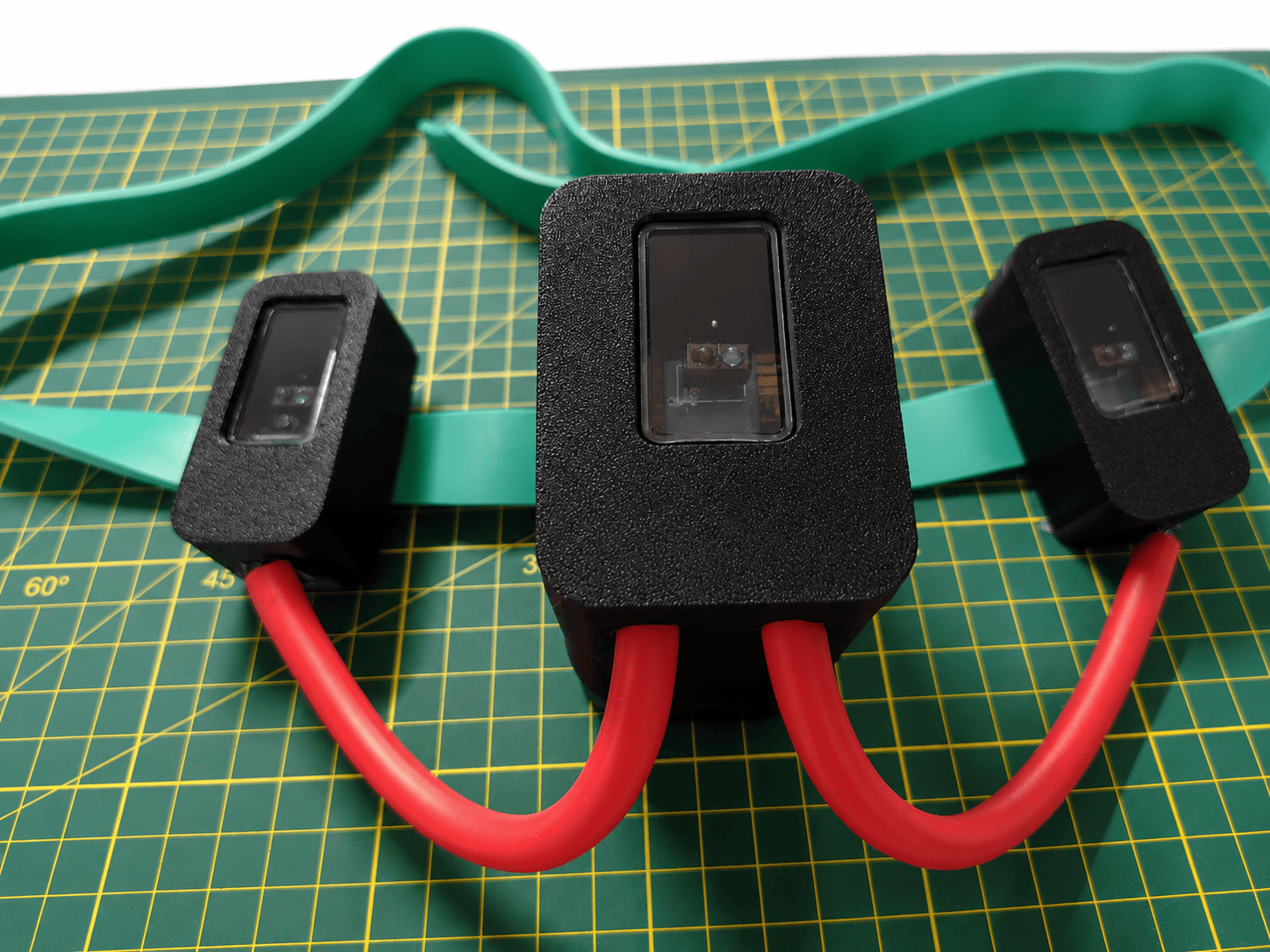
Body device
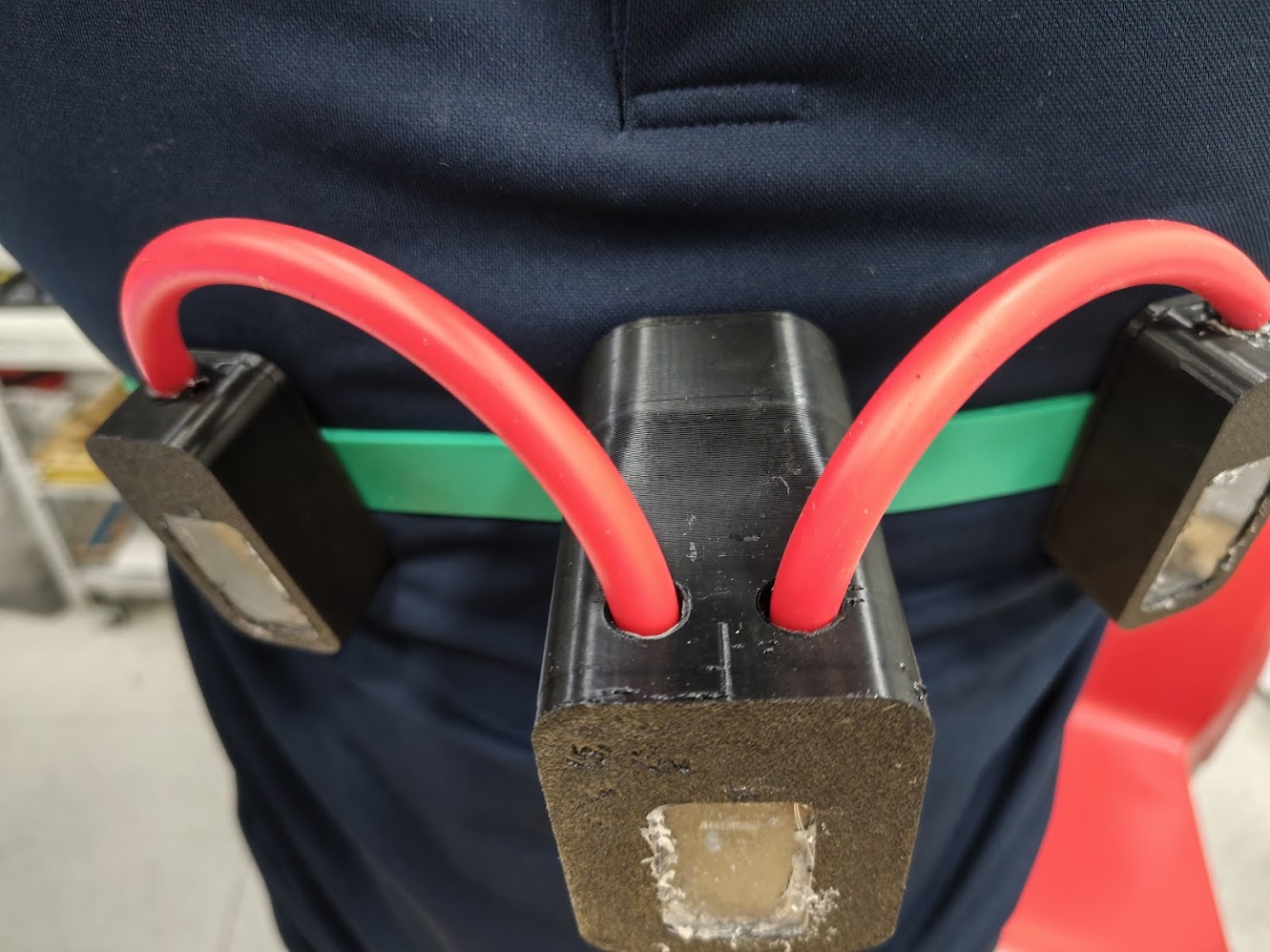
Body device testing with the band
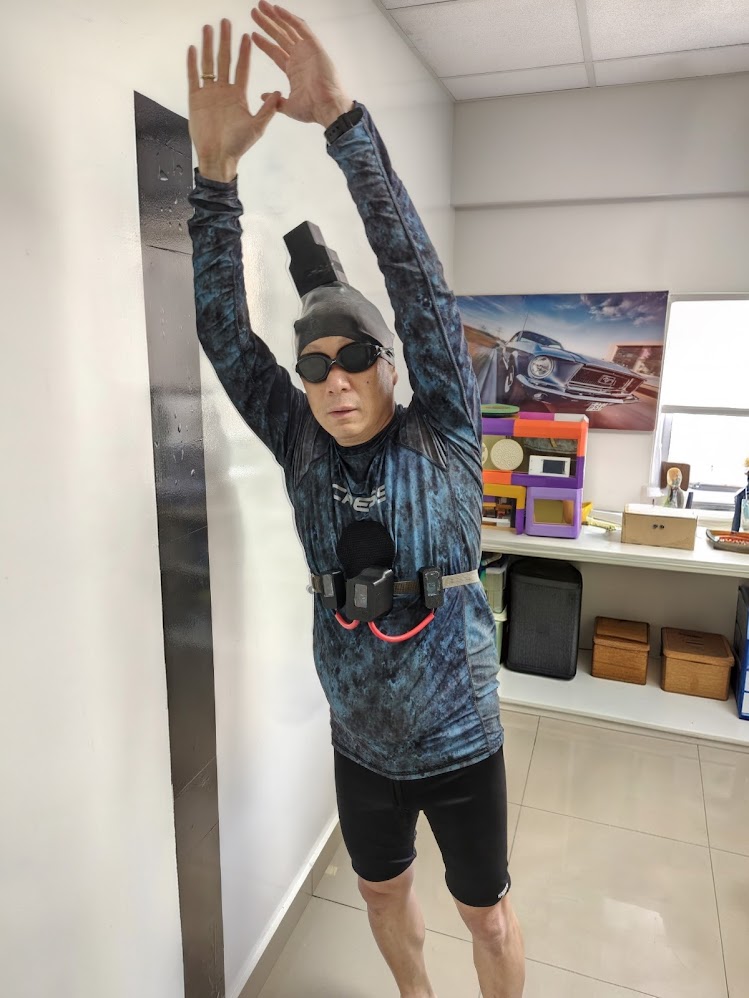
Body and head devices - integration view
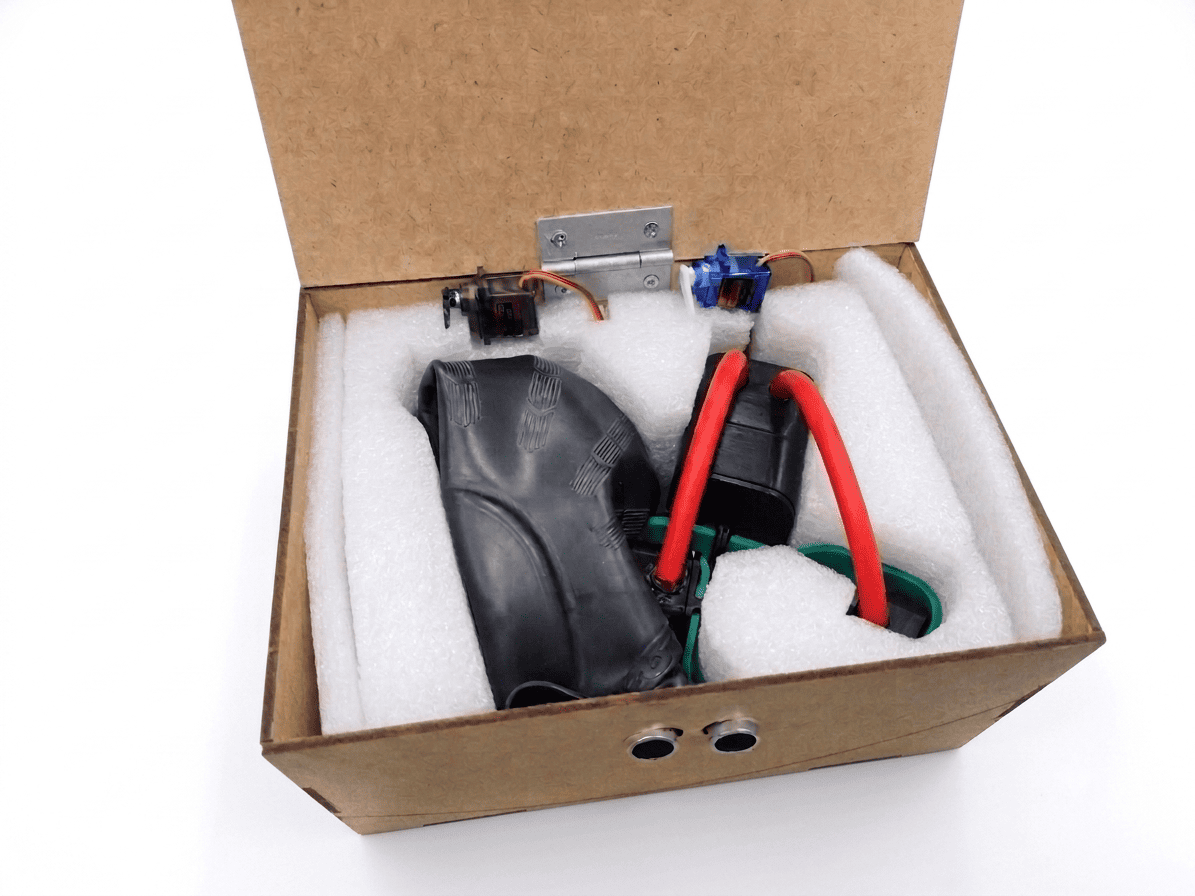
Packaging process with device protection
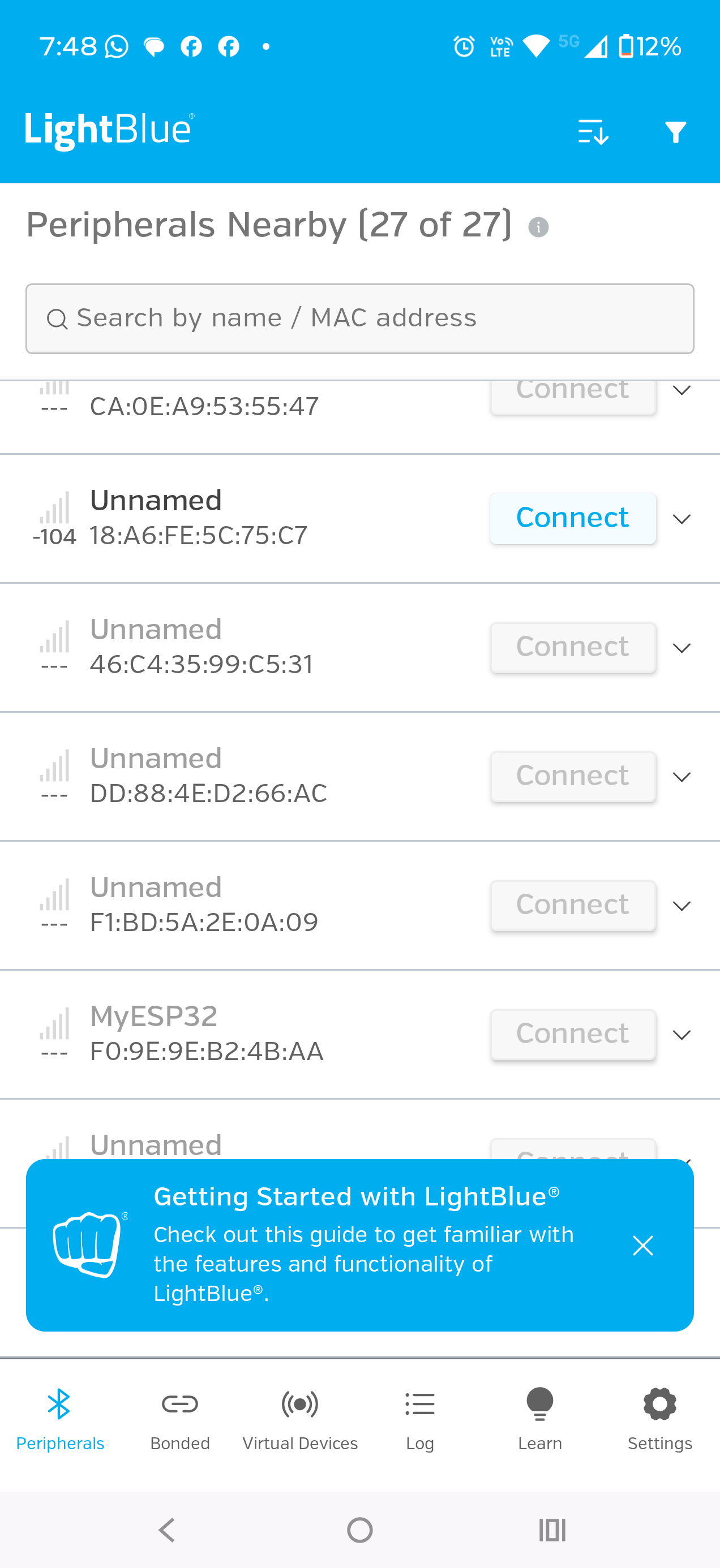
Bluetooth connectivity testing for real-time data transmission and device control
MyEXP32 - F0:9E:9E:B2:4B:AA is the Xiao ESP32 C3 microcontroller, enabling bluetooth wireless communication
MyEXP32 - F0:9E:9E:B2:4B:AA is the Xiao ESP32 C3 microcontroller, enabling bluetooth wireless communication
Video demonstration
Organization methodologies
- Time management tools
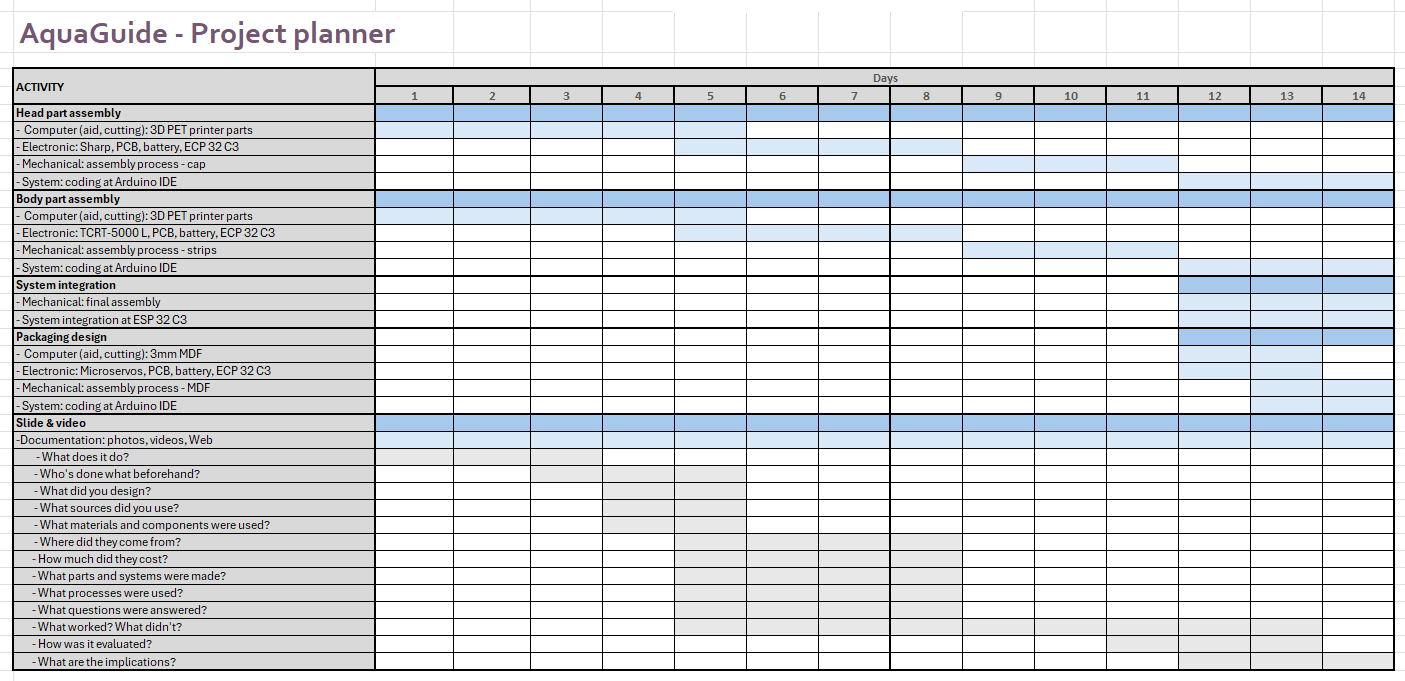
Time management tools.
I used Microsoft Excel for time tracking and project management
I can use Gantt charts and project management software to track progress and deadlines
This tools help us keep track of our project milestones, manage results, prepare documentation and report
Software as Trello, Notion, Microsoft Excel, and others
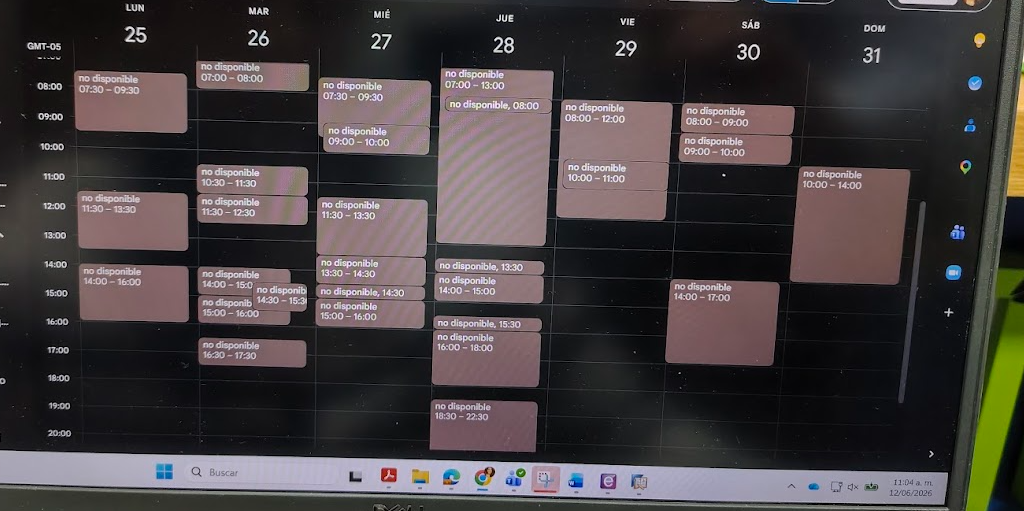
Google calendar and time blocking for focused work sessions and class sessions.
This was my calendar on May
I needed to find a hole 😯😯😯 and focused on my Fab Lab Academy project
4) Final results - Project development
- What will it do?
- Who has done what beforehand?
- What sources will you use?
- What will you design? Explained
- What materials and components will be used?
- Where will they come from?
- How much will they cost?
- What parts and systems will be made?
- What processes will be used?
- What questions need to be answered?
- How will it be evaluated?
- Uploaded summary slide (placeholder)
- Uploaded video clip (placeholder)
- Check they are linked in the final presentation schedule