Week 13

Molding & Casting

Learning outcomes

  • Design appropriate objects within the limitations of your process
  • Demonstrate workflows used in mold design, construction and casting
Week 3 cover

Assignment requirements

Group assignment

  • Review the safety data sheets for each of your molding and casting materials
  • Make and compare test casts with each of them
  • Compare printing vs milling molds

Individual assignment

  • Design a mold around the process you’ll be using, produce it with a smooth surface finish that does not show the production process toolpath, and use it to cast parts

Progress status

Group work Done

Review safety data sheets and make test casts

Compare printing & milling molds

Individual work Done

Design a mold and document the process

Documentation Done

Upload source files

1) Introduction

New concepts gaps


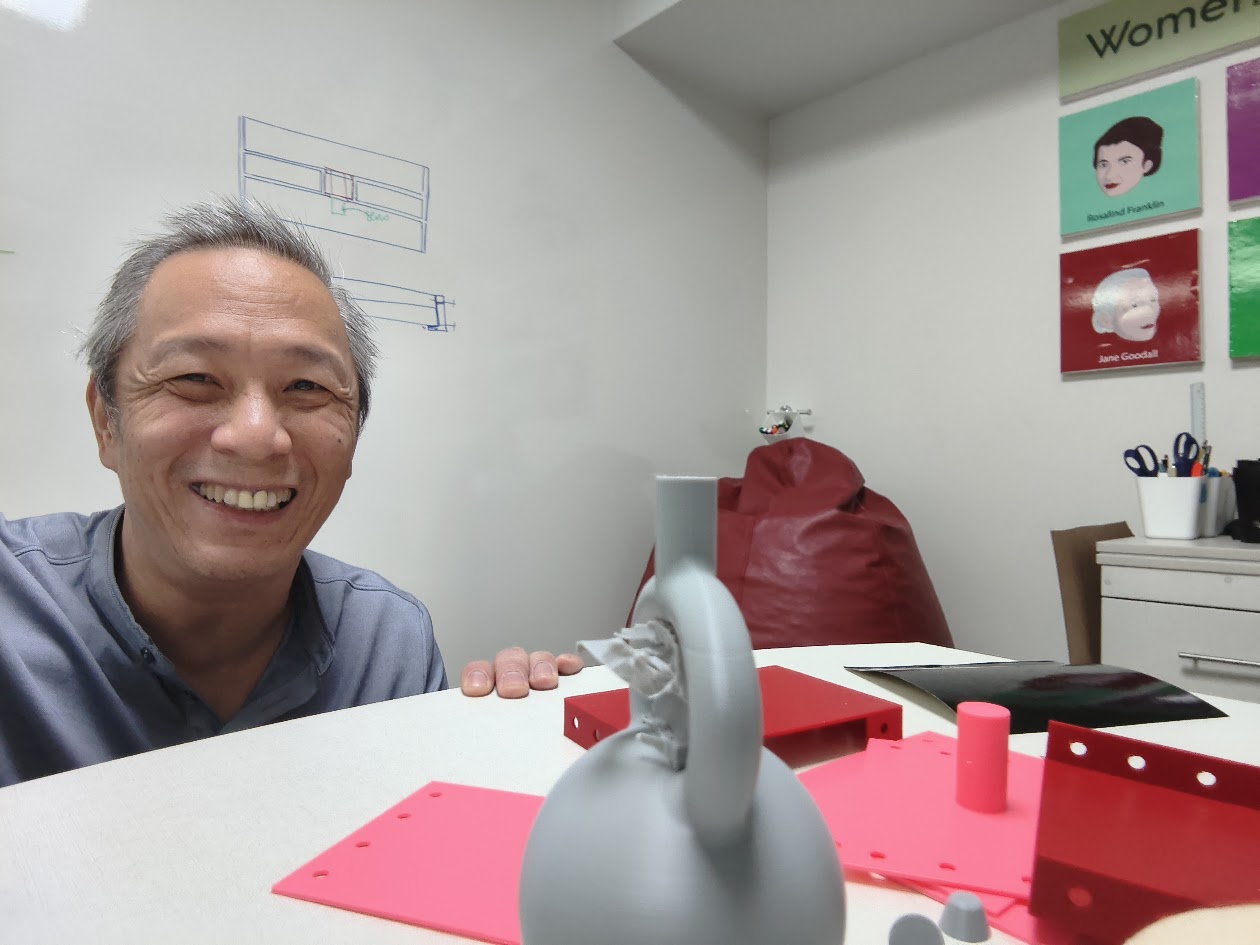
  • New topics and concepts 😶‍🌫️😶‍🌫️😶‍🌫️
  • How will I survive this Fab Lab Academy 😯😯😯
  • It likes 👨🏻‍🍳👨🏻‍🍳👨🏻‍🍳 at the lab
  • More the 13 weeks 🫨🫨🫨
  • Molding & casting techniques are like cooking & serving 🍳🍪🍳🍪
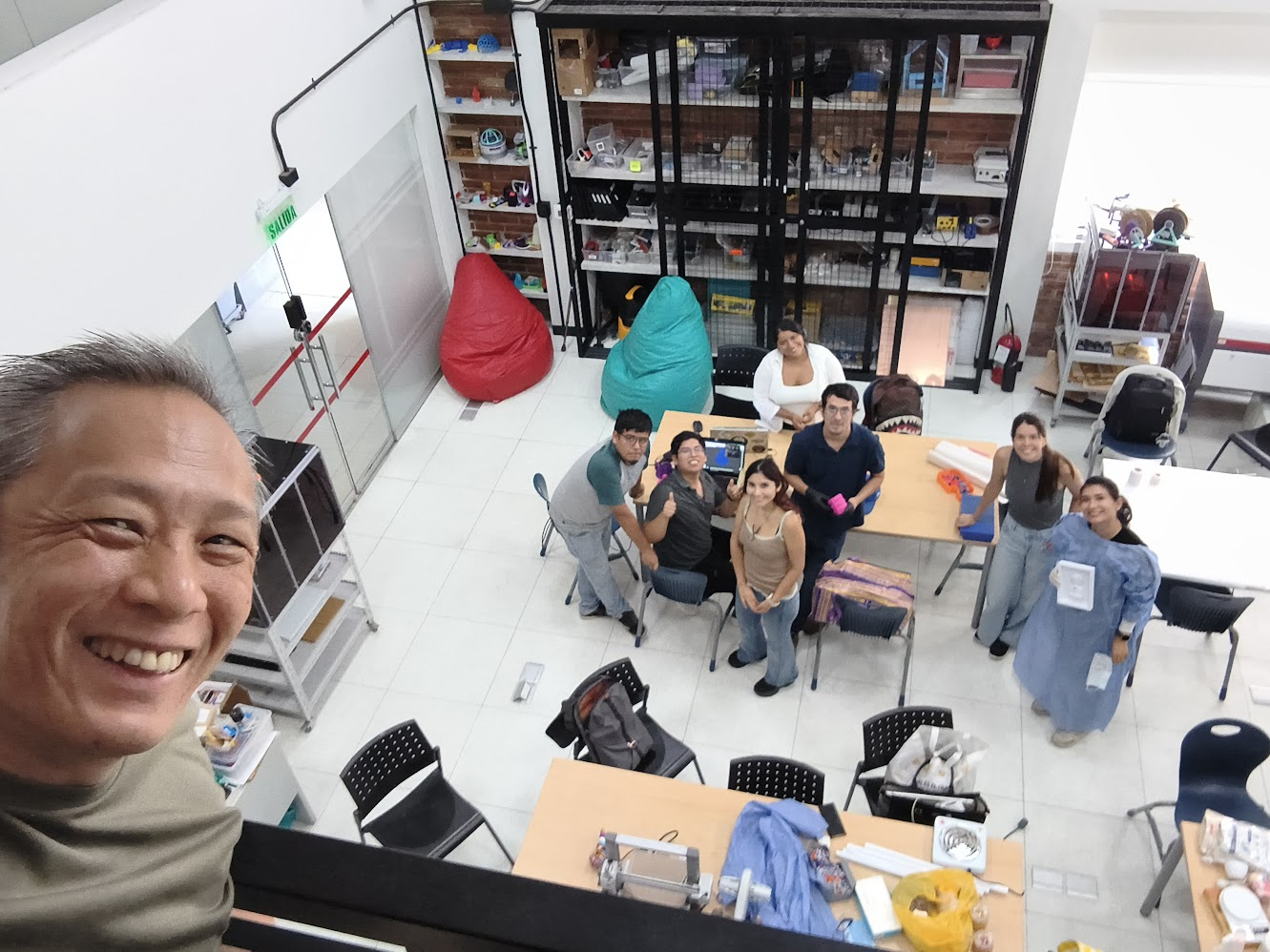
Step right image

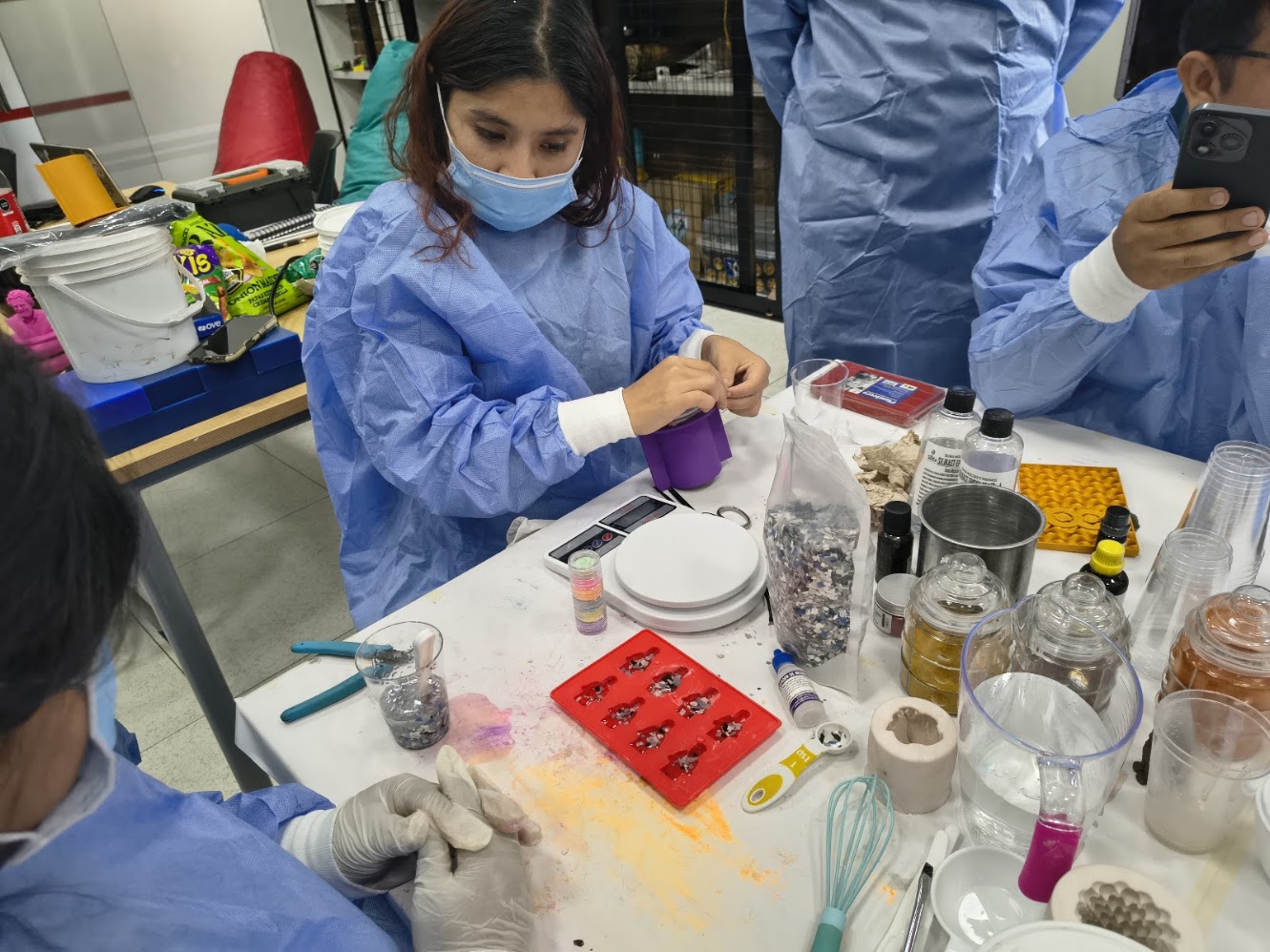
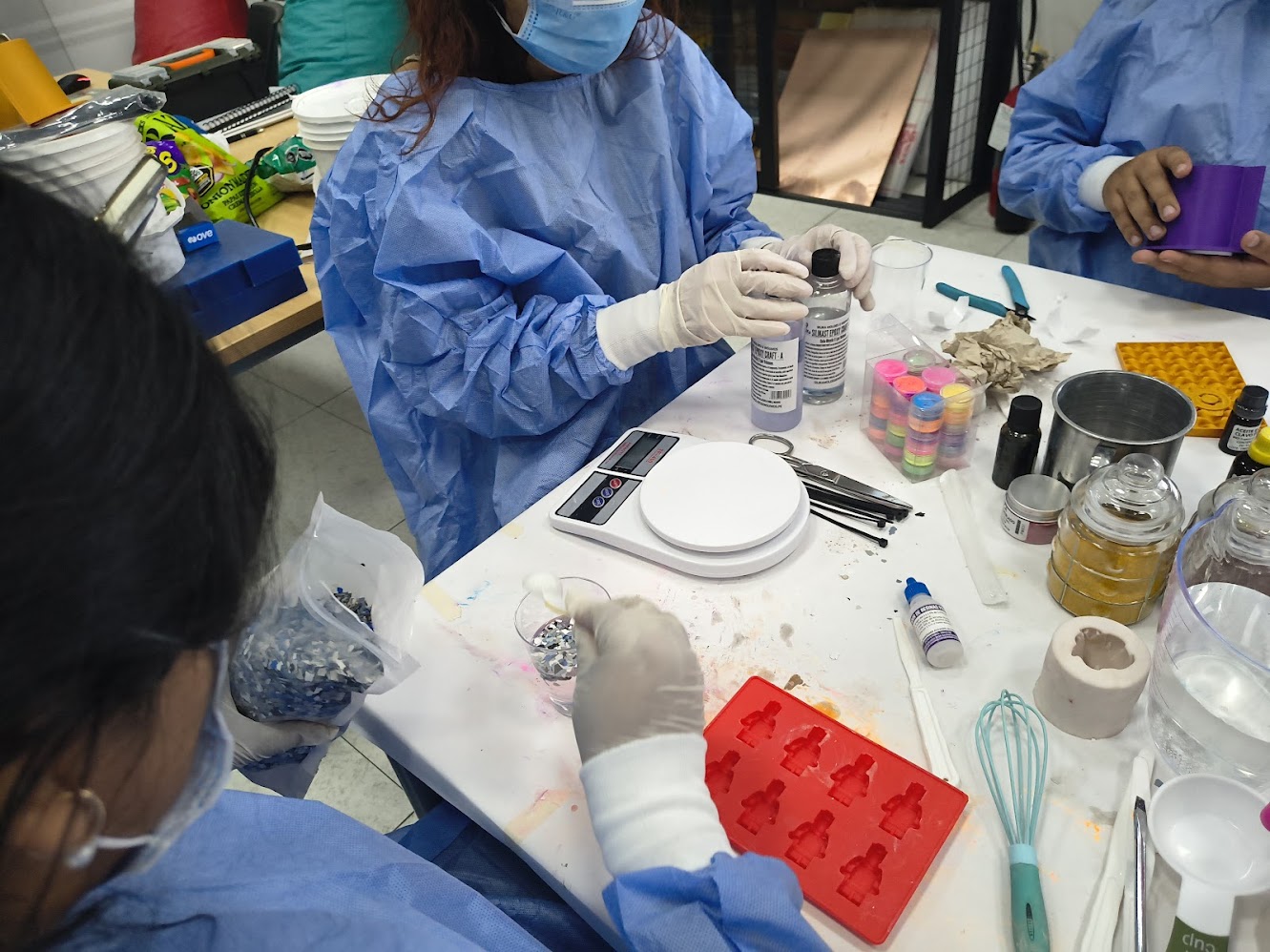
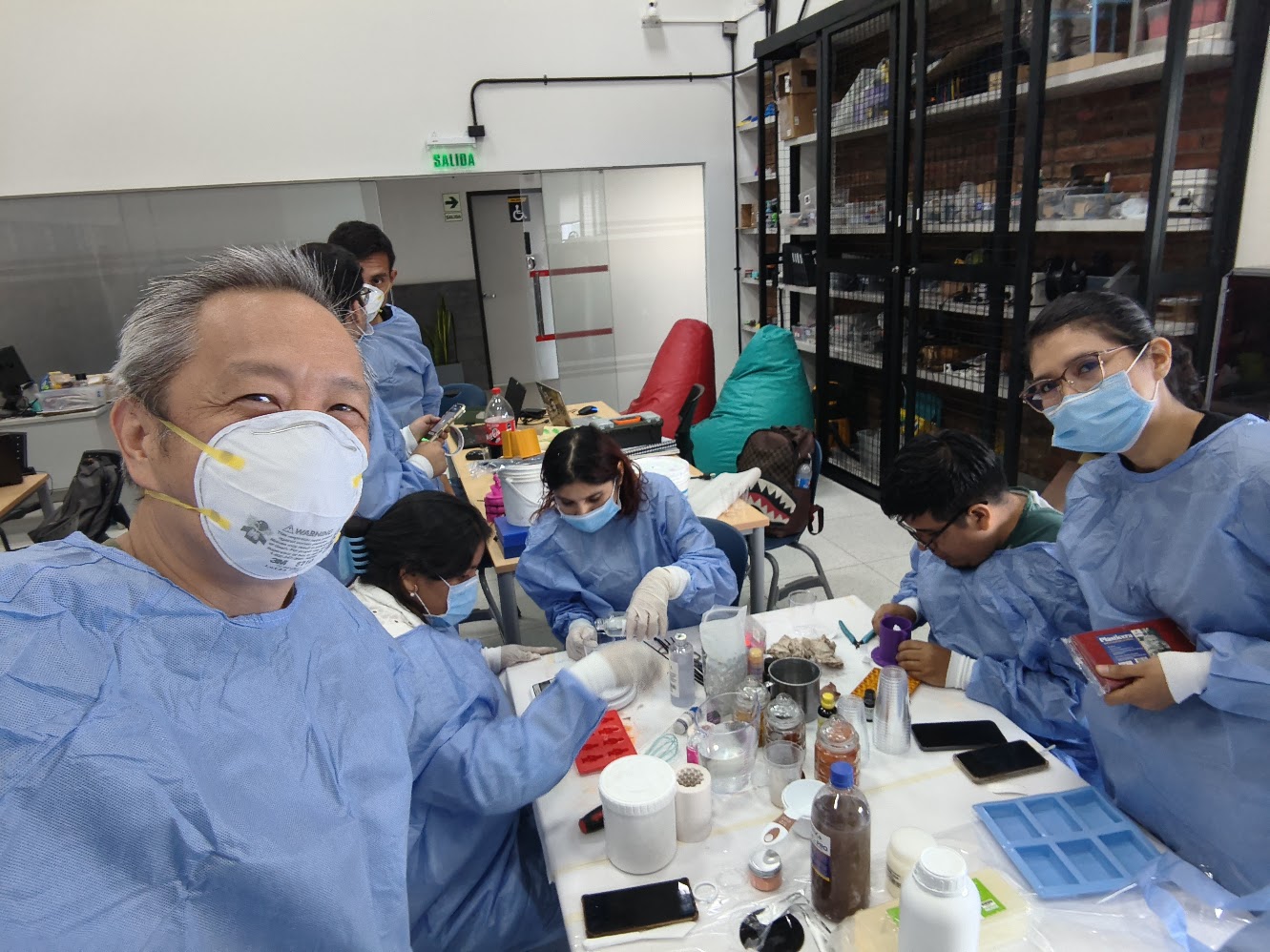
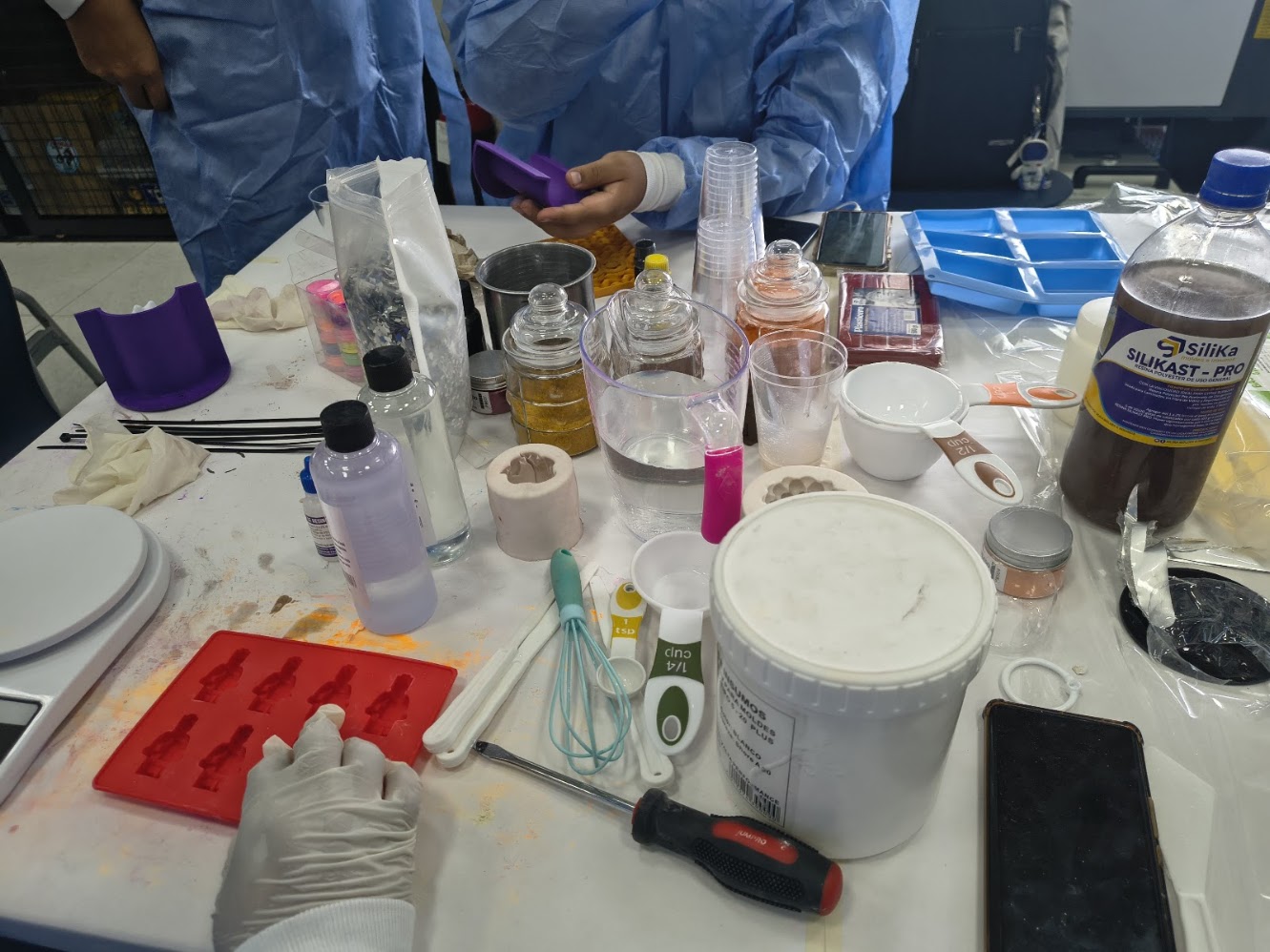
2) Group assignment - Compare printing & milling molding techniques

For more details visit Fab Lab Peru Week 13 Group assignment


Problems

- The mix doesn't blend, it hardens and curdles

- Procedures are not clearly defined

- We need to test the procedures several times


Solutions

- Repeat the procedures and review the final product

- Products have a different chemical composition and reactions
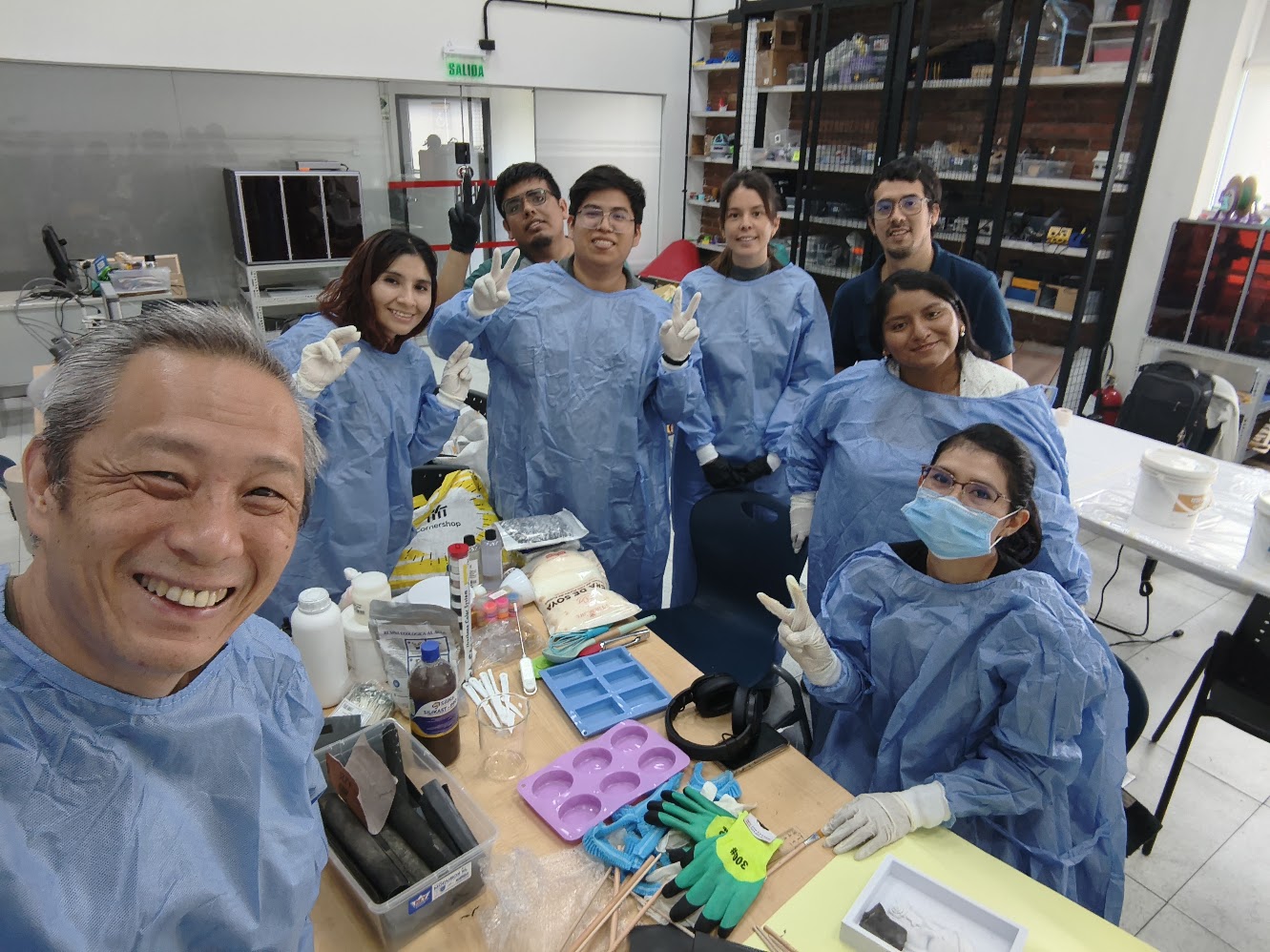
Running 1
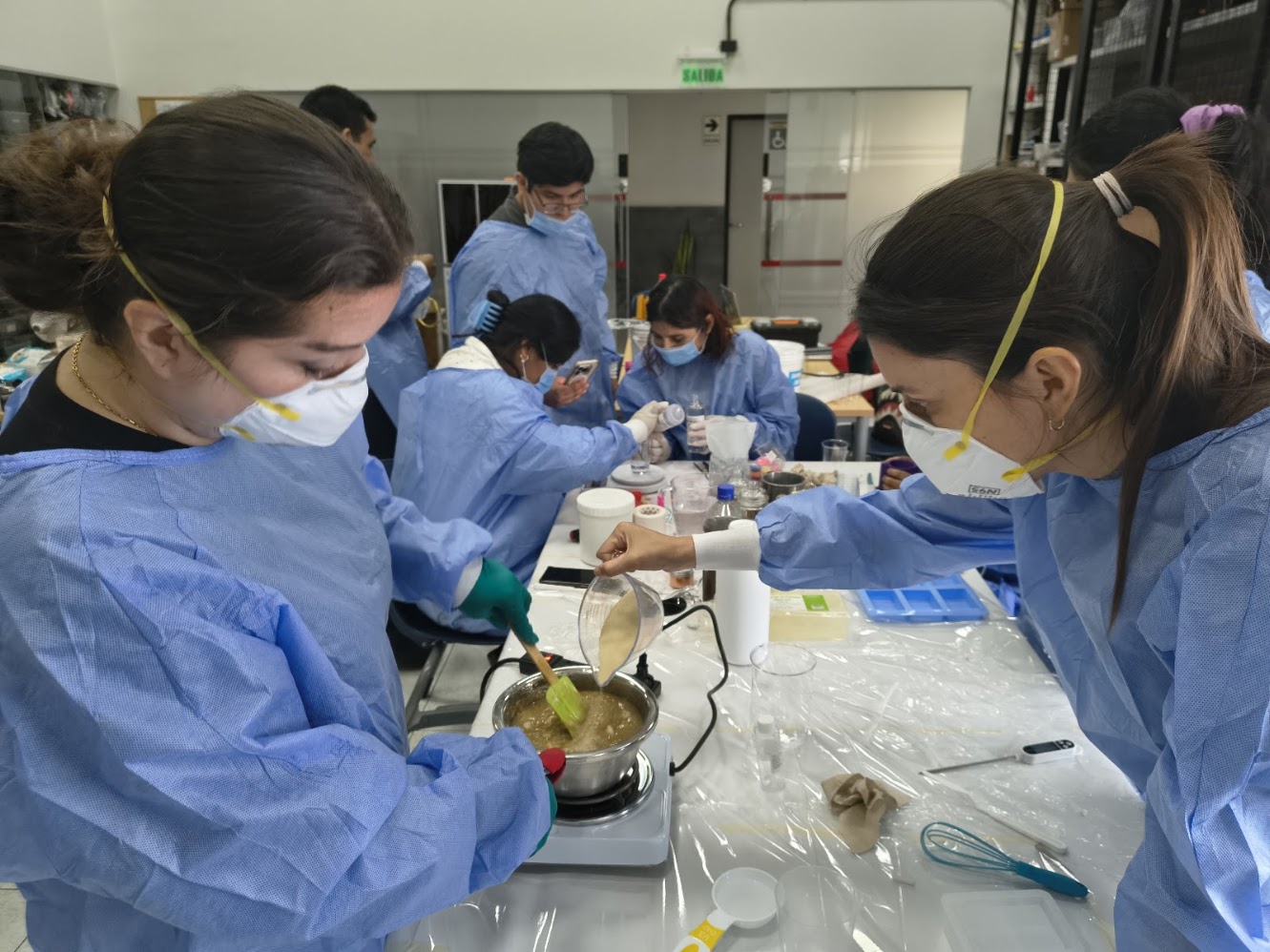
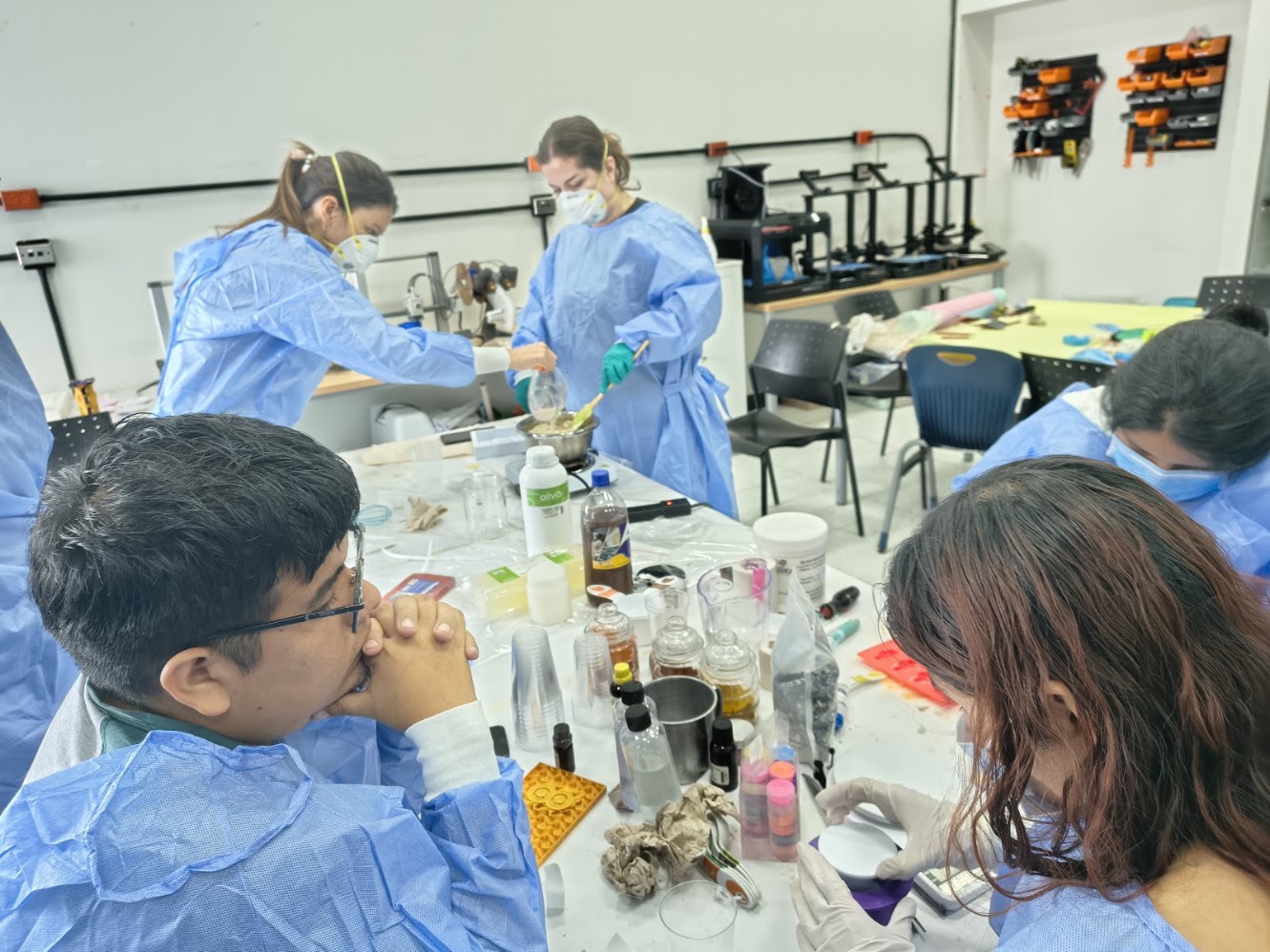
Reviewing materials and security protocols
Running 1
Reviewing materials
Running 1
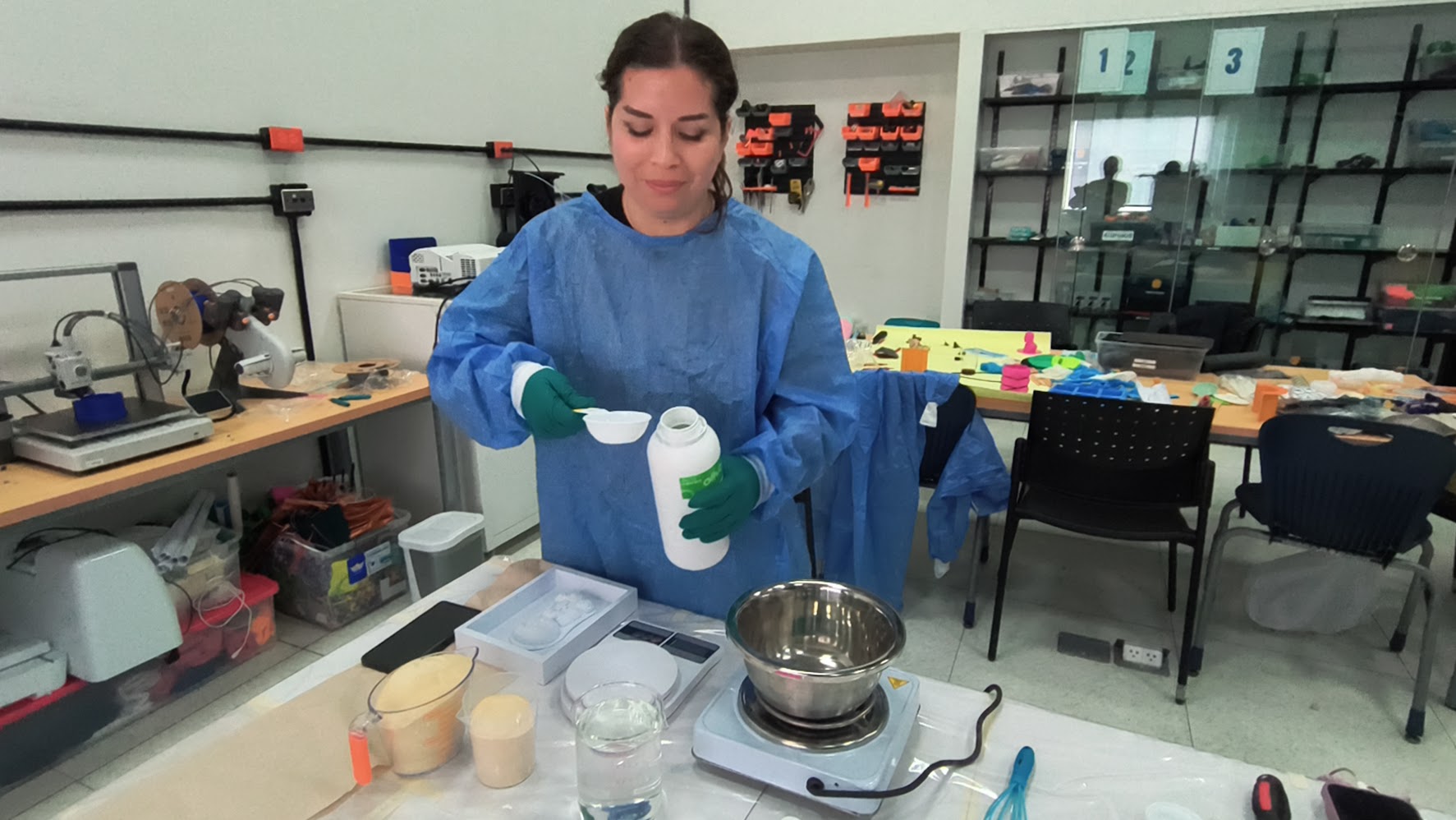
Preparing the workspace
Running 3
Selecting materials
Running 4
Selecting materials and molds for each project
Running 4
Fab Lab Academy supervision and recommendations
Running 4
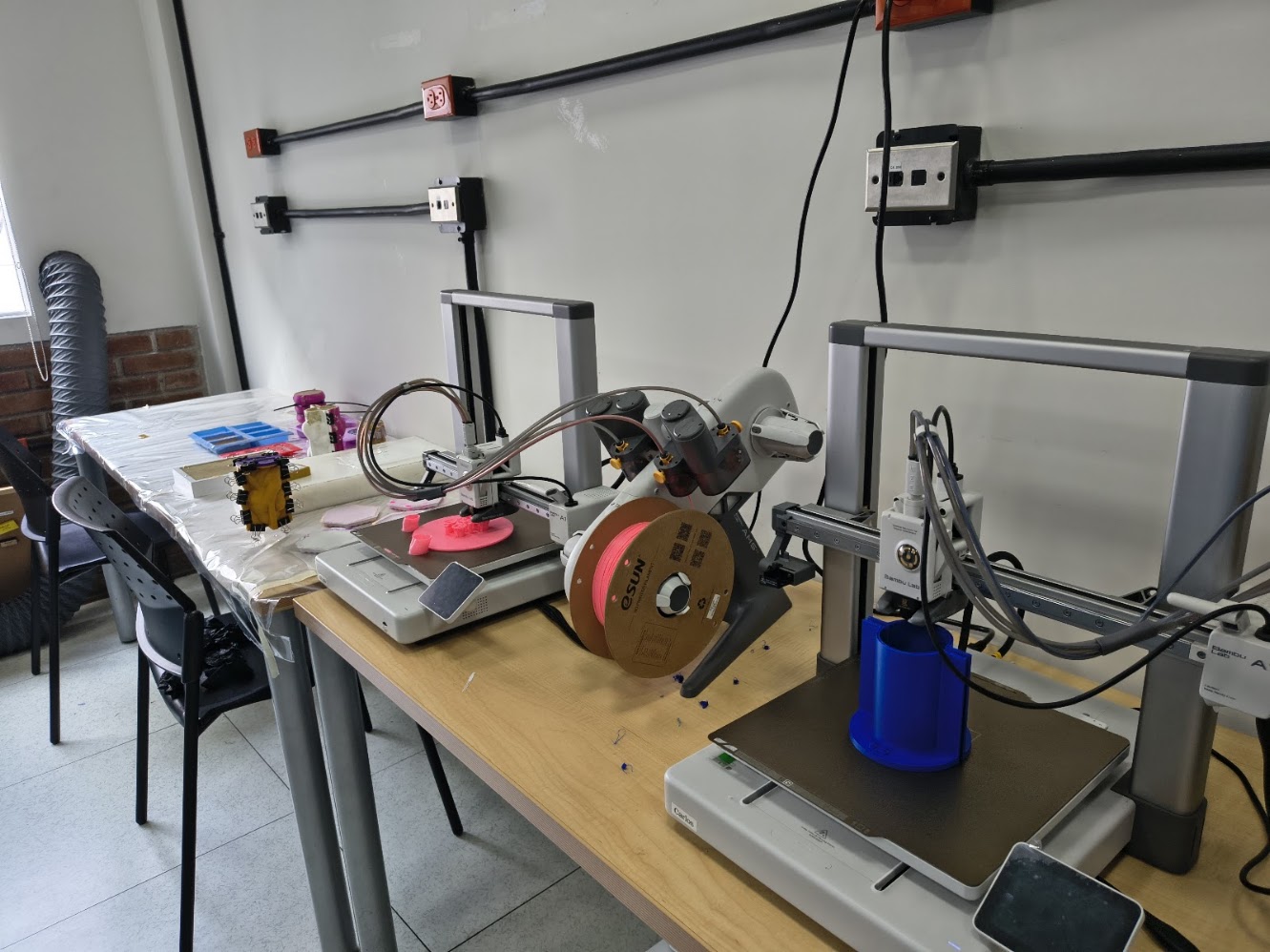
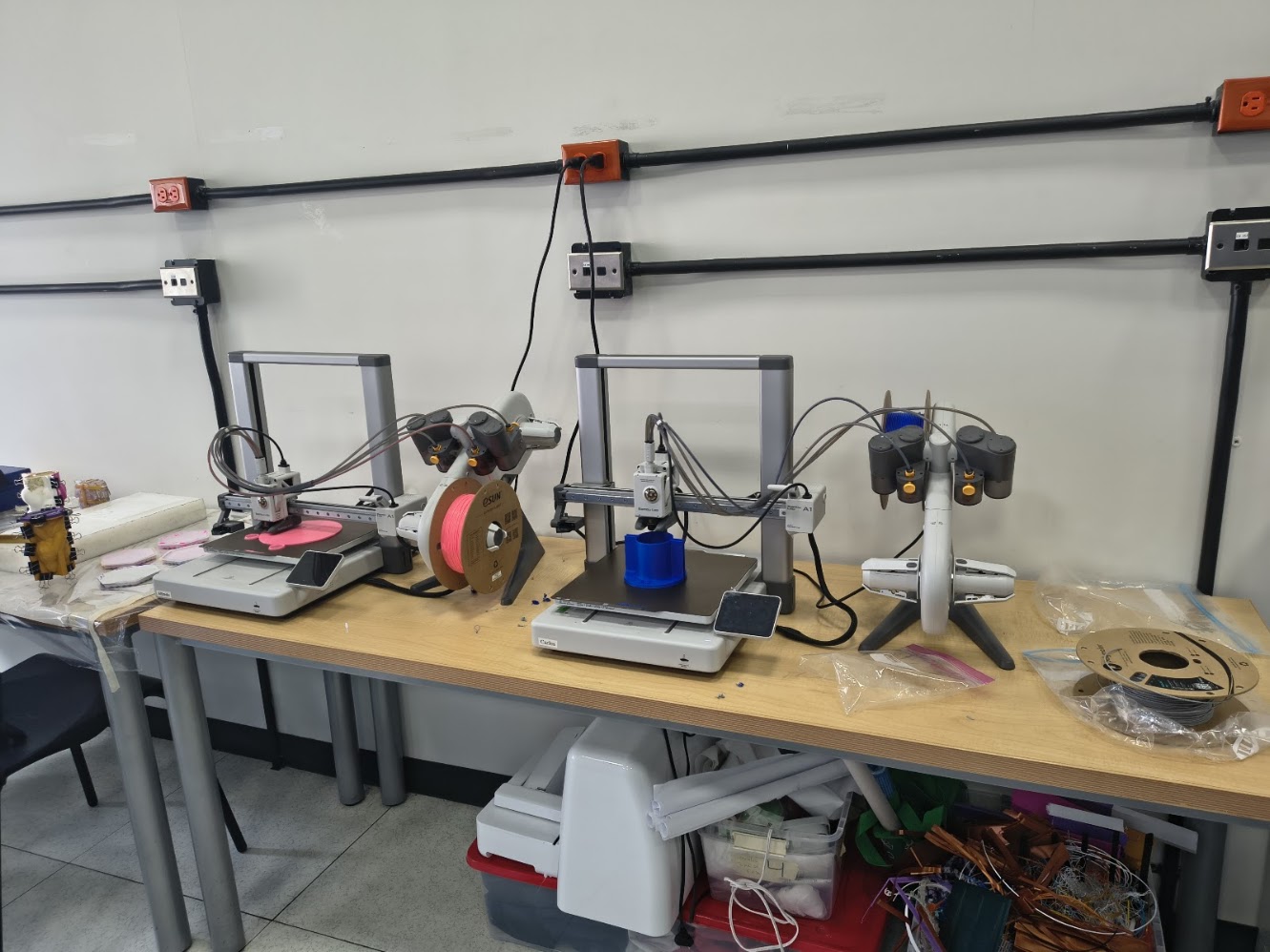
3D Printing molds
Running 4
3D Printing molds
Running 4
3D Printing molds
Running 4
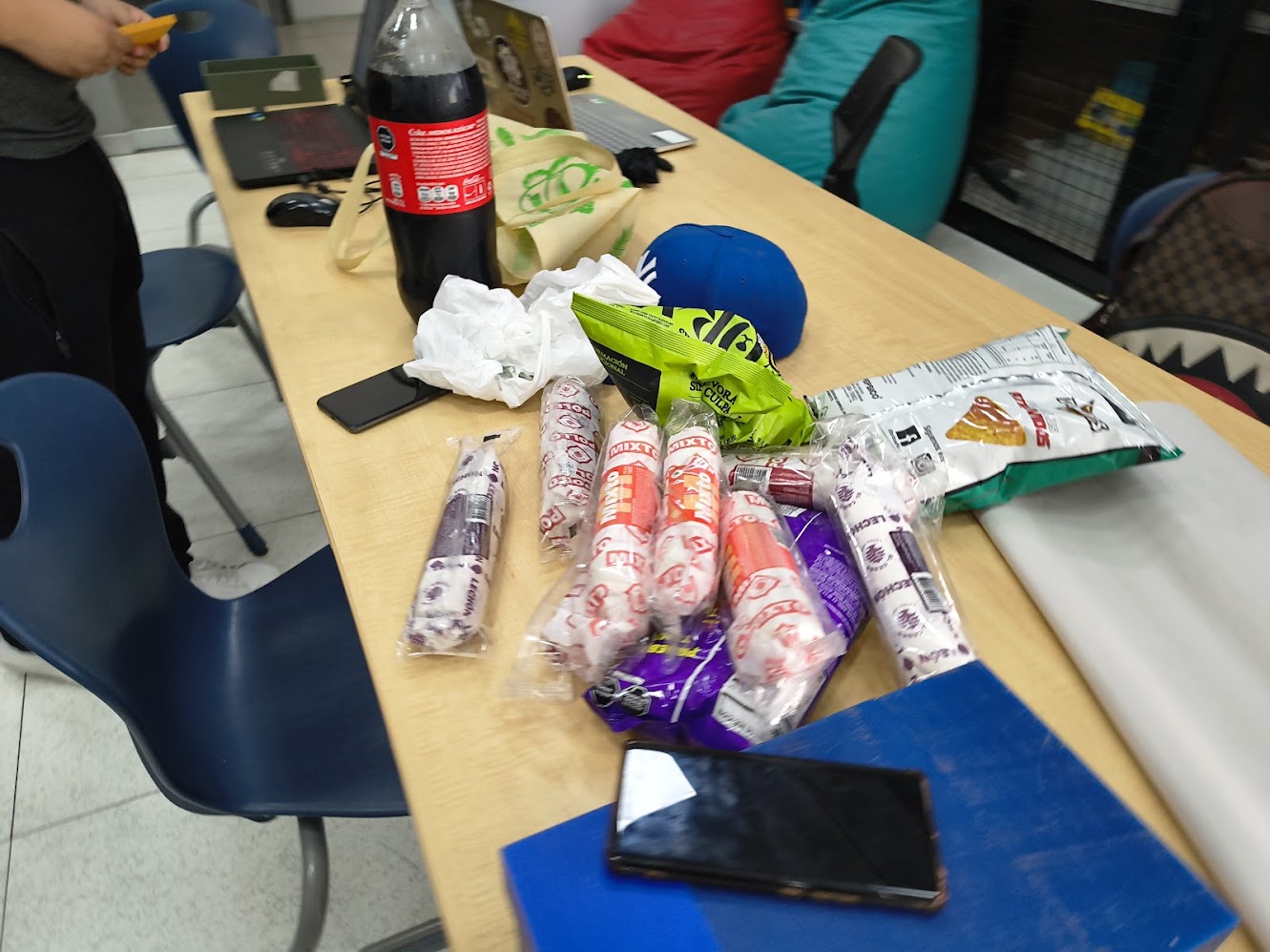
Food for minions 🤣🤣🤣🤣
Swimming 2
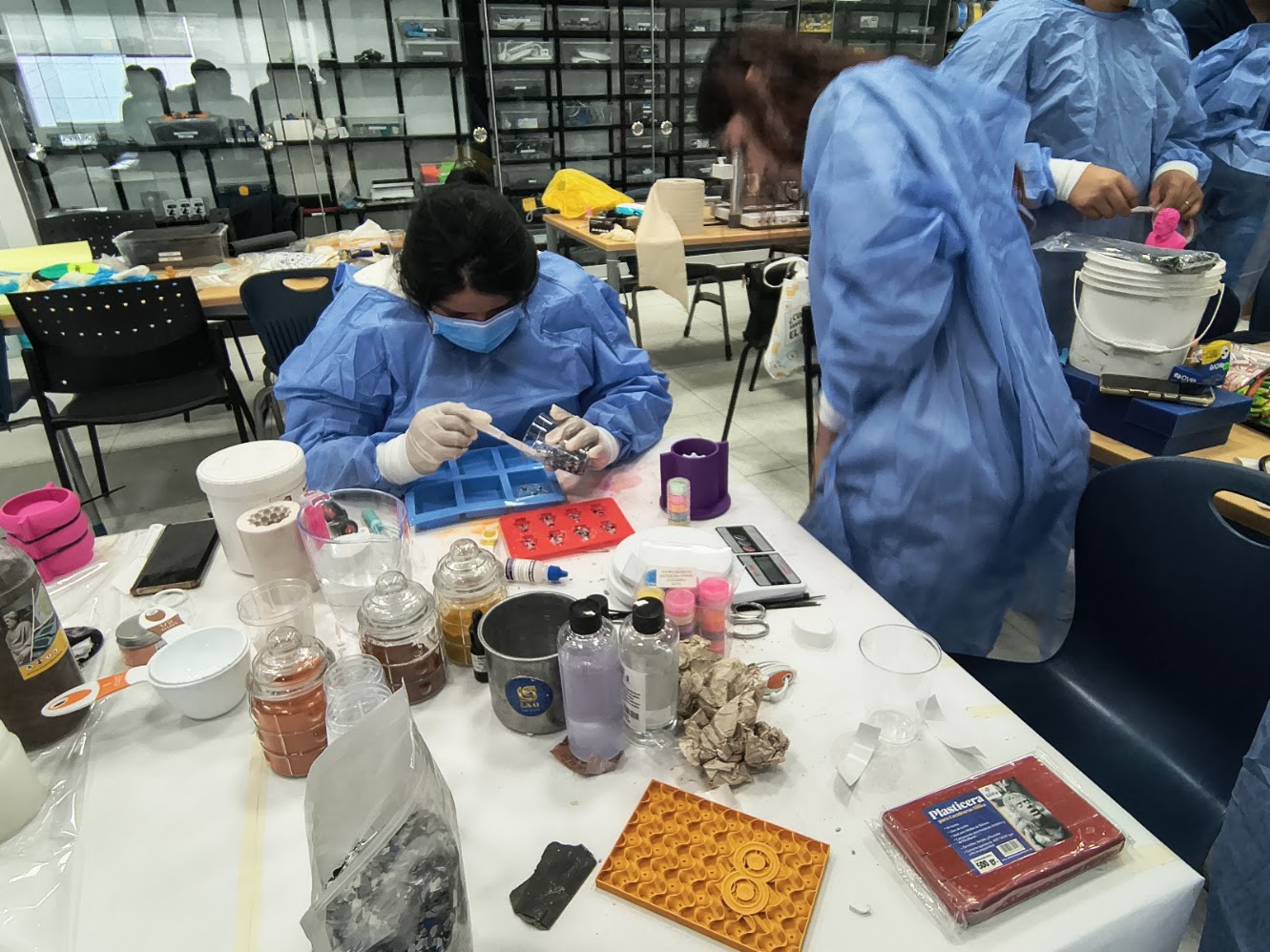
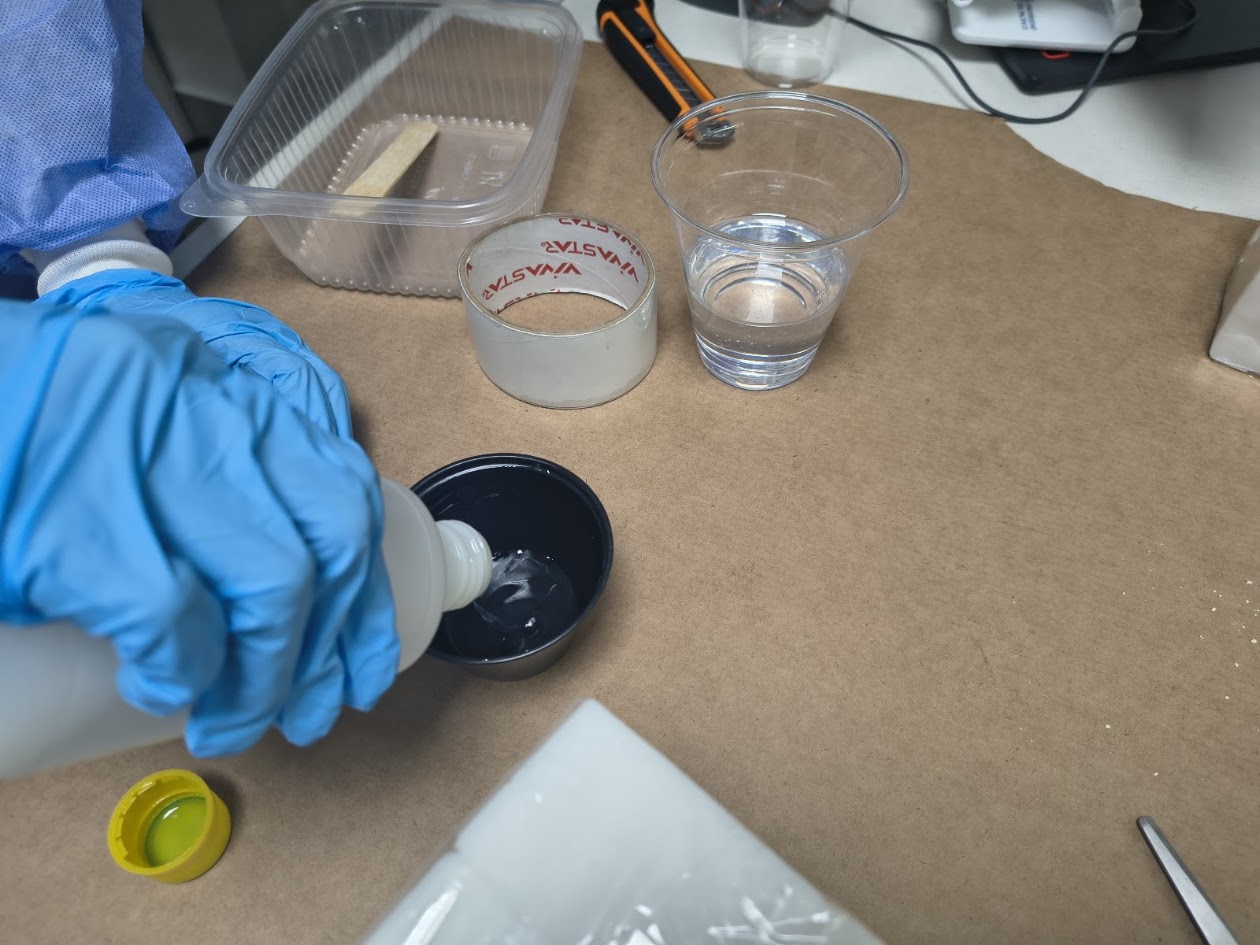
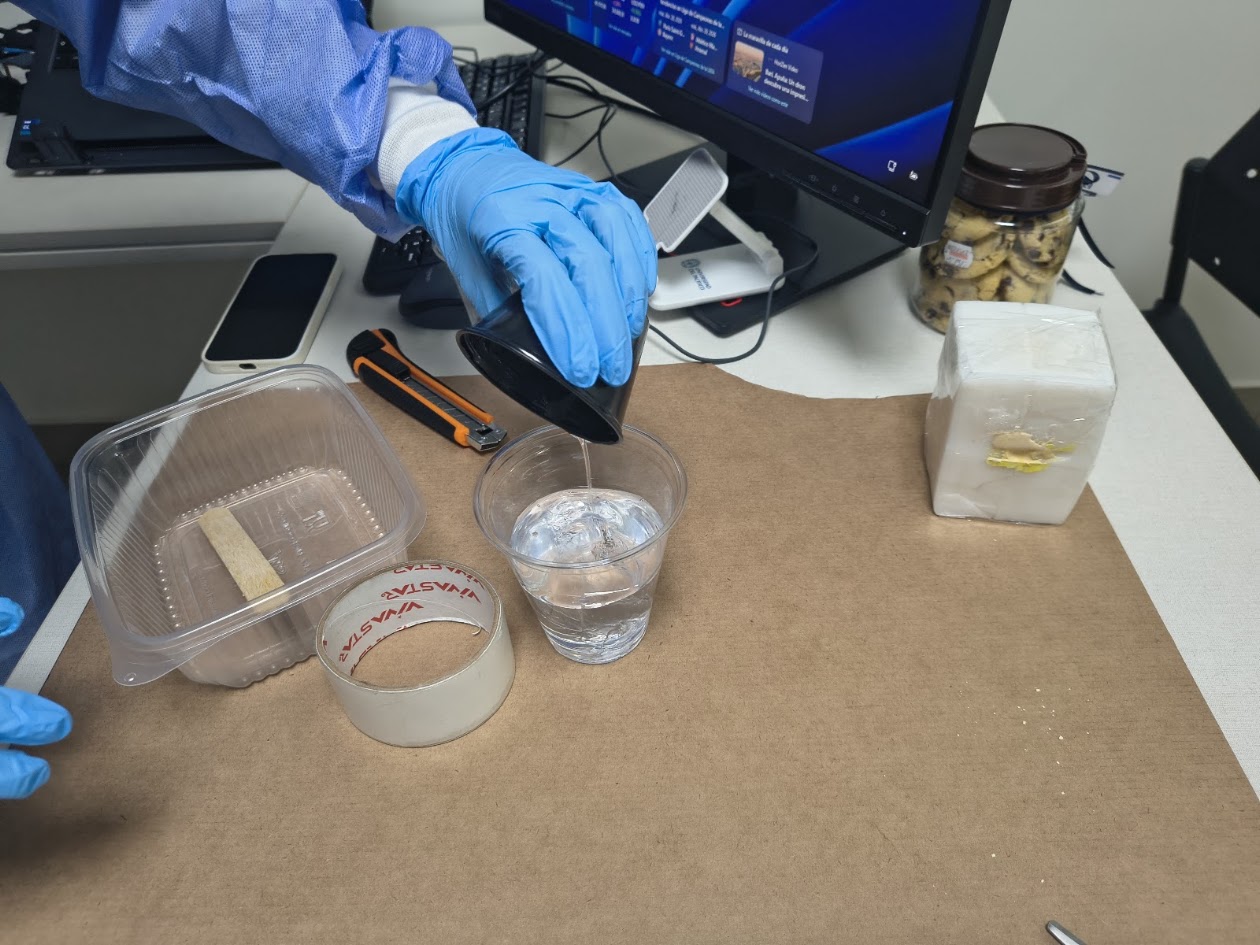
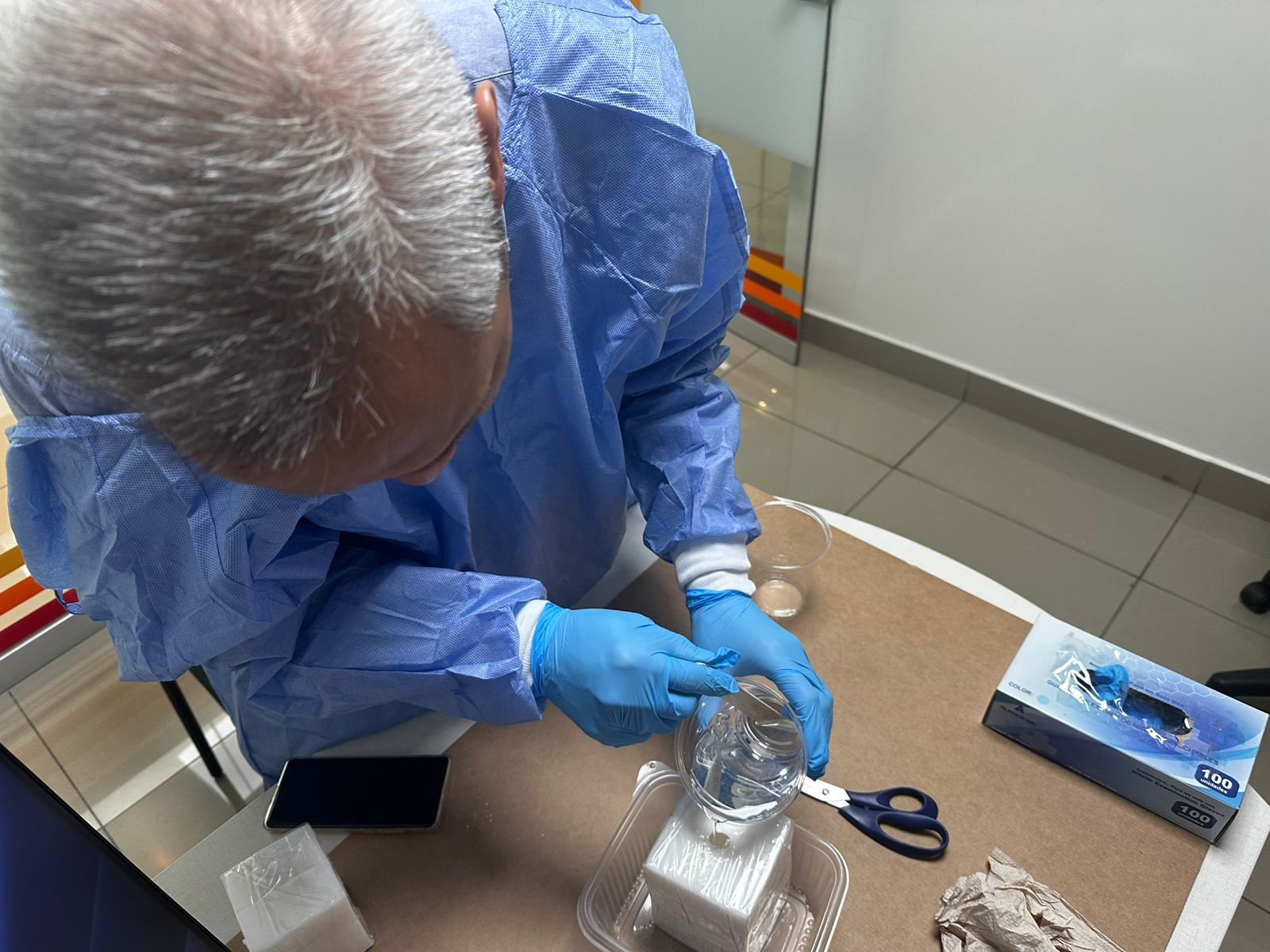
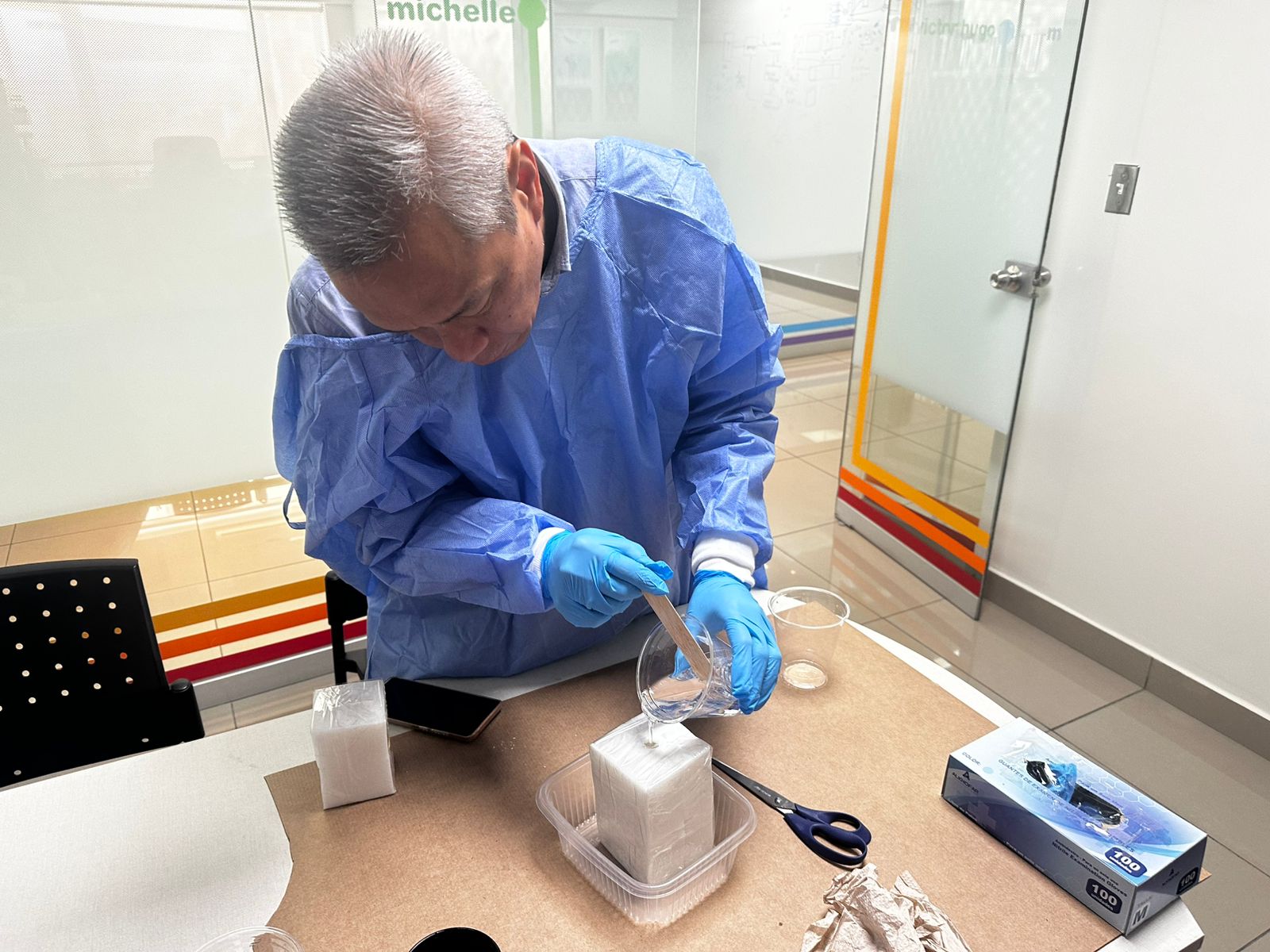
Working with acrilic resin
Swimming 2
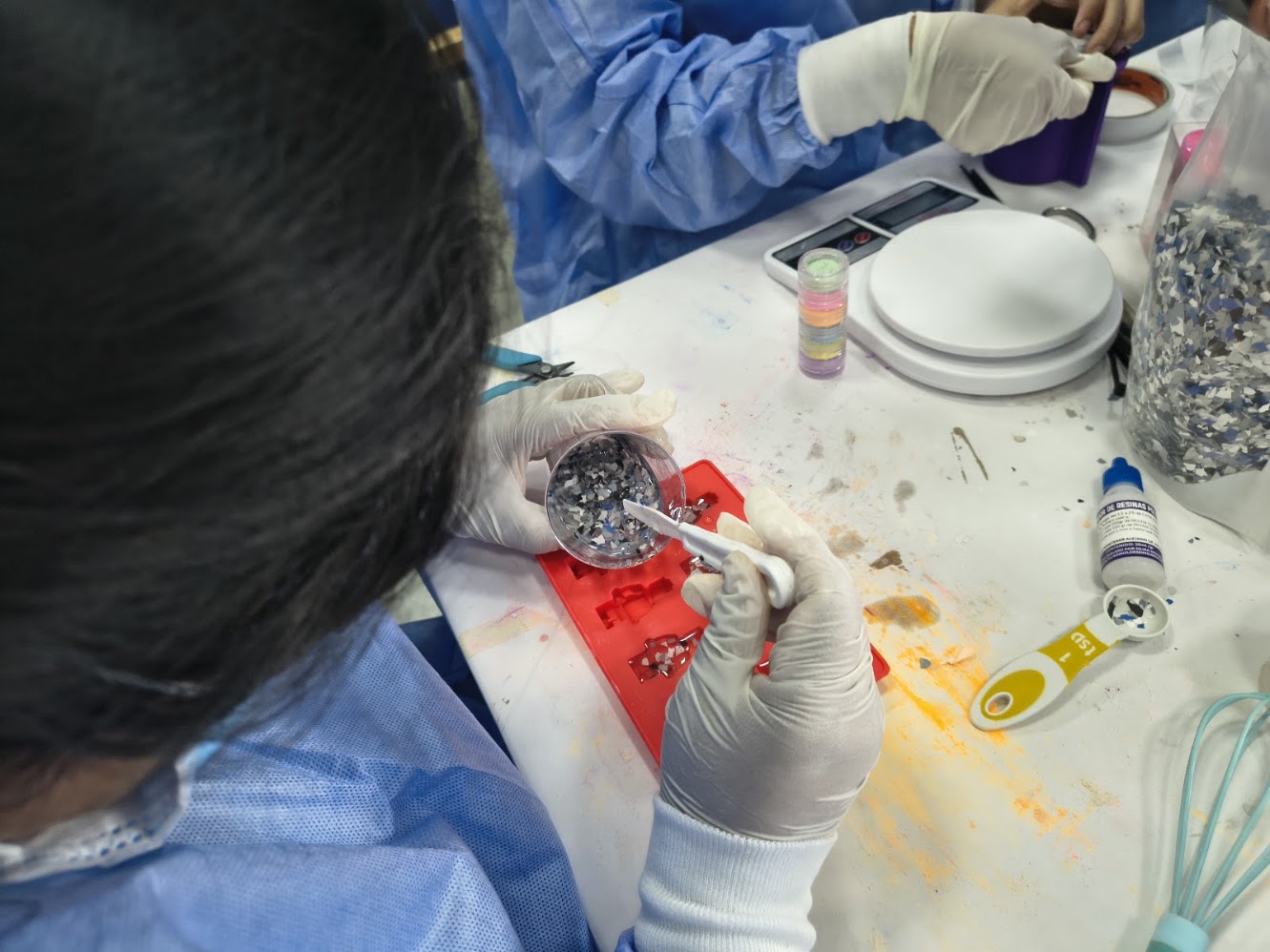
Working with acrilic resin and silicone
Camera 1
Observing flexible silicone
Camera 1
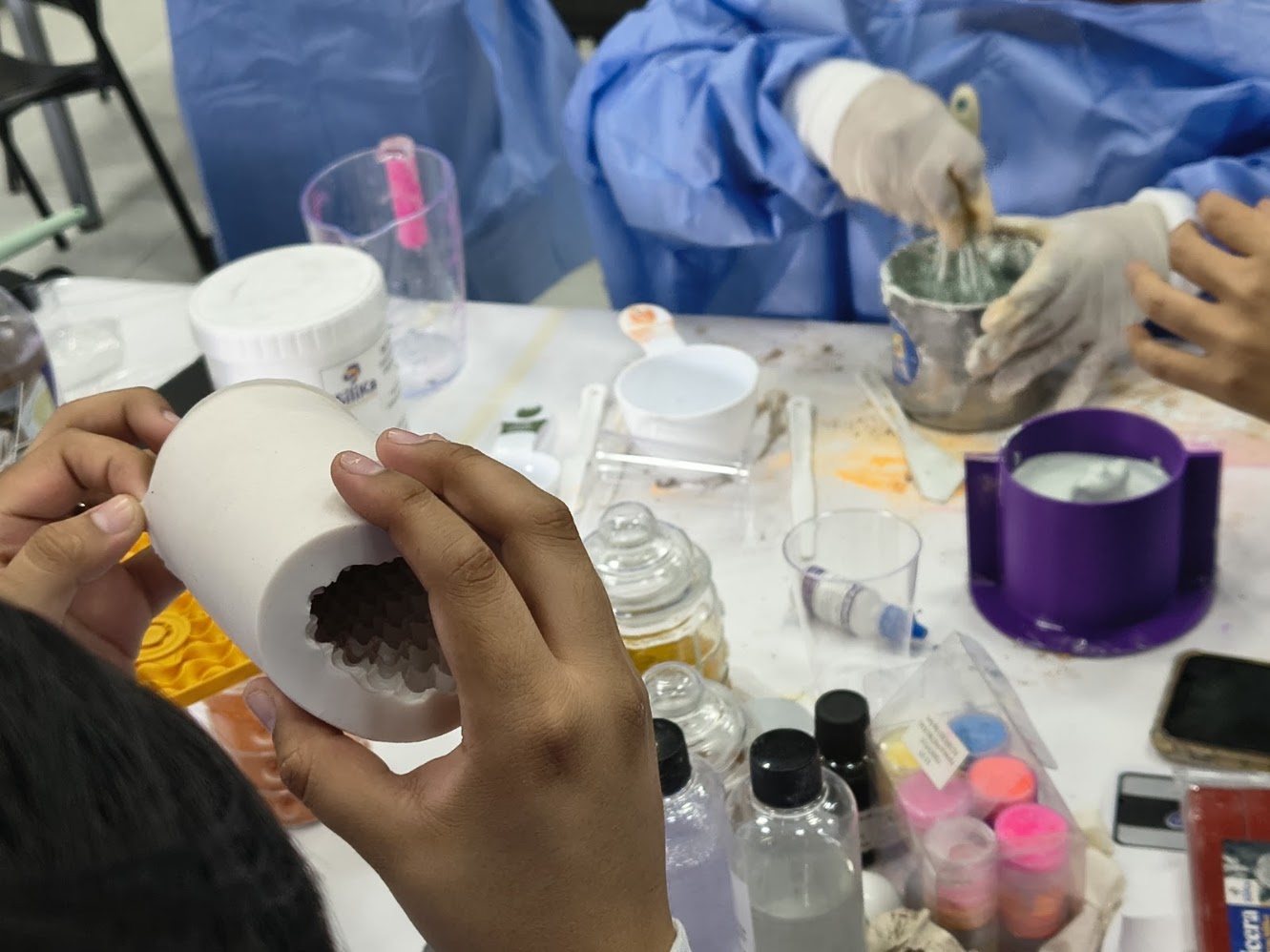
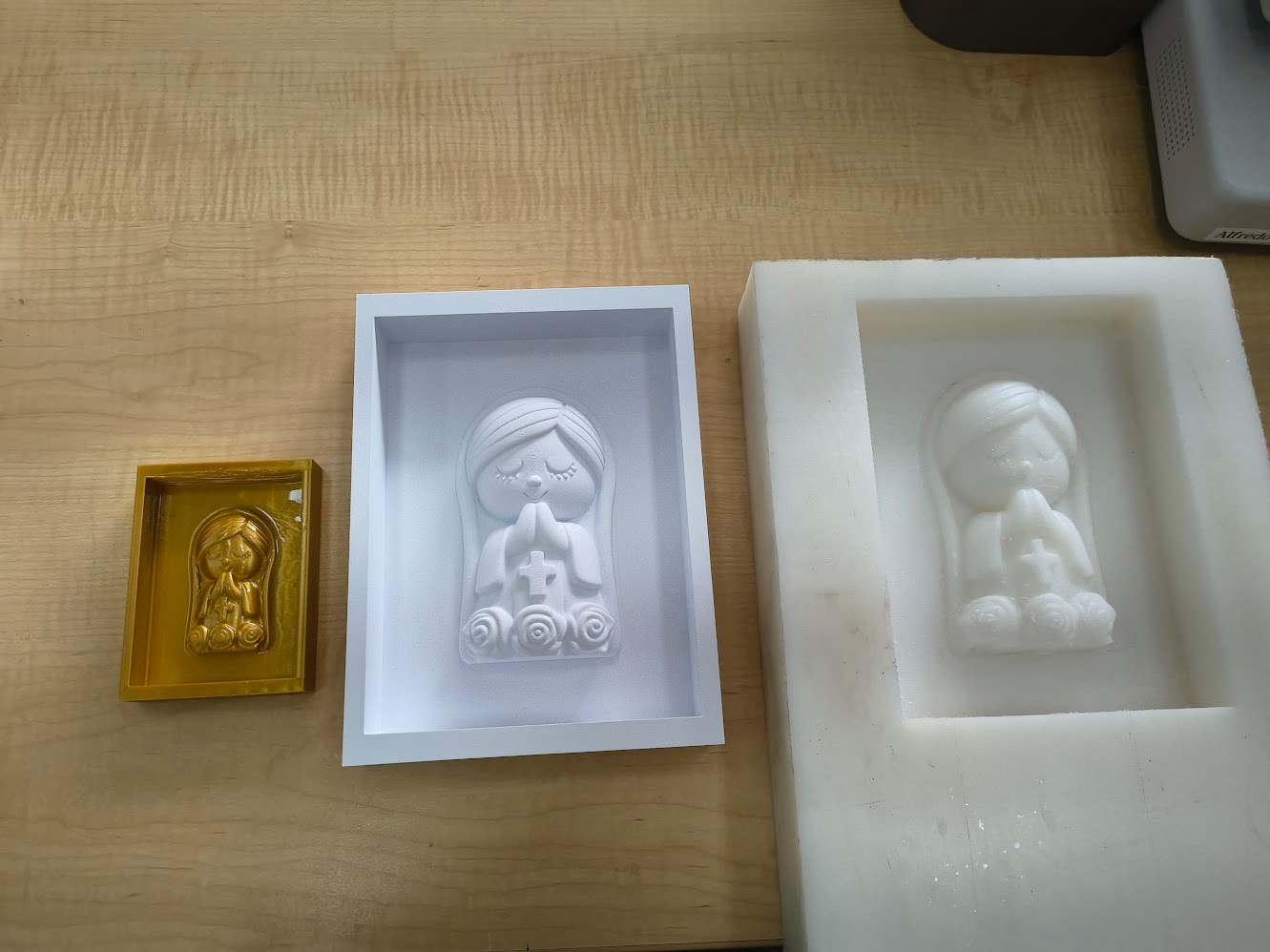
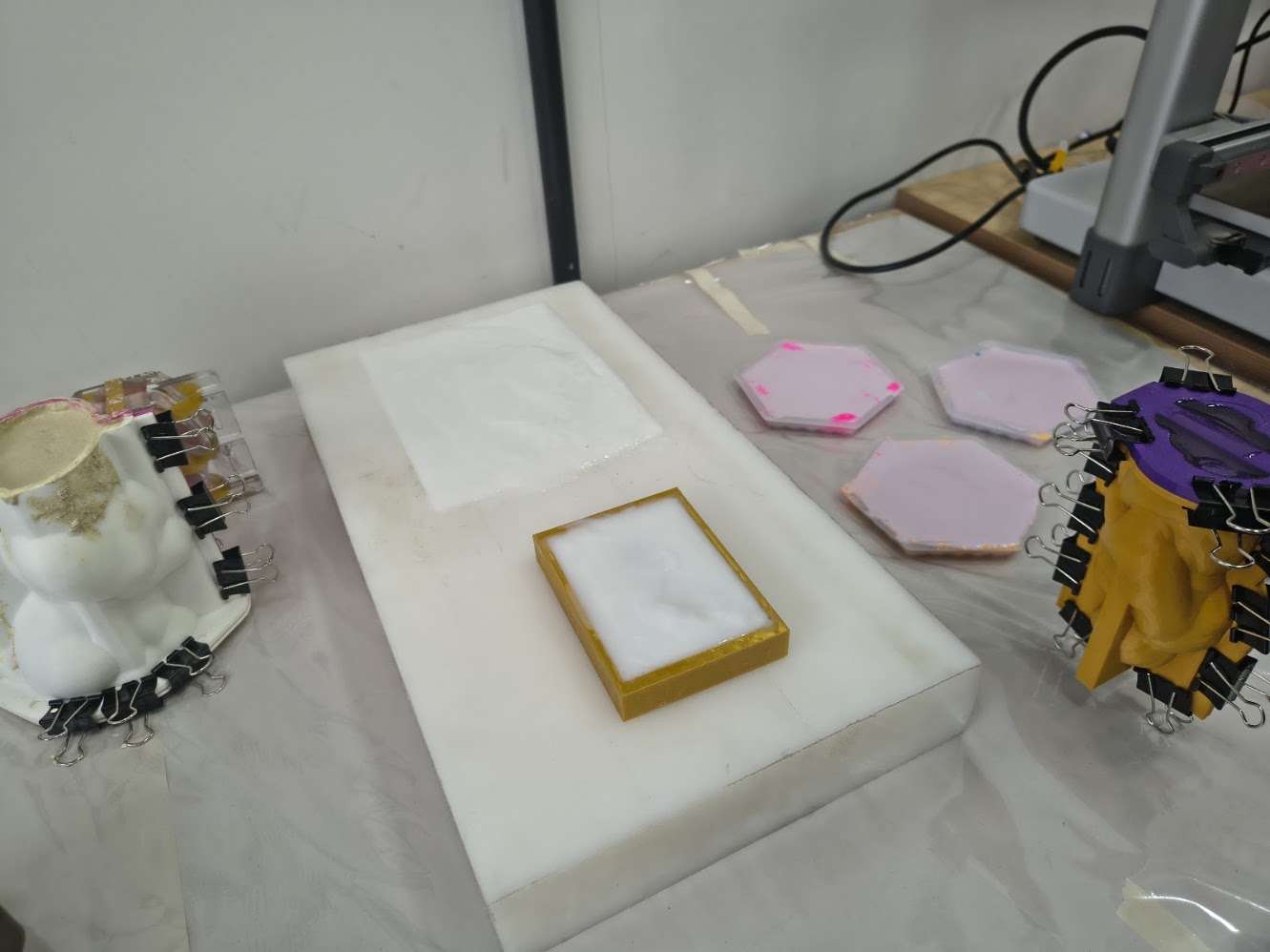
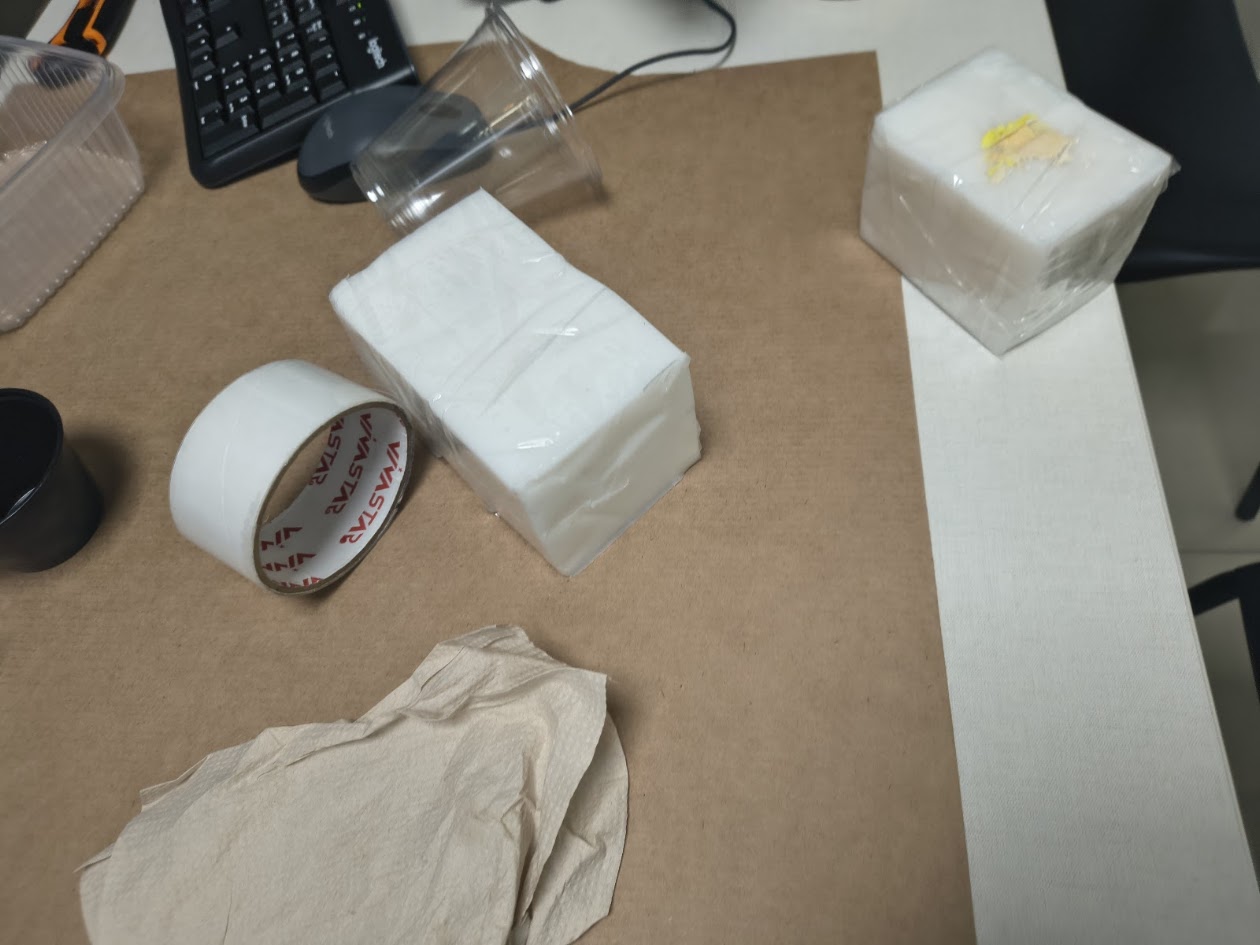
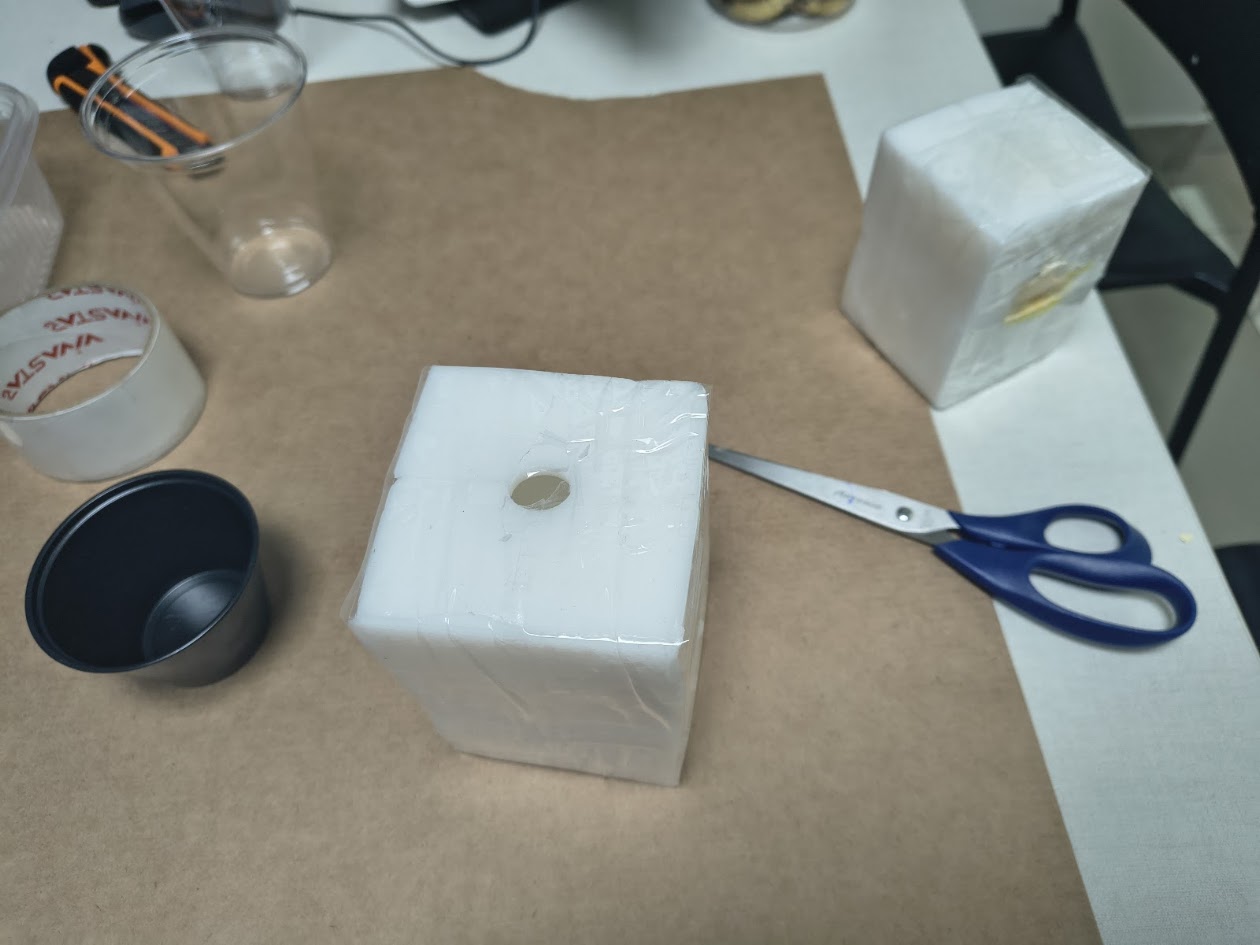
Molds with different procedures
Camera 1
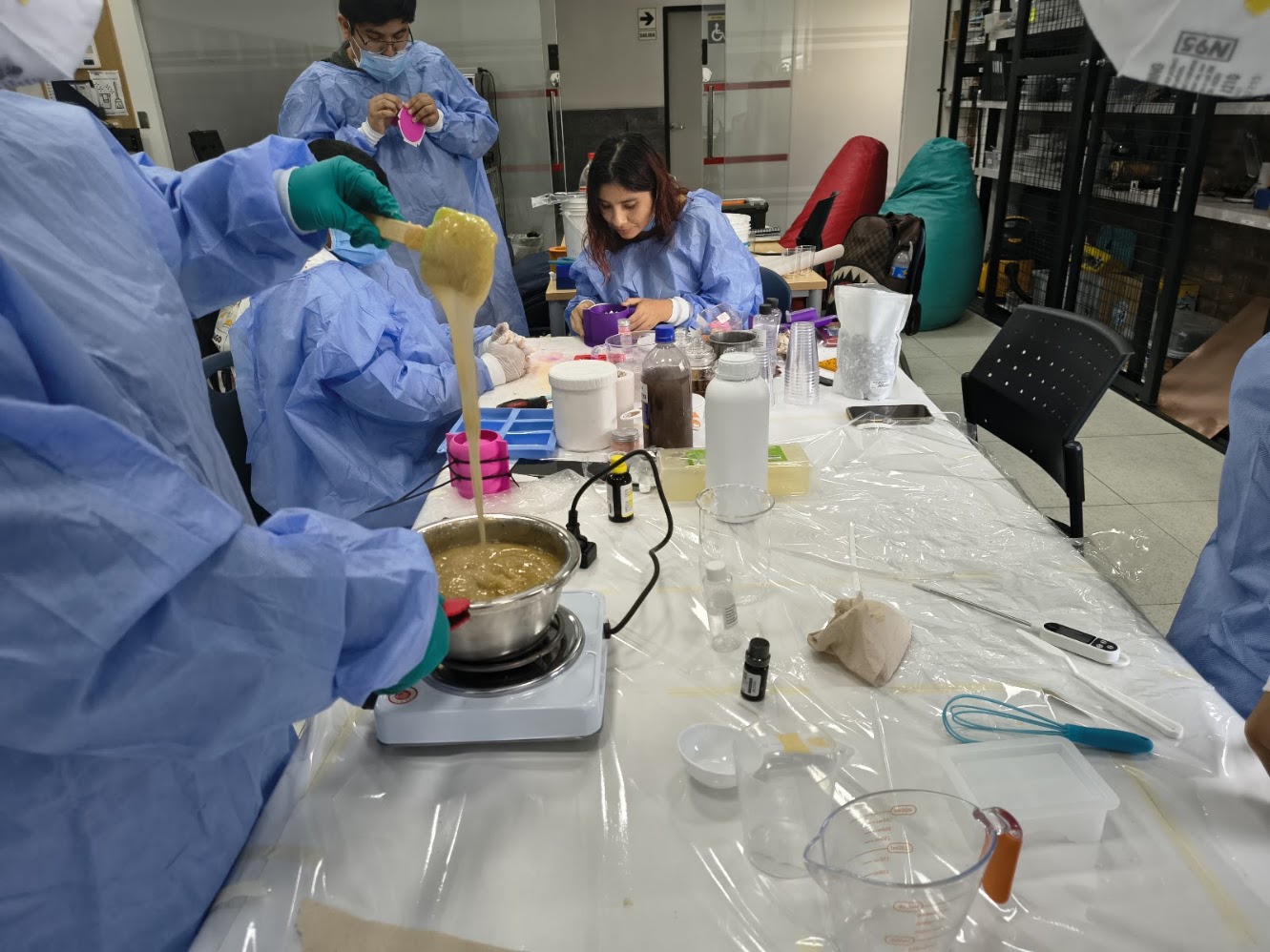
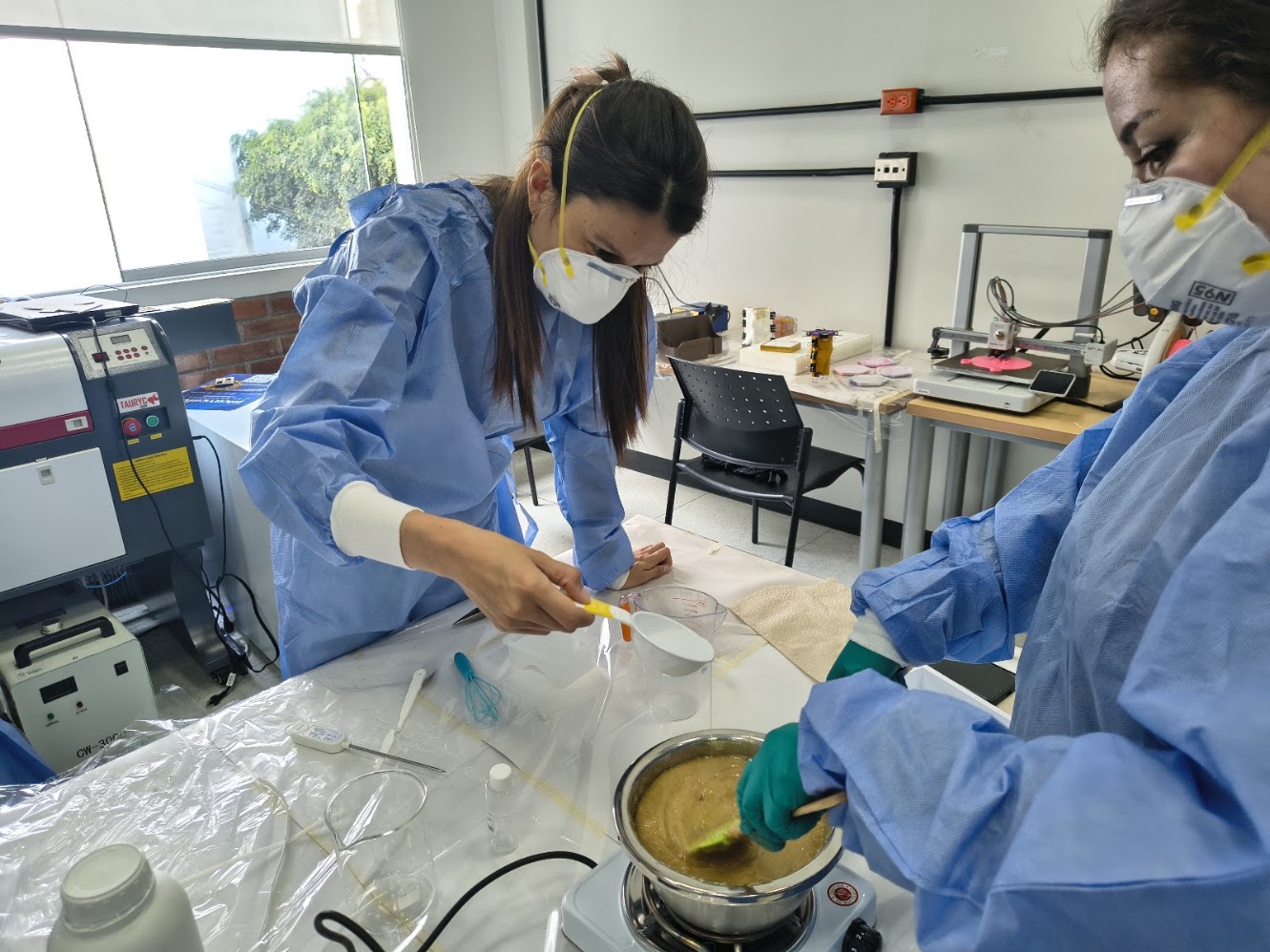
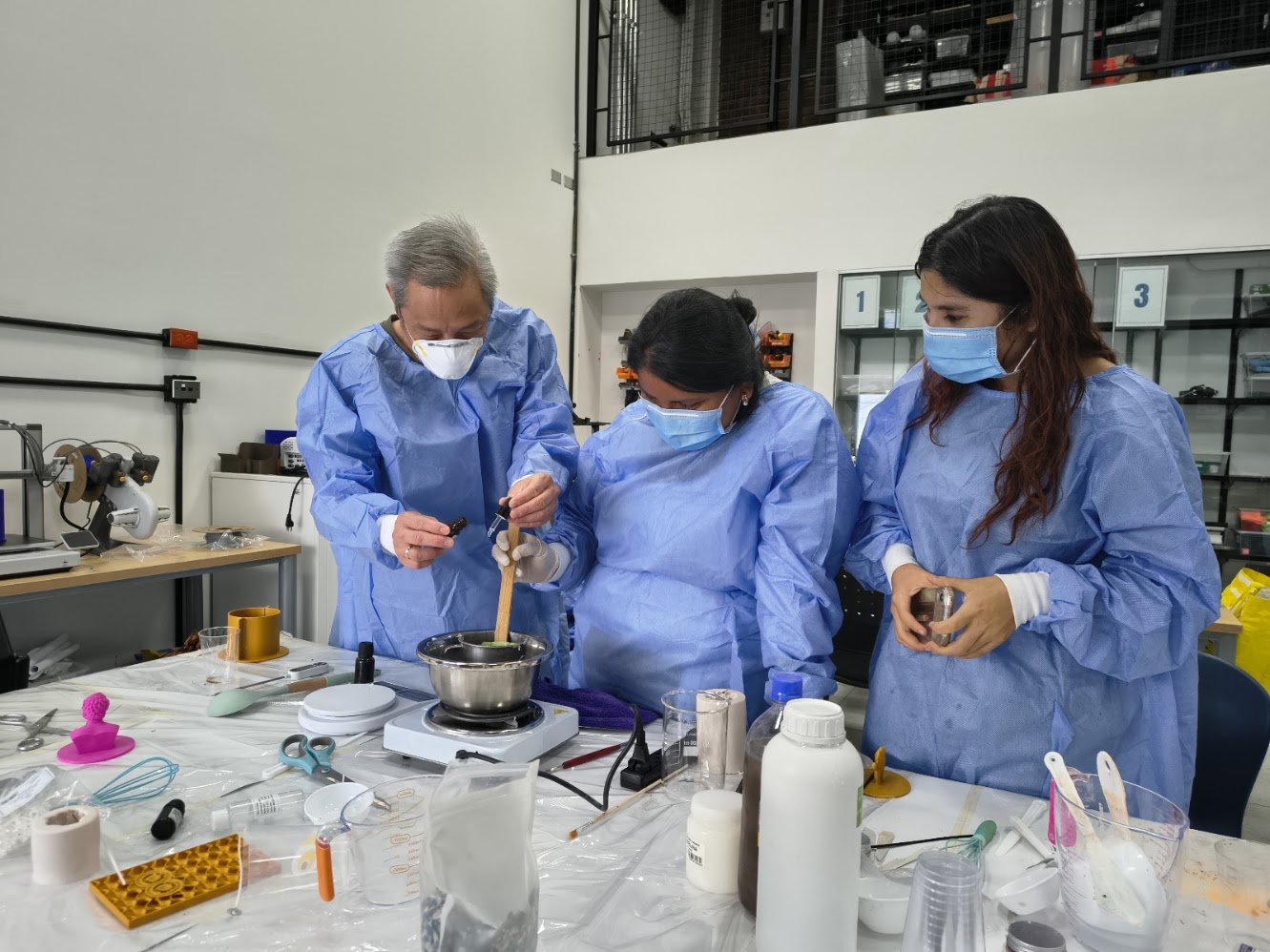
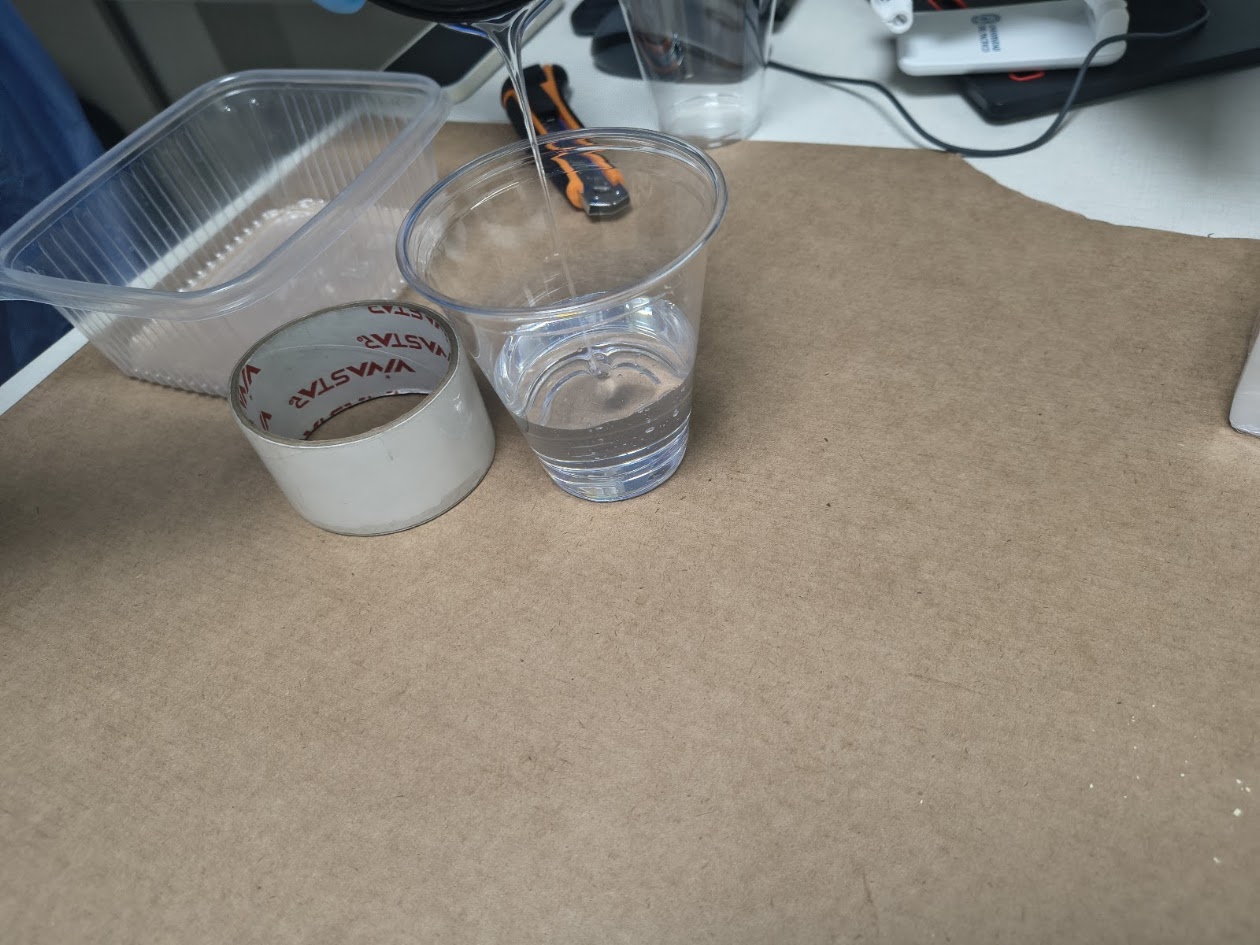
Mixing the materials
Camera 1
Reviewing the mix
Camera 1
Adjusting the formulation
Camera 1
Adjusting the formulation
Camera 1
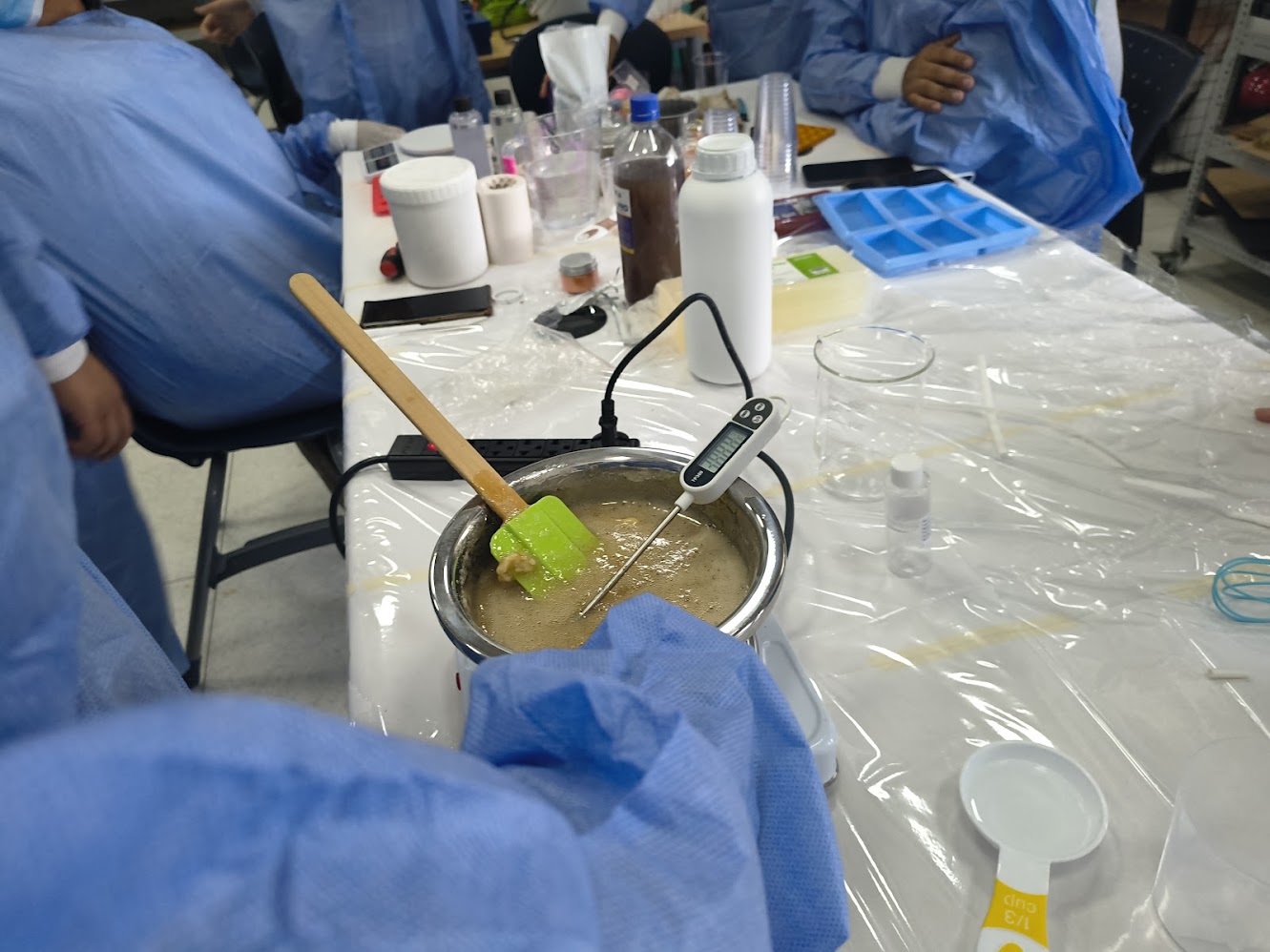
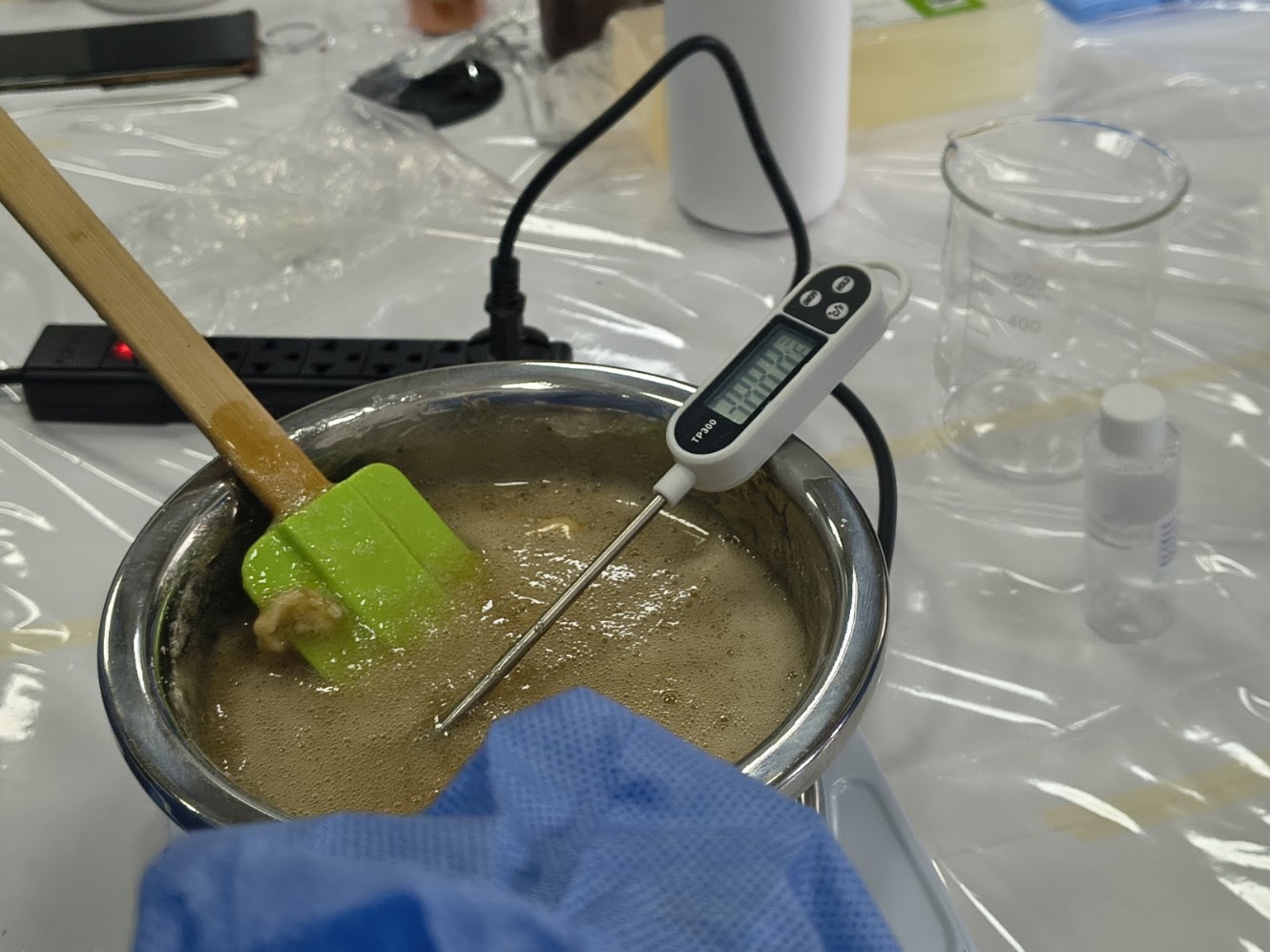
Temperature controls
Camera 1
Temperature controls
Camera 1
Molding process
Camera 1
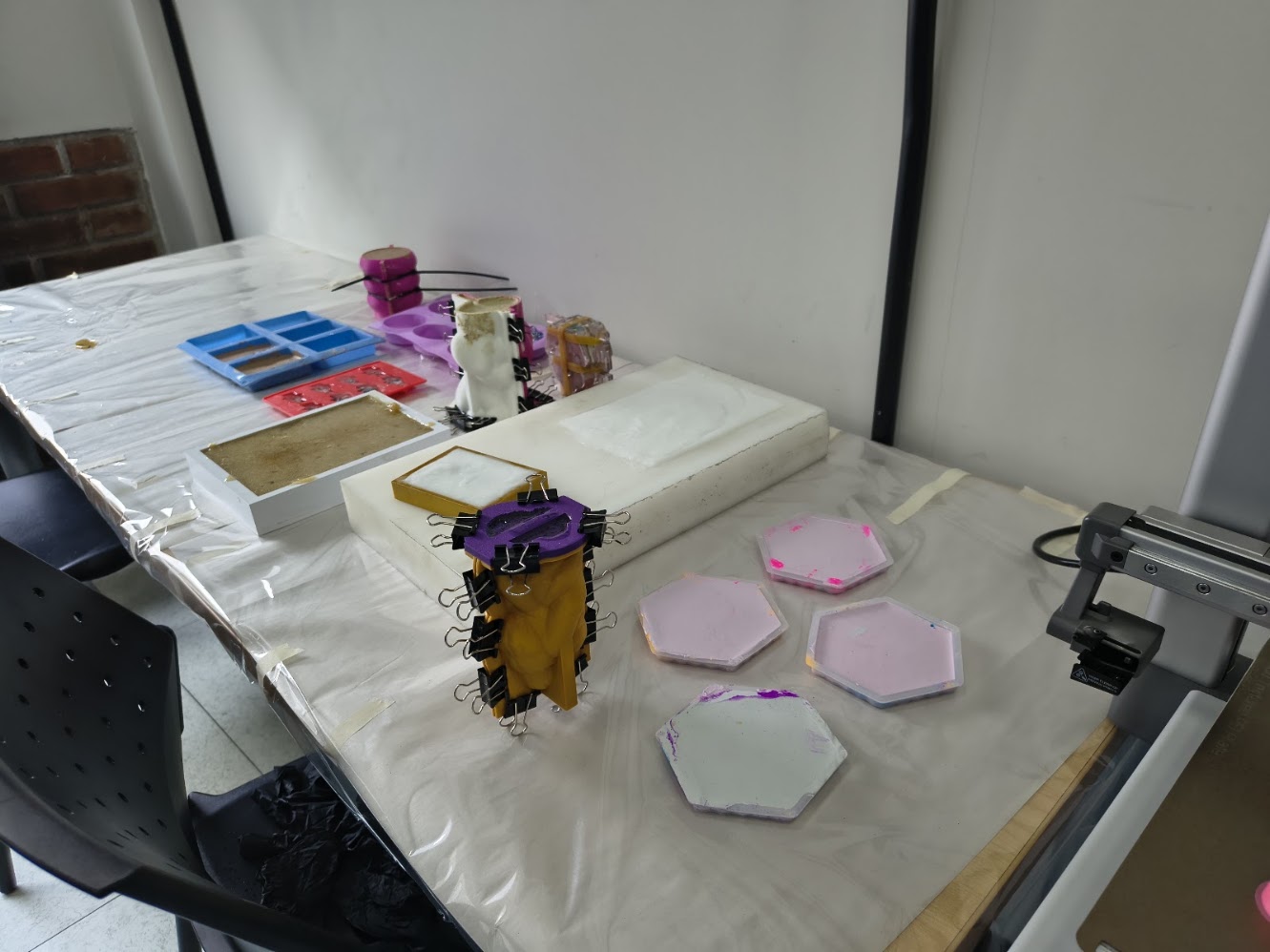
Different project overview
Camera 1
Different projects & molding processes
Camera 1
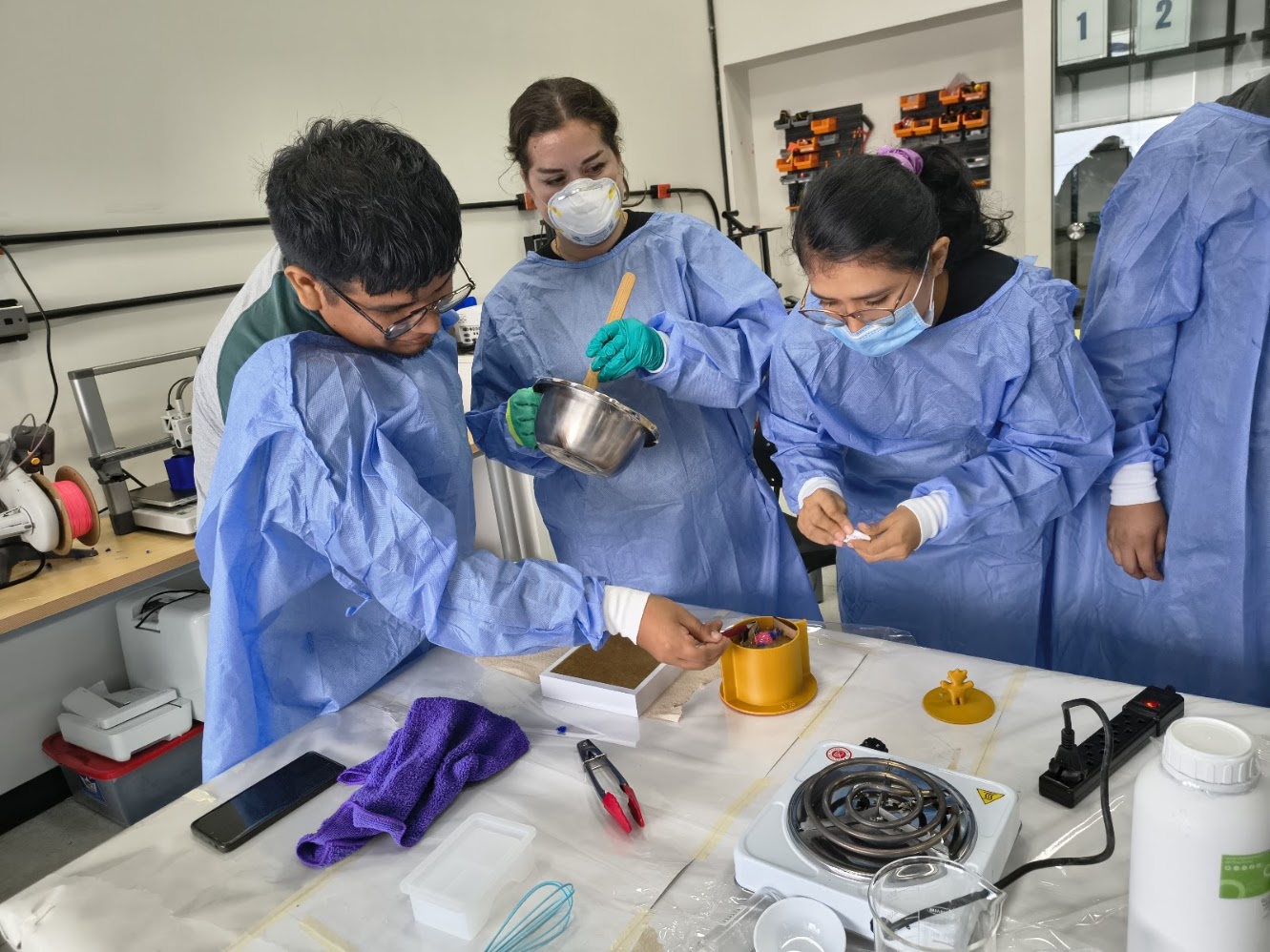
Working with glycerine
Camera 1
Working different projects at the same time
Camera 1
Working different projects at the same time
Camera 1
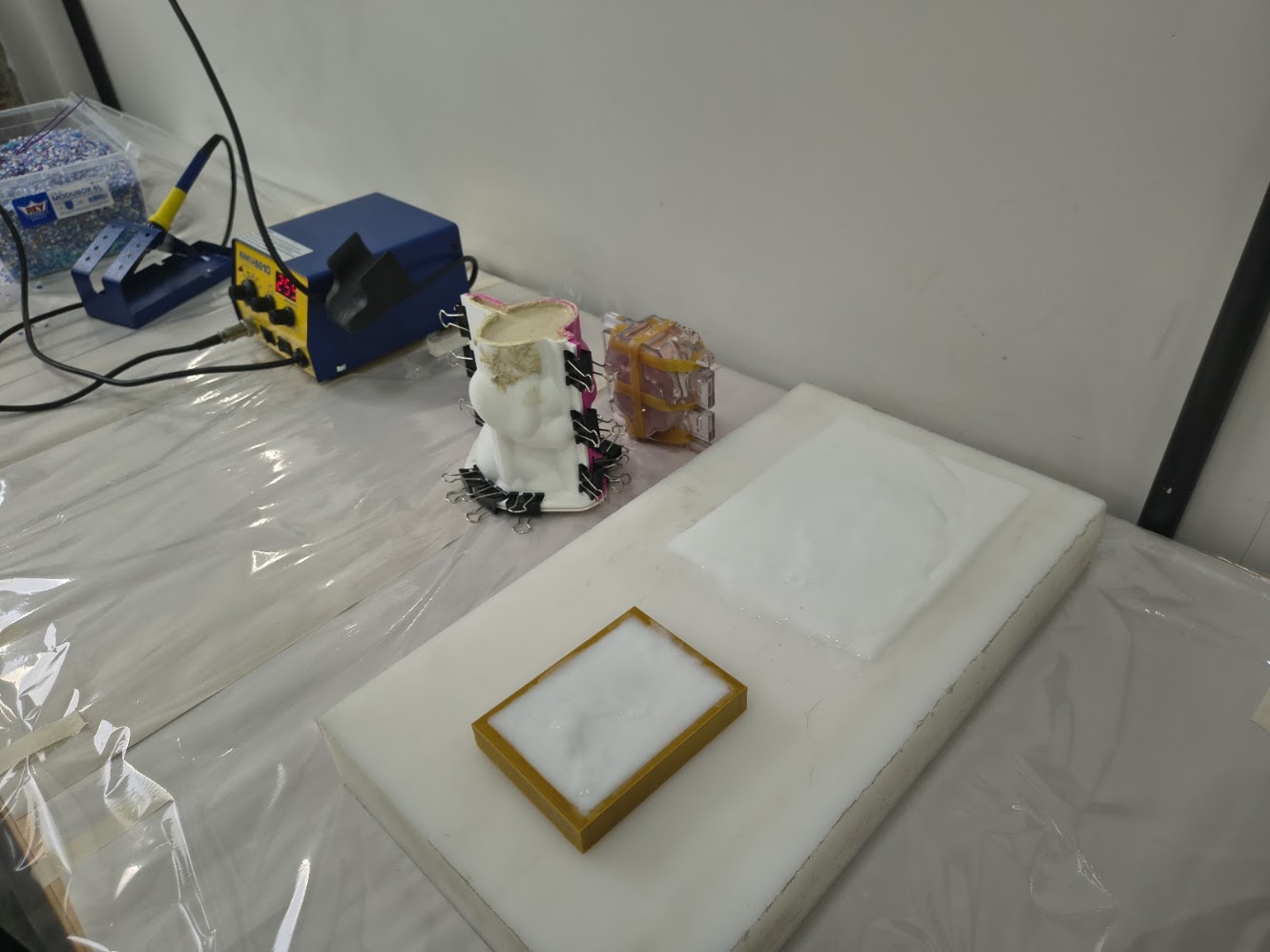
Final products
Camera 1
At the end
Video demonstration

4) Individual assigment

Problems

Define the product

Review the formula: silicon and 2% catalyst

Not enough materials

Solutions

Create the product

Considering this week recommedations

Solve problems as soon as possible

Swimming 2
Emphasis on the design and colors
Swimming 2
We review different proposals
Swimming 2
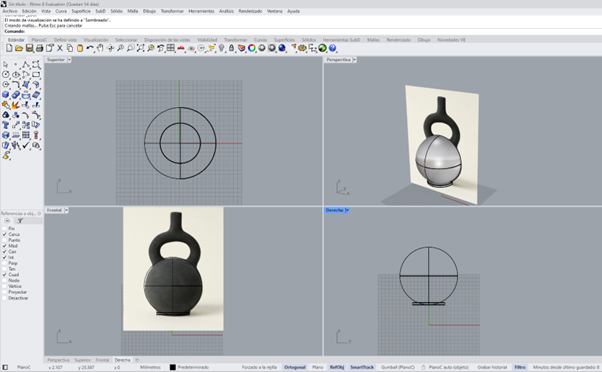
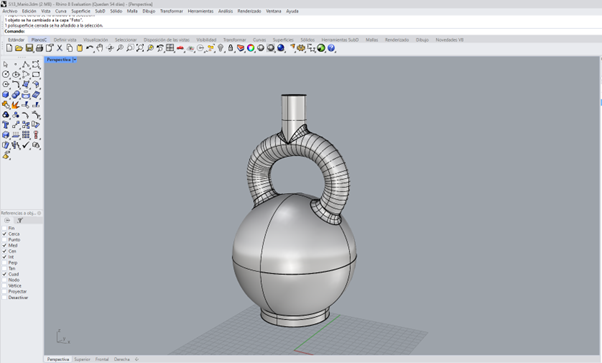
Draw a circle with 45 mmm diameter and create an sphere
Camera 1
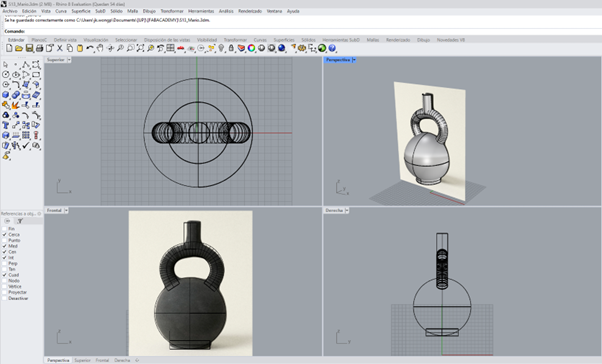
Draw a spline and create the handle. Create a volumen with pipeline tool. Extrude the handle superior part
Camera 2
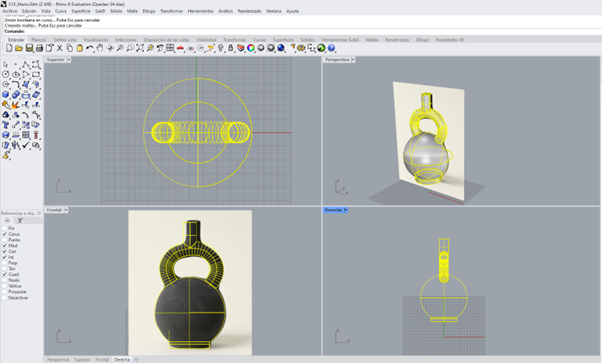
Select the volume and use the joint boolean operation
Camera 1
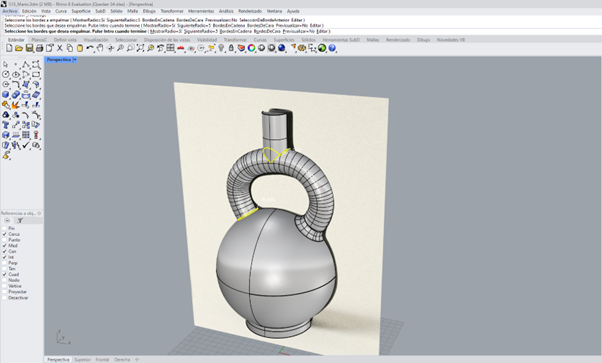
Fillet option in the handle
Camera 2
Piece with fillet option
Camera 2
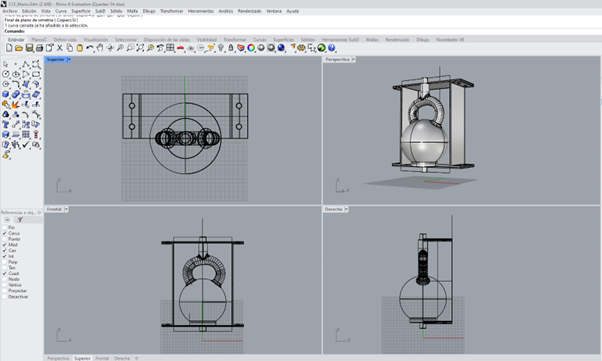
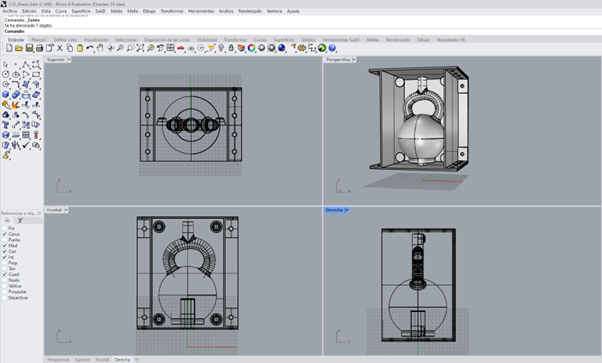
Cavity design with 6 mm hole for mold ajusting
Camera 2
Desing the coulping
Camera 2
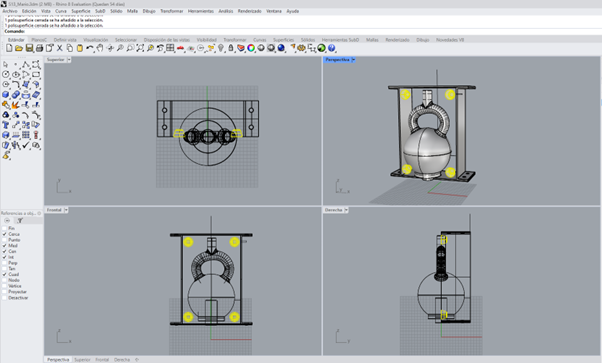
Completing the piece base
Camera 2
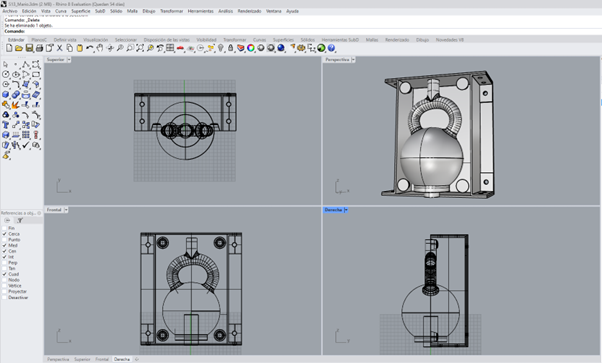
Extruding the mold walls
Camera 2
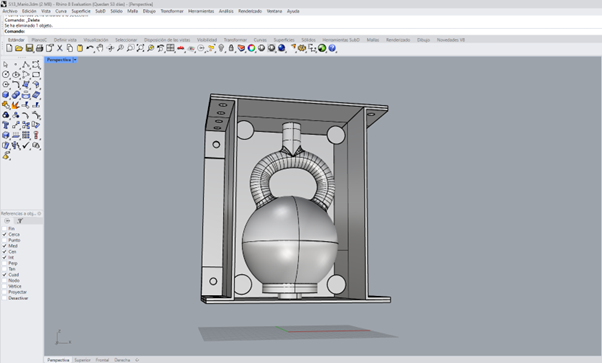
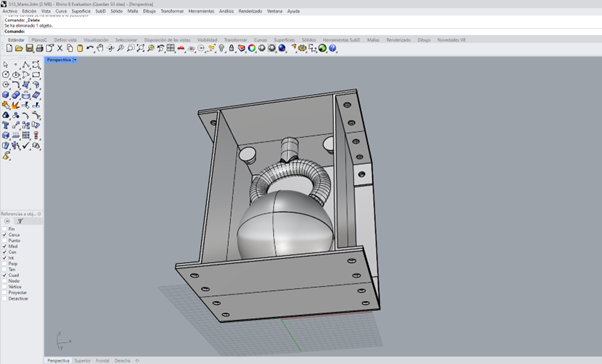
Case overview
Camera 2
Case overview
Camera 2
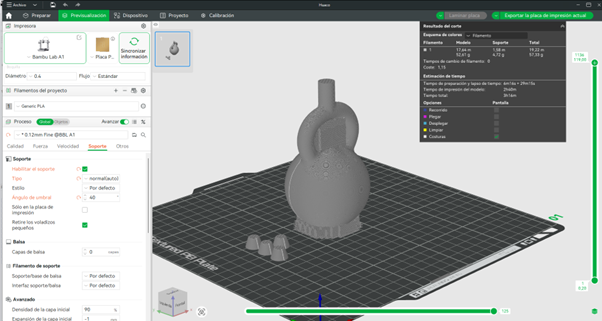
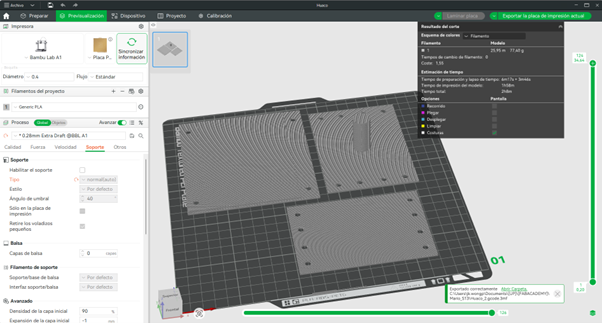
Slicing with the Bambu Lab Studio
Camera 2
Preview and export the file
Camera 2
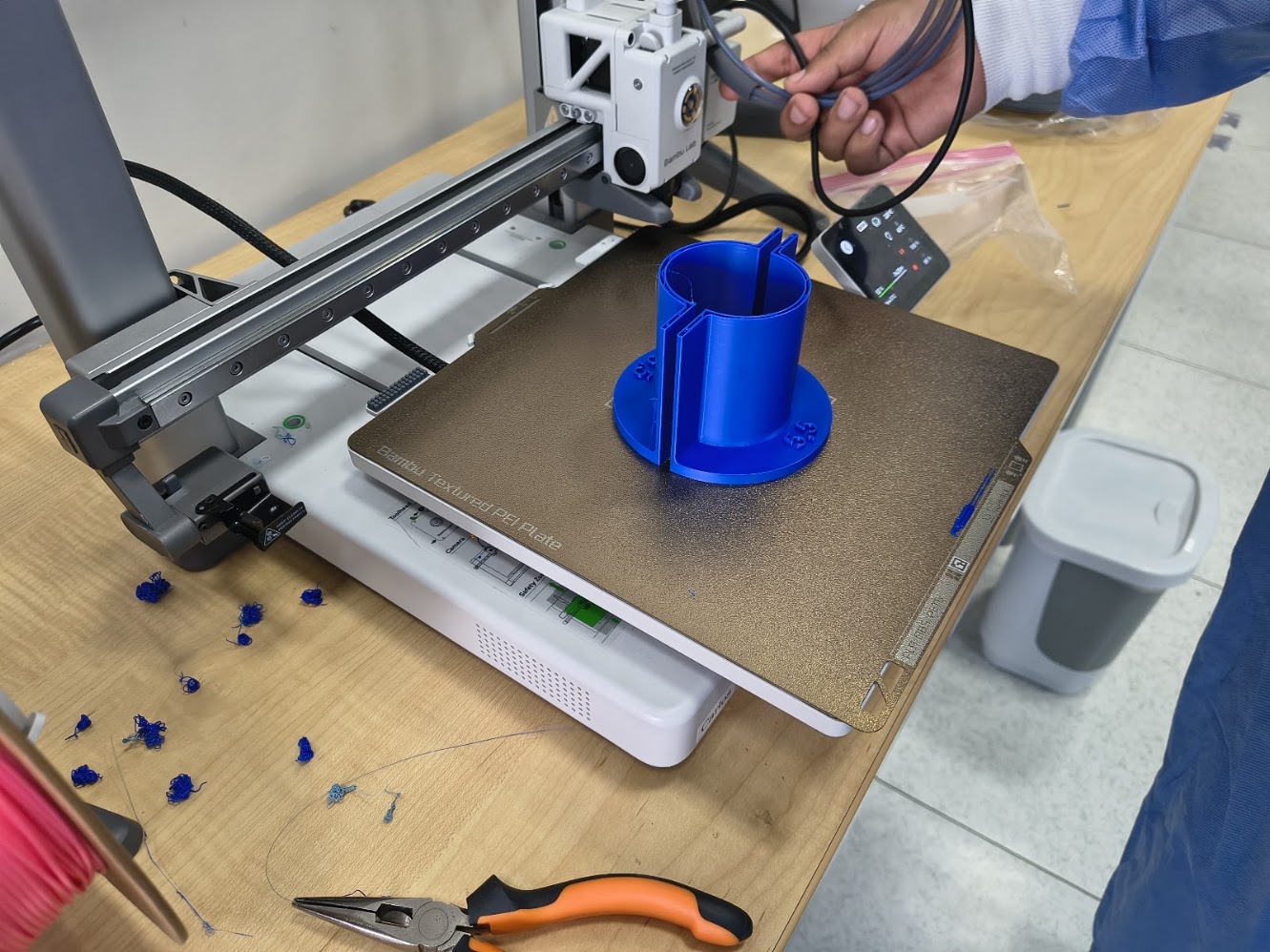
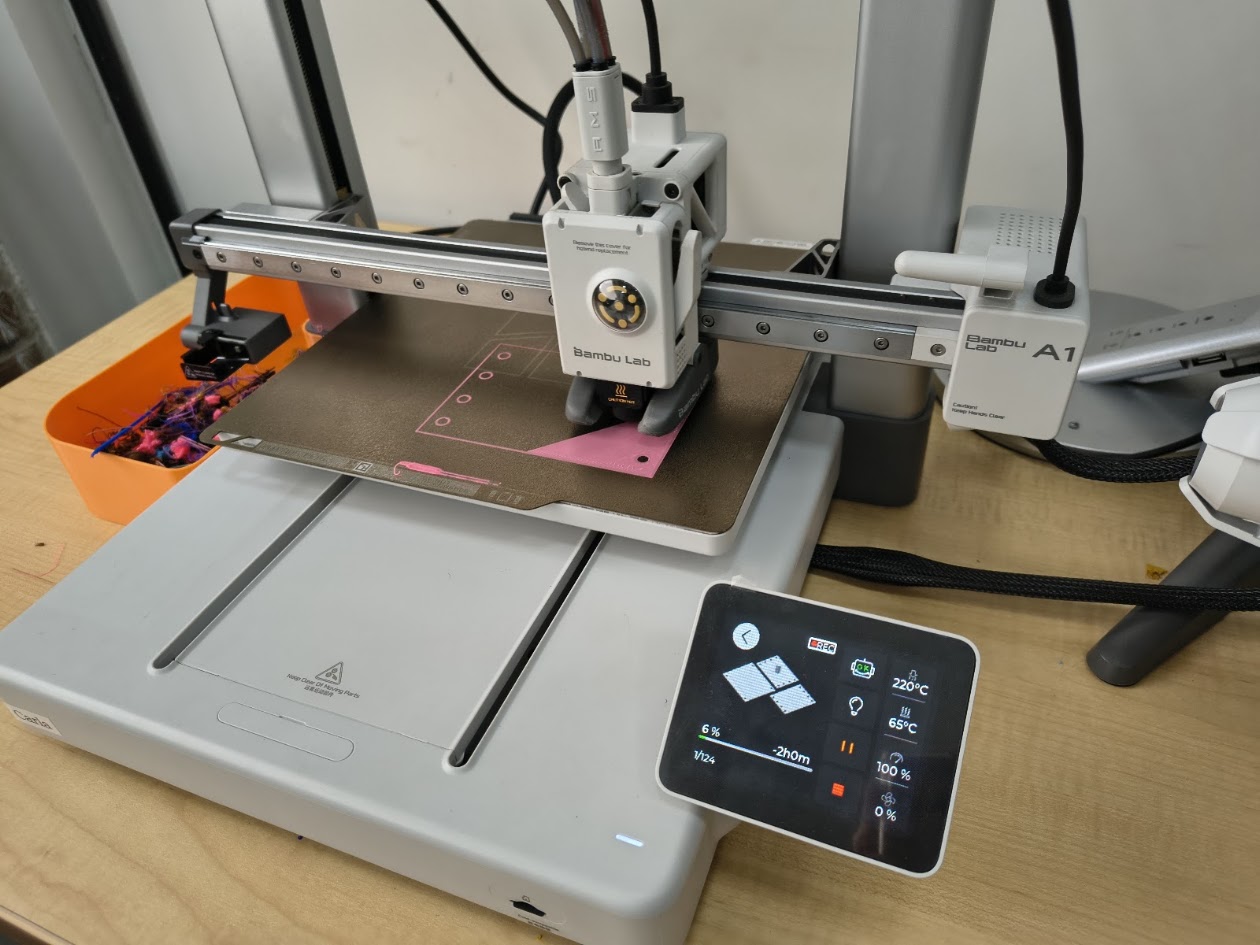
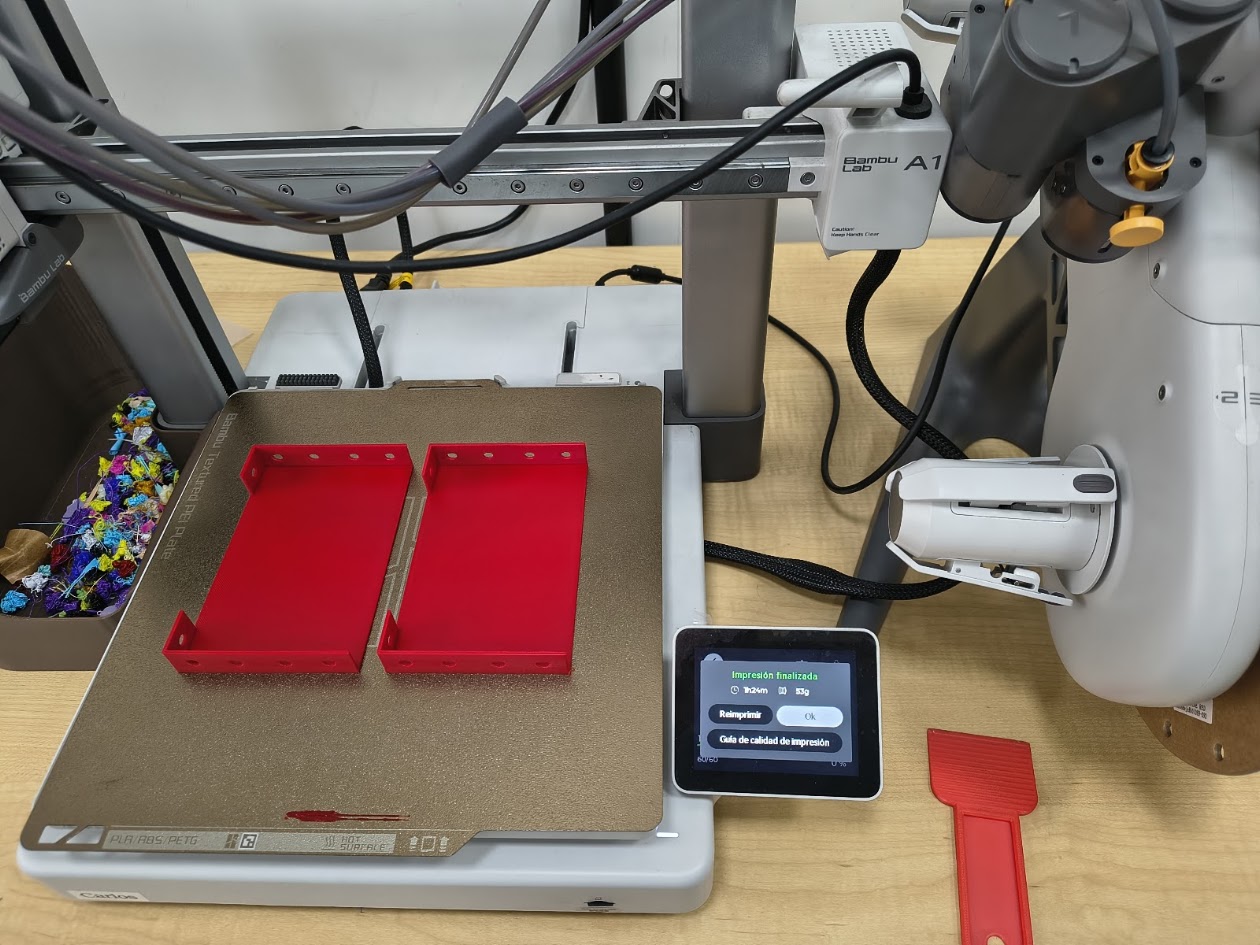
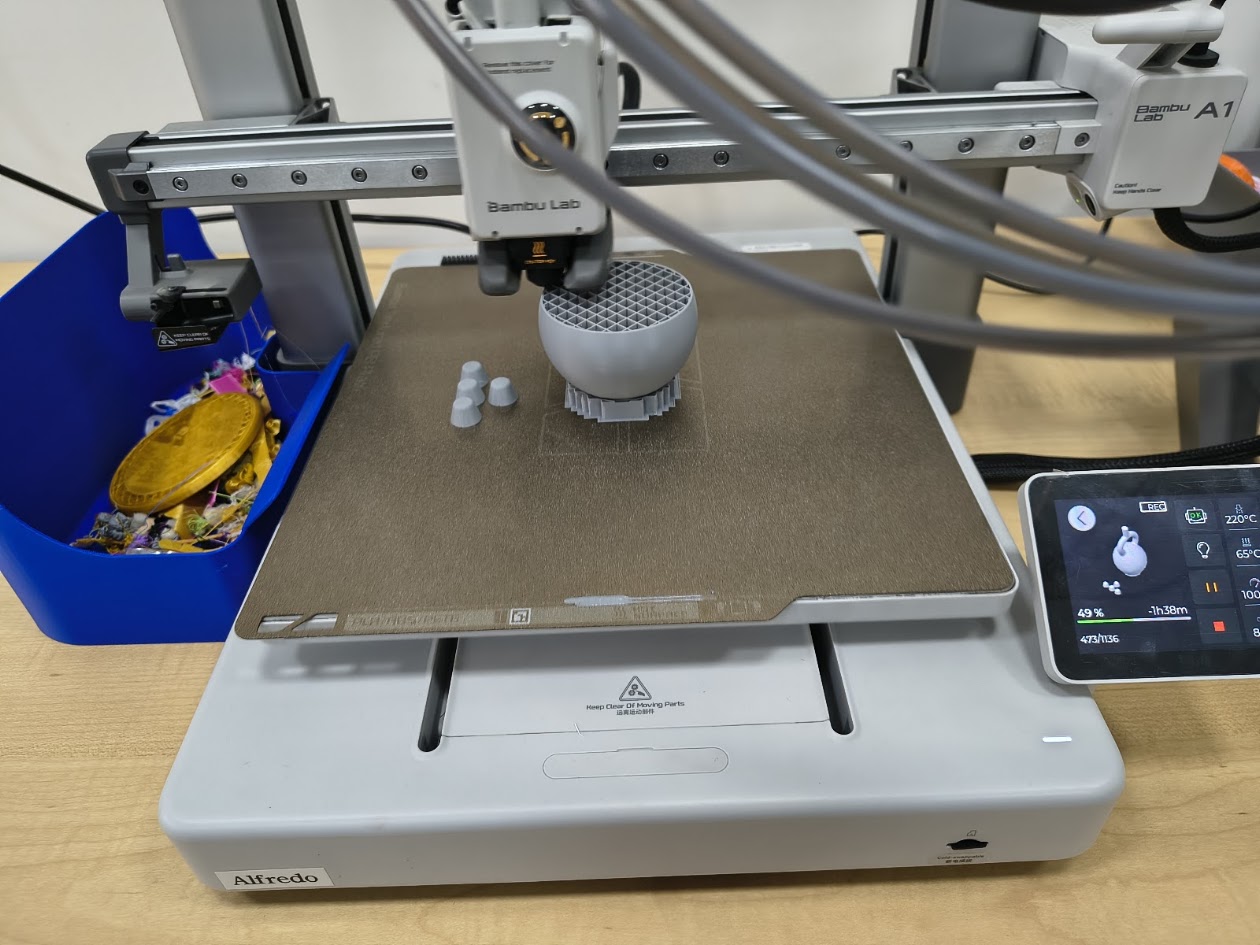
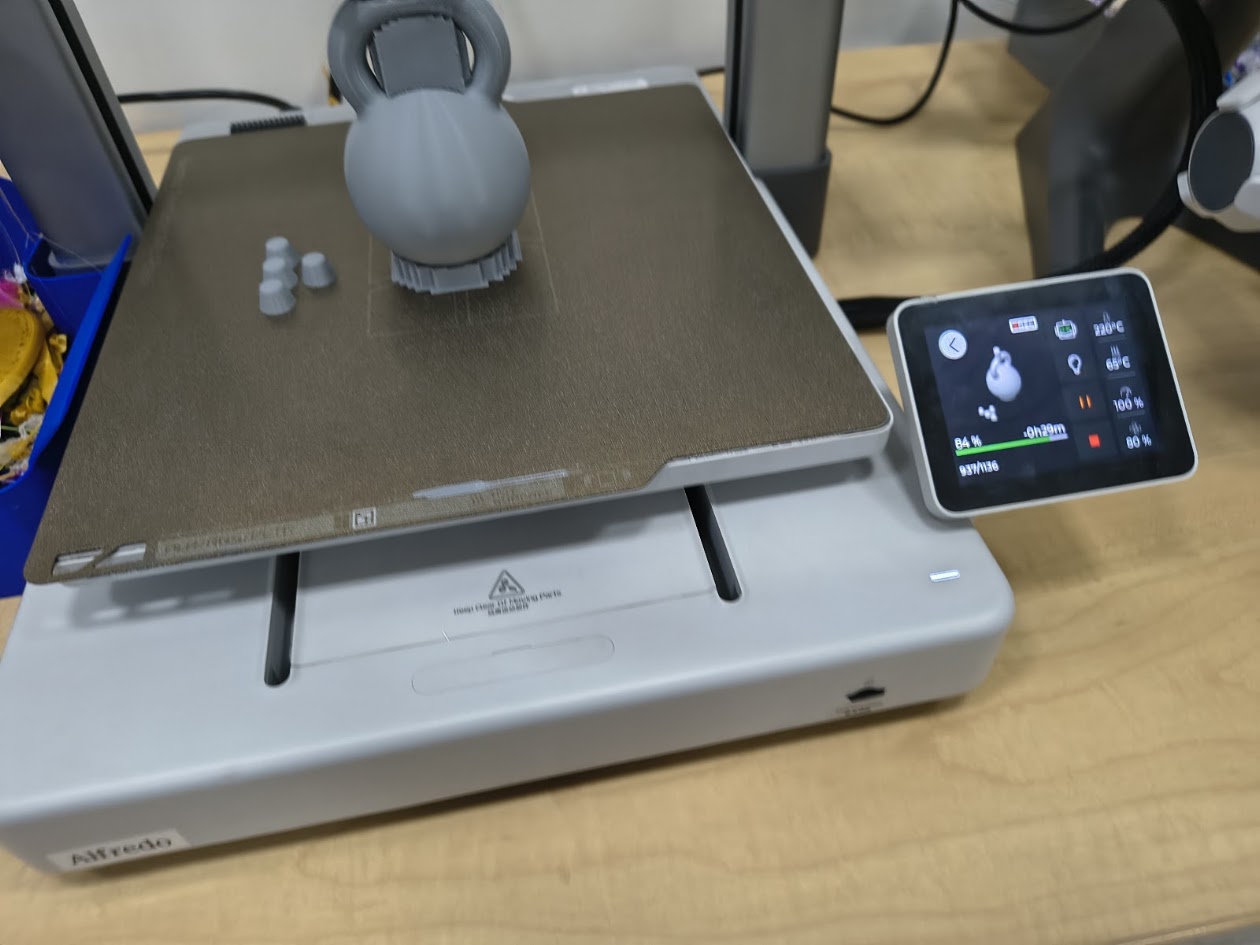
3D printing mold piece 1
Camera 2
3D printing mold piece 2
Camera 2
3D printing mold piece 2
Camera 2
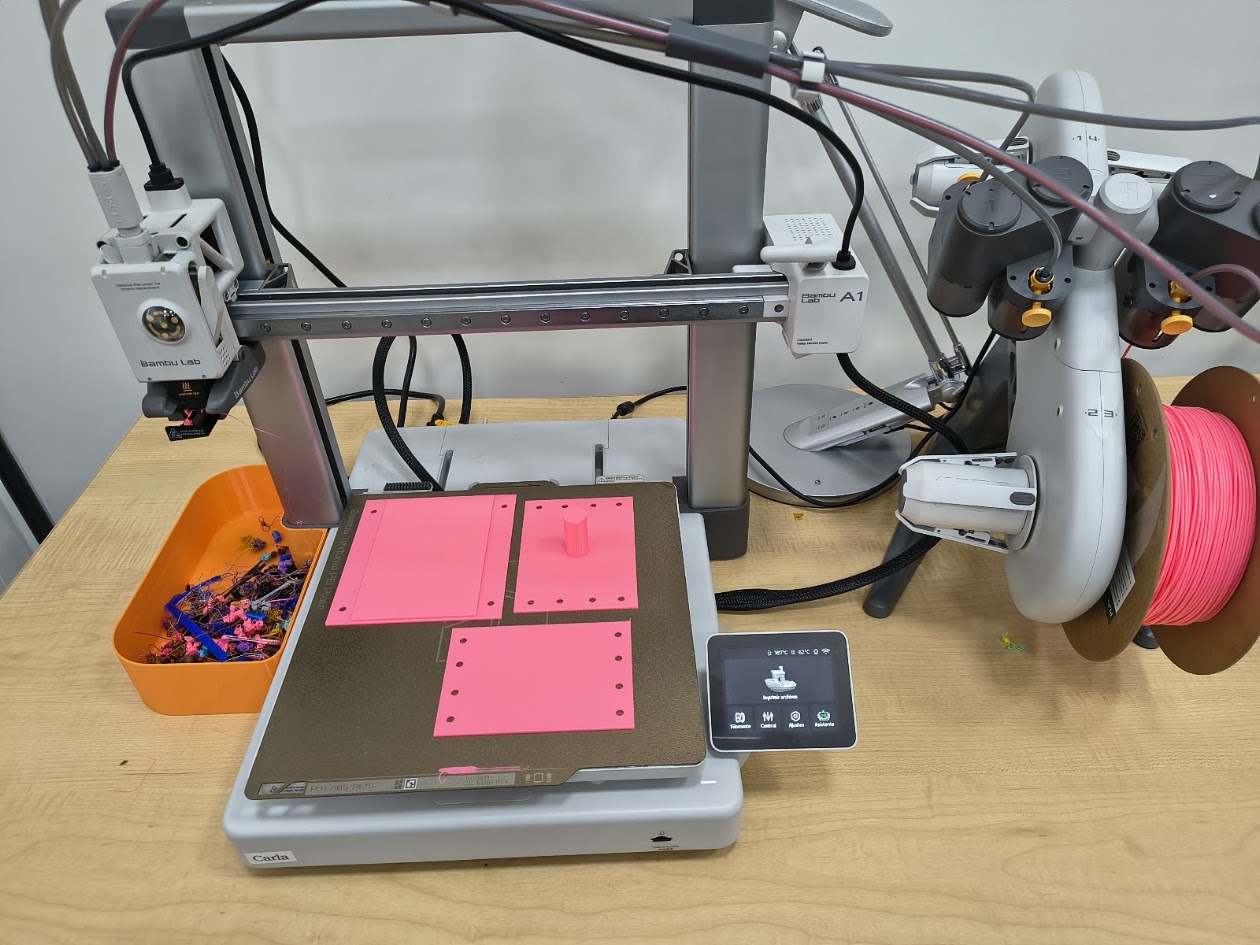
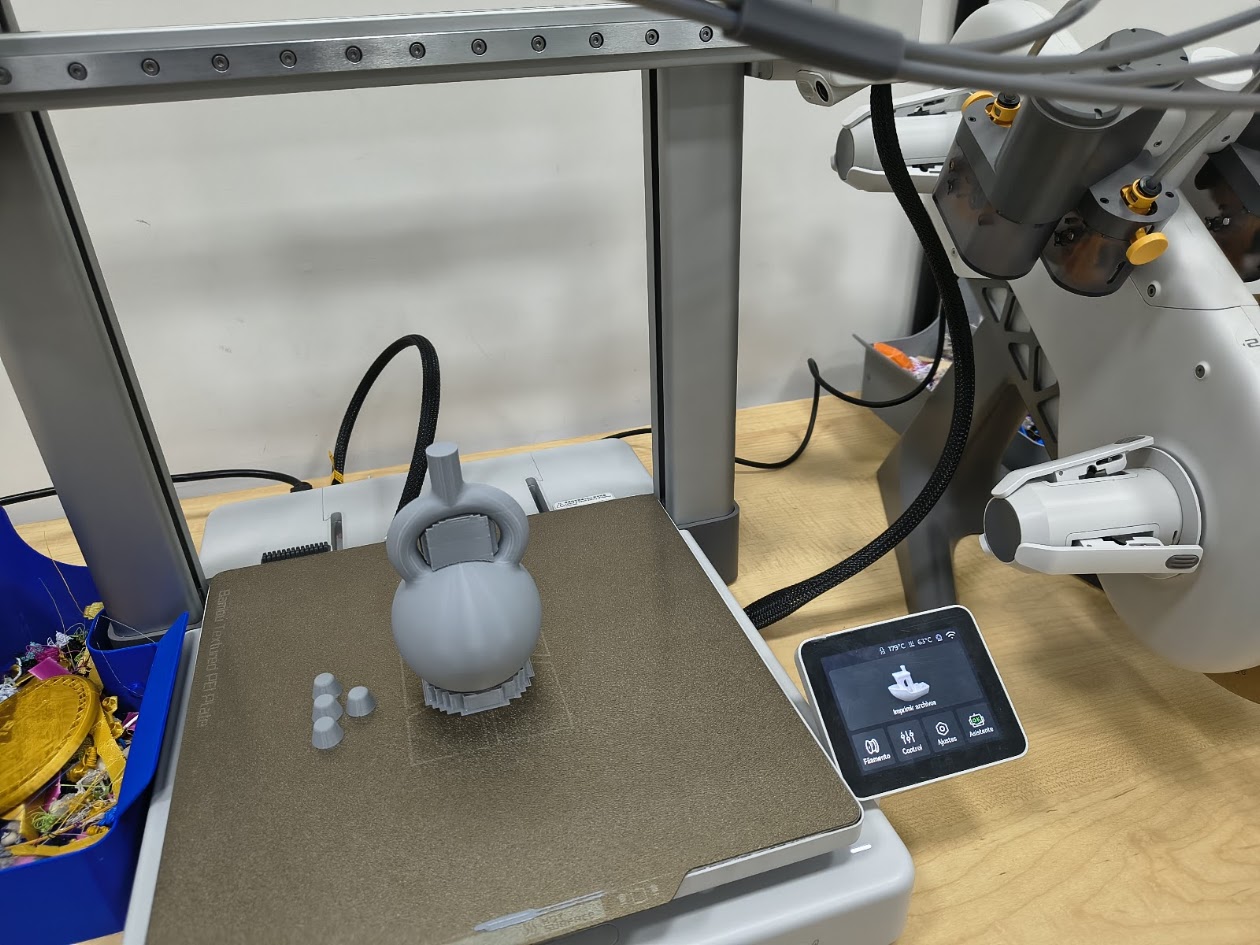
3D printing the product "huaco" base
Camera 2
3D printing the product "huaco" handle
Camera 2
3D printing the product "huaco"
Camera 2
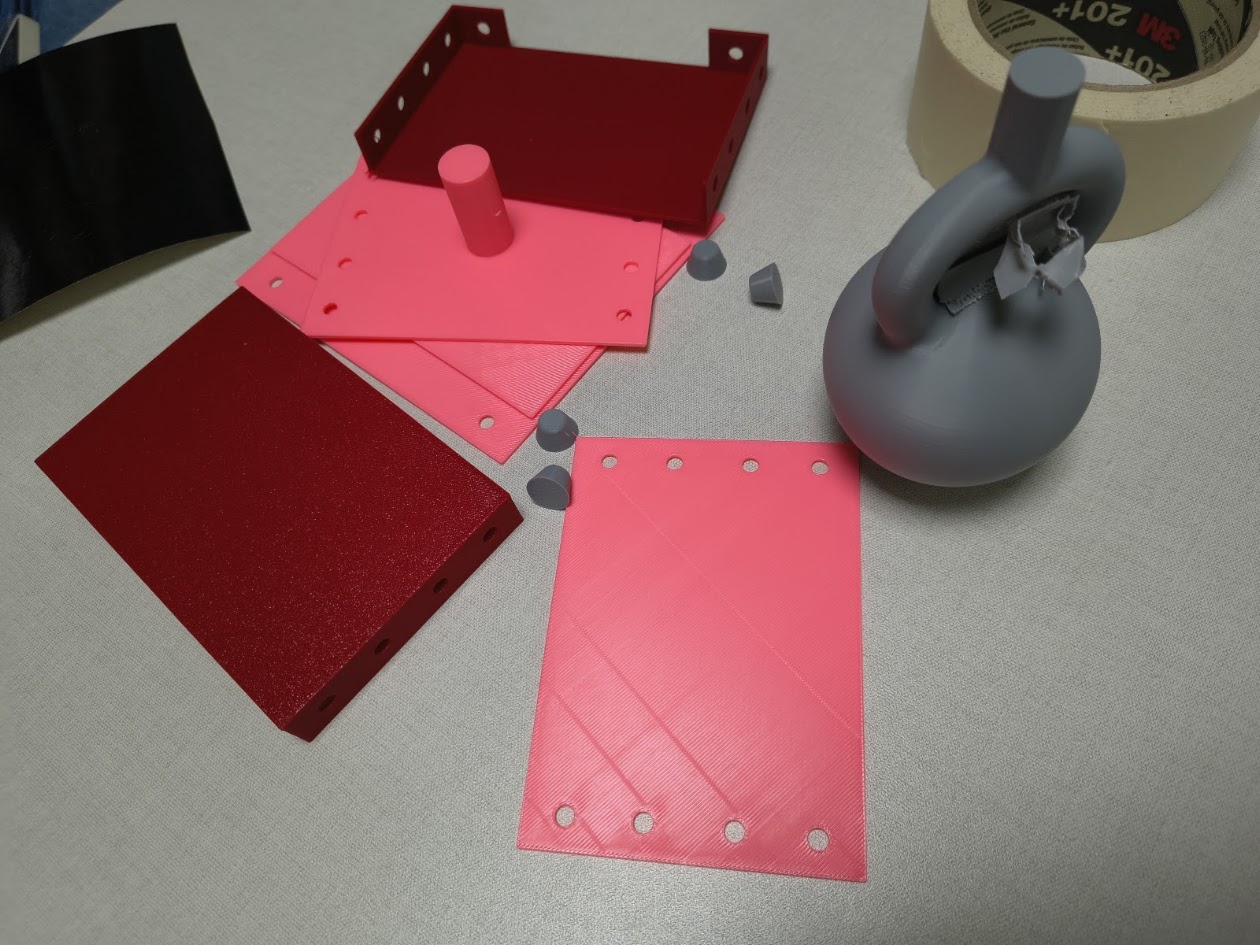
Mold and the product
Camera 2
End of this day
Camera 2
End of this day, but with not enough materials
Camera 2
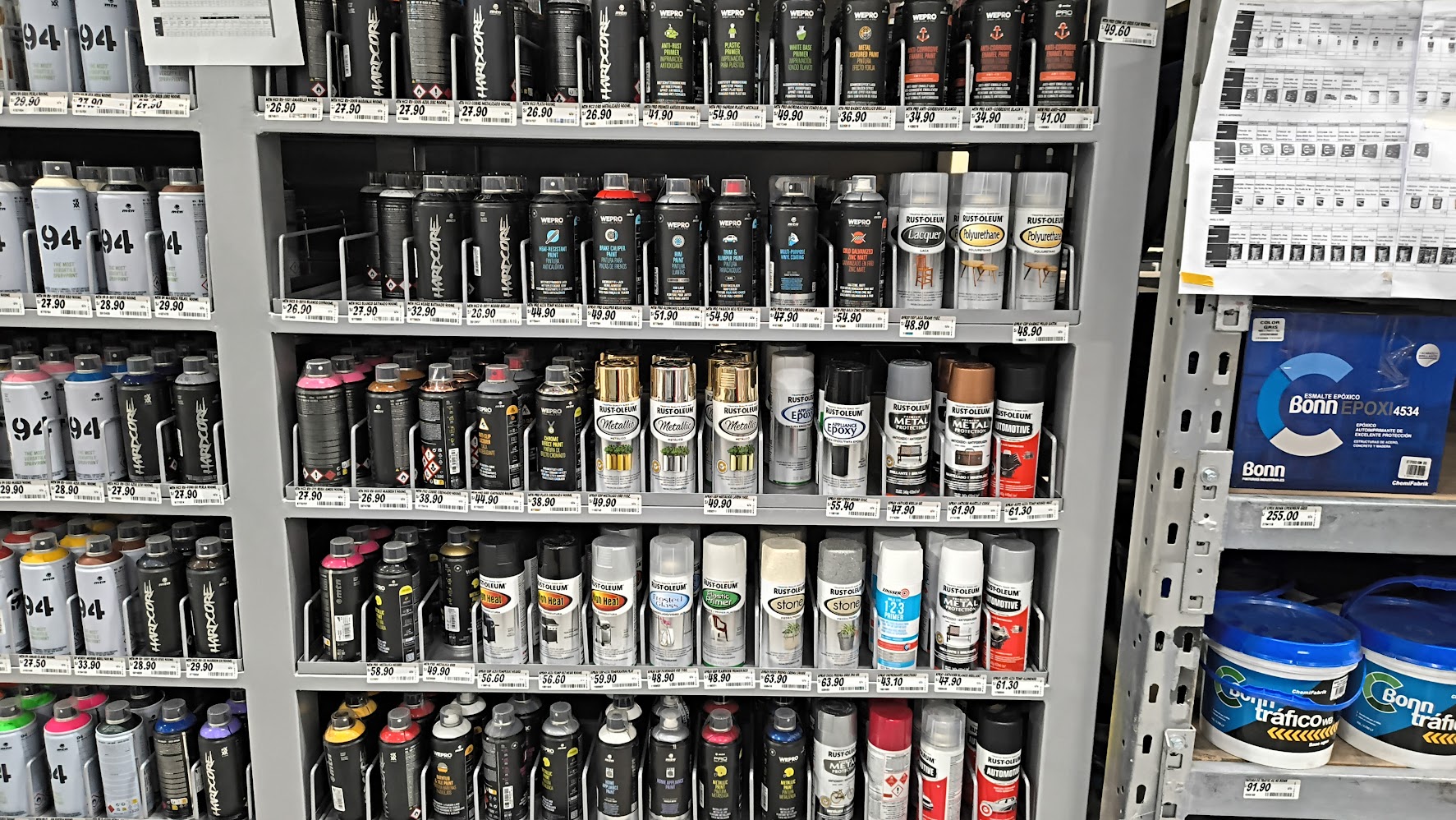
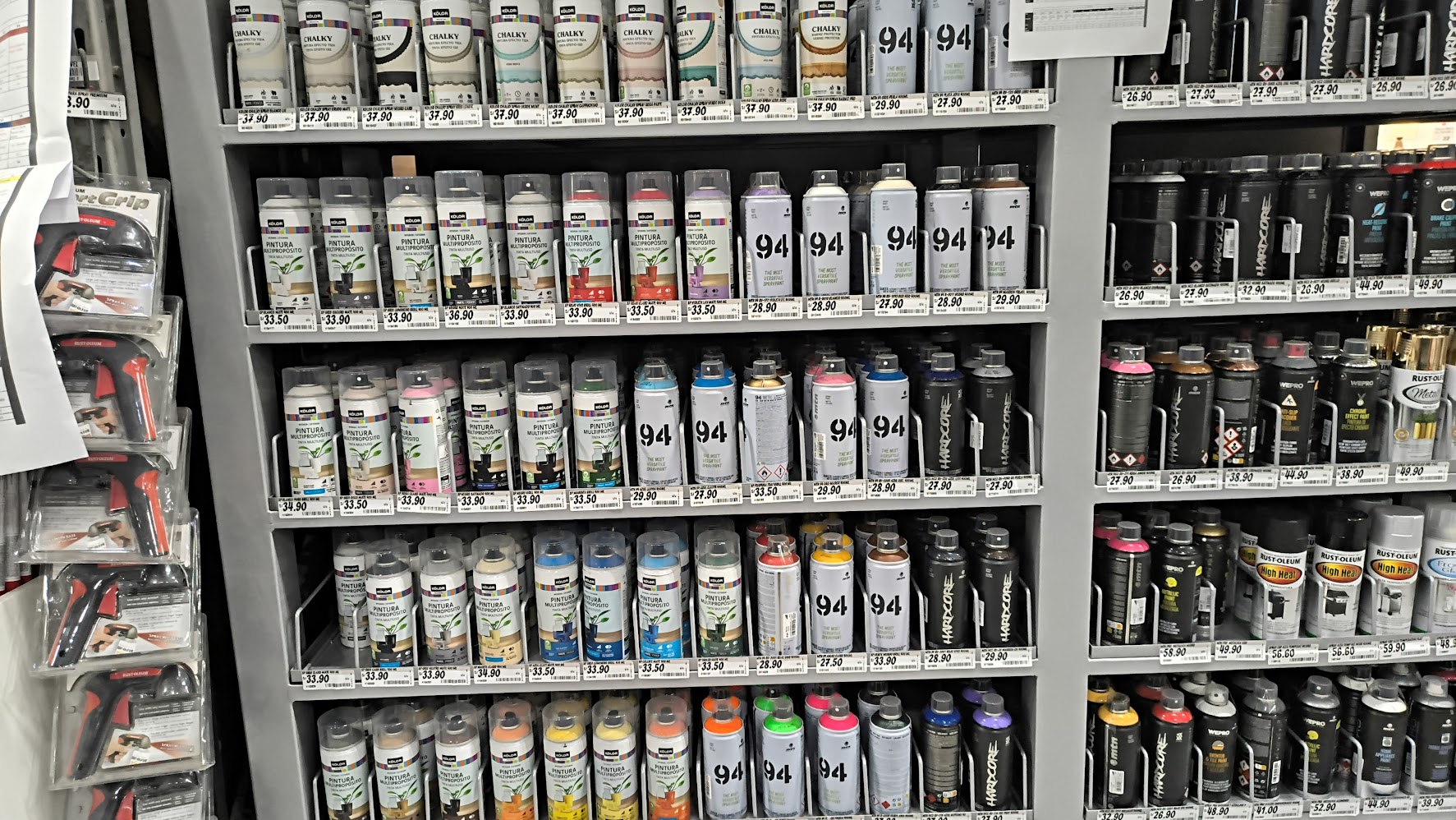
A lot of products at the homecenter
Camera 2
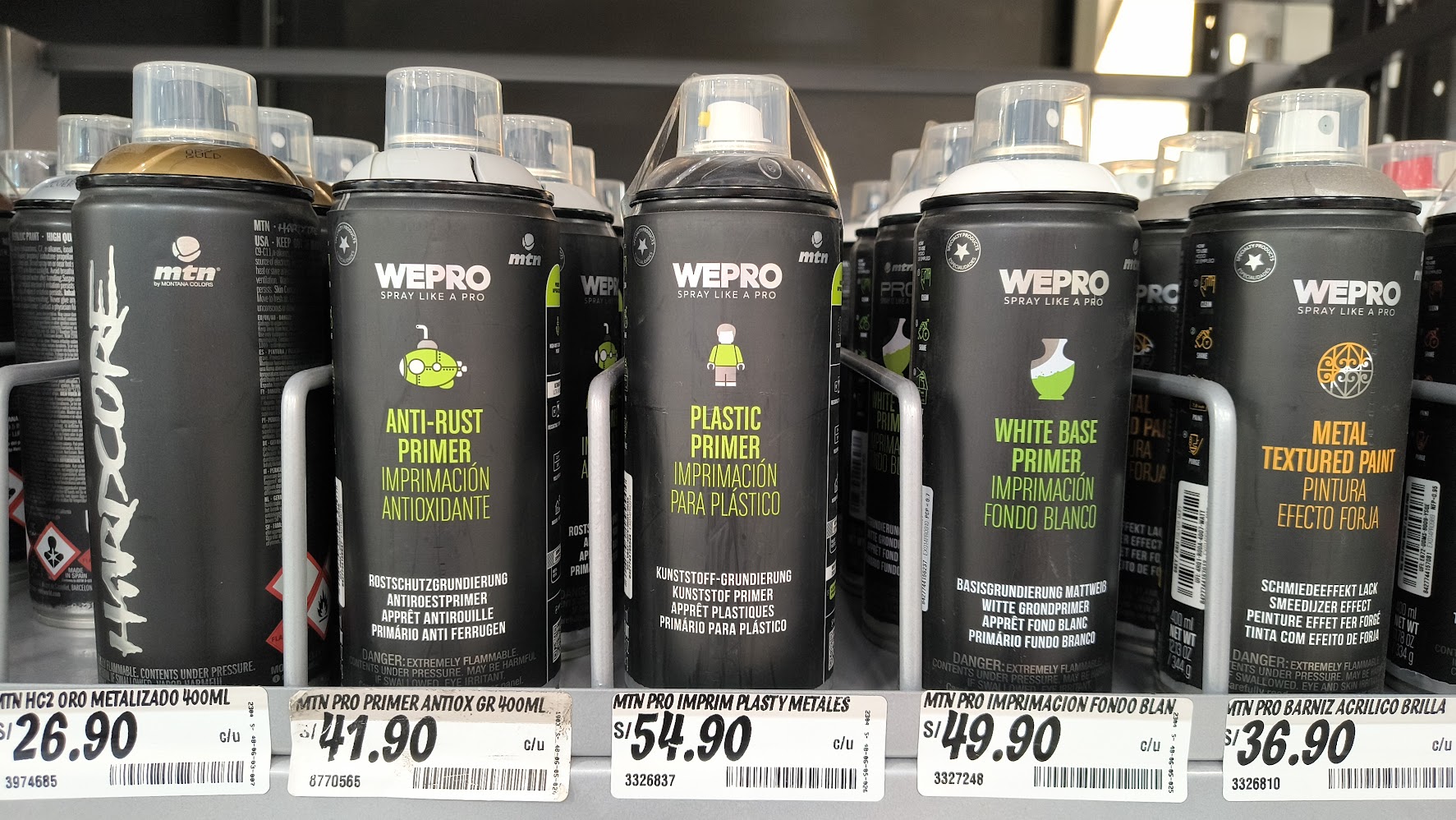
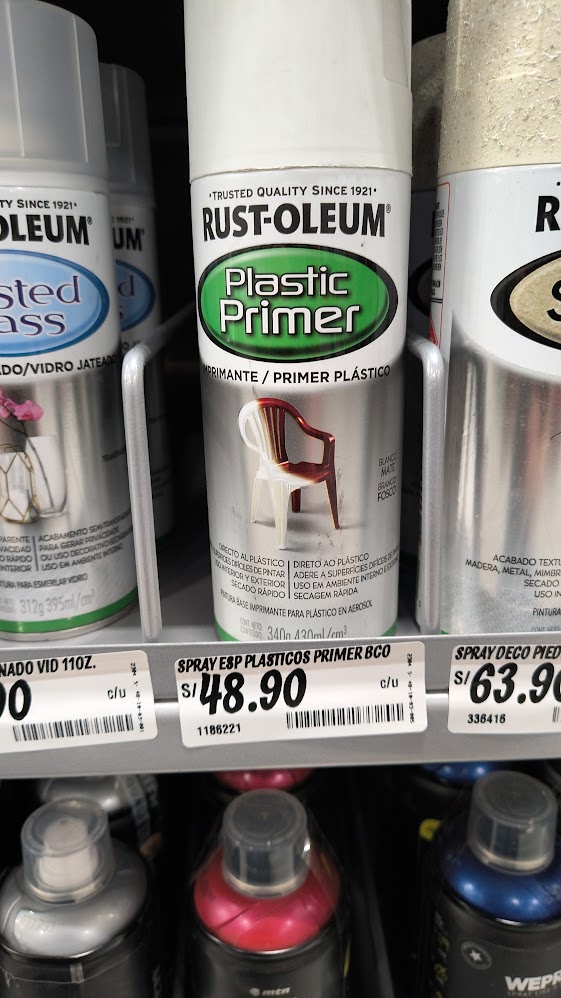
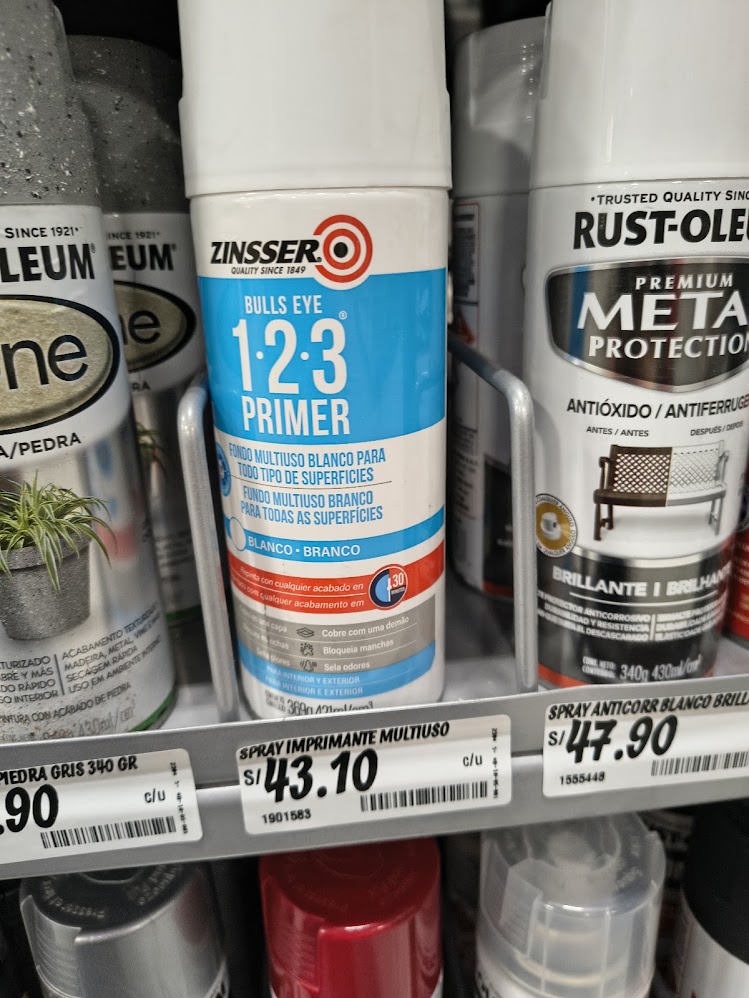
Primer, a lot of primers
Camera 2
Primer for plastics
Camera 2
Finally, general purpose primer
Camera 2
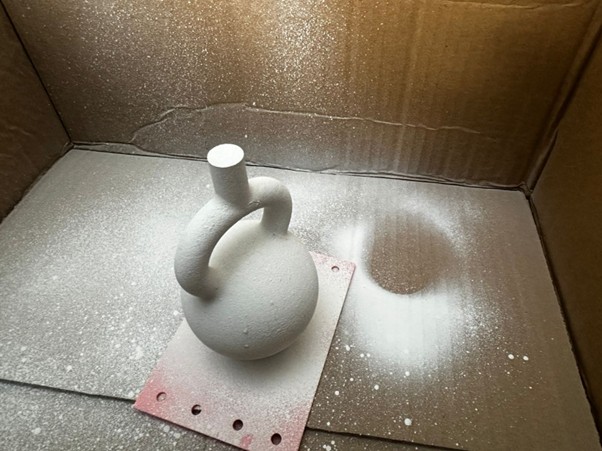
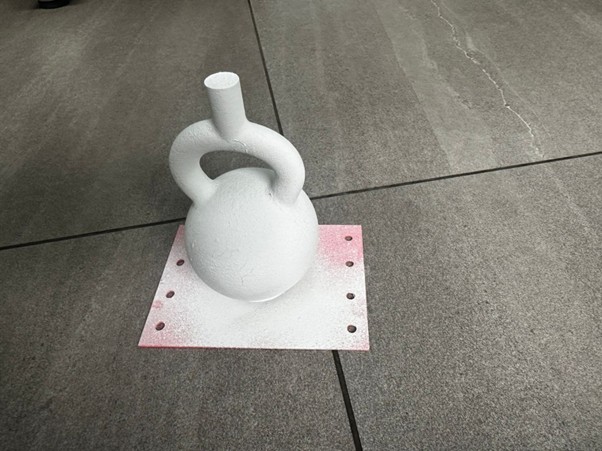
3D Printer piece with primer base to cover 3D FDM lines
Camera 2
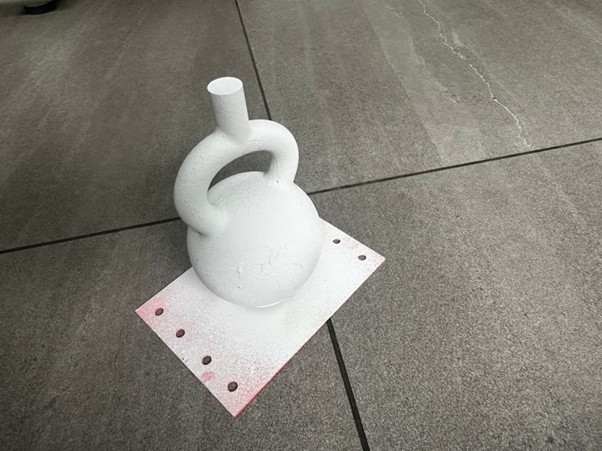
3D Printer piece with primer
Camera 2
3D Printer piece with primer
Camera 2
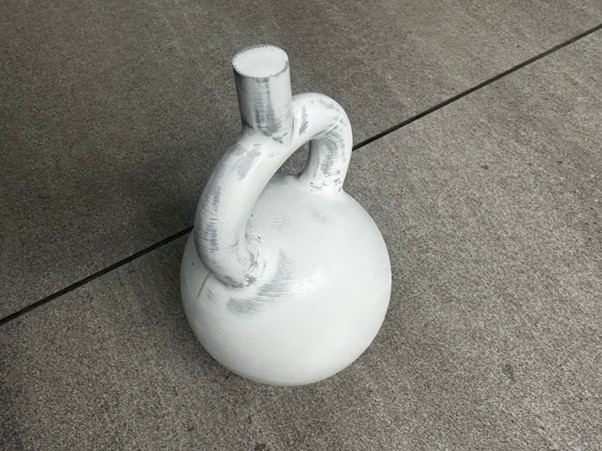
Finishing with wet sandpaper number 360
Camera 2
Finishing with wet sandpaper number 1000
Camera 2
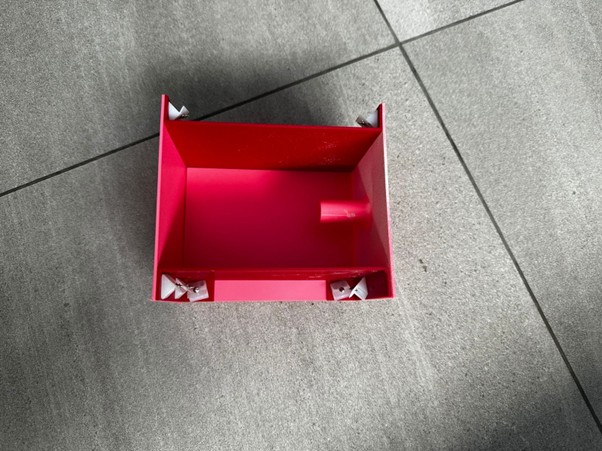
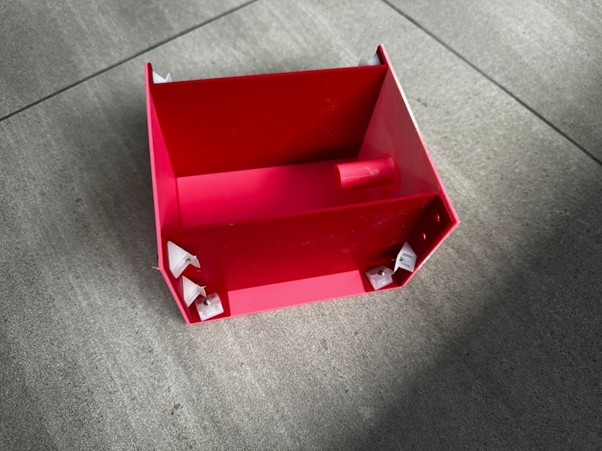
Constructing the mold
Camera 2
Constructing the mold
Camera 2
Constructing the mold
Camera 2
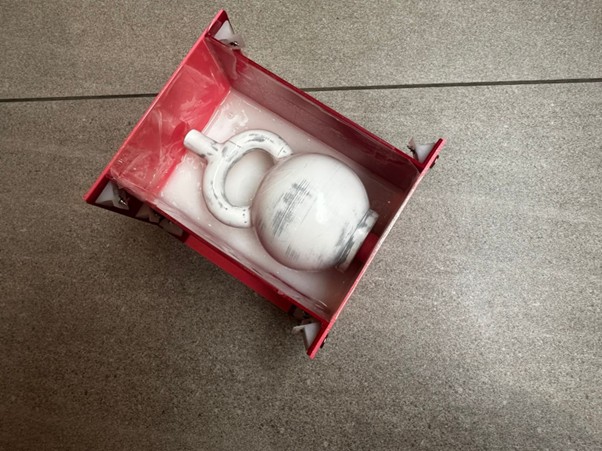
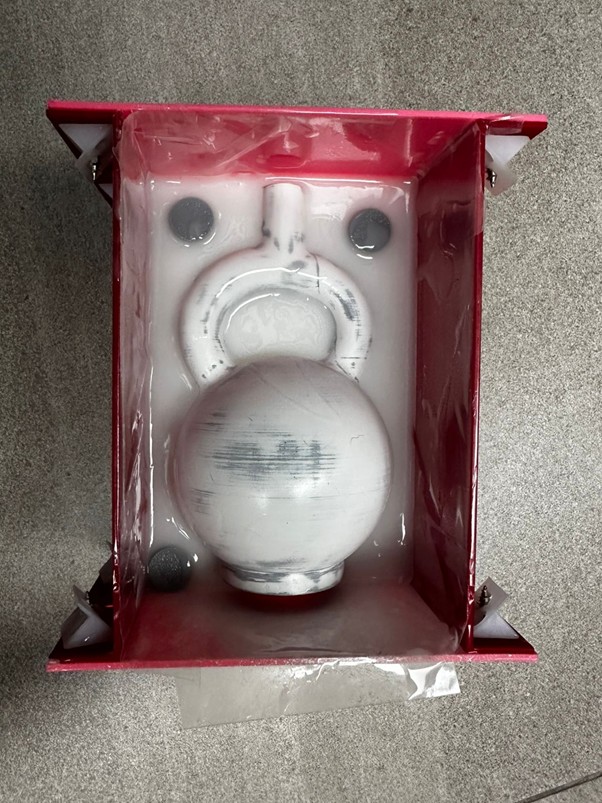
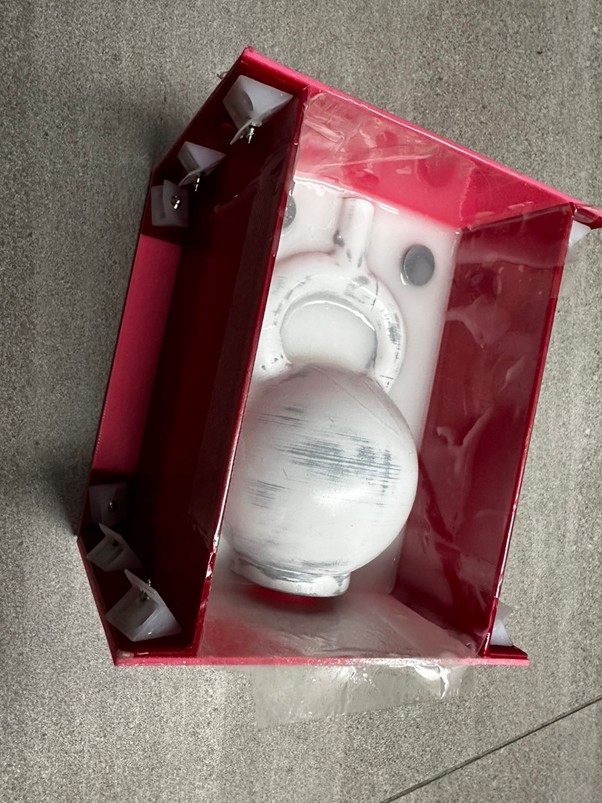
Mold with packing tape and the piece
Camera 2
Mold with packing tape and release agent. Silicone mix 100 gram of silicone with 2% of catalyst
Camera 2
Not enough silicone. We continued the next day
Camera 2
Not enough silicone. We continued the next day
Camera 2
Not enough silicone. We continued the next day
Camera 2
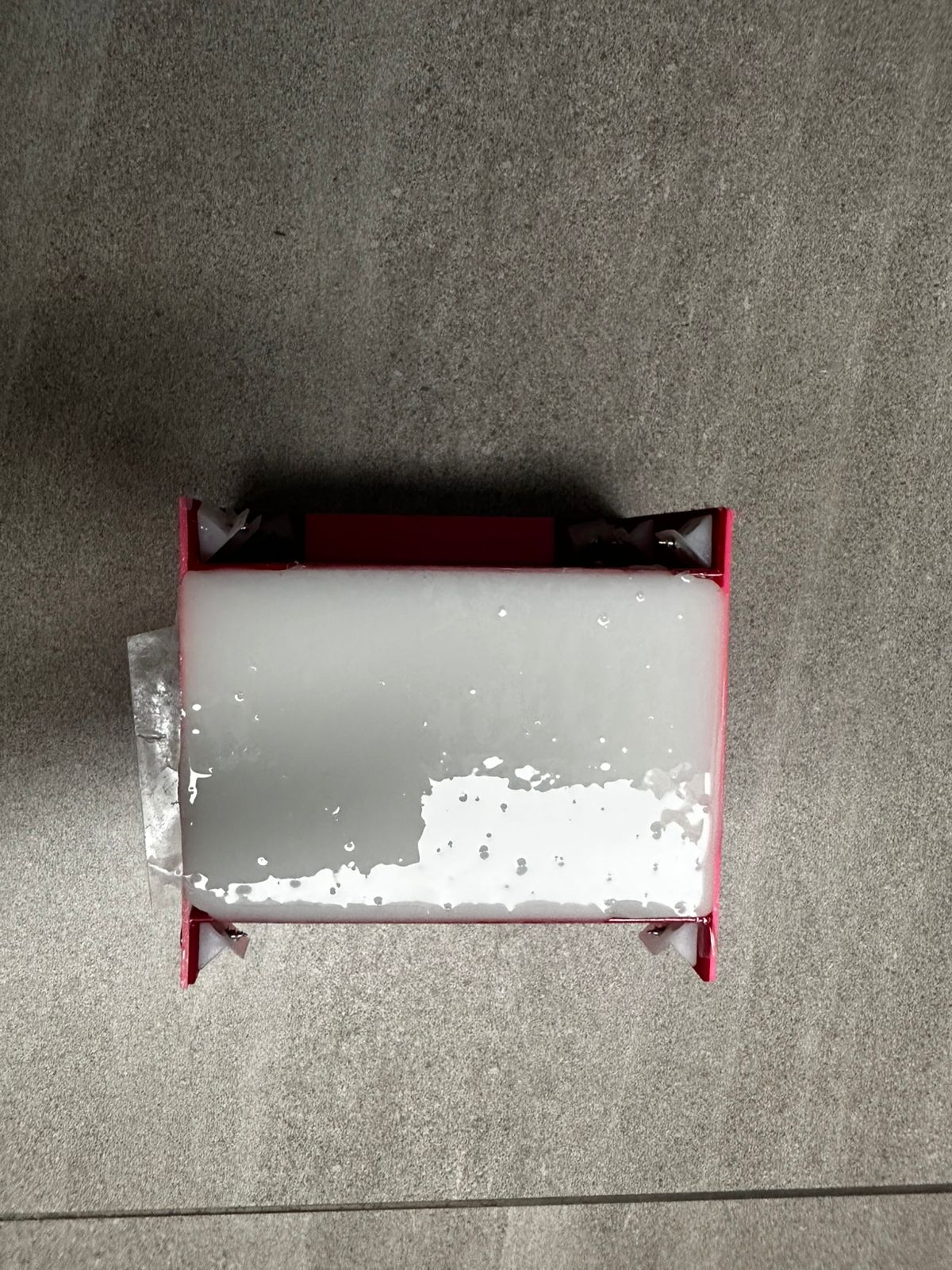
Reviewing material outside the mold
Camera 2
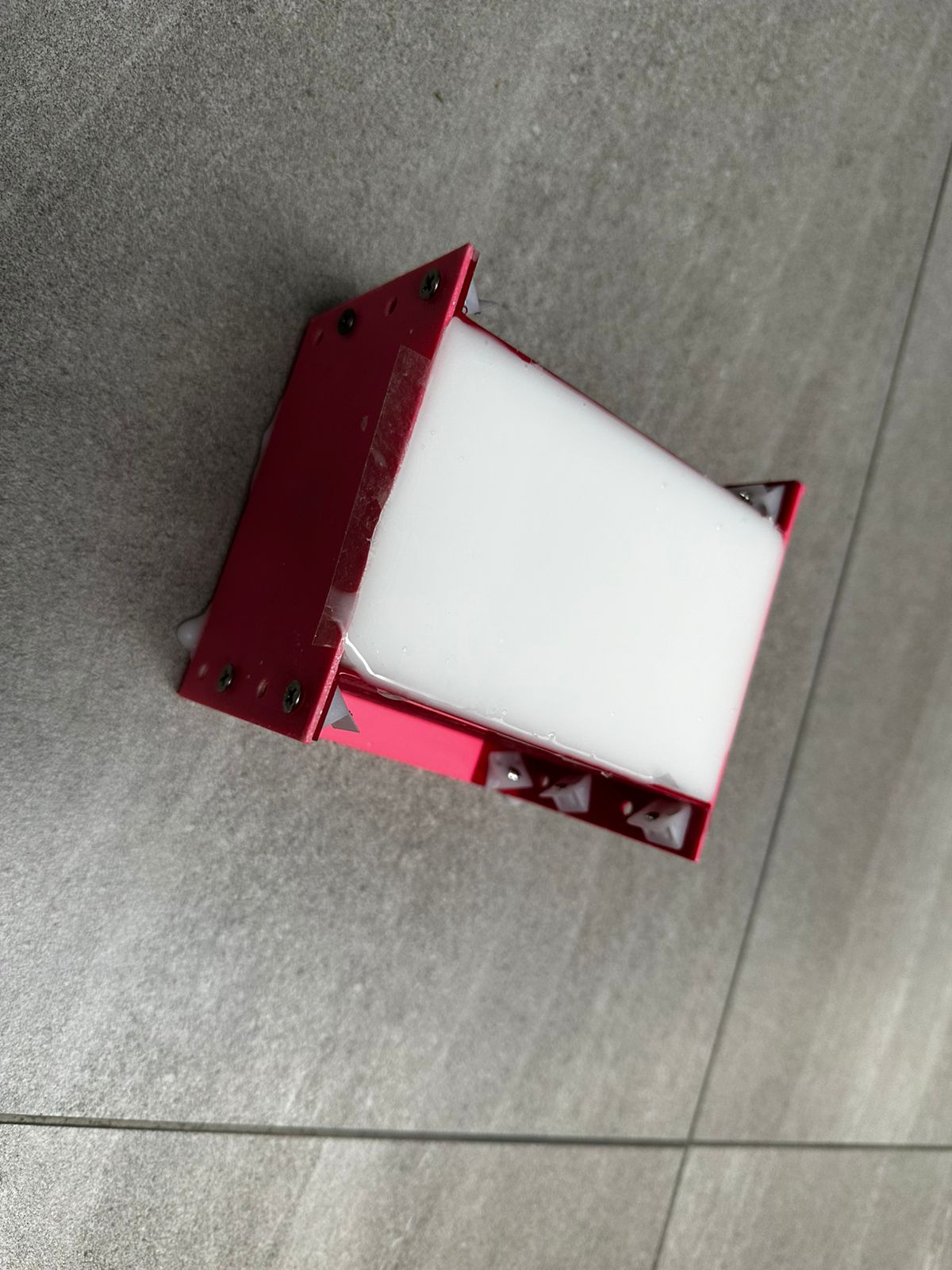
Completing the silicone and adding guides
Camera 2
Completing the part 1
Camera 2
Completing the part 1 and part 2
Camera 2
Completing the part 1 and part 2
Camera 2
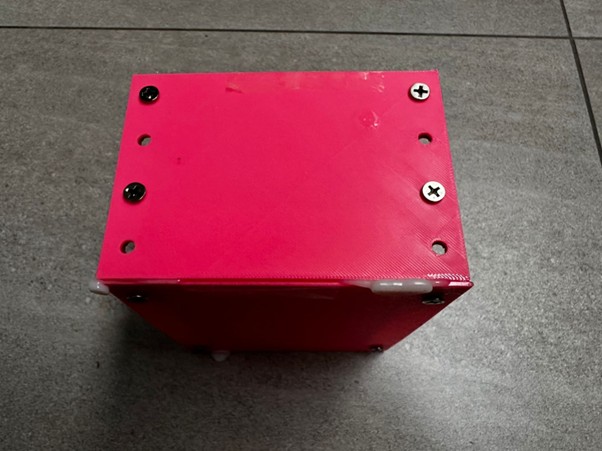
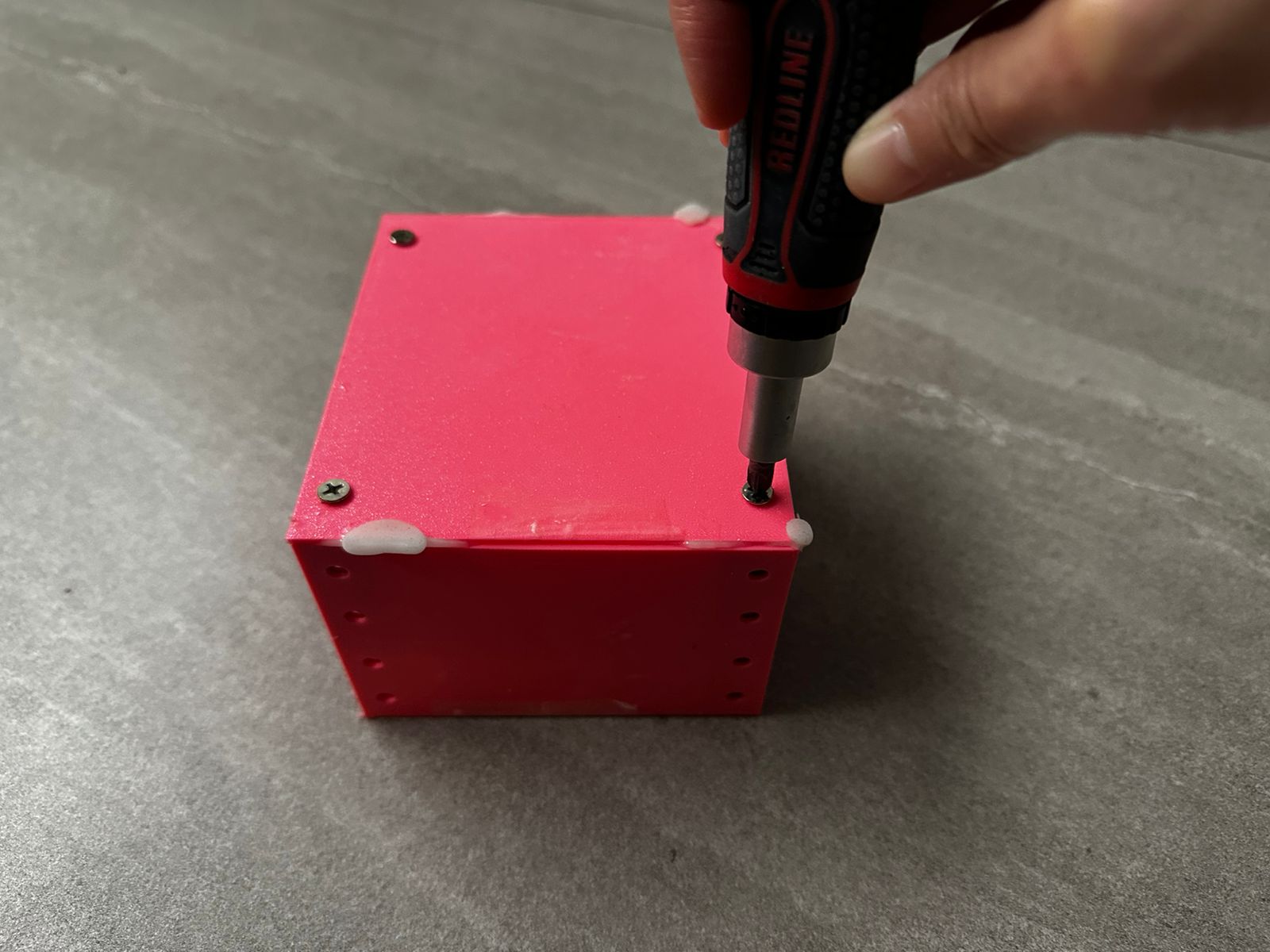
Closing the mold
Camera 2
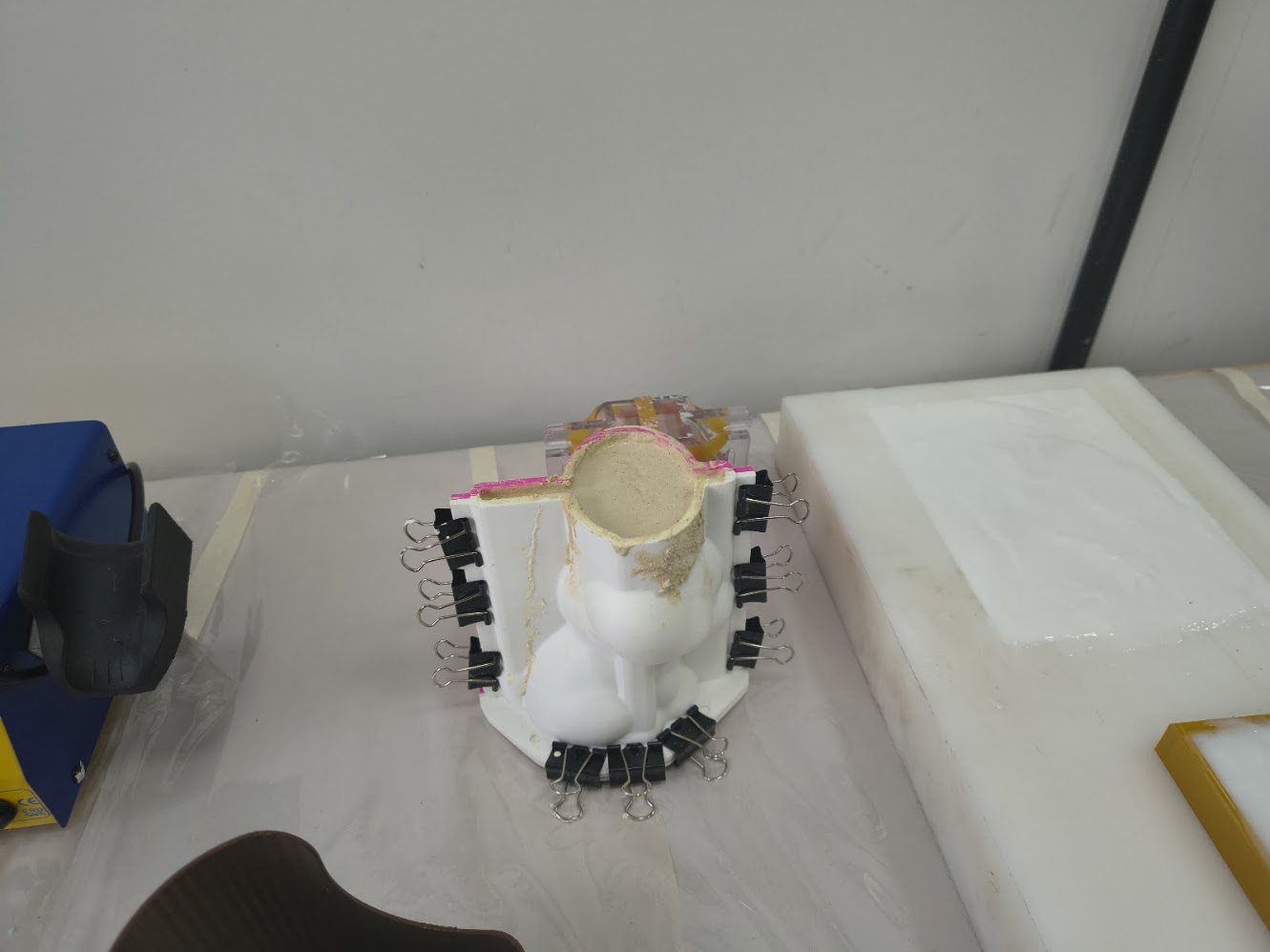
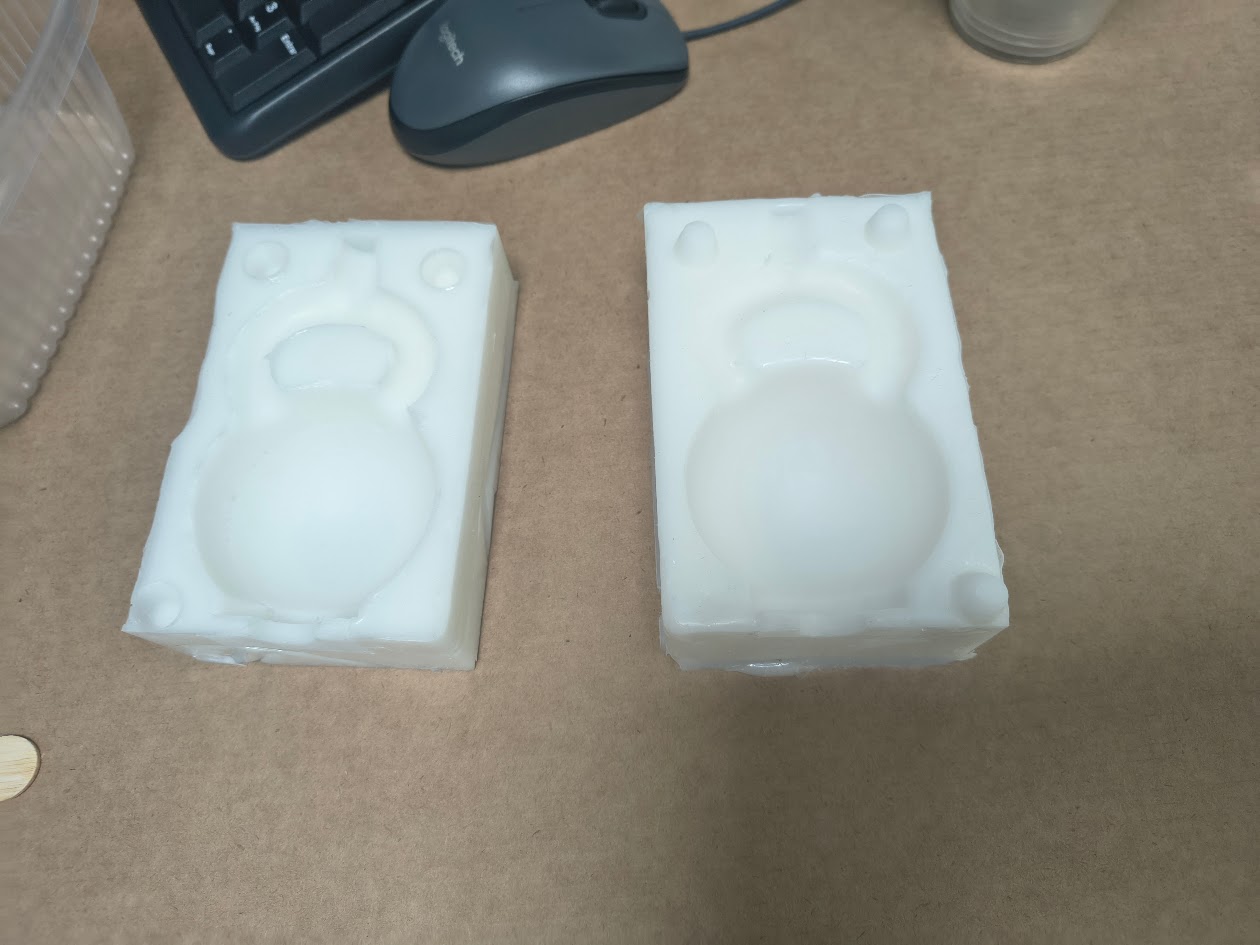
Silicone mold - two parts
Camera 2
Closing the mold with masking tape
Camera 2
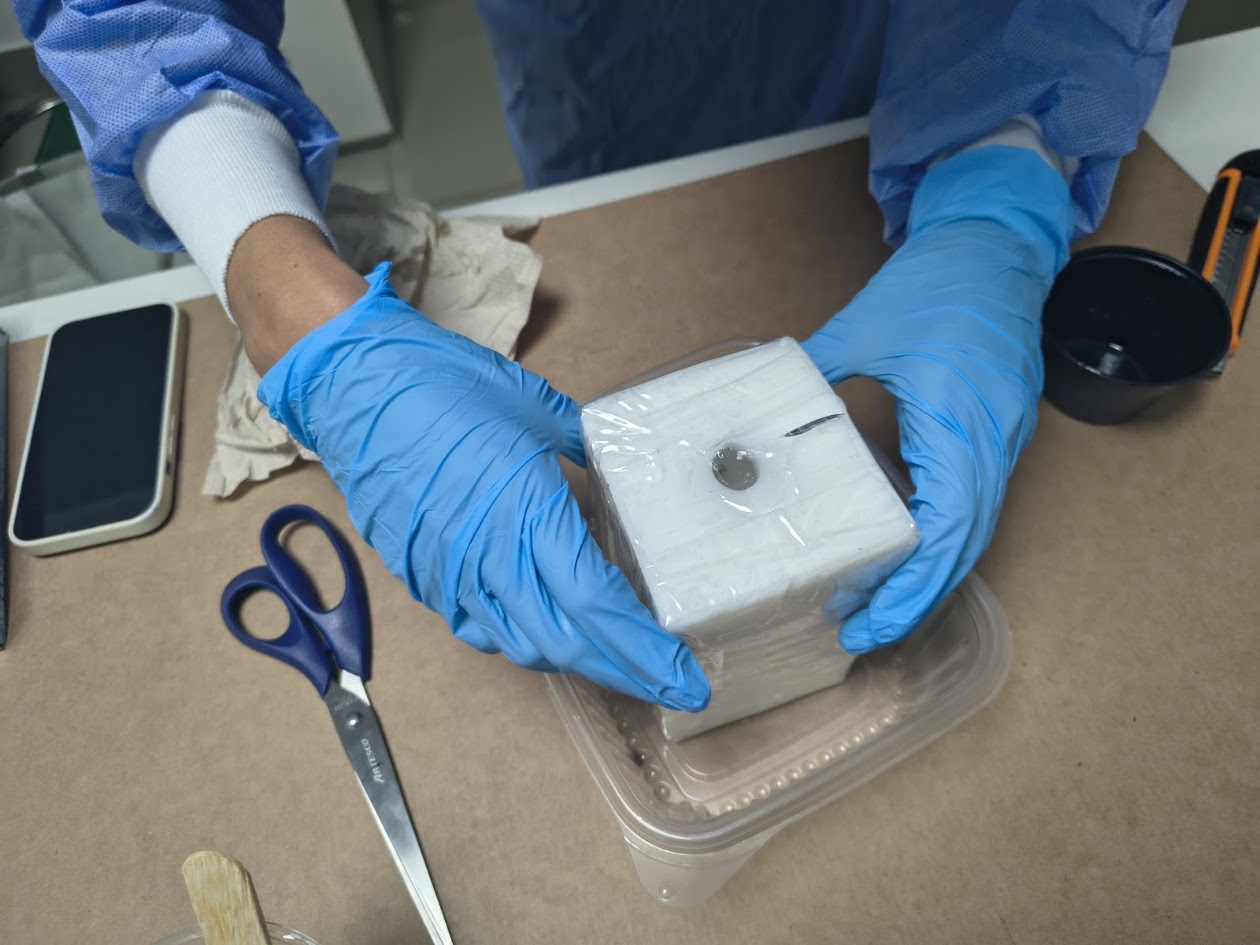
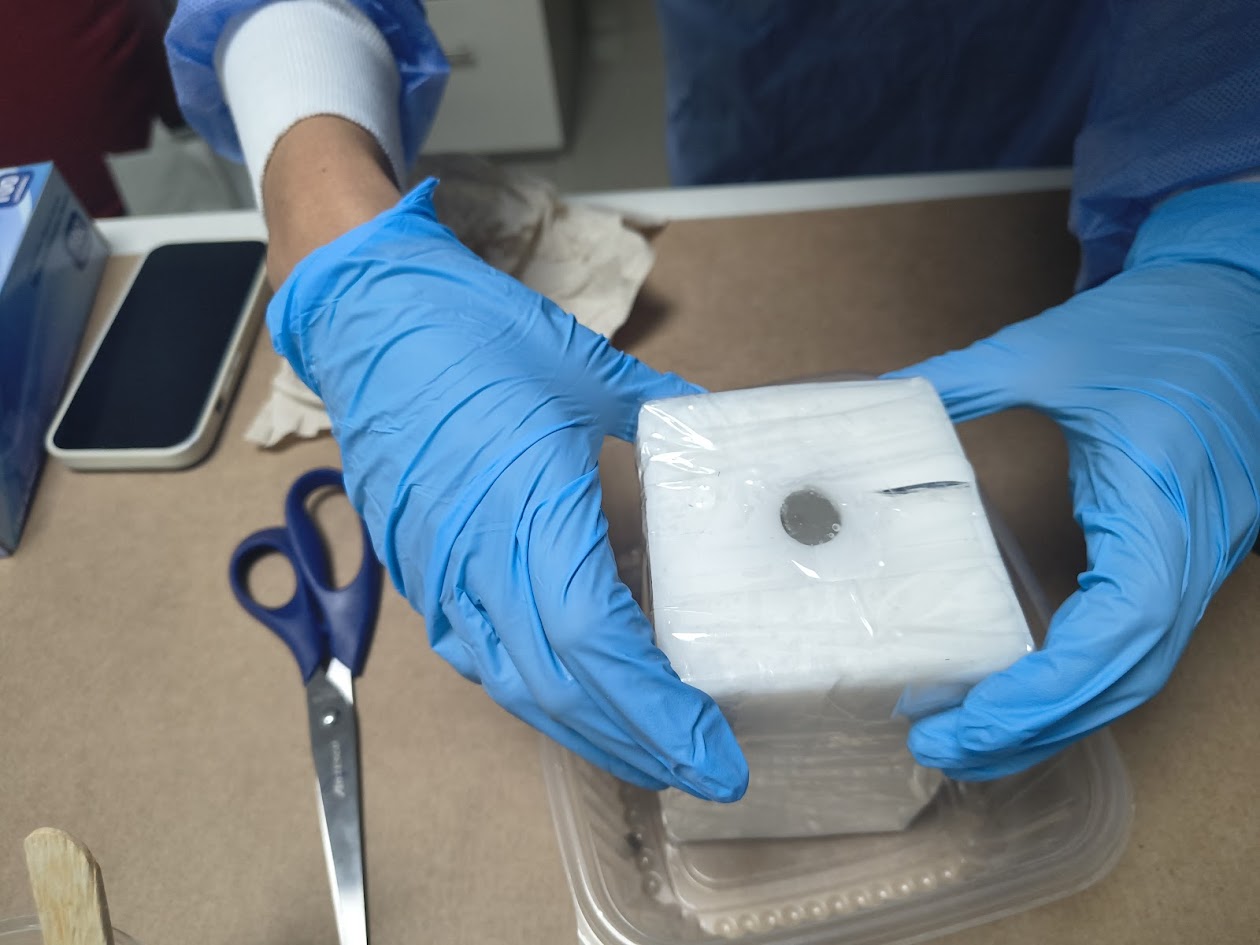
Hole in the mold
Camera 2
Epoxy resin - 1 cup
Camera 2
Catalyst - 1/5 cup - 20%
Camera 2
Mixing Epoxy resin and Catalyst 1.2 cups
Camera 2
Filling the mold
Camera 2
Filling the mold
Camera 2
Review the mix in the mold
Camera 2
Review the mix in the mold
Camera 2
Reducing air bubbles in the mix
Camera 2
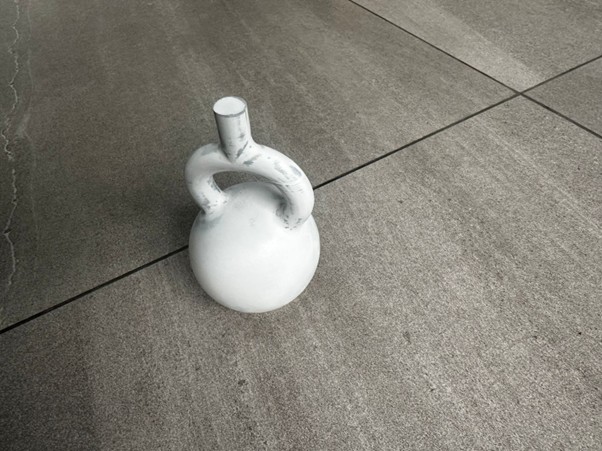
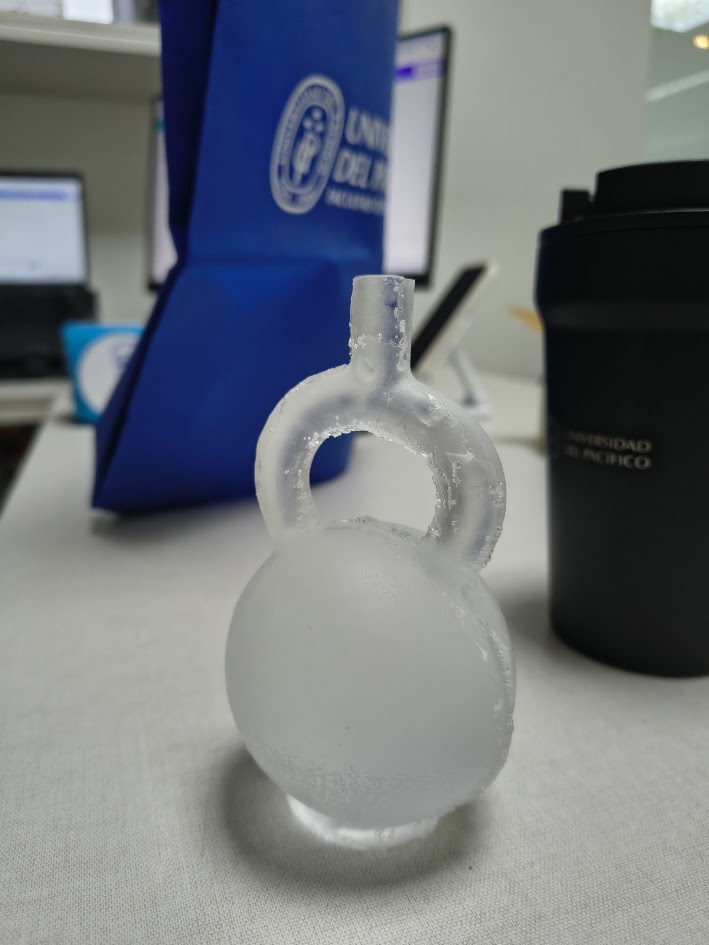
Product before sanding
Camera 2
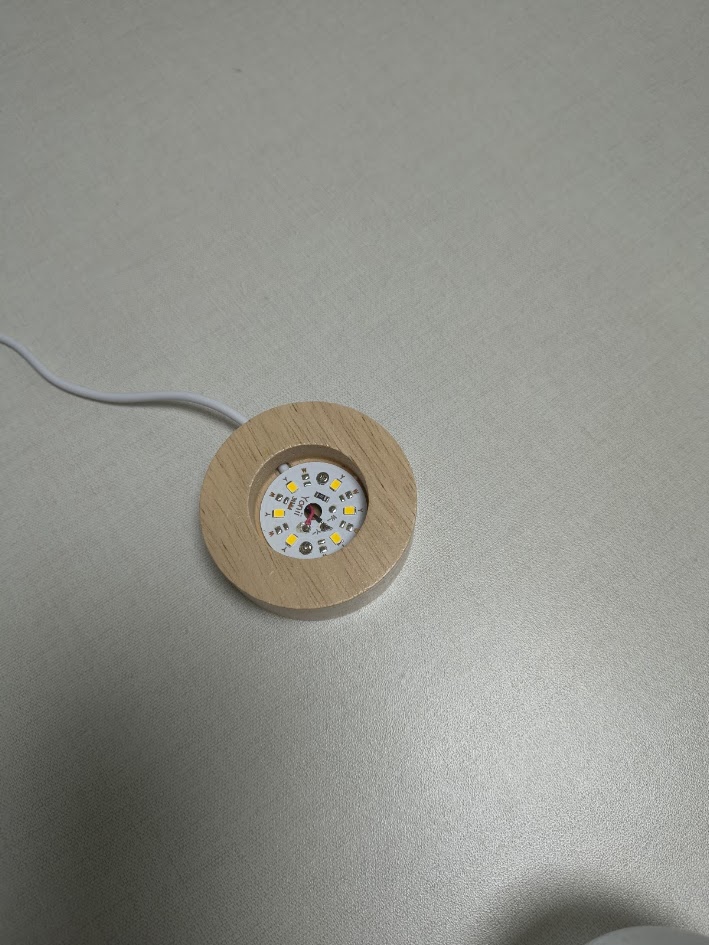
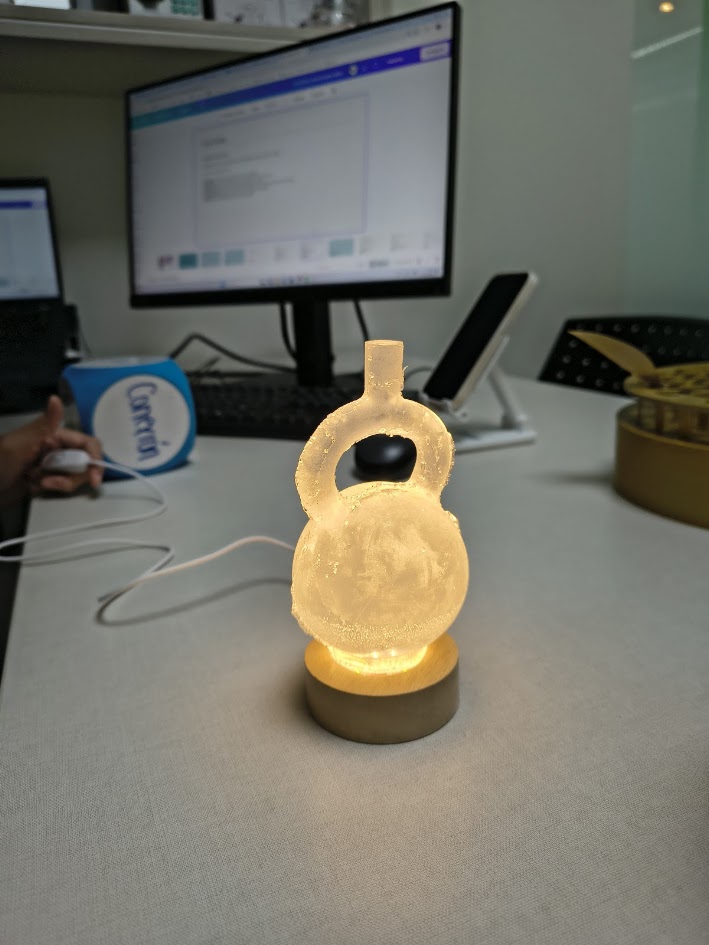
Base with light
Camera 2
Final product presentation
Video demonstration

4) Additional individual assigment

Comments

- More details about materials

- Add usage, hazard, safety information

- Compare materials


Material data

Epoxy resin
- Use: Casting rigid final part inside silicone mold (the "huaco" piece)
- Mix ratio: 1 cup resin : ⅕ cup catalyst — approx. 80:20 by volume
- Pot life: ~20–30 min — pour immediately after mixing
- Full cure: 24–48 h at room temperature
- Reaction: Exothermic — mixture heats during curing. Normal if mild.
- Origin: Synthetic, petroleum-based
- Biodegradable: No
- Hazards: Skin sensitizer with repeat exposure; eye irritant; VOC vapors during cure
- PPE: Nitrile gloves (not latex), safety glasses, ventilated workspace or organic vapor respirator
- Disposal: Allow to cure fully, then dispose as solid waste. Never pour uncured resin down the drain.

Silicone + catalyst
- Use: Making the flexible mold around the 3D-printed master piece
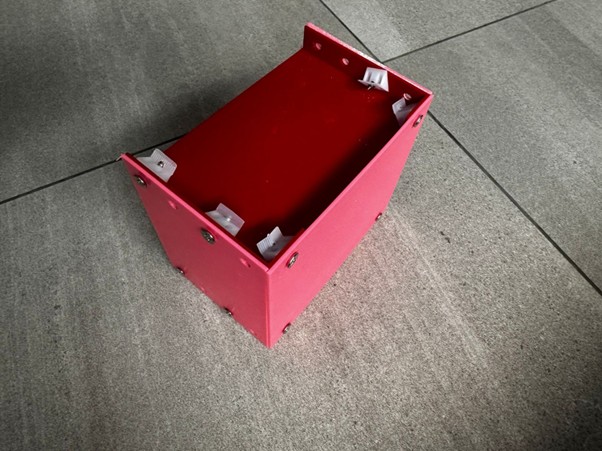
- Mix ratio: 100 g silicone : 2 g catalyst — exactly 2% by weight
- Pot life: ~30–60 min (temperature-dependent)
- Full cure:4–8 h at room temperature
- Type: Tin-cure (condensation silicone) — not platinum-cure
- Origin: Synthetic
- Biodegradable: No
- Hazards: Low overall toxicity. Tin-based catalyst may irritate skin and eyes on contact.
- PPE: Nitrile gloves, eye protection
- Disposal: Allow uncured silicone to cure fully in container before disposal as solid waste

Aerosol primer
- Use: Fills FDM layer lines on 3D-printed master before silicone is poured
- Type used:General-purpose aerosol primer — Sodimac (grey)
- Process: Apply coat → sand #360 wet → reapply → sand #1000 wet until smooth
- Why it matters: Smooth master = smooth mold interior = smooth final cast. Layer lines transfer directly into silicone if untreated.
- Dry time: ~1 h per coat before sanding
- Biodegradable:No
- Hazards: Flammable aerosol; VOC fumes; irritant to skin, eyes, and respiratory tract
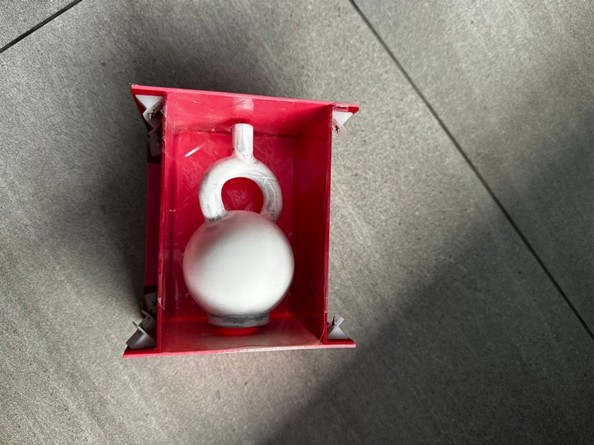
- PPE: Organic vapor respirator, gloves, eye protection. Apply outdoors or under ventilation only.
- Disposal: Fully empty aerosol can before disposal. Do not puncture or incinerate.

Glycerine
- Use: Casting transparent glycerine soap pieces in silicone molds
- Cast temp: 60–70 °C (liquid state) — must be poured while hot
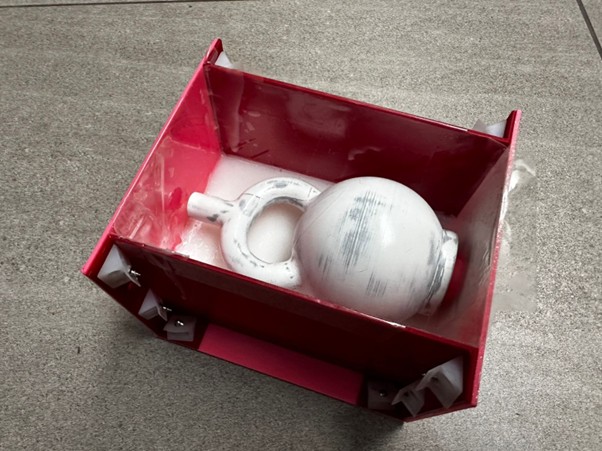
- Set time: 10–15 min (cools to solid at room temperature)
- Properties: Translucent, smooth surface, absorbs moisture from air over time
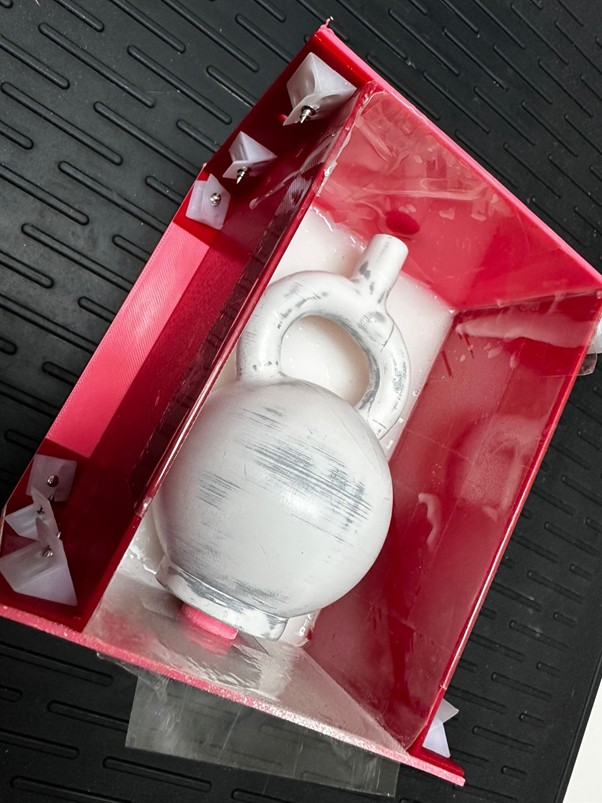
- Origin: Natural — plant-derived, byproduct of soap making
- Biodegradable: Yes
- Hazards: Burn risk from hot liquid. Overheating above ~180°C releases acrolein vapor (irritant).
- PPE: Heat-resistant gloves, ventilation, thermometer to monitor temperature
- Disposal: Water-soluble and biodegradable — safe for drain disposal in small quantities

Plasticine
- Use: Builds parting wall between mold halves; seals master base against silicone leakage
- Does it cure?: No — oil/wax-based clay. Stays plastic and reusable at room temp.
- Key risk: Sulfur compounds in some plasticines inhibit platinum-cure silicones → permanently tacky surface. Test before use.
- Compatibility: Safe with tin-cure (condensation) silicone used in this project. Verify if switching silicone type.
- Test method: Press small piece against cured silicone test batch. If contact surface remains sticky → incompatible.
- Biodegradable: Partial
- Hazards: Generally non-toxic. Some pigments may cause mild skin irritation with prolonged contact.
- PPE: Wash hands after use. Keep away from food surfaces.

Safety protocols

Hazards, PPE used & disposal

Epoxy resin — high attention required
Uncured epoxy is a skin sensitizer — repeated exposure without protection can cause a permanent allergic reaction that worsens with future exposure. Always use nitrile gloves (not latex, which is permeable to epoxy). Eye protection is mandatory. The curing reaction is exothermic — if the cup becomes very hot, thin the pour or work in smaller batches. Work in a ventilated space or use an organic vapor respirator. Never dispose of uncured resin down the drain — allow it to cure fully in the container before placing in solid waste.

Silicone + catalyst - check compatibility first
The tin-based catalyst used at 2% can irritate skin and eyes on direct contact — gloves and eye protection are required. More critically: verify silicone type before combining with plasticine or other materials. Sulfur-containing materials (including some plasticines and natural latex) inhibit platinum-cure silicones, leaving the surface permanently sticky. This project uses tin-cure (condensation) silicone, which is not affected. If switching to platinum silicone, re-test all tooling materials for compatibility.

Aerosol primer - flammable & VOC risk
Aerosol primers are flammable pressurized containers and release volatile organic compounds (VOCs) during application. Apply exclusively outdoors or under strong mechanical ventilation — a standard dust mask is not sufficient. Use a respirator rated for organic vapors. Keep away from open flames, sparks, and heat sources. Do not spray near eyes. After use, fully empty the can before disposal — do not puncture or incinerate even if it appears empty.

Glycerine — burn risk from heat
Hot glycerine (60–70°C) causes serious contact burns. Use heat-resistant gloves when handling and pouring. Use a thermometer — do not estimate temperature by touch. Do not overheat: above ~180°C glycerine decomposes and releases acrolein, a toxic and irritating vapor. If overheating occurs, move away from fumes immediately and ventilate the area. Work near an open window or under extraction.

Plasticine — low risk, one key check
Plasticine is generally non-toxic and requires minimal PPE. Wash hands after prolonged handling. The single critical consideration is sulfur content and silicone compatibility — described above. Keep away from food preparation surfaces. Some plasticine pigments (especially reds and yellows) may cause mild skin irritation on extended contact. Reusable indefinitely — no disposal concern.


First aid reference

- Skin contact (resin/catalyst/primer): Wash immediately with soap and water for at least 15 minutes. Do not use solvents on skin
- Eye contact (any chemical): Rinse with clean water continuously for 15 minutes. Seek medical attention if irritation persists
- Hot glycerine burn: Cool immediately under running cold water for at least 10 minutes. Do not apply ice. Seek medical attention for burns larger than the palm
- Inhalation (primer/resin vapors): Move to fresh air immediately. If symptoms persist (dizziness, throat irritation), seek medical attention.

PPE - Personal Protective Equipment
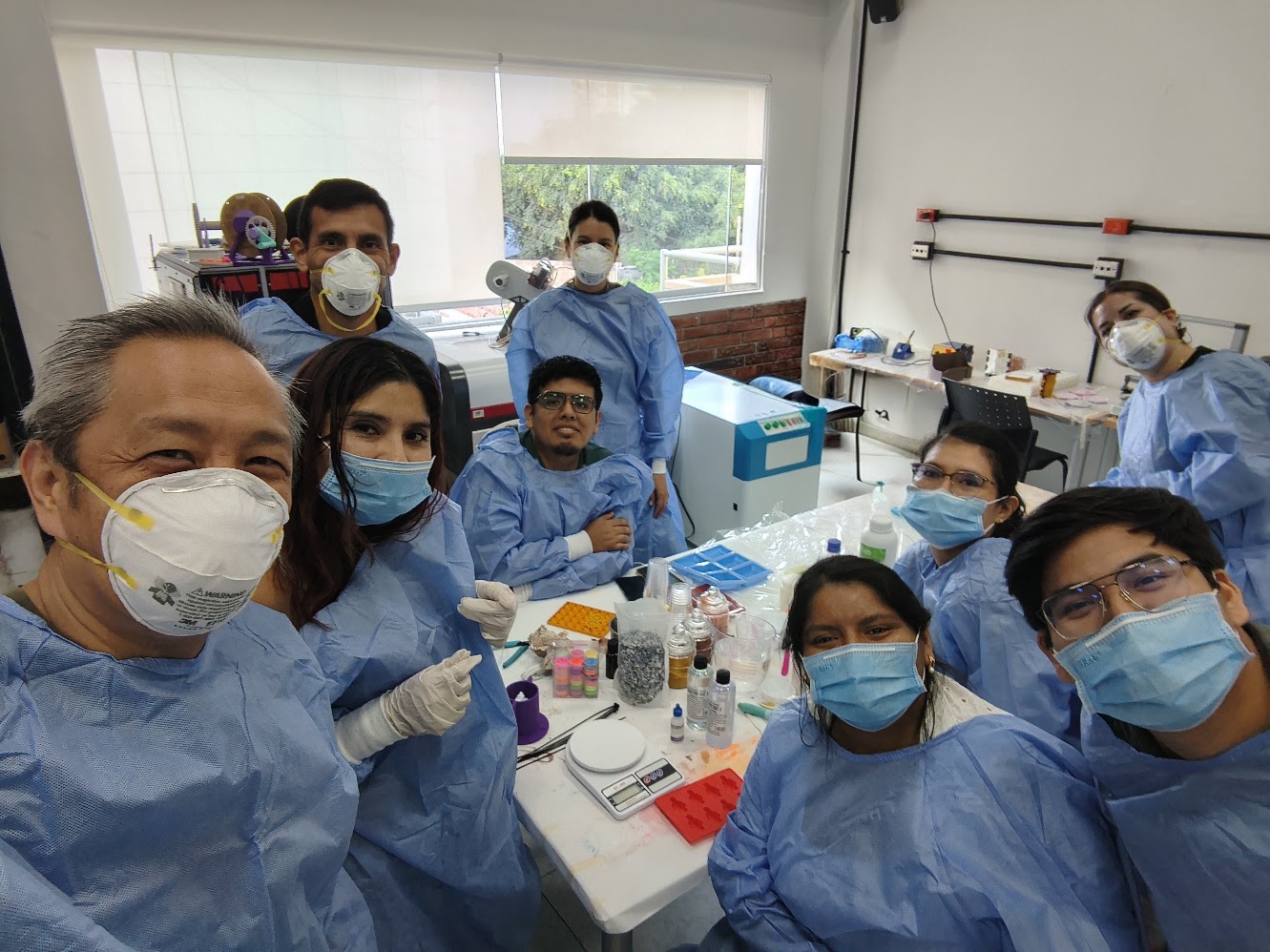
- Nitrile gloves
- Safety glasses
- Mask
- Apron
- Ventilated workspace at all times
- Thermometer

Camera 1
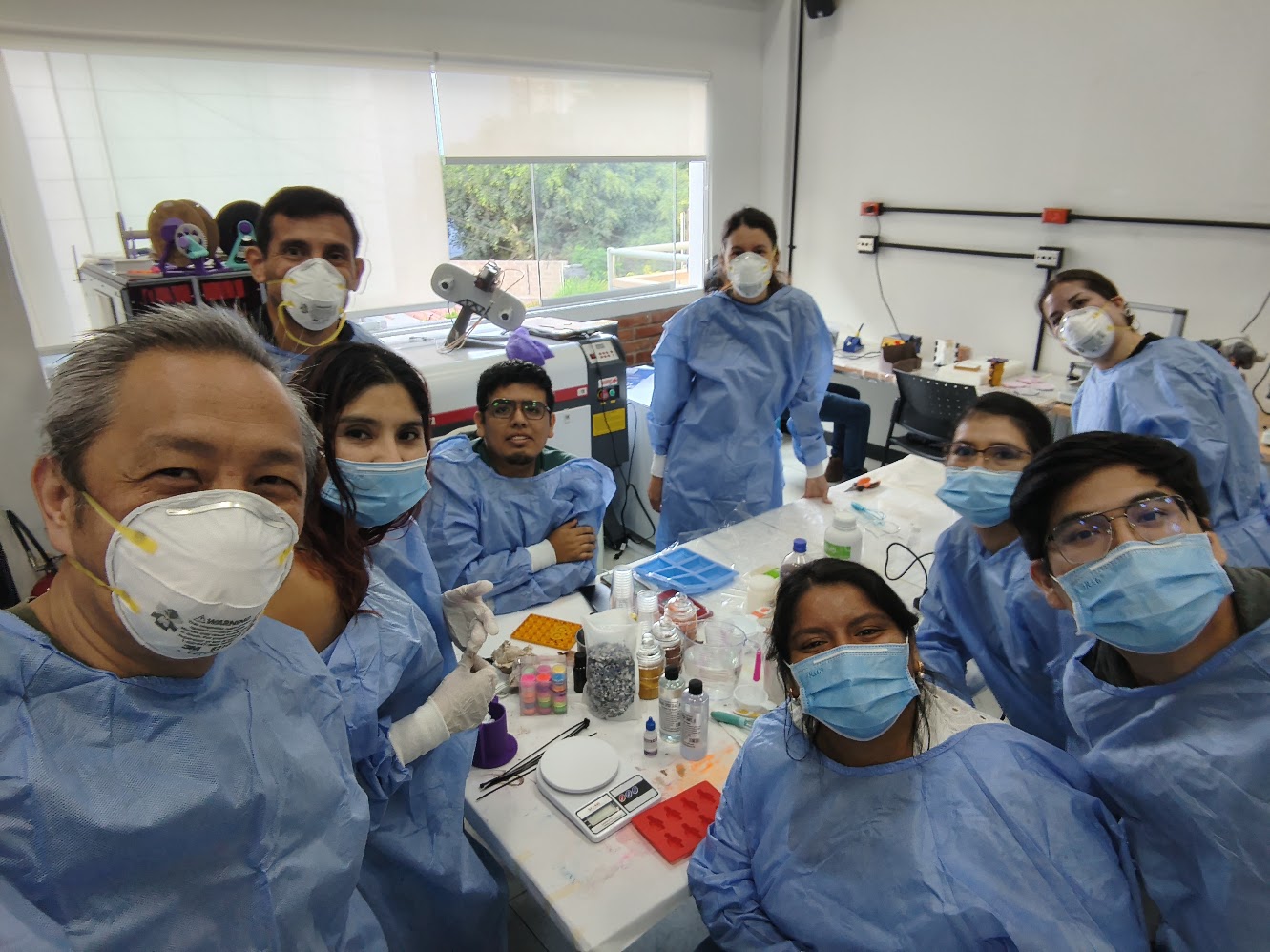
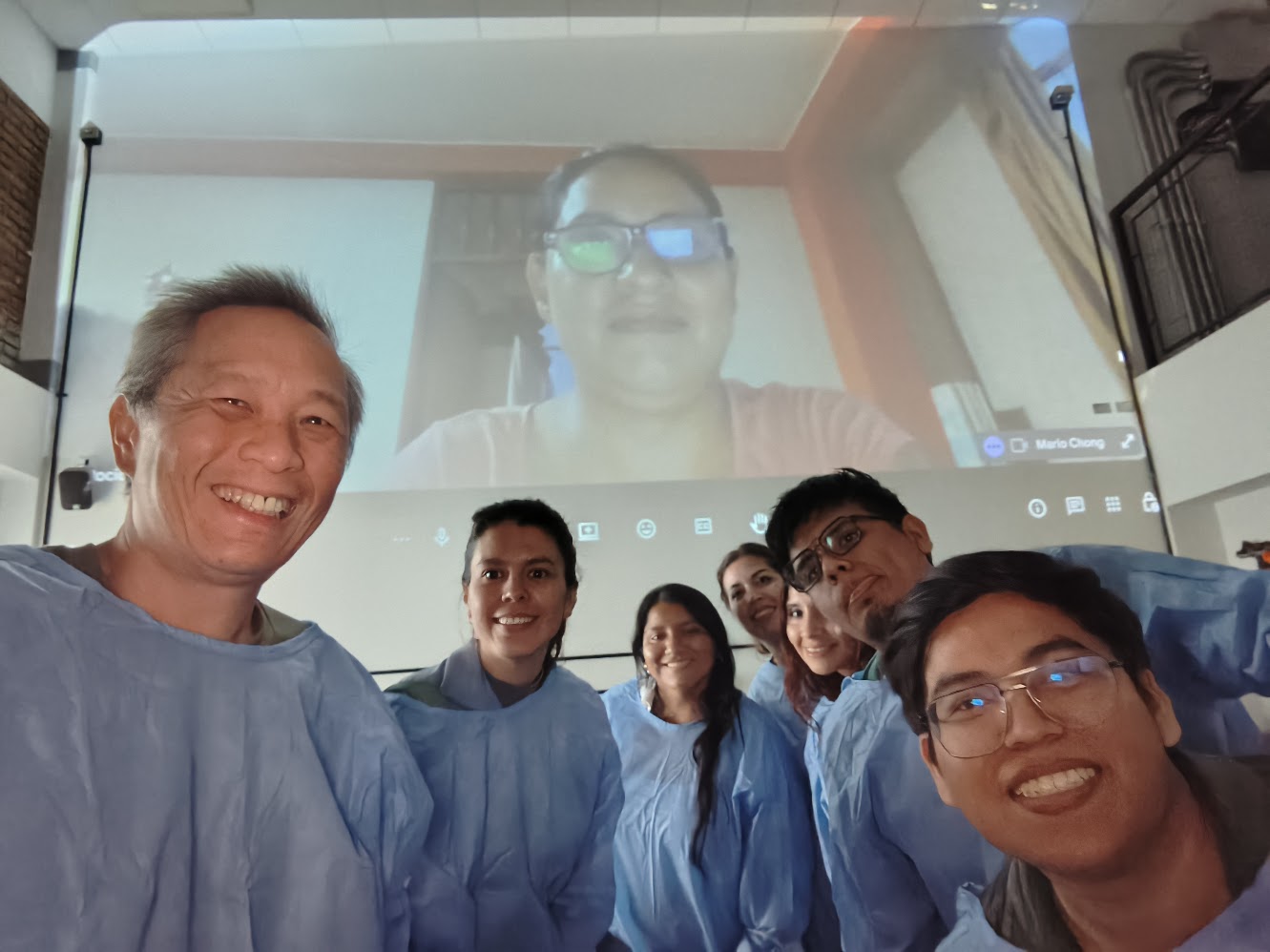
Group with some PPE

5) Final project advances

Devices

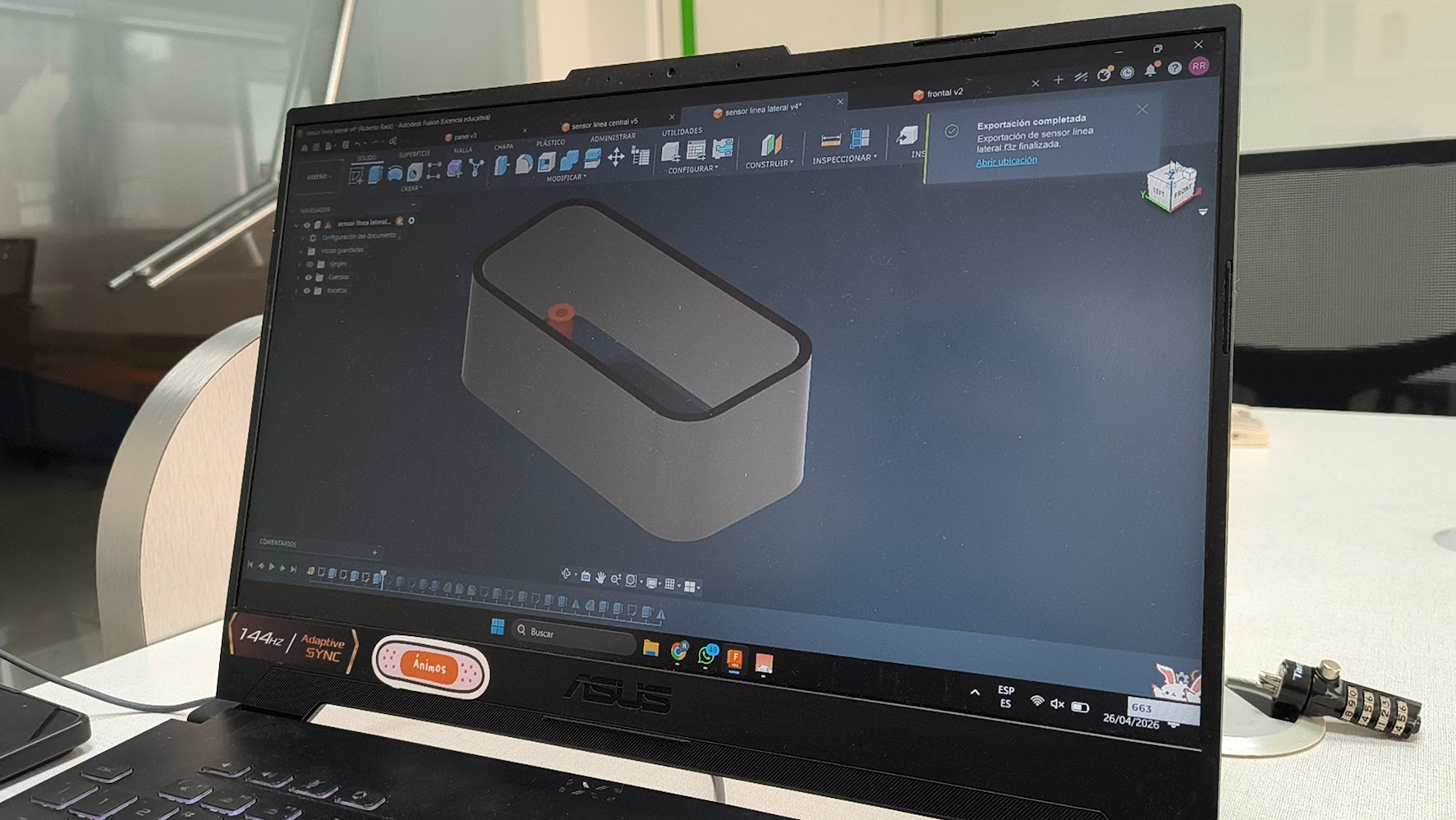
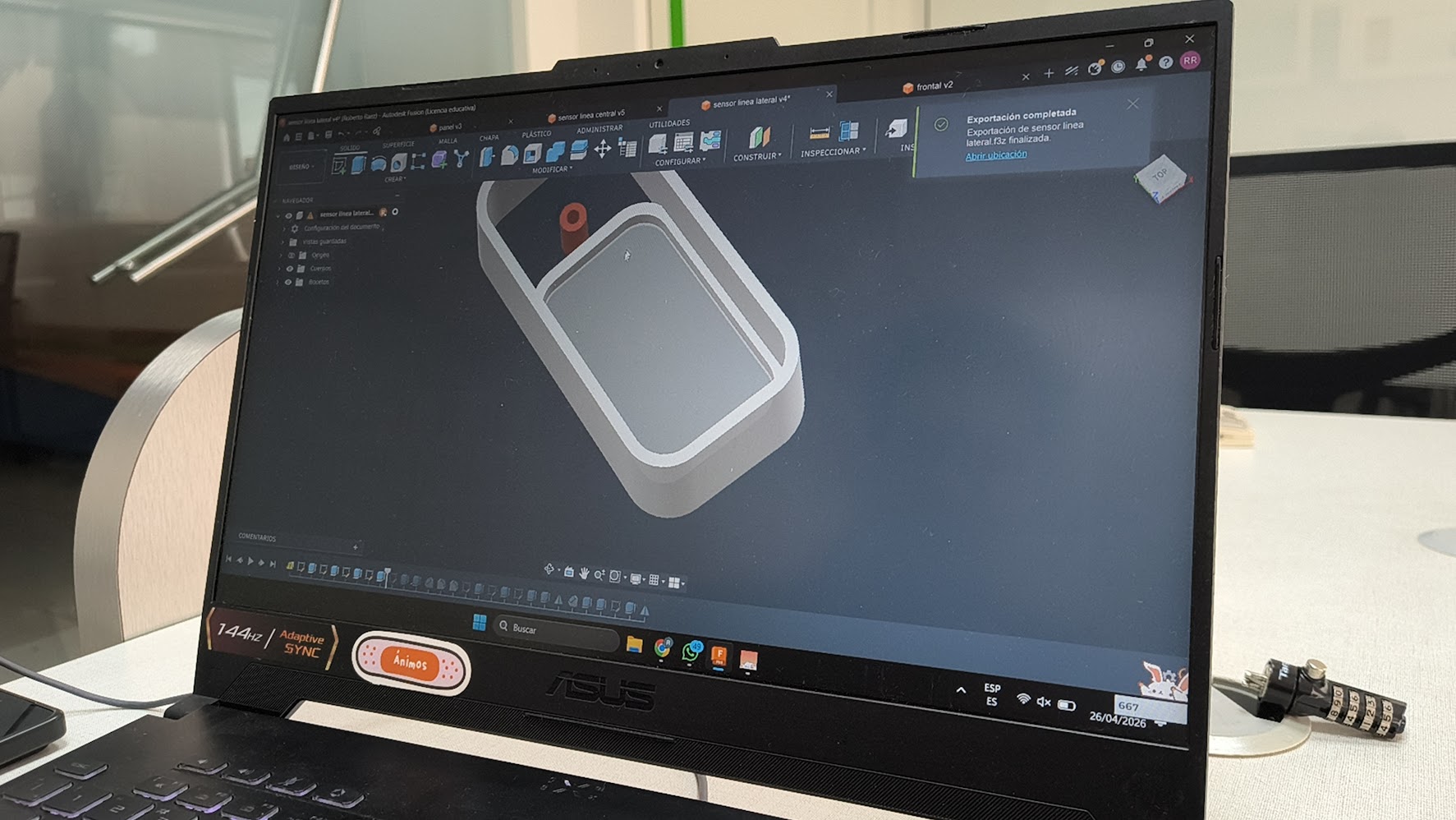
Design sharp body box

Considering sharp dimensions

Transparent material - acrilic windows

Water proof box

Considering different designs and water and pressure resistance materials
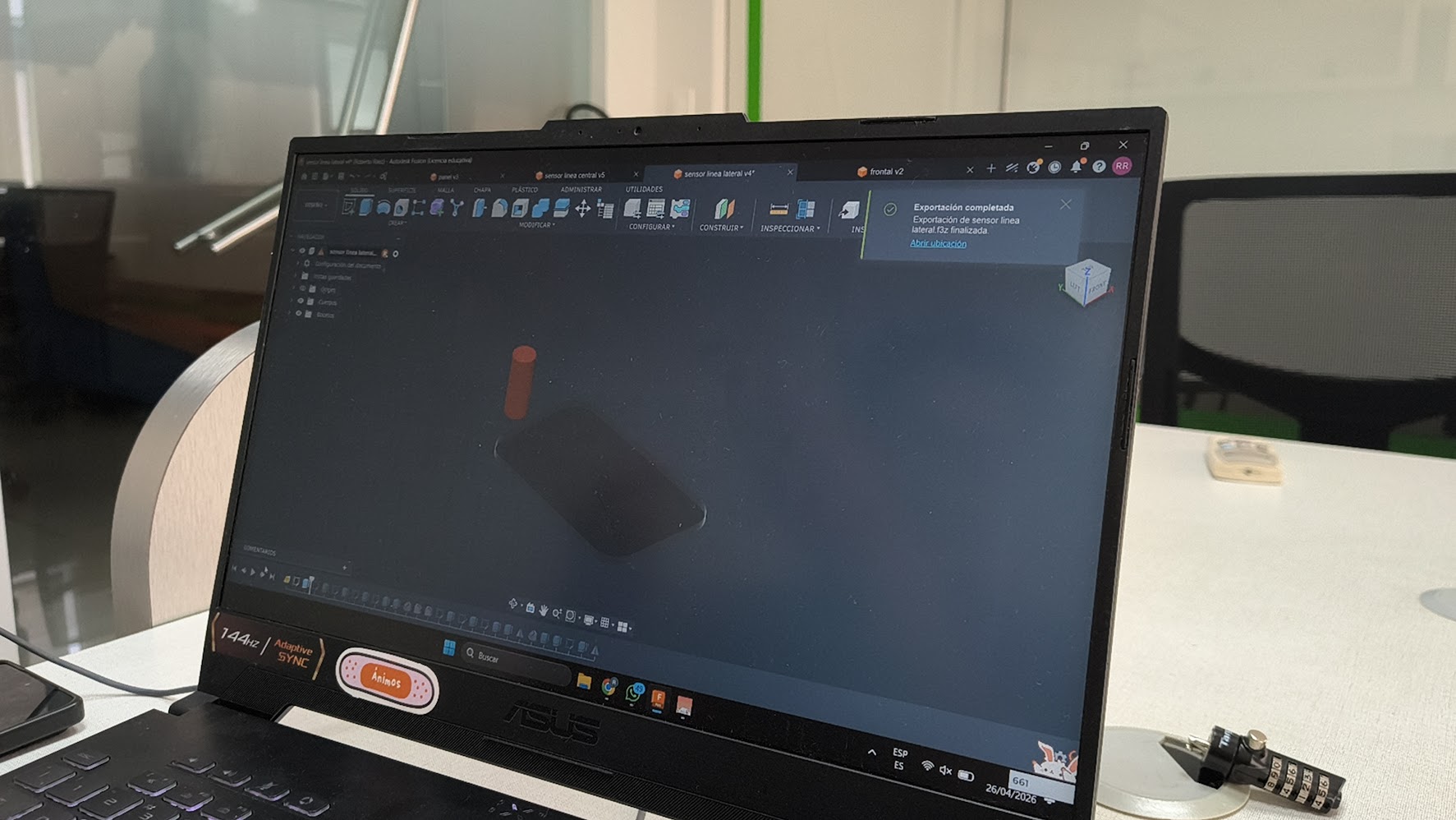
Camera 1
Body box and spaces for wires and screws
Camera 2
Box view
Camera 1
Box view. Sharp space and acrilic window
Camera 2
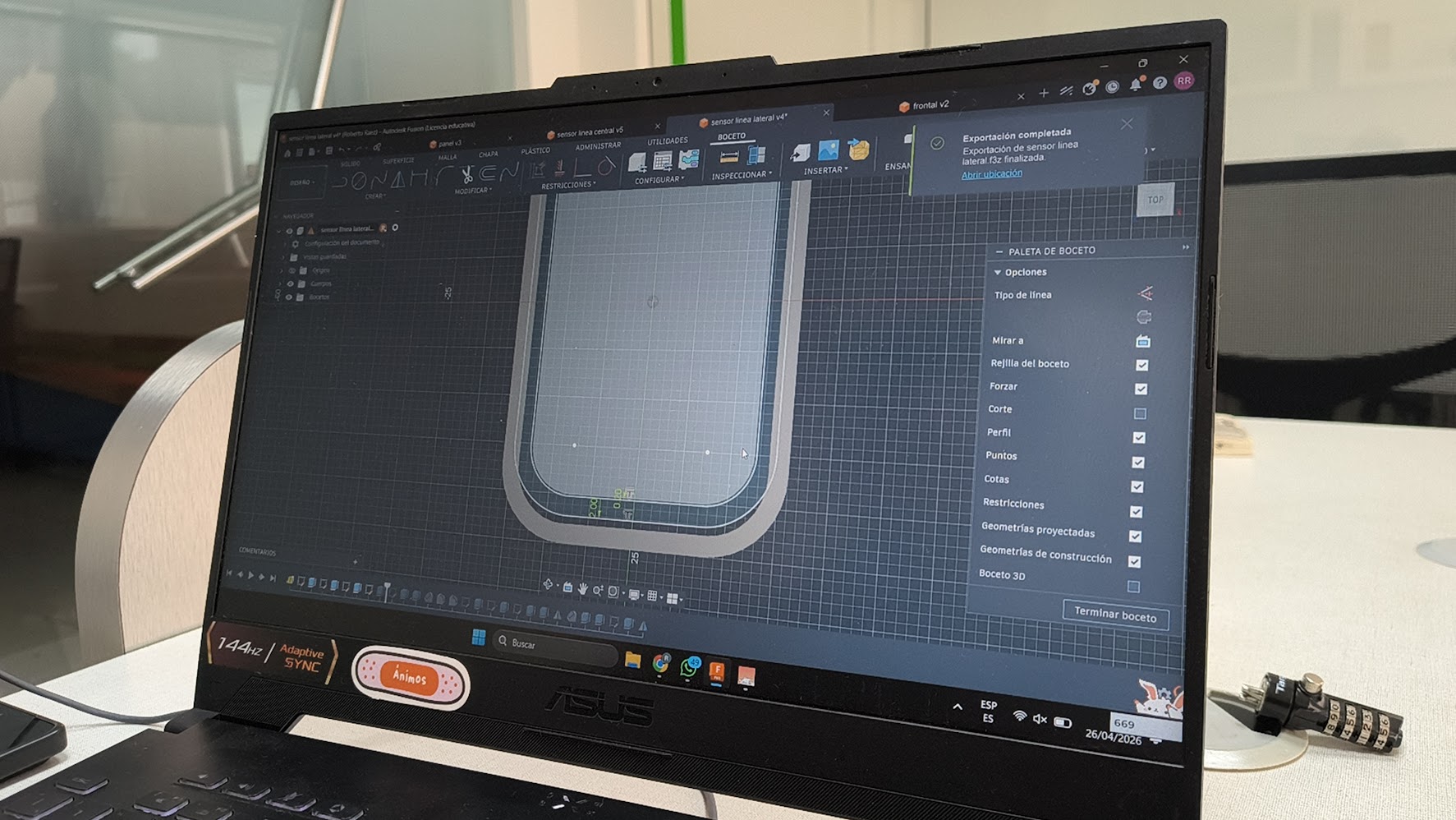
Box tolerance and hermetic seal space
Camera 1
Hermetic seal tolerance
Camera 2
Battery space
Final project page

6) Final results

  • Linked to the group assignment page and reflected on your individual page what you have learned
  • Review the safety data sheets for each of your molding and casting materials, then made and compared test casts with each of them
  • Documented how you designed and created your 3D mold, including machine settings
  • Ensure your mold has smooth surfaces finish, that does not show the production process (by postprocessing if necessary)
  • Shown how you safely made your mold and cast the parts
  • Described problems and how you fixed them
  • Include your design files and hero shot of the mold and the final object

7) References files

We learn how to molding & casting materials, including design and create my own 3D mold

Sections