Molding and Casting
Week 14
- Review the safety data sheets for each molding and casting material.
- Make and compare test casts with each material.
- Compare printed molds and milled molds.
MATERIALS
Only three materials were documented in detail — Mold Max 60 for molding, and DryStone Casting Media and Hydro-Stone Super X for casting — because these were the only materials for which complete technical datasheets and photos were available. The other casting/molding materials available at the lab were acquired locally and do not have accompanying technical documentation.Molding Materials
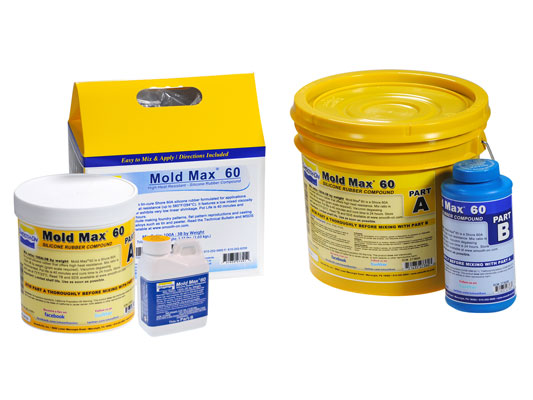
Mold Max 60 (Silicone rubber used to make flexible, reusable molds)
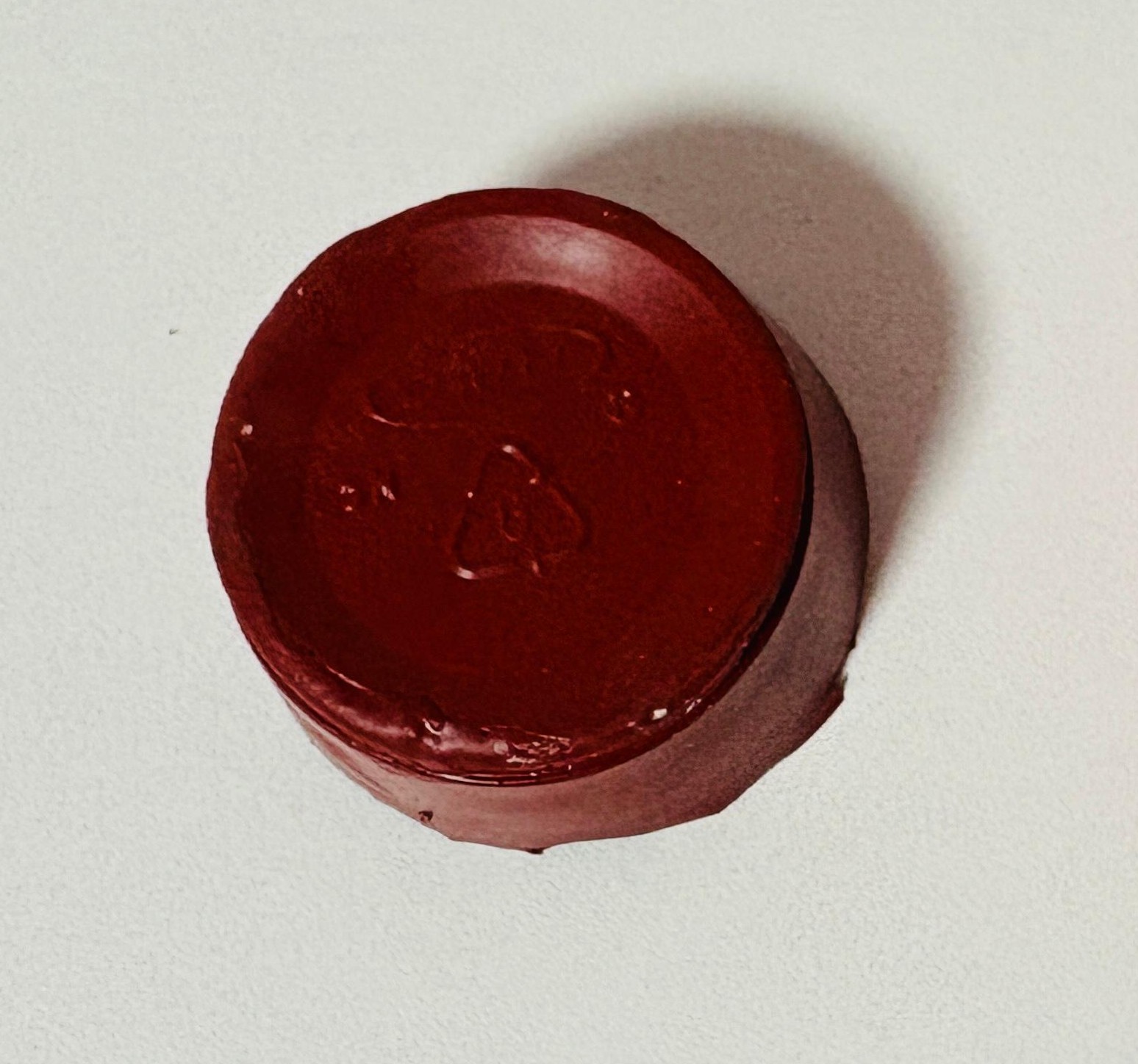
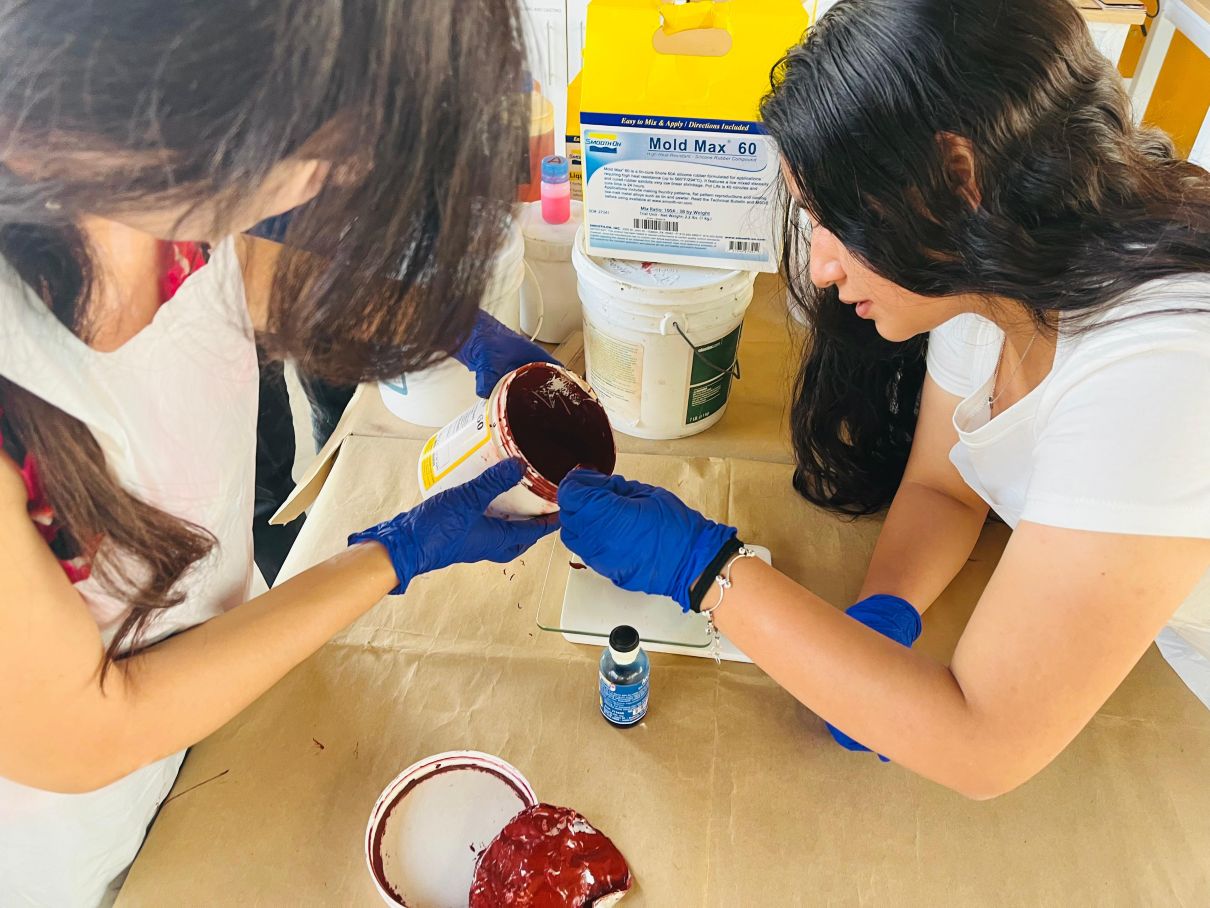
Mold Max 60 is a Shore 60A tin-catalyzed silicone mold rubber formulated for applications requiring high heat resistance, up to 294 °C. It has a low mixed viscosity, and the cured rubber shows very low linear shrinkage. Parts A and B are mixed at a ratio of 100A:3B by weight. Its pot life is 40 minutes, and its cure time is 24 hours. Typical applications include foundry patterns, flat pattern reproductions, and casting low-melting metal alloys such as tin and pewter.
Safety
| Safety aspect | Description |
|---|---|
| Hazard classification | Not classified as hazardous under normal use conditions |
| Inhalation risk | No significant risk expected in normal conditions |
| Skin contact | Wash with water and neutral soap if contact occurs |
| Eye contact | Rinse with water for at least 15 minutes and seek medical advice |
| Ingestion | Seek immediate medical assistance |
| Fire behaviour | Non-flammable under normal conditions |
| Protective equipment | Basic PPE recommended (gloves, eye protection) |
| Environmental precautions | Avoid release into drains or environment |
| Handling recommendations | Work in clean, ventilated area and avoid contamination |
| Storage conditions | Keep away from heat, ignition sources, and food |
Datasheet: Mold Max 60 Safety Data Sheet
Casting Materials
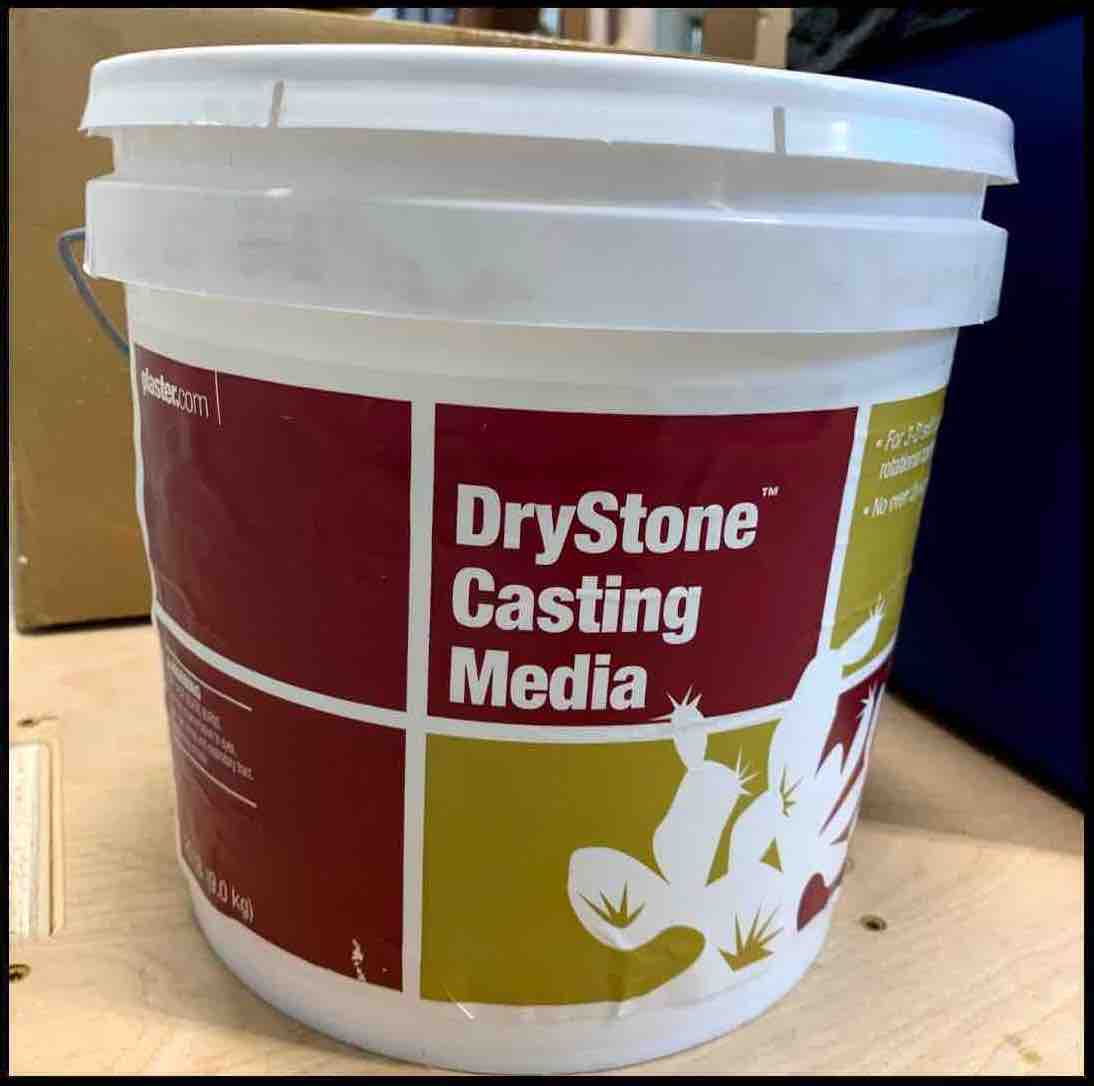
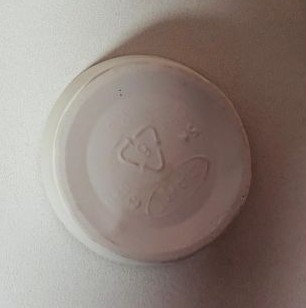
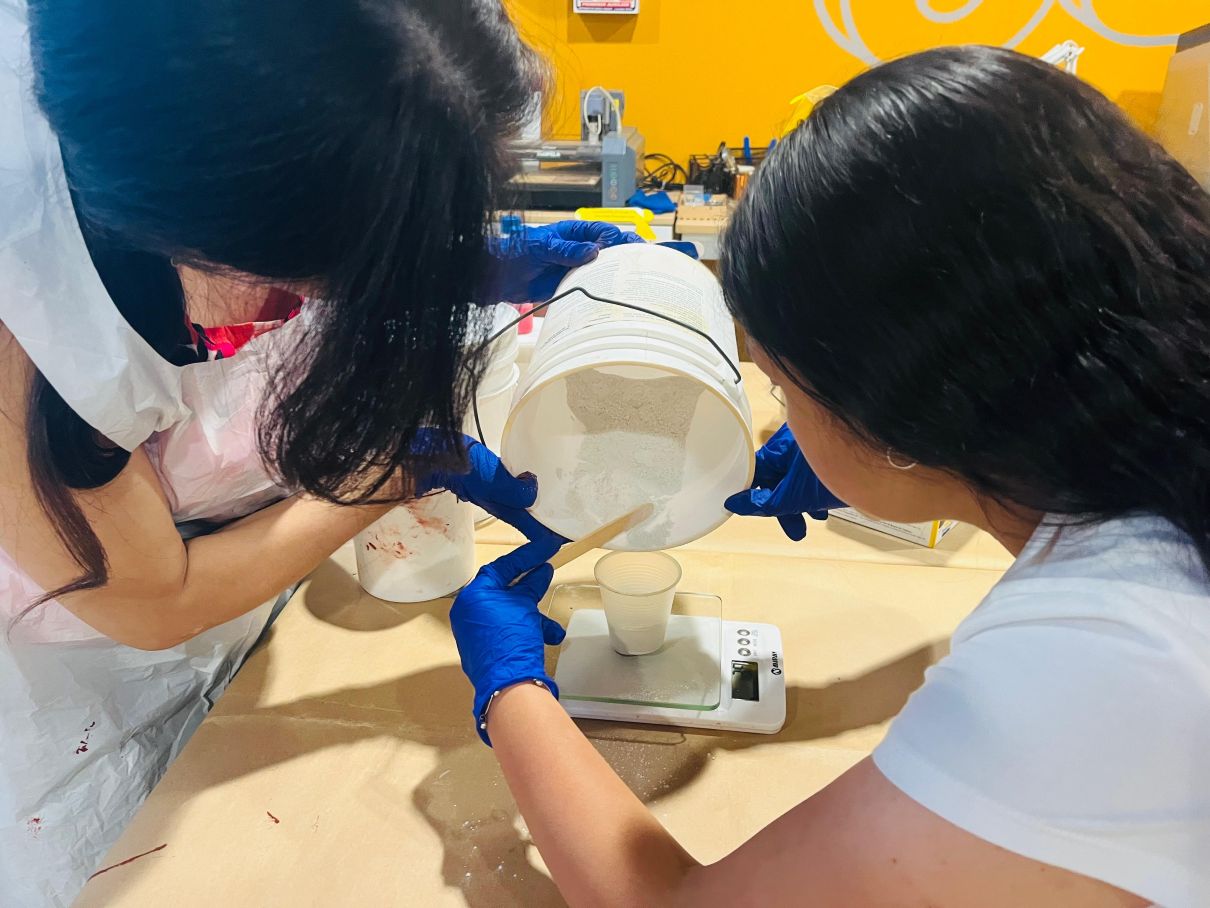
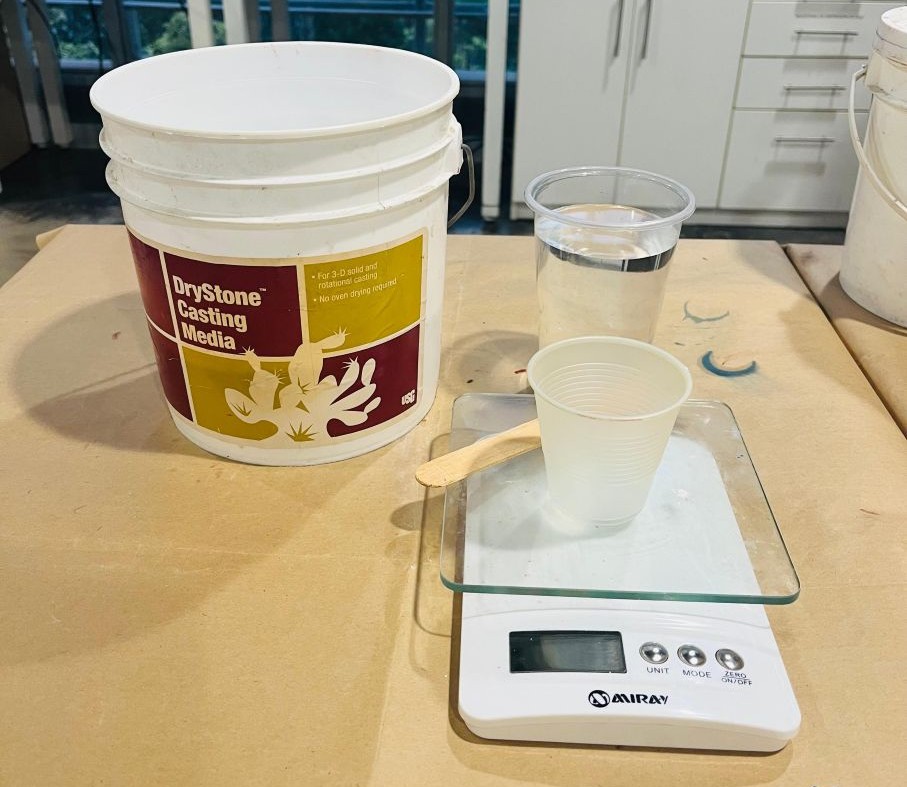
DryStone Casting Media (Casting medium for decorative and functional solid pieces)
DryStone Casting Media is designed for the fabrication of solid cast pieces for interior use. Since it does not require a long drying process, it can be cast, painted, packaged, and shipped in a single day. Placing the cast piece in front of a fan can produce a finished part in around two hours, and it can normally be decorated with paint approximately 2 to 4 hours after setting.
Safety
| Safety Aspect | Recommendation |
|---|---|
| Dust Inhalation | Wear a NIOSH-approved dust mask or respirator (N95/P2 or better) when handling dry powder. Avoid generating airborne dust. |
| Eye Protection | Wear safety glasses or chemical splash goggles to prevent dust or splashes from entering the eyes. |
| Skin Contact | Use nitrile or latex gloves when mixing. Wash skin thoroughly with soap and water after handling. |
| Ventilation | Work in a well-ventilated area or use local exhaust ventilation to minimize dust exposure. |
| Mixing Procedure | Add powder slowly to water to reduce dust generation. Do not mix aggressively. |
| Ingestion | Do not eat, drink, or smoke while handling the material. Wash hands before meals. |
| Storage | Store in a cool, dry place in a tightly sealed container to prevent moisture absorption. |
| Cleanup | Clean spills using a vacuum equipped with a HEPA filter or by wet cleaning. Avoid dry sweeping. |
| Waste Disposal | Allow unused mixed material to fully cure before disposal. Dispose of waste according to local regulations. Do not pour excess material into drains. |
| First Aid | If inhaled, move to fresh air. In case of eye contact, rinse with clean water for at least 15 minutes. If skin irritation occurs, wash with soap and water and seek medical advice if symptoms persist. |
Datasheet: DryStone Casting Media Safety Data Sheet
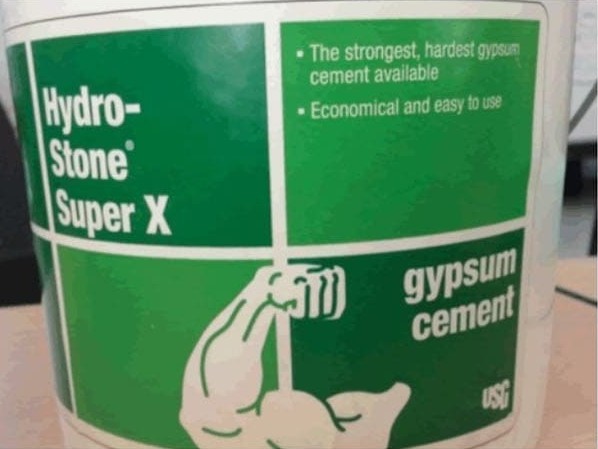
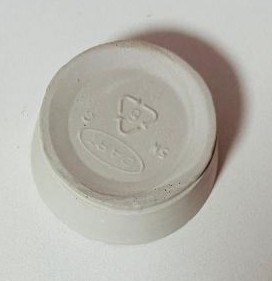
Hydro-Stone Super X (High-strength gypsum cement used for architectural and solid cast pieces)
Hydro-Stone Super X Gypsum Cement is used to manufacture solid cast architectural pieces, art novelty objects, and statuary products. It is extremely hard, has high compressive strength, and provides high water absorption resistance while reproducing very fine details.
Safety
| Safety Aspect | Recommendation |
|---|---|
| Dust Inhalation | Wear a NIOSH-approved dust mask or respirator (N95/P2 or better) when handling the dry powder. Minimize airborne dust generation. |
| Eye Protection | Wear safety glasses or chemical splash goggles to protect against dust and splashes during mixing. |
| Skin Contact | Wear protective gloves to avoid prolonged skin contact. Wash exposed skin thoroughly with soap and water after use. |
| Ventilation | Use the material in a well-ventilated area or under local exhaust ventilation to reduce dust exposure. |
| Mixing Procedure | Gradually add the powder to water while stirring gently to minimize dust. Follow the manufacturer's recommended water-to-powder ratio. |
| Heat Generation | Be aware that the material releases heat while curing. Avoid direct skin contact with large curing masses to prevent discomfort or minor burns. |
| Ingestion | Do not eat, drink, or smoke while handling the material. Wash hands before eating or drinking. |
| Storage | Store in a cool, dry location in a sealed container to protect the powder from moisture and contamination. |
| Cleanup | Clean spills with a HEPA-filter vacuum or wet methods. Do not dry sweep, as this may generate respirable dust. |
| Waste Disposal | Allow unused mixed material to fully harden before disposal. Dispose of waste in accordance with local regulations. Do not pour slurry into drains, as it may harden and cause blockages. |
| First Aid | If inhaled, move to fresh air. If dust enters the eyes, flush with clean water for at least 15 minutes. If skin irritation develops, wash with soap and water. Seek medical attention if symptoms persist. |
Datasheet: Hydro-Stone Super X Safety Data Sheet
Material Comparison
| Property | Mold Max 60 | DryStone Casting Media | Hydro-Stone Super X |
|---|---|---|---|
| Material Type | Tin-cure RTV silicone rubber | Modified gypsum cement | High-strength gypsum cement |
| Primary Use | Mold making | Decorative and functional castings | High-strength castings |
| Flexibility | Flexible | Rigid | Rigid |
| Hardness | Shore A 60 | High | Very High |
| Detail Reproduction | Excellent | Excellent | Excellent |
| Compressive Strength | N/A (mold material) | High | Very High |
| Impact Resistance | Excellent (as a mold) | Good | Very Good |
| Heat Resistance | Up to 294 °C (560 °F) | Low | Low |
| Dimensional Stability | Excellent | Very Good | Excellent |
| Reusability (How many castings can be produced from a single mold.) | Hundreds of castings | Single-use casting | Single-use casting |
| Machinability | Not machinable | Yes | Yes (harder to machine) |
| Paintability | Not applicable | Excellent | Excellent |
| Typical Applications | Silicone molds for resin, plaster, wax, and low-melting alloys | Sculptures, decorative objects, prototypes, architectural castings | Master models, tooling, architectural components, durable functional parts |
| Relative Cost | High | Medium | Medium–High |
Printed Molds vs. Milled Molds
| Criterion | Printed Mold | Milled Mold |
|---|---|---|
| Manufacturing process | Produced layer by layer using a 3D printer. | Produced by removing material from a block using CNC milling. |
| Surface finish | May show visible layer lines and may require sanding or post-processing. | Usually produces a smoother and more accurate surface, depending on the tool and machining parameters. |
| Design complexity | Good for complex shapes and internal details. | Better for accessible geometries; limited by tool diameter and milling access. |
| Speed | Fast for small molds and simple prototypes. | Fast for subtractive production once the toolpath is prepared, especially for larger molds. |
| Material options | Depends on the 3D printer material, such as PLA, resin, or other printable polymers. | Can use wax, foam, MDF, machinable board, or other millable materials. |
| Best use | Quick prototypes and molds with complex details. | More precise molds with better finish and stronger mold materials. |
Conclusion
Mold Max 60 was the best option for making reusable flexible molds, especially when heat resistance is required. DryStone Casting Media and Hydro-Stone Super X were better suited for rigid cast pieces. DryStone was easier for decorative or general castings, while Hydro-Stone Super X provided a harder and stronger result for more demanding cast parts.