Final Project Proposal: Vision Voice
The Concept Vision Voice is a wearable assistive device designed to facilitate communication for individuals who are Deaf. Since most people are not fluent in Sign Language, this device translates American Sign Language (ASL) gestures into audible speech and visible text in real time, enabling seamless interaction between users and those unfamiliar with sign language.

## AI Generated Image of Vision Voice.
 *Image generated with Gemini
The "Why"
Communication is a basic human right. Most current solutions use cameras, so the user has to stay in front of a laptop or phone. Vision Voice is a small wearable that works anywhere, letting the user communicate naturally with their hands.

Prior Art & Research What has been done before?
Some similar ideas already exist, which give inspiration and help improve the design:
- SignAloud (University of Washington): Gloves that won the Lemelson-MIT Student Prize. They used flex sensors but needed to be connected to a computer.
- Sign-IO (Roy Allela): A smart glove that connects to a mobile app via Bluetooth.
- Fab Academy Projects: Students have made “Data Gloves” for music or boxing glove.
How my project is different: My glove does all processing on the wrist using the XIAO ESP32-S3. It doesn’t need a phone or laptop, so it works anywhere on its own.
Digital Prototyping & Simulation
Before making the actual glove, I will test the logic and connections using an online circuit simulators.
Tools: I will use Wokwi and tinkercad.
Goal: To check the pins and working of the components.
Benefit: This creates a “Digital Twin” of the project, so I can test and debug the translation code in software. It lowers the risk of damaging parts during assembly
Components
| Components | Function |
|---|---|
| XIAO ESP32-S3 | The Brain. Controls everything. |
| Flex Sensor (4.5") | Finger Sensing. Detects bending. |
| MPU6050 | Hand Tilt. Detects rotation/gravity. |
| OLED Display (0.96") | Visual Output. Shows text. |
| DFPlayer Mini | Audio Player. Plays MP3 files. |
| Speaker (3W 4Ω) | Sound Output. Voices the translation. |
| Push Button | Controls. (Calibrate,Speak). |
| LiPo Battery | Power Source. |
| Slide Switch | On/Off. |
| Resistors | Circuit Logic. |
| MicroSD Card | Memory. Stores MP3 files. |
| Velcro Strap | To hold the case. |
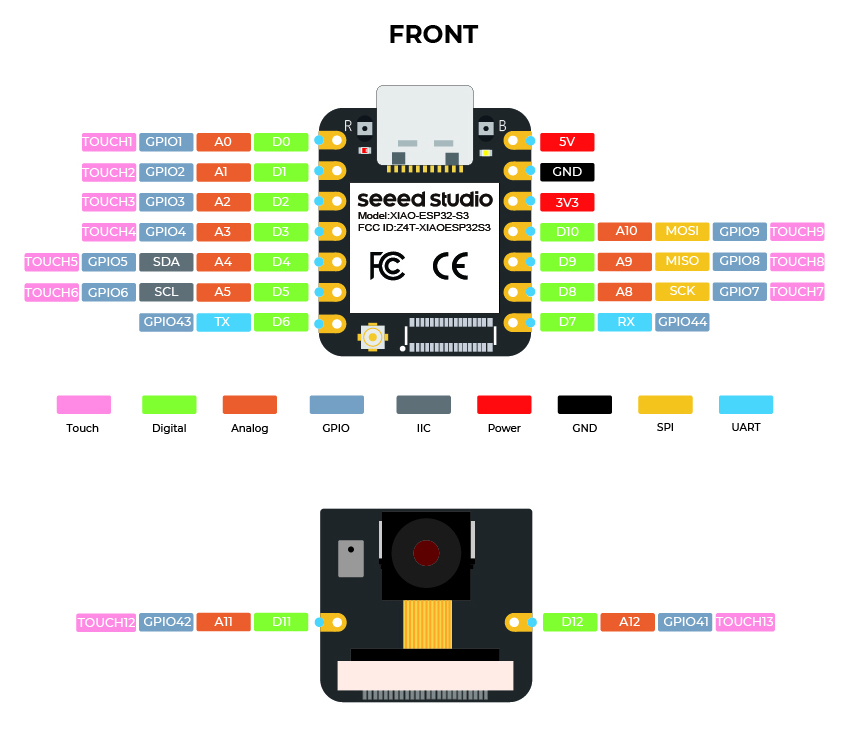
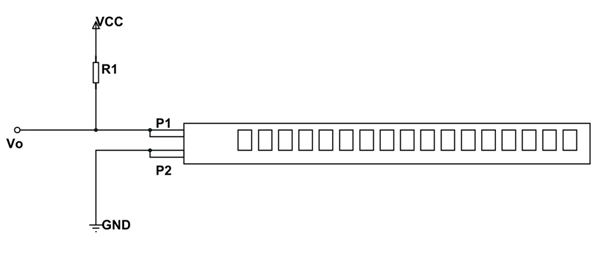


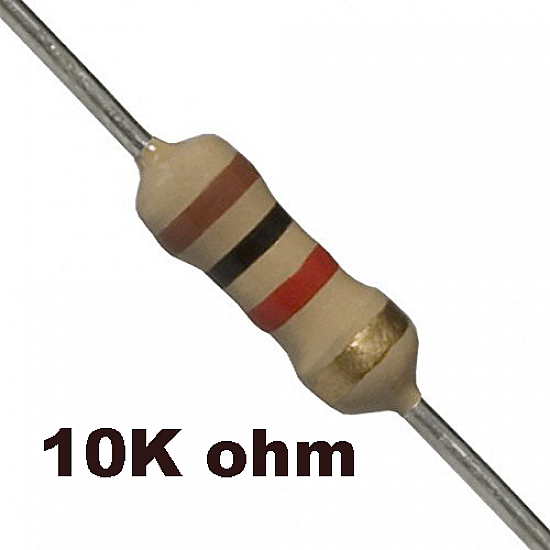

Here is the link to details about the components I will be using for my Final Project
Visualize
To clearly visualize my final project, I have used canva to jot down the ideas and features of my project.

Here is the link to my canva for reference
Circuit

Here is the link to detailed connection.
*So, that’s it! I want to learn and build my project Vision Voice this year. Good luck to me!
Progress so far. ☻☻☻
I have been working on building the online simulation of project vision voice and I have made some progress. The platform I used to make the simulation is known as Wokwi. I used wokwi because it had almost all components that I needed.
I used LDR sensor module to mimic the Flex sensor and get the analog data, because wokwi doesn't have flex sensor and I researched the type of data I get from flex sensor and I found out that LDR sensors can be used to get the same analog data.

This is the circuit diagram I made using my reference to the original circuit.
I have used Claude AI to debug and write the program for my simulation and here is the link to view the chat history.
Here is the link to the simulation in wokwi.
Right now I can change the values of LDR sensor and the MPU6050 to display a specific word such as " HELLO "
