Interactive Ludic Device as an Experiential Resource for the Elderly
📜 Project Presentation
A comprehensive overview of the interactive ludic device project.
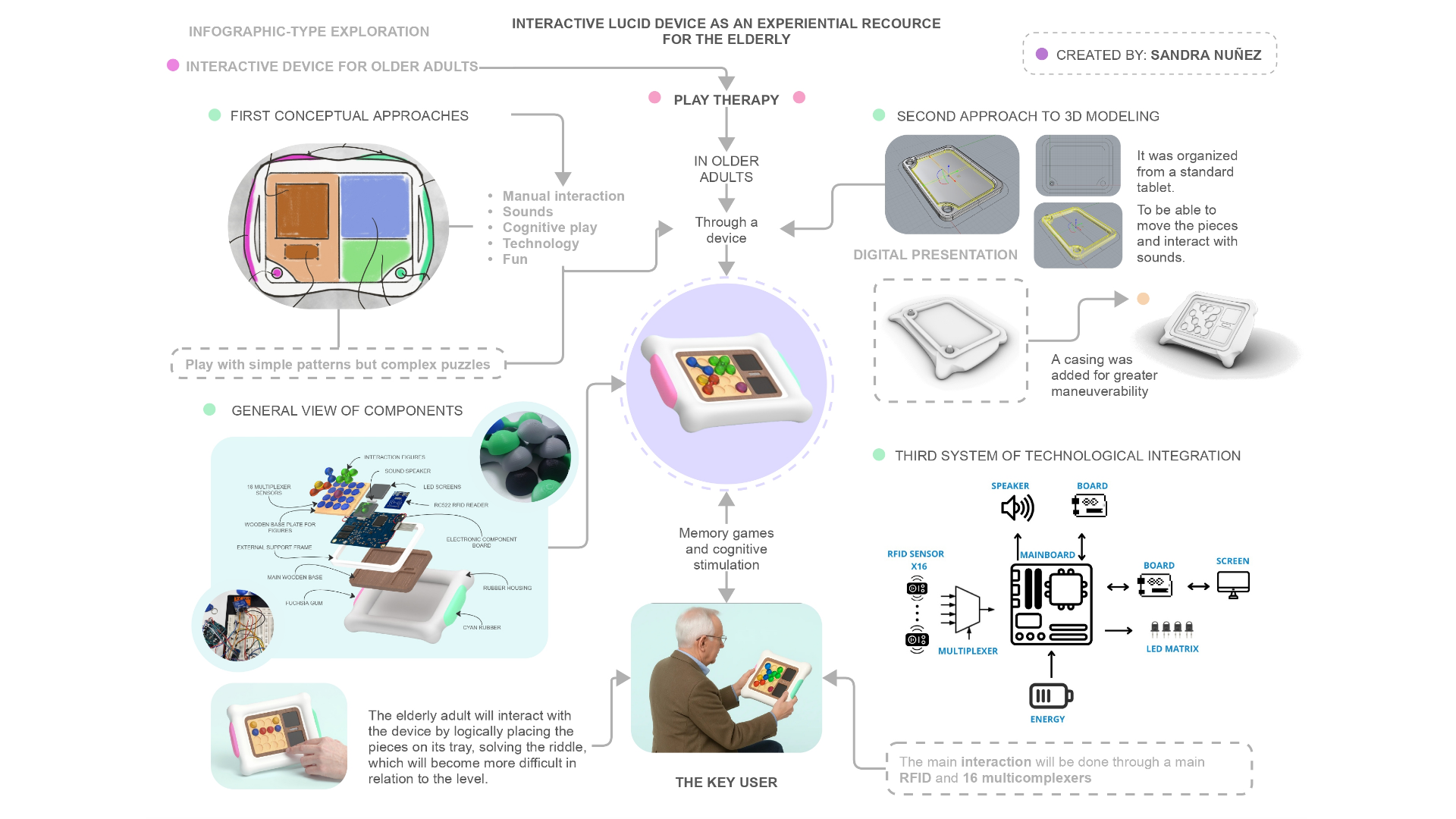
Presentation Board
A visual summary encapsulating the essence of the project.
Presentation Video
A dynamic overview showcasing the purpose and functionality.
The device facilitates interaction between older adults and a game-based system, using digital manufacturing to create an engaging user experience. It stimulates brain activity to mitigate cognitive decline by incorporating tactile, visual, and auditory elements.
Previous projects provide context for the device’s design:
- Recreational Textile Objects: Focused on artisanal weaving to develop motor skills, memory, and attention through psycho-emotional engagement.
- Orientation Games: Enhance spatial awareness, aiding in reading, writing, and motor coordination, preventing perceptual and social difficulties.
- Board Games: Promote cognitive development, reasoning, socialization, and a sense of belonging, improving neuropsychology and quality of life.
Resources for project development include:
- Financial Resources: $369 budget.
- Human Resources: Designer (Sandra Núñez), laboratory technicians, elderly participants.
- Fablab Indoamerica Facilities: Laser cutting, vinyl cutting, electronics, 3D printers/scanners, CNC router, sewing, molding.
- Visual Resources: Images for game content.
- Audio Resources: Songs for auditory stimulation.
The project designs an interactive ludic device as an experiential resource for older adults. It emphasizes:
- Sensory engagement (tactile, visual, auditory) through design strategies.
- Portable morphology with smoothed vertices for safe, ergonomic interaction.
- Game logic that facilitates user engagement.
Components include:
- Multiplexer (16 inputs/outputs) for sensor connectivity.
- Power supply (5V, 3.3V, 12V) for electronic systems.
- 2 Arduino Mega boards for data processing and game logic.
- LED array for light/color perception.
- SPI touch screen for interaction.
- 16 RFID sensors and 32 RFID tags for part identification.
- Silicone rubber shell, TPU filament, and 3D-printed structure.
- 32 resin-printed parts (polyester resin for final product).
- General control board for system integration.
Cost breakdown of materials and components:
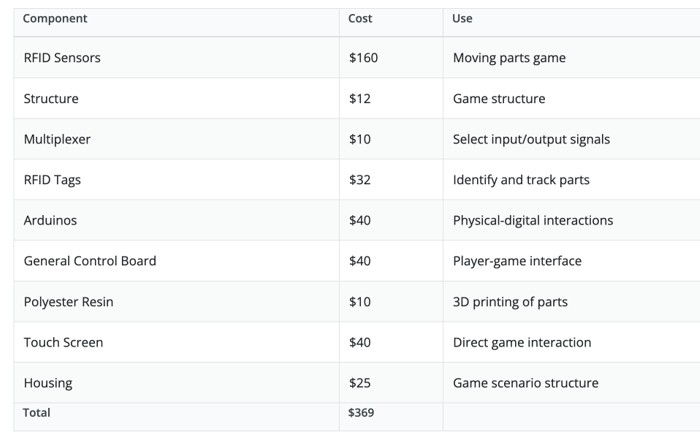
The following will be fabricated:
- Device structure
- Interactive parts
- Grip elements
- Buttons
The project involves the following processes:
Design and Concept
- New interactions
- User experience (aesthetic and symbolic)
Manufacturing and Design Processes
- 2D and 3D modeling
- Additive and subtractive manufacturing
- Electronics design and production
- Embedded microcontroller design, interface, and programming
- Systems integration and packaging
Key questions addressed:
- Functionality – What is the expected experience of use of the device?
The interactive playful device aims to activate the senses through the use of photographic and auditory resources to mitigate memory loss in older adults, while offering pleasure and meaningful play. It does so through playful situations and devices that respond to cognitive needs using the logic of play. - Social impact – How does it contribute to the transformation of the reality of the elderly?
Recreational activity is present in all cultures and has evolved alongside society. For this reason, the design of the interaction between the elderly and the device uses digital fabrication techniques to reinforce the value of play. This approach helps mitigate cognitive decline in older adults by stimulating brain activity through play. - Aesthetic and symbolic value – What aspects determine the meaning of the ludic device?
Play is a vital human experience that enhances creativity, concentration, and perception. Beyond entertainment, it transforms reality symbolically, allowing individuals to revisit and reconstruct personal and collective experiences. In older adults, play evokes memories, expresses desires, and projects future possibilities while engaging with the unknown or unconscious. The design of such devices carries aesthetic value through shapes, colors, textures, and sounds that stimulate the senses and evoke deep emotional connections. - What symbolic, aesthetic, and transformative aspects are present in the game?
Games can mirror everyday life, past practices, or imagined worlds, enabling older adults to recognize and narrate their identity. The symbolic and aesthetic dimensions of play facilitate expression, introspection, and emotional connection. They affirm memory and identity by reconnecting individuals with their environment through a rich sensory and symbolic experience.
The project was evaluated through a thorough review of the design, functionality, manufacturing techniques, and quality of materials used. It was verified that all electronic components operate according to the established design strategies. Additionally, the morphological structure was evaluated as a communicational or language resource and as a physical configuration to guarantee functionality based on the logic of playfulness.
The device will be evaluated through user observation, assessing:
- User experience and emotions
- Therapeutic effects of consistent use
- Opportunities for improving device attributes
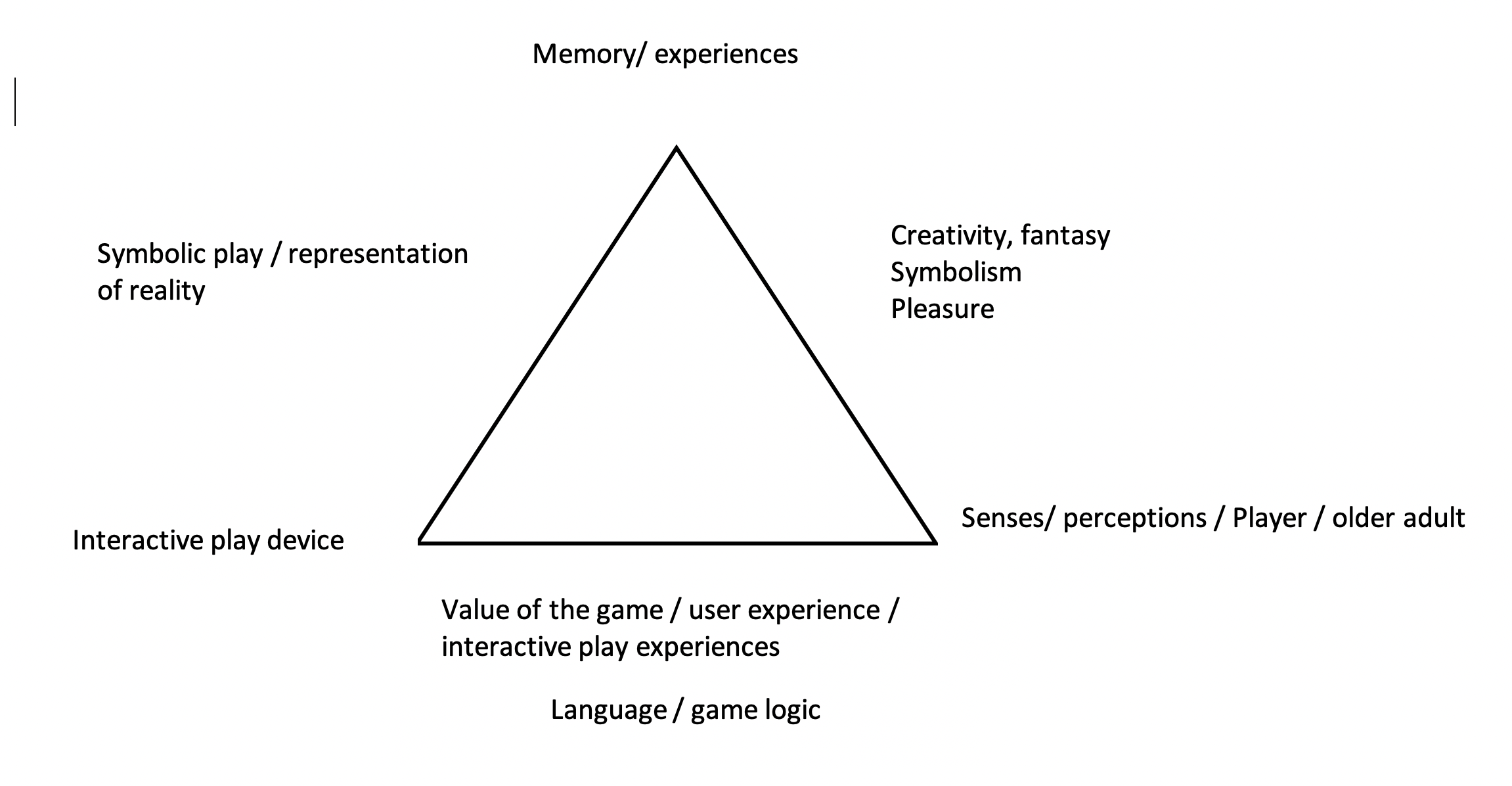
The ageing of the population is often considered a social problem, which is centred on its physical and psycho/social functional deterioration. In this sense, it is necessary to reimagine ageing and change the mentality of designing for ageing by thinking about playful devices to mitigate the cognitive decline of such individuals. It should be emphasised that play should not be understood only as entertainment, as it stimulates cognitive and sensory activity, because it demands logical reasoning and memory, stimulates physical and constructive activities, by requiring motor coordination and physical agility, as well as stimulating strategic reasoning and manual dexterity. From this perspective, physical, cognitive and emotional activities in later life are crucial to stimulate brain activity and contribute to the maintenance of quality of life. In addition, games stimulate social interaction and contribute to socialisation and the maintenance of emotional and affective health.
To design an interactive play device as an experiential resource to mitigate cognitive impairment in the elderly.
- To understand the developmental context of the older adult through a user ethnography.
- Relate the game logic of the interactive play device to the cognitive and emotional needs of the older adult.
- Combine advanced design and digital fabrication techniques for the development of an interactive play device proposal.
The practice of play is present in all cultures. It has evolved along with social construction in order to respond to the demands of the current context. In this sense, in order to design the interaction between the elderly / play device, digital fabrication techniques and tools are used to materialize the significant value of play focused on mitigating the cognitive impairment of the elderly through the stimulation of brain activity.
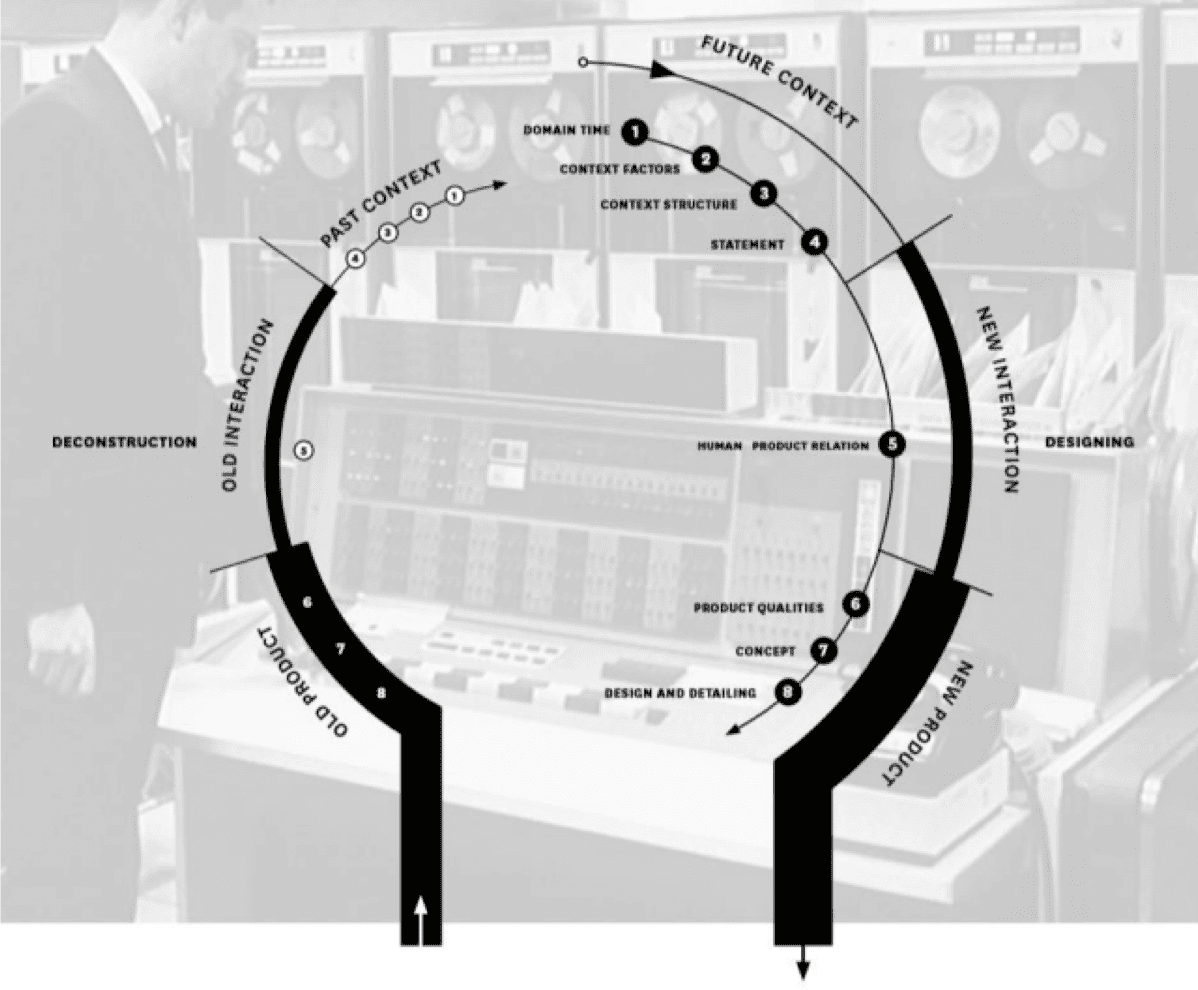
Vision in Product Design (ViP)
ViP distinguishes between the preparation phase and the designing phase. In the preparation phase, the current product(s), product-user interactions, and context of those interactions are questioned. In the designing phase, the future context, interactions, and design are developed.
1. Why? / Context level
2. How? / User interaction level
3. What? / Object level
The operating logic diagram illustrates the functional workflow of the interactive ludic device, detailing how user interactions trigger sensory and cognitive responses. It maps the integration of tactile sensors, manual knobs, and movable parts to facilitate gameplay, supporting cognitive stimulation and motor skill development in older adults.
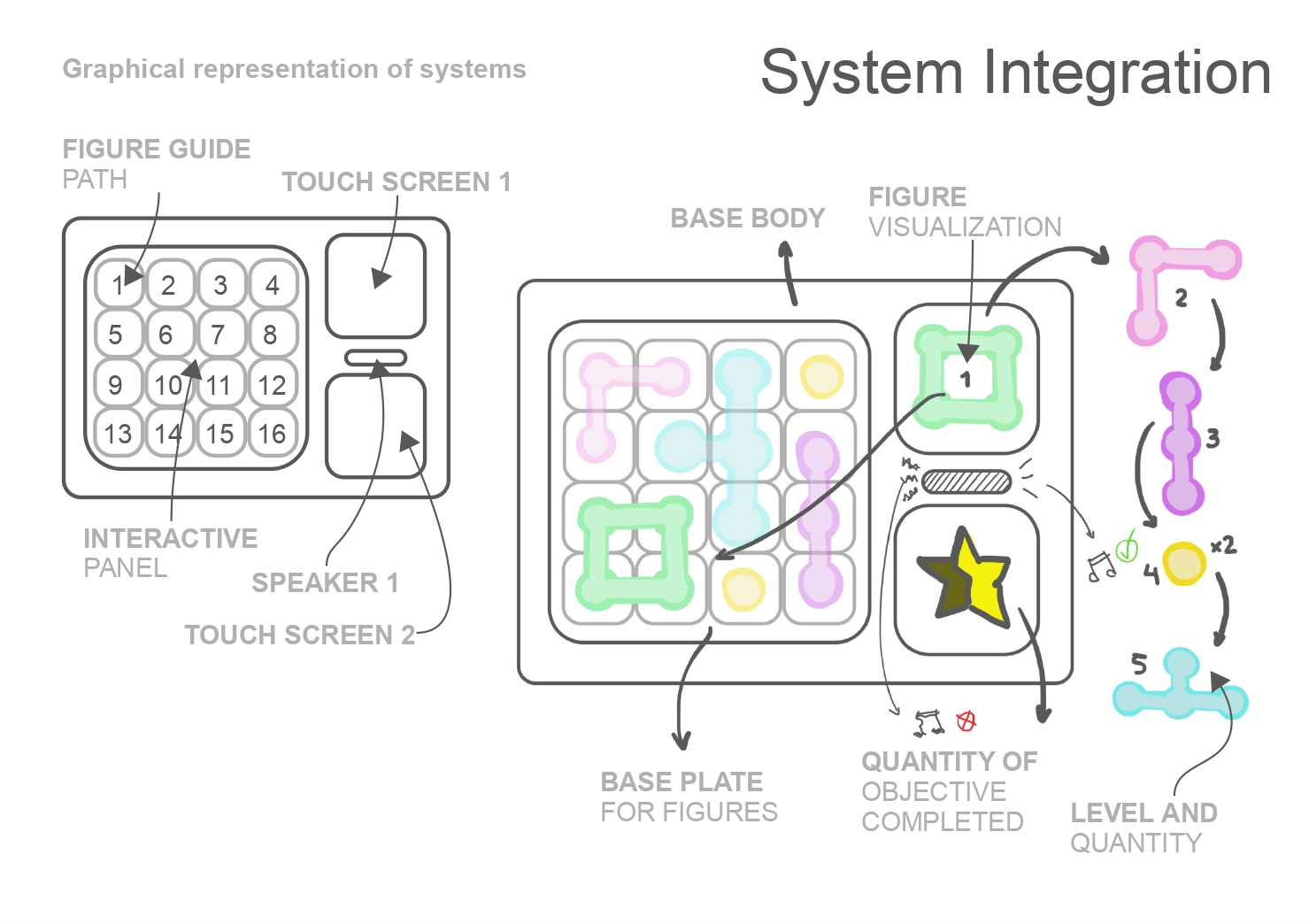
Older adults have different motivations than younger people, as they change their social orientations and goals throughout their lives. Older adults perceive future time as limited, so they prioritize emotional goals and avoid experiences with aversive effects, such as time pressure to complete challenges or the frustration of not achieving some challenges due to their high complexity. From this perspective, the interactive playful device aims to activate the senses through the use of photographic and audio resources to mitigate memory loss in older adults and, at the same time, to give pleasure and meaning to playfulness.
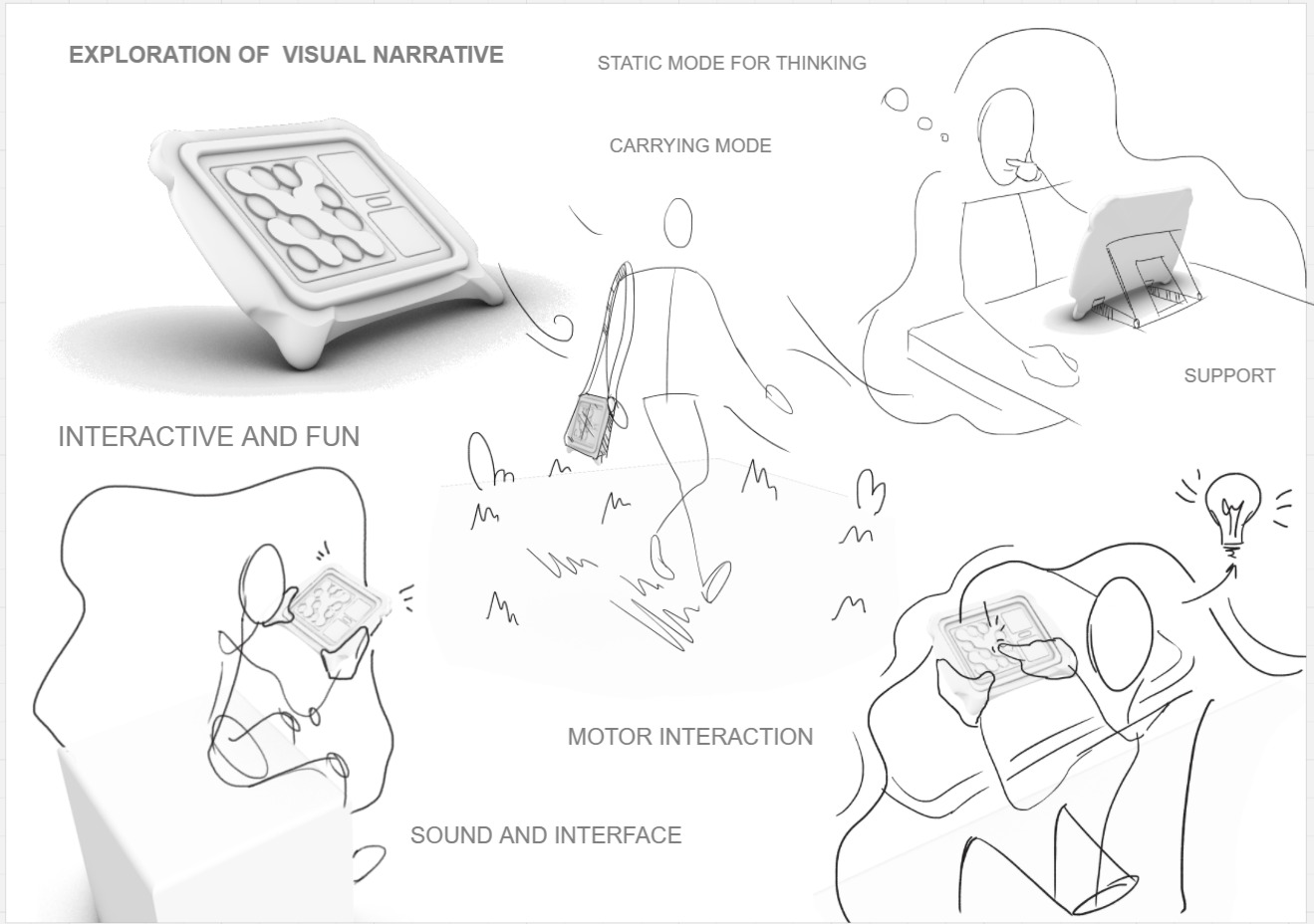
Methodological Application
1. Deconstruction Phase: Context Level, User-Interaction Level, Object Level
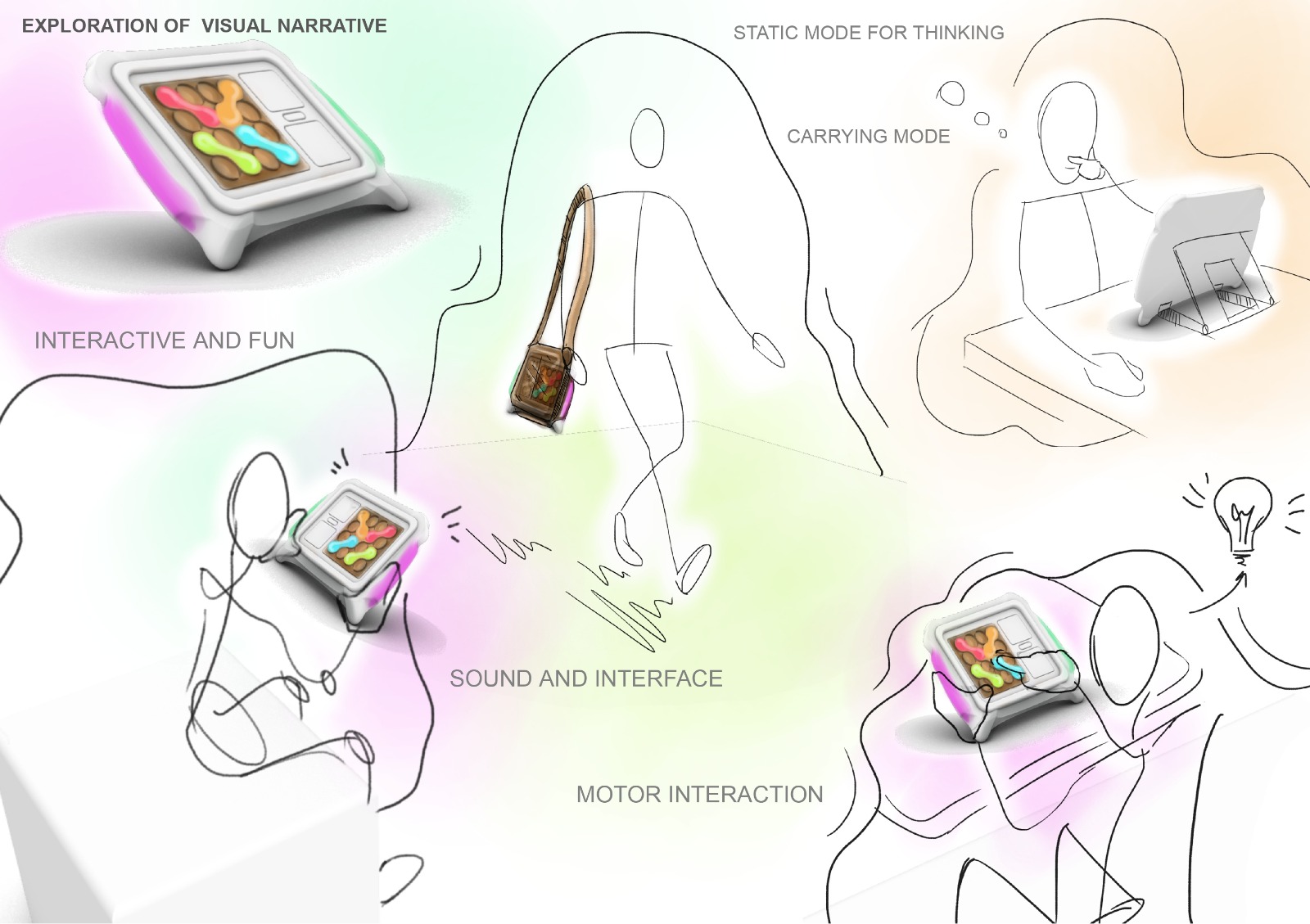
The scheme shows the various interactions at the context level (development of the device in situations of use: portability, handling, container) and at the user interaction level (older adult) experience of use / value of the game.
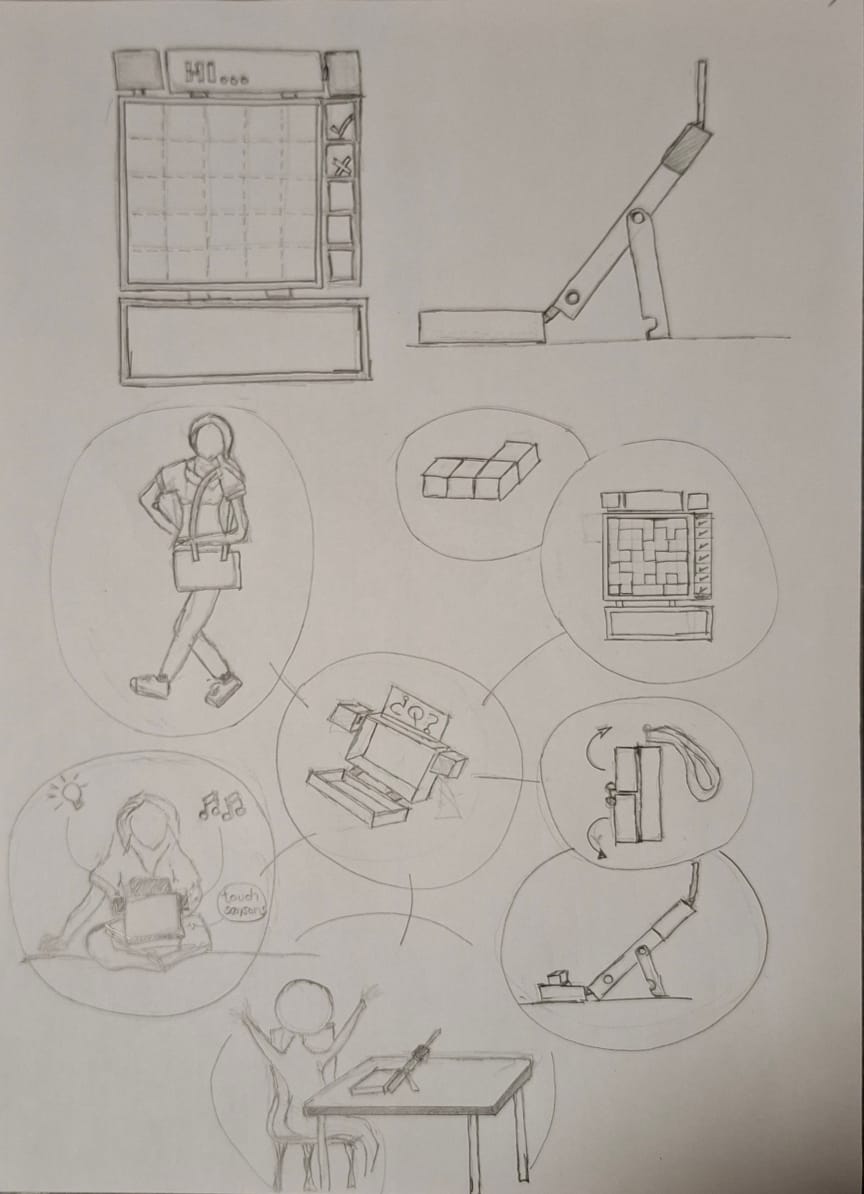
2. Design / New Interactions
The concept of the project is based on the analysis of the architecture of the product that lies in the relationship between design strategies that involve the senses (tactile, visual, sound). Another important decision has to do with the rounding of the vertices in the pieces that determine the logic of the game. In addition, the possibility of storage and transportability of the device is considered; therefore, its dimensions must allow such portability and interactions.
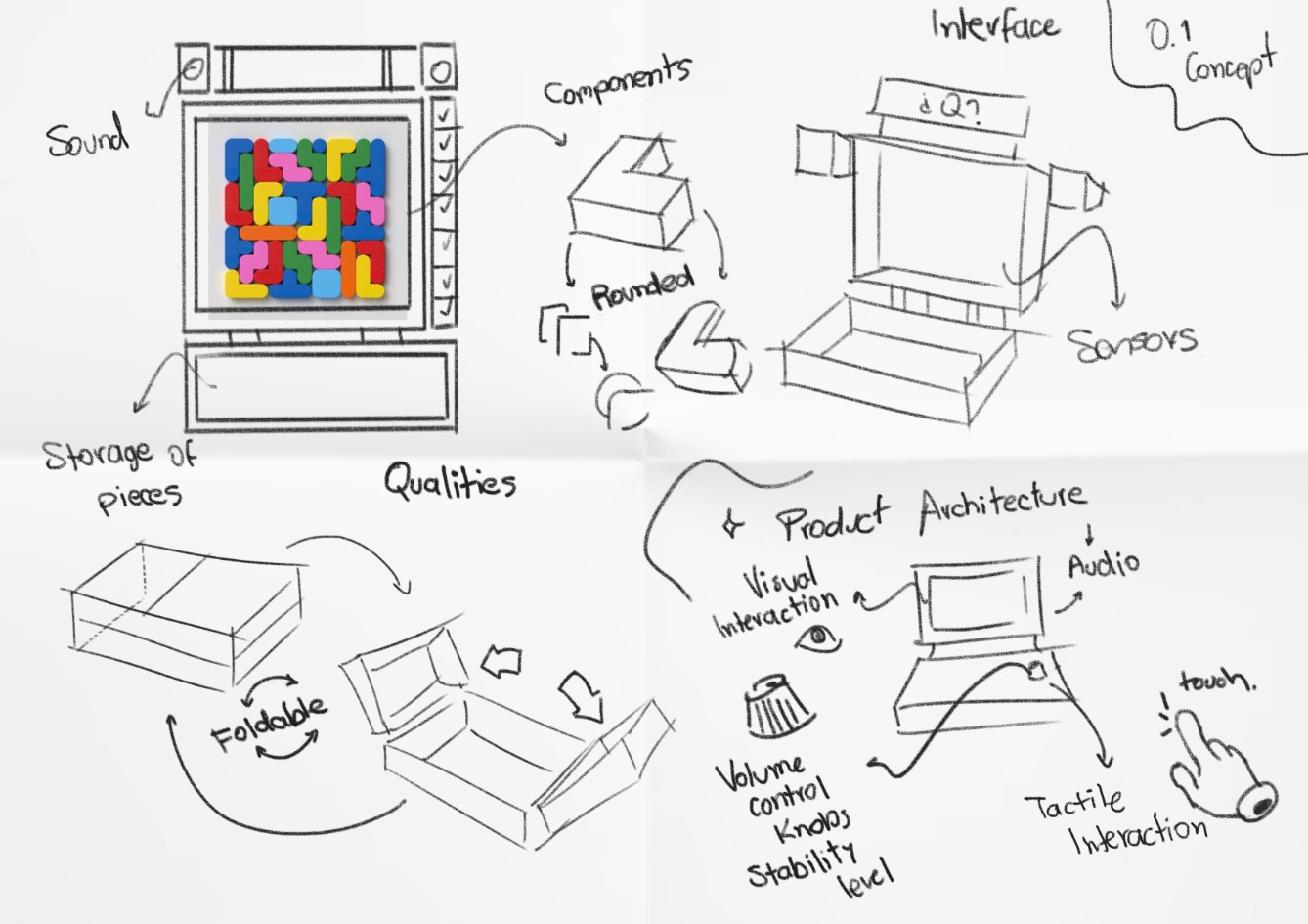
The analysis of the context where the playful device will be developed determines several decisions regarding the morphological elements put into play for the design of the interface, for example, friendly shapes that facilitate interaction, knobs that control the fitting of the pieces and also contribute to motor skills.
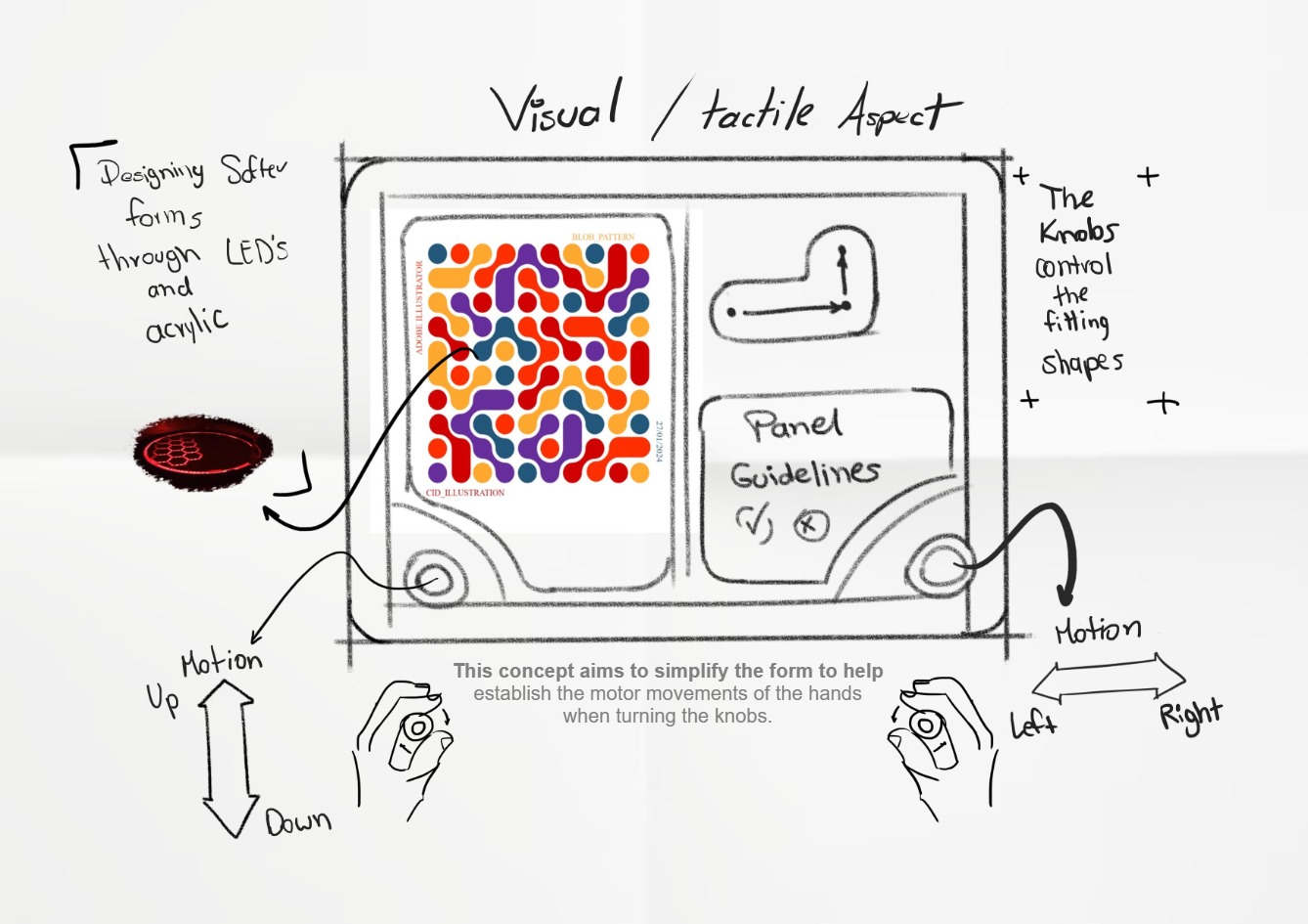
In this sense, the concept seeks to simplify the shape of the device to help in motor skills and also in exercising the memory of the elderly.
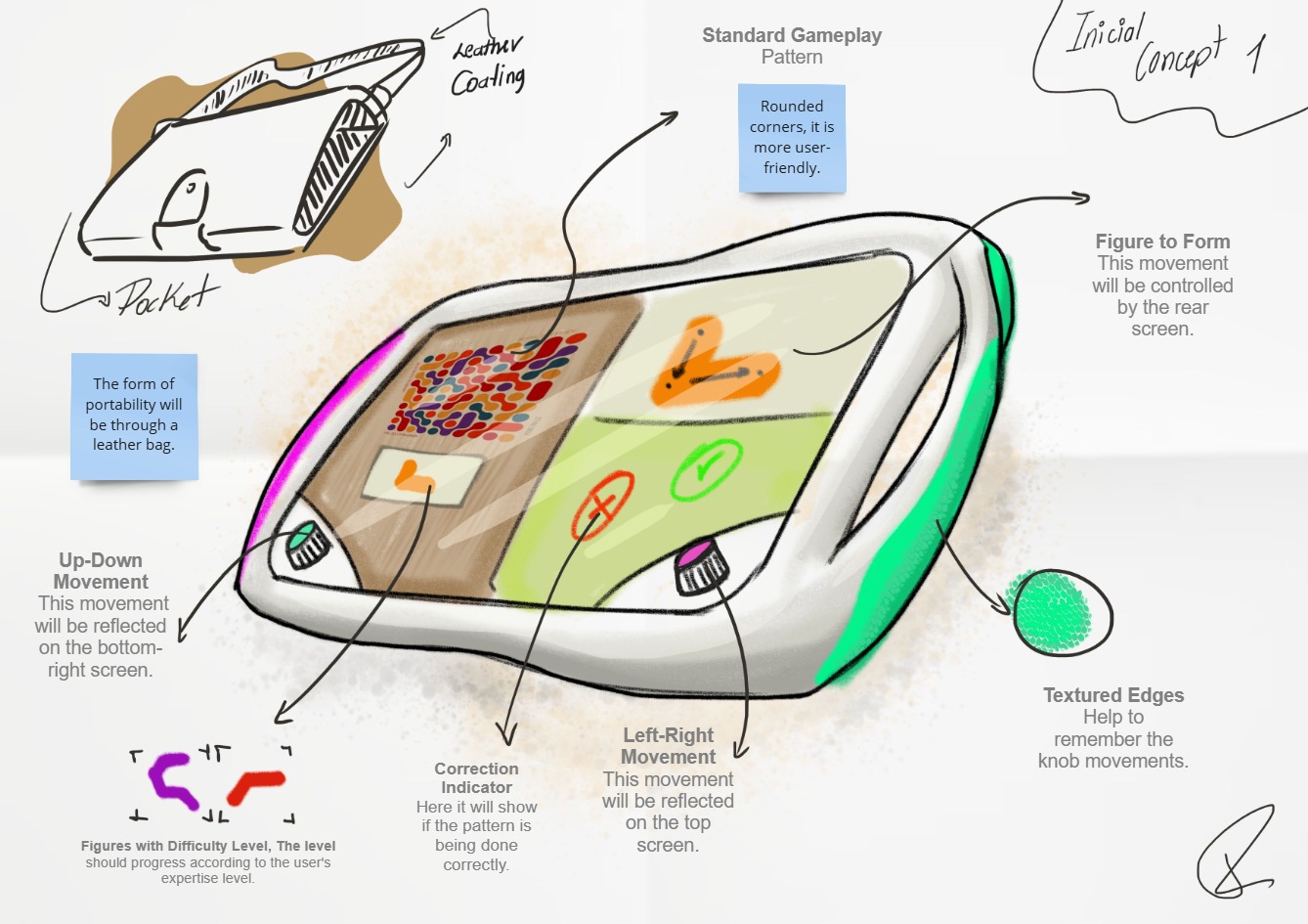
As a result of the morphological exploration, main pattern areas are determined as a result of the understanding of the diverse interactions with the user and secondary pattern areas that arise from the analysis of the relationship with the variables of the context and with other artifacts that affect the sense of use and the value of the game.
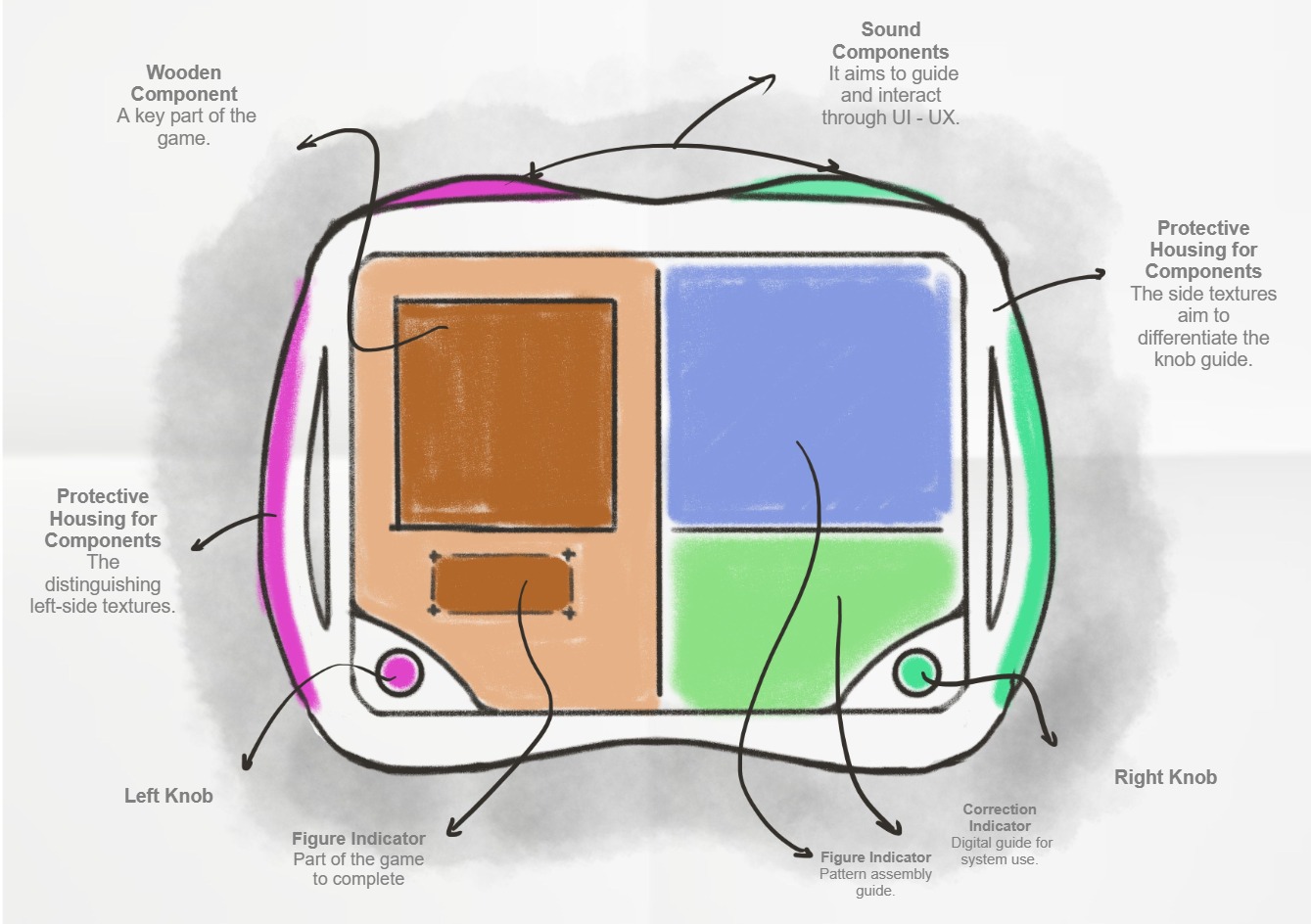
Elements of the Interactive Play Device
- 1. Tactile sensors
- 2. Display / Informative
- 3. Manual knobs / Motor / Control
- 4. Movable parts / Game logic
- 5. Textured edges / Better grip
Prototyping and Modeling
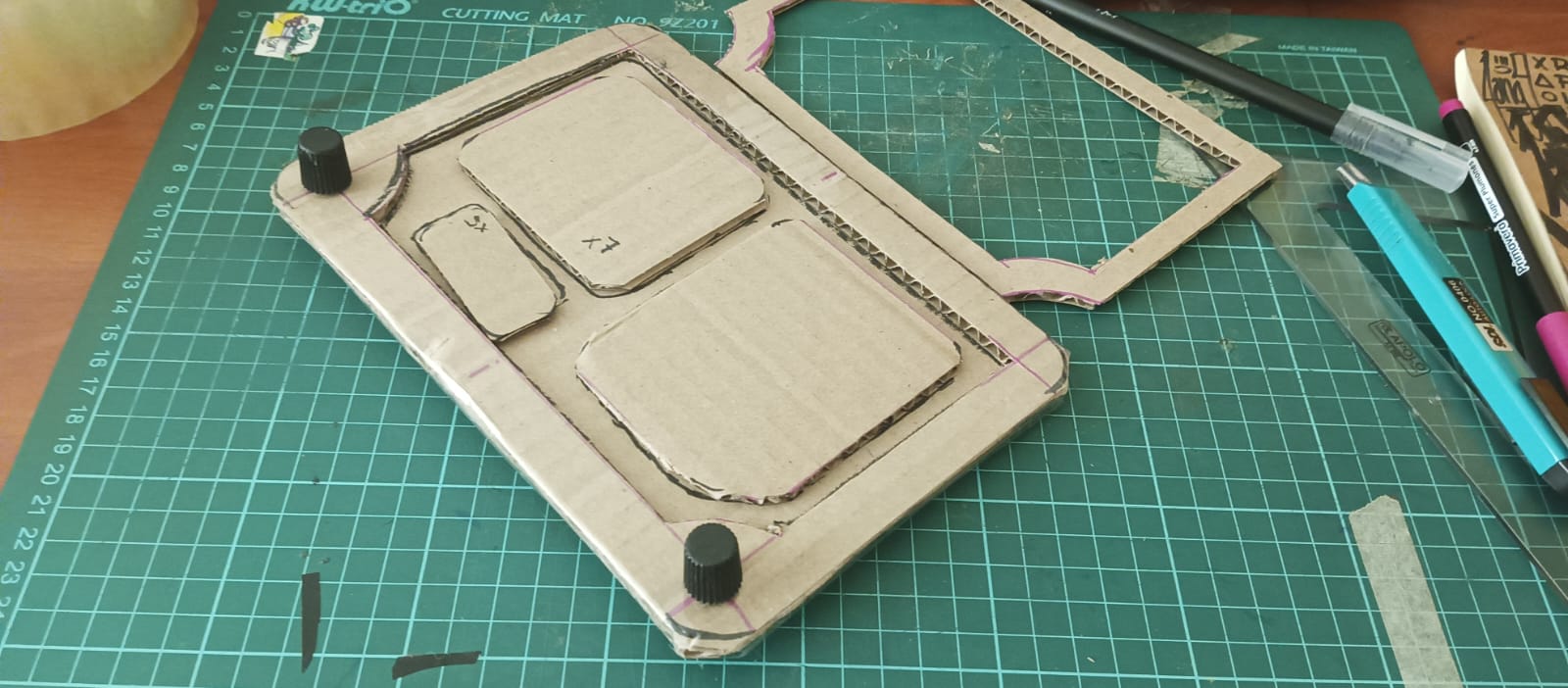
Low Fidelity Prototype
Initial physical exploration of the device.
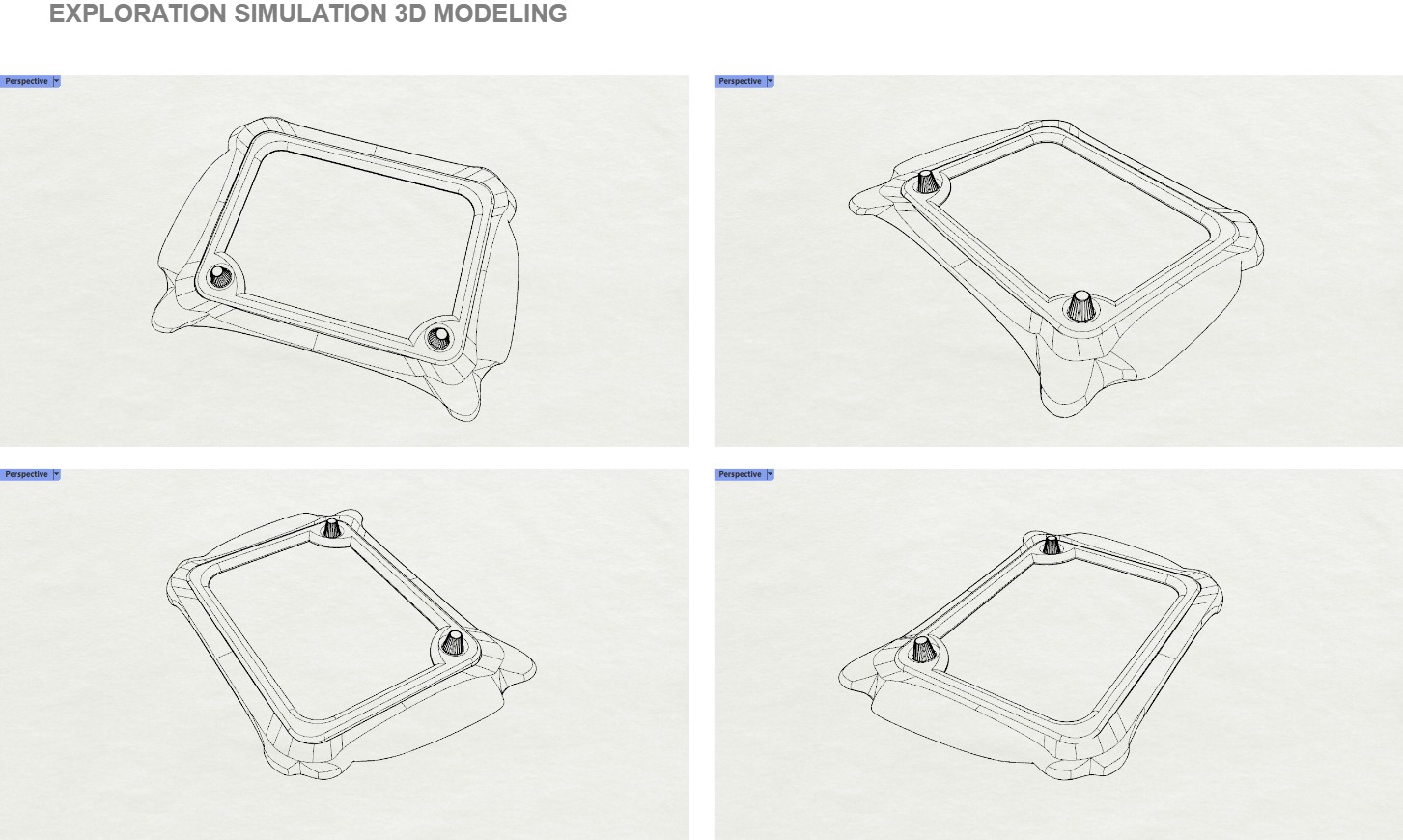
Rhino Model 1
Early digital modeling in Rhino.
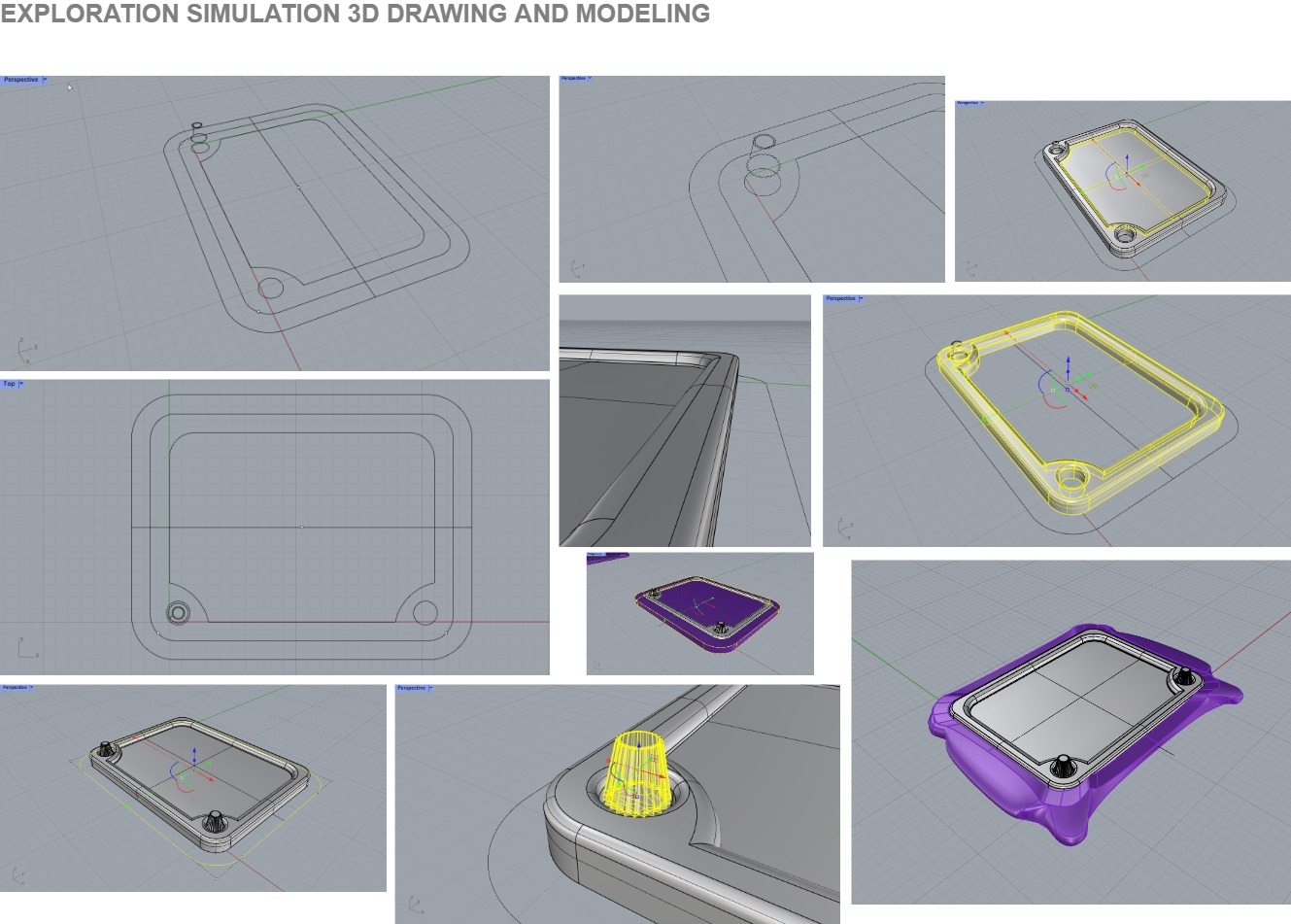
Rhino Model 2
Refined 3D model with detailed design.
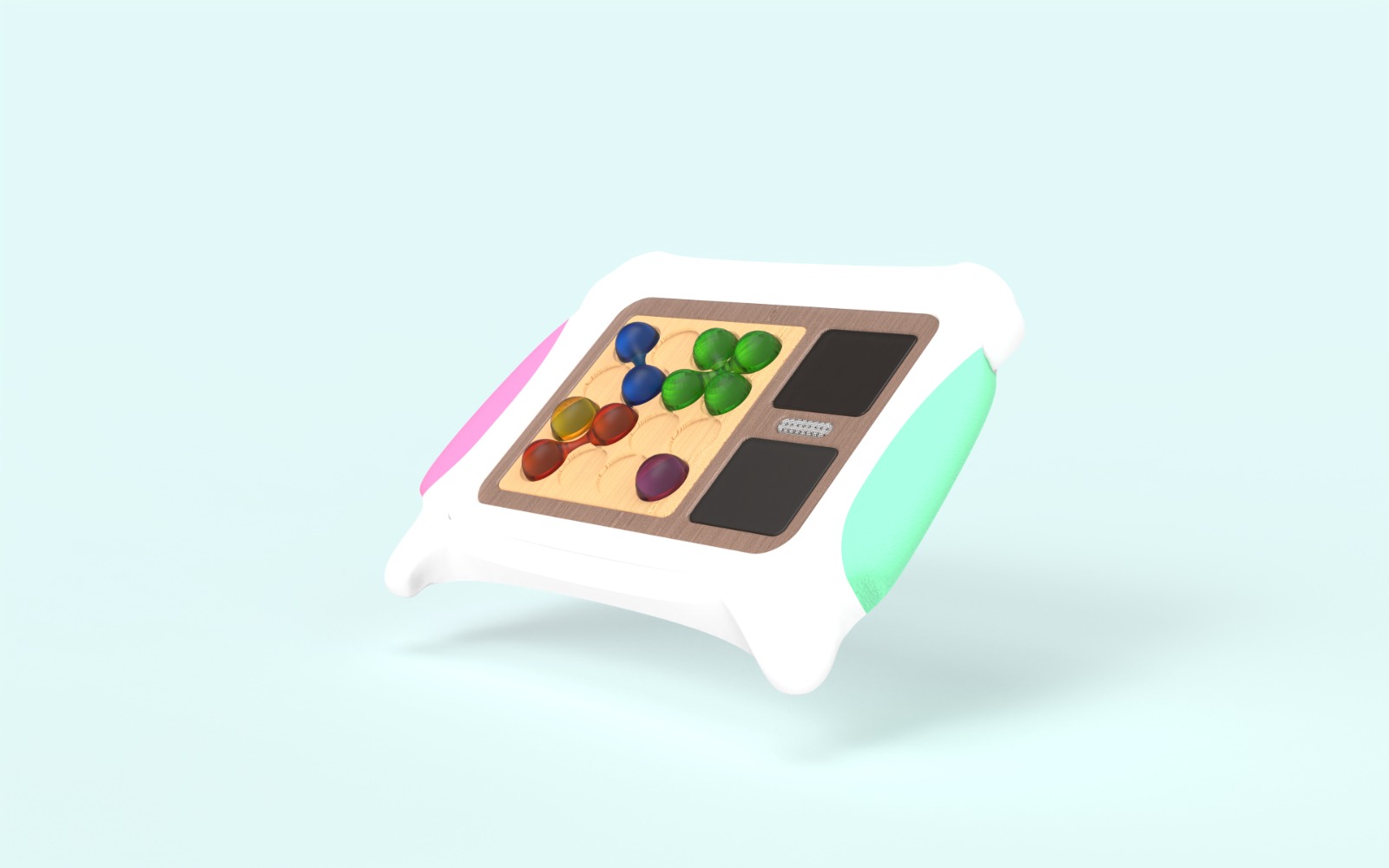
Renders and UX
Visualization of the interactive device.
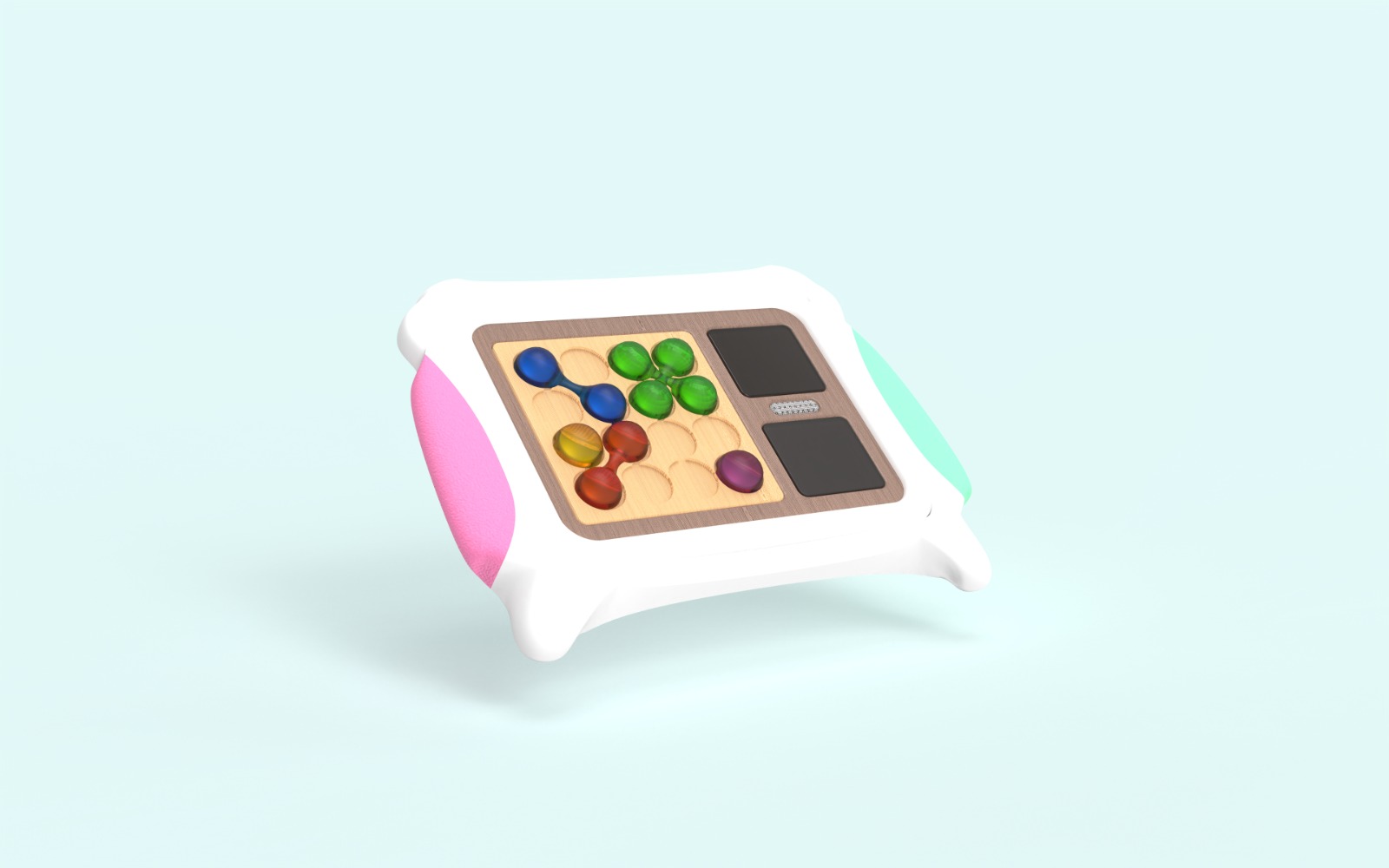
Renders and UX
Visualization of the interactive device.
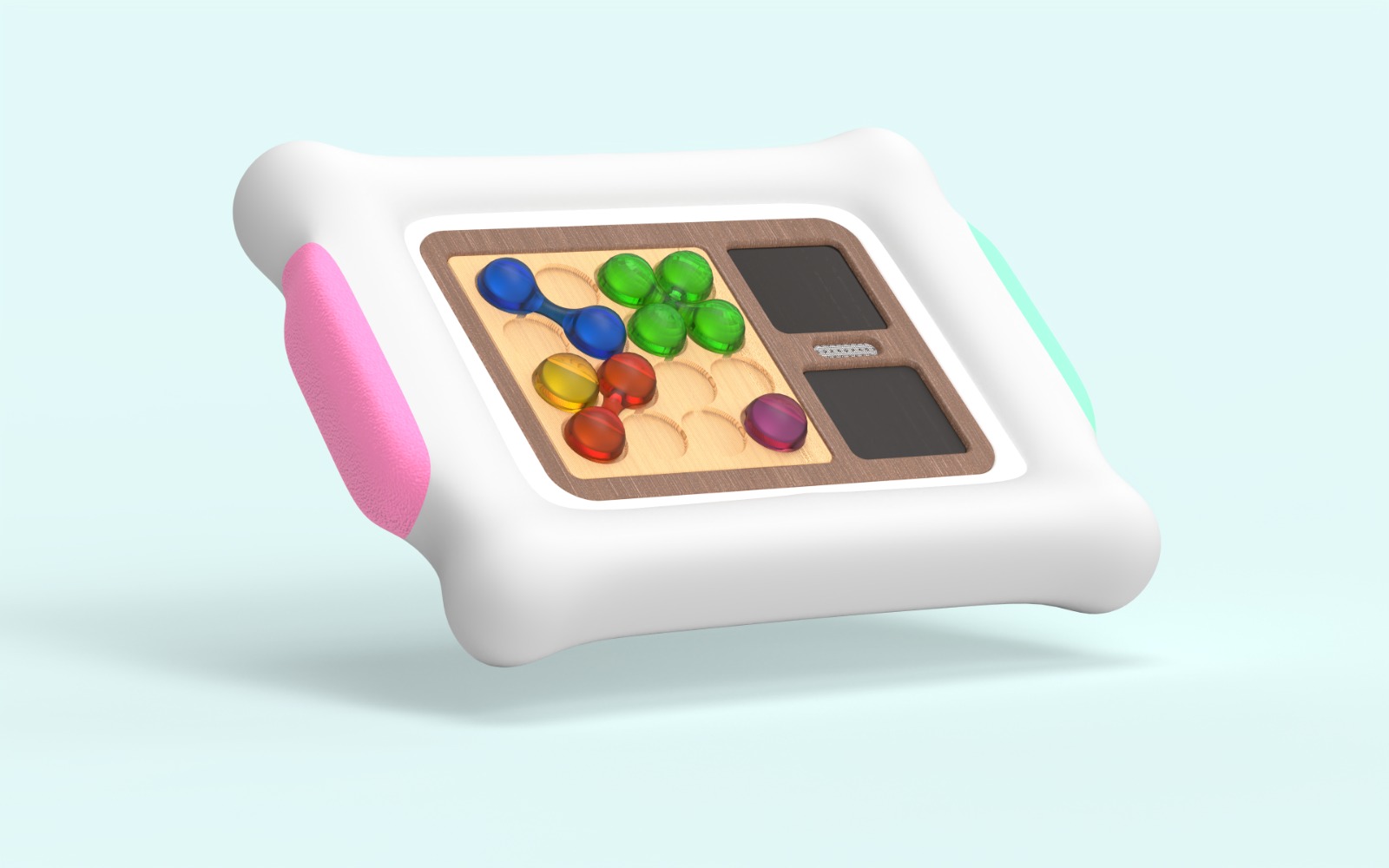
Renders and UX
Visualization of the interactive device.
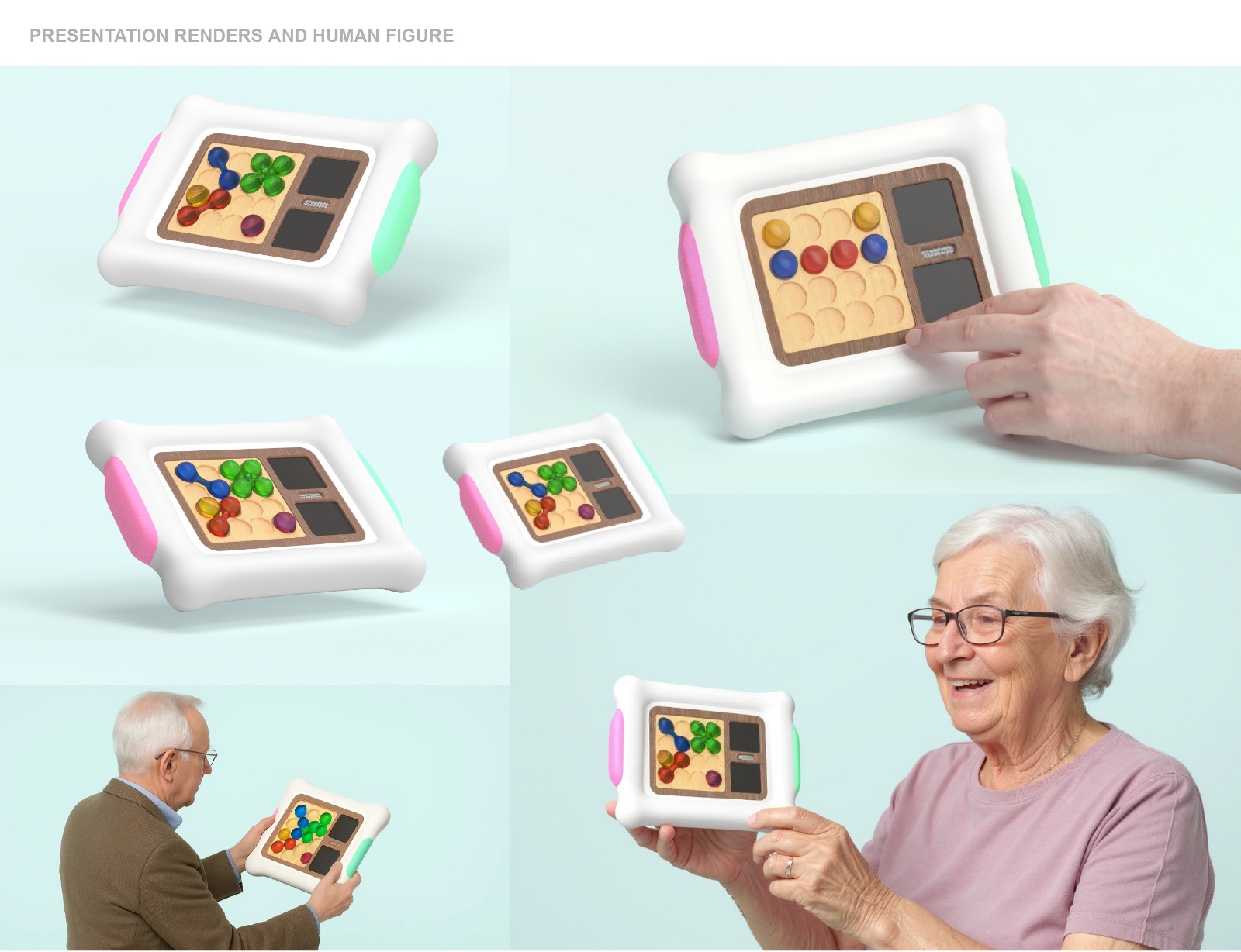
Renders and UX
Visualization of the interactive device.
Renders and UX
Visualization of the interactive device.
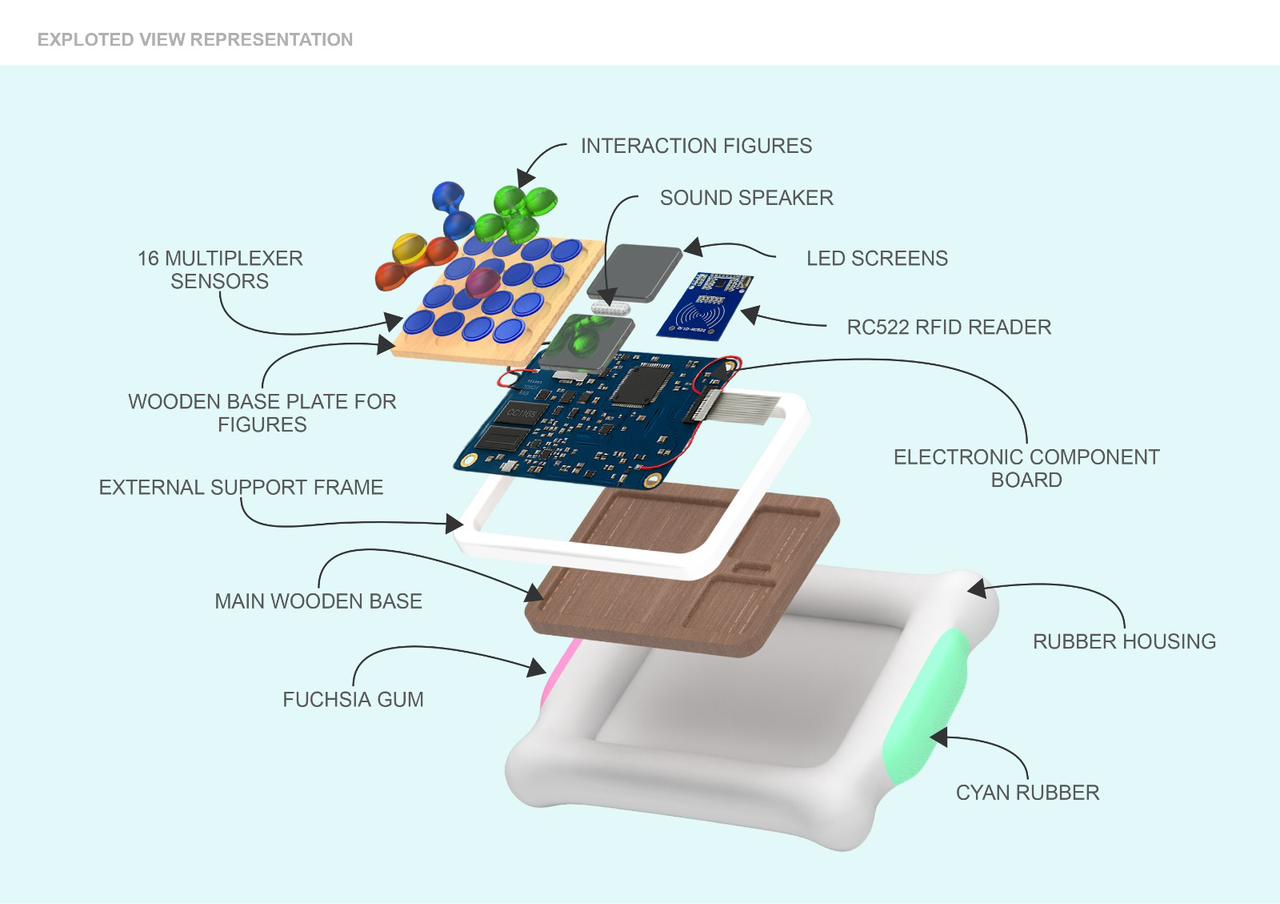
Exploded View of Interactive Play Device
Detailed breakdown of device components.
Design of Parts 3 and 4 Play Device
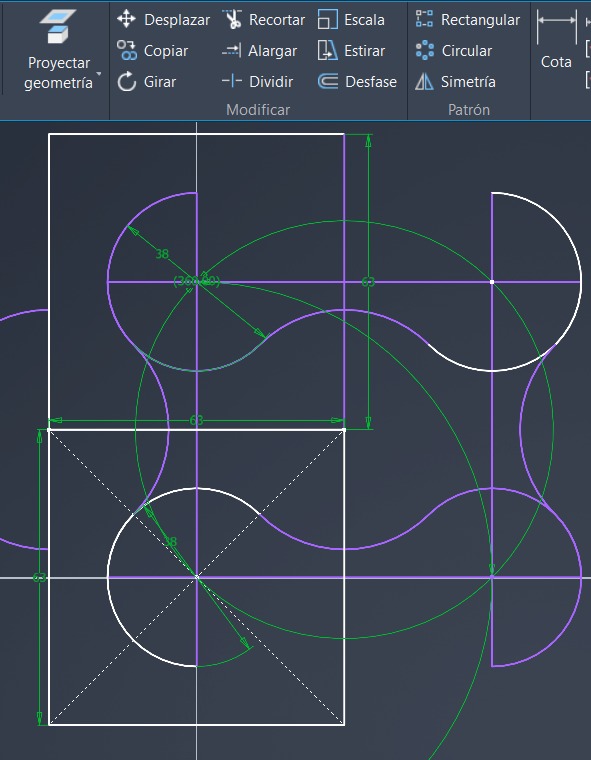
1. Based on the designs proposed in the WILDCARD WEEK, we design the pieces that will integrate the whole playful device, that is to say, piece 3 and piece 4. In this sense, we start from the plans created previously for it, taking as a starting point the sketch created in the plan for piece 2, and by means of the circular pattern tool, we create the frame with the plans to create the three-dimensional pieces that make up the morphological structure of the game.
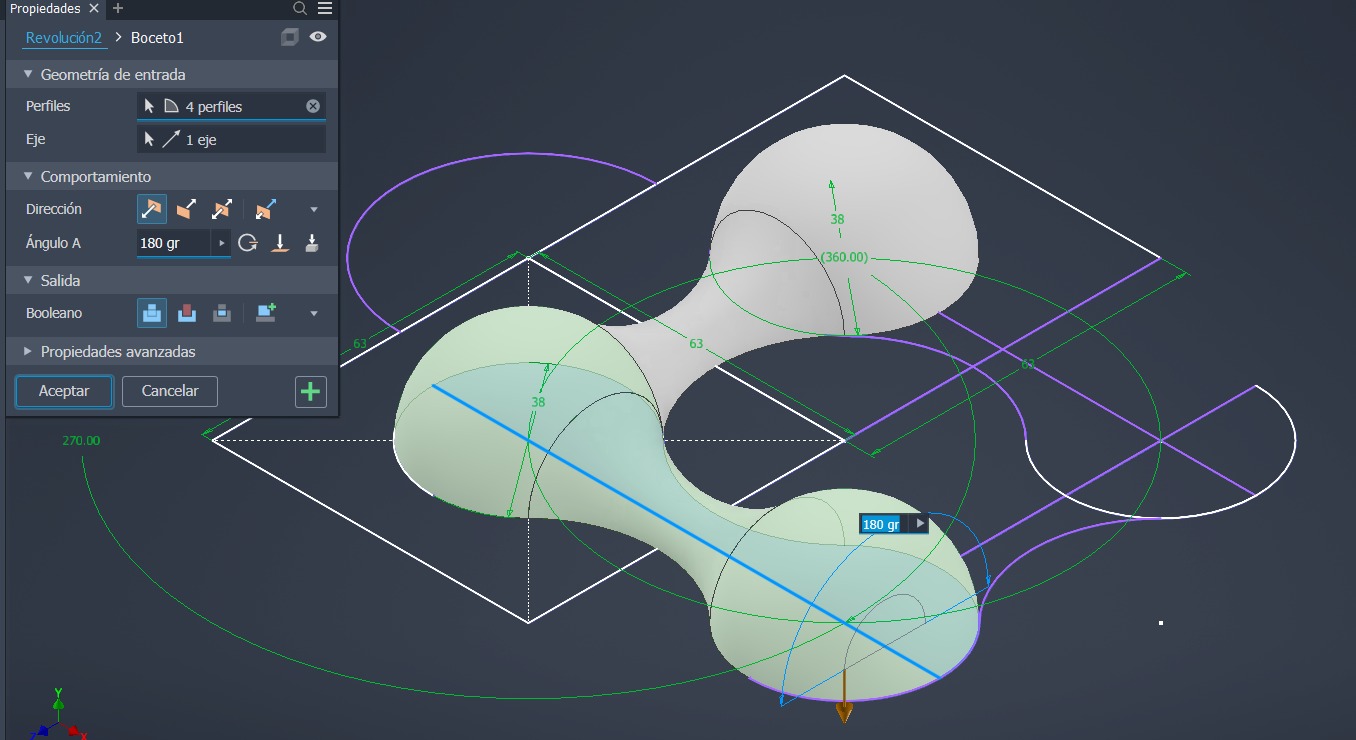
2. With the Revolve tool, we create the following patterns and obtain part 3, which we save as a new file.
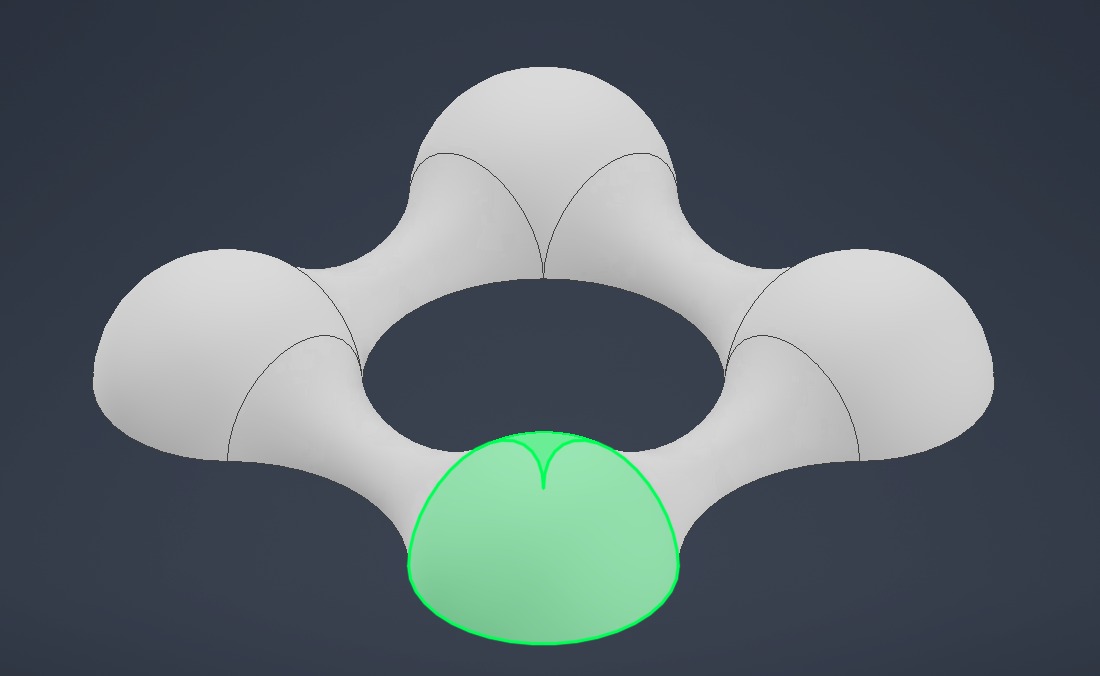
3. Following the same logic and using the plan already created, we revolutionized the last sketch to obtain part 4, which allowed us to move forward in the production process.
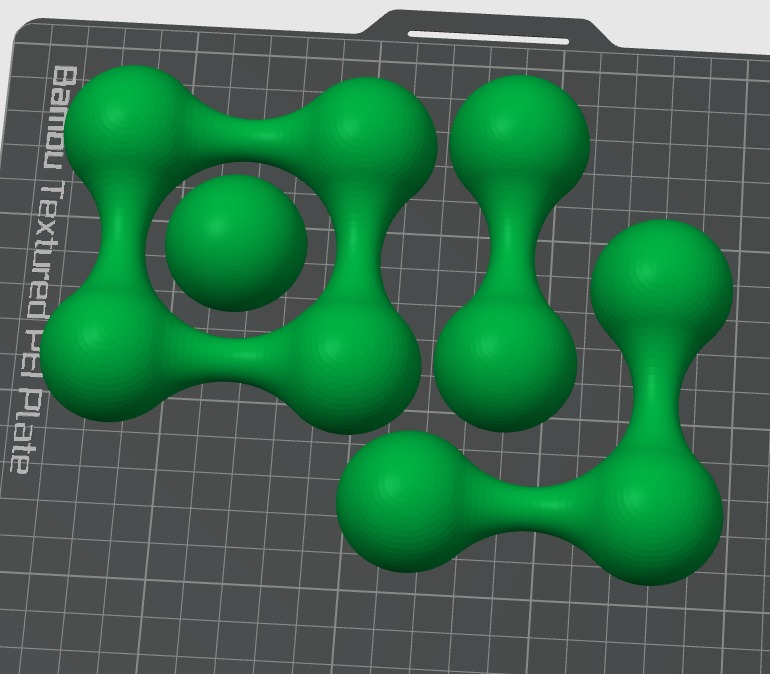
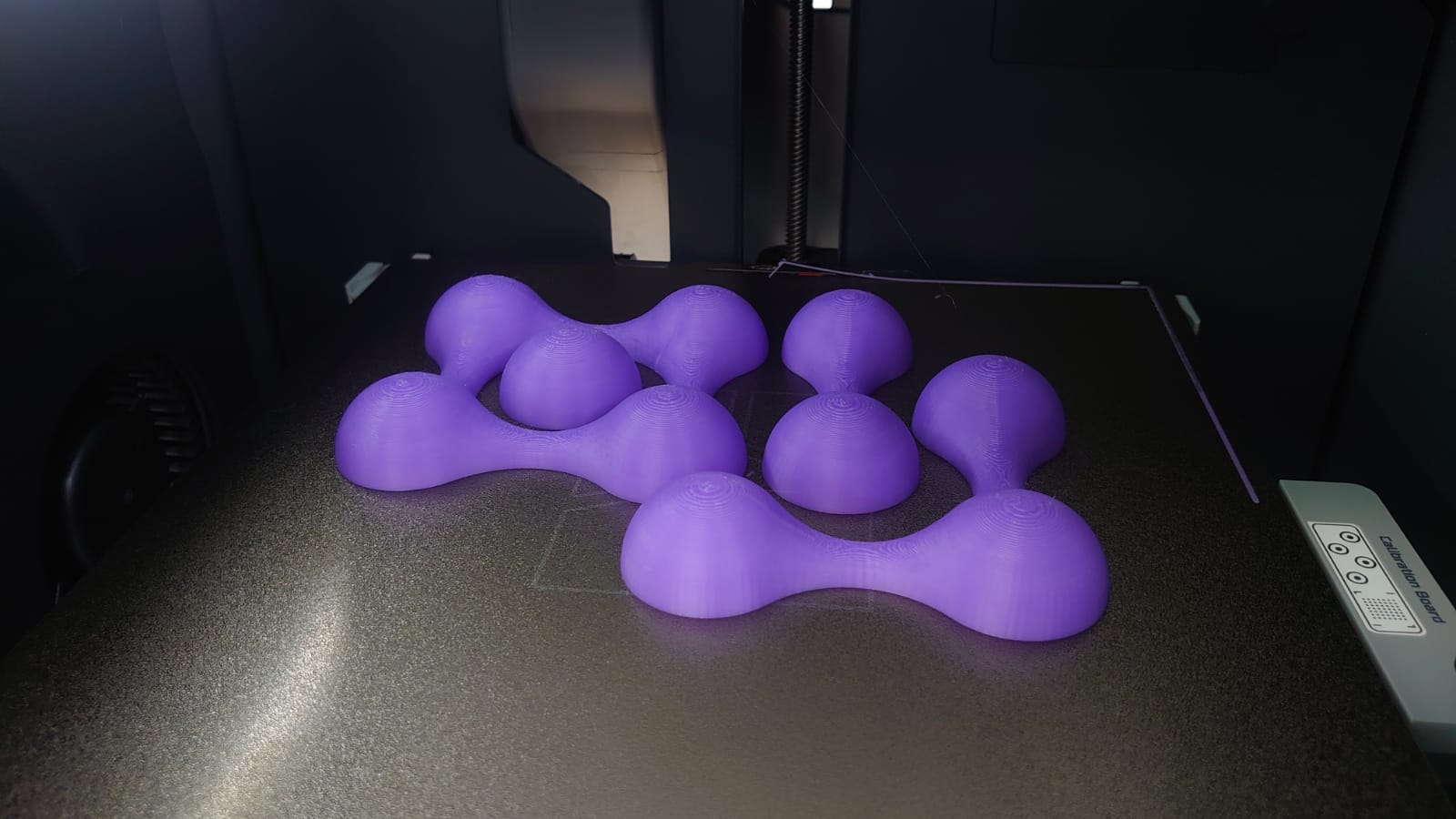
4. These parts are exported as an .STL file, in which we will accommodate each of the four designed parts on the filament print bed, so that printing is possible. For machine configurations, we use the same configurations already established previously. We did it in the 3D printing week.
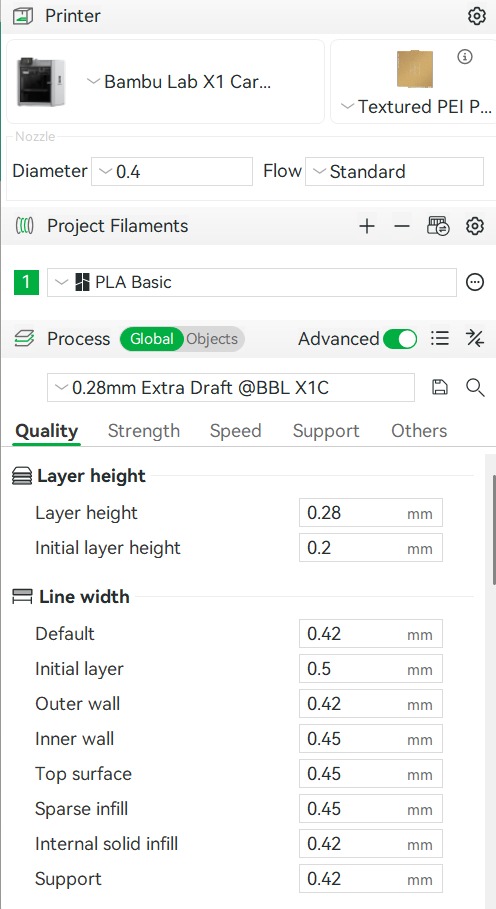
5. At this point of the process, and due to the difficulties encountered with the part, it is necessary to add a material support for the empty space created in order to integrate the sensors. To do this, we enable the supports in their corresponding section and select the option of automatic generation of the linear support. With the configurations preset by the machine.
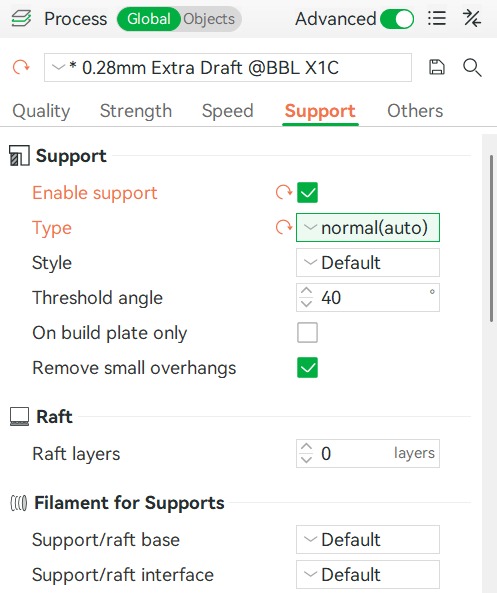
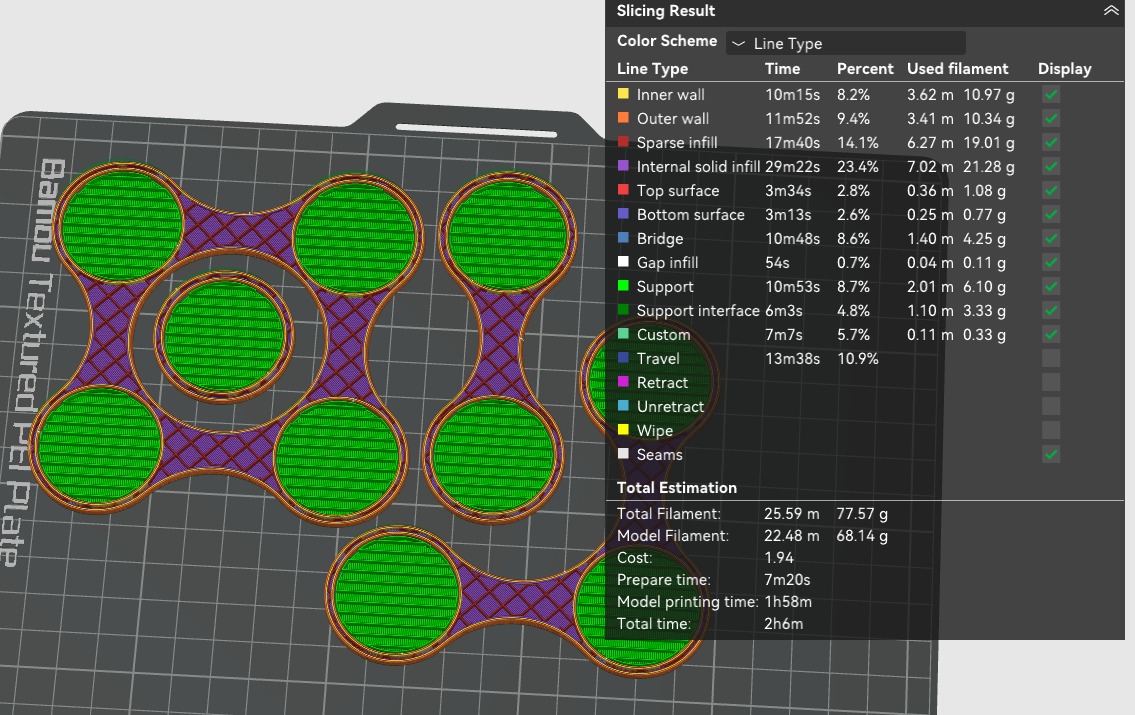
6. The image shows a simulation of the support materials created by the program in green, as well as the results obtained from post-processing. These determine a value of two hours of printing.
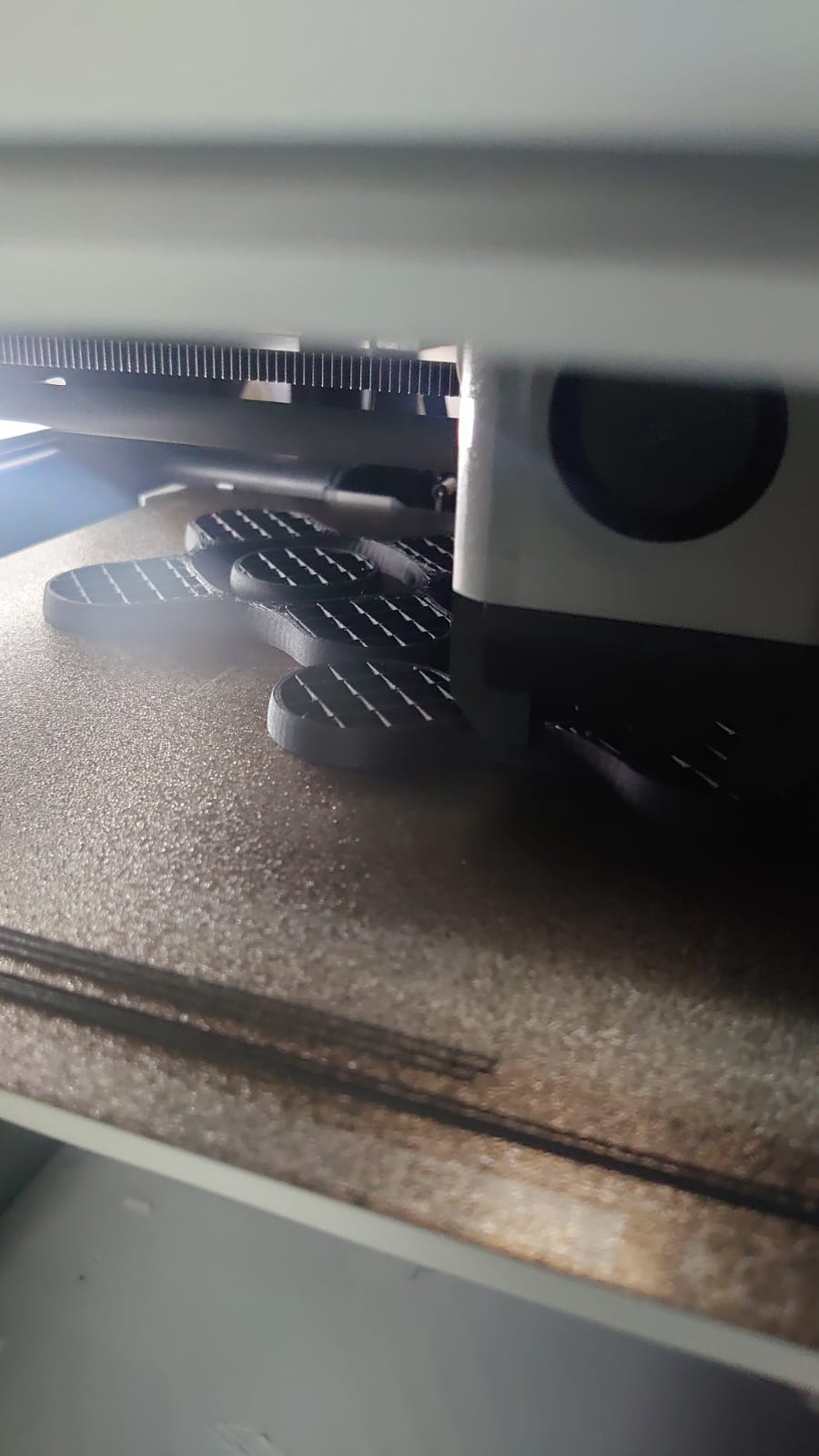
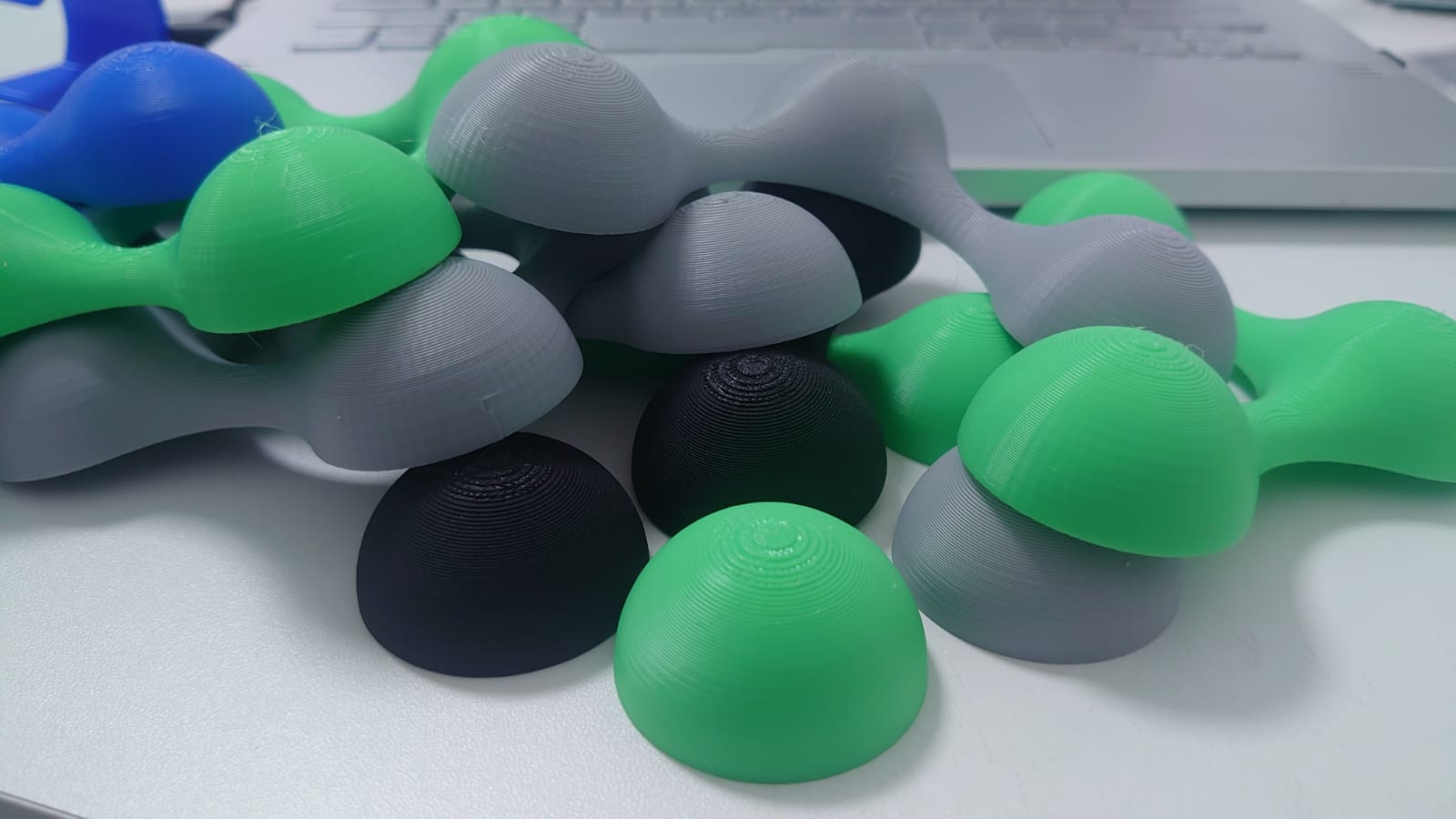
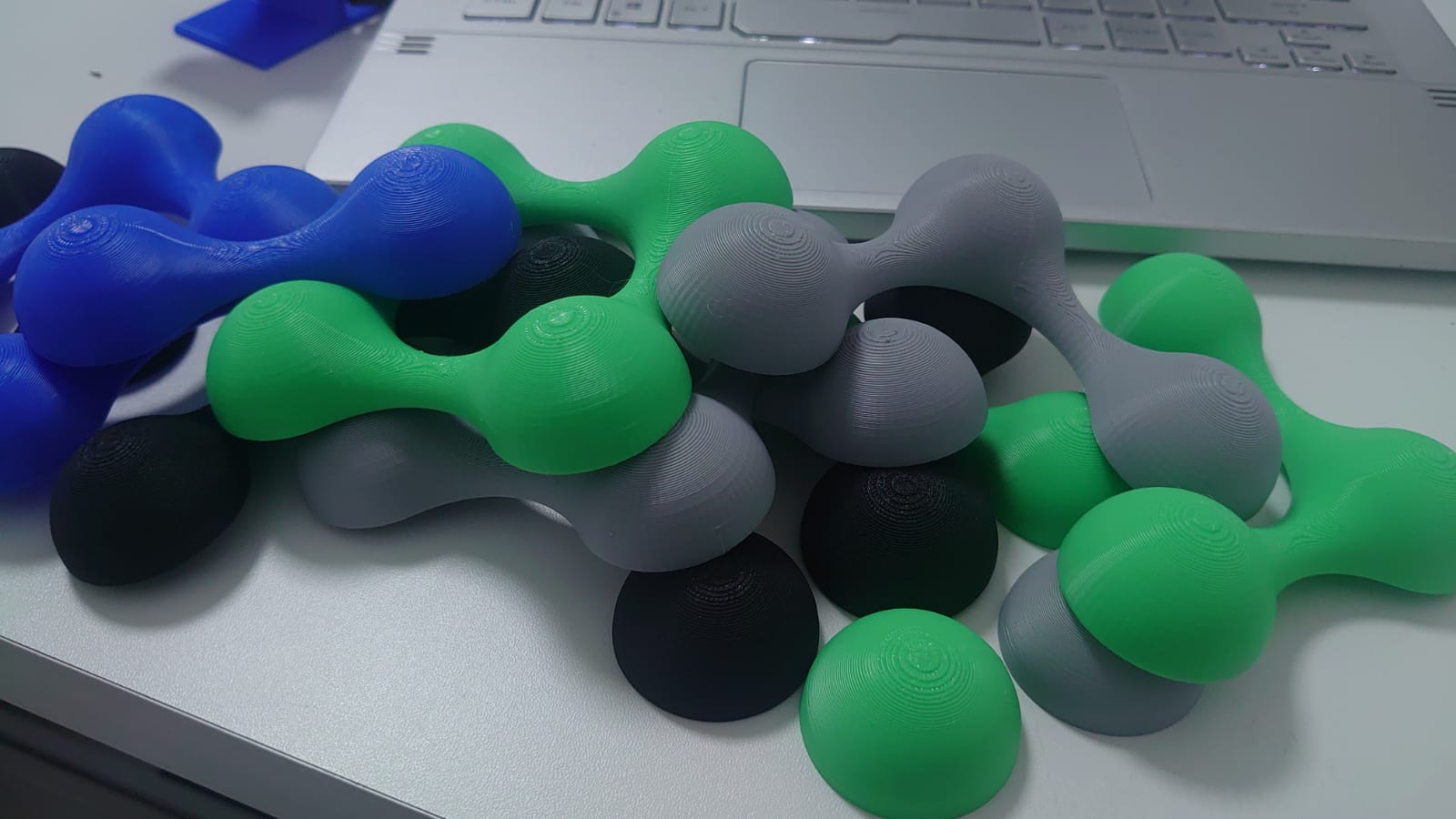
7. Printing of different colors by different processes.
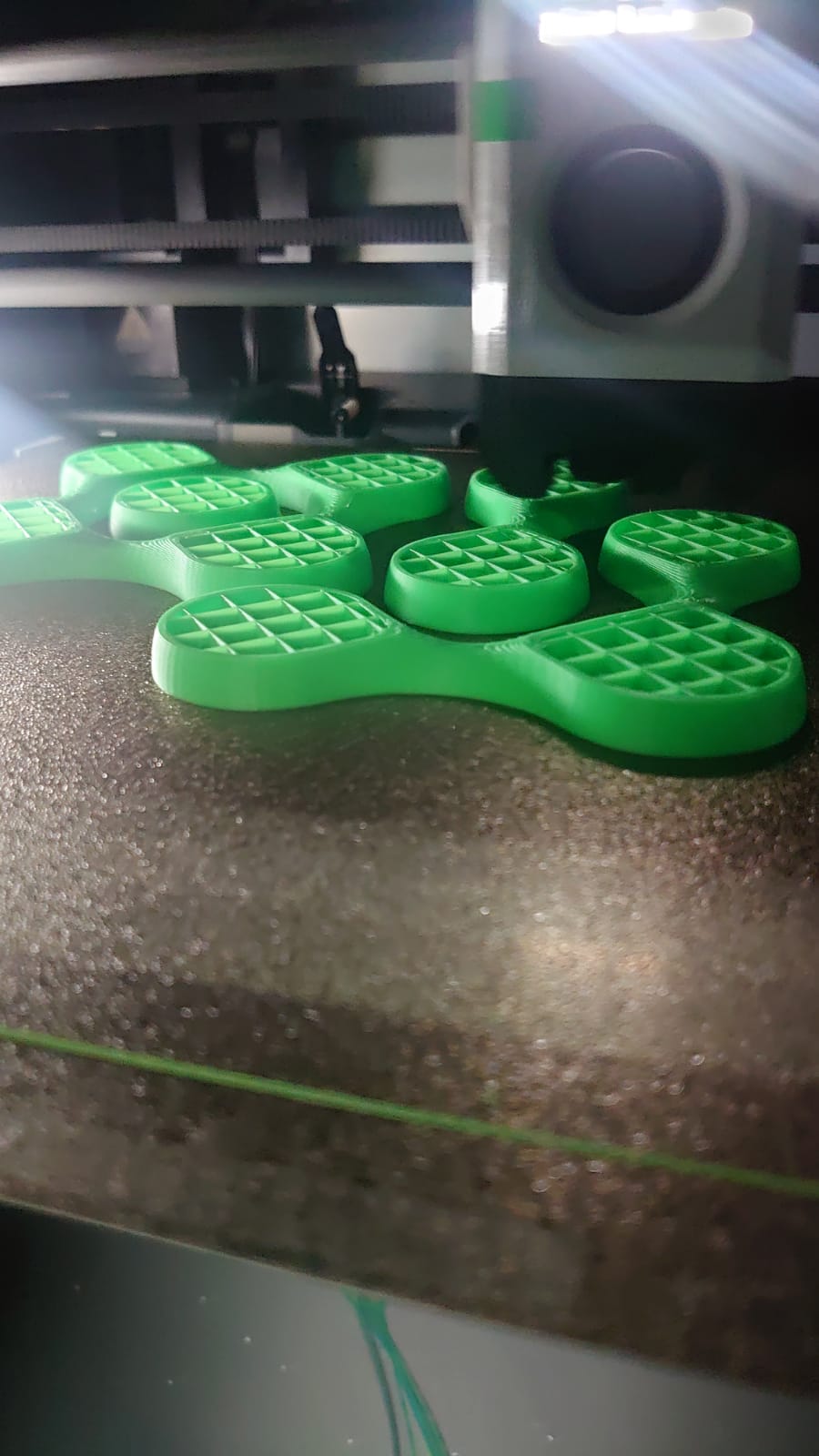
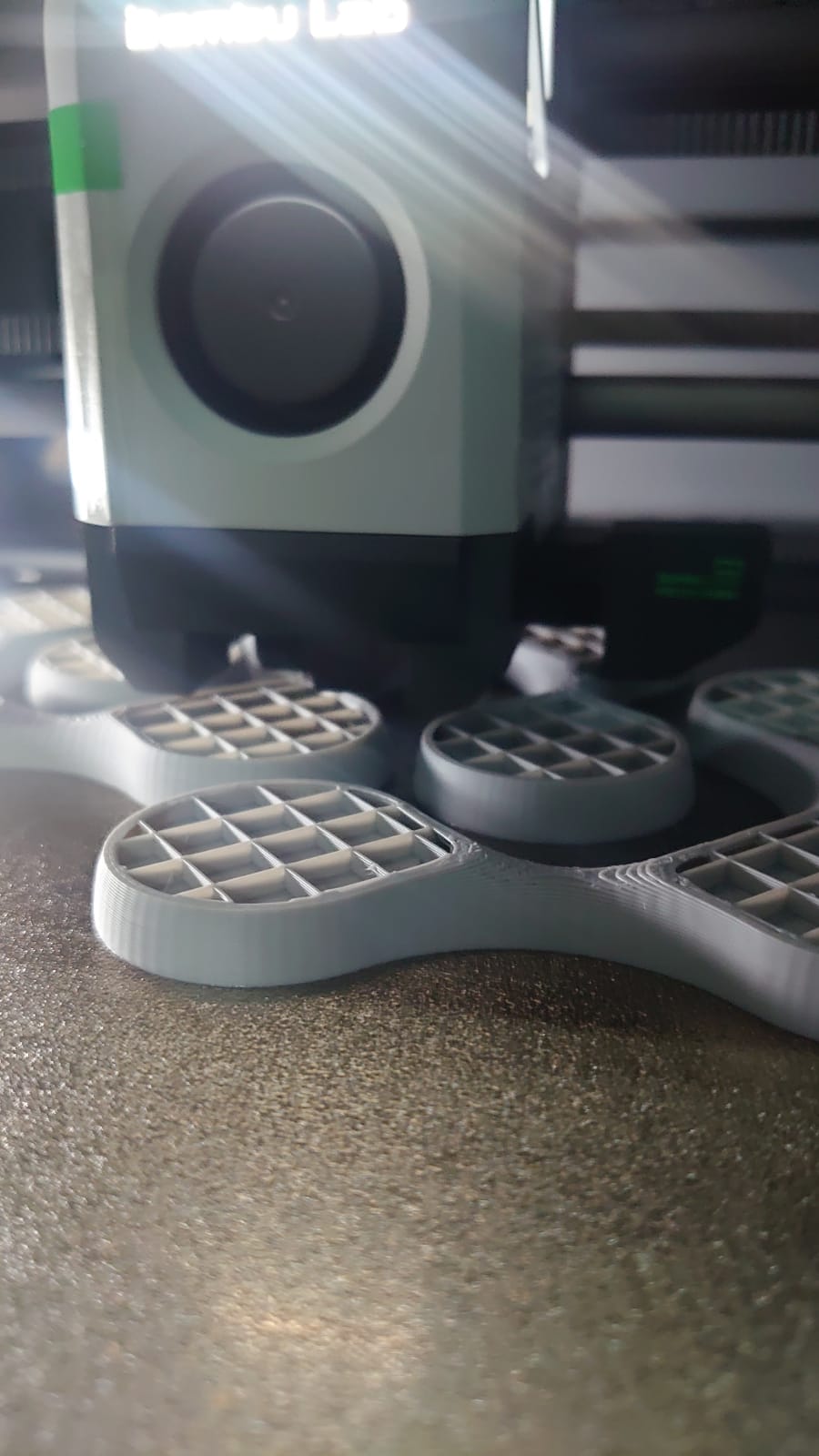
8. Removal of support in the sensor area.
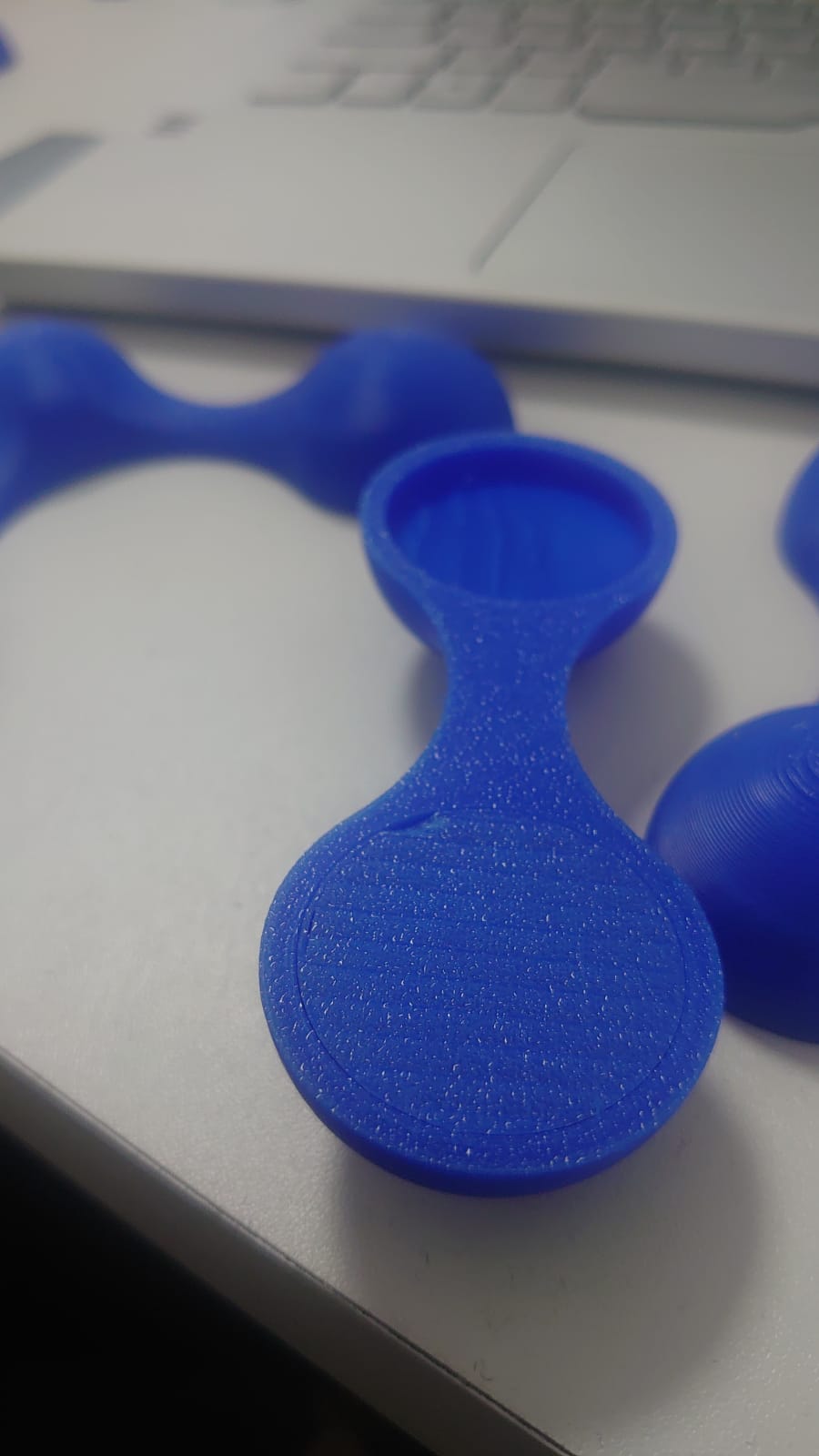
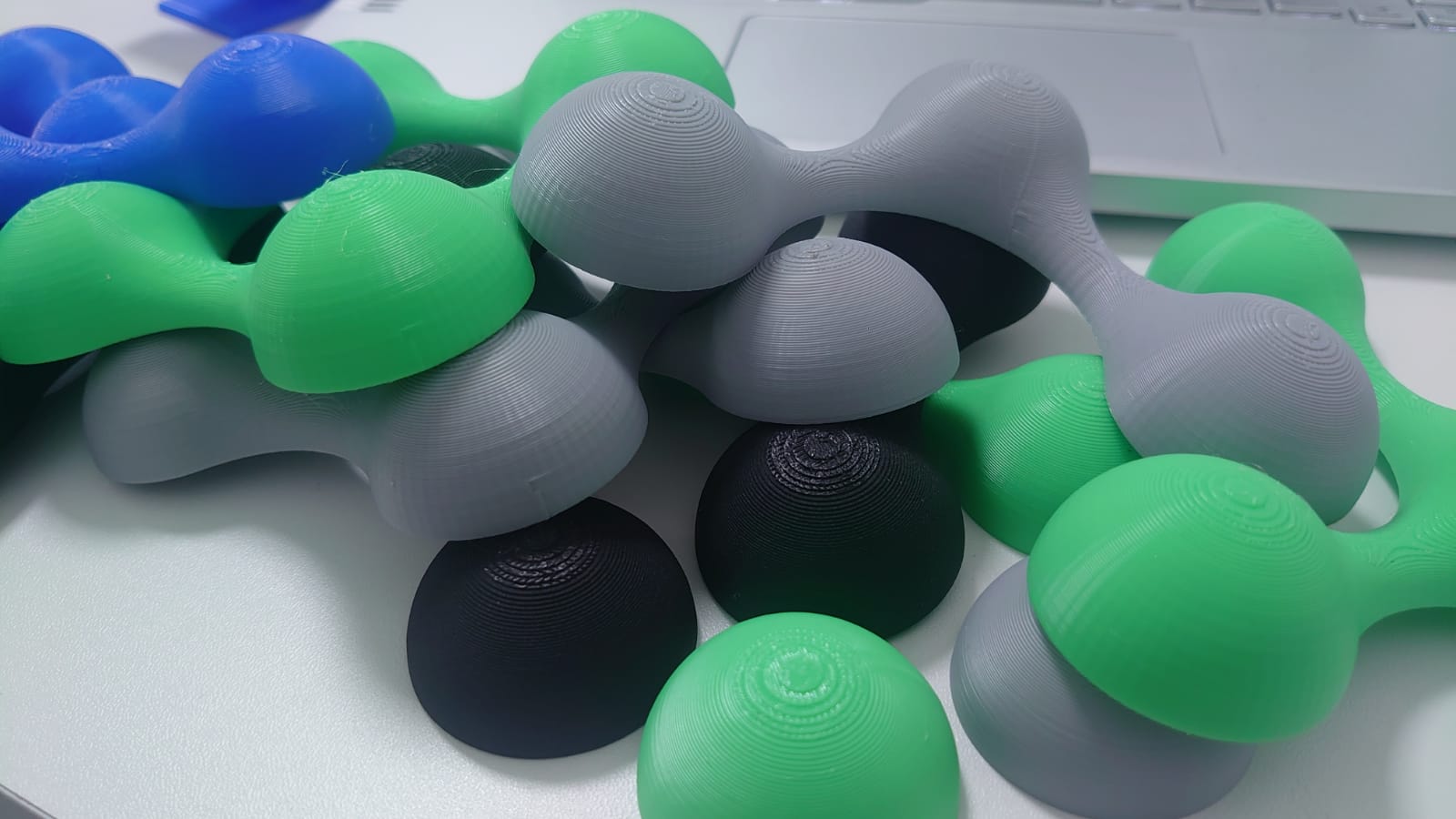
9. The final pieces have been printed and removed from the support.
Electronic Production and Programming
1. In order to obtain the multiplexed data, the CD74HC4067 is used, which allows us to have up to 16 sensors and multiplex their signal, which is a great advantage.
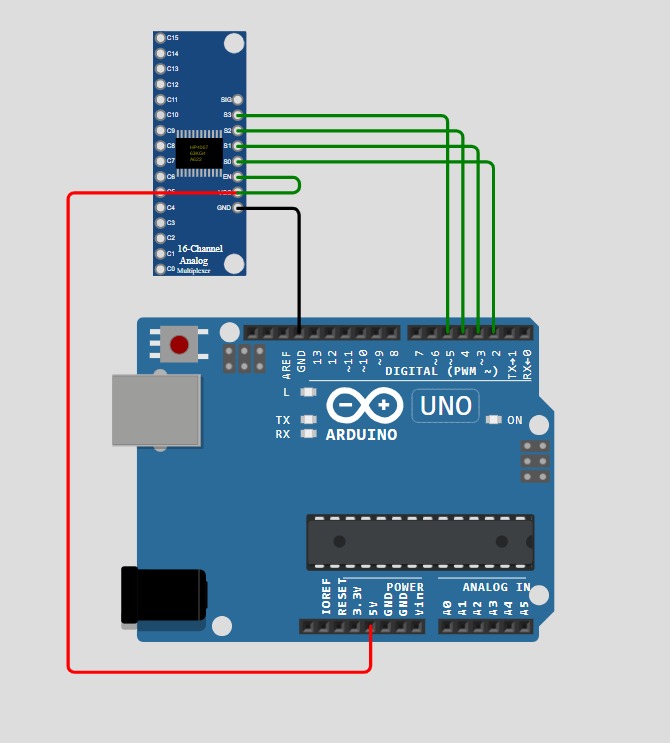
2. The connection of the 16 RFID sensors is the same as for sensor number 1, with the only difference being that the SDA pin of the RFID sensor is still connected to the different pins, from C0 to C15, of the multiplexer, while the other wires are connected in parallel.
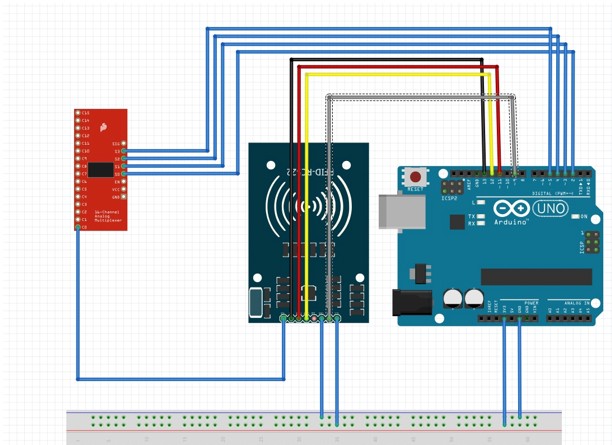
3. In this way, we can obtain a more simplified form of all the signals from the 16 RFID-RC522 sensors, which will allow us to have a better control and a clearer view of the situation.
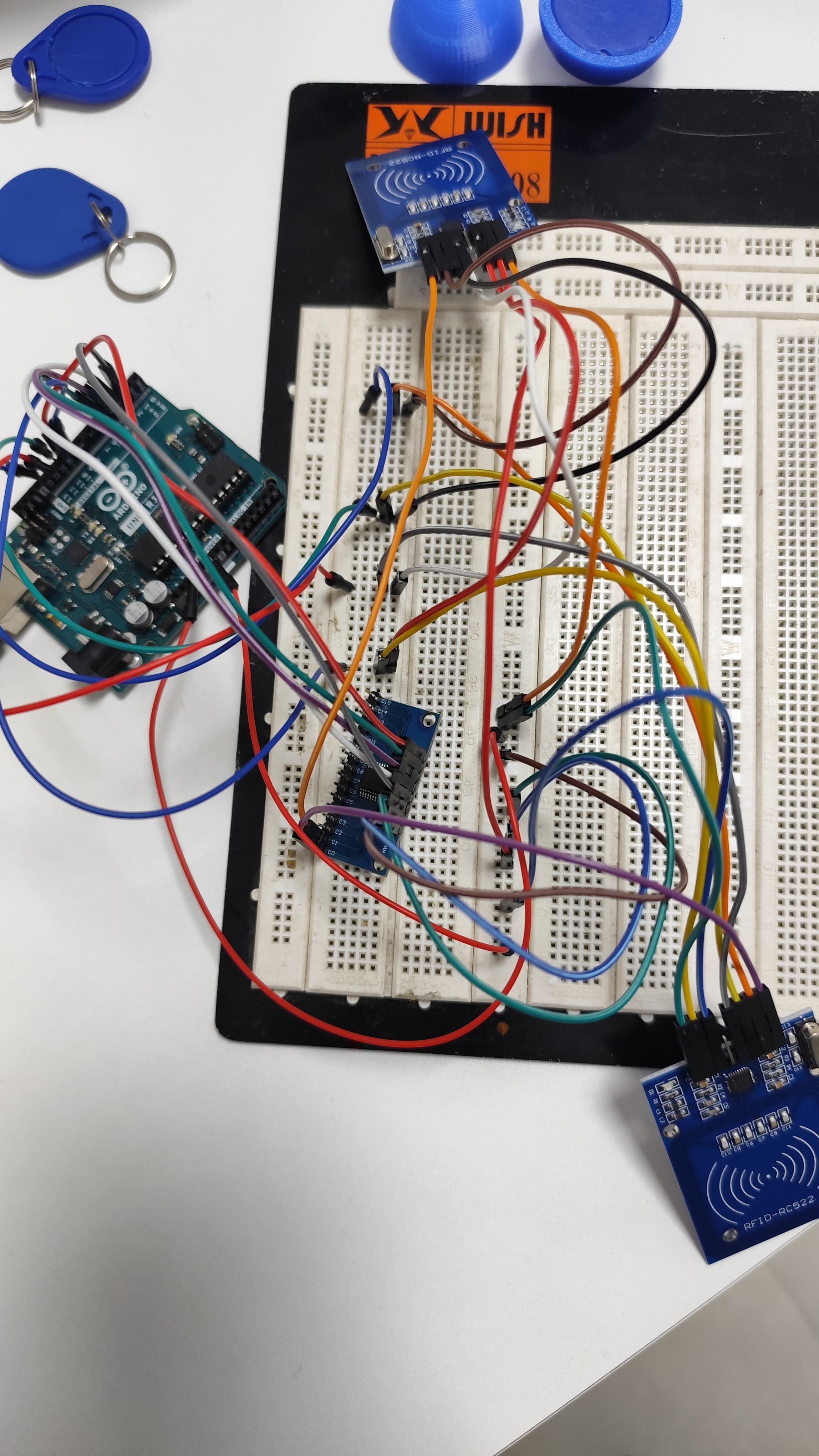
4. In order to test the functionality of the circuit, connections were made on a breadboard using two RFID sensors with the multiplexer, which was necessary to be able to verify that the circuit was working properly.
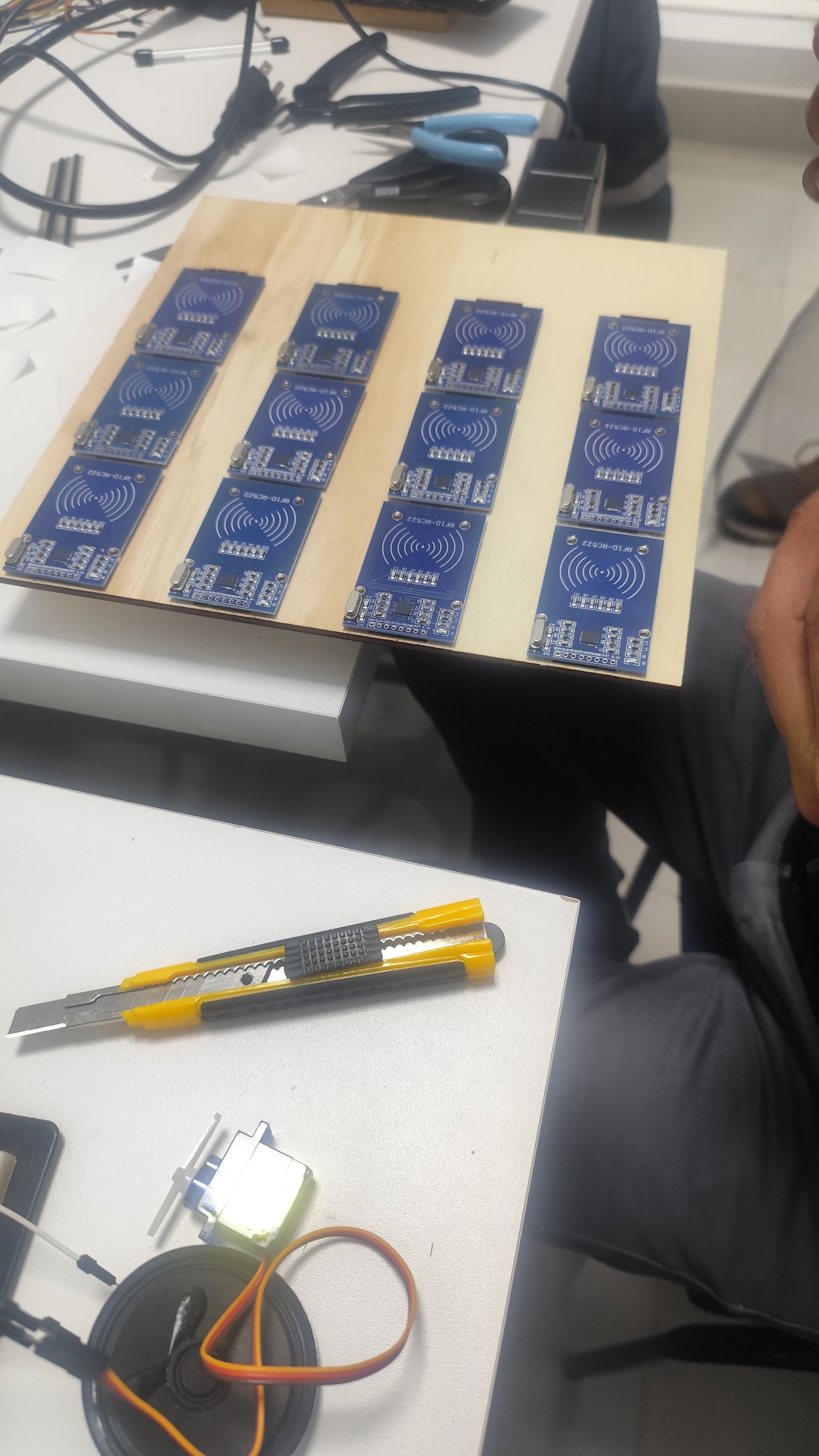
5. Once the system has been proven to work, the next step is to create a printed circuit board, as this simplifies the amount of wires to be connected and integrates all the electronic parts.
Seated and identified parts
Coupling of the pieces
Seated and identified parts
Coupling of the pieces
FINAL PRODUCT.
Conclusion
In conclusion, the planning of the interactive game device made it possible to effectively structure a solution. This solution is oriented to the cognitive needs of older adults. Through the organization of strategies, tasks and resources, the project responds to a specific social problem, promoting cognitive well-being through a stimulating game experience based on sensory interaction, which allows participants to improve their cognitive abilities in a playful way.