Project Development
Durante el Fab Academy, desarrollé varios proyectos que integran fabricación digital, electrónica y programación.
🌱 Maceta Inteligente (Smart Pot)
Un sistema de monitoreo de plantas con pantalla TFT integrada que muestra el estado de humedad y temperatura en tiempo real.

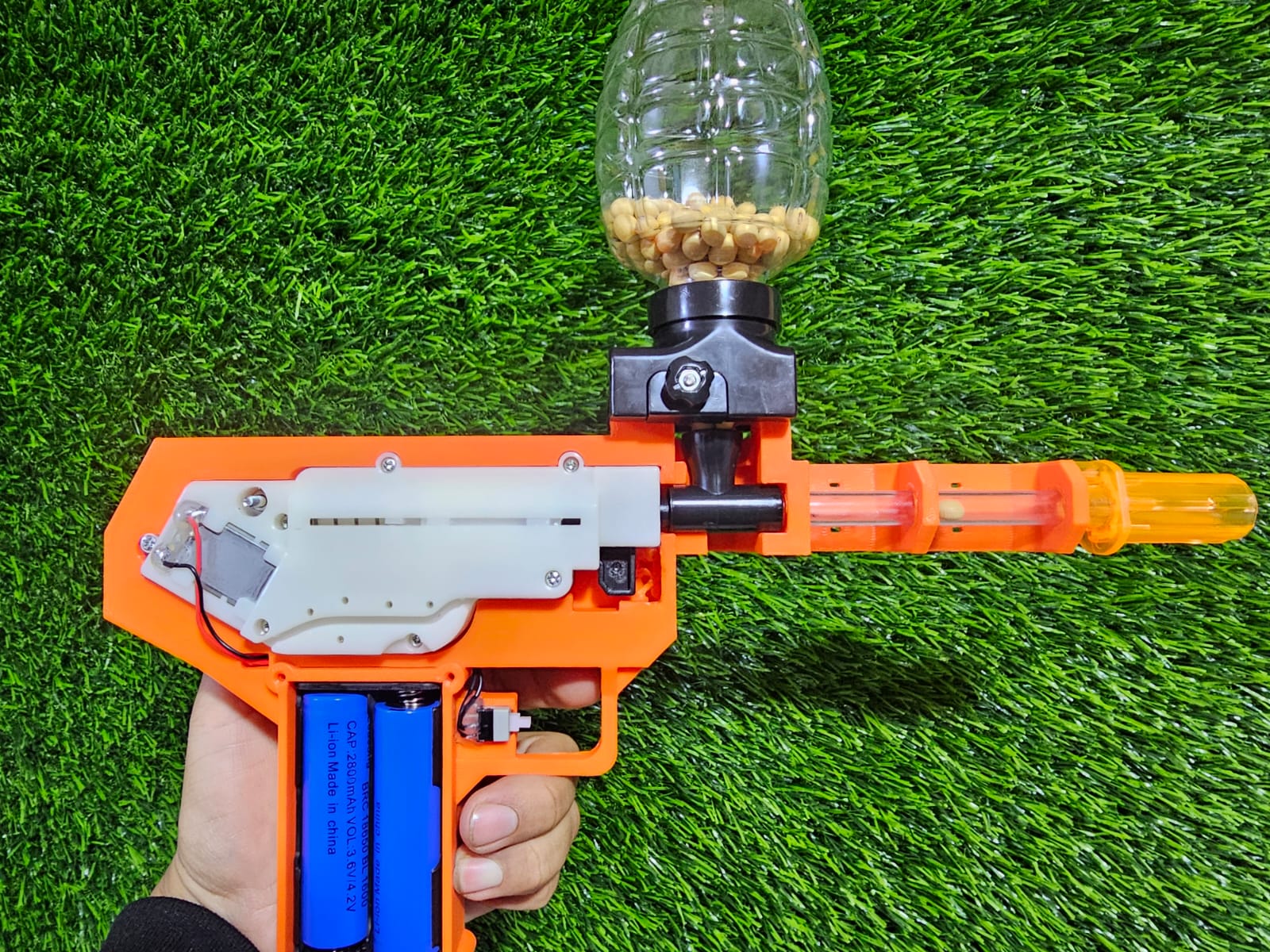
🌾 Pistola Semillera (Seed Gun)
Dispositivo diseñado para la reforestación eficiente, lanzando 'bombas de semillas' a distancia.
🔬 Biomateriales
Exploración con bioplásticos y materiales sostenibles.

Week 18: Invention, Intellectual Property and Income
Invention, Intellectual Property and Business Models
- Develop a plan for dissemination of your final project.
- Prepare drafts of your summary slide (presentation.png, 1920x1080) and video clip (presentation.mp4, 1080p HTML5, < ~minute, < ~10 MB) and put them in your root directory
Choosing a licenses for the final project
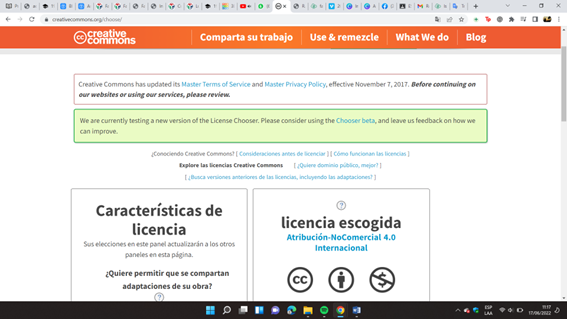
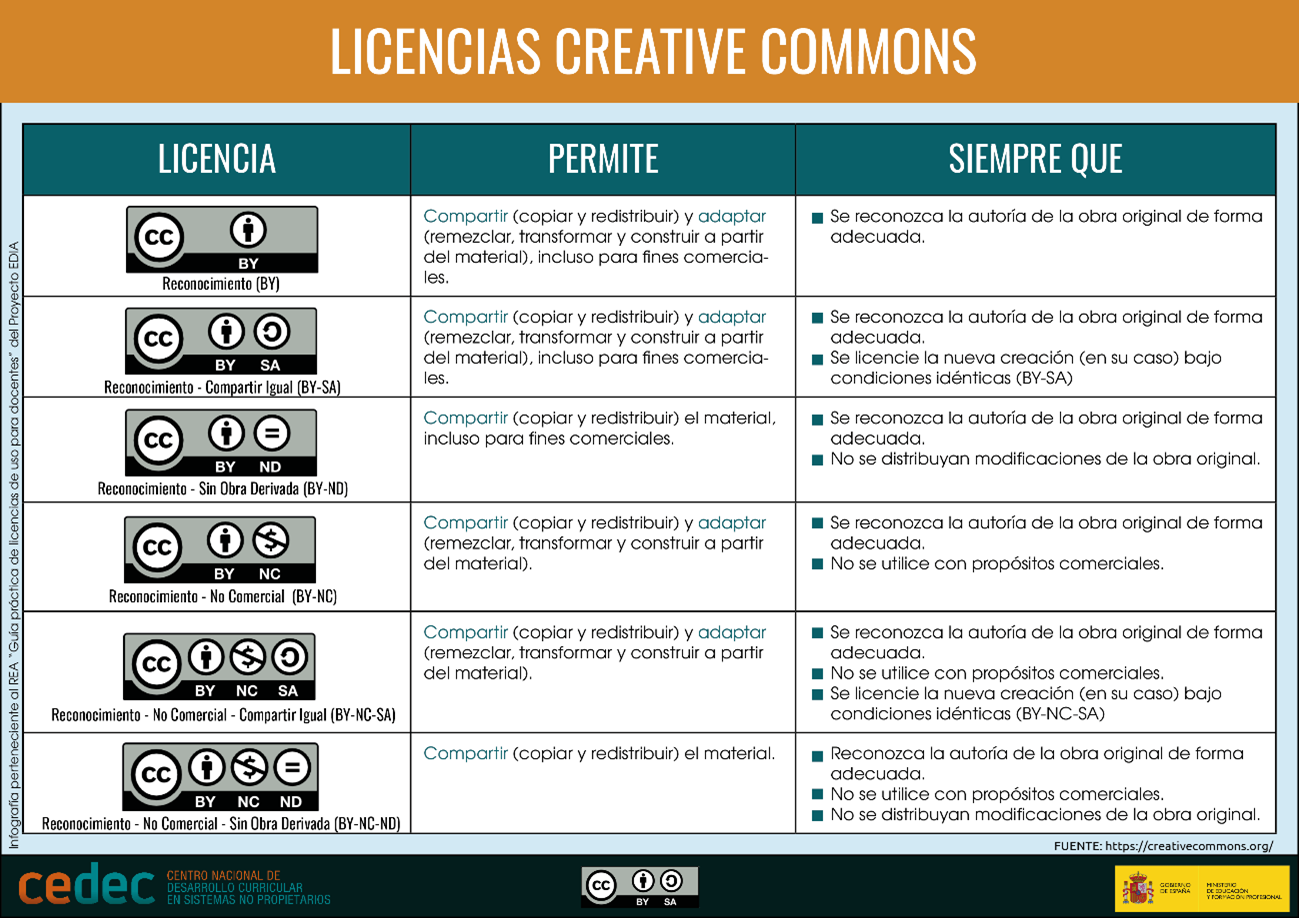
I have decided to distribute my work under a Creative Commons Attribution-NonCommercial-ShareAlike 4.0 International (CC BY-NC-SA 4.0) license. This ensures that attribution is given, usage is non-commercial, and any derivatives are shared under the same terms. This follows the open-source philosophy of the Fab Academy while protecting the project from unauthorized commercial exploitation.
Dissemination Strategy
I plan to share the full documentation and source files (STL, Gerber, and code) on my GitLab repository. Additionally, I will present the project at local Maker events and potentially publish a guide on platforms like Instructables to encourage others to build their own Sisyphus lamps.

 Esta obra está bajo una Licencia Creative Commons Atribución 4.0
Internacional.
Esta obra está bajo una Licencia Creative Commons Atribución 4.0
Internacional.
Dissemination plan for the Smart Piggy Bank project
The goal of this dissemination plan is to share the project's educational potential through specialized digital platforms, community workshops, and open-source networks. The following strategies will be implemented to position the project as a key teaching tool for both electronics and social-financial literacy:
-
Define the problem: As a problem we saw that our children, today young people, do not have the culture of saving, therefore they tend to spend on trivial things, and they need to have a culture of saving, and for this we have to implement a strategy that teaches them control and management of savings, that is where this idea of starting to cultivate is born the teaching of saving in the smallest.
-
Feasibility: I saw a possibility of implementing this project as a safe idea, since education and teaching is provided from the youngest, from our children and to stimulate them from an early age we have to manage to plant that seed, and that is why it was born. this "SMART PIGGY BANK" toy, with interactive and stimulating designs.
-
Population: First of all, we proceeded to segment our target market, which would be the population of Huando students, who are already mothers and fathers of families with children.
-
Action plan: It will be carried out with small talks to our young students, about this interactive toy, from there we will carry out a pilot plan of approximately one month, which will consist of giving a child the toy of the piggy bank, in order to analyze their level of learning about saving.
-
Evaluation: In this stage, after the determined time, we will see the degree of learning that we obtained when studying our final consumer (child), to be able to define, to what degree of learning we reached with our toy.
-
Sustainability: To achieve sustainability, our subject of study must be consistent with the savings methodology implemented for the pilot plan, from there we will be able to establish a savings scheme based on teaching in infants.
Our objective is to achieve familiarization, teaching and to be able to improve our saving culture, for this reason this project is without commercialization purposes. I plan to directly involve my institute, so that we can benefit from the experiences gained in the pilot plans developed.
References
Copia de Applications and implications de Cindy MarilynWeek 19: Project Development
Project Development
Project Development Tracking
In this phase, I focused on the integration of all systems. The primary tasks completed were:
- What is done: CNC milling of the base, 3D printing of the magnetic carriage, and initial circuit board assembly.
- What is remaining: Final calibration of the stepper motors, sand distribution testing, and Bluetooth stability in the mobile app.
- What worked: The magnetic coupling between the carriage and the steel ball works perfectly through the glass.
- What didn't: The first iteration of the motor mounts was too flexible, causing vibration; I redesigned them with reinforced geometry.